

























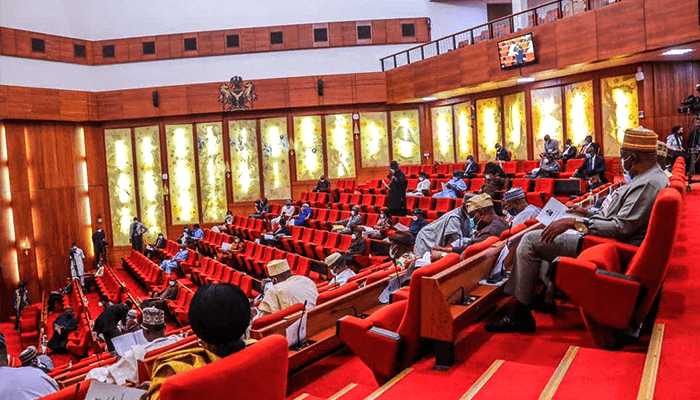
On Wednesday, the Senate ratified a new excise duty regime for sugar-sweetened beverages, replacing the current N10-per-litre levy with a retail price-based tax system aimed at curbing excessive sugar consumption, combating non-communicable diseases and generating additional funding for healthcare services for vulnerable Nigerians.
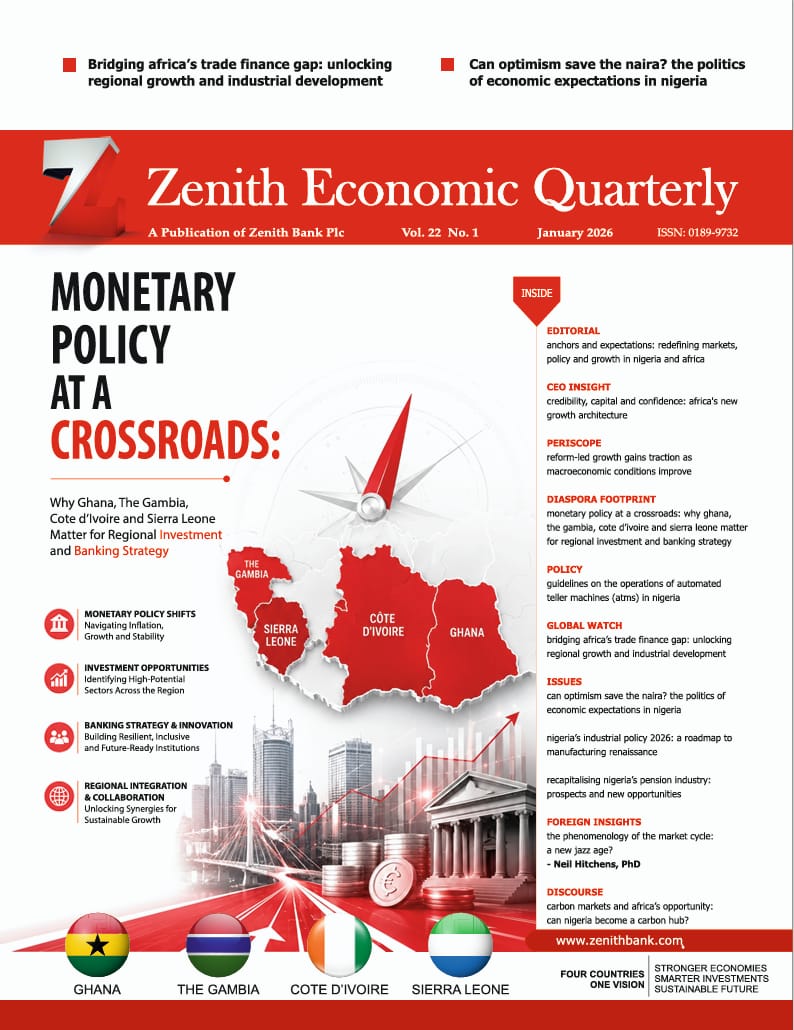 https://www.digital.zenithbank.com/ZEQ/ZEQ-jan-2026/index.html#p=1
The decision was reached after due consideration and adoption of the report by the Joint Senate Committee on Finance and Customs, Excise and Tariff on the Customs, Excise Tariff, etc. (Amendment) Bill, presented by the Chairman of the Senate Committee on Finance, Senator Sani Musa, representing Niger East Senatorial District.
With this ratification, the current flat-rate excise duty on sugar-sweetened beverages will be replaced by a levy calculated as a percentage of the retail price, with the specific rate to be determined by the Minister of Finance in line with international best practices.
The Senate also approved provisions directing that a portion of the revenue generated from the levy be dedicated to health promotion initiatives, disease prevention programmes, primary healthcare services and health insurance coverage for poor and vulnerable Nigerians.
Presenting the committee’s findings, Senator Musa said the existing N10-per-litre excise duty had been severely weakened by inflation and no longer served as an effective deterrent to excessive consumption of sugary drinks.
“The current excise duty of N10 per litre on sugar-sweetened beverages has been significantly eroded by inflation and is too low to effectively discourage excessive consumption or generate substantial revenue,” the committee stated.
The Senate noted that Nigeria is facing a growing burden of non-communicable diseases (NCDs), including diabetes, obesity, hypertension and cardiovascular diseases, many of which are linked to unhealthy diets and excessive sugar intake.
According to the committee, NCDs account for a significant share of illness and deaths in the country, placing increasing pressure on the healthcare system and imposing heavy financial burdens on households.
Lawmakers expressed concern that Nigeria’s healthcare system remains underfunded and largely dependent on out-of-pocket spending, a situation that limits access to essential healthcare services and exposes many citizens to financial hardship.
The Senate argued that health-related excise taxes could simultaneously advance public health and fiscal objectives by discouraging the consumption of unhealthy products while generating additional government revenue.
The committee observed that the current volume-based tax structure does not adequately reflect the sugar content of beverages and therefore provides little incentive for manufacturers to reduce sugar levels in their products.
In November 2025, during the public hearing on the bill, several stakeholders who participated in advocated a retail-price-based levy, arguing that increasing the tax would provide a more sustainable and effective taxation framework than the current flat-rate system.
Among organisations that made submissions during the hearing were the Nigeria Tobacco Control Alliance, Action for Women and Girls Initiative, Corporate Accountability and Public Participation Africa, Health Sector Reform Coalition Nigeria, Christian Network for Nation Building, Centre for the Promotion of Private Enterprise, Nigeria Employers’ Consultative Association, National Health Insurance Authority, Nigeria Immigration Service, Presidential Fiscal and Tax Reform Committee, Nigeria Cancer Society, Diabetes Association of Nigeria and the Civil Society Legislative Advocacy Centre.
The committee cited evidence from countries such as South Africa, Mexico and the United Kingdom, where sugar-sweetened beverage taxes have contributed to reduced consumption and improved health outcomes.
It also referenced recommendations by the World Health Organisation (WHO), which indicate that health-related taxes should increase retail prices by at least 20 per cent to significantly influence consumer behaviour and encourage healthier choices.
The Senate further noted that data from the Nigeria Customs Service showed that the existing excise duty on sugar-sweetened beverages generated more than N108.6 billion between 2022 and September 2025, demonstrating the sector’s potential as a sustainable source of revenue.
“The tax remains a viable source of government revenue and can be better leveraged to support public health priorities,” the committee observed.
While public health advocates strongly supported tougher taxation measures, some industry stakeholders expressed concerns about the possible impact on production costs, consumer prices and employment levels.
To address these concerns, lawmakers recommended that the Minister of Finance determine an appropriate percentage levy that balances public health objectives with economic realities and aligns with global standards.
The Senate further recommended that excise taxation on sugar-sweetened beverages be strengthened as part of a broader national strategy to reduce excessive sugar consumption and prevent non-communicable diseases.
Other recommendations adopted by the Red Chamber include exploring tax structures that better reflect sugar content or retail price, encouraging manufacturers to reformulate products and reduce sugar levels, strengthening the administration and enforcement of excise duty collection, and maintaining continuous engagement with industry operators and public health institutions during implementation.
The lawmakers also stressed that health should become a direct beneficiary of excise revenues derived from products associated with health risks.
According to the report, part of the proceeds from the levy should be channelled towards preventive healthcare programmes, management of non-communicable diseases, expansion of health insurance coverage for vulnerable Nigerians and the strengthening of primary healthcare facilities across the country.
The Senate further urged government to complement the tax reforms with nutrition awareness campaigns, improved food labelling standards and responsible marketing practices to ensure that fiscal measures are supported by broader public health interventions.
Lawmakers expressed optimism that the reforms would not only improve public health outcomes but also reduce the long-term economic burden imposed by non-communicable diseases on families and the nation’s healthcare system.
With the adoption of the report, the Senate has effectively endorsed a significant shift in Nigeria’s excise tax policy, positioning sugar taxation as a key tool for both public health promotion and sustainable healthcare financing.