Category: International Trade & Investment

  • Applications open for gender equality prize; IP spotlighted at trade and gender meeting

    Applications open for gender equality prize; IP spotlighted at trade and gender meeting

    At a meeting of the Informal Working Group (IWG) on Trade and Gender held on 1 June, the co-Chairs announced the launch of the third edition of the International Prize for Gender Equality in Trade, which recognizes gender-responsive trade policies. They also updated members on ongoing work with the Informal Working Group on Micro, Small and Medium-sized Enterprises (MSMEs). Members also shared experiences on the links between intellectual property, innovation and women’s economic empowerment as part of the group’s second thematic focus for 2026.

    The IWG co-Chairs – Ambassador James Baxter of Australia, Ambassador Clara Delgado of Cabo Verde and Ambassador Patricia Benedetti of El Salvador – announced the launch of the third edition of the International Prize for Gender Equality in Trade, which annually recognizes since 2024 the initiatives that advance women’s participation and leadership in trade.

    Based on a set of eight criteria, the Prize will recognize the best and most impactful gender-responsive national trade policy, export programme or aid for trade project adopted and implemented by WTO members as well as observer governments in support of women’s inclusion in trade and women’s economic empowerment. The award ceremony will be held during the Aid for Trade Global Review on 29 October. WTO members and observer governments are invited to apply for the Prize using the form available here.   

    The co-Chairs also reported on ongoing work for a new compendium titled “Empowering Women to Trade through Digitalisation: Policy Insights,” which was announced at the 14th Ministerial Conference in Yaoundé in March 2026. A survey questionnaire has been circulated among members of the informal working groups on trade and gender and on MSMEs, with a deadline of 13 July for responses. Additional information will be gathered from stakeholders, including international and regional organizations.

    Experience sharing: Intellectual property in focus

    Pakistan presented an overview of women’s participation in the country’s intellectual property (IP) system and national initiatives aimed at strengthening their engagement in innovation and the IP ecosystem.

    Women’s participation in patent filings by local applicants has increased steadily, with the share of resident-filed patent applications involving female inventors increasing from 43% in 2023 to 54% in 2025, Pakistan said. To address remaining barriers – such as limited knowledge of regulations and constrained access to legal support and commercialization opportunities – Pakistan said it has implemented targeted measures such as IP awareness programmes, a dedicated Women IP Helpline, the expansion of its Technology and Innovation Support Center network, support for participation in the World Intellectual Property Organization’s (WIPO) Inventor Assistance Program and WIPO-supported projects for women innovators. Future priorities include implementing a National IP Strategy, pursuing accession to the Patent Cooperation Treaty,

    Ukraine highlighted its efforts to strengthen women’s participation in the IP ecosystem as part of its broader strategy to promote innovation, entrepreneurship and inclusive development. The delegation outlined measures to improve women’s access to IP protection, financing opportunities and innovation support, including grant-awareness initiatives, educational webinars and targeted consultations for women entrepreneurs, researchers and inventors. Ukraine also reported that women account for 71.6% of employees at the national IP office and highlighted ongoing efforts to promote an inclusive IP culture and combat gender stereotypes in the commercialization of IP assets through awareness-raising activities and legislation prohibiting discriminatory advertising.

    WIPO and the International Trade Centre (ITC) presented their joint efforts to strengthen the use of IP protections by women entrepreneurs. Through a six-month IP and business coaching programme, women entrepreneurs received tailored mentoring, workshops and training sessions aimed at strengthening their understanding of IP protection, management and commercialization. The programme helped participants translate IP concepts into practical business tools, supporting stronger branding, market expansion and business growth. WIPO also highlighted its Intellectual Property and Gender Action Plan and ongoing collaboration with the Women Exporters in the Digital Economy (WEIDE) Fund, launched by ITC and the WTO Secretariat in 2024, to help women entrepreneurs better identify, protect and leverage IP assets as part of their export and business development strategies.

    Experts from the WTO Gender Research Hub and the Faculty of Law at the University of Cape Town discussed the gender dimensions of the African Continental Free Trade Area’s (AfCFTA) IP framework. They noted that while women face barriers in accessing and benefiting from IP systems, these challenges can be amplified in a continental market where businesses must navigate distinct regional IP frameworks. They highlighted the evolution of the AfCFTA legal architecture, from the 2018 framework agreement to the adoption of the IP Protocol in 2023 and the Women and Youth in Trade Protocol in 2024, which introduced stronger and more explicit commitments to support women in the registration, use and protection of IP rights.

    The presenters stressed that effective implementation of the agreement through trade policies will be critical, including capacity-building initiatives, improved access to information, stronger data collection and targeted support to help women leverage IP rights and participate more effectively in regional trade.

    Other presentations

    Costa Rica provided an update marking the conclusion of its presidency of the Inclusive Trade Action Group (ITAG) and its Global Trade and Gender Arrangement (GTAGA). During its presidency, Costa Rica focused on strengthening the institutional framework of both initiatives, advancing technical work through capacity-building activities on topics such as industrial property and trade facilitation with a gender perspective, and increasing the visibility of inclusive trade issues in international forums.

    Chile, which recently took over the presidency of the ITAG and the GTAGA, indicated that the work programme will focus on strengthening the monitoring and evaluation of inclusive trade policies to support evidence-based policymaking. The work programme also intends to promote the participation of under-represented groups in high value-added and technologically intensive sectors. Other areas of work include promoting the exchange of experiences on innovation, technology transfer, business incubators and export promotion programmes for women-led businesses.

    Brazil and Chile updated members on the first bilateral evaluation of the Trade and Gender Chapter of the Chile-Brazil Free Trade Agreement, which entered into force in 2022. The joint study analysed the participation of women-led enterprises in bilateral merchandise exports between 2021 and 2024. According to the study, the value of exports by women-led companies in Brazil to Chile more than doubled, increasing from US$ 187 million in 2021 to over US$ 397 million in 2024. On the Chilean side, export diversification increased significantly, with the number of tariff lines exported by women-led enterprises rising from 428 to 542.

    The Mongolian National Chamber of Commerce and Industry presented a range of initiatives aimed at supporting women entrepreneurs. The SheTrades Mongolia Hub, established in 2023, has reached more than 2,000 women entrepreneurs through networking, training and market access activities. Mongolia also highlighted its Women-Owned Certification Mark, designed to increase market opportunities of women-owned businesses. In addition, the WEIDE Fund is supporting 45 women entrepreneurs from six priority sectors in Mongolia to strengthen their export readiness, business growth and access to international markets through training and financial support.

    Canada reported on two recent events aimed at advancing the trade and gender agenda. The first examined the role of gender-responsive standards in promoting safer, more inclusive and market-relevant products and services, while reducing barriers to trade. The second event, organized with Barbados and the United Nations Sanitation and Hygiene Fund to mark Global Menstrual Health Day, focused on improving the safety, affordability and visibility of menstrual products through trade policy, including ongoing efforts to strengthen product classification under the Harmonized System and develop international standards for menstrual products.

  • Strait of Hormuz Crisis Raises Fresh Inflation, Fuel and Trade Risks for Nigeria, UNCTAD Warns

    Strait of Hormuz Crisis Raises Fresh Inflation, Fuel and Trade Risks for Nigeria, UNCTAD Warns

    The ongoing disruption of shipping activities through the Strait of Hormuz, one of the world’s most strategic energy corridors, is creating significant economic risks for vulnerable economies and could worsen inflationary pressures, fuel costs and trade challenges across developing countries, according to a new report released by the United Nations Conference on Trade and Development (UNCTAD).

    UNCTAD noted that the disruption has already triggered sharp increases in global oil and refined petroleum product prices, raising concerns over the economic impact on countries that depend heavily on imported energy. The report warned that continued instability in the region could significantly increase import bills, worsen inflation, strain public finances and slow economic growth in vulnerable economies.

    The organisation revealed that 65 of the 75 vulnerable economies assessed are net importers of oil, making them particularly susceptible to rising energy costs. According to the report, a sustained oil price surge could increase the annual oil import bill of these economies by more than $20 billion, affecting nearly one billion people worldwide.

    For Nigeria, the development comes at a time when inflationary pressures remain elevated and businesses continue to grapple with high operating costs. Analysts believe that any prolonged disruption in the Strait of Hormuz could push up international crude oil prices, resulting in higher domestic fuel costs, transportation expenses, logistics charges and imported inflation.

    The Strait of Hormuz handles approximately one-fifth of global oil shipments and remains one of the most important routes for the movement of crude oil, liquefied natural gas and fertiliser products. Since disruptions began earlier this year, global energy markets have experienced heightened volatility, with ripple effects extending across maritime transport, supply chains and food production systems.

    UNCTAD stressed that rising oil prices have implications beyond energy markets. Higher fuel costs raise freight rates and transportation costs, broadening inflation across economies. The report further noted that many developing countries face difficult choices between funding essential public services and absorbing rising fuel import costs.

    The global trade body also warned that fertiliser supply chains are increasingly vulnerable to the crisis, raising concerns about agricultural productivity and food security. Fertiliser prices have risen alongside energy costs, potentially adding further pressure to food prices in import-dependent economies.

    Quoting UN Secretary-General António Guterres, the report captures the human cost of the shipping standstill: “When the Strait of Hormuz is strangled, the world’s poorest and most vulnerable cannot breathe.”

    According to UNCTAD, sustained disruptions could weaken exchange rates, widen current account deficits, tighten credit conditions and slow economic growth, particularly in countries with limited fiscal buffers. The organisation therefore called for close monitoring of energy markets, supply chains and economic conditions as governments seek to mitigate the impact of the crisis.

    While global markets continue to assess the evolving geopolitical situation, the report highlights the growing interconnectedness of energy security, trade stability and economic resilience. For Nigeria and other emerging economies, the developments underscore the importance of strengthening domestic energy security, improving supply chain resilience and accelerating reforms aimed at reducing vulnerability to external shocks.

  • Global Economic Institutions Warn of Rising Energy, Food Security Risks as Middle East Conflict Deepens

    Global Economic Institutions Warn of Rising Energy, Food Security Risks as Middle East Conflict Deepens

    IEA, IMF, World Bank and WTO Coordinate Response to Growing Global Economic Pressures

    The International Energy Agency (IEA), International Monetary Fund (IMF), World Bank Group and World Trade Organization (WTO) have raised concerns over the escalating economic consequences of the ongoing conflict in the Middle East, warning that disruptions to energy supplies, rising food production costs and growing uncertainty could significantly impact vulnerable economies around the world.

    The warning followed a high-level meeting held on May 28 by the heads of the four global institutions as part of a coordination mechanism established to strengthen international responses to the energy, trade and economic implications of the conflict.

    In a joint statement issued after the meeting, the organisations noted that while the global economy has remained relatively resilient, the effects of the conflict are increasingly being felt through higher fuel prices, rising fertilizer costs and growing risks to jobs, livelihoods and economic stability, particularly in developing countries.

    According to the institutions, fertiliser prices have become a major source of concern as many countries enter critical planting seasons, raising fears of further pressure on global food production and food security.

    The organisations also highlighted growing risks in the global oil market as inventories continue to decline at an unprecedented pace due to significant disruptions in supply flows through the Strait of Hormuz, one of the world’s most strategic energy transit routes.

    They cautioned that if normal shipping operations are not restored quickly, continued depletion of oil inventories ahead of the peak summer demand period could create additional challenges for fuel security, energy markets and broader economic resilience.

    The four institutions disclosed that their discussions focused on assessing the impact of the conflict on the most affected countries and regions, identifying emerging risks and coordinating support measures for economies facing the greatest vulnerabilities.

    They further emphasised the need for close monitoring of fertiliser supply chains, energy markets, economic developments and policy responses by governments across the world.

    As part of ongoing efforts to strengthen global economic stability, the organisations said they are tracking measures being implemented by countries to mitigate the economic consequences of the conflict, with the aim of promoting transparency, sharing best practices and identifying potential threats to economic recovery.

    The institutions reaffirmed their commitment to continued collaboration and coordination as the situation evolves, pledging to support countries most affected by the crisis and help preserve global economic stability.

    For Nigeria and other emerging economies, the warning comes at a time when global energy market volatility, inflationary pressures and supply chain disruptions continue to pose significant challenges to economic growth, fiscal stability and food security.

    Analysts note that prolonged instability in the Middle East could lead to higher crude oil prices, increased transportation and production costs, elevated inflationary pressures and renewed uncertainty across global financial markets, with potential implications for businesses and consumers alike.

    The coordinated intervention by the IEA, IMF, World Bank, and WTO underscores growing international concern about the broader economic fallout of the conflict and the need for collective action to safeguard global growth and stability.

  • CPPE Warns Against Unchecked Import Liberalisation, Raises Deindustrialisation Concerns

    CPPE Warns Against Unchecked Import Liberalisation, Raises Deindustrialisation Concerns

    The Centre for the Promotion of Private Enterprise (CPPE) has expressed deep concern over growing calls for the unrestricted importation of petroleum products, warning that such a policy direction could undermine Nigeria’s industrialisation efforts and weaken the country’s economic sovereignty.

    In a policy statement titled “Import Liberalisation and the Risks of Deindustrialisation in Nigeria,” the CPPE cautioned that Nigeria should be consolidating domestic refining capacity and strengthening local production instead of drifting toward excessive import dependence.

    According to the economic advocacy group, the ongoing debate around petroleum product imports extends beyond the downstream oil sector and touches on the broader architecture of Nigeria’s economic philosophy, macroeconomic resilience, and long-term industrial development.

    “The debate goes far beyond petroleum products. It speaks to the very architecture of Nigeria’s economic philosophy, the future of industrialisation, the resilience of the macroeconomy and, ultimately, the preservation of the country’s economic sovereignty,” the CPPE stated.

    The organisation stressed that no country has achieved industrial greatness through import dependence, noting that prosperous economies are built on production, refining, manufacturing, value addition, and the strengthening of domestic productive capacity.

    It warned that countries that become excessively dependent on imports inevitably export jobs, weaken domestic industries, erode local investments, and compromise economic sovereignty.

    The CPPE therefore urged policymakers to avoid adopting a policy regime that undermines domestic production in the name of liberalisation or competition.

    Highlighting the consequences of import dependence, the organisation recalled that Nigeria’s long-standing reliance on imported petroleum products created major distortions within the economy over the years.

    According to the CPPE, excessive fuel importation placed enormous pressure on the country’s foreign reserves, weakened the naira, accelerated the collapse of domestic refineries, worsened foreign exchange illiquidity, and fuelled corruption within the subsidy regime.

    The group further noted that at the height of the fuel subsidy era, Nigeria spent trillions of naira annually subsidising imported petroleum products, effectively transferring jobs, industrial opportunities, and wealth creation to foreign economies.

    “The country was also spending over $10 billion annually on petroleum product imports,” the statement added.

    CPPE maintained that the consequences of the import-dependent model were severe and far-reaching, stressing the need for Nigeria to pursue policies that prioritise local refining, expand industrial capacity, and promote sustainable domestic production.

    The organisation called for a balanced economic approach that supports competition while protecting strategic national industries capable of driving employment, industrial growth, and economic resilience.

  • Spotlight- Ikechukwu Ofuani: A Master of Government Relations, Public Policy & Public-Private Partnerships

    Spotlight- Ikechukwu Ofuani: A Master of Government Relations, Public Policy & Public-Private Partnerships

    Ikechukwu Sylvester Ofuani, LLB, BL, MPA, DPO (Ghana), is a distinguished lawyer, government affairs strategist, and public policy leader whose career spans more than 18 years across Africa, the United Kingdom, and Ireland. Renowned for his expertise in government relations, regulatory affairs, stakeholder engagement, and policy advocacy, he has built a reputation as one of the leading voices shaping the intersection of public policy, corporate strategy, and development across Sub-Saharan Africa.

    With professional experience cutting across healthcare, MedTech, FMCG, international trade, development, corporate communications, and public-private partnerships, Ikechukwu has consistently demonstrated the ability to navigate complex regulatory environments while fostering strategic collaboration between governments, private institutions, multilateral organisations, and civil society stakeholders.

    Over the years, he has held senior leadership roles at organisations including Policy Vault Africa, Johnson & Johnson, Procter & Gamble, and the National Identity Management Commission project. In these capacities, he has led high-level engagements with governments, regulators, trade associations, development institutions, and international stakeholders, helping organisations shape policy ecosystems, strengthen institutional relationships, and drive sustainable impact.

    A significant part of his professional journey was spent at Johnson & Johnson, where he served as Director of Government Affairs and Policy for West and Central Africa. In that role, he led health system strengthening strategies and coordinated complex partnerships involving governments, donor agencies, regulatory institutions, and healthcare stakeholders across the region. His work focused on policy reform, regulatory harmonisation, strategic communications, grants management, and advocacy initiatives designed to strengthen healthcare delivery systems.

    Ikechukwu also played a strategic role in regional health diplomacy and pandemic preparedness. As one of Johnson & Johnson’s focal persons for African Union engagements on Ebola vaccines and pandemic preparedness, he coordinated engagements involving access teams, regulatory experts, medical affairs specialists, and global public health stakeholders. During the COVID-19 pandemic, he supported vaccine deployment efforts in Nigeria, Ghana, and Cameroon, and contributed to initiatives to address vaccine hesitancy and improve uptake across African countries.

    His contributions to Africa’s healthcare policy ecosystem have attracted continental recognition. He has publicly represented Johnson & Johnson as Director of Worldwide Government Affairs and Policy for West and Central Africa and has participated in high-level conversations on strengthening health regulatory systems, including at the U.S.-Africa Business Summit.

    Beyond multinational corporate leadership, Ikechukwu has also distinguished himself in the advisory and policy consulting space. He currently co-leads PV Advisors and Policy Vault Africa, a policy and government affairs advisory platform that supports organisations navigating Africa’s complex regulatory and stakeholder landscape. Through the platform, he provides strategic guidance to clients across sectors, helping them engage effectively with governments, regulators, policymakers, and development institutions.

    Under his leadership, Policy Vault Africa has contributed to broader governance and institutional reform conversations across the continent. One notable example is the organisation’s engagement with Nigeria’s Ministry of Budget and National Planning on policy digitisation and the preservation of institutional memory. The initiative seeks to improve transparency, accessibility, and the preservation of authentic policy documents for governments, researchers, private-sector actors, and citizens. Ikechukwu has consistently advocated the importance of accessible and credible policy information as a foundation for informed decision-making and long-term development planning.

    Another defining area of his impact has been public health advocacy and child survival initiatives. Ikechukwu currently serves as Project Lead of the SARMAAN Advocacy Team, where he is helping reposition SARMAAN II from a donor-supported intervention into a nationally owned and sustainably financed public health priority. Through strategic advocacy, communications, stakeholder engagement, and sustainability planning, he is supporting efforts to integrate child survival interventions into Nigeria’s broader healthcare policy architecture. His work places strong emphasis on domestic financing, institutional ownership, and building trust among governments, implementing partners, and local communities.

    His ability to transform policy conversations into measurable outcomes is further evident in his work on health system-strengthening partnerships. While at Johnson & Johnson, he successfully secured a ₦300 million healthcare partnership with Kebbi State focused on improving healthcare infrastructure across oncology, mental health, and immunology. The initiative reportedly led to the identification and treatment of over 200 indigent patients and became a model replicated in additional states.

    Prior to his healthcare and advisory engagements, Ikechukwu also recorded significant achievements in trade facilitation and investment enablement during his time at Procter & Gamble Nigeria. There, he led strategic engagements with regulatory agencies and government institutions across West Africa, facilitating multimillion-dollar investment approvals, securing customs fast-track arrangements, and supporting major industrial projects. Among his notable contributions was the coordination of government-facing engagements surrounding the commissioning of a US$300 million diaper manufacturing plant in Agbara, Ogun State, attended by senior government officials including the Vice President of Nigeria.

    Beyond his corporate and policy engagements, Ikechukwu is also committed to social impact and advocacy. He currently sits on the board of Stockport Advocacy in the United Kingdom, an organisation focused on advocating for children with learning disabilities. His leadership and contributions to public-private partnerships and Africa-focused policy engagement have earned him recognition, including being named a 2024 GCC Powerlist awardee.

    What distinguishes Ikechukwu Sylvester Ofuani is his rare combination of legal training, policy expertise, stakeholder intelligence, and strategic leadership. Across multinational corporations, advisory platforms, donor-supported programmes, and government-facing initiatives, he has built a career centred on helping institutions navigate complexity, build trust with governments, and translate policy engagement into tangible social and commercial impact.

    His journey reflects the growing importance of strategic government relations and policy leadership in shaping Africa’s development trajectory. Through his work, Ikechukwu continues to demonstrate that effective engagement between the public and private sectors remains one of the most powerful tools for driving sustainable growth, institutional reform, and transformational impact across the continent.

  • Nigeria’s Inflation Rises to 15.69% Amid Global Oil Tensions, Market Uncertainty

    Nigeria’s Inflation Rises to 15.69% Amid Global Oil Tensions, Market Uncertainty

    Nigeria’s headline inflation rate rose marginally to 15.69 per cent in April 2026 from 15.38 per cent recorded in March, reflecting renewed pressure on consumer prices despite signs of easing inflationary momentum across parts of the economy.

    The latest data released by the National Bureau of Statistics (NBS) showed that rising food prices, higher energy costs, and persistent supply chain disruptions continued to drive inflationary pressures nationwide.

    However, on a month-on-month basis, inflation moderated significantly to 2.13 per cent in April from 4.18 per cent in March, indicating that although prices are still increasing, the pace of increase slowed considerably during the month under review.

    On a 12-month average basis, inflation eased slightly to 19.16 per cent compared to 19.33 per cent recorded during the corresponding period last year.

    Food inflation remained a major concern for households as prices of essential commodities such as millet, beans, tomatoes, garri, yam flour, beef, soybeans, and plantain continued to rise. Food inflation stood at 16.06 per cent year-on-year in April.

    Core inflation, which excludes volatile agricultural produce and energy prices, slowed significantly to 15.86 percent from 26.05 percent recorded in April 2025, suggesting some moderation in underlying inflationary pressures outside food and energy-related components.

    Economic analysts noted that the latest inflation figures come at a time of heightened geopolitical uncertainty in the Middle East, particularly tensions involving Iran, Israel, and the United States. The resulting volatility around the Strait of Hormuz has continued to pressure global crude oil prices, raising concerns over imported inflation, transportation costs, and energy prices within the Nigerian economy.

    Money Market

    In the money market, banking system liquidity weakened during the week, opening at ₦4.92 trillion before closing at ₦5.86 trillion.

    The Open Buy Back (OBB) rate remained unchanged at 22.00 percent, while Overnight (OVN) rates rose by five basis points to close at 22.24 percent.

    Analysts expect rates to remain around current levels in the near term.

    Treasury Bills Market

    The Treasury Bills market traded on an active but cautious note during the week, with strong investor demand focused mainly on the 6-May bill, which traded below the 16 percent level.

    Market activity was also shaped by several Open Market Operations (OMO) auctions conducted by the Central Bank of Nigeria (CBN) to mop up excess liquidity from the financial system.

    Despite elevated stop rates, investor participation remained strong across various tenors offered by the apex bank.

    Towards the end of the week, market sentiment remained relatively calm, although mild bearish pressure emerged following aggressive liquidity absorption by the CBN.

    Overall, average benchmark yields declined by five basis points week-on-week to close at 17.41 percent.

    Bond Market

    Trading in the Federal Government of Nigeria (FGN) bond market remained subdued as investors adopted a cautious approach ahead of the May bond auction.

    The Debt Management Office (DMO)’s release of the May auction calendar, which favoured longer-dated instruments, triggered mild bearish sentiment across the fixed-income market.

    Yields on benchmark instruments such as the 2032 and 2035 maturities hovered around the 16.75 percent to 16.95 percent range during the week.

    By the close of trading, selling pressure intensified slightly on mid-tenor instruments as investors repositioned ahead of the auction.

    Average benchmark yields in the bond market increased marginally by three basis points week-on-week to settle at 15.80 percent.

    Eurobond Market

    Nigeria’s Eurobond market witnessed significant volatility amid escalating geopolitical tensions involving the United States and Iran, as well as stronger-than-expected inflation data from the United States.

    Concerns over possible disruptions around the Strait of Hormuz and uncertainty surrounding global trade discussions contributed to risk-off sentiment among investors.

    As a result, average benchmark yields in the Eurobond market rose by 22 basis points week-on-week to close at 6.90 percent.

    However, market sentiment received some support following the recent sovereign rating upgrade for Nigeria by S&P to “B”.

    Currency Market

    The naira weakened further against the United States dollar during the week.

    At the Nigerian Foreign Exchange Market (NFEM) window, the naira depreciated by 0.71 percent week-on-week to close at ₦1,371.04/$.

    Equities Market

    The Nigerian equities market closed the week on a weaker note as the NGX All-Share Index declined by 0.76 percent to settle at 250,330.9 points.

    Market capitalization also dropped to ₦160.4 trillion.

    Trading activity was mixed, with volume traded declining by 24.57 percent to 784 million shares, while value traded increased slightly by 4.14 percent to ₦43.3 billion.

    Despite the daily decline, the market maintained a positive weekly performance, posting a 2.27 percent gain driven by strong performances in stocks such as BERGER, SCOA, and DAARCOMM.

    Overall, the Nigerian stock market has recorded an impressive year-to-date return of 60.87 percent, reflecting sustained investor interest in selected sectors of the market.

  • FG engages World Bank for second-largest $1.25 billion loan deal

    FG engages World Bank for second-largest $1.25 billion loan deal

    The Federal Government of Nigeria is engaging the World Bank for a fresh $1.25 billion loan under a proposed programme aimed at expanding access to finance, digital services, electricity, and supporting reforms in tax, trade and agriculture.

    The facility, titled Nigeria Actions for Investment and Jobs Acceleration, is listed as a Development Policy Financing operation, with the Federal Republic of Nigeria as borrower and the Federal Ministry of Finance as implementing agency.

    According to a World Bank Programme Information Document, the proposed approval date for the facility is June 26, 2026, while the review has already authorised the team to proceed with appraisal and negotiation after incorporating guidance and receiving legal evidence for prior actions met.

    The World Bank document states that the proposed development objective is to support the government’s efforts to expand access to finance, digital and electricity services, while strengthening competitiveness through tax, trade and agriculture reforms.

    The financing is structured as a standalone Development Policy Financing operation and is expected to support Nigeria’s shift from macroeconomic stabilisation to inclusive growth and job creation.

    • The document read, “The proposed Development Policy Financing (DPF) supports reforms initiated by the Government aimed at pivoting from stabilization to inclusive growth and job creation. The $1.25 billion standalone operation builds on recent progress in restoring stability and underpins the Government’s shift toward an inclusive growth model.” 

    The Bank said the programme builds on recent stabilisation gains and supports Nigeria’s long-term growth model, targeting 7% growth, anchored in a private-sector-led, public-sector-facilitated strategy.

    The first pillar will focus on access to finance, digital services and electricity. It will support the Investment and Securities Act 2025, the operationalisation of credit enhancement facilities, the adoption of the National Digital Economy and E-Governance Bill, a national metering framework, and private participation in interconnected mini-grids.

    The second pillar will focus on competitiveness through trade, tax, and agricultural reforms, including reducing trade barriers, improving seed supply, implementing VAT e-invoicing, and establishing a minimum effective corporate tax rate.

    The World Bank said Nigeria had implemented major reforms since 2023, including the removal of the petrol subsidy, unification of the exchange rate, halting of central bank deficit financing and strengthening of revenue administration.

    It said these steps helped restore stability, improve revenues, narrow the deficit, ease debt pressure, grow reserves, reduce foreign exchange volatility and improve investor confidence.

    • However, the Bank warned that Nigeria has not yet moved decisively into a higher and inclusive growth path, noting that growth remains modest, per capita income is rising by less than 2%, and 63% of Nigerians, over 139 million people, remained in poverty in 2025.
    • The document also cited shallow financial intermediation, weak competition, high trade barriers, low-productivity agriculture, infrastructure gaps in power, transport and digital connectivity, and weak governance as constraints to faster growth.

    However, the World Bank assessed the overall risk of the new operation as high, citing political and governance risks ahead of the 2027 elections, macroeconomic risks from oil price vulnerability, inflationary pressure from a prolonged Middle East conflict, possible setbacks in revenue reforms, election-related spending, weak coordination among ministries and agencies, fiduciary risks, and social risks around trade reforms.

    Nairametrics observed that the proposed $1.25 billion deal comes after about $9.35 billion in World Bank loan approvals for Nigeria under President Bola Tinubu between June 2023 and May 2026.

    If approved in June, the new facility would raise total World Bank approvals under the current administration to about $10.6 billion.

    The loan would also become the second-largest single World Bank loan approved for Nigeria under President Tinubu, after the $1.5 billion Reforms for Economic Stabilisation to Enable Transformation Development Policy Financing approved in June 2024.

    The Accountant-General of the Federation, Dr Shamseldeen Babatunde Ogunjimi, earlier warned that Nigeria may decline or withdraw from World Bank loan arrangements if approval and disbursement processes continue to suffer prolonged delays.

    The AGF stressed that funds being sought from the World Bank were loans, not grants, and said Nigeria, as a responsible borrower, deserved timely consideration and processing of its funding requests.

    According to the statement, Ogunjimi urged the World Bank to speed up approval processes and ensure prompt release of project funds meant to support Nigeria’s development priorities.

  • FDI: Invest in Lagos 3.0 to attract N4tr

    FDI: Invest in Lagos 3.0 to attract N4tr

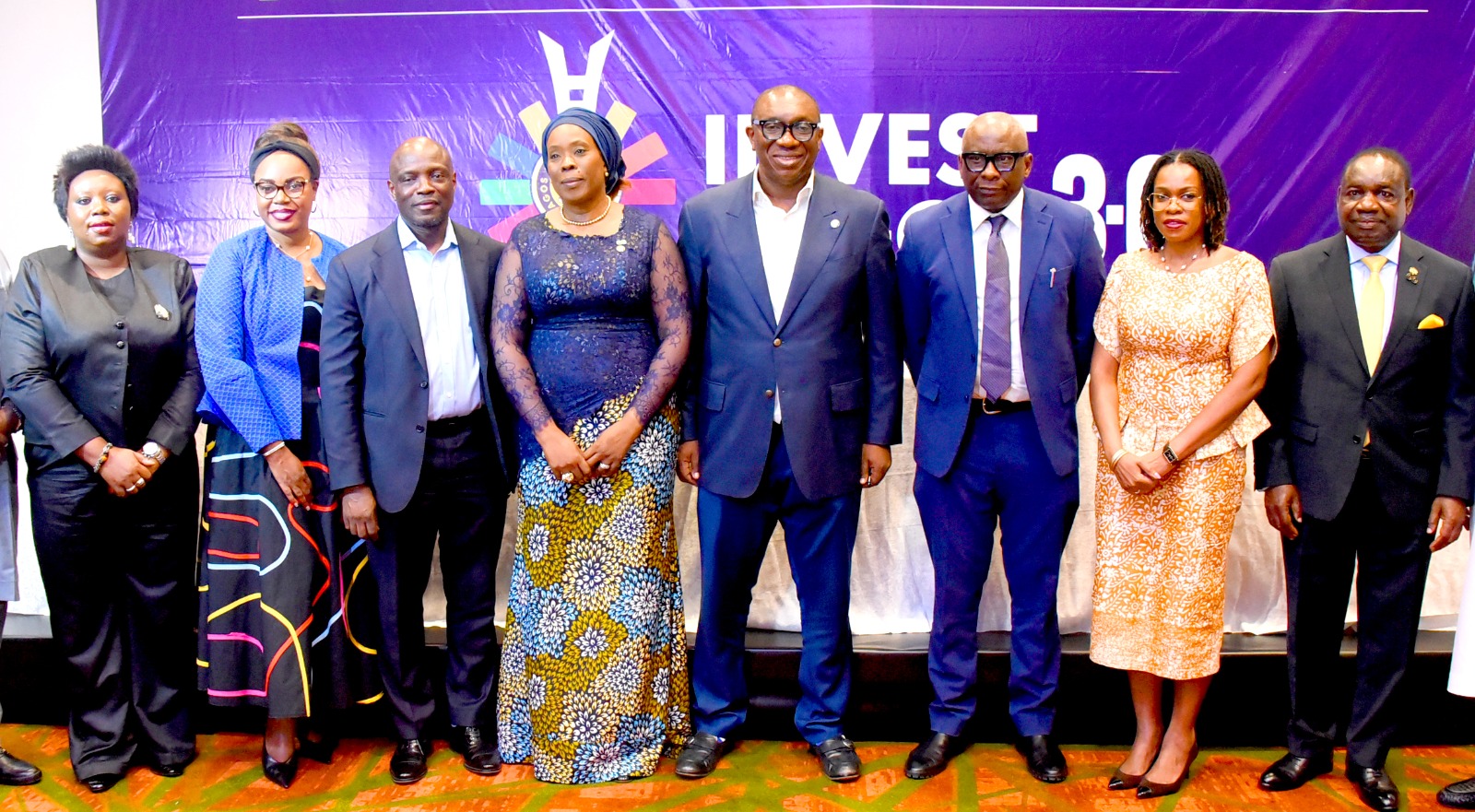
    The Lagos State Government is set to host the third edition of its flagship investment forum, ‘Invest in Lagos 3.0’, with the target to attract both local and foreign direct investment worth N4trillion. The summit is scheduled to be held from Monday, June 08 to Tuesday, June 09, 2026, at Eko Hotels and Suites, Victoria Island, Lagos state, in partnership with the Commonwealth Enterprise and Investment Council (CWEIC).

    The summit, which will attract experts and business leaders from the fifty-six Commonwealth nations, is conceived to position Lagos as Africa’s leading sub-national hub for capital flows, trade integration, financial innovation, and infrastructure development.

    Speaking during a press conference held on Tuesday, May 12, 2026 at Eko Hotel & Suites, the Co-Chair, Local Organising Committee (LOC), Invest Lagos Summit 3.0 & Honourable Commissioner for Commerce, Cooperatives, Trade and Investment, Folashade Bada Ambrose-Medebem declared that outcomes from Invest in Lagos Summit 3.0 will build on and surpass the achievements of the previous editions with greater depth, stronger global engagement, and clearer implementation pathways”.

    Ambrose-Medebem explained the high-level forum, themed “Lagos: The Business Gateway to Africa -Where Innovation Meets Capital” is expected to feature investment opportunities across key priority sectors including infrastructure, industrialisation, the digital economy, agriculture, energy transition, logistics, financial services, real estate, and SME development.

    “Lagos sits at the centre of the African economic story. With a population in excess of 23 million people, a GDP that ranks among the largest city economies on the continent, expanding infrastructure, a vibrant innovation ecosystem, a growing industrial base, and one of the busiest seaports in Africa, Lagos remains uniquely positioned as the preferred destination for investment, trade, manufacturing, finance, technology, and enterprise development”, she said.

    In his remarks at the conference, the Co-Chair of the Local Organising Committee & Deputy Chief of Staff to Lagos State Governor, Mr. Sam Egube, disclosed that more than twenty-nine global speakers from across the different countries of the world and industries have confirmed attendance

    “This summit will move conversation into measurable outcomes. In fact, the summit will spotlight key sectors including technology, infrastructure, healthcare, transportation, energy, environment, and the creative economy “, he added.

    With this Summit, Lagos is determined to translate investment conversations into deployable channels and maintain commitment to the Lagos State Development Plan 2052 as well as the T.H.E.M.E.S+ policy framework of the current administration designed to stimulate socio-economic development in the state.

    It is expected that the 500 to 600 high-level delegates comprising innovators, global institutions, sovereign wealth funds, development finance institutions, multilateral institutions, structured finance specialists, trade networks across the Commonwealth, and senior public officials confirmed for attendance will share perspectives that will ease movement of conversations into measurable outcomes.

    Among the key guests already confirmed for the summit are the Governor of Lagos State, Babajide Sanwo-Olu; Deputy Governor, Lagos State, Dr. Kadri Obafemi Hamzat; Hon. Minister of Industry, Trade & Investment, Dr. Jumoke Oduwole; the Chair, Commonwealth Enterprise & Investment Council (CWEIC), Lord Marland; The Secretary-General, Commonwealth, Hon. Shirley Botchwey; the Co-Chair, Lagos Finance & Investment Council (LFIC) Mr. Aig Imoukhouede; Chief Growth & AI Officer, Middle East & Africa, Microsoft, Tomiwa Williams; MD/CEO, First Bank of Nigeria, Olusegun Alebiosu; MD/CEO, Sterling Bank, Abubakar Suleiman; MD/CEO, Lagos Free Zone, Adesuwa Ladoja; Chairman, Nigeria Sovereign Investment Authority (NSIA), Segun Ogunsanya; Vice President, Adani Group, Shahzad Athar and CEO, Benoy, Tom Cartledge.

    As a summit designed to drive private sector investment, stimulate enterprise growth, expand value chains, strengthen the fiscal sustainability of Lagos, Invest in Lagos 3.0 is more than a mechanism for economic growth acceleration, but also a platform for showcasing the investment sustainability of Lagos and a catalyst for structured engagement with capital providers.

  • Norwegian Sovereign Wealth Fund Eyes Partnership with Dangote Group on Africa Investments

    Norwegian Sovereign Wealth Fund Eyes Partnership with Dangote Group on Africa Investments

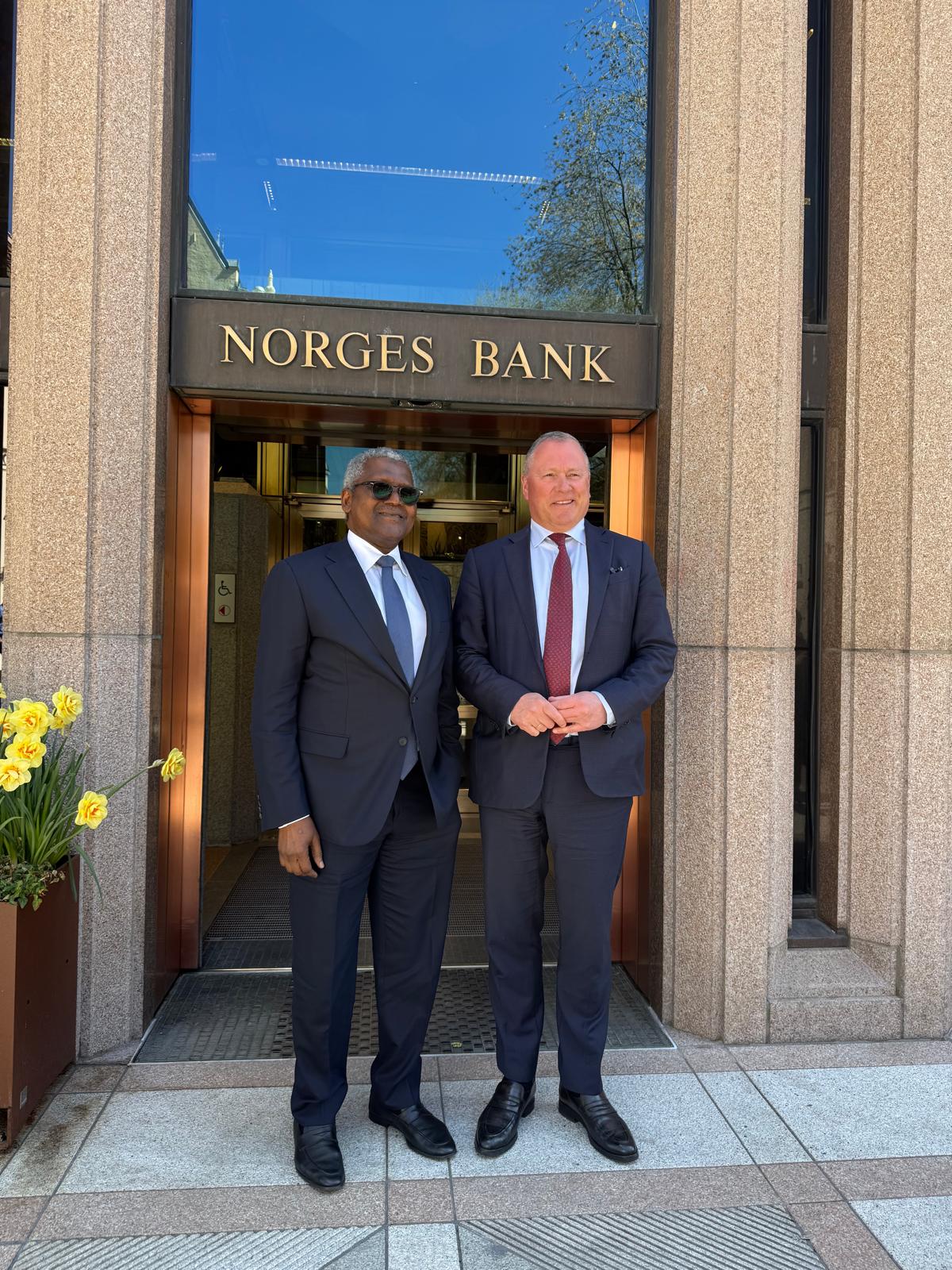
    The President/Chief Executive of Dangote Group, Aliko Dangote has held a high-level meeting with Nicolai Tangen, the Chief Executive Officer of Norges Bank Investment Management, the world’s largest sovereign wealth fund manager, overseeing assets valued at approximately $1.9 trillion.

    At the meeting, the Norwegian investment institution expressed strong interest in partnering with Dangote Group to expand its footprint across the African continent, with a focus on strategic sectors including power, energy, renewables, agriculture, fertiliser and cement.

    Also present at the meeting were Svein Tore Holsether, Chief Executive Officer of Yara International, one of the world’s leading fertiliser and agricultural companies, and Terje Pilskog, Chief Executive Officer of Scatec, a global renewable energy company.

    The engagement shows growing global investor confidence in Africa’s industrial and infrastructure potential, as well as the increasing role of indigenous conglomerates such as Dangote Group in driving large-scale economic transformation.

    For Dangote Group, the potential partnership represents a significant opportunity to deepen its investments across key sectors critical to Africa’s development, particularly in energy transition, food security and industrial capacity expansion.

    The Norwegian sovereign wealth fund, widely regarded as a benchmark for global institutional investment, has in recent years shown increased interest in emerging markets, with Africa seen as a frontier for long-term value creation.

    The collaboration between the fund and Dangote Group could unlock substantial capital flows into critical infrastructure and industrial projects, further accelerating economic growth and regional integration across the continent.

  • Invisible barriers are reshaping global trade

    Invisible barriers are reshaping global trade

    UN Trade and Development’s (UNCTAD) May Global Trade Update shows that while tariffs have risen, non-tariff measures-such as technical rules, health and safety requirements, and certification procedures- remain the main driver of export costs, especially for developing economies.

    Key takeaways

    • Non-tariff measures drive trade costs for most countries, exceeding tariffs in 88% of cases
    • Developing countries face rising tariffs and higher compliance costs at the same time
    • Better transparency alone could reduce trade costs linked to these measures by nearly 20%

    The real cost of trade is shifting

    The May edition of the Global Trade Update shows that while tariffs rose sharply in 2025, they have not been the main obstacle to trade over the past decades.

    The biggest costs now come from non-tariff measures such as technical regulations, health and safety requirements, and certification procedures. These measures determine who can access markets and under what conditions.

    For most countries, these requirements cost more than tariffs.

    A growing divide

    The burden is not evenly shared.

    Developing and least developed countries face both higher tariffs and more complex requirements. In some regions, tariffs on exports nearly doubled in 2025. At the same time, compliance with standards has become more demanding and more expensive.

    The result is lost trade. Least developed countries forfeit around 10% of their exports to G20 markets because they cannot meet these requirements.

    Smaller exporters are particularly affected. Limited technical capacity and the absence of local testing facilities increase costs and reduce competitiveness.

    When rules become barriers

    The challenge is not only the measures themselves, but how they are applied.

    Lack of transparency makes it difficult for firms to identify and comply with requirements. Uncertainty adds delays and costs, especially for smaller businesses.

    Improving access to information can make a measurable difference. Better transparency could reduce trade costs linked to these measures by about 19%. When requirements are not properly notified, the cost can be equivalent to a 28% tariff.

    Reducing costs while preserving standards

    Non-tariff measures serve legitimate public policy goals. They support safety, health and environmental protection. The objective is not to remove them, but to reduce unnecessary costs.

    Greater transparency, stronger regulatory cooperation and targeted support can help exporters meet requirements more efficiently. Aligning or recognizing standards across countries can also lower costs, particularly in trade between developing economies.

    Without these steps, trade will become more restrictive in practice, even where tariffs remain low.

  • NNPC signs MoU with Chinese firms to restart Warri, Port Harcourt refineries

    NNPC signs MoU with Chinese firms to restart Warri, Port Harcourt refineries

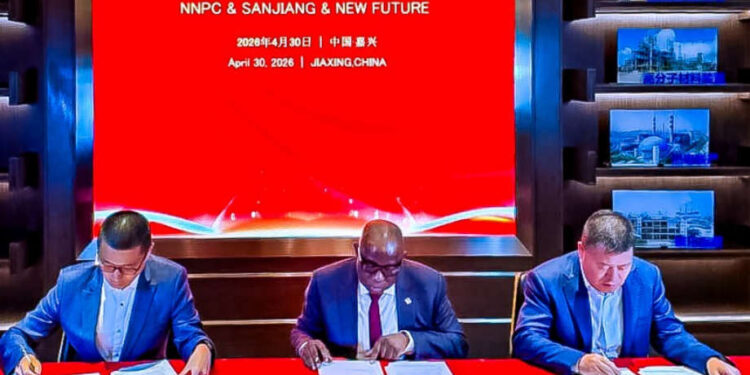
    The NNPC Limited has signed a Memorandum of Understanding (MoU) with two Chinese companies as part of efforts to restart and expand the Warri and Port Harcourt refineries.

    This was disclosed in a press release dated May 3, 2026, and signed by the Chief Corporate Communications Officer of the company, Andy Odeh.

    The MoU was executed in Jiaxing City, China, on April 30, 2026, by the Group Chief Executive Officer of NNPC Ltd., Engr. Bashir Bayo Ojulari; Chairman of Sanjiang Chemical Company, Guan Jianzhong, Chairman of Xinganchen (Fuzhou) Industrial Park Operation and Management Co. Ltd, Bill Bi.

    NNPC said the proposed partnership framework is expected to cover the completion of pending rehabilitation work at both refineries, as well as their operation and maintenance, with a focus on achieving efficient and sustainable performance.

    It added that planned upgrades would improve product quality and enhance profitability.

    The company further stated that the collaboration would also extend to expanding petrochemical capacity and unlocking broader gas and downstream opportunities through the development of industrial hubs.

    “The potential collaboration also contemplates expanding the refineries’ petrochemical capacities and harnessing gas and downstream opportunities through the development of co-located, gas-based industrial hubs,” the statement reads in part.

    Ojulari described the agreement as a key milestone after months of engagement between NNPC and the Chinese partners, noting that it signals growing alignment on the future of Nigeria’s refining assets.

    “All parties recognise mutually beneficial opportunities for the development and long-term sustainable profitability of NNPC’s refining assets in Nigeria, and the collective weight required for success,” Ojulari noted.

    He added that the agreement represents a major step towards securing technical equity partners needed to restart and expand the refineries, while also exploring opportunities in petrochemicals and gas-based industries.

    The latest move comes amid ongoing efforts to revive Nigeria’s state-owned refineries, which have remained largely inactive for months.

    The announcement follows NNPC’s recent denial of reports alleging the sale of scrap materials from its refineries, even as operations at the facilities have remained stalled.

    The shutdown of the facilities dates back to May 24, 2025, when operations were halted for scheduled maintenance initially expected to last 30 days.

    Recall that a detailed technical and commercial review of the Port Harcourt, Warri, and Kaduna refineries began in October 2025 to assess their operational and financial viability.

    However, in February 2026, Ojulari disclosed that the refineries were subsequently shut down after internal assessments showed they were operating at significant losses and eroding national value. 

    It was also in February that he revealed that NNPC was already in discussions with a Chinese petrochemical firm on refinery revival.

    Despite the prolonged inactivity, NNPC has maintained that it will not sell the Port Harcourt Refining Company, reaffirming its commitment to rehabilitation and continued ownership amid calls for privatisation.

    • The last major rehabilitation effort on the Port Harcourt refinery, carried out under former GCEO Mele Kyari, reportedly cost $1.5 billion but failed to deliver sustained operations.

    While it remains unclear whether the new MoU will ultimately lead to a successful restart of the refineries, the company recently reported a profit after tax of N276 billion for March 2026, according to its monthly performance report, suggesting improved financial standing as it pursues refinery revival.

  • Nigeria Ranks 1st in Africa and #6 Globally by Solana Developer Share as SuperteamNG Injects over $162,000 into the economy in Q1

    Nigeria Ranks 1st in Africa and #6 Globally by Solana Developer Share as SuperteamNG Injects over $162,000 into the economy in Q1

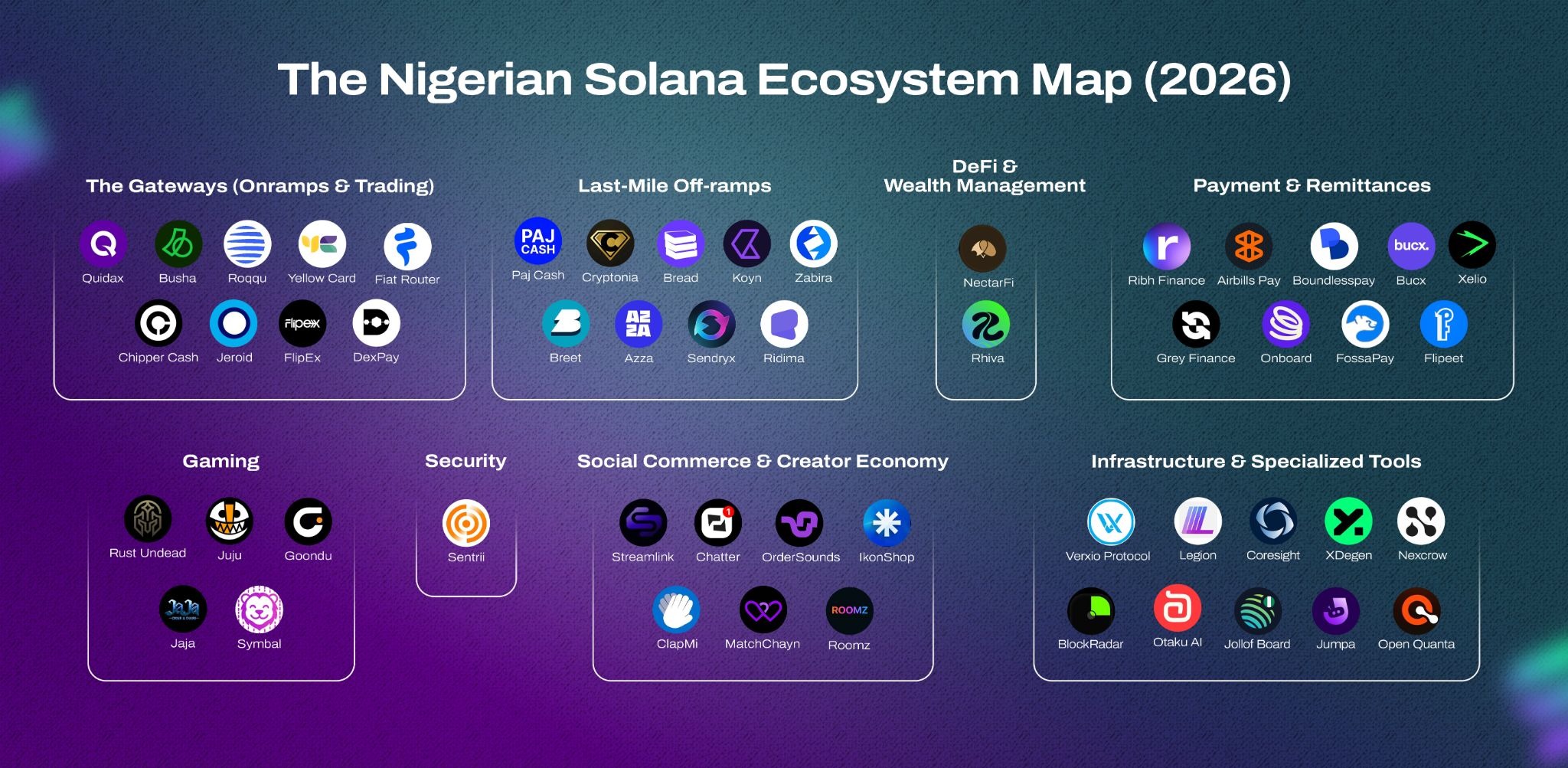
    Nigeria emerged as the 6th-largest hub globally by Solana developer share, while successfully funnelling over $162,000 in direct capital into the local economy during the first quarter of 2026. These landmark figures are featured in the Q1 Impact Report released today by SuperteamNG, the country’s most active Web3 ecosystem.

    The report reveals that Nigerian builders now account for a staggering 67% of all active Solana developers in Africa, cementing the nation’s status as the continent’s undisputed technology powerhouse. This talent explosion has translated into immediate economic impact, with the community securing $65,779 in ecosystem bounties and $88,500 in Solana Foundation Grants in just three months.

    Beyond talent and grants, the ecosystem is driving massive transactional scale. Local products incubated by SuperteamNG, such as Evolution, have already surpassed $4 million in Total Value Processed (TVP), while NectarFi recorded over $6 million in volume during its beta phase.

    “Nigeria is no longer just a consumer of global technology; we are now a growing factory for it,” said Harrison Obiefule, Lead, Solana SuperteamNG. “Ranking first in Africa and sixth in the world by Solana developer share, amidst a challenging local economy, proves that our ‘Internet Capital Markets’ thesis is working. We are seeing a transition where Solana is no longer just an ‘option’ for Nigerian fintechs; it has become the default infrastructure for payments, savings, and global trade. This Q1 performance is a clear signal to the world that the future of decentralised finance is being written in Lagos, Enugu, Abuja, and across 30 Nigerian states.”

    Key Impact Highlights from Q1 2026:

    • Global Talent Dominance: Nigeria now holds the #6 globally for Solana developer share, outperforming many developed tech hubs.
    • Direct Capital Inflow: Over $162,000 was injected into the local economy through grants and bounties, providing high-value earning opportunities for Nigerian youth.
    • Massive Transactional Scale: Incubated products like Evolution ($ 4M+ TVP) and NectarFi ($6M+ beta volume) demonstrate high-velocity, real-world usage.
    • Fintech Integration: 15 major local products, including Busha, Raenest, and Jeroid, partnered with SuperteamNG to launch new Solana features in Q1, enabling stablecoin settlements on Solana and SOL-backed loans.
    • Hyper-Local Expansion: SuperteamNG successfully expanded its footprint to 30 states, hosting 186 events (76 IRL and 110 Virtual) to bridge the gap between TradFi and DeFi.

    The report also underscores a robust talent pipeline, featuring a new 16-week Developer Bootcamp and specialised guilds for writers and designers, ensuring that the next generation of Nigerian “vibe coders” is equipped to compete on the global stage.

  • Nigeria Customs Strengthens Global Security Ties at DSA 2026 in Kuala Lumpur

    Nigeria Customs Strengthens Global Security Ties at DSA 2026 in Kuala Lumpur

    …As CGC Adeniyi calls for Shift From Isolated Responses to Coordinated Action

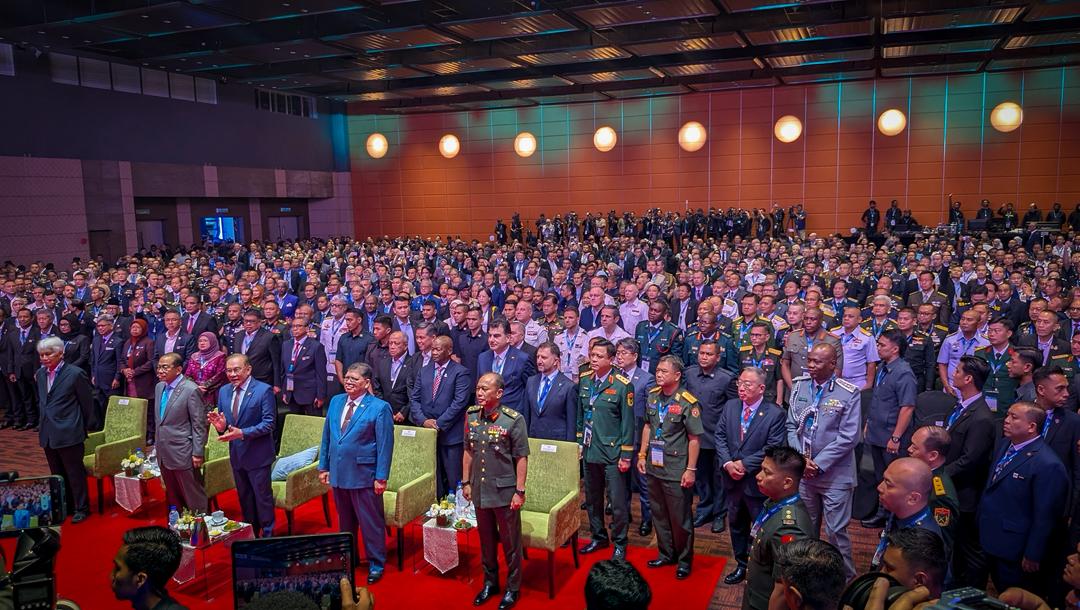
    The Nigeria Customs Service (NCS) has once again underscored its role in global security cooperation, as the Comptroller-General of Customs, Adeniyi, participated in the 19th Defence Services Asia Exhibition and Conference (DSA 2026) in Kuala Lumpur, Malaysia.

    The high-level engagement, which took place on Tuesday, 21 April 2026, at the Malaysia International Trade and Exhibition Centre (MITEC), bringing together over 1,400 companies and key stakeholders across defence technology, electronic warfare, and homeland security, was declared open by the Prime Minister of Malaysia, YAB Dato’ Seri Anwar Ibrahim.

    Speaking as a Special Guest at the Police–Private Security Dialogue on Cross-Border Crime and Transnational Networks, Adeniyi emphasised the urgent need for coordinated global responses to emerging security threats. The session, convened under the Asia Pacific Security Association Malaysia International Security Summit (AMISST) 2026, brought together security leaders from 14 countries across Asia and the Pacific.

    “The nature of crime has evolved beyond borders, requiring enforcement agencies to move from isolated responses to coordinated global action. Collaboration is no longer optional; it is the foundation of effective security,” Adeniyi stated.

    He highlighted the growing sophistication of transnational criminal networks, noting that activities such as narcotics trafficking, wildlife crime, financial fraud, and terrorism financing are increasingly interconnected. According to him, enforcement strategies must reflect this reality through intelligence sharing and joint operations.

    Drawing from the Nigeria Customs Service experience, the CGC outlined a three-pillar approach focused on technology adoption, institutional collaboration, and capacity building. He stressed that modern enforcement requires advanced tools and skilled personnel capable of responding to emerging crime typologies.

    “We must invest in technology, strengthen partnerships, and continuously build the capacity of our officers to stay ahead of criminal networks that are constantly evolving,” he said.

    Adeniyi also referenced the World Customs Organisation (WCO) frameworks, noting that these instruments provide critical guidance to member administrations in tackling cross-border crime. He added that criminal patterns originating from different regions have global implications, reinforcing the need for collective international action.

    Participants at the dialogue identified common challenges facing enforcement agencies, including limited workforce, outdated tools, and the rapid advancement of technology-enabled crime. There was a shared consensus that criminals are increasingly coordinated, necessitating stronger collaboration among governments, international organisations, and private security stakeholders.

    To this end, stakeholders called for enhanced intelligence gathering, deeper engagement with communities, and sustained partnerships with global agencies such as INTERPOL. The emphasis, they noted, must be on building trust and ensuring seamless cross-border cooperation.

    On the sidelines of the conference, the CGC held bilateral engagements with customs administrations from the Asia-Pacific and the Americas to deepen operational partnerships and knowledge exchange.

    He reaffirmed the Service’s commitment to strengthening collaboration with international security networks across Asia, Europe, and the Americas, noting that such partnerships are critical to securing borders, protecting national economic interests, and supporting the integrity of the global trading system.

  • Nigeria Customs, Royal Malaysian Customs Department advance Strategic Cooperation on Trade Facilitation, Border Management

    Nigeria Customs, Royal Malaysian Customs Department advance Strategic Cooperation on Trade Facilitation, Border Management

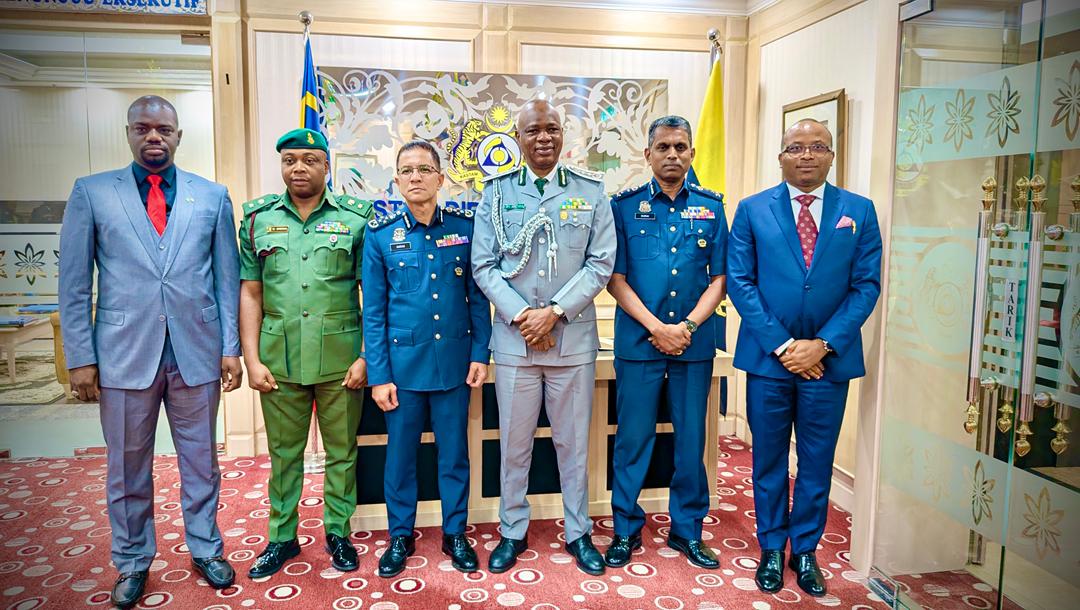
    With a commitment to strengthening international customs cooperation and enhancing trade facilitation, the Nigeria Customs Service (NCS) has advanced its strategic engagement with the Royal Malaysian Customs Department (RMCD). This followed an official visit by the Comptroller-General of Customs, Bashir Adewale Adeniyi, MFR, to the RMCD Headquarters on the sidelines of his participation at DSA Malaysia 2026. The engagement comes against the backdrop of expanding bilateral trade, with Nigeria’s imports from Malaysia increasing from NGN 159.9 billion in 2020 to NGN 716.0 billion in 2024, and cumulative trade value reaching approximately NGN 1.82 trillion over a five-year period.

    The Comptroller-General was received by the Director-General of the Royal Malaysian Customs Department, Dato’ Haji Amran bin Haji Ahmad, whose appointment in March 2026 reflects a strong reform-oriented leadership in enforcement and regulatory administration. Both leaders held high-level discussions focused on institutional collaboration, customs modernisation, and coordinated border management frameworks to strengthen efficiency and regulatory integrity.

    The Comptroller-General emphasised that the scale and trajectory of Nigeria–Malaysia trade relations necessitate a more structured and formalised customs-to-customs partnership. He noted that Malaysia remains a significant trading partner to Nigeria, with key imports including crude palm oil, refined palm olein, jet fuel, food preparations, machinery, and other industrial inputs. He further underscored the critical role of customs administrations in facilitating legitimate trade while safeguarding national economic and security interests.

    Both administrations acknowledged the absence of a formal legal framework guiding bilateral customs cooperation despite longstanding trade relations. To address this gap, both parties agreed to initiate processes toward establishing a Mutual Recognition Agreement under the framework of the World Customs Organisation (WCO), to be pursued through appropriate diplomatic channels. This initiative is expected to provide a structured basis for cooperation, enhance mutual trust, and support reciprocal trade facilitation measures.

    The engagement also provided an opportunity for the Royal Malaysian Customs Department to present its evolving border management architecture, including the establishment of the Malaysian Border Control and Protection Agency (AKPS) as an integrated frontline border control body. In response, the Comptroller-General highlighted the Nigeria Customs Service’s Authorised Economic Operator (AEO) programme and other trade facilitation frameworks designed to ensure predictable clearance processes, reduce transaction costs, and strengthen compliance. Both sides emphasised the importance of deeper collaboration in intelligence sharing, enforcement coordination, and technology-driven border management, particularly in addressing illicit trade and transnational trafficking.

    The NCS reiterates its commitment to strengthening bilateral and multilateral partnerships as part of its broader modernisation agenda. The Service affirms that outcomes from this engagement will enhance operational capacity, improve trade facilitation, and reinforce border security while supporting Nigeria’s economic growth objectives. As part of ongoing efforts to deepen institutional collaboration, the Comptroller-General also used the opportunity to visit the Nigerian Diplomatic Mission and Defence Office in Malaysia, commending their roles in advancing Nigeria’s interests and supporting nationals abroad.