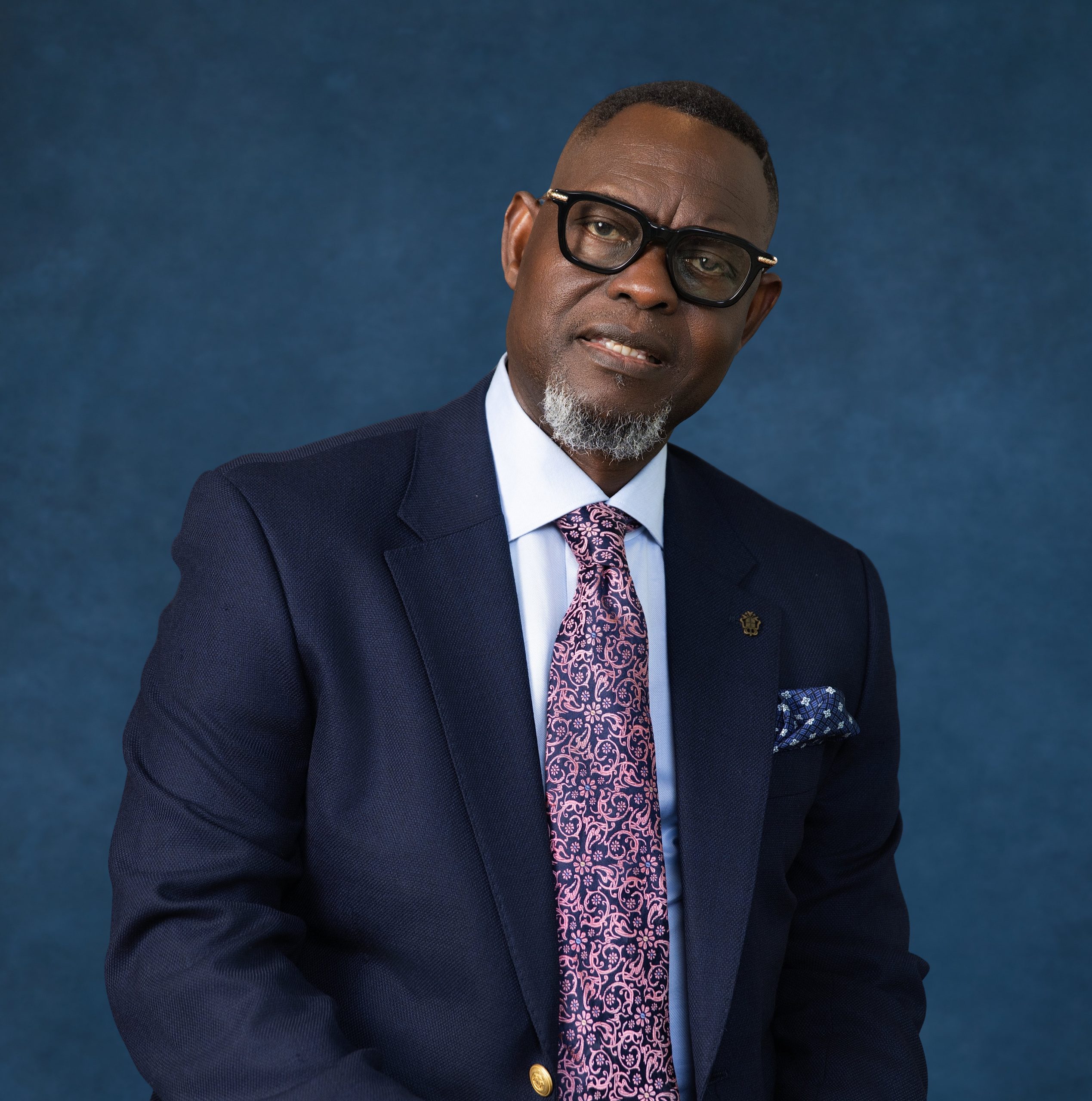
Dr Taiwo Afolabi, Chairman of SIFAX Group, has called on the Federal Government to prioritise the rehabilitation and capacity expansion of Nigeria’s eastern ports to further stimulate economic activities in the axis and decongest the Lagos ports.
Afolabi said this while receiving Dr. Akutah Pius Ukeyima, Executive Secretary/Chief Executive Officer of the Nigerian Shippers Council, at the SIFAX Group’s head office in Lagos.
Afolabi noted that the lack of attention to the country’s eastern ports over the years has continued to negatively affect overall port efficiency.
He said: “My passionate appeal to the government is to extend the port modernisation initiative to the eastern ports. As you can see, economic activities at the ports are on the increase year on year”. The concentration of these activities is predominantly at the Lagos ports, and the facilities there have been stretched to their limits, leading to congestion that will ultimately impact port efficiency.
“This is the time for the government to resuscitate those ports in the Eastern part of Nigeria. For instance, the government needs to dredge the Warri, Onne and Calabar ports so that large vessels can berth there safely and reduce the pressure on the Lagos ports.”
The SIFAX Group boss further noted that the Tincan Island Port corridor has long struggled under the weight of traffic volumes it was never designed to sustain and that the gridlock along that axis has become a recurring cost for businesses, a source of frustration for transporters, and a drag on the economy.
Ukeyima lauded the contributions of Dr Taiwo Afolabi and SIFAX Group, which he described as one of the leading maritime investors in Nigeria, adding that the conglomerate has leveraged the maritime value chain to make substantial contributions to Nigeria’s economic growth.
He promised that his agency would collaborate with the company to move the industry forward.
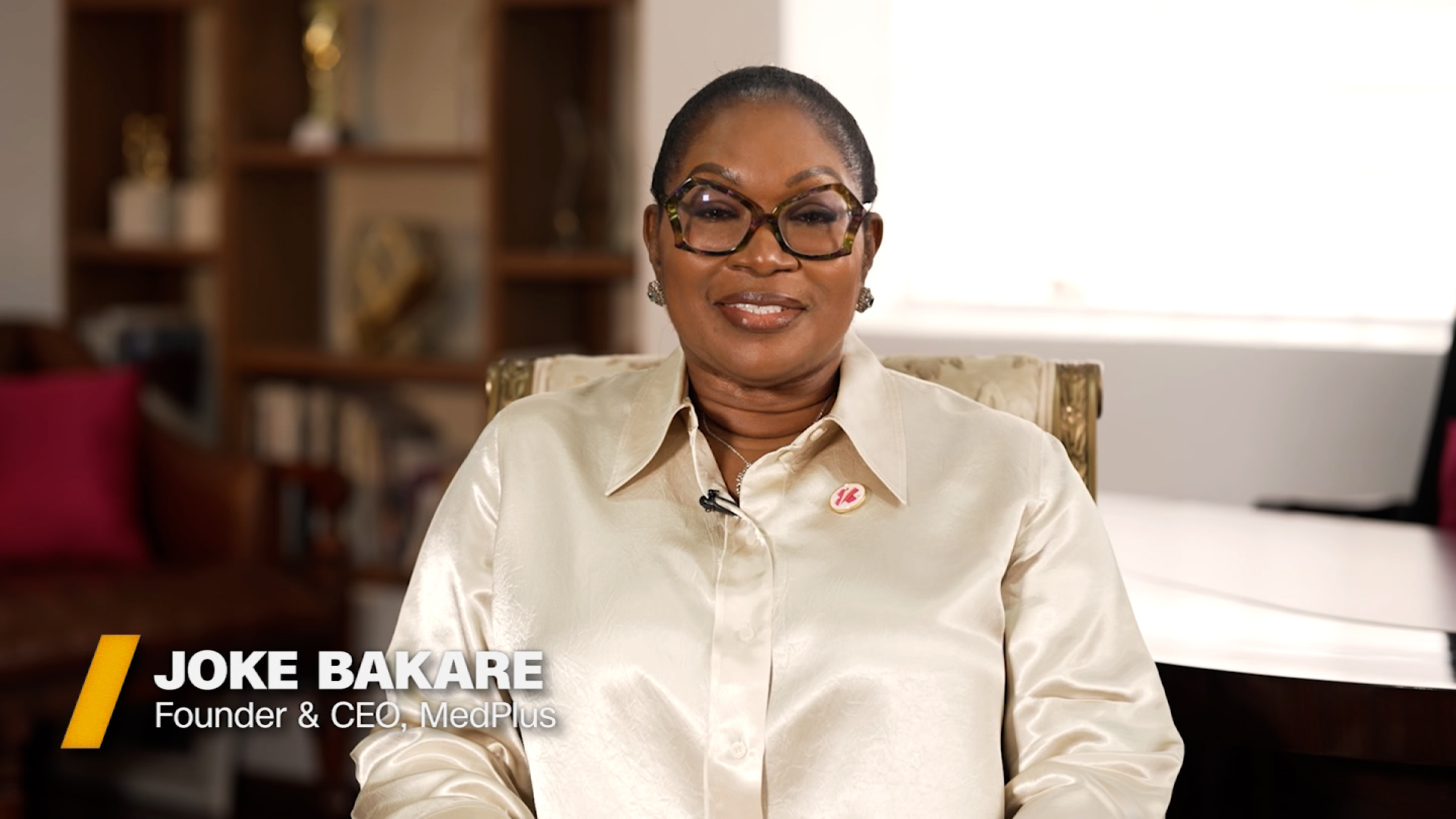
In the latest episode of Marketplace Africa, CNN speaks with Joke Bakare, the founder and CEO of MedPlus Health and Beauty Limited, about her original dream for the business and how diversification and going online play a role in the company’s growth strategy moving forward.
Bakare tells CNN about the evolution of her business, “At the beginning, MedPlus started as Medicines Plus. Quite a long name. And all we sold at the time was just medicines. The next turning point was the introduction of Beyond Med Plus, which is a health and beauty store. I’m very proud of that. That has really done very well. We kind of narrowed it. Once we saw that segment was growing, we invested a lot in it. We have a wide category of skincare for whatever your needs would be.”
Building a business also means being able to incorporate technology. Bakare explains the challenges she’s faced trying to balance a physical and digital business, “Healthcare is personal. It’s a one-on-one thing. It’s a touch-and-feel thing. So, in the future, we know the digital landscape is going to evolve, especially with customers owning their own information. […] over the years, the digital landscape will continue to increase.”
She continues on AI’s assistance, “AI in particular, we used to be more efficient with our operations. If you go to any of our stores and buy anything, it’s automatically reordered. So, in terms of operational efficiency, AI has been number one.”
Bakare ends by looking at what the future holds for MedPlus, “I see us being part of this wellness longevity, just helping you live a better, healthier lifestyle, whatever that means, whether it’s in more brick and mortar stores, whether it’s increased penetration with the people we partner with.”
These interviews were featured on the latest episode of Marketplace Africa on CNN International.
Ikechukwu Sylvester Ofuani, LLB, BL, MPA, DPO (Ghana), is a distinguished lawyer, government affairs strategist, and public policy leader whose career spans more than 18 years across Africa, the United Kingdom, and Ireland. Renowned for his expertise in government relations, regulatory affairs, stakeholder engagement, and policy advocacy, he has built a reputation as one of the leading voices shaping the intersection of public policy, corporate strategy, and development across Sub-Saharan Africa.
With professional experience cutting across healthcare, MedTech, FMCG, international trade, development, corporate communications, and public-private partnerships, Ikechukwu has consistently demonstrated the ability to navigate complex regulatory environments while fostering strategic collaboration between governments, private institutions, multilateral organisations, and civil society stakeholders.
Over the years, he has held senior leadership roles at organisations including Policy Vault Africa, Johnson & Johnson, Procter & Gamble, and the National Identity Management Commission project. In these capacities, he has led high-level engagements with governments, regulators, trade associations, development institutions, and international stakeholders, helping organisations shape policy ecosystems, strengthen institutional relationships, and drive sustainable impact.
A significant part of his professional journey was spent at Johnson & Johnson, where he served as Director of Government Affairs and Policy for West and Central Africa. In that role, he led health system strengthening strategies and coordinated complex partnerships involving governments, donor agencies, regulatory institutions, and healthcare stakeholders across the region. His work focused on policy reform, regulatory harmonisation, strategic communications, grants management, and advocacy initiatives designed to strengthen healthcare delivery systems.
Ikechukwu also played a strategic role in regional health diplomacy and pandemic preparedness. As one of Johnson & Johnson’s focal persons for African Union engagements on Ebola vaccines and pandemic preparedness, he coordinated engagements involving access teams, regulatory experts, medical affairs specialists, and global public health stakeholders. During the COVID-19 pandemic, he supported vaccine deployment efforts in Nigeria, Ghana, and Cameroon, and contributed to initiatives to address vaccine hesitancy and improve uptake across African countries.
His contributions to Africa’s healthcare policy ecosystem have attracted continental recognition. He has publicly represented Johnson & Johnson as Director of Worldwide Government Affairs and Policy for West and Central Africa and has participated in high-level conversations on strengthening health regulatory systems, including at the U.S.-Africa Business Summit.
Beyond multinational corporate leadership, Ikechukwu has also distinguished himself in the advisory and policy consulting space. He currently co-leads PV Advisors and Policy Vault Africa, a policy and government affairs advisory platform that supports organisations navigating Africa’s complex regulatory and stakeholder landscape. Through the platform, he provides strategic guidance to clients across sectors, helping them engage effectively with governments, regulators, policymakers, and development institutions.
Under his leadership, Policy Vault Africa has contributed to broader governance and institutional reform conversations across the continent. One notable example is the organisation’s engagement with Nigeria’s Ministry of Budget and National Planning on policy digitisation and the preservation of institutional memory. The initiative seeks to improve transparency, accessibility, and the preservation of authentic policy documents for governments, researchers, private-sector actors, and citizens. Ikechukwu has consistently advocated the importance of accessible and credible policy information as a foundation for informed decision-making and long-term development planning.
Another defining area of his impact has been public health advocacy and child survival initiatives. Ikechukwu currently serves as Project Lead of the SARMAAN Advocacy Team, where he is helping reposition SARMAAN II from a donor-supported intervention into a nationally owned and sustainably financed public health priority. Through strategic advocacy, communications, stakeholder engagement, and sustainability planning, he is supporting efforts to integrate child survival interventions into Nigeria’s broader healthcare policy architecture. His work places strong emphasis on domestic financing, institutional ownership, and building trust among governments, implementing partners, and local communities.
His ability to transform policy conversations into measurable outcomes is further evident in his work on health system-strengthening partnerships. While at Johnson & Johnson, he successfully secured a ₦300 million healthcare partnership with Kebbi State focused on improving healthcare infrastructure across oncology, mental health, and immunology. The initiative reportedly led to the identification and treatment of over 200 indigent patients and became a model replicated in additional states.
Prior to his healthcare and advisory engagements, Ikechukwu also recorded significant achievements in trade facilitation and investment enablement during his time at Procter & Gamble Nigeria. There, he led strategic engagements with regulatory agencies and government institutions across West Africa, facilitating multimillion-dollar investment approvals, securing customs fast-track arrangements, and supporting major industrial projects. Among his notable contributions was the coordination of government-facing engagements surrounding the commissioning of a US$300 million diaper manufacturing plant in Agbara, Ogun State, attended by senior government officials including the Vice President of Nigeria.
Beyond his corporate and policy engagements, Ikechukwu is also committed to social impact and advocacy. He currently sits on the board of Stockport Advocacy in the United Kingdom, an organisation focused on advocating for children with learning disabilities. His leadership and contributions to public-private partnerships and Africa-focused policy engagement have earned him recognition, including being named a 2024 GCC Powerlist awardee.
What distinguishes Ikechukwu Sylvester Ofuani is his rare combination of legal training, policy expertise, stakeholder intelligence, and strategic leadership. Across multinational corporations, advisory platforms, donor-supported programmes, and government-facing initiatives, he has built a career centred on helping institutions navigate complexity, build trust with governments, and translate policy engagement into tangible social and commercial impact.
His journey reflects the growing importance of strategic government relations and policy leadership in shaping Africa’s development trajectory. Through his work, Ikechukwu continues to demonstrate that effective engagement between the public and private sectors remains one of the most powerful tools for driving sustainable growth, institutional reform, and transformational impact across the continent.
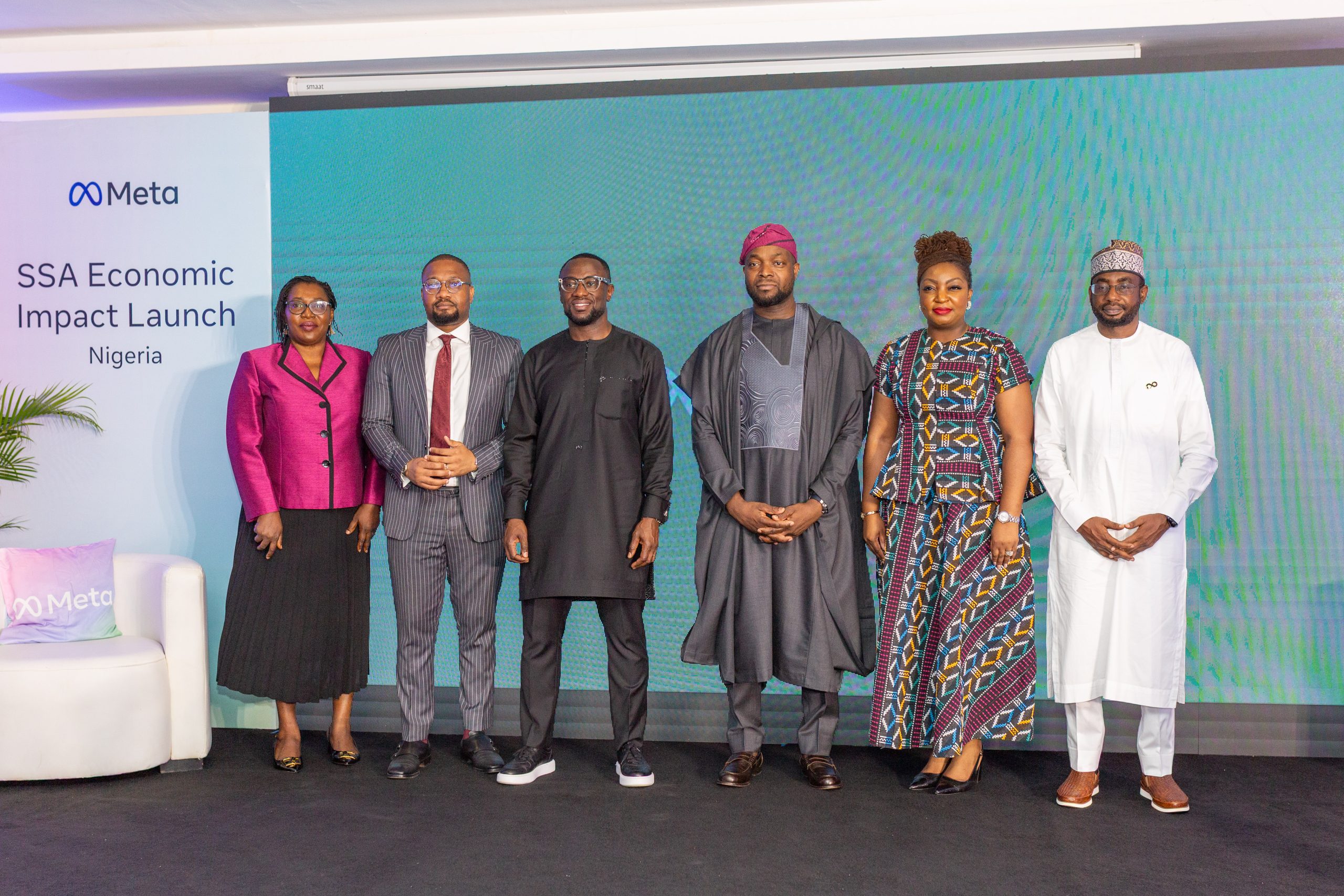
Virtually all Nigerian businesses surveyed say Meta’s platforms have expanded their customer reach, according to new independent research that finds Meta is contributing an estimated $820 million in annual economic value to Nigeria today — with AI adoption set to add $22 billion to GDP by 2035.
The “Nigeria’s Digital Economy” report, conducted by independent research firm Public First, finds that under the right conditions, this figure could grow to $2 billion as digital adoption deepens — with Meta’s platforms functioning as essential digital infrastructure connecting Nigerian entrepreneurs to customers, markets, and new economic opportunity.
The findings reveal that 14 million Nigerian SMEs used Meta’s apps — Facebook, Instagram, WhatsApp, Messenger, Meta AI, and Threads — to start and grow their businesses in 2025, contributing $2 billion to Nigeria’s GDP and delivering an estimated $640 million in productivity gains through more efficient instant messaging.
WhatsApp is Nigeria’s gateway to AI
WhatsApp is playing a central role in connecting Nigerians to AI and new economic opportunities across the region. The platform serves as Nigerians’ primary AI surface — reflecting the wider regional pattern where 93% of Meta AI prompts in Sub-Saharan Africa are made via WhatsApp — demonstrating how AI adoption in Nigeria is happening through the tools people already use every day.
Balkissa Ide Siddo, Director of Public Policy, Sub-Saharan Africa at Meta, said: “Nigeria is one of the most dynamic, entrepreneurial and digitally engaged markets in the world — and this research makes clear the scale of what is possible when Nigerian ambition meets the right digital tools. From a tailor in Lagos reaching customers across the country through Instagram, to a small business owner in Kano taking orders on WhatsApp, to a creator in Abuja building a global audience on Facebook — Meta’s platforms are removing the traditional barriers to growth and unlocking real economic opportunity. The fact that 80% of Nigerians say access to reliable internet has improved compared to a decade ago speaks to the progress already made and with continued investment in connectivity, smart policy that supports innovation, and the rise of open-source AI built for and by Africans, Nigeria is exceptionally well positioned to lead the continent’s next decade of digital growth. We are proud to be a long-term partner in that journey.”
AI and Nigeria’s next growth frontier
The research highlights the transformative potential of artificial intelligence for Nigeria’s economy and innovation ecosystem:
AI could add $22 billion to Nigeria’s GDP by 2035 with the right combination of investment, policy and innovation.
87% of online Nigerians say AI products developed within Africa will be important for the continent’s economic growth.
Open-source AI gives Nigerian developers, businesses and creators the opportunity to build solutions in local languages, for local needs.
SMEs are reaching new customers across Nigeria
For Nigerian small businesses, Meta’s platforms have become a primary sales and discovery channel. 81% of online businesses surveyed said Facebook, Instagram, and WhatsApp have expanded their customer base beyond their local geography — reducing customer acquisition costs and giving a business in Kano access to the same advertising and commerce tools available to businesses in Lagos, London or New York.
93% of online adults say they feel more connected to a wider community through Meta’s family of apps, reflecting how deeply these platforms are woven into everyday life, commerce and community in Nigeria.
Alison Neyle, Director at Public First, said: “Nigeria’s digital transformation is creating new opportunities for businesses, creators and consumers alike. The findings show that Meta’s platforms are helping Nigerian firms grow across formal and informal sectors, supporting entrepreneurship and strengthening participation in one of the world’s most rapidly expanding digital economies. With the right combination of infrastructure, platform access and open-source AI, the upside for Nigeria is significant.”
Dr. Taiwo Afolabi, Chairman, SIFAX Group, has called on African entrepreneurs, investors, and business leaders to prioritise the growth of large, sustainable corporations capable of competing globally, rather than operating fragmented and small-scale enterprises that limit the continent’s economic potential.
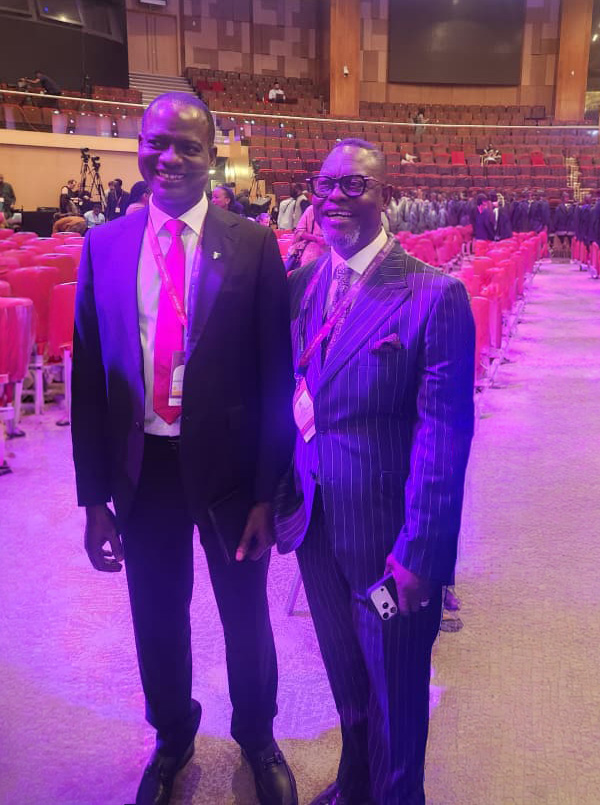
Speaking at the sidelines of the Africa CEO Forum held in Kigali, Rwanda, Afolabi said Africa’s economic transformation would depend significantly on the emergence of strong indigenous corporations with the scale, structure, and capacity to drive industrialisation, create jobs, attract investment, and compete internationally.
According to him, discussions at this year’s forum reinforced the urgent need for African businesses to embrace collaboration, long-term thinking, regional integration, and strategic expansion.
He said: “Africa cannot achieve its full economic potential with thousands of weak and fragmented businesses operating in silos. What the continent needs are strong institutions and large corporations that can survive beyond their founders, scale across borders, attract global capital, and compete with the best companies around the world.”
Afolabi noted that while entrepreneurship remains critical to Africa’s growth story, the continent must deliberately move beyond subsistence and lifestyle businesses towards building enduring enterprises with robust governance systems, innovation capacity, and continental reach.
He stressed that African governments, financial institutions, and private sector stakeholders must create enabling environments that support business scalability through improved infrastructure, access to finance, favourable regulations, and intra-African trade.
“The conversations at the Africa CEO Forum clearly showed that Africa’s future lies in integration and scale. The African Continental Free Trade Area (AfCFTA) presents a historic opportunity for businesses to expand beyond national borders and build truly pan-African enterprises,” he added.
Afolabi noted that SIFAX Group’s long-term vision is anchored on strengthening intra-African trade and supporting the successful implementation AfCFTA through investments in logistics, ports, transportation, and digital finance solutions across Africa.
Fidelity Bank Plc has reported a 45 per cent increase in gross earnings for the 2025 financial year, as the lender’s shareholders’ funds crossed the N1 trillion mark, driven by sustained balance sheet expansion and a fresh capital injection.
Analysis from the audited financial statements for the year ended December 31, 2025, reveals that the bank delivered robust results across key financial metrics, including Gross Earnings, which stood at N1.5 trillion, up from N1,04 trillion reported in 2024.
Net Interest Income rose to N831.3 billion, compared to N629.7 billion in 2024, reflecting the bank’s stronger earnings capacity amid elevated interest rates and growth in interest-earning assets.
Interest and similar income calculated using the effective interest rate rose by 38.7 per cent to N1.11 trillion in 2025 from N803.05 billion in 2024, while other interest and similar income increased by 25.1 per cent to N184.51 billion.
Net interest income after credit loss also rose significantly by 41.2 per cent to N809.74 billion from N573.33 billion. The bank also recorded an improvement in asset quality costs, as credit loss expense moderated to N21.61 billion from N56.44 billion, representing a 61.7 per cent improvement year-on-year.
Fidelity Bank continued to expand its digital banking footprint, enhance customer experience, and support key sectors of the economy. Non-interest revenue performance remained strong during the period, with fee and commission income increasing by 44.7 per cent to N113.36 billion from N78.36 billion. This was driven by letters of credit commissions and fees (N12.5 billion), ATM charges fees (N11.6 billion), commission on travellers’ cheques and foreign bills (N8.9 billion), accounts maintenance charge (N7.13 billion and commission on E-banking activities (N2.2 billion),
Other operating income rose by 200.5 per cent to N8.24 billion, while foreign currency revaluation gains surged by 749.9 per cent to N99.58 billion from N11.72 billion in 2024.
Fidelity Bank’s investment assets expanded significantly during the year, reflecting the bank’s stronger positioning in fixed income and other securities markets. Debt instruments at fair value through other comprehensive income (FVOCI) rose by 199 per cent to N557.78 billion from N186.57 billion, while debt instruments at amortised cost increased by 27.2 per cent to N1.97 trillion from N1.55 trillion. Equity instruments at FVOCI also rose by 26.2 percent to N87.85 billion.
The bank also recorded gains from financial assets measured at fair value through profit or loss (FVTPL), which increased by 280.7 per cent to N2.75 billion. A new gain of N988 million from derecognition activities was also recorded during the period.
On the balance sheet side, cash and cash equivalents increased sharply by 87 per cent to N1.32 trillion from N707.45 billion, indicating stronger liquidity buffers. Restricted balances with the Central Bank of Nigeria (CBN) also rose to N1.65 trillion from N1.59 trillion.
Other assets increased by 76.4 per cent to N278.89 billion, while investments in property, plant, and equipment rose by 161.6 per cent to N203.72 billion. Intangible assets climbed by 147.5 per cent to N50.44 billion, indicating continued investment in technology and operational infrastructure. Deferred tax assets also increased significantly to N33.10 billion from N5.31 billion.
The bank further reduced debts issued and other borrowed funds to N888.95 billion from N929.60 billion, reflecting lower reliance on external borrowings. Deferred tax liabilities declined to zero from N727 million in 2024.
The lender’s total assets grew by 18.6 per cent to N10.46 trillion from N8.82 trillion, driven by growth in liquid assets and investment securities. Customer deposits rose by 16.1 per cent to N6.89 trillion from N5.94 trillion, reflecting sustained customer confidence and expansion in the bank’s funding base.
Fidelity Bank also strengthened its capital position during the year as total equity increased by 21.1 per cent to N1.09 trillion from N897.87 billion, pushing shareholders’ funds above the N1 trillion mark, reinforcing the lender’s capacity to support larger transactions, absorb shocks, and expand its regional and international banking ambitions.
The bank disclosed that it completed a private placement of 12.9 billion ordinary shares in December 2025, raising fresh capital that increased eligible capital to N532.6 billion, above the Central Bank of Nigeria’s N500 billion minimum requirement for banks with international authorisation.
The exercise increased total issued shares from 50.2 billion units to 63.17 billion units, significantly boosting shareholders’ funds beyond the N1 trillion threshold.
The stronger capital base is expected to improve the lender’s capacity to finance larger transactions, expand lending activities, and support future regional growth opportunities.
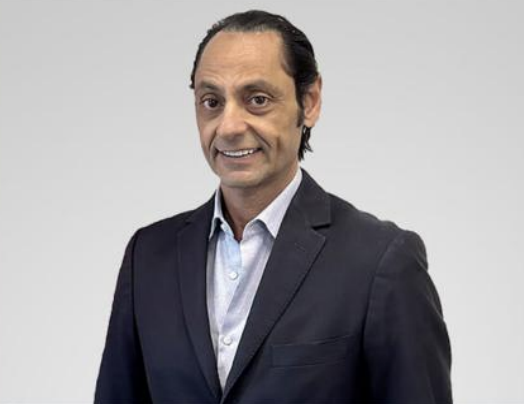
Mr. Ayman Hussein F. Gaafar (also known as Ayman Fahmy) has been appointed as the Managing Director of Cadbury Nigeria PLC with effect from 15th May 2026.
This was made known through a notice sent to the Nigerian Exchange Limited and the investing public that, on the recommendation of the Governance and Risk Committee of the Board of Cadbury Nigeria PLC.
Mr Gaafar is a highly accomplished and driven business and organisational leader with a distinguished career in the FMCG sector. With extensive experience across multinational corporations like Procter & Gamble, Reckitt Benckiser, Danone, and Shan Foods, he has a proven ability to design vision and strategy, translating it into executable results.
His expertise spans general management, commercial leadership, and market strategy, with a focus on full P&L responsibility, go-to-market strategies, and business transformation. Mr. Gaafar has a strong track record of driving significant revenue growth, expanding market reach, building organizational capacity, and leading large, diverse teams across various regions, including the Middle East, Levant, Africa, Saudi Arabia, UAE, and Canada. He is known for establishing strategic alliances, transforming operations, and consistently delivering extraordinary results.
With the appointment of Mr Ayman Hussein F. Gaafar as Managing Director, Mrs Folake Ogundipe will step down from her role as Interim Managing Director – a position she has fulfilled with great distinction since December 2025. Throughout her tenure, Mrs Ogundipe has exhibited exceptional leadership, characterised by steadfast dedication, deep commitment, and admirable resilience. Her determined resolve and relentless efforts have played a pivotal role in steering the Company and preserving its strategic direction during this crucial period.
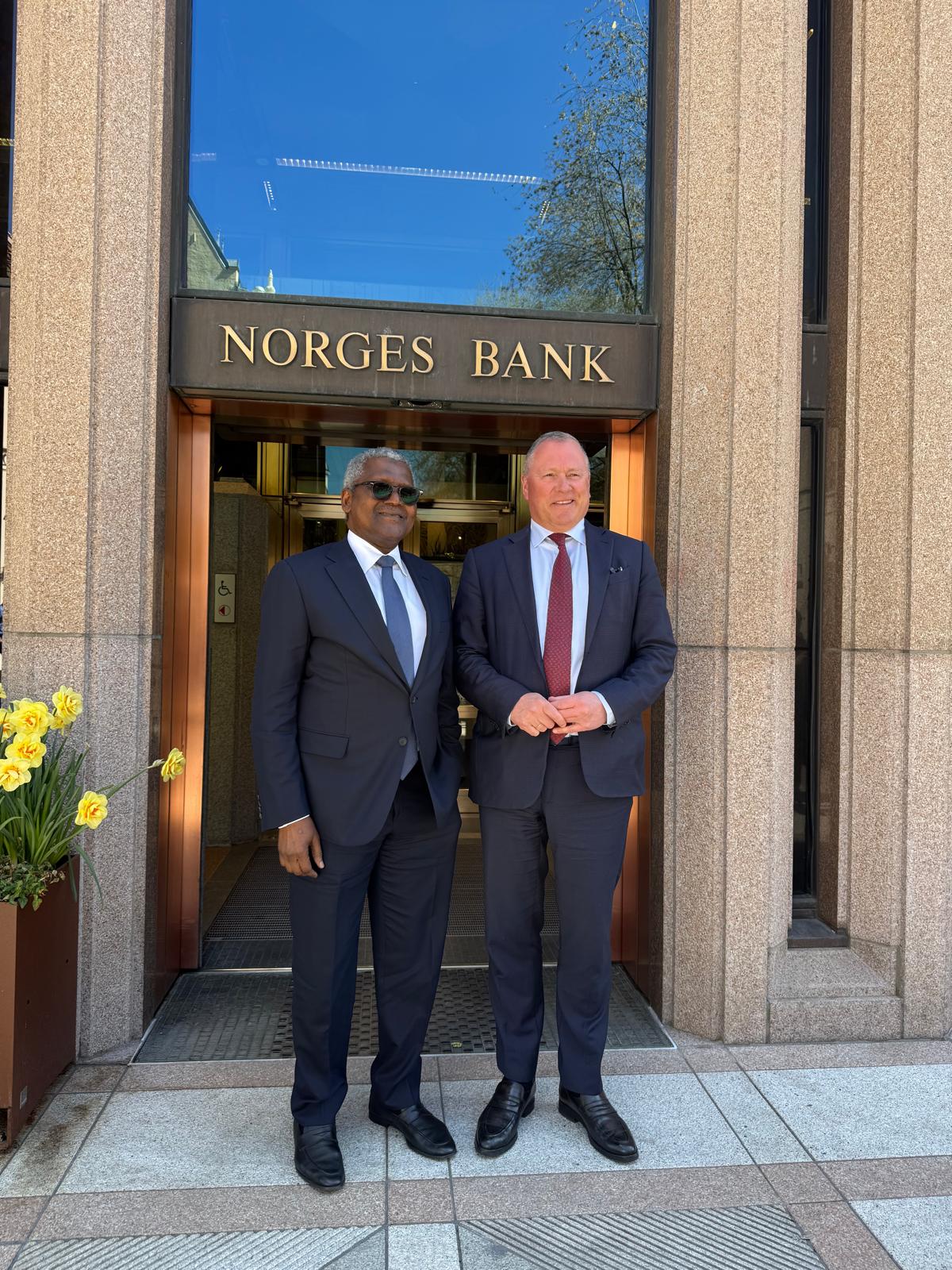
The President/Chief Executive of Dangote Group, Aliko Dangote has held a high-level meeting with Nicolai Tangen, the Chief Executive Officer of Norges Bank Investment Management, the world’s largest sovereign wealth fund manager, overseeing assets valued at approximately $1.9 trillion.
At the meeting, the Norwegian investment institution expressed strong interest in partnering with Dangote Group to expand its footprint across the African continent, with a focus on strategic sectors including power, energy, renewables, agriculture, fertiliser and cement.
Also present at the meeting were Svein Tore Holsether, Chief Executive Officer of Yara International, one of the world’s leading fertiliser and agricultural companies, and Terje Pilskog, Chief Executive Officer of Scatec, a global renewable energy company.
The engagement shows growing global investor confidence in Africa’s industrial and infrastructure potential, as well as the increasing role of indigenous conglomerates such as Dangote Group in driving large-scale economic transformation.
For Dangote Group, the potential partnership represents a significant opportunity to deepen its investments across key sectors critical to Africa’s development, particularly in energy transition, food security and industrial capacity expansion.
The Norwegian sovereign wealth fund, widely regarded as a benchmark for global institutional investment, has in recent years shown increased interest in emerging markets, with Africa seen as a frontier for long-term value creation.
The collaboration between the fund and Dangote Group could unlock substantial capital flows into critical infrastructure and industrial projects, further accelerating economic growth and regional integration across the continent.
Organised Businesses in Enugu State, led by the Nigeria Employers’ Consultative Association (NECA) South-East Geographical Zone, paid a courtesy visit to His Excellency, Dr Peter Ndubuisi Mbah, Executive Governor of Enugu State, as part of efforts to strengthen collaboration between the public and private sectors.
In his remarks, the President of NECA, Dr Ifeanyi Okoye, expressed appreciation to the Governor for hosting the delegation and commended his transformative infrastructure drive and far-reaching economic reforms, which have had a positive ripple effect on businesses operating in Enugu State.
Speaking on behalf of Organised Businesses, Chairman, NECA South-East Geographical Zone, Dr Ugochukwu Chime lauded Governor Mbah’s visionary leadership, describing his administration as a model of purposeful governance and economic revitalisation. He particularly applauded the administration’s investments in road infrastructure, urban renewal, security architecture, and the revitalization of key public assets, including the International Conference Centre, the Presidential Hotel, and the recent launch of Enugu Air.
Chime also commended the Governor’s strategic interventions in restoring normal economic activity through measures addressing the disruptive Monday sit-at-home order, as well as the establishment of the Distress Response Team and deployment of modern surveillance infrastructure aimed at strengthening security and boosting investor confidence across the State.
While reaffirming Organised Businesses’ support for the administration’s enterprise-driven policies, the delegation appealed for the consistent implementation of harmonised taxes and levies, improved access to land and Certificates of Occupancy, enhanced participation in the power sector, and stronger support for SMEs through affordable financing and technical assistance. They also proposed establishing a quarterly public–private sector engagement platform to address emerging business challenges and deepen economic collaboration in the State.
In his response, the Governor emphasised the critical importance of public-private sector engagement in driving sustainable growth and development. He noted that the organised private sector remains central to achieving the administration’s growth projections, which are anchored on broad economic reforms aimed at improving the business environment.
He highlighted ongoing projects, including the Enugu Smart City, tourism development initiatives such as Awhum Waterfall, Ngwo Pine Forest, and Nsude Pyramid, and the state water project. Of particular significance, he announced the planned 660MW coal-fired power plant, with installation expected to commence in July 2026 and completion projected within 18 months. According to him, the project will significantly address electricity supply challenges facing businesses in the State upon completion.
The Governor reiterated his “Enugu First” procurement policy and urged businesses to engage relevant government agencies to benefit from ongoing state projects.
On MSME development, Governor Mbah disclosed that the State has secured funding for small businesses at single-digit interest rates, administered through the Enugu SME Centre. He encouraged entrepreneurs to take advantage of the initiative to expand and strengthen their businesses.
The Governor also approved the establishment of a Quarterly Business Forum for organized private-sector stakeholders, where emerging challenges in the business environment will be jointly identified and addressed. Demonstrating further commitment to local enterprise development, he also directed that HAMPOC-YTL Limited, a company that produces prepaid electricity and water meters in the State, be considered for immediate contract award during the meeting.
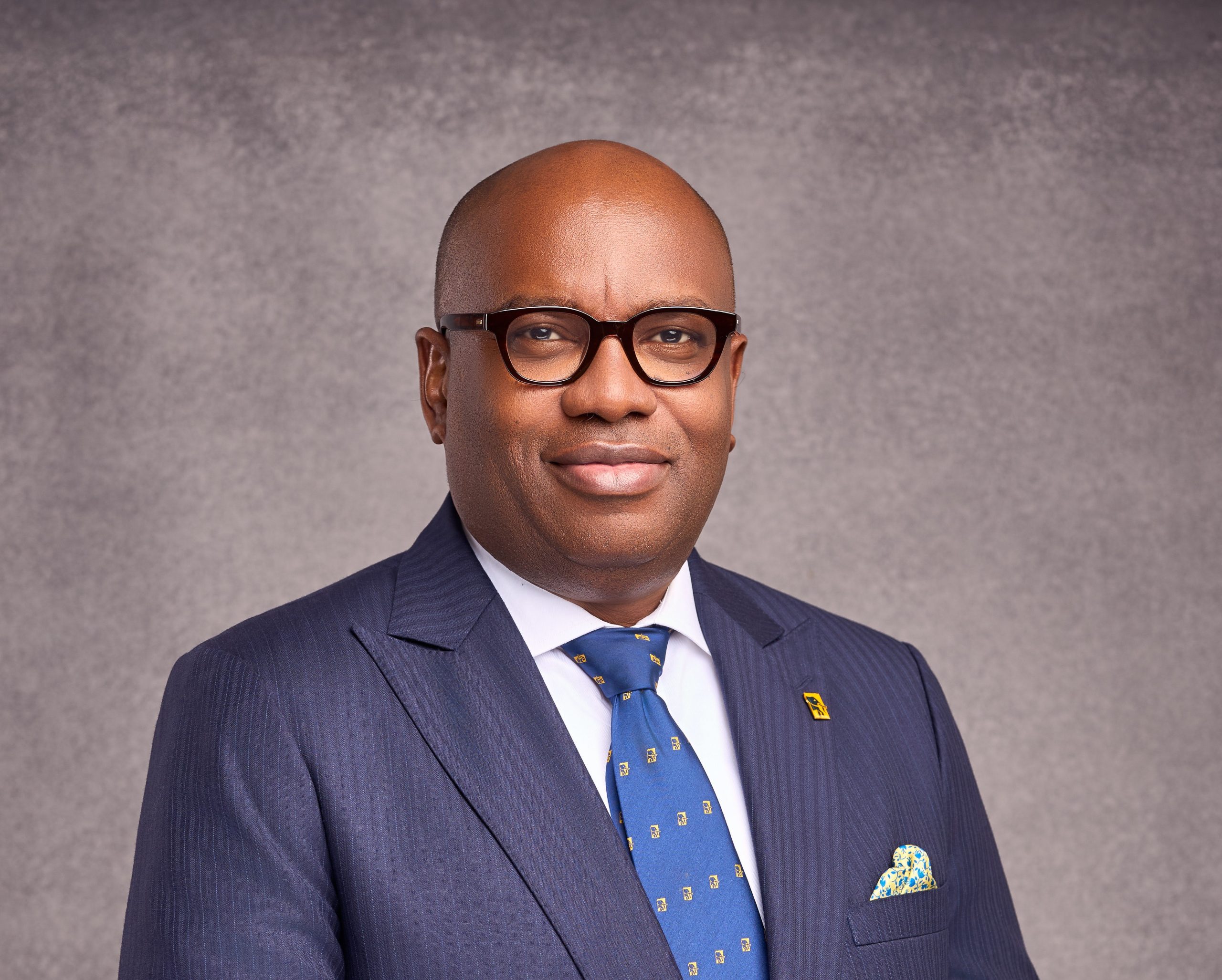
FirstHoldCo Plc has announced a strong start to the 2026 financial year, recording significant growth across key performance indicators for the first quarter ended March 31, 2026, reinforcing the strength of its franchise, disciplined execution strategy, and resilience amid Nigeria’s evolving financial landscape.
The Group reported gross earnings of ₦942.0 billion for Q1 2026, representing a 26.8% year-on-year increase, while profit before tax rose sharply by 72.2% to ₦321.1 billion, positioning the company among the strongest performers in Nigeria’s banking industry for the quarter.
Commenting on the results, the Group Managing Director, Wale Oyedeji, stated that the Group’s performance reflects the effectiveness of its strategic priorities and operational discipline despite market volatility.
According to him, “FirstHoldCo has begun 2026 on a strong footing, delivering a Q1 performance that validates the resilience of our franchise and the disciplined execution of our strategy. In a market defined by volatility, our results underscore that our business is not only enduring but strengthening—built to perform through cycles and to compound value for shareholders.”
He explained that the strong rebound in profitability followed deliberate efforts undertaken in 2025 to comprehensively de-risk the Group’s balance sheet, including substantial provisioning for systemic impaired and non-performing loans. He noted that resolving these legacy exposures has significantly strengthened the quality of earnings and positioned the Group for more sustainable long-term growth.
Oyedeji added that the Q1 2026 performance was driven by continued focus on revenue growth, operational efficiency, governance enhancement, prudent risk management, and disciplined capital allocation.
He further highlighted the growing contribution of non-interest income streams, progress in digital transformation initiatives, and expanding financial inclusion programmes, all of which are helping to diversify the Group’s earnings base and improve resilience across business segments.
Beyond the financial performance, the Group also maintained strong momentum in asset recovery efforts, particularly within the oil and gas sector. During the quarter, approximately ₦19 billion in recoveries were recorded from delinquent exposures, further strengthening asset quality and reinforcing the Group’s capital position.
“We remain committed to preserving balance sheet strength, deepening prudent risk management, and upholding the highest standards of corporate governance. These actions protect asset quality, sustain a strong capital position, and reinforce our capacity to fund growth responsibly across both banking and non-banking platforms,” Oyedeji stated.
Under its Commercial Banking business, the Group recorded gross earnings of ₦897.1 billion, representing a 23.8% increase year-on-year, while net interest income rose by 21.3% to ₦432.3 billion. Non-interest income recorded exceptional growth of 93.8% to ₦188.2 billion, reflecting stronger transaction banking activities and diversified revenue streams.
Profit before tax within the Commercial Banking business grew by 71.0% to ₦285.8 billion, while profit after tax rose by 56.7% to ₦236.7 billion.
The Group’s balance sheet also remained strong, with customer loans and advances increasing by 5.3% year-to-date to ₦9.4 trillion, while total assets stood at ₦26.1 trillion. Customer deposits closed at ₦18.4 trillion during the period.
Within the Investment Banking and Asset Management segment, gross earnings rose by 36.9% to ₦22.9 billion, while total assets increased by 2.5% year-to-date to ₦548.9 billion.
Looking ahead, the Group expressed confidence in sustaining its growth momentum throughout 2026 by leveraging its scale, governance framework, execution discipline, and diversified business model to deliver superior value to shareholders and stakeholders.
Oyedeji noted that the company would continue to focus on growing quality earnings, deepening customer relationships, capturing emerging opportunities within Nigeria’s financial services sector, and strengthening long-term shareholder returns.
“With this strong start to the year, we are confident in the earnings power of the FirstHoldCo franchise and our ability to generate enduring value for all stakeholders in 2026 and beyond,” he added.
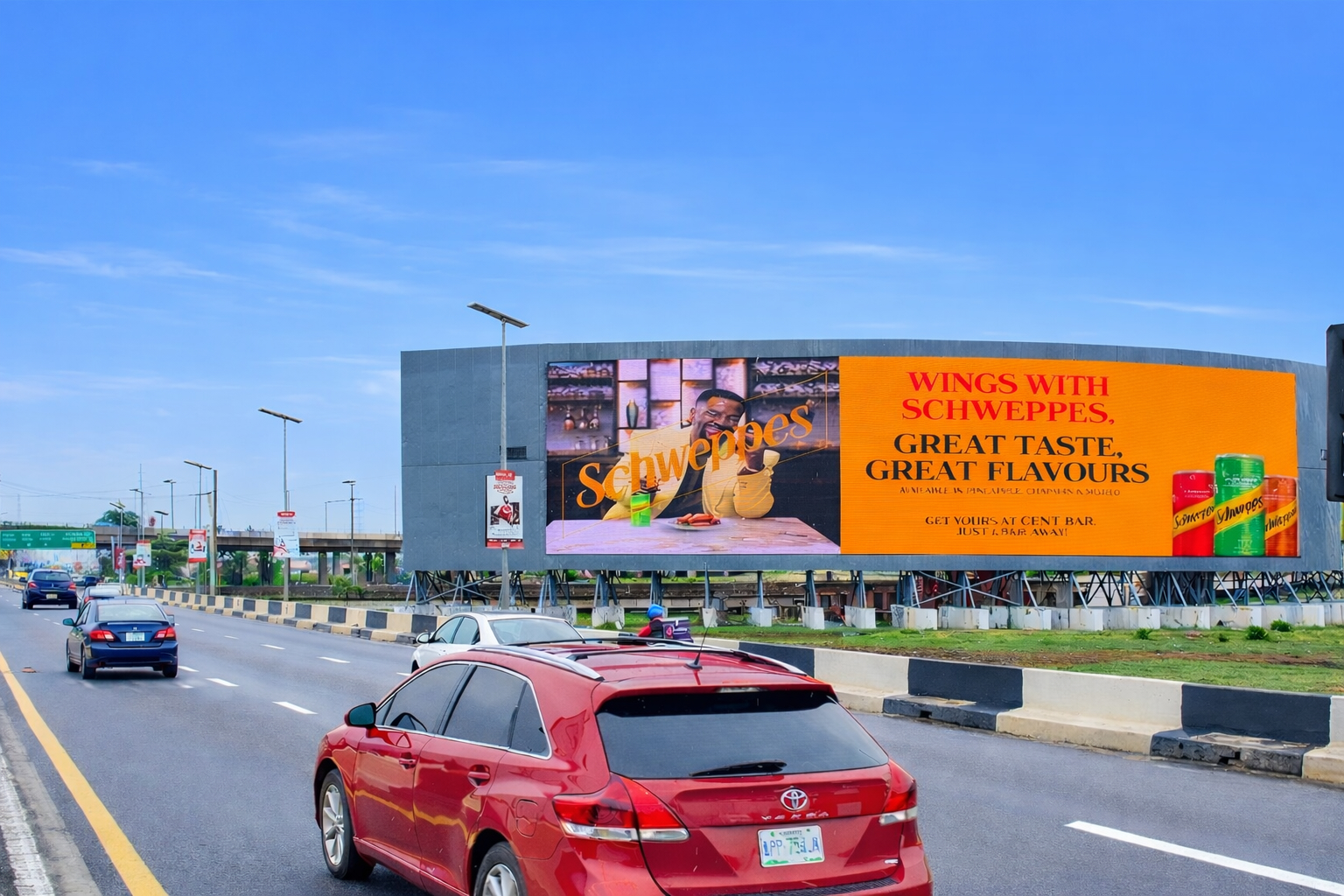
…The campaign is currently live across Lagos, with screens strategically positioned in high-traffic roadside environments
Polygon, Africa’s largest aggregated programmatic digital out of home (pDOOH) publisher network, has announced the launch of its first full-scale Display & Video 360 (DV360) campaign in Nigeria; a milestone that highlights the growing maturity of pDOOH across the continent.
The campaign, executed in Lagos State for Schweppes, represents the first time a Google-based enterprise media buying platform has been used to deliver a pDOOH campaign at scale in Nigeria. It also marks Polygon’s first fully realised campaign in the market, following a series of earlier test runs.
At the centre of the campaign is a highly localised dynamic creative optimisation (DCO) approach, which sees the development of more than 500 unique creative executions, each tailored to the precise location of a billboard and its surrounding retail environment. Consumers are served context-specific messaging that directs them to nearby Schweppes stockists, with copy dynamically calling out store names and proximity – for example, “Get yours at Sessy and Folly Enterprises – just 140m away!”
Remi du Preez, Managing Director at Polygon said, “This campaign is an exciting example of where the medium is heading in Africa, as we move beyond static messaging into something far more responsive and relevant.”
The campaign is currently live across Lagos, with screens strategically positioned in high-traffic roadside environments. Polygon’s infrastructure enabled the geofencing of retail locations within a defined radius of each screen, ensuring that messaging remained locally relevant and actionable. The campaign roll-out also featured one of West Africa’s largest digital screens – a 600 sqm large-format site – creating an even greater sense of presence for the brand.
Beyond its immediate impact, Du Preez says the campaign serves as a broader proof point for the African market. “Programmatic DOOH in Africa is now fully operational, scalable and delivering at a global standard. What we’ve demonstrated here is that markets like Nigeria can support geo-targeted, data-driven, dynamic campaigns in the same way more mature markets do. The infrastructure works.”
He adds that unlocking new markets often depends on early adopters willing to test and learn, but that success tends to accelerate momentum quickly. “In every new market, you need a client that’s willing to lead. Once that first campaign proves itself, confidence follows – and we’re already seeing increased interest from advertisers looking to enter the Nigerian pDOOH space.”
Polygon currently has access to the majority of roadside DOOH inventory in Nigeria, spanning key urban centres including Lagos, Abuja, Port Harcourt, Ibadan and Kano, positioning the network to scale future campaigns rapidly.
Du Preez says this latest campaign is part of Polygon’s broader strategy to build a unified DOOH ecosystem across Africa, offering advertisers a single point of entry into a fragmented yet rapidly evolving media landscape.
“And now – by linking media exposure to real-world proximity and behaviour – we’re moving closer to bridging the gap between brand and performance in OOH, which is something advertisers have wanted for years,” concludes Du Preez.
Healthcare in Africa for many years depended largely on few laboratory tests that made patients wait for long hours or days before the result is released. This phenomenon made healthcare delivery cumbersome and wholesomeness is not easily achieved.
Equally, Africa’s healthcare systems have long grappled with structural vulnerabilities, limited local manufacturing capacity, dependence on imports, and fragile supply chains. These challenges were brought into sharp focus during the COVID-19 pandemic, when global disruptions exposed the continent’s heavy reliance on external sources for critical medical supplies. Yet, amid these challenges, a quiet transformation has been underway laced with innovation, foresight, and the strategic deployment of technology.
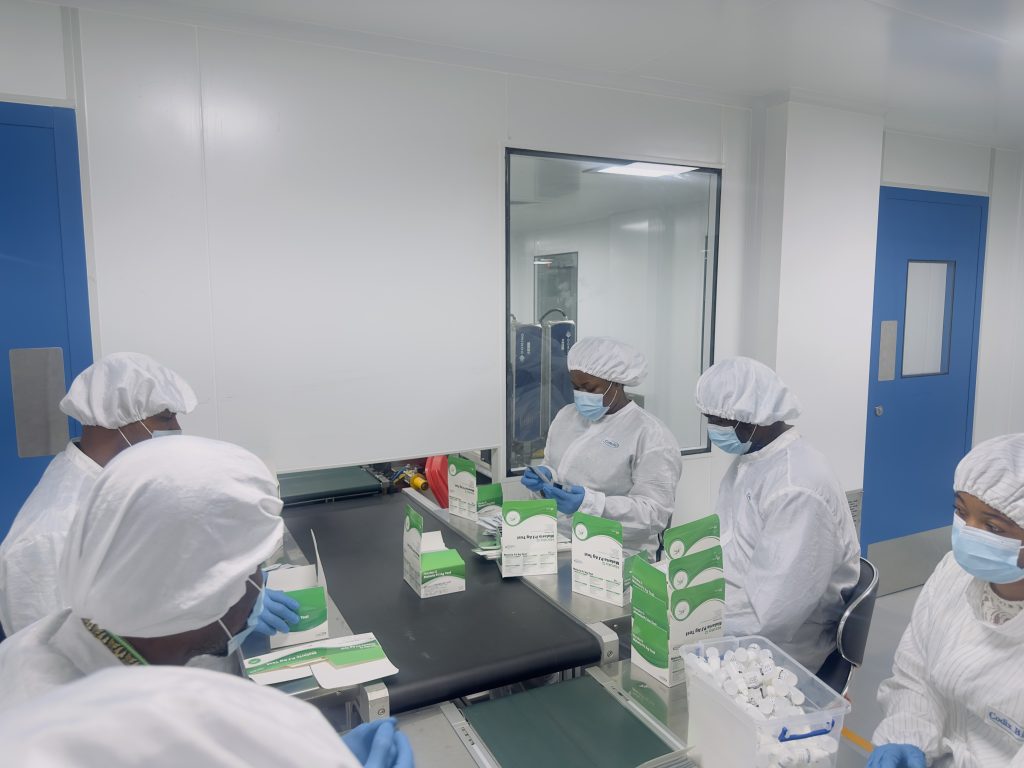
At the center of this transformation is the growing adoption of in-vitro diagnostics (IVD) manufacturing across Africa, championed by companies like Codix Bio. Long before the pandemic, Codix had identified the urgent need for local healthcare manufacturing and took a bold step with the establishment of Colexa Biosensor in 2017. This move was not reactive, but strategic, anticipating a future where Africa would need to take greater control of its healthcare value chain.
The COVID-19 crisis accelerated this vision. As borders closed and access to essential diagnostics became constrained, local manufacturing shifted from a long-term ambition to an immediate necessity. In response, Codix fast-tracked the development of Colexa Biosensor, which has since become a landmark facility, the first manufacturer of blood glucose meters and test strips in Nigeria and Sub-Saharan Africa, and only the second of its kind on the continent after Algeria.
This milestone brings to the fore a broader shift: technology is no longer just a support function in healthcare, it is now central to building resilience, ensuring access, and improving outcomes. By leveraging advanced biosensor technology and automated production systems, facilities like Colexa Biosensor are reducing dependency on imports while improving the availability of essential diagnostic tools for millions.
Global collaboration has also played a critical role in accelerating this progress. Organisations such as the World Health Organisation and the Medicines Patent Pool (MPP) have been instrumental in facilitating technology transfer and expanding access to critical health innovations. Through the WHO’s Health Technology Access Programme (HTAP), Codix was identified as a key partner in strengthening Africa’s manufacturing capacity.
A major breakthrough came via a sublicensing agreement brokered by MPP, enabling Codix Bio to access and deploy cutting-edge rapid diagnostic test (RDT) technology from SD Biosensor. This partnership builds on a long standing relationship between the companies, dating back to 2009, and represents a powerful example of how global expertise can be effectively localised.
The implications of this are profound. With local production of rapid diagnostic tests and other IVD tools, African countries can respond more swiftly to disease outbreaks, improve early detection rates, and strengthen overall public health systems. Beyond healthcare outcomes, this also drives economic value,creating jobs, building technical expertise, and fostering industrial growth.
However, the journey is far from complete. To fully realise the potential of technology-driven healthcare solutions, Africa must continue to invest in infrastructure, regulatory frameworks, and human capital. Governments, private sector players, and development partners must align efforts to create an enabling environment that supports innovation and scale.
What is clear, however, is that the narrative is changing. Africa is no longer just a recipient of healthcare solutions, it is becoming a producer, an innovator, and a critical player in the global health ecosystem. With technology and embracing local manufacturing, the continent is laying the foundation for a more resilient, self-sufficient, and equitable healthcare future.
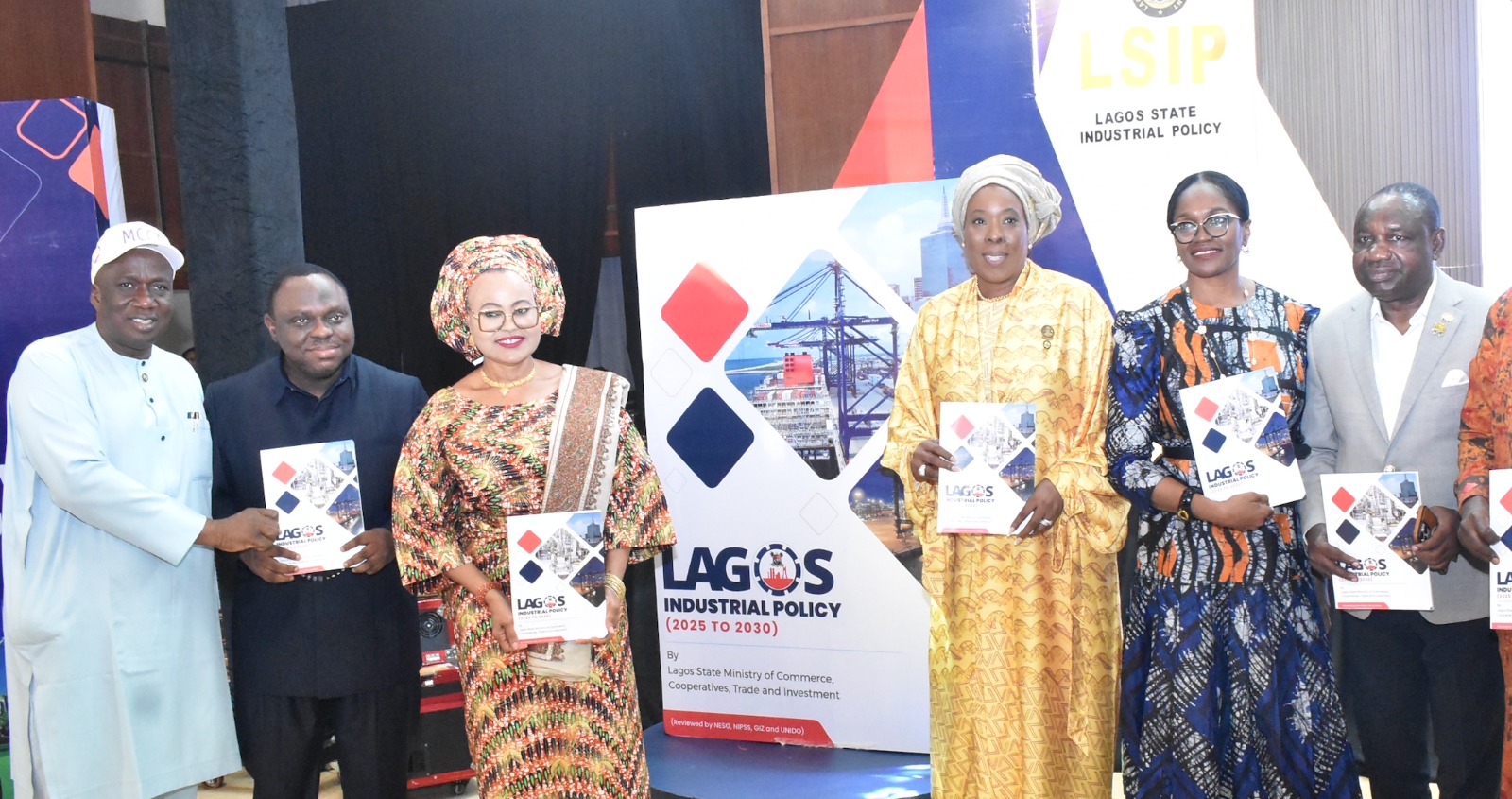
Lagos State Government has unveiled its Industrial Policy 2025-2023 designed to transform the state’s industrial sector, attract local and foreign direct investment into priority sectors, and strengthen institutional coordination, translating the policy commitments into real outcomes for the people of the State.
Lagos State Governor, Babajide Sanwo-Olu led eminent members of the diplomatic corps, senior government officials, captains of industries and others at the event held in Lagos on Thursday,
Speaking at the ceremony, through the Secretary to the State Government, Barrister ‘Bimbola Salu-Hundeyin, Governor Sanwo-Olu stated that the new industrial policy is both urgent and compelling for a state that has long been the commercial heartbeat of Nigeria, and a vital gateway to West Africa.
His words: “The global industrial landscape is changing rapidly. Supply chains are evolving, technology is redefining production systems, and competitiveness is increasingly determined by efficiency, by innovation, and by resilience, with scale alone no longer sufficient to secure the markets of the future.
“To remain at the forefront, Lagos must do more than adapt. We must lead. This policy is our considered response to that imperative. It is designed to address longstanding structural challenges, to unlock new growth opportunities, and to ensure that our industrial sector becomes a powerful engine for inclusive economic development across this State.”
According to the Governor, the policy is firmly anchored in the broader development vision, aligning seamlessly with the T.H.E.M.E.S Development Agenda, particularly in advancing a 21st‑century economy, in strengthening infrastructure, and in fostering sustainable growth. It is equally aligned with the Lagos State Development Plan 2052, which envisions Lagos as a globally competitive megacity driven by productivity, by innovation, and by industrial excellence.
“At its core, the policy is built on clear and strategic pillars; prioritising industrial infrastructure development; committing to regulatory reform and the ease of doing business; strengthening access to finance and investment promotion; advancing skills development and workforce readiness; and promoting innovation, technology adoption, and sustainability.
“From these pillars flow clear and measurable deliverables. We will expand and optimise industrial clusters and estates across the State. We will improve the efficiency of our port system, as is being done through the Lekki Deep Sea Port, and of our broader transport networks, to reduce the cost of moving goods. We will support small and medium‑scale manufacturers to scale their operations and to integrate into both regional and global value chains,” he said.
Sanwo-Olu stressed that by prioritising key sectors, and by supporting Nigeria’s commitments under the African Continental Free Trade Area, AfCFTA, the Lagos Industrial Policy acts as an implementation engine that localises national ambitions, accelerates industrial productivity, and positions Lagos as a strategic gateway for Nigeria’s industrial expansion and global competitiveness.
Representative of the Minister of State/Director, Industrial Inspectorate Department, Federal Ministry of Industry, Trade and Investment, Engineer Eyitope Aina Osinowo, affirmed that the Lagos State Industrial Policy 2025 to 2030 is closely aligned with Nigeria’s National Industrial Policy, translating federal priorities into targeted, State‑level actions that reflect the economic realities and the competitive advantages of Lagos.
“By focusing on a competitive and productive industrial base, Lagos is providing a practical model that supports the Federal Government’s objectives of job creation and poverty alleviation through industrial growth. The Federal Ministry of Industry, Trade and Investment views Lagos State as a critical partner. We recognize that for Nigeria to achieve true industrialisation, we must our attention on strengthening infrastructure and others as reflected in the LSIP,” he said.
Commissioner for Commerce, Cooperatives, Trade and Investment, Folashade Ambrose-Medebem, described the Industrial Policy 2025-2030 as more than a policy, but a covenant between the government and more than twenty‑five million Lagosians whose ambition powers this city every single day.
“To the captains of industry in this hall, the State has done its part. Bring your capital, your capacity, and your conviction, and Lagos will reward each of them. To our partners in the financial sector, we say this. Lagos is, today and for the foreseeable horizon, the highest‑yielding industrial portfolio on this continent. Price it accordingly. Allocate to it accordingly. Underwrite it accordingly. To the academic community, we say this. Build with us the talent pipelines that this policy will demand, for an industrial strategy without skilled hands is a strategy on paper alone, and we did not labour over this policy to leave it on paper. To our friends in the development sector, we say this. Lagos is ready, more than ready, to convert technical assistance into measurable industrial output, and to do so on timelines that will repay your patience. To our brothers and sisters in the diaspora, we say this. The home you carry in your hearts is now ready for the investment you carry in your hands. Come home to invest. Come home to build. Come home to Lagos.”
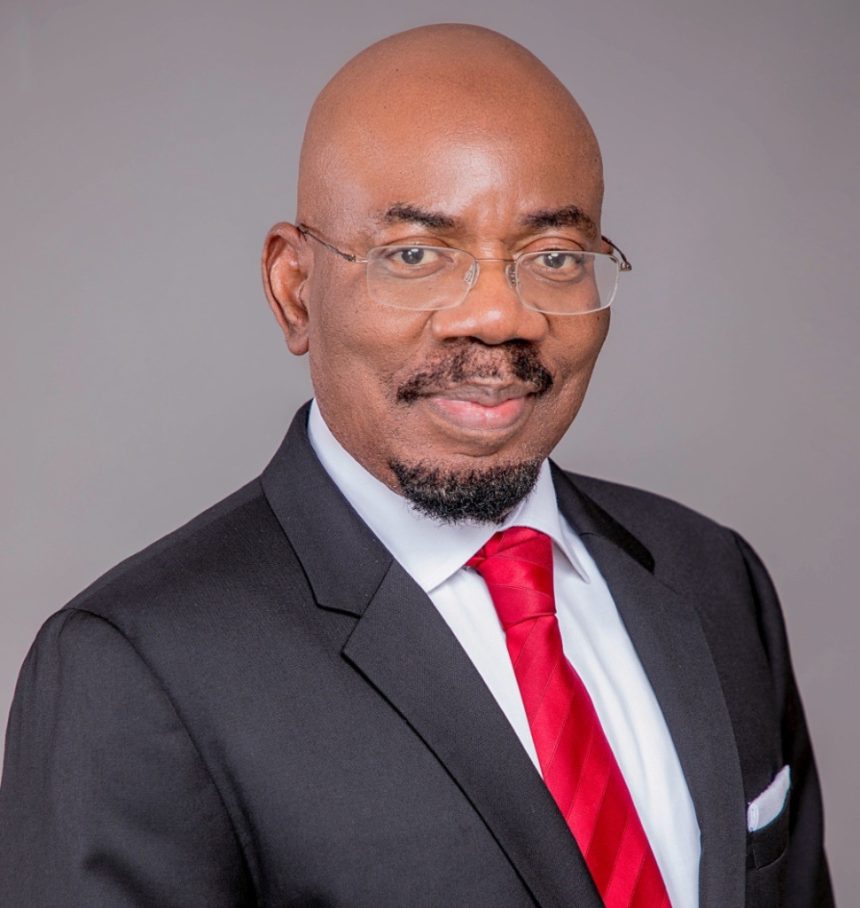
The founder and long-serving Chairman of Zenith Bank Plc, Jim Ovia, has officially stepped down from his role, marking the end of an era at the Zenith Bank’s 35th Annual General Meeting (AGM) held in Lagos.
Ovia quit after he completed the mandatory 12-year tenure permitted under corporate governance guidelines for financial holding companies in Nigeria.
His exit signals a major leadership transition for one of Nigeria’s most systemically important banks, where he has been instrumental in driving its evolution from a startup institution into a tier-one banking franchise.
Ovia, who founded Zenith Bank and has been a central figure in its growth trajectory, was credited by the Board for providing strong leadership, strategic direction, and effective oversight throughout his time as chairman.
Under his stewardship, Zenith Bank built a reputation for strong corporate governance, consistent profitability, and disciplined risk management, positioning itself as a market leader in Nigeria’s financial services sector.
His strategic influence also guided the bank’s expansion across key African markets and its dual listing on both domestic and international exchanges, reinforcing investor confidence and global visibility.
Following his departure, Engr Mustapha Bello has assumed the position of Chairman, taking on the responsibility of steering the bank through its next phase of growth and transformation.
Bello, who joined the Board on December 29, 2017, is currently the longest-serving director.
According to the bank, he brings extensive leadership experience, a deep understanding of corporate governance principles, and a track record in strategic oversight and organisational growth.
The bank added that Bello has demonstrated integrity, independence, and sound judgment during his time on the Board, positioning him to lead the institution through its next phase.
Zenith Bank confirmed that the appointment of Bello has received the Central Bank of Nigeria’s approval.
The transition is expected to ensure stability and a seamless continuation of the bank’s strategic objectives, as it navigates evolving regulatory and market dynamics.
In his acceptance remarks at the AGM, Bello reaffirmed his commitment to preserving and advancing the legacy established under Ovia’s leadership.
He emphasised a strategic focus on consolidating existing gains, enhancing operational efficiency, and accelerating innovation to ensure the bank remains competitive in an increasingly dynamic financial landscape.
Market analysts view the transition as a defining moment for Zenith Bank, given Ovia’s deep-rooted influence on the institution’s culture, governance framework, and long-term strategy.
Stakeholders are expected to closely monitor how the new leadership executes its mandate, particularly amid evolving regulatory pressures and macroeconomic challenges.
Further details are anticipated as the bank provides additional clarity on its leadership transition roadmap and strategic priorities.
Zenith Bank PLC has announced its unaudited results for the first quarter ended 31st March 2026, with a 6% growth in Gross Earnings, from N950 billion reported in Q1 2025 to N1.01 trillion in Q1 2026. This is despite the challenging operating environment and tightening monetary policy stance.
From the unaudited statement of account submitted to the Nigerian Exchange (NGX) recently, this growth was driven by an increase in interest income and non-interest income.
The increase in interest income was primarily due to the expansion of the Bank’s risk asset portfolio, supported by disciplined, risk-adjusted pricing. Interest expense moderated by 5% YoY in Q1 2026 underscored by a continued optimisation of the Bank’s deposit mix and funding structure.
This resulted in a 7% growth in net interest income from N591 billion in Q1 2025 to N634 billion in Q1 2026.
Non-interest income also improved 19% year on year, rising from N89 billion to N106 billion, highlighting an improvement in fees and commissions and higher contributions from other operating income streams. This performance reflects stronger customer activity and deeper transaction volumes across key business channels.
As a result, the Group recorded a 3% year on year increase in profit before tax, which rose to N361 billion compared with N351 billion in Q1 2025. Profit after tax also increased by 1% to N314 billion.
Profitability was further supported by a decline in cost of funds to 3.76% in Q1 2026 from 3.90% in Q1 2025; while cost of risk moderated to 2% in Q1 2026, reflecting a prudent and proactive risk management stance in an elevated yield environment.
Gross loans increased by 9% from N11.06 trillion as at full year 2025 to N12.04 trillion in Q1 2026, reflecting the continued commitment to carefully deploying credit into high growth sectors of the economy that enhance portfolio returns. Asset quality strengthened as the Non-Performing Loan (NPL) ratio eased to 3.79%, from 3.82% reported in December 2025, underpinned by disciplined credit risk management. Customer deposits rose to N24.47 trillion in Q1 2026, while total assets increased by 2% to N32.01 trillion over the same period.
Return on Average Equity (ROAE) and Return on Average Assets (ROAA) stood at 24.9% and 4% respectively, supported by strong top line earnings and enhanced balance sheet efficiency.
Net interest margin (NIM) strengthened to 12.5%, up from 10.3% in Q1 2025, underscoring the Group’s ability to preserve its margins and deliver improved shareholder returns. Prudential ratios remained strong and comfortably above regulatory requirements.
The Group’s Capital Adequacy Ratio (CAR) and Liquidity Ratio stood at 23.5% and 71% respectively, while the coverage ratio remained strong at 169%, reinforcing the Bank’s resilient capital and liquidity position.
The Group’s Q1 2026 performance underscores its continued focus on sustaining high-quality earnings growth, further strengthening asset quality, and deepening customer engagement through continued digital innovation. The Bank remains firmly committed to delivering sustainable growth anchored on sound corporate governance, prudent risk oversight, and disciplined capital allocation.