The Beer Sectoral Group (BSG) of the Manufacturers Association of Nigeria (MAN), in partnership with the Federal Road Safety Corps (FRSC), is set to launch the 2024 edition of its “Don’t Drink & Drive” campaign. The two-day event will take place on December 10th and 11th, 2024, to raise awareness on the dangers of drunk driving and ensure safer roads for all Nigerians.
The campaign will kick off with a media launch at the Radisson Blu Hotel, Ikeja, on December 10th. Key stakeholders will address the media, highlighting the campaign’s goals and achievements and the importance of continued collaboration in promoting road safety across Nigeria. The event will feature prominent executives from the BSG, FRSC, and other stakeholders in road safety advocacy.
On 11th December, the campaign will shift to three major motor parks—Ojodu, Ojota, and Oshodi—where drivers and road users will be engaged through an educational rally. During the rally, drivers will be sensitized on the dangers of drinking and driving, with a strong emphasis on responsible driving behavior. In addition, the FRSC will conduct voluntary breathalyzer tests at these locations, underscoring their commitment to fostering safer motoring environments across the country.
The 2024 edition of the “Don’t Drink & Drive” campaign promises to continue its tradition of educating the public on the risks of drinking and driving while providing the necessary tools for the FRSC to execute its duties effectively. The BSG and the FRSC remain steadfast in their mission to reduce road accidents and make Nigerian roads safer for everyone.
L-R: Director Enterprise, West Africa, MainOne Cable, Olubunmi Ogun; Chief Technology Officer, Airtel Nigeria, Harmanpreet Dhillon; Agile & Digital Transformation Manager, Deloitte Nigeria, Dapo Adefila; and Convener, CIO & C-Suite Awards Africa, Abiola Laseinde, during the 2024 edition of the CIO & C-Suite Awards at which Dhillon was recognized as the Overall Tech Champion of the Year, at the Civic Center, Lagos on Saturday, 30th November 2024.
Airtel Nigeria’s leadership team has demonstrated outstanding excellence in innovation and technology as two of its directors were honoured with three prestigious awards at the 5th edition of the CIO & C-Suite Awards, held on Saturday, 30th November 2024, at the Civic Centre, Victoria Island, Lagos.
The annual awards, organized by CIO Club Africa, celebrates outstanding achievements in technology and innovation leadership across 11 African nations, recognizing individuals and organizations shaping the future of the tech industry.
During the event, Harmanpreet Dhillon, Chief Technology Officer, Airtel Nigeria was recognised as Overall Tech Champion of the Year and also received the Gold Award as an Innovative Leader in the Telecommunications Sector. Also, the Director of Information and Technology, Airtel Nigeria, Kemi Ariyo, was recognized with the Silver Award as an Innovative Leader in the same category, highlighting her significant contributions to the sector.
While expressing his gratitude for the recognition, Mr. Harmanpreet Dhillon dedicating the awards to the efforts of the Airtel team.
“At Airtel, we are fully committed to continuous innovation and excellence and I must say this is a reflection of the relentless efforts and dedication of the entire Airtel Nigeria team. These awards inspire us to continue breaking barriers and achieving excellence through innovative technology,” he said.
The event brought together technology leaders, including Chief Technology Officers (CTOs), Chief Information Officers (CIOs), tech visionaries, security experts, and innovation pioneers who share a united goal of shaping the future of technology and driving transformative progress across industries.
In her remarks at the event, Kemi Ariyo also emphasised the importance of professional honours in encouraging innovation across the industry, stating, “Awards like these are a motivation to keep contributing meaningfully to the industry and to push the boundaries of what is possible in technology and telecommunications.”
These achievements reflect the brand’s commitment to excellence, innovation, and setting new benchmarks in the telecommunications industry.
The United Nations Office on Drugs and Crime (UNODC) has unveiled a compelling new infomercial that illuminates the harsh realities of migrant smuggling in Nigeria. This visual presentation draws on insights from the 2022 UNODC Smuggling of Migrants Observatory, providing a powerful lens into the challenges faced by migrants and the underlying drivers of irregular migration.
The infomercial explores the dangerous journeys many Nigerians undertake in search of better opportunities. It delves into the stories of deprivation, exploitation, and loss that define these perilous paths while uncovering the methods and motivations of smugglers who prey on vulnerable individuals. Through this eye-opening content, UNODC aims to raise awareness about the factors fueling migrant smuggling and the urgent need for collective action.
Behind every smuggling route lies a story of human suffering and unmet aspirations. This infomercial is an important step toward understanding and addressing the drivers of irregular migration and protecting vulnerable populations from exploitation.”
…The growing emphasis on privacy is expected to lead to new regulations that strengthen user control over personal data
According to Kaspersky’s latest report, artificial intelligence (AI) will become an integral part of daily life, while privacy concerns around biometric data and advanced technologies will take center stage in 2025. These forecasts are part of the annual Kaspersky Security Bulletin series, which provides an outlook on the cybersecurity trends and threats expected to impact consumers in the coming year.
AI becomes an everyday reality
AI is predicted to fully integrate into daily life in 2025, becoming a standard tool rather than a novel technology. With prominent operating systems like iOS and Android rolling out AI-enhanced features, people will increasingly rely on AI for communication, workflows, and creative tasks. However, this normalisation also brings challenges, particularly as personalised deepfakes become increasingly sophisticated in the absence of reliable detection tools.
Privacy regulations will expand user data ownership
The growing emphasis on privacy is expected to lead to new regulations that strengthen user control over personal data. By 2025, individuals may gain the right to monetise their data, transfer it easily across platforms, and benefit from simplified consent processes. Global frameworks, such as the EU’s GDPR, California’s CPRA and South Africa’s POPIA, continue to inspire reforms worldwide, while decentralised storage technologies could further strengthen user autonomy over their information.
Fraudsters will continue to exploit premieres and releases
Cybercriminals are expected to target prominent gaming, console, and film launches in 2025. Titles like Mafia: The Old Country, Civilization VII, and Death Stranding 2, as well as the anticipated Nintendo Switch 2, are likely to attract scams involving fake pre-orders, counterfeit rootkits, and malicious downloads. Similarly, blockbuster films like Superman and Jurassic World Rebirth may trigger phishing campaigns and counterfeit merchandise fraud aimed at enthusiastic fanbases.
Political polarisation will fuel cyberbullying
Increasing political polarisation is expected to exacerbate cyberbullying in 2025. Social media algorithms that amplify divisive content, combined with the widespread availability of AI tools for creating deepfakes and doctored posts, are likely to intensify online harassment. Cross-border cyberbullying could also escalate as global platforms facilitate the targeting of individuals based on their political beliefs.
Rising number of subscription services will fuel fraud risks
As the global economy shifts further towards subscription-based models, a rise in fraud related to fake subscription promotions is expected. Cybercriminals are expected to create counterfeit services that mimic legitimate platforms, aiming to deceive users into providing personal and financial information, resulting in identity theft and financial losses. Additionally, the growth of unofficial resources that provide discounted or free access to subscription services is expected to become a significant threat vector, exposing users to phishing attacks, malware, and data breaches.
Prohibition of social media for children may lead to broader user restrictions
Australia’s proposed legislation to ban social media access for children under 16 could set a global precedent. If implemented successfully, the restriction could pave the way for broader limitations on access for other demographics. Platforms like Instagram have already begun adopting AI-powered age-verification systems, signaling a shift toward stricter governance of online spaces.
“As we look to 2025, the most significant impact on consumers is expected to arise from the intersection of innovation and regulation. Advances in AI, privacy protection, and data ownership frameworks will reshape the way people interact with technology and manage their digital lives. These developments hold immense potential but also demand careful oversight to ensure they serve consumer interests,” said Anna Larkina, Kaspersky privacy expert.
To stay safe, Kaspersky experts also recommend:
Enable a safe browsing feature, such as the one in Kaspersky Premium, to help avoid Internet tracking. This feature also protects users from dangerous sites (like phishing ones), malware, and other maliciously installed files and extensions.
Configure your social networks for enhanced privacy to make a difference. Services such as Privacy Checker can help users adjust privacy settings and strengthen the protection of their personal accounts. In addition, modern security solutions often include features that enhance privacy levels across various social networks.
Opt for secure and private connections. Avoid using public Wi-Fi networks for sensitive activities. Consider using a reliable VPN to encrypt your Internet connection and protect your online activities from being monitored.
Install apps only from official stores like the Apple App Store, Google Play or the Amazon Appstore. Although apps from these markets are not 100 percent failsafe, at least they are checked by store representatives, and a filtration system is in place – not every app is authorised for listing on these platforms.
Download a reliable security solution to help you detect malicious apps and adware before they can harm your device.
Don’t share serial numbers, IP addresses and other sensitive information regarding your smart devices on social networks. Avoid using unreliable passwords. Weak combinations, such as those consisting of letters only, do not offer sufficient protection. For added convenience and security, consider using a special app, such as the Kaspersky Password Manager.
…The MAC 2024 grand finale marked the culmination of the competition, which celebrated innovative AgriTech solutions driving change in West Africa
The Meltwater Entrepreneurial School of Technology (MEST Africa) has announced SAYeTECH as the winner of the MEST Africa Challenge (MAC) 2024. The MAC 2024 grand finale marked the culmination of the competition, which celebrated innovative AgriTech solutions driving change in West Africa. Hosted in partnership with the Norwegian Embassy in Accra, this year’s theme, ‘Find Your Soil,’ focused on AgriTech innovation in the region.
MAC 2024 attracted applicants from key markets in the West African Region including Benin, Cape Verde, Côte D’Ivoire, Gambia, Ghana, Guinea, Guinea-Bissau, Liberia, Mauritania, Nigeria, Senegal, Sierra Leone, Mali, and Togo. Six standout finalists were selected to pitch their groundbreaking agricultural technology solutions, all aimed at enhancing regional productivity and sustainability.
SAYeTECH, a Ghanaian startup led by Theodore Ohene-Botchway, won the grand prize for its innovative agricultural machinery tailored to African conditions. It secured $50,000 in equity funding to scale its operations.
“The funding will enable us to scale production and reduce delivery lead times, providing smallholder farmers with the equipment they need to increase productivity,” said Ohene-Botchway.
As MEST continues to deepen its influence on Africa’s tech startup landscape, the MEST Africa Challenge remains the continent’s premier pitch competition for emerging tech entrepreneurs. The competition is designed to provide the ideal environment for tech innovators and startups to grow and succeed.
“AgriTech innovation thrives when it’s rooted in the right environment. ‘Find Your Soil’ is about helping innovators find the ecosystem where they can grow. Through the MEST Africa Challenge, we provide the visibility, partnerships, and support to help them succeed,” said Ashwin Ravichandran, Portfolio Advisor, MEST Africa.
MEST Africa is committed to creating wealth and jobs in Africa by fostering digital skills, supporting startups, and providing access to global networks.
As controversy rages over the sack of over 70 tanker drivers by the General Secretary of Nigeria Union of Petroleum and Natural Gas Workers (NUPENG), Afolabi Olawale and endorsed by the President, Williams Akporeha, the affected individuals have taken to various platforms to express their displeasure.
This development came barely 24 hours before the official commissioning of the newly built NUPENG National Secretariat, known as NUPENG Tower, which is scheduled to take place at Jibowu, Lagos, on Wednesday, December 4, 2024.
These tanker drivers were the ones driving the trucks belonging to the national chairman of the Petroleum Tanker Drivers (PTD) Branch of NUPENG, Comrade Lucky Osesua and his team of executives, including Comrade Garga Dayyabu, Comrade Olabisi Akinlolu, Comrade Emmanuel Isele and others.
The grossly hapless drivers, devastated and currently in abject poverty are now telling their stories and expressing their disappointments in NUPENG, especially the General Secretary for being the architect of their ordeal.
They were also surprised that a Union expected to protect their jobs was the one that has deliberately rendered them unemployed without recourse to empathy or any form of assistance or compensation to cushion the effects of the hardship they are presently going through.
One of the affected drivers in Lagos, Kehinde Dada, a.k.a. Baba Ibeji, lamented that after serving the union for years, his job was abruptly stopped, because a letter which the General Secretary of NUPENG signed directed that trucks belonging to Comrade Lucky Osesua and his team should no longer lift fuel in all the loading depots in Nigeria without putting into account the consequences such action will have on the affected Petroleum Tanker Drivers whose jobs will be terminated. According to him, while on the job, he acquired his first and second degrees in Library and Information Science, but Afolabi has dashed his hope of progressing more in his life and career.
Similarly, another driver from Sapele who gave his name as Kingsley said:
“The action taken by the Afolabi Olawale against the Osesua faction of PTD was rather harsh and drastic. I personally don’t have any other job. I feed my family with the driving job. The leadership of NUPENG under Afolabi as the General Secretary does not portray the traits of a good leader. A good leader should be able to seek advice, but he is going about this issue wrongly. By now peace should have been restored in PTD, the two factions ought to have been reconciled, but the whole place is currently in serious turmoil, with many court cases here and there, and drivers are seriously suffering, some are in hospitals, some have even died. These people in NUPENG should know that God will reward them and their generations the same coin they served others,” he lamented.
Alhaji Mukhtar Mohammed, also one of the affected taker drivers in Kaduna narrated his experience:
“It is disgusting and embarrassing to see that the one-time Trade Union which was organized and brought to limelight by the late Chief (Comrade) Frank Ovie Kokori with the objective to protect the interest and foster better working conditions for the blue-collar employees in Nigeria’s oil and gas sector would come this low. I really paid my dues in PTD, it is so unfortunate that Afolabi will treat me and my other colleagues like this. I am now managing my family with Okada driving, with very low returns.
“Somebody should come to our aid and take us out of this sad and avoidable situation. One man has messed up both PTD and NUPENG. The stake in PTD, particularly access to administrative, operational and economic incentives and other opportunities should not be left in the hands of stooges who want to siphon the common patrimony of PTD under the whimps and caprice of overzealous leaders in NUPENG, that is why concerned members of PTD of good conscience are saying enough is enough. Comrads Lucky Osesua, Comrade (Hon.) Dayyabu Yusuf Garga, Comrade (Chief) Peter Moudebelu (ONWA), Comrade Humble Obinna Power, Comrade Olabisi Akinlolu etc, are capable of driving the affairs of PTD and I pray that God will restore them back to the National office of PTD as our leaders.
“Meanwhile, the popular cry in PTD now is that it must be allowed to breathe such that members could peacefully and conveniently be proud and better for what they are doing as we continue to traverse the length and breadth of Nigeria through the distribution and transportation of Petroleum products and supply of gas to Nigerians in their homes, offices and factories.
“It is not about building a 7-storey Tower with no economic significance, these leaders should do better for the members and make their lives more meaningful and abundant. We also learnt from good authority that the PTD’s money that was used to erect NUPENG Tower during Comrade Salimon Akanni Oladiti’s tenure when he was our national chairman was made possible because he is eyeing to be NUPENG President after the tenure of Williams Akporeha, meanwhile, the General Secretary of NUPENG Afolabi who is not a member of PTD but a paid staff of NUPENG is also eyeing the exalted position of NUPENG President, and secretly planning to resign six months to the end of his tenure in April 2026. I have never seen this type of desperation in my life.
“NUPENG now totters towards a dangerous and avoidable canyon of dry bones, as its staff members and branch members can no longer recognise their union which has been battered by men and women from the dark womb of time”, Mohammed who spoke in tears stated.
Charles Ibe, on his part, a driver also who lives in Port Harcourt and father of five, narrated, “I am a father of 5, two of my children are no longer in school because I no longer have a truck to drive. Since 2023 when this PTD crisis started its been hell for all tanker drivers who are driving trucks belonging to Comrade Lucky Osesua. It’s a huge surprise to see that the leadership of NUPENG, particularly the General Secretary, Afolabi Olawale, grounded all the trucks belonging not just to the National Chairman of PTD and the deputy Chairmen but also to other national executives of PTD who belong to Comrade Osesua’s camp. NUPENG also stopped all the trucks that are supposed to take products to their gas stations.
“This oppressive leadership style is very strange to us and we urge the government and the public to take note of this flagrant abuse of power. We are tired of seeing wicked people in positions of authority in NUPENG, instead of creating jobs and protecting jobs, you are now the one forcefully pushing people into joblessness, abject poverty, desolation and pain. We want the government to urgently intervene in PTD and NUPENG affairs and help restore sanity.”
Charles further said, “In the interest of industrial peace and harmony, it is urgently expected of the Presidency, Ministry of Labour and Employment, Department of State Services, Police, National Security Adviser, Ministry of Petroleum Resources, National Assembly (Senate & House of Representatives), Civil Society Organisations, NLC, MOMAN, NARTO, TUC, DAPMAN, Elders/Veterans of NUPENG and all other critical stakeholders to look into the current execrable situation in the PTD Branch of NUPENG and find it a lasting peace, before it spirals out of control and set the country’s economy into an avoidable implosion.”
Global plastic production is set to triple by 2050, even as only 9% of plastic waste has ever been recycled.
Negotiations to produce a legally binding treaty to curb the global explosion of plastic pollution fell short on Sunday as efforts to limit the production of fossil fuel-based plastics supported by over 100 countries, including the European Union, met fierce opposition from oil-producing nations.
A coalition of oil and gas producers led by Saudi Arabia that included Iran, Russia, and other Gulf states under the Arab group, opposed capping plastic production, insisting the treaty should focus solely on plastics waste management.
Negotiations this week in Busan, South Korea (known as INC-5), were meant to be the final round of a two-year process to create what the UN Environment Agency and environmental groups called “the most important multilateral treaty” since the 2015 Paris climate agreement.
Instead, the Busan summit became the third major failure of multilateral environmental negotiations in as many weeks, following disappointing outcomes at COP29 in Baku and a total collapse of talks over new funding and enforcement mechanisms at the UN Convention on Biological Diversity’s COP16 in Cali, Colombia, which aimed to protect nature and wildlife.
“A few critical issues still prevent us from reaching a comprehensive agreement,” said the chair of the negotiations, Luis Vayas Valdivieso, Sunday evening, in delivering the message there would be no final outcome at this round.
Nearly 200 nations participated in the negotiations. The next round of plastics negotiations has not been scheduled or assigned a location.
“Our mandate has always been ambitious. But ambition takes time to land,” Valdivieso said. “We have many of the elements that we need, and Busan has put us firmly on a pathway to success … to reverse and remedy the severe effects of plastic pollution on ecosystems and human health.”
Deep fault lines unresolved
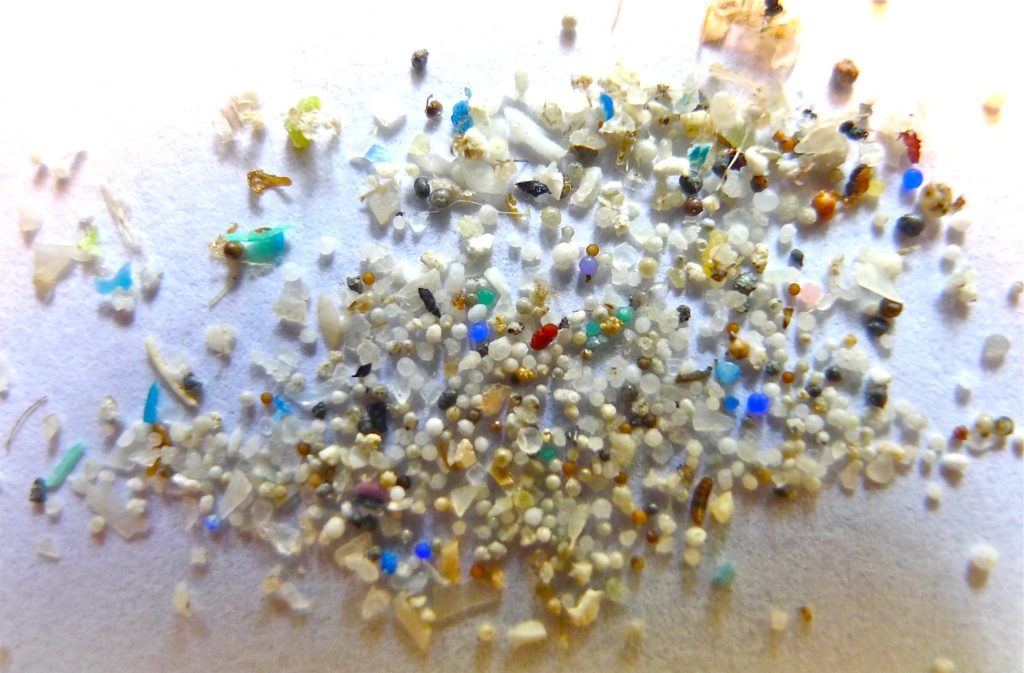
Microplastics were detected in human blood for the first time this year, heightening research efforts to understand their effects on our health.
Deep fault lines have persisted since talks began in Paris in March 2022. Nations remain divided over plastic production limits, bans on harmful chemicals in plastics, recycling’s role in solving the crisis, and funding for developing nations to implement the treaty’s goals.
The scale of disagreement was laid bare in the previous negotiating round in Ottawa in April, which produced a near-illegible draft with 3,400 disputed sections. The final text published by the chair has whittled these down to 340 contested items, but the core disputes that have defined debates since the start remain unsolved.
“It is clear there is persisting divergence in critical areas,” UNEP executive director, Inger Andersen said in a statement, adding that talks had “moved us closer” to a legally binding treaty to protect “our future from the onslaught of plastic pollution.”
While the failure to reach an agreement after 18 months marks a significant setback, other major UN environmental processes have faced far longer paths. It took three decades for climate negotiations to formally acknowledge fossil fuels’ role in global warming, while UN biodiversity talks reached their first binding treaty in 2022, thirty years after the 1992 Rio Earth Summit.
“The world’s commitment to ending plastic pollution is clear and undeniable,” Andersen said. “More time is needed.”
Ambition up
More than 100 countries, including the EU and the United Kingdom, backed a Panama-led draft text in Busan calling for reducing plastic production to “sustainable levels”. The proposal would require nations to report their plastic production, import and export data to monitor global progress on curbing new plastics.
The level of support mirrors broader backing for tough measures on plastics. WWF tallies from the third round of negotiations in Nairobi in late 2023 showed over 100 countries favouring bans or phase-outs of the most harmful plastics, with 140 pushing for a legally binding treaty.
These nations argue plastic production is the root of the crisis. In the thousand days since nations first agreed to establish a binding treaty on plastic pollution, manufacturers have produced more than 800 million tonnes of new plastic, over 30 million tonnes have leaked into oceans, while millions more have been incinerated or sent to landfills.
“Postponing negotiations does not postpone the crisis,” Panama’s lead negotiator, Juan Carlos Monterrey Gomez, told the closing plenary on Sunday. “When we reconvene, the stakes will be higher. This is not a drill, this is a fight for survival. We did not accept a weak treaty here, and we never will.”
But the bloc known as the “like-minded” group of petrochemical producers, led by Saudi Arabia and including Russia, Iran, and other Arab states, oppose Panama’s proposal to limit production. These nations argue that including production limits oversteps the treaty’s mandate, which they say should focus solely on plastic pollution and waste.
Their plan to maintain plastic production growth threatens to derail global climate goals. Scientists estimate that a 75% reduction in plastic production is needed by 2040 to keep global warming to 1.5 degrees Celsius. Without such cuts, plastic production alone could consume up to 31% of the world’s remaining carbon budget to stay within that critical temperature threshold.
Health risks mount as treaty’s approach remains undecided
Beyond the climate impacts, plastics pose escalating health risks through contamination of food chains, water, soils, and ocean life – all eventually making their way into people’s bodies.
Scientists have detected plastic particles in human blood, lungs, breast milk, and unborn children. Research shows that people unknowingly consume about five grams of microplastics weekly through eating, drinking and breathing, while over 3,200 chemicals in plastics have known toxic effects and another 5,000 remain inadequately studied.
Researchers have even discovered “plasticosis,” a new condition where microplastics alter cell behaviour in human and animal organs.
Despite this growing evidence base, the treaty’s approach to health remains undecided. The final text presents two options: a standalone health article championed by Brazil, or strengthened health references throughout the document.
With negotiations in Busan conducted behind closed doors, countries’ positions on this choice remain unclear.
“Our babies are entering this world with their brains and bodies already contaminated with plastics, exposing them to toxic chemicals that can affect their ability to learn and increase their risk of endocrine disorders, reproductive harm, and cancers,” Aileen Lucero from the International Pollutants Elimination Network (IPEN) told delegates at the closing session.
The financial toll on health is mounting. The Endocrine Society found just four families of plastic chemicals cause over $400 billion in annual health costs in the United States alone. Globally, the UN Environment Programme warns that inaction on chemical and plastic pollution could cost up to 10% of global GDP.
“The science is clear: A treaty that protects human health and the environment needs to address the issues of plastic production and chemicals,” said Bethanie Carney Almroth, Professor at the University of Gothenburg, speaking for the Scientists’ Coalition for an Effective Plastics Treaty, a network of over 400 independent experts.
Paradox for the healthcare industry
There is also a paradox, however, for healthcare professionals. The healthcare industry relies heavily on plastics like PVC in essential medical equipment from IV tubing to protective gloves and masks. The COVID-19 pandemic only deepened this dependence as single-use protective gloves and masks became even more widely used by the general public, as well as health care practitioners, for infection prevention.
But at the same time that a growing chorus of voices in the health sector also are calling attention to the health impacts of plastics in medical devices. Groups like Health Care Without Harm have worked to reduce use, and improve management, of plastics in health care facilities, and particularly of PVC, whose production requires large inputs of highly toxic mercury, asbestos or PFAS [per- and polyfluoroalkyl. One PVC’s main building blocks, vinyl chloride, is a potent carcinogen. They also have called out the impacts of health sector medical waste incineration – which in low- and middle-income countries may be in primitive stoves or open pit fires. This further generates community exposures to dangerous particulate pollution as well as longer-lived Persistent Organic Pollutants (POPS), such as dioxins and furans.
At the same time, improving health sector management of plastics used, and eventually transition to new types of single-use materials that are both safe and environmentally friendly is not an easy process – a widely acknowledged fact of life.
“There are specific considerations for the health industry due to the stringent regulatory rules that are applied to ensure that materials meet rigorous quality, safety, and efficacy standards to protect patient health. Changes require time and resources, from industry and from national regulatory agencies, to be implemented. Testing and validation of innovative packaging material can take up to 5-10 years to complete,” said the International Federation of Pharmaceutical Manufacturers and Associations (IFPMA), in a joint statment with the Global Self Care Federation and the International Generic and Biosimilar Medicines Association, at the start of the Busan meeting.
“We believe it is possible to achieve a treaty that protects both the environment and human health, through harmonized, targeted extended compliance periods; in line with regulatory standards and timelines; and through limited exemptions where no feasible and safe alternatives exist at sufficient quality and scale,” the statement continued. “It will be critical to include such provisions in both the instrument and the annexes, as required. This will provide the approach needed to transition while new or alternative materials, processes, and formulations are established in collaboration with regulatory authorities.”
Fossil fuels crash the party, again
Unrecycled plastics have knock-on effects on the environment, emissions, biodiversity, and human health.
Regardless of whether the concerns related to health, environment or climate, oil-producing nations maintained the treaty’s focus should be on the waste, and not the product itself.
“The objective of this treaty is to end plastic pollution, not plastic itself,” Kuwait stated for the “like-minded group” of fossil fuel producers on the final day. “Attempting to phase out plastic rather than addressing the issue of plastic production risks undermining global progress and exacerbating economic inequality.”
With negotiations largely behind closed doors, observer access was limited. Yet reports emerged of Saudi Arabia’s blocking tactics – from demanding unanimity on every decision to raising repeated procedural objections. The Saudi delegation even disputed a Brazilian working group leader’s authority to schedule a lunch meeting to recover lost time, the New York Times reported.
The Global Partnership for Plastics Circularity, an industry group established specifically to influence the treaty talks and representing fossil fuel giants like Saudi Aramco, Chevron, Shell, and ExxonMobil, emphasised “addressing mismanaged waste” through improved recycling and waste collection systems.
These arguments mirror tactics the petrochemical industry has employed since the 1960s. But decades of evidence tell a different story. Of the 8.3 billion tons of plastic ever produced, only 9% has been recycled, while 79% has ended up in landfills or the environment.
The 2023 Plastics Overshoot report found that 43% of plastic produced globally is mismanaged and will likely contaminate air, water, or soil. The 2023 Plastic Waste Makers Index, meanwhile, called recycling “at most, a marginal activity” – and with increasingly complex chemical compositions in plastics, the problem is only getting worse.
Industry’s strategic pivot
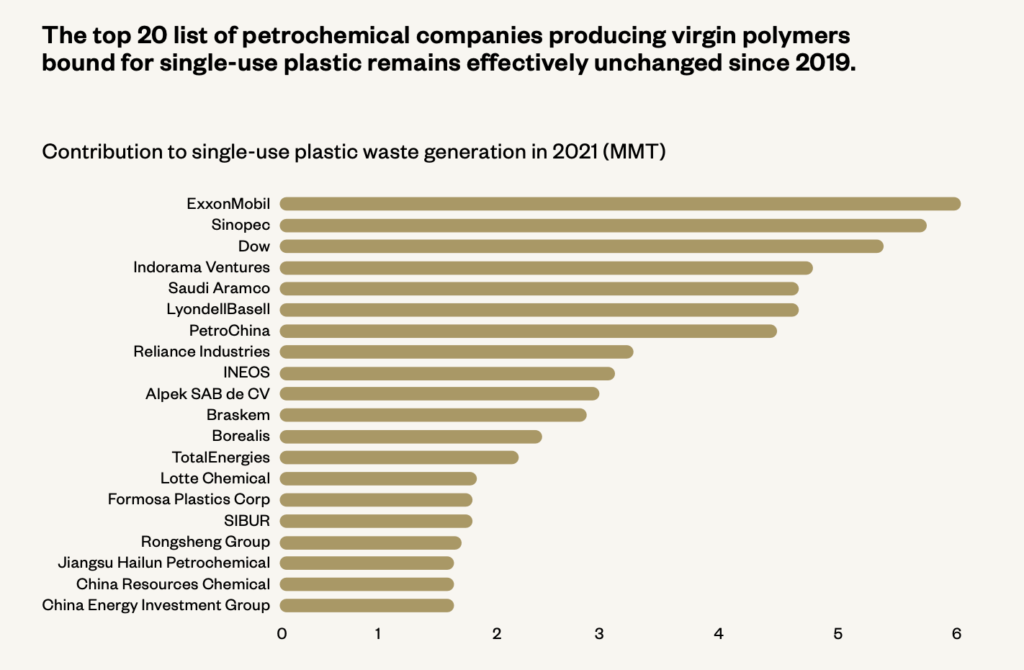
Top 20 global producers of single-use plastics for the year 2021. The list remains effectively unchanged since 2019.
The fierce resistance to production limits stems from oil-producing nations’ strategic pivot toward plastics as traditional markets decline. For the fossil fuel industry and its partners, plastics offer a horizon for continued expansion even as power grids and vehicles shift to renewable energy. Petrochemicals and plastics are projected to become oil’s primary demand driver – accounting for half of consumption by 2050, according to IEA forecasts, with plastic production set to represent 20% of oil and gas output.
While Saudi Arabia led the fight against production caps in Busan, it’s part of a broader trend. Despite global pledges on climate and plastic pollution, major petrochemical investments continue across the Middle East, China, and the US, University of Lund research shows. For oil and gas producers, plastics offer a profitable sanctuary as clean energy expands. Petrochemicals yield higher margins than transport fuels – crucial as energy-sector fossil fuel demand wanes.
Lost in the battles in Busan were the positions of the world’s two largest plastic producers. Both China and the United States were notably absent when treaty advocates made their case for production limits on Sunday.
Though the US backed production cuts earlier this year, observers suggest this position is likely to shift following Donald Trump’s recent victory and pledges to continue expanding record levels of oil production. Beijing has put forth proposals to limit the use of harmful chemicals in plastics, but shown little interest in capping production.
Plastics lobbyists swarm talks
Plastic threads rest on a coral reef off the coast of Wakatobi National Park, Indonesia.
Plastic-producing nations were supported by an unprecedented industry presence at the UN talks. Fossil fuel and chemical industry lobbyists formed the largest single delegation, with 220 representatives. This group outnumbered both the European Union’s combined delegation and the host country South Korea’s representatives, according to analysis by the Center for International Environmental Law.
The industry’s efforts to shape the treaty have been extensive. Over 93% of statements opposing an ambitious treaty came from chemical and petrochemical sectors, with companies like ExxonMobil, Dow Inc, BASF, and SABIC leading efforts to weaken the agreement, according to a report released during the talks by InfluenceMap.
“Their strategy — lifted straight from the climate negotiations playbook — is designed to preserve the financial interests of countries and companies who are putting their fossil-fueled profits above human health, human rights, and the future of the planet,” said Delphine Levi Alvares, Global Petrochemical Campaign Manager at CIEL.
The industry’s aggressive presence at the talks reflects what’s at stake. Petrochemical companies increasingly see plastics as a safe haven from carbon regulations as demand for fossil fuels declines in other sectors.
This pivot to plastics production helps offset falling fuel demand, but threatens to dramatically increase plastic waste globally, research shows.
“There is little assurance that the next INC will succeed where INC-5 did not,” the Global Alliance for Incinerator Alternatives (GAIA), representing local communities affected by plastic pollution, said in a statement. “There is a strong probability that the same petro-state minority will continue their obstructionist tactics and further imperil the plastics treaty process.”
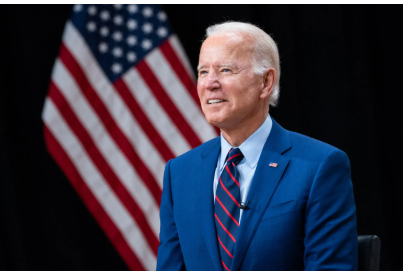
Today, President Joseph R. Biden announced a groundbreaking commitment of over $1 billion in humanitarian assistance to address critical food insecurity and other urgent needs in 31 African countries. The announcement, made during President Biden’s visit to Angola, underscores the United States’ unwavering dedication to alleviating hunger and supporting vulnerable populations across the continent.
This funding includes nearly $823 million from the U.S. Agency for International Development (USAID) – of which more than $202 million is allocated from the U.S. Department of Agriculture’s Commodity Credit Corporation – and nearly $186 million from the U.S. Department of State.
President Biden’s announcement builds on the commitments made during the 2022 U.S.-Africa Leaders’ Summit, where he pledged to strengthen partnerships with African nations to advance food security and tackle the ongoing food insecurity crisis through targeted humanitarian efforts. According to the United Nations, nearly 300 million Africans—one in five—faced hunger in 2023, with rising numbers of individuals experiencing acute food insecurity and malnutrition driven by armed conflict, extreme weather events, and other emergencies.
“This announcement reaffirms the United States’ steadfast commitment to standing shoulder-to-shoulder with our African partners in the fight against food insecurity and supporting the most vulnerable populations,” said President Biden. “Together, we can address this challenge and help communities build a stronger, more resilient future.”
The newly announced funding will empower U.S. humanitarian partners to deliver life-saving assistance, including emergency healthcare, water, sanitation, and hygiene services aimed at preventing the spread of infectious diseases among at-risk populations. It will also support programs addressing protection, mental health, education, and shelter needs for refugees, internally displaced persons (IDPs), and affected communities.
Additionally, the Commodity Credit Corporation funding enables USAID to procure, ship, and distribute U.S.-produced agricultural commodities to provide essential food aid to food-insecure populations in East and Central Africa. These efforts also strengthen ties between American farmers and communities in need, showcasing the power of global collaboration to address critical challenges.
In Fiscal Year 2024, the United States provided nearly $6.6 billion in humanitarian assistance across sub-Saharan Africa, reaffirming its role as a global leader in responding to crises. While the U.S. continues to step up, President Biden called on the international community to amplify efforts in addressing this historic level of need.
“The scale of the crisis demands a collective response,” said President Biden. “We urge other donors to join us in this critical mission to save lives and build a future where no one suffers from the pangs of hunger.”
The United States remains committed to partnering with African nations to combat food insecurity, alleviate suffering, and foster resilience across the continent. This latest initiative reinforces a shared vision of progress, stability, and dignity for all.
The Federal Government through its Securities and Exchange Commission has reaffirmed its commitment to safeguarding investors by strengthening its regulatory oversight in the rapidly expanding fintech sector.
In a statement on Sunday, the SEC Director-General, Emomotimi Agama, disclosed this during a one-day capacity training for financial journalists in Abuja.
Agama assured stakeholders that the Commission would enforce regulations to curb fund mismanagement and ensure fintech operators comply with capital market rules.
“It is time for fintech operators to be held accountable to the rules of the capital market, particularly when raising funds,” Agama said, emphasising the need for a regulatory environment that fosters innovation while maintaining investor protection.
In a panel discussion at the event, the Director of the Registration, Exchanges, and Market Infrastructure Department at the SEC, Hasfat Rufai, acknowledged the challenges brought by the rise of digital platforms, cryptocurrencies, and fintech startups.
Rufai highlighted the Commission’s commitment to ensuring that investors’ interests remain protected despite these new disruptions.
“While these trends bring new opportunities, they also come with challenges, particularly around regulation and investor protection,” she noted.
Rufai further elaborated on the transformation of the investment landscape, stating, “The digital age has transformed the investment landscape, offering greater accessibility, innovation, and opportunity. Investors must adapt to this evolving environment by embracing technology, seeking knowledge, and making responsible investment choices.”
The Securities and Exchange Commission has cautioned investors and the general public against engaging with Marino FX Ltd, which is falsely claiming to be an SEC-licensed cryptocurrency exchange.
The financial sector is the backbone of any economy, driving transactions, investment, and growth. In Nigeria, the financial sector is under siege. The recent report from the Financial Institutions Training Centre (FITC) confirms this. The report reveals a shocking escalation in fraudulent activities, leaving banks and customers vulnerable in the first nine months of 2024.
This rising tide of financial fraud raises critical questions: Why is fraud surging, and what can be done to stem the tide?
The FITC Fraud and Forgery Report for Q3 2024 paints a grim picture. Fraud cases reported by Nigerian banks jumped by an alarming 65 per cent from 11,532 in Q2 to 19,007 in Q3. The monetary figures are equally disturbing. In Q3, fraudsters attempted to steal an eye-watering N115.9 billion—more than double the N56.6 billion recorded in the previous quarter.
While the actual losses in Q3 were curbed at N10.1 billion—a significant drop from N42.8 billion in Q2—this still marks a troubling year. In the first nine months of 2024, Nigerian banks lost an estimated N53.4 billion to fraud, a steep increase from the N9.4 billion lost in 2023.
The report attributes this surge to the increasing digitization of financial transactions, which, while enhancing convenience, has also provided fraudsters with a wider playing field. It is now clear that as banks race to adopt advanced technologies, they must contend with an evolving landscape of cyber threats.
We’ll need to look closer to understand the numbers. For instance, despite the surge in fraudulent attempts, the losses incurred have decreased significantly in Q3, indicating improved detection and prevention mechanisms by banks.
In addition, the N53.4 billion lost so far in 2024 dwarfs the N9.4 billion lost in 2023, underscoring an urgent need for strengthened fraud prevention strategies.
Besides, the report indicates that fraud is escalating across all platforms, with digital transactions emerging as a significant area of concern. This is not surprising, for as more Nigerians adopt online banking, the potential for cybercrime has grown exponentially.
This trend is driven by several factors. Many banks lack advanced cybersecurity measures capable of countering sophisticated fraud schemes.
Internal collusion remains a significant issue, with some bank employees aiding fraudsters. Moreover, a lack of public awareness about basic cybersecurity practices makes customers vulnerable to scams like phishing. Regulatory gaps further compound the problem, as the speed at which fraud tactics evolve often outpaces existing measures.
Notwithstanding the challenges, there is a glimmer of hope. The reduction in losses in Q3 suggests that banks are improving their detection and prevention mechanisms. However, this progress needs to be scaled up and sustained. Addressing the fraud epidemic will require concerted efforts from all stakeholders, including financial institutions, regulators, and customers.
First, banks must strengthen their cybersecurity infrastructure. Advanced fraud detection systems powered by artificial intelligence and machine learning can help identify unusual transaction patterns and flag them before significant losses occur.
Second, employee training and accountability must be prioritized. Bank staff should be regularly trained on fraud prevention techniques, while stricter penalties and internal monitoring systems can help deter insider threats.
Third, public awareness campaigns are essential. Customers need to be educated about protecting their financial information and recognizing potential scams. Simple actions, such as not sharing sensitive banking details or ignoring unsolicited messages, can make a significant difference.
Furthermore, collaboration is another key element. Banks and regulatory bodies should share data on emerging fraud trends, creating a unified database to help institutions stay ahead of criminal tactics. Regulatory frameworks also need to evolve, ensuring stricter penalties for fraud and keeping pace with technological advancements.
The FITC report serves as a wake-up call for stakeholders in Nigeria’s financial sector. While commendable progress has been made in reducing actual losses, the overall increase in fraud attempts underscores the need for a more proactive approach. This is not just a banking issue—it is a national economic threat.
It is clear that Nigeria can turn the tide against financial fraud by prioritizing cybersecurity, fostering collaboration, and empowering citizens with knowledge. For banks, customers, and regulators alike, the message is clear: the time to act is now.
Eromosele, a corporate communication professional writes via: elviseroms@gmail.com
A new report from Duplo, a leading provider of technology solutions to optimize financial operations for businesses in Africa, has highlighted the need for inflation-adjusted compensation packages and better training support for staff to address talent retention challenges in Nigeria’s finance sector.
The Duplo 2024 Salary Report is based on a survey of 593 finance professionals, with the majority of respondents falling within the 5-10 years of experience range (31.5%), followed by those with 3-5 years (19.9%) and less than 3 years (18.6%). According to their responses, satisfaction with compensation remains low, with nearly 27% of respondents very dissatisfied and 29% moderately dissatisfied with their current compensation. Only a small portion (3%) report being very satisfied with their current compensation (down from 14.8% in 2023), indicating a growing need for more attractive and comprehensive compensation strategies.
The survey also revealed that economic instability (41.4%) and migration – commonly referred to as ‘Japa’ – (34.5%) represent the biggest threats to talent retention in the sector. 91.6% of respondents have been negatively impacted by recent exchange rate fluctuations and rising inflation, underlining the economic pressures on finance professionals in the country.
On the contrary, professionals who regularly negotiate salary adjustments reported higher levels of satisfaction with their compensation, highlighting the value of negotiation skills. These findings align with broader industry trends, which indicate that salary negotiations can significantly boost job satisfaction and financial growth.
The report also touches on the extent and impact on professional training on compensation and satisfaction. 79% of respondents said they have had some professional training in the past five years, and 22.8% have relocated or pursued further studies to enhance their earning potential, with only 12% reported receiving financial support from their employers for these endeavours. This points to an opportunity for organizations to invest more in their employees’ professional growth. The report also recommends that finance professionals aiming to increase their earning potential should focus on acquiring in-demand skills such as digital finance, data analytics, and compliance.
Speaking on the findings of the survey, Yele Oyekola, CEO and co-founder of Duplo, said, “CFOs and finance leaders need to prioritise transparent and inflation-adjusted compensation packages to mitigate the current economic pressures and give themselves the best chance of retaining talent. Beyond salaries, organizations can explore innovative benefits such as flexible work arrangements, performance-based incentives, and adequate technology solutions to retain and get the best from top talent without overburdening their budgets. Employee upskilling can also drive higher levels of engagement that is critical to fostering loyalty and maintaining a competitive edge in the marketplace.”
In this economy, you can’t be paying for things and not getting the full value. Unfortunately, that’s how most cable TV subscribers feel. It’s like there’s a lot on TV, but nothing for you. Here’s a solution to that problem. We’ve taken the time to sieve through everything, so you don’t have to. Here are a few tips to help you make the most of your GOtv subscription during the holidays.
Take Advantage of the Golden Window Offer: The best entertainment sits on GOtv Supa Plus – and there’s an easy step to get there. To celebrate, GOtv is extending the Golden Window deal for Supa+ subscribers. Instead of paying the regular ₦15,700, you can now enjoy the Supa+ package for just ₦13,900. That’s where all the Premier League games sit. There’s a game almost every day this period. You also get Africa Magic Showcase for a little family drama – relive the easy-to-watch TV series, suitable for the family. Don’t miss out on this premium offer; take advantage of the savings while you can.
Check Out New Channels: Why not try something new and explore different channels this Christmas? It’s a great chance to step outside your usual picks and discover some festive gems and fresh content you might not expect. From comedy specials to music concerts. For example, the Holiday Pop-Up Channel will have the most recent stand-up comedy show from Nigeria’s best stand-up Comedian – Bovi — Christmas with Bovi (December 24th–26th). It’s also better to watch the Calabar Rocks Music Concert, Naija Most Wanted, and the Akwa Ibom Christmas Carols Festival 2024 on TV than under the sun.
Set Reminders for Special Movies and Shows: With all the festive activities going on, it’s easy to forget and get lost in pointless scrolling online. A simple reminder can remind you to take a break from triggering social media posts and enjoy wholesome entertainment on TV. From new Africa Magic originals like ‘The Jump’ and ‘10th Anniversary’ to classic favourites like Bad Moms and Problem Child – a classic, there’s so much to enjoy. Set those reminders so you can enjoy all the festive cheer without the fear of missing out.
Host Watch Parties: The holidays are all about spending time with loved ones, and what better way to do that than by hosting a watch party? With your GOtv subscription, you’ve got everything you need for a fun-filled day. Picture this: Christmas Day, surrounded by family and friends, all gathered together to enjoy the Bovi Comedy Special—Christmas with Bovi. Whether it’s a comedy special, a classic holiday movie, or the latest Africa Magic original, there’s something to bring everyone together. So, make it a date, prepare the Christmas rice and chicken, and enjoy.
Stream Online via the GOtv App: During the festive season, homes are often buzzing with family members coming together to celebrate. If your household is anything like this, the battle for control of the remote and deciding what to watch can get intense. To avoid the remote wars, you can make use of the GOtv Stream app. The real owners of the remote can watch what they want while you stream yours – everyone wins.
So, go ahead and subscribe now or upgrade to unlock the cheer and excitement of the season with GOtv. Take advantage of the GOtv Supa Plus Golden Window and pay just N13,900 instead of the usual N15,700.
To upgrade, subscribe, or reconnect, simply download the MyGOtv app or dial *288#. To catch up and for on-the-go viewing, don’t forget to download the GOtv Stream App and enjoy your favourite shows anytime, anywhere.
Nestlé Nigeria has expanded its Nestlé Empowering Rural Women in Nigeria Initiative to include 50 more female retailers in Calabar, Cross River State. At the event to launch this project, the participants were trained in merchandising, bookkeeping, and customer service.
Speaking on the importance of this project, Victoria Uwadoka, Corporate Communications, Public Affairs, and Sustainability Lead, Nestlé Nigeria, said, “Nestlé is committed to contributing to efforts to build thriving communities. One of the pillars for achieving this objective is empowered women. For us therefore, the Nestlé Empowering Rural Women in Nigeria Initiative is one of the ways we create shared value, contributing to the wellbeing of every stakeholder along our value chain while driving business success. This initiative has already yielded positive results among women in the seven rural communities already reached, and we are confident that we will have the same success stories among the 50 women participants from Calabar.”
Nestlé Nigeria’s Commercial Manager, Mr. Boladale Odunlami, provided more details about the project. “The rural women empowerment project was created out of a need to address a gap. When our data showed that women retailers in rural communities were not growing as consistently as others, we partnered with FDC Consult to train the women, attach them to coaches and mentors and to support them with grants in the form of products worth about 300% of their monthly sales turnover. We are encouraged by the success of the 332 women who have been adopted into the program since its launch in 2021. 85% of them have maintained the 300% growth, with faster turnover, increased revenue, and stronger visibility of their outlets within their locations. This is why we are excited to onboard 50 more women, confident that they will take full advantage of the support provided through this program to transform their businesses and, by extension, their families and their communities.”
The women selected for the program praised the program and expressed their gratitude to Nestlé for bringing this initiative to them. Mrs. Favour Effiong, owner of Favour Stores, said, “My journey with Nestlé has been very productive. Today’s training and the grant received, will enable me to improve the standard of living for my family. I cannot thank Nestlé enough for this investment in my business. Thank you, Nestlé.”
Special guests at the event included the Vice Chairman, Akpabuyo Local Government Area, Honorable Chris Effiong, and the Paramount Ruler of Akpabuyo, His Royal Highness, Etinyin Francis Edem Efa, who both commended Nestlé for empowering the women and urged beneficiaries to use the grants wisely to expand their businesses.
The Nestlé Empowering Rural Women in Nigeria Project began in August 2021 with 50 female retailers in Abuja’s suburbs. Along with grants in the form of Nestlé products valued at three times their monthly sales at the time of enrollment, participants are trained and are given access to consistent mentoring and counseling over three months to help them sustain the lessons learned to ensure their success.
Through this program, Nestlé is making a tangible impact on the lives of rural women in Nigeria, helping them achieve greater financial security and a better standard of living.
The Acting United States Consul General, JoEllen Gorg, lauds the Innovation Week of Governor Charles Soludo of Anambra State, which is geared towards the technological revolution in the state, with youths who are trained in ground-breaking skills for entrepreneurship.
The commendation came at the grand ceremony of this year’s Anambra Innovation Week on Thursday, 29th November 2024, where Governor Soludo rewarded participants of the state’s ‘One-Youth-Two-Skill programme, ‘One Million Digital Tribe, Solution Innovation District (SID), and the ‘Code Anambra Programme’.
In her assertion, the Consulate General affirmed that the Innovation Week which encompasses the digital innovation programmes of Governor Soludo will attract the required skills needed for the growth of the state’s economy considering the pool of people that will be proficient in different technological training and business enterprise.
According to Gorg, the United States has been collaborating with institutions in Africa in research and development (R&D) to attain knowledge in technology, and, interestingly, the Soludo administration has taken the right move in its digital innovation schemes.
She stated that the technology system in the country and Africa is booming and that there is a need for collaboration with Nigeria, and the Soludo government to take its initiatives to enviable heights.
The Anambra Innovation Week provides a unique platform for startups, entrepreneurs, and innovators to showcase their ideas, connect with investors, and access valuable resources and mentorship.
With the digital programme of Anambra State, the government it will expand the state’s ‘One-Youth-Two-Skill programme to accommodate more youths for empowerment, and the ‘One Million Digital Tribe’ for digital training programme through the Solution Innovation District (SID).
The initial 5,000 graduates of the state’s ‘One Youth, Two Skills’ training programme for empowerment purposes, are now entrepreneurs, and Governor Soludo has launched the second phase for 8,700 young people across various skills, setting aside N2.5 billion to support their start-up capital. Also, the Solution Innovation District (SID) propelled by the present government has trained 20,000 youths in major tech skills and recently graduated 1,500 youths in its ‘Code Anambra Programme’.
…The work that APF does in convening philanthropists and facilitating collaboration in order to catalyse development in Africa is a beacon of hope and an opportunity which more players in the ecosystem need to tap into
By Gbenga Oyebode
For decades, Africa has grappled with a legacy of colonialism, political instability, and uneven economic development, leading to perceptions of the continent as one in need of external assistance and causing the label ‘the Dark Continent’ to take on a new connotation.
As the Dark Continent, Africa became an attractive destination for charitable interests, with a significant number of the philanthropic initiatives driven by external voices. These interventions though well-intentioned often failed to pay attention to local priorities and listen to the voices of proximate organization – those who precede and outlive the issues that philanthropic entities seek to address. As a result, many foreign-led philanthropic efforts have been unable to create the lasting, sustainable impact they hoped for.
Framing Africa’s Philanthropy Agenda
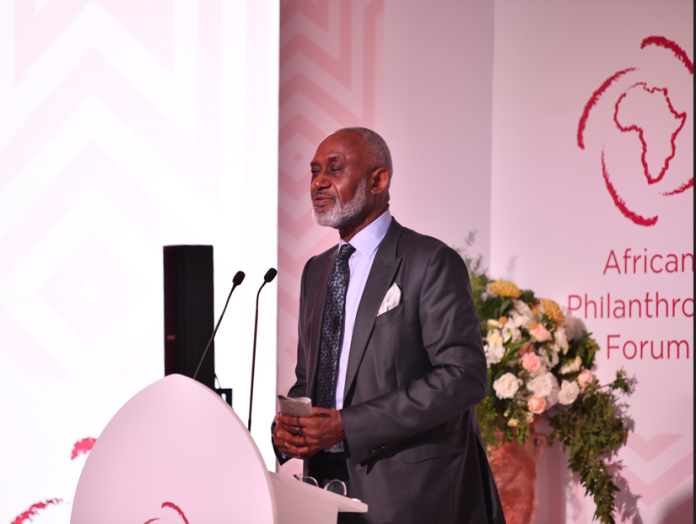
The 2024 APF Conference was a time for reflection and agenda-setting for many prominent philanthropists, heads of foundations and leading change makers invested in Africa. From the conference and the changing landscape of things, it is clear that the time has come for philanthropic organizations, both local and international, to prioritize Africa’s transformation.
A transformed Africa is characterised by inclusive socio-economic development, democratic governance, education for all, gender justice and a commitment to addressing the climate emergency and harnessing Africa’s unique demography. These will not only position Africa as a dominant player on the global stage but correct the flawed narrative of Africa as a continent in perpetual need.
We should embrace Dr. Nkosazana Dlamini Zuma’s vision, as outlined in the African Union’s Agenda 2063, of an empowered Africa defined by self-sufficiency, innovation, and equitable growth. By fostering African-led initiatives and promoting resilience, we can help shape a future where Africa is both a global powerhouse and a beacon of opportunity for its citizens.
True Change Starts from Within
As the saying goes, charity begins at home. In the homes of oligarchs, the middle class and the lowly, the practice of giving time, solidarity and resources is commonplace because generosity is second nature to us Africans; however, our expressions of this generosity through coordinated, strategic philanthropy needs to grow. If change starts from within, then the level of philanthropic support from within our borders must rise to match the urgency of our needs.
First, we must redefine and restructure our philanthropy by adopting innovative philanthropic models, and evidence-based methods to identify needs, deploy resources, measure the impact of our philanthropy and create a giving ecosystem that is responsive to our priorities as a continent.
What it Takes to Achieve Transformation
Much of giving in Africa is unreported and even those that are reported tend to happen in silos with several instances of duplication of efforts, especially in areas such as education and health which tend to receive a lot of attention from philanthropists. For those seeking to swim against this tide, there is often a lack of clear guidance on effective giving tailored to the African context seeing as strategic philanthropy is still growing phenomenon in Africa. Catalyzing transformative funding requires robust evidence. In this regard, APF collaborates with renowned institutions to conduct research and generate knowledge that enhances decision-making and promotes the adoption of practices in philanthropy. Its African Philanthropists’ Toolkits also equips philanthropists with the knowledge to maximize the impact and scale of their giving.
The work that APF does in convening philanthropists and facilitating collaboration in order to catalyse development in Africa is a beacon of hope and an opportunity which more players in the ecosystem need to tap into. In less than a decade, APF has reached over 3,500 philanthropists, social investors, across Africa and beyond by leveraging the power of community to provide avenues for peer-peer interaction and engagement at regional meetings and conferences. This growing community of partners committed to Africa’s transformation will doubtless accomplish great feats in the coming years.
A popular African proverb goes “If you want to go fast, go alone. If you want to go far, go together.” To achieve lasting, sustainable impact, partnerships based on a clear understanding of the New Agenda for African Philanthropy are a good starting point for the reimagination and actualization of Africa as a thriving, self-sufficient continent on the global stage.
The writer is the Board Chair of the African Philanthropy Forum Distributed by APO Group on behalf of African Philanthropy Forum.About African Philanthropy Forum: African Philanthropy Forum (APF) is a strong and vibrant community of partners who through their strategic giving, investments, and influence, foster shared prosperity on the African Continent. It was incubated by the Global Philanthropy Forum (GPF), a global network of strategic philanthropists and social investors committed to international causes from 2014 to 2016. In 2017, APF became an independent entity and continues to be an affiliate of the GPF.
Over the years, APF has established a strong presence on the Continent, with footprints in Cameroon, Côte d’Ivoire, Egypt, Ethiopia, Ghana, Kenya, Malawi, Morocco, Nigeria, Rwanda, South Africa, Tanzania, Uganda, and Zimbabwe through convenings and activities. APF has also invested in the development of two Toolkits for African Philanthropists and the “Why Give” Series, which consists of interviews with Africa’s strategic philanthropic leaders to showcase their motivations for giving.
Since its inception, APF has reached over 3,500 philanthropists, social investors, and key stakeholders in the philanthropic space across Africa and the world. Through APF’s high-impact convening and initiatives, the organization has facilitated collaborations, amplified the work of change-makers, and shared best philanthropic practices and strategies for promoting homegrown development.
Gbenga Oyebode is the Board Chair of the African Philanthropy Forum