Tag: Abi Mustapha-Maduakor

  • AVCA report shows Africa leads on gender inclusion in private capital, yet gaps persist

    AVCA report shows Africa leads on gender inclusion in private capital, yet gaps persist

    AVCA – the African Private Capital Association, today announced the launch of its Gender Diversity in African Private Capital report. Covering 218 private capital investors, 3,099 private capital employees and 1,972 portfolio companies, the study is one of the most extensive mappings to date, providing a first-of-its-kind, Africa-focused analysis of how gender leadership influences investment behaviour and outcomes.

    According to the report, women account for 38% of investment professionals and 33% of investment committee members in Africa, exceeding the global averages of 35% and 12% respectively. In addition, women represent 44% of the total workforce and 32% of board members across African private capital firms. Together, these figures demonstrate that gender representation at every organisational level exceeds the one-third threshold – positioning Africa ahead of global benchmarks.

    However, the data shows that gender representation declines as firms grow. Smaller firms – with fewer than five employees – report 50% female representation on investment teams and 44% on investment committees, while firms managing more than US$1bn show just 29% and 19% respectively. As larger firms typically deploy the most capital, these imbalances have significant implications for how funding flows across the continent.

    Despite progress at the fund level, women remain underrepresented in portfolio company leadership.  Only 5% of companies backed by private capital in Africa are female-founded, and just 11% are led by a female CEO. Yet where women do lead, the performance data is strong: female-founded companies employ 48% women on average and reported 50% revenue growth from 2023 to 2024. Mixed-gender founding teams employ 46% women and recorded the highest overall revenue levels while achieving 40% revenue growth over the same period. The data suggests that gender-diverse leadership is directly linked to business performance and growth. 

    Abi Mustapha-Maduakor, CEO, AVCA, said, This report reveals that Africa has one of the strongest foundations globally for gender diversity in private capital. But it also makes clear that representation alone is not enough. We must ensure that diverse leadership translates into equitable access to capital for women founders and executives. At AVCA, we are committed to collaborating with key industry stakeholders to drive the practices, data, and accountability needed to build a more inclusive, competitive, and resilient investment ecosystem across the continent”.

    For more information and to download the report, please click here.

  • AVCA’S Fifth VC Summit Spotlights Resilience, Scale, and Bankability as Critical Levers to Propel Africa’s VC Ecosystem

    AVCA’S Fifth VC Summit Spotlights Resilience, Scale, and Bankability as Critical Levers to Propel Africa’s VC Ecosystem

    The African Private Capital Association (AVCA) hosted its fifth Venture Capital (VC) Summit yesterday. The summit forms part of the industry association’s 21st Annual AVCA Conference week, held in Lagos until 2 May. The global gathering brings early-stage and venture capital investors, corporate venture arms, founders, entrepreneurs, and accelerators together to discuss new trends and plot the rise of Africa’s venture capital landscape.

    Abi Mustapha-Maduakor, CEO of AVCA, opened the Summit by acknowledging the strategic importance of Nigeria’s entrepreneurial landscape: “Hosting the Summit in Nigeria is significant because this country has long been at the heart of Africa’s entrepreneurial evolution. Despite economic headwinds, we’ve witnessed innovation and resilience in the early-stage ecosystem. It is no coincidence that in 2024, Nigeria produced one of the continent’s newest unicorns.”

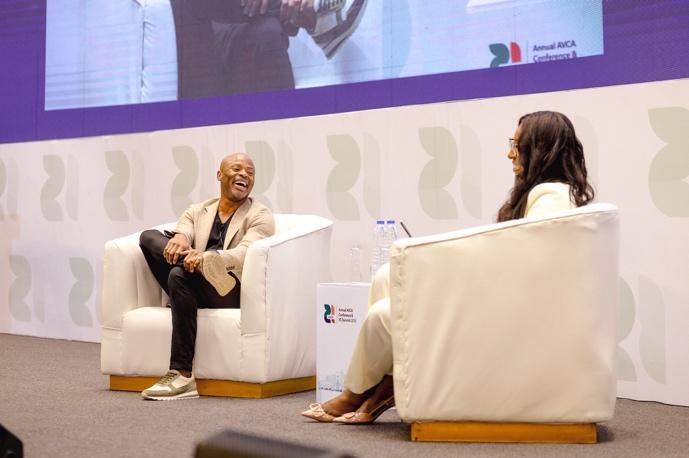
    Tope Awotona, Founder and CEO of Calendly, the US$3bn tech unicorn, and Abi Mustapha-Maduakor, CEO of AVCA, kicked off the summit with a keynote fireside chat. Describing his remarkable entrepreneurial journey, Awotona said: “I knew scheduling wasn’t just a productivity tax—it was a tax on important business outcomes like revenue. We didn’t invent online scheduling but made it accessible to more people through three key innovations: our freemium pricing model, our viral distribution method, and our data-driven product improvements.”

    The conversation affirmed the power of innovation, enabling expansion to international markets and the benefits of experimentation with price, distribution, and product. Awotona said: When scheduling went virtual, more users meant more data could help to improve the product and help to become the best on the market.” 

    Following the sentiments of Calendly’s Founder and CEO, a panel titled Unlocking Scale: The Growth-Stage Challenge with Leo Batalov, Partner, Global Co-Head of Emerging Growth Companies and Venture Capital, DLA Piper, and Brian Waswani Odhiambo, Partner, Novastar Ventures, examined how to bridge the gap for businesses moving from early stage development to accessing capital in their growth stage, and highlighted the urgency of building strong local investor ecosystems.

    Outlining the roles of founders and venture capital investors in supporting the long-term sustainability of Africa’s burgeoning tech ecosystem, Dr Omobola Johnson, Senior Partner, TLcom Capital, said: “We need to help founders understand that at the growth stage, they’re competing for global capital, not just local. Founders must recognise the competition and make their businesses appealing to international investors…This makes the African market more scalable, bankable, and investable.”

    The summit proceeded with a headline session, entitled Titans of Industry: Bold Moves, featuring Tosin Eniolorunda, Group CEO of Moniepoint, who underscored the merits of building a valuable company and building a robust team. He said, “If you have an organisation that is growing, investors will be interested; so we focused early on establishing good fundamentals—topline growth, profitability, EBITDA margins, return on equity. The more important goal is building a valuable company with healthy bottom lines. This opens up multiple opportunities, whether through Nigeria’s evolving stock exchange or large buyouts from sovereign wealth funds.”

    Other panels convened capital allocators – representing corporate, commercial, and development-focused interests – to share their perspectives on a maturing venture capital ecosystem in Africa. The competitive fundraising environment provided a backdrop to outline how Limited Partners (LPs) select where to invest, assess risk, evaluate opportunity, and determine priorities.

    In a panel entitled Venture Debt – Africa’s Missing Piece? speakers including Rosanne Whalley, Chief Executive Officer, AHL Ventures Partners, Roeland Donckers, Managing Partner, iungo capital, and moderator Tage Kene-Okafor, Africa reporter at TechCrunchdiscussed the role of venture debt products as a complement to equity funding, providing bridge capital to accelerate company growth. 

    According to AVCA’s latest report, venture debt showed impressive resilience in 2024, with 60 deals totalling US$1.0bn—a 3% increase year-on-year. While representing just 12% of total deal volume, venture debt accounted for 37% of total capital deployed, with median deal sizes reaching US$7.5mn, nearly three times larger than equity-based transactions.

    The session underscored the need for African investors to know when to deploy these tools and the importance of raising awareness amongst founders of these financing alternatives. Biola Alabi, Venture Partner, Delta40, noted that “there is a critical gap in financial literacy around debt financing in our ecosystem. Many founders and even some GPs don’t fully understand what debt investors require in terms of traction and stability. We need to help restructure existing debt and educate founders on how venture debt can complement equity to extend runway and avoid dilution, particularly for businesses with predictable revenue streams.”

  • Lagos hosts 21st Annual AVCA Conference and VC Summit to chart the future of private capital in Africa

    Lagos hosts 21st Annual AVCA Conference and VC Summit to chart the future of private capital in Africa

    …Returning to Nigeria after 11 years, the conference highlights the country’s position as a leading hub for investment, securing US$3bn in private capital deals from 2020-2024. 

     The 21st Annual AVCA Conference and VC Summit, the world’s largest Africa-focused private capital gathering, has kicked off in Nigeria. The anticipated annual gathering takes place at the Lagos Continental Hotel from 28 April to 2 May 2025. Themed Bold Moves: Powering 10x in Africa, the conference convenes business leaders, policymakers and private capital allocators from all around the world to exchange strategies, collaborate and unlock opportunities to stimulate returns for Africa’s development.

    The conference highlights private capital as a strategic enabler of innovation, economic growth and industrialisation. The convening returns to Nigeria after 11 years and demonstrates the opportunity to diversify African economies, leverage strategic sectors, and showcase the thriving entrepreneurial ecosystem in Nigeria and beyond. Nigeria ranks first in West Africa by deal volume (66%) and value (52%), securing US$3bn in reported private capital deals from 2020-2024, according to AVCA research.

    The 21st Annual AVCA Conference provides a platform to forge progressive partnerships, frame action-oriented discussions, and mobilise new and deep pools of capital from development finance institutions, sovereign wealth funds, pension funds, insurers, and other capital allocators. The conference is a key forum to focus investor activity and reinforces the role of private capital in driving sustainable growth, alongside other global development-focused proceedings, including Financing for Development in Seville, the United Nations General Assembly, and G20 in South Africa later this year.

    Speakers at AVCA’s conference include Dr Jumoke Oduwole MFR, Honourable Minister, Minister of Industry, Trade & Investment, Nigeria; Aliko Dangote GCON, Founder and CEO of Dangote Industries; Olusola Lawson, Co-Managing Director, African Infrastructure Investment Managers (AIIM),  Tope Awotona, Founder and CEO, Calendly; Benson Adenuga, Head of Office and  Coverage Director, Nigeria, British International Investment (BII); Danladi Verheijen, Co-Founder/CEO, Verod Capital Management; Tope Lawani, Co-Founder and Managing Partner, Helios Investment Partners, among others.

    The conference sessions incorporate strategies from industry experts across leading organisations, such as the African Development Bank (AfDB), Africa50, European Bank for Reconstruction and Development (EBRD), FMO, the Dutch entrepreneurial development bank, International Finance Corporation (IFC), Norfund, Public Investment Corporation (PIC), and Rwanda Finance.

    Abi Mustapha-Maduakor, CEO, AVCA, said: “This conference comes at a pivotal time for Nigeria, and it is significant that we are returning to Lagos, a vibrant commercial hub, after 11 years. Despite the macroeconomic headwinds that have rocked global financial markets, Africa has demonstrated resilience and innovation, with Nigeria in particular, leading the continent in the venture landscape. Amid shifting global dynamics, it is more important than ever that capital allocators, fund managers, policymakers, business leaders and industry stakeholders come together to explore how private capital can deliver performance and impact.”

    Temi Popoola, Group Managing Director/Chief Executive Officer, Nigerian Exchange Group, stated “As Nigeria works to deepen its capital markets and drive inclusive economic growth, the role of both local and international capital providers has never been more critical. This conference underscores the critical synergy between public and private markets, with capital markets serving as a vital bridge for unlocking value and providing structured exits for private capital. We commend AVCA’s convening power in fostering dialogue, strengthening market linkages, and advancing a shared vision for sustainable economic development across Nigeria.”

    Background

    • The conference kicked off with a press briefing on 28 April 2025. Photos and Video highlights are linked here.
    • The 2025 conference follows the appointment of Anna Evi-Parker to AVCA’s senior leadership team as Regional Head, West Africa, following AVCA’s strategic merger with PEVCA (here)
    • Previous AVCA conferences have been held in cities including Johannesburg, Abidjan, Accra, Addis Ababa, Cairo, Cape Town, Dakar, London, Marrakech, Nairobi, and Tunis.
    • The conference stimulates the evolving global dialogue on private capital mobilisation, impact investment, and development finance for Africa.
  • AVCA and PEVCA join Forces to Strengthen Nigeria’s Private Capital Ecosystem

    AVCA and PEVCA join Forces to Strengthen Nigeria’s Private Capital Ecosystem

    …Anna Evi-Parker, Executive Secretary of PEVCA, to join AVCA’s senior leadership team as Regional Head, West Africa

    AVCA – the African Private Capital Association – and the Private Equity and Venture Capital Association, Nigeria (PEVCA), have announced a strategic merger to strengthen Nigeria’s private capital ecosystem. The merger reflects a joint ambition to catalyse new investment opportunities and boost sub-regional and continent-wide growth.

    The merger combines AVCA’s 20-year track record of industry advocacy, market intelligence, research, and convening power with PEVCA’s extensive networks and local expertise. The partnership demonstrates a shared commitment to promote private sector growth, the position of Nigeria’s venture capital (VC) ecosystem, and the potential for domestic capital to crowd in strategic areas such as technology, infrastructure, agriculture, and more. 

    The announcement comes ahead of the 21st Annual AVCA Conference in Lagos (28 April – 2 May), themed Bold Moves: Powering 10x in Africa. The conference returns to Nigeria for the first time in 11 years, accompanied by AVCA’s newly released Nigeria Factsheet which reveals the country’s leading position in West Africa––securing 66% of regional deal volume and 52% of deal value between 2020 and 2024. As Africa’s most active venture capital market – accounting for 19% of the continent’s VC deals and home to five unicorns – Nigeria presents a dynamic backdrop for conversations and collaboration to drive innovation and investment in Africa. 

    This partnership will provide more tailored support for fund managers, increase engagement with policymakers and institutional investors, and enhance cooperation between local and international finance in Africa. In Nigeria alone, the country’s pension fund assets have surpassed ₦18 trillion ($20bn), highlighting the untapped potential of domestic capital. By combining AVCA’s robust data, research, and investor engagement with PEVCA’s strong network and proximity to government, the merger strengthens efforts to prepare the ground to advance Nigeria and the broader sub-regions private capital ecosystem.

    As part of the merger, Anna Evi-Parker will assume a combined role, maintaining her position as Executive Secretary of PEVCA while also serving as Regional Head of West Africa within AVCA’s senior leadership team.

    Paul Botha (Metier), Chair of the AVCA Board, said: “This strategic merger signifies an important leap forward as we combine AVCA’s established industry position with PEVCA’s invaluable local insights to promote the interests of private capital stakeholders in Nigeria and beyond. We look forward to working with the PEVCA leadership to support Nigeria’s growth as a leading investment destination on the continent.”

    Dr Yemi Osindero, Managing Partner, Uhuru Investment Partners, said: “We are optimistic about the opportunities presented by this strategic partnership, and I am delighted to witness this pivotal moment for Nigeria’s private capital ecosystem. This merger allows us to build on the unique strengths of AVCA and PEVCA to deliver better value for investors, fund managers and the wider industry.”

    Abi Mustapha-Maduakor, CEO of AVCA, added: “Nigeria plays a central role in Africa’s investment story, and this merger allows us to work more systematically with local actors to deepen engagement and deliver targeted support. By combining AVCA’s insights, research and convening power with PEVCA’s on-the-ground presence and network, we are better positioned to catalyse private capital that meets the region’s needs—from infrastructure to industrial development and innovation. It’s a decisive step towards aligning local and continental efforts to deliver sustainable, long-term growth.”

  • AVCA’s Sustainable Investing in Africa Summit: Mobilising private capital to drive sustainable growth

    AVCA’s Sustainable Investing in Africa Summit: Mobilising private capital to drive sustainable growth

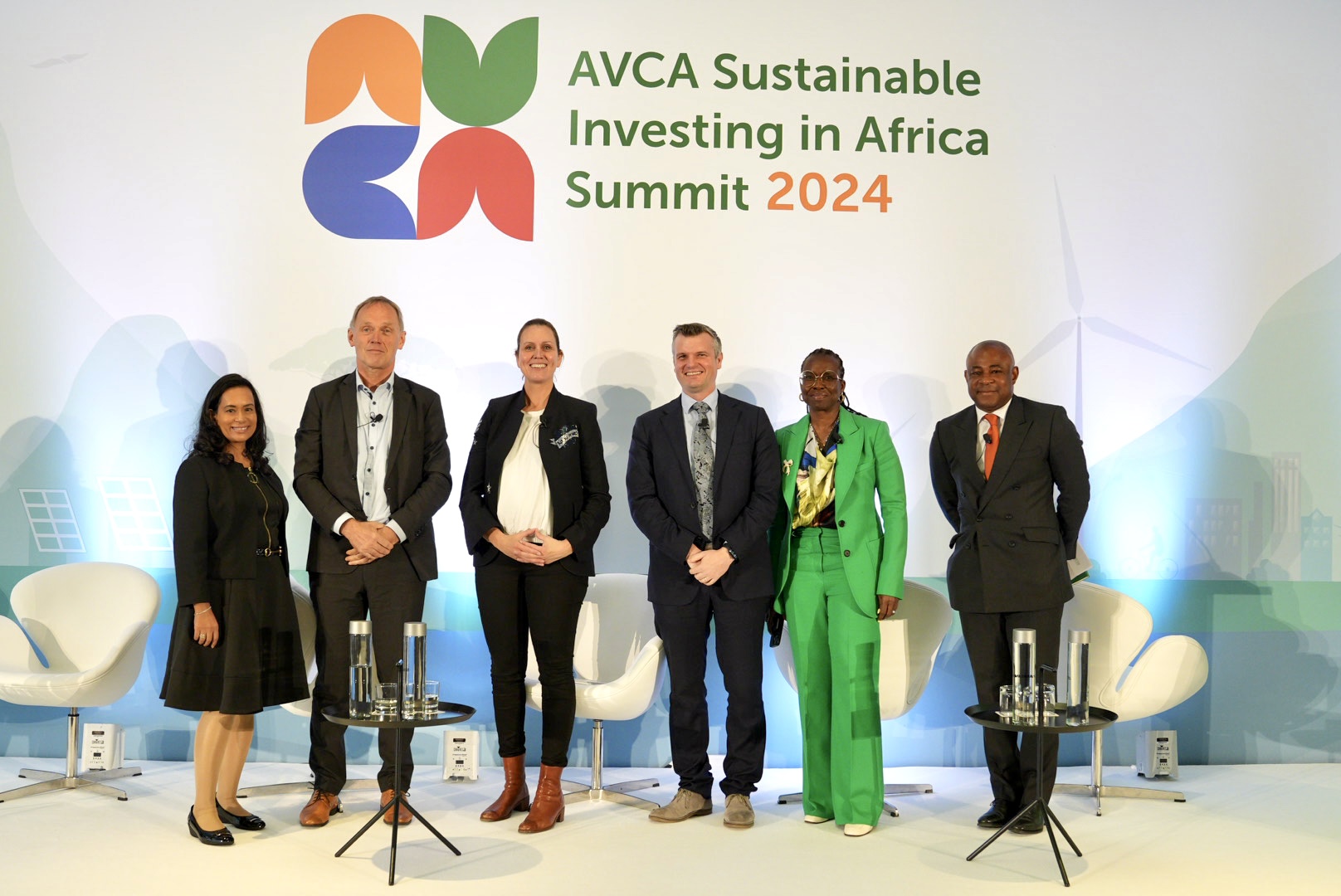
    The African Private Capital Association’s (AVCA) third Sustainable Investing in Africa Summit (SIAS) convened more than 150 global leaders, investors, changemakers, and ecosystem builders to catalyse sustainable investment in Africa. The one-day summit delved into innovative strategies to mobilise local and global capital, advocating for urgent action on climate change and setting the agenda for inclusive growth across the continent. 

    In her opening remarks, Abi Mustapha-Maduakor, CEO, AVCA, addressed Africa’s capacity to originate innovative solutions despite facing challenges. She said: “Africa is rich in creativity, resilience, and potential. However, we face legacy issues such as infrastructure deficits and low financial inclusion. We are witnessing a seismic shift that brings together capital, knowledge, and the brightest minds to align on sustainable pathways to development. Together, we have the opportunity to be  catalysts for transformative change.”

    A critical theme across all panels was the importance of mobilising domestic capital to complement foreign direct investment (FDI) flows to Africa. Zee de Gersigny, Head, Venture and Early Stage Financing Vehicles, FSD Africa Investments, noted that African domestic investors, particularly pension funds and financial institutions, held around $2 trillion in collective assets which could be mobilised to invest in renewable energy, education, broadband connectivity and water sanitisation among others. Panellists pointed to key markets including Kenya and South Africa where regulatory reforms have enabled pension funds to invest in non-traditional asset classes such as infrastructure.

    Speakers noted that Africa is a key region where impact investments can yield healthy returns. However, to stimulate investment at the pace and scale needed for Africa to meet the sustainable development goals (SDGs), investors need to re-imagine what successful investment in Africa looks like. Tom Hall, Head, Social Impact and Philanthropy, UBS, said: “The power of partnerships is crucial in mobilising capital efficiently, and we need innovative blended finance solutions that we can scale. By aligning financial returns with transformative impact, we can channel significant resources to tackle Africa’s most pressing challenges.”

    ‘Tokunboh Ishmael, Co-founder and Managing Director, Alitheia Capital, said: “It’s important to redefine “returns” to value impact alongside financial gains, rather than comparing African investments to those in Silicon Valley”. Runa Alam, Co-founder and Chief Executive Officer, Development Partners International, added: “Impact for us is defined by job creation, gender equity and financial inclusion. We hold financial returns and impact as equally important because we need to do both in Africa.”

    Speakers also noted that concerns over liquidity and exit options were key barriers to private investment in Africa. Albert Alsina, Founder and Chief Executive Officer, Mediterrania Capital Partners, said: “Barriers to exits stem from opaque markets, even for strong-performing companies in Africa”. Panellists agreed that strengthening public markets and secondary markets would help overcome the perception that there is a lack of exit options in Africa. 

    Ross Ferguson, Senior Private Sector Adviser, UK Foreign, Commonwealth, and Development Office, proposed that public entities could play a much more active role derisking public markets in Africa. He pointed to Mobilist, a UK government programme, that invests equity capital in emerging and frontier market companies to help them list on public markets and stock exchanges. 

    The event concluded with a call for partnerships, collaboration, and innovation to ensure Africa meets the SDGs and drives lasting impact beyond 2030. 

  • AVCA announces Lagos to Host the Largest Africa-focussed Investment Event

    AVCA announces Lagos to Host the Largest Africa-focussed Investment Event

    AVCA’s 4th Venture Capital Summit in Nigeria will look at how emerging sectors such as deep tech will drive the next era of VC growth in Africa

    AVCA — The African Private Capital Association announced Lagos as the host city for the AVCA Annual Conference and Venture Capital Summit in 2025. After 10 years, Africa’s largest private capital gathering will return to the region’s largest economy, Nigeria. This follows the successful AVCA Conference and VC summit held in Johannesburg last week, which attracted 700+ delegates from more than 60 countries. 

    More than 300 delegates attended the 3rd Annual VC Summit where panellists took stock of the global decline of VC funding and explored a range of solutions to catalyse growth. Speakers marked the influence of rapidly emerging technologies shaping African innovation and driving the digital economy, creating new skills and increasing efficiency, such as artificial intelligence, blockchain and quantum computing.

    Speaking on the panel, ‘The DeepTech Potential in African Tech’, Andre Jr. Ayotte, Partner, Modus Capital, highlighted how founders can apply technology to build companies solving problems at scale. Despite progress in tech-enabled sectors, Nick Allen, Managing Partner, Savant, noted that gaps in Africa’s tertiary education system have led to a lack of skilled graduates with sufficient engineering knowledge. He added that in comparison to more developed markets such as Europe and the US, there is a lack of investors who understand how to finance deep tech in Africa. 

    Speaking during the panel, ‘Seasons Change: Lessons Learned in Winter and the Path to Spring’, panellists took stock of the global decline of funding within the VC ecosystem. Seasoned investor, Khaled Ben Jilani, Senior Partner, AfricInvest, raised the importance of active strategies to make businesses less capital intensive in order to anticipate new risks and navigate a lack of liquidity in the market. Steve Beck, Co-Founder and Managing Partner, Novastar Ventures, expressed that private equity firms and development finance institutions (DFIs) with dedicated VC teams had stepped in to partially fill the funding gaps, particularly in the early stages. 

    Other panel highlights included ‘Catwalks, Canvases, & Choruses: Sector Spotlight on the Creative Industry’, ‘Debt Dynamics: Unlocking Liquidity with Venture Debt in Africa’,‘Green Ventures: VC for Climate’, ‘Founders First: Building a Platform for Success in African’ and ‘The Real Deal” – Venture Capital in the Real Economy’.

    The VC summit saw participation from Africa-focussed venture capital funds, DFIs and global investors including AfricInvest, African Renaissance Partners, Aves Lair, Altree Capital, Breega, Enza Capital, European Investment Bank (EIB), Flat6Labs, LoftyInc Capital, Lightship Anchor Fund, Octerra Capital,  Proparco, Savant, Sango Capital, Sawari Ventures, Standard Bank, TL Com Capital, USAID Prosper Africa, Ventures Platform, 500 Global, and more. 

    Looking ahead, Nigeria’s position at the forefront of venture capital and private equity investment in Africa, backed up by a tech-savvy population and the recent rise in local investment funds and angel investors, sets the scene for a dynamic summit in 2025.  

    Abi Mustapha-Maduakor, Chief Executive Officer, AVCA, said: “Nigeria has emerged over the last decade as an investment hotspot in Africa. The country’s entrepreneurial spirit and well-established pools of local capital gave rise to some of Africa’s earliest unicorns, particularly in the payments sector. As we wrap up the conference in Johannesburg, we look forward to our next event in a city that has played an equally catalytic role in Africa’s investment landscape”.

  • AVCA’s 20th Annual Conference calls for investment for a new era

    AVCA’s 20th Annual Conference calls for investment for a new era

    Reflections and projections to mobilise more private finance

     The African Private Capital Association kicked off its 20th Annual Conference & VC Summit in Johannesburg yesterday. Institutional investors, fund managers, policymakers, global and local investors and entrepreneurs opened the major international gathering, convening 700+ private capital leaders from over 60 countries to align on strategies to power the next 20 years of Africa’s growth. 

    Abi Mustapha-Maduakor, Chief Executive Officer, AVCA, introduced the flagship forum by noting that despite a challenging macroeconomic environment in recent years, “Africa’s private capital industry has remained resilient and will continue to rise.” She reflected on AVCA’s theme for the conference – “embracing change and shaping the next era of Africa’s prosperity.”

    Phuthuma Nhleko, Chairman and Co-Founder, Phembani Group, followed with an instructive keynote address rallying private investors to back innovative businesses to drive prosperity at scale. Reaffirming the region’s competitive edge, he highlighted the imperative for policymakers, business leaders and investors to harness the fourth industrial revolution, powered by artificial intelligence (AI) and the digital economy. 

    Calling for a new plan for the transformation ahead, he argued: “the size of population generates 50 per cent of Gross Domestic Product (GDP). By 2050, we will have 2.5 billion Africans that constitute over a quarter of humanity, with over forty per cent of youth below the age of 18. By this time, Nigeria’s population is expected to be bigger than the US.” 

    Characterised by periods of globalisation, innovation and the disruption required, the opening panel, ‘20/20 Vision: Reflections on the Last 20 years’, charted the industry’s evolution over the last two decades. ‘Tokunboh Ishmael, Co-founder and Managing Director, Alitheia Capital, described the exponential growth witnessed throughout the second decade of private capital expansion in Africa. 

    Despite clear signs of progress involving the increase in fund managers and assets under management (AUM), industry titans including Wale Adeosun, Founder and Chief Executive Officer, Kuramo Capital Management and Vincent Le Guennou, Chief Executive Officer, Africa50’s Infrastructure Acceleration Fund, aligned that Africa’s private capital industry remains a nascent ecosystem with immense potential.

    Wale Adeosun commented on the benefits of bringing institutional investors from the U.S into Africa. Vincent Le Guennou proposed that the traditional private equity model replicated in the continent needs to be adapted and advocated for proactive efforts to attract the US$ 2.3 trillion of domestic capital in Africa that needs to be unlocked. He said: “This needs to be a key objective for the next 10 years.”

    Pension funds in Africa were highlighted as a vital source of capital to diversify funding and bridge the finance gap. During the panel, ‘The Long and Windy Road: The Journey to a Successful Fund Close’ Dieynaba Kamara, Partner and Chief Operating Officer, Joliba Capital, expressed that most pension funds needed “education on investing in private equity as an asset class”, especially in Francophone Africa where pension funds prioritise hard assets such as real estate. Jerry Parkes, Chief Executive Officer, Injaro Investments, re-emphasised the need to tap local pools of capital, drawing on Injaro’s launch of Ghana’s first private equity fund, anchored by Ghanaian pension funds. 

    Investors in Africa face a challenging market for exits due to less developed capital markets. Sharing insights on the panel entitled, ‘Out With the Old, In With the New: Innovative Models to Unlock LiquidityLaurent Demey, Managing Partner, Amethis, suggested that historically, “The big difference between liquidity in Africa and Europe or the US, has been that if you have a good business, you can sell it. In Africa, it has been a different story”. Despite a lack of exit options, he noted a shift in the industry with far more African companies and investors from emerging markets, such as the Gulf states or Turkey, making deals compared to traditional investors from the Global North.

    Perspectives to kickstart a secondaries market were covered in a panel entitled, ‘Charting New Horizons: Secondaries and Continuation Funds’. Prominent voices including Patrice Backer, Partner and Chief Investment Officer, AFIG Funds discussed the secondary market as a viable solution to liquidity constraints in African markets – attracting private finance yet to invest on the continent. John Owers, Director and Head of Funds Solutions, British International Investment, said: “A functioning private capital ecosystem needs to provide options for exits for Limited Partners (LPs), and that is what the secondary market does.” 

    AVCA announced the winners of the association’s 20th Anniversary Conference Awards, celebrating the outstanding firms and individuals championing private capital in Africa. The new awards feature categories and winners including:

    All-rounder Award, International Finance Corporation (IFC); Beyond the Big Four Award, XSML Capital; Breaking Barriers Investor Award, Ziad Oueslati, Executive Founding Partner, AfricInvest; DEI Champion Award, Mastercard Foundation Africa Growth Fund; ESG Champion Award, Development Partners International (DPI); Thought Leader Award, Albert Alsina, Founder and Chief Executive Officer, Mediterrania Capital Partners; and Shapeshifter Award, Helios Investment Partners. The association also honoured Antoine Delaporte, Founder and Managing Partner, Adenia Partners, with the AVCA 20 Champion Award for his long-term commitment to championing AVCA’s mission to catalyse private capital in Africa.

    The landmark event is sponsored by leading investors, including African Capital Alliance, Africa50 Infrastructure Partners, African Development Bank (AfDB), AfricInvest, African Infrastructure Investment Managers, Alitheia, ARAF, Benchmark International, BFA Asset Management, British International Investment, Clifford Chance, Convergence Partners, DLA Piper, Economic Development Board Mauritius, Flat6Labs, Founders Factory Africa, Jackson Etti & Edu, Janngo, Joliba Capital, Kigali International Financial Centre, KFW / DEG, Kuramo Capital Management, MCB, Mediterrania Capital Partners, Old Mutual Alternative Investments, New Forests, Norsad Capital, PE Front Office, Proparco Sawari Ventures, Soros Economic Development Fund, Udo Udoma & Belo-Osagie, USAID, Verod, and Visa Foundation.

  • African Private Capital Association convenes Global Leaders in London  to discuss Sustainable Investing Strategies in Africa

    AVCA – the African Private Capital Association, the pan-African industry association championing and enabling private capital investment across the continent, will host the second edition of the Sustainable Investing in Africa Summit on Thursday, 12 October 2023. The Summit will convene founders, investors, policymakers, and industry leaders from around the globe, to discuss the industry’s evolution, trends, opportunities, and challenges in investing with a sustainability lens across the continent.

    Taking place at the Sheraton Grand, Park Lane, London under the theme Harnessing the Power of Private Capital to Build a Sustainable Future, the summit will serve as an opportunity for diverse stakeholders to share perspectives on de-risking and scaling up investment into projects focused on inclusive growth and sustainable development across Africa.

    As fiscal conditions tighten across the continent, exacerbated by external pressures driving up inflation and interest rates, stimulating sustainable economic growth demands more effective capital mobilisation from commercial and private investors. Innovative and urgent action is required, with Africa’s SDG-related infrastructure spending needing to double by the end of the decade.

    Participants and attendees of last year’s summit included Africa50AfricInvestAlitheia Capital, British International Investment (BII), DEG, FinDev Canada, FMO, FSD Africa Investments, International Finance Corporation (IFC), Investisseurs et Partenaires, IFU, Leapfrog Investments, Mennonite Economic Development Associates (MEDA), Mediterrania Capital, Norfund, Shell Foundation, and WHO Foundation, among other distinguished voices.

    The summit’s timing is critical, following developments at the historic Africa Climate Summit, in which government and private sector leaders charted a new path for green growth and investments across the continent. Thought leaders will share perspectives and candid insights on balancing impact with financial returns, understanding opportunities to build resilience in post-conflict regions, decarbonising heavy industries and supply chains, making transport and logistics greener, and examining the investment landscape to maximise performance and impact programmes in critical sectors.

    Discussing the significance of the summit, Abi Mustapha-Maduakor, CEO, AVCA, said, “The summit reinforces AVCA’s commitment to galvanise the private capital industry towards effect change and impact on the continent. By bringing together changemakers, world leaders, policymakers, investors, founders, and innovators to exchange first-hand insight into sustainable investing trends and practices, challenges, and opportunities in Africa, we can effectively address and action these vantage points and accelerate the collaboration required to mobilise capital at scale.”

  • African private capital activity remains remarkably resilient despite global uncertainty and volatility

    African private capital activity remains remarkably resilient despite global uncertainty and volatility

    … Private and venture debt emerge as an important source of inflows

    Today, the African Private Capital Association (AVCA) announced the release of its 2022 African Private Capital Activity Report. The authoritative annual report offers deep insights into private capital fundraising, investments and exits in Africa, sharing extensive data and analysis across investment strategies covering private equity, private debt, venture capital, infrastructure, and real estate activity – across all subregions.

    African private capital markets experienced a record-high volume of deals in 2022. As a result, deal volumes in the region recorded a remarkable 46% year-over-year (YoY) growth. In 2022, 626 deals took place, a favourable increase amidst broader global trends, where deal volumes and value retreated in line with growing economic uncertainty into H2 2022, declining by 15% and 26%, respectively.

    The report reaffirms Africa’s position as a bankable investment destination and is the only market worldwide to have experienced growth in both the number of deals closed and capital invested. US$7.6bn of private capital was invested in 2022, marking a 3% year-on-year growth in deal values across the continent throughout 2022. This activity was driven by record growth in mid-market (US$10mn – 49mn) and larger-sized (US$50mn – 100mn) deals. Catalysed by venture capital deal flows, 2022 attracted the second-highest private capital investment over the last decade.

    On the other hand, while the fundraising value in 2022 experienced a 54% YoY decrease, more funds raised capital in 2022 than the year before. Much of this activity was led by capital raises between US$100mn and US$250mn.

    Venture capital continues to dominate private financing

    Reflecting Africa’s changing demography, VC was the most active asset class, accounting for 74% of the total private capital deal volume and over half of private capital deal value. As a younger, more tech-oriented population drives interest in disruptive sectors – investments in tech secured the largest part of all investments recorded last year on the continent.

    According to the new report, regulatory reforms involving greater protection of intellectual property rights and removing barriers to accessing funding sparked innovation in the start-up ecosystem, boosting investor confidence. This has encouraged more investment into industries integrating technology into their services, such as healthtech, which is moving upwardly.

    Private equity activity in Africa experienced a resurgence, with a 24% YoY increase in the number of deals, and a 31% YoY increase in the value of those deals. Private debt, an asset class offering diversification and investment protection during periods of economic volatility, attracted significant interest in 2022 with activity in the asset class across Africa growing 7.2x YoY.

    Investors continue commitments to familiar regions and sectors

    West Africa witnessed the most private capital deals on the continent, spearheaded by Nigeria, with over half of the deals in the region concluded in Africa’s largest economy.

    The growth of private equity in South Africa, the continent’s most industrialised economy, reversed years of decline in investments in the wider Southern African region. Last year saw a surge of activity in the region boosted by growth in deal values increasing across Private Equity and Infrastructure.

    Investment activity in North Africa continued to gain traction and noted a 52% YoY increase in deal volume in 2022, while the deal value in 2022 near-doubled the investment value recorded in the previous year. East Africa also experienced a rise, with a 71% increase in deal volume and a 4x increase in deal value, marking its highest-grossing year in a decade.

    Multi-region investments accounted for the largest deal volume, with investors channelling 37% of the total value of investments into portfolio companies with operations in more than one African economy. The Financials sector has benefited from this borderless approach. The sector’s prominence across private capital deal volume (29%) and value (32%) made it the most attractive sector again, a trend expected to continue. Consumer discretionary services, holding the second position, have been lifted by growing interest in the education, hospitality, and retail sectors.

    Companies exit record number of investments

    Last year marked a record number of successful exits, with 82 exits spread across all sub-regions. The 2.3x YoY increase in exits across Africa, dominated by the financial sector, follows a bottleneck of delayed exits post-Covid. Last year, private capital fund managers prioritised asset disposal, the majority of which occurred in North Africa. Trade sales comprised nearly half of all exits, with PE and financial buyers accounting for nearly a quarter. Exits through IPOs and capital markets marked a record high.

    Abi Mustapha-Maduakor, Chief Executive Officer at AVCA, commented: “In the face of highly challenging global economic conditions, our industry saw an impressive number of exits – the most in history. The growing diversity of asset classes in the private capital ecosystem unlocks broader investment opportunities across exciting geographies and represents a marketplace finding more solutions in response to our transforming economy. We are delighted to see strong performance in venture capital and growth in private equity and private debt. As our industry matures, AVCA’s metrics mark the evolution. We look forward to building on our organisation’s role as an enabler of growth and investment.”

    Download the new report here or see the attached

  • Investor confidence in Venture capital in Africa stays strong at a time of global uncertainty

    Investor confidence in Venture capital in Africa stays strong at a time of global uncertainty

    AVCA announces the release of the Venture Capital in Africa report

    Today, the African Private Capital Association (AVCA) announced the release of its 2022 Venture Capital in Africa Report. The anticipated report – which captures VC performance in Africa by deal volume, value, and investment stage – indicates the industry’s resilience during global uncertainty.

    Emerging from a year of robust VC activity, private capital inflows continue to propel economic growth and inclusion across the continent. The new report is a comprehensive overview of Africa’s innovation ecosystem, providing critical insights into the sub-regions, countries, and sectors that have cemented Africa’s rising position as a region for VC activity globally and the increasing importance of early-stage investment on the continent.

    In the wake of the Covid pandemic and the resulting capital injection, central banks responded to looser monetary policy. Interest rates climbed through the year, seeking to rein in rampant inflation against wider economic and geopolitical instability. The preceding shook the global venture funding landscape which shrunk by 32% from the US$681 million invested in 2021.

    The slowdown in the tech sector, historically the largest driver of venture capital activity, contributed to a wider decline. North America and Asia are two key markets for investment in tech, which despite attracting the most capital, also accounted for 73% of the global VC industry’s funding deficit. Africa’s closest socio-economic comparator, Latin America, saw funding reduced by more than half.

    Despite more cautious capital deployment around the globe, capital commitments in Africa remained strong. By comparison, Africa’s 21% year-on-year growth in deal volume was 3 times that recorded in Asia (7%), the only other region to record positive year-on-year growth in deal volume. Looking more broadly, Africa’s single percent drop in deal value from the previous year illustrates how the region was largely unaffected by heightened risk-off investor sentiment experienced in other markets across the globe, which resulted in contractions in start-up funding.

    Africa’s venture funding market was valued at US$6.5 billion across 853 deals, including US$1.3 billion of venture debt. Deal volume in Africa last year experienced an industry record, highlighting a near-decade of continuous growth and a compound annual growth rate (CAGR) of 31% between 2014 and 2022. Contributing to this growth is the increased participation of start-ups raising capital for the first time, accounting for 37% of deal volume. 

    A reduction in big-ticket investments aligns with the global trend of fewer late-stage deals influenced by challenging macroeconomic conditions. However, younger companies in Africa attracted the majority of venture funding across the continent, a testament to accelerated levels of ambition, entrepreneurship, and pioneering enterprise.

    Innovation was rewarded with venture funding, as seed-stage funding accounted for the majority of the continent’s VC deal activity while also demonstrating the highest year-on-year growth. The volume of early-stage (Series A and B) investment deals grew by 25% between 2021 and 2022, increasing median deal value to US$10 million, the highest globally – surpassing North America and Asia and closing the gap with Europe, and signifies Africa’s rapid growth trajectory. With over three-quarters of Africa’s funding originating from foreign investors, primarily composed of fund managers and investment firms based overseas, AVCA’s research indicates sustained investor confidence in the region.

    The repeated investment in businesses was equally encouraging, highlighting investors’ long-term commitment to companies and their onward growth. The report details how 8% of early-stage investments were made in the same company more than once in 2022, while 409 unique companies received additional venture capital following investments in previous years. Continued investments contribute to the sustainability of these companies, the employment they generate, and the increasing impact they deliver, catalysing more robust commercial and social ecosystems.

    A combination of early-stage investment and 15 super-sized deals valued at US$100 million or more represents a growing maturity across the African VC industry. Maintenance of value amidst tighter global VC activity is another indicator of this evolution, supporting positive investor sentiment across the continent. This has also translated into an impetus to break barriers. Despite room for more growth, over a quarter of start-ups that received venture financing were either female-founded or included at least one female in the founding cohort.

    North, West and East Africa dominate deal volume and value

    Of the 786 VC deals, 235 were in West Africa, again recording the highest volume of deals across the continent, followed by North Africa (178) and East Africa (168). With US$1.1 billion, North Africa led deal values across the continent, as East Africa attracted US$899 million and West Africa secured inflows of US$843 million. Powerhouse economies Nigeria, Egypt, South Africa, and Kenya remain the most attractive locations for venture capital investment, accounting for 64% of deal volume and 51% of deal value combined.

    North Africa’s prominence in the venture ecosystem is best highlighted by a CAGR of 57% in investment volume and 120% in investment value between 2017 and 2022. Spearheaded by Egypt, economies including Morocco and Tunisia drove further growth. The three countries saw 170 deals with a reported value of US$798.5 million, dominated by the Information Technology, Consumer Discretionary and Industrials sectors.

    Further, the continued interest in investments across multiple sub-regions is illustrated in the US$1.84 billion of inflows directed to start-ups with a multi-regional geographic footprint. Accounting for 10% of deal volume but a significant 35% of deal value speaks to the size of each investment and more companies’ ability to drive geographic expansion.

    Business as usual for sector focus

    Financials (31%), Information Technology (15%) and Consumer Discretionary (15%) were the three most active sectors by volume for the third year running in 2022, highlighting the prevailing areas of growth. The dominance reflects Africa’s evolving demography, improved connectivity and the changing nature of African consumerism. Driven by technology-enabled services, new products and merchants are reaching new demographics, notably a young, digitally savvy, urban workforce.

    A market opportunity of 300 million Africans within digital banking encapsulates the dominance of the Financials sector. More bespoke solutions and improved accessibility are also catalysing VC activity in this sector, valued at US$2.2 billion in 2022. Industrials, valued at US$819 million, is being driven by mobility technology and commercial and professional services such as software improving human resource management. Investment in these areas exemplifies Africa’s place as a region of interest, innovation and world-class service delivery.

    Sector focus within venture debt shows some similarities, with financials (30%), utilities (28%) and industrials (15%) responsible for the majority of activity. Venture debt also accounted for four super-sized deals, in excess of US$100 million, while venture capital saw 11 deals of this size. 

    Abi Mustapha-Maduakor, Chief Executive Officer, AVCA, commented: “Resistance against rippling effects of Covid-19 and global economic headwinds is a reminder of the high-quality investment opportunities on the continent. Despite lower participation by impact investors last year, as experienced globally, the impact continues to be achieved in Africa through a more connected marketplace that drives tech-enabled solutions from healthcare to education. Intuitive entrepreneurs and efficient capital allocation are transforming lives as a maturing VC industry continues to create longevity and opportunities for African industries and societies to reshape the future.”

  • AVCA hosts maiden Sustainable Investing in Africa Summit in London

    AVCA hosts maiden Sustainable Investing in Africa Summit in London

    The African Private Equity and Venture Capital Association’s (AVCA) inaugural Sustainable Investing in Africa Summit opened in London yesterday, convening over 150 key private equity and venture capital stakeholders from around the globe. The event championed the industry’s growth and evolution, key players, and collective action required to increase investment in equality, diversity, and Africa’s new green economies.

    Abi Mustapha-Maduakor, Chief Executive Officer, AVCA, opened the summit by setting out the imperative to pair private capital with purpose, describing it as an area where “African investors have been paving the way on sustainable investing for decades”. Concluding the opening address, she also announced that AVCA will be partnering with the Tony Blair Institute for Global Change to produce a comprehensive report that maps Africa’s climate policy landscape and the level of green investment from the private capital industry being channelled to the continent’s 54 economies.

    The panel, Profiting from Parity: Closing Africa’s Gender Gap saw participants including Anne-Marie Levesque, Director, Gender & Impact Management, FinDev Canada consider the unique opportunities that the continent presents for gender-lens investingDespite suggesting that gender and diversity finance should not be limited to women-led businesses, Matthew Davies, Chief Executive Officer, Renew Strategies said: “It’s important that our industry is intentional about ensuring that female-led businesses are provided the capital they need to succeed. We need to achieve at least 50% parity before 2030.”

    ‘Tokunboh Ishmael, Co-Founder and Managing Director, Alitheia IDF and Lindsey Wallace, Senior Vice-President, Strategy & Impact, Mennonite Economic Development Associates, pledged to leverage their convening power to ramp up investment for gender and diversity finance across the continent. Commenting on the evolution of gender-lens investing, Ishmael said: “We need to move from billions to trillionsand integrate net-zero commitments with this mission.”

    A session unpacking the rise of sustainable investment platforms marked a focal point of the day. During the panel, Africa at the Forefront of Sustainable Investing Globally, Wale Adeosun, Founder & Chief Executive Officer at Kuramo Capital, highlighted the DFI’s anchoring role investing in Africa from as early as the 1970s. He also advocated for GP-LP strategies to back the creation of novel technologies and industries for the next generation.

    Karima Ola, Partner, LeapFrog Investments, described how the popularisation and evolution of impact investing has been characterised by developing the DFI toolkit towards “intentionality” to solve local priorities, generating sustainable returns and opportunities with businesses. Ola and fellow panellists shared success stories involving the presence and performance of sustainable investing in Africa compared to insights from other emerging markets. Alison Klein, Manager Private Equity, FMO commented on Africa’s just transition and suggested that “Climate intention does not mean we can’t finance expansion in job creating sectors. It is important we develop a holistic view and utilise synergies that improve resource efficiency and economic output such as manufacturing, for example.”

    These perspectives were followed by a session where next-generation founders, entrepreneurs, impact investors, and philanthropic players advancing sustainable growth across the continent discussed challenges and practical solutions for investing and innovating for social change. Panellists on the Sustainability In Practice panel included Frank Aswani, Chief Executive Officer, African Venture Philanthropy Alliance. He raised the importance of mobilising local pools of capital through innovation with financial instruments to support high-potential markets in Africa at a time of global uncertainty and instability.

    During the panel Digitalisation: The Last Mile in Unlocking Sustainable DevelopmentShruti Chandrasekhar, Regional Lead, Africa, Disruptive Technologies & Funds, International Finance Corporation discussed the prospects of an emerging  circular economy on the continent, and advised that a “unique aspect of Africa means that we’re not only fixing something that already exists but building something new and recognising that the most productive way to do that is to integrate sustainability into solutions”.

    At the Financing Africa’s Climate Transition: Mitigation & Adaptation panelTariye Gbadegbesin, Managing Director & Chief Executive Officer, ARM Harith, drew the delegates’ attention to the need to define an adaptation framework and the feasibility of a co-benefits approach that yields outcomes in both climate change mitigation and adaptation. The panel also explored how international investment can be applied to co-investments that encourage domestic capital and support the entry of institutional investors, including pension funds, now increasingly moving into Africa’s impact space.

    The Making Impact Meaningful panel assembled high-level voices from DEG, Meridiam, UN PRI, and WHO Foundation to debate how the industry can overcome greenwashing to establish detailed and context-specific metrics for sustainable investing that unify diverse approaches to how stakeholders in the private capital industry can monitor and measure social and environmental impact.

    The closing session saw industry figures such as Adam Hadidi, Founder & Managing Director, BluePeak Private Capital, reflect on how collective efforts such as GP-LP structures, green bonds, and digital and crowdfunding platforms can be deployed to maximise sustainable investing. Opuiyo Oforiokuma, Senior Partner, Africa50, concluded: “Africa cannot ignore climate change simply because we are only responsible for 4% of global emissions. Asset recycling in green assets can be used as a mechanism to bring in more capital in green infrastructure”.