Tag: Africa Centres for Disease Control and Prevention (Africa CDC)

  • Africa CDC welcomes first malaria treatment for babies as “major advance”

    Africa CDC welcomes first malaria treatment for babies as “major advance”

    The Africa Centres for Disease Control and Prevention (Africa CDC) welcomed the approval of the first-ever malaria treatment specifically formulated for infants. 

    The news is “a major advance in closing a critical gap in care for Africa’s youngest and most vulnerable”, Africa CDC said in a press release.

    The new treatment, called Coartem Baby, is dedicated to newborns and infants weighing less than five kilogrammes. 

    It was developed through a partnership between Swiss pharmaceutical company, Novartis and the nonprofit Medicines for Malaria Venture. Swiss drug regulators approved the formulation in July. 

    In the absence of a dedicated treatment, infants were until now treated with adjusted doses of medicines for older children, “raising the risk of overdose and toxicity”, according to Africa CDC.

    “The approval of the treatment is a major step forward in the fight against malaria. It ensures that even the smallest and most vulnerable infants now have access to safe and effective treatment”, said Africa CDC Director- General, Dr Jean Kaseya.

    Africa CDC also praised the eight member states where the medicine was trialled. Those include Burkina Faso, Cote D’Ivorie, Kenya, Malawi, Mozambique, Nigeria, Tanzania, and Uganda.

    The organisation said these countries’ “leadership underscores Africa’s growing role in driving health innovation.” 

    The new treatment is expected to be introduced in the eight African trial countries within weeks. Africa CDC said it would continue working with the member states involved, to ensure that every child gets access to the treatment. 

    Malaria caused 597,000 deaths globally in 2023, with almost all of them in Africa, according to the World Health Organization’s (WHO) most recent figures. WHO said children under 5 accounted for about 76% of all malaria deaths in Africa.

  • New Study Reveals Widespread Drug Resistance Across 14 African Countries

    New Study Reveals Widespread Drug Resistance Across 14 African Countries

    Results from a newly published study highlight the growing spread of drug resistance across 14 African countries, underscoring the urgent need to strengthen laboratory testing, data systems, and health planning to tackle hard-to-treat infections.

    The study, known as the Mapping Antimicrobial Resistance and Antimicrobial Use Partnership (MAAP), is the largest of its kind ever conducted in Africa. It was led by a coalition including the Africa Centres for Disease Control and Prevention (Africa CDC), the African Society for Laboratory Medicine (ASLM), One Health Trust, and other regional partners.

    Researchers reviewed more than 187,000 test results from 205 laboratories, collected between 2016 and 2019 across Burkina Faso, Eswatini, Ethiopia, Ghana, Kenya, Malawi, Mali, Nigeria, Senegal, Sierra Leone, Tanzania, Uganda, Zambia, and Zimbabwe.

    Drug resistance occurs when bacteria change in ways that make antibiotics—medicines used to treat infections—less effective. This means that common infections become harder to treat, more expensive to manage, and more likely to spread.

    The study examined bacteria that commonly cause serious illness, such as E. coliStaphylococcus aureus, and Klebsiella pneumoniae. One of the most concerning findings was that resistance to a powerful group of antibiotics, known as third-generation cephalosporins, was especially high in Ghana and Malawi.

    In six countries, more than half of the Staphylococcus aureus samples were resistant to methicillin—an antibiotic commonly used in hospitals. In Nigeria and Ghana, resistance levels exceeded 70%.

    The research also showed that some groups are more likely to have drug-resistant infections. People over the age of 65 were 28 per cent more likely to have resistant infections than younger adults.

    Patients already admitted to hospitals had a 24 per cent higher risk, likely due to increased exposure to antibiotics. Previous use of antibiotics was also linked to higher resistance.

    However, the study also revealed serious gaps. Fewer than 2 per cent of health facilities were equipped to test for bacterial infections, and only 12 per cent of drug resistance records were linked to patient information. Without this kind of data, it is more difficult for health officials to understand how and why resistance is spreading.

    The quality of data varied between countries. Senegal had the strongest systems, while Sierra Leone struggled with data collection. Many laboratories still use handwritten records, and most lack reliable digital systems.

    Supported by the UK’s Fleming Fund and the US Centers for Disease Control and Prevention (CDC), the study calls on governments to make drug resistance a national priority by investing in better laboratories, routine testing, and stronger digital systems. Without action, the threat of drug resistance could reverse decades of health and development gains.

    “For African countries, AMR remains a complex problem, leaving countries with a million-dollar question: ‘Where do we start from?’ This study brings to light groundbreaking AMR data for African countries. We must act now—and together—to address AMR,” said Dr Yewande Alimi, the One Health Unit Lead at Africa CDC.

  • WHO and Medicines Patent Pool announce sublicensing agreement for rapid diagnostic test technology

    WHO and Medicines Patent Pool announce sublicensing agreement for rapid diagnostic test technology

    The World Health Organization (WHO) and Medicines Patent Pool (MPP) have today announced a sublicensing agreement between MPP and a Nigerian health technology company Codix Bio, to start development and manufacturing of rapid diagnostic tests (RDTs) using technology transferred from South Korean pharmaceutical producer – SD Biosensor (SDB). This agreement will contribute to advancing equitable access to vital diagnostic tools through local production, expanding manufacturing capacity in the African Region.

    The new RDT technology is especially useful for low- and middle-income countries (LMICs), as it is easy to use in health facilities without requiring additional equipment. Tests are highly sensitive and can generate results within 20 minutes. Codix Bio will initially focus on producing RDTs for HIV, but the technology can also be used for manufacturing tests for malaria and syphilis, among others. It can also be quickly adapted to other diseases, which will prove valuable during health emergencies and pandemics, contributing to improvements in health security and equity.

    “Sublicensing SDB’s RDT technology marks a major milestone in strengthening manufacturing capabilities in regions where they are needed most,” said Dr Yukiko Nakatani, WHO Assistant Director-General, Access to Medicines and Health Products. “It can help advance global commitments made at the 2023 World Health Assembly to promote equitable access to diagnostics as a cornerstone of universal health coverage and pandemic preparedness.”

    “We are delighted to have signed this first sublicense agreement for RDTs with Codix Bio. Today marks a major step forward in diversifying diagnostic production and ensuring access where it is needed most,” said Charles Gore, Executive Director of the Medicines Patent Pool. “It shows how voluntary licensing and coordinated technology transfer can empower manufacturers in LMICs, ultimately helping reshape global supply chains to become more equitable and resilient.”

    A new beginning for HTAP

    This agreement is the first to come out of a non-exclusive, transparent license between SDB and MPP, which was agreed in December 2023 under the auspices of the WHO COVID-19 Technology Access Pool (C-TAP) initiative. C-TAP has since evolved as HTAP – the Health Technology Access Programme, with the goal of reducing the access gap in underserved regions and countries by empowering capable local producers of health products (tests, vaccines, treatments and medical devices) through sublicensing, technology and know-how transfer.

    “The announcement of this sublicensing agreement with Codix Bio marks an important milestone in our partnership with WHO and MPP. By coupling the technology transfer with coordinated support, this initiative not only helps Codix Bio respond to health priorities in Nigeria and the region — it also demonstrates a collaborative model for building sustainable and self-reliant local manufacturing capacity,” said Hyo-Keun Lee, Vice Chairman of SD Biosensor, Inc. “We are proud that our highly adaptable and reliable rapid diagnostic testing technology will contribute to strengthening regional manufacturing ecosystems and expanding equitable access to diagnostics.”

    After the WHO and MPP open call was announced for applications for LMIC-based manufacturers, Codix Bio was selected as the first sublicensee. “This landmark agreement is a defining moment in our journey of health-tech innovation and a breakthrough for local healthcare manufacturing in Africa. Being selected as the first sublicensee under this global initiative underscores our commitment to contribute meaningfully to pandemic preparedness and regional health security,” said Sammy Ogunjimi, Group Managing Director/CEO, Codix Group. “With support from WHO and MPP, we are committed to producing high-quality, rapid diagnostic tests that can transform access to timely diagnosis, not just in Nigeria, but across the continent.”

    HTAP will coordinate support from across WHO and its partners, covering areas such as workforce development, regulatory compliance and product uptake. It is also continuing with evaluations for a potential second sublicensee for this technology transfer.

    Most LMICs rely on importing health diagnostics. Following fragility and heavy dependence on imported health product supplies during the COVID-19 pandemic and important lessons learnt for regional health security, there is growing momentum for improving local production and supply resilience, including by institutions such as the Africa Centres for Disease Control and Prevention (Africa CDC), the Global Fund and Unitaid.

  • Trump Tariffs Will Make it Harder for African Countries to Finance Health

    Trump Tariffs Will Make it Harder for African Countries to Finance Health

    The tariffs imposed by the United States on goods from several African countries on Wednesday will make it even more difficult for African countries to increase their health spending, said Dr Jean Kaseya, Director General of the Africa Centres for Disease Control and Prevention (Africa CDC).

    These tariffs – ranging from 10% for Kenyan goods to 50% for impoverished Lesotho – come on top of the loss of billions of dollars of US aid for health programmes including vaccinations, maternal and child health, HIV, tuberculosis and malaria.

    The cuts to aid for healthcare is likely to result in two to four million additional Africans dying annually according to Africa CDC modelling, Kaseya said recently.

    “[These tariffs] will not make African products competitive. Africa will sell less products and get less money. And when there is not enough funds, you have competition because you have so many priorities,” Kaseya told a media briefing on Thursday.

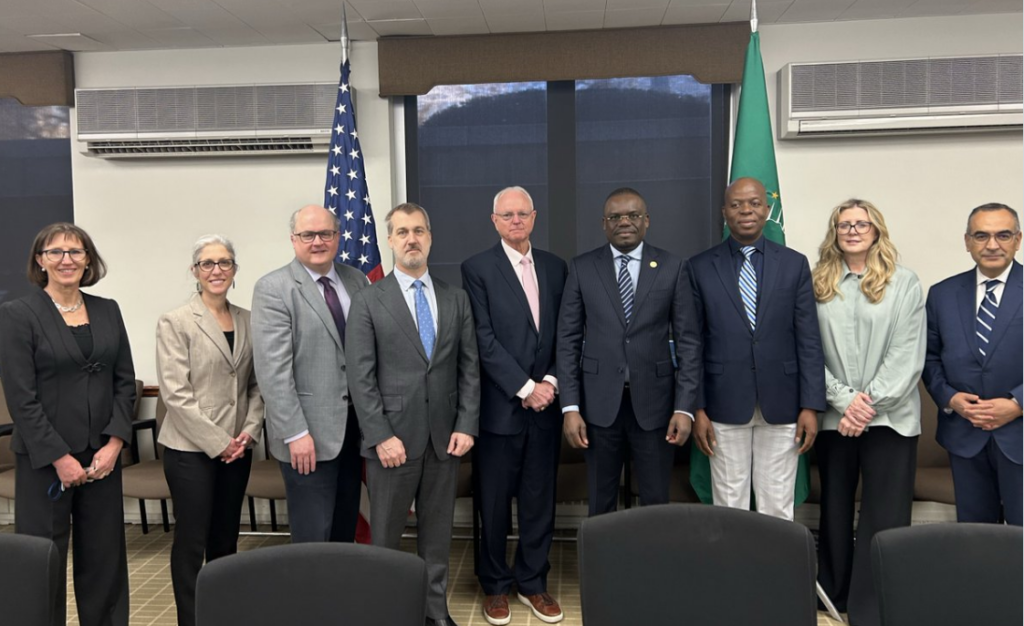
    Dr Susan Monarez, newly appointed head of the US CDC (2nd left) and other US government officials meet Africa CDC Director General Dr Jean Kaseya and Dr Ngashi Ngongo in Washington.

    The Africa CDC reported that White House officials they met with in Washington DC last week want the continent to provide opportunities for US companies – a “health as business” approach rather than support via grants.

    Since last week’s meeting, there has been “almost daily contact” between Africa CDC and US officials to explore financing options, said Kaseya.

    A joint Africa-US team was working on “all ideas and concepts that we developed” and how to translate these into a concrete action plan, he added.

    “They told us life-saving humanitarian interventions will continue, and they shared with us some places where it has restarted,” said Kaseya who claimed a “strong relationship” with the Trump administration. “We are following everything that is done. We are also providing our feedback to them.”

    The challenge of domestic financing

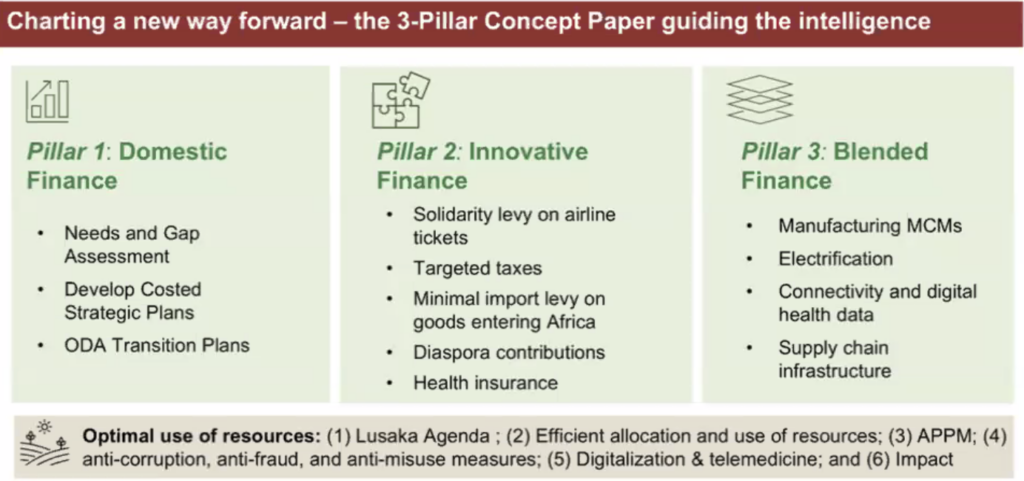
    The Africa CDC launched a concept paper on health financing on Thursday outlining how countries could mobilise more resources for health in the face of a 70% decline in official development assistance (ODA) between 2021 and 2025, from $81 billion to $25 billion.

    “This collapse is placing immense pressure on Africa’s already fragile health systems as ODA is seen as the backbone of critical health programs: pandemic preparedness, maternal and child health services and disease control programs are all at risk,” the Africa CDC notes.

    “Compounding this is Africa’s spiralling debt, with countries expected to service $81 billion by 2025—surpassing anticipated external financing inflows—further eroding fiscal space for health investments,” the paper notes.

    It proposes a three-pillar approach involving increased domestic funding, “innovative financing” including targeted ‘sin taxes’ and airline ticket levies; and “blended financing” involving public-private partnerships, the World Bank and donors.

    Kaseya castigated African countries for under-investing in health despite a 2001 undertaking to spend 15% of the budgets on the sector – something only Rwanda, Botswana, and Cabo Verde have done. Over 30 African countries spend well below 10% of their national budgets on health.

    “Countries were expecting that US will be there forever. EU will be there forever. Gavi will be there forever. Global Fund will be there forever. World Bank will be there forever. We need to stop that,” said Kaseya.

    “If today we start to provide more resources, others will match what they are doing and they will respect us.”

    While acknowledging that domestic financing was tight – most African economies have not recovered from the COVID-19 pandemic – he hailed the “innovative financing mechanisms” as a means to bolstering national budgets.

    “We are talking about a tax on airline tickets, a tax on tobacco, sugar. That there will be a solidarity fund that can help to resolve a number of issues while we are supporting countries for pandemic preparedness and response,” said Kaseya.

    “The solution for the future is not to see what Western countries can do. The solution for the future is to see what Africans can do for themselves, by themselves, complementing what is coming from external partners.”

    However, Kaseya acknowledged that the slashing of ODA means that fewer health workers will be trained, countries will be less equipped, with fewer vaccines, medicines and diagnostics to respond to outbreaks.

    “Our message to our colleagues from Western countries is: you are not protected, because if there is a pandemic coming from Africa, you will be affected,” said Kaseya.

    The Africa CDC also launched its annual report for 2024 which notes a 41% increase in disease outbreaks between 2022 and 2024.

    Mpox continues to spread

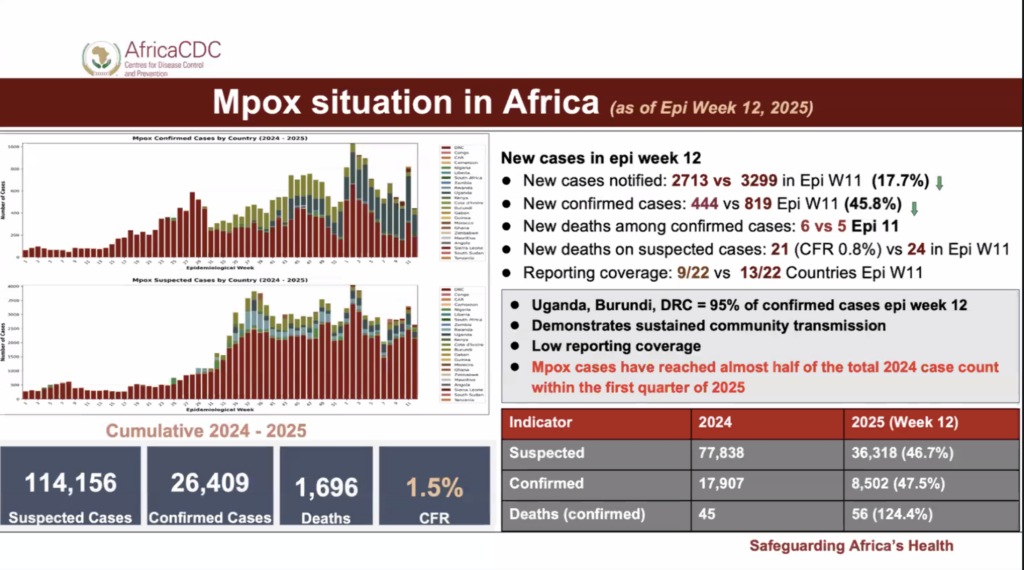
    Meanwhile, mpox continues to spread with a 17,7% increase over the past week – although the conflict in the eastern Democratic Republic of Congo (DRC), the epicentre of the outbreak, makes it hard to establish a full picture of the extent of new cases. Ghana reported a new mpox case after 11 weeks without any new cases in a man with no history of travel – proving that there is “community transmission”, said Kaseya.

    “We are doing our best to support countries, providing test kits, providing PCR machines, providing training, but we are not donors. We don’t have funding to support sample collection and sample transportation,” Kaseya added.

  • Newly Launched African Epidemic Fund to Strengthen Health Security

    Newly Launched African Epidemic Fund to Strengthen Health Security

    The African Epidemic Fund is now operational, providing the Africa Centres for Disease Control and Prevention (Africa CDC) with flexible funding to support countries across the continent in outbreak preparedness and response.

    This much-anticipated development is set to be a game-changer. No longer constrained by bureaucratic hurdles, Africa CDC now has the flexibility to rapidly deploy funds where they are needed most, allowing for faster and more efficient outbreak responses. Dr. Jean Kaseya, Director General of Africa CDC, described it as a landmark moment in the fight for improved health security on the continent.

    “This is the vehicle through which we can receive funding without any limitation, without any bureaucracy, to support African countries in preparing for and responding to outbreaks… We are celebrating that at Africa CDC,” he said.

    The fund was formally established following the High-Level Meeting on Domestic Health Financing, a collaborative initiative between Africa CDC, the African Union Commission, and AUDA-NEPAD. It arrives at a crucial time as Africa grapples with multiple health crises, including a Marburg outbreak in Tanzania, Ebola in Uganda, and rising cases of cholera and febrile illnesses in the Democratic Republic of the Congo (DRC).

    Furthermore, the mpox outbreak remains ongoing, six months after Africa CDC declared it a health emergency of continental concern. In February, Africa CDC’s Emergency Consultative Group reviewed the situation, recommending that the outbreak status remain in place due to rising case numbers, the emergence of a highly transmissible new variant, and continued vaccine shortages.

    Dr. Kaseya stressed that the new epidemic fund offers Africa CDC greater autonomy and agility in outbreak response.

    “It will be accessible without the need for approval from any AU organ, giving Africa CDC more autonomy,” he said.

    Transparency will be a cornerstone of the fund’s operations. Dr. Kaseya affirmed that Africa CDC will manage the fund directly, ensuring strict accountability. A governing board will oversee its activities, with regular updates provided to AU policy organs. Most importantly, the fund’s transactions will be publicly accessible, with detailed tracking available to ensure transparency.

    “The African Epidemic Fund will be available on the Africa CDC website. We want people to see, in real time, how much funding we receive, how it is being used, and where it is allocated. That’s the level of transparency we are bringing to Africa,” Dr. Kaseya added.

    The need for such a fund has never been more pressing, as Africa has witnessed a sharp increase in public health events—from 152 in 2022 to 213 in 2024. This surge highlights the growing vulnerability of African nations to health threats.

    At the same time, the challenges surrounding the mpox outbreak have worsened following the suspension of U.S. government aid, which disrupted key outbreak control efforts such as sample collection and shipment. These disruptions emphasize the urgency for Africa to develop self-sustaining funding mechanisms to address ongoing and future health crises.

    Even so, efforts to combat mpox are entering a critical phase, with expectations that the new fund will provide much-needed resources to contain the outbreak. Dr. Ngashi Ngongo, Head of the Mpox Incident Support Team at Africa CDC, described this as the “intensification phase” and outlined the next steps in the response.

    “In the next three months, we will focus on getting the outbreak under control, while the final three months of this plan will shift towards early recovery and resilience-building,” he said.

    The immediate next steps in epidemic control will focus on strengthening surveillance systems, scaling up vaccination campaigns, and enhancing community-based interventions to break transmission chains. Africa CDC, in collaboration with WHO and other partners, will continue supporting affected countries by mobilizing resources, expanding laboratory capacity, and accelerating vaccination efforts to curb the spread of mpox and other health threats.

  • Stakeholders Gather to Strengthen Health Data Governance in Africa

    Stakeholders Gather to Strengthen Health Data Governance in Africa

    Health data governance—a set of practices and policies designed to manage and control healthcare data throughout its lifecycle, ensuring its accuracy, privacy, security, and accessibility for authorized users —is once again on the political agenda this year.

    Key decision-makers hope that a harmonised regional approach can help strengthen national frameworks, ensuring alignment and collaboration while safeguarding individual rights and building public trust.

    The 38th Ordinary Session of the African Union Summit is taking place in Addis Ababa between February 15-16, 2025 and decision-makers and stakeholders will meet on the sidelines to discuss regional collaboration and advance plans for health data governance on the continent.

    “The Summit presents an important inflection point to build on progress and stimulate further action in 2025 and beyond, including towards a regionally led framework and commitment on health data governance,” said Jean Philbert Nsengimana, Chief Digital Advisor, Africa Centres for Disease Control and Prevention (Africa CDC).

    Strong national and regional leadership have ensured health data governance remains on political agendas, with notable advances over the past year. “This includes the work of the Africa CDC Flagship Initiative on health data governance, which is engaging governments and stakeholders in the region to strengthen health data governance approaches, including driving efforts towards a regionally led framework on health data governance,” said Nsengimana.

    Africa CDC, Transform Health, Health Informatics in Africa (HELINA), and other regional partners are convening stakeholders for a discussion on health data governance, co-hosted by the Ministries of Health of Ethiopia, Rwanda, Zambia, Cameroon, Senegal and Uganda.

    “We want to build and showcase political leadership on health data governance in Africa while galvanising action to drive this agenda both regionally and globally. The session aims to connect governments and regional stakeholders to build a network of champions in the region, forging the path towards a regional framework,” said Dr Nsengimana.

    “Health data is the lifeblood of resilient health systems. In Africa, we are not just addressing the challenges of governance but seizing the opportunity to build frameworks that prioritize equity, trust, and ethical use,” Nsengimana added. “By fostering regional collaboration, we can ensure that health data becomes a catalyst for universal health coverage, stronger public health systems, and person-centered care, leaving no one behind,” he said.

    The need to strengthen health data governance is increasingly recognised by governments within global and regional frameworks, strategies and commitments. In Africa, the AU Data Policy Framework (2022) recognises health data as a unique category of data that demands more rigorous protections and robust governance instruments and recommends the development of sector-specific data governance.

    The AU Digital transformation strategy emphasises the need for AU Member States to have adequate regulations around data governance and recommends the adoption of a legal and regulatory framework for personal data protection and privacy. The Africa CDC Digital Transformation Strategy prioritises support for the development of legal and regulatory frameworks for digital health, including cross-border data sharing.

    “When designed with equity, dignity, and ethical governance as core principles, data-driven and AI-enabled approaches can help expand coverage of health services, ensure the most disadvantaged communities have access to quality care, and build stronger, more people-centered public health systems,” said Nick Cain, Vice President of Strategy & Innovation, Patrick J. McGovern Foundation.

    African countries have diverse contexts and needs, leading to varying approaches to health data governance. A regional framework, endorsed by AU member states, would support these efforts by fostering the exchange of experiences and good practices across the continent, establishing a common understanding of essential legislative provisions, promoting legal coherence across jurisdictions, enhancing trust, and enabling cross-border data sharing.

    “National and regional leaders have acknowledged the critical need for robust health data governance. A regional framework and commitment would translate this into action, leveraging national insights to establish a unified approach and shared vision. As civil society, we urge governments and regional leaders to prioritise this to ensure the secure, equitable, and responsible use of health data,” said Mathilde Forslund, Executive Director, Transform Health.

    Regional efforts towards strengthened health data governance have given rise to the Africa CDC Flagship Initiative on Health Data Governance, one of the actionable initiatives to advance Africa CDC’s Digital Transformation Strategy, while also responding to other regional and global frameworks and strategies. Launched during the 2023 Africa HealthTech Summit, the initiative aims to work with governments in the region to strengthen health data governance approaches, including through a regional framework, which would support governments in strengthening national legislation.

    Africa CDC, Transform Health and HELINA have been working with national and regional partners to support these efforts, including through funding from the Patrick J. McGovern Foundation, to develop technical tools and resources, and support national efforts, towards stronger health data governance “Health data is not some random characters… at the heart of it, it is the record of real people, and their real experiences navigating various health statuses, from illness to wellness. Just as civilized societies treat everyone with respect and dignity, so should we treat health data, and every use we make of it,” said Steven Wanyee, President, Health Informatics in Africa.

  • US Aid Pause Comes Amid Multiple Disease Outbreaks in Africa

    US Aid Pause Comes Amid Multiple Disease Outbreaks in Africa

    Ebola in Uganda. Marburg in Tanzania. Cholera in Angola. War in Goma in the Democratic Republic of Congo (DRC) that escalated the risk of multiple disease outbreaks – and then the United States decision to halt foreign aid for 90 days and order grantees to stop all work.

    “This is not the kind of week we like,” Dr Jean Kaseya, Director-General of Africa Centres for Disease Control and Prevention (Africa CDC) told a media briefing on Thursday.

    “I was shaking, to be honest with you, when there was this US pause regarding the [Marburg] response in Tanzania,” Kaseya admitted. “And if we talk about mpox, we have a pledge of $500 million from the US. We got around 60% from what the US committed, and we are waiting for this 40%.”

    However, Kaseya expressed gratitude that the US had exempted “life-saving humanitarian assistance” from the 90-day pause. The US State Department has defined humanitarian assistance as “core to life-saving medicine, medical services, food, shelter, and subsistence assistance, as well as supplies and reasonable administrative costs as necessary to deliver such assistance”. 

    Africa CDC is waiting to engage with the US about its financial assistance once the appointment of the US Secretary for Health and Human Services (HHS) is finalised and the head of the US CDC is appointed. Trump’s HHS pick, Robert F Kennedy Jr is currently in Senate confirmation hearings.

    Uganda reports Ebola – and maybe DRC too

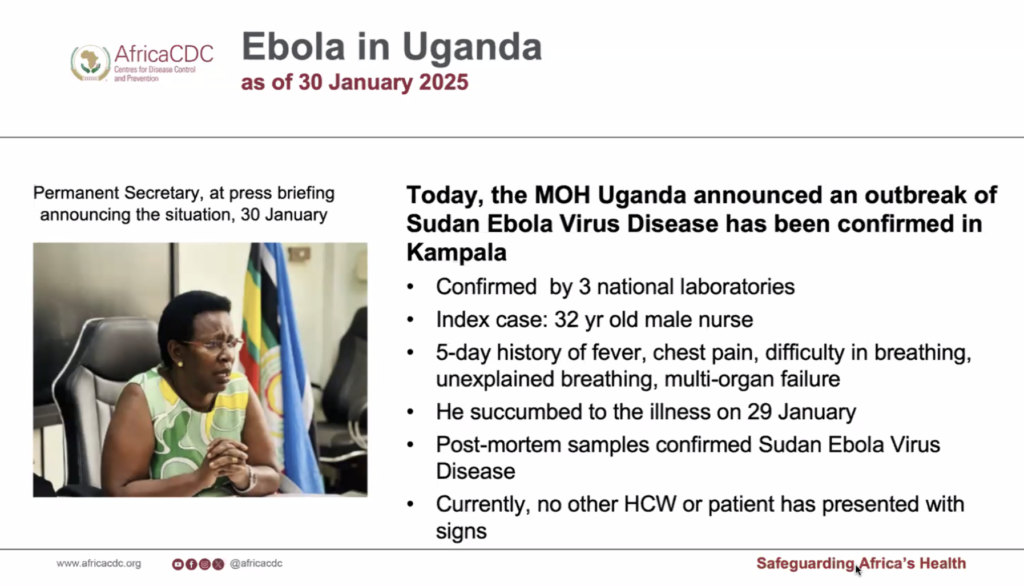
    Uganda announced an Ebola outbreak on Thursday, following the death on Wednesday of a 32-year-old male nurse in Kampala after five days of illness.

    Uganda has set up an incident management team and is tracing 45 contacts, mostly people working in Mbale Hospital in eastern Uganda and Abubakar Islamic Hospital in Kampala.

    Kaseya said that there was also a possible Ebola outbreak in DRC where seven out of 12 suspected cases had died. Samples from five of the cases have been sent to a laboratory in Kinshasa for diagnosis.

    Ebola in Uganda 30 January 2025

    Conditions in war-torn Goma ripe for epidemic

    Kaseya expressed deep concern about people in Goma, the capital of DRC’s North Kivu province, which was taken over by Rwandan-backed M23 rebels this week.

    Hundreds of people have reportedly died and the city is without water, electricity and the internet. 

    However, Kaseya said there was a high risk of multiple health outbreaks in the heavily congested city, home to up to three million people including almost one million who have fled fighting elsewhere.

    “We are talking about an area where so many people are together. Health infrastructure is broken. Access to basic services, even water and sanitation, doesn’t really exist. In addition to mpox, we have cholera outbreaks, measles and other diseases. I’m calling on our leaders to stop this unnecessary war that already killed 300 people. The guns cannot kill all of us, but outbreaks can.”

    Kaseya said he did not know whether Goma’s health laboratory had been affected, and if it had been destroyed in fighting this would affect the country’s disease surveillance.

    The rebels control the airport, so the L16 mpox vaccines donated by Japan that recently arrived in the DRC’s capital, Kinshasa, can’t reach Goma at present.

    Meanwhile, mpox continues to dominate the outbreak statistics on the continent with almost 10,000 suspected cases reported in the past week along with 85 deaths. The one bright spark, however, is that Burundi has finally agreed to start vaccinating its citizens after months of scepticism.

    Africa CDC is also supporting Angola to address a cholera outbreak that had already killed 51 people and infected around 1200 people. Some 2000 cholera vaccines will reach  Angola on 7 February. 

    ‘Difficult times’

    “We are facing a very difficult moment. Western countries are decreasing their aid budgets,” said Kaseya, noting that in 2023, the US gave Africa in $8 billion in assistance, mostly for health and humanitarian assistance. 

    “African countries are facing a tough economic situation. Projection from Africa CDC shows that we can expect two to four million additional deaths per year by 2025, which will push 39 million people into poverty, and reverse even the gain in mortality almost comparable to what we had 25 years ago,” said Kaseya.

    “All of these conditions can lead one day to a pandemic from Africa. And if there is a pandemic from Africa, all of us in the world will be affected.”

    African leaders are meeting on 14 February at the invitation of Rwandan President Paul Kagame to discuss more sustainable financing for health.

  • Africa at the Forefront of Global Financing

    Africa at the Forefront of Global Financing

    The ONE Campaign marked its 20th anniversary with a significant event focused on “Africa at the Forefront of Global Financing Solutions.” This gathering brought together global leaders to engage in critical discussions addressing urgent issues like climate change, conflict, debt, and health. By merging policy discussions with elements of pop culture, the event highlighted the importance of treating Africa as a co-creator of solutions on the world stage.

    The recent United Nations General Assembly (UNGA) has sparked significant reflection on global cooperation, especially as South Africa gears up to host the G20 Summit in 2025. At the heart of these discussions is the critical need to strengthen African agency in addressing global challenges. A dynamic line up of speakers underscored the need for collaborative efforts that prioritise African perspectives and solutions, ensuring that the continent’s voice is not just heard but actively integrated into global decision-making processes.

    Deborah Roberts of ABC News opened the event with reflections on ONE’s two decades of impact, highlighting 25 million actions taken and $1 trillion mobilized for development finance. Jamie Drummond, ONE’s co-founder, and Ndidi Okonkwo Nwuneli, President and CEO of ONE, discussed the organization’s mission and future goals, advocating for a shift in perception of Africa as a strategic partner in global affairs.

    Panellists, including Ahunna Eziakonwa, Assistant Secretary-General and Director of UNDP Africa Bureau, Alexia Latortue, Assistant Secretary for International Trade and Development, US Treasury and Serah Makka, Africa Executive Director for the ONE Campaign explored the critical need for African solutions to global problems. The conversation highlighted the need for African agency to be the golden thread connecting all our initiatives—it should shape our actions, methodologies, and focus areas, ensuring we advocate for issues that resonate deeply with African interests. When we prioritise African agency, we can reshape the narrative and foster partnerships that are mutually beneficial, driving progress not just for the continent, but for the world.

    CNN’s Larry Madowo moderated a debate that sought to answer the question: Is the Golden Era of replenishments over? Founder and President of mPedigree, Bright Simons emphasized the need for innovative solutions to tackle the growing $175 billion health financing gap, suggesting that radical approaches are necessary to adapt to the changing economic landscape. ONE’s Senior Policy Director for Global Health, Jenny Ottenhoff said, with $80 billion mobilized for global health since 2015, we are in the golden era of replenishments, and we must ensure we stay in it.

    Dr. Jean Kaseya, Director General of the Africa CDC, and Nisha Biswal, Deputy CEO of the Development Finance Cooperation, joined the Director for Technology, Climate Change and Natural Resources Management in the United Nations Economic Commission for Africa, Jean-Paul Adam for a conversation on how to turn some of the points highlighted in the debate into solutions and opportunities for world leaders to work with, not for, Africa. This dialogue illustrated the importance of adapting strategies to meet evolving health challenges, ensuring that Africa’s needs are prioritized in global health discussions.

    Concluding the event, ONE’s Youth Ambassador, Anoushka Sinha inspired attendees with a call to unity, emphasizing the potential for a more just and equal world through collective action.

    As we look to the future, it is essential that the momentum generated from these discussions translates into actionable strategies, empowering African nations and communities for a more equitable and sustainable global landscape.

    The event can be accessed on Youtube here: Africa at the Forefront of Global Financing Solutions

  • Africa Raises $1-billion to Combat Mpox – But Weak Surveillance Clouds Continent’s Response

    Africa Raises $1-billion to Combat Mpox – But Weak Surveillance Clouds Continent’s Response

    Governments and donors have pledged around $1 billion to combat Africa’s mpox outbreak in the past few weeks, with the US pledging $500 million this week, said Dr Jean Kaseya, Director-General of the Africa Centres for Disease Control and Prevention.

    But the continent’s response is confounded by poor surveillance, problems with testing virtually non-existant contact tracing (less than 4%) and insufficient knowledge about transmission, Kaseya tols a media briefing on Thursday.

    Africa CDC and the World Health Organization (WHO), who are coordinating the continental response, were due to meet US Health Secretary, Xavier Beccera late Thursday to discuss how the US money would be allocated.

    However, the White House stated earlier in the week that the money will address a range of needs identified by the Africa CDC and WHO, including “training frontline health workers, disease surveillance, laboratory diagnostic supplies and testing, clinical case management, risk communication and community engagement, infection prevention and control, and research”. 

    The Pandemic Fund has made $129 million available for 10 countries, while African countries have availed around 10% of funds raised.

    Vaccine donations hit 4.3 million

    Some 4,3 million vaccine donations have also been pledged. The bulk – three million – are from Japan for the Democratic Republic of Congo (DRC), the epicentre of the outbreak. The US also promised one million vaccines this week.

    The Coalition for Epidemic Preparedness Innovations (​​Cepi) has allocated around $72 million (in partnership with vaccine producer BioNTech) for mpox vaccine development, and $145 million to support the expansion of the manufacturing capacity in Africa, especially in Rwanda, said Kaseya. 

    But only a small percentage of the vaccine donations have touched down on African soil. The DRC is due to roll out its vaccination efforts next week but it has to navigate poor roads, lack of trained staff and armed conflict.

    Given the scarcity of vaccines, vaccines will be confined to priority groups starting with the contacts of confirmed cases and healthcare workers, explained Dr Ngashi Ngongo, Africa CDC’s Chief of Staff, at a media briefing on Thursday.

    Dr Ngashi Ngongo, Africa CDC Chief of staff

    Others priority groups are “key populations, meaning commercial sex workers and men and having sex with men”, children, people in refugee camps, prisoners, truck drivers, cross-border traders and those who are immunocompromised, particularly those living with HIV.

    Fifteen African countries have reported mpox cases since the beginning of the year while a further 15 are vulnerable, Kaseya told the media briefing.

    In the past week, 2,910 new cases have been reported but only 436 have been confirmed, said Kaseya. Since the beginning of the year, over 32,000 suspected cases have been reported yet less than one-fifth have been confirmed.

    Major weaknesses in surveillance, laboratories and research are confounding efforts to stem the spread of mpox. 

    “Our immediate priorities are enhanced surveillance, contact tracing and laboratory testing,” said Kaseya.

    Only about half the suspected mpox cases are being tested, and around 40% positivity rate  – but the results were tainted by the quality of the specimens, poorly trained staff as well as tests picking up other diseases such as measles and chicken pox, explained Ngongo.

    About a third of cases have no apparent links to other cases, but Ngongo said this was likely because contact tracing is weak – with health workers only reaching around 3% of those who had been in contact with cases.

    “Community-based surveillance is weak because the community health workers and community health programs have not been involved fully involved into the mpox response,” Ngongo noted. 

    The mpox incidence management team, headed by Africa CDC and WHO, is encouraging countries to increase the number of community health workers, and the DRC plans to roll out the 40,000 community networkers, he added.

    West’s failure to act on mpox Clade I

    Africa CDC Director-General Dr Jean Kaseya.

    Kaseya said that “our colleagues from Western countries” are also responsible for the huge rise in mpox cases in Africa.

    “When we had the mpox public health emergence of international concern in 2022, they focused just on Clade II because that was in Europe and the US. They knew that there was a Clade I in Africa but didn’t conduct research on Clade I.”

    Clade I has mutated into Clade Ib, which appears more infectious and more deadly. But because of international neglect, there is no rapid test for Clade I.

    “We do not have a full understanding of the epidemiology of mpox and the transmission dynamics,” said Kaseya. “What are some of the factors that, for example, explain the high numbers of children that are being infected?

    “About 80% of unknowns are mostly because our colleagues and partners didn’t want to see the reality,” he added.

    Africa CDC has also sounded the alarm about possible cross-border transmission via truck drivers, who were key in transmitting HIV across the continent.

    “Uganda’s 212 cases are just the tip of the iceberg. Knowing the cross border movement, mostly with truck drivers, and the weakness of our surveillance system, no one can say that these 212 suspected cases are accurate,” said Kaseya.

     He also questioned whether Tanzania, which has not officially reported any cases, really is mpox-free given its proximity to affected neighbours.

  • African Leaders Hold Weekend Meeting to Address ‘Worrying’ Increase in Mpox Cases

    African Leaders Hold Weekend Meeting to Address ‘Worrying’ Increase in Mpox Cases

    African heads of state from countries affected by mpox will meet virtually on Sunday to address the “worrying” increase of the virus – with 2,912 new cases and 14 deaths recorded in the past week, the Africa Centres for Disease Control and Prevention reported at a media briefing on Thursday.

    “Mpox is not under control in Africa. We still have this increase of cases that is becoming worrying for all of us. In many countries, we have different clades [so] the Mpox outbreak is a combination of many outbreaks in one,” Africa CDC Director-General, Dr Jean Kaseya told the media briefing.

    Clade 1A and Clade 1B are both circulating in Kinshasa, the capital of the Democratic Republic of Congo (DRC) which is worst affected by mpox. 

    However, because the continent’s surveillance, testing and laboratory systems are not strong enough, “we cannot confirm that we don’t have this kind of joint circulation of clades” across the continent, Kaseya admitted.

    Of the 29,152 suspected mpox cases identified since the beginning of the year, only 6,105 have been confirmed by laboratory testing.

    In the past week, Morocco in North Africa reported its first mpox cases, which means that mpox now affects all regions of the continent, said Kaseya.

    Japan donates three million vaccines

    On Wednesday, the government of Japan signed an agreement with the DRC to donate three million KM Biologics’ LC16 vaccines which, unlike Bavarian Nordic’s MVA-BN vaccine, are authorised for children. Around 40% of the continent’s suspected mpox cases are in children.

    However, health workers will need special training to vaccinate people with LC16, which requires a similar process to that of smallpox, said Dr Mike Ryan, the World Health Organization’s (WHO) global head of health emergencies.

    “The LC 16 vaccine is not delivered by the same method as the MVA vaccine, and that does introduce complexity to the training and logistics,” Ryan confirmed at a WHO global press conference on Thursday.

    “The LC16 is given the same way the previous smallpox vaccination was done, which is scraping intradermally on the skin. That’s quite a skilled technique, and that will take time, and that hasn’t been used in vaccination programs for decades now.” 

    Rwanda meanwhile started its vaccination campaign earlier in the week, but it has only received 1,000 donated so far vaccines.

    The DRC will start its vaccination campaign in the first week of October, while the Africa CDC expects to soon dispatch vaccines to South Africa, Uganda, Burundi “and any other country that will be in need”. 

    It is also establishing an expert technical review committee to assist countries to develop “strong vaccination campaign plans”, said Kaseya.

    Isolating at home or hospital?

    Burundi, despite having 1,600 case, has recorded zero deaths. However, Dr Ngashi Ngongo, Africa CDC Chief of Staff, told the media briefing that all Burundi’s cases were hospitalised and in isolation.

    Dr Maria Van Kerkhove, WHO’s interim director for epidemic and pandemic preparedness and prevention, stressed that it is “really important that cases do isolate, but there are options for where they can isolate”.

    “If there’s an indication of clinical severity, if they have a risk of developing severe disease, it’s important that they get appropriate clinical care, so isolation in a hospital is helpful,” said Van Kerkhove.

    “But we do have guidance for isolation at home. For people who are presenting mildly, and people who aren’t at risk of developing severe disease, home care is completely appropriate,” she added.

    “It is really important that the scabs are covered, that we use good hand hygiene, that the close physical contact between caregivers is done appropriately so that we can prevent onward spread,” said Van Kerkhove.

    “Also, it is really critical to clean bed linen and clean clothes, etcetera and that’s very difficult in many different contexts.”

    WHO Director-General, Dr Tedros Adhanom Ghebreyesus, told the briefing that the mpox virus “is being spread primarily through close personal contact, including sex and within families, through caring for young children, breastfeeding and sharing clothing or bedding”. 

    “The response to the outbreak is made more difficult by the context with insecurity in the affected areas and concurrent outbreaks of other diseases, including measles and chicken pox,” added Tedros.

    In comparison to a year ago, there has been a 177% increase in cases and a 38.5% increase in deaths in Africa, and the Africa CDC has committed to developing an open-access dashboard that is regularly updated with information about the spread of the virus.

  • Nigeria’s Preparedness Enables it to Get First Mpox Vaccine Donations

    Nigeria’s Preparedness Enables it to Get First Mpox Vaccine Donations

    Nigeria, accounting for just 1% of Africa’s confirmed mpox cases, has become the first African country to receive a vaccine shipment outside a clinical trial. 

    This week, Nigeria received 10,000 doses of Jynneos, a vaccine manufactured by Bavarian Nordic and donated by the United States government.

    “We are pleased to receive this modest initial donation of the mpox vaccine which is safe and efficacious,” Nigeria’s Minister of Health, Muhammad Ali Pate said. “We will continue to strengthen surveillance and be vigilant to prevent and control mpox.”

    Leading up to the vaccine delivery, Dr Jean Kaseya, Director-General of the Africa Centres for Disease Control and Prevention (Africa CDC), confirmed that Nigeria was one of the two African countries to have issued regulatory approval for the vaccine’s introduction. 

    Nigeria’s preparedness, marked by a robust vaccination plan, ensured its place at the forefront of receiving these doses.

    According to Africa CDC’s latest epidemic intelligence report, nearly 21,000 suspected and fewer than 3,400 confirmed mpox cases have been reported across Africa this year. 

    While the Democratic Republic of Congo (DRC) accounts for 95% of suspected and 90% of confirmed cases, Nigeria has only confirmed 40 cases and no deaths — a mere 1% of the continent’s total confirmed cases. 

    Despite this relatively low number, Nigerian public health officials have raised the alert level and strengthened outbreak preparedness.

    ‘Very, very busy’

    Dr Jide Idris, head of Nigeria’s frontline agency for disease prevention and control, the Nigeria Centre for Disease Control (NCDC), has had action-packed days since mpox was declared a public health emergency of international concern (PHEIC) – for the second time in two years.

    The day after the announcement, Idris was too busy for interviews, his schedule crowded with preparations and briefings. 

    The atmosphere at the NCDC’s head office was intense, mirroring the urgency felt across the country as teams worked tirelessly to monitor and coordinate response to multiple outbreaks. 

    Meanwhile, requests for guidance on Nigeria’s mpox preparedness poured in. Between briefings for the health minister, press briefings and meetings with health commissioners from Nigeria’s 36 states, he found a few moments to speak to Health Policy Watch.

    “It is very busy, very busy,” he said. “We do not have Clade 1b in Nigeria. All cases are Clade 2,” Idris said. 

    Clade 1b is the new strain that is spreading fast in the DRC and neighbouring countries.

    Idris outlined Nigeria’s three-pronged mpox response strategy: enhancing surveillance at ports of entry, boosting laboratory capacity for testing and genomic surveillance, and providing medical countermeasures (MCM) commodities.

    Although mpox is currently classified as a PHEIC, the NCDC’s latest situation report for Nigeria shows a stable outlook: no surprises in case counts, no fatalities, and a consistent pattern in states reporting cases. 

    There has been no change in cases since 18 August 18, when the cumulative case count for 2024 stood at 40 across 19 states. Only five states reported more than two confirmed cases: Bayelsa (5), Akwa Ibom, Enugu, and Cross River (4 each), and Benue (3).

    Bayelsa, which reported the third highest number of confirmed cases (45) during the 2022 outbreak and ranked second the previous year, has consistently been among the top three states for mpox cases in Nigeria over the past eight years, except in 2020.

    So far in 2024, children under the age of 10 years account for 35% of confirmed cases, followed by adults aged 31 to 40 years, who make up 20%.

    “Before 2024, most of the confirmed cases were in young adults aged 10-40 years, with males being predominantly affected. In 2024, however, over 33% of confirmed cases are in children aged 0-10 years,” Idris told Health Policy Watch.

    Beyond Nigeria and beyond vaccines

    According to the official announcement, the 10,000 vaccine doses will be administered in a two-dose schedule to 5,000 individuals most at risk of mpox, including close contacts of confirmed cases and frontline healthcare workers. 

    The vaccination exercise will primarily target the five states with recorded cases, with provisions for reactive vaccination in other states as needed.

    With DRC not getting the first mpox shipment despite its central status in the outbreak, attention is on the global health players’ ability to let priority guide allocation and delivery of doses. 

    Gavi CEO Sania Nishtar revealed that, aside from donations from the US government and the vaccine manufacturer, DRC can also access 65,000 doses of mpox vaccine from Gavi immediately after it makes a request to Gavi. 

    However, Nishtar noted that the current supply of mpox vaccines will not be enough to reach everyone in Nigeria, the DRC or elsewhere that needs the shots hence the need to also bring attention to other areas, especially in the short term.

    “The first response should be to boost areas such as surveillance, data collection, case management and community engagement: these important foundations are critical for helping us to understand and ultimately contain the outbreak,” Nishtar told Health Policy Watch.

    Idris agrees. When asked what he thinks has uniquely positioned Nigeria to fully contain the spread of mpox without having to consider travel restrictions, he did not mention vaccine donations or any medical countermeasures. 

    Instead, he acknowledged Nigeria’s vast experience in responding to multiple outbreaks including more fatal ones, and the “surge capacity” it has acquired already – capacity for coordinated response mechanisms, genomic sequencing and molecular diagnosis.

    This is why Nigeria is one of the very few African countries reporting cases that do not have a wide gap between suspected and confirmed cases.

  • Africa CDC in Talks with Bavarian Nordic to Bring Mpox Vaccine Production to the Continent

    Africa CDC in Talks with Bavarian Nordic to Bring Mpox Vaccine Production to the Continent

    The Africa Centres for Disease Control and Prevention (Africa CDC) is in talks with Bavarian Nordic, the only global producer of an mpox vaccine, about technology transfer to enable African manufacturers to make the vaccine on the continent.

    “I want to recognise and thank Bavarian Nordic for accepting to do the tech transfer in Africa, for Africa to manufacture the vaccine,” Africa CDC Director General, Dr Jean Kaseya told a media briefing on Tuesday.

    Kaseya added that Africa CDC aimed to have 10 million doses available by the end of 2025, and Bavarian Nordic “tell me the doses we are talking about are not a dream”. 

    However, he acknowledged that this was a longer-term solution to the mpox outbreak affecting 12 African countries.

    More immediately, the continent expects donations from wealthier countries during what Kaseya dubbed as the “emergency humanitarian era”. He thanked the European Union (EU) for assistance in procuring 215,000 vaccines.

    In the past week, there has been an increase of 1,405 cases on the continent bringing the official total to 18,910 although Kaseya cautioned that surveillance was not optimal in some countries.

    The biggest increase was in the Democratic Republic of Congo (DRC), the epicentre of the outbreak, which now has 17,794 cases (an increase of 1,030). 

    However, armed conflict in eastern DRC is hampering efforts to curb the outbreak, and Kaseya thanked Angola’s president for his efforts to broker peace between the DRC and Rwanda, which has supported the M23 rebels in the DRC.

    Cases in Burundi jumped from 265 to 572, while the Central African Republic also recorded more cases (up from 206 to 263) as did Nigeria, (from 24 to 39).

    No new cases were recorded in Cameroon, Congo, Kenya, Rwanda, Uganda, South Africa, Côte d’Ivoire or Liberia.

    There have been 541 recorded deaths.

    Single incident management team

    For the first time, the Africa CDC, the World Health Organization and UNICEF have united to form a single African incident management team to address the outbreak, which was declared a public health emergency of international concern (PHEIC) last week.

    Professor Jean-Jacques Muyembe, general director of the Democratic Republic of the Congo  Institut National pour la Recherche Biomedicale (INRB), told the Africa CDC briefing that better communication about the causes of mpox was necessary to prevent its spread.

    Children to be warned against touching dead animals or eating jungle meat, he advised Almost 70% of mpox cases in the DRC involve children under the age of 16.

    In addition, communities had to be educated about human-to-human transmission via bodily fluid, using all the lessons from  Ebola, HIV and COVID-19 including condom use and good hygiene. Mpox clade 2 has been spread primarily via sexual contact between men.

    Muyembe also reported on a recent trial of an antiviral medicine, tecovirimat, to treat mpox. The trial was “discouraging” as tecovirimat failed to reduce the duration of mpox lesions in children and adults with clade I mpox in the DRC, he reported.

    A small study with an increased dose of tecovirimat was currently underway.

    However there was a 1.7% mortality rate in the trial – significantly lower than the mpox mortality of 3.6% in the DRC.

    This mortality rate applied to all subjects regardless of whether they received tecovirimat or a placebo, indicating that “hospitalization and high-quality supportive care” improved outcomes regardless of treatment, according to a report from the US National Institutes of Health, which sponsored the trial.

    More domestic resources

    Over the weekend, South African President Ramaphosa – the African Union (AU) Champion on Pandemic Prevention, Preparedness, and Response (PPPR) – called on member states to devote more domestic resources to mpox.

    Ramaphosa also urged the international community “to mobilise stockpiles of vaccines and other medical countermeasures for deployment in Africa” via Africa CDC.

    “This is also an opportunity to call on the international community to finalise a fair and equitable pandemic agreement—a duty that must be pursued with urgency and a spirit of equity,” added Ramaphosa.

  • Gavi Launches Replenishment and Commits to Accelerating African Vaccine Manufacturing

    Gavi Launches Replenishment and Commits to Accelerating African Vaccine Manufacturing

    Gavi, the vaccine alliance has already raised $ 2.4 billion of the $9 billion it needs to finance its operations between 2026 and 2030, the global vaccine alliance announced at Global Forum for Vaccine Sovereignty and Innovation in Paris on Thursday.

    The Forum, co-hosted by France and the Africa Centres for Disease Control and Prevention (Africa CDC), also marks the launch of the African Vaccine Manufacturing Accelerator (AVMA), which aims to promote regional vaccine production.

    AVMA already has financing pledges of “at least $1.2 billion”, already exceeding the initial benchmark of $1 billion, said Gavi CEO, Sania Nishtar.

    When talking about AVMA, “we are not just talking about money. We are talking about people, who […] start to dream, to see Africa manufacturing our own vaccines,” said Africa CDC Director General, Dr Jean Kaseya.

    Reaching zero-dose children and expanding vaccine portfolio

    In the coming strategic period, Gavi plans to add new vaccines to its portfolio, prioritise “zero-dose” children who have not received any vaccines and speed up its operations to double the recent achievement of a billion vaccinated children since 2020 faster.

    The bulk of its pledges – $1.58 billion – has been promised by the US. However, Gavi has about 18 months to finalise its current financing period and fine-tune the details of its plan for the years ahead. 

    In the 20 years of its existence, Gavi has saved 17 million lives, said Nishtar, all while maintaining a $54 return on every dollar invested. 

    The organisation asserts that it is on track with its 2025 targets despite the pandemic disruptions.  

    Its aims for the next period are more ambitious, such as extending the availability of new Ebola, meningitis, rabies and hepatitis B vaccines, put on hold because of the COVID-19 pandemic, regulation, or supply issues.

    Decentralising vaccine production

    With AVMA, Gavi is turning to regional vaccine manufacturing instead of working with the biggest producers to get low prices per dose.

    This will initially cost more, but the imperative for regional production to safeguard all parts of the world became evident during COVID-19, as vaccine-producing countries prioritised jabs for their own populations, leaving Africa behind.

    In response, the African Union announced a target of producing and supplying more than 60% of the continent’s vaccine requirements by 2040. 

    Africa is home to 20% of the world’s population and yet, it constitutes only 0.1% of the global vaccine production. 

    AVMA is meant as a catalyser for more investments in vaccines and drugs in the region. “I saw in so many people announcing now additional support around AVMA,” highlighted Kaseya. “For me, is a success story.”

    AVMA is an innovative investment tool that will offer incentive payments to offset some of the initial high costs of production, with specific caps and categories designed to ensure priority vaccines receive adequate funding and that no vaccine type or manufacturer is overrepresented. 

    The minimum goal is to support at least four African vaccine manufacturers and produce over 800 million vaccine doses over 10 years.

    “The launch of the AVMA represents a groundbreaking financing instrument, to help both catalyze vaccine production within Africa and bolster global health resilience and equitable access to vaccines,” said Greg Perry, Assistant Director General of the International Federation of Pharmaceutical Manufacturers and Associations (IFPMA).

    “The pharmaceutical industry is committed to playing our part in the collective efforts to […] equitable access to innovative vaccines.”

  • Expansion of AstraZeneca’s flagship health equity programme Healthy Heart Africa

    Expansion of AstraZeneca’s flagship health equity programme Healthy Heart Africa

    The programme aims to improve health outcomes, with a focus on increasing awareness of the symptoms and risks of hypertension

    Broader range of non-communicable diseases targeted including chronic kidney disease; Programme growing across Africa, 54 million blood pressure screenings to date.

    AstraZeneca has set out a new ambition for Healthy Heart Africa, its flagship health equity initiative, to target a broader range of non-communicable diseases (NCDs), including chronic kidney disease (CKD) as well as hypertension and cardiovascular disease. The expanded programme will also launch in Egypt, reaching even more patients across the continent.

    At the 77th World Health Assembly (WHA) during an event co-hosted with the Ministry of Health for Uganda, AstraZeneca announced that the expanded Healthy Heart Africa programme will be operational in Côte d’Ivoire, Egypt, Ethiopia, Ghana, Kenya, Nigeria, Rwanda, Senegal and Uganda by the end of 2025.

    Launched in 2014, Healthy Heart Africa was established to address the increasing burden of cardiovascular diseases in Africa. The programme aims to improve health outcomes, with a focus on increasing awareness of the symptoms and risks of hypertension; providing health education and access to early screening and treatment; and delivering training to healthcare providers. This supports health system resilience by relieving the social and economic burden arising from late-stage treatment and care of cardiovascular and related diseases.

    Over the past decade, the programme has conducted more than 54 million blood pressure screenings and trained more than 11,400 healthcare workers. By March 2024, the programme achieved its initial ambition to reach 10 million people with elevated blood pressure, nearly two years ahead of target.

    HE Dr Jean Ruth Aceng Ocero, Minister of Health for The Republic of Uganda, said:  “As we confront the burden of non-communicable diseases in Uganda, which account for 36% of deaths and 81,300 annual mortalities it is imperative to strengthen our health systems. With a 21% probability of premature mortality from NCDs, resilient health systems are crucial for early detection and effective management.”

    HE Dr Jean Kaseya, Director-General of the Africa Centres for Disease Control and Prevention, said: “The rising burden of non-communicable diseases (NCDs) in Africa, which have increased from 24% in 2000 to 37% in 2019 of all deaths, highlights the urgent need for comprehensive and coordinated action. Supporting Member States to integrate NCD prevention and control into primary healthcare and strengthen multisectoral coordination on NCDs are among the priority interventions for the African CDC.”

    Ruud Dobber, Executive Vice President, BioPharmaceuticals Business Unit, AstraZeneca, said: “The public and private sectors must work hand in hand to address the escalating burden of NCDs and ensure more equitable and sustainable health outcomes for patients across Africa and beyond. Heart and kidney health are often interconnected, and with earlier diagnosis, intervention and treatment of cardiorenal diseases, we have a tremendous opportunity to prevent life-threatening complications, and reduce the economic and environmental impact of disease across the continent.”

    HE Dr Khaled Abdel Ghaffar, Minister of Health and Population for Egypt, said: “With the links between climate change and noncommunicable diseases like heart and kidney disease, it is becoming increasingly clear that we must act urgently to adapt our health systems to deal with this reality. Egypt is proud to be joining the Healthy Heart Africa program as part of our steadfast commitment to improving the health and well-being of all Egyptians. Through the signed Letter of Intent, we will be able to improve CKD public awareness, enhance early screening and diagnosis, support training for our HCPs, digitalize CKD healthcare management and update our local management protocols in line with the latest global standards.”

    At the event, global leaders in NCD care, including Ministers of Health for Uganda, Ethiopia and Egypt, as well as high-level representatives from the Africa CDC, the World Health Organization, PATH, Amref and patient advocacy groups, committed to tackle the growing burden of NCDs in Africa, emphasising the importance of early detection, evidence-based treatments, and the effective implementation of public-private partnerships such as Healthy Heart Africa.

    AstraZeneca reinforced its focus on taking a public-private partnership approach to deliver Healthy Heart Africa’s goals by signing Memorandums of Understanding with the Ministries of Health from Egypt, Uganda, and Ghana. The programme supports Sustainable Development Goal (SDG) 3 & 4 to reduce by one-third premature mortality from NCDs through prevention and treatment by 2030.

  • 18 million doses of first-ever malaria vaccine allocated to 12 African countries for 2023–2025: Gavi, WHO and UNICEF

    18 million doses of first-ever malaria vaccine allocated to 12 African countries for 2023–2025: Gavi, WHO and UNICEF

    …Allocations were also made for new introductions in Benin, Burkina Faso, Burundi, Cameroon, Democratic Republic of the Congo, Liberia, Niger, Sierra Leone and Uganda

    Twelve countries across different African regions are set to receive 18 million doses of the first-ever malaria vaccine over the next two years. The roll out is a critical step forward in the fight against one of the leading causes of death in the continent.

    The allocations have been determined through the application of the principles outlined in the Framework for allocation of limited malaria vaccine supply that prioritizes those doses to areas of highest need, where the risk of malaria illness and death among children are highest.

    Since 2019, Ghana, Kenya and Malawi have been delivering the malaria vaccine through the Malaria Vaccine Implementation Programme (MVIP), coordinated by WHO and funded by Gavi, the Vaccine Alliance, the Global Fund to Fight AIDS, Tuberculosis and Malaria, and Unitaid. The RTS,S/AS01 vaccine has been administered to more than 1.7 million children in Ghana, Kenya and Malawi since 2019 and has been shown to be safe and effective, resulting in a substantial reduction in severe malaria and a fall in child deaths. At least 28 African countries have expressed interest in receiving the malaria vaccine.

    In addition to Ghana, Kenya and Malawi, the initial 18 million dose allocation will enable nine more countries, including Benin, Burkina Faso, Burundi, Cameroon, the Democratic Republic of the Congo, Liberia, Niger, Sierra Leone and Uganda, to introduce the vaccine into their routine immunisation programmes for the first time. This allocation round makes use of the supply of vaccine doses available to Gavi, Vaccine Alliance via UNICEF. The first doses of the vaccine are expected to arrive in countries during the last quarter of 2023, with countries starting to roll them out by early 2024.

    “This vaccine has the potential to be very impactful in the fight against malaria, and when broadly deployed alongside other interventions, it can prevent tens of thousands of future deaths every year,” said Thabani Maphosa, Managing Director of Country Programmes Delivery at Gavi, the Vaccine Alliance. “While we work with manufacturers to help ramp up supply, we need to make sure the doses that we do have are used as effectively as possible, which means applying all the learnings from our pilot programmes as we broaden out to a new total of 12 countries.”

    Malaria remains one of Africa’s deadliest diseases, killing nearly half a million children each year under the age of 5, and accounting for approximately 95% of global malaria cases and 96% of deaths in 2021.

    “Nearly every minute, a child under 5 years old dies of malaria,” said UNICEF Associate Director of Immunization Ephrem T Lemango. “For a long time, these deaths have been preventable and treatable; but the roll-out of this vaccine will give children, especially in Africa, an even better chance at surviving. As supply increases, we hope even more children can benefit from this life-saving advancement.”

    “The malaria vaccine is a breakthrough to improve child health and child survival; and families and communities, rightly, want this vaccine for their children. This first allocation of malaria vaccine doses is prioritised for children at highest risk of dying of malaria,” said Dr Kate O’Brien, WHO Director of Immunization, Vaccines and Biologicals. “The high demand for the vaccine and the strong reach of childhood immunisation will increase equity in access to malaria prevention and save many young lives. We will work tirelessly to increase supply until all children at risk have access.”

    Given the limited supply in the first years of the roll-out of this new vaccine, in 2022 WHO convened expert advisors, primarily from Africa – where the burden of malaria is greatest – to support the development of a Framework for allocation of limited malaria vaccine supply, to guide where initial limited doses would be allocated. The Framework is based on ethical principles on a foundation of solidarity; and it proposes that vaccine allocation begin in areas of greatest need. 

    The Framework implementation group that applied the framework principles included representatives of the Africa Centres for Disease Control and Prevention (Africa CDC), UNICEF, WHO and the Gavi Secretariat, as well as representatives of civil society and independent advisors. The group’s recommendations were reviewed and endorsed by the Senior Leadership Endorsement Group of Gavi, WHO and UNICEF (for more, see First malaria vaccine supply allocations: explanation of process and outcomes).

    Annual global demand for malaria vaccines is estimated at 40–60 million doses by 2026 alone, growing to 80–100 million doses each year by 2030. In addition to the RTS,S/AS01 vaccine, developed and produced by GSK, and in the future supplied by Bharat Biotech, it is expected that a second vaccine, R21/Matrix-M, developed by Oxford University and manufactured by Serum Institute of India (SII), could also be prequalified by WHO soon. Gavi has recently outlined its roadmap to support increasing supply to meet demand.