Tag: African Continental Free Trade Area

  • Olokola Deep Seaport: Dangote Engages Ogun/Ondo Host Communities ahead Project Takeoff 

    Olokola Deep Seaport: Dangote Engages Ogun/Ondo Host Communities ahead Project Takeoff 

    …Get traditional rulers’ nod to commence surveys of project site

    Ahead of the take-off of the Olokola Deep Seaport Project, a high-powered Dangote delegation led by the Managing Director, Infrastructure & Logistics, Dangote Industries Limited, Capt. Jamil Abubakar, has paid an advance visit to engage and sensitise the host communities in the proposed project area in Olokola Free Zone (in Ogun and Ondo States).

    The Olokola project is an important aspect of the President/CE of the Dangote Group, Aliko Dangote’s plan to strengthen Africa’s maritime trade capacity through a new deep seaport project aimed at enhancing regional commerce and logistics across the continent; as part of the Group’s Vision 2030 strategy to generate an annual revenue of $100 billion by the year 2030, with a corresponding positive impact on Africa’s development process.

    The Olokola Free Trade Zone (OKFTZ) spans an industrial enclave of over 10,000 hectares located directly along the Atlantic coast, straddling the border of Ogun and Ondo states. It is situated in the Ogun Waterside Local Government Area (LGA) of Ogun State, extending eastward to the borders of the Ilaje LGA in Ondo State, located less than 100 kilometres east of Lagos, abutting the eastern side of the Lekki-Epe corridor. The coastal area lies at the natural estuary and waterway junction between Ogun and Ondo states on the Gulf of Guinea.

    Among the communities visited by the MD and his team were Ode-Omi community in Ogun Waterside Local Government Area of Ogun State, and the Araromi Seaside Kingdom and Igbokoda town in Ondo State. This continuous engagement is a crucial part of the whole process.

    The visiting delegation, which comprised senior Dangote officials and staff, land and estate surveyors, environmental consultants, were welcomed to the Ode-Omi community by the monarch, Lenuwa of Ode-Omi, Oba Folailu Adekunle Hassan (Oshotekun II) alongside Baales, Chiefs and youth leaders of the area. According to the monarch, “We have been expecting you for long. It is good that you are here today. Do your best and we will all benefit from this process.” The traditional ruler also gave his consent for the Dangote team to mobilise to begin the survey and other activities in the project area, which will include enumeration of households, economic trees and compensation for any settlement that can be affected by the deep seaport project.

    Capt. Abubakar led the team to Araromi Seaside Kingdom in Ilaje Local Government Area, Ondo State where they engaged and sensitised the Alara of Araromi Seaside Kingdom, HRM Oba Adeoloye Olawole, high Palace Chiefs and Youth Leaders of the community. The Alara, in his response, said, “We have been waiting for you and for this project to commence. We are going to give you physical and spiritual support. If it is possible for this project to begin tomorrow, you are welcome.”

    Speaking on the project, the Team Lead/MD Infrastructure & Logistics, Capt. Abubakar said, “The Olokola Deep Sea project is a major step in opening up Nigeria’s economic potential, strengthening trade, reducing pressure on existing ports and supporting industrial growth. It will create real opportunities for host communities through jobs, business activities and long term developments across both Ogun and Ondo states. With its strategic location, Olokola would serve as a key gateway for exports and imports, boosting Nigeria’s competitiveness in regional and global trade. This project reflects our commitment to building infrastructure that benefits both the people and the economy at large.”

    The team also paid a courtesy visit to the Nigerian Navy Forward Operating Base (FOB) in Igbokoda, Ondo State, where they were received by the Base Operations Officer/Acting Commanding Officer, Lt. Commander A.A. Makinwa, who pledged collaboration with the Group in the interest of the nation and overall economic development.

    A major outcome of the delegation’s visit was the approval and support of the two monarchs and their cabinets for the Dangote Group to mobilise to the project site and begin their surveying and enumeration activities, after which communities in the project area in both Ondo State would be compensated by the conglomerate as the Olokola Deep Seaport project takes off for the development of the host communities, the states of Ogun and Ondo, and the overall national economy.

    The proposed Olokola Deep Seaport is expected to deliver a compelling value-add for Dangote Group, particularly in how it will support economic expansion, trade growth, and long-term operational scale. The project will drive significant job creation, both direct and indirect, while also attracting foreign direct investment and stimulating related sectors such as logistics, manufacturing, and services. This will position Olokola as a logistics and industrial hub, contributing to a more robust and resilient economy. In addition, the port will enhance trade potential and export diversification. It will also strengthen participation in intra-African trade under the African Continental Free Trade Area, positioning the Group and Nigeria to benefit from increased regional trade flows and foreign exchange generation. 
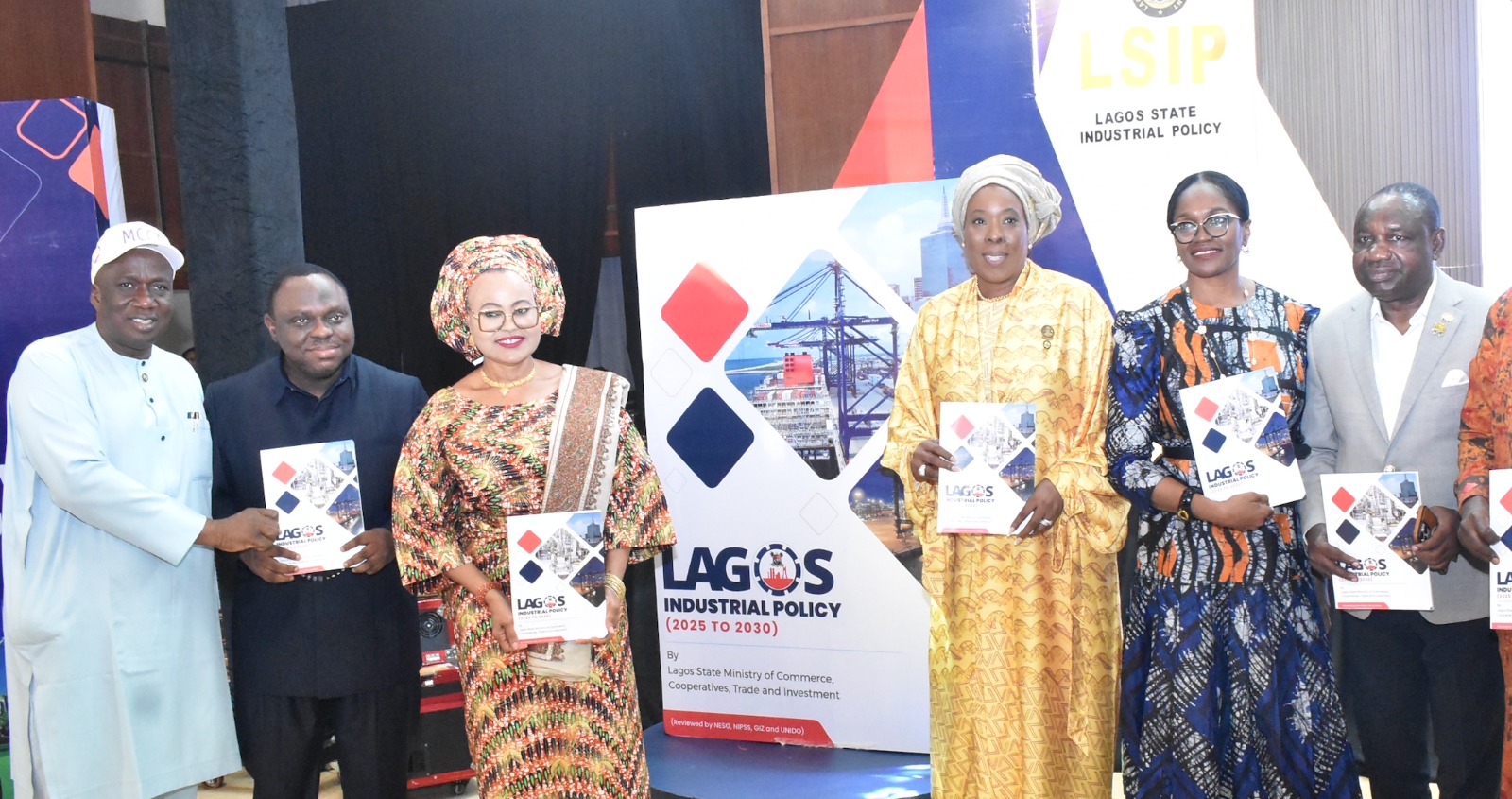
  • Lagos unveils Industrial Policy 2025-2030, positions Lagos as leading Manufacturing Hub in Africa

    Lagos unveils Industrial Policy 2025-2030, positions Lagos as leading Manufacturing Hub in Africa

    Lagos State Government has unveiled its Industrial Policy 2025-2023 designed to transform the state’s industrial sector, attract local and foreign direct investment into priority sectors, and strengthen institutional coordination, translating the policy commitments into real outcomes for the people of the State.

    Lagos State Governor, Babajide Sanwo-Olu led eminent members of the diplomatic corps, senior government officials, captains of industries and others at the event held in Lagos on Thursday,

    Speaking at the ceremony, through the Secretary to the State Government, Barrister ‘Bimbola Salu-Hundeyin, Governor Sanwo-Olu stated that the new industrial policy is both urgent and compelling for a state that has long been the commercial heartbeat of Nigeria, and a vital gateway to West Africa.

    His words: “The global industrial landscape is changing rapidly. Supply chains are evolving, technology is redefining production systems, and competitiveness is increasingly determined by efficiency, by innovation, and by resilience, with scale alone no longer sufficient to secure the markets of the future.

    “To remain at the forefront, Lagos must do more than adapt. We must lead. This policy is our considered response to that imperative. It is designed to address longstanding structural challenges, to unlock new growth opportunities, and to ensure that our industrial sector becomes a powerful engine for inclusive economic development across this State.”

    According to the Governor, the policy is firmly anchored in the broader development vision, aligning seamlessly with the T.H.E.M.E.S Development Agenda, particularly in advancing a 21st‑century economy, in strengthening infrastructure, and in fostering sustainable growth. It is equally aligned with the Lagos State Development Plan 2052, which envisions Lagos as a globally competitive megacity driven by productivity, by innovation, and by industrial excellence.

    “At its core, the policy is built on clear and strategic pillars; prioritising industrial infrastructure development; committing to regulatory reform and the ease of doing business; strengthening access to finance and investment promotion; advancing skills development and workforce readiness; and promoting innovation, technology adoption, and sustainability.

    “From these pillars flow clear and measurable deliverables. We will expand and optimise industrial clusters and estates across the State. We will improve the efficiency of our port system, as is being done through the Lekki Deep Sea Port, and of our broader transport networks, to reduce the cost of moving goods. We will support small and medium‑scale manufacturers to scale their operations and to integrate into both regional and global value chains,” he said.

    Sanwo-Olu stressed that by prioritising key sectors, and by supporting Nigeria’s commitments under the African Continental Free Trade Area, AfCFTA, the Lagos Industrial Policy acts as an implementation engine that localises national ambitions, accelerates industrial productivity, and positions Lagos as a strategic gateway for Nigeria’s industrial expansion and global competitiveness.

    Representative of the Minister of State/Director, Industrial Inspectorate Department, Federal Ministry of Industry, Trade and Investment, Engineer Eyitope Aina Osinowo, affirmed that the Lagos State Industrial Policy 2025 to 2030 is closely aligned with Nigeria’s National Industrial Policy, translating federal priorities into targeted, State‑level actions that reflect the economic realities and the competitive advantages of Lagos.

    “By focusing on a competitive and productive industrial base, Lagos is providing a practical model that supports the Federal Government’s objectives of job creation and poverty alleviation through industrial growth. The Federal Ministry of Industry, Trade and Investment views Lagos State as a critical partner. We recognize that for Nigeria to achieve true industrialisation, we must our attention on strengthening infrastructure and others as reflected in the LSIP,” he said.

    Commissioner for Commerce, Cooperatives, Trade and Investment, Folashade Ambrose-Medebem, described the Industrial Policy 2025-2030 as more than a policy, but a covenant between the government and more than twenty‑five million Lagosians whose ambition powers this city every single day.

    “To the captains of industry in this hall, the State has done its part. Bring your capital, your capacity, and your conviction, and Lagos will reward each of them. To our partners in the financial sector, we say this. Lagos is, today and for the foreseeable horizon, the highest‑yielding industrial portfolio on this continent. Price it accordingly. Allocate to it accordingly. Underwrite it accordingly. To the academic community, we say this. Build with us the talent pipelines that this policy will demand, for an industrial strategy without skilled hands is a strategy on paper alone, and we did not labour over this policy to leave it on paper. To our friends in the development sector, we say this. Lagos is ready, more than ready, to convert technical assistance into measurable industrial output, and to do so on timelines that will repay your patience. To our brothers and sisters in the diaspora, we say this. The home you carry in your hearts is now ready for the investment you carry in your hands. Come home to invest. Come home to build. Come home to Lagos.”

  • Feature- From Landlocked to Land-Linked: How Access Bank is Bridging Africa’s Trade Financing Gap

    Feature- From Landlocked to Land-Linked: How Access Bank is Bridging Africa’s Trade Financing Gap

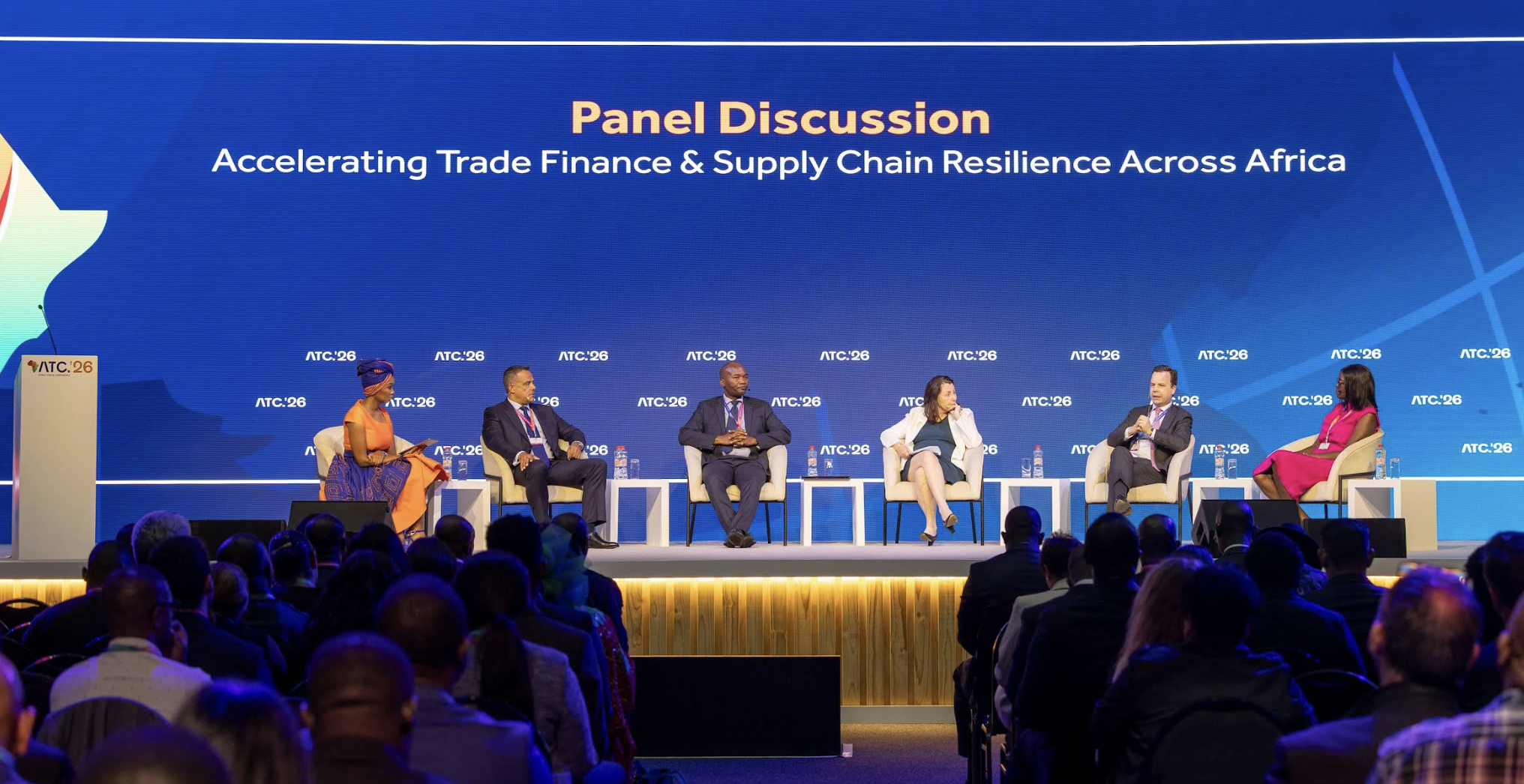
    At the Africa Trade Conference (ATC) 2026 held in Cape Town, South Africa, policymakers, financiers and global business leaders gathered to confront one of Africa’s most persistent economic constraints: the continent’s vast trade financing gap.

    Hosted by Access Bank Plc, the conference brought together stakeholders from governments, development finance institutions and the private sector to explore how Africa can transform its fragmented trade ecosystem and unlock the promise of the African Continental Free Trade Area.

    The central message emerging from the discussions was clear: Africa must move from being a continent of landlocked markets to a network of land-linked economies, connected through finance, infrastructure and digital trade systems.

    Turning Vision into Velocity

    The conference, themed “Turning Vision into Velocity: Building Africa’s Trade Ecosystem for Real-World Impact,” focused on translating policy ambition into practical solutions for businesses across the continent.

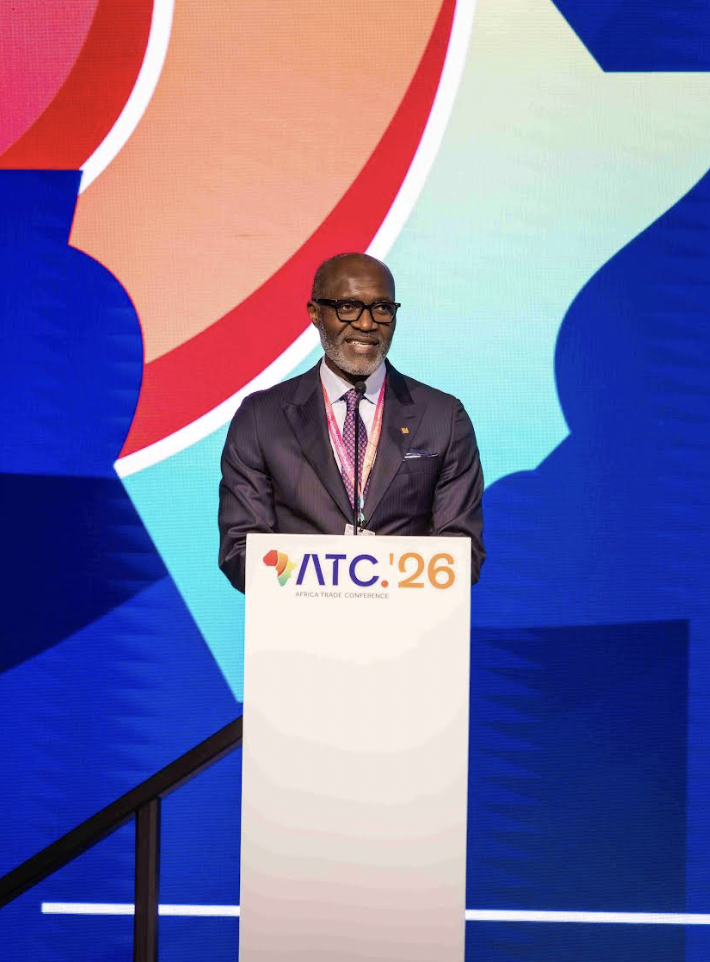
    Delivering the welcome address, Roosevelt Ogbonna, Managing Director and Chief Executive Officer of Access Bank Plc, emphasised that Africa must confront the structural barriers that continue to limit intra-continental commerce.

    “The reality is that Africa still controls a small share of global trade,” Ogbonna said. “The corridors are still fragmented and more aspirational than functional, and too many small businesses that aspire to trade across Africa remain constrained.”

    According to him, the conference was convened to continue the conversation begun at its inaugural edition in 2025, focusing on how Africa can expand trade within the continent while strengthening its participation in global markets.

    “This conference must not end as another talking shop,” he said. “It must become the birthplace of a movement that contributes to transforming intra-African trade.”

    For Access Bank Plc, the role of financial institutions in that transformation is evolving.

    “At Access Bank, we see ourselves as financiers and connectors of markets, ideas and opportunities,” Ogbonna noted. “Our role is to help African businesses move from ambition to impact, from local relevance to global competitiveness.”

    Bridging Africa’s Trade Finance Gap

    Despite its abundant natural resources and population of more than 1.3 billion people, Africa remains underrepresented in global trade flows.

    One of the biggest barriers is the lack of accessible financing for exporters, manufacturers and small businesses seeking to expand across borders. The trade finance gap continues to constrain intra-African commerce, which remains significantly below levels recorded in other regional trading blocs.

    To address this, Ogbonna highlighted three strategic priorities that emerged from the previous edition of the conference: breaking down silos between policymakers, financial institutions and businesses; building a trade ecosystem powered by reliable data and analytics, and developing systems that support both large corporations and smaller businesses expanding across borders

    Encouragingly, he noted that progress is already emerging across several sectors.

    “We have seen value chains emerging across agriculture, manufacturing and services, and we are seeing African brands crossing borders and building a global presence,” he said.

    Nevertheless, the gains remain uneven across the continent, with progress concentrated in a few markets and trade corridors.

    Financing the Future of African Trade

    Beyond the structural challenges of trade finance and infrastructure, the conference also explored the evolving financial architecture required to unlock Africa’s full trade potential.

    Keynote addresses were delivered by Kennedy Mbekeani, Director General for the Southern Africa Region at the African Development Bank, and Kwabena Ayirebi, Managing Director of Banking Operations at the African Export-Import Bank.

    Both speakers emphasised the need for stronger collaboration among development finance institutions, commercial banks and governments to mobilise the capital required to drive infrastructure development and support trade across the continent.

    Mbekeani stressed that private capital would be crucial in bridging Africa’s infrastructure financing gap.

    “The mobilisation of private capital remains crucial as many African governments are constrained by limited fiscal space and overstretched balance sheets,” he said.

    “The mobilisation of capital, particularly private capital, is something that we need to work on.”

    The conversation was further enriched by insights from Tolu Oyekan, Managing Director and Partner at Boston Consulting Group, who presented the Africa Trade Outlook 2026.

    His presentation highlighted the macroeconomic forces shaping the future of African trade, including shifting global supply chains, the growing importance of regional value chains and emerging opportunities for African industries to capture greater value in global markets.

    Digital infrastructure and payments were also central to the conversation.

    Mike Ogbalu, Chief Executive Officer of the Pan-African Payment and Settlement System, underscored the importance of payment interoperability in enabling seamless cross-border transactions across the continent.

    Efficient payment systems, he noted, are essential to reducing the cost and complexity of trading across African borders, particularly for small and medium-sized enterprises.

    Policy, Finance and Partnerships

    The conference also convened a high-level ministerial panel that brought together policymakers and financial sector leaders to examine the policy environment required to accelerate Africa’s economic integration.

    Participants included Elizabeth Ofosu Adjare, Ghana’s Minister for Trade, Agribusiness and Industry, and Tiroeaone Ntsima, Botswana’s Minister of Trade and Entrepreneurship, alongside senior executives from international financial institutions.

    Together, they explored how regulatory alignment, infrastructure development and innovative financing structures can accelerate the implementation of the African Continental Free Trade Area and unlock intra-African trade.

    The objective, participants agreed, was not merely dialogue but partnership, bringing together the policymakers, financiers and businesses capable of translating Africa’s trade ambitions into tangible outcomes.

    Reimagining Africa’s Economic Geography

    Beyond policy discussions and financing strategies, the conference reflected a deeper shift in how Africa views its economic geography.

    For decades, the continent’s development challenges have often been framed in terms of physical constraints: landlocked economies, fragmented markets and weak infrastructure.

    But the emerging vision presented in Cape Town suggests a different future,  one where integrated banking networks, digital payment systems and trade finance platforms transform isolated markets into connected trade corridors.

    For Access Bank Plc, that transformation is already underway.

    With operations spanning 25 countries globally, including 16 across Africa, the bank is building financial corridors that link African businesses to each other and to global markets.

    From Potential to Participation

    The conversations at the Africa Trade Conference reinforced a growing consensus across the continent: Africa’s economic transformation will depend on policy reforms and institutions capable of financing and facilitating trade.

    Banks, development finance institutions and payment platforms are increasingly becoming the connective tissue linking African markets.

    For Access Bank, the ambition is clear,  helping reshape the narrative of African trade.

    From isolated markets to integrated corridors. From landlocked constraints to land-linked opportunity. And from economic potential to meaningful participation in the global trading system.

  • Nigeria signs Intra-African Trade Fair 2027 host agreement; gears up for Africa’s biggest marketplace

    Nigeria signs Intra-African Trade Fair 2027 host agreement; gears up for Africa’s biggest marketplace

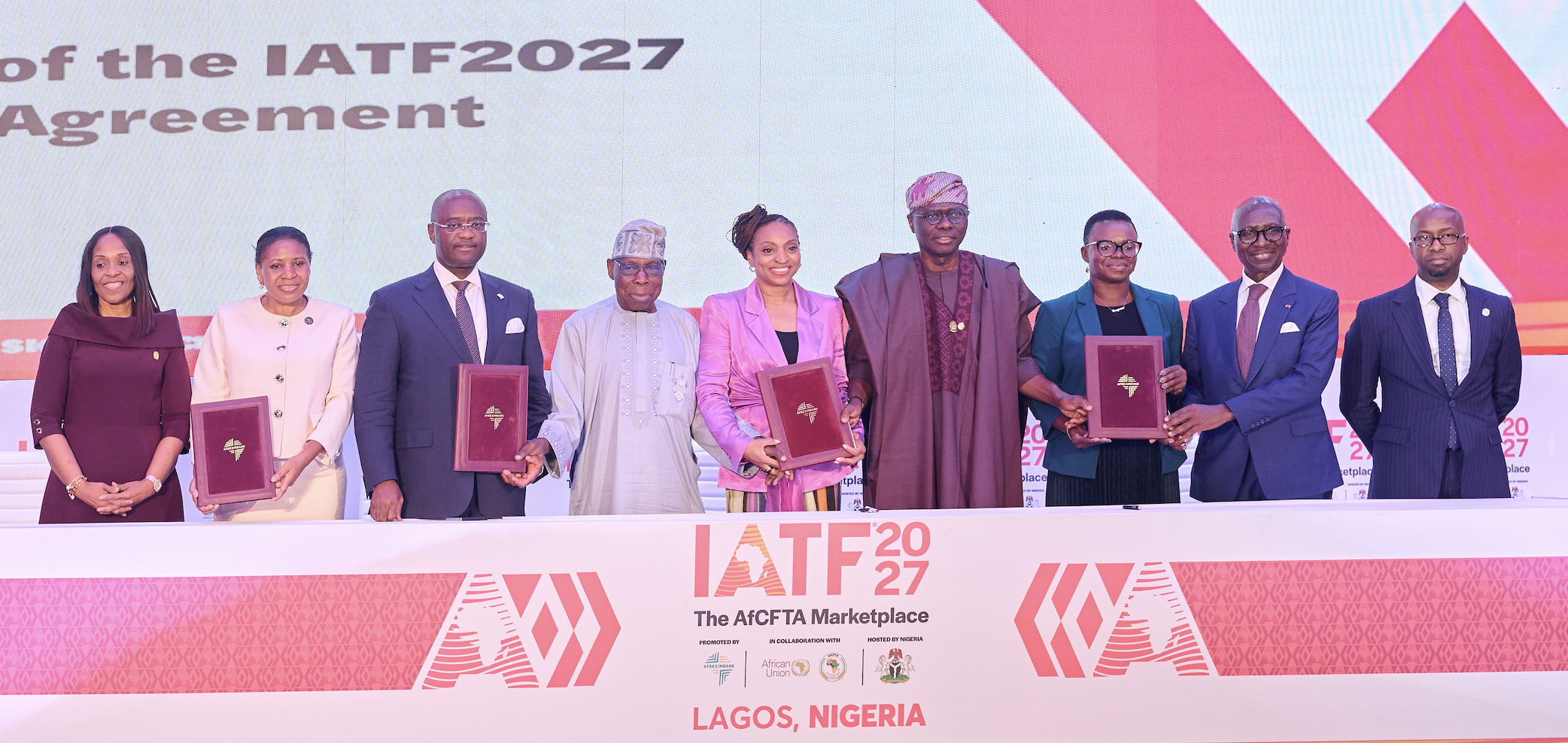
    Nigeria to host the fifth Intra-African Trade Fair 2027 (IATF2027) from 5 to 11 November 2027

    The Federal Republic of Nigeria has today signed the host agreement for the fifth Intra-African Trade Fair 2027 (IATF2027), taking over the baton from Algeria which hosted the highly successful fourth edition that recorded US$49.94 billion in trade and investment deals.

    The agreement signing ceremony was held in Lagos, the designated ‘host city’, in partnership with African Export-Import Bank (Afreximbank), the African Union Commission and the African Continental Free Trade Area (AfCFTA) Secretariat, reinforcing Nigeria’s central role in advancing Intra-African trade and economic integration across the continent.

    Scheduled to take place from November 5 – 11, 2027, IATF2027 is targeting over US$50 billion in trade and investment deals, 100,000 visitors, 2,500 exhibitors, and participation from more than 100 countries. The Fair will be held under the theme “Global Africa, Smart Trade- From Market Access to Market Power” featuring diverse programme notably the trade exhibitions; AfCFTA-focused trade and investment forum; the Global Africa Day to strengthen ties with Africa’s diaspora; a B2B (Business-to-Business) & B2G (Business-to-Government) platform; Creative Africa Nexus (CANEX) to showcase Africa’s creative economy; the Sub Sovereign Governments Network for regional and local governments integration; special days for countries, public and private sector to showcase their trade and investment potential, tourism and cultural highlights; Africa Automotive Show; AU Youth Start-up pavilion for African youth start-ups; and the Africa Research & Innovation Hub (ARIH) for academia and researchers.

    In just four editions since 2018, IATF has cumulatively generated over US$167 billion in trade and investment deals and welcomed more than 180,000 visitors from 132 countries. This strategic partnership creates a uniquely African framework that blends policy direction, financial backing, and trade facilitation. IATF benefits from continent-wide institutional alignment, setting it apart in both structure and purpose.

    Delivering his opening remarks, H.E. Chief Olusegun Obasanjo, Chairperson of the IATF2027 Advisory Council and Former President of the Federal Republic of Nigeria, underscored the strategic importance of the Fair in shaping Africa’s economic sovereignty.

    “The signing of this host agreement marks a momentous milestone for Nigeria and for the continent. Bringing IATF2027 to Lagos is historically significant, as this city hosted the Lagos Plan of Action adopted in 1980, which championed Africa’s industrialisation and economic self-sufficiency. We have to work hard to keep moving towards the Africa we want. I am confident that IATF2027 will surpass all previous editions in both scope and impact as we advance our shared goal for a unified African marketplace under the AfCFTA,” he remarked.

    Commenting on Nigeria’s expanding footprint in intra-African commerce, H.E. Dr. Jumoke Oduwole, Federal Minister of Industry, Trade and Investment, highlighted Nigeria’s rising contribution to continental trade flows.

    Today, as the international trading system faces profound challenges, we must remain resolute in our commitment to mutually beneficial, rules-based trade. As we prepare to host Africa’s largest marketplace in Lagos in 2027, we have an opportunity not only to reflect on our reality but to design the future of African trade integration and economic transformation. The work ahead of us under the AfCFTA is not only expansive but also existential for our survival and prosperity. IATF 2027 will therefore be a defining moment in accelerating and transforming intra-African trade and investment. Together, we must align our markets, our industries and our talent to deliver the prosperous Africa we envision,” she affirmed.

    Appreciating Nigeria’s longstanding partnership and leadership in advancing intra-African trade, Dr. George Elombi, President and Chairman of the Board of Directors of Afreximbank, commended the Government’s commitment to the AfCFTA vision, noting that Nigeria’s scale, entrepreneurial depth, and industrial capacity make it a natural host for the 2027 edition.

    “Nigeria’s vibrant entrepreneurial spirit gives us confidence that IATF2027 in Lagos will be a remarkable event that strengthens trade and investment across the continent. The trade fair is about building a strong pan-African single market and expanding intra-African trade beyond the levels we see today. Our collective duty is to use this platform to build value chains, create jobs and generate prosperity for our people. When Africans decide to work together, as they will at IATF 2027, the opportunities for transformation are limitless,” he highlighted.

    Nigeria remains central to the success of AfCFTA, not only because of its market size but also due to its resource base and industrial potential. As a leading producer of oil and gas, solid minerals, including limestone, iron ore, gold, and lithium, and key agricultural commodities, Nigeria combines industrial capacity with a vibrant SME sector and a dynamic role in intra-African trade. This unique mix positions the country to drive value chains that power regional integration and strengthen the continent’s economic resilience.

    Describing Nigeria as a major contributor to African Union growth and regional economic transformation, H.E. Francisca Tatchoup Belobe, AU Commissioner for Economic Development, Trade, Tourism, Industry and Minerals, highlighted the importance of aligning industrial policy, mineral development, and trade facilitation to unlock Africa’s full potential.

    “When we launched the IATF in 2018, it was a bold experiment in connectivity. It was not only a commercial event, but rather a strategic tool to increase intra-African trade, which remains stubbornly low. As we prepare for the fifth edition of the IATF, we must ensure that it propels intra-African trade and helps Africa reposition itself in the global trade landscape. We should therefore aim very high in 2027, especially as the IATF takes place in Nigeria, the most populous African country and one of the continent’s largest economies. Let us make IATF 2027 a defining moment that ignites new momentum for Africa’s investment, industrialisation and trade,” she said.

    Reflecting on the broader continental impact, Cynthia E. Gnassingbé-Essonam, Director of Private Sector Engagement and Communications at AfCFTA Secretariat, who represented H.E. Wamkele Mene, Secretary General, AfCFTA Secretariat, emphasised that Nigeria’s host of IATF2027 reinforces collective efforts to operationalise the AfCFTA and deepen regional value chains.

    “Today’s ceremony marks an important milestone in our collective efforts to advance the objectives of the African Continental Free Trade Area. The Intra-African Trade Fair has established itself as Africa’s premier marketplace for trade and investment, bringing together businesses, investors and policymakers from across the continent and the diaspora. Nigeria’s host of IATF 2027 is both timely and significant, and we are confident it will deliver an impactful trade fair that reflects the ambition of the AfCFTA and the aspirations of African businesses,” she commended.

  • DHL Aviation Welcomes Two Dedicated Boeing 737 Aircrafts to Lagos, Reinforcing Commitment to Africa’s Economic Growth

    DHL Aviation Welcomes Two Dedicated Boeing 737 Aircrafts to Lagos, Reinforcing Commitment to Africa’s Economic Growth

    • …Dedicated fleets provide trade connectivity and support access to global markets

    DHL Aviation today unveiled two fully branded Boeing 737-400 aircrafts at Murtala Muhammed International Airport in Lagos, marking a significant milestone in the company’s ongoing investment in SSA’s logistics infrastructure. The additional air capacity will enhance transit times, improve delivery predictability, and extend DHL’s reach to support businesses across West Africa and beyond.

    As the only integrator with a dedicated air network in Sub-Saharan Africa, DHL continues to expand its aviation uplift to meet growing demand from West African businesses across key sectors, including e-commerce, perishables, energy, and life sciences & healthcare.

    “As trade expands across Africa under the African Continental Free Trade Area, businesses are demanding predictable transit times and consistent delivery performance. The two dedicated aircrafts will be integrated into DHL Aviation’s African air network, strengthening connections on critical Africa-Europe and Africa-Asia trade lanes,” added Anthony Beckley, VP Operations and Aviation, DHL Express SSA.

    DHL’s investment in aviation capacity complements the company’s broader commitment to sustainable growth. The company continues to advance digitalisation through AI-enabled route optimisation and digital customs tools, while piloting renewable energy and alternative fuel projects across its facilities to support long-term environmental goals.

    “With this latest investment, DHL Express reaffirms its position as the logistics partner of choice for businesses seeking to grow their presence in regional and global value chains.” said Riaan Vorster, Aviation Senior Director, DHL Aviation SSA. 

  • Accelerated AfCFTA Implementation and climate finance must dominate the AU Summit 2023 Agenda

    Accelerated AfCFTA Implementation and climate finance must dominate the AU Summit 2023 Agenda

    The leaders of the 55 member states of the African Union (AU) will be meeting for their 36th ordinary session of the AU Assembly on 18 and 19 February 2023 in Addis Ababa, Ethiopia. 60 years after the birth of the Organisation of African Unity, over 20 years of the AU and 40 years before 2063, this meeting serves as an opportune time for the organisation to take stock of the wins and lost opportunities of the AU meeting and the organisations plans to meet its objectives. 

    Two years after the AfCFTA (African Continental Free Trade Area) agreement became operational, the continent has only made slight progress in its execution. African countries have been struggling with the effects of pandemic, the war in Ukraine and climate change. As a result, 22 African countries are in debt distress or at a high risk of it – unable to address the reverberations, notably the rising cost of living, and loss of jobs and incomes.

    Ahead of the AU Ordinary Summit, the ONE Campaign is calling on African leaders to: 

    • Enable free movement of people, goods and services: 
      • Adopt, ratify, and implement the AU protocol on the free movement of people across the continent; every young African deserves an African passport. 
      • Improve cross-border management by simplifying trading requirements, digitalization of administrative procedures, and having one-stop border posts.
    • Make it easy and affordable to do business, and produce goods and services:
      • Enact and enforce a consolidated national start-up law, like the Nigerian Startup Act, to improve the business environment. The laws should establish equity and guarantee funds to de-risk investment. It should also seek to protect intellectual property rights, simplify and automate administrative procedures, harmonize tax administration, and make information readily available through one-stop digital platforms.
    • Unlock additional investment for critical infrastructure:
      • Support the urgent implementation of the G20 independent expert panel recommendations for MDB optimization to unlock additional resources and reform how the banks work to be fit for today’s challenges, with clear demands for the needed reforms, investment priorities, and conditionalities.
      • Adopt the recommendations of Dakar 2 declaration on food sovereignty and resilience. The AU should urge member states to finalise the development of their Country Food, and Agriculture Delivery Compacts, mobilise adequate resources to finance it and establish Presidential Delivery Councils to oversee the implementation of the compacts.
      • Incentivise foreign and domestic investment flows to provide reliable and affordable power to businesses and to expand road & transport networks, ensuring rural and regional connectivity.
    • Build resilience to the devastating impact of climate change:
      • Climate finance for adaptation is a top priority. Africa is on the frontline of a climate emergency it did not create and is currently facing a financing gap of US$41 billion a year for adaptation. The AU should urge high-income countries to deliver on their promises of adaptation finance, which means delivering on the goal of $100 billion a year for any year in 2020-2025, addressing any shortfalls through increased contributions in subsequent years, and setting out a delivery plan for the commitment to double adaptation finance as agreed at COP27. 

    Dorine Nininahazwe, AU and East Africa Director of the ONE Campaign, said: The AfCTFA is a vast free trade region bringing together the 55 countries of the AU and eight regional economic communities. The overall mandate is to create a single continental market with a population of about 1.3billion people and a combined Gross Domestic Product of approximately $3.4 trillion. The success of the AfCTFA could lift 30 million people out of extreme poverty. The importance of the AfCTFA cannot be overstated, given the low proportion of inter-African trade when compared with other regions. Although Africa may be burdened with many challenges, the AfCTFA is a vital opportunity to build an integrated, prosperous and dynamic Africa driven by its leaders and citizens and represent a dynamic force in the global arena. 

  • Feature: Africa poised to become a Global Leader in Fintech

    Feature: Africa poised to become a Global Leader in Fintech

    By Tapfuma Musewe and Kyle Hiebert

    Africa — one of the world’s least developed and often misrepresented regions — is leading the creation of a new wave of financial tech (fintech) products. In the process, the continent’s entrepreneurs are showing how digital access to non-traditional banking and financial services can be key to overcoming financial exclusion in emerging markets.

    Even casual market watchers will have noticed lately how venture capital is drying up around the world. Runaway inflation stemming from war in Ukraine, stubborn supply chain issues and rich world economies re-animating from their pandemic stupor have prompted central banks to raise rock-bottom interest rates at a blistering pace. This has ended a great stretch beginning after the 2008 financial crisis that saw global investors funneling record investments toward start-ups based on seemingly limitless access to cheap money.

    However, Africa has defied this trend — its start-up funding grew by 139% during the first six months of 2022 compared to 2021, on top of raising a record $5 billion last year.

    The fundamental strengths and long-term viability of the continent’s fintech sector became more apparent during the pandemic, when observers including the World Bank predicted in early 2020 that remittances to the region would collapse. Instead, outside of Nigeria they collectively rose in Africa that year by 2.3% thanks to the underappreciated phenomenon of how remittances are counter-cyclical and tend to increase during economic downturns.

    African fintechs are also unique in another way, given how their growth is being driven by the mother of all innovation: necessity.

    Even after three decades of economic expansion, large swathes of Africa remain bereft of essential goods and services. And as the world’s sole region still experiencing robust population growth — and one dominated by informal economies where the majority of workers remain unbanked — financial inclusion will become an even more salient issue over time.

    Here’s where mobile phone technology has been a gamechanger. Amid the convergence of a new generation of digital-savvy youth, rapid urbanization, underserved middle classes and a landmark continental free trade agreement, mobile phones have reached a 46% penetration across Sub-Saharan Africa, a rate higher than in India.  

    It should come as no surprise then that most of Africa’s ‘unicorns’ (firms valued at over $1 billion) are fintechs working to promote financial inclusion by reinventing remittances, mobile money, consumer lending, personal savings accounts and customisable payment applications for businesses. At the same time, Africa is home to more than 50% of user accounts and 70% of the value exchanged within the global $1tn mobile money market.

    Africa’s fintech ecosystem also reached a new milestone in June, when MFS Africa, the continent’s largest facilitator of digital payments whose network integrates more than 320 million mobile money accounts across dozens of African countries, purchased an American firm to accelerate its growth strategy in a deal reportedly worth US$34 million. The rare move is indicative of how African companies are becoming more confident and assertive in their plans to become global giants within the fintech industry, and in turn provide answers for finance and development issues across the Global South.

    But there are still challenges. New tax regimes and regulatory mandates could materialize down the line, as governments try to exercise more control over their digital environments through introducing domestic legislation. However, the hope is that African nations will follow the lead of influential countries, Nigeria and South Africa; the continent’s two largest economies have both embraced digital finance.

    Policy harmonisation between countries and within regions must be improved as well, although rectifying this is a key pillar of the new African Continental Free Trade Area, launched in January 2021. The continent also suffers from perceived risks around its political stability — true or otherwise — especially considering the re-emergence of military governments and strongman regimes, particularly in west Africa.

    However, it’s important to consider such challenges in their proper context. The overwhelming need and utility mean Africa’s fintech sector will still grow and evolve despite some degree of political dysfunction.

    Therefore, actors in the fintech industry outside the continent are arguably staring at a generational opportunity to forge innovative and meaningful connections with their African counterparts. However, far from its frequent portrayal as a homogenous bloc, Africa is incredibly diverse — no singular approach will work for every country.

    For forward-thinking companies who want to learn more about the opportunities for interaction between Africa and Canada — a widely-recognized global leader in fintech funding, development and innovation — the Afrifursa Fintech Summit, AFRIFIN will bring together dynamic founders, coverage of the latest innovations in fintech, and exciting opportunities for collaboration between Africa and Canada.

    More specifically, participants will learn:

    For the African side:

    How to engage Diaspora communities that contribute significantly to tech innovation, to gather opportunities for remote jobs globally, to attract investment from other global regions and,

    For the Canadian side:

    How to go global and diversify trade partners, to engage African newcomers and Diaspora communities more, to attract FDI from foreign tech firms.

    The Afrifursa Fintech Summit, AFRIFIN will be held on the 22nd of September 2022 from 10 am – 4 pm ET/ 4 pm – 10 pm CAT. Register to secure your virtual seat at: afrifin2022. Access is free

    Tapfuma is a trade and investment executive with expertise in connecting African markets and other regions of the world. Having grown up a Canadian citizen, his passion led him to spend most of his working life across Africa. He began in community development, then pivoted to entrepreneurship and established a couple of companies including a logistics company that moved FMCG’s for a blue-chip company. He then worked in market intelligence, consulting multinational clients seeking to penetrate African markets. Tapfuma possesses a unique understanding in establishing business and achieving growth in challenging economic environments.

    Tapfuma has a diverse academic background, having obtained a Global Executive MBA and B.Sc. Biology from the University of Toronto, as well as an MA Theology from Akrofi-Christaller Institute. He is also passionate about leading high-performance teams and is a certified Project Management Professional. He is now based in Toronto, Canada where he founded Afrifursa – an initiative that seeks to shift the narrative around Africa in the Diaspora and hosts the annual Afrifursa Fintech Summit. He is currently a Managing Director at private equity firm Raygan Mills, which has roots in Cameroon and invests in growth companies across Africa. Tapfuma enjoys empowering others to succeed and currently mentors young professionals, as well as, advises several firms.

    Kyle Hiebert, former deputy editor of the Africa Conflict Monitor, is an independent researcher and analyst, and contributing writer to the Centre for International Governance Innovation focused on globalization, conflict, climate change and
    technology.

  • Agusto & Co estimates a 23% return on equity in 2022 for the Nigerian  Banking Industry

    Agusto & Co estimates a 23% return on equity in 2022 for the Nigerian Banking Industry

    Agusto & Co. Limited, the pan-African credit rating agency and the foremost business information provider has released its 2022 Nigerian Banking Industry Report. The 2022 edition of the annual report provides a comprehensive review of Nigeria’s banking industry and the near-term expectation for the Industry.

    In FY 2022, Agusto & Co projects a decline in the Industry’s net interest spread as the prevailing low yields on government securities, which dominate the Industry’s investment securities, will moderate the impact of the uptick in interest rates. However, we anticipate an increase in the net earnings driven largely by higher trading income and electronic banking fees. Nevertheless, we note that the forthcoming elections and growing budget deficit have forced the FGN to modify several extant tax legislations, which will moderate the banking industry’s profits. Overall, Agusto & Co expects the Industry’s pre-tax return on average equity to increase to 23% (FY 2021: 20.6%) in FY 2022.

    Agusto & Co. notes positively the resilience shown by the Nigerian banking industry in FY 2021, as the Industry’s loan portfolio grew by 21% despite the weak economy and regulatory constraints. Notwithstanding the prevailing global supply constraints, the Russian-Ukraine crisis and insecurity challenges that continue to hamper food and crude oil production in Nigeria, we anticipate a 16.5% year-on-year loan growth in 2022 as more banks now have a better understanding of the macroeconomic headwinds. Traditional sectors such as oil and gas, manufacturing, general commerce and the agricultural sectors are expected to drive the loan growth given the backward integration initiatives of obligors, the intervention activities of the CBN and the import-dependence nature of the Nigerian economy. While the arbitrary cash reserve deductions and foreign exchange illiquidity would remain limitations to the growth of the Industry’s loan portfolio, we note that more banks are now favourably disposed to accessing the differentiated cash reserve requirement (DCRR) window to reduce the value of sterile restricted funds with the CBN. In the near term, we believe the Industry’s asset quality will remain acceptable, with the impaired loan ratio hovering around 6% as at 31 December 2022. In our view, a proactive tightening of controls around loan origination and intensified loan monitoring will moderate the impact of the tough operating climate on the loan portfolio.

    Nigeria’s banking industry remains well capitalised relative to the business risks undertaken and should remain so in the near term. In preparation for the full implementation of Basel III and based on the scheduled growth plans, we expect an increased appetite for perpetual bond issuances which qualify as additional tier 1 capital. We also believe that some banks will raise common equity tier 1 capital that will keep the Industry’s capital adequacy ratio above 17%.

    Our financial prospects for Industry are largely stable in the near term. We adjudge the Industry as resilient and the current trend of banks adopting the holding company structure to diversify into other financial services segments while exercising control over subsidiaries should support the Industry’s profitability. The African Continental Free Trade Area (AfCFTA) is also another vital prospect for Nigerian banks given that financial institutions with a strong capital base and efficient network across the continent are essential for the full implementation of AfCFTA. Overall, Agusto & Co believes the banking industry’s performance will remain moderate in the short to medium term and on this basis, our outlook for the Industry is stable.

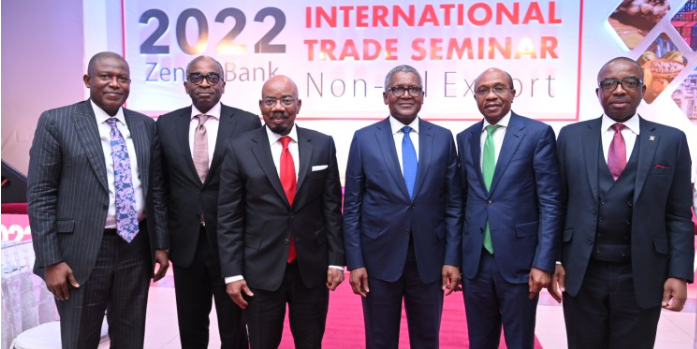
  • Non-oil Exports Key To Nigeria’s Economic Rejuvenation, Say Stakeholders At Zenith Bank International Trade Seminar

    Non-oil Exports Key To Nigeria’s Economic Rejuvenation, Say Stakeholders At Zenith Bank International Trade Seminar

    Stakeholders unanimously called for support of Nigeria’s Non-Oil Export Sector at the 7th Annual Edition of the Zenith Bank International Trade Seminar themed “Unlocking Opportunities in Nigeria’s Non-Oil Export Business”, which was held on Wednesday, July 20, 2022, at the Civic Centre, Victoria Island, Lagos and virtually.

    In his Goodwill Message Presentation, the Founder and Chairman of Zenith Bank Plc, Mr. Jim Ovia, CON, called for a concerted effort towards diversifying Nigeria’s export base through the promotion of non-oil exports. Highlighting the importance of non-oil export to the nation’s economy, Ovia pointed out that Nigeria exported cocoa and several other non-oil products for years before oil was discovered. He cited the example of the 25-storey Cocoa House in Ibadan, which was built with proceeds from cocoa exports. He pointed out that many countries in the world, such as Japan and China been successful because they are doing a great deal of innovation, production and manufacturing of goods and services. According to him, we should also look at promoting the nation’s non-oil export sector through technology to create technological giants like Apple, Tesla, and Google. And we already have technology companies in this mould in Nigeria, such as Flutterwave, which has a valuation of $3 billion, making it more valuable than some banks in Nigeria. Speaking further on the enormous potential in Nigeria’s non-oil sector, Ovia highlighted the phenomenal growth of Nigeria’s emerging financial technology (Fintech) companies such as Flutherwave, OPay, Interswitch, Kuda and Paystack, with market valuations of $3 billion, $2 billion, $1 billion, $500 million, $200 million, respectively. According to him, this underscores the enormous opportunity in the Fintech space. He also noted that the most capitalized companies in the world, such as Apple, Microsoft, Alphabet (Google), Amazon, Tesla, Visa, etc., are not oil companies but are in the technological innovation space.

    In his welcome address, the Group Managing Director/CEO of Zenith Bank, Mr. Ebenezer Onyeagwu, said that the annual Zenith Bank Trade Seminar has served as a veritable platform to deepen the conversation on promoting non-oil export in Nigeria, bringing together non-oil export practitioners and relevant government agencies to interact and explore the opportunities and proffer solutions to the challenges of non-oil export in the country. Speaking on the origin of the Zenith Bank Annual International Trade Seminar, Onyeagwu said that the commodity price slump of 2014-2016 was a watershed moment. According to him, “when crude oil prices plummeted from $114.55 per barrel in June 2014 to $28.76 in January 2016, with an attendant effect on the availability of foreign exchange, it was time to look towards the non-oil export sector for a more sustainable source of foreign exchange that is not susceptible to external shocks and price volatility.

    Highlighting some of the salient outcomes of the past six Zenith Bank Annual International Trade Seminar editions, Onyeagwu noted that previous editions’ outcomes have found expression and influenced policy initiatives. For instance, the extension of the period of repatriation of Non-Oil Export proceeds from 90 days to 180 days and the policy mandating shippers not to carry export without a Nigeria Export Proceeds (NXP) Form Number were recommendations from previous seminars. Also, the need to incentivize exporters to repatriate their export proceeds through the official channels and the recommendation to create export terminals across various export hubs in the country were also from past seminars. Also, previous editions recommended having Export Desks in commercial banks, which has now been instituted. He also stated that Zenith Bank has trained over 100 exporters through its Zero to Hero programmes which provide a platform for grooming and exposing beginners to become strong exporters by providing training on documentation, product sourcing, access to market and financing. He noted that Zenith Bank will continue the advocacy of promoting non-oil export.

    Delivering his goodwill message, the Central Bank of Nigeria Governor, Mr. Godwin Emefiele, CON, commended Zenith Bank and its leadership led by the Founder and Chairman of the Board, Jim Ovia, for its laudable initiative in organizing an annual export seminar to explore opportunities in Nigeria’s non-oil export with a view to increasing the nation’s non-oil export base and ultimately increasing its share as a percentage of total export. In his words: “This is why the theme of this year’s seminar “Unlocking Opportunities in Nigeria’s Non-Oil Export Business” is timely and appropriate. This is because the global economy and structure are changing rapidly before our eyes. The previous world economic order underpinned by globalization and seamless trade possibilities seems to be suffering major disruptions lately. We believe Nigeria has a lot of potentials, and we can harness this for the good of our people and country.” He pointed out that the CBN has undertaken several initiatives to promote the non-oil export sector because of its firm belief that the non-oil export sector holds enormous potential to contribute to employment generation, wealth creation and economic growth of the country.

    In his keynote address, the President & Chief Executive of Dangote Group, Alhaji Aliko Dangote, GCON, said that “Nigeria’s non-oil export is quite low compared to other African top oil producers. This exposes the economy to oil price/production risks. There is much room for growth, and the CBN is helping drive this through the RT200 programme”. According to him, the CBN RT200 FX programme, which aims to achieve $200 billion in foreign exchange earnings from non-oil proceeds over the next 3-5 years, has very laudable objectives, including enhancing foreign exchange inflow, diversifying the source of FX inflow, increasing the level of contribution from non-oil export, and ensuring stability and sustainability of FX flows.

    In his Goodwill Message, His Excellency, Wamkele Mene, Secretary General, African Continental Free Trade Area (AfCFTA) Secretariat, enumerated the progress and achievements of the African Continental Free Trade Area and the efforts to improve intra-Africa trade. Also, in his Goodwill Message, Professor Benedict Oramah, President / Chairman of African Export-Import Bank (Afreximbank), highlighted the efforts of Afreximbank to enhance intra-Africa trade through the implementation of the Pan-African Payment and Settlement System (PAPSS). According to him, the Pan-African Payment and Settlement System will make it easy and seamless for Africans to trade amongst themselves and receive payment for goods and services in their local currencies, eliminating currency conversion challenges.

    Zenith Bank remains committed to promoting the non-oil export sector in Nigeria by identifying emerging opportunities which help stimulate non-oil exports and develop robust financial products and incentives for operators in the sector. The bank launched the Non-Oil Export Seminar in 2017 as an initiative to deepen the discourse on promoting the non-oil export business in Nigeria.

  • Stanbic IBTC Tasks Nigerian Investors to Tap into AfCFTA to Boost Intra-Africa Trade

    Stanbic IBTC Tasks Nigerian Investors to Tap into AfCFTA to Boost Intra-Africa Trade


    Stanbic IBTC Bank PLC, a subsidiary of Standard Bank Group, has urged Nigerian investors and business owners to harness and maximise the business opportunities that are inherent in the African Continental Free Trade Area (AfCFTA) agreement. This will help boost intra-Africa trade beyond the current level of 17 per cent as well as promote industrialisation and the economic growth of the continent. 

    Wole Adeniyi, Chief Executive, Stanbic IBTC Bank PLC, made the call at the African Continental Free Trade Area webinar organised by Stanbic IBTC themed: “AfCFTA State of Play: Understanding Potential and Maximising Opportunities for the Customer”.

    Wole stated that multiple studies have shown that the increase in trade has a direct impact on reducing unemployment and poverty in societies, he noted that the AfCFTA agreement presents numerous trade opportunities that are both exciting and promising not just for the continent but for the Nigerian market. The Chief Executive emphasised Stanbic IBTC’s readiness to leverage the trade opportunities of the AfCFTA agreement to unlock business opportunities for its clients in the Small and Medium-sized Enterprises (SMEs) sector as well as its corporate clients.

    While delivering his keynote address on the theme of the event, the guest speaker, Bamidele Ayemibo, lead consultant at 3T Impex Trade Academy, pointed out that with the implementation of the AfCFTA agreement, Africa has the opportunity of becoming the largest market in the world with a population of 1.2 billion people and a combined GDP of $3.4 trillion. Ayemibo emphasised that the goal of AfCFTA is to create a single market for Africa and encourage the free movement of goods and services thereby facilitating trade transactions.

    He pointed out that Nigerian customers can take advantage of the non-sensitive list, the sensitive list and the exclusive list in the agreement while engaging in various trade transactions with other African countries. According to him, out of about 5,000 AfCFTA codes or products in the world that fall under the non-sensitive list, 90 percent are duty-free and Nigerian customers can take advantage of this. He added that countries can liberalise their products under the sensitive list within a period of 10 years while the exclusive list enables countries not to liberalise their products in order to protect that sector of their economy.

    Ayemibo stressed that the Federal Government is currently developing a portal where Nigerian customers and investors can trade with other countries under the AfCFTA agreement. He explained that AfCFTA presents a huge potential for Nigerian manufactured products on the African continent because Nigeria produces about 90 percent of such products that are imported by other African countries.

    While appreciating Stanbic IBTC for the bold step it has taken to educate its clients and investors about the benefits of AfCFTA, Ayemibo added that information enables agreement such as the AfCFTA to thrive, lamenting that previous agreements like the Ecowas Trade Liberalisation Scheme (ETLS) collapsed due to lack of adequate information. He added that with its vast footprint across Africa through Standard Bank, Stanbic IBTC can reach out to its numerous customers and educate them on the benefits of the AfCTFA agreement.

    The African Continental Free Trade Area is a free trade area founded in 2018, with trade commencing in January 2021. It was created by the African Continental Free Trade Agreement among 54 of the 55 African Union nations. Nigeria signed the AfCFTA in 2019, after a year’s delay, and is considered as the most recent country to ratify the agreement.

  • Honeywell Group And Flour Mills Of Nigeria Sign Agreement To Combine both Organizations

    Honeywell Group And Flour Mills Of Nigeria Sign Agreement To Combine both Organizations

    – transaction will create strong National Food Champion

    Honeywell Group Limited has just announced an agreement for the proposed combination of Honeywell Flour Mills (HFMP) and Flour Mills of Nigeria (FMN) for a total enterprise value of N80 billion. Through this transaction, Honeywell Group will dispose of a 71.69% stake in HFMP to FMN, as it seeks to continue its journey of strategically refining and growing its investment portfolio while consolidating in sectors the company currently operates.

    At its core, this proposed merger, which is subject to regulatory approval, will see two businesses come together who have over the years established themselves as innovators and leaders in the food manufacturing industry.  Beyond this, however, it creates a platform for one combined entity to help in Nigeria’s push for food security and the goal of feeding a nation with a booming population of over 200 million. The merger also comes at a strategic time when the opportunities stemming from the African Continental Free Trade Area (AfCFTA) are finally coming to the fore.

    Speaking about the transaction, Honeywell Group Limited, Managing Director, Obafemi Otudeko said, “This announcement is in line with the evolution of Honeywell Group and our vision of creating value that transcends generations. For over two decades, we have supported Honeywell Flour Mills to build a strong business with a production capacity of 835,000 metric tonnes of food per annum. Following the transaction, Honeywell Group will be strongly positioned to consolidate and expand its investment activities, including as a partner of choice for investors in key growth sectors.”

    To bolster this point, Omoboyede Olusanya, Group Managing Director, Flour Mills of Nigeria, said about the deal, “The proposed transaction is aligned with our vision not only to be an industry leader but a national champion for Nigeria. We believe that this will create an opportunity to combine the unique talents of two robust businesses. As a result, we will have a better-rounded and more comprehensive skill set available to us as a combined diversified food business, thus enabling us to better serve our consumers, customers and other stakeholders, whilst providing employees with access to broader opportunities.”

    Together, both companies have a combined track record of more than 85 years and, once completed, this merger will see them bring together the resources and manpower that have led to a wide variety of market-leading products ranging from a combination of Flour Mills of Nigeria’s grain-based foods, sugar, starches, oils, spreads and breakfast cereals to HFMP’s diverse and differentiated range of carbohydrate products.

    Usually, transactions like this raise questions of job security. How many staff will be retained? How many will be let go? Those are important questions worth asking. However, according to official statements, the merger is “about creating a stronger combined business” to enhance growth prospects and potential future job creation. It isn’t expected to impact the workforce or operations of either business heavily. According to Honeywell, the sheer size of the transaction will even provide employees of the consolidated company with more opportunities to develop their careers and improve the quality of their skills within the parameters of a new and enlarged organisation. In theory, this also means the new company will have even more fuel to inject more jobs into the economy.

    One of the overall impacts of this deal is the potential for innovation that it creates. Currently, food demands in Nigeria exceed supply. However, the creation of this new entity, first of all, better positions it to produce food at higher capacity and eventually develop a strategic network that encourages export across the world, particularly to Nigerians in the diaspora who remit billions of dollars back to the country every year.

    HFMP will remain listed for the foreseeable future as it promises to maintain “the highest standards of corporate governance in the best interest of all shareholders, including minority shareholders.” To this end, and per the current capital markets rules, it will initiate a Mandatory Takeover Offer (MTO) to allow the minority shareholders to offer their shares at the transaction price.

    As this deal closes, Honeywell Group intends to continue its journey of refining and growing its investment portfolio. This will see it consolidate in sectors where it currently operates, such as real estate, energy, financial services, infrastructure. It also intends to announce more strategic initiatives in the coming months.

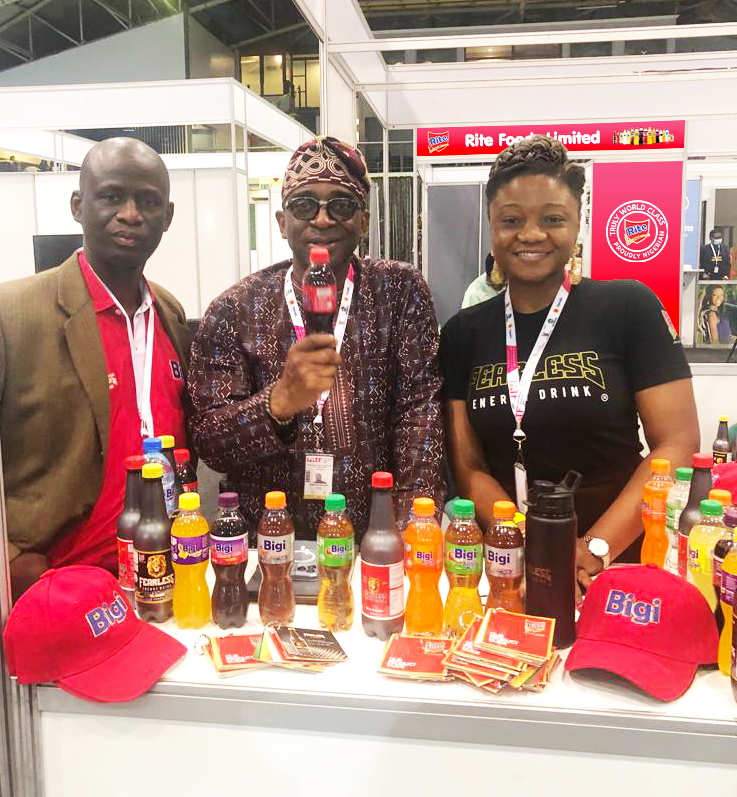
  • Rite Foods partake in Intra-African Trade Fair in South Africa

    Rite Foods partake in Intra-African Trade Fair in South Africa

    Rite Foods Limited, Nigeria’s leading food and beverage company, is poised towards deepening penetration with its unique brands across the African continent and other parts of the world, as part of efforts at ensuring dominance through effective business strategy.

    In line with the company’s business expansion, amidst many laudable steps deployed within its corporate strategy, it will be participating in the 2ND Intra-African Trade Fair (IATF) in Durban, South Africa, from November 15 to 21, 2021.

    The one-week event is a trade show that provides a platform for sharing trade, investment, and market information, enabling buyers, sellers, investors, and countries to meet and discuss business deals within the African continent.

    It also offers an opportunity for exhibitors to showcase their goods and services, engage in Business-to-Business (B2B) as well as Business-to-Government (B2G) transactions within the African market of over 1.2 billion people, with a gross domestic product (GDP) of over US$2.5 trillion created under the African Continental Free Trade Area (AfCFTA).

    Whilst there, the West African fast-growing Rite Foods with its 12 Bigi carbonated soft drink variants, Bigi Table Water, premium Fearless energy drink, and Sausages, will take the bull by the horn and ensure it uses the IATF platform to boost its intra-African trade and investment, alongside maximizing the opportunity in discovering new customers and partners to broaden its network in its journey towards building enviable brand equity.

    The Rite Foods team is represented by the National Sales Manager, Adeniran Yunus, and the Brand Manager, Boluwatife Adedugbe.

    At the event, they will be engaged in trade diplomacy with select African trade ambassadors as well as leading trade partners across the continent, with the hope of engendering the growth of the top-quality brand which has become a major attraction in its category across the African continent.

    The team will also meet with worthy distributors across Africa with the hope of deepening penetration within the continent, taking the company’s products that have been the hallmark of distinctiveness to consumers in other emerging and developed markets.

    Speaking on the IATF participation, Adedugbe stated that Rite Foods with unique brands in its product portfolio is poised towards extending its brand-building equity to other frontiers across Africa and to ensure that consumers get refreshed with the uniqueness attached to our premium brands.

    She affirmed that the consumer-centric company with its symbol of quality and inventiveness in its product delivery through up-to-the-minute technology and state-of-the-art infrastructure will continue to participate at international fora for advancement in its business operation in line with global best practices.

    In the same vein, Yunus said the IATF will help galvanize the company’s investment strategy towards connecting its brands with consumers through robust business relations with trade partners within the continent and beyond.

    The IATF 2021 Conference features African and international speakers and sessions dealing with African trade and investment opportunities under the AfCFTA. It will include training workshops in the area of exporting, standards, and marketing.

  • Trade expert calls for increased investments in AfCFTA to boost the African economy

    Trade expert calls for increased investments in AfCFTA to boost the African economy

    There have been calls for more investments in the African Continental Free Trade Area (AfCFTA) agreement to boost the African economy. At a recent virtual conference organised by the African Public Relations Association (APRA), an expert on trade and finance, Mr. Jesuseun Fatoyinbo, Head of Trade, Transactional Products and Services, Stanbic IBTC Holdings PLC, highlighted the benefits of increasing investments in the AfCFTA agreement during one of the sessions held as part of the three-day virtual conference.

    Jesuseun stated that the AfCFTA agreement will allow African-owned enterprises to enter new markets, expand their customer base and create new commodities and services in the continent. The agreement was created in 2018, and a total of 54 African countries have signed up. Of these, 30 countries have ratified the agreement and 28 countries have deposited their instruments of ratification. AfCFTA holds great promise for the African economy as it seeks to eliminate tariffs on intra-African trade, making it easier for businesses to trade within Africa and benefit from its emerging markets.

    Speaking on the impact of trade on economic development, Jesuseun said: “The status of intra-regional trade within the European, North American and Asian economic corridors is currently estimated at 64 per cent, 50 per cent and 60 per cent respectively. However, the status of intra-African trade currently stands at 17 per cent, which is significantly lower than other continental regions. This limits business investments within the African continent while increasing trade dependence on foreign markets.” He emphasised the need for improvement in order to expand the African economy.

    According to him, increased investments between African countries will trigger trade growth in Africa which will, in turn, promote industrialisation, economic development and subsequently lead to increased employment opportunities across the continent.

    Jesuseun advised stakeholders on the need to observe other continental trade trends, as continental trade usually yields positive results. He said, “All sectors need to be involved in AfCFTA to promote industrial development and sustainable socio-economic growth in order to deepen the economic integration of Africa.”

    The Stanbic IBTC Head of Trade cited some nations in East Africa which were insulated from economic recession as a result of intra-trade activities. He noted that “despite the severe issues caused by the COVID -19 pandemic in 2020, Tanzania and Ethiopia avoided economic recession, due to their ever-improving trade policies.”

    Jesuseun advocated the replication of their strategies across other African nations, to boost Africa’s income and lift millions of Africans out of poverty. Speaking on Stanbic IBTC’s capabilities to boost trade, he said, “Stanbic IBTC is leveraging world-class digital technologies to make commercial imports and exports easier. The organisation is committed to making trade processes seamless and easier with technology.”

    The trade expert stated that the pandemic unearthed the possibility of remote verification as against the prevalent practice of physical documentation. He cited examples of African trade’s past experiences, where many trade processes had experienced inefficacies and bottlenecks because of physical documentation.

    Jesuseun concluded that trade processes need to be digitised, to enable seamless multilateral trade between African countries. He urged other stakeholders to create awareness about the usefulness of the AfCFTA agreement.

  • Feature: Boosting Global Trade with Stanbic IBTC

    Feature: Boosting Global Trade with Stanbic IBTC

    Trade is crucial to bridging economic gaps and boosting infrastructural development. Countries with international solid trade portfolios tend to grow faster, innovate more and provide higher incomes and economic opportunities for their citizens.

    Beyond integration into the global economy through trade and global value chains that help drive economic growth, open trade also benefits low-income households by giving consumers the opportunity of accessing affordable goods and services.

    However, the COVID-19 pandemic impacted the continuous growth of global economies with disruptions in credit supplies, restriction of access to credit, and detrimental health challenges. Gross Domestic Product in Africa contracted by two per cent, while over 30 million people on the continent became impoverished. 

    The pandemic also impacted Multilateral Development Banks (MDBs) with increased calls for investment and funding, especially in the financing of vaccines, to stem the rise of the pandemic. Furthermore, the MDBs were forced to become more agile while fostering deeper connections amongst clients across the continent. These were some of the issues discussed at the 2021 Global Trade Review. 

    The Global Trade Review is an annual event where global experts in the trade and commerce industries discuss international trade as it affects the economies of each continent and country and seeks solutions to manoeuvre challenges that may be presented.

    Last year’s COVID-19 pandemic affected virtually every sector of the global economy. Speaking as a panelist in the 2021 Global Trade Review with the theme “Mobilising Development Finance: A necessity for Africa’s economic resurgence”, Jesuseun Fatoyinbo, Head, Trade at Stanbic IBTC Bank PLC, said that financial service providers, as part of the global community, were also affected by the pandemic.

    Jesuseun highlighted the financial institution’s role in partnering with various businesses to boost trade and commerce in terms of economic recovery. According to him, Stanbic IBTC Bank PLC established administrative support for its network of clients, which included reaching out to them frequently to understand their business concerns and guide Stanbic IBTC in providing support. The financial institution offered financial support to small and medium scale enterprises affected by the pandemic. 

    Stanbic IBTC’s unique intra-African trade solutions enabled settlements of international transactions while mitigating payment risks on the continental stage.

    As global trade resumes fully, the need for cross-border payments remain imperative as Africa remains a significant trade partner with China; thus, the significance of Stanbic IBTC’s Africa China Trade Solutions Import (ACTS Import), a solution tailored at providing top-notch financial solutions to African importers who transact with China. The solution provides exclusive access to an accredited trade agent responsible for connecting African businesses to an array of suppliers across China. The appointed agent provides access to over 10,000 Chinese suppliers and assesses suppliers to ensure their products meet global standards.

    ACTS Import offers a broad ecosystem of services, solutions, and support, which equip African businesses to leverage trade and growth opportunities and ultimately drive Africa’s economic growth. This support enables African importers to have sufficient lead time to procure their goods before making payment. It also helps to ease the cash flow of African importers by providing access to financing while also empowering the importers to have end-to-end visibility of the entire importation and logistic process. 

    In the global economy, no country is self-sufficient as there are inter-dependencies with other countries at different levels of trade. Integration into the global economy has proven to be a powerful tool for countries to promote economic growth, development, and reduce poverty. Stanbic IBTC also engaged in strategic partnerships with other multilateral and regional organisations such as the African Development Bank, African Export-Import Bank, ECOWAS Bank for Investment and Development and Arab Bank for Economic Development in Africa (BADEA) in the facilitation and implementation of the African Continental Free Trade Area (AFCFTA) agreement to the benefits of its clients. Furthermore, it has continued to provide financial guarantees and solutions to small and medium scale enterprises on the continent, accounting for more than 80 percent of the continent’s economic space. 

    Similarly, through the Stanbic IBTC Trade Club solution, there is access to unlimited opportunities for business owners to meet and trade with suppliers anywhere in the world. The Stanbic IBTC Trade Club solution provides business financing solutions to entrepreneurs who need funds to carry out their domestic or cross-border trade activities. It also offers exposure for business owners to meet and trade with suppliers anywhere in the world, giving them the needed exposure for their businesses to thrive. The solution identifies with businesses, empowering them with the required trade tools and expertise and linking them with new global trade partnerships they can trust while nurturing their growth through good human relationships.

    The Stanbic IBTC Trade Club provides entrepreneurs with the relevant tips and the right tools to build their businesses. It also provides valuable information regarding business models, accounting, marketing, and legal aspects that enable businesses to achieve set goals.

    With Stanbic IBTC’s unique financial offerings, Africa remains on the part of the economic resurgence that will eventually enable the continent to compete with other world economies.

  • CNN’s Connecting Africa explores pan-African renewable energy projects

    CNN’s Connecting Africa explores pan-African renewable energy projects

    In the latest episode of Connecting Africa, CNN International’s Eleni Giokos explores why Africa’s investment in renewable energy projects is so important for pan-African business growth.

    Electrification is seen as key in driving economic growth across Africa. But with only 43% of the continent connected to electricity, finding ways to secure and propel the continent towards energy independence means finding sustainable solutions.

    Chiboni Evans, CEO of the South African Electrotechnical Export Council, argues that without electrification it will be difficult to increase intra-African trade. She tells Giokos, “You cannot trade, you cannot manufacture goods and services unless you’ve got the power to power your factories. Even in terms of supply chains, you’re talking using the internet, you’re using digital supply chains. You need the internet. That also needs electricity. So, without electrification, we cannot do anything.”

    The next step is to get more big businesses to buy into renewable energy. GridX Africa founder Chalker Kansteiner is using his Nairobi based company to develop cleaner ways to power the commercial sector, “I think there’s large scale industries which are looking at updating their way of doing business, and so I think as there becomes greater confidence in the ability for renewable energy to deliver these sort of quite intense industrial loads, with power, the mining and oil and gas industry will increasingly adopt renewable energy, because it’s lower cost and because they now have confidence in its ability to meet its needs.”

    GridX Africa offers solar energy solutions across the continent – from construction and agriculture, to tourism and healthcare. Kansteiner says that deals like the African Continental Free Trade Area agreement stand to aid the expansion of other renewable energy projects across the continent, “To the extent that we could see a continent wide free trade agreement, the application would be much broader. And so, we have projects in Liberia and Ghana, which would greatly benefit from being able to have imports from our East African projects and from our East African capacity. I think with that in mind distributed power is a huge opportunity for Africa to be a leader.”

    Another key player is hydroelectric power. In Kenya’s Muranga County, the programme meets the people behind Magiro Mini Hydro Power. Business Advisor and Director Thomas Poelmans discusses why the concept works well, “We’re basically using the force of the river, and falling from a higher point to a lower point, harnessing that kinetic energy, and transforming it to electric energy. And in Muranga County, in the greater Mount Kenya region actually, Muranga County is so hilly that it has the potential to power about 55% of all of Kenya.”

    Magiro is currently operating an off-grid renewable energy system but hopes to develop its first on-grid power plant. Poelmans explains, “We are developing the first on grid power plant that will be providing power to the national electricity grid, and that one will produce power for 15,000 people.”

    A further area attracting major funding is the development of wind farms. Ntombifuthi Ntuli, CEO of the South African Wind Energy Association (SAWEA), says that wind power is an underused resource across the continent, “There’s a lot of untapped potential, not just in South Africa, but in the whole continent. And the industry is looking forward to actually turning that into power, to power Africa.”

    By investing in wind turbines and the engineers and technicians needed to develop, build, and maintain the technology, South Africa has created jobs. Ntuli says these workers and their skills are valued across the world, “The wind turbine technicians that we are training in the country are actually now finding jobs throughout the world, because we have created that capacity, we’re now able to export it to other countries.”

    At the Tsitsikamma Community Wind Farm, Giokos meets Danie Du Plessis, CEO of Cennergi. He talks about the importance of including local communities in renewable energy projects, “Employing local labour during both the construction and in the operations phase is very, very important. We have to give back. You cannot do this alone. You have to take the community along. They are part of this business, they are shareholders in the company, they are beneficiaries of the community work that we do.”

    Du Plessis says that he sees growth throughout the industry, and he highlights the key projects that will impact renewable energy’s future across the continent, “There are already very good opportunities and fantastic facilities up in Africa. Kenya, Senegal have some very big wind farms. And then Algeria, Egypt, Morocco, Tunisia, you’ve got these massive solar plants and massive wind plants going up. We’ve got good sun, we’ve got lots of wind, and it’s ready to be harnessed.”

    ‘Connecting Africa’ airs on Saturday 6th March at 0830 SAST on CNN International
    The show also airs at the following times:
    Sunday 7th March at 0500 SAST, 0800 SAST,
    Monday 8th March at 0030 SAST
    Saturday 13th March at 0800 SAST and 1300 SAST
    Sunday 14th March at 2000 SAST
    Monday 15th March at 0600 SAST