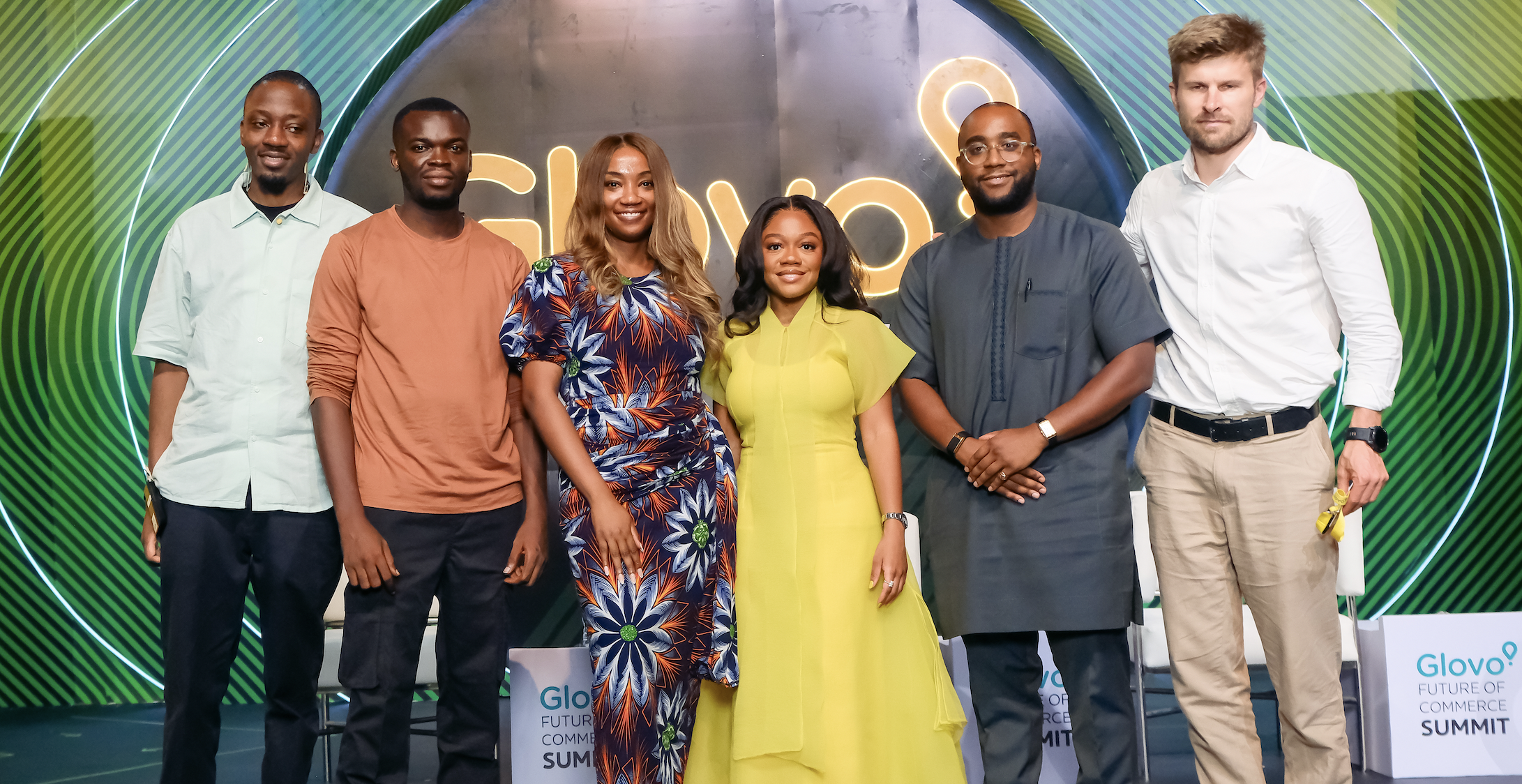
Experts in fintech, AI, and digital commerce have highlighted the transformative impact of artificial intelligence on financial clarity, operational efficiency, and business decision-making across sectors. This was discussed during a panel session titled “The Next Frontier: AI & Automation” at Glovo’s Future of Commerce Summit 2.0, held recently at the Landmark Events Centre in Victoria Island, Lagos.
In his remarks, Chief Executive Officer, Paddy Mark, Afolabi Ayoola, emphasised that AI adoption should focus on addressing real business challenges rather than getting caught up in technology hype, especially in how companies understand and manage financial data. Ayoola pointed out that AI-powered systems are designed to automate financial categorisation by learning specific cash flow patterns, including revenue streams, expenses, payroll and asset tracking, thereby helping businesses transition from manual reconciliation to real-time financial intelligence.
“We think about AI without looking at the problems the AI is aiming to solve. In business, different types of cash move through your system: sales, expenses, investments, loans, and assets. But many businesses cannot differentiate them. That is one of the key problems AI can solve. You may check your bank balance, your POS system, and your accounting software, yet nothing aligns. Reconciliation can take days or weeks, and by the time you discover an issue, the damage is already done. AI can make this happen quickly,” he said.
Also speaking, Chief Executive Officer, Tyms, Ibrahim Adepoju, explained how AI is already enhancing customer engagement, inventory management, and operational efficiency for small and medium-sized businesses (SMBs), particularly through messaging platforms such as WhatsApp and Instagram, where most business transactions now occur.
Adepoju noted that the future of commerce will depend on businesses’ ability to integrate real-time data systems, automate repetitive tasks, and adopt scalable AI tools that improve profitability and the customer experience.
“The primary way customers engage businesses is through messaging, particularly on WhatsApp and Instagram. And often, businesses capitalise on this demand. So, essentially, we wanted to create a system that allows businesses to operate at maximum efficiency without compromising the quality of their customer service. completely simplified the operations from order taking, customer service, to inventory management, to data analysis,” he added.
Withartificial intelligence moving rapidly from experimentation to strategic priority, today’s businesses are collecting more information than ever before. However, many are overlooking a fundamental question during this process: is the information feeding these AI initiatives actually ready?
For years, businesses have focused on collecting and storing data. Information now exists across emails, contracts, collaboration platforms, shared drives, cloud repositories, enterprise applications and archives. However, volume alone does not create value.
The reality is that much of this data remains unmanaged, inaccessible or underutilised. Often referred to as ‘dark data’, this growing pool of hidden enterprise information is becoming one of the biggest obstacles to meaningful AI adoption.
Research conducted by IBM suggests that more than 60% of organisations estimate at least half of their data is dark, while approximately one-third believe dark data accounts for 75% or more of their total information estate. These figures point to a significant disconnect between data accumulation and business value.
This matters because AI does not create intelligence from nothing, but rather amplifies what already exists. If information is fragmented, duplicated, outdated or poorly governed, then AI outcomes reflect those same weaknesses.
Organisations are information rich but intelligence poor
The root causes of dark data could include information silos across departments, ageing legacy platforms, a lack of governance, incomplete integration, compliance irony (when information is stored well beyond the mandatory period), or changing organisational priorities, where collection is prioritised over analysis.
Notably, says McKinsey, 70% of software used by Fortune 500 organisations is more than 20 years old, a statistic that illustrates the scale of modernisation challenges many enterprises still face. This also draws attention to the fact that, realistically, organisations cannot expect AI to compensate for decades of fragmented information practices.
These factors all contribute to a situation where organisations appear data rich on the surface but, in actual fact, they lack the ability to transform the information into actionable intelligence. The challenge becomes even more significant as AI initiatives expand.
What are the business consequences of dark data?
Poor information management is often treated as an IT issue, but its impact extends far beyond technology.
For example, from an operational perspective, organisations experience reduced productivity as employees spend more time searching for information or recreating existing work. In terms of collaboration, poor version control and disconnected repositories make it harder for teams to work efficiently and confidently.
Security and compliance exposure also increase. Sensitive information may remain stored longer than necessary, retention requirements become difficult to enforce, and organisations risk falling short of regulatory expectations.
Customer outcomes are affected too. Delayed responses, repetitive requests and fragmented information ultimately reduce service quality and satisfaction. At the same time, businesses lose agility because they cannot confidently adopt automation or safely scale AI initiatives.
Information readiness foundational to AI success
One of the greatest misconceptions surrounding AI is that implementation begins with selecting a platform or deploying a use case. In reality, AI readiness actually begins with information readiness. This means organisations need to establish a structured approach to understanding and improving their information environments. But where do they start?
Ideally, the process should kick off with an audit of existing information assets to identify where content resides, who owns it and how it is being used.
From there, businesses need to classify their data, differentiating between unstructured, semi-structured and structured assets.
The third step is to address, or cleanse, what is commonly known as ROT data – information that is redundant, obsolete or trivial – to immediately reduce storage costs.
Next, companies should establish stronger governance practices across repositories and workflows, and implement strict policies for data retention and destruction. Only once this foundation is in place should organisations accelerate AI deployment, introducing Al/ML tools to parse unstructured data and redact sensitive info.
Those that win with AI won’t necessarily move first
The businesses that ultimately derive the greatest value from AI are unlikely to be those deploying technology the fastest. Instead, success will belong to those creating visibility, governance and trust across their information environments.
For organisations looking to unlock the next phase of digital transformation, illuminating dark data is no longer optional. It is becoming the prerequisite for turning information into usable intelligence.
Shakeel Jhazbhay is the General Manager: Digital Business Solutions at Datacentrix
Jumia has announced strong first-quarter 2026 performance results, with Nigeria emerging as one of the company’s standout growth markets across Africa, reinforcing the country’s position as a critical driver of the company’s long-term expansion strategy.
According to the company’s Q1 2026 financial results released May 7th, 2026, Nigeria recorded a 42% year-on-year increase in physical goods Gross Merchandise Value (GMV), making it one of Jumia’s strongest-performing markets during the period.
Commenting on the performance, Temidayo Ojo, CEO of Jumia Nigeria, said, “Nigeria continues to demonstrate the strength and resilience of its digital commerce ecosystem. The growth we recorded in Q1 reflects increasing consumer confidence, stronger engagement across our platform, and our continued investment in technology, logistics, and customer experience.”
“We are seeing more Nigerians embrace e-commerce not just for convenience, but as a trusted part of everyday life. Our focus remains on building a platform that is more accessible, more reliable, and more relevant to the evolving needs of Nigerian consumers and sellers,” Ojo further mentioned.
The company attributed its broader growth trajectory to disciplined execution, operational efficiency, and increased deployment of technology and AI-driven systems across its operations. According to the report, Jumia leveraged artificial intelligence and automation across operations, finance, customer support, cybersecurity, seller management, logistics, and technology teams to improve service quality while reducing operational costs company-wide.
The company also noted that technology and content expenses declined year-on-year due to ongoing headcount optimisation and savings from renegotiated technology contracts, while operational leverage continued to improve. They further highlighted increased use of AI tools among its technology teams, alongside automation in call centres and operational systems, as part of efforts to scale sustainably while improving efficiency across African markets.
Across the platform, Jumia reported significant gains in customer retention and marketplace engagement. Quarterly Active Customers reached 2.5 million, while physical goods orders climbed to 5.9 million in Q1 2026.
The company also expanded usage beyond major urban centres, with 62% of total orders now coming from secondary cities and upcountry regions, emphasising the growing reach of digital commerce across Africa.
Despite global economic pressures, including rising memory chip and CPU prices and supply chain disruptions linked to ongoing Middle East conflicts, the company reaffirmed its path toward profitability. Jumia stated that it remains on track to achieve Adjusted EBITDA breakeven and positive cash flow in Q4 2026, with full-year profitability targeted for 2027.
NLNG has demonstrated its dedication to media development in Nigeria through the successful completion of the second edition of the #NLNGChangeYourStory workshop for 2026, which took place in Lagos.
The workshop convened 40 participants representing diverse media outlets to examine the changing landscape of journalism shaped by artificial intelligence and digital communication. Discussions centered on how new media technologies can support real-time reporting, extend audience reach across borders, and foster deeper, more effective engagement on digital platforms.
Speaking at the event, the General Manager, External Relations and Sustainable Development at NLNG, Sophia Horsfall, described the workshop as part of the company’s broader effort to strengthen engagement with the media while supporting professional excellence in journalism. She noted that the initiative reflects NLNG’s belief that well-informed reporting plays an important role in shaping public understanding of critical sectors such as energy, economic development, and sustainability.
She encouraged participants to leverage the insights and practical knowledge gained during the workshop to elevate the quality, depth, and credibility of their reporting.
“NLNG views this engagement as a strategic partnership. We provide the energy that powers nations and generates revenue for our nation; you provide the information that powers our minds. We have been proud to host you, but our pride will only be justified when we see the ‘New Standard’ in your next feature, your next broadcast, and your next investigative report. As you head back to your various stations, I urge you to take the spirit of this workshop with you.”
The programme combined expert-led discussions with hands-on learning. Digital communication specialist Dan Mason guided participants through key aspects of digital storytelling, while veteran journalist Taiwo Obe led a practical Journalism Clinic. Together, the sessions equipped participants with practical skills in data visualisation, online verification, audience engagement, and managing a strong digital presence.
Through the workshop, NLNG reiterated its commitment to promoting journalistic excellence and supporting the media industry’s digital transformation. The #NLNGChangeYourStory programme has now empowered over 400 journalists with enhanced digital communication and social media skills across its various editions.
For years, security for SMEs across sub-Saharan Africa meant metal grilles and alarm systems. Today, the most significant risks are invisible and growing faster than most businesses realise.
Artificial Intelligence has quietly embedded itself into everyday operations. The chatbot responding to customers at midnight, the system forecasting inventory requirements, and the software identifying unusual transactions are no longer experimental technologies. They are becoming standard features of modern business tools.
Last month’s observance of Safer Internet Day on February 10, themed ‘Smart tech, safe choices’, marked a pivotal moment. As AI adoption accelerates, the conversation must shift from whether businesses should use AI to how they deploy it responsibly. For SMEs across Africa, digital trust is no longer a technical consideration. It is a strategic business imperative.
The evolving threat landscape
Cybersecurity threats facing sub-Saharan African SMEs have moved well beyond basic phishing emails. Globally, cybercrime costs are projected to reach $10.5 trillion this year, fuelled by generative AI and increasingly sophisticated social engineering techniques. Ransomware attacks now paralyse entire operations, while others threats quietly extract sensitive customer data over extended periods.
The regional impact is equally significant. More than 70% of South African SMEs report experiencing at least one attempted cyberattack, Nigeria faces an average of 3,759 cyberattacks per week on its businesses, Kenya recorded 2.54 billion cyber threat incidents in the first quarter of 2025 alone, whilst Africa loses approximately 10% of its GDP to cyberattacks annually.
The hidden risk of fragmentation
A common but often overlooked vulnerability lies in digital fragmentation.
In the early stages of growth, SMEs understandably prioritise affordability and agility. Over time, this can result in a patchwork of disconnected applications, each with separate logins, security standards, and privacy policies. What begins as flexibility can involve into operational complexity.
According to IBM Security’s Cost of a Data Breach Report, companies with highly fragmented security environments experienced average breach costs of $4.88 million in 2024.
Fragmented systems create blind spots, each additional data transfer between applications increases exposure. Inconsistent security protocols make governance harder to enforce. Limited visibility reduces the ability to detect anomalies early. In practical terms, complexity increases risk.
Privacy-first AI as a competitive differentiator
As AI capabilities become embedded in business software, SMEs face a choice about how they approach these powerful tools. The risks are not merely theoretical.
Consumers across Africa are becoming more aware of data rights and willing to walk away from businesses that cannot demonstrate trustworthiness. According to KPMG’s Trust in AI report, approximately 70% of adults do not trust companies to use AI responsibly, and 81% expect misuse. Meanwhile, studies also show that 71% of consumers would stop doing business with a company that mishandles information.
Trust, once lost, is difficult to rebuild. In the digital age, a single data leak can destroy a reputation that took ten years to build. When customers share their payment details or purchase history, they extend trust. How you handle that trust, particularly when AI processes their data, determines whether they return or take their business elsewhere.
Privacy-first, responsible AI design means building intelligence into business systems with data protection, transparency and ethical use embedded from the outset. It involves collecting only necessary information, storing it securely, being transparent about how AI makes decisions, and ensuring algorithms work without compromising customer privacy. For SMEs, this might mean choosing inventory software where predictive AI runs on your own data without sending it externally, or customer service platforms that analyse patterns without exposing individual records. When AI is built responsibly into unified platforms, it becomes a competitive advantage: you gain operational efficiency whilst demonstrating that customer data is protected, not exploited.
Unified platforms and operational resilience
The solution lies in rethinking digital infrastructure. Rather than accumulating disparate tools, businesses need unified platforms that integrate core functions whilst maintaining consistent security protocols.
A unified approach means choosing cloud-based platforms where functions share common security standards and data flows seamlessly. For a manufacturing SME, this means inventory management, order processing and financial reporting operate within a single security framework.
When everything operates cohesively, security gaps diminish and the attack surface shrinks. And the benefits extend beyond risk reduction: employees spend less time on administrative friction, customer data stays consistent, and platforms enable secure collaboration without traditional infrastructure costs.
Safer Internet Day reminds us that the digital world requires active stewardship. For SMEs across the African continent who are navigating complex threats whilst harnessing AI’s potential, digital trust is foundational to sustainable growth. Security, privacy and responsible AI are essential characteristics of any technology infrastructure worth building upon. Businesses that embrace unified, privacy-first platforms will be more resilient against cyber threats and better positioned to earn and maintain trust. In a market where trust is currency, that advantage is everything.
Kehinde Ogundare is the Country Head of Zoho Nigeria
The Ajoke Ayisat Afolabi Foundation, the CSR arm of the SIFAX Group, in partnership with the World Bank, has trained over ninety students of the State Senior Secondary School, Oyewole, Agege in Orile Agege Local Government Area, Lagos State, as part of its series of ongoing Community Connections Campaign Projects in Nigeria.
The training, aimed at empowering students with practical technology skills to help them improve their education, secure jobs, and become self-employed in the long term, covered various areas, including computer literacy, machine learning, and the use of Artificial Intelligence.
Representatives were selected from different classes across the school, with the hope that they would be able to transfer the skills acquired to their colleagues.
According to Mrs. Foluke Ademokun, the Executive Coordinator of the foundation, “this initiative is part of a series of efforts to address the issue of youth unemployment and skills gap in the country and it’s expected to benefit not only the students but also the community at large, as the students would be able to apply the skills acquired to improve their lives and contribute to the economic development of their communities”
Responding on behalf of the school management, the Vice Principal of the school, Mrs Sherifat Ajala, appreciated and commended AAAF for excellent facilitation and the opportunity given to the students to interact with the best minds who facilitated at the training.
“On behalf of the school management and all these students, I want to say a big thank you to Ajoke Ayisat Afolabi Foundation and their sponsor, the SIFAX Group for the good works that they have done in the lives of our students and for the wonderful gift. May the Lord Almighty continue to bless you”, she said.
Goodluck Innocent and Moses Faith, two of the students who participated in the training were rewarded for good class participation and thereafter expressed gratitude on behalf of their colleagues to AAAF and SIFAX Group for providing them with the opportunity to acquire skills that would enhance their future employability.
At the end of the training session, the school was presented with the gift of a projector, laptop and projector screen as it is always done in the previous schools where similar programmes have been organised.
Other schools who have benefited from previous empowerments include; Community Grammar School, Zion Pepe, Ondo state; Osolu Senior Secondary School, Badagry; Pobuna Senior Grammar School, Epe and Baptist Model College, Ile-Epo. Others are Ijaiye-Ojokoro Senior High School, Ifako-Ijaiye and Unity Senior College, Alimosho, all in Lagos state, which brings the total number of empowered students to nearly 600.
The Aurora Tech Award, the only global award dedicated to supporting outstanding female tech founders from emerging markets, has unveiled its Top 10 Finalists for 2026.
The finalists were selected following a rigorous multi-stage evaluation process from a record 3,400 applications submitted across 127 countries. The Top 10 emerged from an initial Top 100 shortlist, reflecting the continued rise of female entrepreneurship in emerging economies and the growing quality of women-led startups building scalable solutions in high-growth markets.
The 2026 Top 10 includes founders from Nigeria, Kenya, Brazil, Chile, Mexico, Colombia, and Panama, among others, showcasing the depth of innovation across emerging markets. The startups address real, local challenges, from improving access to credit and healthcare insights, to digitising recycling value chains, strengthening agricultural supply chains, and expanding financial inclusion for underserved communities.
Among the 2026 Top 10 Finalists are:
Adeola Ayoola, Founder of Famasi (Nigeria) – Famasi is a seed-stage healthtech platform that enables pharmacies to manage operations and track stock in real time across a connected network. By improving visibility of medicine availability, the platform allows prescriptions to be routed to nearby pharmacies where medication is in stock, improving access and efficiency for patients.
Penny Musengi, Founder of Pesira Technologies (Kenya) – Pesira Technologies is a seed-stage agritech platform bridging Africa’s agricultural digital divide by connecting farmers, agribusinesses, and finance providers within a unified ecosystem. The platform expands access to financial services and digital marketplaces, supporting farm growth and strengthening agricultural supply chains.
The Top 10 Finalists will pitch at a global event later in the year, where the winners will receive non-dilutive funding, direct access to Aurora’s Global VC Network, and continued support designed to help them scale sustainably.
This year’s cohort represents a diverse mix of regions and sectors, with strong representation from Latin America, Africa, and other emerging ecosystems. The selected startups operate across critical industries, including Artificial Intelligence, Fintech, HealthTech, Sustainability, Agritech, HRTech, and Enterprise Software. All finalists are at either pre-seed or seed stage, demonstrating strong early traction and high potential for scalable impact.
Powered by inDrive, Aurora’s selection process is built on investor conviction. Each year, thousands of applications are reviewed through a structured, multi-layered framework that combines independent assessments by venture capital partners with Aurora’s own execution benchmarks.
The award collaborates with a curated network of more than 40 venture capital firms across Latin America, the MENA region, Africa, and South Asia. Startups are evaluated by investors with direct experience in the relevant regions, sectors, and growth stages, ensuring informed and sector-specific assessments rather than generic scoring.
Beyond quantitative evaluation, investors signal which founders they would actively engage with, making demonstrated investor interest a core determinant of selection. To determine the Top 10 Finalists, three key factors are considered: independent VC evaluations, expressed investor conviction, and overall performance during Aurora’s initial assessment stages. The result is more than recognition; it provides founders with enhanced visibility, credibility, capital access, and strategic positioning to accelerate their next stage of growth.
…As CGC Adeniyi, Trade Modernisation Team Engage Global Customs Leaders in Abu Dhabi
The Nigeria Customs Service (NCS) has reaffirmed its commitment to technology-driven border management and international cooperation as the 2026 World Customs Organisation (WCO) Technology Conference and Exhibition commenced on Wednesday, 28 January 2026, at the Abu Dhabi National Exhibition Centre (ADNEC) in the United Arab Emirates.
The conference, organised by the WCO under the theme “Customs Agility in a Complex World: Securing and Facilitating Trade through Innovation,” brings together Customs administrations, technology providers, policymakers and industry leaders from across the globe to examine how innovation can strengthen border security while facilitating legitimate trade.
Nigeria’s participation in the high-level event underscores the Service’s ongoing trade modernisation drive and its alignment with global best practices in Customs administration, particularly in data exchange, digitalisation, and intelligence-led enforcement.
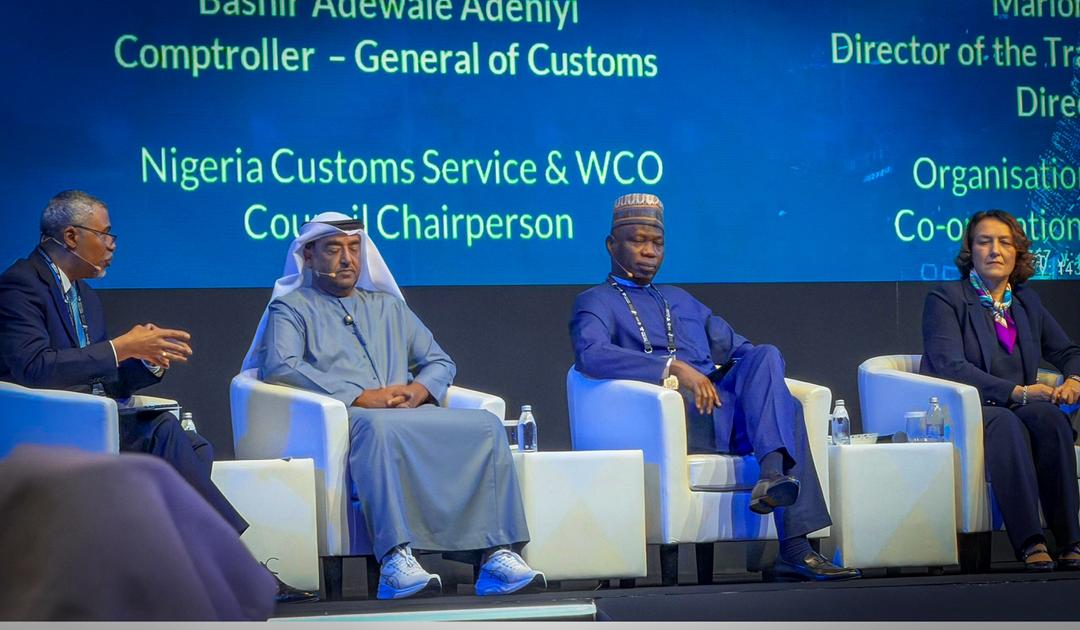
Speaking during a panel session titled “Customs Agility in a Complex World: Securing and Facilitating Trade through Innovation,” the Comptroller-General of Customs (CGC), Adewale Adeniyi, who is also the Chairperson of the WCO Council, emphasised the importance of structured international collaboration in addressing emerging cross-border challenges.
According to the CGC, “Our experience has shown that robust engagement with international organisations such as INTERPOL, World Intellectual Property Organisation (WIPO) and the Universal Postal Union creates opportunities for deeper cooperation, especially in tracking criminal networks, protecting intellectual property and managing emerging trade risks.”
He noted that enhanced data exchange and stronger governance frameworks remain critical to addressing global challenges such as cargo diversion along transit corridors.
“Diversion of goods in transit is not a challenge unique to Nigeria; it is a global issue that requires coordinated Customs-to-Customs cooperation. Through existing WCO instruments and mutual administrative assistance frameworks, Customs administrations can more effectively investigate offences and ensure that goods reach their intended destinations,” Adeniyi said.
The CGC also commended the innovative solutions showcased at the conference, citing a digital humanitarian corridor solution presented by the UAE as a practical tool to improve the movement of relief consignments.
“I saw a tool today developed by the UAE that creates a digital humanitarian corridor. If scaled across the global Customs community, it can significantly enhance our ability to move humanitarian goods efficiently within a fully digitalised environment,” he added.
The Comptroller-General of Customs further noted that the global Customs response to evolving border challenges has been shaped by a coordinated framework of standards and practical tools developed over time, with technology remaining at the core of these interventions.
According to him, organisational agility goes beyond the deployment of systems and platforms, as it requires the capacity to absorb change, respond to emerging risks and continuously adapt operational approaches.
“Technology has been central to the work of the WCO and Customs administrations worldwide, and the progress recorded by UAE Customs across various operational areas demonstrates what is achievable when innovation is fully embraced,” he said.
CGC Adeniyi, however, stressed that sustainable modernisation must be supported by deliberate investment in human capital renewal, noting that Customs administrations across WCO member states are confronting generational transitions as experienced officers exit the system. He emphasised that building the skills and capacity of the next generation of officers is critical to maximising the benefits of technology and sustaining long-term institutional effectiveness.
Also representing the Trade Modernisation Project (TMP) Team, the General Manager, TMP, Ahmed Ogunsola, participated in a panel session titled “Above the Clouds: Enhancing Customs Security through Cloud Computing and Data Analytics,” where discussions focused on leveraging cloud-based infrastructure and advanced analytics to strengthen risk management, improve compliance and enhance Customs security.
Also from TMP, Nabil Mustapha, the software development lead, did a tech talk on the evolution of national trade systems, focusing on 3 key areas: secure architectures, seamless user experience and beneficial outcomes.
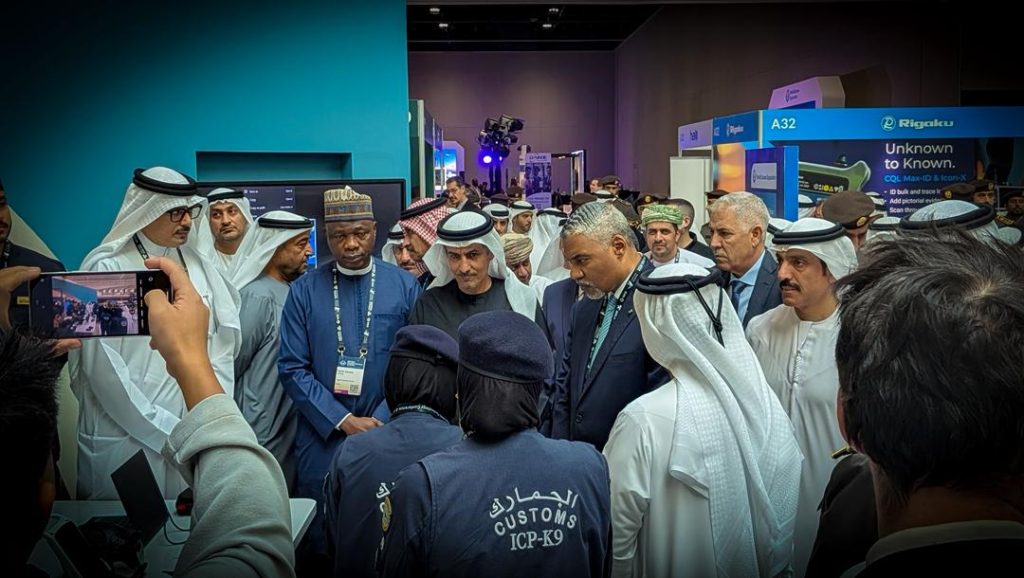
At the exhibition site, TMP also had a booth showcasing the work done to modernise customs operations in Nigeria, highlighting the indigenous custom-made B’odogwu application and other technology solutions that brought together all parties involved in the trade ecosystem and eased the work for Customs officers and stakeholders.
The opening ceremony of the conference featured remarks by senior UAE officials, including the Chairman of the Federal Authority for Identity, Citizenship, Customs and Port Security, Ali Mohammed Al Shamsi, who highlighted the role of artificial intelligence, data analytics and smart monitoring systems in achieving secure and seamless trade, as well as the Director-General of Customs and Port Security, Ahmed Abdullah bin Lahaj Al Falasi, who outlined future pillars of Customs development anchored on technology, human capacity and inter-agency integration.
In his address, the Secretary-General of the WCO, Ian Saunders, stressed that Customs administrations remain central to global economic and social prosperity, noting that innovation is essential for managing evolving border threats, securing supply chains and facilitating legitimate trade.
The three-day conference features panel discussions, case studies and live demonstrations covering risk management, innovative scanning technologies, cybersecurity, e-commerce, cloud computing and sustainable Customs operations, alongside an exhibition showcasing next-generation solutions for border management.
NCS and TMP Limited’s active participation in the conference reflects a continued resolve to modernise operations, strengthen international partnerships, and deploy innovation to achieve efficient, secure, and globally aligned trade facilitation.
Beyond exhibition presence, the TMP and NCS team actively participated in the conference’s Hackathon, collaborating with global Customs and technology experts to explore practical, innovation-led responses to emerging trade and border challenges. The exercise provided an opportunity to demonstrate Nigeria’s growing capacity to contribute to global Customs technology solutions rather than merely adopt them.
The Nigeria Prizes competition officially kicked off on Sunday with a Call for Entries for the 2026 cycle. This year’s edition focuses on Artificial Intelligence and Information and Communication Technology (ICT) for The Nigeria Prize for Science and Innovation; Poetry for The Nigeria Prize for Literature; and Documentary Filmmaking for the newly introduced The Nigeria Prize for Creative Arts.
The Prizes remain Nigeria’s foremost platform for rewarding excellence in science and innovation, literature, and the creative arts.
This year, The Nigeria Prize for Science and Innovation retain the theme “Innovations in Information and Communication Technology (ICT), Artificial Intelligence, and Digital Technologies for Development” following a “no winner” verdict of the 2025 cycle.
Speaking on the commencement of the prizes cycle, NLNG’s General Manager, External Relations and Sustainable Development, Sophia Horsfall, emphasised the relevance of the selected themes in a rapidly evolving global context. For Science, she noted that extensive research has demonstrated the immense potential of ICT, artificial intelligence, and digital technologies in reshaping industries and societies.
“The themes for the 2026 cycle reflect the realities of a world being reshaped by digital intelligence and creative expression. Through The Nigeria Prizes, NLNG continues to reinforce its commitment to innovative ideas and talents that are rigorous, relevant, and capable of shaping long-term national outcomes. The introduction of the Creative Arts Prize further strengthens this commitment by recognising creativity as a critical component of development”.
Also speaking on the Call for Entries, the Chairman of the Advisory Board of the Science and Innovation Prize, Prof. Barth Nnaji, called on scientists and innovators from all over the world to submit quality entries that transcend theoretical concepts and demonstrate deployable, scalable, and practical solutions.
“The Nigeria Prize for Science and Innovation is founded on the principle that science must move beyond abstraction into solutions that work. The Prize recognises innovations grounded in rigorous research, demonstrating technical maturity and clear potential for application within Nigeria’s development landscape. We are looking for works that are inventive, credible, scalable, and capable of delivering measurable outcomes,” Prof Nnaji stated.
With the prize valued at USD $100,000, the Science and Innovation competition is open to scientists and innovators worldwide and invites pioneering digital and artificial intelligence–based solutions that can enhance systems, improve efficiency, and support informed decision-making in critical sectors of Nigeria’s economy.
For The Nigeria Prize for Literature, poets will be in the spotlight for the 2026 cycle. Nigerian authors resident in Nigeria and in diaspora are invited to submit poetry collections published from 2023 onwards. The prize, also worth USD $100,000, recognises literature’s enduring capacity to interrogate society, preserve memory, and articulate both personal and collective experience.
The Chairman of the Advisory Board for The Nigeria Prize for Literature, and The Nigeria Prize for Creative Arts, Prof Akachi Adimora-Ezeigbo, expressed excitement at the establishment of the new Prize for Creative Arts. She described it as a significant addition to NLNG’s over two-decade legacy of celebrating excellence.
“It reaffirms our belief that excellence transcends form, whether written, spoken, or filmed. The Creative Arts Prize challenges creators to confront truth, explore memory, and translate lived experience into meaningful work. At the same time, the focus on Poetry for The Nigeria Prize for Literature recognises the genre’s enduring role as a tool for reflection, resistance, and social inquiry, with a unique capacity to distil memory and interrogate complex realities,” she said.
The Nigeria Prize for Creative Arts debuts with Documentary Film under the theme ‘Identity’, with the prize valued at USD $20,000. Targeted at emerging Nigerian filmmakers aged 18 to 35, the Prize challenges young creatives to produce documentary films that explore individual, communal, and cultural identities, and to reshape global perceptions of Nigeria through rigorous storytelling, creativity, and visual excellence.
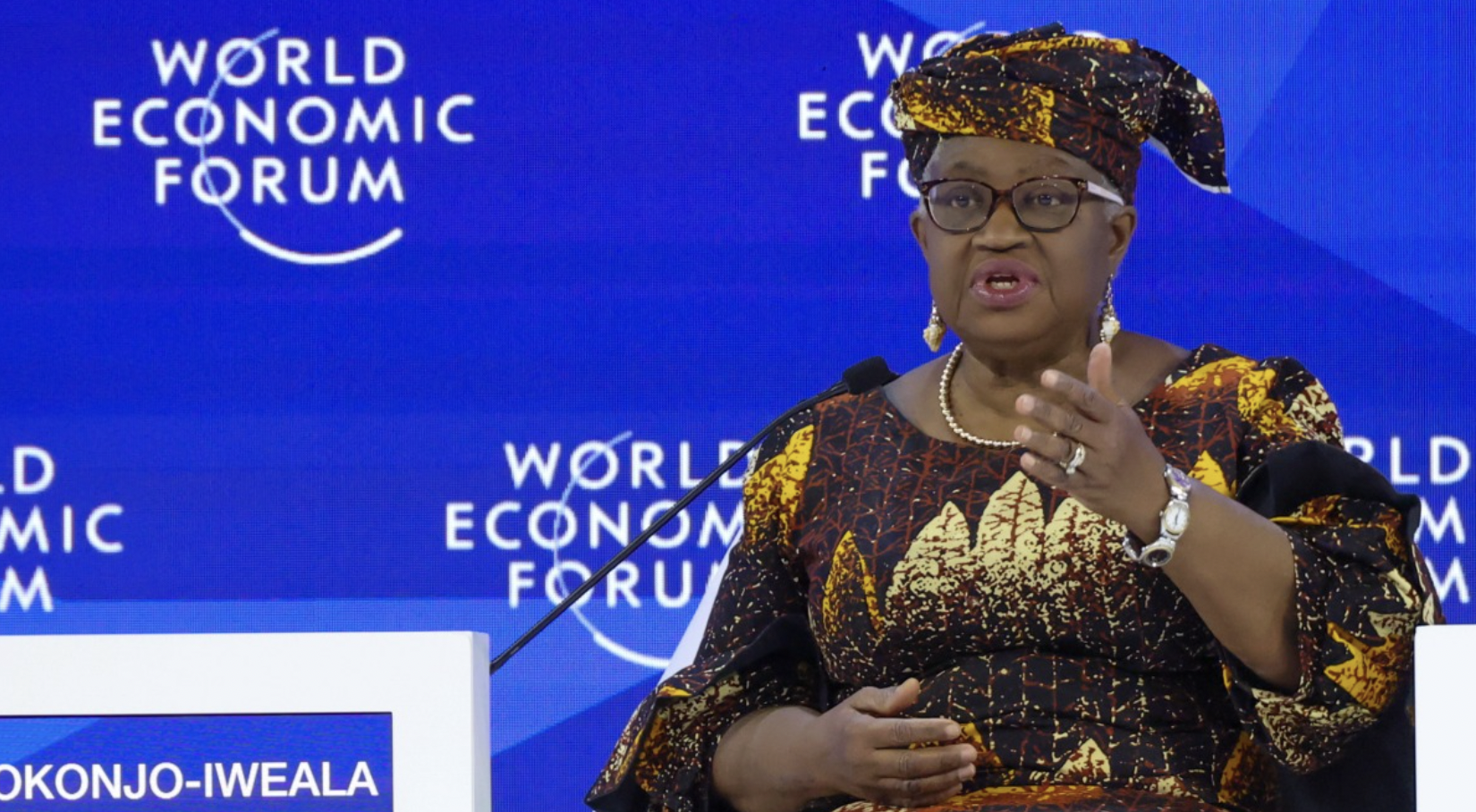
WTO Director-General Ngozi Okonjo-Iweala welcomed constructive engagement on trade during her participation in the World Economic Forum (WEF) Annual Meeting in Davos, Switzerland from 19 to 23 January. In her public engagements and her meetings with leaders, high-level officials and business executives, DG Okonjo-Iweala highlighted opportunities for trade growth, including artificial intelligence and digital trade. She also stressed that many aspects of the WTO are valued by businesses and governments, and urged reforms for those that need improvement.
With trade tensions rising as a result of tariff threats, DG Okonjo-Iweala’s recommendation to leaders was to “keep steady nerves” and avoid hasty reactions as the global trading system faces the worst disruptions in its 80-year history.
On 22 January, DG Okonjo-Iweala took part in an informal ministerial meeting hosted by Swiss President Guy Parmelin and facilitated by Switzerland’s State Secretary, Helene Budliger Artieda. At the meeting, trade ministers discussed priorities for the 14th WTO Ministerial Conference (MC14), to be held in Yaoundé, Cameroon in March, and exchanged views on issues related to WTO reform.
After the discussion, the Director-General welcomed the positive atmosphere and the convergence among those present regarding the need to advance reform of the WTO. According to a summary of the meeting released by the Swiss Government, “Ministers stressed their commitment to engage in a meaningful exchange at MC14 that can deliver the political guidance required to strengthen and preserve the rules-based multilateral trading system.”
DG Okonjo-Iweala also participated in a session on 23 January titled “Many Shapes of Trade“, during which she underlined that among the fastest-growing areas of global trade are services trade, which is projected to grow 4.4 per cent in 2026, and green trade, which reached US$ 2 trillion.
“I dream about an organization that can be flexible enough so that members can seize these opportunities,” she said.
DG Okonjo-Iweala addressed concerns about the impact of new bilateral and regional agreements on the WTO’s role, highlighting that the majority of these agreements make use of the WTO platform and do not compete with the organization.
On 23 January, DG Okonjo-Iweala also talked about the potentially beneficial impact on trade of artificial intelligence (AI) during a panel titled “Global Economic Outlook“. She said, “AI will help reduce trade costs and increase productivity,” but cautioned that the impact may be lessened if AI adoption is uneven across different parts of the world.
Following the recent announcement by its Chairman, Dr. Segun Ogunsanya, at a World Press Conference held in Lagos recently, the Airtel Africa Foundation, through Airtel Nigeria, has kicked off its Undergraduate Tech Scholarship Programme to benefit 100 Nigerian undergraduates.
This initiative will provide each recipient with a grant covering tuition, accommodation, study materials, and a stipend from the first year of study through the final year. This financial aid removes economic barriers, empowering students to dedicate their focus to academic and technical achievement in technology.
Eligible courses of study include Computer Science, Information Technology, Data Science, Software Engineering, Cybersecurity, Artificial Intelligence, and other ICT-related disciplines.
Commenting on the initiative, Dr. Ogunsanya affirmed that the scholarships represent the Foundation’s continued commitment to breaking down barriers for young Africans.
“At Airtel Africa Foundation, our vision has always been to create opportunities where talent meets ambition. With this scholarship, we are investing in Nigeria’s future tech leaders, giving them the resources and confidence to thrive in an increasingly digital world,” he stated.
Beneficiaries are selected from 100-level students enrolled in approved programmes in participating public universities across the country. These institutions include the University of Lagos (UNILAG), the University of Nigeria, Nsukka (UNN), Ahmadu Bello University (ABU), the University of Benin (UNIBEN), Obafemi Awolowo University (OAU), the University of Ilorin (UNILORIN), and Tai Solarin University of Education (TASUED).
Airtel Nigeria CEO, Dinesh Balsingh, noted: “The prioritization of education as a pillar of our social investments becomes much stronger with these 100 new scholarships. They build on such other initiatives as our partnership with UNICEF on the Reimagine Education Programme, our Adopt-A-School project, and our 1 billion naira investment in the Three Million Technical Talent (3MTT) effort of the Federal Government. Ultimately, for us as an organisation, the best way to equip the future is to arm it with cutting-edge education.”
The undergraduate scholarship is a direct component of the Foundation’s four strategic pillars of Financial Inclusion, Education, Environmental Protection, and Digital Inclusion (FEED).
As Nigeria marks its 65th Independence Anniversary, the Society of Nigeria Theatre Artists (SONTA) has released a powerful message of reflection, celebration, and renewed commitment to national progress, emphasizing the enduring role of theatre artists in shaping the soul of the nation.
In a statement signed by Prof. Tunji Azeez, FSONTA, FTA, MNAL, President of SONTA, the organization highlighted its 39-year legacy as the intellectual and cultural backbone of theatre, film, and cultural studies across Nigerian higher institutions. With 38 national conferences to its name, SONTA has consistently provided platforms for critical discourse, artistic expression, and social advocacy.
“From the colonial era to independence and through our democratic journey, theatre artists have never been silent in the face of injustice,” the statement reads. “Our stages have been arenas of truth, empathy, and resistance—often extending beyond performance into activism and solidarity.”
SONTA paid tribute to all creative artists in Nigeria—academics, performers, filmmakers, and community storytellers—especially those working with limited resources in local communities and urban centers. Their resilience and belief in the transformative power of performance were described as foundational to Nigeria’s creative future.
As Nigeria looks ahead, SONTA urged artists and cultural institutions to embrace emerging technologies such as Artificial Intelligence, digital storytelling, and immersive media to ensure that Nigerian theatre remains relevant and globally competitive.
The organization reaffirmed its commitment to national development through deeper engagement with policymakers, advocacy for cultural investment, and the protection of intellectual freedom. “Nigeria is a story still being written,” Prof. Azeez stated. “And we, the artists, are its authors.”
The message concluded with a call to uphold the ideals of truth, justice, empathy, and unity—values that theatre has long championed—and to continue building a nation where creativity thrives and culture leads the way.
In a time of rising global economic uncertainty, African businesses are increasingly turning to AI to accelerate productivity and unlock a new level of ROI. The data is compelling – according to the World Bank’s recent Global Economic Prospects report, rising global trade and policy uncertainty could weaken growth by 2.3% in 2025, impacting both major economies and emerging markets.
In the face of these headwinds, many businesses are ramping up plans to implement AI, driving new levels of productivity and cost savings. In a March 2025 survey by McKinsey, 78% of respondents reported their organisation already uses AI in at least one business function, up from 72% in early 2024 and 55% a year earlier.
Put simply, AI is the most transformative technology of our lifetime. Its latest iteration, agentic AI—always-on intelligent agents that can learn, reason, and execute tasks independently – will reshape how companies operate, compete, and perform work.
While this new era holds great promise, the journey to becoming an agentic enterprise can feel daunting.
Aligning your business with a tangible agentic AI strategy, readying your technology infrastructure, and understanding the metrics that define success are essential pillars to unlocking the agentic AI opportunity and realising the return on investment (ROI) this moment demands.
Realise trapped value with automation and augmentation
Nearly half of desk workers report spending time on repetitive, low-value, or unrelated tasks to the jobs they were hired to do. Across many industries, operational inefficiencies and unrecognised opportunities are buried deep within data, processes, and human workflows, affecting everything from employee engagement to the bottom line.
The first step to reigniting productivity growth is identifying what’s holding organisations back and finding solutions to these challenges, known as trapped value analysis.
Start by identifying where high-value, underperforming workflows exist. For example, are there manual tasks slowing teams down? Can they be automated? Which customer interactions can be more personalised?
Augmenting human capacity with a digital workforce is key to realising trapped value, enabling smarter, faster decision-making grounded in trusted data and improving personalised customer interactions at scale.
Imagine a marketer at a young company suddenly supported by a team of AI agents to strategise, plan, and deliver best-in-class campaigns. Or a sales rep with instant access to real-time customer data analysis and predictions of which leads are most likely to convert.
Deploying AI agents isn’t about replacing people; it’s about empowering employees to focus on what they do best – strategic thinking, innovating, and building relationships with customers.
Overcoming productivity pain points with a dynamic IT infrastructure powered by digital labour allows businesses to reprioritise their newly available human capacity to where it can have the greatest impact. This is key to realising new revenue streams or business models and is fundamental to unlocking ROI.
Set critical metrics to measure ROI
The advantages of digital labour for optimising operations are clear. However, according to Gartner, over 40% of agentic AI projects will be cancelled by the end of 2027 due to reasons such as unclear business value.
To demonstrate real ROI, organisations need to focus on enterprise productivity, driving business value through quality, cost, speed, and scale.
For customer service teams, measuring ROI can involve assessing customer satisfaction, such as improving experiences with 24/7 support across channels where AI agents triage requests and provide step-by-step instructions using natural responses.
When Salesforce added Agentforce to its Help site in October 2024, the goal was to set a world-class standard for agentic service. With an AI agent answering customer service questions in natural language, using unified data to provide fast, 24/7 support, our human engineers can focus on complex issues. To date, Agentforce has handled over 1 million support requests and is projected to save $50 million annually by the end of this fiscal year.
For sales teams, ROI can be seen in faster response times and increased lead qualification. Agentic AI enables scaling with autonomous outreach to answer product questions, handle objections, and book meetings, interacting with customers across relevant channels with personalised responses.
All of these efficiency gains free up time for humans to focus on improving and driving growth in other areas of the business.
Using metrics – from deflection rates to customer satisfaction scores and operational savings — enables organisations to assess the performance of their AI agent initiatives and calculate ROI effectively.
Access long-term value
By focusing on these metrics, African businesses can effectively assess the performance of their AI initiatives and calculate ROI, moving from a position of uncertainty to one of strategic growth.
In essence, the agentic AI era is not about a single, abrupt change but a fundamental shift in how people and technology work together.
By embracing a phased, strategic approach, African businesses can navigate this transition successfully, accelerate productivity, and ultimately unlock significant long-term value. This is the new partnership that will enable businesses to thrive amid today’s challenges.
Linda Saunders, Country Manager & Senior Director Solution Engineering, Africa, Salesforce
2025 With a global community of over 450 million active users, Truecaller has become more than just a caller ID service; it’s a trusted guide in helping people understand not only who is reaching out, but the intent behind every call.
Truecaller has now started providing deeper contextual insights using AI on incoming calls received by its users, going way beyond showing just the caller’s name. This includes AI summaries of user comments as well. From flagging potential fraud and identifying likely spam to suggesting relevant business categories, this information is delivered instantly, powered by advanced AI classification models and continuously enriched by millions of daily reports from its highly engaged user community.
This real-time intelligence not only enhances user trust and safety but also reinforces Truecaller’s leadership in the next generation of caller identification technology. While the company also offers a Verified Business badge for official brand identities, the majority of contextual insights shown to users are generated dynamically by AI — requiring no manual labeling or business registration.
While basic caller ID services provided by telecom operators have traditionally offered little more than a name (when available) and sometimes a simple spam tag, Truecaller, on the other hand, leverages AI and real-time insights, making it a far more intelligent layer of protection.
“People hesitate to answer unknown calls because they lack context and in today’s world, context is everything,” said Rishit Jhunjhunwala, Global CEO of Truecaller. “Truecaller was built to solve this: not just to identify who’s calling, but to help you understand why. Is it someone from your network, a delivery, a business or a scam? Our AI uses real-time data and contextual signals to give you clarity the moment your phone rings, turning uncertainty into informed choice. Knowing ‘who’ is calling is only part of the story.”
AI That Adds Context to Every Call Truecaller’s Caller ID is powered by a dynamic, AI-driven engine that interprets billions of signals from calls, messages, and user feedback across the globe — every single day. Unlike traditional systems that depend on static databases or delayed telecom updates, Truecaller delivers real-time intelligence that evolves with user behavior, communication patterns, and emerging global spam and fraud threats. This continuous learning loop ensures that users are always equipped with the most relevant, up-to-date context transforming the way we understand and respond to incoming calls.
This means Truecaller can do much more than just identify a number:
It can indicate whether the caller is a known fraudster or part of a scam network
It can tell you if the number is “likely a business” or “likely important”, even if there is not enough community feedback
It can classify the type of business — for example, Delivery, Customer Support, or Insurance
It can alert you about suspicious behavior, even before that number has been widely reported by the community
It can provide a single line AI summary of hundreds of user comments, while the phone is still ringing
Built for a World Where Threats Evolve by the Minute The scale and sophistication of phone scams are growing rapidly with Truecaller identifying more than 56 billion spam and fraud calls in 2024. According to the Global Anti‑Scam Alliance and Feedzai, worldwide losses from scams topped an estimated $1.03 trillion in 2024. With phone calls and messaging among the most common fraud methods, this highlights the growing urgency of real-time caller intelligence and protection.
Truecaller’s edge lies in its adaptive AI, which detects emerging fraud patterns in real time and learns from them across regions, languages, and formats. A number flagged for impersonation in one country can be proactively labeled elsewhere, thanks to shared intelligence and behavioral modeling. Built on global data but tuned for local context, Truecaller ensures nuanced, accurate protection and sustained user trust.
A Global Safety Net Built by the Community Truecaller’s global scale is its greatest strength. With hundreds of millions of users across 190+ countries, the platform benefits from an immense stream of real-time, community-driven feedback enabling its AI to detect threats like fraud, spoofing, and robocalls faster and more accurately than traditional systems. In a time of rising digital deception, Truecaller acts as a frontline defense: AI-powered, human-informed, and built around trust. As it continues to evolve, its mission remains clear: to make communication smarter, safer, and seamlessly contextual.
…The inaugural GITEX NIGERIA Government Leadership & AI Summit in Abuja convened the region’s most prominent government and private-sector leadership forging Africa’s digital future
The Honourable (Hon.) Bosun Tijani, Minister of Communications, Innovation and Digital Economy of the Federal Republic of Nigeria, addressed leaders from around the world on Africa’s digital future at the GITEX NIGERIA Government Leadership & AI Summit in Abuja. The summit kicked off the inaugural edition of GITEX NIGERIA before moving to Lagos on 2-3 September.
Held under the patronage of H.E. Bola Ahmed Tinubu GCFR, President, Federal Republic of Nigeria, GITEX NIGERIA is supported by the Federal Ministry of Communications, Innovation and Digital Economy in collaboration with the National Information Technology Development Agency (NITDA). The event is endorsed by Lagos State Government, and organised by KAOUN International, the global organiser of GITEX events.
In his first public appearance since being named alongside Sam Altman and Jensen Huang in TIME magazine’s most influential people in AI 2025, Hon. Bosun Tijani said: “Across the world, nations are harnessing AI to automate processes, analyse data, and optimise resources in ways we could not imagine a decade ago. While others internationally grow more productive and drive unprecedented cross-sector efficiencies, parts of our own economies risk losing competitiveness if we fail to act. Those ahead will accelerate; those behind will fall further. Africa must not treat AI as an afterthought and be a consumer-centric continent importing food, services, and innovation; we must produce, lead, and innovate. That is why AI must sit at the very centre of our strategy. As leaders, we must collaborate, invest, and take defining decisions that ensure Africa shapes – not follows – the future of artificial intelligence.”
H.E. Babajide Sanwo-Olu, Governor of Lagos State, said: “As we gather at GITEX NIGERIA, we have a unique opportunity to define the nation’s place in the future of artificial intelligence. With our vibrant, youthful population and a proven track record of attracting significant investment, Lagos is not just ambitious—we are a resilient state actively building the digital infrastructure and scaling the startups needed to turn policy into progress. This is a moment for global tech leaders to see Africa not merely as a market, but as a co-creator in this revolution. By providing the enabling framework, we can harness AI to address our most pressing challenges and lead our people out of economic hardship.”
Joining Hon. Bosun’s opening plenary session were H.E. Pedro Fernandes Lopes, Secretary of State for Digital Economy, Ministry of Digital Economy, Cape Verde; Dahlia Khalifa, Regional Director for Central Africa and Anglophone West Africa, IFC; Karl Olutokun Toriola, CEO of MTN Nigeria and VP for Francophone Africa, MTN Group; and Robin Njiru, Public Sector Lead for West, East, and Central Africa, Amazon Web Services.
Elaborating on the indispensable nature of AI in Nigeria’s digital future, Kashifu Abdullahi, Director-General/CEO of NITDA, highlighted its projected global economic value, stating: “We stand on the cusp of a new industrial revolution powered by AI – one where tasks are automated, diseases are cured, and deeper human connections are created. Epoch AI projects automation could grow the world economy by 20%, doubling output within five years. This emphasises that no nation can afford to be left behind in this revolution, for those who lead in AI will shape the future. To benefit fully, we must build capacity across policy, infrastructure, computing, and above all, human capital.”
Abdullahi continued: “In Nigeria, we are acting on this promise through initiatives such as training three million tech talents, embedding digital literacy across our society, and weaving digital skills into formal education. This AI era is not just about technology – it is about talent. And talent, when nurtured, empowered, and digitally fluent, will define our progress and position us to be a regional and global leader in this revolution.”
Celebrating the launch of West Africa’s largest tech, AI, and startup show, Trixie LohMirmand, EVP of Dubai World Trade Centre and CEO of KAOUN International, organisers of GITEX NIGERIA, said: “GITEX NIGERIA showcases the ambition and energy of Nigeria as the next global AI hub under the leadership of H.E. President Tinubu – offering global perspectives and networks for local companies, SMEs, startups to connect and scale. Nigeria’s digital economy is young, vast, and inevitable, and as AI competition intensifies, we are determined to secure Nigeria’s seat at the global table of the new digital economy.”
Other prominent speakers on the day included Elsie Gyekyewaa Attafuah, Resident Representative, United Nations Development Programme (UNDP); Basil Ayass, Sub-Saharan Africa – Leader for Africa Google Cloud; Charmaine Houvet, Senior Director, Africa, Cisco; and Ade Famoti, Global Head of Research Incubations, Microsoft Research, USA.
Between 3-4 September, the GITEX NIGERIA programme will transition to Lagos, headlining across two locations. The Eko Hotel Convention Centre hosts the GITEX NIGERIATech Expo & Future Economy Conference, while the Landmark Centre welcomes the GITEX NIGERIAStartup Festival.