Tag: British International Investment

  • Starsight partners BII to advance clean energy growth in West Africa through US$15 million funding

    Starsight partners BII to advance clean energy growth in West Africa through US$15 million funding

    the funding will drive clean energy growth in Starsight’s existing West African operations, with Nigeria earmarked to receive the majority of the funding

    • Capital will be deployed in Starsight’s existing West African operations to support growth, strengthen operations and scale energy solutions for commercial and industrial users.
    • Majority of the funds will assist in improving power security in Nigeria, where the unstable grid and reliance on diesel self-generation remain key characteristics of the energy sector.
    • The collaboration demonstrates BII’s confidence in Starsight’s long-term commitment to delivering reliable, affordable and sustainable power across the region.

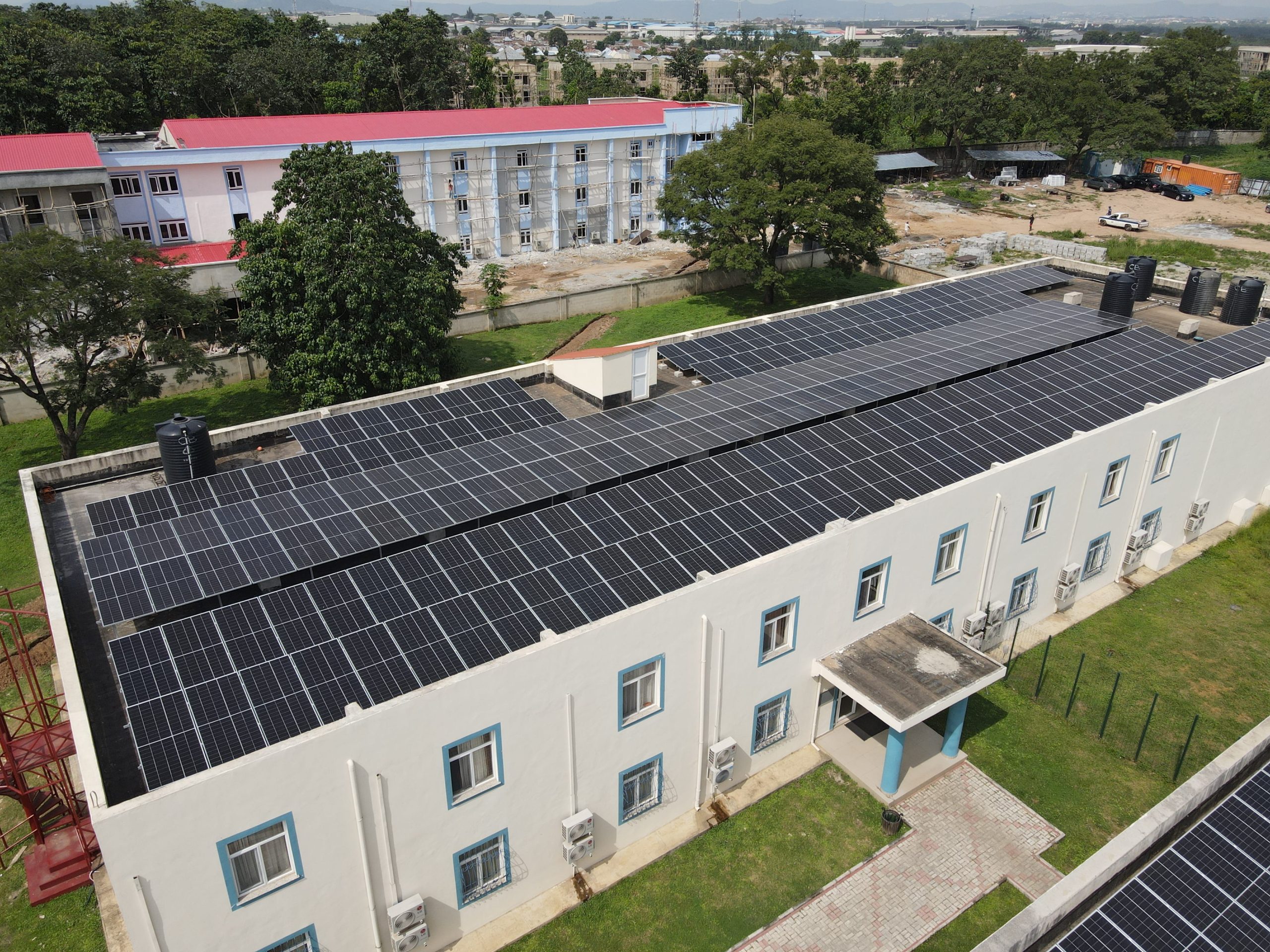
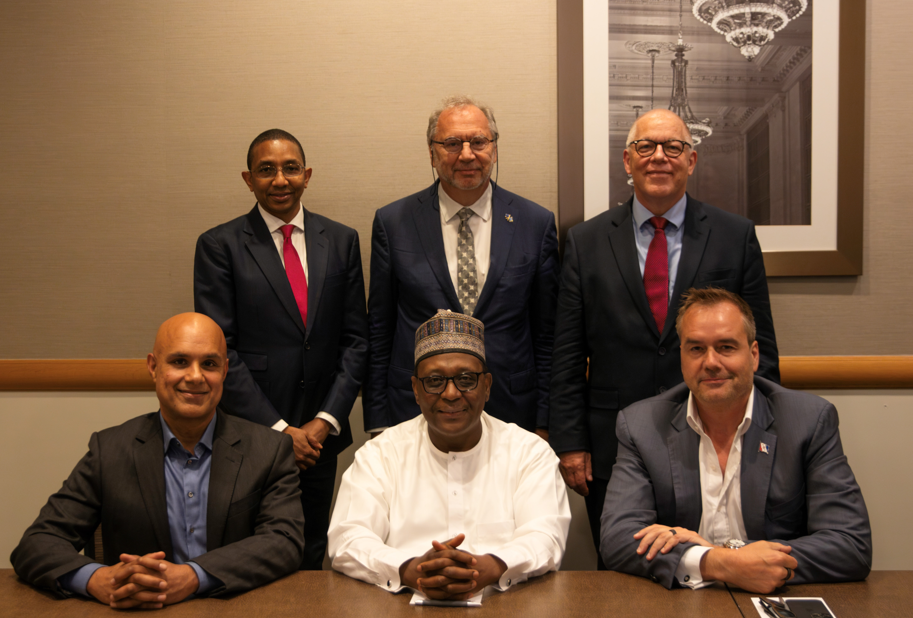
    Starsight Energy Africa Group, a leading provider of clean energy solutions for commercial and industrial (C&I) customers across Sub-Saharan Africa, has secured USD15 million mezzanine debt funding from British International Investment, the UK’s development finance institution and impact investor.

    The funding will drive clean energy growth in Starsight’s existing West African operations, with Nigeria earmarked to receive the majority of the funding. It will finance a substantial growth pipeline of renewable solar energy projects whilst also ensuring best-in-class service is maintained to existing clients including asset replacement.

    The deployment of the funding within Starsight fits well with BII’s strategic objectives to support productive, sustainable and inclusive development. The collaboration between Starsight and BII also underscores a shared commitment to advancing sustainable infrastructure, supporting private sector growth, and driving measurable climate impact across West Africa.

    It has been estimated that up to 40GW of electricity in Nigeria is generated from diesel and petrol generators and Starsight’s funding round with BII is an important stride toward filling this vacuum with clean renewable energy for the C&I sector, says Paul van Zijl, Group CEO at Starsight.

    “Partnering with BII marks a significant milestone for the Starsight Energy Africa Group. This funding strengthens our ability to scale more rapidly in Nigeria and Ghana delivering reliable, clean energy solutions that support economic growth and improve energy resilience for our clients,” says Van Zijl.

    “BII’s mission is to support sustainable socio-economic development in emerging markets. Their decision to partner with us is an endorsement of the role we play in increasing energy access within these markets, delivering affordable, low-carbon solutions while simultaneously uplifting the communities in which we operate,” adds Van Zijl.

    British Deputy High Commissioner in Lagos, Jonny Baxter said: “The UK remains committed to supporting Nigeria’s transition to clean, reliable, and affordable energy. This investment by BII reflects that commitment in action. Expanding access to dependable renewable power for businesses across Nigeria will help unlock growth, strengthen energy resilience, and reduce dependence on costly and polluting diesel and petrol self-generation. It represents a practical step toward a greener, more sustainable future for both our countries.”

    Benson Adenuga, West Africa Regional Director and Head of Office, Nigeria, at BII, says: “Nigeria’s businesses need dependable and affordable power to grow. We identified Starsight’s strong track record, combined with its clean energy model, as a strong fit with BII’s mandate. Starsight’s commercial and industrial solar solutions directly address this challenge by reducing dependence on refined petroleum products and improving reliability. By backing scalable distributed renewable platforms like Starsight, BII is supporting clean energy expansion in West Africa and demonstrating confidence in the region’s potential for sustainable, inclusive growth.”

    Michael Chuchu, Group Commercial Director at Starsight, says that the BII funding will unlock new capacity in countries where energy stability has historically been a barrier to growth.

    “Nigeria remains our second-largest market and a core focus area for expansion. For our West African customers, this investment tangibly proves that Starsight is here to support their operations and provide energy certainty through environmentally responsible solutions.

    “With BII’s support, we’re set to pursue the next chapter of our growth journey,” Chuchu concludes.

  • Savannah Energy Signs SPA to Acquire Interests in Three East African Power Projects

    Savannah Energy Signs SPA to Acquire Interests in Three East African Power Projects

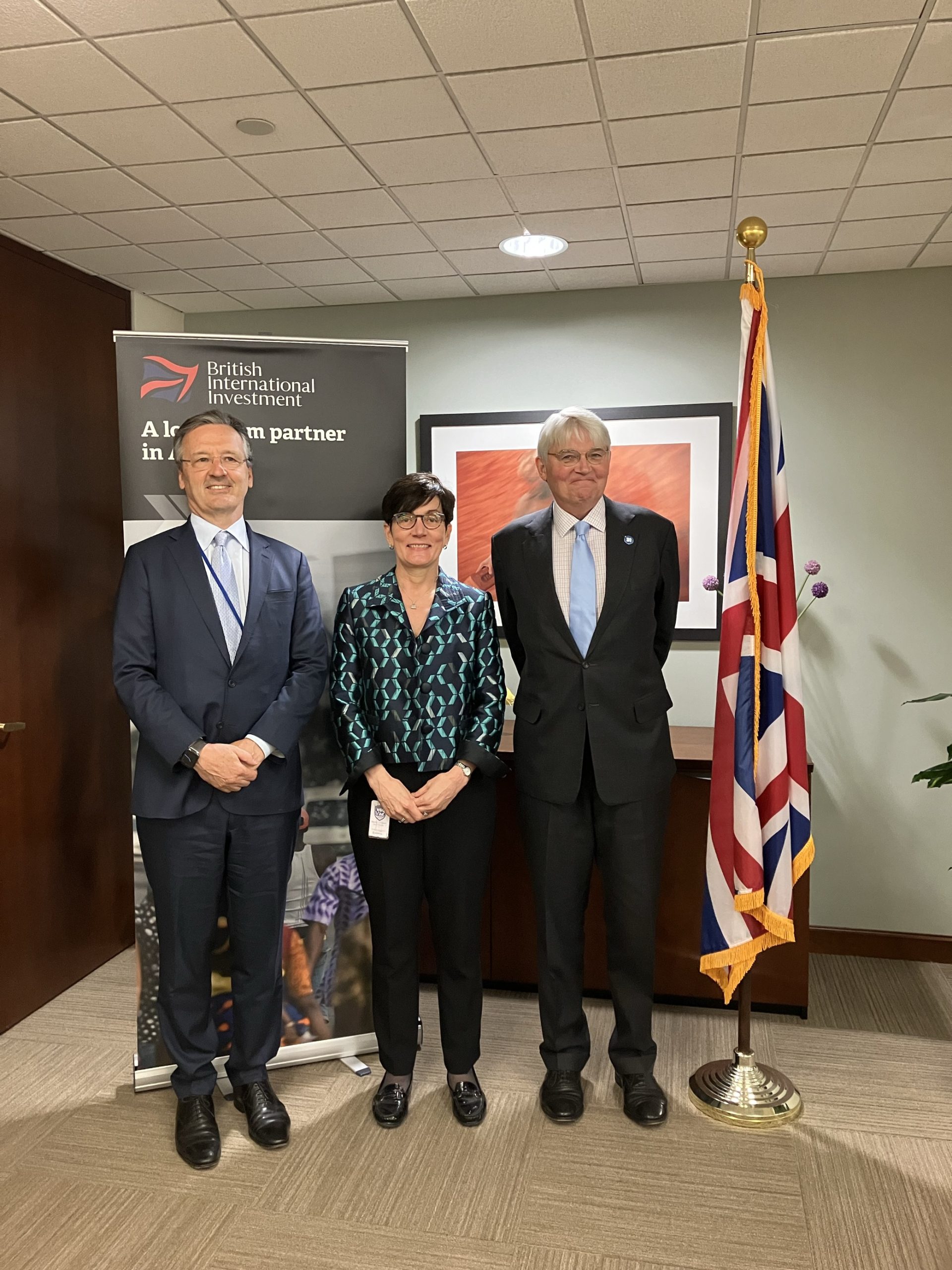
    Savannah Energy PLC, the British independent energy company focused around the delivery of Projects that Matter in Africa, has announced that its wholly owned subsidiary, Savannah Energy EA Limited has signed a Share Purchase Agreement with Norfund, the Norwegian investment fund for developing countries, to acquire its current 50.1% interest in Klinchenberg BV for a total consideration of up to US$65.4 million. The SPA was signed this morning during a ceremony attended by John Humphrey, His Majesty’s Trade Commissioner for Africa.

    The signing marks Savannah’s entry into Uganda, Burundi, the Democratic Republic of Congo, Malawi and Rwanda.

    Klinchenberg is a joint venture company currently owned by Norfund (50.1%) and British International Investment (49.9%), the UK’s development finance institution. Klinchenberg has interests in a portfolio of hydropower assets, namely: an indirect 13.6% interest in the operating 255 MW Bujagali run-of-river hydropower plant in Uganda; an indirect 12.3% interest in the 361 MW Mpatamanga hydropower development project in Malawi; and an indirect 9.8% interest in the 206 MW Ruzizi III hydropower development project spanning Burundi, the Democratic Republic of the Congo and Rwanda. All interests are presented on an expected net to Savannah basis.

    The Consideration includes a US$6.8 million deferred cash element, payable three years post-completion of the Transaction, and contingent payments in respect of Mpatamanga and Ruzizi III payable upon financial close of these projects. The Transaction is subject to customary adjustments upon completion and is expected to be completed no earlier than Q1 2026. The SPA has an economic effective date of 31 December 2024. The Consideration is expected to be funded by Savannah Energy EA through a new US$37.4 million debt facility, arranged by a leading international bank, and the existing cash resources of the company.

    The Transaction constitutes a Substantial Transaction under AIM Rule 12. Accordingly, the following information is included in accordance with the disclosure requirements of Schedule Four to the AIM Rules for Companies.

    For the financial year ended 31 December 2024, Klinchenberg reported audited net revenues of US$17.8 million, an income after tax of US$17.4 million, and total assets of US$196.9 million.

    John Humphrey, His Majesty’s Trade Commissioner for Africa, said: “I am delighted to see Savannah Energy PLC, a UK investor, taking a stake in these important renewable energy projects across East and Central Africa. This investment reflects the UK’s commitment to sustainable development on the continent and supports the success of projects that will deliver clean energy and economic opportunities in the region.”

    Andrew Knott, Chief Executive Officer, Savannah, said: “We are delighted to be announcing our planned entry into the Bujagali, Mpatamanga and Ruzizi III hydropower projects through the acquisition of Norfund’s interest in Klinchenberg. Bujagali is a flagship East African power plant with an excellent 13-year operating and payment track record. Mpatamanga and Ruzizi III are advanced-stage developments which are expected to generate highly competitively priced electricity in their respective countries for the benefit of over 30 million people. Each project has a strong partnership group which we are excited to join. The Transaction marks the first of several transactions that we expect to announce over the course of the next 24 months in the African power space and provides us with a basis for further organic and inorganic growth in each of Uganda, Burundi, the Democratic Republic of Congo, Malawi and Rwanda.

    I would like to thank my incredibly dedicated and passionate colleagues who have worked tirelessly to enable this Transaction to happen and look forward to updating investors on the progress made on each of these large-scale projects over the course of the coming months and years.”

  • British International Investment Boosts Emerging Markets Investment

    British International Investment Boosts Emerging Markets Investment

    dedicated facility believed to be the first of its type offered by a development finance institution

    British International Investment, the UK’s development finance institution and impact investor, is to launch a new facility to boost the flow of private capital to meet the twin challenges of development and the climate emergency.

    The new facility aims to unlock hundreds of millions of pounds of private investment into climate and sustainability-focused investments in emerging economies that are currently deemed to be too risky by global investors. 

    It will address the gap between the risk appetite and return thresholds of commercial investors who are currently inclined to place capital in more developed markets. 

    Nick O’Donohoe, Chief Executive of BII, said: “With the launch of this facility, BII and the UK Government are demonstrating global leadership in unlocking the private capital that is so desperately needed to accelerate the green transition in emerging economies.

    “The role for BII, and the development finance community, is to judiciously deploy concessionary finance to give global investors the confidence to put their capital where it is most needed.”

    These investments are expected to include utility-scale climate infrastructure, such as renewable energy generation and transmission; other climate infrastructure, such as water, waste-to-energy, and battery storage; green finance, through banks and specialist finance companies that lend to climate-focused businesses; and investments that deepen capital markets for gender finance.

    The facility will target deep and long-term pools of capital, such as pension savings and life insurance policies; as well as focus on asset managers in the City of London and beyond, to design investment products that increase investment allocations to emerging markets.

    BII will use the facility to support a mix of existing pipeline and newly identified projects.

  • Nigeria to begin manufacturing of insecticide-treated nets in the battle against malaria

    Nigeria to begin manufacturing of insecticide-treated nets in the battle against malaria

    the African continent accounts for almost 95% of the world’s malaria cases – one quarter of these are in Nigeria

    Vestergaard Sàrl announced today that the Government of the Federal Republic of Nigeria, acting through the Presidential Initiative for Unlocking the Healthcare Value Chain (PVAC), has signed a Memorandum of Understanding (MoU) with the company, as an initial step to establish the country as the first West African manufacturing hub for insecticide-treated nets (ITNs) to combat malaria – and the first on the continent to produce dual active-ingredient nets to help combat insecticide resistance.

    Nearly every minute, a child under 5 years old dies from malaria. The African continent accounts for almost 95% of the world’s malaria cases – one quarter of these are in Nigeria. New approaches are needed to boost access to tried-and-tested, cost-effective tools to combat the disease, and local manufacturing of nets, medicines and vaccines is a priority for the continent.

    The MoU announced today lays the foundation for Vestergaard to establish a joint venture with a local manufacturing partner in Nigeria, potentially supported by MedAccess, a social investor founded by British International Investment, the UK’s development finance institution and impact investor. Selection of an appropriate partner is currently underway and will be subject to the satisfactory conclusion of a due diligence process. Vestergaard is also discussing opportunities for financing with the U.S. International Development Finance Corporation (DFC).

    If successful, the joint venture will result in a state-of-the-art manufacturing facility that is expected to function as a flagship on ITN quality and bioefficacy performance, as well as industrial health, safety and sustainability practices. At scale, the planned facility would produce 10 million PermaNet® Dual long-lasting insecticidal nets every year, for both domestic use in Nigeria and international export. It would create around 600 jobs in Nigeria.

    Dr Muhammad Ali Pate, Hon. Minister of Health for Nigeria, said: “Increasing access to long-lasting insecticide-treated nets is crucial. We cannot afford to underestimate the power of prevention in our fight against malaria. Collaborative efforts, such as this, are essential to mobilizing the resources and expertise needed to combat malaria effectively.”

    Dr Abdu Mukhtar, National Coordinator of PVAC, said: “High standards in local production are non-negotiable. By investing in local bed net production, we are not only improving health outcomes but also paving the way for a self-sufficient healthcare system that can withstand global challenges. This partnership with Vestergaard is a significant step towards attaining this for Nigerians and the broader West African population. ”

    Michael Anderson, CEO of MedAccess, said: “Next generation mosquito nets are powerful tools to save lives and prevent debilitating disease. Regional manufacturing is in turn a critical tool to ensure that the nets are available quickly, reliably, and sustainably. This agreement between the Government of Nigeria and Vestergaard underlines an important commitment to protecting people from malaria while strengthening supply chain resilience in the region. MedAccess is looking forward to working in partnership to explore how innovative finance can support this initiative.”

    Jim Polan, Vice President, Office of Health & Agribusiness at the U.S. International Development Finance Corporation (DFC), said: “DFC’s investments in regional manufacturing, particularly in Africa, aim to strengthen health system resilience and diversify supply chains. We are exploring a variety of opportunities to expand access to critical health products, including bed nets, to ensure the region is better prepared to respond to malaria and other vector-borne transmission due to changing climate patterns.”

    Amar Ali, CEO of Vestergaard, said: “This partnership exemplifies the leadership and commitment of the Nigerian government in the fight against malaria. We are very grateful for their engagement and support as we work together with partners to create a cutting-edge facility that will set a global benchmark in the manufacturing of dual-insecticide nets.”

  • British International Investment announces 2023 Annual Review with £725 million of new sustainable development commitments in Africa

    British International Investment announces 2023 Annual Review with £725 million of new sustainable development commitments in Africa

    …Increase in African investments represent 61 per of BII’s total commitments for the year

    British International Investment (BII), the UK’s development finance institution and impact investor, announced today that it had increased its commitment to African partners with £725 million of new sustainable development investments, from a global total for the year of £1.31 billion.

    BII has a mission to help countries escape poverty by providing impact investments to support the development of thriving private sectors. It invests in the people and places most in need of capital that typically receive the least from private investors. 

    The scope of BII’s activity last year was published today in its Annual Review, entitled Creating Impact Together.

    Of the total, £724.9 million went to support African businesses, compared with £692 million or 55 per cent of total investments in 2022.  BII’s capital now supports – directly and indirectly – 1,580 companies that directly employ nearly a million people in 65 countries.

    BII’s Africa portfolio now totals $5.6 billion across 812 businesses, which directly provide 499,232 jobs and pay $1.46 bn in taxes.

    Climate change continues to be one of the biggest threats to global development, with people living in some of the world’s poorest countries among the most vulnerable to its impact.

    Out of BII’s total commitments in 2023, £449 million (37 per cent) was classified as climate finance – taking the total over the last two years to over £1 billion. BII’s climate finance target over the course of its current five-year strategy period is 30 per cent. 

    BII has backed a wide range of companies that are vital to economic development and improving peoples’ lives. Its investments have covered sectors such as food and agriculture, financial services, and green and digital infrastructure. New investments have included:

    • AFEX: BII invested £21.8 million in AFEX, a leading commodities platform that currently operates over 200 warehouses in Nigeria, Kenya and Uganda and serves over 450,000 farmers. The investment will help build 20 modern warehouses to enable up to 200,000 more farmers to access low-cost storage and maximise sales from crop harvests.
    • Planet Solar: BII invested £8.5 million in Planet Solar to provide clean, affordable solar power in Sierra Leone, where only 23 percent of people have access to electricity. It will be Sierra Leone’s first large-scale solar project to be connected to the grid. It will enable more power to flow to industries and communities in the capital city, Freetown, the Western region, and four other areas throughout the country.

    BII’s total net assets increased to £8.5 billion (£8.1 billion in 2022) while the portfolio grew to £7.3 billion (£6.9 billion in 2022). The main reason for this portfolio growth in 2023 was a higher pace of drawdowns compared with realisations and foreign currency valuation gains. BII’s overall financial result was a loss after tax of £44.0 million (£167.7 million profit in 2022), a loss of 0.5 per cent on net assets over the year (2.2 per cent gain in 2022). The portfolio generated a £71.5 million return (£285.6 million return in 2022), a portfolio gain of 1.1 per cent (4.8 percent gain in 2022).

    BII seeks returns of 2 percent across its portfolio, measured on a rolling seven-year basis. This measure is consistent with its mandate to invest to support the economic stability that will improve the lives of millions of people. The company remains ahead of this financial return hurdle with a seven-year weighted average annual portfolio return of 5.2 per cent.

    Diana Layfield, Chair at British International Investment, said: “In a world facing an ever-growing climate challenge, and where inequality and access to basic water, power and economic development remains a profound human challenge, our role is as important as it has ever been.

    “We are pleased to have committed £1.3 billion during a challenging year when levels of foreign direct investment are falling in many of the countries and regions that need it the most. In Africa, FDI amounts to just $40 per person, compared with $651 in North America.”

    Chris Chijiutomi, Managing Director and Head of Africa for BII, saidWe continue to make a real difference to the lives of millions of people living in Africa on behalf of the British tax payer. Our 2023 investment performance underlines our dedication to supporting our partners across the continent as they play a key role in creating vital jobs and services and building economies that are more adaptable and resilient to the impacts of the climate emergency.”

  • BII appoints Daniel Hanna, Global Head of Sustainable Finance at Barclays, as new Non-Executive Director

    BII appoints Daniel Hanna, Global Head of Sustainable Finance at Barclays, as new Non-Executive Director

    British International Investment, the UK’s development finance institution and impact investor, has appointed Daniel Hanna to its Board as a Non-Executive Director.

    Daniel has two decades of banking experience with a particular focus on climate and sustainable finance. He is currently the Global Head of Sustainable Finance at Barclays which has a commitment to mobilise a trillion dollars of sustainable and transition finance. Daniel also sits on the investment committee of Barclays’ Sustainable Impact Capital programme, which is investing £500 million in climate technology companies. 

    He previously set up a sustainable finance team at Standard Chartered Bank growing it to 100 people, which mobilised more than $22 billion in green and transition finance in 2021, principally in Asia, Africa and the Middle East.

    BII’s Chair, Diana Layfield, welcomed the appointment: “I am delighted that Daniel is joining BII’s Board. He brings impressive, and hugely valuable, experience in climate and sustainable finance to our Board. He will play a key role in helping BII build upon our progress as a leader in development and climate finance.”

    Daniel Hanna said: “BII’s work is critical, particularly at a time when the countries where it invests are facing economic and social challenges as well the growing impact from climate change. I am excited to join the Board to help contribute to the company’s goal to make at least 30 percent of investments in climate finance, which will make it one of the world’s largest such investors in Africa. BII’s ambition is supporting emerging economies in their transition to a net-zero, just and climate-resilient future.”

    Daniel’s three-year term will start immediately.  He will also sit on BII’s Development Impact Committee.

  • AVCA’s 20th Annual Conference calls for investment for a new era

    AVCA’s 20th Annual Conference calls for investment for a new era

    Reflections and projections to mobilise more private finance

     The African Private Capital Association kicked off its 20th Annual Conference & VC Summit in Johannesburg yesterday. Institutional investors, fund managers, policymakers, global and local investors and entrepreneurs opened the major international gathering, convening 700+ private capital leaders from over 60 countries to align on strategies to power the next 20 years of Africa’s growth. 

    Abi Mustapha-Maduakor, Chief Executive Officer, AVCA, introduced the flagship forum by noting that despite a challenging macroeconomic environment in recent years, “Africa’s private capital industry has remained resilient and will continue to rise.” She reflected on AVCA’s theme for the conference – “embracing change and shaping the next era of Africa’s prosperity.”

    Phuthuma Nhleko, Chairman and Co-Founder, Phembani Group, followed with an instructive keynote address rallying private investors to back innovative businesses to drive prosperity at scale. Reaffirming the region’s competitive edge, he highlighted the imperative for policymakers, business leaders and investors to harness the fourth industrial revolution, powered by artificial intelligence (AI) and the digital economy. 

    Calling for a new plan for the transformation ahead, he argued: “the size of population generates 50 per cent of Gross Domestic Product (GDP). By 2050, we will have 2.5 billion Africans that constitute over a quarter of humanity, with over forty per cent of youth below the age of 18. By this time, Nigeria’s population is expected to be bigger than the US.” 

    Characterised by periods of globalisation, innovation and the disruption required, the opening panel, ‘20/20 Vision: Reflections on the Last 20 years’, charted the industry’s evolution over the last two decades. ‘Tokunboh Ishmael, Co-founder and Managing Director, Alitheia Capital, described the exponential growth witnessed throughout the second decade of private capital expansion in Africa. 

    Despite clear signs of progress involving the increase in fund managers and assets under management (AUM), industry titans including Wale Adeosun, Founder and Chief Executive Officer, Kuramo Capital Management and Vincent Le Guennou, Chief Executive Officer, Africa50’s Infrastructure Acceleration Fund, aligned that Africa’s private capital industry remains a nascent ecosystem with immense potential.

    Wale Adeosun commented on the benefits of bringing institutional investors from the U.S into Africa. Vincent Le Guennou proposed that the traditional private equity model replicated in the continent needs to be adapted and advocated for proactive efforts to attract the US$ 2.3 trillion of domestic capital in Africa that needs to be unlocked. He said: “This needs to be a key objective for the next 10 years.”

    Pension funds in Africa were highlighted as a vital source of capital to diversify funding and bridge the finance gap. During the panel, ‘The Long and Windy Road: The Journey to a Successful Fund Close’ Dieynaba Kamara, Partner and Chief Operating Officer, Joliba Capital, expressed that most pension funds needed “education on investing in private equity as an asset class”, especially in Francophone Africa where pension funds prioritise hard assets such as real estate. Jerry Parkes, Chief Executive Officer, Injaro Investments, re-emphasised the need to tap local pools of capital, drawing on Injaro’s launch of Ghana’s first private equity fund, anchored by Ghanaian pension funds. 

    Investors in Africa face a challenging market for exits due to less developed capital markets. Sharing insights on the panel entitled, ‘Out With the Old, In With the New: Innovative Models to Unlock LiquidityLaurent Demey, Managing Partner, Amethis, suggested that historically, “The big difference between liquidity in Africa and Europe or the US, has been that if you have a good business, you can sell it. In Africa, it has been a different story”. Despite a lack of exit options, he noted a shift in the industry with far more African companies and investors from emerging markets, such as the Gulf states or Turkey, making deals compared to traditional investors from the Global North.

    Perspectives to kickstart a secondaries market were covered in a panel entitled, ‘Charting New Horizons: Secondaries and Continuation Funds’. Prominent voices including Patrice Backer, Partner and Chief Investment Officer, AFIG Funds discussed the secondary market as a viable solution to liquidity constraints in African markets – attracting private finance yet to invest on the continent. John Owers, Director and Head of Funds Solutions, British International Investment, said: “A functioning private capital ecosystem needs to provide options for exits for Limited Partners (LPs), and that is what the secondary market does.” 

    AVCA announced the winners of the association’s 20th Anniversary Conference Awards, celebrating the outstanding firms and individuals championing private capital in Africa. The new awards feature categories and winners including:

    All-rounder Award, International Finance Corporation (IFC); Beyond the Big Four Award, XSML Capital; Breaking Barriers Investor Award, Ziad Oueslati, Executive Founding Partner, AfricInvest; DEI Champion Award, Mastercard Foundation Africa Growth Fund; ESG Champion Award, Development Partners International (DPI); Thought Leader Award, Albert Alsina, Founder and Chief Executive Officer, Mediterrania Capital Partners; and Shapeshifter Award, Helios Investment Partners. The association also honoured Antoine Delaporte, Founder and Managing Partner, Adenia Partners, with the AVCA 20 Champion Award for his long-term commitment to championing AVCA’s mission to catalyse private capital in Africa.

    The landmark event is sponsored by leading investors, including African Capital Alliance, Africa50 Infrastructure Partners, African Development Bank (AfDB), AfricInvest, African Infrastructure Investment Managers, Alitheia, ARAF, Benchmark International, BFA Asset Management, British International Investment, Clifford Chance, Convergence Partners, DLA Piper, Economic Development Board Mauritius, Flat6Labs, Founders Factory Africa, Jackson Etti & Edu, Janngo, Joliba Capital, Kigali International Financial Centre, KFW / DEG, Kuramo Capital Management, MCB, Mediterrania Capital Partners, Old Mutual Alternative Investments, New Forests, Norsad Capital, PE Front Office, Proparco Sawari Ventures, Soros Economic Development Fund, Udo Udoma & Belo-Osagie, USAID, Verod, and Visa Foundation.

  • British International Investment and Citi launch $100 million risk-sharing facility to support trade finance in frontier and emerging African economies.

    British International Investment and Citi launch $100 million risk-sharing facility to support trade finance in frontier and emerging African economies.

    • The facility targets underserved African markets such as Benin, Cameroon, Tanzania and Uganda. 
    • The funding helps to accelerate the flow of key agricultural commodities, and use of machinery and solutions that strengthen food security in vulnerable economies. 
    • This initiative seeks to address the lack of liquidity among Africa’s commercial banks. 

    British International Investment (BII), the UK’s development finance institution and impact investor, today announced the signing of a $100 million risk-sharing facility with Citi to support the trade finance needs of SMEs and corporates in frontier and emerging African economies. The initiative was announced during a signing ceremony in Washington at the World Bank’s Spring Meetings and is expected to provide a boost to businesses with high-potential but limited by a lack of finance.

    The investment seeks to address the critical lack of foreign currency in the region by providing trade finance liquidity to Citi’s extensive network of commercial banks, enabling financial institutions to increasingly support African businesses with imports of key commodities such as wheat, fertiliser, rice and sugar. 

    The BII and Citi facility will help local businesses in underserved markets to finance the import of economically productive goods, transport, essential equipment and machinery supporting the emergence of manufacturing industries in frontier and emerging economies, including Benin, Cameroon, Côte d’Ivoire, Rwanda, Tanzania, Uganda and Zambia.  

    The funding comes as local businesses struggle to secure key imports due to challenges precipitated by the COVID-19 pandemic and the Russia-Ukraine war, which have led to high inflation, rising interest rates and an increase in commodity prices. As a result, the trade finance gap in Africa has increased by approximately a third since the onset of the pandemic, climbing from $81 billion in 2019 to $120 billion in 2023. 

    BII has supported businesses in Africa since 1948 and Citi opened its first office in the continent in 1920. The new facility leverages their combined expertise and will potentially deepen Citi’s relationships with over 200 local banks who in turn can empower ambitious companies facing severe funding constraints in harder-to-reach markets.

    The UK’s Minister for Development and Africa, Andrew Mitchell said: “This investment underlines BII’s commitment to supporting fragile economies across Africa in accessing vital goods to support food production, including fertiliser and agricultural machinery. By investing in countries where support is most needed, BII continues to take a lead in the fight against food insecurity.”

    Nick O’Donohoe, CEO, British International Investment, said: “Our investment with Citi deepens BII’s footprint across the continent and supports local businesses struggling to maintain and expand operations due to a lack of capital. The facility is testament to our commitment to tackle complex issues such as food security in Africa by extending liquidity solutions to strategic sectors. This empowers local businesses to strengthen supply chains and accelerate the flow of essential trade.”

    Stephanie von Friedeburg, Head of DFI Strategic Partnerships, Citi, said: “Citi is proud to work with BII in seeking to strengthen trade, and food security in frontier and emerging African economies. Today’s announcement brings together BII’s long history of support in the region, with Citi’s unique cross-border vantage point. At Citi, we understand the transformative potential of global trade and are committed to bringing solutions that facilitate critical investments to enable economic growth.” 

    This investment contributes to the United Nations’ Sustainable Development Goals 1, 2 and 8, No Poverty, Zero Hunger, and Decent Work & Economic Growth.

  • AfDB signs $75 million loan agreement to boost Indorama’s fertilizer production and export capacity

    AfDB signs $75 million loan agreement to boost Indorama’s fertilizer production and export capacity

    Indorama’s two operational urea fertilizer lines serve Nigeria’s domestic market, supporting the country’s agricultural sector

    The African Development Bank has signed a $75 million loan agreement with Nigeria’s Indorama Eleme Fertilizer and Chemicals Limited. The loan will enable Indorama to increase its fertilizer production and develop a port terminal for exports, supporting food production and food security across regional and international markets, while fostering job creation in Nigeria.

    The expansion will include the development of a third urea fertilizer production line and a new shipping terminal at Indorama’s facilities in Port Harcourt. The new production line is expected to have an annual capacity of 1.4 million metric tons of urea, one of the most widely used fertilizers worldwide.

    Indorama’s two operational urea fertilizer lines serve Nigeria’s domestic market, supporting the country’s agricultural sector, which accounts for a quarter of its GDP and employs about a third of its labor force. The new production line and terminal, which will help meet growing global demand for fertilizer, are expected to create up to 8,000 direct and indirect jobs in Nigeria.

    “The African Development Bank is proud of its continued partnership with Indorama, the IFC and other lenders on this critical project as it is aligned with our strategic priorities to Feed Africa and Industrialize Africa while generating significant development outcomes in Nigeria” said Ousmane Fall, Acting Director of Industrial and Trade Development Department at the African Development Bank.

    Speaking on the development, Manish Mundra, Group Director for Africa, Indorama Corporation said, “The establishment of this fertilizer plant underscores Indorama’s unwavering commitment to Nigeria’s industrial growth, economic diversification, and leveraging its strategic geographic location. This landmark financing represents a pivotal moment in Nigeria’s journey towards becoming a major player in the global fertilizer market. With the addition of this third line, Nigeria is prepared to significantly ramp up its export capacity, thereby enhancing its position as a key exporter of fertilizers to Africa and the world. Furthermore, the establishment of this fertilizer plant will not only address critical issues such as broader food security but will also stimulate agricultural growth and create employment opportunities in Nigeria.”

    The African Development Bank’s loan follows a strategy to support investment in private sector development to promote the growth of the real sector.

    The $75 million senior loan is part of a $ 1.25 billion facility arranged by IFC. The financing package includes a $215.5 million loan from IFC’s own account, a $94.5 million loan through the Managed Co-Lending Portfolio Program (MCPP), and $940 million in parallel loans mobilized from other development finance institutions and commercial banks, such as the African Development Bank, Bangkok Bank, British International Investment, Citibank, Deutsche Investitions- und Entwicklungsgesellschaft (DEG), DZ Bank, Emerging Africa Infrastructure Fund (EAIF), Rand Merchant Bank, Nederlandse Financierings-Maatschappij voor Ontwikkelingslanden (FMO), Export-Import Bank of India (India Exim Bank), Export-Import Bank of Korea (KEXIM), the Standard Bank Group, Standard Chartered Bank, and the United States International Development Finance Corporation (DFC).

  • British International Investment supports Nigeria’s agricultural sector with commitment to Valency International

    British International Investment supports Nigeria’s agricultural sector with commitment to Valency International

    It will also provide market access indirectly to a further 60,000 smallholder farmers and boost agricultural output and export.

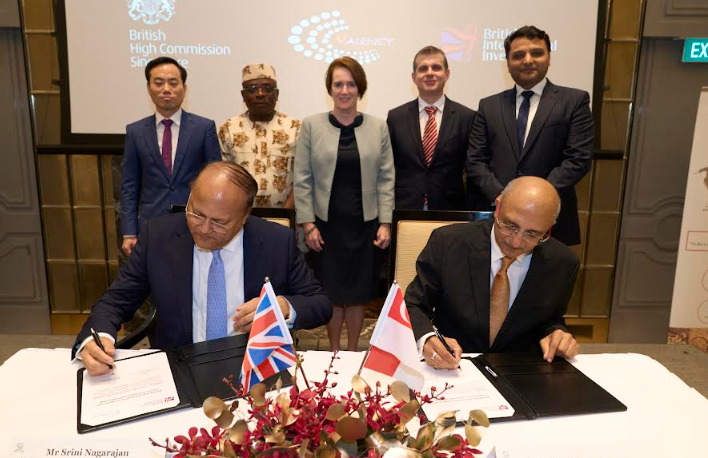
    British International Investment (BII), the UK’s development finance institution (DFI) and impact investor, today announced it has signed legally binding documents to invest US$15m in equity into a Singapore-headquartered agricultural commodities trading house, Valency International (Valency), to fund their expansion of processing and warehouse infrastructure in Nigeria. The transaction is subject to regulatory approval and is expected to close in early 2024.

    In addition to its commitment of $15m, BII has an option to invest a further $35m in equity into Valency within two years of completion of its initial investment.

    Agriculture is a key contributor to Nigeria’s economy, accounting for a quarter of total gross domestic product, and employs more than one in three Nigerians. Crop production[1] is the largest segment within agriculture, accounting for about 87.6 per cent of the sector’s total output. However, food processing and manufacturing remains underdeveloped in the local agricultural sector.

    The new Valency facilities, funded by BII will strengthen partnerships with local farmers and processing centres to maximise their output and provide a more stable supply of premium-quality products. The projects are expected to reach at least an extra 60,000 farmers and create up to 2,800 jobs among low-income communities in Nigeria.

    BII, as the first institutional investor in Valency, will provide value-added support to the company in developing best practices in business integrity and Environmental and Social Management System (ESMS). Both parties will work closely to improve job quality and gender inclusion and enhance value creation.

    Jonny Baxter, UK Deputy High Commissioner said: “The UK’s sustainable agriculture work in Nigeria helps to not only mitigate greenhouse gas emissions and adapt to a changing climate, but strengthens livelihoods and improves nutrition, supporting food security and poverty alleviation. 

    “I am excited to welcome this new UK investment to help enhance Nigeria’s food processing capabilities, which will create jobs across the nation. We look forward to continuing to support Nigeria’s agriculture sector and the opportunities this provides for its economic growth.”

    Benson Adenuga, Head of Office and Coverage Director, Nigeria for BII said: “The strategic opportunity to catalyse growth in Nigeria’s food and agricultural sector should be seized and offers the chance to leverage its immense food export potential. We are proud to deepen our commitment to food security and smallholder farmers in Nigeria while creating jobs that enable industrialisation and facilitate regional and international trade.

    “We are delighted to partner with Valency, and we look forward to the significant impact and economic development that our catalytic capital will support.”

    Speaking on the signing, Mr. Sumit Jain, CEO of Valency International commented: “We have been careful and deliberate in our choice of partners for the next phase of our growth. While we have been approached by a variety of investor groups, we chose to partner with BII as we have been impressed by BII’s engagement to the regions where we have committed to invest substantially over the medium term. Equally we are privileged that BII has chosen Valency to drive its impact agenda in Nigeria in the growing food and agriculture sector.”

    Roman Frenkel, Head of Food and Agriculture at BII will join the Board of Valency as part of the transaction.

    BII’s commitment contributes to UN Sustainable Development Goal 8 on Decent work and economic growth.

  • British International Investment partners with Access Bank Plc to extend US$60 million trade finance facility across five African countries

    British International Investment partners with Access Bank Plc to extend US$60 million trade finance facility across five African countries

    –          Programme aims to stimulate African trade volumes by US$90 million and will contribute to SDGs 8 and 9.

    –          BII’s second commitment to one of Nigeria’s leading multinational banks.

    British International Investment (BII), the UK’s Development Finance Institution (DFI) and impact investor, has announced a $60 million trade finance facility for Access Bank Plc in Nigeria and five of its pan-African subsidiaries. This will strengthen import and export capabilities amongst local businesses and plug the foreign currency supply gap. The programme deepens BII’s commitment to bolstering financing environments in fragile economies and supports Access Bank’s strategy to enable continental trade. BII estimates the loan programme will stimulate African trade volumes by US$90 million.

    The agreement reinforces BII’s ongoing relationship with Nigeria’s largest commercial bank by assets and facilitates the provision of systemic liquidity during a period characterised by a challenging macroeconomic environment. Higher inflation and rising cost of capital have placed downward pressure on currency performance, both domestically and in the programme’s target markets of the Democratic Republic of Congo, Mozambique, Rwanda, Sierra Leone and Zambia. Intervention at this critical juncture underlines the key role of BII, and development finance institutions in general, in extending countercyclical support to build economic resilience.

    Between 80 and 90% of world trade is estimated to rely on the availability of trade credit, according to the World Trade Organization. Prior to the COVID-19 pandemic, that financing gap stood at US$82 billion in Africa, and it is increasing. Recognising the positive ripple effects of robust trade flows on economies and livelihoods, Access Bank is aiming to provide 15% of trade finance across Africa, by growing the trade books of its subsidiaries.

    Currency instability in Nigeria can hinder the wider proliferation of dollar-denominated trade loans across African markets, constraining countries’ ability to capitalise on opportunities opening up under the African Continental Free Trade Agreement. By specifically targeting import dependent economies – many of which will mark the first engagement with BII’s Trade programme – the improved availability of US dollar denominated trade loans will ensure availability of key commodities and manufacturing inputs for the production and export of goods. The key outcome will be improving livelihoods and preserving jobs for the employees of importers and exporters with limited access to foreign exchange trade loans.

    With the loans channelled into companies in construction, manufacturing and FMCG, the programme will directly contribute to the UN Sustainable Development Goals 8 (Decent work and economic growth) and 9 (Industry, innovation and infrastructure).

    Simultaneously, the facility will improve inclusion. Qualifying under the 2X Challenge, aimed at strengthening female participation and leadership in business, Access Bank will ensure the allocation of loans is designed deliberately to advance its gender commitments. In addition, the facility will contribute to BII’s BOLD programme, dedicated to enhancing the availability of finance at more affordable rates to Black, African-owned businesses. 

    Seyi Kumapayi, Executive Director, African Subsidiaries at Access Bank, remarked: “Access Bank is on a purposeful mission to scale intra-African trade and position the continent as a viable market for global trade. Hence, we are thrilled about the tremendous potential that this trade finance facility with the BII affords us across our pan-African subsidiaries. This strategic collaboration not only strengthens our import and export capabilities but also expands our resources to support local industries – especially women-owned businesses – and ultimately drive economic growth. By stimulating trade volumes, we will be playing a key role in fostering long-term economic resilience for the continent, while increasing its attractiveness for increased foreign investments.”

    Admir Imami, Director and Head of Trade and Supply Chain Finance at BII, noted“Access Bank is a long-standing partner of BII’s and our new partnership is a significant step closer to narrowing the trade finance gap in Africa, particularly in countries such as the DRC and Rwanda.   

    Access to finance in fragile states is hugely constrained, often these countries are buffeted by macroeconomic events far beyond their control. BII and Access Bank share a conviction that building the resilience of these businesses by ensuring affordable access to foreign exchange is vital to keep intra-African trade moving and support the growth of inclusive economies.”  

    Benson Adenuga, Head of Office & Coverage Director for Nigeria, BII said: Our latest commitment to Access Bank reiterates our assurance to this leading multinational institution and to Nigeria. It comes at a time when Nigeria’s fragile economic situation needs additional funding, particularly from counter cyclical investors like development finance institutions. Our funding will help bolster the economy and ensure the availability of staple goods, medicines and food across Africa.”

  • Gridworks investee company, Virunga Power, launches new Burundian electricity utility at Africa Climate Summit

    Gridworks investee company, Virunga Power, launches new Burundian electricity utility at Africa Climate Summit

    -Weza Power targets electricity access for 70% of East African nation

    The creation of a new privately-owned and operated electricity distribution company that will bring grid power to almost 70% of Burundi’s population was announced at the Africa Climate Summit in Nairobi today. The new company, Weza Power, is the result of a multi-year development partnership between Virunga Power (a Gridworks investee company) and the Government of Burundi.

    Over a seven-year period Weza Power will aim to connect 9 million people. The new company will provide electricity to residential and business customers across peri-urban and rural Burundi, which has one of Africa’s lowest electrification rates. Only 12% of the country’s 12 million people currently have access to electricity, with that number falling to 2% in rural areas. Most of the new household customers currently burn kerosene and charcoal for energy, while businesses have to rely on expensive and polluting diesel generators. 

    Gridworks, which is owned by British International Investment, the UK government’s development finance institution, became a controlling shareholder of Virunga Power in March 2023 following a US$50 million investment. Virunga Power is developing the Weza Power project and will provide the initial equity investment. Other committed financing partners providing development and construction capital include the Global Energy Alliance for People and Planet (GEAPP) and the US government’s Power Africa initiative.   

    The project will be the first new private-sector electricity distribution company operating at a national level in sub-Saharan Africa for a decade. There has been growing interest in the role of the private sector in Africa’s electricity networks in recent years, but Weza Power marks a major step forward for the sector and will demonstrate a grid connected model for delivering new electricity connections at scale. 

    This week’s announcement takes place at the Africa Climate Summit, under the theme, “Driving Green Growth & Climate Finance Solutions for Africa and the World”. It sees the partners in the public private partnership (PPP) embark on a new interim agreement that will mobilise an initial, two-year US$60 million investment into the utility. This initial phase will result in approximately 300,000 Burundians gaining access to grid electricity.

    The project will then aim to raise around US 1.4 billion over seven years to build a network of distribution infrastructure that connects two-thirds of the East African country – it will do this without the Government of Burundi needing to raise additional loans from its own balance sheet, meaning it is able to focus on other national priorities.   The new utility company will be connected to Burundi’s existing transmission network operated by REGIDESO, the state-owned utility company that will continue to generate power from clean, run-of-river hydropower, and supply distribution-level power to the country’s main urban areas.

    The financing for the grid expansion and the creation of a new utility operator in Burundi will come from a blend of private and public funding, including commercial equity and debt, climate-based and other concessional funding, multilateral donor support, and private grants. While the PPP is focused on Burundi, Gridworks and the partners believe its impact may be even greater as a model which can be repurposed for other national and subnational electricity grid expansion efforts across Africa.

    Welcoming the announcement, Simon Hodson, CEO of Gridworks said: “Gridworks is proud to support our investee company, Virunga Power in bringing this vital project to life. We’re proud that this is the first new private-sector electricity distribution company in sub-Saharan Africa in a decade to be granted a national scale concession. The Government of Burundi should be applauded for their foresight in working with Virunga Power to develop an innovative model that can harness private sector capital and expertise for the benefit of the country’s people.

    “By bringing clean, reliable electricity to communities across rural Burundi, Weza Power will enable local entrepreneurs to grow their businesses and create jobs, and help families access basic services.  Investment in electricity networks is vital to underpin economic development, as well as to support a transition to renewable energy.”

    Brian Kelly, CEO of Virunga Power said: “This is an important milestone for Burundi and a catalyst for accelerating electrification more broadly in sub-Saharan Africa. The expansion of power distribution networks to reach unconnected populations with affordable grid power can be achieved by blending public, multilateral, and private sources of capital when paired with efficient private-sector led operations. While this is a common approach in developing and developed markets globally, Africa has lacked a locally-based model to follow, and Burundi’s willingness to take leadership with this approach is impressive and commendable.

    “At Virunga Power, we are thrilled to be a driving force behind this new utility and are eager to continue to bring the benefits of electricity to the people of Burundi. This project is at the core of our mission and is at a scale that can bring meaningful livelihood improvement and economic development to millions of people.”

    The Hon. Ibrahim Uwizeye, Minister of Energy, Hydraulics, and Mining for the Government of Burundi welcomed the partnership and said:“The Government of Burundi, through the Ministry of Energy, would like to see the energy distribution project implemented by the newly created Virunga Power project company, Weza Power (Amatara Twese) move forward quickly so that it will allow us to accelerate our promise of rural electrification to the Burundian people. We are confident that our partnership with the private sector, and in this case Weza Power, will allow us to achieve the objectives of economic growth and development in order to fulfil the vision of Burundi to become an emerging country in 2040 and a developed country in 2060.”

    UK Minister for Development and Africa, Andrew Mitchell, said:  “The climate finance project we announced demonstrate the strength of our commitment to Africa’s green future. UK leadership is determined to unlock the funding needed internationally to drive forward the green agenda. Our ambitions can only be realised through partnership and cooperation, with Africa and the international community. We are stronger together – and we go far when we go together.”

    Nick O’Donohoe, Chief Executive of British International Investment, said: “I am delighted that BII is supporting the delivery of clean, green and affordable electricity to the people in Burundi. The investment will have a transformative impact at a country-wide scale and deliver significant economic and social gains.”

    Simon Harford, CEO of GEAPP, said: “GEAPP supports the government of Burundi as it works to accelerate renewable energy access for its citizens. The scale of the access challenge demands the innovation and commitment of a multitude of partners. The launch of Weza Power shows the power of public-private collaboration and underlines the potential of these partnerships to effect meaningful change where it’s needed the most.”

  • British International Investment makes first investment in development impact bonds

    British International Investment makes first investment in development impact bonds

    First fund dedicated to development impact bonds in low and middle-income countries globally

    British International Investment (BII), the UK’s development finance institution (DFI) and impact investor, has announced a $10 million commitment to the SDG Outcomes Fund as an anchor investor alongside the US International Development Finance Corporation (DFC). Both DFIs will support the first fund dedicated to development impact bonds in lower and middle-income countries[1] globally including Africa and South Asia.

    Set up as a partnership with UBS Optimus Foundation as lead investor and Bridges Outcomes Partnerships, a specialist not-for-profit entity, as fund manager, the Fund uses an innovative blended finance structure to invest in impact bonds and similar outcomes-based contracts that support the UN Sustainable Development Goals. It targets essential healthcare, education, employment, child protection and environmental outcomes aimed at improving the lives and livelihoods of some of the world’s most vulnerable populations.

    As a leading impact investor, this marks BII’s first investment in development impact bonds. The fund will target some of the most challenging sectors and vulnerable communities as well as advance financing tools that help accelerate the progress of key development challenges facing the continent.

    SDG Outcomes has made initial investments in West Africa, providing upfront capital to initiate and deliver education and environmental services. The fund aims to invest more widely across Africa and South Asia.

    ·       Education in Sierra Leone – supporting the local government to improve numeracy and literacy outcomes for 195 primary schools in Port Loko, Western Urban, Kambia, Bombali, Koinadugu, Tonkolili and Kono. The programme is working with over 42,000 children, while also helping to develop the schools through teacher training and curriculum improvement.

    ·       Education in Ghana – a similar-government-backed outcomes partnership, which aims to assist over 40,000 children already in education and increase access to schooling for a further 18,000 children outside the education system in the Northern region of Ghana (Tolon, Kumbungu, Savelugu Nanton) and Oti region (Nkwanta North, Nkwanta South, Krachi Nchumuru, Krachi West, Krachi East, Biakoye).

    ·       Sustainability in Nigeria – supporting the growth of Wecyclers, a social enterprise that collects, re-sells and recycles plastic waste via a franchise model. Wecyclers is aiming to collect over 30,000 tonnes of plastic waste during the next five years, while creating over 700 jobs in franchises and improving the incomes of thousands of waste sorters across Nigeria.

    Through the SDG Outcomes Fund, impact investors fund the up-front costs of delivering these services. The commissioners of the programmes, which can include a government or NGO, commit to repaying this capital only if certain social and/or environmental outcomes are achieved. This approach offers multiple benefits that result in better service delivery and greater impact. It helps to create innovation and greater collaboration between stakeholders as it keeps all parties accountable for and focused on delivering better outcomes and value. The delivery organisations are incentivised and allowed more flexibility to adjust their programmes to local circumstances and ensure that they are fit for purpose.

    Mila LukicCEO of Bridges Outcomes Partnerships said: “We’re hugely excited by the potential of SDG Outcomes to improve lives at scale and, over time, to transform the way in which development projects are designed and delivered. Around 600 million young people globally lack numeracy and literacy skills; millions more are suffering from the effects of plastics pollution. We are pleased that SDG Outcomes’ first projects are helping to address these challenges through innovative, outcomes-based partnerships.”

    Maya Ziswiler, CEO of the UBS Optimus Foundation, added”The SDG Outcomes initiative is one of the first of its kind to provide the scale so desperately needed to provide real impact. By creating an investible solution, we can help our clients and partners to mobilise all forms of capital – from philanthropic, through to public and private investors motivated by both financial and non-financial returns on their investments. We are excited to be bringing this landmark initiative to market.” 

    Andrew Mitchell, UK’s Minister for Development and Africa, commented: “This commitment will support sustainable development projects in developing countries, particularly in Africa and South Asia, giving some of the world’s most vulnerable communities the means to provide local solutions to local problems. Not only will Development Impact Bonds improve healthcare, education, and child protection, they will also support economic growth and climate action, giving a much-needed boost to the UN’s Sustainable Development Goals.”

    Sara Taylor, Director and Head of PE Funds and Co-Investments at British International Investment said: “We are very excited to be working alongside high calibre partners and scaling an innovative and flexible financial mechanism that centres on delivering impact. The first projects in West Africa are well-aligned with our mission to provide patient capital to create productive, sustainable and inclusive economies and mobilise private investment capital to support communities in Africa and South Asia that are a priority for BII.”

    The commitment from BIIwill contribute to the United Nations’ Sustainable Development Goals on Good health and well-being (SDG 3); Quality education (SDG 4); Decent Work and Economic Growth (SDG 8) and climate action (SDG 13).

  • British International Investment backs Zambian climate entrepreneurs

    …$50 million credit line provided to Zambia National Commercial Bank in a boost for small businesses and climate-related projects in Zambia

    British International Investment, the UK’s development finance institution and impact investor, has provided a $50 million loan to one of Zambia’s leading banks in a move designed to boost climate finance and entrepreneurship in the country.

    The funds will be used by Zambia National Commercial Bank (Zanaco) as a directed lending line to provide finance for micro-SMEs and climate-related projects in Zambia. Zanaco, founded in 1969, is a leading indigenous bank in Zambia and ranks as one of the largest and oldest banks in the country.

    BII is in talks with Zanaco to provide a technical assistance package aimed at building climate and gender investment capacity within the bank. The investment qualifies under the 2X Challenge – an initiative launched by the development finance institutions (DFIs) of the G7 to mobilise capital to support increased economic empowerment for women in emerging economies.

    Zanaco is interested in climate lending and is developing the necessary processes, capabilities, and sustainability strategies to grow its climate book, mainly in the renewable energy space.

    Nicholas Woolley, British High Commissioner to Zambia, said: “The UK remains committed to acting on the ambitions set out in our Green Growth Compact partnership with Zambia. British International Investment’s funding to Zanaco plays a key role in delivering on this agreement by helping boost SME growth and drive sustainable green transformation for the Zambian economy.”

    Nick O’Donohoe, Chief Executive of BII, said: “Zambia’s climate finance capacity is very limited. We expect this deal to demonstrate the potential within the sector in Zambia and provide proof of concept for other investors to follow our lead. BII is committed to providing the capital that African economies need to face the acute economic challenges of the climate emergency.”

    Zanaco is committed to providing gender finance for women entrepreneurs. The bank recently launched a product called Zee Women’s Banking, which is tailored to the financial needs of women-led SMEs. 

    “It is a privilege for Zanaco to be the first institution to sign such a facility with BII and we believe this will set the right conditions for the growth of the Zambian economy. We are proud to be the institution that will deliver this facility to women led MSMEs and MSMEs with a climate agenda because that is where the future lies”, said Zanaco Chief Executive Officer, Mukwandi Chibesakunda. “We remain focused on advancing gender smart investments and driving inclusivity in our business, leadership and are excited about our qualification to the 2X Challenge”, she said.