SuperSport’s new advertising campaign launched today, 11 May across more than 20 English- and Portuguese-speaking African countries to coincide with the start of the FIFA World Cup 2026™.
This campaign marks the first collaboration between BETC (CANAL+’s long-standing partner for 40 years) and a brand from the MultiChoice Group.
As the official broadcaster of the entire tournament (all 104 matches live), SuperSport (available via DStv and GOtv) will deliver an exceptional 24/7 broadcast offering, featuring four dedicated live and streaming channels, hosted by high-profile expert pundits. Matches will also be broadcast in several local languages, in addition to English and Portuguese.
The campaign aims to unite audiences, especially football fans, around a clear message: “Sleep can wait.” This historic edition of the tournament will feature a record 10 African teams, alongside unparalleled editorial coverage from SuperSport channels, including matches broadcast during the night.
Shot in Cape Town with director Jabu Nadia Newman, in collaboration with South African production teams, the campaign is set to garner exceptional visibility through three TV formats (60”, 30” and 15”) broadcast across more than 150 channels, over 800 out-of-home advertising faces, as well as widespread distribution on digital platforms and across the Group’s social media pages, reaching more than 100 million followers.
…The Nigerian FPSO operator will highlight its fleet capabilities, regional expansion plans and investment partnerships at African Energy Week 2026
Century Group has been confirmed as an Energy Infrastructure and Floating Production Storage and Offloading (FPSO) Partner at African Energy Week (AEW) 2026 in Cape Town, South Africa, reflecting its growing footprint as one of Nigeria’s leading indigenous offshore operators. The company’s participation underscores its expanding operational capacity, fleet strength and role in driving local content and infrastructure solutions across Africa.
Century Group’s operational strategy is evolving beyond traditional service provision toward asset ownership, infrastructure management and regional expansion. In October 2025, the company confirmed it is in ongoing discussions with South African partners about potential oil and gas infrastructure projects, highlighting its interest in deploying FPSO and midstream solutions into new regional markets.
At AEW 2026, Century Group will showcase how indigenous operators can support offshore production stability, build local capacity and forge strategic investment partnerships. Its asset portfolio and regional collaborations reflect Nigeria’s evolving offshore landscape, where local operators are increasingly ensuring production continuity, reducing bottlenecks and connecting domestic output to export markets – capabilities central to discussions at AEW’s upstream and infrastructure sessions.
“At AEW 2026, Century Group will showcase not only its fleet capabilities but also its strategic vision for offshore infrastructure development,” said NJ Ayuk, Executive Chairman of the African Energy Chamber. “This partnership highlights how African-led solutions are increasingly shaping the continent’s energy landscape and how indigenous operators can bridge technical execution with regional growth opportunities.”
The company’s broader engagement in continental energy dialogues further underscores its strategic outlook. Century Group executives have advocated for deeper Africa‑Gulf partnerships, identifying Africa’s youthful demographics and growing energy demand as opportunities for joint investment and capability development in global energy markets.
These developments align with a wider shift in Nigeria’s energy ecosystem, where local capacity and policy reforms are boosting indigenous participation, enhancing competitiveness and unlocking private capital. Century Group’s trajectory – from managing FPSO/FSO infrastructure to cross-border expansion and strategic partnerships – reinforces its value as an FPSO partner for AEW and as a leader in Africa’s offshore energy sector.
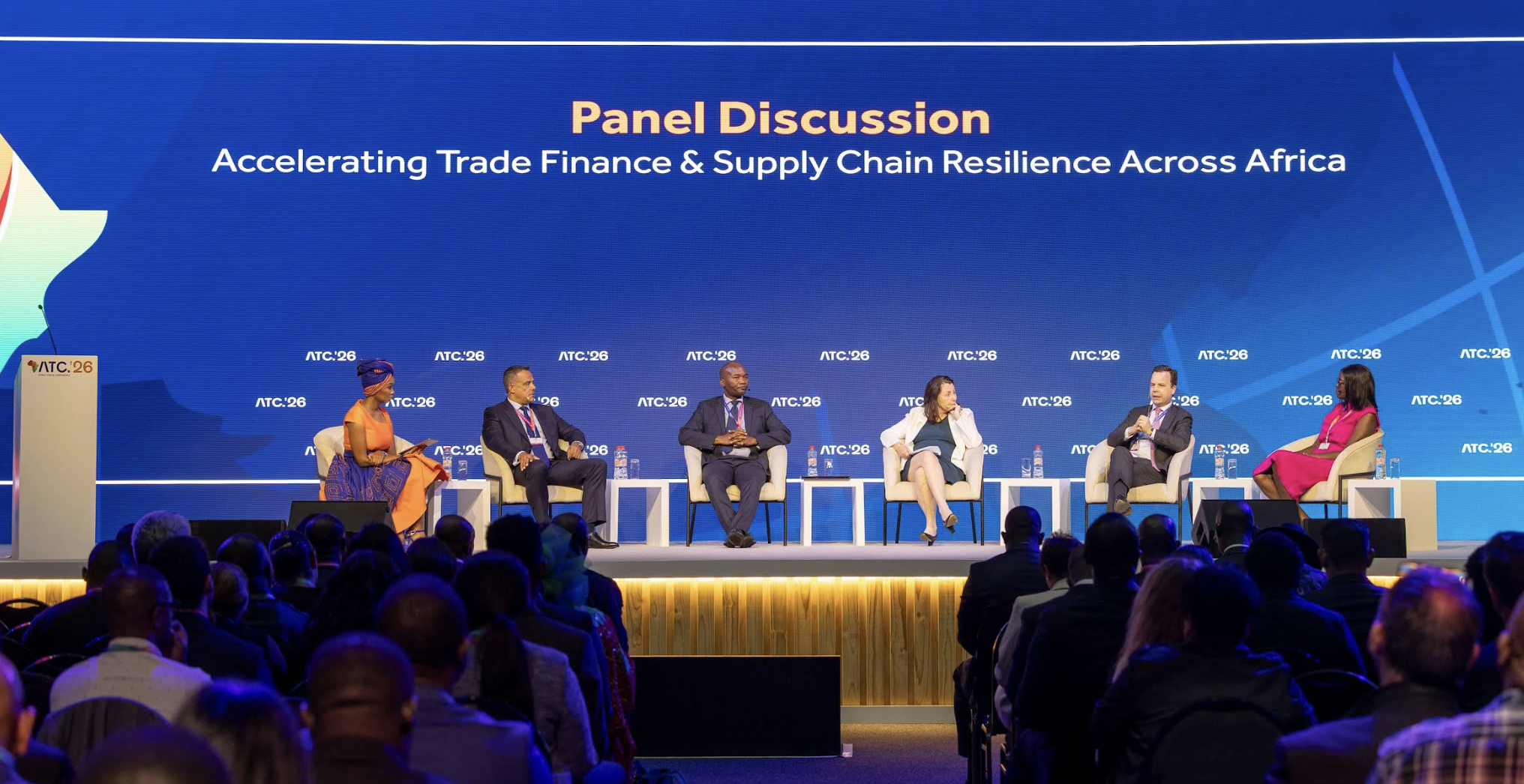
At the Africa Trade Conference (ATC) 2026 held in Cape Town, South Africa, policymakers, financiers and global business leaders gathered to confront one of Africa’s most persistent economic constraints: the continent’s vast trade financing gap.
Hosted by Access Bank Plc, the conference brought together stakeholders from governments, development finance institutions and the private sector to explore how Africa can transform its fragmented trade ecosystem and unlock the promise of the African Continental Free Trade Area.
The central message emerging from the discussions was clear: Africa must move from being a continent of landlocked markets to a network of land-linked economies, connected through finance, infrastructure and digital trade systems.
Turning Vision into Velocity
The conference, themed “Turning Vision into Velocity: Building Africa’s Trade Ecosystem for Real-World Impact,” focused on translating policy ambition into practical solutions for businesses across the continent.
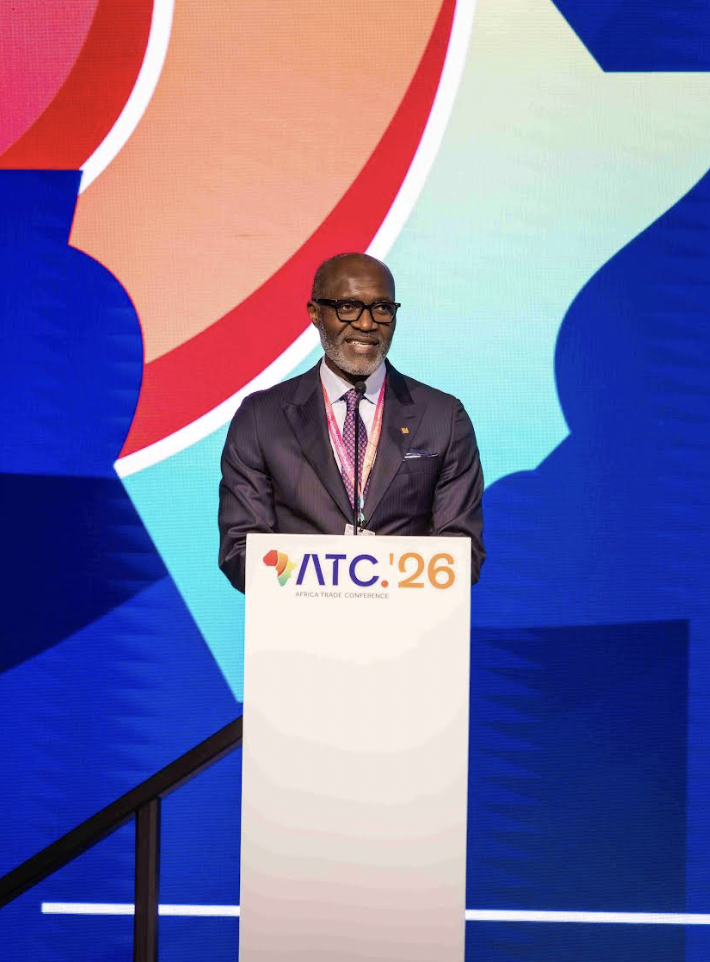
Delivering the welcome address, Roosevelt Ogbonna, Managing Director and Chief Executive Officer of Access Bank Plc, emphasised that Africa must confront the structural barriers that continue to limit intra-continental commerce.
“The reality is that Africa still controls a small share of global trade,” Ogbonna said. “The corridors are still fragmented and more aspirational than functional, and too many small businesses that aspire to trade across Africa remain constrained.”
According to him, the conference was convened to continue the conversation begun at its inaugural edition in 2025, focusing on how Africa can expand trade within the continent while strengthening its participation in global markets.
“This conference must not end as another talking shop,” he said. “It must become the birthplace of a movement that contributes to transforming intra-African trade.”
For Access Bank Plc, the role of financial institutions in that transformation is evolving.
“At Access Bank, we see ourselves as financiers and connectors of markets, ideas and opportunities,” Ogbonna noted. “Our role is to help African businesses move from ambition to impact, from local relevance to global competitiveness.”
Bridging Africa’s Trade Finance Gap
Despite its abundant natural resources and population of more than 1.3 billion people, Africa remains underrepresented in global trade flows.
One of the biggest barriers is the lack of accessible financing for exporters, manufacturers and small businesses seeking to expand across borders. The trade finance gap continues to constrain intra-African commerce, which remains significantly below levels recorded in other regional trading blocs.
To address this, Ogbonna highlighted three strategic priorities that emerged from the previous edition of the conference: breaking down silos between policymakers, financial institutions and businesses; building a trade ecosystem powered by reliable data and analytics, and developing systems that support both large corporations and smaller businesses expanding across borders
Encouragingly, he noted that progress is already emerging across several sectors.
“We have seen value chains emerging across agriculture, manufacturing and services, and we are seeing African brands crossing borders and building a global presence,” he said.
Nevertheless, the gains remain uneven across the continent, with progress concentrated in a few markets and trade corridors.
Financing the Future of African Trade
Beyond the structural challenges of trade finance and infrastructure, the conference also explored the evolving financial architecture required to unlock Africa’s full trade potential.
Keynote addresses were delivered by Kennedy Mbekeani, Director General for the Southern Africa Region at the African Development Bank, and Kwabena Ayirebi, Managing Director of Banking Operations at the African Export-Import Bank.
Both speakers emphasised the need for stronger collaboration among development finance institutions, commercial banks and governments to mobilise the capital required to drive infrastructure development and support trade across the continent.
Mbekeani stressed that private capital would be crucial in bridging Africa’s infrastructure financing gap.
“The mobilisation of private capital remains crucial as many African governments are constrained by limited fiscal space and overstretched balance sheets,” he said.
“The mobilisation of capital, particularly private capital, is something that we need to work on.”
The conversation was further enriched by insights from Tolu Oyekan, Managing Director and Partner at Boston Consulting Group, who presented the Africa Trade Outlook 2026.
His presentation highlighted the macroeconomic forces shaping the future of African trade, including shifting global supply chains, the growing importance of regional value chains and emerging opportunities for African industries to capture greater value in global markets.
Digital infrastructure and payments were also central to the conversation.
Mike Ogbalu, Chief Executive Officer of the Pan-African Payment and Settlement System, underscored the importance of payment interoperability in enabling seamless cross-border transactions across the continent.
Efficient payment systems, he noted, are essential to reducing the cost and complexity of trading across African borders, particularly for small and medium-sized enterprises.
Policy, Finance and Partnerships
The conference also convened a high-level ministerial panel that brought together policymakers and financial sector leaders to examine the policy environment required to accelerate Africa’s economic integration.
Participants included Elizabeth Ofosu Adjare, Ghana’s Minister for Trade, Agribusiness and Industry, and Tiroeaone Ntsima, Botswana’s Minister of Trade and Entrepreneurship, alongside senior executives from international financial institutions.
Together, they explored how regulatory alignment, infrastructure development and innovative financing structures can accelerate the implementation of the African Continental Free Trade Area and unlock intra-African trade.
The objective, participants agreed, was not merely dialogue but partnership, bringing together the policymakers, financiers and businesses capable of translating Africa’s trade ambitions into tangible outcomes.
Reimagining Africa’s Economic Geography
Beyond policy discussions and financing strategies, the conference reflected a deeper shift in how Africa views its economic geography.
For decades, the continent’s development challenges have often been framed in terms of physical constraints: landlocked economies, fragmented markets and weak infrastructure.
But the emerging vision presented in Cape Town suggests a different future, one where integrated banking networks, digital payment systems and trade finance platforms transform isolated markets into connected trade corridors.
For Access Bank Plc, that transformation is already underway.
With operations spanning 25 countries globally, including 16 across Africa, the bank is building financial corridors that link African businesses to each other and to global markets.
From Potential to Participation
The conversations at the Africa Trade Conference reinforced a growing consensus across the continent: Africa’s economic transformation will depend on policy reforms and institutions capable of financing and facilitating trade.
Banks, development finance institutions and payment platforms are increasingly becoming the connective tissue linking African markets.
For Access Bank, the ambition is clear, helping reshape the narrative of African trade.
From isolated markets to integrated corridors. From landlocked constraints to land-linked opportunity. And from economic potential to meaningful participation in the global trading system.
PalmPay, Nigeria’s leading digital banking platform, has announced the launch of its ₦400 million festive rewards campaign, designed to reward users with cash prizes and fully sponsored international travel experiences for everyday transactions on the PalmPay app.
The campaign will run from December 17, 2025, to January 8, 2026. The campaign is designed to reward everyday transactions with extraordinary experiences. It runs alongside PalmPay’s Purple December brand campaign, which focuses on wrapping up the company’s key brand and community initiatives for the year.
At the centre of the rewards campaign is the PalmPay World Travel Carnival, an interactive card collection experience that allows users to earn city cards by completing transactions on the app. Users are required to collect five city cards – London, New York, Dubai, Sydney, and Cape Town and combine them into a World Card, which unlocks a share of the prize pool.
The more World Cards a user creates, the larger their share of the cash rewards. Any extra uncombined cards can be swapped with friends and other PalmPay users to help complete additional World Cards.
Beyond cash rewards, the Carnival also offers Free Global Trips. In each round, the top two users with the highest number of eligible transactions (₦100 and above) and at least one World Card will win an all-expense-paid international trip.
The travel grand prize covers:
Visa fees
Round-trip international airfare
5-day, 4-night hotel accommodation
Side attraction
Meal expenses
Airport pick-up and drop-off
All transportation for scheduled tour activities during the trip
Winners will be determined through a transparent leaderboard system, with prizes credited automatically at the end of each round on December 25, December 31, and January 8.
Participation is simple:
Complete tasks on the PalmPay app, such as Airtime, Data, Transfers, and other specific transactions listed in the app, to earn cards.
Collect all five city cards.
Swap cards with friends to complete your collection.
Combine cards to form a World Card and earn cash rewards.
Perform more transactions to climb the leaderboard for a chance at the global trip prize.
To ensure fairness, PalmPay has instituted strict rules: no cheating, bots, fake accounts, or manipulation. Any violations may result in disqualification or account suspension. Additionally, the Free Travel Prize is limited to one per user throughout the campaign.
Speaking on the launch, Femi Hanson, Head of Marketing & Communication, said, “This festive rewards campaign is about turning everyday banking into meaningful value for our users. With the World Travel Carnival as the headline activation, we are reinforcing PalmPay’s promise of being the smarter way to bank—where smart financial decisions unlock bigger opportunities.”
Spotify Wrapped celebrates the audio that defined our year, and the annual global marketing campaign that accompanies it has become a cultural moment in its own right. In 2025, Wrapped in Africa is a bold, dynamic experience that brings the story of your year in listening off your phone and into the real world – from amapiano and Afrobeats to gospel, hip hop, country and everything in between.
This year, Spotify is bringing back the fan-favourite features people already love, while adding new experiences that spotlight how listeners across Africa moved, prayed, worked, partied and rested with audio. Wrapped Party invites fans to dive into their stories with friends and family, and 50 fan destinations worldwide give listeners a place to come together, celebrate their year in music and feel part of something truly global.
From design to in-person experiences and data stories rooted in local listening, this is how the 2025 Wrapped campaign comes to life across Africa.
A modern visual mixtape for Africa
Before streaming, mixtapes and burned CDs were the original playlists: handpicked, decorated and passed between friends, cousins and neighbours as deeply personal gifts. The 2025 Wrapped design builds on that tradition, turning a year of listening into a bold, dynamic visual mixtape for more than 700 million fans around the world – including millions across Africa.
Every gradient and texture reflects that unpredictable mix of emotion and rhythm that makes listening so personal. With a reduced colour palette, bold imagery and a blend of analogue and digital aesthetics, 2025 becomes the most expressive and modern-feeling Wrapped yet. From amapiano dance circles in Johannesburg to late-night studio sessions in Lagos and road-trip sing-alongs in Nairobi, the look and feel of Wrapped mirrors how African fans actually experience music – loud, layered and full of feeling.
Immersive real-world experiences – and an amagwinya road trip
The Wrapped creative campaign is live in more than 30 markets globally as Spotify moves beyond traditional billboards to create immersive experiences that celebrate the artists who defined 2025. Across Africa, installations and pop-ups bring Wrapped digital storytelling into the real world with artist integrations, interactive photo moments and live performances for top listeners.
In South Africa, Wrapped quite literally hits the road. Inspired by the heartbreak of reaching the front of the line only to hear the gwinyas are finished – and the way Darwin Rev turned that moment into a national mood with Amagwinya Aphelile – the Where Are the Gwinyas? fan destination sends a Wrapped-branded amagwinya kombi on a multi-city road trip.
The truck travels through Cape Town, Durban, Johannesburg and Pretoria, serving up gwinya with a Wrapped twist – from fish fillet to bunny-chow-inspired curry fillings and classic snoek, atchar and polony. At each stop, fans turn up their favourite Wrapped anthems, transforming the kombi from simple food truck into rolling street party.
“Wrapped has always been about reflecting fans’ stories back to them, and this year those stories from Sub-Saharan Africa are literally spilling into the streets. From the amagwinya road trip in South Africa to the data stories coming out of Nigeria and Kenya, we’re showing that the numbers behind Wrapped are really about how people here live, move and connect through music,” says Spotify’s Head of Marketing for Africa, Sithabile Kachisa.
How Africa listened in 2025
Wrapped is ultimately about turning listening data into stories fans can see themselves in – and nowhere is that more vivid than in Africa.
In South Africa, early mornings belonged to Ciza’s Isaka, with more than 46,000 fans pressing play at exactly 6:00 a.m., turning sunrise into a shared soundtrack. Mafikizolo’s Uyoncengwa Unyoko passed 14 million plays, proving some songs are built for repeat on both the dancefloor and in the taxi rank.
In Nigeria, Fido’s Joy is Coming found its way onto more than 700 playlists tagged as sad, as listeners reached for hope even when the mood was low. Davido’s With You amassed over 42 million streams, underlining the staying power of one of the country’s most beloved hitmakers.
In Kenya, Extra Pressure was added to fans’ gym playlists, turning workouts into high-stakes training montages, while Njerae’s Aki Sioni crossed 3.2 million streams, transforming vulnerability into a chart-ready strength.
Across the continent, these moments show how Wrapped transforms numbers into narratives. The stats reveal not just what Africa listened to in 2025, but how, when and why it mattered – from perfectly timed play buttons and weekday rituals to songs that travelled through communities as gifts, prayers, jokes and declarations. Wrapped gathers all of that energy and hands it back to fans as a story only they could have written.
…Your invited to the Family Meeting – 24 Nations, One Passion, Endless Moments of Glory
CANAL+ announced that its MultiChoice subsidiary, SuperSport, secured broadcast rights for the TotalEnergies CAF Africa Cup of Nations Morocco 2025™ (AFCON) across English and Portuguese-speaking African countries. Starting Sunday, 21 December 2025, the continent will unite for the ultimate football glory, and SuperSport will be at the heart of it all, sharing all the coverage and all the moment.
More Than a Tournament – It’s a Continental Family Meeting
AFCON is not just about football. It’s about pride, passion, and the power of unity. From Cairo to Cape Town, Lagos to Lusaka, this is the moment Africa’s family comes together. As the official broadcaster, SuperSport is committed to ensuring fans experience every thrilling moment – whether from the comfort of their living rooms, in bustling fan zones, or surrounded by friends and family. This is African football at its finest – for Africans, by Africans, in our language; the Family Meeting is here!
The Spirit of Togetherness
This year’s theme, “The Family Meets” celebrates Africa’s diversity and unity. Through authentic voices and vibrant visuals, this campaign captures the essence of AFCON – a festival of football that belongs to all of us.
AFCON 2025 promises to be a festival of football: a spectacle where legends rise, dreams are born, and history is written in the language of goals. But beyond the pitch, it’s about something even greater: togetherness. In every chant, every dance, every wave of the flag, AFCON reminds us that Africa’s diversity is its strength. This year’s theme, “The Family Meets,” celebrates that unity – the beautiful convergence of 24 nations, one passion, and countless stories of pride and belonging.
Stars, Stories and Glory
AFCON 2025 will showcase Africa’s finest talent – from Victor Osimhen, Ademola Lookman and Mohamed Salah to Sadio Mané, Ronwen Williams, Riyad Mahrez, and Achraf Hakimi. With 24 nations competing, dreams will be made, legends will rise, and history will be written in the language of goals.
The Family will be meeting, join the meeting
Every goal, every cheer, every flag waved tells a story of resilience and belonging and SuperSport brings fans a front row seat to Africa’s biggest tournament where raw emotions, cultural vibrancy, and world-class entertainment come alive.
When AFCON 2025 kicks off, the world will watch – and Africa will shine. Stay connected. Stay proud. Stay part of the family. Because when the family meets, magic happens. Only on SuperSport – a dedicated AFCON channel on DStv (ch.202) and GOtv (ch.59).
…The glittering gala honoured women entrepreneurs and leaders driving innovation, sustainability, and inclusive growth across the continent
The Africa Women Innovation and Entrepreneurship Forum (AWIEF) hosted a spectacular celebration of African women’s excellence at the 2025 AWIEF Awards, held on Friday evening in Cape Town, South Africa.
The glittering gala honoured women entrepreneurs and leaders driving innovation, sustainability, and inclusive growth across the continent. Eight exceptional winners were announced, each representing the transformative power of women-led initiatives in Africa.
Since its inception in 2016, the AWIEF Awards have been a beacon of recognition and inspiration for women in business and leadership. Beyond celebrating success, the Awards aim to empower the next generation of innovators and changemakers, fostering a vibrant pan-African community of collaboration and impact.
This year’s winners and finalists came from across Africa, showcasing diverse industries including technology, agriculture, energy, creative arts, and social entrepreneurship — united by a shared vision of advancing Africa’s growth through innovation.
The Awards followed the two-day AWIEF2025 Conference, which attracted over 500 delegates from 50+ countries for engaging discussions, exhibition, masterclasses, and networking sessions. The event concluded with the highly anticipated awards gala dinner, marking a fitting finale to two days of knowledge sharing and inspiration.
2025 AWIEF Awards Winners
Young Entrepreneur Award Norah Kimathi – Zerobionic, Kenya
Empowerment Award Mampho Sotshongaye – Golden Rewards 1981, South Africa
Energy Entrepreneur Award Nidal Tafah – MIRRIAH, Morocco
Creative Industry Award Soraya da Piedade – Soraya da Piedade LDA, Angola
Social Entrepreneur Award Farana Boodhram – MiDesk Global, South Africa
Agri Entrepreneur Award (Sponsored by OCP Africa) Linda Davis – Giraffe Bioenergy, Kenya
Tech Entrepreneur Award Maryanne Gichanga – AgriTech Analytics, Kenya
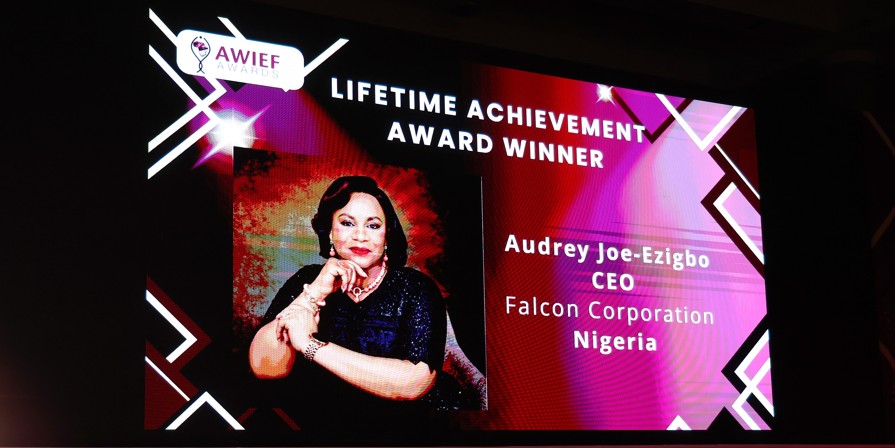
Lifetime Achievement Award Audrey Joe-Ezigbo – CEO, Falcon Corporation, Nigeria
Voices of the Winners
For Soraya da Piedade, founder of Soraya da Piedade LDA and winner of the Creative Industry Award, the recognition marks a defining moment in her journey as a designer and entrepreneur.
“I’m deeply honoured and grateful to AWIEF for creating platforms like this, where we celebrate women’s creativity and leadership,” said Soraya. “This award reminds me that when we create from a place of passion and purpose, we not only build brands but also inspire others to dream bigger.”
From Kenya, Linda Davis, founder and CEO of Giraffe Bioenergy and winner of the Agri Entrepreneur Award, described the moment as “surreal.”
“It’s my first time winning an award like this, and I am beyond excited,” said Davis. “AWIEF has given women like me a powerful space to share our work, connect with others, and be recognized for driving change in our communities. This win belongs to every woman farmer and entrepreneur working to build a sustainable Africa.”
Seplat Energy Plc, a leading Nigerian independent energy company, says that domestic gas remains the engine of prosperity for Nigeria and Africa in general – from powering homes, to fuelling industry and providing a cleaner alternative for cooking and transportation. This informed the company’s heavy investment in gas processing capacity devoted to the domestic market, including the ANOH gas plant, which is expected to come on stream before the end of the year.
The Director, New Energy at Seplat, Mr. Okechukwu Mba, said this at the 2025 Africa Energy Week (AEW) held in Cape Town, South Africa. Mba, who spoke during a panel discussion titled “Beyond Exports: Developing Commercially Viable Domestic Gas Markets”, said stakeholders need to ensure that the challenges in the gas-to-power value chain, from molecules at the wellhead to electrons in homes, are addressed for Nigeria to realise the goal of increased power supply to Nigerians. He also emphasised the importance of a commercially viable power sector, which is critical to achieving growth in the domestic gas market.
He said: “Bankable anchor customers are needed to underpin the development of new gas projects, whilst identifying infrastructural challenges in power transmission and distribution, as well as the liquidity crises in the power sector, as two areas that require urgent attention to unlock new gas projects. Mba highlighted that Seplat Energy supplies gas to five (5) power stations in Nigeria, underscoring its commitment to the power sector, noting that gas is well-positioned to provide reliable and affordable base-load energy to drive economic growth.
According to Mba, Seplat Energy adopts a comprehensive approach to growing the domestic gas market. “Besides investments in pipeline gas projects, Seplat is also investing in Liquefied Petroleum Gas (LPG) and Compressed Natural Gas (CNG) facilities,” he added.
In addition to the significant volumes of butane now supplied to the domestic market from its NGL plant in Bonny River Terminal, Seplat Energy also intends to commence delivery of LPG from its Sapele and ANOH gas plants before the end of the year. This, Mba said, will make Seplat Energy one of the leading suppliers of LPG, displacing biomass and providing a cleaner cooking fuel that will improve Nigerians’ health and living conditions. He added that Seplat Energy’s investment in CNG was to make gas available to customers who are not currently connected to the domestic gas pipeline network.
The Seplat New Energy boss stated that the company plans to increase its operated gas production to over 1 Bcf/d by 2030, noting that the recent government incentives granted to the gas sector will aid in achieving this goal.
In a related development, the Director External Affairs & Social Performance, Seplat Energy, Chioma Afe, who featured in a panel discussed dubbed “Bureaucracy or Bridge? Tailoring Global ESG Approaches for African Realities”, said in all the company’s moves in driving to drive access to reliable and affordable energy for Nigerians, ESG fundamentals are strongly upheld and practicalised.
According to her, the peculiarities of the Nigerian people and Africa at large remain very germane in implementing Seplat Energy’s ESG framework and affirming its commitments.
She said: “For a truly successful and impactful ESG implementation, it is highly imperative to move from a ‘one size fits all’ mindset to a co-created framework and implementation that is focused on value creation and empowers African nations to define their own sustainable growth plan. One that ensures ESG principles become a bridge across industries and countries, driving growth and not a bureaucratic exercise.”
“Adapting ESG to local needs is key. Therefore, we should explore customising global ESG frameworks to address the unique socio-economic conditions, developmental challenges, including infrastructure, education and healthcare, and vulnerabilities to climate change and economic empowerment, across the continent.”
Speaking to the company’s model, she noted that: “At Seplat Energy, our approach has been a regular and systematic process of identifying and analysing the development ‘gaps’ in our areas of operation and partnering with our communities to define project goals, prioritise resources and develop effective strategies to achieve them.”
Seplat Energy Plc, a leading Nigerian independent energy company, has recorded unprecedented growth since it was founded by acquiring divested assets, unlocking value from them, improving the efficiency and safety performance of the assets, whilst driving the entire growth process with a world-class and resilient workforce.
Roger Brown, Chief Executive Officer, Seplat Energy Plc, said this at the 2025 Africa Energy Week (AEW) Conference & Exhibition in Cape Town, South Africa.
Brown, who spoke during a Fireside Chat titled “Assets Acquisition Success Strategies: Seplat Energy”, said the company has successfully integrated major acquisitions in the last decade, each time improving efficiency and safety performance, while at the same time reducing routine emissions.
Speaking on its most recent acquisition of Mobil Producing Nigeria Unlimited assets, he said the goal had been to move quickly to re-engage wells and facilities – resulting in the delivery of immediate results; investing early in integrity and reliability – thus reducing downtime while setting a foundation for future growth; and integrating not isn’t just systems, but people.
“We found strong cultural alignment with our new colleagues, and that’s been key to seamless performance. We’ve welcomed their expertise and insights and the entire Group is benefiting from them,” Brown hinted.
According to the Seplat CEO, by combining Seplat’s onshore experience with decades of offshore know-how from new colleagues, the company have built a stronger operation from day one, which is already delivering higher cash flow.
“The recent reserves upgrade shows we have acquired a high-quality asset with significant production potential in both oil and gas, and much of this is within easy reach, close to export infrastructure that we control. We are confident we can increase production and that aligns with the Government’s target to increase liquids production to 3.0 MMbbl, and to increase gas production for both domestic energy and export markets,” he added.
Speaking on the company strong operator mindset, Brown said Seplat Energy focuses on acquiring assets where its operating capability can unlock hidden value – especially mature fields that benefit from a more agile, entrepreneurial operator, stressing that: “We’ve already proven we can acquire assets onshore and bring them up to high levels of production, whilst keeping tight control of costs, and this has helped us build up a strong balance sheet, invest in our future and return a healthy dividend stream to investors.”
On the company’s clear appetite for success, the Seplat Energy boss said the focus had always been on safety and operational excellence, which are targeted at maximising production and cash flows that strengthen the business.
“We’re a low-cost operator, meaning we can be profitable at good oil prices and we’ve proven we can survive periods of low prices and prolonged lock-ins. We look after our staff, who are highly qualified, mostly Nigerian, and ensure they are fully aligned with our success, which will bring success for Nigeria’s energy system. We’ve got a deep bench and a strong succession pipeline,” he explained.
In the same vein, Eleanor Adaralegbe, Chief Financial Officer, Seplat Energy Plc, who spoke during a panel discussion titled “Financing Upstream Projects for Domestic Energy Security”, said since inception, the company has continued to blaze the trail with a highly successful capital raising history; of which the company had raised more than $4bn in debt to develop and grow operations whilst continuing to maintain a low leverage threshold of below 1.5x through the cycle.
On the various financing options the company had leveraged since inception, Adaralegbe identified the Initial Public Offer (IPO), Revolving Credit Facility (RCF), Bonds, Advance Payment Facility, as well as other financings like taking over the $110m RBL, which is currently being refinanced (on Eland acquisition of 2019; and putting in place a $320m project financing for ANOH, Seplat’s 50/50 JV with the Nigerian Gas Infrastructure Company (a 100% wholly owned subsidiary of NNPC).
She spoke on financing challenges and what Seplat Energy had done to overcome them: “Corporates are always looking to access low-cost financing for development and growth, more so, Nigerian energy companies, as Nigerian banks have a high USD cost of borrowing. As such, we knew that we had to become a first mover and shape our credit profile to appeal to a wider group of banks and investors. We are the first and only dual listed Nigerian oil and gas company.”
On the company’s key credit highlights, the Seplat Energy CFO listed: Balanced Assets with Substantial Production; Portfolio Diversification Through Gas Business; uniquely positioned to Capture Future Growth; Strong Financials and Well-Tested Risk Management; well-managed liquidity; focus on tax efficiencies; Experienced Management and Strong Governance; and leading indigenous and ESG-focused operator.
“Seplat Energy has repeatedly been able to refinance to extend maturities and bring down our cost of debt while keeping leverage moderate. We have been able to do this because we are focused on things that lenders are focused on – asset diversification, steady production, strong financials, low leverage, focus on tax efficiencies, strong leadership,” Adaralegbe explained.
On the importance of financing, she said Nigeria’s energy security depended heavily on upstream oil and gas, which fuels both domestic consumption and foreign exchange earnings. Declining investment in upstream projects due to global energy transition pressures and perceived risks, and rising domestic demand for gas and power, require urgent expansion of upstream activity, particularly gas exploration and production.
“Until utility-scale renewables, storage, and transmission are materially larger, Nigeria’s ability to keep lights on, vehicles moving, industries running, and households cooking cleanly is fundamentally constrained by upstream oil and gas development, output and associated midstream delivery – that is, upstream development is a direct lever on national energy security,” she advised.
According to Adaralegbe, a stable and predictable fiscal framework is the single most powerful enabler of upstream financing, of which consistent application of PIA provisions, timely JV cash-call settlements, and clarity on commodity pricing policies are essential to de-risk projects and crowd in long-term capital.
…Karavan Press was recognised for its book In Silence My Heart Speaks by Thobeka Yose, winning the $20,000 top prize
Karavan Press, an independent publisher based in Cape Town, South Africa is the winner of the 2025 edition of the CANEX Book Factory Prize for Publishing in Africa that celebrates and recognises outstanding contributions of African publishers and authors to the literary world.
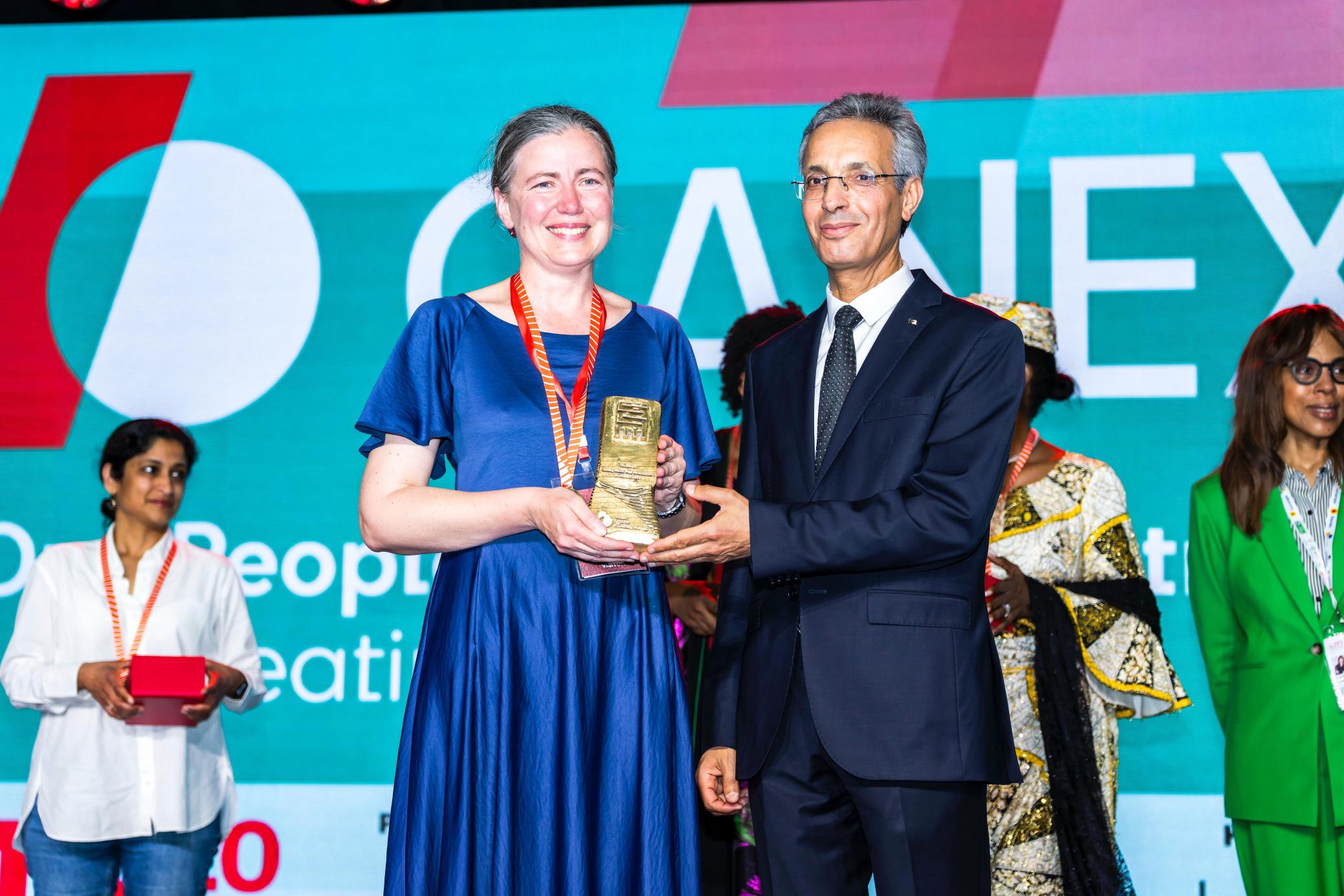
Karavan Press was recognised for its book In Silence My Heart Speaks by Thobeka Yose, winning the $20,000 top prize. The Prize was presented by Algeria’s Minister of Culture and Arts Azzedine Mihoubi during an award ceremony held during the ongoing Intra-African Trade Fair 2025 (IATF2025) in Algiers. Finalists received $2,000 each.
The Prize is a joint initiative of the Creative Africa Nexus (CANEX), an intervention by African Export–Import Bank (Afreximbank) in partnership with Narrative Landscape Press Limited. It aims to showcase the literary and publishing value chain in Africa and developing literary talent across the continent and the Diaspora.
“Through the CANEX Book Factory Prize for Publishing in Africa, we continue to strengthen Africa’s creative economy by elevating publishers and amplifying African narratives to global audiences. Besides the Prize, we deliver a Pan-African writing workshop, and e-newsletter highlighting African literature, to spotlight and elevate the African book value chain,” said Afreximbank’s Director for Intra African Trade and Export Development (Creatives and Diaspora), Temwa Gondwe.
Now in its second year, the Prize attracted over 80 submissions from across the continent, reflecting the diversity and vitality of African storytelling. Publishers submitted trade books published for a general audience and widely available through libraries and bookstores. The entries spanned fiction, non-fiction, and poetry, in hardcover and paperback, with an emphasis on works printed and published on the continent and written in indigenous languages. Entries could be in one or more of the official languages of the African Union: Arabic, English, French, Portuguese, Spanish, Swahili, and any other African language. Submissions were judged on the quality of writing, editing and production.
The jury comprised Dr. Boukenna Abdelaziz, Professor of History at Algiers University; Lavaille Lavette, President of JVL Media; and Prof. Egara Kabaji, Professor of Literary Communication at Masinde Muliro University of Science and Technology. The jury lauded the outstanding quality of writing, editing, and production.
The Prize is one of the activities under the CANEX Book Factory, an annual programme of events under Afreximbank’s CANEX initiative culminating in the awards ceremony. Last year, Cassava Republic Press (Nigeria) won the top prize during the inaugural edition of the CANEX Book Factory Prize for Publishing in Africa for the book Female Fear Factory: Unveiling Patriarchy’s Culture of Violence by Pumla Dineo Gqola.
CANEX at IATF is billed as the largest gathering of creatives from Africa and the Diaspora across value chains of diverse creative and cultural industries from film, music, and fashion to culinary arts, sports, and visual arts amongst others. The weeklong summit has convened continental and global players to showcase and exhibit their goods and services, and to explore business and investment opportunities within the rapidly expanding creative economy. It is being held as part of IATF2025, hosted by the People’s Democratic Republic of Algeria and co-convened by Afreximbank, the African Union Commission and the African Continental Free Trade Area (AfCFTA) Secretariat. The weeklong event is projected to facilitate trade and investment deals worth over US$44 billion.
IATF is a platform for businesses to showcase their goods and services to visitors and buyers while exploring opportunities and exchanging information. IATF aims to tap into opportunities from AfCFTA’s single market of over 1.4 billion people and GDP of over US$3.5 trillion. The ongoing IATF2025 is its fourth edition with the last three editions of IATF cumulatively generating over $118 billion in trade and investment deals and attracting more than 70,000 visitors and 4,500 exhibitors
…how the Dangote Refinery is reshaping West Africa’s refining landscape, regional supply dynamics and crude demand
The historic commencement of operations at the 650,000 barrels-per-day Dangote Refinery has redefined Africa’s refining ambitions, establishing a new epicenter for oil product supply across West Africa and beyond. As the continent’s largest single-train refinery – and one of the most technologically advanced globally – Dangote represents a turning point for African energy self-sufficiency, reducing import dependence and reshaping traditional trade flows within the Atlantic Basin.
Already, the refinery has begun exporting refined products, with early shipments pointing to a diversification of destinations – from regional African markets to Europe and Asia. These developments are ushering in a new era for crude and product flows, as well as domestic monetization strategies. The facility’s ability to process a slate of Nigerian and other light sweet crudes is having far-reaching implications not only for Nigeria’s upstream sector but for oil producers across the Gulf of Guinea, potentially prompting shifts in production plans, infrastructure investment and regional trade dynamics.
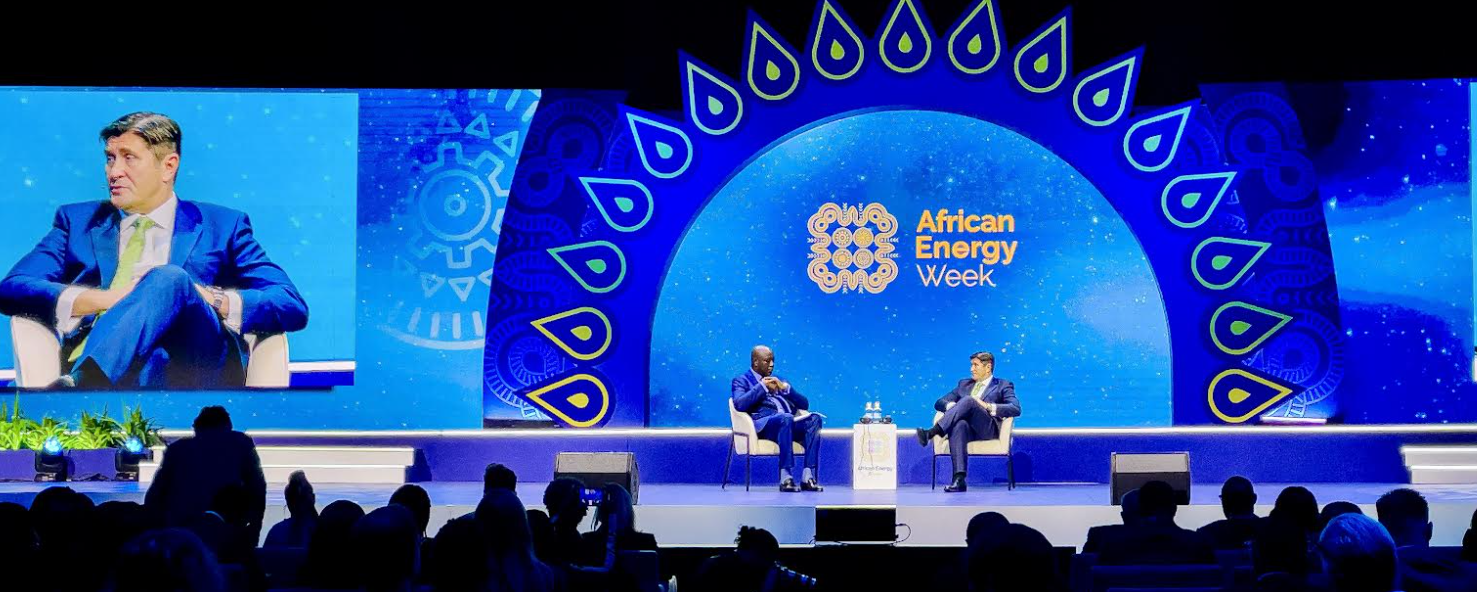
As Africa’s premier energy event returns to Cape Town, African Energy Week (AEW) 2025: Invest in African Energies will place a critical spotlight on West Africa’s evolving refining landscape with a dedicated workshop on the “The Dangote Refinery and its Impact on the African Refining Balance.” Hosted by the African Energy Chamber (AEC) and S&P Global Commodity Insights, the session will take place on Monday, September 29 from 11:30 to 12:30, drawing key industry stakeholders and policy leaders into a dynamic discussion on one of the most transformational projects in the continent’s oil and gas sector.
Beyond reshaping crude and product markets, the refinery is also impacting fuel quality and environmental standards in the region. Dangote’s state-of-the-art configuration allows it to produce Euro V standard fuels, a major step forward for countries long reliant on lower-quality imports. This creates new opportunities for West African governments to strengthen fuel specifications, improve urban air quality and reduce exposure to volatile global supply chains.
The workshop will also explore the broader impact of Dangote on Africa’s existing refining infrastructure. With aging, underutilized refineries scattered across the continent, the rise of a mega refinery capable of meeting domestic and regional demand poses significant questions for legacy plants. Will they modernize, reposition themselves to serve niche needs or shut down entirely in the face of more efficient competition? The discussion will address the strategic responses by national oil companies and private operators as they navigate this new refining era.
“AEW 2025 continues to serve as the continent’s definitive platform for energy dialogue, investment and innovation, with the Dangote workshop exemplifying the type of forward-looking conversations shaping the future of African energy. As West Africa’s refining ambitions begin to bear fruit – and as the continent seeks to capture more value across its energy value chain – the implications for energy security, trade and industrial development are profound,” says NJ Ayuk, Executive Chairman, African Energy Chamber.
Nigeria is undertaking sweeping reforms across its oil and gas industry, driven by a landmark Executive Order signed by President Bola Ahmed Tinubu aimed at catalyzing investment and eliminating regulatory inefficiencies. At the “Invest in Nigeria” Roundtable during African Energy Week (AEW) 2025: Invest in African Energies – sponsored by NCDMB and taking place in Cape Town on September 29-October 3 – senior policymakers and industry leaders will unpack the scope of these reforms, explore how they are reshaping the investment landscape, and present new opportunities across upstream, midstream and downstream value chains.
Set to speak are Olu Verheijen, Special Advisor to the President of Nigeria on Energy; Arthur Ename, Vice President of Business Development, Africa, at NOV; Nosa Omorodion, Country Director at SLB Nigeria; Alex Irune, Executive Director of Oando and Managing Director of Oando Energy Resources; a senior representative from ExxonMobil; and Philip Mshelbila, Managing Director and CEO of Nigeria LNG (NLNG). The roundtable will offer high-level insight into the regulatory reset now underway and what it means for investors looking to expand or enter the Nigerian market.
The Executive Order, signed in April 2025, targets cost efficiency and fiscal competitiveness in upstream operations and introduces performance-based tax credits for oil and gas companies that deliver verifiable reductions in project costs. Under the framework, operators that meet annual cost-reduction benchmarks set by the Nigerian Upstream Petroleum Regulatory Commission are eligible to retain 50% of the incremental government revenue generated by their efficiency gains, with total credits capped at 20% of their annual tax liability.
This move directly addresses long-standing concerns over high operating costs in Nigeria’s upstream sector, which have historically deterred investment and delayed project execution. By linking tax relief to measurable cost savings, the Order is expected to unlock stalled developments, attract new capital and create a more transparent, performance-driven investment climate.
At the AEW 2025 roundtable, speakers will examine how this reform is already reshaping Nigeria’s energy landscape – enabling more competitive bidding for contracts, accelerating international oil company divestments and positioning indigenous players to scale up their operations within a more commercially attractive and operationally efficient environment.
Nigeria is also doubling down on natural gas as the cornerstone of its long-term energy strategy. With over 200 trillion cubic feet of proven reserves, the country is accelerating infrastructure development to support both domestic utilization and regional exports. A flagship project, the NLNG Train 7 expansion, is nearing completion and set to boost production capacity by 35%, underscoring the critical role of LNG in Nigeria’s economic growth and energy transition plans. At the same time, upstream and midstream gas investments are being enabled through policy instruments that promote modular processing, flexible pricing frameworks and improved market access for domestic suppliers.
The private sector is poised to play a central role in this next phase. Companies like SLB and NOV are aligning their strategies with the government’s push for localization, efficiency and innovation, while firms such as Oando are expanding their portfolios to reflect new realities in the post-Petroleum Industry Act landscape. With enhanced policy stability and a deliberate focus on sector transformation, Nigeria is reasserting its status as one of Africa’s most strategic hydrocarbon hubs.
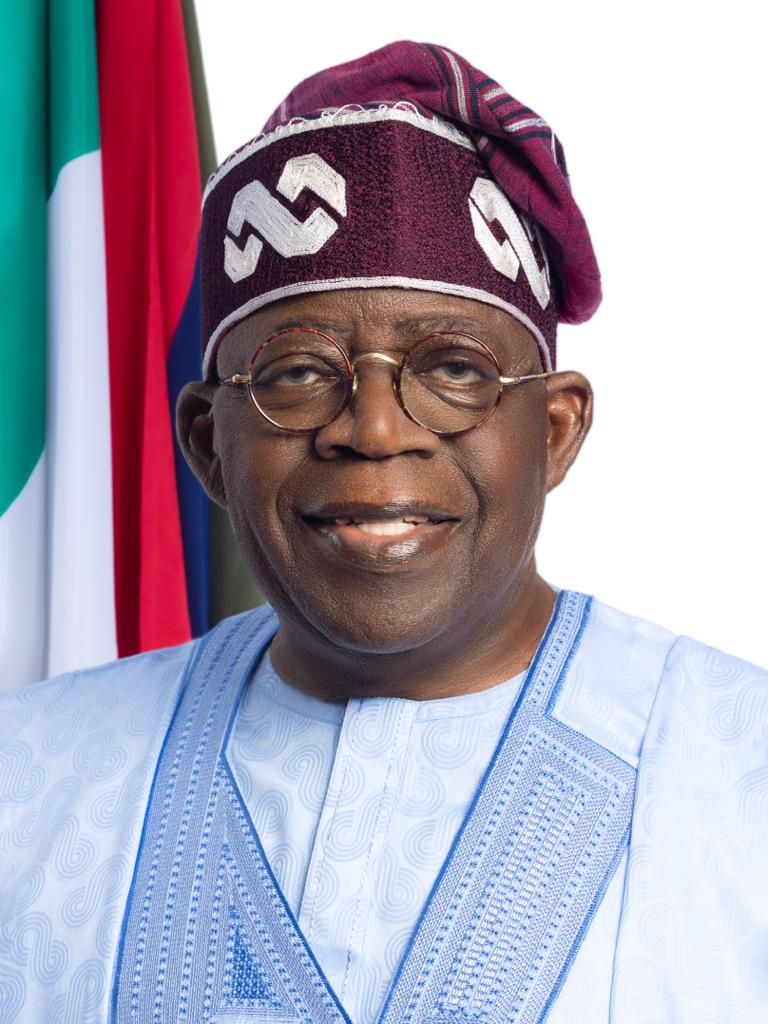
African Energy Week (AEW) 2025: Invest in African Energies is proud to announce that Bola Ahmed Tinubu, President of the Federal Republic of Nigeria, will address delegates at Africa’s premier energy event in Cape Town. President Tinubu’s participation comes as Nigeria undergoes one of the most ambitious reform drives in its oil, gas and broader energy sectors – a drive that is reshaping the country’s investment climate and unlocking multi-billion-dollar opportunities across the value chain.
Since assuming office, President Tinubu has spearheaded a wide-ranging program to reposition Nigeria as a top-tier destination for energy investment. In May 2025, he signed an Executive Order on Oil & Gas Reforms, aimed at overhauling project delivery frameworks and significantly reducing costs across the industry. The Order introduces streamlined contracting processes, tax incentives and the removal of regulatory and local content compliance bottlenecks, with a target of cutting upstream project costs by up to 40%. Such reforms are designed to make Nigeria’s operating environment globally competitive and unlock billions of dollars in new investments.
In the past year, Nigeria has secured over $8 billion in deepwater oil and gas final investment decisions, signaling a renewed appetite among international investors. ExxonMobil, for example, has committed $1.5 billion to new deepwater field developments. Shell is also strengthening its position in deepwater and integrated gas – recently increasing its stake in OML 118, which includes the prolific deepwater Bonga field – while Chevron is expanding operations at the Agbami field, one of Nigeria’s largest deepwater discoveries.
Meanwhile, Petrobras has declared its interest in returning to deepwater exploration in Nigeria, seeking frontier acreage as a result of improved regulatory clarity and investor-friendly reforms. The country has also unveiled major new initiatives to promote local content and industrial growth, with multi-billion-dollar investments directed at building domestic capacity in fabrication, engineering and services. This includes the “Naira for Crude” initiative, which aims to promote local refining, enhance energy security and reduce reliance on foreign currency in the domestic oil market.
Beyond upstream developments, Nigeria is advancing its gas monetization strategy and reviving refining capacity to enhance energy security and drive industrialization. The ongoing operational ramp-up of the 650,000-bpd Dangote refinery – the largest on the continent – is set to begin nationwide distribution of petrol and diesel later this year. The refinery, along with new investments in petrochemical plants, storage facilities and pipeline infrastructure, is expected to help end Nigeria’s decades-long reliance on gasoline imports, a trade valued at $17 billion. The U.S., European and global investor community is increasingly engaging with Nigeria as a strategic partner for energy supply diversification and clean energy integration, further solidifying the country’s position as a leading force in Africa’s energy landscape.
“Nigeria under President Tinubu is showing the world how decisive policy reforms can directly translate into investor confidence and tangible project commitments,” said NJ Ayuk, Executive Chairman of the African Energy Chamber. “What’s happening in Nigeria today is a case study for other African producers: it demonstrates that by cutting red tape, streamlining processes and providing fiscal certainty, countries can attract capital on a large scale while creating real value for their people. We are honored to welcome President Tinubu to AEW 2025 to share this important success story.”
President Tinubu’s address at AEW 2025: Invest in African Energies will provide a unique opportunity for African and global stakeholders to gain insights into Nigeria’s evolving oil and gas sector, the government’s strategy for long-term energy security and the country’s vision for sustainable industrial development. His leadership is setting a benchmark for how resource-rich nations can balance competitiveness, local value creation and inclusive growth.
AEW: Invest in African Energies is the platform of choice for project operators, financiers, technology providers and government, and has emerged as the official place to sign deals in African energy.
…In Sub-Saharan Africa, TikTok removed over 7.5 million videos in Q3 2024, rising to more than 8 million in Q4 2024—an increase of 14.06% quarter-on-quarter
TikTok hosted its second Annual Africa Safer Internet Summit in Cape Town, South Africa, bringing together government officials, regulators, and industry leaders from across Sub-Saharan Africa. Delegates from South Africa, Nigeria, Ethiopia, Cameroon, Cote d’Ivoire, Kenya, and other countries convened to discuss critical issues on online safety, content moderation, and digital policy development.
The Summit underscores TikTok’s ongoing efforts to prioritise user safety in Africa while fostering an open dialogue with policymakers to shape robust frameworks that protect users’ rights while encouraging innovation and creativity in the digital space.
Government and Industry Leaders Discuss Digital Safety
The Summit was officially opened by South Africa’s Hon. Solly Malatsi, Minister of Communications and Digital Technologies, who highlighted the importance of collaboration among governments, technology platforms, and communities to foster a safer digital ecosystem.
Helena Lersch, TikTok’s Vice President for Public Policy, in her remarks, reaffirmed the platform’s commitment to user safety and the role of partnerships in creating a secure digital environment.
“Billions of people come to TikTok every day to create, share and connect and we’re continually evolving our policies and practices to safeguard our platform so our community can discover and do what they love. This summit underscores the importance of collaboration between industry leaders and regulators in shaping a digital ecosystem that is both innovative and secure,” said Lersch.
Fortune Mgwili-Sibanda, Director of Public Policy & Government Relations for Sub-Saharan Africa, further emphasised the significance of collective efforts in digital safety, stating that the Summit serves as a valuable platform for sharing insights, strengthening collaboration, and ensuring that African users, particularly young people, are protected online.
Content Moderation in Africa
During the summit, TikTok reported a significant upward trend in its content removal rate across Sub-Saharan Africa, with data showing a 249.81% increase in content removals from the second quarter of 2023 to the fourth quarter of 2024. This improvement aligns with TikTok’s global standards for content moderation and community guidelines enforcement. TikTok’s Community Guidelines Enforcement Reports (https://apo-opa.co/3QMZNQH) reflect the platform’s continued investment in automated moderation technology, alongside human safety experts that enables the detection and removal of harmful content before it reaches users. Globally, between July and September 2024, TikTok removed more than 147 million videos, of which 118 million were detected and removed automatically using these technologies.
In Sub-Saharan Africa, TikTok removed over 7.5 million videos in Q3 2024, rising to more than 8 million in Q4 2024—an increase of 14.06% quarter-on-quarter. Notably, 99.5% of these videos were removed before any user reports, underscoring TikTok’s commitment to proactive moderation and swift action.
A similar trend was observed in North Africa, where TikTok removed over 7 million videos in both Q3 and Q4 of 2024. This represented an 8.70% increase in removals between the quarters, with 99.3% of these takedowns also occurring before user reports.
These figures highlight TikTok’s ongoing efforts to provide a safe and positive online environment through robust, technology-enabled content moderation systems.
#SaferTogether – Driving Safer Digital Engagement
As part of its broader commitment to digital safety and education, TikTok is expanding its efforts across Africa through strategic partnerships and training programs that promote digital literacy, safety awareness, and responsible content creation.
At the forefront of these efforts is TikTok’s flagship #SaferTogether campaign, which has achieved notable milestones since its launch in 2022.
In Kenya, the initiative, run in partnership with Eveminet, a youth online protection organisation, has reached over 406,000 participants through in-person workshops across the country. These sessions provided communities with the knowledge and tools needed for responsible online engagement, particularly among students, teachers, and parents.
By working closely with civil society organisations, educators, and government agencies, TikTok continues to integrate proactive safety measures into its platform governance, creating safer digital environments for young users.
In Nigeria, TikTok launched Phase 2 of the #SaferTogether campaign in partnership with the National Information Technology Development Agency (NITDA) and Data Science Nigeria (DSN). Building on the success of Phase 1, which educated parents in major cities such as Abuja, Lagos, and Kano on TikTok’s safety features and mental well-being tools, the second phase aims to reach additional states and expand safety awareness among parents, teachers, and guardians.
Since September 2024, TikTok has also partnered with local creators across Sub-Saharan Africa to raise awareness about its safety features and Community Guidelines.
In Egypt, TikTok signed a Memorandum of Understanding (MoU) with the Journalists Syndicate to boost digital awareness, media literacy, and the detection of misinformation and online privacy risks. As part of this partnership, TikTok and the Syndicate hosted a one-day workshop equipping journalists and media professionals with the skills to navigate digital technologies safely and effectively. This collaboration underscores TikTok’s ongoing commitment to empowering media professionals and supporting a more informed and digitally literate society.
Shaping the Future of Digital Safety in Africa – Global Youth Council
TikTok is also making a significant step in amplifying youth voices by expanding its Global Youth Council for 2025, further strengthening African representation. Originally launched in 2023 to empower young users and shape platform policies, the Global Youth Council has now nearly doubled in size, featuring 28 members from 15 countries. New representatives from Nigeria, Cameroon, Canada, Qatar, and Australia will join returning members from Brazil, Indonesia, Kenya, Mexico, the UK, and the US for a second term. The Youth Council plays an important role in shaping TikTok’s safety, well-being, and inclusivity policies, ensuring that young users have a voice in the platform’s continued evolution.
The Safer Internet Summit serves as an essential forum for best practice sharing between industry leaders and policymakers. By fostering collaboration, TikTok aims to ensure that digital spaces remain safe, inclusive, and conducive to creativity while balancing the need for effective governance and innovation.
“We value forums such as TikTok’s Safer Internet Summit, which bring policymakers into one room for a shared purpose: keeping internet users safe. We are incredibly proud to be a partner of TikTok’s #SaferTogether campaign. This collaboration not only underscores our shared commitment to fostering a safer online environment but also opens new avenues for innovation and collaboration that will enable us to scale our efforts effectively for a safer internet for all..” — Emmanuel Edet – Acting Director, Regulation and Compliance, NITDA.
Access Bank PLC successfully hosted the inaugural Africa Trade Conference in Cape Town, South Africa, bringing together industry leaders, policymakers, and trade experts to drive solutions for accelerating intra-African trade and unlocking the continent’s economic potential. The conference tackled critical challenges, including limited access to capital, market information gaps, trust deficits between trading partners, and the urgent need for modernised trade infrastructure.
Roosevelt Ogbonna, Managing Director/CEO of Access Bank, delivered the opening remarks, setting the tone for discussions by highlighting the critical barriers hindering trade across Africa. He emphasised the urgent need for financial sector collaboration to facilitate seamless access to capital and foster a business environment where African enterprises can scale and compete globally.
“We must invest in the initiatives that ensure that we can bring businesses together, forge trust, and create the connections necessary for trade. In doing so, we must stamp out the narrative that ‘Made in Africa’ is inferior to any product made anywhere else in the world. We must buy Africa, be proud to wear Africa, and invest in Africa because that is what the continent needs to leap forward into the next generation,” Ogbonna stated.
With Africa’s population projected to surge to 2.5 billion by 2050 from 1.2 billion, the African Continental Free Trade Area (AfCFTA) stands as the most significant free trade initiative since the formation of the World Trade Organisation. By fostering economic integration, AfCFTA has the potential to reshape trade dynamics across the continent, creating a unified market that enhances industrialisation, boosts employment, and strengthens Africa’s global competitiveness. Recognising this transformative opportunity, H.E. Wamkele K. Mene, Secretary-General of AfCFTA, emphasised the urgency of fully implementing the agreement to unlock its immense benefits.
“The AfCFTA is not just a trade agreement; it is an instrument for Africa’s industrialisation and economic sovereignty. It is a tool that will enable us to break down historic trade barriers and build an Africa that is self-sufficient, competitive, and prosperous. But for this to happen, we must commit to operationalising the agreement fully, ensuring that businesses, particularly SMEs and women-led enterprises, have access to the information, capital, and platforms they need to thrive,” Mene stated.
Also, Kanayo Awani, Executive Vice President of Afreximbank, emphasised the importance of financing mechanisms that support African businesses in their expansion across borders. She reaffirmed Afreximbank’s commitment to championing trade finance solutions and infrastructure investments that will unlock Africa’s trade potential.
“At Afreximbank, we understand that trade finance is the lifeblood of economic development. Without it, businesses cannot scale, industries cannot innovate, and Africa cannot fully realise its trade potential. This is why we have developed instruments such as the Pan-African Payment and Settlement System (PAPSS) to facilitate seamless transactions across borders, reducing reliance on foreign currencies and strengthening intra-African trade,” Awani remarked.
The conference featured an insightful testimonial from Nathalie Louat, Global Director at the IFC/World Bank Group, who pointed out the pivotal role of trade finance in enabling cross-border transactions and supporting financial inclusion. She underscored the long-standing partnership between IFC and Access Bank in fostering Africa’s economic resilience.
Several high-level panel discussions explored strategies to overcome trade barriers and enhance market access through innovative solutions. Experts from leading institutions, including Deutsche Bank, Traydstream, OWP Partners, Fiducia International, and more, examined how infrastructure improvements, digital solutions, and policy harmonisation could drive economic growth and boost intra-African trade.
Dr. Marc Auboin from the World Trade Organization (WTO) shared key insights on how digital transformation is reshaping Africa’s supply chain landscape, creating efficiency and unlocking new global market opportunities. Tanya Dos Santos-Ford from GIBS Business School also led a session on sustainable trade practices, emphasising the need for environmentally responsible economic growth strategies.
The event culminated in an awards ceremony recognising outstanding contributions to intra-African trade and economic transformation. Tradepass Commodities Limited (Ghana), Chemaf International FZE (DR Congo), and Harvest Group of Companies (Zambia) were honoured for their impact on SMEs and women-led trade enterprises. Bulkstream Limited (Kenya) and Electricidade de Moçambique (Mozambique) received awards for advancing intra-African trade, while Tennant Metals South Africa Pty Ltd was recognised as an Emerging Leader in Trade.
The International Finance Corporation (IFC) was awarded the Climate Finance Leadership Award, while Afreximbank received the Champion of Intra-African Trade Award. The African Development Bank (AfDB) and Africa Finance Corporation (AFC) were celebrated for their roles in economic transformation and infrastructure finance, respectively. The prestigious African Icon Award was presented to IHS Group, Dangote Industries Limited, and MTN Group Limited for their significant contributions to Africa’s economic progress.
As the conference ended, Seyi Kumapayi, Executive Director, African Subsidiaries at Access Bank, reaffirmed the institution’s commitment to supporting trade finance, fostering regional integration, and championing policies that create an enabling environment for businesses across Africa.