Tag: Child marriage

  • Thinking of a gift for Mother’s Day? Support equal nationality rights for mothers for the well-being of African families

    Thinking of a gift for Mother’s Day? Support equal nationality rights for mothers for the well-being of African families

    When women are denied the equal right to confer nationality, the consequences are profound: children risk statelessness, families face separation and hardship

    This Mother’s Day, countries across Africa will celebrate mothers and the importance of family life. Yet as we honour motherhood and the important role of families, seven countries in Africa continue to be among the 24 globally with nationality laws that deny women the right to confer nationality on their children on an equal basis with men. Additionally, nationality laws in approximately 40% of African countries do not provide women with the same rights as men to confer nationality on a noncitizen spouse.

    Gender-discriminatory nationality laws undermine African women’s equal citizenship, cause other wide-ranging rights violations and hardships, are a leading cause of statelessness, contribute to gender-based violence, including child marriage and human trafficking, and inhibit sustainable development. Children denied their mother’s nationality face obstacles in accessing education, healthcare, social services, employment as adults, property rights and even family unity. Some are rendered stateless, not counted as citizens of any country.

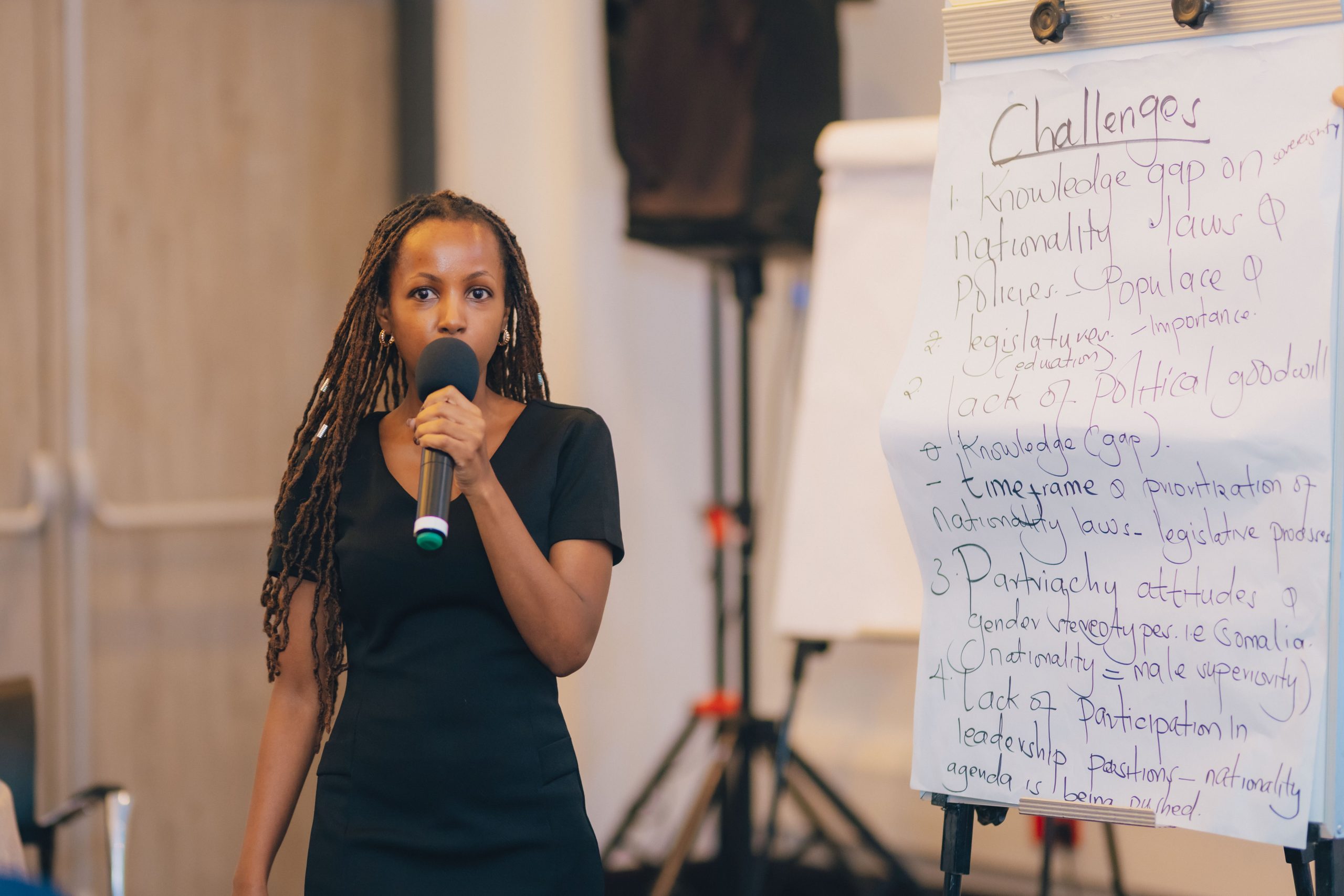
    The Global Campaign for Equal Nationality Rights (GCENR), a coalition of national and international organizations dedicated to ending gender discrimination in nationality laws, recently joined with longstanding partners Equality Now, the Global Alliance to End Statelessness, the Inter-Parliamentary Union, the UN Refugee Agency, and UN Women to hold the Africa Multistakeholder Convening on Achieving Gender Equality in Nationality Laws to expedite action to realize gender equality in nationality laws across the continent.

    Equality in nationality rights is not only a legal obligation – it is fundamental to human dignity and to the protection of families. When women are denied the equal right to confer nationality, the consequences are profound: children risk statelessness, families face separation and hardship.

    “Discriminatory nationality laws perpetuate exclusion across generations. But we at UNHCR know that change is within reach. By working together with States, civil society, and international partners, we can end this injustice, uphold every child’s right to a nationality, and build more inclusive, resilient societies for all.” – Ruvendrini Menikdiwela, Assistant High Commissioner for Refugees, UNHCR

    “My children, born of my body, raised with my love, rocked by my stories of our native land, were considered as foreigners at home. Our household was divided into two: the citizen mother and the stateless children. It was not only an administrative problem. It was an intimate wound… I felt less of a citizen than my father, than my brothers. The law sent me back the image of a second-class woman, incapable of protecting her own offspring.

    “When the President promulgated the reform, something magical happened in me. It was not just a new rule in a code. It was a recognition… For the first time, the State looked me in the eyes and said to me: ‘You are a citizen fully. Your place in the nation is as legitimate as that of a man. Your link with your child is as sacred and recognized as that of the father.’”
    – Clarisse Nirinasoa, Impacted Madagascan Mother

    Momentum for all nationality laws to uphold women’s equal citizenship

    We have seen the willingness of African governments, parliamentarians, and civil society to address this man-made problem that is holding countries back. The Protocol to the African Charter on Human and Peoples’ Rights on the Specific Aspects of the Right to a Nationality and the Eradication of Statelessness in Africa provides a clear legal and political framework for reform and firmly grounds the imperative to end gender discrimination in nationality laws in Africa’s own human rights system.

    Anna Mutavati, Regional Director for East and Southern Africa, UN Women, explains, “Gender discrimination in nationality laws is first and foremost a gender equality issue. We therefore call on all Member States to embody the principle of gender equality in line with CEDAW, and the new African Union Protocol on the Right to a Nationality and the Eradication of Statelessness, across all aspects of their legal systems, including by reforming discriminatory laws.”

    At the Africa Multistakeholder Convening on Achieving Gender Equality in Nationality Laws, held in Nairobi in February, participants, including government, parliamentary and civil society representatives from Burundi, Eswatini, Mauritania, Somalia and Togo affirmed their strong commitment to mobilise support for reforms to uphold women’s right to confer nationality on an equal basis with men. The convening resulted in the development of clear roadmaps for multistakeholder action to achieve the reforms needed for gender-equal nationality laws.

    “Gender-equal nationality laws are not only the right thing to do – to uphold women and men’s equal citizenship – but they are the smart thing to do, to support inclusive, sustainable development and secure, peaceful societies. Several African countries with gender-discriminatory nationality laws have already demonstrated their commitment to uphold equal nationality rights, including through constitutional provisions upholding equality. Now reforms are needed in those countries to bring nationality laws into alignment to clarify this commitment to gender equality.”
    – Catherine Harrington, Global Campaign for Equal Nationality Rights Director

    Parliaments called to action to end gender discrimination in nationality laws

    On Mother’s Day and the International Day of the Family, we urge African governments and parliaments to act now by amending discriminatory nationality laws and ratifying and domesticating the African Union Protocol on the Right to a Nationality.

    “We must no longer let gender discriminatory nationality laws condemn women and men, girls and boys from our continent to statelessness and exclusion. Parliaments have the tools and opportunity to make a change. They can foster strong political will. As decision-makers, parliamentarians can push for legislative reforms on nationality laws, even amidst complex and sensitive settings. Parliaments can be the voice of the voiceless. They are well-positioned to listen and address misconceptions, alleviate misunderstandings and lead by example. Addressing gender inequality requires a societal change and parliamentarians can be the champions of such a change.” – Martin Chungong, IPU Secretary General

    Women’s equal nationality rights will protect families and prevent statelessness

    African mothers and their children cannot wait: equal nationality rights must be guaranteed in law and in practice to protect families, uphold women’s equal citizenship, and prevent statelessness. We pledge our support to realising gender-equal nationality rights across Africa and beyond.

    “Discriminatory laws are not only founded on stereotypes; they also reinforce stereotypical roles for both women and men. When gender-equal nationality laws are guaranteed, they create ripple effects that transform societies. Our rallying call is for Member States of the African Union to repeal and/or amend sexist nationality laws to ensure that women are able to pass on their nationality and all its benefits to their children and spouses on the same basis with men. We also urge them to sign and ratify the Protocol to the African Charter on Human and Peoples’ Rights on Specific Aspects of the Right to a Nationality and the Eradication of Statelessness in Africa to fulfil their obligations on equal nationality rights.”- Esther Waweru, Associate Director, Legal Equality
  • Legal protections are failing to protect girls in Africa from child marriage and Female Genital Mutilation (FGM), report warns

    Legal protections are failing to protect girls in Africa from child marriage and Female Genital Mutilation (FGM), report warns

    Drawing on case studies from Chad, Cameroon, Ethiopia, Egypt, Malawi, Mali, Nigeria, Somalia, Sudan, and Zimbabwe, the Thematic Report on Harmful Practices Affecting Children in Africa finds that despite progress in strengthening legal frameworks and political commitments, harmful practices remain entrenched

    Millions of girls in Africa are still at risk of child marriage and female genital mutilation (FGM) despite bans in most countries. A new report by the African Committee of Experts on the Rights and Welfare of the Child (ACERWC), with support from Equality Now reveals how laws are often poorly enforced, with implementation varying widely and survivors facing challenges accessing justice and support. Governments must urgently close protection gaps and bridge the divide between legal commitments and the reality girls face.

    Drawing on case studies from Chad, Cameroon, Ethiopia, Egypt, Malawi, Mali, Nigeria, Somalia, Sudan, and Zimbabwe, the Thematic Report on Harmful Practices Affecting Children in Africa finds that despite progress in strengthening legal frameworks and political commitments, harmful practices remain entrenched.

    Climate shocks, conflict, and economic instability are intensifying the drivers of child marriage and FGM, weakening already fragile systems and increasing risks for girls, particularly in rural and conflict-affected areas, where access to services is limited and social pressures are stronger. Many cases go unreported due to stigma, fear of retaliation, and limited support services.

    The report was launched at the 47th Ordinary Session of the ACERWC, held in Maseru, Lesotho, on April 21, and a recording of the discussion is available to watch (the session starts at 4:56:31). The session brought together policymakers, civil society organisations, and regional stakeholders to advance dialogue and reinforce collective action to end harmful practices across Africa.

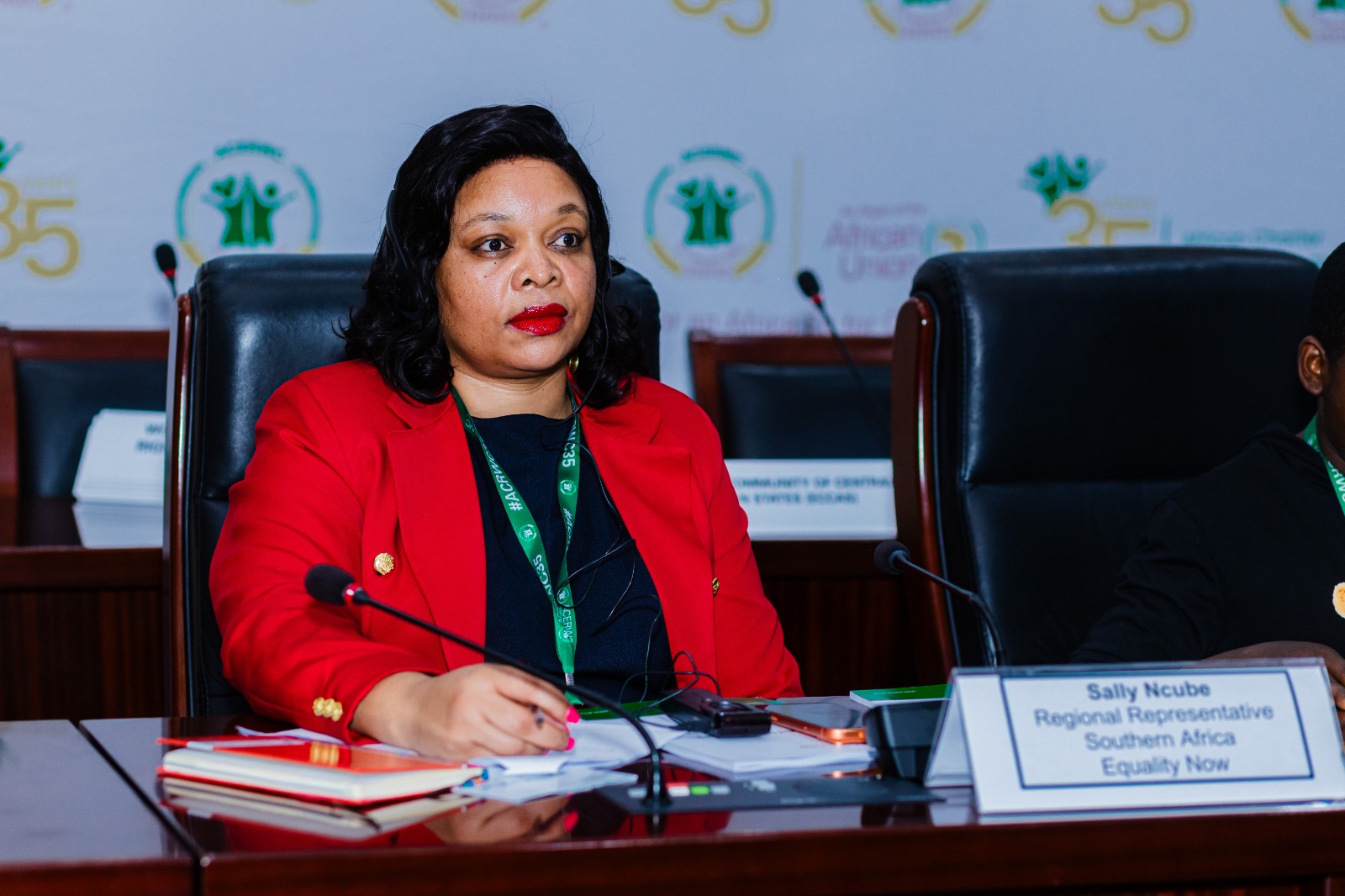
    Sally Ncube, Equality Now’s Regional Representative for Southern Africa, explains, “Failure of implementation and enforcement of the law to protect children from harmful practices is not a failure of the law alone. It is a failure of the ecosystem that should make the law protect and support children.”

    Legal gaps, climate change, and conflict exacerbate child marriage

    Less than half of African countries set the minimum marriage age at 18 without exception, leaving legal gaps that allow child marriage under parental consent, judicial approval, or customary and religious law. Many countries also lack comprehensive legislation addressing prevention, access to justice, and survivors’ rights.

    Crises like extreme weather fuelled by climate change erode economic and social structures, disrupt services, and shut schools, which are crucial for monitoring and reporting abuse. Economic hardship remains a major driver of child marriage, with families facing poverty sometimes turning to early marriage to reduce household expenses and in the mistaken belief that it will provide their daughter with protection.

    The reality is that child marriage increases a girl’s likelihood of experiencing a range of harms, including domestic violence, unwanted and early pregnancy, dropping out of education, and poverty. 

    UNICEF noted that a 2022 drought tripled the number of children at risk of dropping out of school in Ethiopia, Kenya, and Somalia. A 10% decrease in rainfall is associated with a 1% increase in child marriage rates, underscoring how environmental shocks can deepen economic pressures that push families toward early marriage as an economic survival strategy.

    Drought in parts of Ethiopia led to a doubling of child marriage rates within a year in the worst-affected regionsas families struggled with food insecurity and poverty. FGM is often carried out to prepare girls for marriage, and in Djibouti and Somalia, climate-related economic pressure has resulted in girls undergoing FGM at younger ages to increase their “marriageability.”

    In Somalia, FGM and child marriage remain deeply rooted, particularly impacting girls in internally displaced persons camps where protections are weak, while in Sudan, FGM was criminalised in 2020, but war and governance breakdown have severely undermined enforcement.

    Legal gaps and weak enforcement undermine progress on ending FGM

    Of the 27 African countries with national-level prevalence data on FGM, four countries (Liberia, Mali, Sierra Leone, and Somalia) still lack specific national legislation banning the practice, underscoring persistent legal gaps across the region.

    The medicalisation of FGM and girls being transported across country borders to be cut remain under-addressed issues in many national laws. In some cases, survivors are inadvertently criminalised, and access to redress and support services remains limited, particularly in rural and crisis-affected areas.

    In Egypt and Cameroon, FGM legal bans reflect progress, but shortfalls remain, such as FGM medicalisation in Egypt and legal inconsistencies in Cameroon. In Nigeria, laws criminalising FGM and setting the minimum age of marriage at 18 are weakened by inconsistent enforcement and conflicting customary and religious law.

    Rising authoritarianism and military takeovers have stifled progress toward ending harmful practices. The withdrawal of countries such as Burkina Faso, Mali, and Niger from ECOWAS and other regional bodies has reduced accountability and curtailed civil society’s ability to advocate for change.

    FGM laws at risk of rollback in some countries

    Debates about decriminalising FGM are resurging, as seen in The Gambia (2024), where the Supreme Court is considering repealing the country’s FGM ban, underscoring the need for sustained vigilance and advocacy.

    Proposed anti-FGM provisions in Mali were removed from the 2024 Penal Code following resistance from religious leaders, demonstrating how political and social pressures can stall reform.

    Progress towards ending child marriage and FGM

    Despite challenges, progress advances where legal reform and community leadership align. In Malawi, the report recognises the efforts of traditional leaders such as Chief Theresa Kachindamoto, who have played a key role in annulling thousands of child marriages, demonstrating the success of locally led action.

    Another progressive example is how the Constitutional Court in Zimbabwe issued a landmark ruling that prompted the amendment to the 2022 Marriage Act, setting the age of marriage at 18 with no exceptions, following a case by two young women forced into early marriage.

    Ethiopia, for example, adapted to COVID-19 restrictions by using mobile-based interactive voice recordings to reach out-of-school girls with FGM awareness content, showcasing how technology can support advocacy during a crisis.

    African governments must turn legal commitments into real protection for girls

    The thematic report recommends that all African governments implement strict legal provisions prohibiting harmful practices and fully incorporate international and regional human rights treaties, conventions, and protocols into their domestic legal systems to ensure that these instruments bind the state. It is also critical to close legal loopholes to ensure that the minimum marriage age is set at 18 without exception and to align national, customary, and religious frameworks with regional child rights standards.

    “The study illustrates that change is possible and indeed already taking place. Progress is achievable when legislation is complemented by implementation and coordination among relevant stakeholders and the promotion within the community,” said Hon. Hermine Kembo Takam Gatsing, Special Rapporteur on Child Marriage and Other Harmful Practices, ACERWC

    Strong political will, clear policy, and coordinated national action are essential. This requires collaboration among governments, civil society, and communities, backed by dedicated funding, strong accountability frameworks, and well-staffed systems.

    Efforts must address the social and cultural norms that allow harmful practices to persist. Context-specific approaches and local ownership are essential, grounded in meaningful participation of survivors and community leaders. Empowering girls through education and providing survivors with guaranteed access to protection, justice, and support services are also crucial.

    To better understand the causes and scale of child marriage and FGM, governments must strengthen national data systems, including birth and marriage registration and child protection databases. Reliable, disaggregated data can help identify risks, design evidence-based responses, track progress, and hold institutions accountable.

    “The law that cannot protect a girl in her own home is not a law; it is a broken promise. Lack of implementation is not a failure of law alone. It is a failure of the ecosystem that should make the law protect children from marriage and FGM. This report, and this moment, matter because millions of girls across Africa are waiting for the law to find them. Not for them to find the law.” Sally Ncube, Equality Now’s Regional Representative for Southern Africa

    “Equality Now and civil society organisations stand ready to continue working with ACERWC and States Parties to turn commitments into safety and justice. May this session be the turning point where Africa accelerates progress toward moving laws on paper into real-life protection in practice. Equality Now stands ready. Africa’s girls are waiting,” concludes Ncube.

  • Feature: Women-related Policy Commitments to be made by Nigerian Presidential Candidates

    Feature: Women-related Policy Commitments to be made by Nigerian Presidential Candidates

    By Ayo Akinfe

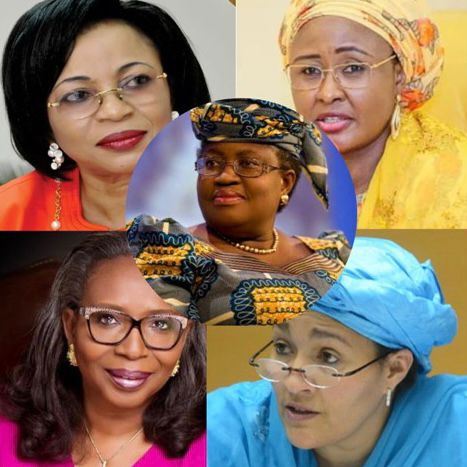
    Have you all not noticed that our presidential candidates have very few women around them. It is time for our women’s groups to get them to sign up to policy commitments like this-

    [1] Upon assuming office you will scrap all laws which limit a woman’s right to inherit family property

    [2] Child marriages will become criminalised immediately with a minimum 10 year prison sentence for convicted criminals

    [3] Across Nigeria, 50% women’s representation will be guaranteed in all elected and appointed positions

    [4] Free smear tests will be made available in all states of the federation

    [5] Free childcare will be made available in all 774 local government areas

    [6] Paid maternity leave will become compulsory and statutory

    [7] Free breast cancer treatment will be available in every state capital

    [8] The federal government will provide free maternity centres in every local government area

    [9] Sex with a minor becomes statutory rape carrying a five year prison sentence

    [10] Domestic violence carries a minimum of a five year sentence.