Tag: consumers

  • 81% of Nigerian businesses say Meta has expanded their customer base, as new research values platform’s economic contribution at $820 million

    81% of Nigerian businesses say Meta has expanded their customer base, as new research values platform’s economic contribution at $820 million

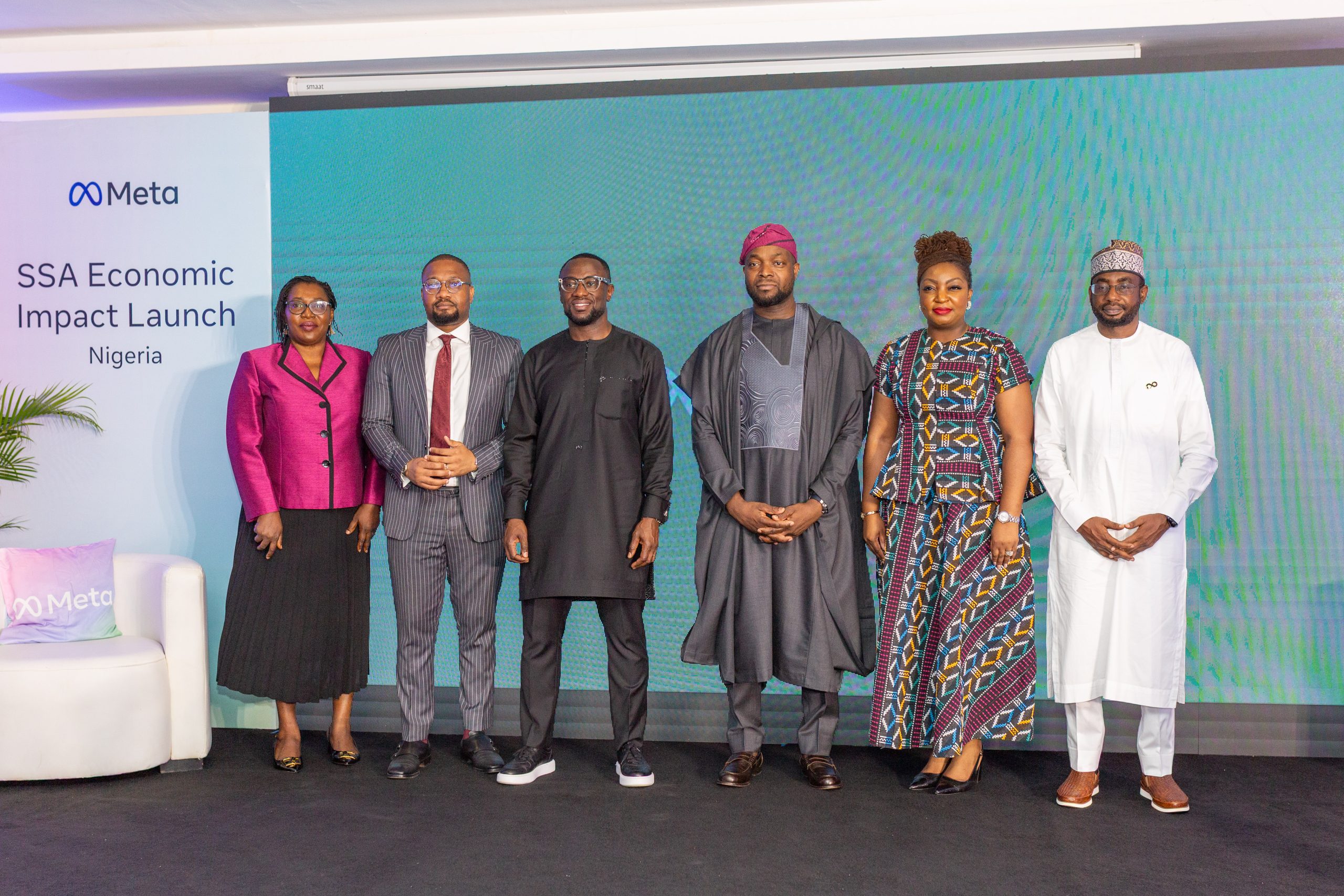
    Virtually all Nigerian businesses surveyed say Meta’s platforms have expanded their customer reach, according to new independent research that finds Meta is contributing an estimated $820 million in annual economic value to Nigeria today — with AI adoption set to add $22 billion to GDP by 2035.

    The “Nigeria’s Digital Economy” report, conducted by independent research firm Public First, finds that under the right conditions, this figure could grow to $2 billion as digital adoption deepens — with Meta’s platforms functioning as essential digital infrastructure connecting Nigerian entrepreneurs to customers, markets, and new economic opportunity.

    The findings reveal that 14 million Nigerian SMEs used Meta’s apps — Facebook, Instagram, WhatsApp, Messenger, Meta AI, and Threads — to start and grow their businesses in 2025, contributing $2 billion to Nigeria’s GDP and delivering an estimated $640 million in productivity gains through more efficient instant messaging.

    WhatsApp is Nigeria’s gateway to AI

    WhatsApp is playing a central role in connecting Nigerians to AI and new economic opportunities across the region. The platform serves as Nigerians’ primary AI surface — reflecting the wider regional pattern where 93% of Meta AI prompts in Sub-Saharan Africa are made via WhatsApp — demonstrating how AI adoption in Nigeria is happening through the tools people already use every day.

    Balkissa Ide Siddo, Director of Public Policy, Sub-Saharan Africa at Meta, said: “Nigeria is one of the most dynamic, entrepreneurial and digitally engaged markets in the world — and this research makes clear the scale of what is possible when Nigerian ambition meets the right digital tools. From a tailor in Lagos reaching customers across the country through Instagram, to a small business owner in Kano taking orders on WhatsApp, to a creator in Abuja building a global audience on Facebook — Meta’s platforms are removing the traditional barriers to growth and unlocking real economic opportunity. The fact that 80% of Nigerians say access to reliable internet has improved compared to a decade ago speaks to the progress already made and with continued investment in connectivity, smart policy that supports innovation, and the rise of open-source AI built for and by Africans, Nigeria is exceptionally well positioned to lead the continent’s next decade of digital growth. We are proud to be a long-term partner in that journey.”

    AI and Nigeria’s next growth frontier

    The research highlights the transformative potential of artificial intelligence for Nigeria’s economy and innovation ecosystem:

    • AI could add $22 billion to Nigeria’s GDP by 2035 with the right combination of investment, policy and innovation.
    • 87% of online Nigerians say AI products developed within Africa will be important for the continent’s economic growth.
    • Open-source AI gives Nigerian developers, businesses and creators the opportunity to build solutions in local languages, for local needs.

    SMEs are reaching new customers across Nigeria

    For Nigerian small businesses, Meta’s platforms have become a primary sales and discovery channel. 81% of online businesses surveyed said Facebook, Instagram, and WhatsApp have expanded their customer base beyond their local geography — reducing customer acquisition costs and giving a business in Kano access to the same advertising and commerce tools available to businesses in Lagos, London or New York.

    93% of online adults say they feel more connected to a wider community through Meta’s family of apps, reflecting how deeply these platforms are woven into everyday life, commerce and community in Nigeria.

    Alison Neyle, Director at Public First, said: “Nigeria’s digital transformation is creating new opportunities for businesses, creators and consumers alike. The findings show that Meta’s platforms are helping Nigerian firms grow across formal and informal sectors, supporting entrepreneurship and strengthening participation in one of the world’s most rapidly expanding digital economies. With the right combination of infrastructure, platform access and open-source AI, the upside for Nigeria is significant.”

    The full report is available at https://metassa.publicfirst.co/

  • Truecaller Opens Global Market Access For Its Business Chat Platform

    Truecaller Opens Global Market Access For Its Business Chat Platform

     Truecaller, the leading global communications platform, today announced the expansion of its Business Chat platform, making it accessible to global channel partners and enterprise solution providers. By “opening up” market access to its platform, Truecaller is empowering partners to transition their enterprise clients from legacy, low-trust SMS to a verified, smart, media-rich, and conversational communication experience.

    Through this partner-led expansion, Truecaller empowers businesses to reclaim customer attention and establish immediate trust and credibility.

    “The definition of success for modern enterprises has fundamentally evolved. It’s no longer just about delivery – it’s about earning attention, establishing credibility, and driving meaningful conversion,” said Priyam Bose, Global Head, GTM at Truecaller.  

    “By opening up market access to our global partners, we’ve created a powerful gateway for brands to engage with over 500 million active users where they already interact daily through communication that is contextual, trusted, free from clutter, and designed to initiate actions. For existing customers, the outreach opportunity extends to an additional high-impact channel, strengthening the overall customer experience journey.”

    Truecaller Business Chat enables a clutter-free, high-trust conversational experience between businesses and consumers. The Business Chat platform equips partners with actionable insights, including real-time data and rich engagement metrics. This facilitates a more sophisticated, data-driven communication strategy that adapts at every stage of the customer journey.

    Partners, including Gupshup and OneXtel, are already live in India along with Globe Teleservices, Cloudcom, and Sling Africa in other global markets, rapidly scaling the product in their respective regions. Global partners can now leverage Truecaller’s massive footprint to offer their clients a trustworthy engagement channel in an increasingly crowded digital world.

  • Chowdeck hits 1 million orders a month, setting a new benchmark for Africa’s convenience economy

    Chowdeck hits 1 million orders a month, setting a new benchmark for Africa’s convenience economy

    Chowdeck, Africa’s leading on-demand delivery platform, has reached a major milestone – 1 million customer orders a month – underscoring its rapid growth, strong market position and its pivotal role in driving the convenience economy on the continent. 

    Chowdeck is the first African on-demand delivery platform to reach this milestone, cementing its status as a household name for fast, reliable delivery – connecting customers across Nigeria and Ghana to their favourite meals and essentials at the tap of a button. What began as a small team with a simple goal in October 2021 – to make quality food seamlessly accessible at the tap of a button – has evolved into a continent-leading logistics and technology platform powering tens of thousands of daily deliveries for consumers and various merchants alike.

    Speaking on the milestone, Femi Aluko, CEO and co-founder of Chowdeck, said, “Reaching 1 million orders a month this quickly is a powerful reflection of how far we’ve come. It is a testament to the hard work of our riders and restaurant partners, as well as the commitment of our customers. As we look to the future, we are excited by the opportunity to deepen access and convenience for millions of Africans and unlock new possibilities for customers and businesses alike”.

    From logistics and inventory management to payment and performance tools, Chowdeck has emerged as a trusted partner for food businesses, retailers, merchants and consumers, offering fast, reliable and affordable delivery. With 1.5 million existing users and more than 20,000 riders across 11 cities, Chowdeck’s tech-enabled logistics network powers businesses to fulfil orders efficiently, while offering customers a seamless platform to access meals, groceries, and everyday essentials.

    Chowdeck’s growth is underpinned by its commitment to leaner operations, hyperlocal strategies and diversified offerings. In 2024, the value of meals delivered via the Chowdeck platform grew more than sixfold compared to the previous year. The company has already exceeded last year’s total and is firmly on track for another record-breaking year in 2025.

  • GTCO Food and Drink Festival 2025: A Shared Experience of Culture, Cuisine, and Enterprise

    GTCO Food and Drink Festival 2025: A Shared Experience of Culture, Cuisine, and Enterprise

    The stage is set for Africa’s most anticipated celebration of food, drink, and culture as Guaranty Trust Holding Company Plc (GTCO) announces the 8th edition of the GTCO Food and Drink Festival, scheduled to hold from Friday, May 2nd to Sunday, May 4th, 2025, at GTCentre, Plot 1 Water Corporation Drive, Oniru, Victoria Island, Lagos.

    This year’s festival is themed “A Shared Experience”, highlighting how every meal tells a story—stories of culture, community, and tradition that unite people across generations and geographies. The 2025 edition will feature 204 free retail stalls, showcasing the rich diversity and creativity of our food culture—from traditional Nigerian dishes and regional delicacies to contemporary fusion cuisines, savory bites, refreshing beverages, and gourmet desserts. Attendees can also look forward to a series of masterclasses, where internationally renowned chefs and respected culinary experts will share practical insights, recipes, and techniques spanning a wide range of cuisines and disciplines.

    In addition to the food exhibition and masterclasses, visitors will enjoy an expansive street food arena, offering a vibrant selection of popular local delicacies, and a dedicated children’s play area, ensuring a fun, safe, and memorable experience for the entire family.

    Speaking on the significance of the festival, Mr. Segun Agbaje, Group Chief Executive Officer of GTCO Plc, said: “The GTCO Food and Drink Festival is a celebration of our rich cultural diversity and entrepreneurial spirit. Every meal shared is a reminder of our traditions and the universal language of food that connects us all. Beyond the festivities, the festival reflects our commitment to supporting local enterprise—creating a free business platform where food retailers can connect with consumers, share their unique offerings, and take meaningful steps toward growth and long-term sustainability.”

    At the heart of the festival is GTCO’s vision of Promoting Enterprise in support of small businesses, especially indigenous foodpreneurs. It is part of the Group’s broader commitment to creating Great Experiences for customers by offering meaningful opportunities for connection, growth, and shared success.

    Admission to the GTCO Food and Drink Festival is free, and everyone is welcome to join in this extraordinary celebration of food, culture, and enterprise.

  • Feature: Coping in Nigeria’s High-Inflation Economy

    Feature: Coping in Nigeria’s High-Inflation Economy

    By Elvis Eromosele

    Economists say inflation is a persistent rise in prices. It happens when there’s too much money chasing too few goods. Inflation in Nigeria today has become a huge challenge, affecting businesses, consumers, and the overall economy. As inflation rates soar above acceptable thresholds, companies are navigating uncharted waters to stay afloat.

    Inflation is bad for everyone. It erodes the purchasing power of consumers, increases the cost of raw materials, and heightens operational expenses. For businesses, the ripple effect can be devastating including but not limited to reduced profit margins, lower consumer spending, and the constant pressure to balance affordability with profitability.

    The situation is particularly dire for industries dependent on imported goods, as fluctuating exchange rates intensify costs. However, local businesses are also feeling the pinch due to rising fuel prices, high transportation costs, and an unreliable power supply.

    To navigate the challenging economic environment, businesses across Nigeria are adopting innovative strategies to remain competitive and sustain growth.

    Promotional discounts and offers have become effective tools for attracting and retaining customers. Companies are leveraging these deals to provide value without entirely sacrificing revenue. The Place, a popular restaurant chain, has introduced a 20 per cent discount on all rice dishes. This initiative not only appeals to cost-conscious consumers but also drives customer loyalty.

    Another key approach is localized sourcing. To reduce costs and support the local economy, many companies are shifting their focus from imported raw materials to sourcing locally. Unilever exemplifies this strategy by prioritizing local suppliers to reduce its environmental footprint, enhance product accessibility, and create employment opportunities. The company collaborates with local farmers and suppliers for ingredients and packaging materials, such as sourcing sorbitol for toothpaste from cassava starch through Psaltry International. This is a move that has generated jobs in farming and manufacturing. Unilever is now on track to achieve over 90 per cent local sourcing for its packaging materials.

    Businesses are also adopting lean operations to curb rising operational costs. Implementing energy-efficient solutions, renegotiating supplier contracts, and embracing remote work models where feasible have proven effective in optimizing resources and reducing expenses.

    Innovative pricing models are gaining popularity as companies seek to maximize revenue during peak periods. Dynamic pricing, which adjusts prices based on demand, is increasingly utilized in the hospitality and retail sectors to achieve this goal. Think of the Detty December report.

    Diversification of offerings is another strategy businesses are employing to meet the needs of a broader customer base. Fast-food chains, for instance, are introducing affordable meal options to cater to low-income earners. Chicken Republic, for example, now offers a simple meal of white rice, stew, and egg, providing a budget-friendly option for consumers.

    Furthermore, digital transformation is playing a pivotal role in helping businesses adapt to current realities. The adoption of e-commerce platforms, digital payment solutions, and social media marketing is enabling companies to reach a larger audience while minimizing overhead costs. This shift to technology-driven solutions is essential for businesses to remain relevant and competitive in the evolving marketplace.

    Nigerian businesses are demonstrating remarkable resilience and ingenuity, positioning themselves to thrive despite economic headwinds. The Place, for example, has transformed a simple discount into a strategic response to inflation. By reducing prices on one of their most popular menu categories, rice dishes, they not only attract new customers but also promote loyalty among existing ones.

    Telecommunications companies like MTN and Airtel have also introduced flexible data plans, allowing customers to access essential services without feeling the full brunt of inflation. Similarly, FMCG companies like Nestle, Checkers Africa and Unilever are packaging products in smaller, more affordable sizes to cater to price-sensitive consumers.

    While businesses are adapting, the government has a critical role to play. Policy measures such as stabilizing the exchange rate, addressing infrastructure deficits, and providing tax incentives for local production can help create a more favourable environment for businesses.

    For companies like The Place, these efforts are more than survival tactics—they are a testament to the adaptability and innovation that define the Nigerian entrepreneurial spirit. In the face of adversity, Nigeria’s business community continues to demonstrate that where there’s a will, there’s always a way.

    Eromosele, a corporate communication professional and public affairs analyst, wrote via: elviseroms@gmail.com

  • NCC Approves Tariff Adjustments by Operators

    NCC Approves Tariff Adjustments by Operators

    The Nigerian Communications Commission (NCC), pursuant to its power under Section 108 of the Nigerian Communications Act, 2003 (NCA) to regulate and approve tariff rates and charges by telecommunications operators, will be granting approval for tariff adjustment requests by Network Operators in response to prevailing market conditions.

    The adjustment, capped at a maximum of 50 per cent of current tariffs, though lower than the over 100 per cent requested by some network operators, was arrived at taking into account ongoing industry reforms that will positively influence sustainability.

    These adjustments will remain within the tariff bands stipulated in the 2013 NCC Cost Study, and requests will be reviewed on a case-by-case basis as is the Commission’s standard practice for tariff reviews. It will be implemented in strict adherence to the recently issued NCC Guidance on Tariff Simplification, 2024. 

    Tariff rates have remained static since 2013, despite the increasing costs of operation faced by telecom operators. The approved adjustment is aimed at addressing the significant gap between operational costs and current tariffs while ensuring that the delivery of services to consumers is not compromised.

    These adjustments will support the ability of operators to continue investing in infrastructure and innovation, ultimately benefiting consumers through improved services and connectivity, including better network quality, enhanced customer service, and greater coverage.

    Recognising the concerns of the public, this decision was made after extensive consultations with key stakeholders across the public and private sectors. 

    The NCC has prioritised striking a balance between protecting telecom consumers and ensuring the sustainability of the industry, including the thousands of indigenous vendors and suppliers who form a critical part of the telecommunications ecosystem.

    The NCC recognises the financial pressures faced by Nigerian households and businesses and remains deeply empathetic to the impact of tariff adjustments. To this end, the Commission has mandated that operators implement these adjustments transparently and in a manner that is fair to consumers. Operators are also required to educate and inform the public about the new rates while demonstrating measurable improvements in service delivery.

    Additionally, the NCC reaffirms its dedication to fostering a resilient, innovative, and inclusive telecommunications sector. Beyond protecting consumers, the Commission’s actions are designed to ensure the long-term sustainability of the industry, support indigenous vendors and suppliers, and promote the overall growth of Nigeria’s digital economy.

    As a regulator, the NCC will continue to engage with stakeholders to create a telecommunications environment that works for everyone—one that protects consumers, supports operators, and sustains the ecosystem that drives connectivity across the nation.

  • NCC Considers Telecom Tariff Hike After Decade of Appeals

    NCC Considers Telecom Tariff Hike After Decade of Appeals

    …Prices to Rise by 40% in 2025

    The Nigerian Communications Commission (NCC) has approved an increase in telecom tariffs, set to commence in January 2025. 

    This decision concludes over a decade of appeals from telecom operators, including MTN Nigeria, Airtel, and 9Mobile, who have sought price adjustments to align with economic conditions.

    For more than eleven years, these operators have faced high operational expenses due to inflation but were unable to adjust their pricing structures accordingly. 

    The NCC has now acknowledged these challenges, with a representative stating that the forthcoming announcement will consider input from both stakeholders and the public, aiming to benefit subscribers and operators.

    The proposed adjustments include a potential 40% increase in telecom tariffs. If implemented, the cost of a phone call may rise from ₦11 to ₦15.40 per minute, SMS charges from ₦4 to ₦5.60, and a 1GB data bundle from ₦1,000 to at least ₦1,400. 

    The NCC, responsible for reviewing and approving tariff changes in the telecommunications sector, aims to balance the financial impact on consumers while addressing the operational challenges faced by service providers. 

    In October 2024, the commission denied Starlink’s request to double its subscription fees to ₦75,000, ascertaining its focus on protecting consumer interests.

    The anticipated tariff increase has brought up the issue of the possible effect on internet usage, especially given the country’s focus on digital inclusion. 

    Rising food inflation, currently at 39.93%, adds to these apprehensions. Nonetheless, telecom companies have reported high financial losses attributed to the prolonged period without price adjustments. 

    MTN Nigeria reported a ₦137 billion loss in 2023, which expanded to ₦514.9 billion in the first nine months of 2024. Similarly, Airtel Africa reported losses of $89 million in the 2024 fiscal year, primarily due to challenges in Nigeria.

    Gbenga Adebayo, president of the Association of Licensed Telecommunication Operators of Nigeria (ALTON), argues that implementing cost-reflective pricing will encourage investment and enhance service quality over time. 

    In addition to tariff adjustments, the NCC is introducing reforms to improve tariff transparency and combat fraud in the Application-to-Person (A2P) messaging sector, inviting collaboration to enhance Nigeria’s telecommunications sector. 

    Again, the NCC plans to simplify mobile network operators’ tariff plans from the current 369 to seven, aiming to simplify choices for consumers and ensure better understanding and monitoring of services. 

    These developments occur amid a decline in foreign investments in Nigeria’s telecommunications sector, which dropped by 87% in the third quarter of 2024. 

    The Federal Government has announced plans to co-invest in expanding telecom infrastructure to reduce connectivity gaps nationwide, aiming to reverse this trend and address industry challenges. 

    Dr Bosun Tijani, minister of Communications, Innovation and Digital Economy, supports these adjustments, acknowledging their necessity in a recent interview.

    With the NCC approving the new telecom tariffs and the regime approaching, stakeholders and consumers are advised to stay informed about the forthcoming changes and their possible impacts on telecommunications services in Nigeria.

    Culled from Tech Economy

  • Unified Payments unveils “It Starts Here” Campaign to Reaffirm Its Leadership in Nigeria’s Financial Technology Space

    Unified Payments unveils “It Starts Here” Campaign to Reaffirm Its Leadership in Nigeria’s Financial Technology Space

    Unified Payment Services Limited (Unified Payments ®), Nigeria’s premier Payments & Financial Technology company, has unveiled a new campaign, “It Starts Here”. The campaign reinforces its leadership position and the ease of making transactions which starts with the push of a button.

    As the pioneer financial technology company in Nigeria, Unified Payments remains at the forefront of enabling businesses and individuals to leverage its shared technology infrastructure, emphasizing enterprise alliances. The “It Starts Here” campaign embodies the company’s vision of fostering innovation and progress, inspiring stakeholders, including customers, shareholders, and employees, to embrace opportunities driven by cutting-edge technology.

    The campaign is built on the philosophy that every significant achievement begins with a small yet pivotal action – be it a decision, a spark, or a moment of readiness.  For Unified Payments, this transformative moment is the seamless connection it provides for businesses, fintechs, and consumers, empowering them to achieve more.

    Speaking on the campaign launch, Dr. Agada Apochi, Group Managing Director/CEO, Unified Payments said, “At Unified Payments, we are proud to unlock possibilities through pioneering payment solutions. Whether it is the first phase of building a business or scaling to new heights, we offer the infrastructure, processing power, secure transactions, and speedy resolutions that businesses need to succeed. Our focus is on innovation and trust, ensuring that every transaction propels our customers closer to their goals.”

    He added, “Every milestone, whether in business or life, starts with a single step, and Unified Payments is the partner powering that step with efficiency and reliability.”

    Unified Payments has consistently demonstrated its ability to accelerate fintech innovation, revolutionizing financial technology and ensuring seamless payment solutions. The company’s offerings cater to businesses and individuals who rely on advanced payment infrastructure, secure transaction handling, and swift payment resolutions to drive success.

    The “It Starts Here” campaign is being rolled out across multiple platforms, including television, radio, print, and digital media, employing bold graphics, interactive elements, and engaging narratives to reach diverse audiences. Through this campaign, Unified Payments aims to cement its role as a trusted partner in delivering payment solutions that enable businesses to grow, innovate, and thrive.

  • New Tariff Plan: Nigerians anxiously await NCC’s announcement

    New Tariff Plan: Nigerians anxiously await NCC’s announcement

    Nigerians anxiously await the Nigerian Communications Commission (NCC)’s announcement on December 13, 2024, regarding new tariff plans for telecom operators.

    This announcement was made by Dr Aminu Maida, the Executive Vice Chairman of the NCC, in Abuja on Thursday, November 28, 2024. The plan was originally set to be unveiled on October 27, but the date was postponed.

    The new tariff plans are designed to simplify telecom services for consumers, reducing confusion about how data and airtime are used. Under the new rules, telecom operators can offer a maximum of seven tariff plans.

    To address complaints about data running out too quickly, the NCC explained that telecom companies are not to blame. Instead, it said that the type of phone people use plays a big role in how fast data is consumed. The NCC is now running awareness campaigns to educate users on choosing devices that suit their needs.

    These changes aim to create a clearer and more consumer-friendly telecom market in Nigeria.

  • NCC takes action against Starlink for Unapproved Tariff Hike

    NCC takes action against Starlink for Unapproved Tariff Hike

    The Nigerian Communications Commission (NCC) has announced that Starlink’s recent unilateral decision to increase its subscription packages did not receive the necessary regulatory approval. This move by Starlink violates key provisions of the Nigerian Communications Act (NCA), 2003, as well as the company’s licence conditions.

    According to the NCC, Starlink’s tariff hike contravenes Sections 108 and 111 of the NCA, which mandate that all service providers must seek regulatory approval for any review of their tariffs. The company’s failure to adhere to these legal requirements has prompted the Commission to initiate pre-enforcement action against Starlink, commencing on October 3, 2024.

    The NCC remains committed to protecting the interests of Nigerian consumers and ensuring that all service providers operating within the country comply with established regulations. The Commission will continue to monitor the situation and take further regulatory actions as necessary to uphold the integrity of the nation’s communications sector.

  • MAN Raises Concerns on Proposed Ban on Single-Use Plastics

    MAN Raises Concerns on Proposed Ban on Single-Use Plastics

    The proposed nationwide ban on single-use plastics will undoubtedly impact the operational landscape for businesses across diverse sectors. Concerned manufacturers, distributors/retailers and consumers will have their production processes, supply chains, and consumer behaviors significantly altered.

    This regulatory shift will precipitate significant investments in research and development to identify, develop, and implement viable alternatives to single-use plastics.

    Businesses will have to explore eco-friendly materials, redesign packaging formats, and potentially invest in new manufacturing equipment.

    Supply chains will also undergo a transformation as companies seek out new suppliers of sustainable materials, explore opportunities for recycling and reuse, and build relationship with waste management facilities.

    The Impact of the Single-Use Plastics Ban on Manufacturing Companies

    The impending ban on single-use plastics will necessitate significant operational overhauls for companies within this sector. Manufacturers will be compelled to reconfigure their production processes to align with the new regulatory landscape. This transition will involve substantial investments in research and development to identify and adopt suitable alternative materials. Acquiring new machinery and equipment, as well as modifying existing infrastructure, will be essential to accommodate the production of these alternative products.

    Moreover, the shift towards sustainable materials will disrupt established supply chains. Companies will need to establish new partnerships with suppliers of alternative raw materials, potentially leading to increased costs and logistical challenges.

    Ensuring the consistent availability of these materials may also pose difficulties, particularly in the initial stages of the transition.

    The Broader Impact of the Single-Use Plastics Ban

    The number of businesses that would be affected by the single-use plastics ban will be determined by the scope of the policy. Sectors such as packaging, consumer goods, food and beverage, and healthcare are expected to experience significant disruptions. Small and Medium-Scale Enterprises within the manufacturing sector are particularly vulnerable due to their limited resources and capacity to adapt to rapid regulatory changes.

    Beyond these primary sectors, the ban will have ripple effects on other industries. For instance, the logistics and transportation sectors may face challenges in handling and transporting alternative packaging materials. The waste management industry will experience changes in waste composition and recycling processes.

    Additionally, the retail sector will need to modify product offerings and packaging to comply with the ban.


    The Economic Implications of the Single-Use Plastics Ban.

    The transition to alternative materials has substantial financial implications. Businesses will incur significant costs for new technology, employees training, and potentially higher-priced raw materials. Redesigning products to comply with the new regulations is a time-consuming and costly endeavour. Moreover, navigating the complex legal and administrative landscape associated with the ban can add to operational burdens. Non-compliance also carries the risk of substantial penalties, further exacerbating financial challenges.

    Potential Job Losses As a result of the Single-Use Plastics Ban

    The implementation of a single-use plastics ban is likely to result in job losses within industries heavily reliant on the production and distribution of these products. Workers employed in the manufacturing, packaging, and sales of single-use plastics face the risk of unemployment as companies adapt to the new regulatory landscape. Factories unable to transition to alternative materials or absorb the associated costs may be forced to cease operations, leading to job losses and economic disruptions in affected regions.

    Small and Medium Scale Enterprises within the plastics industry are particularly vulnerable to the impacts of the ban. These businesses often have limited resources to invest in new technologies or retool their operations.

    Consequently, they may face significant challenges in adapting to the new regulatory environment. The closure of SMEs can have far-reaching consequences for local economies, as they contribute to job creation, tax revenue, and supply chain stability.

    Transitioning to Sustainable Alternatives

    The shift away from single-use plastics would necessitate the exploration and adoption of sustainable alternatives. Bio-based plastics, derived from renewable resources like corn starch or sugarcane, offer a promising avenue. These materials decompose more rapidly and have a reduced environmental impact compared to traditional plastics.
    A parallel strategy involves promoting reusable products. Cloth bags, metal straws, and glass containers can effectively replace many single-use plastic items. While paper-based alternatives may seem like a viable option, it is essential to consider their environmental impact, including deforestation and water consumption.

    Compostable materials, capable of breaking down into harmless components, present another potential solution, but their effectiveness is contingent on proper disposal and composting infrastructure.

    The transition to these alternatives will require significant investment in research and development, as well as changes in consumer behaviour.

    Education and awareness campaigns will be crucial in promoting the benefits of sustainable materials and encouraging consumers to adopt new habits. Governments can play vital role by providing incentives for businesses to invest in sustainable packaging solutions and by supporting the development of recycling and composting infrastructure. By embracing these strategies, we can move closer to a circular economy where waste is minimized, and resources are utilized efficiently.

    Strategies for a Successful Transition

    A comprehensive and strategic approach is necessary in order to achieve a successful transition. The government must play a proactive role in facilitating a smooth transition for businesses and the general public.

    Establishing a robust recycling infrastructure is paramount. This involves the nationwide deployment of recycling collection sites, particularly in industrial clusters where plastic waste is concentrated.

    To incentivize participation, the government should implement financial rewards or tax breaks for individuals and businesses that actively engage in recycling.
    Investing in research and development is crucial for creating innovative and sustainable alternatives to single-use plastics. By fostering public-private partnerships with companies specializing in sustainable materials, the government can accelerate the development and commercialization of eco-friendly solutions.

    Additionally, the government should provide technical assistance and capacity-building support to businesses, particularly SMEs, to help them adapt to the new regulatory environment. This includes offering training on sustainable packaging design and waste management practices.
    Consumer education is another critical component of successful implementation. By raising awareness about the environmental impacts of single-use plastics and the benefits of alternatives, government and businesses can influence consumer behavior and drive demand for sustainable products.

    Investing in marketing and communication strategies to highlight the eco-friendly attributes of new products is essential to build consumer trust and loyalty.

    Furthermore, companies should explore opportunities for circular economy initiatives. By incorporating recycling, reuse, and repair practices into their business models, they can reduce waste and minimize resource consumption. Collaborating with waste management companies and recycling facilities can enhance the effectiveness of these efforts.

    Ultimately, the transition to a single-use plastics-free future requires a holistic approach that encompasses innovation, investment, consumer education, and government support. By embracing these strategies, businesses can not only comply with regulations but also position themselves as leaders in sustainability.

    Conclusion

    The Manufacturers Association of Nigeria has expressed concerns over the potential economic implications of the proposed single-use plastics ban.

    The association has advocated for an adequate government-stakeholders engagement and collaborative efforts on the journey to the eventual elimination of single use plastics. There is clearly the need for government support and a phased implementation to allow businesses sufficient time to adapt and mitigate disruptions.

    MAN supports a balanced approach in addressing the challenges posed by single-use plastics. While recognizing the need to protect the environment, we also emphasize the importance of mitigating economic disruptions for our members.

    We are committed to collaborating with government agencies, environmental groups, and other stakeholders to develop sustainable solutions that balance environmental concerns with the need to protect jobs and guarantee the survival of businesses.

    In this regards, adequate incentive should be given to offset the costs of adopting alternative materials, including tax breaks to encourage investment in sustainable technologies, and comprehensive training programmes to equip the workforce with the necessary skills.

    Furthermore, we proposes the establishment of a dedicated fund to support Research and Development into sustainable packaging solutions. This would foster innovation and create new business opportunities within the manufacturing sector.

    It is also important to state that many manufacturers have already commenced the implementation of extended producer responsibility (EPR) schemes, which hold producers responsible for the entire lifecycle of their products, including end-of-life management.”

    By working collaboratively with the government and other stakeholders, MAN is ready to play crucial role in shaping a win-win transition to a single-use plastics free environment. The one that minimizes business closures and job losses, and ensures a smoother transition to a circular economy.

  • CBN issues new Forex Policy

    CBN issues new Forex Policy

    The Central Bank of Nigeria (CBN) has recently issued a pivotal circular titled “Harmonization of Reporting Requirements on Foreign Currency Exposures of Banks,” introducing a comprehensive set of guidelines that bear substantial implications for both the liquidity dynamics of the dollar rate and the overall economic landscape.
     
    This regulatory initiative underscores the CBN’s proactive approach to addressing mounting concerns related to excessive foreign currency speculation and hoarding practices observed within Nigerian banks.

    Immediate Impact on Forex Market:

    The circular emphasizes that banks exceeding the specified Net Open Position (NOP) limits need to adjust their positions by February 1, 2024. This adjustment could lead to a sudden influx of forex into the market as banks liquidate their net long positions. The increased supply of foreign currency may put downward pressure on its value in the short term.

    Currency Appreciation Potential:

    The circular intends to discourage speculative activities and encourage banks to sell forex into the market. If banks comply, it could lead to an immediate reprieve for the forex market and potentially trigger currency appreciation. Investors might witness a strengthening of the local currency against major foreign currencies, including the dollar.

    Impact on Banking Profitability:

    Banks in Nigeria have been profiting from forex revaluation gains. The new regulations may impact their profitability, especially if they are holding significant net-long positions that need to be liquidated. Banks may need to adjust their strategies to comply with the guidelines, affecting their revenue streams.

    Economic Stability:

    Currency appreciation resulting from banks complying with the circular could contribute to overall economic stability. A more stable forex market enhances predictability for businesses, investors, and consumers, fostering a favourable economic environment.

    Bottomline 

    In conclusion, the CBN’s circular is a significant regulatory intervention aimed at curbing speculative practices in the banking sector. The impact on liquidity and the economy will depend on the extent to which banks comply with the guidelines and how swiftly the market adjusts to the new regulations. In the coming days, it is crucial to closely monitor market reactions, compliance levels among banks, and any potential ripple effects on broader economic indicators.
  • AT3 Resources introduces MUVMNT platforms

    AT3 Resources introduces MUVMNT platforms

    AT3 Resources has announced the launch of MUVMNT, a multiverse of brand experience platforms. Comprising The MUVMNT Studio, The MUVMNT Experiences, and The MUVMNT Reports, these creative platforms aim to redefine brand experiences by fostering community, enabling interactions, and elevating culture.

    In its 7th year of operation, the award-winning communications consultancy is transforming into a Brand Growth agency, realigning its services for market leadership. AT3 Resources is dedicated to reshaping storytelling, brand experiences, and engagement through movements that generate business value.

    We believe that life experiences are always in motion, better experienced through channels that connect people, communities and culture; so, our mission is to bring people together by connecting brands with their consumers and consumers with the brands they love and admire across Africa. “We must continually seek avenues to co-exist, co-create and engage with ourselves. It is the recognition of this co-dependence that makes us thrive better as humans” In essence, we are powering brand mobility in Africa with these movements, says the founder, Tosin Adefeko.

    “We remain committed to finding the best ways to tell our clients’ stories. The expanded mission to create movements elevating brand experiences is a response to evolving audience demands and preferences. By placing the consumer at the center of the conversation and narrating the stories of clients’ products and services through the lens of consumers, influencers, and partners, we will continue to build strong connections,” Adefeko added.

    The MUVMNT Studio will host its signature podcast, ‘themuvmntpod,’ alongside other pods catering to various interests. The MUVMNT Experiences offer tailored interactions for creators, curated experiences for women navigating their career paths and a CSR initiative for young PR talent beyond the classroom. The MUVMNT Reports serve as an annual compilation of AT3’s perspective on the impact garnered across board.

  • LIRS Tasks Business Organizations On Consumption Tax Compliance

    LIRS Tasks Business Organizations On Consumption Tax Compliance

    The Lagos State Internal Revenue Service (LIRS) has urged owners of restaurants, hotels, and event centres operating in the state to contribute to the state’s development by prioritizing the monthly collection and remittance of a 5% consumption tax on all consumables and personal services.

    The State on June 22, 2009, enacted the Hotel Occupancy and Restaurant Consumption Law of Lagos State otherwise called Hotel Consumption Law, which imposes consumption tax at 5% on the value of goods and services consumed in hotels, restaurants and event centers within the state. The tax base is the total cost of facilities, consumables or personal services supplied to a consumer in, by or on behalf of the hotel, restaurant or events centre.

    Speaking on The Tax Talk programme monitored on TVC on Wednesday, Jimi Aina, Director, New Growth, LIRS, said while the consumption tax is a major source of revenue for the Lagos State Government, which uses the funds to provide public amenities and services such as healthcare, education, transportation, and security, owners of restaurants, hotels, event centres, etc are obligated to register with the LIRS as collecting agents.

    Aina submitted that contrary to the misconception a lot of people have about consumption tax, the state has not imposed additional taxes on restaurants, hotels and event centres, rather, consumers who purchase taxable goods or services in the state are responsible for paying the consumption tax. The tax is already included in the price of the goods or services and is paid to the collecting agent who collects it on behalf of the Lagos State Government.

    “Many people misunderstand the concept of consumption tax. It is often thought that this tax is an additional burden on hotels and restaurants, but this is not the case. In reality, it is the customers who are taxed when they dine out, attend events, or have drinks at a bar. The tax rate is five per cent. By paying the consumption tax, consumers contribute to the development and maintenance of these amenities and services.”

    “According to Section 1 of the Lagos State Consumption Tax Law, consumption tax is defined as a tax on the supply of goods and services in Lagos State, which is charged and payable by the consumer.

    “Consumers who purchase taxable goods or services in Lagos State are responsible for paying consumption tax. The tax is included in the price of the goods or services and is paid to the collecting agent who collects it on behalf of the Lagos State Government,” he said.

    Speaking further, the New Growth Director said while collecting agents (restaurants, hotels and event centres) have the responsibility of collecting these taxes from consumers and remitting to the LIRS, it’s also important to factor in the deadline for remittances.

    He explained; “According to the Lagos state consumption tax law, the remittances must be made not later than the 20th day of the month following the month of collection. For example, consumption tax collected in September must be remitted to the LIRS on or before the 20th of October.

    Aina noted that there are legal implications to non-remittances by collecting agents who failed to remit consumption tax collected from consumers to the LIRS within the prescribed time.

    “Where a Collecting Agent fails to make a return or remittances as and when due, LIRS may make an estimate of the total amount due and such estimate shall become due not later than 21 days of service of such a notice.

    “Failure to remit the tax collected within the stipulated time will attract a 10% penalty of an amount not remitted plus interest at 5% above the prevailing Monetary Policy Rate of CBN of Nigeria. Such collecting agent may also face sanctions including closure of business and prosecution,” he submitted.

    According to the LIRS, the monthly filing of returns on sales using UCL 2 form must be accompanied by a report stating:

    • The total amount of payments made for all chargeable transactions during the preceding reporting period.
    • The amount of consumption tax collected by the agent during the reporting period.
    • Any other information required by LIRS to be included in the report.

    Every collecting agent is required to keep, maintain and preserve such records, books and accounts in respect of all transactions chargeable under the Law as hotels, restaurants and other businesses affected by this Law are required to register with LIRS and keep records of Evidence of registration as a Collecting Agent.