Tag: culture

  • Rite Foods Lights Up Ojude Oba 2026, Refreshes Thousands with Award-Winning Brands

    Rite Foods Lights Up Ojude Oba 2026, Refreshes Thousands with Award-Winning Brands

    Rite Foods Limited, Nigeria’s leading food and beverage company, brought excitement, refreshment, and memorable experiences to this year’s Ojude Oba Festival, reaffirming its commitment to preserving and promoting the rich cultural heritage of Ijebu-land.

    As one of Nigeria’s most celebrated cultural gatherings, the Ojude Oba Festival continues to unite generations of Ijebu sons and daughters, friends, and admirers of the culture from across Nigeria and beyond. With a history spanning more than a century, the festival remains a powerful expression of identity, tradition, unity, and communal pride.

    Adding colour and vibrancy to the 2026 edition, Rite Foods delighted participants and visitors with its portfolio of award-winning brands, drawing large crowds to its pavilion throughout the celebration. Guests enjoyed refreshing moments with their favourite beverages and snacks while soaking in the rich cultural displays that define the festival.

    Speaking on the company’s continued support for the festival, the Managing Director of Rite Foods Limited, Seleem Adegunwa, said the sponsorship reflects the company’s enduring commitment to celebrating and preserving the cultural values of the Ijebu people.

    “The Ojude Oba Festival represents unity, heritage, and community spirit. As a proudly Nigerian company with deep roots in Ijebu-land through our operations in Ososa, we remain committed to supporting initiatives that preserve our culture and strengthen the bonds that connect our people,” he said.

    Themed “Ojude Oba 2026: Celebrating the Legacy of Oba Sikiru Kayode Adetona,” this year’s festival honoured the late Awujale of Ijebu-land, Oba Sikiru Kayode Adetona (GCON), whose remarkable leadership and transformative contributions left an enduring legacy in Ijebu-land and across Nigeria.

    Also speaking, the Brand Manager, Fearless Energy Drink, Olaniyi Aderuku, noted that Rite Foods’ relationship with the people of Ijebu-land extends beyond business.

    “Our connection with Ijebu-land is built on shared values and mutual growth. We believe in celebrating the identity of the people and contributing meaningfully to the preservation of their cultural heritage,” he said.

    Aderuku added that Fearless Energy Drink’s brand values of courage, ambition, self-expression, and confidence resonate strongly with the spirit of the Ojude Oba Festival.

    “Ojude Oba embodies fearlessness in many forms—from its spectacular fashion and horsemanship displays to the creativity, confidence, and pride of a people who continue to honour their heritage while embracing the future,” he stated.

    According to him, Rite Foods has consistently partnered with the festival over the years, creating memorable consumer experiences through engaging activations and quality products that have become household favourites across Nigeria.

    One of the highlights of this year’s celebration was the electrifying performance by the Rite Foods activation team, whose vibrant dance presentation captivated guests and added further excitement to the festivities. The performance drew admiration from dignitaries and guests alike, contributing to the energetic atmosphere that makes Ojude Oba a unique cultural spectacle.

    At the Rite Foods pavilion, guests were treated to the company’s extensive range of products, including the 13 flavours of Bigi Carbonated Soft Drinks, Bigi Premium Drinking Water, Sosa Fruit Drink, Fearless Energy Drink, and its nutritious sausage offerings—Bigi Beef Sausage, Rite Spicy Sausage, and Bigi Flex Sausage—all produced in its world-class manufacturing facility using state-of-the-art technology.

    In his address, the Governor of Ogun State, Prince Dapo Abiodun, reaffirmed his administration’s support for the festival and commended the various Regberegbe groups and the families of the renowned warlords whose participation continues to define the uniqueness of the celebration.

    The governor also applauded corporate sponsors for their contributions to the success of the festival and acknowledged the efforts of the Minister of Art, Culture, Tourism and Creative Economy, Barrister Hannatu Musa Musawa, in advancing tourism development in Nigeria.

    Describing Ojude Oba as a powerful symbol of religious harmony, peaceful coexistence, and communal unity, Governor Abiodun noted that the festival has evolved into a major platform for tourism, economic growth, cultural pride, and social inclusion.

    He further reiterated his administration’s commitment to implementing policies and initiatives that will create greater economic opportunities for the people of Ijebu-land.

    “The people of Ijebu-land deserve commendation for their unity, resilience, and commitment to preserving our rich cultural heritage for future generations,” the governor said.

    Renowned for innovation and excellence in Nigeria’s fast-moving consumer goods industry, Rite Foods Limited continues to receive national recognition for its commitment to sustainability, innovation, and social impact, earning accolades from respected institutions, including the SISA Awards, SERAS Awards, and the Edge Awards.


  • Feature: The Post-Oil Future Will Not Be Built Without Oil Revenue

    Feature: The Post-Oil Future Will Not Be Built Without Oil Revenue

    By Sola Adebawo

    For much of the last decade, discussions about Nigeria’s economic future have been trapped between two opposing extremes.

    On one side are those who speak as though the global energy transition means oil no longer matters. In this view, Nigeria should simply move beyond hydrocarbons and focus entirely on renewable energy and the industries of the future.

    On the other side are those who behave as though the world will continue indefinitely as it has for the past fifty years. In their view, oil remains Nigeria’s destiny and there is little urgency to fundamentally restructure the economy.

    Both positions are flawed.

    The reality is more nuanced. Nigeria must prepare urgently for a post-oil world. But that future will not be built by abandoning oil. It will be financed, in large part, by the responsible and strategic management of oil and gas revenues.

    The global energy transition is real. Governments, investors, and corporations are committing trillions of dollars toward lower-carbon energy systems. Yet transition does not mean immediate replacement. The International Energy Agency projects that oil and gas will remain significant components of the global energy mix for decades, even as renewable energy expands rapidly.

    For Nigeria, this reality carries an important implication. The question is not whether oil has a future. The question is whether Nigeria will use the remaining decades of hydrocarbon relevance to build a more diversified, competitive, and resilient economy.

    Unfortunately, history offers a cautionary lesson.

    For more than half a century, oil has been Nigeria’s principal source of export earnings and a major contributor to government revenues. The problem was never the existence of oil. The problem was that successive governments became accustomed to consuming oil wealth rather than systematically converting it into productive national assets.

    Countries become trapped not because they possess natural resources, but because they consume resource wealth faster than they transform it into productive capacity.

    This distinction is important.

    Nigeria’s challenge is not dependence on oil alone. It is dependent on what oil revenue buys. When oil prices rise, spending expands. When prices fall, fiscal pressures emerge, foreign exchange shortages intensify, and economic vulnerabilities become exposed. The World Bank and the International Monetary Fund have repeatedly highlighted the risks associated with excessive reliance on commodity revenues and the macroeconomic instability that often follows.

    Every time oil prices collapse, the consequences eventually reach ordinary citizens through inflation, exchange-rate volatility, reduced public spending, pressure on jobs, and weaker public services. Diversification is therefore not merely an economic objective. It is a national resilience strategy.

    To be fair, important reforms are underway. The Petroleum Industry Act has improved regulatory clarity. Efforts to increase production are yielding results. Domestic refining capacity is expanding. Gas development is receiving greater policy attention. These are positive developments.

    Yet the strategic question remains unchanged: are today’s gains being converted into the foundations of a post-oil economy?

    That is where the real debate should be focused.

    The most successful resource-rich countries did not prosper because they extracted commodities. They prospered because they used resource revenues to build institutions, infrastructure, human capital, and industrial capability.

    The difference between Norway and Venezuela was never the presence of oil. It was the quality of institutions managing oil wealth.

    For Nigeria, the central challenge is therefore one of statecraft rather than geology.

    Oil revenues should increasingly finance investments that expand the productive capacity of the economy: reliable electricity, transportation infrastructure, digital networks, education, skills development, industrial clusters, research capability, and modern manufacturing. Every barrel produced today should help reduce dependence on future barrels.

    Natural gas deserves particular attention.

    For Nigeria, gas is not merely another hydrocarbon. It may well be the most important bridge between today’s resource economy and tomorrow’s industrial economy. With one of the largest proven gas reserves in the world, Nigeria possesses a strategic asset capable of supporting power generation, industrialisation, fertiliser production, petrochemicals, manufacturing competitiveness, and energy security.

    While many countries pursue net-zero ambitions, hundreds of millions of Africans still lack access to reliable electricity. For Nigeria, gas represents both an economic opportunity and a pragmatic transition fuel capable of supporting development while lower-carbon technologies continue to mature and scale.

    At the same time, policymakers must recognise that the window for monetising hydrocarbon resources may not remain open indefinitely. The challenge is not predicting the precise pace of global demand decline. The challenge is recognising that capital flows, technology, climate policies, and investment priorities are evolving rapidly. Countries that fail to prepare may discover that valuable resources remain underground while opportunities move elsewhere.

    This is why the conversation about diversification must also evolve.

    The goal is not simply to diversify away from oil.

    The real objective is to build an economy whose prosperity is no longer determined by oil.

    There is an important difference.

    A country can continue producing oil while ensuring that growth, innovation, employment, exports, and fiscal stability increasingly come from multiple sectors. That is the path followed by economies that successfully escaped the resource-dependence trap.

    Ultimately, the debate should not be framed as a choice between oil and the future.

    Nigeria needs both.

    The country should neither apologise for developing its hydrocarbon resources nor assume those resources guarantee future prosperity. The wiser course is to treat oil and gas not as a permanent economic model, but as development capital for building what comes next.

    The post-oil future is coming. The critical question is whether Nigeria will arrive there by design or by default.

    If the answer is by design, then today’s hydrocarbon revenues must become tomorrow’s productive economy.

    That is the true meaning of energy transition for Nigeria.

    And that is why the post-oil future will not be built without oil revenue.

    Sola Adebawo is an energy executive, institutional strategy, and public affairs leader with deep experience at the intersection of energy, governance, policy, and strategic communication. He currently leads Hyphen Partners Limited, a specialist advisory firm supporting organisations navigating complex, policy-sensitive environments. His writing explores reform, political economy, leadership, culture, and the relationship between institutions and public life. He is an author, scholar, and ordained minister.

  • Pitcher Awards Announces 2026 Winners, Marking a Landmark Year for Pan‑African Creativity

    Pitcher Awards Announces 2026 Winners, Marking a Landmark Year for Pan‑African Creativity

    Mozambique Makes a Big Debut with 1 Grand Prix and 4 Gold Wins

    The Pitcher Awards, the pan‑African benchmark for creative excellence, has announced the winners of its 2026 edition, celebrating groundbreaking work from across the continent and beyond. This year marks a historic milestone as the festival welcomed entries from Mozambique and the United States of America for the very first time, underscoring its expanding global reach and commitment to celebrating creativity without borders.

    Reflecting on this year’s achievements, Dr. Nnamdi Ndu, Chairman of the Pitcher Festival, said, “The 2026 Pitcher Awards showcase the extraordinary evolution of African creativity. This year’s winners demonstrate a boldness, cultural depth, and technical mastery that continue to elevate our region on the global stage. Welcoming new countries into the competition—and seeing them excel—reinforces our belief that creativity truly has no borders. We celebrate every winner and look forward to an unforgettable 10th edition in 2027.”

    Gold and Grand Prix winners were unveiled during the official streaming premiere, while all Shortlist, Bronze, and Silver recognitions are available on the festival website.

    2026 Grand Prix & Gold Winners

    Grand Prix

    • Culture – Corporate Image & Reputation Management — NoVita by The Bar Africa for NuVita Biscuits, Kenya
    • Heritage – Outdoor Ambient & Installations — MozaMbique Has 2M by Create Mozambique for 2M Beer, Mozambique

    Gold

    • Care – Public Health & Safety — La caravane d’excision – The FGM Caravan by L’Agence X for Mouvement femmes et paroles, Côte d’Ivoire
    • Channel – Use of Media — MozaMbique Has 2M by Create Mozambique for 2M Beer, Mozambique
    • Culture – Corporate Image & Reputation Management — Portrait of a Nation by Create Mozambique for Millennium Bim, Mozambique
    • Culture – Use of Cultural Insights — Maggi Tales of Ramadan by All Seasons Zenith for Maggi, Nestlé Nigeria
    • Culture – Use of Cultural Insights — NoVita by The Bar Africa for NuVita Biscuits, Kenya
    • Culture – Use of Cultural Insights — MozaMbique Has 2M by Create Mozambique for 2M Beer, Mozambique
    • Entertainment – Entertainment Film — First Beach by Dentsu Creative for Corona Africa, South Africa
    • Effectiveness – Business Impact — 2M SAMMA FRESH by Create Mozambique for 2M Beer, Mozambique
    • Heritage – Film — The Origin of Wonder by Dentsu Creative Kenya for Magical Kenya, Kenya Tourism Board
    • Heritage – Outdoor Activations — BUSiness UNUSUAL by The Quollective for Kiira Motors Corporation, Uganda
    • Heritage – Outdoor Ambient & Installations — Martell on the Move by PHD Nigeria for Pernod Ricard, Nigeria
    • Heritage – Print — The Sun‑Powered Print Ad by Dentsu Creative South Africa for Corona Africa

    Special Awards — 2026

    • Digital Agency of the Year: digitXplus, Nigeria
    • Media Agency of the Year: PHD Nigeria
    • Advertising Agency of the Year: Create Mozambique
    • Media Network of the Year: OMD
    • Advertising Agency Network of the Year: Dentsu Africa
    • Independent Network of the Year: The Quollective Africa
    • Regional Holding Company of the Year: Omnicom Media Group
    • Brand of the Year (National): 2M Beer Mozambique
    • Brand of the Year (Multinational): Martell
    • Marketing Company of the Year (National): Kiira Motors Corporation, Uganda
    • Marketing Company of the Year (Multinational): AB InBev

    Appreciation for the International Jury

    The Pitcher Festival extends its deep appreciation to the international jury, composed of industry leaders from across Africa and beyond, who meticulously judged, curated, and benchmarked the 2026 entries. Their expertise and dedication ensured that this year’s awards upheld the highest standards of creative excellence.

    The category juries were led by the following Jury Presidents:

    • Care — Kerstin Trikalitis, CEO & Co‑Founder, Out There Media
    • Channel — Dozie Okafor, MD/CEO, PHD Nigeria & President, MIPAN
    • Craft — Yash Deb, Co‑Founder & Creative Partner, The Bar Africa, Kenya
    • Culture — Anand Badami, SVP & Growth Lead, Emerging Markets & Innovation, Publicis West Africa
    • Digital — Karim Yermeche, CEO, Lotus Conseil, Algeria
    • Good & Effectiveness — Dawn Rowlands, CEO, Dentsu Africa
    • Entertainment — Steve Babaeko, CEO/CCO, X3M Ideas & Vice President, Area Director for Africa, IAA
    • Heritage — Maxwell Ngari, Chief Creative Officer, Dentsu Creative East Africa

    A Celebration of African Creativity

    The 2026 edition once again highlighted the imagination, discipline, and creative excellence shaping the future of African storytelling. Winning entries will be featured globally as part of the Pitcher Showcase, the festival’s traveling pop‑up exhibition.

    As the Pitcher Awards prepares to celebrate its 10th edition in 2027, the festival looks ahead to an even grander celebration of a decade of creative excellence.

    Explore all winners and recognized work at www.PitcherFestival.com or continue with more festival updates.

  • Feature: Why South Africa fails

    Feature: Why South Africa fails

    by Nicholas Woode-Smith

    South Africa is not failing because it is unlucky. It is failing because it is governed by people who mistake control for competence.
     
    That is the central lesson of the book Why Nations Fail by Daron Acemoglu and James A. Robinson, and it applies to this country with brutal precision. Nations do not collapse because of geography, culture, or some mystical historical curse. They collapse when extractive institutions suffocate productive people. They fail when political elites build systems to control wealth rather than create it. They fail when power becomes a tool of corruption and extraction instead of a framework for liberty.
     
    That is South Africa in 2026. Our crisis is not mysterious; it is man-made.
     
    We have a state that punishes success, obstructs enterprise, and treats private initiative as a threat to be managed rather than a force to be unleashed. We have race laws that raise the cost of doing business. We have labour laws that make it harder to hire the poor. We have municipalities that cannot provide basic services but still find time to harass taxpayers and productive businesses. We have state-owned enterprises that consume public money while sabotaging the economy they claim to serve.
     
    This is not mere incompetence; it is institutional design.
     
    In Why Nations Fail, the authors distinguish between inclusive institutions and extractive ones. Inclusive institutions protect property rights, uphold the rule of law, and allow ordinary people to invest, trade, build, and innovate. Extractive institutions do the opposite. They concentrate power, restrict opportunity, and channel wealth upward to political insiders, protected incumbents, and connected classes.
     
    South Africa’s governing model is extractive to the core. Look at Eskom and Transnet. Look at the decaying municipalities that cannot keep the lights on, maintain roads, or keep the water clean. Look at a public sector swollen beyond reason, while the private economy is treated like a taxable beast of burden. The government calls this transformation. Ordinary South Africans experience it as punishment.
     
    The state does not produce; it extracts.
     
    That is why unemployment remains catastrophically high. That is why growth remains anaemic. That is why investors hesitate, entrepreneurs emigrate, and young people enter adulthood with fewer prospects than their parents had. A country cannot become prosperous by making production harder and dependency easier.
     
    Yet that is precisely what Pretoria has done. What is sold as justice has become a mechanism of decay.
     
    Black Economic Empowerment (BEE) was marketed as redress. In practice, it has become a bureaucratic gatekeeping regime that rewards political proximity, entrenches patronage, and raises barriers to entry.
     
    The beneficiaries are not the poor. They are politically connected and corrupt. The poor do not gain from a more racially managed economy. They gain from jobs, growth, competition, and rising wages.
     
    A government that makes it harder to hire the poor has no right to pretend it cares about poverty.
     
    The same pattern repeats across policy. Property rights are weakened in the name of justice. Mining and energy investment are throttled in the name of transformation. Informal traders are overregulated in the name of order. Private education, private security, and private electricity are treated with suspicion because they expose the failure of the state. Monopoly, bureaucracy, and ideology work together. The result is stagnation.
     
    A monopoly that punishes alternatives is not public service; it is a parasite.
     
    South Africa does not need better management of failure. It needs a different governing philosophy.
     
    Prosperity emerges where people are free to own, trade, build, and compete under stable rules. It does not emerge where politicians centralise power and distribute favours under moral slogans. That means South Africa must do what its ruling ideology has resisted for decades.
     
    Cut race-based regulation and replace it with a growth agenda that rewards investment and job creation. Liberalise labour markets so that hiring is easier, especially for small businesses and first-time workers. Protect property rights without equivocation. Privatise or radically open electricity, rail, ports, and other state-run industries to competition. Slash the licensing, compliance, and municipal red tape that crushes entrepreneurs before they can scale. Shrink the parasitic parts of the state and defend the core functions that matter: policing, courts, infrastructure, and the rule of law.
     
    Freedom is not a luxury for rich countries. It is the precondition for poor countries to become rich.
     
    South Africa’s tragedy is that it has productive people trapped inside extractive institutions. We do not lack talent. We lack liberty. We do not suffer from a shortage of potential. We suffer from a political class that sees control as virtue and dependency as governance.
     
    South Africa fails because its institutions punish productivity and protect predation. Until that changes, no slogan, summit, or rescue package will save us. Prosperity will not come from better management of failure. It will come from freedom.

    Nicholas Woode-Smith is the Managing Editor of the Rational Standard and a senior associate of the Free Market Foundation. He writes in his personal capacity. You can follow him on X: @NWoodeSmith.

  • Shyllon Museum Hosts Eko Tourism Foundation As Lagos Pushes Global Cultural Tourism Vision

    Shyllon Museum Hosts Eko Tourism Foundation As Lagos Pushes Global Cultural Tourism Vision

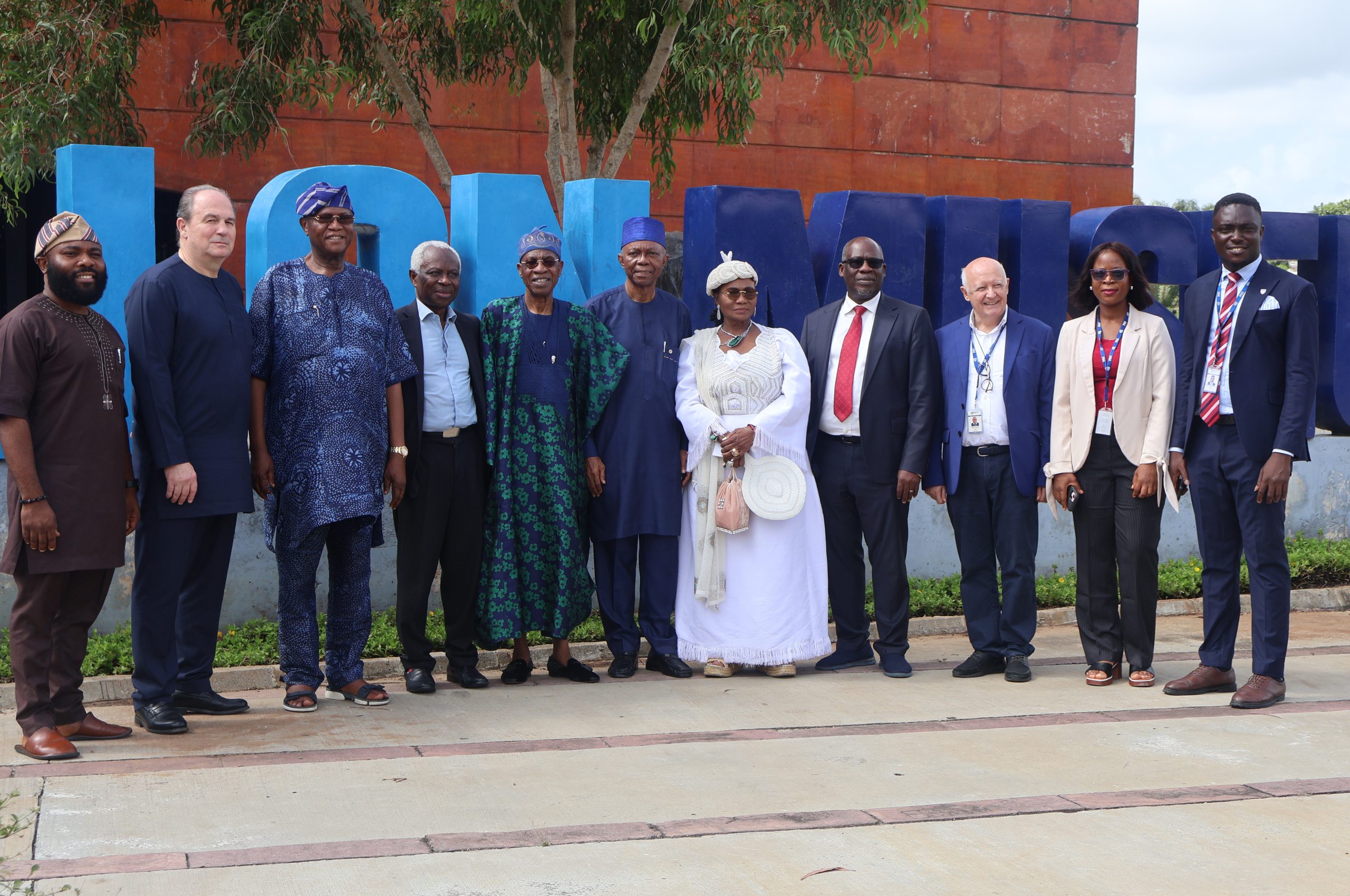
    The Yemisi Shyllon Museum of Art (YSMA), Pan-Atlantic University, on May 11, 2026, hosted a delegation of the Board of Trustees and Governing Council of the Eko Tourism Foundation (ETF) on a high-profile strategic visit that reinforced the growing alignment and importance of art, heritage, and the creative economy to Lagos State’s ambitions of becoming a global cultural tourism hub.

    The delegation, led by the Chairman of the Board of Trustees of the Eko Tourism Foundation and former Minister of Information and Culture, Alhaji Lai Mohammed, was received by the Vice-Chancellor of Pan-Atlantic University, Prof. Enase Okonedo; the Grand Donor and Chairman of the YSMA Supervisory Council, Prince Yemisi Shyllon; the Museum Director, Dr. Jess Castellote; and other distinguished stakeholders from the university and the museum.

    The visit featured presentations on the museum’s vision and impact, a screening of a documentary on YSMA’s educational programmes within the Ibeju-Lekki community, and a guided tour of the museum’s collections. During the engagement, Alhaji Lai Mohammed also donated copies of his recent book, Headlines & Soundbites: Media Moments that Defined an Administration, to the Pan-Atlantic University Library. The books were formally received by the Vice-Chancellor on behalf of the university community.

    Strategic Significance for YSMA and Pan-Atlantic University

    The engagement comes at a significant moment in Lagos’ cultural evolution, as the state intensifies efforts to position itself as a leading global destination for culture, heritage, entertainment, and tourism. Within this broader vision, YSMA and Pan-Atlantic University represent critical educational and cultural infrastructure — institutions capable of shaping narratives, attracting international audiences, fostering scholarship, and anchoring sustainable tourism development within the rapidly transforming Ibeju-Lekki corridor.

    Established in 2019 as Nigeria’s first purpose-built and privately funded university museum, YSMA is evolving into one of West Africa’s most important cultural institutions, combining a globally significant art collection with educational and community-enriching programming. By hosting the ETF leadership at this level, the museum and the University are increasingly positioned not only as custodians of national heritage, but as strategic partners in shaping the future of the state’s tourism economy. The visit reinforces YSMA’s emergence as a must-see destination for both local and international audiences, and as a gateway through which visitors engage with Nigeria’s artistic and cultural narratives.

    Speaking on the significance of the engagement, Museum Director, Dr. Jess Castellote, described the visit as a strong affirmation of the museum’s growing relevance within Nigeria’s tourism and cultural landscape.

    “This visit by the Eko Tourism Foundation reflects an important shift in how museums are increasingly recognised, not only as cultural institutions, but as strategic drivers of tourism, education, and national identity,” he stated. “YSMA was founded with the vision of preserving Nigerian art and making it accessible to the public through learning and engagement. To see this vision align so naturally with Lagos State’s broader cultural tourism aspirations is both relevant and encouraging.”

    The Vice-Chancellor of Pan-Atlantic University, Prof. Enase Okonedo, emphasized the importance of partnerships that connect education, culture, and public impact.

    “At Pan-Atlantic University, we strongly believe that universities must contribute meaningfully to society beyond the classroom,” she remarked. “The Yemisi Shyllon Museum of Art embodies that commitment by serving as a centre for education, cultural preservation, and community engagement. We commend ETF for the excellent work they are doing. Collaborations and visits of this nature strengthen the role of both the university and the museum within the wider vision of Lagos as a globally competitive cultural capital.”

    In his speech, Alhaji Lai Mohammed underscored the role of culture as the foundation of sustainable tourism and described YSMA as one of the kinds of institutions capable of reshaping how the world sees Lagos and Nigeria.

    “Tourism thrives on identity, memory, and authentic experiences, and institutions like the Yemisi Shyllon Museum of Art are central to that vision,” he said. “Lagos cannot aspire to global cultural relevance without investing in and promoting places that preserve our stories, celebrate our creativity, and project the richness of our heritage to the world. What has been built here at YSMA represents exactly the kind of cultural destination that belongs on the itinerary of every visitor to Lagos.”

    A Shared Vision for the Future

    The convergence of YSMA, Pan-Atlantic University, and the Eko Tourism Foundation reflects a growing recognition that culture, education, and tourism must work together to shape the future of Lagos. As the state expands its ambitions beyond commerce and entertainment, institutions such as YSMA and Pan-Atlantic University are increasingly becoming part of the infrastructure required to position Lagos as a globally competitive destination defined not only by energy and enterprise, but also by heritage, creativity, and intellectual depth.

    Tourism, as highlighted during the visit, is an ecosystem that thrives on strong institutions, compelling narratives, and meaningful visitor experiences. By fostering deeper collaboration between museums, universities, policymakers, and the creative industries, Lagos is laying the foundation for a more sustainable and culturally driven tourism economy.

    For YSMA, the visit further affirms its evolving role as more than a repository of Nigerian art and heritage. It strengthens the museum’s position as a leading cultural destination and an active contributor to the broader vision of Lagos as a world-class centre for arts, culture, learning, and tourism.

  • Teksight Edge Appointed Lead Sponsorship & Commercial Partner to Zantiri Africa for Unity Cup 2026

    Teksight Edge Appointed Lead Sponsorship & Commercial Partner to Zantiri Africa for Unity Cup 2026

    Leading Marketing and Communications company, Teksight Edge, has been appointed as Lead sponsorship and commercial partner to Zantiri Africa for the Unity Cup 2026

    Zantiri Africa, a member of PanAfrican Capital Holdings and strategic investor in the Unity Cup, marking a significant milestone in the evolution of one of the fastest-growing international diaspora football properties. This investment builds on the successful delivery of Unity Cup 2025, which was executed with the strategic backing of PAC Holdings through its investment banking arm, PAC Capital.

    As part of its next phase of growth, Zantiri Africa has earmarked Teksight Edge to lead the development and execution key commercial strategy for Unity Cup 2026, including sponsorship acquisition, brand partnerships, and integrated marketing campaigns.

    Advancing the Global Africa Creative and Entertainment Agenda

    This partnership underscores PAC Holdings’ broader commitment to the development of the Global Africa creative and entertainment ecosystem. The Group continues to play an active role in originating and supporting high-impact cultural and sporting platforms that connect Africa with its global diaspora and unlock new investment opportunities across the sector.


    Unity Cup 2026: A Premier Diaspora Sporting Platform

    The 2026 edition of the Unity Cup is scheduled to take place from 26–30 May 2026 in London, bringing together national teams representing key diaspora communities, including Nigeria, Jamaica, Zimbabwe, and India.

    Positioned as a premier international diaspora football tournament, Unity Cup serves as a unique platform at the intersection of sport, culture, and identity. Previous editions have recorded over 34,000 in-stadium attendees and delivered significant international viewership.

    The 2026 tournament is projected to reach a global audience exceeding 50 million viewers, offering brands and partners access to a highly engaged, multicultural, and commercially attractive demographic.


    Driving Commercial Scale and Strategic Partnerships

    Commenting on the development, Franklyn Upeters, Chief Operating Officer of Zantiri Africa, stated, “Unity Cup has established itself as a culturally relevant and commercially compelling platform. Our partnership with Teksight Edge is focused on accelerating its growth trajectory—unlocking new revenue streams, deepening brand engagement, and delivering integrated value across the tournament ecosystem.”

    Odinaka Mbonu, General Manager at Teksight Edge, added, “Our mandate is to curate partnerships that go beyond visibility—creating authentic, data-driven brand experiences that resonate with diaspora audiences while delivering measurable commercial outcomes for our partners.”


  • Feature: Pipelines, Power, and Positioning

    Feature: Pipelines, Power, and Positioning

    What Nigeria’s OB3 project reveals about Africa’s energy future

    By Sola Adebawo 

    When a pipeline crosses a river, it is often described as an engineering milestone.

    In Nigeria, the completion of the River Niger crossing of the OB3 gas pipeline (executed roughly two kilometres beneath the riverbed using horizontal directional drilling) is certainly that.

    But it is also something more.

    It is a signal of what Africa’s energy future could look like, if infrastructure moves from isolated projects to integrated systems.

    From resource wealth to system weakness

    Africa is not short of energy.

    It is short of integration.

    The continent holds roughly 7% of global natural gas reserves, according to the International Energy Agency, alongside some of the world’s highest solar potential and significant untapped hydropower capacity. Yet it remains home to over 600 million people without access to electricity, as documented by the World Bank and the IEA’s SDG7 tracking reports.

    This is not simply a resource gap.

    It is a systems gap.

    Energy resources exist in pockets — geographically dispersed, often disconnected from demand centres, and constrained by weak transmission and transport networks.

    The challenge has never been discovery.

    It has been movement.

    Without the ability to move energy reliably across regions and sectors, capacity remains theoretical.

    What the OB3 pipeline changes

    The OB3 pipeline, located in Nigeria, connects gas supply from the eastern Niger Delta to demand centres in the west, and links into the Ajaokuta–Kaduna–Kano (AKK) corridor extending northward.

    On paper, its capacity  (up to 2 billion standard cubic feet per day) is substantial.

    In practice, its significance lies in what it enables.

    It connects gas fields to power plants.
    It supports fertiliser production and industrial clusters.


    It underpins manufacturing growth and domestic energy supply.

    This matters in a country where gas is already central to electricity generation. Nigeria’s power sector relies on gas for over 70% of grid-connected generation, according to national system data and analyses by the Nigerian Electricity Regulatory Commission.

    The issue has not been resource availability.

    It has been delivery.

    OB3 begins to shift that.

    It moves gas from being a resource…

    to being part of a system.

    The regional implication

    The deeper importance of projects like OB3 is not national, but regional.

    Because infrastructure of this nature rarely remains confined within borders.

    Once domestic networks become functional, the next step is expansion.

    West Africa already offers early examples:

    • the West African Gas Pipeline linking Nigeria to Ghana
    • regional power pool arrangements across ECOWAS

    But these systems remain limited in scale and reliability.

    According to the African Development Bank, cross-border electricity trade in Africa remains underdeveloped relative to other regions, despite significant economic benefits.

    What OB3 demonstrates is a foundational principle:

    Internal integration precedes regional integration.

    Countries cannot export energy reliably if they cannot move it efficiently within their own systems.

    The economics of connectivity

    Energy infrastructure is often framed as a supply issue.

    Its real impact is economic.

    When systems are integrated:

    • demand aggregates
    • utilisation improves
    • investment becomes more viable

    Africa currently receives a disproportionately small share of global energy investment relative to its needs. The International Energy Agency estimates that the continent accounts for less than 3% of global energy investment, despite hosting a much larger share of the world’s energy access gap.

    This is not simply about capital availability.

    It is about system readiness.

    Integrated systems reduce risk, improve bankability, and create predictable revenue flows.

    Without this, even resource-rich markets struggle to attract sustained investment.

    Policy as infrastructure

    Engineering delivers pipelines.

    Policy determines whether they function.

    Across Africa, the constraint is rarely technical capability. It is governance.

    Regulatory inconsistency.
    Tariff misalignment.
    Weak cross-border coordination.

    Political and contractual uncertainty.

    The World Bank has consistently highlighted regulatory credibility and cost-reflective pricing as critical constraints to power sector sustainability in emerging markets.

    A pipeline that crosses a river is difficult.

    A pipeline that crosses jurisdictions is more complex.

    This is where Africa’s next phase of energy development will be decided.

    Not in engineering capability.

    But in institutional capacity.

    Gas in Africa’s energy equation

    Projects such as OB3 also highlight the continuing role of gas. Global energy debates often frame the transition in binary terms. But Africa’s reality is different.

    Gas sits at the centre of:

    • power generation
    • industrialisation
    • energy access

    The International Energy Agency has noted that natural gas will remain a critical transition fuel for Africa, particularly in supporting reliable power systems and industrial growth.

    Handled effectively, it acts as a bridge.

    Handled poorly, it risks becoming another stranded asset.

    From domestic infrastructure to global positioning

    As infrastructure scales, the implications extend beyond national development.

    Africa moves from:


    resource holder…

    to:
    energy system builder…

    and eventually:
    market participant.

    This matters…because the future energy landscape will not be defined only by who has resources. 

    But by who can:

    • deliver energy reliably
    • integrate systems across regions
    • sustain performance over time

    Conclusion: beyond the pipeline

    The OB3 project in Nigeria is an important milestone.

    But its real significance lies in what it represents.

    A shift (still early, still uneven) from fragmented energy systems toward more connected ones.

    Africa does not lack energy resources.

    It must now build the systems that allow those resources to move, scale, and endure.

    Because in the end:

    Resources create potential.
    Infrastructure creates access.

    But integration creates power.

    ————————————————————————————————

    Sola Adebawo is an energy executive, institutional strategy and public affairs leader with deep experience at the intersection of energy, governance, policy, and strategic communication. His writing explores reform, political economy, leadership, culture, and the relationship between institutions and public life. He is an author, scholar, and ordained minister.

  • Beyond Awards Night: How AMVCA Intentionally Celebrates Every Layer of the Industry 

    Beyond Awards Night: How AMVCA Intentionally Celebrates Every Layer of the Industry 

    There’s a bigger truth at the heart of every award season: an entire industry can’t be neatly packaged into a list of winners and nominees.

    It’s just not that simple.

    There are too many moving parts. Too many stories. Too many people are doing the actual work on screen, behind the scenes, in rooms nobody sees, on sets that don’t trend, on projects that don’t always make the final cut of conversations.

    And yet, that’s what most award shows try to do. Wrap everything up in one night. Hand out plaques. Roll credits.

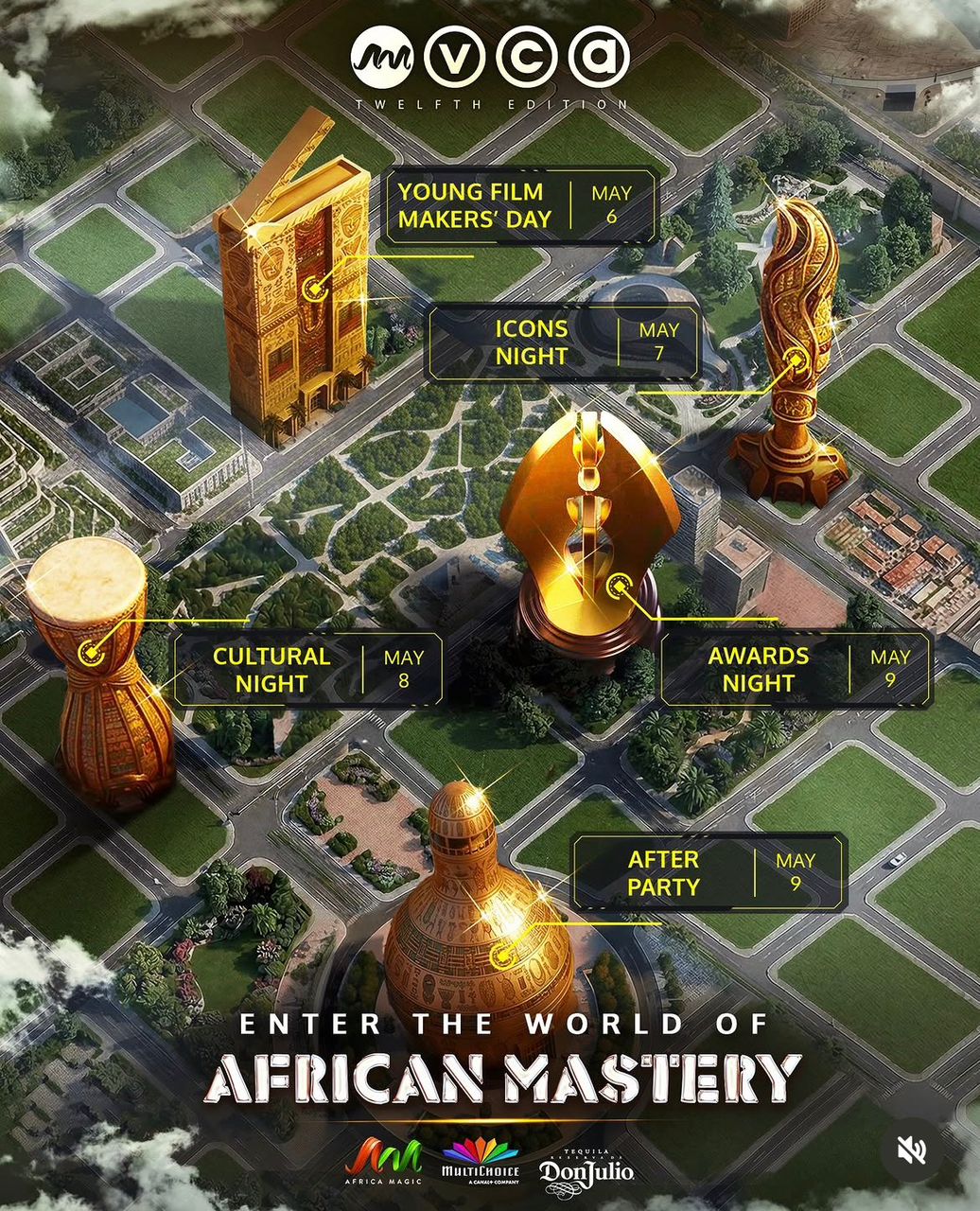
    But the Africa Magic Viewers’ Choice Awards (AMVCA) approaches it differently, and that difference shows in how the entire week is designed.

    Instead of compressing the industry into a single moment, AMVCA stretches it out. It creates space. It acknowledges that different parts of the industry need different kinds of recognition.

    Take Young Filmmakers’ Day, for example. This is not about who has “arrived.” It’s about who is coming. The ones still figuring it out, still building, still trying to get seen in an industry that doesn’t always make room easily. This day shifts the focus from applause to access. It says the future of the industry deserves its own spotlight, not as an afterthought, but as a starting point.

    Then there’s Icons Night, and this is where memory comes in. Because long before the current wave, before the buzz, before the visibility, there were people who held things together. Who created, contributed, and carried the industry in ways that don’t always translate into award categories. AMVCA makes room for that kind of recognition, too, the kind that isn’t about competition but about contribution.

    Cultural Night does something else entirely. It reminds you that beyond the films and the series and the technical credits, there’s identity. There’s heritage. There’s a deeper layer to the work being celebrated. It’s expressive, it’s vibrant, it’s fun, but it’s also grounding. Because storytelling doesn’t exist in isolation; it’s shaped by culture, by language, by lived experience. And this night leans fully into that.

    And then, finally, Awards Night. The part everyone shows up for. The glamour, the wins, the reactions, the moments that will dominate timelines. It’s the culmination, the high point.

    But when you look at everything that happens before it, you start to realise something important:

    The awards are just one piece of the puzzle.

    What AMVCA gets right is understanding that the industry is not one story, it’s many stories happening at once. Some loud, some quiet. Some celebrated, some overlooked. And if you’re going to truly honour that, you have to go beyond a single night.

    So instead of trying to make everything fit into one frame, AMVCA expands the frame.

    And in doing that, it doesn’t just celebrate winners. It celebrates the work, the people, and the layers that make the industry what it is.

  • Dangote, Pope Leo XIV, Trump, Xi Jinping, others Named in TIME 100 Most Influential People for 2026

    Dangote, Pope Leo XIV, Trump, Xi Jinping, others Named in TIME 100 Most Influential People for 2026

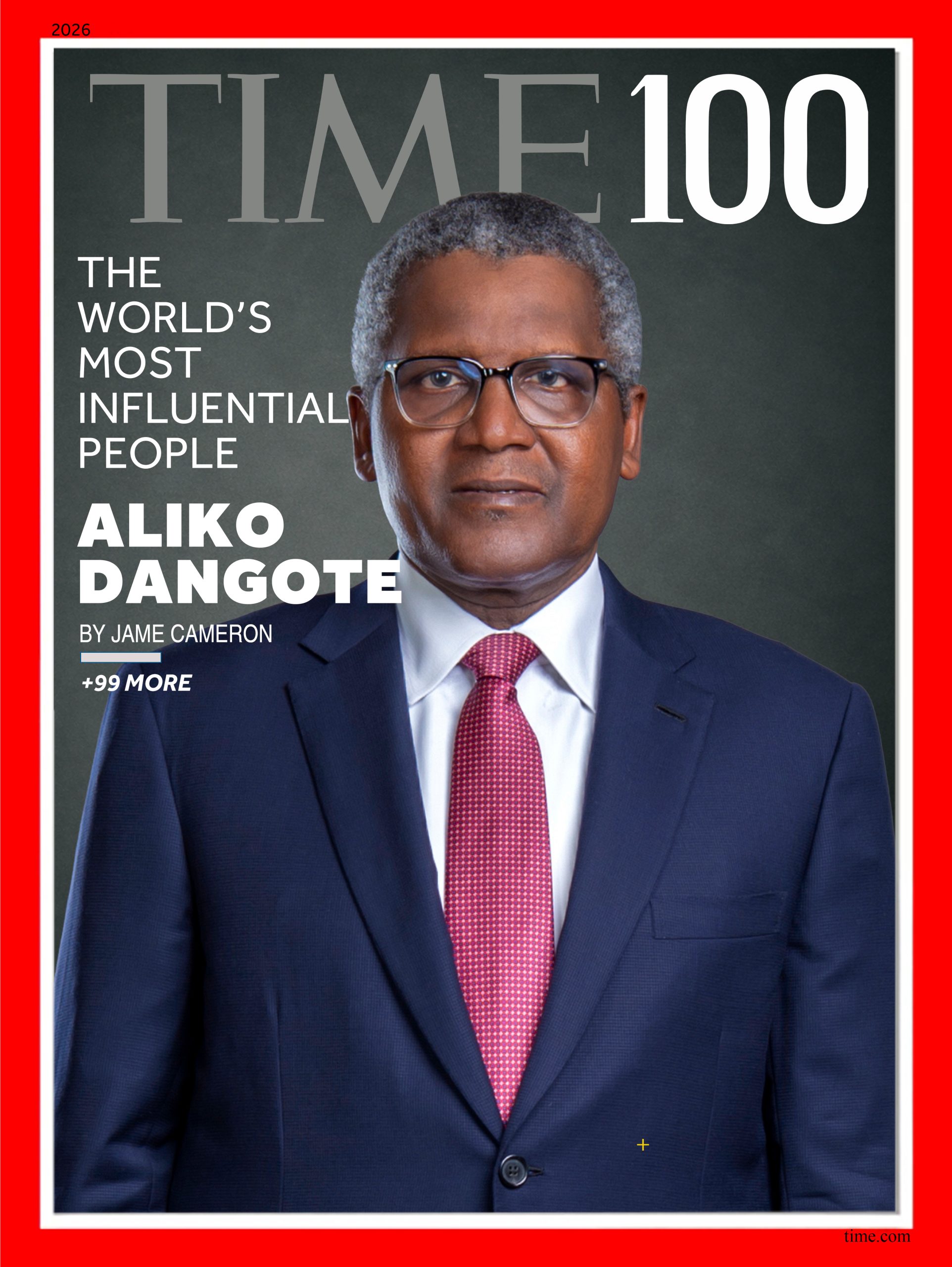
    Renowned African industrialist and philanthropist, Aliko Dangote, has been named among TIME Magazine’s 100 Most Influential People in the World for 2026, reaffirming his standing as one of the most successful and iconic business leaders of his generation.

    Dangote joins global influential figures from multiple sectors, including political leaders such as U.S. President Donald Trump, Chinese President Xi Jinping, Israeli Prime Minister Benjamin Netanyahu, Canadian Prime Minister Mark Carney, revered Pope Leo XIV, current head of the Catholic Church as well as business and technology leaders including Google CEO Sundar Pichai and YouTube CEO Neal Mohan.

    The annual TIME100 list, published on April 15, 2026, recognises global figures whose leadership, ideas, and actions are shaping the future across business, politics, culture, and society. Dangote’s inclusion places him alongside prominent international figures drawn from diverse spheres of global influence.

    This marks Dangote’s second appearance on the prestigious TIME100 list, following his first recognition in 2014, when he was honoured for his exceptional impact on business and philanthropy. His return to the list more than a decade later underscores the consistency and scale of his influence on the global stage.

    Dangote, who is being recognized for his African industrial drive is the only Nigerian on the list and featured in the titan and innovators category. Other prominent honorees named alongside Dangote in the titan category are Reid Wiseman, Commander of the Artemis II mission to the moon; Sundar Pichai, CEO of Google and Alphabet and Neal Mohan, CEO of YouTube.

    Also featuring prominently under the titan category are Michael and Susan Dell, the high-profile American tech billionaires and philanthropists best known as the founders of the Michael & Susan Dell Foundation, a global non-profit that focuses on improving the lives of children living in urban poverty. Included here also is the American designer and billionaire, Ralph Lauren, best known for founding the global lifestyle empire Ralph Lauren Corporation.

    Recognised in the Pioneer category are individuals with breakthroughs in Science and Social Advocacy, such as Kiran Musunuru and Rebecca Ahrens-Nicklas, both of whom were cited for medical breakthroughs in genetic therapy, as well as Aaron Williams, recognised for advancements in heart transplant readiness.

    Influential figures recognized in global entertainment and culture include Ranbir Kapoor, prominent Indian actor; Dakota Johnson, recognized as an actress and cultural icon and Kate Hudson, included for her cultural influence.

    As Founder and President of Dangote Group—Africa’s largest indigenous industrial conglomerate—Dangote has played a central role in advancing industrialisation across the continent. Under his leadership, the Group has made landmark investments spanning cement manufacturing, sugar and food processing, agriculture, infrastructure, and lately energy, significantly reducing Africa’s reliance on imports while creating millions of direct and indirect jobs.

    In its citation, TIME Magazine highlighted Dangote’s vision of building African industries with local resources for global competitiveness, noting his recent investments in large‑scale energy and manufacturing infrastructure as emblematic of his long‑term commitment to Africa’s economic transformation.

    Beyond business, Dangote is widely acclaimed for his philanthropic leadership through the Aliko Dangote Foundation (ADF), one of Africa’s largest private philanthropic organisations. The Foundation supports critical initiatives across healthcare, nutrition, education, disaster relief, and economic empowerment, contributing to improved outcomes for vulnerable communities across the continent.

    The 2026 TIME100 recognition further reflects a broader global acknowledgement of African leadership, innovation, and enterprise, with Dangote standing as a symbol of the continent’s growing influence in shaping global economic and development narratives.

    This latest honour consolidates Aliko Dangote’s legacy as a visionary industrialist and philanthropist, whose work continues to drive sustainable development, inclusive growth, and long‑term value creation—both within Africa and beyond.

    Under his leadership, Dangote Group recently launched Vision 2030, with which Dangote Industries aims to transform from a regional $30 billion conglomerate into a $100 billion global powerhouse by 2030.

    This strategy focuses on industrial self-sufficiency for Africa, moving the group from “regional dominance to global relevance”. 

    Dangote said the roadmap to vision 2030 is divided into phases to “supercharge” the group’s expansion; with phase one spanning 2025-2028, focused on scaling existing businesses—cement, fertiliser, and energy—and optimising assets for international competitiveness.

    Phase two, running from 2028-2030, is for deploying new businesses and ventures into global markets to drive the final leap toward the $100 billion revenue target. The Dangote Group plans to expand into steel manufacturing, power generation, and deep-sea ports to address industrial bottlenecks across Africa. 

    This recognition by Time Magazine underscores the growing global recognition of African leadership and innovation and highlights Aliko Dangote’s enduring influence as a visionary committed to sustainable development and inclusive growth.

    The 2026 list underscores the expanding global visibility of African leadership and Dangote’s continued influence as a leading industrialist and philanthropist.

  • Lekki Port, Chinese Consulate Partner to Deepen Capacity Development through China Training Programme

    Lekki Port, Chinese Consulate Partner to Deepen Capacity Development through China Training Programme

    The management of Lekki Port, promoters of Lekki Deep Seaport, in collaboration with the Consulate General of the People’s Republic of China in Nigeria, has strengthened its human capital development efforts through an international training programme in China for selected staff to enhance technical capacity, operational efficiency, and global best practices in port management.

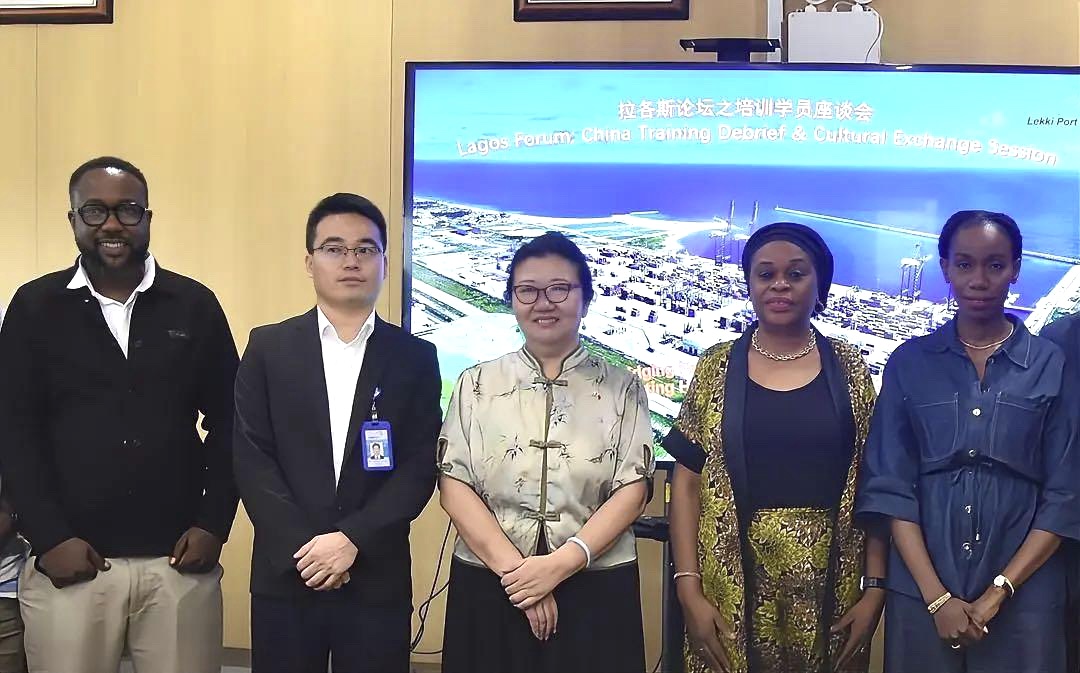
    A Knowledge Sharing Session was subsequently held on Friday, April 10, 2026, at the port, providing an opportunity for participants who recently participated in the training programme to share how the experience has broadened their perspectives and equipped them with practical knowledge that can be applied to enhance operational efficiency and drive innovation at Lekki Port.

    The training provided participants with firsthand exposure to China’s advanced port infrastructure, technological systems, and industrial development. Participants gained insights into efficient logistics operations, innovation-driven processes, and the integration of modern technologies in port management.

    Speaking at the Knowledge Sharing Session, the Managing Director of Lekki Port, Wang Qiang, expressed his appreciation to the Chinese Consulate for their continued support and for providing valuable training opportunities that have significantly enhanced the capacity and exposure of Lekki Port’s workforce.

    Qiang noted that the training programme reflects Lekki Port’s commitment to public-private partnerships, cross-cultural exchange, and continuous workforce development to meet evolving industry demands while deepening global partner relationships.

    “At Lekki Port, collaboration is at the core of our business model, and cultural exchange is a key part of that commitment. We will continue to promote initiatives like this to strengthen our operations and global outlook.  We will continuously send our people for such training in the future,” he said.

    In her remarks, Consul General of the People’s Republic of China, Yan Yuqing, explained that the initiative reflects China’s commitment to strengthening bilateral cooperation through knowledge exchange and capacity building, with Nigeria playing a key role as a strategic partner.

    Yuqing added that the programme is designed not only to expose participants to China’s development and culture, but also to create a platform for mutual learning and stronger institutional ties.

    “China and Africa share a strong and growing relationship, and talent development is a key part of that partnership. Through programmes like this, we aim to provide opportunities for participants to understand China’s development, culture, and innovation, while also strengthening cooperation between our countries. These participants are not just learners; they are ambassadors of China-Nigeria friendship, and we hope they will apply what they have learned to drive development in their respective organisations,” she added.

    Expressing his gratitude, a participant of the China Training Programme, Mattew Oloyede, said that the training provided invaluable exposure to advanced port operations, cutting-edge technologies, and structured systems that drive efficiency in global maritime hubs. He noted that the knowledge gained will be applied to improve processes, strengthen teamwork, and support Lekki Port’s ambition to remain a leading maritime hub in Africa.

    Underscoring its commitment to innovation and excellence, Lekki Port consistently capitalises on global synergies and human capital investment to foster sustained maritime advancement.

  • AMVCA 12 Unveils Head Judge, Sponsors and Return of Icons Night

    AMVCA 12 Unveils Head Judge, Sponsors and Return of Icons Night

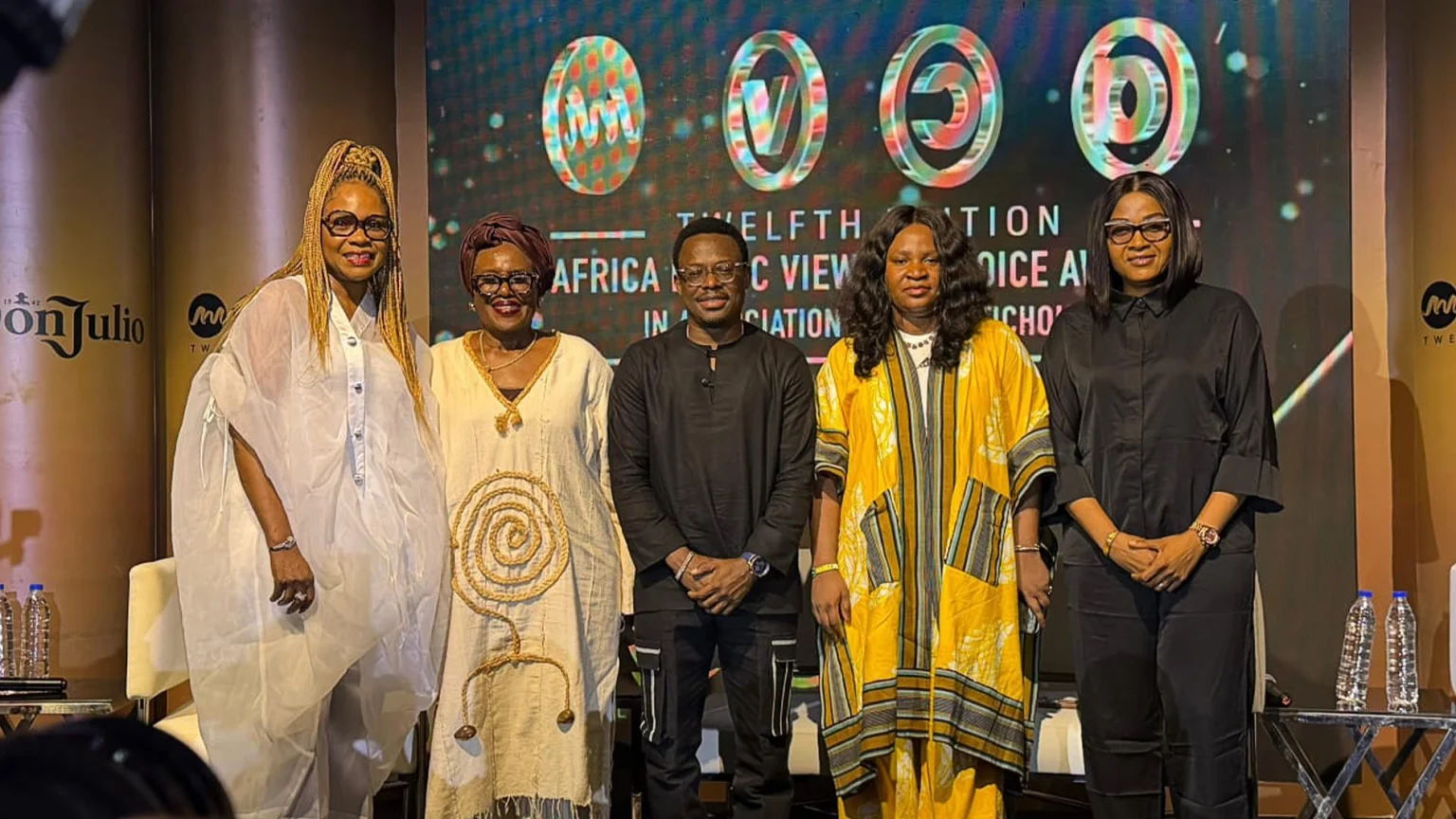
    The Africa Magic Viewers’ Choice Awards ushered in its 12th edition on Thursday with a press briefing at the MultiChoice studio, convening media, industry leaders, and key stakeholders in a vibrant atmosphere charged with anticipation. The gathering drew prominent figures including Joke Silva, Ireti Doyle, Linda Ejiofor, and Ibrahim Suleiman, alongside former Big Brother Naija stars, reinforcing the cultural significance of the moment.

    With over 2,000 entries submitted, this year’s edition marks a significant milestone in the continued growth of AMVCA, reflecting the rapid expansion of Africa’s film and television industry. Over the years, the awards have evolved into a leading platform that celebrates African culture, elevates authentic storytelling, and provides a stage for both emerging and established talent across the continent.

    A major highlight of the announcement was the unveiling of Joke Silva as Head Judge for the 12th edition, a move that reinforces the credibility and prestige of the awards. Speaking at the event, she noted, “Winners will be judged based on the strength of storytelling, directing, performance, sound design, and other key categories,” emphasizing the awards’ commitment to excellence and creative integrity.

    The return of the highly anticipated Icons Night was also confirmed, signaling a renewed focus on legacy within the industry. Reintroduced to honour veterans and pioneers, Icons Night serves as a nostalgic and meaningful tribute to the individuals whose contributions have shaped the African entertainment landscape, bridging generations and celebrating enduring impact.

    In addition, sponsors for this year’s edition were unveiled, including major brands such as Don Julio Tequila, MTN, and Onga, alongside other key partners aligning with the vision and cultural significance of the awards, further highlighting growing corporate confidence in the power and influence of African storytelling.

    As anticipation builds, audiences are encouraged to tune in for the live nominee announcement scheduled for Sunday, 29 March 2026, 7: 00 PM (WAT) across all Africa Magic channels on GOtv and DStv and to actively participate in the voting process once nominees are revealed.

    With momentum now building and excitement steadily rising, the AMVCA continues to position itself as the defining moment for African film and television, a celebration of creativity, culture, and excellence as the continent counts down to one of its most prestigious nights in entertainment.

  • MarkHack 5.0 to Explore Culture at the Center of AI Conversation in Nigeria

    MarkHack 5.0 to Explore Culture at the Center of AI Conversation in Nigeria

    As artificial intelligence rapidly reshapes how people create, communicate, and consume media, one critical question is emerging: how do we ensure technology evolves without eroding human culture, creativity, and lived experience? This question will take center stage at MarkHack 5.0, Nigeria’s leading marketing, media, and innovation conference, scheduled for Thursday, 5 June 2026, at the Oriental Hotel, Victoria Island, Lagos.

    Themed “The Culture Algorithm: AI × Human Experience,” MarkHack 5.0 will convene industry leaders, creatives, technologists, startups, policymakers, and cultural innovators to examine how algorithms are increasingly shaping identity, behavior, media, and everyday life and what it means for brands, creators, and consumers in Nigeria and across Africa.

    Organised by GDM Group in partnership with Eko Innovation Centre and Brand Communicator, MarkHack 5.0 reflects a deliberate shift from tool-centric AI conversations to a culture-first approach. At a time when AI adoption is accelerating across marketing, media, and the creative economy, the conference positions itself as a forum for deeper reflection on meaning, ethics, creativity, and human agency in an algorithm-driven world.

    This year’s edition will feature a curated mix of high-impact experiences designed to move the conversation beyond theory into lived reality. Keynotes and fireside conversations will bring together industry leaders, founders, creatives, researchers, and policymakers to unpack how AI is influencing culture, storytelling, consumer behaviour, and trust. A multidisciplinary hackathon and demo day will challenge startups building solutions at the intersection of AI, culture, and human experience, culminating in live demonstrations and recognition of standout ideas.

    MarkHack 5.0 will also introduce immersive content creation and media experiences, where filmmakers, creators, and media professionals engage with new storytelling formats shaped by technology and culture. Consumer-led panels will foreground real human perspectives, examining how everyday people experience AI-powered platforms, media systems, and digital products. Startup and corporate exhibitions will showcase innovations redefining marketing, media, lifestyle, and engagement, while the awards and recognition segment will continue to spotlight individuals and organisations driving meaningful change within Nigeria’s marketing, media, and technology ecosystem.

    Since launching in 2022 as Nigeria’s first marketing and media hackathon, MarkHack has evolved into a full-scale conference and thought-leadership platform. This evolution mirrors a broader industry shift, from experimentation with new tools to a deeper examination of how technology influences culture, creativity, and human values. MarkHack 5.0 builds on this legacy by expanding the conversation beyond performance and automation to include identity, lifestyle, and human experience.

    The conference provides marketers, founders, creators, investors, media practitioners, and innovators with a unique opportunity to connect, collaborate, and gain practical insights into how AI can enhance, rather than replace, human creativity and expression in emerging markets.

    Registration is now open at markhack.tech/pitch, and interested participants are encouraged to apply before the March 31st, 2026 deadline.

  • Feature- Smash The Glass Ceiling: A review by a conscious male reader

    Feature- Smash The Glass Ceiling: A review by a conscious male reader

    Title: Smash The Glass Ceiling: Empowering African Women to Break Barriers and Achieve their Dreams

    Author: Olamitayo Ebunola Irantiola

    Pagination: 244 pages

    Publisher: Peo Davies Communications

    Year of Publication: 2025

    Reviewer: Praise Ojetunde

    It was a privilege to read this fantastic book at this time when I am still a bachelor. I learnt that the writer spent years compiling the book before it reached the press; I strongly believe she held a sledgehammer in her hand during those years. Her intentionality was clear from the beginning to the end.

    Across the book, she mentioned that this limitation or sentiment associated with women is a scandal, harmful ideology, act of wickedness, servitude, unfair treatment, and a damaging mentality.

    Initially, I thought she would simply extend the “limits”, but she ended up removing them and created a strong point for empathetic women’s leadership.

    Despite her strong advocacy for women aspiring to leadership positions, and not limited by misinterpretations of gender roles backed by archaic cultural and out-of-context scriptural references, I found it particularly intriguing and encouraging that she keeps a godly home herself. She even acknowledged her husband and affirmed his support for her pastoral role, even when, in an instance, she was unfairly challenged by a fellow (elderly) woman.

    It is a book filled with high-quality research across every angle: institutions, culture, and spirituality.

    It is a book that encourages everyone, especially women, to dream without limits.

    In conclusion, it is a book written to right the wrong of many years, balance the scales, and spur women to understand the reality of their age and go for gold.

    It has successfully changed my perspective about women.

    I can only hope that more womanists, like Pastor Olamitayo Irantiola, and not feminists, embrace academic writings such as this publication. In addition, I would strongly recommend that this book be read by young men and women.

    Thank you, Pastor Olamitayo Irantiola.

    Praise Tolulope Ojetunde is the author of The Errand President

  • 5 Festive GOtv Shows to Put You in the Holiday Mood This December

    5 Festive GOtv Shows to Put You in the Holiday Mood This December

    The holiday season is here, and there’s no better time to unwind, have fun, and create memorable moments with family and friends. GOtv brings a lineup of festive shows and specials that promise laughter, music, culture, and holiday cheer, all from the comfort of your home. Whether you love heartwarming stories, exciting festivals, or culinary delights, there’s something on GOtv to get everyone in the holiday spirit.

    Here’s everything you should keep on your radar this December:

    Comedy Nites: Holiday Laugh-Off

    image.jpeg

    Get ready for laughter and festive cheer with Comedy Nites: Holiday Laugh-Off. Featuring top comedians and hilarious sketches, this special is designed to keep the holiday mood light, fun, and entertaining. Perfect for families and friends, it’s a celebration of humour and joy during the most wonderful time of the year. Shows on the 18th of  December 2025  4PM on Africa Magic Family, GOtv Ch 7.

    Akwa Ibom Christmas Carols Festival 2025

    image.jpeg

    Step into a magical evening of music, dance, and cultural celebration with the Akwa Ibom Christmas Carols Festival. Recognised globally and attended by thousands, the festival blends soulful carols, vibrant choreography, and joyous performances that embody the spirit of December. Whether you love music, dance, or festive cheer, this festival promises to lift your spirits and bring warmth to your holiday season. Will air on the 19th of December 2025, 7 PM on GOtv Holiday Pop-Up Channel, Ch 49.

    Calabar Carnival  2025:  “Traces of Time”

    image.jpeg

    Experience the colour, excitement, and energy of one of Africa’s most spectacular festivals from your living room. Calabar Carnival’s 20th edition revisits the carnival’s journey while introducing stunning floats, dazzling costumes, music, acrobatics, and cultural storytelling. This immersive event promises a festive feast for families, culture lovers, and anyone seeking an unforgettable holiday experience. Airs from the 23rd to the 30th of December 2025 on GOtv Holiday Pop-Up Channel, Ch 49.

    Holiday Pop-Up Special: “Festive Family Fun”

    Bring the whole family together for laughter, entertainment, and seasonal cheer with “Festive Family Fun.” Packed with holiday-themed comedy sketches, lifestyle features, and fun-filled activities, this special captures the joy and warmth of the season. It’s a lighthearted, feel-good show that’s perfect for creating festive memories with loved ones. Shows on the 21st of December 2025 on GOtv Holiday Pop-Up Channel, Ch 49.

    Urban Kitchen

    image.jpeg

    Celebrate the festive season with Urban Kitchen, a vibrant show that brings together flavour, creativity, and the joy of cooking. With talented chefs, festive recipes, and lively demonstrations, every episode is filled with heartwarming moments, inspiration, and holiday magic. It’s the perfect way to bring family and friends together, share in the spirit of the season, and enjoy the tastes and traditions that make the holidays special.

    Shows on the 18th of December 2025 on  GOtv Holiday Pop-Up, Ch 49.Simply download the MyGOtv app or dial *288# to upgrade, subscribe, or reconnect. For on-the-go viewing, use the GOtv Stream App and enjoy your favourite festive shows anytime, anywhere.

  • For the Records: Welcome Address delivered at the 2025 Okeho Day Education Summit

    For the Records: Welcome Address delivered at the 2025 Okeho Day Education Summit

    by J. Moyo Ajekigbe, OFR

    On behalf of the organisers of the 2025 Okeho Day, I am delighted to welcome you all to this Education Summit and to make a few introductory remarks.

    I would like to start by thanking God for the gift of life and for the privilege to celebrate another Okeho Day. This edition of Okeho Day is very special in that it is being held in the year when Okeho attained the status of a University Town, following the decision by the Federal Government of Nigeria to locate a Federal University in Okeho. The Federal University of Agriculture and Technology Okeho (FUNATO) is a dream come true. We thank God for this special blessing, and for those He has used to make it happen, especially Prof Segun Gbadegesin, the Asiwaju of Okeho, and Senator Abdulfatai Buhari, the senator representing Oyo North District Constituency in the Senate.

    It is not a surprise that the theme of this summit has been appropriately titled, “FUNATO: Benefits and Opportunities in the context of Regional Growth and Development”.  But before I comment on the theme of the summit, I would like to draw our attention to the theme of the 2025 Okeho Day which is, “Rooted in Heritage, United for Education: A Grand Reunion for Okeho’s Future”.

    When we talk about heritage, most people think in terms of physical and financial assets that are or may be inherited. In broad terms, however, heritage is anything that is passed down from generation to generation, and it includes the people’s traditions, values, beliefs, culture as well as historical sites and natural landscapes.  Okeho is known as Akikanju Oke Oogun, and her people are known to be Omoluabi Eniyan, that is, people born of good character. It embodies virtues like honesty, respect for others, integrity and hardwork. This is the heritage that our ancestors passed down to us, and which we too must pass down to our children. Maybe it is appropriate to ask at this juncture the question: “How many of us can beat their chest and say they are truly Omoluabi in words and in deed?”

    FUNATO has brought out the best in our people.  Many have made significant contributions (treasure, talent and time) towards the preparation of temporary campuses for the university, and obtaining necessary regulatory approvals.  This is highly commendable.  We can rightly say that Okeho is united for the actualization of the FUNATO project.  The challenge before us is to remain united as the university takes off and develops its own unique brand. We must also unite to ensure the security, development and progress of our community.

    Let me now shift my focus to the main business of the day. The theme of the summit is very appropriate and timely; and the choice of Prof. Sola Ajayi as Guest Speaker is a wise decision. He is an erudite scholar with considerable teaching and administrative experience. And most importantly, he is one of us: he knows our environment, and understands our problems. I have no doubt in my mind that he will do justice to the topic that has been assigned to him.

    FUNATO means different things to different people. For some, it is an opportunity to serve the community and its people; for some, it is a business opportunity; for some, it is a place for personal growth and development; for some, it is an opportunity to earn a living; and for some, it is an opportunity to propagate certain beliefs and ideologies. Whatever our personal or group objectives may be, let us always remember that the peace, prosperity, and progress of Okeho, and indeed of the entire Oke Oogun area, remain sacrosanct.

    The theme of this summit focuses on benefits and opportunities of FUNATO.  We must, however, also prepare for the challenges that come with having a university in a community such as ours. Our strategy should be how to convert those challenges to opportunities for the benefit of the entire community. The future promises to be bright and interesting, but we must be conscious of the fact that, “The future belongs to those who prepare for it”.

    Thank you for your time.  Please enjoy the rest of the summit.

    J. Moyo Ajekigbe, OFR is the Chairman FUNATO Planning Committee

    Images from the Summit-

    Chairman, Egbe Ọmọ Ìbílẹ̀ Okeho
    Captain Adegboyega Olopoenia, Chairman, 2025 Okeho Day Celebration
    Prof Adesola Ajayi, Vice-Chancellor,  Abiola Ajimobi Technical University