Tag: Democratic Republic of Congo

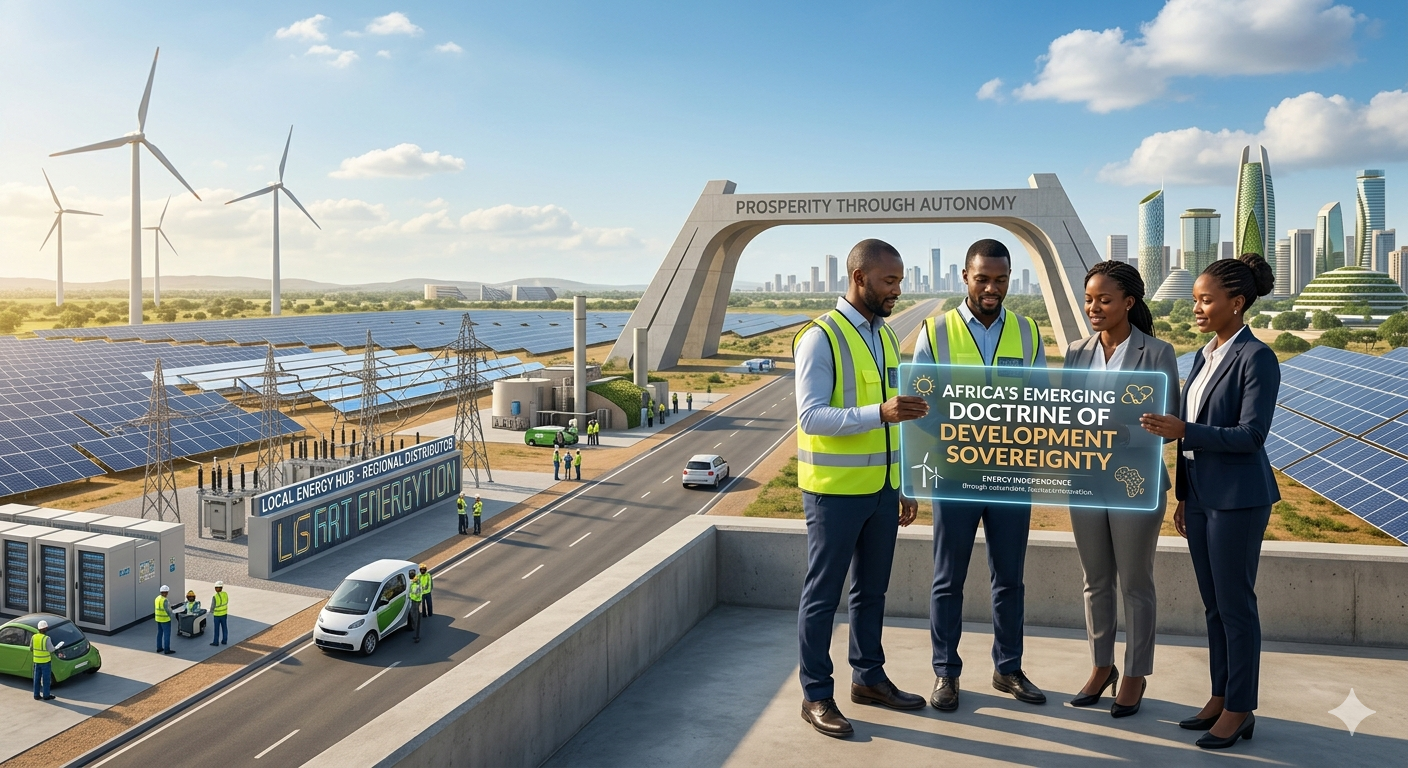
  • Feature- Africa’s Emerging Doctrine of Development Sovereignty

    Feature- Africa’s Emerging Doctrine of Development Sovereignty

    By Sola Adebawo

    The most important outcome of the Africa Forward 2026 Summit in Nairobi may not be the declaration itself, but the deeper strategic philosophy quietly emerging beneath it.

    Across energy, industrial policy, digital infrastructure, agriculture, climate negotiations, debt restructuring, and critical minerals, a new continental posture appears to be taking shape. It is not yet formal doctrine in the institutional sense. No treaty has codified it. No single African government articulates it in identical language. Yet, while implementation remains uneven across the continent, African states increasingly appear to be converging around a common strategic instinct: the belief that Africa must regain greater sovereign control over the developmental pathways that shape its economic future.

    This is what may increasingly be described as Africa’s emerging doctrine of development sovereignty.

    At its core, development sovereignty is not isolationism, economic nationalism, or rejection of global cooperation. Rather, it reflects a growing insistence that Africa’s participation in the global economy must occur on terms more consistent with long-term domestic transformation, industrial capability, strategic autonomy, and internal value creation.

    For decades, African economies operated within a global system that largely positioned the continent as a supplier of raw materials and a consumer of finished products. According to the United Nations Conference on Trade and Development, many African economies remain heavily commodity-dependent, with raw materials accounting for the overwhelming majority of merchandise exports across several states.

    This structure created persistent vulnerabilities. Commodity price shocks repeatedly destabilized fiscal systems. Manufacturing capacity remained limited. Industrial employment lagged demographic growth. Foreign exchange earnings fluctuated sharply. And despite decades of resource extraction, infrastructure and energy deficits remained severe across large portions of the continent.

    The problem was never merely resource scarcity. Africa possesses roughly 30 per cent of the world’s mineral reserves, significant hydrocarbon deposits, vast agricultural potential, and one of the world’s youngest populations. The deeper issue was structural positioning within global production systems.

    What now appears to be changing is Africa’s willingness to challenge that positioning.

    The Nairobi summit reflects this transition. The language emerging from the declaration reportedly emphasizes industrialization, local value addition, regional manufacturing, pharmaceutical production, digital sovereignty, climate financing reform, and strategic infrastructure development. These are not isolated policy themes. Together, they outline a broader developmental philosophy.

    Energy policy provides perhaps the clearest example.

    For years, African governments faced growing international pressure to rapidly align with decarbonization frameworks largely designed around advanced industrial economies. Yet Africa accounts for less than 4 percent of historic global carbon emissions while simultaneously hosting nearly 600 million people without access to electricity, according to the International Energy Agency.

    Increasingly, African policymakers are arguing that energy transition cannot become a mechanism that restricts industrialization itself.

    This explains the continent’s evolving emphasis on what many leaders now describe as a “just and development-centered transition.” In practice, this means African states intend to pursue renewables while also preserving policy space for natural gas development, petrochemicals, refining capacity, fertilizer production, LNG infrastructure, regional electricity markets, and industrial energy expansion.

    The underlying argument is strategic rather than ideological: no civilization has industrialized at scale without reliable and affordable energy density.

    The same logic is now extending into critical minerals.

    Africa holds major reserves of cobalt, lithium, manganese, graphite, rare earths, and copper, all central to global energy transition technologies. Yet many African governments increasingly resist models where raw minerals are exported while processing, battery manufacturing, advanced refining, and technology capture occur elsewhere.

    Countries such as Zimbabwe, Namibia, and the Democratic Republic of Congo have all introduced various beneficiation or export-control measures in recent years aimed at retaining greater domestic value creation.

    The same strategic repositioning is visible in digital infrastructure and artificial intelligence.

    Increasing concerns about data extraction, foreign platform dominance, cloud dependency, and algorithmic asymmetry are driving conversations around African data centres, sovereign cloud systems, local AI models, digital taxation frameworks, and indigenous language datasets. The Nairobi discussions reportedly touched extensively on digital sovereignty and African participation in the future AI economy.

    Even sovereign finance is increasingly being reframed through this lens.

    Africa’s debt burden has become not merely a fiscal issue but a developmental constraint. The African Development Bank estimates Africa faces an annual infrastructure financing gap exceeding $100 billion. Meanwhile, borrowing costs for many African economies remain disproportionately high relative to actual default risk.

    As a result, calls for reform of the international financial architecture are no longer framed purely as appeals for fairness. They are increasingly framed as strategic prerequisites for developmental autonomy itself.

    Yet development sovereignty cannot succeed through rhetoric alone.

    Strategic autonomy without institutional competence risks reproducing the very vulnerabilities it seeks to escape. Industrial policy requires disciplined execution. Resource sovereignty requires transparent governance. And developmental ambition requires states capable of sustaining policy continuity beyond electoral cycles and political transitions.

    This broader doctrinal shift also helps explain the changing tone of Africa’s geopolitical engagements.

    The old post-Cold War framework, in which African states often aligned primarily around aid dependency and donor conditionality, is gradually giving way to a more transactional and multipolar diplomacy. African governments now simultaneously engage the European Union, China, United States, Turkey, India, Gulf states, and emerging middle powers while seeking to maximize strategic leverage across competing interests.

    Within this context, the Africa Forward 2026 Summit may ultimately represent something larger than an Africa-France diplomatic reset. It may represent part of Africa’s gradual transition from developmental dependence toward developmental sovereignty.

    Whether the continent can successfully execute this transition remains uncertain. Institutional weakness, governance deficits, corruption, infrastructure limitations, policy inconsistency, debt vulnerability, and political instability remain serious structural obstacles.

    Yet the strategic direction itself is becoming increasingly visible.

    The central African question is no longer whether the continent will participate in the global economy, but whether it will finally participate on terms aligned with its own long-term developmental interests.

    ——————————————————————

    Sola Adebawo is an energy executive, institutional strategy and public affairs leader with deep experience at the intersection of energy, governance, policy, and strategic communication. His writing explores reform, political economy, leadership, culture, and the relationship between institutions and public life. He is an author, scholar, and ordained minister.

  • Malaria and rising child mortality put African health at a crossroads

    Malaria and rising child mortality put African health at a crossroads

    A 20% decrease in health funding could lead to 12 million more children dying by 2045

    The latest WHO World Malaria Report 2025 highlights a critical reality: malaria remains one of Africa’s most pressing health challenges. With an estimated 282 million cases and approximately 610,000 deaths globally in 2024, the African Region continues to account for most of the burden, particularly among children under five. 
    
    Five countries; namely Nigeria, Democratic Republic of Congo, Ethiopia, Mozambique, and Uganda contribute more than half of all global cases.

    
    According to the 2025 Goalkeepers report, in 2024, 4.6 million children died before their fifth birthday. In 2025, that number is projected to rise for the first time this century, by over 200,000, to an estimated 4.8 million children. That means more than 5,000 classrooms of children, gone before they ever learn to write their name or tie their shoes.

    
    “Across Africa, we lose children every day to a disease we understand and know how to prevent. Each of those losses is a profound tragedy, not just for a family, but for communities and economies too. What makes it even more heartbreaking is that malaria is a problem we can solve. Our responsibility now is to scale up those solutions, innovate responsibly, and make sure no child’s life is cut short by any preventable disease,” said Krystal Birungi, Ugandan scientist and malaria advocate.
    

    WHO’s World Malaria Report 2025 highlights growing antimalarial drug resistance in Africa and the urgent need for complementary strategies. Progress in diagnostics, surveillance, vaccination, vector control, treatment delivery, and community-driven engagement will be key to achieving lasting gains.
    

    In Uganda, malaria continues to exact a heavy toll, there was an estimated 13.6 million cases and over 16,204 estimated deaths. Despite strides in prevention and treatment, progress against malaria mortality remains uneven, with incidence and deaths concentrated in high-transmission districts. Neighbouring countries across East and West Africa face similar challenges, driven by drug resistance, climate pressures, humanitarian crises and gaps in access to interventions.


    A roadmap to change
    

    The Goalkeepers Report outlines a clear path forward at a time when global health systems are strained and progress is slipping. For the first time this century, child deaths are set to rise; a 20% decrease in health funding could result in 12 million more children dying by 2045.
    

    The most impactful actions over the next decade include:
    

    • Strengthening primary health systems so frontline workers can diagnose and treat malaria quickly and consistently.
    • Scaling up proven tools, including malaria vaccines, insecticide-treated nets, rapid diagnostics, and timely treatment.
    • Investing in next-generation solutions, from improved vector control tools to responsibly developed genetic innovations that can complement existing measures.
    • Supporting local scientific leadership, ensuring African researchers and institutions drive the development and implementation of future tools.
    • Integrating community voices, recognising that trust and understanding are critical for the success of any intervention.
      

    The research and development of emerging tools like gene drive for vector control require not only scientific rigour but also clear, accessible and timely engagement and communication,” said Naima Sykes, Director of Global Stakeholder Engagement for Target Malaria at Imperial College London. 

    
    “Communities and stakeholders want to understand how these technologies work, how they are developed, and how they, as people who are potentially impacted by this research, are involved in their development. Researchers, in turn, need to be open to understanding and considering the perspectives of these groups. When information flows both ways, is transparent and locally grounded, trust grows. Trust is essential for progress. Our role is to equip stakeholders with the knowledge they need to engage confidently with the science, while actively listening to what we can learn from them, too.”
    
    She added that in an era of rising misinformation, communication becomes a public health intervention in itself. “When facts are clear, and people feel included, they are empowered to act. That is how we, as Africans, can build a sustainable future where malaria no longer steals the lives of our children.”
    

    Birungi stressed that Africa stands at a critical point. “The recent numbers are not just data, they represent lives, futures, and entire generations of potential. The continent faces a choice: continue on a trajectory where preventable diseases claim millions of young lives, or commit to scaling up proven tools, investing in science, and strengthening health systems that protect families.”
    

    A path forward exists. It is grounded in evidence, driven by African expertise, and supported by innovation and community partnership. With decisive action, the next decade can mark a turning point – one where every child in Africa has the chance not just to survive, but to thrive.

  • AFRIMA President, Global Experts Map Out New Direction for Culture at Morocco Forum

    AFRIMA President, Global Experts Map Out New Direction for Culture at Morocco Forum

    The President of the All Africa Music Awards (AFRIMA), Mr Mike Dada, joined leading cultural and creative industry experts from across the world to discuss the future of Africa’s cultural sector at the 3rd Moroccan Forum of Cultural and Creative Industries (CCI) in Rabat, Morocco.

    The event, which took place from  December 11 to 14, 2025, was organised under the ‘High Patronage of His Majesty King Mohammed VI’ and hosted by the HIBA Foundation, a cultural organisation established by the King to support the growth of Morocco’s creative economy.

    This year’s forum brought together policymakers, investors, cultural operators, academics, and creative professionals from countries including Senegal, Tunisia, Côte d’Ivoire, Belgium, Germany, France, Burundi, Democratic Republic of Congo, Burkina Faso and Quebec. Over four days, they examined how African countries can strengthen their cultural ecosystems and increase the economic value of their creative industries.

    Mr. Dada, a lawyer, Public Relations Consultant and creative economy expert who represented AFRIMA and the African music sector, joined a major panel session titled “Towards a Pan-African Federation of Cultural Operators: What lessons can be drawn from past experiences, and how can we project forward?” The conversation focused on how African countries can share knowledge, build stronger partnerships, and promote cultural exchange across borders.

    During the discussion, Mr Dada highlighted AFRIMA’s work with the African Union and how the awards platform has helped to project African music to a global audience. He also stressed the need for investment, training, and collaboration to grow the continent’s cultural industries and provide more opportunities for young creatives.

    He said, “Africa’s creative industry is not just growing; it is becoming a powerful economic force. What we need now is stronger cooperation across the continent, better policies, and sustainable investment. If we can achieve that, our cultural sector will contribute far more to national development than it does today.

    “This forum gives us the platform to exchange ideas, learn from global partners, and build a shared vision for African culture. Conversations like this help us understand what is working, what needs to change, and how we can move forward together as one creative continent.

    “Through AFRIMA, we continue to promote African music to the world, support young creatives, and strengthen partnerships between countries. Our goal is to make sure African talent is visible, respected, exposed to global opportunities and celebrated everywhere.”

    As part of the event, Mr Dada attended a special reception hosted by the Ambassador of France to Morocco, Mr Christophe Lecourtier, on December 12, where cultural leaders interacted and explored new partnership opportunities.

    AFRIMA is Africa’s global music awards platform established in 2014 by the International Committee AFRIMA and the African Union (AU) to celebrate, reward, and promote Africa’s diverse musical talents and rich cultural heritage globally, and its 9th Edition is scheduled to hold on January 7-11, 2026, in Lagos, Nigeria. The event is broadcast live in more than 84 countries around the world.

  • Pastoralism: Inside Africa’s Hidden Powerhouse

    Pastoralism: Inside Africa’s Hidden Powerhouse

    With 2026 declared the International Year of Rangelands and Pastoralists, experts urge a rethink of policies that sideline communities vital to Africa’s future

    They supply an estimated 50% of Africa’s meat and 75% of its milk – yet Africa’s pastoralists remain largely invisible and misunderstood. A new documentary argues for a different way of seeing pastoralism: as resilient, adaptable, and central to the drylands’ future. 

    Filmed across remote parts of Kenya, Nigeria, and South Sudan, Charting new futures in Africa’s drylands interviews five pastoralist communities who are driving positive change: from a local NGO resolving farmer-herder conflicts, to pastoralist women who are turning climate shocks into new commercial opportunities.  

    Innovation in the Face of Adversity 

    The film directly challenges common myths about Africa’s pastoralists as tech-averse, conflict-prone, and unable to cope with modern-day challenges. Instead, it spotlights their capacity for adaptation and innovation: 

    • South Sudan’s New Women-led Fishing Community: In Bor, South Sudan, widespread seasonal flooding is devastating traditional grazing land. The Dinka pastoralists haven’t retreated – they’ve pivoted. They are now transforming the floods into a lucrative fishing economy, with fish being transported as far as Uganda and the Democratic Republic of Congo. “Now at the riverside, the number of women is higher than the men. Many of them don’t have husbands: they are the men and they are the women in their lives,” notes Awur Thon Jok, a fishmonger. 
    • Nigeria’s NGO Resolving Farmer-Herder Conflicts: Nigerian pastoralist NGO the Fulbe Development and Cultural Organization (FUDECO) is helping Fulani pastoralist families access formal justice in the aftermath of farmer-herder conflicts. Their work is successfully bringing killers to court, and shows the role pastoralists can play in finding alternatives to tit-for-tat violence in farmer-herder conflict. 
    • Microchipping and Meat Traceability: Online livestock platform Livestock247 is working with pastoralists to create digital records for cattle, ensuring that meat is traceable and health-certified. The microchip tech – which was developed to be compatible with Fulani livestock customs – is generating new insights on meat traceability, and helping pastoralists access better prices for their animals.  

    Critical but Under-supported 

    According to Guy Jobbins, Executive Director of SPARC and co-producer of the documentary, these stories are the rule, not the exception: 

    “We should not be surprised that pastoralists are driving positive development. They are experts at navigating change. The real issue is that for decades, pastoralists frequently have been marginalised or subjected to interventions that actually ended up undermining their resilience.” 

    One example is the installation of boreholes in Oropoi village, Turkana. In the drylands, installing permanent water supplies sounds like a commonsensical solution to water scarcity – but many boreholes in Oropoi have ended up being abandoned as a result of poor placement or planning.  

    According to Sammy Ekal, executive director of the Turkana Pastoralists Development Organization (TUPADO), a lack of consultation was one of the key problems in places where boreholes were abandoned: “It’s very important to have these pastoralists involved in decision making here, because it affects them on a daily basis. A stakeholder will come, and make a decision that does not support people in this area.” 

    2026: A Pivotal Year for Policy Change 

    The United Nations’ declaration of 2026 as the International Year of Rangelands and Pastoralists (IYRP) provides a critical opportunity to reset the policy agenda. 

    Policymakers are being urged to realise the importance of rangelands and pastoralists for their role in restoring degraded lands, fostering sustainable food systems, advancing climate action and more.  

    Guy Jobbins commented: 

    “IYRP 2026 is a rare opportunity to shine a light on these regions, break down the myths about pastoralism, and truly champion the agency, knowledge, and resilience of people living in Africa’s drylands.” If there is one message from Charting new futures, it is that “Pastoralists do not need ‘saving’, but they do need to be part of the changes happening across the drylands.”  

    To explore these stories and insights further, listen to the companion podcast and documentary, which spotlight the realities, challenges, and innovations shaping the future of pastoralism in Africa. 

  • EAAIF anchors Axian Telecom’s USD 600 million bond

    EAAIF anchors Axian Telecom’s USD 600 million bond

    Powering Africa’s digital economy 

    The Emerging Africa & Asia Infrastructure Fund (EAAIF), a Private Infrastructure Development Group (PIDG) company managed by Ninety One, today announced its anchor investment in Axian Telecom’s USD 600 million 5-year bond issuance. EAAIF invested USD 40 million as part of a USD 160 million anchor investment alongside the International Finance Corporation (IFC), British International Investment (BII), DEG, and Proparco. The transaction’s orderbook saw a final 2x oversubscription, attracting over USD 1.3 billion in demand, underscoring strong investor confidence in Axian Telecom’s growth trajectory and Africa’s vibrant digital sector.

    EAAIF’s investment will support, among other key initiatives, Axian Telecom’s capital expenditure across its subsidiaries – driving economic growth and providing improved digital infrastructure to millions of people. Operating across Madagascar, Senegal, Tanzania, Togo, Uganda, Democratic Republic of Congo, and Comoros, Axian serves over 40 million mobile customers with digital infrastructure, including mobile broadband networks, fibre optic cables, towers, subsea cables, and data centres. Its impressive revenue growth – approximately 2.5-fold between 2020-2023 – ranks it among the Financial Times’ fastest-growing companies in Africa, reinforcing EAAIF’s commitment to identify and back fast-growth, ambitious businesses that are vital to digital economies.

    Recognising that connectivity is key to the future of work, EAAIF has long been a leading force in developing Africa’s digital infrastructure – from telecom towers to green data centers. The transaction deepens EAAIF’s partnership with Axian Telecom, having previously acted as co-anchor for its maiden USD 420 million bond issuance, which supported the company’s expansion in frontier economies across the region, including Tanzania, Madagascar, and Togo. EAAIF has consistently led the development of bond issuances to support cutting-edge infrastructure in Africa, anchoring key transactions for digital champions with strong regional footprints. The Fund has also invested in pan-African data centre developers to help meet the continent’s surging demand for climate-aligned technology innovation. 

    Africa’s young, tech-savvy, and rapidly growing population is driving demand for mobile and digital services. While fixed broadband remains limited due to high costs and infrastructure gaps, the continent has a unique opportunity to leapfrog outdated systems and build a digitally empowered future. Through partners like Axian Telecom, EAAIF is helping scale telecom infrastructure across emerging markets, laying foundations for connectivity that spans nations, strengthens communities, and supports the ambitions of people across Africa in an increasingly connected world.

    This bond issuance also helps to strengthen Africa’s nascent debt capital markets. For telcos, issuing bonds provides access to substantial, long-term capital, often at a lower cost than traditional loans, enabling large-scale network expansions and technology upgrades. It also attracts international investors, deepening market liquidity and confidence. EAAIF’s ongoing support for corporate bond issuances – including over USD 320 million allocated to telecom bonds, contributing to more than USD 6.2 billion raised in total – highlights its role in strengthening Africa’s digital economy and expanding funding options for high-growth businesses.

    Hassan Jaber, CEO of Axian Telecom, said: “We are honoured by the trust placed in us by EAAIF and our fellow anchor investors. Their support for this bond issuance is a strong vote of confidence in our long-term vision and the impact of our work. This financing enables us to scale innovative digital infrastructure across our markets and to bring transformative connectivity to millions, fostering inclusive growth and strengthening AXIAN Telecom’s role in advancing Africa’s digital future.”

    Tidiane Doucoure, Director, Emerging Market Alternative Credit, Ninety One, the Fund Manager of EAAIF, said: “The development of African capital markets is and will remain a priority for PIDG and Ninety One. Expanding access to digital services unlocks new economic opportunities, and greater financial inclusion, which are crucial drivers for intra-African trade and entrepreneurial growth. This oversubscribed transaction underscores the immense potential of African businesses and the growing confidence of global investors in the region’s digital future and champions like Axian Telecom.” 

  • USAID Shut Down Days After Lancet Warns Closure Will Kill 2.4 Million Every Year

    USAID Shut Down Days After Lancet Warns Closure Will Kill 2.4 Million Every Year

    US Secretary of State, Marco Rubio, announced the official end of USAID, eliminating the world’s largest humanitarian aid agency just days after The Lancet medical journal warned the closure would cause 2.4 million preventable deaths every year.

    The landmark Lancet study found USAID programs saved 92 million lives in low- and middle-income countries over the past two decades, including 30.4 million children under five. Without these programs, researchers project 14 million additional deaths by 2030 from the closure of the agency founded in 1961.

    “Unless the abrupt funding cuts announced and implemented in the first half of 2025 are reversed, a staggering number of avoidable deaths could occur by 2030,” the Lancet warned.

    The US did not heed the warning.

    In a State Department memo titled “Make Foreign Aid Great Again” announcing the shutdown, Rubio laid into USAID, stating its “charity-based” model was against American interests, that it spawned “a globe-spanning NGO industrial complex at taxpayer expense,” and attacked countries and regions – notably Sub-Saharan Africa – for not repaying the US with UN votes despite billions in aid.

    The move marks the final chapter in a rapid dismantling of the agency relied upon for health and survival by millions of the world’s most vulnerable people. That saga began in January, when Elon Musk, the world’s richest man, famously tweeted he had skipped “some great parties” to put USAID “into the wood chipper,” telling the agency: “Time to die.”

    The Trump administration had previously cancelled 83% of its aid operations earlier this year, throwing the international aid world into chaos. What remains of US aid operations will be “targeted and limited,” and be folded into the State Department, the memo said.

    “USAID viewed its constituency as the United Nations, multinational NGOs, and the broader global community—not the U.S. taxpayers who funded its budget or the President they elected to represent their interests on the world stage,” Rubio wrote, adding that the agency “has little to show since the end of the Cold War.”

    ‘No one has died’

    US Secretary of State Marco Rubio told Congress no one is dying from tens of billions in cuts to foreign aid.

    Rubio’s State Department letter makes no mention of humanitarian concerns, instead reflecting the transactional view that has underpinned the Trump administration’s trade policy and America First foreign policy approach.

    As the Lancet estimates millions will die, the architects of USAID’s dismantling tell a different story: no one is, has or will die.

    “No one has died because of USAID [cuts,]” Rubio told Congress in late May, months after the majority of its operations were already terminated. “No children are dying on my watch.”

    Musk echoed the same sentiment in March: “No one has died as a result of a brief pause to do a sanity check on foreign aid funding. No one.”

    That’s not true.

    In Sudan, where US-supported soup kitchens were forced to close, mothers report watching their babies starve while older children died begging for food, according to interviews by the Washington Post. Critical medical supplies never arrived after funding stopped, doctors said, and the absence of US-funded disease response teams has made it harder to contain deadly cholera outbreaks.

    In Uganda, where USAID has long provided HIV medication, the sudden cuts left thousands without access to life-saving antiretroviral drugs, according to the New York Times.

    Thousands of organizations running health clinics, vaccination centres, food distribution sites, water purification drives, and other life-saving activities will be forced to shut down, cutting off basic services.

    In 2023 alone, USAID provided essential healthcare to 92 million women and children. Those services are gone.

    International aid organizations, including UN agencies and major charities, are struggling to cope with the loss of more than $60 billion in US funding. Facing steep staff cuts and slashed budgets, none are positioned to quickly replace USAID’s operations or maintain the same reach to vulnerable populations.

    USAID’s Health Legacy

    Elon Musk, who was named a “special government employee” by the Trump administration, secured the president’s backing to eliminate USAID, the country’s foreign aid agency, sending shockwaves through global humanitarian efforts.

    That “sanity check” on foreign aid has since morphed into a total halt. This is particularly dramatic in the health sector, where the US has been the backbone of aid – totalling nearly a third of all health aid globally – for decades as the Lancet illuminates what will be lost.

    The Lancet analysis found that higher levels of USAID funding—primarily directed toward low and middle-income countries, particularly in Africa—were associated with a 15% reduction in all-cause mortality and a 32% reduction in deaths of children under five.

    The agency’s programs achieved remarkable reductions across multiple disease categories: a 65% reduction in HIV/AIDS deaths (saving 25.5 million lives), 51% reduction in malaria deaths (8 million lives), and 50% reduction in deaths from neglected tropical diseases (8.9 million lives).

    Among the programs affected by the cuts is the President’s Emergency Plan for AIDS Relief (PEPFAR), which has saved an estimated 26 million lives through HIV treatment and prevention. Its collapse would have immediate, devastating consequences: in just three months, nearly 136,000 babies – about 1,500 each day – would be born with HIV as pregnant women lose access to transmission-prevention medication.

    Significant decreases were also observed in mortality from tuberculosis, nutritional deficiencies, diarrheal diseases, lower respiratory infections, and maternal and perinatal conditions.

    “Is [USAID] a good use of resources? We found that the average taxpayer has contributed about 18 cents per day to USAID,” James Macinko, a health policy researcher at UCLA and study co-author told NPR. “For that small amount, we’ve been able to translate that into saving up to 90 million deaths around the world.”

    Charity is bad

    Low-income countries on average depend on foreign aid for one-third of their national health spending. Eight of the world’s poorest countries—South Sudan, Somalia, Democratic Republic of Congo, Liberia, Afghanistan, Sudan, Uganda and Ethiopia—rely on USAID for over 20% of their total foreign assistance.

    Facing their highest debt burdens in decades, many of the world’s poorest nations are unlikely to be able to compensate for the budget hole blown open by USAID’s withdrawal.

    Former President Barack Obama called the decision to dismantle USAID a “colossal mistake,” saying the agency’s efforts to prevent disease, fight drought and build schools made it synonymous with America itself. “To many people around the world, USAID is the United States,” Obama said.

    Citing two anecdotes – a Zambian man who told American diplomats teaching his countrymen to “learn to fish” instead of receiving US aid, and an Ethiopian woman praising two-way investment schemes – Rubio said the new model will provide “targeted and limited” aid, while favoring nations who demonstrate an “ability and willingness to help themselves” and welcome US investment.

    “The charity-based model failed because the leadership of these developing nations developed an addiction,” Rubio said. “That ends today, and where there was once a rainbow of unidentifiable logos on life-saving aid, there will now be one recognizable symbol: the American flag.”

    The United States flag has for decades been on the center of all aid packages distributed by the agency.

  • GHIB and BII announce $50m partnership to boost cross-border trade across Africa’s frontier economies

    GHIB and BII announce $50m partnership to boost cross-border trade across Africa’s frontier economies

    • First partnership between GHIB and BII, two UK institutions to address trade finance needs on the continent. 
    • Target economies include Sierra Leone, Liberia, The Gambia, Benin, DRC, Rwanda, and Tanzania. 

    Ghana International Bank plc (GHIB), a leading UK-based African financial institution, and British International Investment (BII), the UK’s development finance institution and impact investor, today announced a $50m trade finance facility covering Sierra Leone, Liberia, The Gambia, Benin, Democratic Republic of Congo, Rwanda and Tanzania.

    Under a Master Risk Participation Agreement (MPRA), the $50 million facility will enable GHIB to support more businesses and facilitate trade flows in the target countries. This addresses the general lack of credit appetite for frontier markets in Africa for reasons including high risk perception and comparatively lower volumes. 

    Increased trade finance can enable local businesses to import the commodities and equipment they need to sustain and grow their businesses. It helps create economic opportunities for business owners and maintain continued supply of essential goods in the market for Africans at a reasonable price. 

    The UK’s Minister for Africa, Lord Collins of Highbury, commented: “I’m delighted to see two UK institutions coming together to strengthen economic ties with Africa. Africa’s trade financing gap is one of the continent’s most pressing challenges and access to this funding will enable local businesses to trade more with the world, including the UK. This partnership serves as another example of BII’s leadership in building opportunities for growth with the UK’s partners.”

    Kwabena Asante-Poku, Country Director for Ghana at BII said: “In recent years, many African countries have faced challenging economic conditions that have impacted growth and livelihoods. Trade remains a key driver of growth for African economies especially in frontier markets like Sierra Leone, Liberia and The Gambia. Enhancing the flow of trade credit and financial intermediation to these markets will ensure access to essential goods and services which in turn drives sustainable and inclusive economic growth. We are pleased to partner with GHIB to offer practical trade finance solutions to businesses in countries facing difficulties in accessing finance for imports and exports.” 

    Dean Adansi, Chief Executive Officer of GHIB, added: “At GHIB we believe our success over the last 65 years is rooted in a deep understanding of African risk. This partnership with British International Investment represents a viable path through which we can structure partnerships that leverage this deep knowledge of risk into profitable and impactful transactions. With this deal, we are employing a structure that uses our deep knowledge and access of the market, harnessed together with the superior scale and capacity of BII. Together, we are bringing this to support and expand opportunity in these emerging markets enabling real GDP growth. Our research indicates that each dollar of trade unlocks about $1.3 into the GDP of our markets. We will work to make this deal a success, as it will open the way for more liquidity injections into the market.” 

    The collaboration leverages GHIB’s extensive network and proven track record in trade finance and allows BII to engage in a partnership that addresses the expanding trade finance gap in African markets, especially under challenging economic conditions. BII’s involvement brings essential foreign exchange dollar liquidity, critical for the import of key goods to GHIB’s operating markets. 

  • United Kingdom (UK) visa services in Sub-Saharan Africa are now available through VFS Global

    United Kingdom (UK) visa services in Sub-Saharan Africa are now available through VFS Global

    • VFS Global was recently awarded the contract to provide UK visa services in 142 countries worldwide

    Residents of the Democratic Republic of Congo, Cote D’Ivoire, Gabon, Gambia, Madagascar, Mauritius, and Seychelles, travelling to the UK can now book appointments to submit their visa applications through VFS Global’s new state-of-the-art Visa Application Centres.  

    Effective 22 October 2024, customers applying for a UK visa will be directed to VFS Global to book an appointment to complete their visa application. Customers will also have the option to choose additional services designed to make the application process easier.

    Mr Marc Owen, Director for Visa, Status and Information Services at UKVI, said: “The opening of our new Visa Application Centres mark an exciting milestone in the provision of a world-class UK visa service. We’re committed to ensuring our visa services are accessible, efficient, and meet the needs of all applicants.”

    Commenting on the launch of the new Centres, Mr. Alok Singhal, Head- Sub-Saharan Africa, VFS Global, said, “We are excited to embark on this new journey with UK Visas and Immigration here across Sub-Saharan Africa. We have enjoyed a long-standing partnership with UK Visas and Immigration since 2003 and look forward to now bringing travellers from the Democratic Republic of Congo, Cote D’Ivoire, Gabon, Gambia, Madagascar, Mauritius, and Seychelles our best-in-class services.”

    UK visa customers can now choose from a range of optional services, depending on their location, offered by VFS Global to provide enhanced comfort and convenience. These include document upload assistance, Prime Time for application submission outside of business hours, SMS notifications, document checking service, and courier return of the passport once a decision has been made.

    VFS Global’s Keep My Passport While Applying service allows customers in the Democratic Republic of Congo, Cote D’Ivoire, Gambia, Madagascar, and Mauritius to keep their passports once their application is submitted and biometrics have been enrolled. Customer will only need to re-submit their passport when a decision is reached.

    The services can be booked in advance on www.VFSGlobal.com or at the Visa Application Centre at the time of the appointment. These services are completely optional and have no bearing on the processing timeline and outcomes of visa applications.

    As a partner to the UK Visas and Immigration since 2003, VFS Global offered visa services in 58 countries before the new contract and has now been awarded the contract to provide UK visa services in 142 countries worldwide. In the African region, VFS Global will provide Visa Application Centres for the UK in 31 countries, from October 2024.

    UK Visa Application Centres
    Democratic Republic of Congo: 1st Floor. Office no 104, kiyo Ya Sita Building ,364 boulevard du 30 juin, Gombe, Kinshasa
    Cote D’Ivoire: Rue des Carrossiers, Treichville zone 3,Centre commercial HLM, 1er étage, Abidjan
    Gabon: Radisson Blu Okoume Palace Hotel, 5 Boulevard de Nice, Libreville
    Gambia: 2nd Floor, Plot 948, Brusubi Phase 1, Bertil harding Highway, Banjul
    Madagascar: Novotel Convention & Spa (TEL), 101 Antananarivo
    Mauritius: Madeleine House, Third Floor, Sir Seewoosagur Ramgoolam Drive, Port Louis
    Seychelles: Eden Bleu Hotel (TEL), Eden Island, Seychelles, Eden Bridge NA
    Democratic Republic of Congo
    Website:
     https://apo-opa.co/3YOiisO Business hours*: 8 AM to 5 PM (Mon, Wed & Fri)
    Cote D’Ivoire
    Website: https://apo-opa.co/3YMxAhz Business hours*: 8 AM to 5 PM (Tuesdays only)
    Gabon
    Website: https://apo-opa.co/4fxcPfy Business hours*: 8 AM to 5 PM (Once a month)
    Gambia 
    Website: https://apo-opa.co/3AtNzb4 Business hours*: 8 AM to 5 PM (Mon, Tues & Thur)
    Madagascar
    Website: https://apo-opa.co/3CcNbyc Business hours*: 8 AM to 5 PM (Fortnightly))
    Mauritius 
    Website: https://apo-opa.co/40vwCrc Business hours*: 8 AM to 5 PM (Tuesdays & Thursdays)
    Seychelles 
    Website: https://apo-opa.co/3Arvr1q Business hours*: 8 AM to 5 PM (Seasonal)
    *Except public holidays
  • GEAPP, Rockefeller Foundation, SEforALL Advance World Bank & AfDB Mission to Electrify 300 Million in Africa

    GEAPP, Rockefeller Foundation, SEforALL Advance World Bank & AfDB Mission to Electrify 300 Million in Africa

    Ahead of Climate Week NYC, the Global Energy Alliance for People and Planet (GEAPP), Sustainable Energy for All (SEforALL), and The Rockefeller Foundation announced support for “Mission 300” (M300), an ambitious World Bank Group and African Development Bank (AfDB) initiative launched in April 2024 to provide improved electricity access to 300 million Africans by 2030. 

    This collaboration includes launching a new technical assistance (TA) facility, standing up an M300 Leadership Group with the AfDB and World Bank, and activating private-sector financing for electrification programs in Africa. By aligning resources, expertise, and advocacy efforts, the partners aim to build and sustain momentum for the World Bank’s and AfDB’s ambition to transform energy access and reach approximately half of the continent’s population currently without power.

    • “The partnership of the World Bank Group and the African Development Bank Group to connect 300 million people in Africa to electricity is a game changer for Africa.  No economy can grow, industrialize or be competitive in the dark without electricity. Our partnership is further bolstered by the support of GEAPP, The Rockefeller Foundation, and SE4ALL, as we collectively drive towards the goal of supporting Africa to achieve universal access to electricity”,  ― Akinwumi Adesina, President of the African Development Bank Group.
    • “Access to electricity is a fundamental human right that is foundational to development. Achieving our shared objective of expanding electricity access to 300 million in Africa will require a broad coalition that must keep growing. We need action from governments, financing from multilateral development banks, and investment from the private sector.  Together with GEAPP, The Rockefeller Foundation, and SEforALL, we are strengthening our partnership to support projects on the ground and accelerate the pace of electrification.” ― Ajay Banga, President of the World Bank Group

    The Rockefeller Foundation and GEAPP are committing an initial $10 million for a new, more flexible, short-medium-term TA facility that is designed to deploy philanthropic capital swiftly in support of African governments’ and the multilateral development banks’ (MDBs) efforts to accelerate the pace and efficiency of electricity access projects. They are announcing provisional approval of $10 million for approximately 15 projects in 11 countries – Burkina Faso, Chad, Côte d’Ivoire, Democratic Republic of Congo, Liberia, Madagascar, Malawi, Mozambique, Nigeria, Tanzania, and Zambia – and across the Common Market for Eastern and Southern Africa (COMESA), which is the largest regional economic organization in Africa.

    Dr. Rajiv J. Shah, President of The Rockefeller Foundation, said: “Whether our collective future is defined by crisis or opportunity depends on big bets like Mission 300—the most important global undertaking in decades. Empowering 300 million Africans by 2030 will require us to more than double the current speed of electrification. That is only possible if we try new things, working in new ways with new partners at a scale previously unimaginable. This growing public-private alliance will prove what’s possible.”

    Receiving nearly three dozen requests for technical assistance since August, the TA facility builds upon the innovative capacities at The Rockefeller Foundation’s public charity, RF Catalytic Capital (RFCC), and GEAPP, which has more than 50% of its current portfolio by value invested in Africa. This includes 63 projects in more than 20 African countries, and GEAPP is already working intensively with the AfDB and World Bank to design and accelerate electrification efforts in several African markets.

    Woochong Um, CEO of the Global Energy Alliance for People and Planet, said: “GEAPP is proud to work with our Alliance partners, the World Bank and African Development Bank, to scale Mission 300. This groundbreaking initiative is why our Alliance was created: collaboration is essential to achieving universal clean energy access, reducing carbon emissions and supporting livelihoods. As we mobilize resources and expertise to accelerate electrification efforts across Africa, we recognize that transformative progress requires more than just financial investment—it demands unparalleled collaboration and innovation. Our alliance is setting a new standard for how the world can come together to address global energy and climate challenges in developing economies. Together, we can drive a more equitable and sustainable energy future for all.”

    A joint governance body was also created to help drive accountability across stakeholders, monitor progress, and ensure that nimble operational structures are being enabled and that resources are aligned to deliver accelerated country-led results. The group is co-chaired by the CEO of SEforALL, Damilola Ogunbiyi, and it includes senior leaders from the AfDB, World Bank, GEAPP, and The Rockefeller Foundation.

    Ms. Ogunbiyi, SEforALL CEO who is also Special Representative of the UN Secretary-General for Sustainable Energy for All and Co-Chair of UN-Energy, said: “Ensuring that everyone everywhere has access to energy is not just a matter of convenience; it is a cornerstone of human dignity, equality, and opportunity. This is why at Sustainable Energy for All, we push for higher ambitions, stronger policies, greater finance flows, increased localization and green jobs, and faster results that leave no one behind. Mission 300 is an unparalleled opportunity to electrify Africa’s future and power a brighter tomorrow, and I call on all stakeholders to join this initiative to guarantee its success.”

    Alongside the new TA Facility, GEAPP, SEforALL, The Rockefeller Foundation, RFCC, and other partners are co-developing additional initiatives to help advance M300 across productive use of energy, local currency financing, support to developers, pooled procurement, and global advocacy.

    In addition, Andrew Herscowitz, the former head of Power Africa, has been appointed Chief Executive Officer of the M300 Accelerator to help coordinate and accelerate progress on the M300 effort through RFCC. In collaboration with GEAPP and SEforALL, the M300 Accelerator is supporting AfDB and World Bank efforts to secure energy compact signings with African governments and providing assistance through the new TA Facility, while laying the groundwork to scale assistance across all sub-Saharan African countries over the coming years.

    Electrifying 300 million people in Africa will create jobs, drive economic development, and reduce poverty overall. The partners aim to unlock a capital stack of at least $90 billion from MDBs, development agencies, finance institutions, private businesses, and philanthropy.

    In response to the immediate funding needs, the organizations are also supporting a global advocacy effort to educate on the impact of securing robust replenishment of the International Development Association (IDA), the World Bank’s concessional arm for low-income countries, and the AfDB’s African Development Fund (ADF). Robust replenishments of IDA and ADF, which are supported by sovereign governments, could include $120 billion in commitments for the Final Pledging and Replenishment Meeting (Dec. 5-6 in South Korea), as called for in April by African countries eligible for IDA assistance, and a $25 billion ADF replenishment in 2025. By providing grants and low-interest loans to countries seeking to invest in their futures, IDA and ADF are valuable vehicles through which to fund key elements of the M300 effort.

    Another source of funding for the World Bank and AFDB could flow through the International Monetary Fund’s Resilience and Sustainability Trust (RST), which helps low-income and vulnerable middle-income countries build resilience to external shocks and ensure sustainable growth, contributing to their longer-term balance of payments stability.

  • 2024 Annual Meetings: Africa’s Voice Needs to be Heard- Akinwumi Adesina

    2024 Annual Meetings: Africa’s Voice Needs to be Heard- Akinwumi Adesina

    Adesina told more than 150 journalists covering the Bank’s Annual Meetings in Nairobi that the Global South is becoming much more important and that as a result the global financial architecture needs to change

     African Development Bank President, Dr Akinwumi Adesina says the world is changing and Africa needs to be at the table.

    Adesina told more than 150 journalists covering the Bank’s Annual Meetings in Nairobi that the Global South is becoming much more important and that as a result the global financial architecture needs to change:

    “The global financial architecture is not addressing Africa’s issues nor delivering for Africa. Our voice needs to be at the table. The global financial architecture needs to be creating fairness, equality, justice, representation and inclusiveness.”

    Adesina welcomed the International Monetary Fund’s decision to create a third seat for Africa on its Board, and the inclusion of South Africa and the African Union in the G20, adding that he thought there should be a second seat for Nigeria in the G20. He stressed, however, that collaboration was key:

    “Africa is coming of age on the strength of south-south cooperation, but I don’t see the world in a divisive manner. We should be looking at our ability to pool our energies and harness all our diversity for the good of the world. All our development banks cooperate and now there isn’t a single project in Africa that we can’t finance – not one”.

    He said that he believed strongly in Africa’s future:

    “I’m an African. We have the potential to be great as a continent…We have 477 million people under the age of 25. Africa will be the workshop of the world and is full of entrepreneurs and young people able to take opportunities”.

    He said that Africa’s agricultural potential, with 65% of the world’s uncultivated arable land, will determine the future of the world’s food supply and will make the continent globally competitive. The Bank is investing heavily in agriculture and cited the Bank’s work in Ethiopia, where it has given heat-tolerant wheat varieties to local farmers. 5,000 hectares were planted, that has now grown to 2 million hectares and as a result Ethiopia is now self-sufficient in wheat production and starting to export.

    “If we can do that for Ethiopia”, says Dr Adesina, “we can do it anywhere”.

    Combatting climate change is a key theme at the Annual Meetings as Africa experiences extreme weather patterns bringing devastating floods in Kenya and Mozambique and droughts in Tanzania, Malawi and Zimbabwe which declared a national emergency as the drought grew in intensity and scale.

    Adesina said he was humbled that the Bank was meeting against this backdrop of floods that recently devastated parts of Kenya and conveyed his sympathy to the families of people who lost their lives.

    Adesina says that Africa will drive the global agenda for renewable energy, employing solar power to fuel future energy needs. By 2030 the African Development Bank in collaboration with the World Bank will connect 300  million Africans to electricity. Already the Bank’s New Deal for Africa has increased access to power from 37% of Africans to 52%, while it’s  $20 billion Desert to Power project in the Sahel will generate 10,000 Megawatts of power, bringing electricity to 250 million people.

    “Electricity is the life blood of economic development” says Dr Adesina, “it enables digital infrastructure, rail and transport corridors like the Lobito Corridor between Angola, Zambia and the DRC, and the Lagos to Abidjan highway”.

    Adesina said infrastructure like this supported the Banks High 5” objectives to integrate Africa and industrialise Africa. He said he was proud that the two strategic objectives along with the other three High 5s  – to “power Africa, feed Africa  and improve the quality of life for the people of Africa “-  had transformed the lives of 400 million Africans since he introduced them in 2016:

    “If we will keep doing these High 5s Africa will achieve 90% of its UN Sustainable Development Goals (SDGs) and 90% of AU’s Agenda 63 goals. I’ll work to the last second to achieve this”.

    The 5-day African Development Bank’s Annual Meetings will be end from 27-31st May in Nairobi, Kenya.

  • Super election year increases risks of political violence, warns Allianz

    Super election year increases risks of political violence, warns Allianz

    Widening polarization expected in many elections, especially in the US and the EU where there is the potential for large insurance losses

    With an unprecedented ‘super-cycle’ of elections in 2024, almost half the world’s populations will go to the polls before the year is out. According to a new report from Allianz Commercial, security is a concern in many territories, not only from the threat of localized unrest but because of the wider-reaching consequences of electoral outcomes on foreign policy, trade relations, and supply chains.

    The headline election will be in the US in November, when a narrow result could inflame existing tensions. The European Parliament elections in June could also deepen divisions, if radical-right parties gain votes and seats. As unrest can now spread more quickly and widely, thanks in part to social media, financial costs from such events for companies and insurers are mounting. Economic and insured losses from just seven civil unrest incidents in recent years cost approximately US$13bn. With the threat of terrorism also on the rise, and the prospect of greater disruption from environmental activists occurring, businesses will face even more challenges in the next few years and will need to anticipate as well as mitigate evolving risks with robust business continuity planning.

    “So many elections in one year raise concerns about the fueling of polarization, with tensions potentially playing out in heightened civil unrest. Polarization and unrest within societies are fueled by fear. They undermine trust in institutions and challenge people’s sense of a common purpose built on shared values,” says Srdjan Todorovic, Head of Political Violence and Hostile Environment Solutions at Allianz Commercial. “We also expect to see increased unrest around environmental issues in future, not only from activists, but from those who are pushing back against government climate mitigation policies.”

    All eyes on elections in the US and the EU

    The US presidential election in November is likely to be a close call, with the outcome depending on results in a handful of states. A recent poll shows that more than one-third of Americans believe President Biden’s election win in 2020 was not legitimate. Widespread disaffection among voters could be exploited by misinformation created by artificial intelligence and spread via social media. Deepfakes, disinformation and repurposed imagery, as well as customized messaging, could galvanize unrest or influence small but potentially decisive parts of electorates.

    Many commentators have predicted that European Union elections in June could see a number of states politically shift to the right, with the potential for populist or far-right parties to gain votes and seats, building on a trend seen in 2023. Any success for these parties across Europe could result in growing opposition to EU environmental, immigration and human rights policies.

    “The impacts of a political shift to the right and subsequent policy changes endure long after a political party’s term in office,” Todorovic adds. “They fundamentally change societies and public attitudes and make the next electoral shift to the center or left seem drastic, creating the potential for schisms and potentially violent responses from those who feel underrepresented by a regime change.”

    Elections in Africa pose challenges and opportunities for political stability

    The African continent has also hit geopolitical risk headlines in recent years and 2023 was no different, with Niger and Gabon experiencing coups. In Sudan, a civil war has led to the displacement of eight million people, including six million within the country – the largest internal displacement crisis in the world.

    The year 2024 sees many African countries scheduled to have elections. The large scale of elections poses both challenges and opportunities for the continent’s political stability. Most of the elections will be in Southern Africa including Botswana, Mauritius, Mozambique, Namibia, and South Africa. West Africa will hold the second most in Burkina Faso, Ghana, Guinea Bissau, and Mali. In North Africa, Mauritania, Algeria, Libya, and Tunisia are set to host elections. Ethiopia, Somalia, and South Sudan, Chad, and Rwanda in Central and Eastern Africa are scheduled to cast votes.

    The South African elections in May are a potential flashpoint. Polls indicate votes for the ruling African National Congress (ANC) could dip below 50%, forcing it into a coalition – a first at the national level – after being in power for 30 years. “South Africa suffers from high unemployment, particularly among the young, and significant wealth inequality,” says Etienne Cheret, Regional Practice Group Leader, Crisis Management France and Africa at Allianz Commercial. “Crime, corruption, and blackouts have caused widespread frustration. There is already a high level of disillusionment among the population, so we are watching the situation very closely.”

    Environmental activism and terrorism threat expected to rise

    Between 2022 and 2023, environmental activism incidents increased by around 120%. An impactful example was the arson attack on an electricity pylon in Germany by a left-wing extremist group. This suspended production at a local Tesla plant in March 2024, leading to economic losses estimated in the hundreds of millions of euros, according to reports. In addition to high-profile protests, a trend towards using more targeted tactics, such as focusing on individuals or politicians, is evident. There is a chance that more environmental protests could escalate from acts of nuisance into larger criminal acts.

    The number of deaths from terrorism increased by 22% in 2023 and is now at its highest level since 2017, although the number of incidents fell. The major terror attack in Moscow in March has put the risk of politically or religiously motivated terrorism back on the global agenda with full force. A primary driver is the radicalization of small parts of the population in certain regions, which is also fueled by the Israel-Hamas war leading to an increased risk in the US and Europe, as well as the exploitation of security vacuums in certain regions of Africa. The epicenter of terrorism has moved from the Middle East and North Africa to Sub-Saharan Africa – the most affected region globally – and is largely concentrated on the Sahel region. Burkina Faso is the country most impacted by terrorism, with deaths increasing by 68% to almost 2,000 people – a quarter of all terrorist deaths globally.

    “In Africa, peacekeeping forces have been withdrawing from the Democratic Republic of Congo and Somalia as well as from countries in the unstable Sahel region. This risks creating security vacuums, which could then be exploited by armed groups and militants,” adds Cheret.

    Multinational companies show increasing demand for political violence insurance

    Political violence activity can impact businesses in many ways. Those in the immediate vicinity of unrest can suffer material damage to property or assets and business interruption losses, while indirect damage can be inflicted on companies in the form of loss of attraction or denial of access to their premises.

    “Businesses need to protect their people and property with forward planning, such as ensuring safe and robust business continuity planning is in place in event of an incident, increasing security, and reducing and relocating inventory if likely to be impacted by an event,” explains Todorovic. “Using scenario planning and tracking risks in areas key to their operations can raise businesses’ awareness of where political violence and civil unrest risks may be intensifying. Companies should also review whether their insurance policy covers the impact of risks such as strikes, riots, and civil commotion.”

    The report notes that the recent history of losses from protests and civil unrest in countries such as Chile, South Africa, France, and the US means that interest for political violence insurance coverage continues to increase. The greatest demand is from businesses with multi-country exposures rather than companies with smaller and simpler production and supply chains, although these can also be adversely impacted by such events. 

  • Access Bank PLC and KCB Group PLC Sign Binding Offer on Acquisition of National Bank of Kenya (NBK)

    Access Bank PLC and KCB Group PLC Sign Binding Offer on Acquisition of National Bank of Kenya (NBK)

    Access Bank PLC and KCB Group PLC have today signed a binding agreement to acquire 100 percent shareholding in National Bank of Kenya Limited (“NBK”) from KCB.

    The successful completion of the transaction is subject to conditions that are customary for transactions of this nature including receipt all regulatory approvals from, amongst others, the Central Bank of Kenya, the Central Bank of Nigeria, the COMESA Competition Commission, and notifications to other relevant regulators.

    For Access Bank, this move underscores its commitment to bolstering its presence in Kenya and the broader East African region. Furthermore, the acquisition builds on the Bank’s growing operations in the Democratic Republic of Congo, Rwanda, as well as its impending acquisitions of a majority stake in Uganda’s Finance Trust Bank Limited, the acquisition of majority equity stake in African Banking Corporation (Tanzania) Limited (“BancABC Tanzania”), and Standard Chartered Bank’s Consumer, Private & Business Banking business in Tanzania.

    Commenting on the transaction, Roosevelt Ogbonna, Managing Director/Chief Executive of Access Bank Plc said:

    “The transaction represents an important milestone for the Bank as it moves us closer to the achievement of our five-year strategic plan through increased scale in the Kenyan market. We are building a strong and sustainable franchise to support economic prosperity, encourage Africa trade, advance financial inclusion thereby empowering many to achieve their financial dreams.

    “Trade flows in East Africa revolve around key trade corridors, with Kenya being a key player in the region. With the African Continental Free Trade Agreement, these corridors will continue to expand and by deploying our best-in-class financial solutions, we are strategically positioned to deliver sustainable value for our stakeholders. The consolidation in Kenya will support the realisation of our aspiration to be Africa’s Payment Gateway to the World. Subsequent to the completion of the transaction, NBK would be combined with Access Bank Kenya Plc to create an enlarged franchise in the pursuit of our strategic objective for the Kenyan and East African markets.

    KCB Group CEO, Paul Russo said: “This transaction represents what we believe is a great opportunity to maximise value for our shareholders while strengthening the competitive position for the Group. The past four years have been defining for NBK as a KCB Group subsidiary and this step marks the opening of new opportunities.”

    “During the period, we have made progressive investments in the Bank, and we believe that this is in the best interest of the Group and its sustainability. Our growth strategy is premised on both organic and inorganic plans, and we shall continue to seek opportunities that increase our shareholder’s value,” said Mr Russo.

    All parties will be working together in the coming months to fulfil the conditions precedent relating to the proposed acquisition, which include the regulatory approvals of the Central Bank of Nigeria and the Central Bank of Kenya. Access Bank will continue to provide a full range of banking services and continuity for its stakeholders including employees and customers in Kenya.

    In the meantime, NBK customers will continue to access seamless services across various touchpoints including through the branch network and mobile banking platforms.

    Upon conclusion, stakeholders will benefit from the from an enlarged franchise, with best-in-class customer service and governance structures committed to empowering the communities wherein the Bank operates. The combined entity will leverage Access Bank’s dedication to economic development by extending financial services to the unbanked, thereby deepening financial inclusion across the region.

    In recent months, Access Bank has embarked on a strategic expansion drive, marked by significant acquisitions. In January, the Bank completed its acquisition of Atlas Mara Zambia, thereby becoming one of Zambia’s top five banks by revenue with prospects to be in the top three by 2027.

  • Youth-led African enterprises awarded $800,000 at Conference of the Parties (COP28) for climate solutions

    Youth-led African enterprises awarded $800,000 at Conference of the Parties (COP28) for climate solutions

    They will also receive a comprehensive mentorship and coaching as part of a 12-month accelerator program

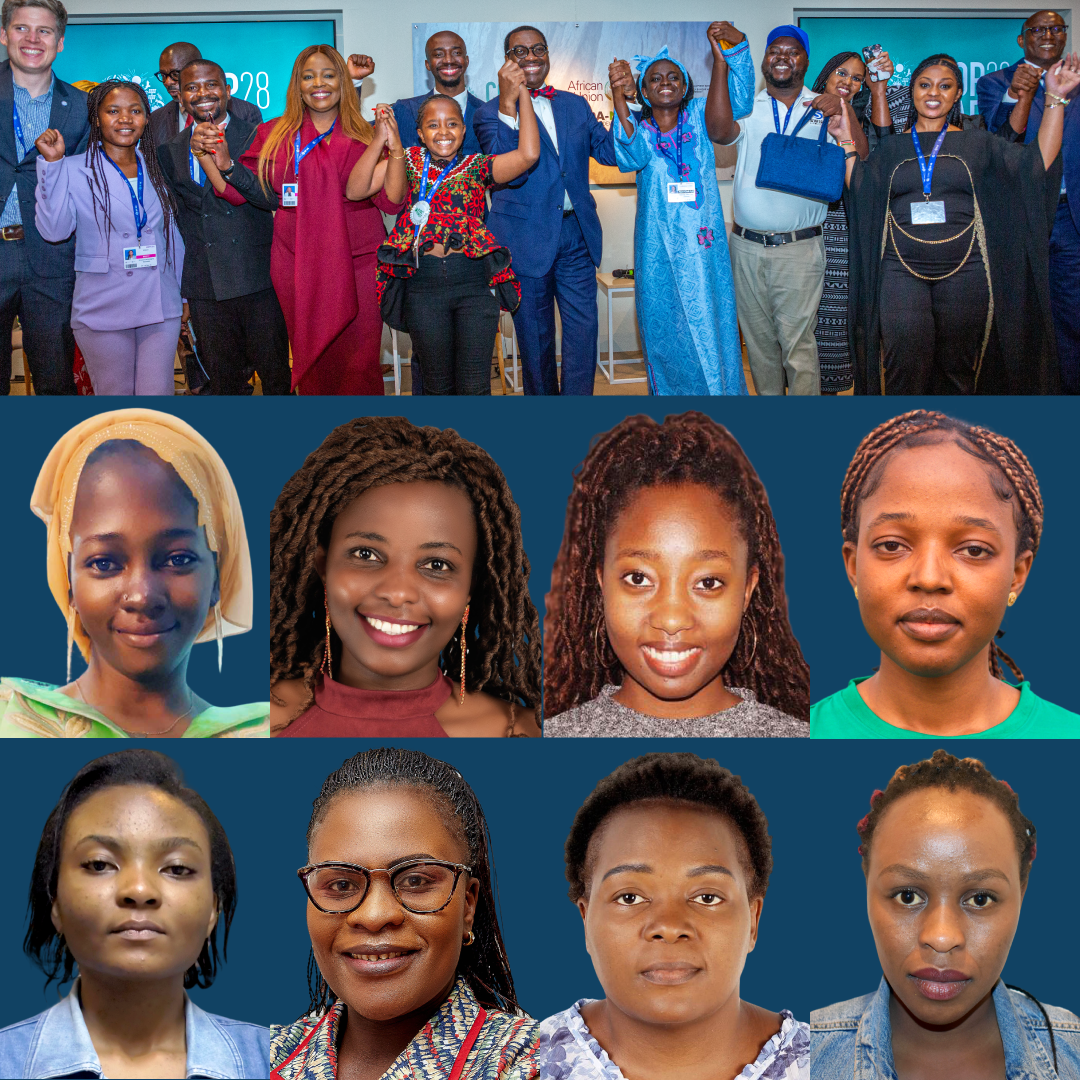
     Eight dynamic African young women-led businesses emerged as winners of the 2023 YouthAdapt challenge. Each business will receive grant funding of up to $100,000.

    They will also receive a comprehensive mentorship and coaching as part of a 12-month accelerator program. Since its launch in 2021, the YouthADAPT initiative has provided more than $5 million to 33 young entrepreneurs from 19 African nations.

    Jointly organised by the African Development Bank Group and the Global Center on Adaptation, supported by the Africa Climate Change Fund, YouthADAPT is an annual competition for young entrepreneurs leading micro-, small- and medium-sized enterprises in Africa with innovative climate change adaptation solutions.

    This year’s focus was on female-owned enterprises pioneering Fourth Industrial Revolution (4IR) technologies such as artificial intelligence, big data analytics, virtual reality, robotics, Internet of Things, quantum computing, additive manufacturing, blockchain, and fifth-generation wireless for climate adaptation.

    Speaking at the ceremony held on the side lines of COP28 in Dubai, President of the African Development Bank, Dr Akinwumi Adesina emphasised the importance of harnessing youth ideas and creativity to enhance livelihoods and national prosperity.

    Adesina said: “The Jobs for Youth in Africa and the Skills Employability initiatives at the Bank stand as a testament to our commitment to create 25 million jobs for our youth, ensuring that 250 million individuals find their path to the labour market. The Youth ADAPT initiative is a pledge to invest in the youth and shape a thriving future.”

    Professor Patrick Verkooijen, CEO of the Global Center on Adaptation, stressed the need to nurture Africa’s youth talent. “Young people hold the key to unlocking Africa’s economic potential. Through initiatives like the YouthADAPT awards, we provide opportunities for training and jobs to retain African talents at home.”

    During a panel discussion, Cheryl Urban, Canada’s Assistant Deputy Minister for Sub-Saharan Africa, spoke about the critical role of development finance institutions can play. “The African Development Bank’s YouthADAPT program provides crucial support in scaling up youth-led climate businesses and innovations in Africa. Canada is proud of being a contributor to the initiative.”

    Dr Beth Dunford, the African Development Bank’s Vice President for Agriculture, Human, and Social Development, stressed the importance of supporting entrepreneurs tackling climate change. She also emphasised the need to remove barriers to finance, particularly for women.

    The African Union Youth Envoy, Chido Cleopatra Mpemba, underscored the need to foster effective information-sharing mechanisms across regions.

    Lucy Wangari, one of this year’s award recipients from Onion Doctor, a firm specialized in monitoring onion growth, said the award would motivate her to do more. “It serves as a significant driver in scaling (our) innovative solution to boost local onion production by 20% and transform the onion value chain into a lucrative employment source for farmers in Kenya’s arid and semi-arid Lands.”

    Past winners shared experiences about how the grant empowered their ventures. Fela Akinse, CEO of Salubata—a business converting plastic waste into affordable footwear, emphasised how the grant is propelling their business expansion and innovation of clean technologies, and helping them to generate global impact.

    The winning ventures, led by women from across Africa, focus on sectors affected by climate change: agriculture, energy efficiency, disaster risk management, water resources, and biodiversity conservation.

    Full list of winners:

    • Deborah Nzarubara, ETS Grencom, Democratic Republic of Congo: Leveraging big data, ETS Grencom provides real-time weather data, bolstering agricultural productivity and supporting pollinating bees for sustainable farming practices.
    • Mirriam Chapi, Chapi Core Tech, Zambia: Through the EaseOn Track app, Chapi Core Tech has empowered over 5,000 women farmers, facilitating clean energy adoption and enhancing agricultural output.
    • Eddah Wanjiru, Arinifu Technologies, Kenya: The Smart Brooder & Kuku Smart innovation utilise Internet of Things technology, offering poultry solutions and operational insights, benefitting Kenya’s farming community.
    • Fatoumata Diaby, Jeune, Mali: Jeune Agro-Innovatour’s E-Compost software transforms invasive water hyacinth into premium compost, championing sustainable agricultural practices.
    • Beth Koigi, Majik Water Technologies, Kenya: Majik Water Technologies pioneers atmospheric water harvesting, providing vital water resources to drought-stricken farming communities in Kenya.
    • Lucy Wangari, Onion Doctor Limited, Kenya: Using the Internet of Things and machine learning, Onion Doctor Limited monitors onion crops, optimising sustainability and profitability for Kenyan farmers.
    • Daniella Ushindi Viruvuswagha, ETS Chemchem Agro, DRC: Their ApiConnect app employs Machine Learning for strategic beehive placement, significantly boosting honey production in the Democratic Republic of Congo.
    • Stephanie Meltus, Green Eden Farms, Nigeria: Green Eden Farms utilise Scaregrow technology to offer real-time insights, enhancing productivity and resilience in Nigerian agriculture.
  • African Basic Education Ministers agree to collaborate, prioritise Foundational Learning for the African Union Year of Education

    African Basic Education Ministers agree to collaborate, prioritise Foundational Learning for the African Union Year of Education

    Representatives of 20 African countries recognize the urgent need to address the learning crisis as a critical enabler for wider development goals.

    Ten African Ministers of Education and a similar number of ministerial representatives collectively agreed to champion foundational learning as a priority for the 2024 African Union Year of Education (AUYoE) and beyond. They also resolved to rally their respective Heads of State to be “Champions of Foundational Learning”.

    These were part of the resolution made in Lusaka at the end of the 2023 High Level Policy Dialogue Forum on Foundational learning organized by the Association for the Development of Education in Africa (ADEA) and hosted by the Ministry of Education in the Republic of Zambia from 31st October to 1st November 2023.

    In a communique issued at the end of the Forum, Ministers, and ministerial representatives from 20 African countries agreed on a foundational learning starter pack model as a resource guide to ensure uniformity, continuity, and sustainability. They further resolved to collect relevant data, working with ADEA and partners, to inform policy and decisions on foundational learning, foster dialogue and peer learning, and share good practices on what works in foundational learning in support of AUYoE.

    The policy and decision-makers agreed to strengthen links between Early Childhood Education and Primary Education, advance the adoption of structured pedagogy, implement age-appropriate teaching methods, and harness the power of technology to increase the number of qualified teachers and enhance teachers’ well-being.

    During the Forum, countries showcased innovative and nationally contextualised solutions with concrete results, among them Benin, Botswana, Kenya, Liberia, Madagascar, Mauritius, Senegal, and Zambia among others. Thus, the Ministers and ministerial representatives committed to lead the continental response through collective advocacy during the launch of AUYoE in February 2024, supported by partners.

    Opening the policy dialogue on behalf of the host, President Hakainde Hichilema of the Republic of Zambia, the Minister of Education of Zambia, Hon. Douglas Munsaka Syakalima said: “This forum underscores the belief that foundational learning is at the base of any effort to change the course of Africa’s development. It is by building people that we will derive the resources to craft a new vision and bring such a vision to life. Without foundational skills in numeracy and literacy, there can be no further learning quality.

    The Executive Secretary of ADEA, Albert Nsengiyumva said: “I am inspired by the collective commitment of our members in tackling this crisis, and to developing globally relevant solutions that can be applied anywhere. Africa is the continent most affected by the learning crisis, and it is where the solutions must be developed. I must commend the Ministers attending for the work they have done, the leadership they are showing, and the results that they are delivering. We must build on this momentum to accelerate the progress that will make Africa a leader in the global response to the learning crisis.”

    The Director of Global Education at the Bill and Melinda Gates Foundation, Dr Benjamin Piper advocated for scaling of what works. According to him, ‘We know what works to boost foundational learning in Africa; structured pedagogy is one way; teaching at the right level is another so we need to do more of what works at scale.’

    Equally, Dr Obiageli Ezekwesili, the founder of Human Capital Africa and co-convener of the foundational learning ministerial coalition said: “Ministers need to be informed by rigorous data and evidence to design appropriate solutions for their national contexts and ensure that progress can be tracked, remedial action taken, and transparency and accountability embedded in the response.”

    During the school visits, a key aspect of the Forum, participants witnessed the nexus between policy and practice as well as the integration of social-emotional skills through play-based learning.

    The Forum was closed by Hon Conrad Sackey, Minister of Education in Sierra Leone, who urged countries to take forward the resolutions emanating from the event. Countries present at the event include Angola, Benin, Botswana, Cote d’Ivoire, Democratic Republic of Congo, eSwatini, Ghana, Kenya, Madagascar, Malawi, Mauritius, Namibia, Senegal, Sierra Leone, South Africa, Tanzania, The Gambia, Uganda, Zambia, Zimbabwe.

  • Feature: In the war on poverty, the world progresses but Africa goes backwards

    Feature: In the war on poverty, the world progresses but Africa goes backwards

    by James Peron

    Just moe than 20 years ago I debated in print a rather gloomy position about the state of the world promoted at the time by an SA economist. I described his position as “free trade and markets … don’t work and the proof is that the state of the world’s poor is declining and global wealth inequality is growing”.
     
    It was one thing to disagree with a position, but an opinion without evidence has little value. So I looked at hard data from sources such as the UN Development Programme and the World Bank, along with numerous academic studies. What the data showed then was lower infant mortality rates, higher literacy, greater food security, less poverty and greater economic equality.  
     
    Since then the rise of populist politics on the right has seen the same antimarket doom and gloom being trumpeted as the left has done some years ago. Even in the US more and more people seem convinced that life is getting worse. A recent poll found only 24% of Republicans agreed that life in America today is better than it was 50 years ago. For Democrats it was 47%, and where 30% of Democrats thought it was worse 59% of Republicans did. Yet the data is extremely convincing — by almost every standard life in the US is better than it used to be.
     
    Republican presidential candidate, Nikki Haley recently jumped on the bandwagon, lamenting how life was better 50 years ago. Yet my research finds that the violent crime rate, especially murder, is down, while life expectancy is higher, unemployment is down, teen birth rates are down, and median household income is up so poverty rates are far lower. The comparisons could go on and on.  It appears we need to take a fresh look at what the actual data says, not what people imagine to be the case. 
     
    World trends as I outlined in 2002 remain generally true, but two recent developments have a negative effect on the wellbeing of people, especially the most vulnerable in developing nations. One was the COVID-19 pandemic, which according to the World Health Organisation resulted in about 7-million recorded deaths. You can’t have that number of deaths without substantive negative fallout for the economy. On top of the costs of lost lives, enormous medical costs were incurred in addition to severe supply chain disruptions. Remember: in free markets it is people, not minerals, who are the ultimate resource.
     
    Hanan Morsy of the UN Economic Commission for Africa says one of the most critical implications of COVID-19 has been the reversal of hard-won gains by the continent in terms of reducing poverty. Sadly, many poorer nations compound problems with detrimental regulations, lax property rights, impediments to trade and a plague of economic albatrosses in the form of wealth-destroying state-owned enterprises.
     
    Ken Gichinga of Kenyan business analytics consulting firm Mentoria Economics says better policies can reverse a lot of the negativity: “We need strong fiscal policies and monetary policies, but most importantly we need policies that encourage business policies that encourage enterprise, which means things like VAT and taxation. Those things need to be reduced so that we have money in the pockets of people so that there is demand for goods and services.”  
     
    A second factor with a negative effect on lower-income people is the war crimes being committed by Russian President Vladimir Putin and his invading forces in Ukraine. These criminal attacks are harming the world’s food and oil supply, which is increasing food and energy costs. It is one thing when people in wealthier nations pay more for essentials, but quite another when it affects low-income groups.
     
    Between Putin and the pandemic Africa is being hit particularly hard with a decay in economic wellbeing. Bitsat Yohannes-Kassahun of the UN Office of the Special Adviser on Africa says the costs of the invasion imposed on the world’s poor “comes as African economies are still trying to emerge from the effects of the Covid-19 pandemic, for which they did not have enough resources to cushion themselves”. In particular, the war drove up food and energy prices, with the IMF saying “staple food prices in Sub-Saharan Africa surged by an average 23.9% in 2020-22 …”
     
    President Cyril Ramaphosa recently joined a “peace mission” of a small number of African leaders to Russia and Ukraine. At a press conference in Ukraine he admitted: “This conflict is affecting Africa negatively” and said “there is a need to bring this conflict to an end sooner rather than later”. But he seemed to treat both the aggressor and the victims as equal partners in this atrocity. He said “the road to peace is very hard”, but that is only so if the aggressor continues his aggression. The Ukrainian war ends when Russian aggression ends.
     
    Outside Africa
     
    While all nations were hit by the double blow of COVID-19 and Putin’s war, not all were hit equally, and nor does it negate the truth that “the last 30 years have seen dramatic reductions in global poverty,” as stated by the Brookings Institution’s Centre for Sustainable Development in a report, “The evolution of global poverty, 1990—2030”. It found that outside Africa poverty has declined dramatically, especially in India and China. It projects that “India will … experience a short-term spike in poverty due to Covid-19, before resuming a strong downward path. By 2030 India is likely to essentially eliminate extreme poverty, with less than 5-million people living below the $1.90 line.”  
     
    The Brookings Institution expects that only three Asian nations will fail at eradicating extreme poverty: North Korea, Afghanistan and Papua New Guinea. So globally the trends I outlined in 2002 remain true for most of the world. Africa, which was doing well, started losing ground again only recently. The Brookings report should be a wake-up call for African politicians, but sadly many cling to their old policies, embrace the Russian war criminals and turn a blind eye to the pandemic.
     
    Brookings warns that these trends point to the emergence of a very different poverty landscape. Whereas in 1990 poverty was concentrated in low-income Asian countries, today’s (and tomorrow’s) poverty will be found largely in Sub-Saharan Africa and fragile and conflict-afflicted states. By 2030 Sub-Saharan African countries will account for nine of the top 10 countries by poverty headcount. About 60% of the global poor will live in fragile and conflict-affected states. Many of the top poverty destinations in the next decade will fall into both of these categories: Nigeria, Democratic Republic of Congo, Mozambique and Somalia.
     
    If Africa is to regain the ground that has been lost in recent years its political leaders are going to have to wake up and abandon the failed policies and charlatans they have embraced.

    James Peron is president of the Moorfield Storey Institute and author of several books, including “Exploding Population Myths” and “The Liberal Tide”. He is a contributing author for the Free Market Foundation but writes in his personal capacity.