Tag: Deputy Managing Director

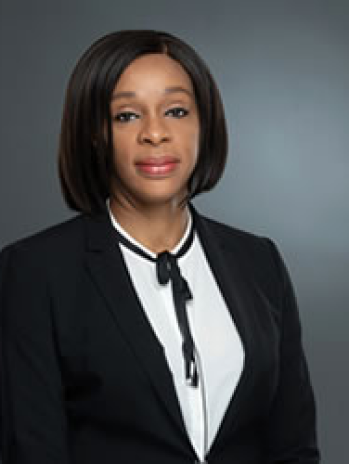
  • Mrs. Chizoma Okoli retires as the Deputy Managing Director of Access Bank Plc

    Mrs. Chizoma Okoli retires as the Deputy Managing Director of Access Bank Plc

    Access Holdings Plc has announced that Mrs Chizoma Okoli, Deputy Managing Director of the Company’s subsidiary, Access Bank Plc will be retiring from the Bank effective April 30, 2026, following the expiration of her term.

    Mrs. Okoli joined the Bank in March 2019 as an Executive Director and was appointed Deputy Managing Director, Retail South in March 2022. She has played a pivotal role in deepening the Bank’s retail footprint, expanding our customer base, and strengthening our proposition to small and medium-sized businesses across our markets.

    She is a seasoned professional with approximately three (3) decades of robust banking experience. She commenced her professional career in 1992 as an Executive Trainee in the defunct Diamond Bank Plc, where she distinguished herself and rapidly rose through the ranks to become an Executive Director in 2016. Following the Bank’s merger with the defunct Diamond Bank in 2019, she was appointed Executive Director, Business Banking Division by the Bank. Her robust experience cuts across commercial and consumer banking, corporate banking, branch banking, institutional banking, business banking and business development. 

    She obtained a Bachelor of Laws degree from the University of Benin and a Master’s in Business Administration from Warwick Business School, United Kingdom. She is an Honorary Senior Member of the Chartered Institute of Bankers of Nigeria and a Member of the Institute of Credit Administration of Nigeria. 

    Mrs Okoli has attended various courses in Nigeria and abroad, including the Advanced Management Programme of Wharton Executive Education, University of Pennsylvania, and the Senior Management Programme of the Lagos Business School. She has also attended courses at the Harvard Business School and the London Business School. She is an Honorary Member of the Chartered Institute of Bankers of Nigeria.

    She sits on the Boards of United Payment Services Limited (as a Nominee Director for Roosevelt Ogbonna), Fiducia Data Services Limited, Fiducia Digital Registry Solutions Limited, Fiducia Clearing Services Limited, Agri-Business/Small and Medium Enterprises Investment Scheme, and Bank Directors Association of Nigeria (BDAN).


    The Board extends its appreciation to Mrs. Okoli for her outstanding service and wishes her continued success.

  • Falade Commends Rivers Police, Seeks Stronger Security Collaboration

    Falade Commends Rivers Police, Seeks Stronger Security Collaboration

    Adeleye Falade, Managing Director and Chief Executive Officer of NLNG, has commended the Rivers State Police Command for its efforts in safeguarding critical national assets and maintaining security around NLNG’s operations and key infrastructure. He described the Command as being consistently professional, operationally disciplined, and deeply committed to ensuring safety and security across Rivers State.

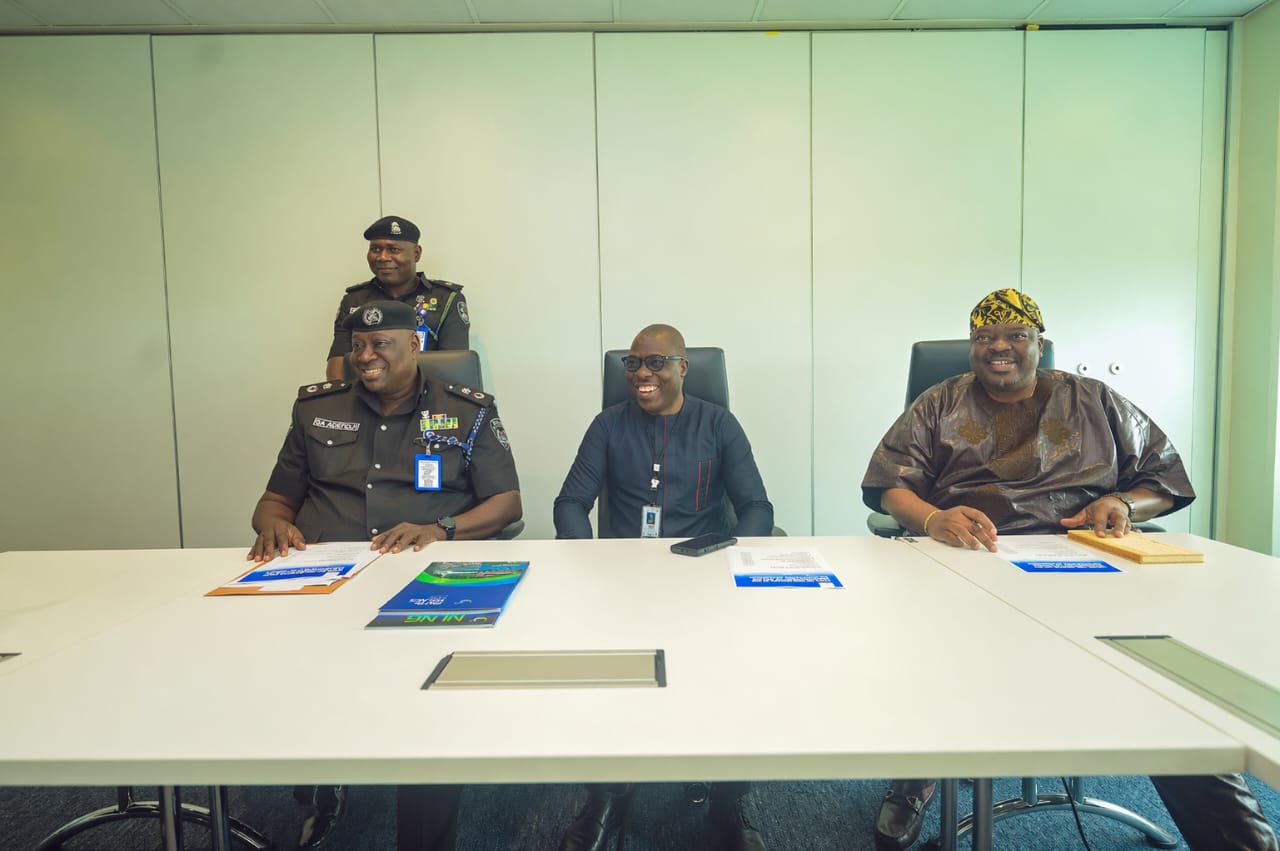
    Falade gave the commendation while receiving the Rivers State Commissioner of Police, Olugbenga Adepoju, and his team during a courtesy visit to the Corporate Head Office of NLNG in Port Harcourt on Monday.

    During the visit, he recognised the Police’s pivotal role in securing NLNG’s critical operations, particularly the Train 7 project and the Bonny–Bodo Road corridor, and noted that their proactive efforts in safeguarding lives, property, and key infrastructure are appreciated. He highlighted the need for enhanced security collaboration as the forthcoming commissioning and official opening of the Bonny–Bodo Road will reshape access to Bonny Island and present new opportunities for the people of Rivers State.

    “With increased access to Bonny Island, we need a broader conversation on how to preserve the safety of our people and assets. As long as our operations remain secure and uninterrupted, the benefits will continue to extend across the state and the nation, he said.

    In his remarks, Adepoju reaffirmed the Command’s commitment to strengthening its partnership with NLNG, highlighting the company’s strategic importance to Rivers State and the national economy. He assured the command’s readiness to respond effectively to security concerns through established operational structures.

    “NLNG remains a pride of Rivers State and a key pillar of Nigeria’s economy. Our teams are ready to act promptly on any security concerns, with systems in place for rapid response,” he said.

    Also present during the visit was the Deputy Managing Director of NLNG, Olakunle Osobu, alongside other members of the management team.

  • NLNG Emerges Overall Champion at 20th Nigeria Oil and Gas Industry Games

    NLNG Emerges Overall Champion at 20th Nigeria Oil and Gas Industry Games

    NLNG has been crowned Overall Champion and Best Sports Company at the 20th edition of the Nigeria Oil and Gas Industry Games (NOGIG), which ended, Saturday, in Abuja with a resounding display of athletic excellence and team spirit.

    Team NLNG topped the medal table with an impressive 52 medals; comprising 20 gold, 16 silver and 16 bronze to take the lead from the defending champion, Nigerian National Petroleum Company Limited (NNPCL), who finished second with 49 medals (14 gold, 15 silver and 20 bronze).

    The Nigerian Content Development and Monitoring Board (NCDMB) secured third place with 18 medals, while TotalEnergies finished fourth with 15 medals. Other notable participants included Renaissance, Oando, Seplat Energy, PTI, NUPRC, ND Western, Chevron, NMDPRA, ExxonMobil, Shell and Aradel.

    The biennial tournament, held from February 8 to 14, 2026, marked a milestone celebration of four decades of unity, collaboration and sporting excellence within Nigeria’s oil and gas industry.

    Leading the NLNG delegation at the Abuja Stadium was the Deputy Managing Director, Olakunle Osobu, who commended Team NLNG for exemplifying the company’s core values both on and off the field.

    “This victory is a testament to the resilience, discipline and unity that define NLNG,” Osobu said. “At NLNG, excellence is not confined to the boardroom. It is embedded in our culture and reflected in how we compete, collaborate and win, whether in business or on the field. I am immensely proud of Team NLNG for demonstrating that our winning spirit extends beyond our operations and into every sphere we engage in.”

    He further noted that the company’s performance at NOGIG reflects its broader commitment to fostering teamwork, promoting wellness, and strengthening industry relationships.

    Organisers described the 20th edition of NOGIG as a landmark event, underscoring the industry’s enduring commitment to corporate camaraderie, healthy competition and collaboration beyond the workplace.

    With chants of #TeamNLNG and #Champions echoing across the stadium, the victory reinforces NLNG’s reputation as a leader not only in Nigeria’s energy sector but also in promoting sportsmanship, unity and excellence.

  • FirstBank Hosts Nigeria Economic Outlook 2026, Leads Conversation on Economic Growth

    FirstBank Hosts Nigeria Economic Outlook 2026, Leads Conversation on Economic Growth

    FirstBank, West Africa’s premier financial institution and financial inclusion service provider, is pleased to announce the Nigeria Economic Outlook 2026 scheduled to hold on Tuesday, 6 January 2025. The theme of the session is “The Great Calibration: Mastering Resilience in an Era of Asynchronous Growth”

    Nigeria Economic Outlook is an annual customer-facing session which sets the tone on prevailing economic realities, equipping FirstBank customers with insights to navigate the economy effectively at the start of the year. The 2026 edition will review Nigeria’s economic landscape over the past year, provide an outlook for 2026, and deliver expert perspectives on global and domestic trends and their implications for the nation’s economy in the year ahead.

    Commenting ahead of the event, the Acting Group Head, Marketing & Corporate Communications at FirstBank, Olayinka Ijabiyi said, “FirstBank remains dedicated to supporting the growth and development of Nigerian businesses and individuals, and this event is a testament to that commitment. As we welcome the new year, the Nigeria Economic Outlook 2025 will serve as a platform for our customers and stakeholders to learn how to navigate the complexities of Nigeria’s economic landscape in 2026. This initiative aims to help them make informed decisions based on expert recommendations and insights garnered from the session to drive giant transformative progress, allowing both businesses and individuals to thrive in the new year.”

    The session will feature a distinguished lineup of speakers including economic analysts and industry leaders. The keynote address will be delivered by Yemi Kale, Group Chief Economist & Managing Director of Research & Trade Intelligence, Afreximbank.

    Following the keynote, a high-level panel discussion will feature Olusegun Zaccheaus, Chief Economist, PwC; Francis Anatogu, Chief Executive, Transaharan; Professor Bongo Adi, Professor of Economics & Data Analytics, Lagos Business School; Niyi Yusuf, Managing Partner, Verraki; Cheta Nwanze, Lead Partner at SBM Intelligence; Osahon Ogieva, Deputy Managing Director, FirstBank; Ayokunle Ojo, Head, Treasury Sales & Derivatives Marketing, FirstBank; and Laura Fisayo-Kolawole, Head, Equities and Alternative Solutions, First Asset Management. The panel discussion will be moderated by Chike Uzoma, Head, Strategy & Corporate Development, FirstBank.

    To be a part of the session, interested participants can register and participate via https://firstbanknigeria.zoom.us/webinar/register/WN_PvQyniM4Rpmp1HqQoqbPvQ

    As the partner of first choice for personal, business and corporate financial decisions, FirstBank will continue to support Nigerians in achieving their financial aspirations, driving growth and prosperity across the nation, and shaping a brighter economic future for all.

  • NLNG names Falade MD as Mshelbila exits for global gas role

    NLNG names Falade MD as Mshelbila exits for global gas role

    The Board of Directors of Nigeria Liquefied Natural Gas (NLNG) has approved the appointment of Engr. Adeleye Falade as the company’s new Managing Director and Chief Executive Officer.

    Falade is expected to assume office in April 2026. He will be joining NLNG from Brunei LNG, where he currently serves as Managing Director and Chief Executive Officer.

    He succeeds the outgoing Managing Director and Chief Executive Officer, Mr. Philip Mshelbila, who will exit the company after more than four years of what has been described as transformative leadership. Mshelbila is scheduled to leave NLNG on December 31, 2025, to take up his new role as Secretary-General of the Gas Exporting Countries Forum (GECF) in Doha, Qatar.

    To mark the end of Mshelbila’s tenure, NLNG organised a symbolic send-off ceremony in Abuja, attended by members of the Board of Directors, executives of shareholder companies, senior public-sector officials, energy industry stakeholders, members of NLNG management, and representatives of various staff groups.

    Speaking at the event, NLNG’s Deputy Managing Director, Mr. Olakunle Osobu, described Mshelbila as a distinguished professional with a rare blend of expertise spanning medicine, environmental health, strategic business leadership, and global gas diplomacy.

    Osobu said Mshelbila assumed leadership at a particularly challenging period for the company, navigating the aftermath of the COVID-19 pandemic, widespread flooding that disrupted gas pipelines, incidents of vandalism, and multiple force majeure declarations by gas suppliers. He added that the global energy instability triggered by the Russia–Ukraine war further compounded the operating environment.

    Despite these challenges, Osobu noted that NLNG remained firmly on course in pursuing its sustainability objectives under Mshelbila’s leadership. According to him, the outgoing MD placed strong emphasis on business sustainability, operational diversification, emissions reduction, and safety as a core value.

    He disclosed that Mshelbila spearheaded a strategic shift to expand NLNG’s feed-gas supply base beyond the traditional shareholder joint-venture structure. This, he said, culminated in the negotiation and execution of long-term Gas Supply Agreements with six third-party gas suppliers in August 2025. The agreements are expected to deliver an estimated 1,290 million standard cubic feet per day of feed gas to NLNG, a development Osobu described as a historic and transformative milestone for the company.

    Osobu further stated that Mshelbila promoted innovation and inspired the workforce to deepen its commitment to environmental stewardship and emissions control. He added that the outgoing MD also redefined NLNG’s business model through a comprehensive transformation programme designed to lay a solid foundation for long-term sustainability and value creation.

    Also speaking, NLNG’s General Manager, External Relations and Sustainable Development, Dr. Sophia Horsfall, paid glowing tribute to Mshelbila’s leadership and personal qualities.

    “Thank you for your selflessness, for the steadiness of your leadership, for the clarity of your vision, and for the values that guided your every step,” Horsfall said. “You led with humility, yet you inspired greatness. You carried the weight of challenges with calm resolve, and you charted a path toward sustainability long before it became fashionable.”

    In his response, Mshelbila expressed deep appreciation to NLNG’s shareholders, Board of Directors, employees, and industry partners for their support throughout his tenure. He praised the company’s enduring culture of innovation and excellence and pledged to carry these values into his new role at the GECF, where he stated that he would continue to advocate for natural gas as a sustainable and reliable energy source.

  • NGX Advances Capital Market Access with Ellah Lakes’ ₦235 Billion Equity Offer

    NGX Advances Capital Market Access with Ellah Lakes’ ₦235 Billion Equity Offer

    Nigerian Exchange Limited (NGX) has reinforced its role as a catalyst for capital formation with the launch of Ellah Lakes Plc’s ₦235 billion Offer for Subscription. The offer which was launched during a Facts Behind the Offer presentation at NGX, underscores the Exchange’s commitment to deepening access to long-term financing for businesses driving Nigeria’s real sector growth.

    Ellah Lakes Plc, Nigeria’s pioneering integrated agro-industrial enterprise, is raising ₦235 billion through the issuance of 18.8 billion ordinary shares of 50 kobo each at ₦12.50 per share. The Offer, led by Rand Merchant Bank (RMB) as Lead Issuing House, opened on Monday, 10 November 2025, and will close on Friday, 5 December 2025.

    Speaking at the event, Mr. Jude Chiemeka, Chief Executive Officer of NGX, commended Ellah Lakes for leveraging the Nigerian capital market as a springboard for expansion: “The launch of this ₦235 billion equity raise underscores the depth and resilience of Nigeria’s capital market as a strategic enabler of corporate growth. At NGX, we are particularly pleased to see a leading indigenous agribusiness like Ellah Lakes harness the market to scale its operations and deepen value creation across the agricultural value chain. This Offer represents not only an opportunity for investors to participate in the country’s agro-industrial expansion but also a strong signal of renewed confidence in the Exchange as a gateway for transformative capital formation.”

    Mr. Chuka Mordi, Chief Executive Officer of Ellah Lakes Plc, described the Offer as a pivotal step in the company’s evolution: “This Offer for Subscription is about unlocking the next chapter of Ellah Lakes’ growth story. At an offer price of ₦12.50 per share, this raise reflects the intrinsic value of our scaled, integrated platform. We are inviting investors to participate in a clear growth trajectory built on over 30,000 hectares of resilient, diversified assets and strong processing capacity. The ₦235 billion equity expansion marks our transition from foundation building to full-scale market expansion, driving sustainable profitability and advancing Nigeria’s food security agenda.”

    Mr. Paul Farrer, Deputy Managing Director of Ellah Lakes Plc, further detailed the company’s deployment strategy: “Every naira from this raise has a clear strategic purpose. The proceeds will accelerate integration of the newly acquired Agro-Allied Resources & Processing Nigeria Limited (ARPN) assets and upgrade our crude palm oil and cassava processing facilities. Our goal is to deliver a step-change in operational efficiency and scale, maximising value for shareholders and contributing to the broader agro-industrial ecosystem.”

    The launch of the Ellah Lakes Offer for Subscription demonstrates NGX’s continued commitment to connecting issuers with investors and supporting companies across growth sectors in accessing efficient capital. The transaction offers institutional and retail investors a unique opportunity to participate in one of Nigeria’s most ambitious agro-industrial expansion stories, reinforcing NGX’s position as the exchange of choice for transformative financing.

  • NLNG Pushes for Africans to Secure Energy Future

    NLNG Pushes for Africans to Secure Energy Future

    NLNG has urged Africans to move beyond the role of raw material suppliers and become key players in the global LNG market.

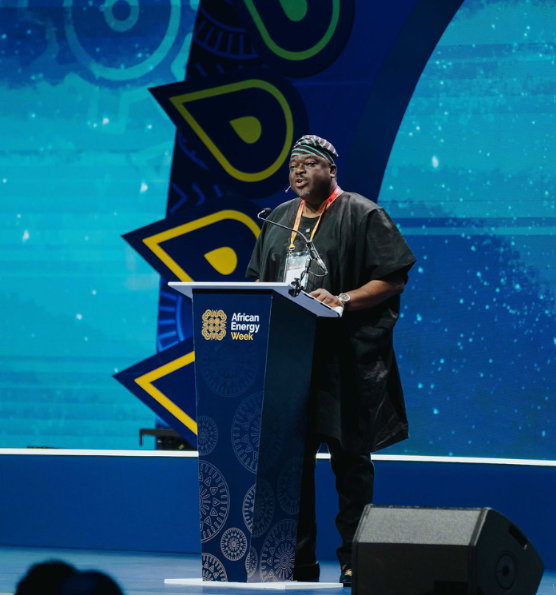
    Speaking during a keynote address titled “The Role of African LNG in a Dynamic Export Market” at the Africa Energy Week (AEW) 2025 in South Africa, the Company’s Deputy Managing Director, Olakunle Osobu, stated that Africa was not a bystander in this conversation on energy security, affordability, and sustainability. He also said Africa was a rising pillar of global supply, and that Nigeria has a duty to lead.

    He stressed that with more than 850 trillion cubic feet of natural gas reserves, about six percent of the total global reserves, Africa has the resources, the position and the ambition to double its share of the global LNG market within the next decade.

    Osobu highlighted Nigeria’s role as the continent’s LNG pioneer, pointing to the NLNG Train 7 expansion project, which will grow the company’s capacity from 22 million tonnes per annum (MTPA) to 30 MTPA, as a demonstration of sustained leadership.

    “Our  investment in expansion shows that Nigeria is driving LNG growth not only for exports but also for domestic industries and energy access. We must prove that Africa can deliver LNG that is secure, competitive, and sustainable,” he added.

    Osobu noted that emerging LNG frontiers across the continent collectively represent more than 45 MTPA of potential new supply. With these additions, Africa’s LNG output could rise from about 70 MTPA today to 120 MTPA by 2035, further consolidating the continent’s standing as a global LNG hub, he added.

    While noting Africa’s strategic advantage—shorter shipping routes to Europe and Asia—Osobu warned that competitiveness, financing, and domestic responsibility remain Africa’s biggest hurdles. He pointed out that the U.S. and Qatar rapidly expand LNG capacities, while financiers increasingly demand low-carbon and decarbonised LNG projects.

    He stressed that Africa’s LNG journey must strike a balance between reliably supplying the world, catalysing African industrialisation, and demonstrating sustainability in line with global decarbonisation goals.

    Organised by the African Energy Chamber, Africa Energy Week 2025 brought together policymakers, investors, and industry leaders to shape Africa’s energy future.

  • NLNG Advocates Domestication of Technology to Deepen Local Content in Energy Sector

    NLNG Advocates Domestication of Technology to Deepen Local Content in Energy Sector

    NLNG has reinforced its call for the urgent need to domesticate technology as a key pillar for deepening local content in Nigeria’s oil and gas sector.

    Speaking at the panel session titled “Technology as a Local Content Imperative: From Adoption to Domestication” at the NOG Energy Week 2025, Olakunle Osobu, Deputy Managing Director, NLNG emphasised that technology was the bedrock of modern energy systems and must be developed to empower every Nigerian.

    “Our industry is one of the largest consumers of technology. To thrive in it, you need to be precise, predictive, and forward-looking. But beyond using technology, we are focused on simplifying it and promoting its adoption in a language and format our people can understand,” he said.

    He added that true technology development must reflect national ownership. “No country has advanced by learning technology in someone else’s language. Germans speak German. The Chinese code in Chinese. We must begin to do the same by writing algorithms in our local languages, and building tools that reflect our voice and reality.”

    Osobu also highlighted the importance of policy alignment, noting that unless technology is treated as a national development priority, Nigeria will continue to struggle with ownership and innovation.

    “Domestication must start with inclusion. If people can read and write, they should be able to use technology. That’s where we begin. That’s how we expand access.”

    Referencing NLNG’s journey, Osobu shared a clear example of the company’s commitment to local content through its flagship Train 7 project:

    “At NLNG, we are at advanced stages in the construction of our Train 7 project, and I can tell you that over 90% of the contractors on that project, starting with the Project Director, are Nigerians. Why is that possible? It’s because we successfully built six trains over the lifetime of NLNG and Nigerians worked alongside international counterparts. So, by the time Train 7 came on board, it was clear we could practically deliver it ourselves. Thanks to NCDMB, we had the institutional support to make it happen.”

    “Nigerians are present on oil rigs across the world. When they retire, they are sought after in Calgary, Singapore, and elsewhere. I believe it’s time for that expertise to shape our continent. We have Namibia, Senegal, Ghana, Mozambique, Angola and the likes all discovering oil and Nigerians should be the experts helping in those countries. They no longer need to look to the West. We must begin to lead.”

    Osobu also pointed to innovations such as the African keyboard, which enables the use of African languages in digital systems, as a step toward true technological identity.

    He concluded that NLNG will continue to work with policymakers and partners to ensure that domesticated knowledge becomes the foundation for Nigeria’s future in gas and beyond.

    “As we continue to adopt and promote technology at NLNG, our goal is to ensure that this knowledge is rooted in our local context, simple, inclusive, and transformative,” he said.

  • Fidelity Bank ED, Kevin Ugwuoke, takes over as President of Risk Managers Association

    Fidelity Bank ED, Kevin Ugwuoke, takes over as President of Risk Managers Association

    Kevin Ugwuoke, Executive Director and Chief Risk Officer of Fidelity Bank Plc, has formally assumed office as President of the Chartered Risk Management Institute of Nigeria (CRMI). His leadership promises a reform-focused era anchored on policy advocacy, ethical standards, and digital innovation to deepen risk governance across sectors in the country.

    Speaking during the presidential handover ceremony in Lagos over the weekend, Ugwuoke — who also doubles as acting President of the Federation of African Risk Management Associations (FARMA) — described his election as “a call to action.” He pledged to reposition CRMI as a thought leader and institutional partner in shaping the future of risk management in Nigeria’s national development.

    “Our mission is more than just certification; it’s about strengthening the culture of risk governance across sectors. We will collaborate with regulators, raise awareness, and provide practical tools to help organizations embed risk discipline at all levels.”
    Ugwuoke outlined a five-pronged strategy to guide his administration: strengthening professional education and certification; deepening policy and regulatory engagement; accelerating digital transformation; integrating ESG and climate risk into corporate strategies; and mentoring the next generation of risk practitioners.

    He explained that CRMI will align its initiatives with key policy institutions — including the Nigerian Economic Summit Group, the National Assembly, and sub-national governments — to help embed robust risk frameworks into economic development plans.

    “We must integrate risk thinking into planning, governing, and investing. We will advocate for more inclusive regulations to empower small and medium enterprises, improve macroeconomic stability, and foster institutional resilience.”

    Ugwuoke also announced plans to revise the Institute’s curriculum, introduce specialized certifications to reflect emerging risks, and implement a new National Risk Observatory to provide real-time risk data to both the public and private sectors.

    “Digital innovation will be central to how CRMI operates going forward. We are automating our backend, delivering more virtual training, and employing technology to scale our impact across the country and beyond.”

    In his remarks, the outgoing President of CRMI, Ezekiel Oseni, challenged the new leadership to consolidate on the achievements made under his tenure — from securing chartered status and strengthening partnerships to gaining greater international recognition — and take the Institute to the next level.

    Also speaking on the occasion, Chukwuma Nweke, deputy managing director of United Bank for Africa (UBA), delivering a goodwill message on behalf of Group Managing Director, Oliver Alawuba, described Ugwuoke as a worthy successor. “As Professor Oseni hands over the baton to Kevin Ugwuoke — a well-respected leader in the risk management ecosystem — we are assured CRMI is poised for greater achievements under his watch.”

    Nweke stressed that growing economic uncertainties — from inflation and exchange rate volatility to growing debt — underscore the need for a more strategic view of risk. “Risk must be recognized not as a compliance obligation or a cost center but as a key enabler of resiliency and growth. Institutions that embed risk into their strategies will absorb shocks more effectively, unlock value, and inspire investor confidence.”

    As part of the day’s ceremonies, 11 distinguished practitioners were conferred with the Fellow of Chartered Risk Manager (FCRMI) award, while 21 new members were formally inducted as Chartered Risk Managers (CRM). Furthermore, a new Governing Council was inaugurated to oversee the affairs of the Institute for the 2025–2027 term, marking a decisive step forward in institutional renewal and policy direction.

  • NLNG urges supportive policies to drive decarbonisation in LNG shipping

    NLNG urges supportive policies to drive decarbonisation in LNG shipping

    NLNG has called for policies and regulations tailored to the uniqueness, dynamics, and challenges of the LNG shipping industry to drive decarbonisation and prepare for a net-zero future.

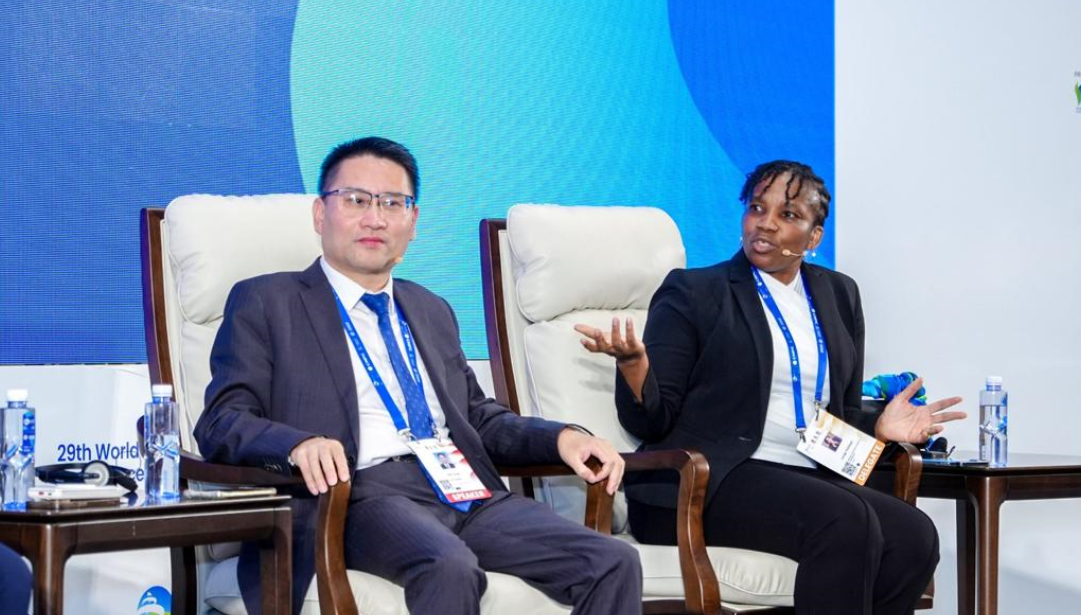
    Speaking during a panel session on LNG Shipbuilding and Transportation at the 29th World Gas Conference (WGC2025) in Beijing, NLNG’s Deputy Managing Director, Olakunle Osobu,  represented by Tolu Longe, Manager, Commercial Contract Management, emphasised that policies should also incentivize innovation across the vessel lifecycle—from construction to decommissioning—while supporting unproven but promising technologies.

    “Unlike shipping, where the IMO provides global oversight, other sectors face fragmented national regulations. More cohesive policies could accelerate decarbonisation, particularly in emerging areas like onboard carbon capture. Modular capture systems exist, but without regulatory and economic frameworks, they remain commercially unviable.

    “Financing remains a major hurdle. The financial sector has been slow to align with decarbonisation goals, often prioritising traditional credit metrics over climate impact. This disparity is especially pronounced in regions like Africa, where access to subsidies or low-cost financing is limited. Partnerships with institutions like Afreximbank and the IFC can help bridge the gap, but broader industry support is needed,” he said.

    He stressed for innovation in decarbonisating the LNG shipping industry to reduce costs, noting that artificial intelligence and data analytics offer key efficiencies.

    “The shipping industry is undergoing a pivotal transformation driven by decarbonisation and the shift toward greener fuels. Fleets must adapt—whether through dual-fuel systems, cleaner fuels like LNG, or emerging alternatives such as ammonia and hydrogen. Yet this transition presents a dilemma for shipowners. Retrofitting vessels or investing in new ones requires significant capital, but current regulations do not translate into premium pricing for cleaner shipping. Consumers remain unwilling to pay more, forcing shipowners to absorb the costs. Meanwhile, financiers have been slow to respond to these market shifts. As a result, lower charter rates may persist for years,” he noted.

    Mr Osobu noted that the IMO’s net-zero mandate requires shipowners to reduce GHG emissions intensity by 2% by 2028. He emphasised that meeting this target through dry-dock retrofits alone would be prohibitively expensive and time-consuming, and stressed that scalable solutions that can be implemented during operations are critical.

    He explained that smart systems can optimize fuel consumption by adjusting engine performance, vessel speed, and routing based on real-time factors like weather and congestion. This, he added, enables just-in-time arrivals, minimizing idle time at ports. He further noted that AI can enhance safety through advanced navigation systems, reducing collision risks—a growing concern as vessel sizes increase.

    This year’s World Gas Conference (WGC2025) with the theme “Energising a Sustainable Future,” had global stakeholders representing over 90% of industry players. The conference serves as a platform to advance sustainable energy solutions and shape the future of decarbonised fuel supply chains.

  • Access Bank Restates Commitment to Community, Sustainability at 10th Access Bank Lagos City Marathon

    Access Bank Restates Commitment to Community, Sustainability at 10th Access Bank Lagos City Marathon

    Access Bank PLC proudly celebrated the 10th anniversary of the Access Bank Lagos City Marathon last Saturday, highlighting the platform’s ability to foster unity, promote healthy lifestyles, and showcasing African excellence on the global stage. Since its inception in 2016, the marathon has evolved into a premier event, attracting participants from across the continent and beyond.

    This year’s event, themed, “Miles to Memories,” was particularly significant as it honoured the legacy of the late Herbert Wigwe, former Group Chief Executive Officer of Access Holdings PLC. Wigwe’s visionary leadership was instrumental in establishing the Access Bank Lagos City Marathon, and ultimately transforming it from a local initiative into a globally recognised event.

    The race commenced at the National Stadium in Surulere, Lagos, with participants traversing iconic landmarks of the city, including the Third Mainland Bridge, before culminating at Eko Atlantic City. The event not only showcased the athletic prowess of its participants but also highlighted Lagos’s vibrant culture and scenic beauty.

    Chizoma Okoli, Deputy Managing Director of Access Bank, reflected on the marathon’s journey, saying, “Ten years ago, we embarked on this journey with a simple goal: to create a marathon that would unite people from all walks of life, celebrate the energy of Lagos, and highlight the incredible potential of our continent. Today, as we look back on a decade of memories, we see nearly a million runners who have pounded the Lagos asphalt, millions of spectators who have cheered them on, and countless stories of resilience, triumph, and connection.”

    “This race is a perfect metaphor for the vision we hold at Access Bank – to become the world’s most respected African bank. Just as this marathon has grown from a humble beginning to become Africa’s most prestigious road race, our commitment at Access Bank is to build a platform that empowers dreams, connects communities, and showcases Africa’s excellence on the global stage,” she added

    In the men’s category the Kenyan’s dominated the podium places, with Edwin Kibet emerging victorious, after completing the 42km race with an impressive time of 2 hours, 14 minutes, and 19 seconds. Kipygon Nehemiah (2:16:37) placed second, while the winner of last year’s race, Bernard Sang Cheruiyot, crossed the line in 2:16:49 to take home the bronze medal.

    The dominance of the Kenyans was, however, halted in the women’s category of the marathon as Ethiopia’s Guta Meseret Hirpa emerged winner. Hirpa got to the finish line in a time of 2:37:04 while her compatriot, Aleminesh Herpha was second in 2:38:01, while Kenya’s Jerono Peris was third also in 2:38:01.

    Nigeria also had some bragging rights, as for the first time in the Marathon’s history, an Indigenous participant finished in the top 10. Nyango Gyang Boyi finished eighth, with a time of 2:25:41.

    The success of the Access Bank Lagos City Marathon is a testament to the collaborative efforts of various stakeholders, including the Lagos State Government, Nilayo Sports Management, and the enthusiastic support of Lagos residents.

    As the bank reflects on this milestone, it remains committed to empowering communities and promoting sustainability through initiatives like the Access Bank Lagos City Marathon. The bank looks forward to many more years of inspiring stories, athletic excellence, and shared memories.

  • FirstBank plans expansion to Ethiopia, Angola, Cameroon

    FirstBank plans expansion to Ethiopia, Angola, Cameroon

    As part of corporate plans to deepen its presence in Sub-saharan Africa, Nigeria’s leading commercial bank, First Bank is looking to expand into several other Adrican countries, including Ethiopia, Angola and Cameroon.

    “There are a number of large economies with large banking pools that are of interest to us because their financial markets are opening up,” Deputy Managing Director, Ini Ebong told The Africa Report in December on the sidelines of the Africa Financial Industry Summit (AFIS).

    “So, you look at countries like Ethiopia and Angola. In francophone West Africa, we want to expand our presence in places like Côte d’Ivoire and Cameroon. The market opportunity is there, and we seek to continue to exploit it,” said Ebong.

    Ethiopia, Africa’s second most populous country, is poised to partially open its banking sector to foreign banks following a vote by lawmakers in December. The new banking law, passed by a majority in parliament, allows foreign banks to open subsidiaries in Ethiopia. Foreign firms will only be allowed to own 49% of shares, according to the Ethiopian news magazine, Addis Standard.

    Speaking during a panel session at AFIS, Ethiopia’s central bank governor, Mamo Mihretu said the country had been working on the legislation that would finally open the banking sector to foreign competition over the past one year.

    After the ratification of the legislation by the parliament, the largest economy in East Africa is “open for business” for any banks looking to come into the country, according to Mihretu.

    Previously the executive director in charge of treasury and international banking before his appointment in June 2024, Ebong said that there are growing opportunities in markets across the continent with the expansion of financial systems similar to “what we saw in the early 2000s in some of the larger African markets”. “We believe it is an opportune time to take part in the phase of growth that we see,” said Ebong.

    FirstBank, which has been operating in Nigeria for 130 years, began establishing subsidiaries in other African markets in 2011, when it acquired Banque International de Credit, one of the leading banks in Democratic Republic of Congo.

    In November 2013, it snapped up the subsidiaries of International Commercial Bank Financial Group Holdings AG (ICBFGH) in The Gambia, Sierra Leone, Ghana and Guinea. It went ahead to purchase ICB Senegal the following year, completing its acquisition of West African assets and operations of ICBFGH.

    FirstBank also has a subsidiary in the United Kingdom with branches in London and Paris, France, as well as a representative office in Beijing, China. Its parent company FBNHoldings saw its pretax profit for the first nine months of 2024 soar to N610.86bn ($395m) from N267.88bn in the corresponding period a year earlier.

    Fitch Ratings said in July last year that FirstBank, Nigeria’s third-largest lender, represented 10.7% of banking system assets at the end of 2023. “Its strong franchise supports a stable funding profile and low funding costs. Revenue diversification is significant, with non-interest income typically exceeding 40% of operating income,” it said.

  • Access Bank Launches Sustainable Finance Accelerator Programme to Boost Eco-Friendly Initiatives in Nigeria

    Access Bank Launches Sustainable Finance Accelerator Programme to Boost Eco-Friendly Initiatives in Nigeria

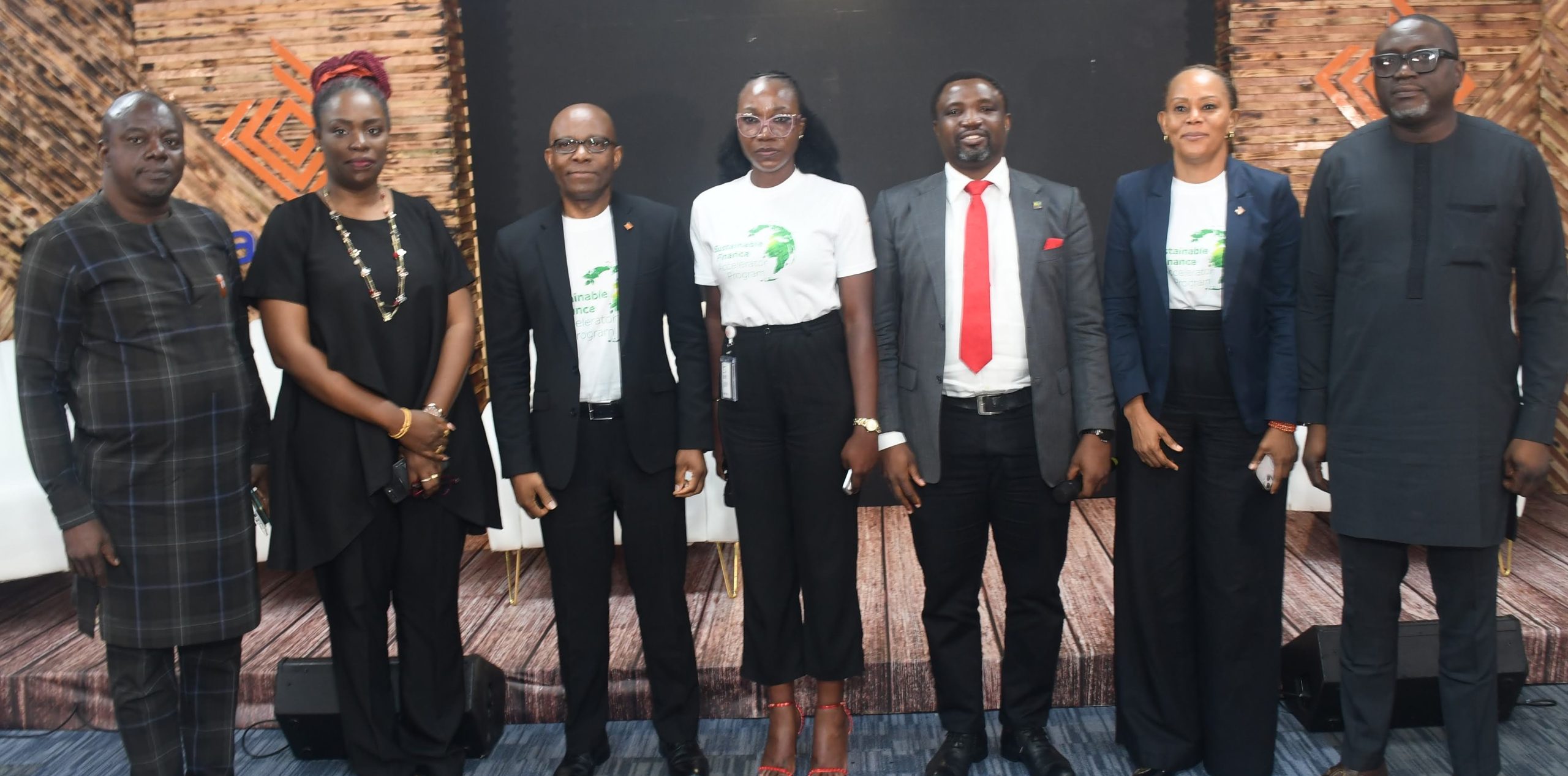
    As part of its ongoing efforts to champion initiatives aimed at advancing access to credit for sustainable projects across Nigeria, Access Bank Plc has officially launched its Sustainable Finance Accelerator Program. Designed to support corporates, MSMEs, and nano businesses focused on climate mitigation, adaptation, health care, and other social projects, the program was unveiled during a hybrid event held both physically at Access Towers in Oniru, Lagos and online via live streaming platforms.

    The Sustainable Finance Accelerator Program is structured to nurture innovative ideas within the sustainable development sector by offering comprehensive training, mentorship, and essential resources. The program’s goal is to transform participants’ ideas into viable, impactful businesses that contribute to a more sustainable and resilient future.

    Speaking at the event, Chizoma Okoli, Deputy Managing Director of Access Bank Plc, expanded on the purpose of the initiative, saying, “In the face of mounting climate risks, social inequalities, and resource scarcity, the call for sustainable finance is louder than ever. The financial sector has a pivotal role to play in driving the transition to a low-carbon, inclusive economy. At Access Bank, our mission has evolved beyond conventional banking to embrace sustainability as a core business principle. We have recognised that sustainable finance is not a niche or a temporary trend – it is the future of finance itself.”

    Gregory Jobome, Executive Director of Risk Management at Access Bank Plc, highlighted the collaborative nature of the program, emphasising the Bank’s dedication to providing participants with resources, including capacity building, funding, and professional networking opportunities.

    “This journey is not just about Access Bank; it’s about all of us coming together, co-creating solutions, and scaling up sustainable initiatives across Nigeria and Africa,” Jobome said.

    The Nigerian government has over the years, demonstrated increasing commitment to sustainable finance and climate action, recognising the need to address the disproportionate impact of climate change on Africa despite the continent’s minimal contribution to global emissions. With initiatives like the inauguration of the Carbon Market Activation Committee and Sustainable Energy for All, Nigeria is taking significant steps to reduce emissions while tackling the dual crises of energy poverty and climate change.

    According to, Temitope Akinyemi, Special Advisor to the Minister of Finance & Coordinating Minister of the Economy on Climate Finance, who spoke at the event, “While Africa contributes less than 3% to global climate change, the effects are felt acutely across the continent, especially in Nigeria. Our low level of industrialisation has kept our emissions relatively low, but we still face immense challenges, including deforestation, energy access, and the devastating impacts of flooding. It is imperative that we continue to mobilise the necessary resources, estimated at $17 billion, to meet our climate goals and ensure that sustainable development is at the heart of our national agenda,” Akinyemi added.

    Interested applicants are encouraged to click and register on this link      https://sustainablefinanceaccelerator.accessbankplc.com/  follow Access Bank’s social pages and website for more information and guidelines for application to the Sustainable Finance Accelerator Program.

  • Access Bank Strengthens Women Empowerment Effort in Southern Africa, Relaunches W Initiative in Zambia and Botswana

    Access Bank Strengthens Women Empowerment Effort in Southern Africa, Relaunches W Initiative in Zambia and Botswana

    Access Bank Plc, one of Africa’s leading banks, has reinforced its dedication to advancing women’s empowerment across Southern Africa with the relaunch of its ‘W’ Initiative in Zambia and Botswana. The ‘W’ Initiative, which provides a wide array of financial services and support programs specifically designed for women, is a key component of Access Bank’s broader strategy to drive financial inclusion and foster socio-economic growth in the region.

    The revamped ‘W’ Initiative aims to provide financial services for women by offering customised solutions such as savings and investment products, business loans, and mentorship programs. In addition to these services, the initiative also promotes financial literacy and provides opportunities for professional growth. During the event in Zambia, Chizoma Okoli, Deputy Managing Director of Access Bank Plc, highlighted the importance of initiatives like these for empowering women.

    “Empowering women is a cornerstone of Access Bank’s mission to drive economic growth across Africa. Through the ‘W’ Initiative, we aim to provide tailored financial solutions while also fostering environments that encourage women to thrive in all areas of life – whether as business owners, professionals, or leaders in their communities,” she said.

    Okoli held discussions with key stakeholders, including Vice President of Zambia, Mrs. W.K. Mutala Nalumango, to explore strategies for creating an enabling environment for Zambian women. Access Bank Zambia also pledged a donation of K500,000 towards nutritional programs in the Vice President’s office, further demonstrating the Bank’s commitment to community welfare.

    Nalumango highlighted the vital role women play in the nation’s economic development. “It is crucial for women to recognise the value they bring to the table and to be vocal about their accomplishments,” she stated. She also emphasised the importance of self-promotion and self-advocacy, particularly for women and girls, while commending Access Bank’s efforts to support women through initiatives like the ‘W’ Initiative.

    Meanwhile, in Botswana, Access Bank’s relaunched ‘W’ Initiative set a new benchmark for women’s financial empowerment in the country. Sheperd Aisam, Managing Director of Access Bank Botswana, described the Initiative as a “transformative platform” offering tailored financial products and services that cater to the unique needs of women. The initiative in Botswana will introduce solutions such as vacation, health, and educational loans, as well as high-interest savings accounts designed for long-term wealth building.

    “We are proud to launch the ‘W’ Initiative in Botswana, which is designed not only to provide financial products but also to equip women with the tools, resources, and networks they need to achieve personal and professional success,” said Aisam. “Access Bank is committed to inspiring and empowering women across all sectors of society.”

    Over the past 17 years, Access Bank has consistently demonstrated its commitment to gender equality and women’s economic empowerment, expending over N338.6 billion in financing for over 3.6 million women. The ‘W’ Health Loan, the new umbrella product for all health loans available under the W Initiative comes in 3 variants. One of these variants is the Maternal Health Service Support (MHSS) – a flagship product designed to provide discounted financing for fertility procedures, natal support and specialized procedures peculiar to women. 

    The MHSS, which is currently present in Nigeria, Ghana, Rwanda, Mozambique and Zambia, is positioned to help women and families overcome barriers to good health and wellbeing. Often referred to as the ‘baby making product’, the MHSS is a premier product in Africa which has impacted over 160 women and families with access to finance on various health procedures worth N245.5 million as well as birthed 104 babies through the discounted health financing scheme. The 2 additional health loan variants cover medical emergencies and cancer treatments.

    Running in 12 countries across Africa, the ‘W’ Initiative stands as a testament to Access Bank’s broader commitment to women’s empowerment across Africa, ensuring that more women can access financial opportunities that propel them towards success.

  • NCDMB Lauds Nigerian Content Achievements in NLNG’s Train 7 Project, Calls for Greater Industry Collaboration

    NCDMB Lauds Nigerian Content Achievements in NLNG’s Train 7 Project, Calls for Greater Industry Collaboration

    The Executive Secretary of the Nigerian Content Development and Monitoring Board (NCDMB), Engr. Felix Omatsola Ogbe has commended the significant Nigerian Content strides achieved in the Nigeria LNG Limited (NLNG) Train 7 Project.

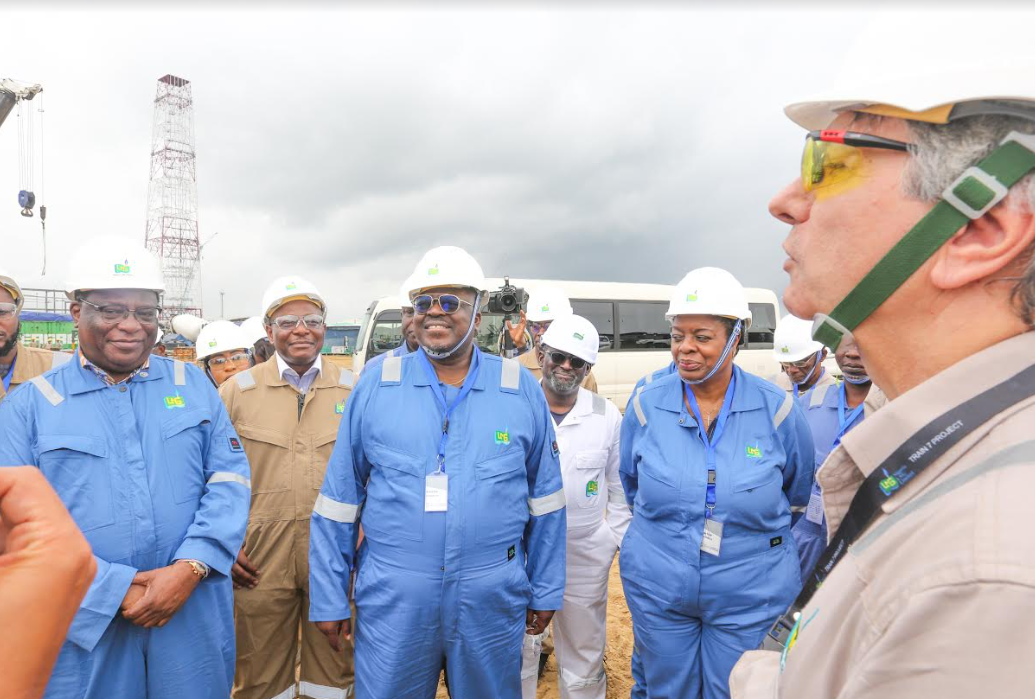
    Speaking on Friday during a visit to the NLNG six-train plant, Train 7 Project construction site, and the NLNG Shipping and Marine Services Limited (NSML) training centre, Maritime Centre for Excellence (MCOE) in Finima, Bonny Island, Rivers State, Engr. Ogbe emphasised the need for increased collaboration and advocacy for Nigerian Content in the oil and gas industry.

    Engr. Ogbe was received by Mr. Olakunle Osobu, Deputy Managing Director; Engr. Nnamdi Anowi, General Manager of Production; Engr. Ali Uwais, Train 7 Project Director; Mr. Abdulkadir Ahmed, NSML Managing Director/CEO; and other senior management officials of the company.

    During his address, the Executive Secretary highlighted how the Train 7 Project has significantly boosted local capacity through the production of ancillary components and accessories within Nigeria, contributing directly to the project’s successful execution. He commended the recent Presidential Directives on Local Content implementation, which mandate that contracts in the oil and gas sector be awarded exclusively to local companies with proven in-country capabilities, as instrumental to these achievements.

    Reflecting on the progress made, Engr. Ogbe stated, “The accomplishments we are witnessing today at the NLNG Train 7 Project are a testament to the NLNG’s unwavering commitment to Nigerian Content. This project stands as a beacon of what we can achieve when we prioritise our local industries and talents.”

    Speaking further, the NCDMB boss lauded NLNG’s management for achieving 52 million man-hours on the Train 7 project with zero lost time injury (LTI). He assured that “we will support you to achieve everything you desire to accomplish for the overall development of Nigeria.”

    The NCDMB boss also commended his immediate predecessor, Engr. Simbi Kesiye Wabote, for his immense contributions to the approval, take-off and success of the Train 7 project.

    Commenting on the Maritime Centre for Excellence (MCOE), Engr. Ogbe expressed delight that it is the first training centre in Africa to receive accreditation from the UK Maritime and Coastguard Agency (UK MCA) to deliver and issue certificates for the STCW 2010 Electronic Chart Display and Information System (ECDIS) and Basic Liquefied Gas Tanker Cargo Operations courses.

    The MCOE, a maritime training and research facility, aims to enhance maritime expertise in Nigeria and the West African region. It currently hosts a specialised training programme for marine services providers in the upstream oil and gas sector, with the support of NCDMB.

    In his comments, NLNG’s Deputy Managing Director, Mr. Olakunle Osobu, who represented Dr. Philip Mshelbila, NLNG’s MD/CEO, lauded the NCDMB’s unwavering support for the Train 7 Project, describing the partnership as a shining example of the public-private collaboration that can drive Nigeria’s industrial growth. He emphasised that NLNG’s Nigerian Content deliverables showcase the power of strategic collaboration and capacity building, aligning with the NCDMB’s broader objectives and contributing to national development goals.

    Mr. Osobu further reiterated that Nigerian Content was not just a regulatory requirement for NLNG but a core business strategy. “We are committed to going beyond compliance, embracing Nigerian Content as a fundamental part of our vision of helping to build a better Nigeria,” he added.

    He also highlighted the economic impact of the Train 7 Project, stating that the addition of Train 7 will expand Nigeria’s LNG production capacity from 22 Metric Tons (MT) to 30MT per annum, which will not only boost the nation’s economy by creating jobs and driving sustainable development but also reinforce Nigeria’s position as a formidable player in the global energy market.

    Engr. Ogbe’s visit comes on the heels of a recent tour of BEAMCO Limited, where pumps and valves are locally assembled for the Train 7 Project, and the commissioning of the Daewoo Galvanising Plant at Abam-ama, Okrika, Rivers State.