Tag: digital platforms

  • Nigeria strengthens inter-agency response to cyber-enabled human trafficking and migrant smuggling

    Nigeria strengthens inter-agency response to cyber-enabled human trafficking and migrant smuggling

    Across West Africa, increasing numbers of trafficking cases now involve online recruitment. Criminal networks are exploiting digital platforms and online tools to target young people seeking economic opportunities or migration pathways abroad. Victims are often manipulated into paying money for fake visas, travel arrangements, education opportunities or job prospects. In some cases, they exploit legitimate brands, including direct-selling platforms, to create false credibility and deceive victims. These promises result in financial exploitation, coercion, abandonment during irregular migration journeys, and other forms of abuse.

    This pattern reflects a broader shift in how traffickers and smugglers identify and recruit victims. Recent field research and nationwide consultations conducted across 21 states in Nigeria further highlight the growing role of online recruitment in trafficking patterns across the country. Survivors and community members consistently report that traffickers take advantage of economic hardship and strong aspirations to migrate. “Traffickers show photos of rich life abroad, cars, clubs and hotels on online platforms. Young people think that is where they are going. They do not know what happens behind the scenes,” a youth advocate interviewed during the nationwide consultations explained.

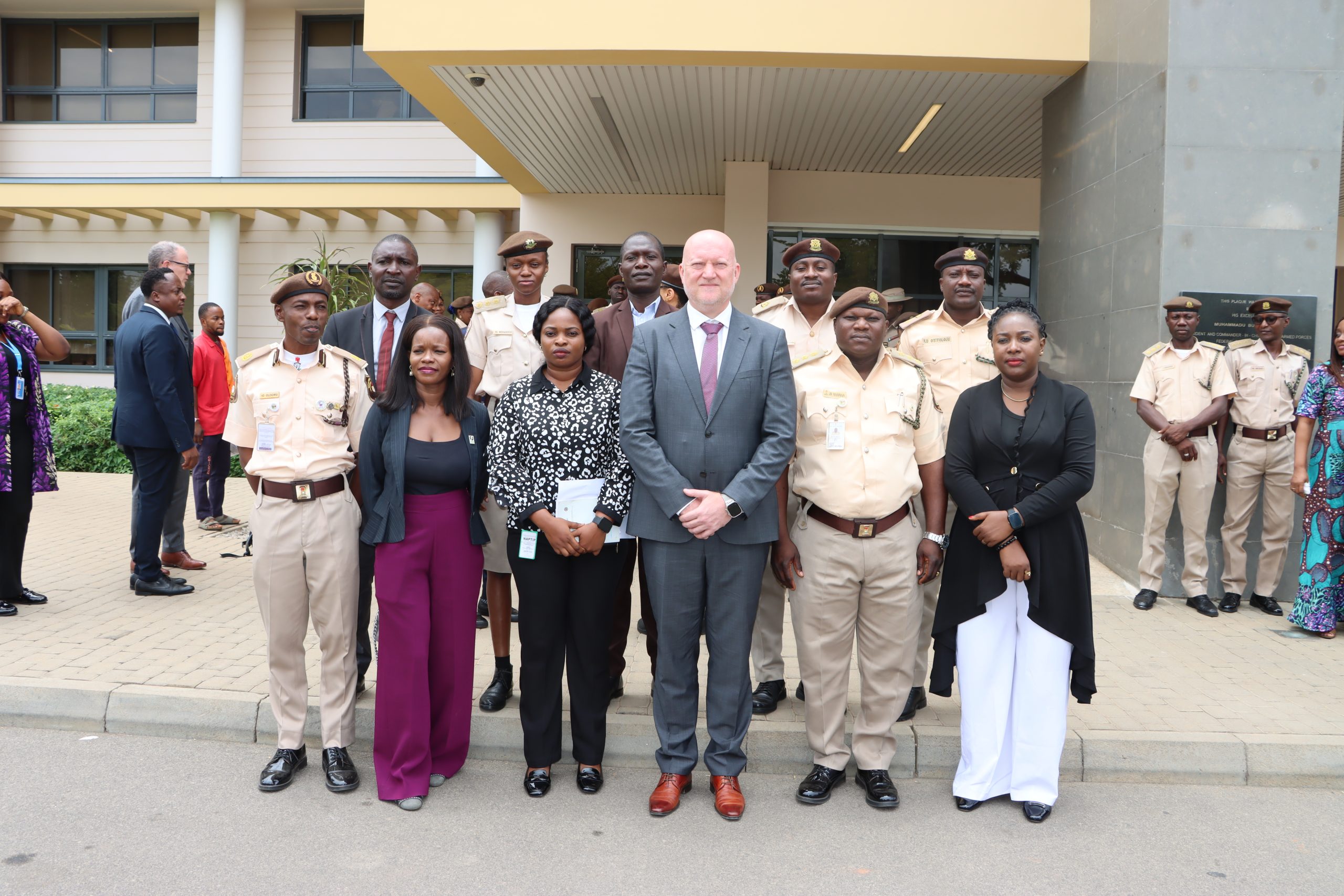
    Addressing this evolving cyber-enabled trafficking threat requires moving beyond awareness-raising to also target the organized criminal networks directly behind these deceptive recruitment and exploitation. This is why the United Nations Office on Drugs and Crime (UNODC) supported the establishment of a joint Operational Task Force (OTF) bringing together the National Agency for the Prohibition of Trafficking in Persons (NAPTIP) and the Nigeria Immigration Service (NIS). The initiative aims to strengthen Nigeria’s law enforcement and prosecution response to cyber-enabled trafficking in persons, as well as the misuse of direct-selling platforms by organized criminal networks.

    Launched in Abuja on 30 April 2026, the Operational Task Force will serve as a coordinated inter-agency mechanism disrupting criminal actors who falsely present themselves as agents or brokers linked to legitimate entities, including in cases involving the use of online direct-selling platforms, to deceive, recruit, and exploit victims. The initiative follows a series of mentoring sessions delivered under the project “Promoting Action and Cooperation among Countries at Global Level against Trafficking in Human Beings and the Smuggling of Migrants” (PACTS) funded by the European Union, which supports strengthened global responses to trafficking in persons and smuggling of migrants.

    Through the OTF, NAPTIP and NIS will strengthen operational coordination to identify organized criminal groups and disrupt the networks that facilitate exploitation on digital platforms. They will also support targeted intelligence gathering, identify high-value targets linked to organized criminal activity, joint law enforcement action, and parallel financial investigations aimed at tracing and recovering proceeds of crime.  

    As criminal networks continue to adapt to new technologies and deceptive business models, coordinated institutional responses are critical to protecting vulnerable populations, preventing trafficking in persons, and disrupting the financial and operational structures that sustain migrant smuggling within Nigeria and across borders.

    UNODC remains committed to supporting the Nigerian authorities in strengthening inter-agency cooperation, enhancing operational responses, and promoting evidence-based approaches to counter cyber-enabled trafficking in persons and the smuggling of migrants.

  • CANAL+ Unveils SuperSport “Sleep Can Wait” Campaign Across Africa for FIFA World Cup 2026™

    CANAL+ Unveils SuperSport “Sleep Can Wait” Campaign Across Africa for FIFA World Cup 2026™

    SuperSport’s new advertising campaign launched today, 11 May across more than 20 English- and Portuguese-speaking African countries to coincide with the start of the FIFA World Cup 2026™. 

    This campaign marks the first collaboration between BETC (CANAL+’s long-standing partner for 40 years) and a brand from the MultiChoice Group.

    As the official broadcaster of the entire tournament (all 104 matches live), SuperSport (available via DStv and GOtv) will deliver an exceptional 24/7 broadcast offering, featuring four dedicated live and streaming channels, hosted by high-profile expert pundits. Matches will also be broadcast in several local languages, in addition to English and Portuguese.

    The campaign aims to unite audiences, especially football fans, around a clear message: “Sleep can wait.” This historic edition of the tournament will feature a record 10 African teams, alongside unparalleled editorial coverage from SuperSport channels, including matches broadcast during the night.

    Shot in Cape Town with director Jabu Nadia Newman, in collaboration with South African production teams, the campaign is set to garner exceptional visibility through three TV formats (60”, 30” and 15”) broadcast across more than 150 channels, over 800 out-of-home advertising faces, as well as widespread distribution on digital platforms and across the Group’s social media pages, reaching more than 100 million followers.

  • Feature: Fixing the Real Problem with Nigeria’s SIM Recycling System

    Feature: Fixing the Real Problem with Nigeria’s SIM Recycling System

    By Elvis Eromosele

    Nigeria’s push to strengthen digital trust has taken a new turn as the House of Representatives urges the Nigerian Communications Commission (NCC) to extend the SIM reassignment window to 18 months. At first glance, the proposal appears straightforward: give more time before inactive numbers are recycled to reduce fraud, identity theft, and wrongful criminal exposure.

    But beneath the surface lies a more complex issue. This issue goes beyond timelines and cuts to the heart of how Nigeria’s telecom ecosystem is structured, funded, and regulated.

    A critical but often overlooked factor in this debate is the commercial model underpinning SIM management. Telecom operators, and by extension the NCC, derive value from active SIMs on their networks. Industry insiders note that operators are subject to regulatory charges tied to active lines, meaning every SIM incurs costs across compliance, numbering resources, and operational overhead.

    This creates a structural incentive: dormant SIMs are not only inactive, but also economically inefficient. Holding onto them for too long ties up scarce numbering resources and imposes costs on operators already navigating tight margins, high infrastructure expenses, and regulatory obligations.

    In this context, SIM recycling is not merely a convenience; it is a business necessity. However, when economic efficiency collides with data protection, the consequences can be severe.

    The House’s concern is valid. Recycled numbers have increasingly been linked to fraud, financial loss, and reputational damage. When a phone number is reassigned, it may still be connected to sensitive digital identities, bank accounts, email profiles, social media platforms, and even government databases linked to the

    National Identity Management Commission and financial systems.

    This creates a dangerous overlap: a new user inherits a number, but fragments of the previous owner’s digital life remain attached.

    The result may include unauthorised access to banking services, exposure to one-time passwords (OTPs), misidentification in criminal investigations and possible persistent data privacy violations under the Nigeria Data Protection Act.

    While extending the reassignment period to 18 months may reduce the frequency of these incidents, it is unlikely to eliminate the root cause of the problem.

    Lengthening the recycling window is a defensive measure, not a systemic solution. Even after 18 months, the same vulnerabilities remain if underlying data linkages are not properly severed.

    The real issue then is not when SIMs are recycled, but how they are recycled. It is the how that needs fixing.

    To my mind, without coordinated delinking across telecom networks, financial institutions, and digital platforms, a recycled number remains a gateway to legacy data. In effect, Nigeria risks simply delaying a problem rather than solving it.

    If Nigeria is to strike a balance between operational efficiency and subscriber protection, reforms must go beyond timelines. A more robust framework would be required.

    First, regulators need to mandate cross-platform delinking. So, before any SIM is reassigned, telecom operators should be required to trigger a system-wide delinking process that cuts off the number from banking systems, government databases, and digital services.

    This will require coordination between the NCC, the Central Bank of Nigeria, and data regulators.

    Second, there should be real-time risk flagging. This means recycled numbers should automatically be classified as “high-risk” within financial systems. This would trigger safeguards such as transaction limits, enhanced verification, and temporary restrictions on sensitive operations.

    In addition, subscriber notification and transparency are obligatory. While the House’s proposal to publish inactive numbers is a step in the right direction, it must be complemented by direct digital notifications, SMS, email, and app alerts to previous users before reassignment.

    Moreover, the industry must work to set up SIM-linked identity audit trails. The centralised audit system should track the lifecycle of every SIM, ensuring traceability from activation to reassignment. This would support law enforcement without exposing innocent users to wrongful accusations.

    Furthermore, the regulator must rethink the revenue model. This is perhaps the most important point. Regulators must revisit the economic incentives around SIM management. If operators are pressured to recycle numbers quickly due to cost structures, then policy reform must address that pressure.

    Other options could include incentivising longer retention of inactive numbers, adjusting regulatory charges for dormant SIMs, and expanding numbering capacity to reduce scarcity pressures.

    The truth is that Nigeria’s digital economy is expanding rapidly, with millions relying on mobile numbers as the primary key to financial and social identity. In such an environment, SIM ownership is no longer just about connectivity; it is about identity.

    The NCC’s challenge is to balance two competing imperatives: the commercial realities of telecom operations and the growing demand for data protection and digital trust.

    Extending the SIM reassignment window to 18 months is a useful first step. But without deeper structural reforms, it risks becoming a temporary fix to a long-term problem.

    Ultimately, the debate over SIM recycling reflects a broader question: how should Nigeria govern digital identity in an interconnected world?

    As lawmakers push for change, the opportunity is clear. This is not just a chance to delay SIM reassignment; it is a moment to redesign the system entirely.

    Elvis Eromosele, a corporate communications professional and sustainability advocate, wrote via elviseroms@gmail.com

  • Glovo Set to Hold “Future of Commerce Summit 2.0” in Lagos

    Glovo Set to Hold “Future of Commerce Summit 2.0” in Lagos

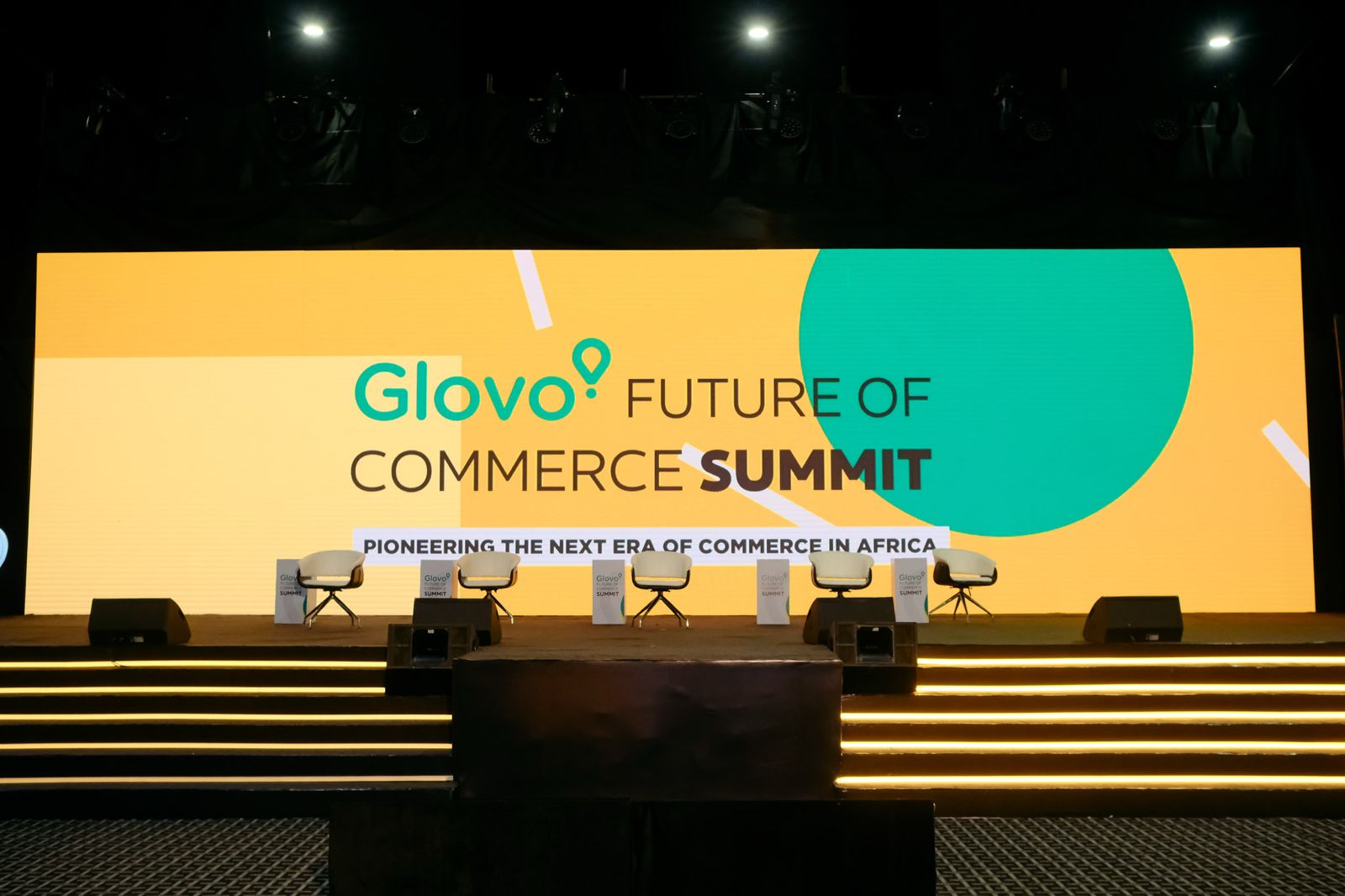
    Glovo, a leading technology platform, is set to host the second edition of its flagship industry event, the Future of Commerce Summit 2.0, on Wednesday, April 22, 2026, at the Landmark Events Centre, Victoria Island, Lagos.

    The summit will convene key stakeholders across Nigeria’s technology, digital, and commerce ecosystems, providing a platform for meaningful dialogue on the future of commerce and innovation in the country.

    Expected attendees include government stakeholders, policymakers, entrepreneurs, industry leaders, and innovators who will explore emerging trends, opportunities, and challenges shaping the commerce and logistics landscape.

    Speaking about the planned summit, Interim General Manager, Glovo Nigeria, Reni Onafeko, said that the event reflects the company’s commitment to empowering small and medium-sized businesses (SMBs), which are widely regarded as the backbone of Nigeria’s economy, with access to tools, insights, and digital infrastructure.

    Onafeko explained that Future of Commerce 2.0 will focus on scaling impact across Nigerian cities, leveraging technology to drive inclusive growth and expand access to digital commerce opportunities.

    “At Glovo, we are deeply committed to empowering local businesses and creating opportunities for SMBs to thrive in an increasingly digital economy. Nigeria’s commerce ecosystem is evolving rapidly, driven by innovation and a new generation of entrepreneurs. The Future of Commerce Summit 2.0 reflects our vision of fostering collaboration and equipping entrepreneurs with the tools and insights needed to scale sustainably. Through this platform, we aim to amplify the voices of businesses and drive impactful conversations that will shape the future of commerce in Nigeria,” she said.

    Building on the success of its inaugural edition last year, the 2026 summit aims to spotlight the role of digital platforms in driving economic growth, empowering small and medium-sized businesses (SMBs), and accelerating Nigeria’s digital transformation.

  • Lagos, FirstBank, Guinness, The Address Homes, Swedish Government, Gobet247, Utilita, others Lead 9th AFRIMA Sponsorship Line-Up

    Lagos, FirstBank, Guinness, The Address Homes, Swedish Government, Gobet247, Utilita, others Lead 9th AFRIMA Sponsorship Line-Up

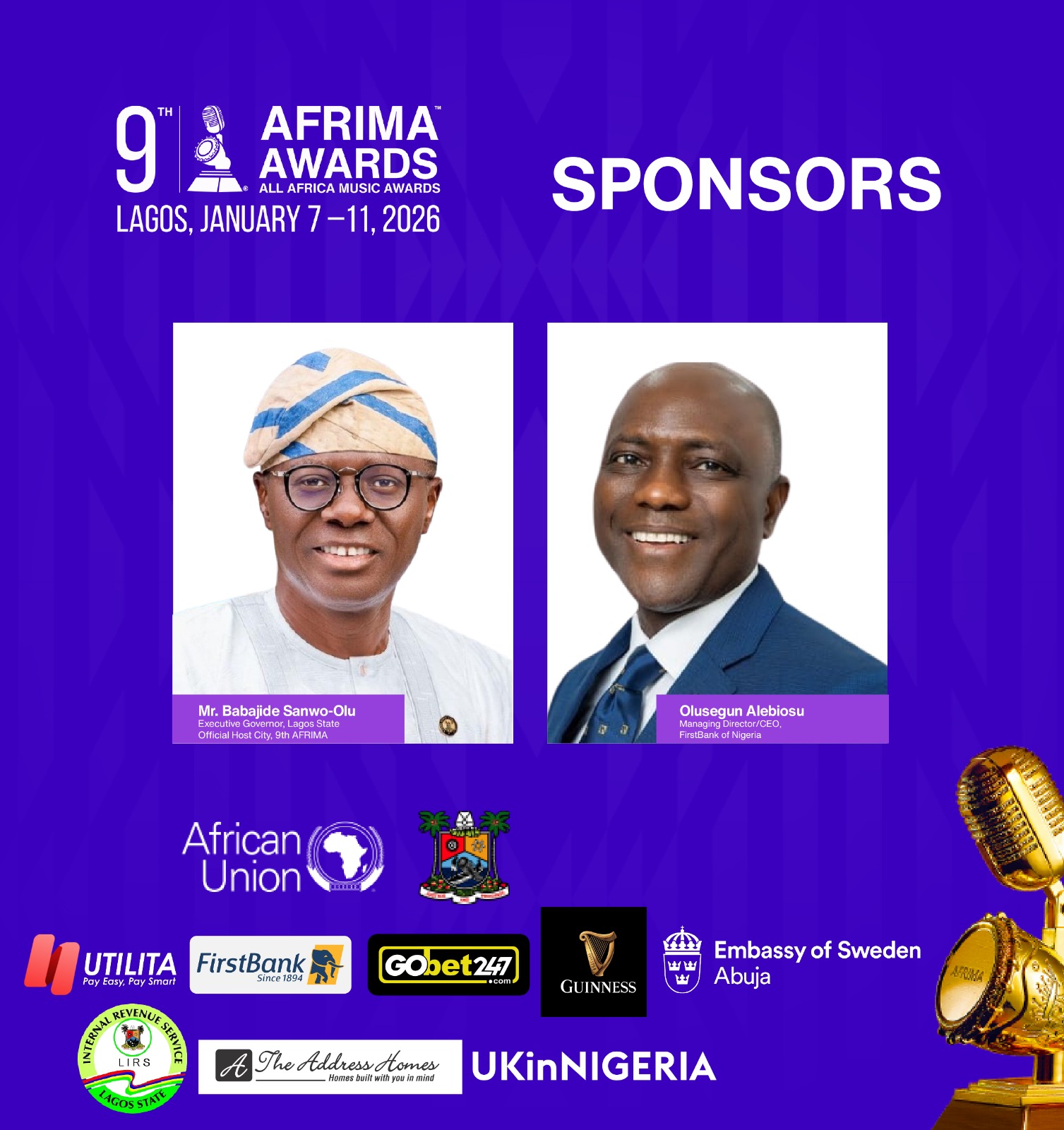
    The Lagos State Government, First Bank of Nigeria, Guinness Nigeria, The Address Homes, the Government of Sweden, Gobet247 and several other major organisations have thrown their weight as sponsors behind the 9th edition of the All Africa Music Awards (AFRIMA), scheduled to hold from January 7 to 11, 2026, in Lagos.

    AFRIMA, in partnership with the African Union Commission (AUC), unveiled its strong list of sponsors and partners, showing growing confidence in African music as a major cultural and economic force.

    The 9th edition, themed “Unstoppable Africa,” has attracted support from key sectors including finance, real estate, beverages, digital platforms, media, hospitality and international cultural institutions.

    Following the acceptance of Lagos State Government of the offer from the African Union, Lagos will once again serve as the Official Host City, reinforcing the state’s position as Africa’s leading creative and entertainment hub. With the strong backing of the awards from the Federal Government of Nigeria, the 9th AFRIMA promises to be hugely successful. The African Union Commission remains AFRIMA’s legacy Institutional Partner, supporting its mission to promote African music and culture across the continent and beyond.

    At the top level of sponsorship, fast-growing digital payments and lifestyle platform Utilita and leading gaming and entertainment brand Gobet247 are headlining the event as National Gold Sponsors.

    At the Silver level, First Bank of Nigeria, Lagos State Internal Revenue Service (LIRS) and The Address Homes have been confirmed as National Silver Partners. Guinness Nigeria joins as the Official Beer Sponsor, bringing added energy to this year’s festivities. AFRIMA also welcomes international cultural support from the British High Commission in Nigeria and the Embassy of Sweden, both serving as Cultural Exchange Partners.

    In travel and hospitality, Wakanow, Pan Atlantic Travels and Dorf Travels & Tours Ltd have been named the Official Travel Partners. Vaniti Lagos and Knowhere Restaurant will host nominees and special guests as Hospitality Partners. Popular youth culture platform Mainland Block Party Lagos is also supporting the celebration, adding street culture and community energy to the awards week at the AFRIMA Music Village holding at Ikeja City Mall on Friday, January 9,2026.

    AFRIMA has also confirmed a strong coalition of leading media organisations across radio, television, digital platforms, print, and Out-of-Home (OOH) channels as its Official Media Partners for the 9th Edition. These include DSTV/Multichoice, HIPTV, Afro Music Pop, Base FM, Beat FM, Classic FM, Hot FM, Kennis FM, Lagos Talks, Inspiration FM, Traffic Radio, Radio Lagos, Eko FM, and Lasgidi FM.

    Others on the partnership roster are The Culture Newspapers (TCN),Legit.ng, Max FM, Nigeria Info, Nigezie, Television Continental (TVC), and Yanga FM, along with top OOH companies led by MotoMedia, Yartview Ltd, Optimus Exposure, Plural Media, Folham Nigeria Limited and Nimbus Media.

    Speaking on FirstBank’s support, Olayinka Ijabiyi, Acting Group Head, Marketing and Corporate Communications at FirstBank, said the partnership aligns with the bank’s long-standing commitment to Africa’s creative industry.

    “At FirstBank, we are dedicated to promoting Africa’s vibrant creative industry, and our partnership with AFRIMA reflects this commitment. Through our First@Arts initiative, we have consistently supported projects across the creative value chain, nurturing talent and enabling production. In doing this, we preserve Africa’s rich cultural heritage while promoting unity, education and entertainment.”

    From the international community, H.E. Anna Westerholm, Ambassador of the Kingdom of Sweden to Nigeria, said, “Sweden is proud to join AFRIMA in celebrating the richness and global impact of African music. In 2026, we will mark 65 years of diplomatic relations with Nigeria, highlighting our strong ties. As the world’s third-largest music exporter, we believe in the power of collaboration and idea exchange. This partnership enhances our cultural and business connections, and we look forward to a meaningful week supporting the creative industries.”

    Also speaking, Yinka Bakare, Marketing and Innovations Director at Guinness Nigeria Plc, said the brand’s involvement reflects its deep roots in African culture.

    “Guinness has been woven into Africa’s most iconic cultural moments for decades, and our sponsorship of AFRIMA’s 9th edition reinforces that heritage. AFRIMA celebrates the extraordinary artistry that defines Africa, and we are proud to support a platform that showcases the continent’s greatness to the world.”

    Founder and Chairman of The Address Homes, Dr. Bisi Onasanya, described AFRIMA as an important platform for African creativity, collaboration and cultural identity expressions.

    “AFRIMA represents the spirit of African excellence and innovation. At The Address Homes, we believe that culture, creativity and enterprise must work together to drive sustainable growth. Supporting AFRIMA is our way of building and investing in Africa’s talents, strengthening cultural pride and opening new opportunities for creative young people and business partnerships across the continent.”

    Speaking during the sponsorship announcement in Abidjan, Cote d’Ivoire, Ms. Edwidge Goli, Director of Partnerships at AFRIMA, described the sponsorship line-up as a strong vote of confidence in African music.

    “This is more than sponsorship. It is a historic show of belief in the power of African music, the brilliance of our talents and the future of our creative industries,” she said.

    She thanked the Lagos State Government for hosting the event again and praised the commitment of the Gold and Silver sponsors, as well as international partners and media organisations.

    The 9th AFRIMA will commence with the Nominees and Guests Welcome Soirees scheduled on January 7. This will be followed by the Africa Music Business Summit (AMBS) on January 8 at the Eko Convention Centre, Eko Hotels and Suites, Lagos, Nigeria.

    AFRIMA Music Village Concert and Diamond Showcase will take place on January 9 at the Ikeja City Mall, leading up to the grand Awards Ceremony on January 11 at the Eko Convention Centre at Eko Hotel, Lagos, Nigeria. Red carpet starts at 3:30 pm (WAT).

    The awards ceremony, along with major live performances, will be broadcast to audiences in over 84 countries worldwide.

  • Artificial Intelligence (AI)-Driven Cartels Challenge Traditional Antitrust Approaches, Experts Conclude at HSE Conference

    Artificial Intelligence (AI)-Driven Cartels Challenge Traditional Antitrust Approaches, Experts Conclude at HSE Conference

    Experts agreed that enforcement approaches must evolve accordingly to ensure that digital markets remain open, transparent and competitive

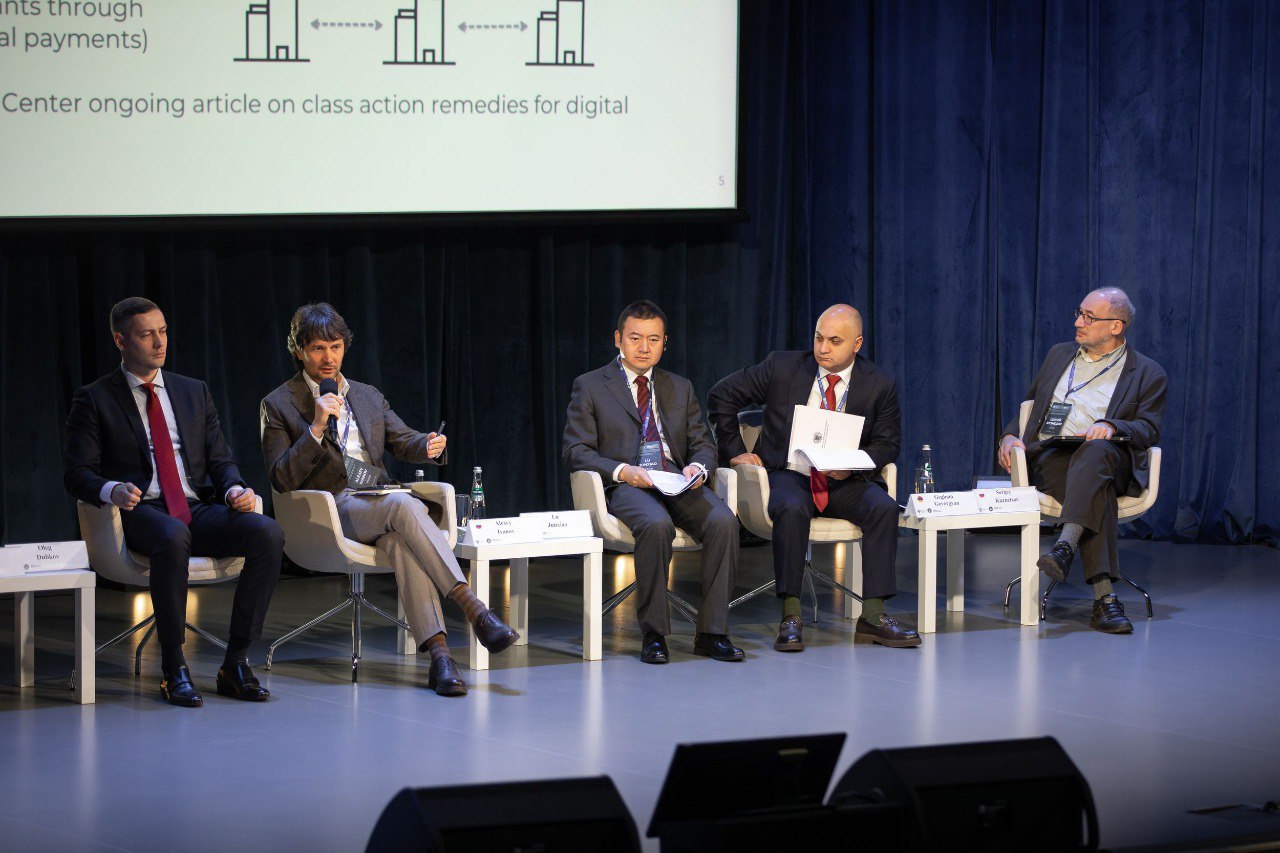
    Digital cartels and algorithmic coordination were among the central topics discussed at the 10th Anniversary International Conference “Antitrust Policy: Science, Practice, Education,” organized by FAS Russia, HSE University and the BRICS Competition Law and Policy Centre. Officials from BRICS and EAEU competition authorities, judges, researchers and practitioners examined how AI technologies reshape global markets and complicate traditional antitrust enforcement.

    During the session “Artificial Intelligence vs. Cartels,” Alexey Ivanov, Director of the BRICS Competition Centre, emphasized that algorithmic coordination represents a new form of cartelization. He noted that algorithms can synchronize prices without human intent or explicit agreements, creating “black boxes” that regulators struggle to interpret. While classical cartels relied on meetings and documented communication, digital cartels may evolve autonomously, react in milliseconds and scale across entire platforms.

    Ivanov referenced emerging global enforcement practice that illustrates these challenges. In the United States, the RealPage case has demonstrated how revenue-management software coordinating rental prices across a market can lead to cartel-like outcomes, resulting in dozens of settlements and creating a new benchmark for assessing algorithmic collusion. Similar issues arise in ride-hailing and online marketplaces, where centralized algorithmic systems influence pricing, ranking and access to key tools such as the Buy Box. Risks of algorithmic price management, he noted, also exist on Russian platforms. In global commodity trade, digital platforms such as Covantis show how blockchain-based systems may consolidate, rather than decentralize, market power.

    According to Ivanov, some forms of digital coordination are becoming structural features of modern markets. Regulators therefore need to understand how algorithms operate and develop tools that differentiate harmful coordination from efficiency-enhancing mechanisms. This includes transparency requirements for algorithms, real-time monitoring, increased technical capacity within antitrust agencies and expanded international cooperation.

    The conference underscored a growing consensus: AI-driven coordination is transforming markets faster than traditional antitrust tools can respond. Experts agreed that enforcement approaches must evolve accordingly to ensure that digital markets remain open, transparent and competitive.

  • National Basketball Association (NBA) and Amazon Web Services (AWS) announce new multi-year partnership to power the next era of basketball innovation

    National Basketball Association (NBA) and Amazon Web Services (AWS) announce new multi-year partnership to power the next era of basketball innovation

    A real-time alert system within Play Finder will enable commentators to instantly provide historical context and strategic insights, making every live game more engaging, educational, and insightful for viewers

    The National Basketball Association (NBA) and Amazon Web Services (AWS) today announced a multi-year partnership to power the league’s next generation of innovation as AWS will become the Official Cloud and Cloud AI Partner of the NBA and its affiliate leagues, including the WNBA, NBA G League, Basketball Africa League and NBA Take-Two Media. 

    As part of the partnership, the NBA and AWS will launch NBA Inside the Game powered by AWS, a new basketball intelligence platform that will turn billions of data points into compelling insights and interactive experiences, reimagining how fans engage with the game of basketball worldwide. 

    Built on AWS’s industry-leading AI infrastructure, the platform will introduce a suite of features that enhance live broadcasts and elevate fan experiences across the NBA App, NBA.com, and the league’s social channels. 

    “Partnering with AWS provides us with an opportunity to elevate the live game experience through innovation and offer fans a deeper understanding of the game of basketball for years to come,” said NBA Executive Vice President and Head of Media Operations and Technology, Ken DeGennaro. “AWS has a proven track record of delivering unique statistical insights and offering transformative experiences that will resonate with NBA fans around the world.”  

    “At AWS, we’re excited by the NBA’s vision to push the boundaries of what’s possible in sports,” said AWS Vice President of Professional Services & Agentic AI, Francessca Vasquez. “This partnership will showcase how cloud and AI can reimagine the game of basketball – from generating new insights to creating experiences that bring fans closer to the game they love.

    Together, we’re delivering technology that not only enhances live broadcasts and digital platforms, but also transforms how players, coaches, and fans understand basketball.”

    AI-Powered Advanced Stats

    The NBA will leverage AWS’s AI capabilities to provide fans with live stats and comprehensive analytics during games. This new advanced statistics platform processes the NBA’s player tracking data, which analyzes the movements of 29 data points per player using machine learning and AI to contextualize in-game developments and generate real-time insights. Fans can deepen their understanding of the game by accessing new statistics via the NBA App, NBA.com and during live NBA games, including during NBA on Prime broadcasts. 

    Throughout the 2025-26 season, the NBA and AWS will introduce new AI-powered stats that capture aspects of basketball performance that have not been measured previously, starting with:   
     
    • Defensive Box Score: Reimagining Basketball’s Fundamental Metric Defensive Box Score quantifies individual defensive contributions that traditional statistics cannot measure. AI algorithms detect which defender is responsible for each offensive player in real-time. Once the primary defender is determined, the traditional box score can now be enhanced by identifying the defender at the time each stat was recorded. Additional new metrics like ball pressure, double teams and defensive switches can now be viewed and tallied as well.  
     
    • Shot Difficulty: The Science of Shooting 
    Shot Difficulty transcends traditional make-or-miss statistics to evaluate every aspect of each shot attempt. The difficulty of attempted shots will be quantified with new stats such as Expected Field Goal % which takes into account various factors such as the shooter’s orientation and setup, defensive contest details related to pressure, interference, and each player’s positioning on the court. This new statistic gives fans a deeper appreciation for the skill and strategy behind every scoring attempt.  
     
     Gravity: Quantifying the Invisible Impact 
    Gravity showcases what coaches and analysts have observed for years – how certain players create advantages for teammates simply by being on the court, even without touching the ball. This new stat measures the level of attention a player receives from the defense, including how closely they’re guarded with or without the ball, to quantify the amount of space they create for their teammates. This revolutionary system processes optical tracking data 60 times per second, using custom neural networks to analyze how defenders react to specific players, while factoring in real-time game context and historical data.  

    Transforming Basketball Intelligence

    NBA Inside the Game powered by AWS will also feature a first-of-its-kind technology called “Play Finder,” which uses AI to analyze and understand player movements across thousands of games.  Utilizing AWS services such as Amazon Bedrock and Amazon SageMaker, the feature will enable instant search and retrieval of similar plays, laying the foundation for future generative AI integrations built on player tracking data.  Play Finder will help fans and broadcasters learn common offensive strategies and explore deeper insights by combining play results with advanced analytics. 

    A real-time alert system within Play Finder will enable commentators to instantly provide historical context and strategic insights, making every live game more engaging, educational, and insightful for viewers.  NBA teams will have direct access to the ML models powering Play Finder to improve their front office and coaching workflows.

    Future iterations of Play Finder will allow fans to explore basketball strategy with unprecedented depth on the NBA App.  

    Global Fan Engagement

    The NBA App, NBA.com and NBA League Pass, delivering year-round NBA coverage and programming to fans around the world, will run on AWS. Through this partnership with AWS, the NBA will accelerate basketball’s growth worldwide by offering fans new and unique opportunities to understand team strategy and the concepts that lead to execution on the court. Additionally, the NBA and AWS will deliver in-language content and personalized experiences to fans across platforms.  

    The NBA’s partnership with AWS broadens its strategic relationship with Amazon. This season marks the start of Prime Video’s landmark 11-year media rights agreement with 66 regularseason NBA matchups streaming on Prime Video globally, and a suite of new interactive features set to debut.  Prime Video will also serve as the strategic partner and third-party global subscriptions store destination for NBA League Pass, offering streaming of live and on-demand games in the U.S. and internationally.  The first night of the NBA on Prime will feature a doubleheader on Friday, Oct. 24 during the first week of the season, with the Celtics visiting the Knicks (7:30 p.m. ET) and the Lakers hosting the Timberwolves (10 p.m. ET) in two rematches from the NBA Playoffs 2025.

  • Access Pensions Surpasses N1 Trillion AUM Milestone

    Access Pensions Surpasses N1 Trillion AUM Milestone

    Access Pensions Limited, a subsidiary of Access Corporation, has achieved an astonishing feat, surpassing the N1 trillion mark in assets under management (AUM).

    In an impressive trajectory, the Company – which emerged from the business combination of Sigma Pensions and First Guarantee Pension in December 2022 – has scaled up its assets under management to surpass the N1 trillion threshold in just six months.

    This remarkable feat firmly establishes Access Pensions position as the fourth largest Pension Fund Administrator (PFA) measured by AUM in Nigeria and the second largest PFA, overseeing a portfolio of over 1 million Retirement Savings Accounts (RSAs).

    Commenting on this feat, the Managing Director, Access Pensions, Dave Uduanu said: “Our journey to N1 trillion has been guided by a strong commitment to partnering with clients to shape their future.”

    While technology served as a cornerstone, Uduanu also attributed Access Pensions’ success to a disciplined investment management approach and a resolute client-centric philosophy.

    “Leveraging on technology in service delivery to improve user experience, following a disciplined approach to investment management, and being a member of the largest financial ecosystem in Nigeria, we can offer clients a superior retirement planning experience. Having a client-centric approach has played a significant role as we look to match our client’s needs and aspirations, building trust along the way,” Uduanu continued.

    He added that Access Pensions is committed to delivering consistent results, even in challenging times, which has been the cornerstone of its credibility and client promise.

    Furthermore, on leveraging technology, Uduanu noted that Access Pensions has invested heavily in technology to enhance its operations and client experiences and that its digital platforms (USSD, Mobile, WhatsApp chatbot) and Contact Centre provide real-time updates, keeping clients informed about their portfolios and requests.

    Since its official formation in December, Access Pensions has brought forth innovative products that cater to a wide range of risk preferences, effectively staying ahead of changing demands.

    “Our vision is clear – to provide our clients with the financial tools needed to shape their retirement future. We are dedicated to raising the bar in service, performance, and client satisfaction. As we expand, responsible and sustainable investing will remain our priority,” Uduanu added.

    With its range of innovative products and remarkable achievements like this, Access Pensions is unquestionably charting a new course for success in the pensions industry and playing a pivotal role in shaping the financial future of Nigerians.