Tag: digital transformation

  • Synapse Project Launched: Empowering 2,500 Young People Across Europe And Africa Through Virtual Exchange And Systems Thinking — Pan-Atlantic University Among Project Partners

    The SYNAPSE Virtual Exchange Project is officially here, a bold three-year international initiative connecting young people across Italy, Spain, Nigeria, Kenya, Namibia, Ethiopia, and Malawi to co-create solutions for today’s most pressing global challenges. Co-funded by the European Union under the Erasmus+ programme, SYNAPSE aims to empower 2,500 young people, facilitators and participants, including women, youth from rural areas, and youth living with disabilities, equipping them with the skills to lead, innovate, and transform their communities. 

    SYNAPSE goes beyond conversation. It equips young people and educators with the mindset and tools to think differently, applying systems thinking to address complex issues such as climate change, inequality, and digital transformation. Through virtual exchanges and digital learning experiences, participants will collaborate across borders, building competencies for sustainable and inclusive solutions.

    The project officially kicked off with a two-day virtual meeting held on 25–26 March 2026, bringing together all partners to align on vision, strategy, and implementation. This milestone marked the beginning of a collaborative journey toward empowering youth across continents. 

    The project is led by IUL – Università Telematica degli Studi as Project Coordinator, in partnership with: ApodissiMundusScience Horizons KenyaBlue Sapphire Hub FoundationNational Youth Climate Action Network AssociationCentre for Humanity and Sustainable DevelopmentEthiopian Catholic Church Salesians of Don BoscoSystem Dynamics Italian ChapterThe Technical University of KenyaPan-Atlantic University, and Universidad de Almería

    Universities will work closely with SMEs and youth organisations to strengthen grassroots engagement and impact, including: Italian Youth ForumConsejo de la Juventud de España, Not Too Young To Run, Kenya Youth Climate Network,YOUTH4CANEthiopian Youth Federation, and National Youth Council of Malawi

    What are Virtual Exchanges? 

    Virtual exchanges are interactive, online learning experiences that connect young people from different countries and backgrounds. Through guided discussions, collaborative activities, and shared projects, participants engage in intercultural dialogue, exchange ideas, and learn from diverse perspectives within a safe and inclusive digital environment. 

    What is Systems Thinking? 

    Systems Thinking is a holistic approach to understanding and solving complex challenges. Rather than viewing issues in isolation, it focuses on how different elements are interconnected and influence one another over time. This enables participants to identify patterns, understand root causes, and design more sustainable and impactful solutions. 

    As SYNAPSE enters its next phase, a series of virtual exchanges and capacity-building activities will soon roll out across partner countries. One of the next key highlights will be the recruitment and selection of youth facilitators, offering young leaders a unique opportunity to take an active role in shaping cross-cultural dialogue and innovation. Interested applicants are encouraged to follow the SYNAPSE website for updates and announcements as this exciting phase approaches. 

    With an expected reach of over 2,500 young people, SYNAPSE is set to spark a movement of globally connected, systems-minded changemakers. To get involved or stay informed, follow the project online and be part of a growing community shaping sustainable solutions for the future. 

    The project’s partners: 

    European Partners 

    Universita Telemica Degli Studi (IUL), System Dynamics Italian Chapter, Asociacion Mundus, Universidad De Almería 

     
    African Partners 

    Apodissi, Pan-Atlantic University Foundation, Blue Sapphire Hub Foundation, The Technical University of Kenya, Science Horizons Kenya, National Youth Climate Action Network Association (YOUTH4CAN), Centre For Humanity and Sustainable Development (CHUSDE), Ethiopia Catholic Church Salesians of Don Bosco 
  • 2025 FY: Shareholders Applaud NB Plc on Strong Recovery, Improved Profitability

    2025 FY: Shareholders Applaud NB Plc on Strong Recovery, Improved Profitability

    Shareholders of Nigerian Breweries Plc, Nigeria’s foremost brewing company, have commended the Board and Management for the company’s strong recovery and improved profitability in the 2025 financial year, driven by disciplined cost management and a significant reduction in finance expenses.

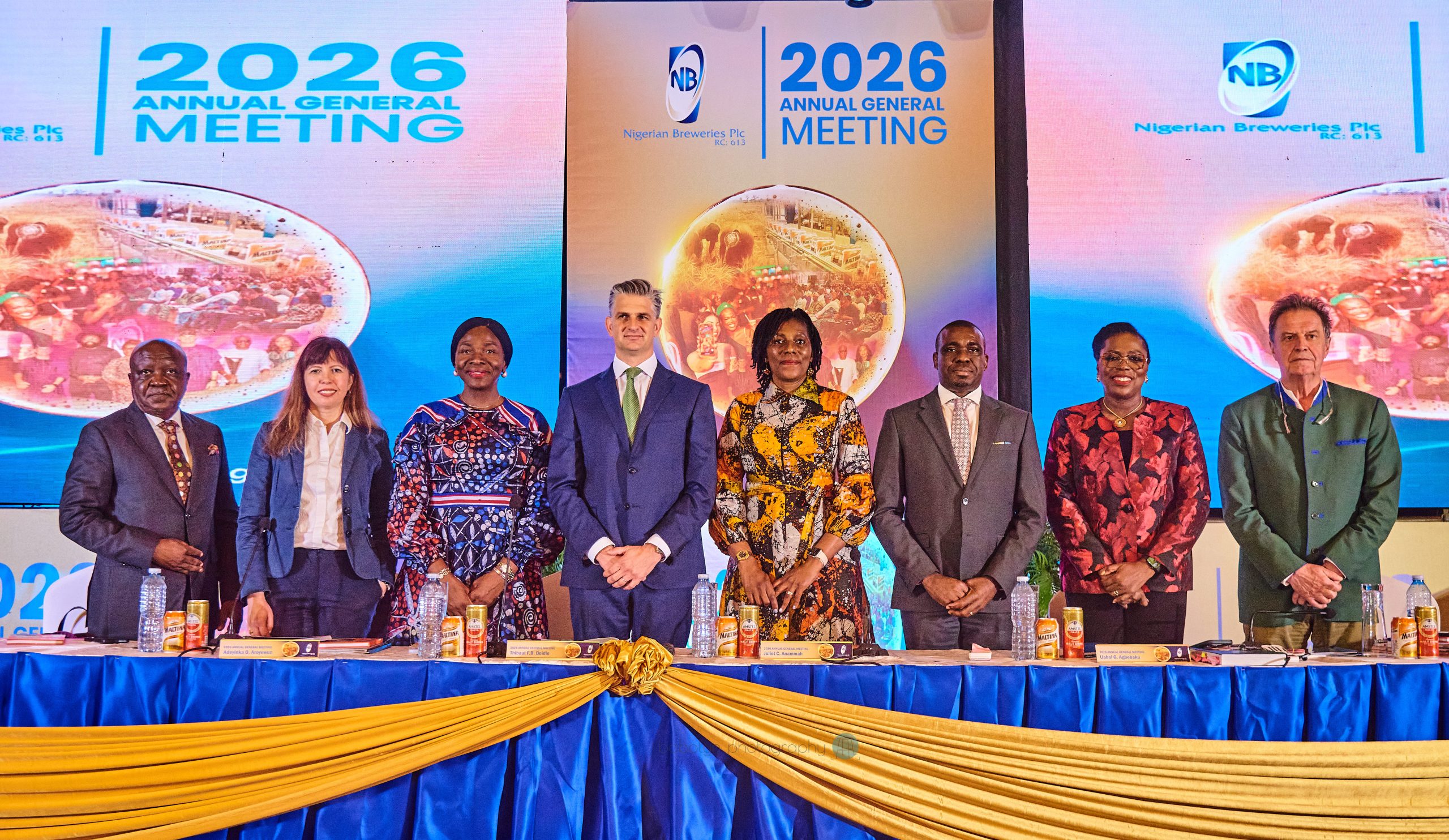
    The commendation was made at the company’s 80th Annual General Meeting (AGM), held at the Oriental Hotel, Victoria Island, Lagos, on Wednesday, April 22, 2026.

    Speaking at the AGM, the immediate past Secretary of the Independent Shareholders Association of Nigeria, Mr. Eke Emmanuel, praised the Board and Management for steering the company through a volatile macroeconomic environment while strengthening its financial position.

    He noted that the company’s resilience, amid several businesses exiting the country, reflects strong leadership and a sound strategic direction.

    “It is good news that we have been here for 80 years. There is no reason why we will not be here for the next 80 years with what we have achieved. To return to this level of profitability and cash position shows the Board has done an enormous amount of work,” he said.

    Also speaking, a member of the Noble Shareholders Association, Mr. Owolabi Opeyemi, lauded the Board and Management for navigating challenging business conditions and restoring the company’s financial health.

    “We are proud of how the company has withstood the ups and downs of a challenging environment. The return to profitability and the reversal of the negative cash position recorded in the previous two financial years are commendable,” Opeyemi said.

    In her address, the Board Chair, Mrs. Juliet Anammah, expressed confidence that the company is firmly on a recovery path following the net losses recorded in the past two years due to macroeconomic pressures and fiscal reforms.

    She thanked shareholders for their continued support and reaffirmed that the company will build on its 2025 performance as it accelerates growth ambitions.

    “We have a solid foundation built over eight decades, anchored on a strong portfolio of brands, an extensive nationwide sales and supply chain network, ongoing digital transformation, and most importantly, our people. These strengths remain critical to sustaining our leadership position,” she said.

    Mrs Anammah also addressed the company’s dividend position, noting that the decision not to declare a dividend reflects the need to rebuild retained earnings, which were impacted by prior macroeconomic shocks, particularly foreign exchange-related losses.

    “We recognise the importance of dividend payments to our shareholders and sincerely appreciate your continued understanding. While we are not declaring a dividend at this time due to negative retained earnings, we are working diligently to restore the company’s financial position and return to dividend payments as soon as it is sustainable to do so,” she added.

    She further noted that the Board remains vigilant to external risks, including the Middle East crisis and broader macroeconomic challenges, which may impact the pace of improvement in the 2026 financial year.

  • Glovo Set to Hold “Future of Commerce Summit 2.0” in Lagos

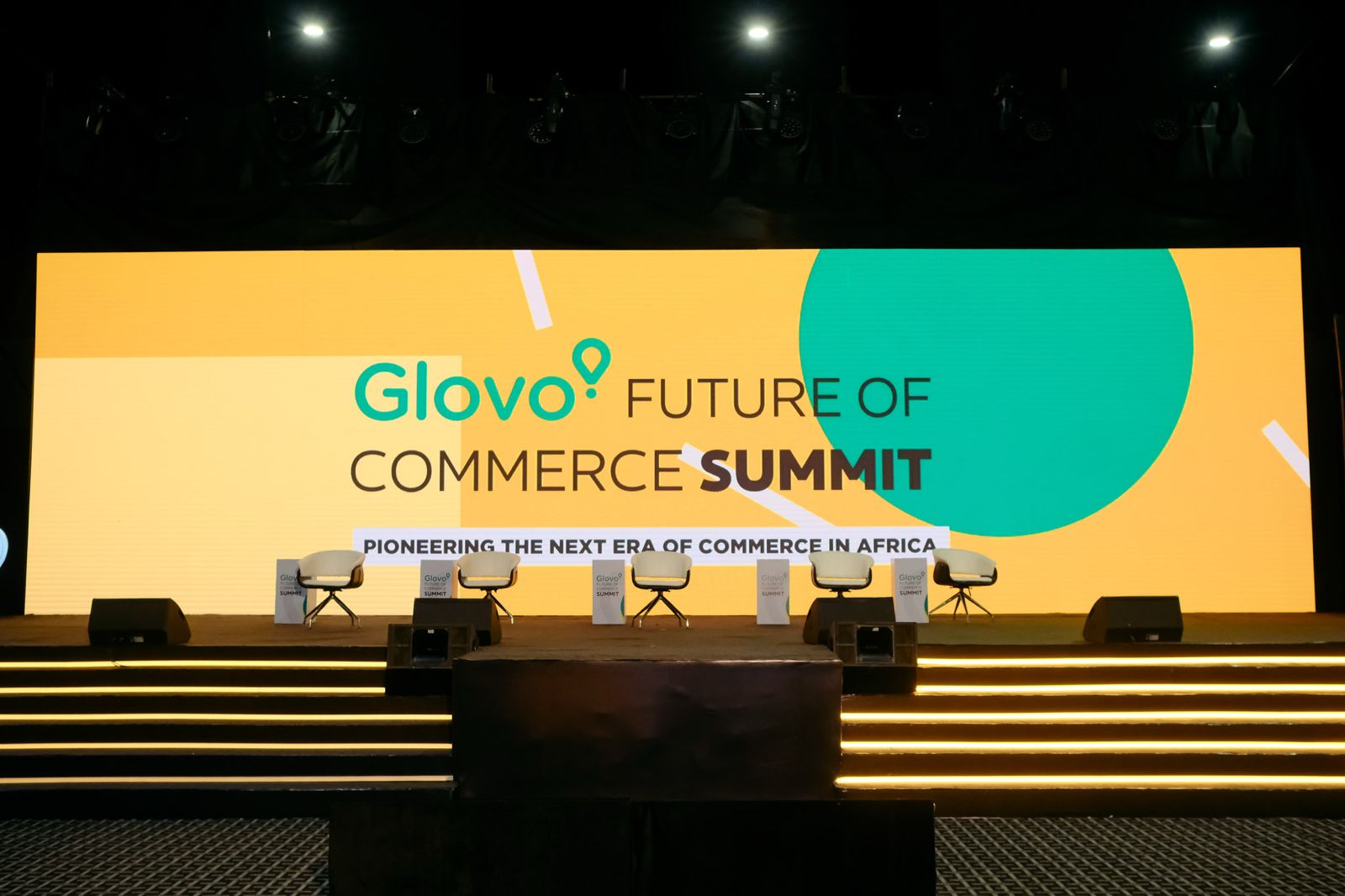
    Glovo Set to Hold “Future of Commerce Summit 2.0” in Lagos

    Glovo, a leading technology platform, is set to host the second edition of its flagship industry event, the Future of Commerce Summit 2.0, on Wednesday, April 22, 2026, at the Landmark Events Centre, Victoria Island, Lagos.

    The summit will convene key stakeholders across Nigeria’s technology, digital, and commerce ecosystems, providing a platform for meaningful dialogue on the future of commerce and innovation in the country.

    Expected attendees include government stakeholders, policymakers, entrepreneurs, industry leaders, and innovators who will explore emerging trends, opportunities, and challenges shaping the commerce and logistics landscape.

    Speaking about the planned summit, Interim General Manager, Glovo Nigeria, Reni Onafeko, said that the event reflects the company’s commitment to empowering small and medium-sized businesses (SMBs), which are widely regarded as the backbone of Nigeria’s economy, with access to tools, insights, and digital infrastructure.

    Onafeko explained that Future of Commerce 2.0 will focus on scaling impact across Nigerian cities, leveraging technology to drive inclusive growth and expand access to digital commerce opportunities.

    “At Glovo, we are deeply committed to empowering local businesses and creating opportunities for SMBs to thrive in an increasingly digital economy. Nigeria’s commerce ecosystem is evolving rapidly, driven by innovation and a new generation of entrepreneurs. The Future of Commerce Summit 2.0 reflects our vision of fostering collaboration and equipping entrepreneurs with the tools and insights needed to scale sustainably. Through this platform, we aim to amplify the voices of businesses and drive impactful conversations that will shape the future of commerce in Nigeria,” she said.

    Building on the success of its inaugural edition last year, the 2026 summit aims to spotlight the role of digital platforms in driving economic growth, empowering small and medium-sized businesses (SMBs), and accelerating Nigeria’s digital transformation.

  • Quest Merchant Bank Limited Unveils New Brand Identity, Signalling Next Phase of Strategic Growth

    Quest Merchant Bank Limited Unveils New Brand Identity, Signalling Next Phase of Strategic Growth

    Quest Merchant Bank Limited has unveiled its new brand identity, marking a significant step in the Bank’s ongoing evolution following its recent name change.

    The refreshed identity reflects the Bank’s strategic direction as it deepens its role as a trusted partner to institutions and investors, providing insight-driven financial solutions and a disciplined approach to supporting long-term value creation.

    With a strong legacy of execution and a deep understanding of key sectors, the Bank continues to differentiate itself through measured decision-making, strong risk management, and the ability to navigate increasingly complex market environments. The new identity brings these qualities into sharper focus, while signalling a renewed emphasis on growth, innovation, and relevance in a changing financial landscape.

    Quest Merchant Bank remains focused on supporting clients throughout their growth journey, helping unlock opportunities, structure transactions effectively, and provide the clarity needed to make confident financial decisions in dynamic conditions.

    Afolabi Olorode

    Commenting on the development, the Ag. Managing Director/CEO, Afolabi Olorode, stated, “Our new brand identity represents an important step in our journey as Quest Merchant Bank. It reflects both who we are and where we are headed, an institution grounded in experience yet firmly focused on the future. As we continue to evolve, our priority remains to provide our clients with the clarity, confidence, and strategic support they need to achieve their long-term objectives.”

    The refreshed identity will be progressively reflected across the Bank’s touchpoints, aligning its visual presence with its strategic ambition and ongoing investments in innovation, digital transformation, and service delivery.

    Quest Merchant Bank remains focused on reinforcing its position as a leading merchant bank, trusted by institutions and investors to unlock value and deliver sustainable financial outcomes.

  • GTCO Launches “Take on Squad” Hackathon 3.0, Opens Call for Applications

    GTCO Launches “Take on Squad” Hackathon 3.0, Opens Call for Applications

    Guaranty Trust Holding Company Plc has announced the launch of “Take on Squad” Hackathon 3.0, reaffirming its commitment to fostering innovation, empowering talent, and supporting the development of technology-driven solutions that address real-world challenges across Africa.

    Now in its third edition, the Hackathon brings together developers, designers and entrepreneurs across Nigeria in a collaborative environment to build practical solutions across key sectors including financial services, healthcare, commerce and digital inclusion. Under the theme “Smart Systems: The Intelligent Economy,” participants are challenged to design and build intelligent, data-driven solutions that transform how communities engage with money.

    Applications are now open, and interested teams can find full guidelines and registration details on the official portal at https://squadco.com/hackathon.

    Speaking on the initiative, Eduophon Japhet, Managing Director of HabariPay, stated: “Today’s dynamic, digitally driven world demands continuous innovation, which is shaping how economies grow, how businesses scale, and how societies evolve. Through “Take on Squad” Hackathon, we are deliberately investing in the ideas and talent that will define the future. Our objective is not simply to encourage innovation, but to enable its translation into scalable solutions that deliver real and measurable impact. This reflects GTCO’s role as a financial services platform that connects capital, capability, and creativity to drive sustainable progress.”

    The social coding event remains a cornerstone of HabariPay’s mission to foster creativity and problem-solving among emerging tech talents. Competing teams will leverage Squad’s advanced APIs to create scalable digital tools that address everyday challenges faced by businesses and individuals.

    Through initiatives such as this, GTCO continues to position itself at the intersection of finance, technology and enterprise, actively shaping the future of digital transformation in Africa.

  • TheNewsGuru Editor, Oyibo set to unveil book on modern journalism

    TheNewsGuru Editor, Oyibo set to unveil book on modern journalism

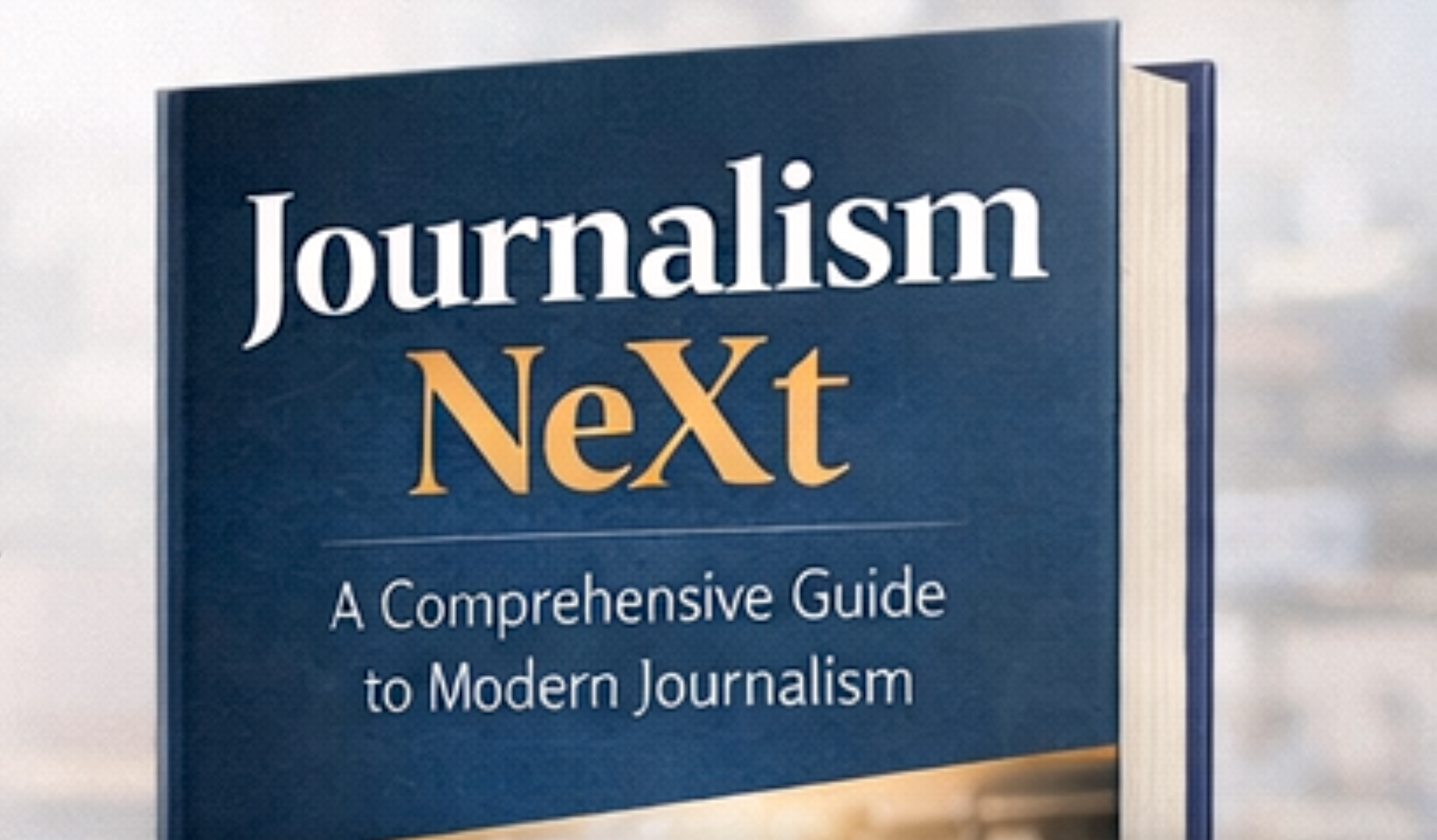
    The Editor of TheNewsGuru (TNG), Ediri Oyibo, is set to officially unveil a new book titled “Journalism NeXt: A Comprehensive Guide to Modern Journalism,” in a landmark event that promises to contribute significantly to the evolving media landscape in Nigeria and beyond.

    The book, which is the product of extensive research and practical experience, provides in-depth insights into contemporary journalism practices, with a focus on digital transformation, ethical reporting, media sustainability, and the future of news in a rapidly changing world.

    The public presentation and book launch will bring together key stakeholders in the media industry, academia, policy circles, and the general public. The event aims to stimulate conversations around the challenges and opportunities facing modern journalism, particularly in emerging democracies.

    According to the author, the publication seeks to bridge the gap between traditional journalism principles and the demands of the digital age, offering practical solutions and forward-looking strategies for journalists, media entrepreneurs, and students of communication.

    “This book is a response to the urgent need for innovation, credibility, and adaptability in journalism. It is designed to equip media practitioners with the tools required to navigate the complexities of today’s information ecosystem,” Oyibo stated.

    The event will also feature the public presentation of research findings on the state of journalism in Nigeria, with a specific focus on the challenges faced by journalists in the Federal Capital Territory (FCT), alongside the formal unveiling of the book and networking opportunities for participants.

    The event is scheduled to hold on Thursday, April 30, 2026, at the Secretariat of the Nigeria Union of Journalists (NUJ), FCT Council, Utako, Abuja.

    Further details regarding special guests will be announced in due course.

  • NCSP DG Participates in Inaugural World Data Organization Assembly in Beijing

    NCSP DG Participates in Inaugural World Data Organization Assembly in Beijing

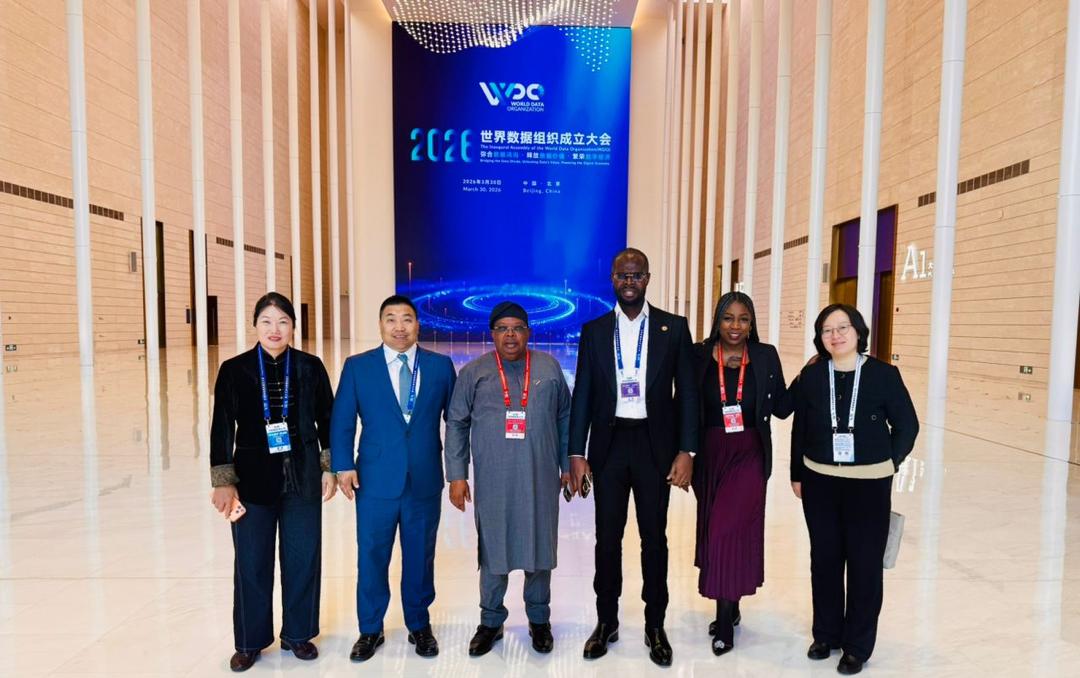
    The Director-General of the Nigeria-China Strategic Partnership (NCSP), Joseph Tegbe, joined other international delegates at the inaugural assembly of the World Data Organization (WDO), held recently in Beijing, China.

    The high-level gathering convened over 500 participants, including senior government officials, multilateral institutions, and digital technology experts, marking a significant step toward strengthening global coordination on data governance and the digital economy.

    Accompanied by the NCSP Head of International Relations, Ms. Judy Melifonwu, Tegbe’s participation underscores Nigeria’s growing strategic interest in global digital cooperation, particularly within the context of its bilateral engagement with China.

    As Director-General of the NCSP, his presence reflects ongoing efforts to position Nigeria as an active stakeholder in shaping international frameworks governing data access, utilisation, and security.

    The assembly featured a keynote address by Ding Xuexiang, who delivered remarks on behalf of Xi Jinping, the Vice Premier. In his address, he emphasized the need for coordinated global action to harness the value of data while ensuring security, inclusiveness, and trust in the digital economy.

    For Nigeria, participation at this level presents significant opportunities to engage in global standard-setting discussions on data governance and cross-border data flows, strengthen bilateral cooperation with China in advancing digital infrastructure and innovation, unlock new pathways for investment and knowledge exchange within the digital economy, and position Nigerian institutions and talent to benefit from emerging global data ecosystems.

    The establishment of the WDO signals a new phase in international collaboration on digital transformation, and with Tegbe’s engagement, the NCSP continues to play a pivotal role in aligning Nigeria’s strategic interests with evolving global opportunities in data and technology.

  • South Africa’s Third-Largest City Ekurhuleni Secures Electric Power Campus Network with Huawei Wi-Fi Shield Technology

    South Africa’s Third-Largest City Ekurhuleni Secures Electric Power Campus Network with Huawei Wi-Fi Shield Technology

    The City of Ekurhuleni (COE), located in Gauteng Province, South Africa, is widely recognized as one of the country’s most urbanized (97%) and industrially developed core economic zones.

    COE is accelerating its digital transformation, Electric power reliability is a key driver of vitality in COE. The original network equipment on COE’s electric power campuses was outdated, with many devices still operating on Wi-Fi 5 standards. The resulting weak signal strength and limited coverage significantly impacted staff productivity and overall network experience. The legacy wireless campus network, With a large number of wireless network devices in operation, device-by-device manual fault troubleshooting proved time-consuming and significantly increased operational costs. Data security was also a critical concern. Due to outdated and insufficiently secured network infrastructure, senior officials in COE’s electric power department remain deeply concerned about potential data breaches.

    Faced with these three major challenges, Leveraging Huawei’s Xinghe Intelligent High-Quality 10 Gbps Campus Network Solution, COE’s electric power campuses network was centered around three core objectives.

    Lightning-Fast Wi-Fi 7 Access Boosts Office Efficiency: Improving wireless office efficiency was a key priority for COE. To achieve this, it adopted Huawei Wi-Fi 7 technology for high-speed wireless access and ubiquitous network coverage—laying a solid foundation for future business growth.

    Wi-Fi Shield Secures Electric Power Campus Networkwireless signals are vulnerable to eavesdropping. Huawei has pioneered an innovative Wi-Fi Shield technology. The AP precisely detects the physical location of the target user. When transmitting packet data, it simultaneously emits a randomized noise signal.

    Outside of the target location, however, the noise signal persists, they are unable to extract valid packet data.

    In line with specific application requirements, COE’s electric power department has established Wi-Fi Shield protection zones at outdoor toll stations and office areas within the campus, effectively preventing data eavesdropping and unauthorized data storage.

    The Digital Map Enhances O&M Efficiency with Full Visibility and Smart Management: Optimizing O&M was another key priority for COE. To that end, COE deployed Huawei’s campus network digital map, a platform that enables centralized device management, network visualization, and unified O&M—enhancing management efficiency while significantly reducing operational costs.

    The construction of COE’s high-quality 10 Gbps electric power campus network has set a benchmark for advanced infrastructure in government network rollouts. This achievement is expected to spark a wave of innovation in campus network development across the region.

  • Google.org Announces N3 Billion Fund to Boost AI Skills and Digital Safety in Nigeria

    Google.org Announces N3 Billion Fund to Boost AI Skills and Digital Safety in Nigeria

    Funding will support five expert Nigerian organizations to accelerate advanced AI skilling, foster innovation, and fortify community digital safety.

    Google, through its philanthropic arm Google.org, today announced a N3 Billion (US$2.1M) commitment to Nigeria to accelerate the nation’s digital transformation through a strategic, two-pillar initiative. This funding will support programs focused on building advanced AI talent and strengthening digital safety and security within the community.

    This initiative is a core commitment to advancing Nigeria’s vision for digital leadership, directly supporting the ambitious National AI Strategy and the national mandate to create 1 million digital jobs. The country is poised to unlock a projected $15 billion in economic value from AI by 2030, according to findings from Public First. This dual focus ensures the country has both the skilled workforce and the secure environment needed for its economic growth to be sustainable and inclusive.

    Dr. ‘Bosun Tijani, Honourable Minister of Communication, Innovation & Digital Economy, commented: “Artificial Intelligence sits at the heart of Nigeria’s desire to raise the level of productivity in our economy as well as our ambition to compete globally in technology and innovation. I welcome this important and timely investment from Google and Google.org, which reflects the power of meaningful private-sector partnership in nurturing our talent, strengthening our digital infrastructure, and advancing our national AI priorities. This collaboration directly supports our drive to operationalise our National AI Strategy and to position Nigerian innovators at the forefront of the global AI revolution.”

    The funding will be provided to five expert organizations.

    • To build AI talent:
      • FATE Foundation in collaboration with the African Institute for Mathematical Sciences (AIMS), will embed an advanced AI curriculum into universities.
      • The African Technology Forum (ATF) will launch an innovation challenge to guide developers from learning to building real-world products.
    • To fortify digital safety:
      • Junior Achievement (JA) Africa will scale the ‘Be Internet Awesome’ curriculum for youth.
      • The CyberSafe Foundation will strengthen the cybersecurity of public institutions.

    Adenike Adeyemi, Executive Director, FATE Foundation, added: “We are incredibly proud to partner with the African Institute of Management Sciences on the Advanced AI UpSkilling Project, with support from Google.org. This groundbreaking initiative is a direct response to the urgent need for deep AI competencies in Africa, empowering tertiary institutions, lecturers, and students in Nigeria, Ghana, Kenya, and South Africa. This strategic support aligns perfectly with FATE Foundation’s mission to foster innovation and sustainable economic growth across the continent, ensuring Africa is fully equipped to lead in the global technological future.”

    Olumide Balogun, Director for West Africa at Google, commented: “Google has been a foundational partner in Nigeria’s digital journey, and this N3 billion commitment is the next chapter in that story. This is an investment in people, aimed at empowering them with advanced AI skills and ensuring a safe digital space to operate. We are honored to continue our collaboration in support of the Ministry’s efforts to help build a future where the promise of AI creates opportunity for everyone.”

    This announcement builds on Google’s long-standing commitment to Nigeria, including infrastructure like the Equiano subsea cable and successful initiatives like the 2023 “Skills Sprint” program, a N1.2 billion commitment to Mind the Gap. This program successfully trained 20,991 participants (including 5,217 women in AI & Tech) and saw 3,576 participants move into jobs, internships, or businesses, demonstrating tangible results in advancing Nigeria’s digital economy.

  • Lagos Free Zone remains the best investment destination for Nordic businesses in Nigeria – CEO, LFZ, Adesuwa Ladoja

    Lagos Free Zone remains the best investment destination for Nordic businesses in Nigeria – CEO, LFZ, Adesuwa Ladoja

    Lagos Free Zone, Nigeria’s first private special economic zone, centrally located in Lagos State and promoted by Tolaram, has been described as the best investment destination for Nordic companies in Nigeria.

    The Chief Executive Officer of the Lagos Free Zone, Mrs. Adesuwa Ladoja, disclosed this during the Nordic Nigeria Connect 2025 held in Lagos on Tuesday.

    Speaking during a panel discussion at the event, Ladoja explained that the Zone offers business predictability and proper organisation for investors who intend to do business in Nigeria, unlike other places where they are more likely to be confronted by infrastructural or regulatory barriers.

    She stated that for Nordic companies that see Nigeria as a potential hub for business, Lagos Free Zone remains the ideal destination as it offers the proper infrastructure, enabling environment, and logistics capacity needed to thrive.

    Mrs Adesuwa Ladoja

     “In Lagos Free Zone, we have a deep-sea port with state-of-the-art equipment. So, if you come to the Zone and have your business set up, it becomes easy for you to export, thus addressing the issue of delays and timing. With that, you can bring in your raw material seamlessly, effortlessly, all in the same place. So, with other access roads and coastal road being put in place, alongside plan to connect the axis through rail, many of these constraints would have been taken care of. Looking at it from a regulation perspective, we are creating our own single window where all the regulators you need to do your business are concentrated in the zone,” she added.

    She observed that the Tinubu administration’s two major policy reforms—the removal of fuel subsidies and the unification of the exchange rate—have created a more transparent, market-driven economy and brought back a sense of predictability in the investment climate for foreign investors. She maintained that the reforms have inspired cautious optimism in the economy, witnessing headwinds turning into tailwinds.

    According to her, sustained currency stability, low interest rates, and downward-bending inflation curves in the last 12 months are good signals that the private sector capital formation cycle is ripe for revival. She also explained that with young, entrepreneurial, and passionately creative people occupying the biggest pie in the population, Nigeria offers a vast consumer market and a production base with access to the 400-million-strong ECOWAS region.

    “This dynamic market, structural reform, and market stabilisation combination makes Nigeria one of Africa’s most appealing investment destinations today. However, the real potential is in being an early mover. As Nigeria’s infrastructure advances and its industries develop, those who establish a presence early will enjoy the greatest rewards,’ she added.

    She stated that the strength of the Nordic region, which can be found in specific sectors such as renewable energy, sustainable manufacturing, logistics, and digital solutions, remains highly complementary to Nigeria’s growth priorities as it unlocks enormous opportunities for collaboration that create shared value, drive innovation, jobs, and inclusive growth.

    She applauded Nordic countries for their leadership in clean technology, digital transformation, and responsible business practices, which align perfectly with Nigeria’s development aspirations.

    Other speakers at the panel discussion include Chief Executive Officer, APM Terminals Nigeria, Frederik Klinke; Executive Director/Chief Financial Officer, Development Bank of Nigeria, Ijeoma Ozulumba; Regional Director, West Africa, Norfund, Naana Winful Fynn; and Chief Executive Officer, Empower New Energy, Yerje Osmunden.

  • Google Equips University Students Across Africa with Free Access to Advanced AI Tools

    Google Equips University Students Across Africa with Free Access to Advanced AI Tools

    12-Month Google AI Pro Plan Launched for Students in Nigeria, Kenya, Ghana, Rwanda, South Africa, and Zimbabwe to Build Foundational AI Skills 

    Google today announced a major initiative to support higher education across Africa by offering its premium AI subscription, Google AI Pro for free to university students for 12 months. The offer is available to eligible students aged 18+  in Nigeria, Kenya, Ghana, Rwanda, South Africa, and Zimbabwe, providing them with access to Google’s most advanced AI tools to enhance their learning, research, and creative work.

    Through Google’s most capable model, Gemini 2.5 Pro, this initiative will equip the next generation of African leaders, innovators, and creators with fundamental AI literacy. By placing powerful generative AI tools directly in the hands of students, Google is helping to prepare them for a workforce where AI proficiency is increasingly essential.

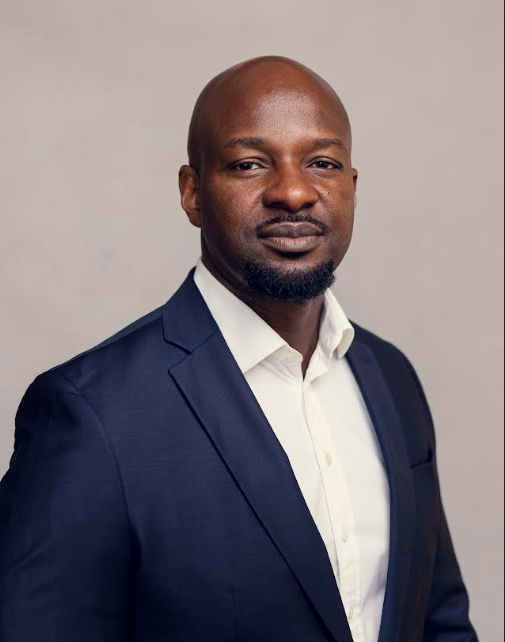
    “We are seeing a new wave of innovation in Africa, driven by the energy and ingenuity of our young people,” said Alex Okosi, Managing Director for Google in Sub-Saharan Africa. “By providing students with access to our most advanced AI tools, we want to empower them to not only excel in their studies but also to become critical builders and shapers of the future. This offer is about democratizing access to technology and giving African students the skills to compete and lead on a global stage.”

    The Google AI Pro plan provides a comprehensive suite of tools designed for the demands of academic and creative life:

    • Supercharged Learning and Research:  With new features like Guided Learning to help students with in-depth research, summarizing academic papers, debugging code, and  step-by-step guidance on complex problems. 
    •  Time-Saving Efficiency: Use Deep Research to generate comprehensive, cited reports from hundreds of web sources in minutes, transforming how students approach long-form assignments and dissertations.
    • Enhanced Organization and Creativity: Leverage NotebookLM to organize notes and connect ideas, and use Veo 3 to instantly transform text prompts or images into short, high-quality videos for presentations and projects.
    • Massive Storage: Receive 2 TB of cloud storage across Google Drive, Gmail, and Photos, ensuring ample space for coursework, research data, and creative portfolios.

    How to Sign Up 

    University students in eligible higher education institutions and countries can verify their status and activate the 12-month free plan by visiting gemini.google/students. The process is designed to be simple, requiring students to verify their status through various methods and to add or confirm a form of payment (without incurring any charges). The offer will be available for redemption for 60 days, from October 7, 2025, to December 9, 2025.

    This student offer builds on Google’s long-standing commitment to Africa’s digital transformation through programs like the Google for Startups Accelerator Africa and the Digital Skills for Africa initiative, which have helped millions of people and businesses grow.

  • Cassava Technologies Appoints Marco Gagiano as Global Head: Connectivity

    Cassava Technologies Appoints Marco Gagiano as Global Head: Connectivity

    Marco brings over two decades of leadership experience in telecoms and technology across Africa, Europe, and the Middle East

    Cassava Technologies, a global technology leader of African heritage, has appointed Marco Gagiano as Global Head of Connectivity, effective September 2025.  With this strategic appointment, Cassava has further strengthened its leadership team and reaffirmed its commitment to becoming the leading digital solutions provider in its chosen markets. Marco will be responsible for the connectivity business across Africa, including all of Cassava’s fibre, satellite, wireless and wholesale voice and connectivity services.

    Marco brings over two decades of leadership experience in telecoms and technology across Africa, Europe, and the Middle East. His has previously held senior executive roles at MTN, Vodacom and Vodafone Group, covering product strategy, digital transformation and commercial growth.

  • Nigeria–China Strategic Partnership (NCSP) Celebrates Shared October 1st Milestones, Strengthens Bilateral Ties

    Nigeria–China Strategic Partnership (NCSP) Celebrates Shared October 1st Milestones, Strengthens Bilateral Ties

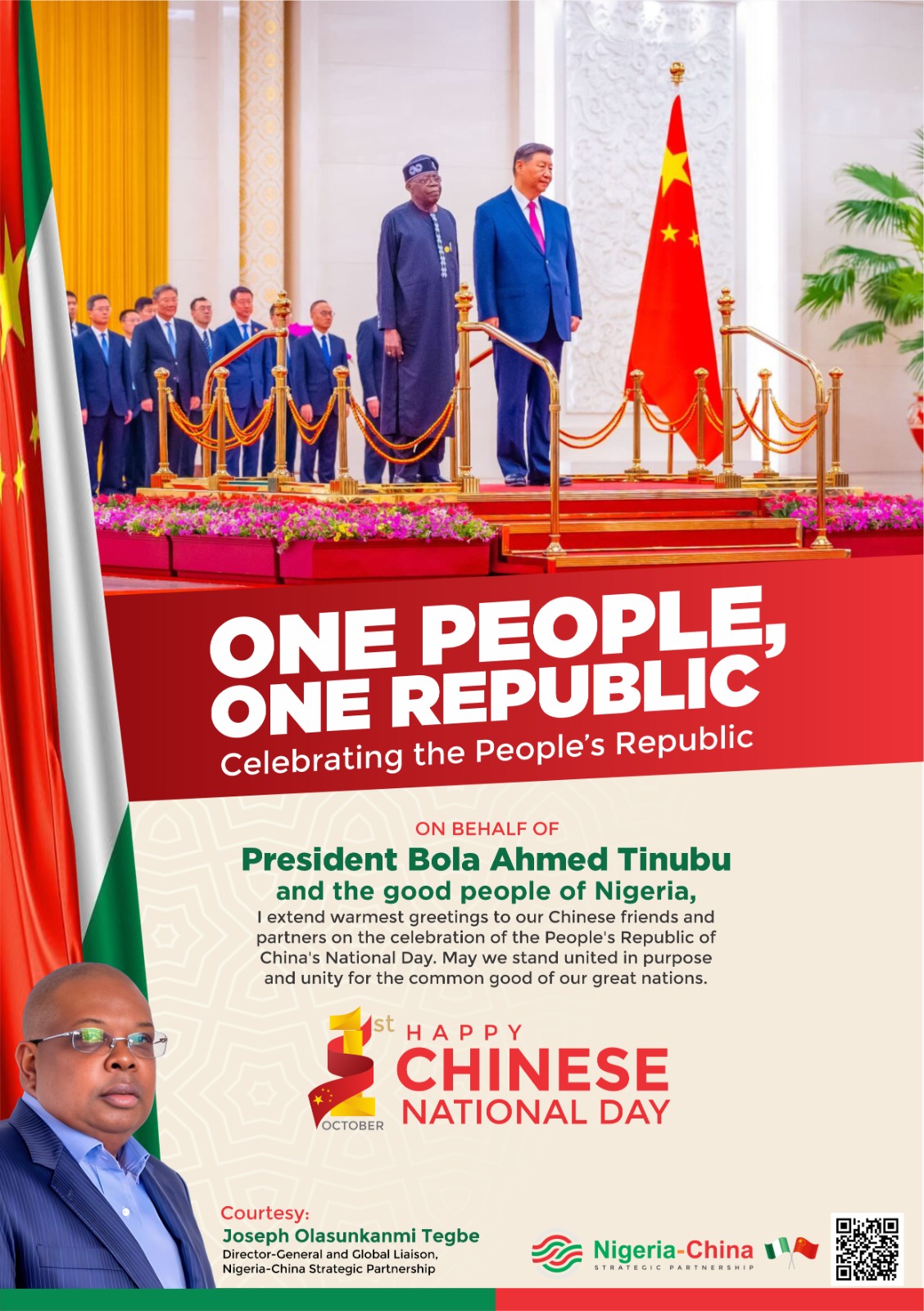
    The Nigeria–China Strategic Partnership (NCSP) has joined millions around the world to celebrate October 1st, a historic date for both nations. On this day, Nigeria marks 65 years of independence while the People’s Republic of China commemorates 76 years of nationhood.

    Extending warm congratulations, NCSP Director General, Mr. Joseph Olasunkanmi Tegbe, described the dual celebrations as a symbol of resilience, progress, and the power of intentional partnerships.

    “As Nigeria celebrates 65 years of independence and the People’s Republic of China marks 76 years of national pride on the same historic date, NCSP stands firmly at the center of deepening the bond between our nations. Together, we are building pathways for shared prosperity across generations,” Tegbe said.

    Since its establishment, NCSP has played a central role in strengthening Nigeria–China relations. Through strategic engagements with senior Chinese government officials and leading business executives, the Partnership has facilitated multi-billion-dollar investments in priority sectors including agriculture, automotive manufacturing, mining, steel production, energy, and digital transformation.

    As Nigeria and China celebrate their shared milestones, NCSP reaffirmed its unwavering commitment to advancing cooperation, ensuring that the bilateral relationship continues to translate into sustained economic growth, innovation, and mutual progress.

  • Google reaffirms commitment to Africa with new subsea cable connectivity hubs; $9M Fund; and AI tools for students

    Google reaffirms commitment to Africa with new subsea cable connectivity hubs; $9M Fund; and AI tools for students

    …Four strategic subsea cable connectivity hubs in the north, south, east and west regions of Africa – creating new digital corridors within Africa and between Africa and the world.

    Google today announced a new set of investments in Africa, reaffirming its nearly two-decade commitment to the continent’s digital transformation. 

    The latest commitments focus on empowering Africa’s next generation through AI, unlocking opportunities and expanding on the innovation capacity of young Africans. They cover internet connectivity; youth-led learning and innovation; and skills training.

    Connectivity

    Google is announcing four strategic subsea cable connectivity hubs in the north, south, east and west regions of Africa. This investment creates new digital corridors within Africa and between Africa and the rest of the world – ultimately deepening international connectivity and resilience, as well as spurring economic growth and opportunity.

    This is the latest addition to Google’s Africa Connect infrastructure program, which sees the company build vital connectivity across the continent: including the Google Cloud region in Johannesburg serving users across the continent, the Equiano cable running along the entire western seaboard of the continent, and Umoja, the first fiber optic route to directly connect Africa with Australia (running through Kenya, Uganda, Rwanda, Democratic Republic of the Congo, Zambia, Zimbabwe and South Africa).

    Google’s investments to date have enabled 100 million Africans to access the internet for the first time, and the Equiano cable alone is expected to increase real GDP this year in Nigeria, South Africa and Namibia by an estimated $11.1 billion, $5.8 billion and $290 million, respectively.

    Youth-led learning and innovation

    Enabling Africa’s young people to learn, innovate and lead is critical to Africa’s development and economic growth. That’s why Google is today also announcing free one-year subscriptions to Google AI Pro plan for college students (18 or older) across the continent – starting with Egypt, Ghana, Kenya, Morocco, Nigeria, South Africa, Rwanda and Zimbabwe. The subscription provides advanced AI to students – from Deep Research, which helps save time with custom research reports and in-depth information from hundreds of sources across the web, to Gemini 2.5 Pro, which provides help with assignments or writing.

    Building skills and solutions

    Equipping people with AI skills is critical. To date, Google has trained 7 million Africans and plans to train an additional 3 million students, young people, and teachers by 2030. Google is also bolstering local capacity by providing African universities and research institutions with over $17 million in funding, curriculum, training and compute and access to advanced AI models over the past four years – with an additional $9 million planned for the coming year.

    On the announcements, Alex Okosi, Managing Director for Google in Africa, said:

    “Africa’s digital economy holds immense potential, and it will be driven by the talent and ingenuity of its next generation. Today’s announcements, spanning AI education, advanced tools for students, and expanded connectivity, are a unified investment into the upward trajectory of the continent. We are committed to providing the foundational infrastructure, the cutting-edge tools, and the financial support necessary for Africa’s youth to innovate, lead, and build a thriving digital world.”

    Google’s long term partnership

    These announcements are the latest chapter in Google’s long-term investment in the continent, which has delivered on $1 billion of investment. Google’s sustained commitment to Africa has included driving connectivity; training more than 7 million people across the continent in digital skills to support the future workforce; and supporting 153 startups from 17 African nations through the Google for Startups Accelerator Africa, helping them raise $300 million and create 3,500 jobs.

    AI creates an unprecedented opportunity to benefit everyone, and Google is committed to making that a reality for people, businesses and communities across Africa. Today’s announcements are another example of how Google is continuing to expand connectivity, increase product access and skills across the continent and enable African-led innovation – with more to come.

  • Feature: Is This the End of USSD Banking in Nigeria?

    Feature: Is This the End of USSD Banking in Nigeria?

    By Elvis Eromosele

    For years, USSD (Unstructured Supplementary Service Data) banking in Nigeria has been a lifeline for millions of Nigerians. It was simple, fast, and accessible even on the most basic mobile phones. From transferring money to paying bills, and checking balances to buying airtime, USSD provided seamless access to banking without the need for internet access.

    But now, a terse, polite message from banks may have sounded the death knell of the service. In what feels like a final move in a long-standing tussle between telecom service providers and banks, the new directive from the Nigerian Communications Commission (NCC) mandates that going forward, USSD banking charges will be deducted directly from customers’ airtime, not their bank accounts.

    The innocuous-looking message read in part “Dear Customer, from Tuesday, June 3, 2025, USSD banking charges will no longer be deducted from your bank account. Instead, the fees will be billed directly to your airtime in line with the NCC’s End-User Billing (EUB) directive. Each session will attract a charge of ₦6.98 per 120 seconds.”

    Buried in this simple announcement is the latest twist in the long-drawn battle between telecom operators and banks over USSD service charges. This is a battle that has lasted for years, involving regulators and resulting in service disruptions, legal threats, and regulatory interventions. Now, it seems banks are preparing to exit the USSD battlefield altogether.

    The NCC directive effectively removes the banks from the fee-collection equation and places the burden squarely on the end-user. For many, this change marks more than a billing switch; it signals the slow phasing out of a channel that revolutionized financial inclusion in Nigeria.

    There are, undeniably, a few upsides to this new structure. First, customers now receive prompts before airtime deductions are made, ensuring a more transparent process. Second, telcos finally receive payment for services rendered, which could encourage better service delivery and network investments. Finally, the new model simplifies the revenue flow i.e. banks no longer need to collect and remit fees on behalf of telcos. In short, the move creates regulatory clarity and administrative efficiency.

    However, the challenges are just as significant, if not more so. USSD banking emerged as a revolutionary tool for financial inclusion. It brought formal financial services to people without smartphones, data, and internet access. With just a basic phone and a GSM line, millions of Nigerians were able to check balances, transfer money, and buy airtime.

    Now, each session comes at a direct cost, ₦6.98 per 120 seconds. For the average urban user, this may seem trivial. However, for rural dwellers, low-income earners, petty traders, and others at the economic margins, this is a heavy toll.

    There’s also the psychological shift. A service that was once “free” or indirectly billed now requires upfront airtime, confirmation prompts, and network reliability. Add this to the banks’ not-so-subtle nudging of customers towards mobile apps and Internet banking, and the writing becomes clear: USSD banking is being slowly phased out.

    You can’t blame the banks, it’s simple economics. USSD doesn’t allow for tailored digital engagement or targeted marketing. It lacks the analytical depth of app-based platforms. And now that they must rely on telcos to facilitate and collect the fees, it’s no longer strategically beneficial.

    But here’s the catch: Nigeria is still a country with high levels of digital illiteracy, device poverty, and limited internet penetration. To phase out USSD without adequate replacement infrastructure or support systems would risk reversing the gains made in financial inclusion over the past decade.

    Some would argue that there would be winners and losers. Yes, Telecom operators who now receive direct payment for USSD sessions; banks which shed the headache of fee collection and shift customers to digital platforms they control and tech-savvy customers who already prefer app-based banking solutions are all winners.

    However, low-income users who depend on USSD as their only form of banking, rural communities where smartphones and data access remain luxury items and Nigeria’s financial inclusion agenda which may face a major setback would all be losers.

    Going forward, we must now ask: how do we preserve financial inclusion while embracing digital transformation? A few ideas come to mind:

    Tiered USSD Pricing: Offer essential services (such as balance checks or intra-bank transfers) at no cost or heavily subsidised rates, while charging for higher-value services.

    Digital Literacy Campaigns: Educate users, especially in rural areas, on the use of mobile apps and internet banking.

    Device Accessibility Initiatives: Encourage partnerships to provide affordable smartphones and basic data packages.

    Public-Private Subsidy Models: The government, banks, and telcos can jointly fund access for the poorest Nigerians, similar to universal service obligations in other sectors.

    This shift in USSD billing policy may seem like just another regulatory adjustment. But for millions of Nigerians, it could determine whether they remain financially included or pushed out of the system entirely.

    As we pursue a cashless, digital Nigeria, we must ensure that no one is left behind, not the market woman in Aba, the farmer in Katsina, or the street vendor in Agege. Progress should not come at the cost of access.

    Eromosele, a corporate communication professional and public affairs analyst, wrote via elviseroms@gmail.com