The Executive Vice Chairman of the Nigerian Communications Commission (NCC), Dr. Aminu Maida, has showcased Nigeria’s telecommunications reforms and digital governance initiatives at the 2026 Global Symposium for Regulators (GSR) organised by the International Telecommunication Union (ITU) in Ankara, Türkiye.
The global event brought together telecommunications regulators, policymakers and industry leaders from different countries to discuss emerging regulatory challenges, digital transformation and the future of telecommunications governance.
Speaking during a panel session titled “Harnessing the Power of Transformative Tech: Regulatory Approaches,” Maida said Nigeria is developing a regulatory framework focused on transparency, accountability and data-driven decision-making to improve consumer protection and support the growth of the digital economy.
According to him, the NCC is transitioning from traditional data collection methods to data intelligence systems that empower consumers, strengthen regulatory oversight and improve accountability among telecommunications operators.
He highlighted initiatives such as the Commission’s Public Maps, industry statistics publications, Quarterly Network Performance Reports and simplified reporting frameworks, noting that these tools are helping consumers better understand the quality of telecommunications services while promoting transparency within the sector.
Maida also joined telecommunications regulators and industry experts from across the world, including President of Brazil’s National Telecommunications Agency (ANATEL), Carlos Manuel Baigorri; Director-General of Bahrain’s Telecommunications Regulatory Authority, Philip Marnick; and Donna Bethea-Murphy of Viasat Inc., to discuss how regulators can adapt to rapidly evolving technologies and digital ecosystems.
At the symposium, participants adopted the 2026 Best Practice Guidelines: Regulatory Governance Essentials, a framework developed by the ITU to help regulators strengthen governance and respond effectively to increasingly complex digital markets.
During the Regulators’ Roundtable, Maida outlined key priorities shaping Nigeria’s telecommunications regulatory agenda. These include improving transparency and accountability within the internet ecosystem through the NCC’s Internet Code of Practice, strengthening cybersecurity through the Commission’s Cyber Resilience Framework and promoting collaboration among public institutions to support digital market governance.
He also stressed efforts aimed at creating an incentive-based telecommunications market through spectrum management and infrastructure policies designed to encourage investment, improve connectivity and drive innovation.
Maida noted that the NCC has, in recent years, intensified efforts in data-driven regulation, consumer protection and quality-of-service monitoring to improve network performance transparency and strengthen cybersecurity resilience across Nigeria’s digital ecosystem.
The Global Symposium for Regulators is regarded as one of the telecommunications industry’s leading policy forums where regulators worldwide share experiences, develop best practices and shape the future of digital regulation.
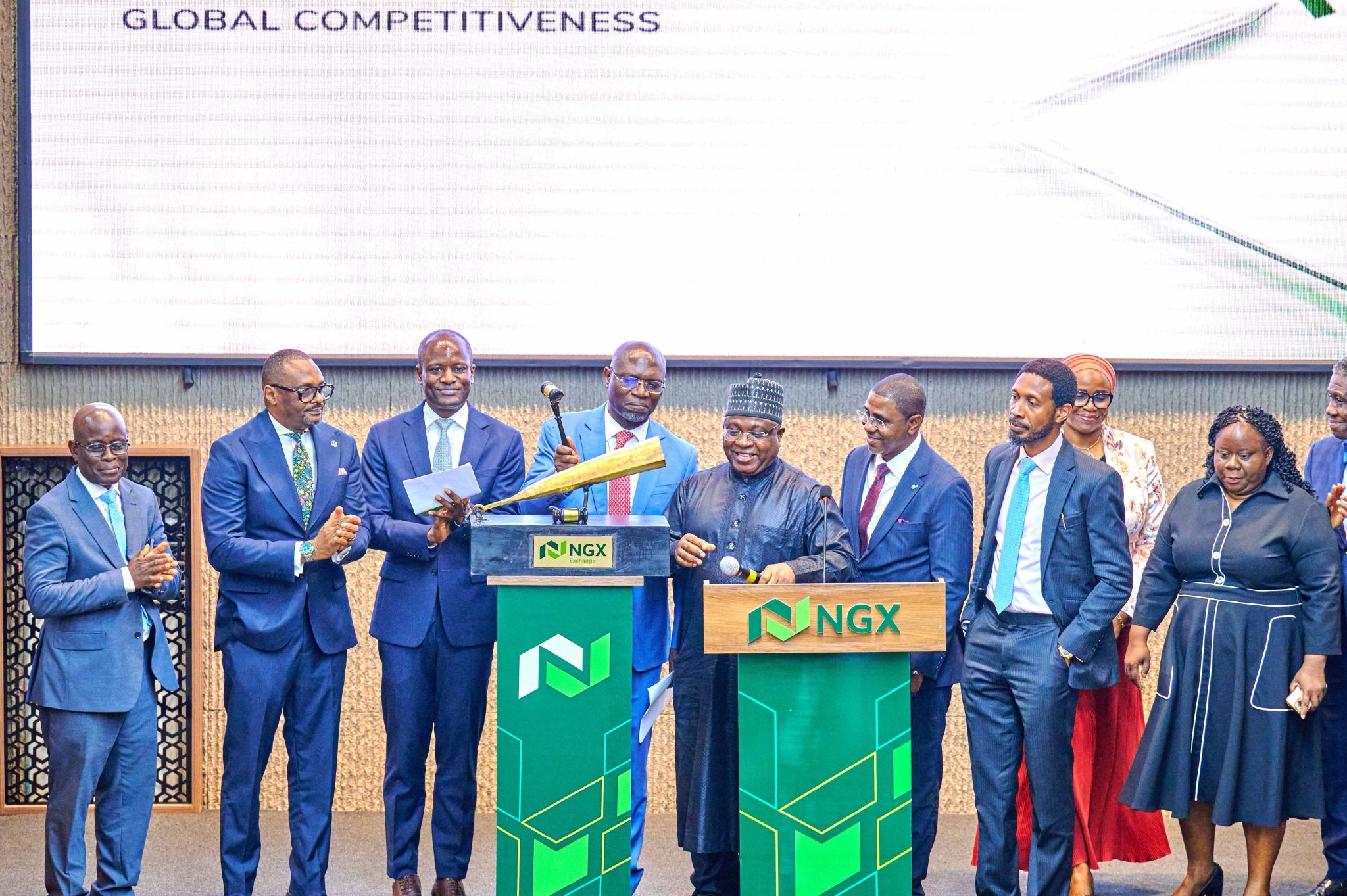
The Nigerian capital market on Monday achieved a historic milestone with the successful transition to a T+1 settlement cycle, becoming the first market in Africa to implement the shortened settlement framework designed to enhance efficiency, reduce risk, and improve global competitiveness.
Speaking at the T+1 Settlement Cycle Transition Ceremony in Lagos, the Director-General of the Securities and Exchange Commission (SEC), Dr. Emomotimi Agama, described the development as a defining moment in the market’s evolution. “The era of T+1 has begun. In just six months, Nigeria has successfully advanced from T+2 to T+1 settlement, joining a growing group of markets embracing faster, more efficient settlement cycles. This achievement signals that Nigeria is prepared to undertake the structural reforms required to compete for global capital,” Agama said.
He added that the reform aligns Nigeria’s capital market with global best practices, where shorter settlement cycles are increasingly being adopted to improve post-trade efficiency, reduce counterparty risk, and strengthen investor confidence. He reaffirmed the Commission’s commitment to continued modernisation of market systems and processes.
In his goodwill message, the Group Chairman of NGX Group, Alhaji Umaru Kwairanga, described the transition as a key step in the ongoing transformation of Nigeria’s capital market. He said the development underscores the shared commitment of stakeholders to strengthening market institutions, deepening investor confidence, and enhancing the market’s role in supporting economic growth and capital formation. “Milestones such as this reinforce confidence in our institutions and demonstrate our collective determination to build a more efficient and globally competitive capital market,” he stated.
Also speaking at the event, the Chairman of Central Securities Clearing System (CSCS) Plc Group, Managing Director/Chief Executive Officer of NGX Group, Temi Popoola, said the transition represents a critical step in the broader evolution of Nigeria’s capital market. He noted that while the achievement marks a significant milestone, it is part of a longer journey toward building a deeper, more liquid, and more globally competitive market capable of supporting sustained economic growth and capital formation. “While today is a significant milestone, it is not the destination. It is part of a broader journey toward building a deeper, more liquid, efficient, and globally competitive capital market capable of supporting long-term economic growth and capital formation,” he said.
The Managing Director/Chief Executive Officer of CSCS Plc, Shehu Shantali said the milestone reflects the strength and operational readiness of Nigeria’s post-trade ecosystem. He noted that the new settlement cycle would enhance transaction speed, improve liquidity efficiency, and reduce settlement exposure across the market. “This transition is far more than a reduction in settlement timelines. It represents a strategic upgrade to market infrastructure and reinforces our commitment to building a more efficient, resilient, and globally competitive capital market,” he said.
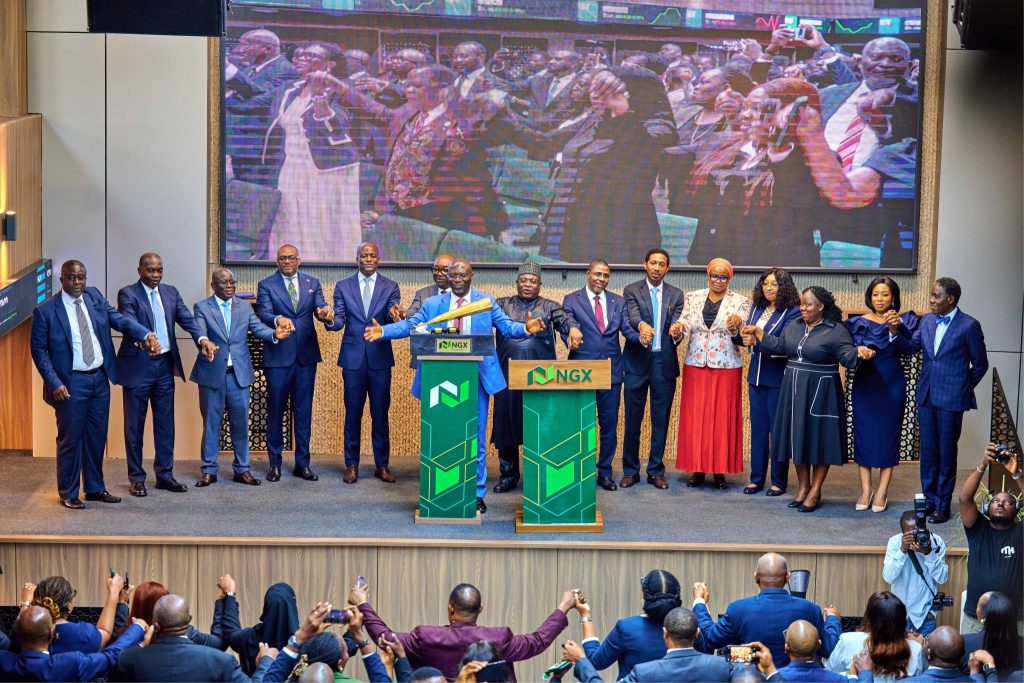
The ceremony culminated in a symbolic closing gong ceremony marking the official commencement of the T+1 settlement cycle. The event was attended by CEOs of Exchanges, market operators, regulators, stockbrokers, and leaders of trade associations across the capital market ecosystem.
The transition follows six months of coordinated industry-wide preparations involving regulators, exchanges, depositories, custodians, registrars, and other market participants, positioning Nigeria among global markets adopting shorter settlement cycles to improve post-trade efficiency and market resilience
The Federal Government is advancing a strategic partnership with China to accelerate affordable housing delivery and close Nigeria’s widening housing gap through technology-driven, scalable solutions.
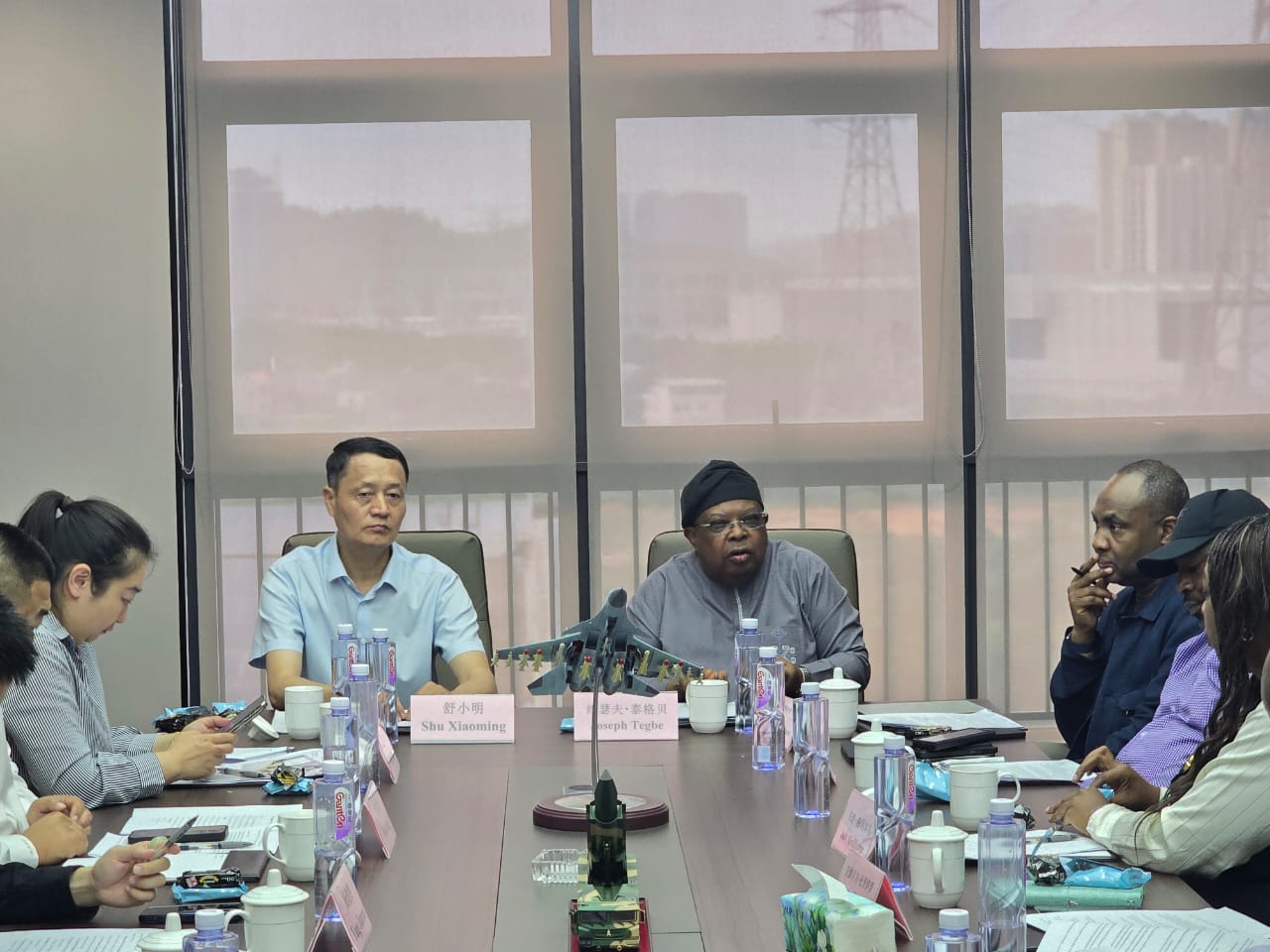
This follows a high-level technical study tour to Guangzhou led by Joseph Tegbe, Director-General and Global Liaison of the Nigeria-China Strategic Partnership, alongside a delegation from Family Homes Funds Limited. The delegation included the Managing Director, Abdul Mutallab Mukhtar, and the Executive Director of Operations, Emeka Henry Inegbu.
The engagement focused on unlocking strategic partnerships to integrate modular and prefabricated housing technologies into Nigeria’s construction ecosystem—an approach expected to significantly reduce building costs, shorten delivery timelines, and improve quality at scale. With Nigeria’s housing deficit estimated in the millions, the Federal Government is increasingly prioritising industrialised construction methods and international collaboration to drive sustainable housing delivery. Discussions also explored potential partnerships with leading engineering, procurement, and construction (EPC) firms to strengthen execution capacity for large-scale social housing projects. In parallel, the delegation engaged prospective financing partners to mobilise long-term capital required to fund affordable housing initiatives and expand access for low- and middle-income earners.
The meetings were facilitated by Joerno Conceptions Limited and the E-Link Group in China. The engagements were further strengthened through the cooperation of Zou Gang, Executive Deputy Director of the China-Africa Economic and Trade Enterprises Working Committee, underscoring the depth of institutional collaboration supporting the initiative.
The move signals a broader shift toward results-oriented bilateral engagement, where technical expertise, capital mobilisation, and policy alignment converge to deliver measurable outcomes. By leveraging China’s advanced construction capabilities to meet Nigeria’s urgent housing needs, the partnership is positioned not only to expand access to affordable homes but also to stimulate job creation, strengthen local value chains, and enhance urban resilience.
The initiative further reinforces ongoing Nigeria–China cooperation across key sectors, with housing emerging as a critical pillar within the Renewed Hope Agenda of President Bola Ahmed Tinubu, GCFR.
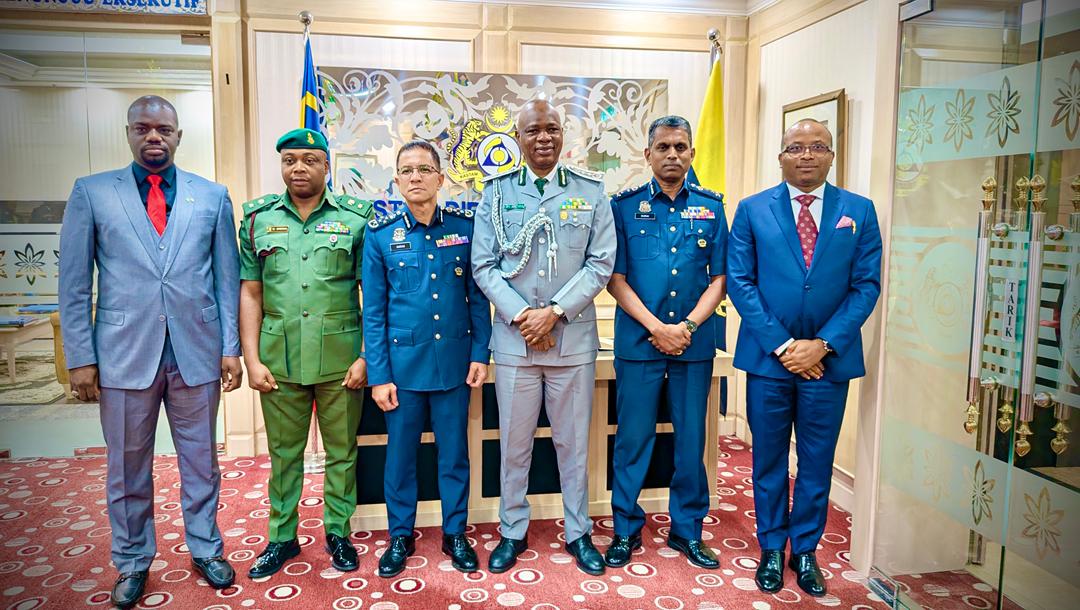
With a commitment to strengthening international customs cooperation and enhancing trade facilitation, the Nigeria Customs Service (NCS) has advanced its strategic engagement with the Royal Malaysian Customs Department (RMCD). This followed an official visit by the Comptroller-General of Customs, Bashir Adewale Adeniyi, MFR, to the RMCD Headquarters on the sidelines of his participation at DSA Malaysia 2026. The engagement comes against the backdrop of expanding bilateral trade, with Nigeria’s imports from Malaysia increasing from NGN 159.9 billion in 2020 to NGN 716.0 billion in 2024, and cumulative trade value reaching approximately NGN 1.82 trillion over a five-year period.
The Comptroller-General was received by the Director-General of the Royal Malaysian Customs Department, Dato’ Haji Amran bin Haji Ahmad, whose appointment in March 2026 reflects a strong reform-oriented leadership in enforcement and regulatory administration. Both leaders held high-level discussions focused on institutional collaboration, customs modernisation, and coordinated border management frameworks to strengthen efficiency and regulatory integrity.
The Comptroller-General emphasised that the scale and trajectory of Nigeria–Malaysia trade relations necessitate a more structured and formalised customs-to-customs partnership. He noted that Malaysia remains a significant trading partner to Nigeria, with key imports including crude palm oil, refined palm olein, jet fuel, food preparations, machinery, and other industrial inputs. He further underscored the critical role of customs administrations in facilitating legitimate trade while safeguarding national economic and security interests.
Both administrations acknowledged the absence of a formal legal framework guiding bilateral customs cooperation despite longstanding trade relations. To address this gap, both parties agreed to initiate processes toward establishing a Mutual Recognition Agreement under the framework of the World Customs Organisation (WCO), to be pursued through appropriate diplomatic channels. This initiative is expected to provide a structured basis for cooperation, enhance mutual trust, and support reciprocal trade facilitation measures.
The engagement also provided an opportunity for the Royal Malaysian Customs Department to present its evolving border management architecture, including the establishment of the Malaysian Border Control and Protection Agency (AKPS) as an integrated frontline border control body. In response, the Comptroller-General highlighted the Nigeria Customs Service’s Authorised Economic Operator (AEO) programme and other trade facilitation frameworks designed to ensure predictable clearance processes, reduce transaction costs, and strengthen compliance. Both sides emphasised the importance of deeper collaboration in intelligence sharing, enforcement coordination, and technology-driven border management, particularly in addressing illicit trade and transnational trafficking.
The NCS reiterates its commitment to strengthening bilateral and multilateral partnerships as part of its broader modernisation agenda. The Service affirms that outcomes from this engagement will enhance operational capacity, improve trade facilitation, and reinforce border security while supporting Nigeria’s economic growth objectives. As part of ongoing efforts to deepen institutional collaboration, the Comptroller-General also used the opportunity to visit the Nigerian Diplomatic Mission and Defence Office in Malaysia, commending their roles in advancing Nigeria’s interests and supporting nationals abroad.
Several reputable leaders of thought and technocrats from the North have challenged conventional thinking on the challenges and opportunities for the private sector and industrial development of the region. They argued that private enterprise is well-positioned to accelerate change and embed progress.
They spoke at the end of a two-day retreat organised by the Board and Management of the New Nigerian Development Company (NNDC) in Abuja.
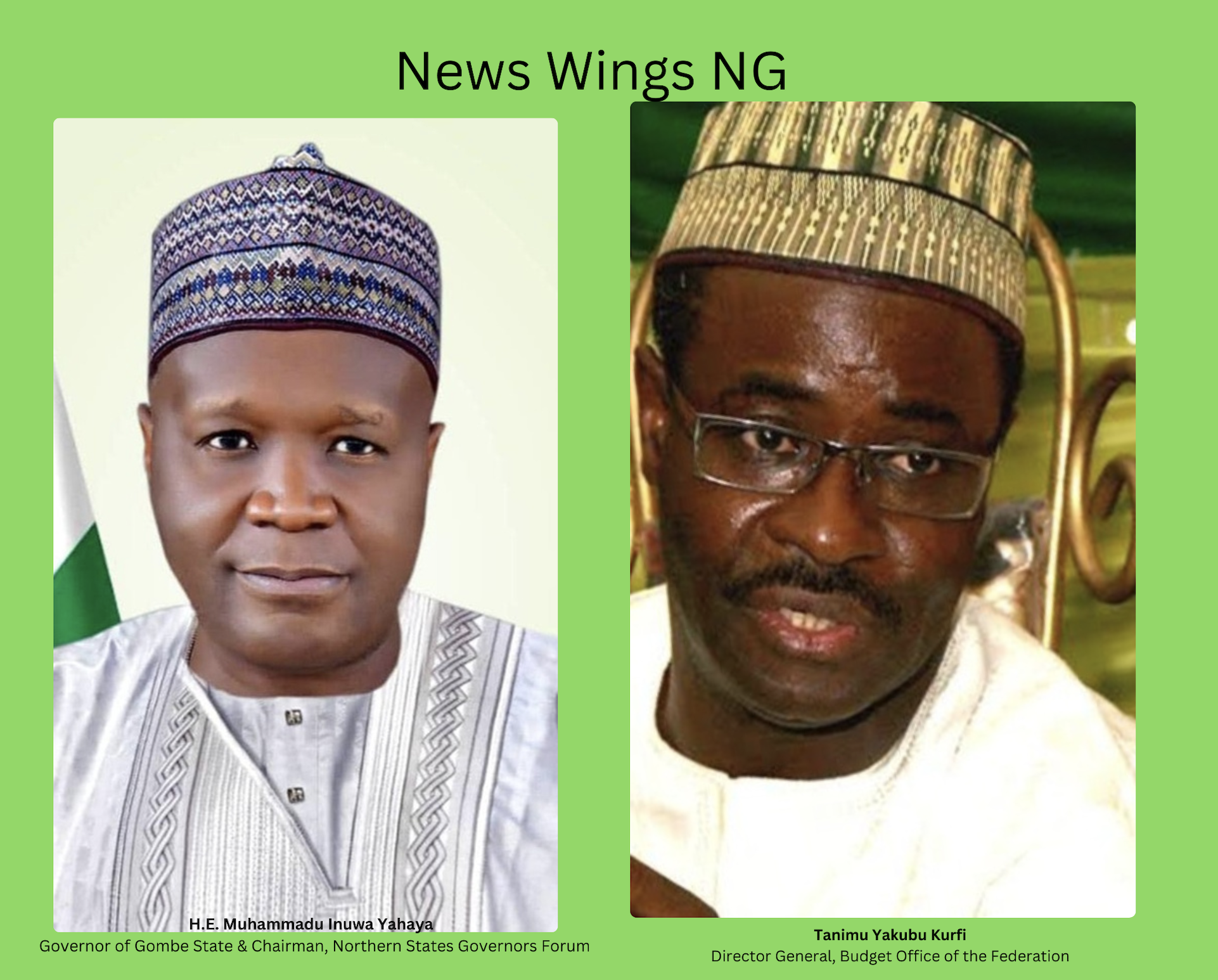
In his remarks on Thursday, to mark the closing of the strategy retreat, Chairman of the Northern States Governors Forum, Governor Muhammadu Inuwa Yahaya of Gombe State stressed that, “If we are serious about addressing instability in the North, then we must also be serious about creating opportunity. Economic revival, job creation, and social stability are deeply connected. Institutions like NNDC must therefore do more than manage assets; they must be profitable enough to help create hope, improve productivity, and shared prosperity.”
He challenged NNDC to recover its sense of mission as an economic vehicle for the North, pooling its profits to fund commercially viable ventures across the region, he said. “I therefore challenge the Board and Management to reposition NNDC for the realities of a changing world. Gov. Yahaya affirmed that innovative and creative ideas designed for growth must be embraced by the company, as the economies of the future will be shaped by technology, innovation, and digital enterprise. “The company must begin to take opportunities in ICT, fintech, digital platforms, and other technology-enabled investments seriously, especially given the scale of youth talent and entrepreneurial potential across Northern Nigeria.
Other speakers included Mal. Tanimu Yakubu, DG Budget Office of the Federation, Mohammed Hayatu-Deen, Ex NNDC GMD, also a former CEO of FSB International Bank and Ezekiel Gomos, Director-General, Secretariat of the Northern States Governors Forum.
While chairing a session entitled, “Reliving the Vision of our Hero’s Past: Sustaining the Legacy and Purpose of our Founder into the Future” Mohammed Hayatu-Deen, a former GMD of NNDC, stressed that hard decisions would need to be taken to bring the company back on track. He explained that change is painful but requires courage and determination. While reliving the golden age of the NNDC, he praised the Vision of Sir Ahmadu Bello and explained that the NNDC’s potential could be realised if its leadership took the hard decisions necessary to drive a broad change process.
In his paper, which was entitled “NNDC and the Reawakening of a Competitive Northern Economy”, Mal. Tanimu Yakubu, Director General, Budget Office of the Federation, contended that the “NNDC was never conceived as a passive holding entity. It was born as an instrument of regional ambition—a platform through which Northern Nigeria could aggregate capital, build enterprises, and assert its place within a rapidly evolving national economy.
According to him, “that founding vision has not diminished. If anything, the scale of today’s challenges makes it more relevant than at any point in our history. The task before us is therefore not to preserve NNDC, but to reimagine it as the nucleus of a regional growth strategy—one that is deliberate, investment-driven, and unapologetically focused on competitiveness,” Tanimu enthused. He posited that a “profound shift—from a legacy institution to a modern investment engine” is required, “one that is governed with transparency, managed with professionalism.
Mr Yakubu also stressed that performance needs to be measured not by activity, but by the impact its operations have on its bottom line and the economy. This, he said, is because every investment must answer a simple question: “does it expand the productive capacity of the North? If the answer is yes, it belongs within the NNDC strategy.”
Considering that the North is projected to host one of the largest populations on the continent within a generation. This is not merely a statistic; it is a market, a workforce, and a source of entrepreneurial energy. He explained that “the difference between a demographic burden and a demographic dividend lies in whether we build the economic structures capable of absorbing and rewarding that energy. NNDC must be at the forefront of building those structures. It must invest in the value chains that matter—agro-processing that multiplies farmer incomes, energy solutions that power industry, logistics systems that reduce the cost of trade, and manufacturing platforms that create jobs at scale…it must invest in systems, not silos—ensuring that each intervention reinforces the others in a coherent economic design. This is the essence of a regional strategy.” Mr Yakubu said.
In his submission, Mr Ezekiel Gomos, OFR, Director-General, Secretariat of the Northern States Governors Forum (NSGF) opined that, “at a time when Northern Nigeria is confronted by economic strain, rising social pressures, and deep security concerns, NNDC cannot afford to remain on the margins. It must rediscover its purpose, rebuild its strength, and reclaim its relevance as a vehicle for investment, enterprise, and regional economic revival”
Mr. Gomos also cautioned that, “strong institutions are not built only by strategy documents; they are built by culture, discipline, loyalty, and professionalism. One of the self-destructive habits that weakens organisations is the tendency of insiders to wash dirty linen in public by leaking internal matters to the media or external parties in the hope of gaining attention, advantage, or momentary relevance. Such practices may satisfy personal frustrations in the short term, but in the long term, they damage institutional credibility, weaken investor and stakeholder confidence, deepen internal mistrust, and ultimately hurt the very organisation on which everyone depends.”
The NNDC is a diversified portfolio investment conglomerate owned by the 19 Northern states with investments in the agricultural, real estate, solid minerals, oil and gas, and hospitality sectors, among others. The current retreat represents the commencement of an organisational change process, driven by KPMG Professional Services, aimed at reinvigorating the company to enable it to deliver on its mandate and strengthen its future readiness.
The Nigeria Employers’ Consultative Association (NECA), in partnership with the Center for International Private Enterprise (CIPE), has reinforced its commitment to promoting ethical business conduct and strengthening corporate governance frameworks across Nigeria.
Through the ‘Ethics 1st’ initiative, NECA hosted a high-level breakfast meeting on Tuesday, April 14, 2026, at NECA House, Ikeja, Lagos, bringing together key private sector stakeholders to discuss the importance of ethics, compliance, and integrity in business operations. Participants were also equipped with practical insights on how to defend their organisations against fraud, bribery, conflicts of interest, and other unethical practices.
Speaking on the initiative, the Director-General of the Nigeria Employers’ Consultative Association, Adewale Smatt-Oyerinde, explained that ‘Ethics 1st’ is aimed at equipping NECA members with the right mindset, culture, and institutional capacity required to navigate complex business environments.
Smatt-Oyerinde noted that for Nigerian businesses to remain relevant and resilient in an evolving global economy, they must embrace transparency, accountability, and strong governance structures as core operational principles.
“At NECA, we recognise that ethical business practices are no longer optional but essential for long-term sustainability and competitiveness. As Nigerian businesses position themselves for growth and global relevance, embracing transparency, accountability, and strong governance standards will be critical. Through ‘Ethics 1st’, we are strengthening the credibility of our members and ensuring they are better prepared to attract investment, access global value chains, and operate with integrity,” he said.
Also speaking, Program Officer at CIPE Africa, Imaobong Akpan-Ita, said that ‘Ethics 1st’ is designed to place African businesses on a pedestal, signaling their capacity to deliver quality, transparency, and risk-free business engagements.
Akpan-Ita noted that ethical compliance is a key tenet of democracy, stressing that businesses must adopt the right culture and long-term mindset to thrive sustainably. She added that the initiative is not just a policy framework but a comprehensive approach that enables organisations to detect, prevent, and respond effectively to risks.
“We are mandated to work with the private sector to advance democracy, and at the core of that mandate is the recognition that businesses play a critical role in shaping economic and governance systems. Ethical compliance is therefore not just a regulatory requirement but a fundamental pillar of sustainable business. Through ‘Ethics 1st’, we are not only reducing the burden of due diligence for companies, but also positioning credible African businesses as trusted, low-risk partners for global opportunities, businesses that can deliver quality, transparency, and integrity,” she added.
Ethics 1st is a multi-stakeholder initiative designed to boost African business growth by fostering an ecosystem of corporate integrity, governance, and anti-corruption compliance. The initiative supports companies in de-risking investments and accessing global value chains by providing a benchmarking platform, verified listings, and practical resources to strengthen compliance systems.
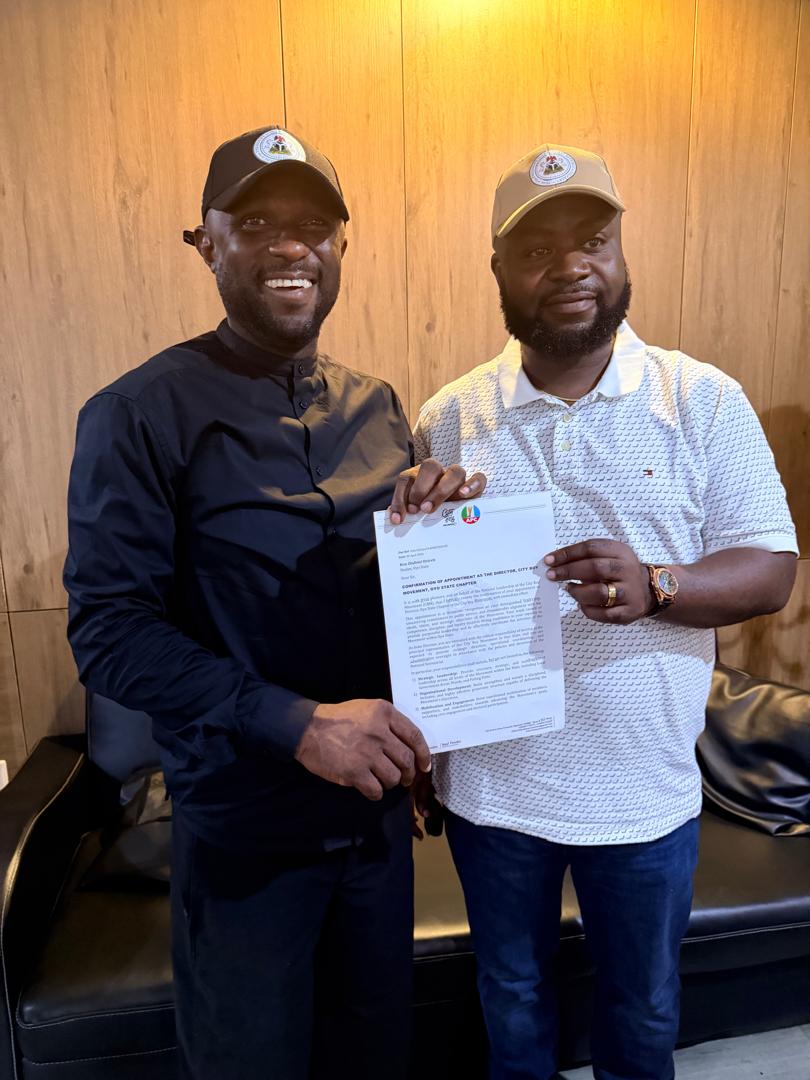
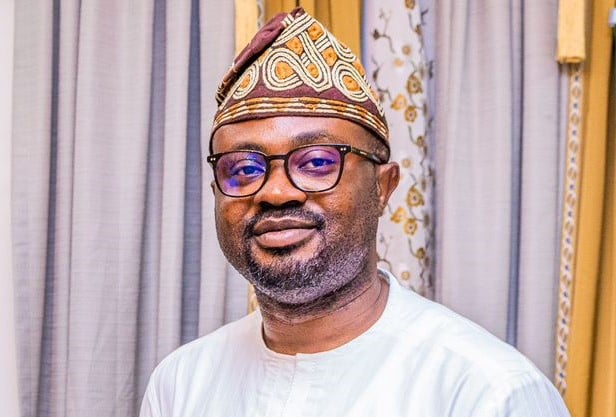
The political atmosphere in Oyo State recorded a major development on Monday with the appointment of Hon. Olufemi Onireti as the new Director-General of the City Boy Movement, the grassroots mobilisation structure championing support for President Bola Ahmed Tinubu across the country.
The appointment was announced by the movement’s Director-General, Mr Francis Shoga, in Abuja on Tuesday during the handover of the appointment letter to Onireti.
This is coming days after his resignation from the Peoples Democratic Party (PDP), where he had been an active figure and former House of Representatives candidate.
His new role is expected to reposition the group’s activities and strengthen its outreach ahead of future political engagements in Oyo State.
According to the movement’s leadership, Onireti was chosen based on his “wide political network, proven organisational capacity and strong presence among the youth and grassroots stakeholders.”
Speaking with newsmen, Onireti expressed gratitude for the confidence reposed in him and pledged to deploy his experience to advance the objectives of the City Boy Movement across the state.
Onireti said his decision to join the ruling party was a personal conviction shaped by ongoing political realignments and his commitment to supporting a broader progressive coalition at both state and national levels.
Hon. Onireti added that his appointment followed extensive consultations and harmonisation with his followers.
He assured supporters that his leadership would prioritise inclusiveness, strategic mobilisation and effective communication.
“I am committed to galvanising our structures and ensuring that Oyo State remains a stronghold for the ideals we stand for,” he said.
Political observers note that his appointment may shift the dynamics of political mobilisation in Oyo State, given his influence and recent political moves.
The City Boy Movement is expected to unveil its new operational roadmap in the coming days.
The movement, a prominent youth-driven support platform advancing President Tinubu’s Renewed Hope agenda, positions Onireti to lead its grassroots mobilisation efforts in Oyo as part of its national structure ahead of the 2027 elections.
The Nigeria Employers’ Consultative Association (NECA) is excited to announce the NECA Workforce Job & Employability Fair 2026, scheduled for Wednesday, 13th – Thursday, 14th May 2026 at NECA House, Ikeja, Lagos, with the first day held virtually.
Themed “Empowering Talents, Building Skills and Driving Inclusive Growth,” the Fair is designed to equip job seekers with interview-ready skills and prepare them for meaningful engagement with employers, while providing a strategic platform for employers, industry leaders, and key stakeholders to engage on emerging digital trends, skills development, and career opportunities in Nigeria’s evolving labour market.
Speaking from Geneva, the Director-General, Mr Adewale Small Oyerinde, stated that “The world of work is changing rapidly due to digitalisation and emerging technologies,” Mr Oyerinde said. “Our youth need future-ready skills, yet unemployment and skills mismatch remain major challenges. This Fair is NECA’s way of empowering talents, building skills, and promoting inclusive growth.”
He added that the Fair will adopt a hybrid approach. Job seekers will complete a mandatory AI Fluency course to designed to arm them with essential digital skills for the modern workplace. The AI fluency training will culminate in joint certification from the International Labour Organization (ILO), the International Organisation of Employers (IOE), and Microsoft, enhancing the participants’ credibility and employability.
Furthermore, the virtual session on 13th May 2026 will focus on preparing job seekers with the skills, confidence, and knowledge required to succeed in interviews, including guidance on professional presentation, resume enhancement, and workplace expectations.
The physical session on 14th May 2026 will provide a face-to-face platform for job seekers to meet employers, participate in on-the-spot interviews, and network with HR professionals and industry stakeholders. The event also features expert panel discussions where industry leaders and human resource professionals will share practical insights on career development, employability skills, and the future of work in Nigeria. These discussions aim to provide participants with actionable strategies to navigate the modern workplace and align their skills with industry demand.
Employers from all sectors, including SMEs, will engage participants through interviews, talent scouting, on-the-spot assessments, and career counselling sessions.
He stressed that inclusivity is a key focus of this year’s edition. “We are ensuring deliberate participation of persons with special needs,” Mr. Oyerinde explained. “We want everyone to have equitable access to opportunities.”
The NECA boss described the fair as a critical initiative to bridge the gap between talent supply and industry demand. He emphasized that the event underscores NECA’s commitment to reducing unemployment and equipping Nigeria’s workforce with future-ready skills.
The Nigerian Employers’ Consultative Association (NECA) has commended the Honourable Minister of Interior, Olubunmi Tunji-Ojo, and the leadership of the Federal Ministry of Interior for their consistent commitment to strengthening Nigeria’s homeland security architecture and for the ongoing reforms aimed at improving border governance, internal security coordination, and institutional accountability within agencies under the Ministry.
The Association noted that the recent announcement on the deployment of an Artificial Intelligence-driven system to monitor travellers entering the country and identify visa overstays represents a significant step toward modernising Nigeria’s migration management framework and enhancing the country’s capacity to address irregular migration.
Reacting to the development, Mr. Adewale-Smatt Oyerinde, Director-General of the Nigerian Employers’ Consultative Association, speaking in Lagos, welcomed the Ministry’s recent announcement on the introduction of advanced technological tools to strengthen immigration monitoring and reinforce national security systems.
According to him, “The deployment of Artificial Intelligence to support immigration monitoring and track visa overstays is a commendable step that reflects a forward-looking approach to homeland security. In an era where migration patterns and cross-border mobility have become increasingly complex, the use of data-driven systems is essential for improving oversight, strengthening border management, and ensuring compliance with immigration regulations.”
Mr. Oyerinde noted that the ability of the country’s security institutions to rely on integrated digital systems capable of analysing travel records and identifying immigration violations will significantly improve regulatory enforcement and support more effective migration governance.
“A modern immigration system must be supported by reliable data, intelligent monitoring platforms, and efficient coordination among relevant agencies. The introduction of AI-enabled monitoring tools will strengthen the capacity of our institutions to detect irregular migration, enforce visa compliance, and protect the integrity of Nigeria’s borders.”
He further observed that strengthening migration management systems is critical not only for national security but also for sustaining investor confidence and maintaining Nigeria’s credibility within the global community.
“Countries that maintain transparent, efficient, and technology-driven border management systems are better positioned to attract legitimate business, international partnerships, and responsible investment. For the organised private sector, a secure and well-regulated environment remains essential for economic stability and sustainable enterprise growth.”
Mr. Oyerinde also acknowledged the broader reform initiatives currently being undertaken across agencies under the Ministry of Interior, particularly the repositioning of the Nigeria Immigration Service as a more technology-enabled institution capable of supporting both national security objectives and legitimate international mobility.
He noted that sustained collaboration among security institutions, particularly with data management agencies such as the National Identity Management Commission, will be critical in ensuring that Nigeria develops an integrated and reliable national data architecture capable of supporting security planning, immigration governance, and public service delivery.
The NECA Director-General encouraged the Ministry to sustain the current momentum of reforms and continue to deepen the deployment of modern technologies across agencies responsible for border security, immigration management, and identity systems.
He concluded by reaffirming the Association’s readiness to support government efforts to strengthen national security, improve institutional efficiency, and foster a stable climate for business and investment in Nigeria.
The Director-General of Nigeria Employers’ Consultative Association (NECA), Mr. Adewale-Smatt Oyerinde, has reacted to the recent decision of the Monetary Policy Committee (MPC) of the Central Bank of Nigeria (CBN), particularly the reduction of the Monetary Policy Rate (MPR) from 27.0 per cent to 26.5 per cent at its 304th meeting.
He emphasized that the marginal reduction in the benchmark interest rate represents a cautious but noteworthy signal that monetary authorities are beginning to respond to the sustained pressures facing businesses and the productive sector. According to him, while the 50 basis point reduction may not immediately translate into significantly lower lending rates, it reflects a gradual shift toward supporting economic growth without undermining price stability.
The NECA Boss reiterated that the overall policy stance remains tight, given the retention of the Cash Reserve Ratio (CRR) at 45 per cent for commercial banks, alongside the maintenance of the liquidity ratio at 30 per cent and the asymmetric corridor around the MPR. He noted that with a substantial portion of bank deposits still sterilised, the capacity of financial institutions to expand credit to the real sector may remain constrained in the near term.
Mr. Oyerinde noted that the decision reflects a careful balancing act aimed at moderating inflation while avoiding excessive strain on businesses already grappling with high operating costs, exchange rate volatility, and weakened consumer demand. He stressed that inflation, particularly in food, energy, and transportation, continues to pose significant challenges to employers and households alike.
He further stated that for the modest easing in policy rate to have a meaningful impact, it must be complemented by coordinated fiscal and structural reforms that address supply-side constraints, improve infrastructure, and enhance productivity. He urged financial institutions to ensure that the slight reduction in the MPR is gradually reflected in lending conditions for manufacturers, SMEs, and other productive enterprises.
In conclusion, Mr. Oyerinde affirmed that while the MPC has not fully relaxed its tightening stance, the reduction in the MPR signals cautious optimism. He added that sustained improvements in inflation trends, exchange rate stability, and investor confidence will be critical in determining the scope for further monetary easing that supports growth, investment, and employment generation in the Nigerian economy.
…Oyebanji Produces Nigeria’s First Sequential Tourism Governance Framework
A defining and historic milestone has been recorded in the annals of tourism development in Nigeria as the Ekiti State Executive Council (EXCO) formally approved the implementation of the Ekiti State Tourism Policy alongside the Ekiti State Tourism Development Master Plan (2025–2035).
This landmark approval signals a new strategic dawn in the transformation of Ekiti State’s tourism corridor and firmly positions the State on the path to becoming a premier heritage and nature-based tourism destination in Nigeria, West Africa, and the global tourism marketplace.
With this singular achievement, His Excellency, Governor Biodun Abayomi Oyebanji, has broken what industry observers describe as Nigeria’s longstanding “tourism governance jinx” by emerging as the first State Governor in the history of tourism development in Nigeria to initiate, produce, and secure Executive approval for the two most fundamental tourism development instruments — a Tourism Policy and a Tourism Development Master Plan — in a deliberate and sequential order.
This dual-document governance architecture provides, for the first time, a structured institutional compass and an execution blueprint for tourism growth not only in Ekiti State but as a reference model for sub-national tourism planning across Nigeria.
Even more historically significant is the global institutional collaboration that underpinned the policy framework. For the first time in the history of the United Nations Tourism system, the global body directly collaborated with a sub-national government in the conceptualisation and development of a Tourism Policy — the Ekiti State Tourism Policy. The organisation deployed its officials to provide technical guidance, international benchmarking, and professional advisory support, thereby conferring global credibility and international currency on the document.
The Tourism Development Master Plan (2025–2035), approved for implementation by EXCO, is designed as a long-term strategic roadmap to unlock Ekiti State’s vast but previously under-optimised tourism assets. It provides a comprehensive, practical, and sustainable framework to transform the State into a leading tourism hub through phased infrastructure development, investment mobilisation, thematic tourism circuits, and enhanced visitor experience systems.
The Plan aligns with international standards and reflects collaboration with global institutions while placing strong emphasis on job creation, local enterprise stimulation, cultural preservation, environmental sustainability, and inclusive economic growth for host communities.
Developed under the coordination of the Ekiti State Bureau of Tourism Development, the Master Plan leverages Ekiti’s rich endowments — including waterfalls, warm springs, mountains, cultural heritage corridors, historical relics, and eco-tourism landscapes — to enhance the State’s competitive positioning as a destination of choice.
To ensure technical depth and global best practice, Red Clay Advisory Services, a reputable tourism planning and advisory firm, was engaged to prepare the Master Plan and deliver a forward-looking blueprint tailored to Ekiti’s unique tourism identity and development aspirations.
Complementing the Master Plan is the Tourism Policy Document — a strategic governance framework designed to guide implementation, regulation, investment promotion, institutional coordination, and sustainable tourism growth.
The Policy Document, also driven by the Bureau of Tourism Development, establishes the philosophical foundation upon which the Master Plan operates. It promotes eco-tourism, cultural tourism, adventure tourism, and business tourism while outlining mechanisms for infrastructure enhancement, safety standards, service excellence, and niche market development.
Overseas Credit & Private Equity Limited was engaged to develop the Policy framework, bringing its expertise in tourism planning and advisory services to bear in crafting a globally compliant policy structure.
Together, the Tourism Policy serves as the compass, providing direction, governance structure, and regulatory clarity, while the Tourism Development Master Plan stands as the execution engine, translating vision into projects, investments, infrastructure, and measurable socio-economic outcomes.
Speaking on the historic approval, the Director-General of the Ekiti State Bureau of Tourism Development, Barrister Wale Ojo-Lanre, Esq., described the moment as, “A structural rebirth of tourism governance not only in Ekiti State but a reference point for sub-national tourism development across Nigeria. This approval moves tourism from aspiration to execution.”
He noted that the next phase would focus on implementation activation, stakeholder mobilisation, investment attraction, and institutional delivery mechanisms.
The ultimate goal of the twin documents is to unlock Ekiti State’s vast tourism potential, generate sustainable employment, stimulate small and medium enterprises, attract domestic and international visitors, and deliver shared prosperity to residents and investors alike.
With this approval, Ekiti State sets its sights on attaining global recognition as a leading eco-cultural tourism destination. Further announcements on policy unveiling, investment summits, and implementation milestones will be communicated in due course.
The African Medicines Agency (AMA) called on the 24 African member states that are yet to ratify the AMA Treaty to “act without delay” at a meeting on the sidelines of last week’s African Union assembly in Addis Ababa.
AMA aims to improve African countries’ capacity to regulate medical products, thereby improving access to quality, safe, and efficacious medical products on the continent. It will do so by harmonising regulatory requirements and practices across the national medicines authorities (NMRAs) of the AU member states.
However, since the AMA Treaty was signed in 2019, it has only been ratified by 31 of the 55 AU member states, which is “leaving gaps in protection against substandard and falsified medical products and limiting the benefits of a unified African regulatory system”, according to a media release from the agency on Monday.
Ratification by 15 states enabled AMA to be established, with headquarters in Kigali, and in June last year, Ghana’s Dr Delese Mimi Darko was appointed AMA Director-General.
Darko briefed the meeting last week, stressing that AMA wants to be universally ratified, achieve WHO Listed Authority status and be financially self-reliant by 2030.
“Over the past five years, we have moved from a treaty on paper to a living institution,” said Darko, who stressed that AMA is “already working hand‑in‑hand with member states that have ratified to strengthen regulatory systems, streamline joint assessments and increase reliance on shared expertise.”
Boost from Seychelles
At the meeting, Sebastien Pillay, Vice President of Seychelles, reaffirmed his country’s political support and committed $200,000 to AMA, doubling the seed fund contribution of $100,000 required of state parties.
Tunisian Health Minister, Dr Mustapha Ferjani, reinforced the foundational importance of regulation, highlighting that “today, a single truth imposes itself: Africa’s health sovereignty depends on regulatory sovereignty.
“Let us all ratify, and equip AMA with the capacity to act—with resources, skills, clear procedures, and effective governance. Our people deserve it, our health security demands it, and our sovereignty depends on it.”
Ambassador Amma Twum‑Amoah, AU Commissioner for Health, Humanitarian Affairs and Social Development, described AMA as “a shared continental asset integral to delivering on the African Health Strategy 2030 and Agenda 2063, and the commitments our Member States have made to protect the health and wellbeing of their people.”
She affirmed that the Commission “firmly believes that universal ratification, full implementation and sustainable financing of the African Medicines Agency are achievable within this political cycle.”
African leaders have been urged to protect their sovereign autonomy, with warnings that failure to do so could leave the continent perpetually dependent despite its vast natural endowments.
This admonition was given yesterday at the strategic policy workshop held at the Nigeria Institute of International Affairs in commemoration of the 50th anniversary of the assassination of General Muhammed Muritala, Nigeria’s former Head of State with the theme ‘Has Africa Come of Age? Muritala Muhammed’s Pan-African Vision 50 Years After’, jointly organised by the Muritala Muhammed Foundation (MMF) and The Nigerian Institute of International Affairs (NIIA)
In his welcome remarks, the Director-General, Nigerian Institute of International Affairs, Dr. Eghosa Osaghae, stressed that it is time Africans reclaimed their assertiveness on the global stage, arguing that Africa is no longer an appendage of world powers but an emerging centre of influence in a multipolar world.
Commenting on General Muritala’s historic speech that Africa has come of age, which was delivered on January 11, 1976, at an OAU extraordinary summit in Addis Ababa, Osaghae noted that indeed Africans must tackle its challenges with local solutions, adding that continued dependent on foreign aids would not yield positive outcome.
He said: “When General Muritala said Africa had come of age, he was saying to the world, don’t think Africa is an appendage anymore. Don’t think Africa is what you like to put today as a copycat. To say Africa has come of age is actually to put on the stamp the meaning of strategic autonomy. And I just say that Africa has become its own voice, its own master. Africa has now insisted that it must only follow tracks and tractions that are determined by Africa for Africans.
“And so today, it resonates very well when we say African solutions to African problems.”
In her remarks, the Chief Executive Officer of the foundation, Dr. Aisha Muhammed-Oyebode, lauded her father for his commitment to Pan-Africanism, which according to her, elevated the status of Nigeria and Africans on the global stage.
Reflecting on her father’s enduring influence on Nigeria’s governance and Africa, Muhammed-Oyebode emphasised that her father stood at the forefront of Africa’s liberation struggle.
She described her father’s popular saying that “Africa has come of age,” as a rallying cry that continues to resonate in Africa’s pursuit of unity and independence in international affairs.
Muhammed-Oyebode noted that the event was organised to serve as inspiration for young Africans to embrace careers in diplomacy, governance, and international development in other to address the challenges facing the continent.
In his keynote address, Professor of Political Science and former Nigeria Minister of External Affairs, Prof. Bolaji Akinyemi, described the late former Head of State as man of several parts. He said that Murtala Muhammed was recognised for bringing out the pride in Nigeria, whose efforts to governance is unparalleled.
Akinyemi underscored the significance of the theme of the workshop and the urgency of honest self-assessment as Africa navigates a rapidly evolving global order.
“To say that Africa has come of age is not a declaration of perfection, but a recognition of responsibility,” Prof. Akinyemi stated. “Coming of age demands that we critically examine our political maturity, economic resilience, institutional strength, and cultural confidence. It requires confronting unfinished business from independence, and asserting Africa’s clarity and confidence in global affairs.”
Speaking on the panel session, the Director of Research at the NIIA, Dr. Joshua Bolarinwa, argued that Africa is yet to fully realise the vision of self-reliance and courageous leadership articulated by the late general nearly five decades ago.
He noted that the statement related to the current leadership deficit currently affecting Africa, urging the leaders to take responsibility in defending Africa’s destiny with willingness and determination.
In his submission, President of the Nigerian Political Science Association (NPSA), Prof. Hassan Saliu, also said that Africa and Nigeria are yet to fulfil the vision of General Murtala Muhammed, especially on issues of sovereignty defence, unity, liberation and freedom as contained in his Addis Ababa’s speech.
Nigerian Exchange Group Plc (NGX Group) on Wednesday, hosted a Closing Gong Ceremony in honour of the Inspector-General of Police, IGP Kayode Egbetokun, signaling a strengthened partnership between capital market regulators and law enforcement agencies.
The ceremony highlighted a shared commitment to investor protection, the prevention of financial crime, and the reinforcement of trust and confidence in Nigeria’s capital market.
Welcoming the IGP, Alhaji Umaru Kwairanga, Group Chairman of NGX Group, commended the leadership of the Nigeria Police Force in supporting market integrity. He said: “Market integrity is a shared responsibility. By honouring the Inspector-General of Police, we are reinforcing the importance of institutional alignment in protecting investors and preserving trust in our financial system. Strong collaboration between regulators, enforcement agencies, and market infrastructure institutions is essential to building a resilient and credible market that supports economic growth.”
The Director-General of the Securities and Exchange Commission (SEC), Dr. Emomotimi Agama, emphasized the importance of coordinated enforcement, noting: “Investor protection is at the core of market regulation, and today’s engagement highlights how critical collaboration with law enforcement is to achieving that mandate. This partnership strengthens our enforcement capacity, enhances deterrence against illegal investment activities, and reinforces confidence in the Nigerian capital market.”
In his response, IGP Kayode Egbetokun reaffirmed the commitment of the Nigeria Police Force, stating: “A transparent and well-regulated capital market is vital to Nigeria’s economic growth. The Nigeria Police Force remains committed to working with regulators and market operators to prevent financial crime, protect investors, and uphold the integrity of our financial system.”
Also speaking, Chairman of Nigerian Exchange Limited (NGX), Ahonsi Unuigbe, highlighted the role of the Exchange in promoting market discipline: “A transparent and orderly market can only thrive where rules are respected and misconduct is addressed decisively. The presence of the Nigeria Police Force in this collective effort sends a strong signal that safeguarding the market is a national priority.”
Similarly, Group Managing Director/Chief Executive Officer of NGX Group, Temi Popoola, stressed the importance of aligning innovation with oversight: “Technology and market growth must be supported by strong enforcement and investor protection frameworks. Our collaboration with the SEC and the Nigeria Police Force reflects a unified approach to preserving the credibility of Nigeria’s capital market.”
The event brought together key stakeholders across the capital market ecosystem, all reaffirming their commitment to accountability, transparency, and investor confidence. The ceremonial Closing Gong marked a collective resolve to strengthen Nigeria’s financial system through sustained collaboration.
…As CGC Adeniyi, Trade Modernisation Team Engage Global Customs Leaders in Abu Dhabi
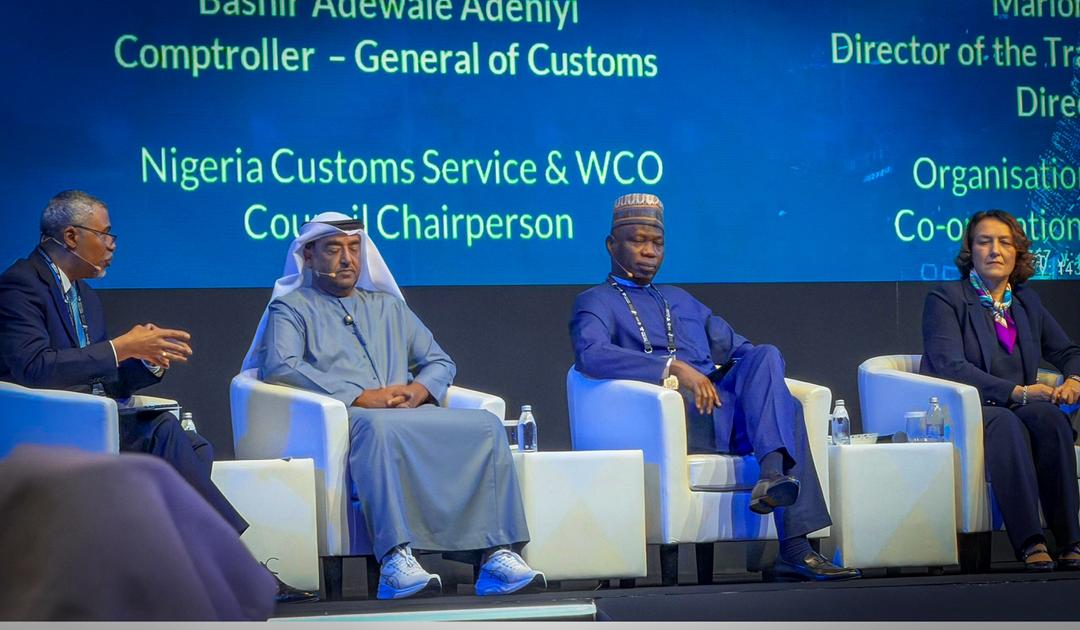
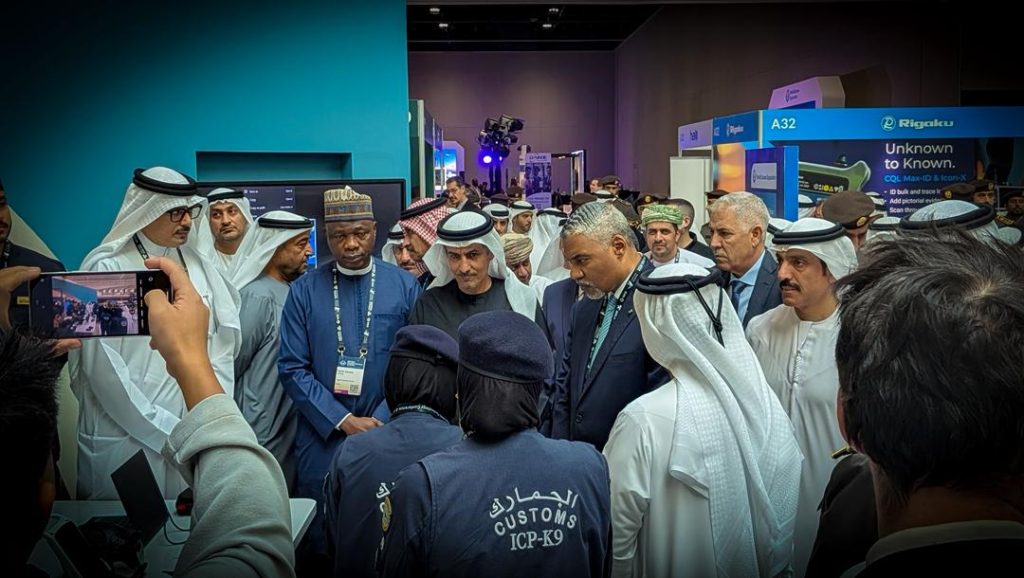
The Nigeria Customs Service (NCS) has reaffirmed its commitment to technology-driven border management and international cooperation as the 2026 World Customs Organisation (WCO) Technology Conference and Exhibition commenced on Wednesday, 28 January 2026, at the Abu Dhabi National Exhibition Centre (ADNEC) in the United Arab Emirates.
The conference, organised by the WCO under the theme “Customs Agility in a Complex World: Securing and Facilitating Trade through Innovation,” brings together Customs administrations, technology providers, policymakers and industry leaders from across the globe to examine how innovation can strengthen border security while facilitating legitimate trade.
Nigeria’s participation in the high-level event underscores the Service’s ongoing trade modernisation drive and its alignment with global best practices in Customs administration, particularly in data exchange, digitalisation, and intelligence-led enforcement.
Speaking during a panel session titled “Customs Agility in a Complex World: Securing and Facilitating Trade through Innovation,” the Comptroller-General of Customs (CGC), Adewale Adeniyi, who is also the Chairperson of the WCO Council, emphasised the importance of structured international collaboration in addressing emerging cross-border challenges.
According to the CGC, “Our experience has shown that robust engagement with international organisations such as INTERPOL, World Intellectual Property Organisation (WIPO) and the Universal Postal Union creates opportunities for deeper cooperation, especially in tracking criminal networks, protecting intellectual property and managing emerging trade risks.”
He noted that enhanced data exchange and stronger governance frameworks remain critical to addressing global challenges such as cargo diversion along transit corridors.
“Diversion of goods in transit is not a challenge unique to Nigeria; it is a global issue that requires coordinated Customs-to-Customs cooperation. Through existing WCO instruments and mutual administrative assistance frameworks, Customs administrations can more effectively investigate offences and ensure that goods reach their intended destinations,” Adeniyi said.
The CGC also commended the innovative solutions showcased at the conference, citing a digital humanitarian corridor solution presented by the UAE as a practical tool to improve the movement of relief consignments.
“I saw a tool today developed by the UAE that creates a digital humanitarian corridor. If scaled across the global Customs community, it can significantly enhance our ability to move humanitarian goods efficiently within a fully digitalised environment,” he added.
The Comptroller-General of Customs further noted that the global Customs response to evolving border challenges has been shaped by a coordinated framework of standards and practical tools developed over time, with technology remaining at the core of these interventions.
According to him, organisational agility goes beyond the deployment of systems and platforms, as it requires the capacity to absorb change, respond to emerging risks and continuously adapt operational approaches.
“Technology has been central to the work of the WCO and Customs administrations worldwide, and the progress recorded by UAE Customs across various operational areas demonstrates what is achievable when innovation is fully embraced,” he said.
CGC Adeniyi, however, stressed that sustainable modernisation must be supported by deliberate investment in human capital renewal, noting that Customs administrations across WCO member states are confronting generational transitions as experienced officers exit the system. He emphasised that building the skills and capacity of the next generation of officers is critical to maximising the benefits of technology and sustaining long-term institutional effectiveness.
Also representing the Trade Modernisation Project (TMP) Team, the General Manager, TMP, Ahmed Ogunsola, participated in a panel session titled “Above the Clouds: Enhancing Customs Security through Cloud Computing and Data Analytics,” where discussions focused on leveraging cloud-based infrastructure and advanced analytics to strengthen risk management, improve compliance and enhance Customs security.
Also from TMP, Nabil Mustapha, the software development lead, did a tech talk on the evolution of national trade systems, focusing on 3 key areas: secure architectures, seamless user experience and beneficial outcomes.
At the exhibition site, TMP also had a booth showcasing the work done to modernise customs operations in Nigeria, highlighting the indigenous custom-made B’odogwu application and other technology solutions that brought together all parties involved in the trade ecosystem and eased the work for Customs officers and stakeholders.
The opening ceremony of the conference featured remarks by senior UAE officials, including the Chairman of the Federal Authority for Identity, Citizenship, Customs and Port Security, Ali Mohammed Al Shamsi, who highlighted the role of artificial intelligence, data analytics and smart monitoring systems in achieving secure and seamless trade, as well as the Director-General of Customs and Port Security, Ahmed Abdullah bin Lahaj Al Falasi, who outlined future pillars of Customs development anchored on technology, human capacity and inter-agency integration.
In his address, the Secretary-General of the WCO, Ian Saunders, stressed that Customs administrations remain central to global economic and social prosperity, noting that innovation is essential for managing evolving border threats, securing supply chains and facilitating legitimate trade.
The three-day conference features panel discussions, case studies and live demonstrations covering risk management, innovative scanning technologies, cybersecurity, e-commerce, cloud computing and sustainable Customs operations, alongside an exhibition showcasing next-generation solutions for border management.
NCS and TMP Limited’s active participation in the conference reflects a continued resolve to modernise operations, strengthen international partnerships, and deploy innovation to achieve efficient, secure, and globally aligned trade facilitation.
Beyond exhibition presence, the TMP and NCS team actively participated in the conference’s Hackathon, collaborating with global Customs and technology experts to explore practical, innovation-led responses to emerging trade and border challenges. The exercise provided an opportunity to demonstrate Nigeria’s growing capacity to contribute to global Customs technology solutions rather than merely adopt them.