Tag: Director

  • NCC Lauds Ministerial Initiative on Girls ICT Empowerment, Hosts 185 Students on Industry Excursion Tour

    NCC Lauds Ministerial Initiative on Girls ICT Empowerment, Hosts 185 Students on Industry Excursion Tour

    The Nigerian Communications Commission (NCC) has commended the Minister of Communications, Innovation and Digital Economy, Dr. Bosun Tijani, for championing initiatives aimed at empowering the younger generation with digital knowledge and skills, especially the Nigerian girls.

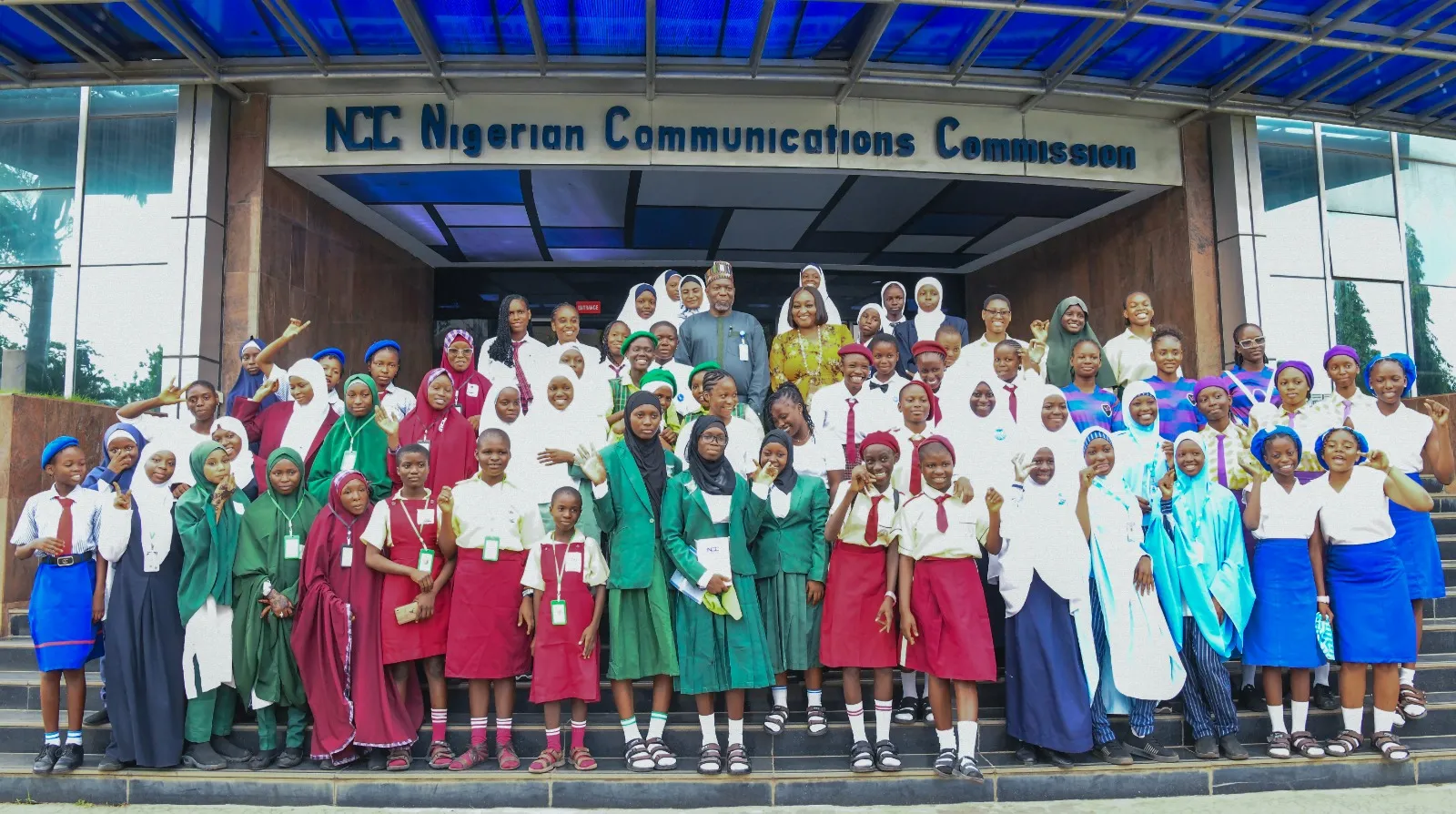
    Speaking while conducting 185 contestants of the 2026 National Girls in ICT (NG-ICT) Competition on a tour of the National Communication Museum domiciled at the Commission in Abuja on Thursday, the Executive Vice Chairman (EVC) of the NCC, Dr. Aminu Maida, said the initiative also aligns with the Commission’s digital literacy advocacy.

    According to a statement by the NCC Spokesperson, Nnenna Ukoha, the contestants were selected by the Ministry across the country’s geo-political zones for competition to promote digital inclusion and inspire greater participation of girls in Information and Communication Technology (ICT) and other Science, Technology, Engineering and Mathematics (STEM) disciplines.

    The visit to the Commission by the students formed part of activities organised by the Minister under the National Girls in ICT Programme, an initiative aimed at bridging the gender gap in the technology sector by equipping young girls with digital skills, mentorship opportunities and exposure to innovation.

    Maida, who was represented by the Director, Research and Development Department, Babagana Digima, noted that the museum tour was designed to create a link between the old and new generations in Nigeria’s telecommunications journey, helping young people appreciate the sector’s transformation from analogue systems to the current digital revolution.

    During the study tour, NCC officials guided the students through exhibits and historical artefacts that document key milestones in Nigeria’s telecommunications history and the evolution of the communications sector to date. He emphasised that understanding the industry’s history would inspire the participants to contribute meaningfully to the future of digital innovation in Nigeria.

    The EVC noted that exposing young people to the history of technological advancement and innovation is essential to building a new generation of leaders for Nigeria’s growing digital economy.

    “The whole idea behind this is that we are looking at the younger generation. We want to show them what communication is all about. This place is a museum meant to preserve the history of what has gone before and to keep the artefacts, ensuring that people see the evolution from the postal system to telegraphy, from analogue systems to the digital era.

    “This is essentially what we are showing them in the shortest amount of time and, of course, to excite the curiosity of the young ones. When they see what happened in the past and how it has progressed into the future, they can also take it up from here and think about what it will look like going forward. That is the whole essence of having them here,” he said.

    During the tour, the participants learned about generational trends in telecommunications development, dating back to 1886 when the colonial administration established first communication facilities primarily to support administrative functions.  They were also taken through the history of the country’s early telegraph services, which linked Lagos to other parts of West Africa and Europe through submarine cable connections.

    The tour highlighted the state of telecommunications at Independence in 1960, when Nigeria had only 18,724 telephone lines serving an estimated population of about 40 million people. The students were also briefed on various development plans that followed Independence, the operations of the former Department of Posts and Telecommunications (P&T) and Nigerian External Telecommunications (NET) Limited, as well as the establishment of the Nigerian Telecommunications Limited (NITEL) in 1985 to coordinate the provision of internal and external telecommunications services.

    A major highlight of the visit was the display of rare historical artefacts preserved at the NCC Museum. Among the exhibits were a Post Office Counter dating back to 1852, Sorting Racks introduced to Lagos in 1852, the Grand “T” Key used at the Lagos Post Office in the nineteenth century, leather mail bags dating back to 1863, Drop Bag fittings from the late 20th Century, a 511A Letter Scale from the mid-20th Century, an Improved Dynamometer Scale from the 1920, Telegram machines, Teleprinter T100, Cordless PBX, Digital Card Phone and others.

  • Spotlight- Ikechukwu Ofuani: A Master of Government Relations, Public Policy & Public-Private Partnerships

    Spotlight- Ikechukwu Ofuani: A Master of Government Relations, Public Policy & Public-Private Partnerships

    Ikechukwu Sylvester Ofuani, LLB, BL, MPA, DPO (Ghana), is a distinguished lawyer, government affairs strategist, and public policy leader whose career spans more than 18 years across Africa, the United Kingdom, and Ireland. Renowned for his expertise in government relations, regulatory affairs, stakeholder engagement, and policy advocacy, he has built a reputation as one of the leading voices shaping the intersection of public policy, corporate strategy, and development across Sub-Saharan Africa.

    With professional experience cutting across healthcare, MedTech, FMCG, international trade, development, corporate communications, and public-private partnerships, Ikechukwu has consistently demonstrated the ability to navigate complex regulatory environments while fostering strategic collaboration between governments, private institutions, multilateral organisations, and civil society stakeholders.

    Over the years, he has held senior leadership roles at organisations including Policy Vault Africa, Johnson & Johnson, Procter & Gamble, and the National Identity Management Commission project. In these capacities, he has led high-level engagements with governments, regulators, trade associations, development institutions, and international stakeholders, helping organisations shape policy ecosystems, strengthen institutional relationships, and drive sustainable impact.

    A significant part of his professional journey was spent at Johnson & Johnson, where he served as Director of Government Affairs and Policy for West and Central Africa. In that role, he led health system strengthening strategies and coordinated complex partnerships involving governments, donor agencies, regulatory institutions, and healthcare stakeholders across the region. His work focused on policy reform, regulatory harmonisation, strategic communications, grants management, and advocacy initiatives designed to strengthen healthcare delivery systems.

    Ikechukwu also played a strategic role in regional health diplomacy and pandemic preparedness. As one of Johnson & Johnson’s focal persons for African Union engagements on Ebola vaccines and pandemic preparedness, he coordinated engagements involving access teams, regulatory experts, medical affairs specialists, and global public health stakeholders. During the COVID-19 pandemic, he supported vaccine deployment efforts in Nigeria, Ghana, and Cameroon, and contributed to initiatives to address vaccine hesitancy and improve uptake across African countries.

    His contributions to Africa’s healthcare policy ecosystem have attracted continental recognition. He has publicly represented Johnson & Johnson as Director of Worldwide Government Affairs and Policy for West and Central Africa and has participated in high-level conversations on strengthening health regulatory systems, including at the U.S.-Africa Business Summit.

    Beyond multinational corporate leadership, Ikechukwu has also distinguished himself in the advisory and policy consulting space. He currently co-leads PV Advisors and Policy Vault Africa, a policy and government affairs advisory platform that supports organisations navigating Africa’s complex regulatory and stakeholder landscape. Through the platform, he provides strategic guidance to clients across sectors, helping them engage effectively with governments, regulators, policymakers, and development institutions.

    Under his leadership, Policy Vault Africa has contributed to broader governance and institutional reform conversations across the continent. One notable example is the organisation’s engagement with Nigeria’s Ministry of Budget and National Planning on policy digitisation and the preservation of institutional memory. The initiative seeks to improve transparency, accessibility, and the preservation of authentic policy documents for governments, researchers, private-sector actors, and citizens. Ikechukwu has consistently advocated the importance of accessible and credible policy information as a foundation for informed decision-making and long-term development planning.

    Another defining area of his impact has been public health advocacy and child survival initiatives. Ikechukwu currently serves as Project Lead of the SARMAAN Advocacy Team, where he is helping reposition SARMAAN II from a donor-supported intervention into a nationally owned and sustainably financed public health priority. Through strategic advocacy, communications, stakeholder engagement, and sustainability planning, he is supporting efforts to integrate child survival interventions into Nigeria’s broader healthcare policy architecture. His work places strong emphasis on domestic financing, institutional ownership, and building trust among governments, implementing partners, and local communities.

    His ability to transform policy conversations into measurable outcomes is further evident in his work on health system-strengthening partnerships. While at Johnson & Johnson, he successfully secured a ₦300 million healthcare partnership with Kebbi State focused on improving healthcare infrastructure across oncology, mental health, and immunology. The initiative reportedly led to the identification and treatment of over 200 indigent patients and became a model replicated in additional states.

    Prior to his healthcare and advisory engagements, Ikechukwu also recorded significant achievements in trade facilitation and investment enablement during his time at Procter & Gamble Nigeria. There, he led strategic engagements with regulatory agencies and government institutions across West Africa, facilitating multimillion-dollar investment approvals, securing customs fast-track arrangements, and supporting major industrial projects. Among his notable contributions was the coordination of government-facing engagements surrounding the commissioning of a US$300 million diaper manufacturing plant in Agbara, Ogun State, attended by senior government officials including the Vice President of Nigeria.

    Beyond his corporate and policy engagements, Ikechukwu is also committed to social impact and advocacy. He currently sits on the board of Stockport Advocacy in the United Kingdom, an organisation focused on advocating for children with learning disabilities. His leadership and contributions to public-private partnerships and Africa-focused policy engagement have earned him recognition, including being named a 2024 GCC Powerlist awardee.

    What distinguishes Ikechukwu Sylvester Ofuani is his rare combination of legal training, policy expertise, stakeholder intelligence, and strategic leadership. Across multinational corporations, advisory platforms, donor-supported programmes, and government-facing initiatives, he has built a career centred on helping institutions navigate complexity, build trust with governments, and translate policy engagement into tangible social and commercial impact.

    His journey reflects the growing importance of strategic government relations and policy leadership in shaping Africa’s development trajectory. Through his work, Ikechukwu continues to demonstrate that effective engagement between the public and private sectors remains one of the most powerful tools for driving sustainable growth, institutional reform, and transformational impact across the continent.

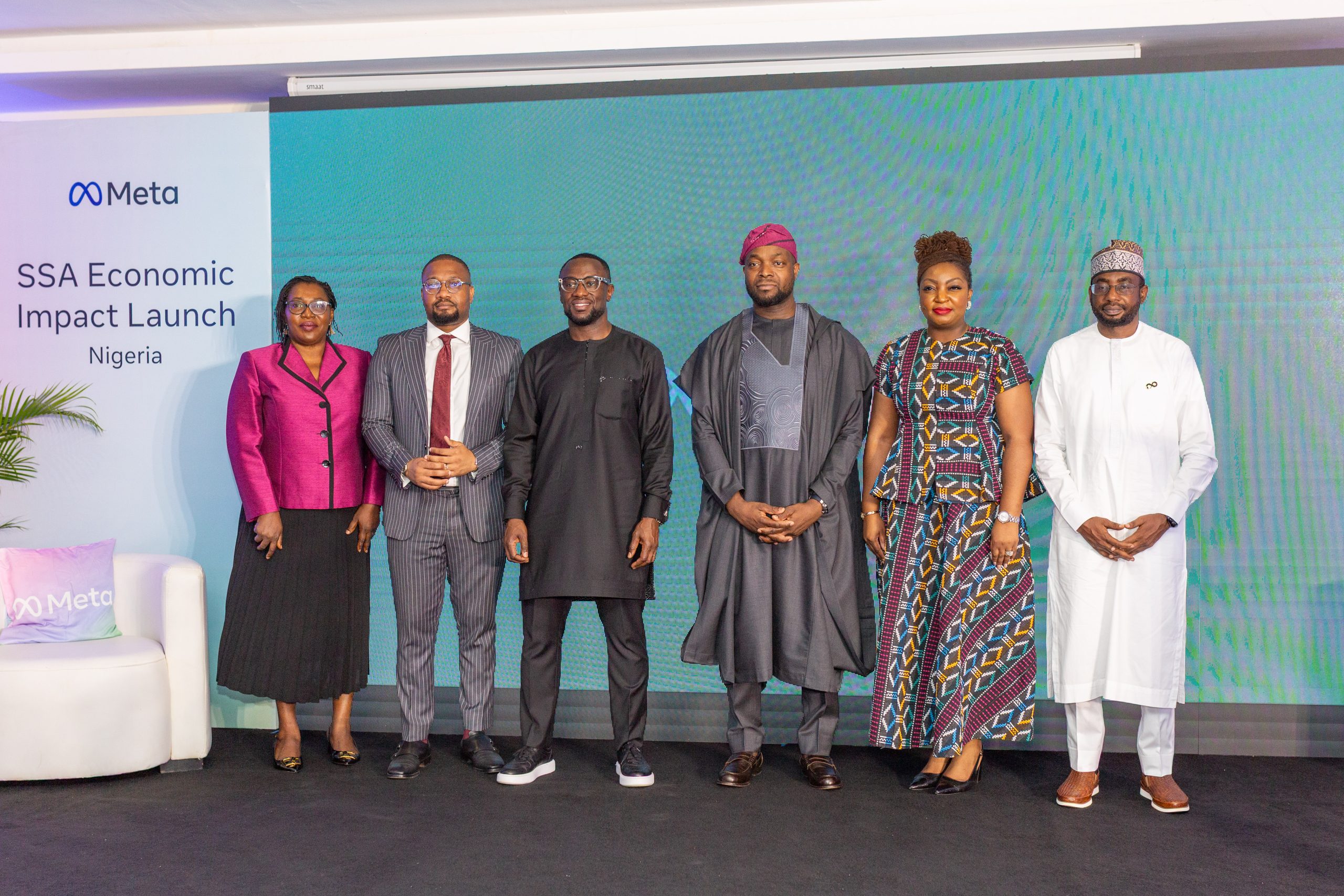
  • 81% of Nigerian businesses say Meta has expanded their customer base, as new research values platform’s economic contribution at $820 million

    81% of Nigerian businesses say Meta has expanded their customer base, as new research values platform’s economic contribution at $820 million

    Virtually all Nigerian businesses surveyed say Meta’s platforms have expanded their customer reach, according to new independent research that finds Meta is contributing an estimated $820 million in annual economic value to Nigeria today — with AI adoption set to add $22 billion to GDP by 2035.

    The “Nigeria’s Digital Economy” report, conducted by independent research firm Public First, finds that under the right conditions, this figure could grow to $2 billion as digital adoption deepens — with Meta’s platforms functioning as essential digital infrastructure connecting Nigerian entrepreneurs to customers, markets, and new economic opportunity.

    The findings reveal that 14 million Nigerian SMEs used Meta’s apps — Facebook, Instagram, WhatsApp, Messenger, Meta AI, and Threads — to start and grow their businesses in 2025, contributing $2 billion to Nigeria’s GDP and delivering an estimated $640 million in productivity gains through more efficient instant messaging.

    WhatsApp is Nigeria’s gateway to AI

    WhatsApp is playing a central role in connecting Nigerians to AI and new economic opportunities across the region. The platform serves as Nigerians’ primary AI surface — reflecting the wider regional pattern where 93% of Meta AI prompts in Sub-Saharan Africa are made via WhatsApp — demonstrating how AI adoption in Nigeria is happening through the tools people already use every day.

    Balkissa Ide Siddo, Director of Public Policy, Sub-Saharan Africa at Meta, said: “Nigeria is one of the most dynamic, entrepreneurial and digitally engaged markets in the world — and this research makes clear the scale of what is possible when Nigerian ambition meets the right digital tools. From a tailor in Lagos reaching customers across the country through Instagram, to a small business owner in Kano taking orders on WhatsApp, to a creator in Abuja building a global audience on Facebook — Meta’s platforms are removing the traditional barriers to growth and unlocking real economic opportunity. The fact that 80% of Nigerians say access to reliable internet has improved compared to a decade ago speaks to the progress already made and with continued investment in connectivity, smart policy that supports innovation, and the rise of open-source AI built for and by Africans, Nigeria is exceptionally well positioned to lead the continent’s next decade of digital growth. We are proud to be a long-term partner in that journey.”

    AI and Nigeria’s next growth frontier

    The research highlights the transformative potential of artificial intelligence for Nigeria’s economy and innovation ecosystem:

    • AI could add $22 billion to Nigeria’s GDP by 2035 with the right combination of investment, policy and innovation.
    • 87% of online Nigerians say AI products developed within Africa will be important for the continent’s economic growth.
    • Open-source AI gives Nigerian developers, businesses and creators the opportunity to build solutions in local languages, for local needs.

    SMEs are reaching new customers across Nigeria

    For Nigerian small businesses, Meta’s platforms have become a primary sales and discovery channel. 81% of online businesses surveyed said Facebook, Instagram, and WhatsApp have expanded their customer base beyond their local geography — reducing customer acquisition costs and giving a business in Kano access to the same advertising and commerce tools available to businesses in Lagos, London or New York.

    93% of online adults say they feel more connected to a wider community through Meta’s family of apps, reflecting how deeply these platforms are woven into everyday life, commerce and community in Nigeria.

    Alison Neyle, Director at Public First, said: “Nigeria’s digital transformation is creating new opportunities for businesses, creators and consumers alike. The findings show that Meta’s platforms are helping Nigerian firms grow across formal and informal sectors, supporting entrepreneurship and strengthening participation in one of the world’s most rapidly expanding digital economies. With the right combination of infrastructure, platform access and open-source AI, the upside for Nigeria is significant.”

    The full report is available at https://metassa.publicfirst.co/

  • ipNX Urges Coordinated Action on Fibre Deployment at National Dig-Once Forum

    ipNX Urges Coordinated Action on Fibre Deployment at National Dig-Once Forum

    Leading Nigerian Information, Communications, and Associated Technology Solutions company, ipNX has called for stronger policy enforcement across government and industry to address the persistent challenges affecting fibre infrastructure deployment, following key discussions at the 8th Policy Implementation Assisted Forum (PIAFO) National Dig-Once Event held in Lagos on 16th April, 2026 at the Radisson Blu, Ikeja.

    The forum, themed “Accelerating Nigeria’s Digital Backbone: Dig-Once Policy, Project BRIDGE and Strategies for Effective Fibre Deployment,” brought together industry stakeholders to address inefficiencies in broadband rollout and the growing rate of network disruptions across the country.

    In his keynote address on the day, President of the Association of Telecommunication Companies of Nigeria (ATCON), Tony Emoekpere, reinforced the need for improved execution of existing policies.

    “We have strong policies in place, but execution remains our biggest challenge. The dig-once framework presents a clear opportunity to reduce inefficiencies, minimise service disruptions, and optimise infrastructure investment across the sector,” he said.

    Speaking at the forum, Dr Olusola Teniola, Director, Strategic Business Initiatives, ipNX, emphasized the importance of aligning infrastructure development with Nigeria’s digital ambitions.

    “The future of Nigeria’s digital economy depends on how efficiently we deploy and protect our fibre infrastructure. A coordinated dig-once approach is not just a cost-saving mechanism; it is a strategic imperative that ensures resilience, scalability, and sustainability of our networks. At ipNX, we believe that collaboration between public and private stakeholders is critical to unlocking the full value of broadband connectivity across the country” he said.

    A major highlight of the discussions was the revelation that road construction accounts for approximately 60 per cent of telecom network outages in Nigeria, underscoring the urgent need for a coordinated “dig-once” approach. The policy advocates the installation of fibre ducts during road construction or rehabilitation, enabling multiple operators to deploy infrastructure without repeated excavation.

    On the first panel session, “Who Digs, Who Deploys, Who Protects: Developing the Ultimate Framework for Aligning Roles in Sustainable Fibre Expansion” Deputy Director, Strategic Business Initiatives, ipNX, Segun Okuneye, highlighted the shared responsibility required to safeguard critical telecom infrastructure.

    “Protecting fibre infrastructure must be a collective effort involving government, operators, and local communities. While regulatory frameworks such as the Critical National Information Infrastructure designation are steps in the right direction, enforcement and awareness remain key to reducing the frequency of fibre cuts and ensuring service continuity for millions of Nigerians,” he noted.

    Stakeholders at the forum collectively identified several critical issues and recommendations for improving fibre deployment in Nigeria, including, the adoption of shared infrastructure models to reduce duplication and unnecessary road excavation and leveraging emerging technologies, including real-time fibre monitoring systems, to improve fault detection and response times

    The discussions also highlighted the gap between Nigeria’s existing broadband capacity and actual utilisation, with significant infrastructure still under-leveraged due to distribution and access challenges.

    ipNX reaffirmed its commitment to supporting initiatives that enhance connectivity, drive digital inclusion, and enable sustainable infrastructure development. As a pioneer in Nigeria’s broadband FTTH ecosystem, the company continues to advocate for policies and partnerships that will strengthen the nation’s digital backbone and unlock new opportunities across sectors.

  • Fidelity Bank Provides Critical Funding Support to Abuja Special Needs Orphanage

    Fidelity Bank Provides Critical Funding Support to Abuja Special Needs Orphanage

    Leading financial institution, Fidelity Bank Plc, through the Fidelity Helping Hands Programme (FHHP), has funded critical support for the JKS Special Needs Academy in Abuja to ensure continued shelter and care for vulnerable children.

    The intervention was facilitated by a group of the bank’s newly recruited employees known as Team Valorem, as part of their induction activities. Through the FHHP, employees are empowered to actively contribute to social development by dedicating their time, resources and skills to impactful projects. Projects executed under the initiative are employee-driven, with teams encouraged to identify causes, contribute fifty percent of the project funding, while the bank matches the contribution.

    Speaking during the outreach, Divisional Head, Brand and Communications Division, Fidelity Bank Plc, Dr Meksley Nwagboh, highlighted that the initiative aligns with the Bank’s CSR pillars focused on health & social welfare, and youth empowerment.

    “This intervention reflects our belief that building a better society is a shared responsibility. Through the Fidelity Helping Hands Programme, we empower our employees to actively contribute to meaningful social causes. The funding provided will secure the orphanage’s accommodation for an additional year, ensuring a stable and safe environment for the children. This support guarantees that these children continue to have a place they can call home,” Nwagboh remarked.

    He also commended the facility’s caregivers for their dedication and called for greater focus on empowering and developing the skills of children with special needs.

    “Beyond providing basic needs, we must provide these children with opportunities to develop skills and become self-reliant. Everyone, regardless of their physical or socio-economic status, has a role to play in the society,” he said.

    In her response, Director of JKS Special Needs Academy, Mrs. Nifemi Ajileye, expressed deep appreciation to Fidelity Bank and its staff for the timely intervention.

    “We are truly grateful to Fidelity Bank for this support. It will significantly improve the welfare of the children under our care and help us sustain our operations,” she said.

    Ajileye highlighted the high cost of caring for children with disabilities, stating that, “Many of the children require continuous medical attention and therapy, which are quite expensive. Support like this helps us bridge critical gaps and continue delivering quality care. This support from Fidelity Bank is timely and it means the world to us and to these children. It will help us continue our work and secure a better future for them,” she added, while calling for sustained support from other organisations.

    As an institution with a heart for people, Fidelity Bank continues to demonstrate its commitment to social responsibility by driving inclusive growth and social impact through initiatives that empower communities and improve lives across Nigeria.

    Ranked among the best banks in Nigeria, Fidelity Bank Plc is a full-fledged Commercial Deposit Money Bank serving over 10 million customers through digital banking channels, its 255 business offices in Nigeria and United Kingdom subsidiary, FidBank UK.

    The Bank is a recipient of multiple local and international Awards, including the 2024 Excellence in Digital Transformation & MSME Banking Award by BusinessDay Banks and Financial Institutions (BAFI) Awards; the 2024 Most Innovative Mobile Banking Application award for its Fidelity Mobile App by Global Business Outlook, and the 2024 Most Innovative Investment Banking Service Provider award by Global Brands Magazine. Additionally, the Bank was recognized as the Best Bank for SMEs in Nigeria by the Euromoney Awards for Excellence and as the Export Financing Bank of the Year by the BusinessDay Banks and Financial Institutions (BAFI) Awards.

  • Nigeria’s Heat Crisis Is Fueling a New Wave of Startups

    Nigeria’s Heat Crisis Is Fueling a New Wave of Startups

    10 ventures selected to scale solutions for extreme heat across food and agricultural systems, healthcare, climate intelligence, and clean energy

    As heat intensifies across Nigeria, a new cohort of ventures is developing solutions to protect crops, reduce food spoilage and livestock losses, and equip hospitals and outdoor workers to anticipate and withstand extreme conditions.

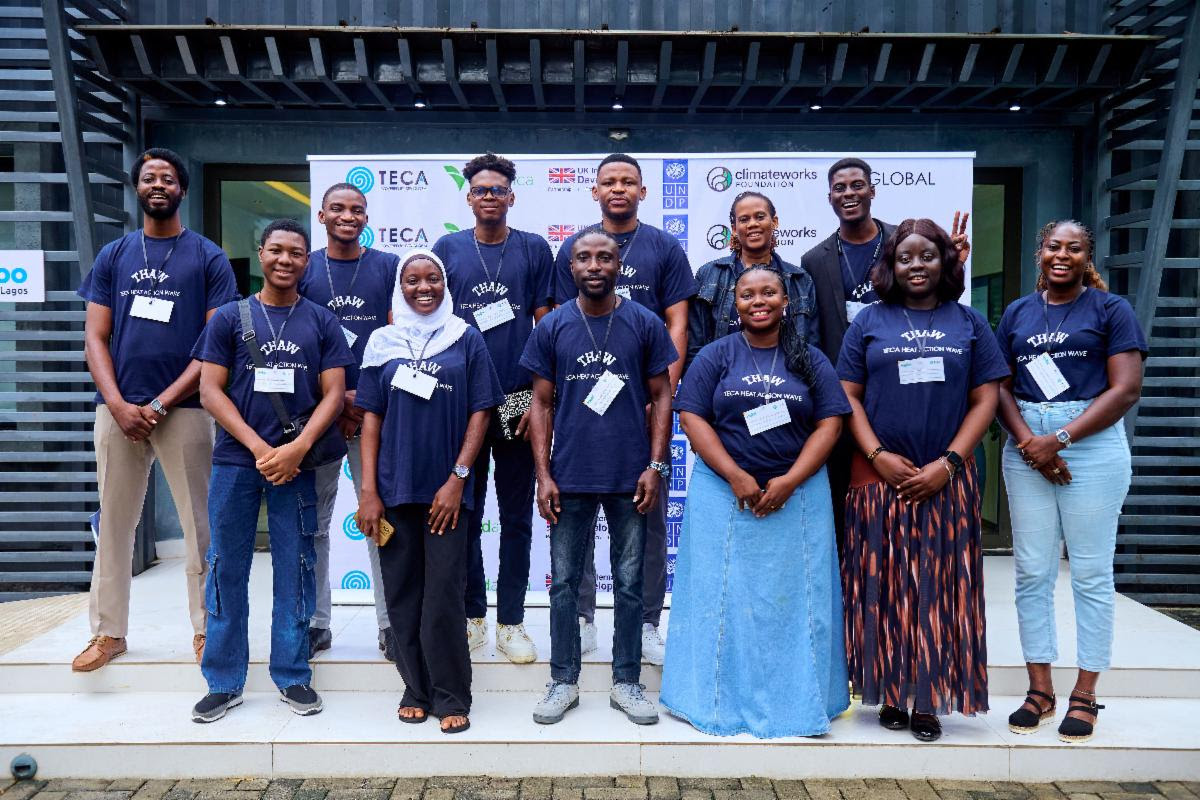
    BFA Global, FSD Africa, ClimateWorks Foundation, and the UK’s Foreign, Commonwealth & Development Office (FCDO) Nigeria have selected 10 early-stage ventures to join the inaugural cohort of the TECA Heat Action Wave (THAW) programme focused on accelerating solutions to extreme heat.

    The 10 selected ventures are:

    • Ofemini Global Limited provides a heat-resilient logistics platform that helps farmers transport perishable goods efficiently, reducing spoilage caused by extreme temperatures through optimized routing and heat monitoring.
    • Agiletech Operations Consulting Limited provides a hyperlocal early-warning system that delivers climate and heat alerts through accessible channels, enabling farmers and micro-entrepreneurs to anticipate risks and take preventive action.
    • Emplaris develops a predictive energy and heat-risk intelligence system for healthcare facilities, helping hospitals anticipate outages and manage equipment stress during extreme heat events.
    • Doorcas Africa delivers an AI-powered livestock health and co-ownership platform that enables early disease detection and prevention, helping farmers reduce heat-related livestock mortality and improve productivity.
    • Farmxic offers an AI-driven soil and crop diagnostics platform that helps farmers adapt to heat-induced soil degradation and crop stress through real-time insights and personalized recommendations.
    • Farm Fresh Grocery Ltd. builds a climate-resilient agricultural system combining heat-adaptive beekeeping, herb production, and consumer products to stabilize yields and supply under rising temperatures.
    • Farmslate Technologies Limited provides a climate intelligence platform that translates satellite and weather data into actionable insights, enabling farmers and financial institutions to manage heat-related risks and improve decision-making.
    • Let-It-Cold offers a solar-powered, portable cooling solution that helps small businesses and households preserve perishable goods during extreme heat and power outages.
    • Pod develops a climate-resilient sanitation system that prevents failure and contamination in heat- and flood-prone environments through on-site treatment and water reuse.
    • TheHyWing Ltd provides a climate-smart digital health platform that combines heat alerts, AI diagnostics, and telemedicine to prevent heat-related health risks among outdoor workers and vulnerable populations.

    Together, the ventures address some of the most immediate and under-addressed impacts of extreme heat across Nigeria, including food spoilage and cold chain gaps, heat-induced soil degradation and crop stress, livestock disease and productivity loss, health risks for outdoor workers, and system failures in energy, healthcare, and sanitation infrastructure. They range from early-stage concepts to minimum viable products, reflecting both the urgency of the problem and the early development of solutions in this emerging space.

    The cohort reflects a growing innovation ecosystem across Nigeria, with ventures operating in multiple regions. The companies are based in Lagos, Kaduna, and Edo States. This geographic spread underscores the breadth of climate innovation emerging across the country and reinforces TECA’s commitment to supporting founders building locally relevant solutions nationwide.

    Selected from a competitive pool, the ventures will each receive $56,000 in funding along with hands-on venture-acceleration support, including user validation, product development, business model design, and investor readiness. Each team will work with embedded venture builders and technical experts to accelerate their path to scale. Six of the ten selected ventures have a female co-founder.

    “Extreme heat is rapidly becoming one of the biggest operational risks facing African economies, yet it remains dramatically underinvested,” said Tyler Ferdinand, TECA Director at BFA Global. “Through TECA’s Heat Action Wave, we’re backing entrepreneurs building the tools, services, and financial products that will allow people, businesses, and cities to function in a hotter world. Our goal is not only to support these ventures but to prove that climate adaptation can become a powerful new investment frontier.”

    Juliet Munro, Director, Early Stage Finance, at FSD Africa, said: “If climate adaptation finance is going to scale in Africa, it has to be grounded in real, investable solutions. This group of innovators tackling extreme heat is important because it shows what those solutions look like in practice, and that’s what gives markets the confidence to follow. At FSD Africa, our role is to help turn early innovation like this into something markets can actually back.”

    “The cost of inaction on climate change is growing, as over 70% of workers around the world are at risk from deadly extreme heat. At the same time, momentum for adaptation is growing, as we see both more funding and more innovation. These new business ventures are strong, community-led solutions that can accelerate resilience in Nigeria and more broadly in the West African region,” said Jessica Brown, Senior Director of Adaptation and Resilience at ClimateWorks Foundation.

    “Responding to climate change is central to Nigeria’s future growth and resilience. The UK is excited to support this cohort of ambitious Nigerian businesses developing transformative solutions to extreme heat. TECA’s Heat Action Wave is part of a broader UK partnership with Nigeria that backs private sector–led innovation, creates jobs, and drives shared prosperity for both our countries as we transition to a greener economy,” said Temi Akinrinade, Foreign, Commonwealth & Development Office, Nigeria.

    The programme will run through 2026, culminating in demo days and investor engagement opportunities, with follow-on support available for top-performing ventures.

  • Ericsson restates commitment to improved Nigerian telecoms sector, digital infrastructure

    Ericsson restates commitment to improved Nigerian telecoms sector, digital infrastructure

    As Nigeria intensifies efforts at strengthening its national software infrastructure and digital governance framework, Ericsson has re-affirmed its commitment to the development of the West African country’s telecoms industry.

    Ericsson acknowledged its long-standing, decades-long involvement in Nigeria’s telecoms ecosystem.

    Amos Haddebe, Director for Government and Policy Advocacy in Africa at Ericsson, said this when led the Management of the company to a recent engagement with the National Information Technology Development Agency, at the GITEX Africa, held in Morocco.

    Haddebe also noted that the company has operated in Nigeria for over five decades, supporting the country’s telecommunications evolution from 2G to current 5G network.

    The discussions at the forum also touched on Nigeria’s initiative to develop high-standard regulatory policies that will enhance digital integration while ensuring that critical national systems remain under domestic control, in line with digital sovereignty.

    Update on the 4 pillars of MoU between Ericsson and the Nigerian Government

    Haddebe as well enumerated four key pillars of a Memorandum of Understanding (MoU) signed with the Nigerian Government October 2024, including the establishment of a joint innovation hub, a national hackathon, digital skills development programmes, and exchange of best practices.

    Caution against the increasing competition in Africa’s telecoms ecosystem

    As regards broader industry concerns in Nigeria, nay the African continent, Amos Hadebe, a Director of Government and Policy Advocacy Africa at Ericsson. At the stakeholder engagement in Morocco, he warned against rising competition in Africa’s telecoms space.

    He urged governments to treat Information and Communications Technology (ICT) infrastructure as a matter of national security.

    The company’s top official, therefore, advocated a diversified vendor ecosystem to ensure resilience and safeguard critical systems.

    Earlier, in his contribution to discussions at the meeting with the Management of Ericsson, Malam Kashifu Inuwa Abdullahi, CCIE, Director-General of the National Information Technology Development Agency, had disclosed that Nigeria’s digital strategy remains focused on “safeguarding national interests and securing long-term technological independence, rather than aligning with global rivalries.

    Inuwa also affirmed that Ericsson has continued to collaborate closely with network operators, such as MTN Group, as part of its commitment to advancing Nigeria’s digital transformation agenda.

    The Director-General of the agency further disclosed that the ongoing national hackathon, launched under the supervision of Vice President Kashim Shettima, is underway, and would be integrated with broader innovation initiatives.

    NITDA said the discussions between the two organisations equally highlighted Nigeria’s increasing focus on digital sovereignty, strategic partnerships, and the development of a secure and competitive digital economy.

    In respect of the expanded national digital transformation agenda, the agency disclosed discussions are ongoing around data ownership frameworks, particularly in emerging technologies and industrial systems, where questions of who controls machine-generated data remain central to future regulation.

    It stated the Nigerian Government is expected to unveil clearer policy direction in the coming months as part of its broader national digital transformation agenda.

  • Nigeria accounts for over 1.5 million children with sickle cell disease, highest in the world, new Lancet study shows

    Nigeria accounts for over 1.5 million children with sickle cell disease, highest in the world, new Lancet study shows

    A major new international study published in The Lancet Child & Adolescent Health, one of the world’s leading medical journals, has revealed that Nigeria carries the highest burden of sickle cell disease (SCD) globally, with an estimated over 1.5 million children under the age of 15 living with the condition.

    The study shows that nearly nine million children across sub-Saharan Africa are living with sickle cell disease in 2023, including around 1.17 million infants and 2.75 million children under five, who face the highest risk of early death without treatment.

    Nigeria accounts for the largest share of this burden, far exceeding other high-burden countries such as the Democratic Republic of the Congo and Ethiopia. The findings highlight both the scale of the challenge in Nigeria and the opportunity for the country to lead Africa in tackling one of the most preventable causes of childhood illness and death.

    The study was led by Professor Davies Adeloye, Professor of Public Health at Teesside University, United Kingdom, and Director of the International Society of Global Health (ISoGH), and analysed data from 40 studies across 22 African countries to produce the most comprehensive country-level estimates of childhood sickle cell disease to date.

    Sickle cell disease is an inherited blood disorder present at birth. With early diagnosis and access to simple, low-cost interventions such as newborn screening, penicillin prophylaxis, routine vaccinations, malaria prevention, and hydroxyurea, most complications and deaths can be prevented.

    However, in Nigeria, access to these essential services remains limited. Many children are only diagnosed after severe and avoidable complications, while others are never diagnosed at all, contributing to high levels of preventable illness and early childhood deaths.

    Professor Adeloye said, “Nigeria now stands at the centre of the global sickle cell crisis. With over 1.5 million children affected, the scale is enormous, but so is the opportunity to act. We already know what works. Newborn screening and early treatment are effective, affordable, and can be delivered through existing health systems. If Nigeria prioritises sickle cell disease within its national health agenda and integrates care into routine maternal and child health services, we could save hundreds of thousands of young lives and significantly reduce avoidable deaths.”

    The researchers emphasise that strengthening Nigeria’s health system response will be critical. This includes expanding newborn screening programmes, improving access to essential medicines, and integrating sickle cell care into primary healthcare services.

    The study calls for urgent and coordinated action across government, health institutions, and development partners, including expanding newborn screening programmes, improving access to essential medicines and vaccines, and embedding sickle cell care within primary healthcare services. It also calls for increased domestic investment, supported by international partnerships, as well as stronger data systems to improve surveillance and guide policy decisions.

    The authors conclude that even modest improvements in early-life screening and treatment in high-burden countries like Nigeria could transform child survival and significantly reduce preventable deaths.

    The full study is published in The Lancet Child & Adolescent Health and is available at:
    https://www.sciencedirect.com/science/article/pii/S2352464226000489

  • The crisis in the Middle East could cost Africa 0.2 percent in economic growth in 2026

    The crisis in the Middle East could cost Africa 0.2 percent in economic growth in 2026

    To address the crisis, AfDB Chief Economist Urama urged African governments not to panic or take hasty decisions that could harm their fiscal balances

    The crisis in the Middle East is impacting global economies, with growth in African countries forecast to decline by up to 0.2 percent.

    Download document 1: https://apo-opa.co/4mBpy5u
    Download document 2: https://apo-opa.co/484mxEK

    This is according to a joint policy document presented on Tuesday, 15 April 2026, in Washington, D.C., by the African Union Commission, the African Development Bank Group (AfDB), the United Nations Economic Commission for Africa (ECA), and the United Nations Development Programme (UNDP).

    The report, entitled Impacts of the Conflict in the Middle East on African Economies,” warns that African economies, which were slowly recovering from the severe consequences of COVID-19, the Russia–Ukraine war, and rising trade tariffs, could be among the most affected by the ongoing conflicts in the Middle East.

    Kevin Urama, Chief Economist and Vice President for Economic Governance and Knowledge Management at AfDB, presented the report on the sidelines of the Spring Meetings of the International Monetary Fund and the World Bank. He emphasized that the closure of the Strait of Hormuz had significant consequences for transport and trade.

    “The report reminds us that the continent demonstrates remarkable resilience,” said Francisca Tatchouop Belobe, African Union Commissioner for Economic Affairs, Development, Trade, Tourism, Industry, and Mining.

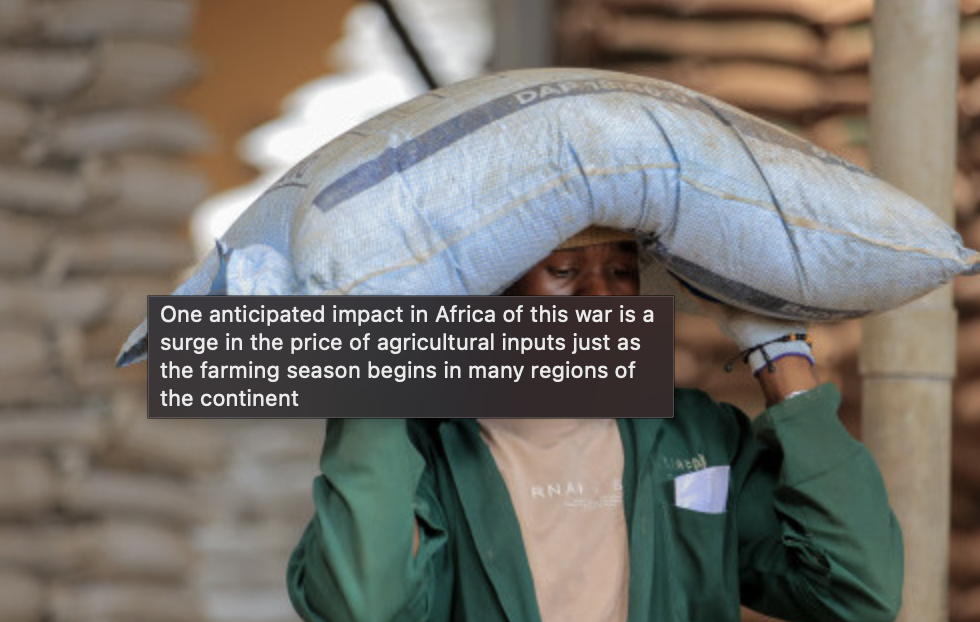
    The report says the main effects of Middle Eastern conflicts on African economies include surging prices of hydrocarbons, food products, and fertilizers. They also cause disruptions to global trade, logistics, and supply chains, and made capital and foreign exchange markets volatile.

    “Eighty percent of the oil imported into Africa comes from this region, as well as 50% of refined petroleum,” said Claver Gatete, Executive Secretary of the ECA. As a result of these conflicts, 31 African countries were already experiencing currency depreciation, Gatete said.

    To address the crisis, AfDB Chief Economist Urama urged African governments not to panic or take hasty decisions that could harm their fiscal balances.

    The report recommends, in particular, strategic inflation management to ensure short-term price stability expectations. It cautions oil-exporting countries to adopt strict fiscal discipline by managing windfall revenues prudently, while strengthening debt-monitoring, and using energy reserves strategically. Where fiscal space allows, it advises that temporary and targeted social protection measures be deployed to shield the most vulnerable populations from the crisis.

    However, the report urges governments to avoid broad-based subsidies that could worsen long-term fiscal deficits, and to diversify sources of energy, inputs, and food supplies.

     It also recommends that African governments strengthen regional and intra-African trade in oil and fertilizer markets to enhance resilience; and ensure smooth inter-institutional coordination to harmonize strategic monetary and fiscal policies.

    At the same time, the report calls upon development partners, multilateral banks, and development finance institutions to provide emergency support to African countries through crisis response measures and technical assistance.

    It also recommends that the operationalization of the African Continental Free Trade Area (AfCFTA) is operalionalised speedily, while strengthening large-scale domestic capital mobilisation. The report also encourages Africa to diversify its energy mix by accelerating investments in renewable energy and the gas sector.

    It urges stakeholders in Africa’s financial ecosystem to speed up the implementation of the New African Financial Architecture for Development (NAFAD), for which AfDB has recently concluded continent-wide consultations. Those consultations led to the “Abidjan Consensus” on 9 April, 2026, in the Ivorian commercial capital. They are aimed at speeding up reforms towards mobilising African financial resources at scale to boost development financing across the continent.

    United Nations Deputy Secretary-General, Amina J. Mohammed called for measures “to safeguard the gains already achieved at continental level. “We must work to ensure that the Sustainable Development Goals under the 2030 Agenda and Agenda 2063 are achieved,” she stated.

    For the Senior Vice President of AfDB, Marie-Laure Akin-Olugbade, “there is a need for global coordination, as no country or institution can face these shocks alone. In addition, a rapid response is essential, as was the case during the COVID-19 pandemic and the war in Ukraine, and people must be placed at the center of interventions.”

    “The shocks affect us deeply, and we have no choice but to be resilient—and African countries have the means to respond,” emphasized Ahunna Ezioknwa, Director of the UNDP Regional Bureau for Africa. “In Africa, we need to win the fight for energy independence… We must invest in domestic solutions and encourage young people to engage in innovation, digital technology, and artificial intelligence,” she added.

    After the presentation of the report, a panel discussed its content and proposed further solutions.

  • NEPL/ Seplat JV Commissions More STEAM Laboratories in Edo Schools, Advocates Sustainability

    NEPL/ Seplat JV Commissions More STEAM Laboratories in Edo Schools, Advocates Sustainability

    The NNPC Exploration and Production Limited (NEPL)/Seplat Energy Joint Venture has commissioned two Science, Technology, Engineering, Arts and Mathematics (STEAM) laboratories built at the Ogbe and Uselu Secondary Schools in Oredo and Ikpoba Okha Local Government Areas of Edo State

    The laboratories, which were commissioned on Wednesday, April 8, 2026, in Benin, the Edo State capital, aim to drive educational sustainability in the state and promote excellence amongst students.

    Speaking at the commissioning, Mrs Chioma Afe, Director, External Affairs and Social Performance, Seplat Energy Plc, said the Joint Venture has so far built and commissioned nine STEAM Laboratories in the state, thereby increasing the number of STEAM laboratories established in Edo and Delta States to 14.

    She said the STEAM Labs were part of the organisation’s commitment to sustaining education in Edo and Delta States, whilst assuring that the same development would soon be extended to other states where the company operates.

    According to her, the Joint Venture had successfully executed various educational programs in the States, which include the Seplat Teachers Empowerment Program, the Pearls Quiz competition, inclusive of the STEAM Labs and Access to Energy Projects.

    Afe said: “The STEAM Lab is one where we want to further inculcate STEAM within the curriculum of basic education and secondary schools.

    “The NNPC Limited and Seplat Energy took a decision years ago to start putting in place STEAM Labs. This allows the children and the teachers to practically use all the learnings that they have taken from the various activities and programs.”

    Afe added that the laboratories are equipped with state-of-the-art equipment and solar power to ensure the centres have 24-hour continuous power.

    She commended the Edo State Government for providing the enabling environment and NEPL for its support in establishing the laboratories.

    While assuring that the gesture would be extended to other parts of the state, she, however, urged the teachers and students of the benefiting schools to make judicious use of the facilities as well as protect them against misuse and vandalism.

    In the same vein, the Managing Director of NEPL, Mr. Nicolas Foucart, said the laboratories are designed to promote practical learning, creativity, critical thinking, and innovation in Science, Technology, Engineering, Arts, and Mathematics.

    Foucart represented by Mr. Reginald Duke, Lead Community Relations Western Assets, NEPL, noted that the expectation of the management is that the laboratories would help equip students with relevant skills to succeed in a fast-changing world.

    He also added that the facilities in the schools reflected the NEPL/Seplat JV shared commitment to quality education and sustainable community development.

    “We believe that investing in education is one of the most meaningful ways to shape the future of our young people and our nation”, he stated.

    Dr. Paddy Iyamu, a former Commissioner for Education, Edo State, described the STEAM Labs as one of the best investments any investor can make in the life of the Nigerian children.

    He urged other corporate organizations in the state to emulate Seplat in fulfilling their Corporate Social Responsibilities.

    He said: “Please, let’s celebrate and appreciate the leadership of Seplat energy. Together, you have also helped us in training our teachers. The list is endless. We have other companies that drill oil in the state, but when it comes to corporate social responsibility they fail.

    “The NEPL/Seplat JV has always responded positively and responsibly in the environment where you operate. We are grateful. On behalf of my Governor, we thank you.”

    On her part, Mrs. Edith Ebomoyi, Permanent Secretary, Edo State Ministry of Education, described the Labs commissioning as a milestone in the collective and committed efforts to the future of education in the State.

    In their separate remarks, the Principal of Ogbe Secondary School, Mrs. Itohanmwen Augustina and Mrs. Obaretin Osayanmo of Uselu Secondary School, commended the State Government, Seplat Energy and NEPL for the investment and promised to take ownership of the facilities against any act of vandalism.

    They also promised to make judicious use of the facilities to achieve the purpose for which they are established.

  • IMF Managing Director Kristalina Georgieva Appoints Zeine Zeidane as Director of the African Department

    IMF Managing Director Kristalina Georgieva Appoints Zeine Zeidane as Director of the African Department

    Kristalina Georgieva, Managing Director of the International Monetary Fund (IMF), announced today her intention to appoint Mr. Zeine Zeidane as Director of the African Department (AFR). Mr. Zeidane will succeed Abebe Aemro Selassie, who will retire from the Fund on May 1, 2026.

    “I have informed the Executive Board of my intention to appoint Mr. Zeine Zeidane as the Director of the African Department,” said Ms. Georgieva. “Zeine will bring deep institutional knowledge, sound judgment, and strong policymaking experience to the department as it continues to respond to sub-Saharan Africa’s growing demands for tailored policy advice, financing, and capacity development.”

    A Mauritanian national, Mr. Zeidane has over two decades of experience in macroeconomic policymaking and international economic cooperation. He currently serves as Deputy Director in the Middle East and Central Asia Department (MCD), overseeing the Fund’s engagement with major economies in the Gulf region and helping to deepen strategic partnerships with key regional partners, including through the establishment of the IMF Regional Office in Riyadh in 2024. 

    Prior to his current role, Mr. Zeidane served in AFR as a Deputy Director, where he was closely involved in some of the largest and most complex engagements in the region. He also played a central role in shaping Fund policies to better meet the needs of sub-Saharan Africa, notably through reforms to concessional lending policies and the Catastrophe Containment and Relief Trust (CCRT) during the pandemic. Drawing on his ability to link country experience with institutional priorities, Mr. Zeidane previously led work on the 2018 Governance Policy during his time in the Strategy, Policy, and Review Department (SPR).

    Before joining the IMF in 2012, Mr. Zeidane held several of the most senior economic policymaking positions in Mauritania, including serving as Prime Minister, Governor of the Central Bank, and Economic Advisor to the President. This experience was complemented by roles with the World Bank and in the commercial banking sector, giving him a well-rounded perspective on policy design, implementation, and engagement with international partners.

    “Zeine’s calm and measured approach has proven especially effective in addressing difficult and sensitive challenges,” added Ms. Georgieva. “I am confident that he will successfully lead AFR with a shared sense of purpose in advancing its mandate and serving our membership.”

    Mr. Zeidane holds a PhD in Applied Mathematics and a postgraduate degree in Macroeconomics from the University of Nice.

  • Women leading spread of the Olympic values across Senegal

    Women leading spread of the Olympic values across Senegal

    To celebrate International Women’s Month, we shine a spotlight on the women combining sport and education to inspire positive change across Senegal as part of the Games’ legacy programme

    The impact of the Dakar 2026 Youth Olympic Games will be felt not just on sports fields and in stadiums but also in schools and classrooms. To celebrate International Women’s Month, we shine a spotlight on the women combining sport and education to inspire positive change across Senegal as part of the Games’ legacy programme, of which the Olympic Values Education Programme (OVEP) is a key driver.

    KEY FACTS

    • The Dakar 2026 Youth Olympic Games Organising Committee is aiming to reach 900,000 young people aged from 9 to 15 across 11,000 schools before the start of the Games in October.
    • The team in charge of implementing OVEP – a group of educators, youth leaders and sports facilitators who are training teachers – boasts near-perfect gender parity.
    • Nearly 50 per cent of the beneficiaries are girls.

    “Do not set limits for yourself – there are many possible paths.”

    For Aïchatou Diop, this is the message she hopes that girls across Senegal will carry with them as the country prepares to host the Dakar 2026 Youth Olympic Games. Her own journey reflects this belief: after six years as a committed volunteer and swimming coach, she now has a role in the Dakar 2026 Organising Committee.

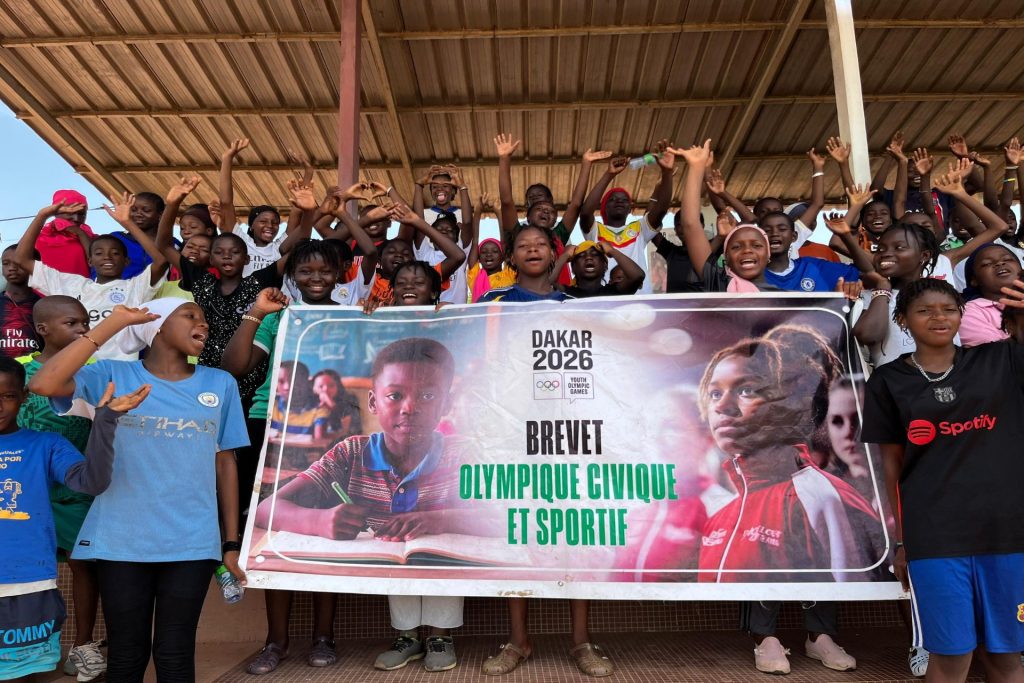
    Aïchatou is just one member of a growing network of women educators helping thousands of Senegalese children discover the powerful connection between sport and personal development through an Olympic civic and sports certification – the Brevet Olympique Civique et Sportif (BOCS)  – a national programme forming the key pillar of the educational legacy of these Games.

    The principles of OVEP are central to the BOCS. The ambition is to reach 900,000 young people aged from 9 to 15 across 11,000 schools before the start of the Games in October.

    Across classrooms, sports fields and community centres, women like Aïchatou are playing a central role in bringing that mission to fruition.

    WOMEN LEADING THE WAY

    Behind the national rollout of the BOCS is a strong network of women working at every level of the programme – from project management and coordination to teacher training and classroom delivery.

    “Women are integrated at both governance and operational levels,” explains Fanta Diallo, the Engagement and Mobilisation Director for Dakar 2026, whose department is overseeing the rollout. “Women are represented within our leadership and delivery teams […] and play an active role in curriculum delivery and mentoring.”

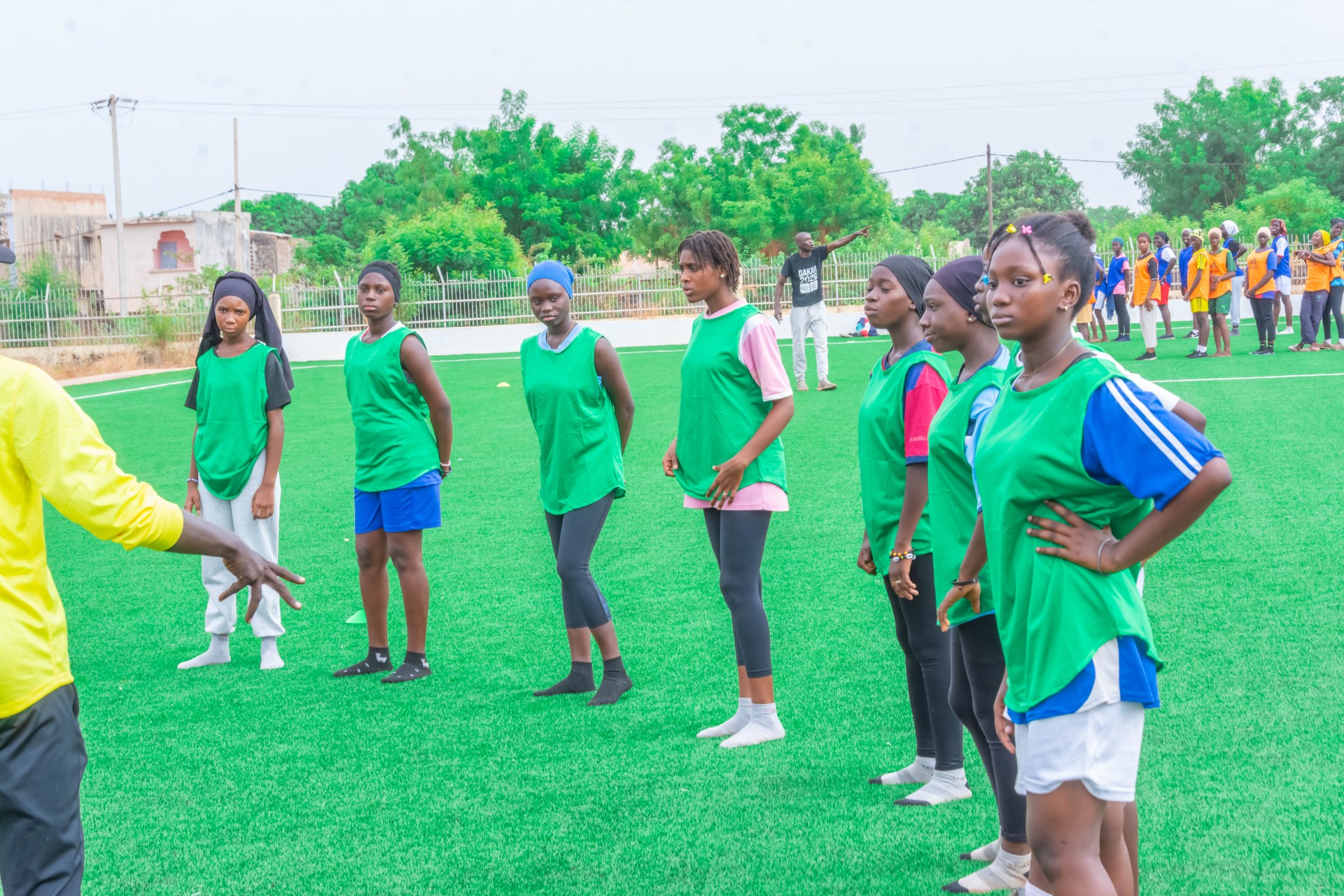
    Fanta’s team – a group of educators, youth leaders and sports facilitators with near‑perfect gender parity – are involved in training teachers, mentoring students and supporting schools and youth programmes as they introduce OVEP-related activities and clubs.

    The programme is even active in Senegal’s “toddler huts” – community centres for kindergarten-age children – ensuring that the Olympic values of excellence, respect and friendship are introduced from an early age.

    CREATING OPPORTUNITIES FOR GIRLS

    Facilitating equal access to sport, education and leadership opportunities is a priority of the BOCS. Targeted outreach is directed at girls in schools and community settings, while the programme is aligned with national and local initiatives promoting girls’ education, health and participation in sport and community life.

    “Particular attention is given to parity in access, participation in practical sports sessions, civic modules and leadership activities linked to the Olympic values,” Fanta explains.

    Those aims are being achieved. Girls represent almost 50 per cent of the beneficiaries of the BOCS programme – a significant proportion in a country where many girls face cultural and socioeconomic barriers to sporting and educational opportunities.

    INSPIRING THE NEXT GENERATION

    Across Senegal, BOCS clubs have been established in schools, often led by mixed-gender student committees responsible for organising activities inspired by the Olympic values.

    In one secondary school, a group of girls involved in an OVEP club organised a “values through sport” day, designing the programme, coordinating the event and leading awareness sessions on respect and fair play.

    The impact extended well beyond the event. Several of the girls went on to take leadership roles in other school clubs and community initiatives. Their teachers also reported noticeable improvements in their public speaking, decision-making and confidence.

    Cécile Faye, Director of the National Olympic Academy of Senegal, believes such outcomes demonstrate the importance and value of having women in leadership roles, and their capacity to imbue positive values in younger generations.

    “What makes female leadership important in society is transmitting values to young girls,” Cécile explains. “Seeing them become autonomous and reproducing the same behaviours is reassuring.”

    For Awa Ndao, an OVEP trainer and youth engagement specialist, the programme’s impact often shows in small yet powerful moments.

    What motivates her most, she says, are “les sourires des enfants” – the smiles of children who feel included and valued through OVEP initiatives.

    She believes that women play a crucial role in creating environments where that transformation can happen, and in ensuring that the legacy of Dakar 2026 extends far beyond the end of the Games. She sums up that aim as “drawing inspiration from Olympism to build a better world”.

  • Why the Camera is the Nigerian Marketer’s Biggest Untapped Asset

    Why the Camera is the Nigerian Marketer’s Biggest Untapped Asset

    By Olumide Balogun

    Picture this scenario. You are at a fun party in Lagos. Amidst the sea of colorful jackets and perfectly tailored pants, you spot a guest wearing a pair of striking sneakers that perfectly blend modern streetwear with traditional Aso-Oke fabric. You want to buy a pair immediately. The music is loud, and the guest is across the banquet hall. A few years ago, you would simply have to wonder who made them. Today, you pull out your smartphone, tap the camera icon in your search app, and snap a quick photo. Within seconds, the technology identifies the exact local designer, shows you product reviews, and provides a direct link to their online store.

    As the great Chinua Achebe famously wrote, “The world is like a Mask dancing. If you want to see it well, you do not stand in one place.”

    The modern Nigerian consumer has certainly moved. They are actively experiencing the world visually, turning their smartphone cameras into their primary shopping tool. Nigerians are highly optimistic about this technological shift. In fact, 80% of Nigerians are more excited about the possibilities of AI, versus just 20% who are more concerned. This enthusiasm translates directly to commerce and innovation. Currently, 80% of Nigerians are using AI to explore a new business or career change, nearly double the global average of 42%. For Nigerian marketers, understanding this shift is the exact key to unlocking unprecedented business growth.

    We are witnessing a massive transformation in how people consume media and discover products. YouTube watch time in Nigeria recently jumped by over 55% year over year. Our incredibly young, digital native population is actively redefining the media landscape by immersing themselves in video and visual content. Consequently, they are moving rapidly toward visual and video-led discovery.

    The Rise of Visual Search: The modern Nigerian shopper uses their camera to ask questions. Globally, Lens is used for over 20 billion visual searches every month. Features like Circle to Search and video understanding allow users to interact with their surroundings instantly.

    A shopper can now circle a fashion item they spot in a social media video or use their camera to scan a product in real life to find out more. Gen Z consumers are leading this charge. They use visual search to effortlessly discover products they cannot easily describe with words. They see something they love, and they use their camera to find it.

    Making the Real World Shoppable: This visual behaviour creates a powerful new reality for retail. Imagine a consumer walking through a busy mall and spotting a stylish backpack in a store window. They simply tap the Lens icon on their phone and snap a photo. Instantly, they see a highly helpful results page showing product reviews, price comparisons across different retailers, and direct links to buy.

    Google is integrating Shopping Ads directly into these visual search results. Advertisers can now connect with highly motivated shoppers at the exact moment their interest is piqued. The opportunity for businesses is immense, considering 1 in every 4 visual search queries done using Google Lens have a commercial intent. Your product can appear right alongside the items people are photographing out in the real world, turning everyday inspiration into immediate sales.

    Video as the New Storefront: This visual revolution extends directly into online video. With YouTube becoming the primary screen for many Nigerians, video serves as the new digital storefront. Consumers turn to YouTube to discover trends, learn new skills, and make confident purchase decisions based on trusted creator reviews.

    Brands must capture customer interest while users are deeply engaged in this video content. Google’s Demand Gen campaigns make this process highly effective. These AI driven campaigns take your best video and image assets and automatically serve them across YouTube and other visual platforms. The results speak for themselves. Advertisers are more likely to say Google Search and YouTube drive business growth more than any other paid advertising platforms.

    Step Into the Frame: The language of commerce is increasingly visual. Nigerian consumers are already using their cameras and screens to navigate their shopping journeys. Marketers who embrace this visual commerce revolution will build stronger, more profitable connections with their audiences.

    By optimizing your visual product assets, leveraging AI tools like Demand Gen, and preparing for ads in visual search, you position your brand right at the heart of the modern shopping experience. The camera is the most powerful tool in your customer’s hand today. It is time for your business to step into the frame.

    Olumide Balogun is a Director at Google West Africa

  • Africa’s Creative Heavyweights Unite to Shape a Stronger Global Story of the Continent

    Africa’s Creative Heavyweights Unite to Shape a Stronger Global Story of the Continent

    Opportunity Africa launches pan-African Creative Council backed by leading communications, media and brand leaders

     In line with Agenda 2063, the Opportunity Africa initiative has launched its Creative Council, bringing together Africa’s leading communications, media and marketing leaders to advance a narrative that contributes to building The Africa We Want.

    It is a pan-African platform and movement designed to shift how the world sees Africa and how Africa sees itself, by amplifying the people, stories and institutions already shifting perceptions. It is a shared platform that brands, institutions and storytellers can align around to communicate a stronger, more unified story of Africa.

    At a time when the global order is shifting and competition for capital, influence and attention is intensifying, perception matters as much as facts. For Africa, image is no longer a soft issue. It is a strategic one. The Creative Council has been established to help ensure Africa is defined by those building it.

    The Council brings together senior leaders who have shaped narratives at national, regional and global levels. Their role is to guide the creative direction of the initiative, connect it to their continent-wide networks and ensure the initiative remains credible, relevant and culturally resonant across markets.

    “This is exactly the kind of collaboration Africa needs to shape a narrative that reflects our aspirations under Agenda 2063 and builds The Africa We Want. In line with the mandate of the African Union Commission’s Information and Communication Directorate, this work will strengthen how we communicate the Union’s priorities and amplifies Africa’s voice. We encourage more partners to join this growing movement.” Faith Adhiambo, Communication Officer, Agenda 2063 African Union. 

    “It is a privilege for Africa No Filter to serve as secretariat and help steward this forward. It is unprecedented to see this level of expertise and collaboration coming together to build the narrative infrastructure Africa needs to reframe the continent,” said Moky Makura, Executive Director of Africa No Filter and co-chair of the Council.

    Initial members of the Creative Council include senior leaders from TRACE, Africa Practice, the African Union, Brand South Africa, IC Publications, Alpha Media Holdings, X3M Ideas and other leading institutions across the continent.

    Members of the Creative Council

    Addis Alemayehou – Chairperson, Kazana Group; Co-founder and CRO, Dodai

    Adebola Williams – Co-founder, RED | For Africa

    Leslie Richer, Director, Information and Communication, African Union

    Faith Adhiambo – Communications Officer, Agenda 2063

    Fareed Khimani – Communications Adviser, Office of the Cabinet Secretary, Ministry of Agriculture and Livestock Development, Kenya.

    Gina Din-Kariuki – Founder and Executive Chair, The Gina Din Group

    Kwame Senou – Founder, The Holding Opinion (THOP)

    Malik Shaffy Lizende – Founder, 63 Inc

    Moky Makura – Executive Director, Africa No Filter

    Omar Ben Yedder – Group Publisher and Managing Director, IC Publications

    Richard Kiplagat – Senior Stakeholder Relations Adviser, Africa Practice

    Samuel Onyemelukwe – Group Business Development Director, TRACE

    Sophie Masipa – CEO and Brand Strategist

    Steve Babaeko – Founder, X3M Ideas

    Terhas Berhe – Founder and Managing Director, BrandComms

    Thebe Ikalafeng – Founder, Brand Africa

    Thoko Modise – General Manager: Communications, Brand South Africa

    Tim Ekandjo – Branding, Marketing, Communications and Sustainability Officer, MTC Namibia

    Tola St. Matthew-Daniel – Founder, Kairos & Tola

    Tosin Adefeko – Founder and CEO, AT3 Resources

    Trevor Ncube – Founder and Chairperson, Alpha Media Holdings

    View the campaign video here.