MAY 25 every year is AFRICA DAY. It is celebrated annually to commemorate the founding of the Organization of African Unity (OAU) on May 25, 1963. Originally declared to push for total decolonisation, the day is now driven by the African Union (AU) to celebrate Pan-Africanism, cultural identity, and economic integration.
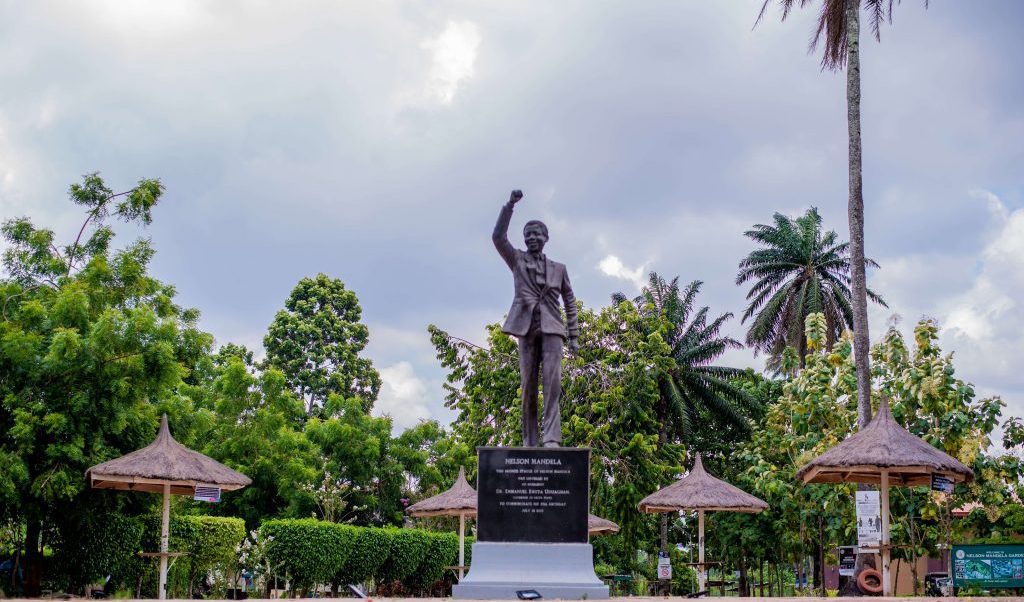
AFRICA DAY at the Nelson Mandela Gardens & Resort
The Nelson Mandela Gardens and Resort, Asaba, renowned as a foremost institution for the promotion and propagation of the essence of the African and Black family, will be commemorating the AFRICA DAY on May 25, 2026, with an elaborate programme of activities.
With Africa’s most laurelled cultural icon and intellectual, Professor Wole Soyinka, designated as Guest Speaker, the event will be hosted by eminent pan-African patriot and adventurer, Dr. Newton Jibunoh, who is globally renowned as the “Desert Warrior” for his exemplary feat of conquering the vast violent Sahara Desert a record four times.
The celebration will feature a rich lineup of activities including drama performances, spoken word presentations, music, dance, and artistic showcases aimed at highlighting the beauty, diversity, and resilience of African culture.
The event is expected to attract cultural enthusiasts, creatives, scholars, youth groups, dignitaries, and members of the public who share a passion for African heritage and cultural advancement.
The event, scheduled to hold at the leading African nature-themed Nelson Mandela Gardens and Resort, Asaba, Delta State, by 4:00 PM, will also welcome delegation of the FESTAC AFRICA, a group that is actively pushing the celebration of the 50th anniversary of the second Festival of Black and African Art and Civilisation, FESTAC, held in February 1977. The delegation’s participation in the Asaba celebration is to showcase updates on the ongoing preparations toward the forthcoming pan-African cultural festival, slated to run for much of next year.
The presence of the FESTAC AFRICA delegation further reinforces the spirit of Africa Day. FESTAC, which stands for the Festival of Arts and Culture, represents one of Africa’s most significant cultural movements dedicated to celebrating African creativity, heritage, history, and artistic excellence. Its vision strongly aligns with the ideals of Africa Day by promoting unity through culture and strengthening connections among African people across borders and generations.
More About AFRICA DAY:
Africa Day is celebrated annually across the continent to commemorate African unity, cultural identity, liberation, and the shared aspirations of African nations. It remains a significant moment for reflection on Africa’s heritage, achievements, and the role of culture in fostering peace, development, and continental collaboration.
About DR JIBUNOH:
Widely respected for his contributions to environmental advocacy, African heritage preservation, and cultural development, Dr Jibunoh, also a writer, environmentalist and public intellectual, has, for over five decades, remained a strong voice in promoting African identity through art, history, and intellectual engagement. Through initiatives such as the Didi Museum, one of Nigeria’s notable private museums and cultural institutions, Jibunoh has consistently championed the preservation and celebration of African art, culture, and history while creating spaces for artistic expression and dialogue.
About NELSON MANDELA GARDEN & RESORT:
NELSON Mandela Gardens Limited is a hospitality hub founded by Dr Newton Jibunoh (D.Sc, OON). Its objective is to be seen as a conservation centre that espouses the virtues of nature, relaxation and comfort to the delight of its guests. It was established to commemorate the 95th birthday of the late African sage and world icon, by planting 95 trees in his honour and as support for the conservation of nature and its elements. The project is formally endorsed by the Nelson Mandela Family as part of the continuation of the “Mandela Is” campaign, which is aimed at the improvement of the African Man’s existence. The Garden sits on 14,414 acres of choice land within the perimeter of the Asaba International Airport in Delta State, Midwest region of Nigeria. Given the non-apologetic espousal of the Mandela philosophy by Dr Newton Jibunoh and its synergy with his ethos, the Garden is the fourth official monument of such after similar establishments in Washington, London and Johannesburg by the Nelson Mandela Family to actualize the vision of the great icon Madiba.
Mission: To honor the legacy of Nelson Mandela by the establishment of a world class destination where nature, culture, and leisure come together, fostering connection, peace, and unforgettable experiences for everyone.
Vision: The vision is to become Africa’s most iconic eco-tourism and cultural destination, where nature thrives, stories are shared, and every guest feels at home with purpose.
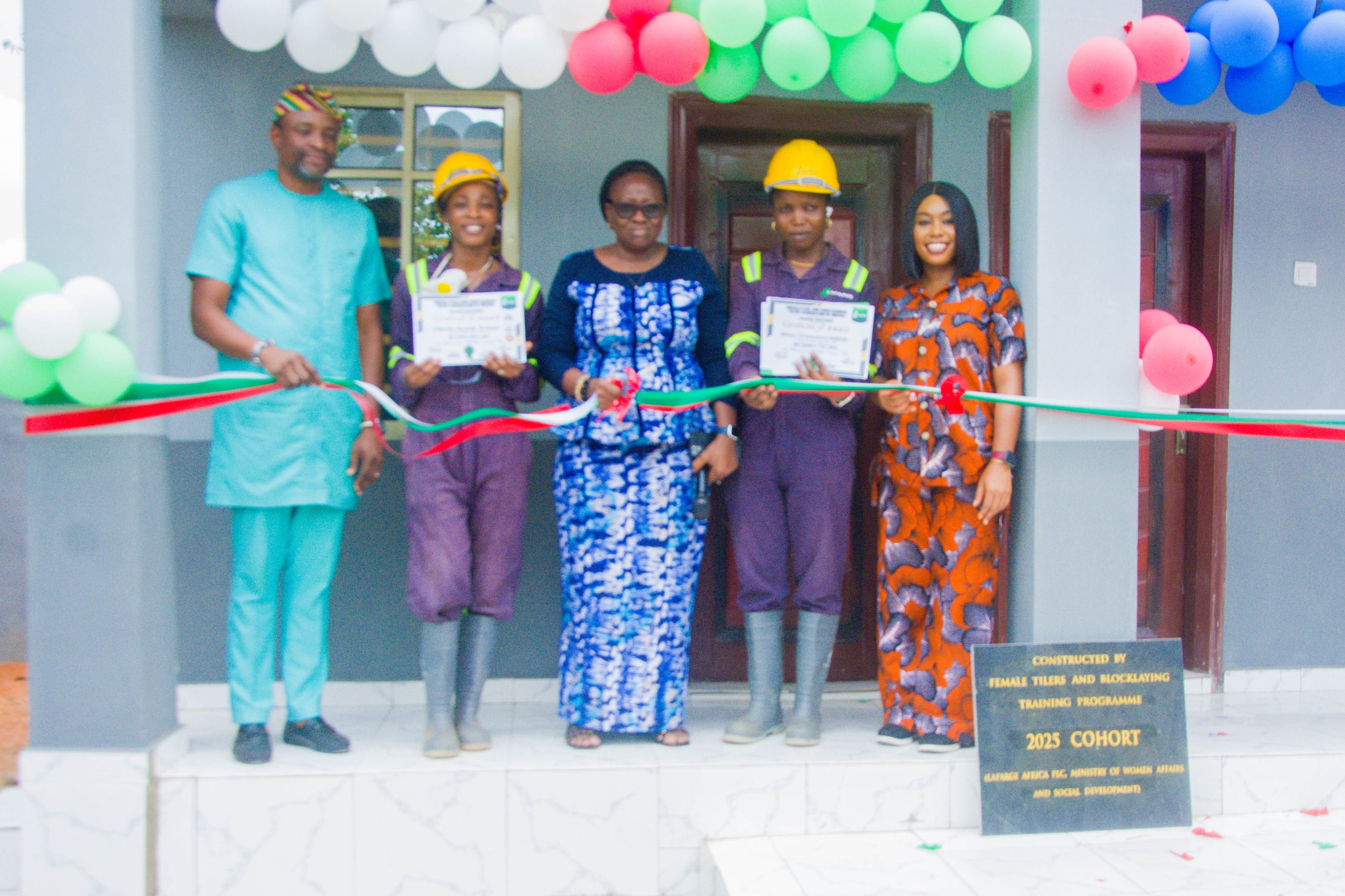
The 2025 edition of the BuildHer by Lafarge Female Tilers and Block-Laying Training Programme, a specialised empowerment initiative aimed at increasing female participation in the Nigerian construction industry, is a strong testament that with the right support, the 21st-century woman is ready to take on the world.
Launched in 2021 as part of Lafarge Africa’s broader corporate social responsibility efforts, the initiative began in Lagos and has grown significantly while maintaining its core objective of equipping women from underserved communities with technical, entrepreneurial, and financial skills. Each participant undergoes hands-on training in tiling and block laying using Lafarge Africa’s flagship products, Supafix and Supaset.
In addition, participants receive professional support, including automatic enrolment into the Block Makers and Tilers Association of Nigeria, providing access to a network that facilitates their entry into the workforce. Graduates are also awarded certificates and essential working tools, such as cutters and other equipment, to help kickstart their professional journey.
The success of the programme is evident in the 2025 edition, which recorded its highest participation yet, with 100 participants across three states: Lagos, Ogun, and Cross River. This expansion builds on the achievements of previous editions held in Lagos. A notable milestone is the strengthened collaboration with government institutions, including the Lagos State Ministry of Youth and Social Development, the Lagos State Employment Trust Fund (LSETF), the Ogun State Ministry of Women Affairs and Social Development, and the Cross River State Ministry of Women Affairs.
True to its name, BuildHer reflects Lafarge Africa’s commitment to diversity, inclusion, and gender equality. Beyond developing a skilled female workforce for the construction sector, the initiative empowers women to discover their potential, achieve self-reliance, and attain economic independence while breaking gender stereotypes in vocational trades. According to Viola Graham-Douglas, Director of Communications, Public Affairs & Sustainable Development (CPASD), the programme aligns with the company’s sustainability goals and long-term vision of building a better future for generations.
At the event, participants were encouraged to strive for excellence by the Head of Sustainability and Sponsorships at Lafarge Africa Plc, Gabriel Pollyn, who commended their dedication and resilience. He stated, “At Lafarge Africa, we believe that empowering women is key to building stronger communities and a more inclusive future. Through this initiative, we are not just training women in technical skills; we are investing in their confidence, capability, and long-term growth.”
Beyond the training, the programme aims to inspire a ripple effect, where beneficiaries go on to influence and uplift others. It is expected that the skills acquired will empower participants to pursue sustainable livelihoods and entrepreneurial opportunities within the construction value chain.
The Permanent Secretary of the Lagos State Ministry of Youth and Social Development, Oluwatoyin Oke-Osanyintolu, noted that the initiative is already expanding economic opportunities for women and encouraging them to explore viable career paths within the construction sector. Similarly, Mrs. Feyisayo Alayande, Executive Secretary of LSETF, highlighted the programme as an opportunity for women in Lagos State to feel supported and empowered to achieve their goals. In Ogun State, the Director of Administration and Supply at the Ministry of Women Affairs and Social Development, Kehinde Idowu, encouraged participants to remain resilient and leverage their newly acquired skills.
One of the trainers, Olabanjo Ganiu Babatunde, affirmed the long-term societal impact of the initiative, emphasizing that empowering women ultimately strengthens future generations. He urged participants to remain diligent and focused as they apply their skills.
Commendations also came from Hon. Mobolaji Ogunlende, Commissioner for Youth and Social Development, Lagos State, who noted that the initiative aligns with the state government’s social inclusion and gender equality agenda. He also appreciated the increase in participant numbers from previous editions and reaffirmed the state’s continued support.
Participants shared inspiring testimonials. Sandra Okolo from Lagos State described the programme as a dream come true, expressing her desire to build a career in the construction industry. Another participant, Ogedengbe Mary Damilola, who specialised in tiling, expressed her intention to establish herself as a professional tiler and mentor other women.
While the immediate outcomes of the programme are evident, its long-term social and economic impact remains even more significant. As highlighted by Viola Graham-Douglas, empowering these women extends beyond individual success to community transformation, reinforcing the message that no profession is beyond the reach of women who are determined and resilient.
Iconiq Fest 2025 is set to make a grand debut this December with its highly anticipated three-day music experience from December 18 to 20, 2025. The festival will feature headline performances by Chike, BNXN (formerly Buju), Shallipopi, Famous Pluto, and Zerry DL.
The three-day fest will offer a distinct theme and sonic experience each day, celebrating the rhythm, diversity, and creative spirit that define Nigeria’s thriving music culture. Day one tagged Chike Live: Detty Love will feature Chike, opening the weekend with an intimate yet festive celebration of love and sound. Day Two will see BNXN take center stage with The Captain Experience, a captivating showcase of his journey as one of Afrobeats’ most versatile voices. The festival concludes with Plutomania Live in Concert, with energetic performances and fan-favourite hits from Shallipopi, Famous Pluto, and Zerry DL capturing the raw energy and vibrance of Detty December.
…The launch ceremony was held at Hive by Zen — a newly opened studio by Canon ambassador Emmanuel Oyeleke — and was attended by 20 ladies who will be part of the programme in Season 2, alongside representatives from both organizations
Canon Central and North Africa (CCNA), a leader in imaging solutions has announced the launch of Season 2 of its successful ‘Women Who Empower’ campaign, in partnership with Women in Successful Careers (WISCAR) in Nigeria. Now in its second year, the programme aims to equip women in photography, videography, and printing with essential skills and mentorship.
Rooted in Canon’s philosophy ‘Kyosei’ —living and working together for the common good—this initiative reinforces Canon’s commitment to diversity, education, talent development, and aligns with the International Women’s Day 2025 theme of “Accelerate Action”. The launch ceremony was held at Hive by Zen — a newly opened studio by Canon ambassador Emmanuel Oyeleke — and was attended by 20 ladies who will be part of the programme in Season 2, alongside representatives from both organizations.
Somesh Adukia, Managing Director, Canon Central and North Africa, said, “At Canon, we believe in the power of creativity to drive change. Through the ‘Women Who Empower’ initiative, we are not just equipping women with technical skills but also building confidence and industry connections that will help them advance their careers. Our partnership with WISCAR reflects our steadfast commitment to diversity, inclusion, and the long-term growth of Nigeria’s creative industry.”
Season 2 will offer training across three specialized modules:
Photography & Print Module: Led by Canon Ambassador Emmanuel Oyeleke, participants will learn photography fundamentals, visual storytelling techniques, and practical shooting skills. They will also gain insights into printing business trends, digital printing applications, and entrepreneurial opportunities in the printing industry.
Content Creation Module: Conducted by Canon Ambassador Daniel Ehimen, this module will cover the essentials of visual and video content creation, editing techniques, and content monetization.
The program, running from April 22nd to June 5th, 2025, includes two theory and two practical sessions for each module, followed by portfolio development opportunities. As part of the practical training, this season will also feature trainer-led photo walk and video walk — a new addition designed to enhance hands-on learning. The initiative will culminate in a closing ceremony where participants will showcase their work and receive recognition for their achievements.
Transforming Nigeria’s Creative Future
This collaboration with WISCAR highlights the broader impact on Nigeria’s creative industry. By forming partnerships and providing networking opportunities, Canon demonstrates its long-term commitment to nurturing talent and promoting diversity within the sector.
“Our partnership with Canon has been a resounding success, empowering women in the print and imaging industries,” said Amina Oyagbola, Founder and Chairperson of WISCAR. “This collaboration serves as an outstanding example of collaborations that break down barriers, drive meaningful change, and pave the way for more women to advance in careers in the print and imaging industries.”
The ‘Women Who Empower’ initiative reflects Canon’s dedication to fostering talent, innovation, and diversity in the creative sector. Through strategic partnerships, mentorship, and skills development, Canon continues to invest in the future of the creative industry, providing individuals with opportunities and the resources they need to thrive.
In reflection of its dedication to fostering a workplace culture that prioritises employee empowerment, inclusivity, and gender equity, leading full-service commercial bank, Access Bank PLC has been named as the only Nigerian company on the 2024 World’s Best Employers List by Forbes.
As one of only 13 African companies to receive this distinction amongst the 850 ranked on the list, Access Bank sets a high standard within the African banking industry, underscoring its commitment to equitable growth and opportunities for all.
Access Bank’s leadership expressed pride in the Forbes recognition, viewing it as an affirmation of the institution’s inclusive, growth-oriented environment. Emeka Dibia, Head of Human Resources (Nigeria), said, “Our people are the foundation of our success. At Access Bank, we strive to create an environment that nurtures talent, encourages professional growth, and emphasises well-being. This recognition from Forbes reflects our continuous efforts to foster a culture that prioritises our employees’ satisfaction, growth, and long-term potential.”
Forbes, in partnership with market research firm, Statista, surveyed over 300,000 employees across more than 50 countries to compile the list. Participants represented multinational companies operating in at least two of the six continental regions: Africa, Asia, Europe, Latin America and the Caribbean, North America, and Oceania. Employees rated their companies on factors such as salary, talent development, diversity, and remote work options, with additional input drawn from industry knowledge and connections.
Survey responses were analysed and tallied – along with data from the previous three years – with a heavier weight put on the more recent data and on the evaluations from current employees.
Orange has been a sponsor and exclusive worldwide telecommunications partner of the Confédération Africaine de Football (CAF) since 2008. Today, this long-standing partnership has been renewed with CAF, reinforcing the shared commitment around football development, diversity and inclusion in Africa.
The scope of the renewed partnership will include, amongst others, three of the most anticipated tournaments in Africa:
TotalEnergies CAF Africa Cup of Nations 2023, Cote d’Ivoire from 13 January to 11 February 2024 and will see 24 African teams compete, including 11 qualified Orange countries. Orange is also the Technology and Telecommunications Provider for COCAN/CAF.
TotalEnergies CAF Women’s Africa Cup of Nations 2024, Morocco
CAF Africa Cup of Nations 2025, Morocco
A partnership centered around connectivity, diversity and inclusivity
The Group’s sponsorship strategy is based on the power of sports to connect customers and fans across Africa and the Middle East, relying on three key pillars:
Diversity – a commitment to deliver 50/50 representation of male and female sports across Orange’s sponsorship portfolio, promoting equal access and opportunity. This builds on our active partnership of the Women’s Africa Cup of Nations and specific programmes since 2018.
Inclusion – by leveraging the footprint of Orange Digital Centers, Orange is dedicated to engaging, educating and connecting young people. Through this partnership with CAF, Orange will develop dedicated programmes to support young players develop their digital skills and training.
For example, Orange will teach coding skills to youth by using football content and challenges to inspire them. From simple football games to tournament stats, we can use the sport they love to engage them in coding while building valuable digital skills.
Orange Tous Connectés – a commitment to always be by the side of its customers, ensuring that Orange customers benefit from seamless service continuity and connectivity to enjoy, share and participate in the sport they love.
Jérôme Henique, CEO of Orange Middle East and Africa comments: “Orange is a long-term and loyal partner of football in Africa and the Middle East. Our commitment to African football spans more than 20 years, and we’re proud to host over 40 football partnerships in countries across the region, including national teams as well as numerous various youth, academy and university programmes across several countries. We’re delighted to continue this important work with CAF to co-create and drive real change through common objectives.”
Caroline Guillaumin, Executive Vice President of Communication at Orange, concludes: “Football partnerships represent over 85% of local sponsorship investments in Africa and the Middle East. We invest in football at all levels because we fundamentally believe in the power of sports for mass inclusion. With CAF, we have a real opportunity to drive more gender equality, more inclusion, and more skills and development by bridging digital transformation with the passions loved by our customers and fans.”
CAF President, Dr Patrice Motsepe, says: “Orange has been a great supporter and partner of African Football for many years. We are excited to continue working together with Orange to make African Football amongst the best in the world and self-supporting. The TotalEnergies CAF Africa Cup of Nations in Cote d’Ivoire is expected to be watched by over 880 million people and we are delighted that Orange is our partner for this Competition and the CAF Africa Cup of Nations Morocco 2025. Our partnership with Orange will also support the development and growth of Women’s football on the African Continent.”
Access Holdings took a significant step in promoting disability inclusion in the private sector, recently hosting the two-day Employers Disability Confidence Training.
The training aimed to introduce private sector employers to Sightsavers’ Disability Confidence Toolkit and equip them with the knowledge and tools to make their companies more accessible and inclusive. The sessions also included an introduction to the International Labour Organisation self-assessment tool for enterprises, which supports companies in benchmarking their corporate social policies and practices against the guidance provided in the Tripartite Declaration of Principles concerning Multinational Enterprises and Social Policy (MNE Declaration).
Speaking on the initiative, Omobolanle Victor-Laniyan, Group Head, Sustainability at Access Holdings PLC, assured stakeholders of the Group’s commitment to champion impactful initiatives aimed at bridging the disability inclusion gap. She also highlighted the importance of partnerships with social impact organisations in driving the achievement of the Sustainable Development Goal 10, which focuses on reduced inequalities.
“In today’s globalised world, fostering an environment where everyone, regardless of their abilities, can thrive, contribute, and reach their full potential is not just a moral imperative but a strategic advantage. Hence, there is a need to acknowledge the incredible talent and potential that individuals with disabilities bring to our workforce,” Victor-Laniyan said.
As part of its continued effort to ensure all its stakeholders feel welcome and celebrated, Access Holdings has established a dynamic Diversity, Equity, and Inclusion (DEI) Working Group to align its products and services with the unique needs of PWDs and currently serves as the Chair of the Nigerian Business Disability Network (NBDN). Amongst other laudable initiatives, the Group has also invested in specialised sign language training for its frontline officers to ensure effective communication with deaf and hard-of-hearing colleagues and customers.
The training witnessed strong participation from members of the NBDN, including Airtel Nigeria, Standard Chartered Bank, Unilever Nigeria, MTN Nigeria, British American Tobacco, and Guinness Nigeria (Diaego Group). Featuring employees across key units like Supply Chain Management and Human Resources, the event served as a platform for these leading organisations to collectively advance their commitment to disability inclusion and drive positive change in the corporate sector.
Rasak Adekoya, Global Programme Advisor – Economic Empowerment at Sightsavers, commented on the event, affirming, “This training represents a significant milestone in our collective effort to create a more inclusive and equitable society. We are thrilled to see the commitment of Access Holdings and other NBDN members in driving disability inclusion forward. My excitement doesn’t is not confined only to the success of the training, but from the knowledge that we are sparking a movement that will bring about lasting change in the business landscape.”
Access Holdings, a trailblazing financial institution, and ART X Collective, a leading cultural enterprise, have announced commencement of the highly anticipated entry call for the Access ART X Prize 2023.
The applications, which became open to the public on Wednesday, September 20, 2023 will run through Wednesday, October 18, 2023. Entries will be exclusively available for submission at ARTXLAGOS.COM/PRIZE. Through the 2023 edition, ART X Collective and Access Holdings will be empowering emerging artists by selecting two outstanding talents, each receiving a healthy $10,000 grant towards an exhibition at ART X Lagos 2024.
Aimed at fostering creativity and elevating emerging talent across Africa, the transformative opportunity will see the Nigerian winner embark on a 3-month residency at Gasworks, London, while the African/Diasporan winner will participate in a 3-month residency at Yinka Shonibare’s GAS Foundation in Lagos. Both recipients will also receive personalised mentorship support, a hallmark of the partners’ shared commitment to nurturing artistic growth, and providing an invaluable opportunity for cultural exchange.
Speaking on the initiative’s essence, Herbert Wigwe, Group Managing Director of Access Holdings Plc, said, “Access Holdings is proud to, once again, champion the Access ART X Prize, a beacon of support for emerging African artists. We believe in the transformative power of art to shape culture, foster diversity, drive meaningful change, and influence the global perception of our continent.
The rigorous evaluation process for submissions by early-career artists is overseen by a distinguished panel of renowned artists and cultural practitioners. These experts will be assessing creativity, originality, and technical skill with meticulous care, ensuring that the most exceptional talents rise to the top.
The Access ART X Prize 2023 will be judged by an esteemed jury which includes Babajide Adeniyi-Jones (Photographer), Barthélémy Toguo (Artist), Daudi Karungi (Founder, Afriart Gallery), Emeka Ogboh (Artist), Gabi Ngcobo (Artist and Curatorial Director, University of Pretoria), and Yesomi Umolu (Director of Curatorial Affairs and Public Practice, Serpentine Galleries). The curator of the 2023 edition is the highly regarded Jumoke Sanwo.
Tokini Peterside-Schwebig, Founder and CEO of ART X Collective said:
“We are honoured to have such a diverse and experienced jury for the Access ART X Prize 2023. Their expertise and perspectives will ensure a fair and comprehensive evaluation of the submissions, ultimately bolstering this exceptional platform for early career artists to showcase their work and engage in meaningful dialogue with the global art community.
We are proud of our contribution to the visual art landscape across Nigeria, Africa and the Diaspora, over the past seven years, and remain steadfast in our commitment to propel our artists forward, to live out their potential as narrative changemakers for our continent and for its culture. Through the creation and production of initiatives such as the Access ART X Prize, and our flagship art fair, ART X Lagos, our organisation seeks consistently to champion the redefinition of the narrative about our continent, and its people.
We would like to thank Access Holdings, which has consistently stood with us as we have strived to promote and elevate the next generation of African artists. Their commitment to fostering creativity and providing pivotal opportunities for artists, is invaluable in driving the growth and development of the African art industry.”
For more information on the Access ART X Prize, please visit ARTXLAGOS.COM/PRIZE.
Unilever Nigeria is a century in Nigeria this year. This makes it the longest-serving manufacturing organisation in the country. Unilever Nigeria is committed to utilizing its business as a force for good. Its goal is to generate positive outcomes for both the environment and society. The company is currently implementing various initiatives to minimize its ecological footprint, enhance the well-being of consumers, and foster a more diverse and inclusive work environment. By prioritizing sustainability, health, hygiene and inclusion, Unilever Nigeria is actively contributing to a brighter future for the planet and its inhabitants.
Introduction
In today’s interconnected world, businesses have the unique opportunity and responsibility to drive positive change. There are pressing societal challenges that only the innovative acumen of businesses can hope to relieve. This is precisely why business and purpose is the new mantra to drive change, engender transformation and ensure sustainability.
Business and purpose go beyond financial success. It emphasizes the need for companies to actively contribute to solving societal issues such as poverty, epidemic outbreaks, illiteracy, unemployment, and more. Businesses that price sustainability appreciate the need to embrace and indeed embed purpose in their business model.
The Unilever Compass
One company that seems to be ahead of the curve with its strategy of business and purpose is Unilever. Through its Compass commitments that drive its sustainability strategy, it has demonstrated that merging business with purpose is possible.
Unilever today presents a compelling case for embracing the idea of business as a force for good. Its operation highlights the benefits of pursuing both profit and purpose. The Unilever Compass is the group’s strategy to implement its business and purpose agenda through innovation. The Compass is founded on three core pillars: Brands with Purpose Grow; Companies with Purpose Last; and People with Purpose Thrive. Building on these pillars, the Compass has three commitments: Improve the health of the planet; Improve people’s health, confidence, and well-being; and Contribute to a fairer, more socially inclusive world. The three commitments are subdivided into eight commitments and 32 further commitments.
In Nigeria, these commitments are localized and tracked year on year and reported in the annual sustainability report.
Improve the Health of the Planet (Climate Change)
Unilever’s urgency to tackle climate change, reduce plastic waste and protect nature has never been greater than it is today. Specifically, it aims to reach net zero emissions by 2039. To achieve this, it is transitioning to renewable energy across its operations, finding new low-carbon ingredients and expanding its plant-based product range.
Unilever Nigeria has embarked on a multifaceted decarbonization journey to reduce emissions from its operations and products. The company is transitioning to renewable energy sources at its various plants to reduce CO2 emissions on site.
To efficiently manage emissions data, the company has implemented measures such as metering all utility usage points and providing training to technical operators responsible for handling environmental data. In 2022, it achieved significant progress in energy savings, with 14,461 GJ saved and CO2 emissions were reduced by 1,257,746.67 kg.
Waste-Free World
Unilever’s commitment to plastic solutions by 2025 is in three stages: to cut the use of virgin plastic by 50 per cent; to collect more plastics than the company puts out in the environment; and achieve 100 per cent reusable, recyclable and compostable plastics across its operations by 2025.
In line with this commitment, Unilever Nigeria has partnered with Wecyclers since 2014. The partnership has effectively created sustainable collection mechanisms that have led to consistent growth. Over the years Wecyclers has championed its kiosk collection model, accounting for over 5,000 tons of recyclables being diverted from oceans and landfills. Also, it contributed to the growth of the Unilever franchise model, which has accounted for an additional 4,000 tons of recyclables collected and the creation of new jobs.
In a demonstration of its resolve to provide more opportunities for plastic waste to wealth, Unilever Nigeria and impact investor Bridges Fund have signed a 2-million-dollar funding agreement with social Wecyclers to expand plastics recycling in Nigeria. It is a new and highly innovative finance mechanism called a “Development Impact Bond” arranged with the French investment bank Societe Generale. This will create thousands more jobs turning the plastics waste that commonly ends up on the streets into raw material for industry.
Improve People’s Health, Confidence and Wellbeing
This compass commitment in Nigeria aims to improve people’s health, confidence, and well-being through actions related to reducing salt intake and improving food diversity.
Unilever aims to help people reduce their salt intake. To achieve this, it strives for 85 per cent of its food portfolio to ensure that consumers do not consume more than 5g of salt per day. This is being driven through the “Eat for Good” campaign. The target of reaching 25 million consumers with the message was exceeded, as 28 million consumers were reached by the end of 2022. Additionally, the company launched 100 per cent natural bouillon cubes in the Knorr portfolio to cater to the needs of consumers seeking healthier alternatives.
To improve food diversity and encourage the incorporation of vegetables into staple dishes, several initiatives have been undertaken. These include teaching consumers how to make top dishes healthier through recipe inspirations, activating the top dish jollof with diverse and healthy recipes, and conducting low-cost wet sampling initiatives to offer healthy meals to low-income earners. The targets include influencing a shift in behaviour towards consuming more diverse and nutritious meals and reaching 1 million adults with the Knorr Eativist Campaign.
Pepsodent Brush Day and Night School Programme
The Pepsodent Brush Day and Night School Programme aim to promote good oral hygiene among children and adults in Nigeria. In commemoration of World Oral Health Day in 2022, Pepsodent reached 952,275 children in primary schools with free oral health education and products, including toothpaste and toothbrushes. Since the programme’s inception over seven years, Pepsodent has educated over 6 million children in Nigeria on the importance of brushing daily with free products and oral kits to encourage the habit.
Pepsodent continues to promote good oral hygiene in Nigeria through various initiatives such as school programmes, mobile dental clinics, oral health education conferences, and consumer engagement through digital and traditional media.
Contribute to a Fairer, More Socially Inclusive World
Unilever Nigeria is committed to creating a socially inclusive workplace and promoting equity, diversity, and inclusion. The company aims to have five per cent of its workforce comprised persons with disabilities (PWDs) by 2030, starting with a one per cent target in 2022. To achieve this, the firm partnered with associations and non-profits advocating for the inclusion of PWDs and established an employee support network called “Enable” for colleagues with disabilities.
It has implemented the Africa Disability Pathway programme to build the capability of its employees to work with PWDs and made accessibility enhancements on its sites. Unilever Nigeria also encouraged self-declaration of disability status on the HR management platform.
Pioneering New Work Models
Unilever is pioneering new models to provide employees with flexible employment options by 2030. It plans to increase the FLEX platform’s usage, allowing employees to have flexible job experiences and acquire skills from other Unilever companies without changing their physical location. The FLEX platform has seen a total of 51 per cent registered users, with 40 per cent actively engaging with the platform. The organisation is committed to increasing FLEX opportunities and roles created and filled in Nigeria by 10 per cent in 2022.
Additionally, Unilever focuses on reskilling or upskilling their employees with future-fit skills by 2025. The goal is to have 80 per cent of employees with a future fit plan, which identifies relevant future career skills. The firm provides vocational training for shopfloor employees, emphasizing entrepreneurial skills, and offers capability building in e-commerce for the sales team. The target is to achieve a 20 per cent increase in learning through the degree platform.
Conclusion
The concept of business as a force for good benefits society as a whole, fosters long-term success, enhances brand reputation and ensures sustainability. Unilever, with its Compass strategy and unwavering commitment to sustainable practices and achieving key targets, exemplifies its dedication to building a brighter future for the planet, its customers, and its employees.
The firm is harnessing the power of its people, brands and partnerships to help tackle the most pressing issues and make sustainable living commonplace.
A Professor of History, Professor Simon Ademola Ajayi has stressed the need to place History in its rightful place not just by learning it as a school subject but learning from History as a way of life, individually and corporately as a nation-state. He made the call during the 528th Inaugural lecture at the University of Ibadan, Nigeria.
Professor Ajayi said there is a need to unlearn, relearn, and learn from History.
According to him, Nigeria’s current problems are systemic, and the solution should be systematic, adding that this is the time for restructuring, reorientation, and rebuilding.
He said there is a need for a paradigm shift to embrace true federalism, which will strategically manage the country’s diversity and enable every federating unit to address its peculiar challenges.
Professor Ajayi stated that when people fear the verdict of History, they tread cautiously but regretted that we do not fear History in Nigeria today.
He wondered why the Nigerian political class is more concerned with the pursuit, acquisition, sharing, retention, and mere exercise of power – power that is so ephemeral, kicking all notions of nationalism and nation-building to the background and often, resorting to the ruling pattern of the dark ages, and practically returning the polity to primitivity.
He advised that we should not truncate History to suit an agenda. He warned that such an action would boomerang like a vengeful torrent.
Professor Ajayi said the time has come for those in the saddle of power to discard the idea of ‘government is might, and might is right’ in their dealings with the governed. Instead, he said they should embrace the principle of ‘what is right for the sake of posterity.
The inaugural Lecturer called on all Nigerians to pause, reflect on the past, evaluate the present, and think of future possibilities and expectations.
He cautioned that we should avoid repeating the same errors while expecting different results. He said we should never stop learning from and about the past because History will never stop teaching or unfurling wisdom.
He stated that going down the historical lane helps to understand the present and project the future appropriately to aid sustainable development.
Professor Ajayi warned that History is useful and will continue to be helpful. Still, any society that denigrates or trivialises its History will certainly go the way of History and get lost in the jungle of confusion and interminably lament missed opportunities for sustainable development.
The inaugural lecture was entitled ” Who is not Afraid of History?”
Nigerian Exchange Group Plc (NGX Group) is pleased to announce that it has been awarded the EDGE certification, making it the first exchange group globally and the first indigenous Nigerian organization to be EDGE certified. NGX Group was certified at the EDGE Assess level, which highlights the progress the company has made on diversity, equity, and inclusion and its commitment to ensuring equal opportunities across its talent pool.
EDGE, which stands for Economic Dividends for Gender Equality, is the leading global standard for Diversity, Equity, and Inclusion (DE&I), centred on a workplace gender and intersectional equity approach. The certification process involved employee surveys, analysis of group-wide workforce statistics, focus group discussions, and a rigorous third-party audit of all data provided by the company and its policies and practices related to diversity, equity, and inclusion.
“We are thrilled to have achieved yet another first in our efforts to promote gender equality and champion Africa’s sustainable development,” said Oscar N. Onyema, OON, Group Chief Executive Officer, NGX Group. “This certification demonstrates our dedication to creating an inclusive, equitable, and diverse workplace. At NGX Group, we believe that diversity and inclusivity are fundamental to our success. With the EDGE certification, we now benefit from being verified against global best standards as we continually measure and benchmark progress around gender equality.”
“From a governance standpoint, commitment to gender equality is not only the right thing to do but the best thing to do, as it drives better business results. As a central player in the capital market, we remain resolute in our effort to galvanise the ecosystem for sustainable impact through our wholly owned subsidiaries, Nigerian Exchange Limited (NGX), NGX Regulation Limited (NGX RegCo) and NGX Real Estate Limited (NGX RelCo), and other key stakeholders. This starts with building a workplace that is inclusive and equitable for all our employees”, stated Onyema.
Kalim M. Shah, IFC’s Senior Country Manager for Nigeria, Liberia and Sierra Leone said, “Stock exchanges play a crucial role in driving gender equality in the private sector, unlocking business opportunities and promoting economic development. IFC is pleased to have supported the Nigerian Exchange Group as the first stock exchange globally to attain the EDGE Gender Certification, creating stronger transparency and accountability for its role in championing workplace gender parity in Nigeria, and serving as a model for other exchanges across Africa and globally.”
Aniela Unguresan, Founder, EDGE Certification Foundation, said “Through the certification process, the Nigerian Exchange Group has strengthened its foundation for promoting gender equity in the organization. The attainment of the EDGE Assess Certification is a clear indication of the Nigerian Exchange Group’s commitment to implementing intentional, prioritized, and measured actions towards achieving greater gender equity in the workplace.”
The EDGE certification is globally renowned for its extensive focus on analysing business practices through an impact lens. It lends further credence to NGX Group’s gender leadership in the capital market as it drives impact in partnership with International Finance Corporation (IFC) on the Nigeria2Equal (N2E) project. The conferment of EDGE Assess has also provided a quantifiable and qualitative outlook to the combined efforts of NGX Group of companies and IFC on closing the gender inclusion gap in the private sector and mainstream more opportunities for women, without leaving men behind. Gender champions under N2E can now follow the lead of NGX Group to enable better conditions for their workforce and push for equitable outcomes.
Unilever has been operating in Nigeria for a century, manufacturing some of Nigeria’s leading consumer goods brands. With the vision to make sustainable living commonplace, driven by Purpose, the company will stop at nothing to continue to drive impact through its brands and operations. The Managing Director, Carl Cruz, speaks on some of the company’s key success factors in the past and the plan of the company to remain relevant in the marketplace in the next 100 years and beyond.
NW: Tell us the vision of Unilever and what has made it stand out through the years.
CC: Unilever’s journey began with our founder, Williams Lever. His vision of making products that solve environmental challenges was evident when he introduced Sunlight bar soap in the early 1890s. This milestone helped the Lever Brothers to become the first company to popularize cleanliness in Victorian England. This particular vision has become a Purpose for Unilever- a purpose that underpins our business strategy and guides our operations. Over the years, we have become a leading company in health and hygiene products. Our vision to make sustainable living commonplace permeates our global and Nigerian operations driving Purpose. In Nigeria, everything we do is centered on creating a positive social impact.
NW: Could you tell us how Unilever Nigeria PLC has evolved over the years and what makes it a truly Nigerian company?
CC: As a business that is 100 years old in the country, we have evolved into a truly Nigerian company, full of pride and positive impact through our brands that are household names in Nigeria. Our journey of impact, in the country, over the years has been made possible through various stakeholders- our employees, government, regulators, trade associations, NGOs, key distributors, vendors, suppliers, and our consumers. I have been with Unilever for decades and worked in different markets. I can clearly say that our business in Nigeria is deep-rooted in the resilient spirit of Nigerians.
NW: The Unilever story has been guided by Purpose, and this has been an exciting journey of the impact that has fuelled socio-economic development in Nigeria through partnerships. Kindly share an overview of how this Purpose has been a catalyst, driving impact through brands and operations.
CC: Purpose underpins our operations in all markets including Africa and Nigeria. Through our journey and guided with purpose, we built the Unilever Sustainable Living Plan (USLP), launched in 2010 and wound down in 2020 after making an incredible impact across our ecosystem in that particular decade. Our Purpose, now re-launched through our COMPASS strategy, is more holistic and encompassing for a more significant impact through our brands, people, and operations. Through our journey of 100 years and guided by Purpose, we are leveraging on building partnerships for impact. Our impacts cut across several sectors, enabling us to contribute to Nigeria’s socio-economic development. We are intentional about our localization agenda, diversity and inclusion, women empowerment, building capacity and capabilities of the youth in preparing them for the future of work, and most importantly, improving the planet’s health through our plastic collection drive. Unilever will stop at nothing to continue driving impact through our brands and operations, especially as we celebrate 100 years in Nigeria.
NW: Over the years, Unilever brands, Pepsodent, Closeup, Knorr and many more are household names that are stillvery much around today. How would you describe your brand’s staying power in a highly fragmented and competitive market like Nigeria?
CC: In our industry, teams and brands that engage consumers strategically will always win in the marketplace. At Unilever, the consumer is at the heart of everything we do as an organization. Over the years, we have built great campaigns for Knorr, Royco, Pepsodent, and Closeup. These campaigns have become synonymous with the Nigerian way of life. Having been here for a century, we have had to evolve how we operate and engage with consumers. This makes our brands fresh, relevant, and impactful in the country.
NW: Unilever is a leading voice in equity, diversity, and inclusion advocacy. Can you tell us more about this and how they have been entrenched into the operations of Unilever Nigeria?
CC: This is a crucial success factor for Unilever, especially in Nigeria. As a company serving a diverse consumer base, our employees representation reflects diversity such as gender, social and economic background, ethnicity, and beliefs. I am very proud to say that we exited 2022 with a female employee representation ratio of 47%. More importantly, over 51% of all new hires are female. We have also started a journey to include persons with disabilities in our employee base, which today stands at 1.4%, and our objective is to reach 5% by 2025. A key thrust of Unilever is to provide a safe zone in the organization. It is a zone where opinions, perspectives, and points of view hold the same way for consideration in decision-making. This is an excellent way for us and a critical success factor in our operations in Nigeria.
NW: The future of work is a huge conversation that has evolved differently. As a centenary-old organization with the clamour for adopting technology to take over many human-related activities, what is Unilever doing about adopting technology in the future of work?
CC: I think it is the right topic, and this is big on our agenda in Unilever Nigeria. For us, it is not about technology over humans or humans over technology. It is about finding the right balance that works well for us to engage the consumers here in Nigeria in the best possible way. We are embracing the future ways of working through our agile working. It is system that allows everyone to function at their best. It is not about hirachy, it is about ownership and responsibility to achieve set target. This agile ways of working has generated tremendous energy and momentum in the organization in Nigeria.
As we continue to embrace the future of work, we are very intentional about our hybrid ways of working. We only require our people to report to the physical office twice a week. This helps our people to avoid and significantly reduce environmental challenges associated with commuting to the workplace. We believe that our people should spend quality time focusing on important things like taking care of family requirements, attending to kids while striking a balance focusing on work essentials to achieve greater results and impact.
The hybrid way of working has done wonders for us as we walk through the challenges of our environment. It has improved significantly on the productivity of our people and their worklife balance.
In 2020, we did an end-to-end review of our processes to automate our operations, reduce waste and leverage on other Unilever markets know-how to improve our operational efficiencies. The goal is to make us an agile organisation that is data driven and quick to respond to market demands. For us, this is the future of work. We are not over-complicating things; we are making things simpler.
NW:Tell us more about the Unilever Compass strategy and how significant it is to your journey as a centenary old company in Nigeria.
CC: The Compass is the strategy for the Unilever group to be a force for good through purpose and innovation. The Compass is founded on three pillars: Brands with Purpose Grow; People with Purpose Thrive; and Companies with Purpose Last.
The Unilever Compass corporate strategy puts serving our stakeholders at the heart of everything we do and outlines how we intend to make that ambition a reality.
The Compass very much builds on the past ten years of the USLP: the successes, the failures and the lessons learnt. It lays the pathway for us to realise our vision of being the leader in sustainable business globally – as well as to finally put to bed the debate of whether sustainability is good for business. The Unilever Compass integrates the financial, environmental, social and governance dimensions of our business. The Compass forms the basis of our strategic choices in the coming years. The Compass is underpinned by existing business fundamentals of our operations, such as business integrity; safety at work; employee wellbeing; product safety and quality; responsible innovation; responsible advertising and marketing; safeguarding data; engaging with stakeholders; being responsible taxpayer; and our commitment to transparency. We have made stretching sustainable development commitments through the Compass.
Our commitments are built around three core pillars and eight sub-pillars. Our core pillars are, to improve the health of the planet, improve people’s health, confidence and wellbeing, and contribute to a fairer, more socially inclusive world. Our eight sub-pillars are focused on climate action, protect and regenerate nature, waste-free world, positive nutrition, health and wellbeing, equity, diversity, and inclusion, raise living standards, and future of work.
As centenary old company in Nigeria, the Compass is our strategy to deliver growth that is consistent, competitive, profitable and responsible. Our business simply will not prosper without a healthy planet and society. We’ve set out an ambitious sustainability agenda to tackle the issues that our consumers and stakeholders care deeply about – such as climate change, plastic pollution and inequality.
NW: Are there specifics you can share with us on your climate change action, and plastic pollution?
CC: On a global scale, Unilever has an ambitious plan to take us to net zero emissions by 2039. We’re transitioning to renewable energy across our operations, finding new low-carbon ingredients, expanding our plant-based product range and developing fossil-fuel-free cleaning and laundry products. We’re using our influence to accelerate progress in other areas of our value chain. Our brands are working to reduce the impact of our products when used by consumers. And we’re calling on governments, businesses and other partners to raise their ambitions and join the race to zero emissions.
On Plastic Pollution – The Circular Economy, Nigeria generates about 32 million tonnes of solid waste every year, of which 2.5 million tonnes are plastic waste. Most of these wastes, including plastic and non-plastic waste, end up in landfills, drainages, and water bodies. The Federal Ministry of Environment and the state’s counterparts have taken measures to improve waste management, and some businesses are geared to support the government’s efforts.
Unilever is equally taking action on plastic across our business using our framework: Less plastic. Better plastic. No plastic. Globally, we are committed to ensuring that all our plastic packaging is reusable, recyclable, or compostable. We want to collect and process more plastic than we sell by 2025, reduce virgin plastic by 50 per cent and have 100 per cent reusable, recyclable, or compostable plastic packaging by 2025. These commitments are been adopted locally.
Strategic partnerships lie at the heart of our efforts to drive transformational change in our society. Unilever Nigeria has been supporting the efforts of social enterprise, Wecyclers, to collect and recycle waste since 2014. In 2019, we signed a 3-year partnership to collect and recycle plastic waste from the environment that was the equivalent in volume to what we produce and sell using community kiosk models. We have since extended our collaboration with Wecyclers, with support from TRANSFORM, to create plastic collection and recycling franchises around the country. These partnerships creating jobs and the subscribers to our community kiosks collection model are earning more than the national minimum wage monthly from exchanging their plastics waste.
NW: How has Unilever been able to entrench its “people with a purpose thrive” belief to engender workplace growth that has ticked the boxes of creating capability through lifelong learning, unlocking capacity for change, and deepening the culture of pioneering?
CC: At Unilever Nigeria, we firmly believe that winning in the marketplace requires winning with and through people. This belief continues to guide how we work and reflects in our policies and practices at every stage of our employment cycle. We are committed to remaining an equal-opportunity employer passionate about diversity, inclusivity, and mutual respect. Our employees are our most valued assets, and as such, their well-being and Purpose are integral to building a positive work environment that drives growth. In this regard, we deployed initiatives to promote a highly engaged and productive workforce while inspiring a sense of accountability and ownership.
As part of our drive to foster a productive and inspiring environment, we re-launched initiatives such as the “agile working” campaign powered by the recently completed office renovation across our business premises. We included a crèche, eco-friendly office workspaces, optimized resource sharing, and disability-friendly infrastructure. These are in addition to initiatives such as flexible working arrangements and the maternity and paternity support (MAPS) scheme. The MAPS scheme takes effect as soon as the employee is expectant, and this triggers support from the line manager and the leadership team even until and after their return from maternity leave. We give four weeks of paternity leave, and six months of maternity leave, of which four months are paid. This has engendered an increased sense of belonging, motivation, and commitment among employees.
NW: It is one thing to have a talented team of committed professionals; it’s another to oil their commitment with developmental programs that give them a sense of belonging to the organization. How has Unilever continually gotten the best out of its people through employees engagement and talent development to drive business growth?
CC: Our employees are our most valued assets. Their well-being and Purpose are integral to building a positive work environment that drives growth. In this regard, we deployed initiatives to promote a highly engaged and productive workforce while inspiring a sense of accountability and ownership. In 2019, we pioneered a new growth culture where we introduced a management framework to encourage high performance and support employees in living out their Purpose while driving business growth. In addition to our focus on experiential development through on-the-job deliverables, we implemented robust technology-enable systems to develop better leadership, professional, and general skills in our employees for enhanced engagement and productivity to complement other traditional learning methodologies, with our business leaders being at the forefront of these initiatives. The introduction of the book club, line manager capability-building sessions, and other related activities continue to create the platform for our business leaders to engage with employees and share their experiences while also giving career coaching and mentoring to young employees within the organization.
NW: As we celebrate the centenary of Unilever in Nigeria, what should Nigerians look forward to from the company, in line with the strategic direction of building a brighter future together?
CC: The intent is to be here in the next 100 years and beyond. After being here for a century, Nigerians can expect a better and stronger, Unilever as an organization. We want to increase our relevance to Nigerian consumers by continuing to offer established products in a refreshed way and bringing in a diverse set of portfolios from other markets that will be genuinely relevant to making the lives of Nigerians much better in the next 100 years and more.
Every end of year, we look forward to the new year with expectations. We expect the new year to be, well new and different. 2023 is no exception, it will be new and different.
While everyone will like to have a sense of what to expect in the new year, I wrote this piece for public relations practitioners, it is a sneak preview of how the practice will evolve in 2023.
Here are my top 5 public relations trends to watch out for in 2023 (there is a surprise for you at the end. Please don’t spoil it by rushing to the end to read it).
Increased focus on virtual and hybrid events: As the COVID-19 pandemic continues to impact how we gather and communicate, there is likely to be a greater emphasis on virtual and hybrid events in public relations. This includes virtual press conferences, webinars, and online product launches.
Emphasis on diversity, equity, and inclusion: There has been a growing focus on diversity, equity, and inclusion in recent years, and this trend is expected to continue in 2023. Public relations professionals must consider the diversity of their target audience and ensure their message is inclusive and representative of the communities they are trying to reach.
Rise of influencer marketing: Influencer marketing, which involves partnering with social media influencers to promote a product or service, has become an increasingly popular marketing tactic. This trend is expected to continue in 2023, as influencer marketing can be a powerful way to reach and engage with audiences.
Greater emphasis on data and analytics: Public relations professionals are expected to pay more attention to data and analytics in 2023, as they seek to understand and measure the impact of their campaigns. This includes tracking metrics such as website traffic, social media engagement, and media mentions.
Use of artificial intelligence and automation: Artificial intelligence (AI) and automation are expected to play a greater role in public relations in 2023. This includes the use of AI for tasks such as media monitoring, sentiment analysis, and content creation, as well as the use of automation for tasks such as social media posting and email marketing.
Here is the surprise that I spoke about – this piece was written entirely by ChatGPT. I simply added the introduction and this conclusion.
Clearly, number 5 is already in play. With AI, content creation has entered a new and revolutionary phase.
It is now almost bye bye content writer, welcome AI.
This is wishing you a Merry Christmas and a great new year!
Elvis Eromosele, a Corporate Communication professional and public affairs analyst lives in Lagos.
Advertising Week, the world’s largest annual gathering of marketing, media and technology leaders, and Hartbeat, the global media company creating entertainment at the intersection of comedy and culture, announces the companies have partnered for a programming track at AWAfrica curated by Hartbeat. As part of Hartbeat’s new “Branding with Hart” thought leadership series that will make its debut during AWAfrica, global entertainer, entrepreneur and Hartbeat founder Kevin Hart will keynote a session sharing his core principles for working with advertisers and how companies can build purpose-driven brands that breakthrough with storytelling harnessing humour and heart.
AWAfrica will make its long-anticipated debut in Africa on February 14-19, 2023, after the planned launch was delayed by the global pandemic.
“We’re excited to expand our relationship with Advertising Week and bring our new ‘Branding with Hart’ program to the first ever AWAfrica,” says Hartbeat CEO Thai Randolph. “Africa is such a vital hub of creativity, commerce and innovation. Through this initiative, we’re looking to ignite a bidirectional exchange of ideas, talent and content between Hartbeat and some of the most exciting brands, executives, and creators across the continent.”
“The opportunity to partner with HartBeat to shine a spotlight on the rich tapestry of Africa is an incredible privilege. There are amazing stories to be told out of Africa and our move here is a commitment to amplify these stories worldwide and to establish a pipeline of young talent to work in our industry,” said Advertising Week Chairman, Matt Scheckner.
“Branding with Hart” will feature a series of conversations with key industry icons, influential marketers and tastemakers on the state of entertainment, diversity and storytelling across the African diaspora, and why brands need to lean in with greater urgency to be relevant, available, and inspiring.
As part of the programming, Hartbeat CEO Thai Randolph will host a live taping of her “The Color of Commerce” podcast, launched in partnership with Advertising Week and featuring a special guest with ties to the region to discuss how consumers across the African diaspora impact culture and commerce. Each week on the podcast, Thai invites industry experts – from marketers, economists, storytellers, entrepreneurs, creatives, technologists, innovators and business leaders – to the show for in-depth conversations filled with insights, anecdotes, that help executives embrace this new economic evolution that is connected, creative and…in Color.
Hartbeat’s Chief Content Officer, Bryan Smiley, Chief Distribution Officer, Jeff Clanagan, and leaders from its branded content division PULSE – which serves as a creative and cultural consultancy to brands such as Sam’s Club, Lyft, P&G, Chase Sapphire, Samsung, and more – will also host thought leadership sessions and facilitate conversations between creators, brands, and marketers. Sessions will cover topics including how brands can find their sense of humor, paths to content distribution across mediums, how to successfully activate brand experiences on a local and global level, and more.
“AWA2023 offers the opportunity to connect the global business and creative community to Africa and contextualize Africa’s influence for a global market. We are unlocking opportunities for Africa’s talent across, above, and below. We are looking forward to hosting AW’s global community, learning and collaborating with the view to scale and amplify Africa’s influence globally” Trevor Ndhlovu, President (Africa), Advertising Week.
The Hartbeat and Advertising Week collaboration in Johannesburg marks an expanded partnership between the two organizations that will continue to grow globally with entertainment, compelling content, and thought leadership experiences. Most recently, Hartbeat teamed with Advertising Week New York for AWAccelerate, where Hartbeat helped curate conversations to provide education and acceleration to female-founded, and Black-owned businesses.
…Bags Best Brokerage Service Accolade for 4 Years in a Row
Leading and largest inter-dealer brokerage (IDB) firm in Nigeria, Zedcap Partners Limited (ZPL), has dedicated its 2022 FMDQ Gold Award for the Best Brokerage Service to its clients for their unflinching support, trust and loyalty through its five-year journey of providing outstanding brokerage service in the fixed income, currencies and derivatives markets.
Zedcap Partners, a member of Zedcrest Group, won the coveted award at an exclusive event held on Friday, November 11, at The Grand Ballroom of Eko Hotel and Suites, Victoria Island, Lagos. The company has now set an unprecedented record of winning the accolade four years in a row.
Commenting on the recognition, Oluseyi Akinbi, Managing Director, Zedcap Partners, said the recognition indicated that the company has achieved significant success since its inception, even though its five-year journey has been fraught with some challenges.
“This award means a lot to us. We are just five years but have achieved so much in an environment laced with many challenges to overcome,” he said. Akinbi, who thanked the organisers of the FMDQ Gold Awards, added that Zedcap Partners could not have attained its current position without the continued support of its key stakeholders, including the clients, employees, regulators and partners.
While receiving the awards, the Assistant Vice President, Zedcap Partners, Oluwatosin Ayanfalu, reiterated the company’s commitment to remain focused on providing a best-in-class trading experience for its clients across Africa.
“The continuous support and growth we have received over the years have given us the drive and platform to take on the next stage in evolution for us, which is expanding into other markets in Africa and being that bridge between the Nigerian capital markets and the continent”, he said.
Zedcap Partners bagged the same award category in 2019, 2020, and 2021. The FMDQ Gold Award for Best Brokerage Service goes to the brokerage firm with the most satisfied clients, voted by Members of the FMDQ Securities Exchange as providing the most exemplary brokerage service.
FMDQ is Africa’s first vertically integrated financial market infrastructure (FMI) group, strategically positioned to provide seamless execution, clearing and settlement of financial market transactions across the debt capital, foreign exchange and derivatives markets, through the FMDQ Entities – FMDQ Securities Exchange, FMDQ Clear Limited and FMDQ Depository Limited – towards transforming the Nigerian financial markets through its “GOLD” (Global Competitiveness, Operational Excellence, Liquidity and Diversity) Agenda.