Tag: economic development

  • NLNG Advances Media Excellence Through Change Your Story Workshop

    NLNG Advances Media Excellence Through Change Your Story Workshop

    NLNG has demonstrated its dedication to media development in Nigeria through the successful completion of the second edition of the #NLNGChangeYourStory workshop for 2026, which took place in Lagos.

    The workshop convened 40 participants representing diverse media outlets to examine the changing landscape of journalism shaped by artificial intelligence and digital communication. Discussions centered on how new media technologies can support real-time reporting, extend audience reach across borders, and foster deeper, more effective engagement on digital platforms.

    Speaking at the event, the General Manager, External Relations and Sustainable Development at NLNG, Sophia Horsfall, described the workshop as part of the company’s broader effort to strengthen engagement with the media while supporting professional excellence in journalism. She noted that the initiative reflects NLNG’s belief that well-informed reporting plays an important role in shaping public understanding of critical sectors such as energy, economic development, and sustainability.

    She encouraged participants to leverage the insights and practical knowledge gained during the workshop to elevate the quality, depth, and credibility of their reporting.

    “NLNG views this engagement as a strategic partnership. We provide the energy that powers nations and generates revenue for our nation; you provide the information that powers our minds. We have been proud to host you, but our pride will only be justified when we see the ‘New Standard’ in your next feature, your next broadcast, and your next investigative report. As you head back to your various stations, I urge you to take the spirit of this workshop with you.”

    The programme combined expert-led discussions with hands-on learning. Digital communication specialist Dan Mason guided participants through key aspects of digital storytelling, while veteran journalist Taiwo Obe led a practical Journalism Clinic. Together, the sessions equipped participants with practical skills in data visualisation, online verification, audience engagement, and managing a strong digital presence.

    Through the workshop, NLNG reiterated its commitment to promoting journalistic excellence and supporting the media industry’s digital transformation. The #NLNGChangeYourStory programme has now empowered over 400 journalists with enhanced digital communication and social media skills across its various editions.

  • FirstBank Champions Inclusive Fintech Innovation at Canada-Africa Fintech Summit (CAFS 2025)

    FirstBank Champions Inclusive Fintech Innovation at Canada-Africa Fintech Summit (CAFS 2025)

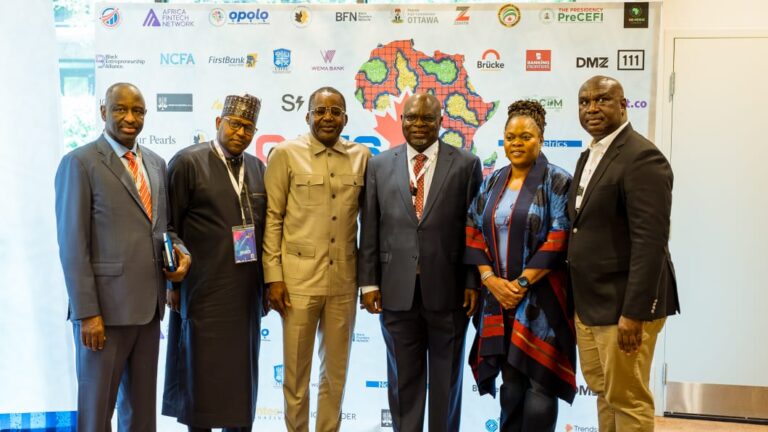
    FirstBank proudly sponsored the recently held Canada-Africa Fintech Summit (CAFS 2025), which took place from August 5–8 at the Sheraton Centre in Downtown Toronto. Convened by Dr. Segun Aina, President of the African Fintech Network, CAFS 2025 was a landmark event that united fintech leaders, regulators, startups, and investors from Africa and Canada to explore scalable digital solutions, encourage investment, and promote inclusive economic development across both continents.

    As a legacy institution with over 131 years of leadership in financial services, FirstBank’s sponsorship highlights its commitment to fostering cross-border collaboration, financial inclusion, and forward-thinking innovation in the global fintech landscape. Olayinka Ijabiyi, Ag. Group Head, Marketing and Corporate Communications at FirstBank, stated, “Our support of CAFS 2025 reflects our belief that collaboration between African and Canadian fintech ecosystems can lead to transformative innovations. FirstBank is proud to help shape that future.”

    During a high-level panel discussion with Rudy Cuzzeto, MPP for Mississauga–Lakeshore, and David Stevenson, Country Director for the United Nations World Food Programme (Nigeria), Chuma Ezirim, Group Executive for E-Business & Retail Products at FirstBank, stressed the significance of digital collaboration in Africa’s financial ecosystem. “We’re building APIs that understand regulatory bifurcation, who has access to what, and why.

    The technology is the easy part. The real challenge lies in maintaining security, consent, and performance,” he explained. “In Nigeria, fintech has evolved beyond disruption to convergence, integrating banks, fintechs, and regulators into an agile and accountable ecosystem.” He further emphasized that regulatory clarity is essential for building public trust and attracting private investment in fintech, stating, “The more we collaborate, the more lessons we learn, and the greater the benefits for consumers.”

    In a separate panel discussion, Rachel Adeshina, Chief Technology Officer at FirstBank, shared insights on harnessing AI to enhance credit access for the underbanked. “We’re addressing data poverty by using AI to interpret alternative data, allowing us to lend to individuals who might otherwise be invisible to the traditional credit system,” she noted. Adeshina highlighted that FirstBank has disbursed over ₦1 trillion in digital loans through this AI-driven model, achieving a remarkable repayment rate of over 99%.

    “This innovation was enabled not only by technology but also by a supportive environment, including API banking regulations, data privacy laws, and a shift from account-based to wallet-based banking,” she added. She also underscored the importance of scalability through collaboration, stating, “In a fragmented continent like Africa, digital scale will come from interoperability. Connecting the 54 markets is the next big challenge, and fintechs are ideally positioned to lead that initiative.”

    The summit formed part of Canada’s broader Africa Strategy, aimed at fostering economic partnerships, digital cooperation, and innovation exchange. As Africa’s digital finance ecosystem continues to grow and Canada develops its own open banking framework, events like CAFS 2025 provide a timely platform to align strategies and ignite collaborations.

  • Anambra Executive Council Re-Commits To State Development At 2025 Retreat

    Anambra Executive Council Re-Commits To State Development At 2025 Retreat

    The just-concluded retreat by the Anambra State Executive Council (ANSEC) has re-energized to consolidate the monumental achievements of  Governor Charles Soludo’s administration.

    The retreat, themed “Changing Gear—Accelerating the Execution of the Solution Agenda in 2025,” brought together members of ANSEC, Mayors of the 21 Local Government Areas, and other key stakeholders on January 13, 2025, at the International Convention Centre, Awka, Anambra State.

    In a release by the Commissioner for Information, Law Mefor, Governor Soludo presented a comprehensive review of the state’s government progress at the event, highlighting achievements and areas for improvement, with emphasis on collaboration among stakeholders for development.

    Other areas of deliberations include education, healthcare, infrastructure, and economic development, with solutions to key challenges and highlighted opportunities for growth purposes.

    Also on the front burner was the safety of the people of Anambra and their properties which led to the conclusion of plans for the launch of the state security network, code-named ‘Operation Udo Ga-Achi’ meaning ‘Operation Peace Shall Reign’, in January 2025, for a safer state.

    Soludo averred that ‘Operation Udo Ga-Achi’ signposts a new dawn in the state’s security landscape, and will involve a multifaceted approach to tackling insecurity, including community policing, intelligence gathering, and strategic partnerships with relevant stakeholders.

  • Meta Unveils Llama 3.1 Impact Grants to Empower  AI-Driven Organisations Across Africa, the Middle East, and Turkey

    Meta Unveils Llama 3.1 Impact Grants to Empower AI-Driven Organisations Across Africa, the Middle East, and Turkey

    Meta is excited to announce the launch of the Llama 3.1 Impact Grants, continuing its commitment to supporting innovative use cases of open-source AI to address critical global challenges. Building on the success of previous grant programs, the Llama 3.1 Impact Grants will provide up to $2 million USD in funding to organisations worldwide.

    The Llama 3.1 Impact Grants program invites proposals from organisations with ideas for using Llama 3.1 to address social challenges in their communities. Applications in areas such as economic development, science and innovation, public service and more will be given special consideration. Selected recipients will receive up to $500,000 USD and winners will be announced early next year.

    Speaking about the grant, Kojo Boakye, Vice President, Public Policy, Africa, the Middle East, and Turkiye, Meta commented: “We’re inspired by the diverse projects we’ve seen developers undertake around the world to positively impact their communities by building with Llama. We believe AI has more potential than any other modern technology to increase human productivity, creativity, and quality of life—and to accelerate economic growth while unlocking progress in medical and scientific research. The Llama 3.1 Impact Grants program presents an opportunity to further empower organisations to leverage AI for social good and to drive meaningful change.”

    To support prospective applicants, Meta will host a series of regional events, including virtual events, in-person hackathons, workshops, and training sessions in Egypt, Hong Kong, India, Indonesia, Japan, the Kingdom of Saudi Arabia, Korea, Latin America, North America, Pakistan, Singapore, Sub-Saharan Africa, Taiwan, Thailand, Turkey, the United Arab Emirates and Vietnam. These events will provide technical guidance and mentorship, fostering the development of impactful applications of Llama 3.1 in local contexts. Organisations participating in these events will be eligible for additional specialised awards of up to $100,000 USD.

    The inaugural Llama Impact Grants, announced in October 2023, received over 800 applications from 90+ countries. The 20 finalists have submitted their final proposals, and the grant recipients will be announced in September, alongside the recipients of the Llama Impact Innovation Awards.

    The application window for the Llama 3.1 Impact Grants is open from Monday, August 5, 2024, to Friday, November 22, 2024. Meta encourages eligible organisations to submit their proposals and take advantage of this opportunity to drive social impact through AI.  All proposals will be evaluated using the selection criteria here.

  • Feature: Locally Produced Sustainable Aviation Fuel will Boost Emission Reductions and Fuel Security in Africa

    Feature: Locally Produced Sustainable Aviation Fuel will Boost Emission Reductions and Fuel Security in Africa

    There are opportunities for Africa in the global transition to cleaner, sustainable aviation fuel (SAF), which will need to be indigenously produced to be truly sustainable

    By Omar Ali Adib

    African airlines play a vital role in unlocking trade, providing employment, increasing GDP, and demonstrating national and continental pride. However, they face formidable challenges, foremost among them being the cost of aircraft fuel, which exceeds global averages by up to 30%, which can be attributed to the lack of local refining capability, unique market dynamics, taxation and duties, and foreign exchange challenges from weakening local currencies.

    In the wake of the COVID-19 pandemic, Africa’s aviation sector has displayed remarkable resilience by returning to pre-pandemic levels. However, if African airlines are to continue to sustain their growth and competitiveness on the global stage, then they will need to fulfil some strategic objectives.

    The industry needs the best technologies to maximize operational efficiencies, defend and innovate fuel security, and develop our human resources.

    In terms of operational efficiency, Rolls-Royce has a role to play in supporting African airlines.

    Our engines power half of the world’s wide-body (twin-aisled) aircraft, connecting passengers, transporting food and goods, and delivering healthcare and humanitarian aid. The most technologically advanced members of the Rolls-Royce engine family are the Trent 7000, which powers the Airbus A330neo, the Trent XWB, which serves the Airbus A350, and, of course, the Trent 1000, which was designed for Boeing’s 787.  

    This engine family has continually evolved over the last 30 years. Since the first Trent engine took flight, Rolls-Royce has focused on improving engine performance and reliability, introducing advanced new manufacturing methods, materials, aerodynamics and digital technologies. Just recently, Rolls-Royce committed £1bn to a program that will enhance and advance not only new engines entering the market but also engines already in service. With this new billion-pound investment in new technologies, our existing customers will benefit from improved availability, reliability and fuel efficiency. 

    Today, a Rolls-Royce Trent XWB aero engine consumes 15% less fuel than the first generation of Trent engines, contributing to savings of about $6.4 million per aircraft per year.

    These savings can be even greater in Africa due to the higher cost of jet fuel.

    Turning to fuel innovation and security, there are opportunities for Africa in the global transition to cleaner, sustainable aviation fuel (SAF), which will need to be indigenously produced to be truly sustainable. This alternative African fuel would bring immediate benefits to emissions and longer-term fuel security. But the challenge is to produce SAF at scale.

    In addition to the well-documented benefits of SAF as a key enabler to reduce aviation carbon emissions by up to 80%.

    The subject of SAF will become increasingly important as, from 2025, all airlines flying into the European Union must use a 2% blend of SAF, which will gradually increase to 6% in 2030, 20% by 2035, 34% by 2040, and 70% by 2050. This move has prompted the recently established EU Global Gateway African Euro320bn Investment Package, half of which will be directed towards developing Africa’s SAF capabilities.

    Rolls-Royce has actively supported work to support 100% SAF adoption and our role has been to prove there are no technology impediments to its use at engine level. That is why we have recently completed our commitment to ensure all of our in-production civil aero engines are compatible with 100% SAF – a commitment underpinned by a series of tests on the ground and in the air. We were also pleased to support Virgin Atlantic, which operated the first-ever 100% SAF flight across the Atlantic from London to New York late last year, powered by Trent 1000 engines

    SAF can be made from waste cooking oils and biofuels produced from agricultural waste or the growing of feedstock plants on marginal lands unsuitable for food crops—a whole new sector of agriculture. The benefits of a regional SAF supply chain include increased energy security, reduced volatility of jet fuel supply and pricing, less forex exposure and economic development opportunities through local investments and job creation.

    Choosing the right aerospace technology that continues to advance and evolve while in service simultaneously reduces operating costs, bolsters our growing economy and strengthens our transition to indigenous and better-performing fuel.

    Africa has over 24% of the world’s agricultural land and 60% of the world’s uncultivated arable land. Thanks to partnerships forged between the government and private sector in East Africa, we are delighted to see the seeds are already being sown to develop a world-leading biofuel sector.

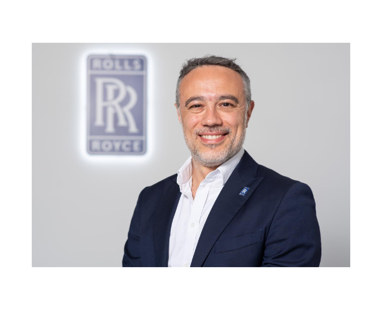
    Omar Ali Adib is the Senior Vice President – Middle East, Africa and Central Asia for the Rolls-Royce Civil Aerospace division

  • We will not Sell-Out by Phasing Out: African Negotiations Urged to Fight for Africa

    We will not Sell-Out by Phasing Out: African Negotiations Urged to Fight for Africa

    Oil and gas will play an instrumental role in Africa’s economy for decades to come, and as such, African producers will not agree to any phase-out of these resources

    Despite the fact that over 600 million people are still without access to electricity and over 900 million people lack access to clean cooking solution in Africa, the continent’s COP 28 negotiators are caving into pressure from the west, stating that Africa is open to a phase-out approach regarding fossil fuels. The African Energy Chamber (AEC), as the voice of the African energy sector, clarifies that this is not true. African producers – both established and emerging – are not willing to forfeit these previous resources for a global agenda, and the negotiators should not sell out on the hopes and aspirations of Africa.

    The African Group of Negotiators, established at COP 1 in Berlin, was created as an alliance of African member states to represent the interests of the region in international climate change negotiations. As a technical body that engages in discussions during COP, the group has an obligation to reflect the needs and objectives of the continent. However, what this COP is showing us, is that this group is not averse to pressures from the west. Rather, the group is promoting that Africa is willing and open to phasing out fossil fuels.

    Chaired by Ephraim Mwepya Shitima from the Republic of Zambia, the Group, while opposing a phase-out, has claimed that the continent would be prepared for a phase-down approach. This would entail the utilization of oil and gas in line with national development agendas, and thereafter a gradual phase-out. But this leaves Africa where? Argus Media reports that Nigeria’s Environment Minister, Isiaq Adekunle Salako stated that the phasing down of fossil fuels was inevitable and that Nigeria is prepared to back a just and orderly approach. Similarly, Argus reports that Uganda’s Minister of Energy Ruth Nankabirwa would also only support a phase-down approach.

    Rather than fight for the lesser of two evils, why not defend the continent’s right to keep oil and gas in its energy mix long-term? Why not promote economic development, defend the rights of the continent’s population and commit to an industrialized and energy secure future in Africa? Choosing a phase-down rather than a phase-out simply delays the inevitable, that Africa will one day be forced to give up its lifeline: oil and gas.

    “African negotiators need to stop lying and misinforming. African producers have not agreed to, neither are they open to phasing out fossil fuels. Negotiators need to be careful and remember who they are fighting for. Don’t let empty promises about technology and money cloud your judgement. This is not the time for Africa to fall into the trap of conforming to biased agendas. Don’t sell out – oil and gas will remain in Africa,” stated NJ Ayuk, Executive Chairman of the AEC.  

    Oil and gas will be the backbone of Africa’s economic growth. Looking at countries such as Angola, Libya and Nigeria – some of the biggest oil producers on the continent – phasing down or out will essentially remove the lifeline of these economies, leaving people in the dark. In Mozambique, Uganda, Namibia and Senegal, where large-scale projects are set to come online in the coming years, oil – and more specifically natural gas – is of crucial importance. Gas provides a clean energy alternative that will power industry, households and development. The resources will generate revenue, expand infrastructure while upskilling the local workforce. Through gas, countries in Africa will be able to not only develop but thrive.

    However, if these very countries are required to phase-down, their chances of reaching their full economic potential will be significantly reduced. Broken promises of technology and capital have not gone anywhere. Going forward, these same promises being directed towards the African negotiators will meet the same fate. 

    “African producers have not and will not agree to phasing out fossil fuels. Unlike the rest of the developed world, the continent has not yet had the chance to transform its economies through oil and gas. To develop, grow and address concerns such as energy poverty and industrialization, oil and gas will need to remain central for years to come,” Ayuk concluded.

  • Report: Travel & Tourism in Africa could boost continent’s economy by US$168BN within a decade

    Report: Travel & Tourism in Africa could boost continent’s economy by US$168BN within a decade

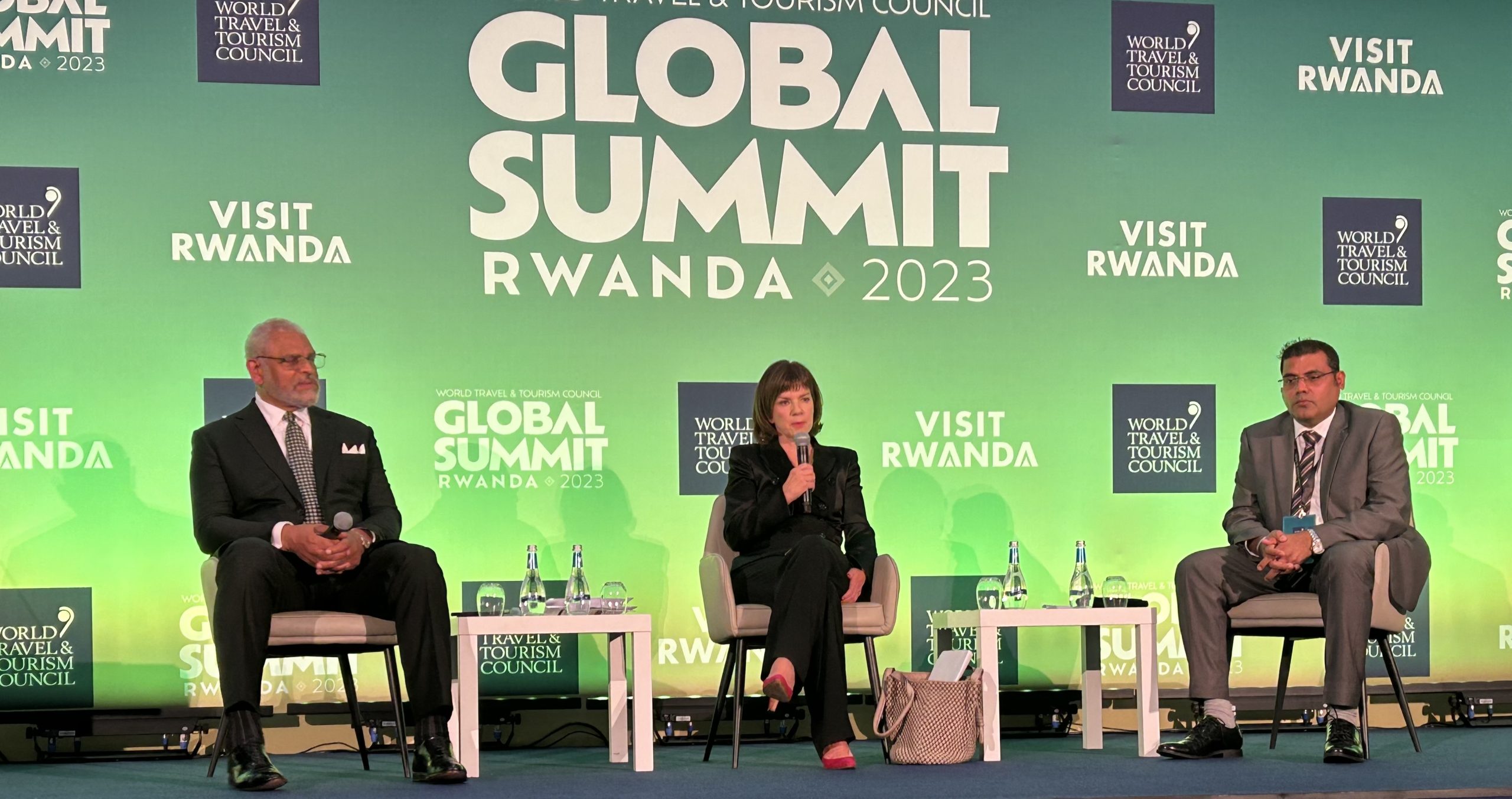
    At its Global Summit in Kigali today, the World Travel & Tourism Council (WTTC), in collaboration with VFS Global, revealed that the African Travel & Tourism sector could add US$168BN to the continent’s economy and create over 18 million new jobs.

    According to the report, ‘Unlocking Opportunities for Travel & Tourism Growth in Africa’, this potential growth is dependent on three key policies to unlock annualised growth of 6.5%, reaching a contribution of more than US$ 350BN.

    The report includes a policy package focused on improving Africa’s growth based on air infrastructure, visa facilitation and tourism marketing.

    Travel & Tourism is a powerhouse sector in Africa, with a contribution of more than US$ 186BN to the region’s economy in 2019, welcoming 84 million international travellers.

    The sector is also essential for employment, providing livelihoods to 25 million people, equating to 5.6% of all the jobs in the region.

    Speaking at the global tourism body’s Global Summit in Kigali today, Julia Simpson, WTTC President & CEO, said: “Africa’s Travel & Tourism sector has witnessed an extraordinary transformation. In just two decades, it has more than doubled in value, significantly contributing to the continent’s economy.

    “Growth potential for Travel & Tourism in Africa is massive. It has already more than doubled since 2000, and with the right policies could unlock an additional US$168 billion in the next decade.

    “Africa needs simplified visa processes, better air connectivity within the continent, and marketing campaigns to highlight the wealth of destinations in this breathtaking continent.”

    According to Zubin Karkaria, Founder & CEO, VFS Global, “We are excited to partner with WTTC to uncover the extensive opportunities that Travel & Tourism offers in Africa.”

    “Having established our presence in Africa since 2005 we are today the trusted partner of 38 governments who we serve across 55 cities in 35 countries in Africa.  VFS Global recognises the tremendous potential of Africa and remains deeply committed to supporting the continuing development of travel and tourism to and from the continent.

    “This report not only highlights the diverse prospects for economic growth, sustainable tourism, and cross-cultural collaboration but also provides valuable insights for governments to formulate policies and offers businesses a well-defined roadmap for expansion in this thriving market.”

    This report delves into the historical journey of the Travel & Tourism sector in Africa. It’s a story of facing challenges head-on, from the Global Financial Crisis in 2008 to the setbacks caused by disease outbreaks, and political instability.

    Despite all of these challenges, the Travel & Tourism sector is on a path to recovery.

    According to the global body, 2023 is projected to be a year of near-full recovery, only 1.9% shy of 2019 levels, as well as the creation of an additional near 1.8 million jobs.

    Opportunities for Africa

    The report highlights the opportunities for the sector, which include strategic investments improved connectivity, streamlined visa processes, reducing carbon footprint through low-carbon energy adoption, and enhancing water efficiency.

    These could unlock the potential for sustainable growth, job creation, and economic development in the African Travel & Tourism sector.

  • Lagos NUJ Honours Dangote as highest private employer in Nigeria

    Lagos NUJ Honours Dangote as highest private employer in Nigeria

     commends Group for critical infrastructure provision

    It was a night of accolades for Africa’s foremost business conglomerate, Dangote Industries Limited (DIL), as journalists in Lagos State conferred an award of excellence on the Group for its outstanding contributions to the economic development of Nigeria and Africa in general.

    The award, according to the journalists, was because of Dangote’s aggressive employment generation drive, which has seen thousands of able youths, gainfully employed in the Group as well as the commitment to provision of critical infrastructure.

    This award presentation was during the Gala/Awards Nite marking the end of the 2023 Press Week of the Nigeria Union of Journalists (NUJ) Lagos State Council, where some corporate organisations and certain individuals were also recognised for their contributions to society.

    The NUJ award for Dangote Group came barely a week after the conglomerate emerged as Nigeria’s Most Valuable Brand for the sixth consecutive year, an achievement that was announced by the brand and marketing firm, TOP 50 BRANDS NIGERIA, as part of its comprehensive 2023 Top Brands perception assessment.

    Dangote Cement Plc, a subsidiary of DIL, is the leading producer of Cement in the country and employs more than 65,000 direct workers and over 100,000 indirect workers, across all its Plants.

    The journalists specifically lauded Dangote Group over the leading roles played by the Company regarding backward integration in the cement and sugar industries with continuous expansion of its operations, both within and outside the country, which has transformed the nation from being import-dependent to self-sufficiency and thereby creating the much-needed jobs for the employable youths.

    Chairman of Lagos State Council of NUJ, Mr. Adeleye Ajayi, in his address of welcome said the Council set aside the Gala Nite as an occasion for his Council administration to reflect on its major landmarks, roll out the drums, and celebrate excellence by recognising those individuals and organisations who have made the journey eventful for the Council over the year.

    As parts of the landmarks recorded in the last three years, the Council boss enumerated some of the achievements including the successful completion of the building of the new Council secretariat complex, training of journalists, and allocation of lands to the subscribers to the Council estate project at Abaren in Ogun state.

    Mr. Ajayi also disclosed that the Council was almost completing the process of establishing a community radio station for the Council, adding that the NUJ is awaiting the issuance of a radio license by the Nigeria Broadcasting Commission (NBC).

    Of note, according to him, is the renaming of the popular NUJ Light House in Victoria Island to Lateef Kayode Jakande (LKJ) House in honour of one of the founding fathers of Journalism in Nigeria and former governor of Lagos state who passed on recently.

    Giving a goodwill message, an accomplished award-winning Journalist, now the Queen of Apomu-land, Her Majesty Olori Janet Afolabi, commended the Ajayi-led administration for its achievements so far and urged it not to rest on its oars.

    She decried the plight of media practitioners in the present-day economic crunch and insecurity but charged them not to succumb to the temptation of sacrificing the ethics of the profession.

    Describing the roles of journalists in society as indispensable, the Olori advised Journalists to report more on the happenings at the grassroots as many people at that level are suffering and their plight needs to be reported to elicit positive response from appropriate quarters.

    In the category of awards for organisation were the Dangote Group, Airtel Networks Nigeria Limited, and Nigerian Breweries Plc., while individuals conferred with awards included Senator Mukhail Abiru, of Lagos East senatorial district, Adewale Adedeji, of Ifako-Ijaiye Constituency 01, Lagos State House of Assembly and Mr. Fola Adeyemi, former Permanent Secretary, Ministry of Information and Strategy, Lagos State.

    Other recipients were Mr. Kehinde Bamigbetan, former Commissioner for Information and Strategy, Lagos State, and Prof. Hussaini Ibrahim, Director General, Raw Materials Research and Development Council, RMRDC.

    Speaking on behalf of Corporate Organisation award recipients, Mr. Francis Awowole-Browne of the Dangote Group said the corporate bodies cherished the award and will serve as the required catalyst to continue delivering goods and services that will ultimately transform the country’s economy.

    He thanked the NUJ for the honour, describing the award as a call to better partnership with members of the pen profession in the task of building a better Nigeria that can hold its own in the comity of nations.

    According to him: The Dangote Group has continued to garner global recognition through its expansion into other countries. These accomplishments, he said were a clear demonstration of the Group’s resolve to be the number one in Africa in meeting the needs of the people.

    The event was attended by the South West leaders of the NUJ, ably led by the Vice President, B Zone, Mrs. Ronke Samo.

    Other dignitaries in attendance included Deputy-Comptroller, Nigeria Customs Service, Haniel Hadison; General Manager, Radio Lagos/Eko FM, Mr. Jide Lawal; General Manager, Lagos Traffic Radio, Mr. Eyitayo Akanle; and Olori Adesola Kosoko, General Manager, Lagos Television, including Elders and Leaders of the Union amongst others.

  • Nasarawa State and NASENI To Partner On Lithium Processing Policy

    Nasarawa State and NASENI To Partner On Lithium Processing Policy

    The Nasarawa State government and the National Agency for Science and Engineering Infrastructure (NASENI) are set to partner on a lithium processing policy that would ensure that Lithium mined in the State is processed locally instead of exporting it raw.  

    The processing policy is in line with NASENI’s drive to encourage the processing of Strategic Solid Minerals and particularly to ensure that batteries are produced locally for both electric vehicles as well as other energy storage applications.

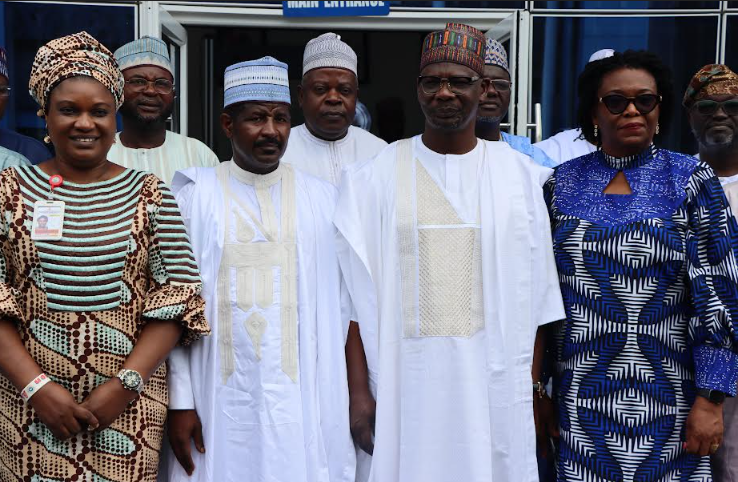
    This was disclosed when the Executive Governor of Nasarawa State, Engr. Abdullahi A. Sule paid a courtesy visit to Dr. Bashir Gwandu, the Executive Vice Chairman and Chief Executive Officer of NASENI at the Agency’s headquarters in Abuja at the weekend. Nasarawa state is one of the states acknowledged to have potentially the largest deposits of lithium in Nigeria.

    Recently NASENI has made headlines on its efforts to encourage investors and Nigerian lithium offtakers from around the world to come and partner with it to process various combinations of lithium into batteries locally. This will include lithium processing from mineral crushing and extraction all the way to final products that can be used both locally and also export to other countries.

    Some companies from China have already started visiting NASENI as a response to the call. Dr. Gwandu disclosed that NASENI will partner with other government agencies such as Rural Electricity Agency (REA), Nigerian Geological Survey Agency (NGSA) and other investing institutions on this effort.

    He said he was pleased that the Nasarawa state governor is coming to collaborate with NASENI in this regard. A number of companies have indicated interested in investing in Nasarawa state to process lithium in various quantities ranging from 1,000-3,000 tonnes per day. So far, almost 6,000 tonnes per day are projected to be processed daily in Nasarawa alone.  

    On his part, Governor Sule said the companies have already indicated interest to process the 6,000 tonnes per day in Nasarawa state, adding that other states such as Kebbi, Kwara, etc., might also attract such kind of companies and investments, and there is need for proper coordination, and for all hands to be on deck to ensure that Nigeria takes its place by being recognized as one of the largest lithium producers in the world.

    The Governor added that there is something happening that is akin to Gold Rush which he termed ‘Lithium Rush” happening in his state and this is because lithium price in the world market has jumped from $6,000 per metric tonnes to $78,000 per metric tonnes. “Nasarawa state has a large quantum of Lithium and hence the need to have a better working synergy with NASENI for purposeful exploration, extraction and processing.”

    According to Engr. Sule, NASENI is him, considering the number of projects that are adding value to the economy of his state, urging that the NASENI Solar in Gora may be used as lithium processing and battery production plant considering its proximity to the raw materials and also the proximity to the NASENI Solid Minerals institute which is also located in Nasarawa town in the same state.

    While promising to give the Agency necessary support, he called for more collaborations with the State as it plans a second economic summit that would be tagged “Lithium Rush Summit”.

    The EVC stated that during a recent visit to Nasarawa, he had encouraged the Institute to allow the use of its machines by the local communities and small companies for efficient utilization and capacity building and economic development.

    The governor who stated that he heard that the Agency was planning on building an airport, urged it to utilise the State’s cargo airport to evacuate its products.

    While responding further to His Excellency Governor Sule, Dr. Gwandu disclosed that NASENI does not have any plan to build an airport but is working on establishing an MRO/ARO as part of our efforts to develop capacity for both maintenance and eventual aircrafts parts production to service aerospace industry which is likely to be sited in Abuja in view of its location and electricity supply.

    He promised that NASENI will actively participate in any conference by the State concerning lithium. He said NASENI Institutes have industrial machineries and other equipment and workforce that were readily available to lead Nigeria to industrialize and achieve a diversified economy but doing this requires huge funds outlay to fulfil the Agency’s mandate.

    He requested the governor to be one of the ambassadors of NASENI in NGF. He said NGF holds key to the release of NASENI’s held up funds. 

    Moreover, he said the governors support is key to enabling the Agency to carry out its works in science, technology and innovation (STI), geared towards the industrial development at the States.

  • “Tinubu’s ultimatum to Niger Republic is Hasty and Ill-Advised”- LCCI

    “Tinubu’s ultimatum to Niger Republic is Hasty and Ill-Advised”- LCCI


    After the ultimatum issued by the Governments and Heads of State of the Economic Community of West African States (ECOWAS) on the 30th July, 2023, to the military junta in Niger on the restoration of democratic order or be faced with the use of military force.

    The Lagos Chamber of Commerce and Industry believes that President Bola Tinubu’s plan to deploy Nigerian troops in Niger to force out the coupists in the country is hasty and ill-advised.

    According to a statement signed by the President and Chairman of the Council, Asiwaju Michael Olawale-Cole, the Chamber, however, aligns itself with the regional body’s decision to restore democratic order in Niger, one of the world’s poorest countries through dialogue to achieve the objective.

    The Chamber proudly recalls the game-changing role ECOWAS through the ECOWAS Monitoring Group (ECOMOG), led by gallant Nigerian soldiers, played decades ago. Copied and praised by the United Nations (UN), ECOMOG was to become a model of peace enforcement for the rest of the world. The challenges in many spheres that the ECOWAS region faces today are succinctly quite different. Like seasons, time has changed. Economic growth in the sub-region is abysmally poor due to a high birth rate, weak productivity, manpower shortage and technological challenges.

    Today’s world is more polarised, and the propensity to engage in military conflict is high. In today’s world, countries’ actions and decisions are driven mainly by their strategic intents as they pursue their goals and objectives. At the Chamber, we are stressed to expose the strategic intentions and their benefits behind the inclination to use military force, whether in the near- or far-terms.

    In addition, the Chamber cautions that there may be certain undercurrents the ECOWAS leadership may not be aware of between the leaders and the populace in Niger.

    Currently, Nigeria has its political and economic challenges caused by insurgency by Boko Haram and weak security infrastructure. If we do not have the security paraphernalia to deal with Nigeria’s insecurity challenges, it would be detrimental to Nigerian society and economy to deploy troops to Niger. We understand the need of the Nigerian president, President Bola Tinubu as the Chairman of ECOWAS to make an impact. However, strategic dialogue would serve the purpose better. Nigerian troops should focus on solving our security problems, as this would promote trade, attract investment, and enhance economic development.

    While the Chamber backs the cutting off electricity supply to the country as one of the measures to bring the junta to its knees and the negotiating table, we do not support any decision to deploy Nigerian troops as part of the regional military force to Niger. Such a decision may have wider geographical implications. Besides, the consequences of war, if allowed to start, are likely too expensive for the weak economies of the member-states of the ECOWAS, especially at this time.

    We believe top-level political, consultative, and diplomatic engagements with the putschists will likely be more effective for the needed peace in the sub-region. We, therefore, urge the ECOWAS leaders to explore these routes to resolve the Nigerien impasse.

    Also the Nigerian Senate advised that Nigeria and the Economic Community of West African States (ECOWAS) should take other steps to reverse the coup. They have rejected the option of military action in the poor West African nation.

  • EFG Hermes Successfully Concludes Advisory to the Second Issuance for EFG Hermes Corp-Solutions in an EGP 2.0 billion Securitization Bond Offering

    EFG Hermes Successfully Concludes Advisory to the Second Issuance for EFG Hermes Corp-Solutions in an EGP 2.0 billion Securitization Bond Offering

    EFG Hermes, the leading investment bank franchise in Frontier Emerging Markets (FEM), and EFG Hermes Holding’s wholly-owned subsidiary, EFG Hermes Corp-Solutions, announced today the successful conclusion of the latter’s second issuance of a securitization bond worth EGP 2.0 billion. The bond is backed by a receivables portfolio of c. EGP 2.9 billion, representing 24 lease contracts.

    The securitization bond comprises of three tranches, where tranche A is valued at EGP 260 million, with a tenor of 13 months, and a credit rating of AA+ from Middle East Ratings and Investor Services (MERIS). Tranche B is valued at EGP 890 million, with a tenor of 36 months, and a credit rating of AA from MERIS. The final tranche, tranche C, is valued at EGP 850 million, with a tenor of 72 months, and a credit rating of A- from MERIS.

    Commenting on the issuance, Moustafa Gad, Co-Head of Investment Banking at EFG Hermes said, “Following the success of the first issuance in Corp-Solutions’ securitization program, we’re proud to have successfully concluded this second issuance, providing EFG Hermes Corp-Solutions with substantial new funding to expand their operations. The completion of this second transaction among many others reflects the DCM team’s commitment to support the growth of businesses during today’s challenging financial landscape, fostering job creation and economic development. With our all-embracing product offering in the DCM space and our strong team of top professionals in the field, our objective is to provide world-class corporate financing solutions and alternatives to serve our clients’ needs and adapt to the evolving market dynamics.”

    “This securitization transaction is another milestone met in accelerating our operational growth and solidifying our position in the Egyptian market, and we’re proud to have secured such high ratings despite being late comers to the market, a testament of our strong financial position and solid business strategy.” said CEO of EFG Hermes Corp-Solutions, Talal El Ayat. “Diversifying our funding sources helps us achieve our goals in expanding our operational footprint and growing our client base through providing a wide variety of novel financial solutions, as we continue our commitment to support private sector growth.”

    EFG Hermes Corp-Solutions enjoys a healthy and diverse client mix of 20% SMEs and 80% mid-cap to large corporations covering a myriad of sectors such as real estate development, logistics and maritime, printing and packaging, education, healthcare, trading and distribution, among others. This year, the company aims to focus on adding on more SMEs to its roster of clients and leveraging synergies across EFG Hermes Holding’s verticals and subsidiaries to further expand the business.

    By the end of July 2022, EFG Hermes Corp-Solutions’ leasing and factoring businesses ranked second YTD in the Egyptian market. The leasing business booked a 12.52% market share with a total value of contracts amounting to EGP 5.8 billion, while the factoring business recorded a market share of 13.99% with a total value of bookings amounting to EGP 2.4 billion – according to the latest FRA report.

    The issuance follows the Firm’s conclusion of a series of securitization transactions in 2022 including advisory on Pioneers Properties for Urban Development second securitization issuance, Bedaya Mortgage Finance’s first securitization issuance, a securitization issuance for MNHD, the sixth issuance for Premium International for Credit Services, and valU’s second securitization issuance. This is the second issuance for Corp-Solutions following on the heels of its first successful securitization issuance of EGP 750 million.

  • Senate Commends Dangote-Sinotruk’s Investment in Vehicle Assembling in Nigeria

    Senate Commends Dangote-Sinotruk’s Investment in Vehicle Assembling in Nigeria

    Chairman, Senate Committee on Industry, Senator Tokunbo Abiru has commended Dangote Sinotruk West Africa for its impressive commitment to Nigeria’s economic development through investment in a vehicle assembly plant in the country.

    According to him, with Dangote Sinotruk West Africa, Nigeria’s path to self-reliance in vehicle assembling has begun. “We want to encourage the company to continue to see how best to make Nigeria self-reliant in vehicle assembling as well as encourage other players in the value chain to also get on board”, he said.

    Abiru said in as much as members of the Senate Committee on Industry  would prefer a factory setting where almost everything are manufactured here in Nigeria, “we believe what Dangote Sinotruk has in place is a very good starting point towards achieving backward integration in vehicle assembling in Nigeria.”

    He stated: “What the company is doing is one of the ways you can advance the economy of this country. The company has a production line that assembles trucks that are needed for economic activities in Nigeria. For us in the Senate, this is a very good starting point. Our desire is for Completely Knocked Down parts (CKDs) to be manufactured here in Nigeria.

    “The Dangote Sinotruk plant will assist the government to preserve foreign exchange that would have been used to import trucks into the country. The company is also providing employment to many Nigerians. What we need on the part of government is to continue to support the company to grow,” Abiru added.

    In his remarks, Group General Manager, Dangote Sinotruk West Africa Limited, Hikmat Thapa, thanked the Senate Committee members for taking out time to tour the vehicle assembly plant.

    Thapa said the company seeks to meet the growing demand for the automobile industry required for logistics, construction, food & beverage industries in Nigeria to support the government’s efforts to boost economic development across the country.

    In his presentation to the Senate Committee members, Assistant Manager, Sinotruk West Africa, Engr. M.J Kogis, disclosed that to support the Federal Government’s backward integration drive for Nigerian products, the company is planning a project expansion to enhance value addition and increase local inputs to 40 – 60 percent within West Africa.

    According to him, Sinotruk has installed the capacity to assemble and produce 15 – 16 Trucks per shift, equivalent to 10,000 trucks annually, adding that this project aims to generate about 3,000 job opportunities across Nigeria. He added that the company has expanded its original structure to create welding and paint lines to fabricate various truck cabins.

    “Aside from creating an ‘All-in-one’ complete assembly system, this expansion project enhances the local content of CKD operation. Dangote Sinotruk West Africa Limited is the only company with CKD capabilities in West Africa.

    “The quality products of Sinotruk are of high standard which is reliable and adaptable to any environment, enabling them to stably serve our customers in various climatic environments, working sites, and operational conditions of different countries”, he said.

    Kogis identified a lack of foreign exchange and unhealthy competition with automobile companies evading government policies and regulations without proper certification for CKD assembly as some of the challenges confronting the company. “Certified automobile companies tend to run at a loss when placed on the same platform of expenditure”, he added.

    He urged the Federal Government to review and implement favourable policies toward the development of automobile companies in Nigeria. He also called on the government to provide grants and financial aid through the Bank of Industry (BOI) and direct forex allocation from the Central Bank of Nigeria (CBN) for the opening of Letters of Credit (L.C.)

    Speaking on the importance of Dangote Sinotruk on Nigeria’s economic development, Kogis stated: “Dangote Sinotruk West Africa Limited as a Joint Venture aims to play a strategic and key role in the manufacturing and assembly industry to develop trucks to serve the various logistics needs of the populace. With this goal in mind, we are structured to provide employment opportunities to the masses in line with Dangote Group objectives as well as improve local automobile industry and promote the economic development in Nigeria.”

    He said the company has the responsibility to assemble and produce a full range of commercial vehicles covering Heavy-Duty trucks, Medium-Duty trucks, Light Trucks, and other semi-trailers, etc.

    He added that the company provides employment opportunities to Nigerians, improves the local automobile industry, adds equipment base and achieves technological advancement in Nigeria to promote the economic development in Nigeria.

  • Stanbic IBTC Enhances Intercontinental Trade, Holds Africa-China Trade Expo

    Stanbic IBTC Enhances Intercontinental Trade, Holds Africa-China Trade Expo

    Stanbic IBTC Holdings, a member of Standard Bank Group, remained relentless in enhancing international trade between Africa and China. The financial institution recently hosted the Africa-China Trade Expo to promote trade relations and boost economic prosperity in the two regions.

    The two-day hybrid event, which was held on 10 and 11 August 2022, featured industry experts and professionals from Nigeria, South Africa, and China. The event, themed ‘Synergy for Growth’, focused on export enablement and import policies, bilateral trade relations, product exhibitions by Nigerian and Chinese businesses, and the various means through which Stanbic IBTC had facilitated trade between Nigeria and China.

    In his opening remarks, the Chief Executive of Stanbic IBTC Bank, Wole Adeniyi, disclosed that Stanbic IBTC’s Africa China Trade Solutions (ACTS) had connected numerous Nigerians to over 16,000 Chinese suppliers, and thereby promoted valuable trade relationships between the two economies. He said: “Through our relationship with the Industrial and Commercial Bank of China (ICBC), we connect various businesses while we create opportunities to generate foreign exchange for the country.”

    The need for business-friendly import and export policies was extensively addressed at the event. Ade Otukomaya, Head, Africa China Banking, Stanbic IBTC Bank, stated that business-friendly import and export policies would facilitate increased intra-regional and international trade. “Policies, which are a deliberate system of guidelines to achieve rational outcomes, are key to improving trade relations. We want to encourage more trade and pursue open trade policies with other nations such as China, to catalyze the growth of Africa’s economy,” Ade said.

    In the same vein, Remy Osuagwu, Executive Director, Business and Commercial Clients, Stanbic IBTC Bank, said: “African businesses can now export agro commodities and other products to China at subsidized rates. Chinese clients can also import and export goods and services from their provinces to Africa at lower costs. This will increase revenue for both nations, encourage market diversification and foster better international economic cooperation between the two nations. Our trade partners, Zhejiang International Trading Supply Chain Limited, have simplified the processes to enable seamless trade transactions between clients in both nations.”

    According to Remy, improved trade relations between Africa and China will trigger business growth, which in turn will promote the development of commercial trade services, enhance import and export of commodities, and boost economic development.

    Remy highlighted that market diversification, would yield positive results. “The sole focus on the domestic market exposes clients to an increased risk from downturns in the economy, environmental events, or other risk factors. Less dependence on a single market helps to mitigate potential risks and can open avenues for new product lines or commodities across nations. The Africa-China Banking Conference and Exhibition will provide a new platform for economic cooperation, coordination of import and export of bulk commodities, trade promotion activities, and the sustained development of our foreign trade relations with China.”

    Seun Ogundolapo, Head Trade, Transactional Products and Services, Stanbic IBTC Bank, remarked that the RT200 FX Policy by the Central Bank of Nigeria (CBN) will encourage more businesses to go into export as well as prompt exporters to add value to the commodities they export.

    He said “The RT200 policy is designed to increase the nation’s earnings exclusively from non-oil exports to $200 billion in foreign exchange repatriation, within the next three to five years. This is also in line with our mandate to promote exports of agro commodities and semi-finished or finished goods to other countries.”