Tag: Europe

  • NCC Lauds Ministerial Initiative on Girls ICT Empowerment, Hosts 185 Students on Industry Excursion Tour

    NCC Lauds Ministerial Initiative on Girls ICT Empowerment, Hosts 185 Students on Industry Excursion Tour

    The Nigerian Communications Commission (NCC) has commended the Minister of Communications, Innovation and Digital Economy, Dr. Bosun Tijani, for championing initiatives aimed at empowering the younger generation with digital knowledge and skills, especially the Nigerian girls.

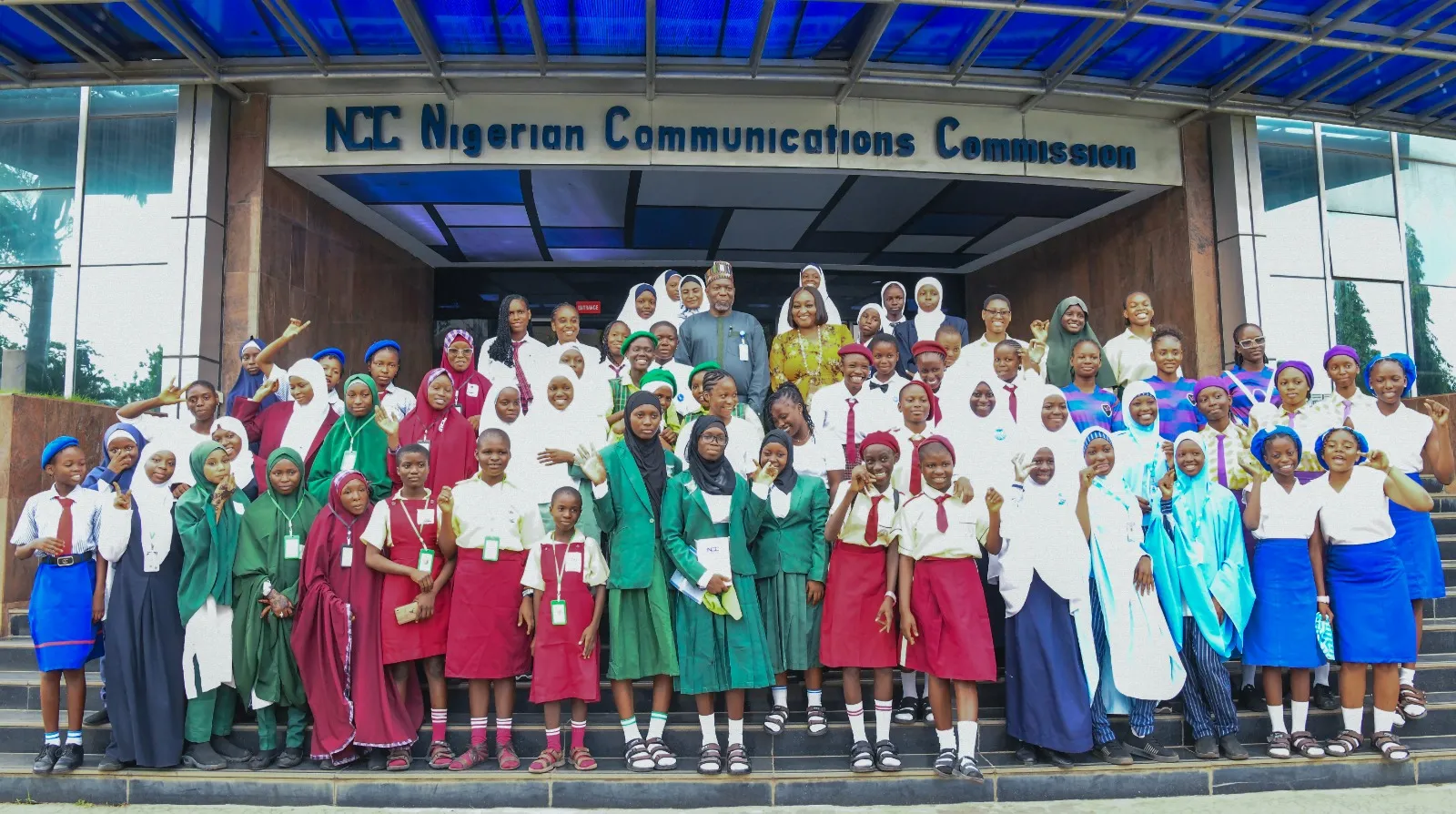
    Speaking while conducting 185 contestants of the 2026 National Girls in ICT (NG-ICT) Competition on a tour of the National Communication Museum domiciled at the Commission in Abuja on Thursday, the Executive Vice Chairman (EVC) of the NCC, Dr. Aminu Maida, said the initiative also aligns with the Commission’s digital literacy advocacy.

    According to a statement by the NCC Spokesperson, Nnenna Ukoha, the contestants were selected by the Ministry across the country’s geo-political zones for competition to promote digital inclusion and inspire greater participation of girls in Information and Communication Technology (ICT) and other Science, Technology, Engineering and Mathematics (STEM) disciplines.

    The visit to the Commission by the students formed part of activities organised by the Minister under the National Girls in ICT Programme, an initiative aimed at bridging the gender gap in the technology sector by equipping young girls with digital skills, mentorship opportunities and exposure to innovation.

    Maida, who was represented by the Director, Research and Development Department, Babagana Digima, noted that the museum tour was designed to create a link between the old and new generations in Nigeria’s telecommunications journey, helping young people appreciate the sector’s transformation from analogue systems to the current digital revolution.

    During the study tour, NCC officials guided the students through exhibits and historical artefacts that document key milestones in Nigeria’s telecommunications history and the evolution of the communications sector to date. He emphasised that understanding the industry’s history would inspire the participants to contribute meaningfully to the future of digital innovation in Nigeria.

    The EVC noted that exposing young people to the history of technological advancement and innovation is essential to building a new generation of leaders for Nigeria’s growing digital economy.

    “The whole idea behind this is that we are looking at the younger generation. We want to show them what communication is all about. This place is a museum meant to preserve the history of what has gone before and to keep the artefacts, ensuring that people see the evolution from the postal system to telegraphy, from analogue systems to the digital era.

    “This is essentially what we are showing them in the shortest amount of time and, of course, to excite the curiosity of the young ones. When they see what happened in the past and how it has progressed into the future, they can also take it up from here and think about what it will look like going forward. That is the whole essence of having them here,” he said.

    During the tour, the participants learned about generational trends in telecommunications development, dating back to 1886 when the colonial administration established first communication facilities primarily to support administrative functions.  They were also taken through the history of the country’s early telegraph services, which linked Lagos to other parts of West Africa and Europe through submarine cable connections.

    The tour highlighted the state of telecommunications at Independence in 1960, when Nigeria had only 18,724 telephone lines serving an estimated population of about 40 million people. The students were also briefed on various development plans that followed Independence, the operations of the former Department of Posts and Telecommunications (P&T) and Nigerian External Telecommunications (NET) Limited, as well as the establishment of the Nigerian Telecommunications Limited (NITEL) in 1985 to coordinate the provision of internal and external telecommunications services.

    A major highlight of the visit was the display of rare historical artefacts preserved at the NCC Museum. Among the exhibits were a Post Office Counter dating back to 1852, Sorting Racks introduced to Lagos in 1852, the Grand “T” Key used at the Lagos Post Office in the nineteenth century, leather mail bags dating back to 1863, Drop Bag fittings from the late 20th Century, a 511A Letter Scale from the mid-20th Century, an Improved Dynamometer Scale from the 1920, Telegram machines, Teleprinter T100, Cordless PBX, Digital Card Phone and others.

  • International dialogue on forcibly replaced Ukrainian children, led by Ukraine, Canada and the European Union

    International dialogue on forcibly replaced Ukrainian children, led by Ukraine, Canada and the European Union

    • 63 countries and international organisations gathered in Brussels to discuss the long-term impact of war on children forcibly taken from their homeland.
    • Co-chaired by Ukraine and Canada, the Coalition discussed returning children, rehabilitation and reintegration as well as preventing the militarisation of children.
    • Discussions focused on uniting international efforts to protect children affected by the war, support their recovery, and facilitate safe reunification with their families and communities. 
    • Switzerland and Cyprus joined the Coalition, reflecting broader international engagement on child protection in conflict settings.

    The International Coalition for the Return of Ukrainian Children met in Brussels on Monday, bringing together representatives from 63 countries and international organisations to discuss international approaches to protecting children affected by armed conflict.

    The meeting, co-chaired by Ukraine, Canada and hosted by the European Union (EU), focused on how countries can work together to return forcibly deported children to their families, communities and cultural environments, while also supporting their long-term recovery and reintegration.

    Participants discussed approaches to child protection, rehabilitation, trauma recovery, access to education and the challenges faced by children exposed to militarisation, displacement and conflict-related disruption.

    The Coalition also discussed the importance of international coordination in supporting the safe return of children and ensuring systems are in place to help them recover from trauma of war and deportation and rebuild stable and peaceful lives. 

    Bring Kids Back UA, launched by President Zelenskyy in 2023 provides the national framework for Ukraine’s efforts to return children, support their recovery and reintegration. The International Coalition for the Return of Ukrainian Children serves as a platform for coordinating the diplomatic, humanitarian, legal, and informational efforts to achieve the objectives of Bring Kids Back UA – to ensure justice and safe return for thousands of deported children.

    Recruitment of children into armed activity, exposure to military training, and separating them from family and community can have long-lasting efforts on their wellbeing and identity. The involvement of children in war limits opportunity for a peaceful life and can – and has – cost lives. Coalition members emphasised the importance of rehabilitation programmes that prioritise psychological support, education, family and community reintegration. 

    HE Ms Tokozile Xasa, Ambassador of South African to the EU was in attendance, and the Coalition welcomed Switzerland and Cyprus as full members joining other countries including Argentina, Japan, Italy, the United States, Panama, Ireland and Ukraine, increasing the total membership to 49 members.

    Partners also discussed ongoing diplomatic engagement, support mechanisms for returned children and families, and the importance of sharing best practice on reintegration and recovery. The European Union, the US, Lithuania, the UK, Germany and Canada committed a combined USD$100m to ensure important work in supporting returned children and their families can continue.

    Coalition members agreed to coordinated sanctions, synchronised across members spanning Europe, North America, South America, Asia, and Oceania.

    Ukraine has officially confirmed over 20,000 cases of deportation and forced transfer of Ukrainian children to Russia. The Russian Federation itself reported it had transferred 744,000 Ukrainian children from the territories it occupied.

    The safe return of Ukrainian children is an important step towards bringing peace to Ukraine, and broader European security. Only once children are safe in their homeland, can peace be meaningfully achieved. 

    Minister Andrii Sybiha stressed that international efforts are invaluable:

    “We speak not only about returning children — we speak about a triple return. Return every child, return Ukraine to every child, and return childhood to these children. Statements are not enough. Words of empathy are not enough. Actions, both political and legal, are needed to ensure accountability and bring our kids back home. And of course, the best thing we can bring to our children is peace.”

    The meeting followed a joint non-governmental organisations statement issued in late April in Ukraine, which set out 12 recommendations, including strengthening and expanding the use of legal mechanisms to protect affected children and continued political and economic pressure to ensure the immediate, safe and unconditional return of all Ukrainian children. 

    The Coalition aims to combine expertise and resources to raise international awareness and secure the children’s safe return. 

    The expansion of the Coalition’s membership, alongside significant new financial commitments, reflects a strengthened international effort to support Ukraine’s work to ensure every unlawfully taken child is accounted for, returned, and given the support needed to recover. 

  • Feature: Delta Grounds Lagos Flight, Passengers Stranded — But Where Is the Social Media Fury?

    Feature: Delta Grounds Lagos Flight, Passengers Stranded — But Where Is the Social Media Fury?

    By Fred Chukwuelobe

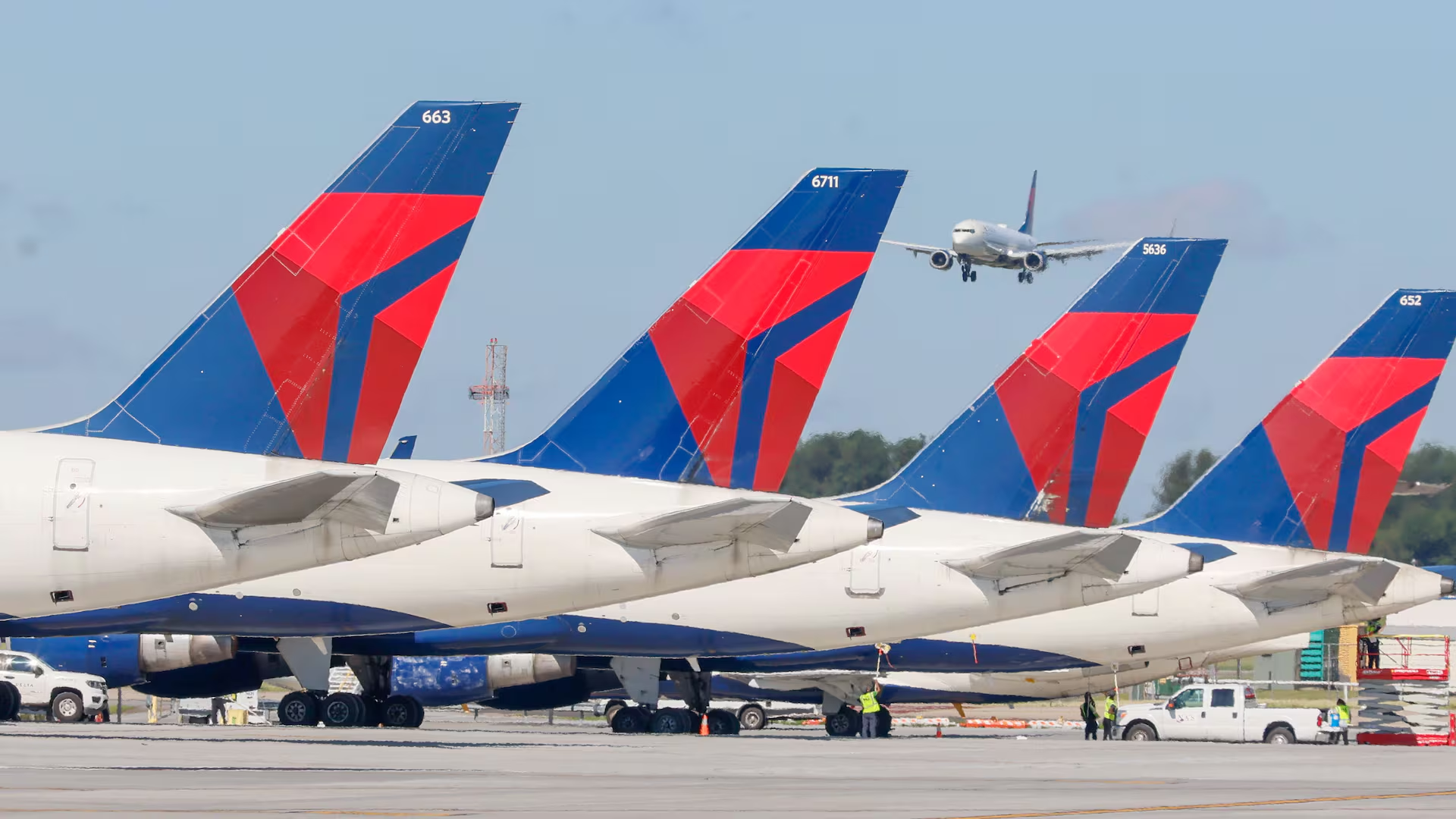
    Passengers scheduled to travel aboard Delta Airlines flight DL055 from Lagos to Atlanta were left stranded at the Murtala Muhammed International Airport, Lagos, after the American carrier abruptly cancelled the flight scheduled to depart at 11:45 a.m.

    According to information gathered from some of the affected passengers, the airline attributed the cancellation to a technical issue involving the operating aircraft in Atlanta, United States. In aviation, such situations are not unusual. Airlines across the world routinely delay or cancel flights whenever there are concerns about the airworthiness or safety of an aircraft. Safety, after all, remains the cornerstone of global aviation practice. No responsible airline is expected to operate equipment considered unsafe for passengers, crew, or cargo.

    However, beyond safety, there is another critical obligation airlines owe passengers – communication, transparency, and care during disruptions.

    What appeared striking in the Delta situation was not merely the cancellation itself, but the seeming absence of proper communication and passenger management. Some affected passengers alleged that they received little or no direct explanation from the airline and were simply advised to contact their booking agents. At the airport, the only visible personnel attending to passengers appeared to be staff of the Nigerian Aviation Handling Company (NAHCO), while Delta representatives remained largely invisible.

    Premium passengers, according to one of them whom I was seeing off, were only contacted at the airport upon arrival for check-in. They were informed that they would be accommodated on subsequent flights, subject to seat availability, or be downgraded to Economy Class. Economy passengers, however, were reportedly left to fend for themselves, struggling in queues in search of information about what to do next.

    Yet, despite the frustration, the atmosphere at the airport remained unusually calm.

    There were no angry social media livestreams. No celebrities recording emotional videos. No trending hashtags calling for a boycott of Delta Airlines. No loud accusations that the airline was “wicked,” “insensitive,” or “incompetent.” The passengers simply endured the inconvenience quietly. If it were a Nigerian carrier, many passengers would have been demanding to be flown first in subsequent flights and holding the airline staff “hostage.” But now they are silent.

    That silence raises uncomfortable but important questions about public attitudes toward airlines in Nigeria.

    If the same incident had involved a Nigerian carrier, particularly a major indigenous airline, social media would almost certainly have erupted in outrage. Videos would flood TikTok, Instagram, Facebook, and X within minutes. Influencers and celebrities would issue emotional condemnations. Commentators would portray the airline as evidence of everything allegedly wrong with Nigeria.

    Why then do many Nigerian passengers react differently when foreign airlines are involved?

    This is not an attempt to excuse delays or cancellations by local airlines. Passengers have every right to express dissatisfaction whenever airlines fail to meet their obligations. Flight disruptions can be stressful, expensive, and emotionally draining. Airlines – whether Nigerian or foreign – must be held accountable for how they treat passengers during such situations.

    But fairness demands consistency.

    Delays and cancellations are not uniquely Nigerian problems. They are part of global aviation realities. Weather conditions, technical faults, operational limitations, air traffic congestion, crew issues, and safety concerns disrupt flights daily across Europe, America, Asia, and Africa. What matters is how airlines manage the disruptions and how regulators enforce passenger rights.

    Only recently, an Air Peace flight from London Gatwick to Lagos suffered a bird strike, forcing the airline to ground the aircraft for mandatory safety inspections and maintenance. The airline communicated with passengers, provided hotel accommodation, and rebooked affected travellers on subsequent flights. Yet the incident generated massive social media outrage, amplified by celebrities and influencers, including Nollywood actress, Funke Akindele and an earlier video by reality TV personality, Tacha.

    The same level of public outrage is rarely directed at foreign carriers operating in Nigeria, even when passengers experience similar or worse treatment.

    This double standard deserves serious reflection.

    Why are Nigerian airlines subjected to intense public hostility while foreign operators often receive patience, understanding, or even silence? Is it an inferiority complex rooted in colonial mentality? Is it fear of visa implications or perceived repercussions from foreign countries? Or is it simply a deeply ingrained belief that foreign brands are automatically superior, regardless of how they behave?

    These are uncomfortable questions, but they must be asked honestly.

    The Nigerian Civil Aviation Authority (NCAA) also has a responsibility to ensure fairness and accountability across the board. Regulatory oversight should not appear selective. Foreign airlines operating in Nigeria must be subject to the same scrutiny and consumer protection standards as indigenous carriers. Passenger rights are universal and should not depend on the nationality of the airline involved.

    At the same time, Nigerians must resist the growing culture of indiscriminate social media demarketing targeted almost exclusively at local operators. Constructive criticism is legitimate. Deliberate campaigns designed to damage indigenous airlines while excusing foreign carriers are not.

    Nigeria cannot aspire to build globally competitive aviation brands if its own citizens consistently undermine them at every opportunity while romanticising foreign competitors that often operate under the same industry realities.

    Aviation is a difficult business worldwide. Delays happen. Technical faults happen. Cancellations happen. What should matter is professionalism, transparency, passenger care, and regulatory accountability — not the nationality of the airline involved.

    (c) Fred Chukwuelobe, fnipr

  • Emirates Named World’s Most Profitable Airline After Record US$6.6 Billion Group Profit

    Emirates Named World’s Most Profitable Airline After Record US$6.6 Billion Group Profit

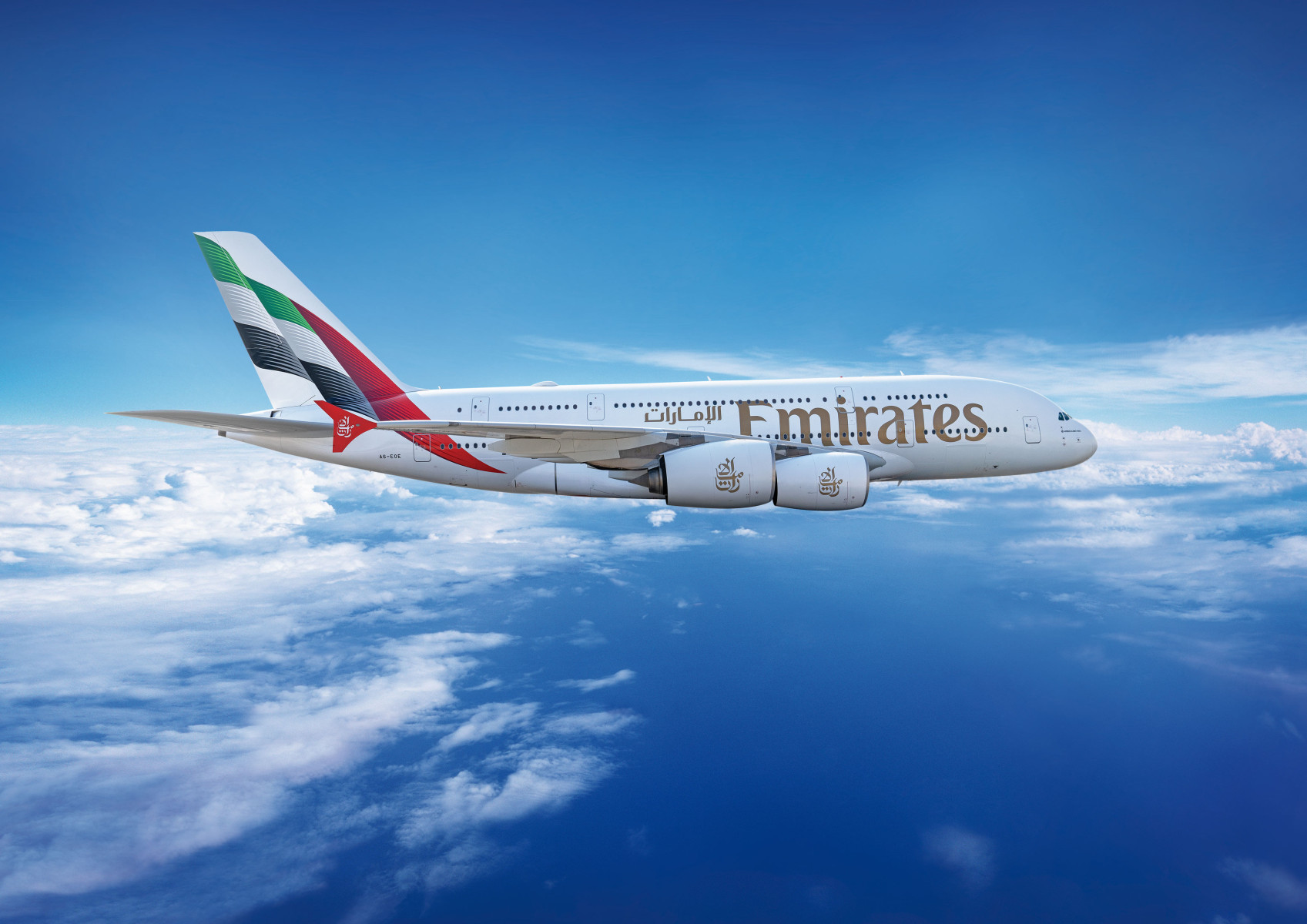
    The Emirates Group has announced record-breaking financial results for the 2025-26 fiscal year, with Emirates retaining its position as the world’s most profitable airline despite major regional disruptions late in the reporting period.

    The Group posted a record profit before tax of AED 24.4 billion (US$6.6 billion), up 7% year-over-year, alongside record revenue of AED 150.5 billion (US$41 billion) and record cash assets of AED 59.6 billion (US$16.2 billion).

    His Highness Sheikh Ahmed bin Saeed Al Maktoum, Chairman and Chief Executive, Emirates airline and Group said: “These outstanding results, despite significant challenges in the last month of our financial year, reaffirm the strength and resilience of the Emirates Group’s business model, which is rooted in safety, excellence, innovation, people and partnerships.

    “For the first 11 months of 2025-26, the picture across the Group was very positive. Strong demand for our products and services was driving revenue, and we were achieving healthy margins thanks to our sustained investments in product, people, technology and brand. Month after month, we were surpassing our targets.

    “On 28 February, military activity massively disrupted global commercial air traffic in the Gulf region, including in the UAE. Emirates and dnata quickly mobilised to support our people and affected customers, protect our assets, and ensure business continuity.”

    HH Sheikh Ahmed added: “The Emirates Group has navigated crises and disruptions before. Each time, we placed our focus on our customers and our people, and each time, we have bounced back stronger.  

    “Our people are a big part of our success, enabling us to respond with agility in a dynamic operating environment. I’d like to thank all our employees – they have truly exemplified the qualities that set the Emirates Group apart during testing times.

    In 2025-26, the Group collectively invested AED 17.9 billion (US$ 4.9 billion) in new aircraft, facilities, equipment, and the latest technologies to support its growth plans.

    The Group’s total workforce grew by 8% to 130,919 employees, as Emirates and dnata continued recruitment activity around the world to support its expanding operations and boost its future capabilities. The Group’s UAE national workforce also grew to surpass 4,000, showing the success of its programmes to attract, grow and retain local talent.

    “From a fuel perspective, Emirates is well-hedged until 2028-29; and we have worked with our suppliers to secure the volumes required to support our current operations and our scaling up to pre-disruption levels. At dnata and across the Group, our business streams, scale, portfolio mix, and years of investments give us the resilience and agility to address any near-term challenges.

    “Our fundamentals are strong. The Emirates Group’s proven business model is unchanged.  Dubai’s place at the nexus of global commerce, trade and travel flows is unchanged. Our ambition to be the best in the world, and to be of service to the world, is unchanged.”

    During the year, Emirates’ global network spanned 152 cities in 80 countries. Emirates also grew its partnerships to 32 codeshare and 117 interline partners, providing customers smooth access to over 1,700 cities beyond its network.  

    At the 2025 Dubai Airshow, Emirates announced further fleet investments worth US$ 41.4 billion at list prices – for 65 more Boeing 777-9s and 8 more A350-900 aircraft. At 31 March, Emirates’ order book had 367 aircraft, comprising of: 54 A350s, 270 Boeing 777x, 35 787s, and 8 777Fs, with deliveries scheduled through to 2038.

    Emirates carried 53.2 million passengers (down 1%) in 2025-26, with seat capacity down by 1%. The airline reports a Passenger Seat Factor of 78.4%, a marginal decline from 78.9% last year. Passenger yield was higher by 4% at 38.1 fils (10.4 US cents) per Revenue Passenger Kilometre (RPKM).  

    Emirates launched a new “Accessible and Inclusive Travel Hub” on emirates.com to help travellers with varying accessibility requirements plan their journey. It also introduced new onboard sensory products and fidget toys for children and adults, and organised “travel rehearsals” at dozens of airports worldwide to help ease travel anxiety for children with autism and their families.

    Emirates SkyCargo also delivered an outstanding year, carrying 2.4 million tonnes of goods around the world, up 3% from the previous year.

    Emirates continued to deploy simple forward contracts to hedge against Brent crude oil and refining margins; and used long-term interest rate hedges to mitigate the impact of interest rate fluctuations. 

    Emirates subsidiary, dnata’s total revenue increased by 12% to hit a new record of AED 23.6 billion (US$ 6.4 billion), driven by increased flight and travel activity across the world, particularly in its major markets: Australia, Europe, the UAE, UK, and US.

    The Emirates Airline Foundation continuing its work with social entrepreneurs and NGOs to provide disadvantaged children with education, shelter, food and medical services. This year, the Foundation supported 13 active projects around the world and provided over 500 flight tickets for medical missions.

  • Emirates is reconnecting the world through Dubai with 96% of its global network restored

    Emirates is reconnecting the world through Dubai with 96% of its global network restored

    Emirates is marking a near-full return to operations, with 96% of its global network now restored, following a period of disruption. In the past weeks, the airline has progressively resumed services across the Americas, Europe, Africa, West Asia, the Middle East/GCC, the Far East and Australasia.

    Today, the airline operates to 137 destinations across 72 countries, with over 1,300 weekly frequencies, representing 75% of pre-disruption capacity. The airline is offering more flights, more seats and more options each day while reaffirming Dubai’s position as a vital hub through which global travel moves.

    Even as it operated with a reduced schedule, Emirates carried 4.7 million passengers* during the disruption, a testament to the enduring demand for travel and the trust that travellers continued to place in the airline to get them where they needed to go.

    The Emirates experience, wherever you’re going

    Wherever Emirates customers choose to fly, they can expect a best-in-class onboard and onground experience, defined by exceptional comfort, genuine hospitality, and a level of service that has set the standard for long-haul travel.  

    Onboard, customers enjoy a unique culinary experience, with regionally inspired, multi-course menus developed by a team of award-winning chefs and complemented by a wide selection of premium beverages. Emirates’ award-winning ice inflight entertainment system offers more than 6,500 channels of the best global content in almost 40 languages, including movies, TV shows, music, podcasts, games, audiobooks and more, ensuring there is no such thing as a long flight.

    And for those who need to stay connected, high-speed Wi-Fi keeps customers reachable at 40,000 feet. Emirates now has Starlink connectivity live on 28 aircraft, delivering ultra-fast, reliable internet in the air.

    Enjoy flexible travel and rewards

    Emirates is giving customers more reasons to travel with confidence with flexible rebooking, Dubai Connect stopover experiences and enhanced Skywards benefits:

    · Flexible bookings: Customers booked from 2 April will enjoy added flexibility, with one free date change included across all cabin classes. Customers who have booked with Emirates can also hold a fare for 24 hours free of charge.

    · Dubai Connect: For customers with extended transit times in Dubai from 6 to 26 hours, Emirates’ Dubai Connect programme turns a long layover into a comfortable stopover, courtesy of the airline. Eligible customers will enjoy complimentary hotel accommodation at a 4 or 5-star property, airport transfers, meals, and, where required, a UAE entry visa. Available to passengers across all cabin classes with qualifying connection times, Dubai Connect can be booked up to 12 hours ahead via Manage Your Booking on emirates.comTerms and conditions apply. 

    · Skywards: From 1 May to 31 August 2026, Emirates Skywards members can enjoy accelerated access to the programme’s premium tiers through reduced tier requirements and Bonus Tier Miles on Emirates and flydubai flights.

    *Between 1 March and 30 April

    Emirates currently operates 1 daily flight from Dubai to Lagos, ensuring reliable and consistent connectivity for customers travelling to/from Nigeria.

  • Passpoint Announces the Financial Orchestration Layer for Africa, Europe, and the G20

    Passpoint Announces the Financial Orchestration Layer for Africa, Europe, and the G20


    The financial infrastructure company unifies payments, compliance, liquidity, and settlement into a single programmable control plane, processing billions in annualised volume across 16 corridors for 300 plus merchants globally

    Passpoint, the financial infrastructure company building the orchestration layer for cross-border financial operations, today announced its formal positioning as the financial orchestration layer for Africa, Europe, and the G20. The announcement marks a defining moment for a company that has spent the past several years building the infrastructure layer that the African and global payment ecosystem has been missing: not another gateway, not another PSP, but the governed control plane that sits above the rails and makes fragmented markets operable as one.

    Passpoint today processes millions of dollars in annualised payment volume across more than 300 merchants in 16 corridors spanning Nigeria, Kenya, Tanzania, Uganda, Cameroon, the XOF region, the European Union, the United Kingdom, and the United States. The platform is live, scaled, and used by fintechs, enterprises, gaming operators, remittance providers, marketplaces, and SaaS platforms building and operating across the intersection of African and global payment markets.

    The Infrastructure Gap Passpoint Was Built to Close
    Africa’s payment infrastructure has developed market by market, producing a continent of powerful but fragmented rails. M-Pesa in Kenya. The NIP interbank network in Nigeria. Mobile money operators across francophone West Africa. Electronic Funds Transfer (EFT) system in South Africa. Each rail solves a real problem in its specific market. None of them solve the problem that scaling businesses face when they need to operate across all of them simultaneously, while managing compliance in multiple jurisdictions, FX across multiple currencies, and settlement across multiple time zones.

    The businesses attempting to solve this problem through a patchwork of individual provider integrations face a compounding operational burden: engineering teams spending 30 to 50 per cent of their payment-related capacity on maintenance rather than product development, finance teams manually reconciling settlement data across multiple provider dashboards, compliance teams managing separate regulatory frameworks per market, and treasury teams with no unified visibility into liquidity positions across currencies and corridors.

    Passpoint was built to replace the patchwork with a single, governed infrastructure layer. A single API integration provides access to every major African payment method alongside G20 rails, with intelligent routing across providers in real time, compliance logic embedded at the transaction layer rather than managed as a parallel manual process, FX management at institutional rates across African and global currency pairs, and unified settlement and reconciliation across all markets and currencies through a single operational interface.

    “The payments infrastructure challenge in Africa is not about moving money,” said Kelechi Uchegbulem, Co-founder and CEO of Passpoint. “Every gateway moves money. The challenge is governing it: routing intelligently across fragmented rails, staying compliant across jurisdictions that do not share regulatory frameworks, managing FX exposure across currencies that global providers do not understand deeply enough, and settling predictably across markets that operate on different timescales. We built Passpoint to be the layer that governs all of it. Not a tool you add to your stack. The infrastructure your stack runs on.”

    What Passpoint Orchestrates
    Passpoint’s financial orchestration layer provides six core capabilities through a single integration.
    Intelligent payment routing selects the optimal path for every transaction at transaction time, based on real-time success rate data, cost, settlement speed, FX efficiency, and compliance status across available providers. Automatic fallback logic executes when primary routing paths fail, before merchants or customers see a failure notification.

    Embedded compliance applies jurisdiction-specific regulatory logic, including KYC requirements, AML screening, transaction monitoring, and reporting obligations, automatically at the point of transaction processing. Passpoint holds direct licences from the Central Bank of Nigeria and operates under FINTRAC in Canada, with PSD2-compliant infrastructure across 24 EU countries and the United Kingdom.
    Multi-currency treasury management provides businesses with real-time visibility into multi-currency balance positions, institutional FX sourcing across African and G20 currency pairs, and control over conversion timing, replacing the passive FX absorption model of standard gateway settlement with active treasury management.

    Unified settlement and reconciliation consolidates settlement data across all providers, markets, currencies, and payment methods into a single reporting layer, eliminating the manual reconciliation overhead of managing multiple provider relationships.
    Real-time operational control gives finance, operations, and technical teams full visibility into payment activity, routing decisions, settlement positions, and compliance status across all markets through a single dashboard and API.

    A New Category: Financial Orchestration
    Passpoint’s announcement is as much a category creation as it is a product announcement. The company is positioning financial orchestration as a distinct infrastructure layer, separate from and above the payment gateway category that has defined African fintech infrastructure for the past decade.

    “The businesses building at the frontier of African and global commerce are not asking for a better gateway,” said Adejuwon Oyebanjo, Co-founder and Chief Commercial Officer of Passpoint. “They are asking for control. Control over how their payments are routed. Control over their FX exposure. Control over their compliance posture across multiple regulatory environments. Control over their settlement and their cash position at any given moment. That is what orchestration means in practice: not moving money from A to B, but governing every dimension of the financial operation that sits between A and B. Passpoint gives businesses that control through a single integration, and that changes the economics of operating across African and global markets in ways that individual provider relationships simply cannot.”

    The distinction between orchestration and gateway infrastructure has direct commercial implications. Businesses that have made the transition from multi-provider gateway models to Passpoint’s orchestration layer report meaningful improvements across multiple dimensions: higher transaction success rates through intelligent routing and fallback, lower effective FX costs through institutional rate access and conversion timing control, reduced engineering maintenance overhead through consolidated integration, faster market entry through pre-built compliance and rail infrastructure in new corridors, and significantly reduced finance team overhead through unified reconciliation.

    Built for Africa. Designed for Global Scale.
    Passpoint operates at the intersection of two infrastructure realities: the complexity of African payment markets, where fragmentation, regulatory variance, and FX challenges create operational burdens that most global infrastructure was not built to handle, and the standards of global financial systems, where reliability, compliance, and auditability are non-negotiable requirements for enterprise-grade operations.
    The platform’s corridor coverage spans the highest-priority markets for businesses operating at the African-global intersection. In Africa: Nigeria, Kenya, Tanzania, Uganda, Cameroon, Côte d’Ivoire, Mali, Senegal, Burkina Faso, Togo, Benin, and Guinea. Globally: 24 EU countries, the United Kingdom, and the United States. Each corridor is supported by direct rail access, licensed operational infrastructure, and compliance logic specific to the regulatory environment of that market.

    “We are not a European infrastructure company that has added African payment methods to a global platform,” said Uchegbulem. “And we are not an African payment company that has bolted on some international capabilities. We built Passpoint from the ground up for the specific operational reality of businesses that need to work across both worlds simultaneously. That is a different design problem than either of those starting points, and it required a different kind of infrastructure to solve.”

    Customer Traction and Market Validation
    Passpoint’s current merchant base spans the verticals where African and global payment complexity is most acute: fintechs building cross-border payment products, gaming operators collecting deposits and processing withdrawals across African markets, remittance operators running Africa-to-Europe and Africa-to-North America corridors, SaaS platforms collecting subscription revenue from African subscriber bases, marketplaces disbursing to large African seller and worker populations, and enterprises managing cross-border supplier payments across African and global markets.

    The platform’s annualised payment volume reflects the scale of the infrastructure problem it is solving: billions of dollars in cross-border financial flows that previously moved through fragmented, manually managed, operationally expensive payment infrastructure, now governed through a single, intelligent, unified control plane.
  • Nigerian companies shortlisted for Qualcomm Make in Africa 2026 Cohort

    Nigerian companies shortlisted for Qualcomm Make in Africa 2026 Cohort

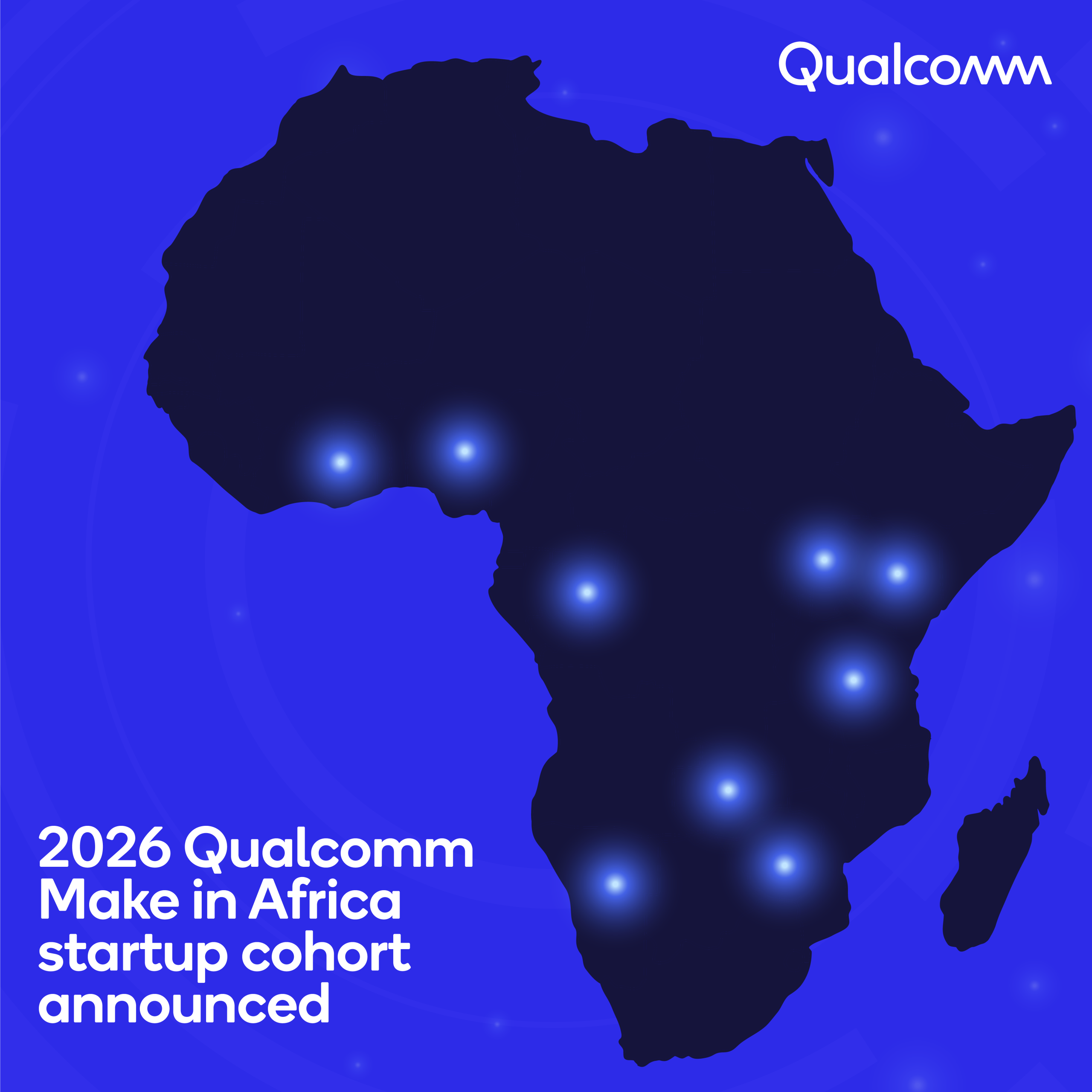
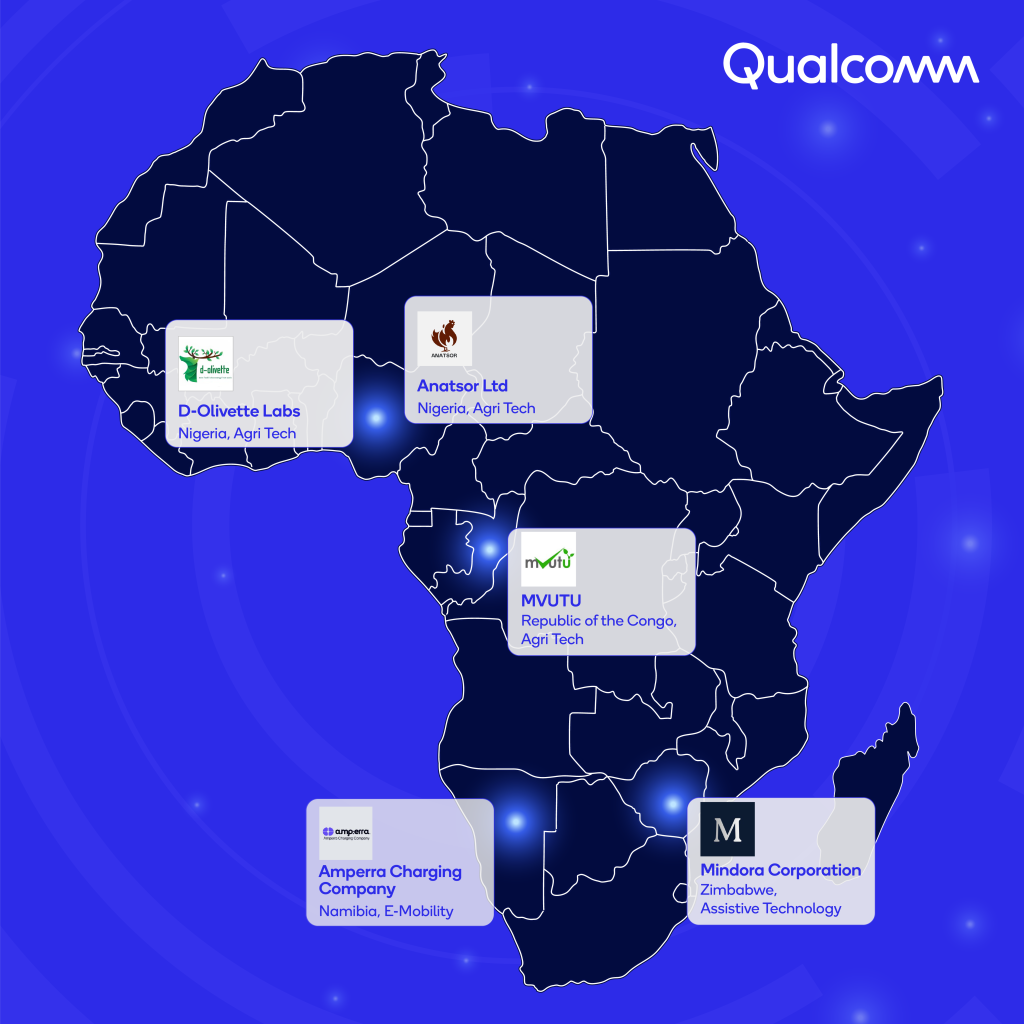
    Two Nigerian companies, Anatsor Ltd and D-Olivette Labs have been shortlisted for the Qualcomm Make in Africa 2026 cohort. They were announced alongside other African companies earlier today.

    In a statement released by Qualcomms Incorporated, 10 startups were selected to participate in the fourth year of the Qualcomm® Make in Africa Mentorship Program. This initiative is part of the Qualcomm Africa Innovation Platform, which supports the development of Africa’s deep-technology ecosystem. It provides mentorship and training programs, with a focus on advanced connectivity and processing technologies such as Edge AI/ML, compute, IoT, and Qualcomm’s AI development platform from Arduino.

    Highlights: 

    • At the program’s Finale, one startup will be awarded a Social Impact Fund grant from Qualcomm for Good.
    • All participating startups will be eligible for a $5,000 stipend upon successful completion of program requirements.
    • Qualcomm provides the startups with a variety of resources such as product design guidance on Arduino AI platforms, business coaching, access to engineering consultation, and free IP education such as L2Pro Africa.

    For this year’s edition of the one-of-a-kind equity-free African mentorship program, 10 early-stage startups were chosen from a record number of over 1,200 applications from over 45 African countries, based on their ability to apply advanced connectivity and processing technologies to innovative end-to-end systems solutions. The industries represented by the startups include agriculture, assistive technology, smart cities and utilities, smart infrastructure, EV transportation, and education.

    The 2026 cohort includes the following startups (listed in alphabetical order): 

    • Amperra Charging Company (Namibia): AI‑driven, grid‑adaptive smart EV charging platform designed to enable scalable electric mobility across Africa
    • Anatsor Ltd (Nigeria): Integrated digital poultry management system that improves productivity, health tracking, and farm efficiency
    • D-Olivette Labs (Nigeria): Bio‑intelligence platform delivering data‑driven insights for sustainable and efficient agricultural production
    • Mindora Corporation (Zimbabwe): Braille keyboard solution that improves digital accessibility for visually impaired users
    • MVUTU (Republic of the Congo): Solar‑powered IoT cold storage solution that reduces post‑harvest losses for smallholder farmers
    • QualiKeeper Investments Ltd (Zambia): Affordable AIoT livestock monitoring system designed for low‑connectivity rural environments
    • SafeSip (Tanzania): Smart water access and monitoring solution that ensures safe, reliable drinking water in urban and peri‑urban areas
    • Sesi Technologies Ltd (Ghana): AI‑powered field device that enables early cocoa quality assessment and transparent supply chains
    • TWave Ltd (Uganda): Automated, solar‑powered fish feeding system that optimizes aquaculture productivity
    • Zerobionic (Kenya): Assistive robotics solutions designed to enhance inclusion and independence for persons with disabilities

    “This year’s startups’ achievements are a powerful testament to Africa’s flourishing innovation ecosystem,” said Wassim Chourbaji, President, Middle East and Africa, and Senior Vice President, Government Affairs, Europe, Middle East and Africa at Qualcomm. “Four years into Qualcomm Make in Africa, what stands out is not only the growing number of applications we receive, but the increasing sophistication of the solutions being built. These startups are pushing the boundaries of what technologies such as Edge AI and 5G can enable, and how they can be deployed at scale across the continent. Qualcomm is proud to support and help guide this next wave of African high-tech innovation, from early design and product development to real-world commercialization, and I look forward to seeing where these startups go next.”

    Participants will receive free edge-AI capable platforms from Arduino, alongside 1:1 technical mentorship and business coaching. “Arduino® UNO™ Q and the upcoming Arduino® VENTUNO™ Q give the 2026 Qualcomm Make in Africa cohort a fast path from idea to intelligent machine,” said Fabio Violante, Vice President and General Manager of Arduino, Qualcomm Technologies Inc. “By bringing perception, decision-making, and actuation onto a single, affordable board, founders can prototype and deploy edge‑AI solutions directly where challenges exist — in farms, clinics, factories, and cities.”

    They will also access engineering consultations for product development and guidance on protecting intellectual property. This includes patent filing consultation from Adams & Adams, Africa’s leading IP law firm, and free IP courses through L2Pro Africa – an IP e-learning platform designed to empower startups, SMEs, and researchers in Africa to protect, secure, and maximize their innovations.

    At the end of the mentorship cycle, startups will be eligible for the Social Impact Fund through Qualcomm for Good, supporting societal and market impact through wireless technology. All participants will also receive a $5,000 stipend upon successful program completion. Finally, those who file patents during the program can claim up to $5,000 in filing fee reimbursements.

    Reflecting the program’s relevance across the continent, the African Telecommunications Union (ATU) returns as a partner for the fourth consecutive year.  “The ATU’s key mandate is to ensure that Africa’s telecommunications ecosystem serves Africa’s people. Qualcomm Make in Africa embodies that same principle by putting cutting-edge technology directly in the hands of African innovators to solve African challenges. Having seen firsthand the quality of the startups this program produces, returning as a partner in 2026 was not a question of if, but of how we could deepen our contribution. We look forward to seeing this cohort carry that work forward,” said Secretary General, John Omo.

    For more information about Qualcomm Make in Africa, please visit: https://www.qualcomm.com/company/locations/africa/qualcomm-make-in-africa 

  • VALR and Onafriq Deliver Mobile Money Access to Digital Assets for Millions Across Africa

    VALR and Onafriq Deliver Mobile Money Access to Digital Assets for Millions Across Africa

    VALR, Africa’s largest crypto exchange by trade volume, has integrated with Onafriq, the continent’s leading digital payments gateway. This partnership enables VALR users across Africa to fund their accounts directly through mobile money in local currencies, significantly broadening access to digital financial services for millions of people. 

    Mobile Money’s Role in African Financial Inclusion

    Mobile money serves as a foundational element of financial services in Africa, facilitating everyday transactions, remittances, savings, and credit in areas with limited traditional banking access. According to the GSMA’s State of the Industry Report on Mobile Money 2025, global registered mobile money accounts reached 2.1 billion by the end of 2024, with over half a billion monthly active users. The sector processed approximately 108 billion transactions valued at more than $1.68 trillion in 2024, reflecting 20% year-on-year growth in volume and 16% in value.

    In Sub-Saharan Africa, mobile money continues to drive substantial economic impact, contributing around $190 billion to GDP in 2023 alone. This growth is supported by interoperable networks that enable payments across major local currencies, including the Kenyan Shilling, Nigerian Naira, Ghanaian Cedi, and Ugandan Shilling, and through mobile money platforms such as M-Pesa and MTN MoMo. In the majority of these markets, mobile money usage for domestic transactions far outweighs traditional methods such as credit cards and direct bank transfers, according to complementary insights from the World Bank’s Global Findex 2025 report, making acceptance of mobile money crucial to successful market entry.

    Onafriq operates Africa’s largest digital payments network, connecting nearly 1 billion mobile money wallets across 43 markets. The integration utilises this extensive infrastructure to allow direct, local-currency deposits to VALR, settled in stablecoins or selected crypto, streamlining access and reducing dependence on conventional banking systems.

    Enabling Broader Participation in VALR’s Financial Product Suite

    Through this integration, with VALR and Onafriq processing all settlements using stablecoins, users in supported markets can deposit funds via mobile money and engage with VALR’s comprehensive offerings. These include spot and margin trading for Bitcoin and over 100 crypto assets, tokenised real-world assets such as gold, equities, and private credit, yield products like lending and staking, and VALR Pay for efficient payments.

    By integrating mobile money on-ramps, the partnership facilitates easier entry into global digital markets using established local payment methods.

    VALR’s Leadership in Promoting Financial Inclusion

    VALR holds a prominent position in Africa’s digital asset sector, serving over 1.7 million registered users and 2,000 corporate and institutional clients worldwide. Licensed by South Africa’s Financial Sector Conduct Authority (FSCA) and with regulatory approval in Europe, VALR is dedicated to building inclusive financial systems.

    “VALR’s partnership with Onafriq deepens our reach across Africa and the world, connecting many more countries and people to VALR’s wide array of crypto asset services and infrastructure,” said Farzam Ehsani, Co-Founder and CEO of VALR. “Mobile money has already reshaped financial access across the African continent. By enabling direct connections in local currencies, we offer millions a practical pathway to Bitcoin, stablecoins, tokenised gold, and more, as well as innovative financial tools, supporting greater economic participation for everyone.”

    Onafriq’s Founder and CEO, Dare Okoudjou, highlighted the significance of the partnership for financial connectivity across the continent. “We are truly excited to welcome VALR onto the Onafriq Network, enabling their clients across Africa to transact freely with the 1bn mobile wallet users and hundreds of thousands of businesses already on Onafriq’s network. VALR is a recognised pioneer and leader of Blockchain and Stablecoin technologies on the continent and we look forward to working with them to bring the many benefits of these technologies to people and businesses across Africa.”

  • Adeleye Falade Assumes Office as NLNG’s MD/CEO

    Adeleye Falade Assumes Office as NLNG’s MD/CEO

    Adeleye Falade has officially assumed office as the Managing Director and Chief Executive Officer of NLNG. He took up the role on Wednesday at the company’s Corporate Head Office in Port Harcourt, Rivers State, succeeding Philip Mshelbila, who was recently appointed Secretary-General of the Gas Exporting Countries Forum (GECF).

    Falade brings nearly three decades of experience in the global oil and gas industry, with extensive leadership exposure across the LNG and petroleum value chain. Over the course of his career within the Shell Group, he has built a distinguished record across upstream and midstream operations in Europe, Asia, the Middle East, Russia, and Africa.

    His professional expertise spans gas and petroleum operations, production optimisation, engineering, operational excellence, business improvement, and change management. He has also held several senior technical and leadership roles within Shell and its affiliated companies, gaining broad exposure to complex operational environments, multinational joint ventures, and the management of diverse, multicultural teams.

    Prior to his appointment as Managing Director and Chief Executive Officer of NLNG, Falade served as Managing Director of Brunei LNG Sendirian Berhad, a position he assumed in April 2024. In that role, he led one of the world’s established LNG producers and oversaw strategic operational delivery within Brunei’s LNG sector.

    Earlier in 2023, he was appointed Country Chair for Shell Namibia, where he provided strategic leadership for Shell’s operations and stakeholder engagement in the country.

    Before taking on these international leadership assignments, Falade held key senior roles at NLNG. Between May 2019 and September 2023, he served as General Manager, Production, where he was responsible for ensuring production reliability, plant performance, and operational safety across NLNG’s world-class LNG facilities on Bonny Island.

    Earlier in his career, he served as Operations Manager at NLNG from July 2015 to May 2018, overseeing plant operations and operational performance. He later moved to the Netherlands as Regional Asset Management System (AMS) Implementation Manager at Shell in The Hague between May 2018 and April 2019. In that role, he led the deployment of asset management systems aimed at improving operational efficiency and reliability across Shell’s global assets.

    Falade has a Bachelor’s degree in Electrical/Electronics Engineering from the University of Ibadan. He also obtained a Master of Business Administration (MBA) from Henley Business School, University of Reading, United Kingdom, further strengthening his strategic and leadership capabilities in the global energy sector.

    Falade is a Fellow of the Nigerian Society of Engineers (FNSE) and a registered member of the Council for the Regulation of Engineering in Nigeria (COREN). He is also a member of the Society of Petroleum Engineers (SPE).

    Falade assumes leadership of NLNG at a pivotal time for the company and the global LNG industry. The company recently secured long-term Gas Supply Agreements (GSAs) with six third-party suppliers to strengthen feedgas supply to its Bonny Island trains. This comes as the Train 7 expansion project nears completion, a development expected to significantly boost NLNG’s production capacity and reinforce Nigeria’s position in the global LNG market.

    Fadale joins a fully Nigerian management team at NLNG, demonstrating the company’s sustained commitment to developing indigenous leadership and strengthening local capacity within the organisation.

  • Zenith Bank expands footprint, opens Manchester branch to strenghten Global Financial Connectivity

    Zenith Bank expands footprint, opens Manchester branch to strenghten Global Financial Connectivity


    Zenith Bank Plc has announced the opening of a new branch in Manchester, United Kingdom, in a move aimed at strengthening financial connections between Africa and the United Kingdom while supporting businesses engaged in cross-border trade and investment.

    The official opening ceremony for the new branch is scheduled for Tuesday, March 17, 2026, and is expected to attract government officials from Nigeria and the United Kingdom, regulators, investors, customers and business leaders from both countries.

    The expansion marks another milestone in the bank’s international growth strategy as it continues to position itself as a leading African financial institution, facilitating global trade flows involving Africa.

    According to the bank, the Manchester branch will complement its existing operations in the United Kingdom and serve as a strategic hub for providing corporate banking, trade finance, treasury and related financial services to clients operating across the United Kingdom, Europe and Africa.

    Group Managing Director and Chief Executive Officer of Zenith Bank Plc, Adaora Umeoji, said the expansion reflects the bank’s commitment to strengthening financial connectivity between businesses in developed markets and Africa’s rapidly expanding economies.

    “The opening of our Manchester branch represents another important step in Zenith Bank’s growth as a leading African financial institution connecting businesses and markets across continents. Manchester is one of the United Kingdom’s most dynamic commercial centres, and our presence here will further strengthen financial connections between businesses in the UK and opportunities across Africa’s rapidly expanding markets,” Umeoji said.

    Founded in 1990 by its Founder and Chairman, Jim Ovia, Zenith Bank has grown into one of Africa’s leading banking institutions with a strong capital base and consistent profitability.

    The bank operates more than 500 branches and business offices across Nigeria’s 36 states and the Federal Capital Territory, while maintaining subsidiaries in several African markets including Ghana, Sierra Leone, Gambia and Côte d’Ivoire.

    Beyond Africa, Zenith Bank maintains a presence in major international financial centres including the United Kingdom, France, the United Arab Emirates and China as part of its strategy to support global trade and investment involving African businesses.

    Manchester, one of the United Kingdom’s leading commercial centres, hosts a diverse business community spanning sectors such as manufacturing, logistics, engineering, technology and consumer goods.

    The city’s strong economic base and international outlook make it a strategic location for financial institutions seeking to support businesses operating across multiple global markets.

    Zenith Bank said the Manchester branch will work closely with its London operations and the bank’s broader international network to support clients expanding across markets and seeking new trade and investment opportunities.

    With the launch of the Manchester branch, the bank continues to advance its long-term vision of building a globally connected African financial institution capable of facilitating international commerce and strengthening economic partnerships between Africa and global markets.

  • Vertiv Introduces Backup Power for Personal Devices and Business Applications

    Vertiv Introduces Backup Power for Personal Devices and Business Applications

    Vertiv™ PowerUPS 200 Series is a highly featured uninterruptible power supply system for multiple devices with enhanced protection from power loss and voltage instability now available in EMEA

    Vertiv (NYSE: VRT), a global leader in critical digital infrastructure, today introduced a new generation of compact uninterruptible power supply (UPS) systems for connected homes and workspaces. The Vertiv™ PowerUPS 200 family, available in 600 to 2200 VA capacities, combines modern design with enhanced usability for workstations, point-of-sale (POS) systems, gaming consoles, smart devices, and home entertainment setups. Now available in Europe, the Middle East and Africa (EMEA), the series expands Vertiv’s single-phase UPS portfolio for home, office, and retail environments.

    “As digital demand accelerates, users are increasingly looking for reliable power solutions, without operational complexity,” said Giuseppe Leto, senior director, IT Systems for Vertiv in EMEA. “The Vertiv PowerUPS 200 family combines solid engineering expertise with an intuitive design tailored for the modern spaces where people live and work today.” 


    Designed for ease of use and everyday reliability, the Vertiv™ PowerUPS 200 Standard Line Interactive Series (230V) and Vertiv™ PowerUPS 200 Essential Line Interactive Series (230 V) include practical benefits that make power protection simpler and more intuitive. Among the most notable features are user-replaceable batteries, which allow users to safely extend product life, and a straightforward interface featuring runtime LED indicators on Vertiv PowerUPS 200 Essential Line Interactive Series models, and a colour LCD display on Vertiv PowerUPS 200 Standard Line Interactive Series models for clear system status visibility. 

    Models 1000VA and higher include Type-A and Type-C USB charging ports, providing convenient power for mobile and connected devices. The new design also integrates details such as a dedicated mute button for alarm management and recyclable packaging, complementing proven performance features including automatic voltage regulation (AVR) for stable output, and optimised internal design for consistent performance across a wide voltage range.

    The Vertiv™ PowerUPS 200 Essential Line Interactive Series (230 V) and Vertiv™ PowerUPS 200 Standard Line Interactive Series (230 V) include models with up to eight total outlets, depending on configuration. Compact dimensions and recyclable packaging make them suitable for modern workspaces, while the two-year warranty (Essential Series) and the three-year warranty (Standard Series), including battery coverage, provides added confidence for users.

    The Vertiv PowerUPS 200 Series renews Vertiv’s single-phase desktop portfolio, delivering reliable and efficient power protection for home, office, and small IT environments. Together with the network models such as Vertiv™ Edge Line-Interactive UPS and Vertiv™ Liebert® GXT5 UPS, the series is part of Vertiv’s comprehensive power management ecosystem, supporting future-ready digital operations.

  • Travelport and Air Peace Sign Multi-Year Content Agreement to Strengthen Global Content

    Travelport and Air Peace Sign Multi-Year Content Agreement to Strengthen Global Content

    …Leading West African carrier expands global reach through enhanced content availability on Travelport+

    Travelport, a leading global multi-source content provider powering travel bookings worldwide, has announced a new multi-year content agreement with Air Peace Limited, Nigeria’s and West Africa’s largest airline.

    This strategic partnership enhances Air Peace’s content distribution across Central and West Africa and key international markets, while enabling the airline to leverage Travelport’s advanced retailing, rich content, and branding capabilities through Travelport+.

    The agreement reflects the growing demand among airlines in emerging markets for modern retailing and distribution technologies that extend global reach, improve visibility with travel agencies, and enable airlines to effectively showcase their products and brand.

    Air Peace operates extensive passenger and charter services across Nigeria and West Africa, with international flights to the Middle East, the Caribbean, and the United Kingdom. Through the expanded partnership, Air Peace’s full content will be accessible to hundreds of thousands of travel agencies worldwide using Travelport’s next-generation marketplace, Travelport+.

    “We are delighted to expand our partnership with Air Peace,” said Damian Hickey, Chief Commercial Officer at Travelport. “Air Peace is a strategically important airline in West and Central Africa. This agreement strengthens our content offering in these key markets while enabling Air Peace to extend its global reach and deliver enhanced, branded content to travel agencies worldwide.”

    Commenting on the agreement, Nowel Ngala, Chief Commercial Officer of Air Peace Limited, said: “This partnership with Travelport marks an important milestone in Air Peace’s growth and international expansion strategy. As Nigeria’s and West Africa’s largest airline, we are focused on ensuring our services are easily accessible to travel agencies globally. Travelport’s extensive reach and modern technology platform will support our ambition to grow sales, enhance customer experience, and strengthen our presence in key international markets.”

    The agreement further reinforces Travelport’s strong footprint across Africa, where airlines are increasingly prioritizing distribution platforms that combine broad agency reach with next-generation retailing standards.

    About Travelport
    Travelport is a global multi-source content provider that powers bookings for hundreds of thousands of travel suppliers worldwide. Buyers and sellers of travel are connected by the company’s next-generation marketplace, Travelport+, which simplifies how brands connect, modernizes how travel is sold, and enables digital retailing at scale. Ranked #1 out of 160 Travel Software Suppliers (G2 Survey, December 2025), Travelport is headquartered in London, United Kingdom, and operates in over 180 countries.

    For more information, visit: www.travelport.com.

    About Air Peace
    Air Peace is Nigeria’s largest airline and a leading carrier in West Africa, operating an extensive network of domestic, regional, and international services using B777s, B737s and Embraer. With a growing fleet and an expanding route network across Africa, the Middle East, the Caribbean, and Europe, Air Peace is committed to enhancing connectivity, supporting trade and tourism, and positioning Nigeria as a key aviation hub. The airline continues to play a vital role in advancing regional integration and global access for Africa.

  • 7 in 10 News Consumers Say International News Matters More than Ever Before

    7 in 10 News Consumers Say International News Matters More than Ever Before

    New research commissioned by CNN looks at the importance of news in a polarised world

    CNN International Commercial unveils the results of a new global study on international news, conducted by independent research company Differentology. The study surveyed 2,400 international news consumers in 20 markets, spanning Europe, USA, Africa, Middle East, Latin America, Asia-Pacific to understand how audiences navigate an increasingly complex news environment, the role international news plays in their daily lives, and the trends shaping news consumption.

    Jo Tenzer, Director of Audience Insights at CNN International Commercial, commented: “This study paints a picture of consumers saying that international news matters as they look for trusted sources in a world of endless content and rising misinformation. As people navigate social media, short form and instant content, they are still seeking credibility and context. That’s why CNN stands out in this study as the most trusted and reliable international news brand, giving people the clarity and depth they need to truly understand the world.”

    THE NEWS consumer today

    The study shows that international news has never been so important. 7 out of 10 people believe that its role is more important than ever. However, local media outlets are highly relied upon too, even though international media outlets are still considered more important and are widely associated with being crediblerespected and offering in-depth analysis.

    28% say that their preferred source of information is a social media platform, and 62% seek out User Generated Content (UGC) from international news organizations.

    UGC from global news outlets is considered 2.5 times more credible than UGC from non-news professionals such as influencers and citizen journalists discussing or reporting the news. Consumers are torn between wanting the speed and immediacy of social media and the assurance and rigor of journalism.

    FACING MISINFORMATION: INCREASED DEMAND FOR RELIABLE MEDIA

    In an environment saturated with content, where misinformation circulates widely on social media, audiences are reaffirming their need for reliable media. 6 out of 10 people are concerned about the credibility of information sources and are looking for platforms that can verify facts, offer in-depth coverage, and provide clear context for understanding global issues.

    CNN: TRUSTED WORLDWIDE, RESPECTED DAILY AND ESSENTIAL always

    In a media landscape where only 40% say they trust the news, CNN stands out as the #1 source for trust, reliability, and breaking news, reinforcing its essential role in helping audiences navigate complexity. By offering comprehensive and verified coverage of international events, CNN has established itself as an essential guide for its audiences, capable of informingreassuring, and supporting them in their decision-making.

    Thanks to its factual, rigorous, and globally recognized journalism, CNN continues to provide its audiences with reliable, verified, and expertly analyzed information, thereby strengthening its position as a trusted media outlet on an international scale.

    THE IMPACT AND INFLUENCE OF CNN IN THIS LANDSCAPE

    CNN is seen as a key player in the global media landscape, not only for its ability to inform, but also for its influence and power to mobilize. 85% of consumers believe that CNN motivates them to take action and influences their decisions, and 53% say that CNN influences decisions about travel, finances, purchases, or commerce.

    This influence also extends to the brand’s engagement with younger generations, who value authenticity and interaction. Being digital-first, these audiences seek reliable and interactive information, making CNN a strategic partner for advertisers looking to reach engaged audiences.

    A SAFE AND PREMIUM space for brands

    CNN offers a trusted and secure environment where brands can thrive without risk. Through its commitment to human-led storytelling and quality audiences, CNN ensures that advertisers can stand out in a premium context.

    80% of brands that advertise on CNN build meaningful brand trust, demonstrating the platform’s strong reputation among consumers. Moreover, 71% of respondents to the survey believe that CNN content enhances the credibility of the brands that advertise with the network, reinforcing CNN’s role as an ideal media partner for advertisers.  

  • Nigeria Sets the Stage for Global Regulatory Technology Leadership as 2026 RegTech Africa Conference & Expo Heads to Abuja

    Nigeria Sets the Stage for Global Regulatory Technology Leadership as 2026 RegTech Africa Conference & Expo Heads to Abuja

    Under the distinguished patronage of the Office of the Vice President, Federal Republic of Nigeria, and in partnership with the Presidential Committee on Economic & Financial Inclusion (PreCEFI), with the collaboration of the Inter-Governmental Action Group against Money Laundering in West Africa (GIABA), the 2026 RegTech Africa Conference & Expo will convene global leaders in policy, finance, and technology from 20th to 22nd May 2026 at the State House Banquet Hall, Abuja, Nigeria.


    Anchored on the theme, “BUILDING TRUST, INFRASTRUCTURE AND POLICY FOR A BORDERLESS ECONOMY,” the conference is positioned as a premier global platform for shaping the future of trusted digital financial systems, cross-border trade, and regulatory innovation.


    The event will bring together heads of government and regulatory agencies, central banks, financial intelligence units, multinational financial institutions, technology leaders, investors, and policy architects to align strategy around the infrastructure, governance, and digital trust frameworks required to unlock Africa’s full participation in the global digital economy.

    “Regulatory technology is no longer optional. It has become the backbone of secure, inclusive, and sustainable economic systems. The 2026 RegTech Africa Conference & Expo represents Nigeria’s commitment to leadership in shaping global standards for trust, transparency, and cross-border economic collaboration,” Cyril Okoroigwe, Chair Organizing Committee. 

    A central highlight of the event will be the hosting of the prestigious Global Startup World Cup Tournament – Regional Challenge, providing African startups with a world-class stage to pitch their solutions before an international panel of judges, venture capitalists, and industry experts. Winners of the regional challenge will proceed to compete at the grand finale in Silicon Valley, for a $1,000,000 investment prize, unlocking access to global investors, accelerators, and strategic partnerships.

    “By bringing the Startup World Cup Regional Challenge to Abuja, we are not only showcasing African innovation, but connecting it directly to global capital, mentorship, and markets,” Graham Olasukanmi Lawal, Director Partnerships, Regtech Africa.

    The three-day event, which provides strategic platform for dialogue, innovation, and collaboration will feature strategic ministerial dialogues, closed-door executive roundtables, investment-focused breakout sessions, technology showcases, and curated networking platforms designed to foster impactful public–private partnerships.
    

    Sponsorship and Strategic Partnership Opportunities
    

    Public and private sector organizations, multinational corporations, development finance institutions, technology firms, and venture funds are invited to participate as strategic sponsors and partners. Curated partnership opportunities are available across policy leadership, infrastructure development, innovation acceleration, and market expansion pillars.

    
    “This is a rare opportunity for forward-looking institutions to align their brands with the future of regulation, trust infrastructure, and borderless digital commerce in Africa and beyond,” Mr. Lawal noted.

    The conference is expected to attract thousands of participants from across Africa, Europe, the Middle East, Asia, and North America.