Tag: finance

  • IFC, NGX Group, LCCI Unveil Nigeria Gender Country Program at CEO Roundtable

    IFC, NGX Group, LCCI Unveil Nigeria Gender Country Program at CEO Roundtable

    The International Finance Corporation (IFC), Nigerian Exchange Group (NGX Group), and the Lagos Chamber of Commerce and Industry (LCCI) have unveiled the Nigeria Gender Country Program (NGCP) at a high-level virtual CEO Roundtable convened to advance private sector action on gender equality and inclusive economic growth.

    The session brought together chief executives and senior business leaders from NGX-listed companies, IFC client organisations, and LCCI member companies to introduce the programme’s strategic framework, align stakeholders around a shared agenda, and mobilise support ahead of its formal launch.

    The NGCP builds on the momentum of Nigeria2Equal and other initiatives that have advanced workplace inclusion, women’s leadership, entrepreneurship, and sustainable finance across Nigeria’s private sector. Designed as a more integrated and collaborative platform, the programme seeks to scale impact through coordinated action among development institutions, business leaders, regulators, and the organised private sector.

    Anchored on three strategic priorities, the programme aims to increase women’s representation in leadership, improve access to quality employment, and expand access to productive assets—including finance, technology, and markets—for women and women-led businesses.

    Delivering the keynote address, Dr. Emomotimi Agama, Director General of the Securities and Exchange Commission (SEC), underscored the private sector’s critical role in accelerating gender-inclusive growth.

    “Gender inclusion is fundamentally an economic growth imperative. Closing gender gaps can unlock billions of dollars in value for Nigeria while strengthening business performance and national competitiveness. We must therefore move beyond viewing inclusion as a corporate social responsibility initiative or compliance exercise, and instead recognise it as a strategic driver of productivity, innovation, and sustainable economic growth,” he said.

    Commenting on the initiative, Temi Popoola, Group Managing Director/Chief Executive Officer of NGX Group, described the NGCP as a strategic platform for scaling women’s economic participation through stronger collaboration among the private sector, development institutions, and market stakeholders.

    “The Nigeria Gender Country Program presents a significant opportunity to deepen impact and accelerate progress across corporate Nigeria. By expanding women’s access to leadership opportunities, quality employment, finance, technology, and markets, we can unlock substantial economic value while building a more competitive, inclusive, and resilient private sector. At NGX Group, we believe the capital market has a critical role to play in advancing these outcomes through stronger governance, transparency, and stakeholder engagement,” he said.

    Also speaking at the session, Christian Mulamula, IFC Head of Office in Lagos, highlighted the strong business case for gender inclusion.

    “Closing the gender gap is one of the most significant opportunities to strengthen competitiveness and productivity. Across Africa, gender inequality is estimated to cost up to $2.5 trillion. Through the Nigeria Gender Country Program, IFC is working with the private sector to expand women’s leadership, improve access to better jobs, and increase opportunities for women-led businesses. Building on Nigeria2Equal, this initiative focuses on practical, measurable solutions that help businesses grow while advancing inclusive growth,” he said.

    In her remarks, Dr. Chinyere Almona, Director General of LCCI, noted that the programme’s success would depend on leadership accountability and sustained commitment from business leaders, particularly in embedding gender inclusion into organisational strategy and execution.

    The partners are expected to formally launch the Nigeria Gender Country Program at a physical event scheduled for July 9, 2026, where stakeholders will further advance implementation of the programme’s strategic priorities.
  • How the Product Leadership Accelerator (PLA) is Re-Engineering African Enterprises for a Digital-First Economy

    How the Product Leadership Accelerator (PLA) is Re-Engineering African Enterprises for a Digital-First Economy

    As Africa looks to technology for the next wave of economic evolution, the PLA stands at the center of that journey, turning the SVPG Product Operating Model into a reality for the continent’s most innovative and ambitious enterprises

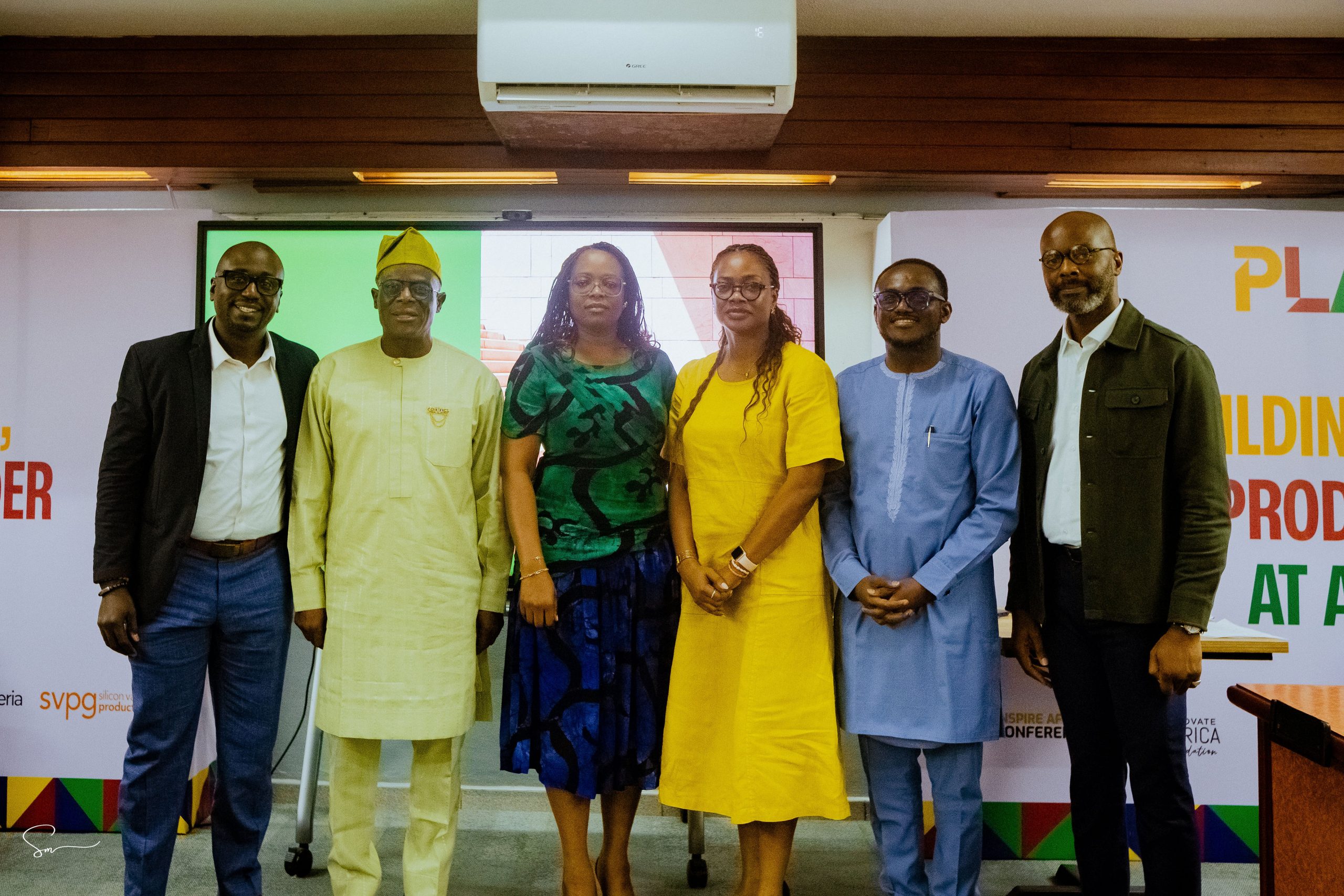
    As the global community celebrates World Product Day, a profound shift is taking place across Africa’s enterprise landscape. The Product Leadership Accelerator (PLA), an initiative of the Innovate Africa Foundation, is officially setting a new gold standard for how value is created and scaled, in Africa, by transforming African enterprises from traditional service providers into high-velocity, “product-led” engines of growth.

    The PLA is bridging the gap between legacy business models and the modern Product Operating Model. This methodology, practiced by global companies like Apple, Netflix and Amazon, is now being localized, through the PLA, to ensure African enterprises and startups alike solve the continent’s toughest challenges through relentless innovation and de-risked execution.

    Building a Pan-African Product Management Talent Pipeline

    The PLA is currently powering its 2026 Accelerator Program, a rigorous 12-week program featuring 48 product managers from 13 African countries, including Nigeria, Egypt, Ghana, South Africa, and Kenya. In a significant move for gender equity in tech, the cohort maintains a female representation of about 54%, ensuring the future of African product leadership is as diverse as the markets it serves.

    As the fellows tackle real-world problem statements across diverse industries during the 12 week accelerator program, they are mentored by an elite roster of practitioners who have built products at enterprises such as Interswitch, Netflix, Amazon, Microsoft, Paystack, and mPesa. They also receive strategic, high-level guidance from global product legends Marty Cagan and SVPG Partner, Christian Idiodi.

    “Building in Africa requires a distinct level of empathy, adaptability, and mastery of the product operating model,” explains Nkem Nweke, Lead at the PLA. “We empower leaders and enterprises to harness tools like AI while offering them strategic product management advisory. Our goal is to support companies in adopting a product-led culture which drives sustainable economic growth. By mitigating risks before investing significant capital or public resources, we help both enterprises and startups create solutions that truly meet market and consumer needs.”

    Enterprise Transformation and Proven Outcomes

    The impact of the PLA extends deep into the corporate sector through its specialized Product Management Advisory. Organizations reliant on technology spanning telecoms, FMCG, commerce, retail, finance, and government, are increasingly seeking to leverage the PLA’s expertise to shift their product teams from traditional project-based approaches to outcome-driven product cultures that drive growth.

    The effectiveness of the PLA’s approach is best seen through its corporate partnerships. Afrinvest, a leading financial institution, serves as a primary example of how the PLA’s advisory services drive immediate corporate value.

    “The PLA didn’t just upskill one individual; it has been a game-changer for our internal innovation culture, sparking a ripple effect of outcome-driven progress throughout our entire product department. “says Victor Ndukauba, Deputy MD, Afrinvest West Africa. “Seeing the speed at which our team can now identify and solve real consumer problems is why we’ve increased our participation this year.”

    This sentiment is echoed by partners like Insight7, One Cluster and Agile Product Management, who view the PLA as the engine room for the continent’s digital maturity.

    Central to this transformation is integrating tools like Artificial Intelligence (AI), enabling product managers to achieve world-class standards, driving efficiency, and ensuring African businesses set the pace for global innovation.

    De-Risking African-Built Solutions

    For founders, the stakes have never been higher. “Our goal is to raise product leaders who are deeply versed in the mechanics of discovery and delivery, ” notes Osa Awani, Head of Program at the PLA. “We see the shift happening in real-time as our fellows move from theoretical knowledge to building solutions that address market friction with surgical precision.” When founders and Product Managers master the product operating model, they stop guessing; and with a commitment to solving real problems, African product leaders will not only compete globally they will lead.”

    Impact by the Numbers

    • 13 Countries: Active representation in the 2026 cohort, including Nigeria, South Africa, Ghana, Egypt, Kenya, Rwanda, Zimbabwe, Cameroun, Egypt and more.
    • 54%+ Female Representation: Leading the charge in inclusive tech leadership.
    • Scores of Scholarships: The Innovate Africa Foundation has provided scholarships to dozens of African product managers to attend prestigious SVPG Masterclasses, resulting in career promotions, career pivots to executive leadership, and the launch of new tech ventures.
    • 3-City Product Tour: Recently concluded engagements with product leaders across Lagos, Nairobi, and Cape Town.

    A Future Defined by Innovation

    Founded by Christian Idiodi, (partner at the globally renowned Silicon Valley Product Group),  the PLA is rooted in the belief that the intersection of world-class tools such as Artificial Intelligence (AI) and strategic product management is essential to mastering the craft of creating exceptional products for Africa; thereby unlocking Africa’s economic potential. By offering cutting-edge tools, a robust network, and the innovative mindset of the world’s most successful organizations, the PLA ensures Africa’s challenges are addressed with future-ready, world-class solutions.

  • Jumia Nigeria Records Strong Q1 2026 Growth as Technology-Led Strategy Drives Market Expansion

    Jumia Nigeria Records Strong Q1 2026 Growth as Technology-Led Strategy Drives Market Expansion

    Jumia has announced strong first-quarter 2026 performance results, with Nigeria emerging as one of the company’s standout growth markets across Africa, reinforcing the country’s position as a critical driver of the company’s long-term expansion strategy.

    According to the company’s Q1 2026 financial results released May 7th, 2026, Nigeria recorded a 42% year-on-year increase in physical goods Gross Merchandise Value (GMV), making it one of Jumia’s strongest-performing markets during the period.

    Commenting on the performance, Temidayo Ojo, CEO of Jumia Nigeria, said, “Nigeria continues to demonstrate the strength and resilience of its digital commerce ecosystem. The growth we recorded in Q1 reflects increasing consumer confidence, stronger engagement across our platform, and our continued investment in technology, logistics, and customer experience.”

    “We are seeing more Nigerians embrace e-commerce not just for convenience, but as a trusted part of everyday life. Our focus remains on building a platform that is more accessible, more reliable, and more relevant to the evolving needs of Nigerian consumers and sellers,” Ojo further mentioned.

    The company attributed its broader growth trajectory to disciplined execution, operational efficiency, and increased deployment of technology and AI-driven systems across its operations. According to the report, Jumia leveraged artificial intelligence and automation across operations, finance, customer support, cybersecurity, seller management, logistics, and technology teams to improve service quality while reducing operational costs company-wide.

    The company also noted that technology and content expenses declined year-on-year due to ongoing headcount optimisation and savings from renegotiated technology contracts, while operational leverage continued to improve. They further highlighted increased use of AI tools among its technology teams, alongside automation in call centres and operational systems, as part of efforts to scale sustainably while improving efficiency across African markets.

    Across the platform, Jumia reported significant gains in customer retention and marketplace engagement. Quarterly Active Customers reached 2.5 million, while physical goods orders climbed to 5.9 million in Q1 2026.

    The company also expanded usage beyond major urban centres, with 62% of total orders now coming from secondary cities and upcountry regions, emphasising the growing reach of digital commerce across Africa.

    Despite global economic pressures, including rising memory chip and CPU prices and supply chain disruptions linked to ongoing Middle East conflicts, the company reaffirmed its path toward profitability. Jumia stated that it remains on track to achieve Adjusted EBITDA breakeven and positive cash flow in Q4 2026, with full-year profitability targeted for 2027.

  • 305 Young Lagosians. 29 Employers. One Room. The LSETF Career Expo 2026 Delivers on Its Promise

    305 Young Lagosians. 29 Employers. One Room. The LSETF Career Expo 2026 Delivers on Its Promise

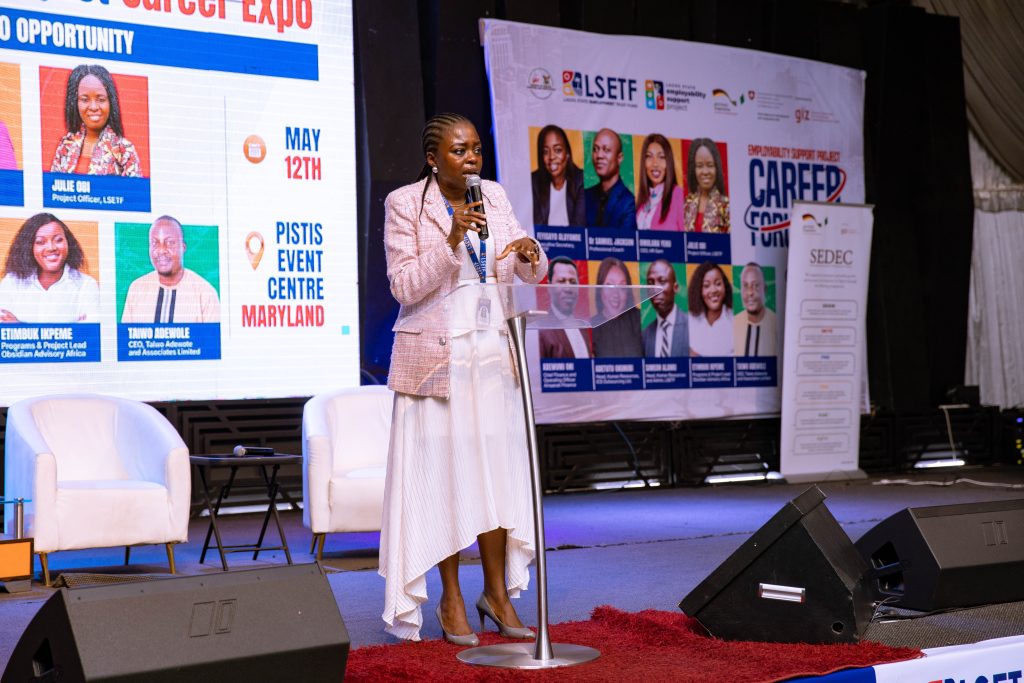
    The Lagos State Employment Trust Fund (LSETF), with support from the Skills Development for Youth Employment Programme (SKYE II), implemented by Deutsche Gesellschaft für Internationale Zusammenarbeit (GIZ) on behalf of the German and Swiss governments, successfully hosted the Career Expo 2026 on Tuesday 12th May, 2026 at Maryland, Lagos, bringing together over 300 participants and 29 employers in a full-day event designed to connect skilled talent directly to employment opportunities.

    The event brought together trained young people aged 18 to 40, including recent graduates, NYSC members, and job seekers who have completed training under the Employability Support Project implemented by LSETF as part of the SKYE II programme. Employers represented a broad range of sectors including technology, finance, creative industries, consulting, logistics, customer service, and business support services, creating a dynamic environment for recruitment, networking, and career advancement.

    The event venue was filled to capacity as participants arrived with CVs in hand, eager to seize new opportunities and make their moment count. Panel sessions sparked lively and engaging discussions, with participants asking insightful questions and leaving with a renewed sense of direction and clarity about their career paths. Throughout the day, participants engaged in interviews, career conversations, employer engagement sessions, CV reviews, and networking opportunities designed to bridge the gap between training and employment. Several employers conducted on-the-spot interviews, while many participants received callback confirmations, internship opportunities, and advancement to the next stage of the recruitment process.

    The Career Expo takes place at an important moment in the relationship between Germany and Nigeria. Following the German-Nigerian Business Day, which took place on May 11th and gathered industry leaders, investors, and policymakers to strengthen bilateral ties in areas such as energy, technology, and skills development, the LSETF Career Expo serves as a practical example of what this partnership can achieve with creation of opportunities for participants.

    Speaking at the event, Feyisayo Alayande, Executive Secretary, LSETF stated: “Today is proof that training alone is not enough. What young people need is the room where employers are sitting, where conversations happen, and where careers begin. That is what we have built today.”

    Svjetlana Djokic, Programme Component Manager at the Skills Development for Youth Employment Programme (SKYE II), GIZ Nigeria and ECOWAS added: “Our shared goal is straightforward: to ensure that young people in Lagos State are equipped with job skills relevant to labour market needs and are connected with meaningful employment opportunities. Working in close partnership with the Lagos State Employment Trust Fund (LSETF), the Ministry of Wealth Creation and Employment and private sector partners, we brought key stakeholders together on one platform to foster valuable connections and take a significant step towards reducing unemployment and driving inclusive local economic growth in Lagos State”

    Also highlighting the valuable importance of the training, Nwanne Nwonwu, Founder, The Talent Pipeline Company, stated that “I would like to commend the organizers for putting together an impactful and well-timed career forum. It was valuable engaging with diverse job seekers, especially youth corps members beginning their professional journeys, while also identifying potential talent for our clients. The panel sessions were insightful and practical, and we encourage more initiatives like this to help young people navigate their career paths and employment opportunities.”

    A Strengthened Partnership

    The LSETF Career Expo 2026 marks another significant milestone in the ongoing collaboration between GIZ and LSETF in advancing youth employment and economic inclusion across Lagos State. Funded by the German and Swiss governments, the partnership reflects a shared conviction that the gap between skilled talent and meaningful employment is not inevitable, it is solvable.

    As both organisations look ahead, The Career Expo reaffirms a shared commitment to scaling this model and connecting more young Lagosians to more employers, and proving that with the right partnerships, youth unemployment in Lagos is a challenge that can be solved.

    The Employability Support Project, implemented by LSETF, has supported so far more than 1,500 youth across Lagos  including women, people with disabilities, job seekers, and entrepreneurs through employability training, career coaching, entrepreneurship support, workplace readiness programmes, mentorship, and industry engagement.

    Today’s Career Expo is the culmination of that investment, putting trained talent directly in front of the employers who need them.

  • Mrs. Adepeju Adebajo appointed Independent Non-Executive Director of FCMB Group PLC

    Mrs. Adepeju Adebajo appointed Independent Non-Executive Director of FCMB Group PLC

    FCMB Group PLC has announced the appointment of Mrs. Adepeju Adebajo as an Independent Non-Executive Director on the Board of FCMB Group PLC. This was released by the Nigerian Exchange Limited (NGX) after the approval of the Central Bank of Nigeria.

    Mrs Adepeju Adebajo holds a Master’s and a BSc in Chemical Engineering from Imperial College London and an MBA from Harvard Business School.

    She chairs the Board of the Lagos State Employment Trust Fund and is a Transformation Lead at Etex Group (Nigerite and Emenite Limited). She brings over 30 years’ experience across industry, renewable energy, agriculture, finance and consulting. She has worked with teams and
    clients in Sub-Saharan Africa and Europe, helping them grow and multiply impact.

    Throughout her career, Mrs. Adebajo has led teams through change and growth. She was previously the Chief Executive Officer (CEO) Cement at Lafarge Africa Plc, CEO, Mouka Limited, CEO, Lumos Nigeria, CEO, UTC Nigeria Plc and an Assistant General Manager at United Bank for Africa Plc.

    In 2025, she founded Climate Governance Initiative Nigeria, affiliated with the World Economic Forum and serves on the World Economic Forum Council on Climate and Nature Governance (2025-2027).

    Mrs. Adebajo’s appointment is intended to strengthen the Board and support its transformation goals across the Group.

  • FINAS 2026 Summit Sets the Stage for Action on Financing Africa’s Food Systems

    FINAS 2026 Summit Sets the Stage for Action on Financing Africa’s Food Systems

    Over one thousand stakeholders from across government, finance, development, and the private sector are set to convene in Nairobi for the Financing Agri-Food Systems Sustainably (FINAS) 2026 Summit, seeking to drive a dialogue to unlock sustainable financing for Africa’s agri-food systems.

    Scheduled to take place from 30 June to 2 July 2026, the summit will be held under the theme: “Towards Sustainable Financial Architecture for Africa’s Food Systems.” Building on the outcomes of previous editions, FINAS 2026 will place a strong emphasis on implementation, investment mobilisation, and measurable outcomes across the Africa’s agri-food systems financing landscape.

    Africa’s agri-food systems remain central to economic growth and livelihoods, contributing up to 20–30 percent of GDP in many countries and employing more than 60 percent of the workforce. Yet the sector continues to face a financing gap estimated at over USD 100 billion annually, with agriculture receiving less than five percent of formal bank lending in most markets. These gaps disproportionately affect smallholder farmers, women, youth, and agri-SMEs, even as they produce up to 70–80 percent of the continent’s food supply.

    At the same time, climate change, market volatility, and rising food import bills are increasing the urgency for resilient, inclusive, and scalable financing solutions.

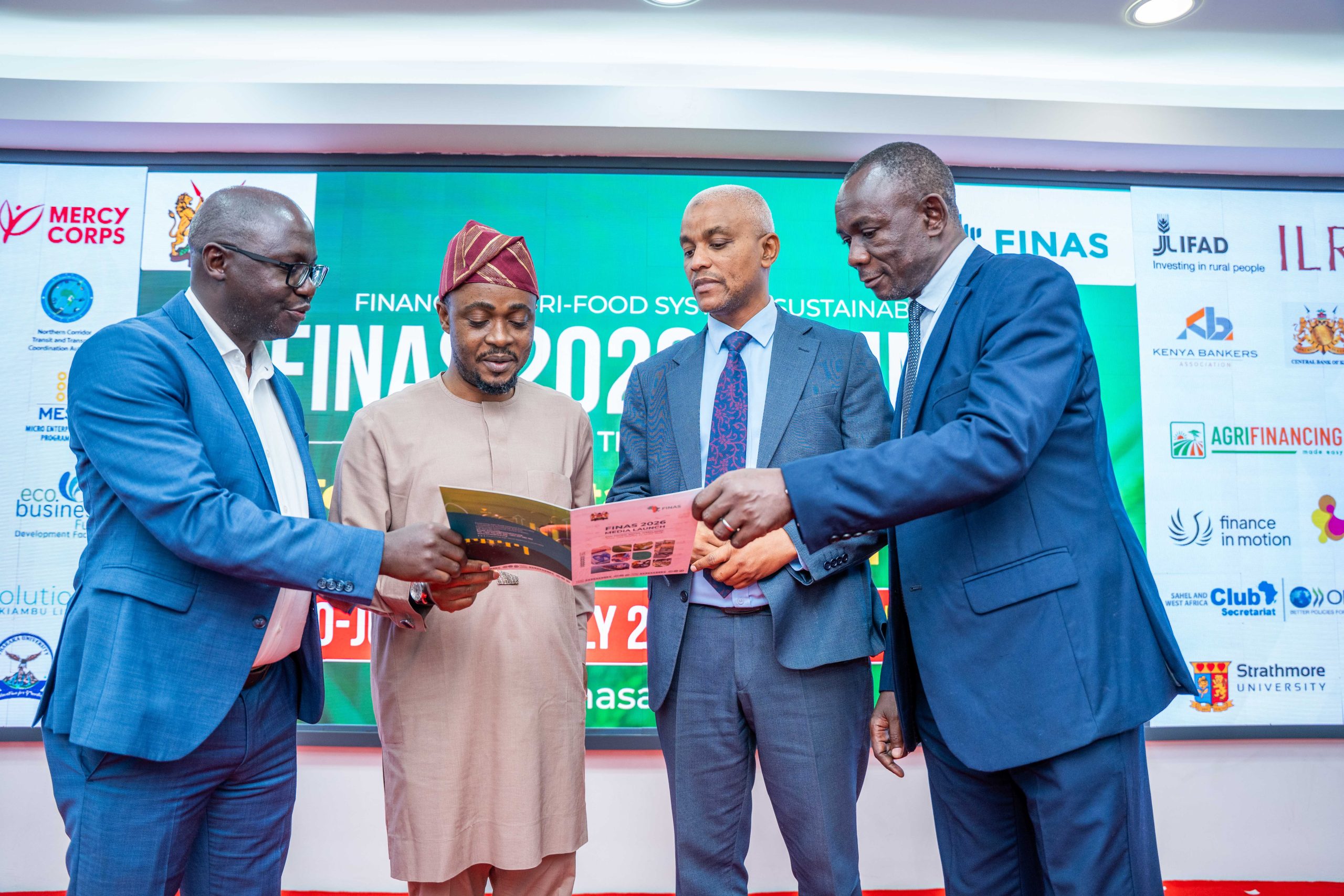
    Speaking during the official media launch of FINAS 2026 Summit, Dr. Paul Ronoh, Principal Secretary, State Department of Agriculture, noted that the summit comes at a critical moment for the continent in strengthening the industry.

    “The FINAS summit provides an opportunity to take stock of the funding in the sector and check if our goals have been realised. Building on the strong track record of previous editions, this summit will unlock key opportunities for Africa. Financing must be results-oriented, delivering measurable outcomes to enhance agri-food sustainability. Let’s move forward to improve efficiency, ensuring that every shilling invested delivers value.” said Dr Ronoh in a keynote speech read on his behalf by Rashid Khator, Secretary of Administration in the State Department of Agriculture.

    Africa has spent years articulating the challenges facing its food systems. FINAS 2026 is about accelerating action, aligning policy, finance, and partnerships to unlock investment and deliver tangible results for farmers, agribusinesses, and economies.”

    Dr. Sophia Baumert, Project Manager, Sustainable Agricultural Systems and Policies (AgSys) at GIZ Kenya termed the summit as crucial platform for advancing collaboration and partnerships towards reliable, secure and timely agri-food systems in Africa.

    She said: “FINAS began as a national platform in 2024 and has advanced into a continental forum advancing agri-systems dialogue from a pan African perspective. The platform holds all actors accountable and as GIZ, we are coming to drive the dialogue as process facilitator and foster stronger collaborations towards our common goal. We look forward to a strong FINAS 2026 summit and rally more partners to join us in this cause.”

    FINAS 2026 will be preceded by a series of high-level pre-summit dialogues, targeted engagements focused on structuring an Agricultural Development Fund, unpacking the Kampala Declaration, advancing green finance as a lever for meaningful change and laying ground for the unveiling a private-sector-led agri-food systems finance working group.

    The three-day summit programme will feature a ministerial and CEO roundtable, keynote addresses, side events, and deal-making sessions centred on four core pillars: policy alignment, innovative and inclusive finance, green and climate-resilient economies, and trade, investment, and multilateral cooperation. The summit will end with some site tours whereby participants will have the opportunity to see and experience some of Kenya’s most dynamic innovation investments hubs at the Northern Corridor Transit and Transport Coordination Authority (NTCCTA) in Mombasa, Konza Technopolis and Tatu City.

    According to Prof. Hamadi Boga, Vice President in charge of Programme Delivery at AGRA and the Chair FINAS Secretariat, the summit represents a turning point for the food systems finance agenda:
    “FINAS 2026 is about moving beyond commitments to coordinated delivery. By bringing together policymakers, financiers, and practitioners, the summit provides a platform to unlock capital at scale and translate policy ambitions into bankable investments that reach farmers and agri-enterprises.”

    The summit will also place strong emphasis on climate-smart finance, recognising the need to align agricultural financing with climate adaptation and mitigation goals. Jared Ochieng’, Agriculture Finance Lead at FSD Kenya underscored the importance collaboration for innovative financial models.

    He said: “Food systems in Africa have been hit with challenges such as funding & market challenges, wars and climate change. As key stakeholders, we need to join hands, reshape economies and find a greater path toward financing Africa’s agri-food systems effectively.”

    The summit comes at a time when there is growing momentum around agri-food systems transformation across Africa. Governments are increasingly prioritizing agriculture through budget allocations and policy reforms, while private sector players and development finance institutions are expanding investments into sustainable agriculture and food systems.

    Stakeholders are encouraged to participate in the summit as delegates, partners, or exhibitors, and to contribute to shaping a more inclusive, resilient, and investment-ready future for Africa’s food systems

  • She-Fix 2.0: NNPC Retail Champions Inclusion, Impact, Opportunities for Women

    She-Fix 2.0: NNPC Retail Champions Inclusion, Impact, Opportunities for Women

    In its bid to advance inclusion, celebrate female excellence, and strengthen women’s participation across technical and professional sectors, the NNPC Retail Limited (NNPC Retail), a subsidiary of the NNPC Ltd., hosted the second edition of She-Fix 2.0, its flagship, women-focused initiative, in Abuja, on Saturday.

    The event, held under the theme “Driving Diversity, Powering Progress”, was attended by over 300 women professionals, business owners, young technicians, and energy industry leaders.

    In her address, Minister of Women Affairs, Hajiya Imaan Sulaiman-Ibrahim, who described inclusion as central to national growth, called for more opportunities for women in technical and STEM-related fields.

    While commending NNPC Retail for its vision in establishing the initiative, the Minister called for sustained collaboration between government and the corporate sector to scale the programme further.

    In her keynote address, Executive Vice President, Business Services, NNPC Limited, Sophia Mbakwe, noted that women’s contribution within NNPC Ltd. permeates every level, stressing that NNPC Retail, the company’s daily point of contact with ordinary Nigerians, is a space where diversity holds significant weight.

    Managing Director of NNPC Retail Limited, Huub Stokman, who was represented by Valentina Kojo, Executive Director, Finance, NNPC Retail, stressed that women empowerment must be practical, visible, and sustainable.

    In his remarks, Chief Corporate Communications Officer, NNPC Limited, Andy Odeh, said women in today’s energy sector are leading change, building institutions, and shaping the narrative of an industry already in transition. He reiterated that when women lead, value follows, and when value follows, organisations grow and society prospers.

    Highlights of the She Fix 2.0 initiative include a panel session, live car care demonstrations, a marketplace showcasing female-led businesses, interactive sessions, networking activities, and special discounts on Oleum Lubricants and NR-GAS LPG products, reaffirming NNPC Retail’s commitment to gender equity and inclusion across the entire energy value chain.

    The panel featured five senior women from across energy, finance, technology, and corporate governance namely: Emmanuella Arukwe, Managing Director, NNPC Foundation; Maryamu Idris, Managing Director, NNPC Trading Limited and OPEC National Representative for Nigeria; Oremeyi Akah, Chief Customer Officer, Interswitch Limited; Toyin Alasi, Founder and CEO, Money Wise International; and Adaeze Nwakoby, General Manager, Governance, Risk & Compliance, NNPC Retail Limited.

    The She-Fix 2.0 initiative builds upon the momentum of the 2025 edition held in Lagos. It symbolises a deliberate expansion of the programme’s reach and reaffirming NNPC Retail’s commitment to growing a platform which produces lasting outcomes for women across the nation’ energy sector.

  • GTCO Launches “Take on Squad” Hackathon 3.0, Opens Call for Applications

    GTCO Launches “Take on Squad” Hackathon 3.0, Opens Call for Applications

    Guaranty Trust Holding Company Plc has announced the launch of “Take on Squad” Hackathon 3.0, reaffirming its commitment to fostering innovation, empowering talent, and supporting the development of technology-driven solutions that address real-world challenges across Africa.

    Now in its third edition, the Hackathon brings together developers, designers and entrepreneurs across Nigeria in a collaborative environment to build practical solutions across key sectors including financial services, healthcare, commerce and digital inclusion. Under the theme “Smart Systems: The Intelligent Economy,” participants are challenged to design and build intelligent, data-driven solutions that transform how communities engage with money.

    Applications are now open, and interested teams can find full guidelines and registration details on the official portal at https://squadco.com/hackathon.

    Speaking on the initiative, Eduophon Japhet, Managing Director of HabariPay, stated: “Today’s dynamic, digitally driven world demands continuous innovation, which is shaping how economies grow, how businesses scale, and how societies evolve. Through “Take on Squad” Hackathon, we are deliberately investing in the ideas and talent that will define the future. Our objective is not simply to encourage innovation, but to enable its translation into scalable solutions that deliver real and measurable impact. This reflects GTCO’s role as a financial services platform that connects capital, capability, and creativity to drive sustainable progress.”

    The social coding event remains a cornerstone of HabariPay’s mission to foster creativity and problem-solving among emerging tech talents. Competing teams will leverage Squad’s advanced APIs to create scalable digital tools that address everyday challenges faced by businesses and individuals.

    Through initiatives such as this, GTCO continues to position itself at the intersection of finance, technology and enterprise, actively shaping the future of digital transformation in Africa.

  • Leadership, Technology, Inclusion will define the Future of Finance in Nigeria, Africa – GTBank MD

    Leadership, Technology, Inclusion will define the Future of Finance in Nigeria, Africa – GTBank MD

    The Managing Director of Guaranty Trust Bank, Miriam Olusanya has identified Leadership, Technology and Inclusion as the forces that will define true disruption in African finance ecosystem.

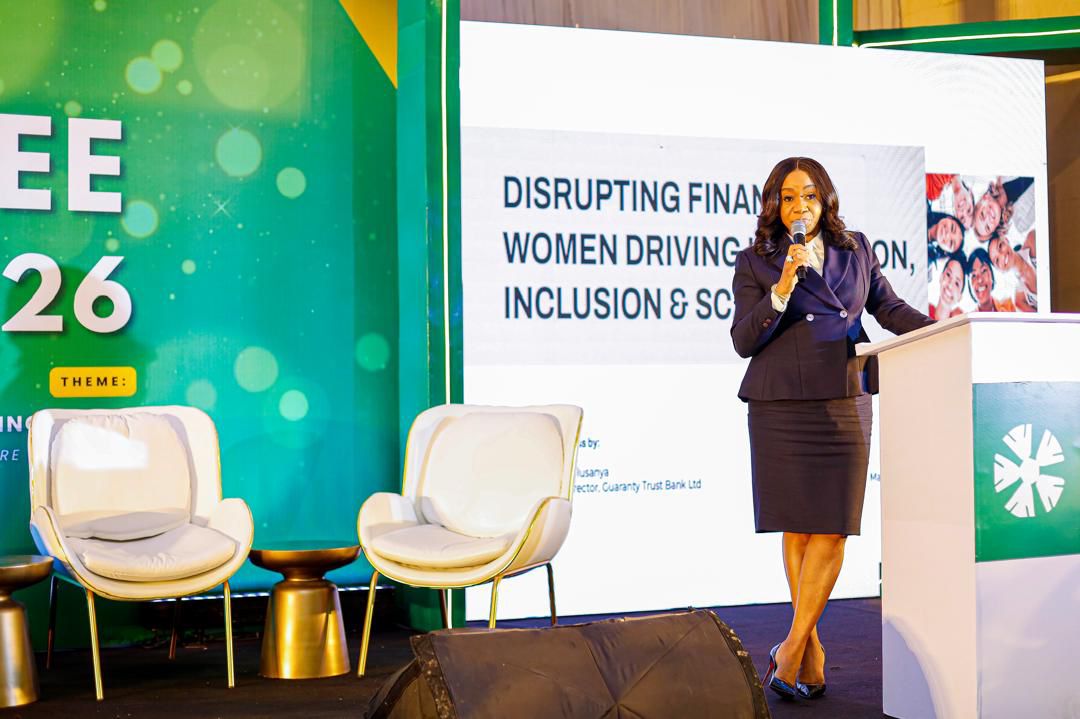
    Speaking recently as the Keynote speaker at the 2026 Marquee event of the Association of Professional Women Bankers, on the theme, “Disrupting Finance: Women Driving Innovation, Inclusion & Scale”, Olusanya opined that Leadership, Technology, Inclusion and Strength of Institutions will define true disruption in African finance.

    According to the GTBank Boss, the future of finance will not be defined by technology alone, but by the quality of leadership guiding that technology—leadership that understands that growth without discipline is risk, leadership that recognises that access without trust is unsustainable, leadership that is willing to take a long-term view in a world that increasingly rewards short-term thinking.

    Speaking earlier, Olusanya noted that, “We must be clear about the forces that will define true disruption in African finance. The first is technology, but not technology for its own sake. It must expand access, simplify engagement, and enable institutions to serve customers more efficiently and at scale.

    The second force she opined is inclusion. Inclusion understood not as a social obligation, but as a growth strategy.

    Her words, “If innovation is about building new systems, inclusion is about ensuring those systems work for everyone. In light of this, women are not just participants; they are multipliers. When a woman gains access to finance, household income stability improves, children’s education outcomes improve, health outcomes improve, and entire communities become more resilient.

    To overlook these segments is a missed opportunity. Inclusion, when approached strategically, expands markets, deepens engagement, and drives sustainable growth”, she stated.

    Still speaking on the forces that will define disruption in the African financial ecosystem, Olusanya noted that, “The third force is the strength of institutions themselves”.

    “Innovation, on its own, does not create lasting impact. Scale does. And scale requires more than ambition. It requires capital strength, governance discipline, operational excellence, and credibility. Financial systems are built on trust, and trust cannot be improvised. It must be earned, reinforced, and protected over time”, she added.

    On the barriers limiting women’s disruptive impact on the continent’s financial ecosystem, Olusanya noted that, “The narrative of women driving finance cannot ignore the barriers that persist. Cultural barriers continue to limit women’s financial autonomy. Digital barriers, with limited access to smart phones and internet, as well as lower levels of digital literacy. Representation barriers, as too few women occupy leadership roles in finance and fintech or influence policy and capital allocation decisions”.

    “If we are serious about disruption, we must be serious about dismantling these barriers. True disruption is not simply about building new systems. It is about challenging old assumptions and reshaping who has the power to decide, build, and serve.

    Closing the digital gap and increasing female representation in leadership, investment committees and policy-making bodies is essential because who sits at the table determines what gets built and who ultimately benefits”.

  • Feature- From Landlocked to Land-Linked: How Access Bank is Bridging Africa’s Trade Financing Gap

    Feature- From Landlocked to Land-Linked: How Access Bank is Bridging Africa’s Trade Financing Gap

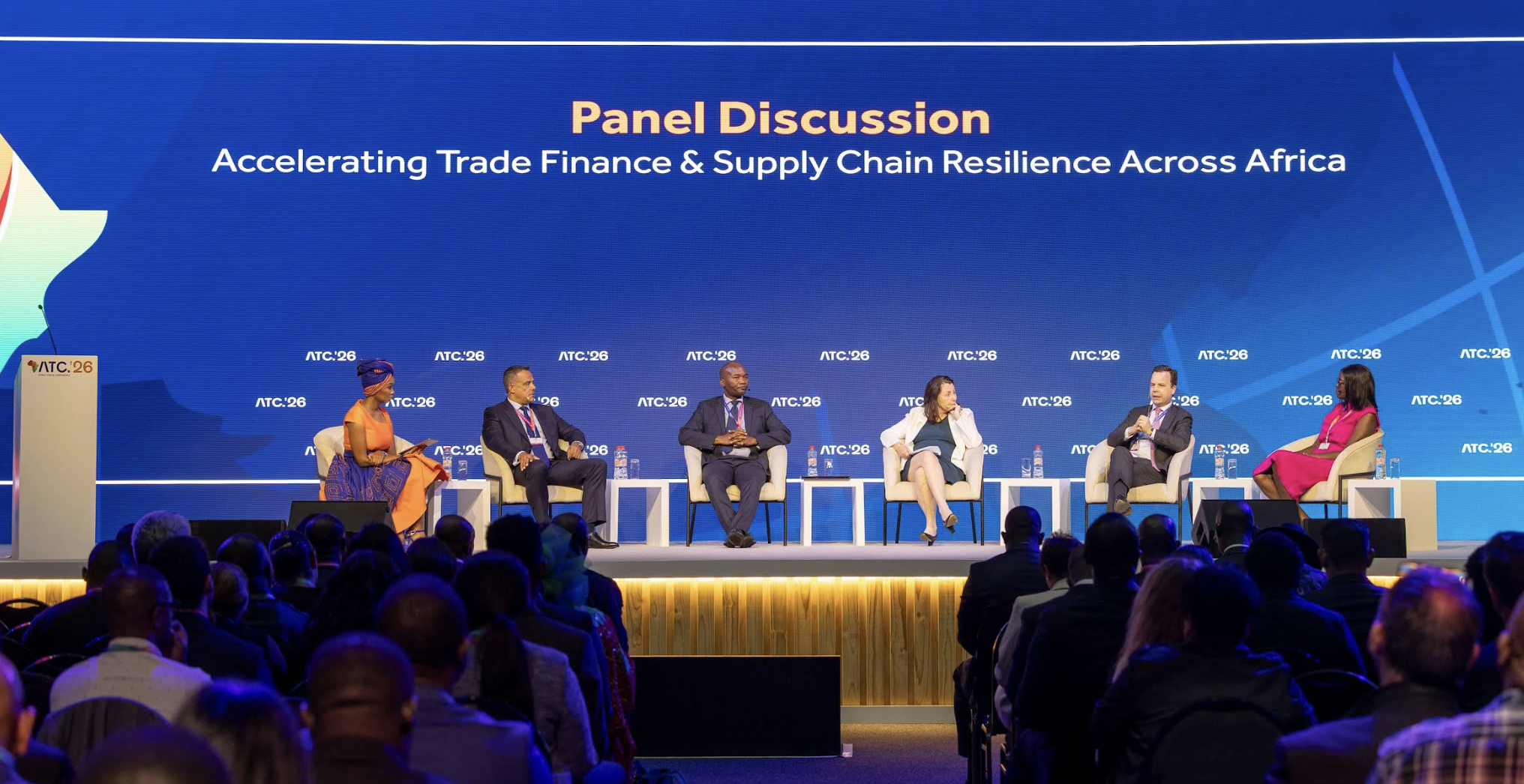
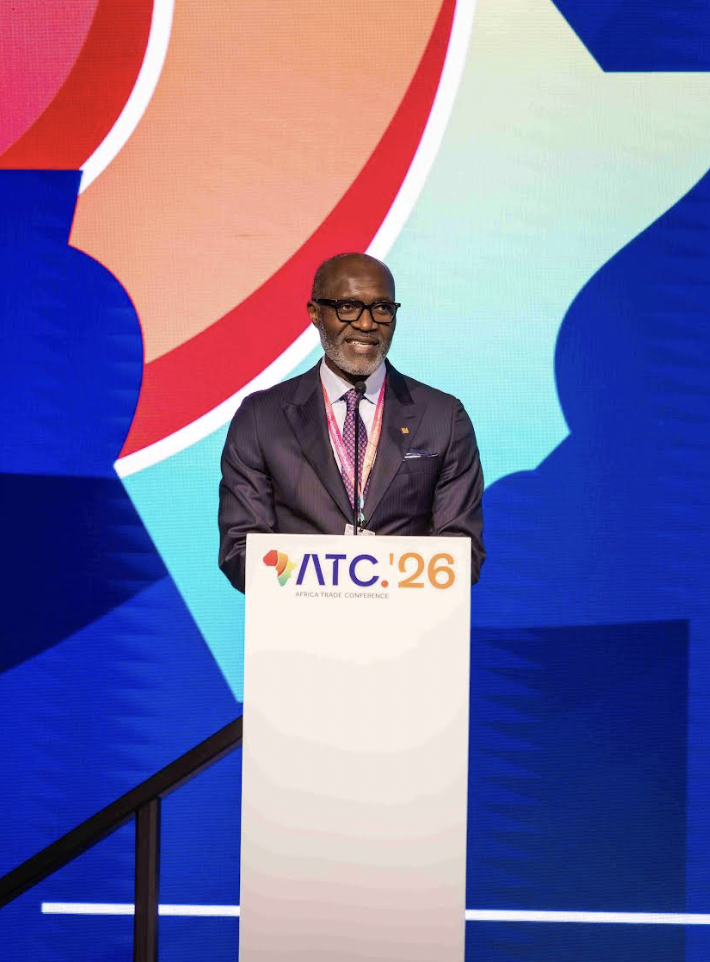
    At the Africa Trade Conference (ATC) 2026 held in Cape Town, South Africa, policymakers, financiers and global business leaders gathered to confront one of Africa’s most persistent economic constraints: the continent’s vast trade financing gap.

    Hosted by Access Bank Plc, the conference brought together stakeholders from governments, development finance institutions and the private sector to explore how Africa can transform its fragmented trade ecosystem and unlock the promise of the African Continental Free Trade Area.

    The central message emerging from the discussions was clear: Africa must move from being a continent of landlocked markets to a network of land-linked economies, connected through finance, infrastructure and digital trade systems.

    Turning Vision into Velocity

    The conference, themed “Turning Vision into Velocity: Building Africa’s Trade Ecosystem for Real-World Impact,” focused on translating policy ambition into practical solutions for businesses across the continent.

    Delivering the welcome address, Roosevelt Ogbonna, Managing Director and Chief Executive Officer of Access Bank Plc, emphasised that Africa must confront the structural barriers that continue to limit intra-continental commerce.

    “The reality is that Africa still controls a small share of global trade,” Ogbonna said. “The corridors are still fragmented and more aspirational than functional, and too many small businesses that aspire to trade across Africa remain constrained.”

    According to him, the conference was convened to continue the conversation begun at its inaugural edition in 2025, focusing on how Africa can expand trade within the continent while strengthening its participation in global markets.

    “This conference must not end as another talking shop,” he said. “It must become the birthplace of a movement that contributes to transforming intra-African trade.”

    For Access Bank Plc, the role of financial institutions in that transformation is evolving.

    “At Access Bank, we see ourselves as financiers and connectors of markets, ideas and opportunities,” Ogbonna noted. “Our role is to help African businesses move from ambition to impact, from local relevance to global competitiveness.”

    Bridging Africa’s Trade Finance Gap

    Despite its abundant natural resources and population of more than 1.3 billion people, Africa remains underrepresented in global trade flows.

    One of the biggest barriers is the lack of accessible financing for exporters, manufacturers and small businesses seeking to expand across borders. The trade finance gap continues to constrain intra-African commerce, which remains significantly below levels recorded in other regional trading blocs.

    To address this, Ogbonna highlighted three strategic priorities that emerged from the previous edition of the conference: breaking down silos between policymakers, financial institutions and businesses; building a trade ecosystem powered by reliable data and analytics, and developing systems that support both large corporations and smaller businesses expanding across borders

    Encouragingly, he noted that progress is already emerging across several sectors.

    “We have seen value chains emerging across agriculture, manufacturing and services, and we are seeing African brands crossing borders and building a global presence,” he said.

    Nevertheless, the gains remain uneven across the continent, with progress concentrated in a few markets and trade corridors.

    Financing the Future of African Trade

    Beyond the structural challenges of trade finance and infrastructure, the conference also explored the evolving financial architecture required to unlock Africa’s full trade potential.

    Keynote addresses were delivered by Kennedy Mbekeani, Director General for the Southern Africa Region at the African Development Bank, and Kwabena Ayirebi, Managing Director of Banking Operations at the African Export-Import Bank.

    Both speakers emphasised the need for stronger collaboration among development finance institutions, commercial banks and governments to mobilise the capital required to drive infrastructure development and support trade across the continent.

    Mbekeani stressed that private capital would be crucial in bridging Africa’s infrastructure financing gap.

    “The mobilisation of private capital remains crucial as many African governments are constrained by limited fiscal space and overstretched balance sheets,” he said.

    “The mobilisation of capital, particularly private capital, is something that we need to work on.”

    The conversation was further enriched by insights from Tolu Oyekan, Managing Director and Partner at Boston Consulting Group, who presented the Africa Trade Outlook 2026.

    His presentation highlighted the macroeconomic forces shaping the future of African trade, including shifting global supply chains, the growing importance of regional value chains and emerging opportunities for African industries to capture greater value in global markets.

    Digital infrastructure and payments were also central to the conversation.

    Mike Ogbalu, Chief Executive Officer of the Pan-African Payment and Settlement System, underscored the importance of payment interoperability in enabling seamless cross-border transactions across the continent.

    Efficient payment systems, he noted, are essential to reducing the cost and complexity of trading across African borders, particularly for small and medium-sized enterprises.

    Policy, Finance and Partnerships

    The conference also convened a high-level ministerial panel that brought together policymakers and financial sector leaders to examine the policy environment required to accelerate Africa’s economic integration.

    Participants included Elizabeth Ofosu Adjare, Ghana’s Minister for Trade, Agribusiness and Industry, and Tiroeaone Ntsima, Botswana’s Minister of Trade and Entrepreneurship, alongside senior executives from international financial institutions.

    Together, they explored how regulatory alignment, infrastructure development and innovative financing structures can accelerate the implementation of the African Continental Free Trade Area and unlock intra-African trade.

    The objective, participants agreed, was not merely dialogue but partnership, bringing together the policymakers, financiers and businesses capable of translating Africa’s trade ambitions into tangible outcomes.

    Reimagining Africa’s Economic Geography

    Beyond policy discussions and financing strategies, the conference reflected a deeper shift in how Africa views its economic geography.

    For decades, the continent’s development challenges have often been framed in terms of physical constraints: landlocked economies, fragmented markets and weak infrastructure.

    But the emerging vision presented in Cape Town suggests a different future,  one where integrated banking networks, digital payment systems and trade finance platforms transform isolated markets into connected trade corridors.

    For Access Bank Plc, that transformation is already underway.

    With operations spanning 25 countries globally, including 16 across Africa, the bank is building financial corridors that link African businesses to each other and to global markets.

    From Potential to Participation

    The conversations at the Africa Trade Conference reinforced a growing consensus across the continent: Africa’s economic transformation will depend on policy reforms and institutions capable of financing and facilitating trade.

    Banks, development finance institutions and payment platforms are increasingly becoming the connective tissue linking African markets.

    For Access Bank, the ambition is clear,  helping reshape the narrative of African trade.

    From isolated markets to integrated corridors. From landlocked constraints to land-linked opportunity. And from economic potential to meaningful participation in the global trading system.

  • Macroeconomic Report: NIGERIA GDP Q4’2025

    Macroeconomic Report: NIGERIA GDP Q4’2025

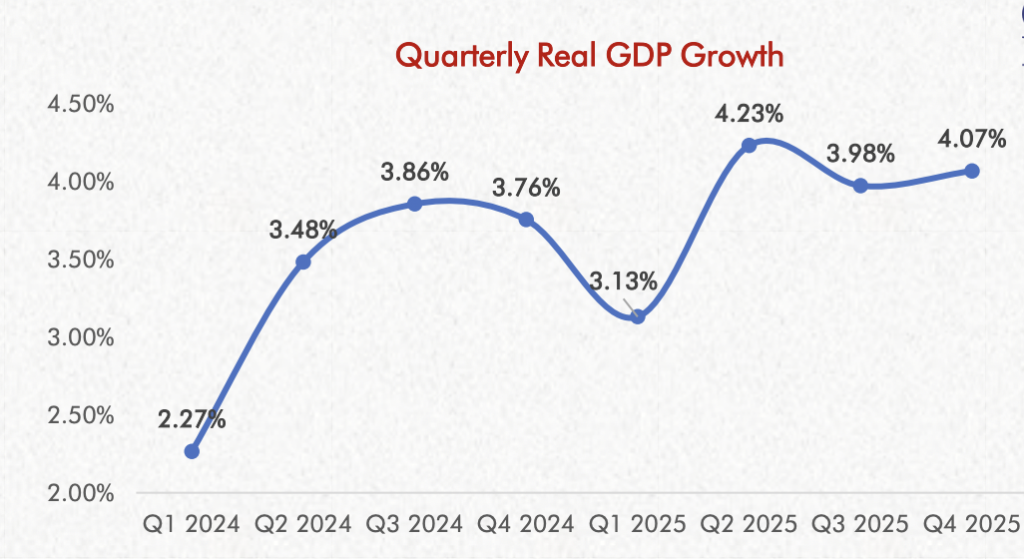
    Nigeria’s Gross Domestic Product (GDP) grew by 4.07% year-on-year in real terms in Q4’25, compared to 3.98% in Q3’25.
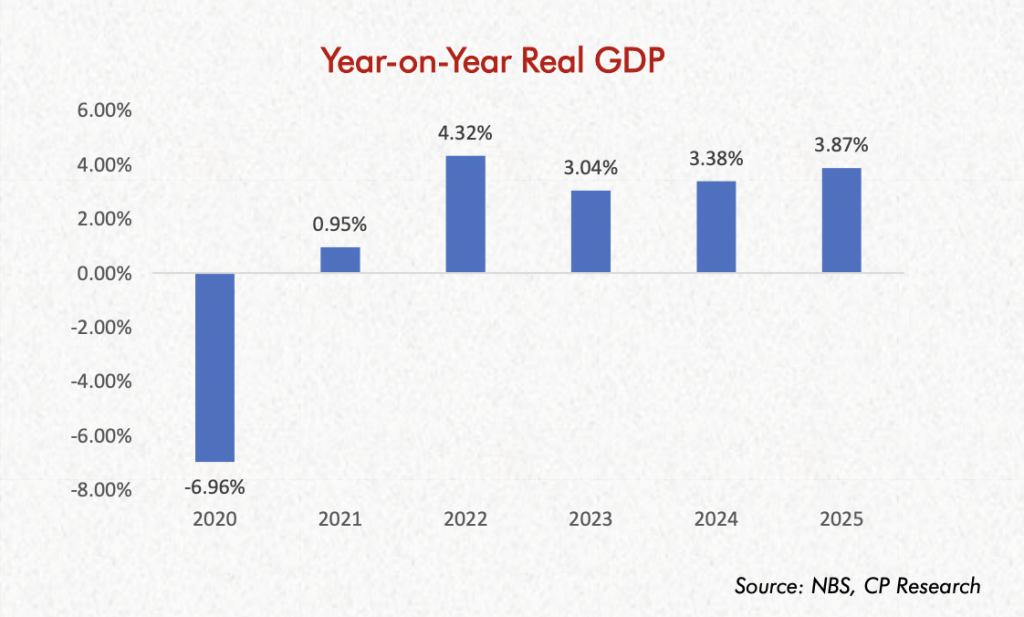
    For the year ended, Real GDP grew by 3.87%, up from 3.38% in 2024.

    In nominal terms, aggregate GDP stood at ₦122.81 trillion in Q4’25, up from ₦113.59 trillion in Q3’25, an increase of 8.12%. For the year ended 2025, nominal GDP stood at ₦431.81 trillion compared to ₦364.62 trillion in 2024.

    Key Highlights
    Overall Economic Growth: Nigeria’s economy grew by 4.07% in Q4’25, higher than 3.98% in Q3’25 and above the 3.76% recorded in Q4’24. For the full year, the economy expanded by 3.87% in 2025, compared with 3.38% in 2024, reflecting improved growth momentum.

    Services Sector Dominance: The Services sector grew by 4.15% in Q4’25 and remained the largest contributor to GDP with a 55.92% share of total output.

    Agriculture Sector Performance: Agriculture expanded by 4.00% in Q4’25, accounting for 28.66% of GDP, supported by improved crop activity relative to the prior year.

    Industry Sector Recovery: The Industry sector grew by 3.88% in Q4’25, contributing 15.42% to GDP, reflecting stabilisation in manufacturing and oil production.

    Oil Production Trends: Average crude oil production in Q4 2025 was 1.56 million barrels per day (mbpd). Oil GDP increased by 6.79% in Q4’25, compared with 2.08% in Q4’24. The oil sector accounted for 2.87% of total GDP.

    Non-Oil GDP: Non-oil sectors contributed 97.13%, with non-oil GDP expanding by 3.99% year-on-year.

    Nigeria’s economy expanded by 3.87% in full-year 2025, compared with 2.74% in 2024, marking a clear improvement in growth momentum.

    On a quarterly basis, GDP growth progressed from 3.13% in Q1 to 4.23% in Q2, moderated to 3.98% in Q3, and closed the year at 4.07% in Q4. The pattern shows that growth accelerated into mid-year and remained near the 4% range through the second half. Unlike prior years, where performance was uneven across sectors, 2025 recorded a more balanced expansion.

    From a macro standpoint, 2025 represents a transition to a higher growth base relative to 2024. The expansion was broad-based rather than concentrated in a single sector. Services provided scale, agriculture provided stability, industry provided recovery support, and oil added cyclical upside. Sustaining growth above 4% will depend on productivity gains in services, cost normalisation in industry, and continued stability in oil production.

    The Nigerian economy’s performance from the second quarter of 2025 through the end of the year shows a continuation of the multi-year
    pattern in which non-oil sectors provide the bulk of output and growth, while the oil sector delivers episodic contributions that can swing
    headline GDP outcomes.

    The non-oil sector remained the principal driver of GDP growth in every quarter of 2025 and accounted for the overwhelming share of national output. The continuity of broad-based non-oil expansion through all quarters underscores that domestic consumption, services
    demand and agricultural activity have become central to economic momentum.

    The oil sector exhibited volatility across 2025, and its impact on headline GDP was uneven. The swings in oil sector contribution reflect the
    continued sensitivity to operational disruptions and global market conditions.

    For the year ended 2025, the oil sector accounted for a larger share of GDP growth and output than in 2024. The annual rate of growth in the oil economy was 8.50% in 2025, compared with 5.54% in 2024, and the oil sector’s contribution to total real GDP rose modestly relative to the prior year. By contrast, the non-oil sector’s share of GDP edged slightly lower on an annual basis but remained dominant at over 96% of aggregate output. The annual pattern confirms that while oil output growth strengthened in 2025, structural diversification of the economy remains well-advanced relative to earlier phases when crude dominated headline GDP.

    Macroeconomic conditions in 2025 shaped sectoral performance and influenced the overall GDP outcome. The Central Bank of Nigeria’s Monetary Policy Committee (MPC) maintained a high policy rate for most of the year to contain inflation, which moderated gradually. The naira showed relative stability in late 2025, with narrower gaps between official and parallel market rates, thereby improving foreign exchange liquidity and reducing import inflation pressures.

    Movements in the exchange rate and monetary policy affected consumption, production costs, and investment decisions, while fluctuations in global oil prices and domestic output influenced fiscal revenues.

    Together, these macro variables reinforced the resilience of non-oil sectors as the primary drivers of growth, even as oil sector volatility continued to shape headline GDP outcomes.

    GDP 2025: Sector Engines, Oil Swings, and the Economy’s Balancing Act

    The Services sector was the largest driver of growth in Q4, delivering roughly 4.15 % expansion and contributing nearly 56% of GDP,
    supported by telecommunications, finance, trade, transportation, and real estate. Services demand was influenced by improvements in consumer credit and digital transaction volumes, which underpinned activity even as inflation remained elevated relative to regional
    peers, slowing but still above target. The resilience of services reinforced overall growth when other sectors faced headwinds.

    The Agricultural sector expanded by 4.00% in Q4, with crop production accounting for the majority of agricultural GDP. Crops such as
    cassava, maize, rice and yams accounted for the largest share of agricultural output, reflecting seasonal harvest gains and expanded cultivation areas. Agriculture contributed close to 28.7% of GDP in Q4, cushioning volatility in growth, supported by favourable rainfall patterns and a good harvest season. Though security challenges and post-harvest losses continue to constrain efficiency in some
    regions, agriculture’s linkages with trade and agro-processing strengthened non-oil growth.

    The Manufacturing sector expanded 3.9% in Q4 and accounted for roughly 10.7% of GDP, supported by the production of consumer goods,
    processed foods, beverages, and building materials. Annual manufacturing growth at 3.8 % in 2025 surpassed the 2024 outcome, reflecting
    improvements in logistics and a more stable electricity supply in industrial hubs, as well as incentives for import substitution. However, capacity constraints, access to long-term credit and operating costs continued to weigh on competitiveness.

    Construction activity grew alongside manufacturing, driven by private real estate investment and infrastructure projects, stimulating demand for materials and equipment.

    The Industrial sector played a measured but important role in Nigeria’s 2025 GDP performance, contributing roughly 15.4% of total output in Q4 2025. The sector expanded by about 3.9% year-on-year in Q4, supported by growth in manufacturing and a recovery in oil
    output, while mining and quarrying reflected the year’s volatility in crude production. On a full-year basis, industrial growth strengthened relative to 2024, driven largely by the oil sector’s 8.50% annual expansion, alongside steady gains in manufacturing.

    The Trade sector expanded by 3.8% in Q4, contributing roughly 18.6% to GDP and underpinning broader non-oil momentum. Trade benefited from sustained domestic consumption and naira stability.

    Bottom line
    Nigeria’s GDP growth in 2025 strengthened to 3.87% from 3.38% in 2024, with Q4 expanding 4.07% year-on-year. Growth was broad-based but structurally anchored in the non-oil economy, which accounted for over 96% of total output and expanded close to 4% for the year.

    The growth story was driven by domestic production and services activity, while oil acted as a swing factor rather than the foundation of expansion. Sustained gains will depend on productivity, infrastructure, and the continued strengthening of non-oil value chains.

    Nigeria enters 2026 with growth momentum anchored in the non-oil economy but exposed to structural and external risks. The key risk to the 2026 outlook is the gap between output growth and real income growth. Sustained expansion above 4% will require productivity gains, infrastructure improvements and stronger private investment. Without structural acceleration, growth may remain moderate, lagging behind population growth dynamics.

    2026 presents a continuation of Nigeria’s transition toward non-oil-led growth. Stability in oil will support the macro framework, but durable expansion will depend on deepening industrial output, strengthening agriculture value chains and sustaining services momentum.

  • CNN’s Marketplace Africa speaks to the Chairman of Access Bank

    CNN’s Marketplace Africa speaks to the Chairman of Access Bank

    In new episode of CNN’s Marketplace Africa, Zain Asher heads to Lagos for an exclusive look at Aigboje Aig-Imoukhuede’s private art collection, some of which will be displayed at an upcoming exhibit at the Tate Modern in London. She sits down with the Chairman of Access Bank Holdings to talk about the importance of Nigeria’s creative capital and why he believes economic growth and international recognition goes hand in hand with championing art on the continent and abroad.

    Aig-Imoukhuede begins the conversation by discussing the general underappreciation of African art, “You need infrastructure to support its promotion. Davido can’t play a concert to 50,000 Nigerians without an arena to do it. Artists cannot be bought unless you have museums and galleries that show them. Things are changing from the private sector standpoint, and things are changing even from a public sector standpoint, but not fast enough at all. The art you see around was very deliberately curated by me to show how much contemporary African artists are coming to the fore.”

    The chairman furthers this point on the advancement of African artists by walking Asher through the strategy for ensuring Lagos can become an international art hub. He says, “The idea is that we will make Lagos an ecosystem where finance, technology, and culture merge. And of course, sports, entertainment and what have you, and be very intentional about creating an annual calendar of events for Lagos.”

    Asher asks Aig-Imoukhuede what he thinks about the narrative around African art, to which he explains, “The world and the global citizen is denationalising, moving towards certain genres and certain things that make them comfortable, whether it’s colour, whether it’s material, whether it’s style, and so on. And we must be ready to live with that. So, I don’t know of any artists that I have seen become more or less Nigerian because of the market. But I have seen a lot of artists cater to what is happening and what is trending. If what is happening and what is trending is less African, then it means that we have to do more to make what is happening more African.”

    With the Tate in London hosting a Nigerian modernism exhibition, Asher asks about the role Nigeria has played specifically, compared to other African countries, in terms of elevating African art. Aig-Imoukhuede says, “1 out of every 4 black Africans is Nigerian. So, the population reality is one that we cannot run from. Our population reality is such that there are so many of us that we have to show up because we do. And because we are so visible at every turn, I think we bear the burden for Africa to be a special kind of African.”

    Asher and Aig-Imoukhuede end the interview by discussing the need for investment in art and what this looks like in Africa. He explains, “Art is strange in the sense that for many items, the weaker your currency is, the more exportable it becomes. Your value is assessed, not in local currency, but by a universal currency. And if therefore your art is described as a $10,000 piece, the problem is that if $10,000 in local currency means more, in other words, if currencies are devaluing, the artist wants to hold their global value. It means that art becomes more and more expensive. And I think that Africa has had over the last 10 years challenges with currencies. Many currencies are weakened, etc. and I think it’s affected the art world as a result.”

    These interviews were featured on the latest episode of Marketplace Africa on CNN International.

    https://edition.cnn.com/business/marketplace-africa
  • inDrive launches new advertising platform, inDrive Ads, for affordable service

    inDrive launches new advertising platform, inDrive Ads, for affordable service

    inDrive, a global mobility and urban services platform, has introduced inDrive Ads, a new global advertising platform, to help the company grow sustainably, make its services affordable for people, while keeping commissions low for drivers.

    inDrive Ads, which is now live in the top 20 countries to the majority of our monthly average user base, is designed to strengthen the platform by generating new income streams, keeping its take rate among the lowest in the industry, and supporting long-term sustainability for riders, drivers, and local communities

    According to the Country representative, inDrive, Timothy Oladimeji, part of the plan is to expand the platform to the entire country portfolio within this year.

    Oladimeji stated that a share of its ad space will be dedicated to impact programs, giving in-house community initiatives a chance to reach new audiences at little or no cost.

    He noted that there is already promising traction on the platform, with advertiser demand growing 2x month over month and early pilots showing strong repeat interest from advertisers, including leading names in e-commerce, fashion, retail, banking, and finance.

    He added that the platform has partnered with fintech leaders across key markets — from Monet in Colombia, which issued over 1,200 cash loans through inDrive Ads, to Skyro in the Philippines, which has 200+ loans, and a leading Mexican bank that distributed 400+ new credit cards via our ecosystem.

    “Ads appear across various screens in the funnel and include multiple-dimension banners featuring graphics and animation, with transparent measurement tools built in,” he said.

    In his remarks, the founder of inDrive, Arsen Tomsky, stated that, as a mobility platform, inDrive is diversifying its business with a high-margin stream like Ads, noting that the new line gives it more flexibility to fund affordability at scale.

    “Fairness and access have guided every product we’ve built — and inDrive Ads is no different,” said Andries Smit, Chief Growth Business Officer at inDrive. “As our SuperApp grows, we’re creating opportunities for more people and brands to participate on equal terms, using the same principles that make our platform unique,” Tomsky said.

    With over 8 billion deals facilitated through our platform and operations across 48 countries, we’re continuing to evolve inDrive into a true SuperApp, one built around fairness, opportunity, and people’s real needs.

  • Tax Act: Banks, Financial Institutions to Charge N50 Stamp Duty on Electronic Transfers from January 1st, 2026

    Tax Act: Banks, Financial Institutions to Charge N50 Stamp Duty on Electronic Transfers from January 1st, 2026

    With effect from Thursday, January 1st, 2026, banks and fintechs will charge N50 per electronic transfer from N10,000.00. This is a stamp duty or electronic money transfer levy.

    This is part of the implementation of the Nigeria Tax Act 2025, which will take full effect from the new year of 2026.

    This was confirmed through messages to customers of financial institutions, including Palmpay, United Bank of Africa, and Sterling Bank.

    According to the financial institutions and banks, “All electronic transactions of N10,000 and above from the accounts of customers will attract a N50 stamp duty charge.”

    Customers will no longer be charged stamp duty when they receive N10,000 and above. Providing further updates, the banks stated that the charge remains a one-off N50 per qualifying transaction.

    For transactions in foreign currencies, the N50 stamp duty will be applied to the Naira equivalent of N10,000 based on the exchange rate determined by the Central Bank of Nigeria (CBN). 

    This news article highlights key regulatory activities in the Nigerian financial sector covering banking, insurance, pension, the capital market, finance and revenue and financial reporting.

    Under the Nigeria Tax Act, the N50 “Electronic Money Transfer Levy (EMTL)” on money transfers will now be referred to as Stamp Duty across all financial institutions.

  • Lagos, FirstBank, Guinness, The Address Homes, Swedish Government, Gobet247, Utilita, others Lead 9th AFRIMA Sponsorship Line-Up

    Lagos, FirstBank, Guinness, The Address Homes, Swedish Government, Gobet247, Utilita, others Lead 9th AFRIMA Sponsorship Line-Up

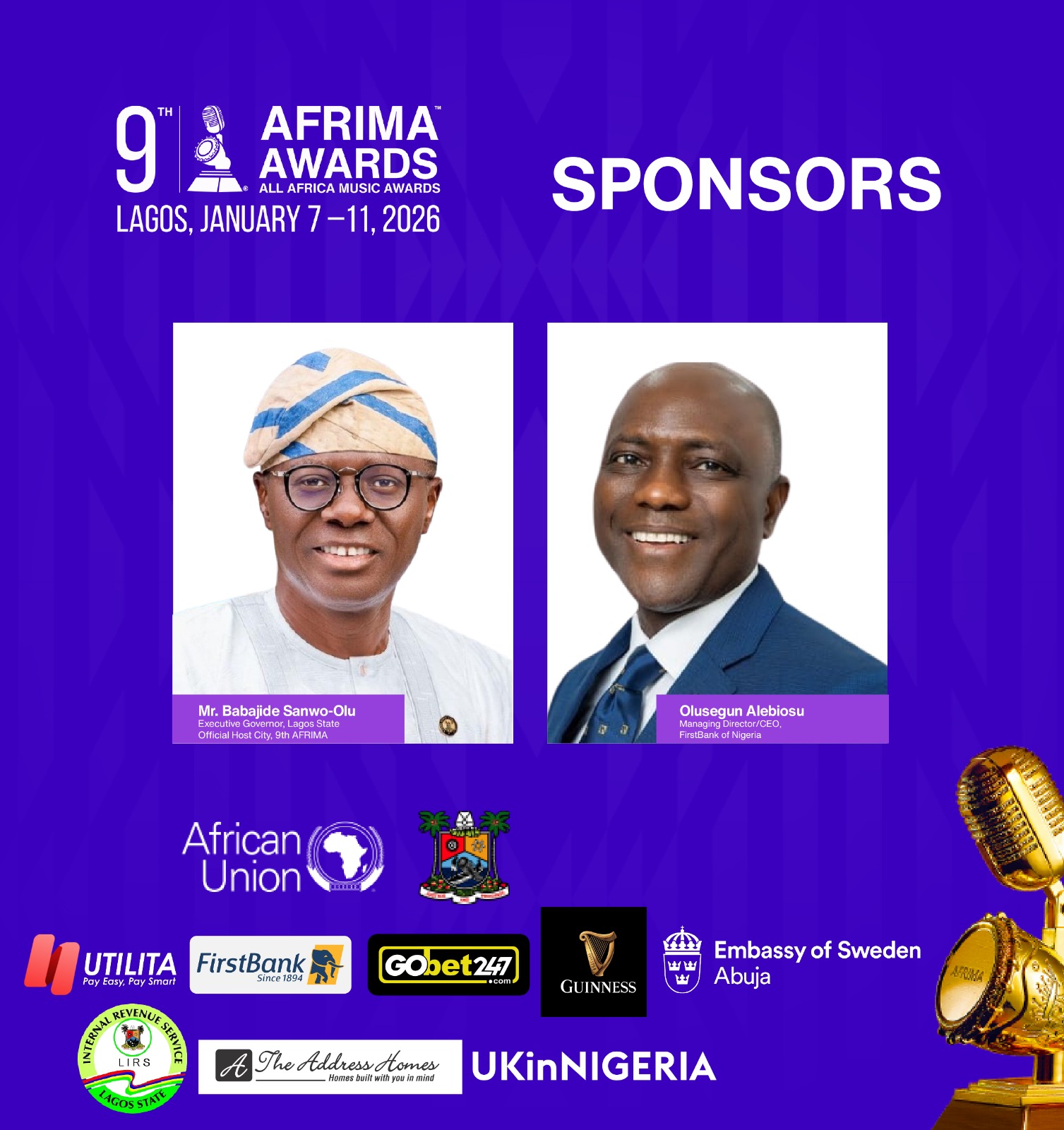
    The Lagos State Government, First Bank of Nigeria, Guinness Nigeria, The Address Homes, the Government of Sweden, Gobet247 and several other major organisations have thrown their weight as sponsors behind the 9th edition of the All Africa Music Awards (AFRIMA), scheduled to hold from January 7 to 11, 2026, in Lagos.

    AFRIMA, in partnership with the African Union Commission (AUC), unveiled its strong list of sponsors and partners, showing growing confidence in African music as a major cultural and economic force.

    The 9th edition, themed “Unstoppable Africa,” has attracted support from key sectors including finance, real estate, beverages, digital platforms, media, hospitality and international cultural institutions.

    Following the acceptance of Lagos State Government of the offer from the African Union, Lagos will once again serve as the Official Host City, reinforcing the state’s position as Africa’s leading creative and entertainment hub. With the strong backing of the awards from the Federal Government of Nigeria, the 9th AFRIMA promises to be hugely successful. The African Union Commission remains AFRIMA’s legacy Institutional Partner, supporting its mission to promote African music and culture across the continent and beyond.

    At the top level of sponsorship, fast-growing digital payments and lifestyle platform Utilita and leading gaming and entertainment brand Gobet247 are headlining the event as National Gold Sponsors.

    At the Silver level, First Bank of Nigeria, Lagos State Internal Revenue Service (LIRS) and The Address Homes have been confirmed as National Silver Partners. Guinness Nigeria joins as the Official Beer Sponsor, bringing added energy to this year’s festivities. AFRIMA also welcomes international cultural support from the British High Commission in Nigeria and the Embassy of Sweden, both serving as Cultural Exchange Partners.

    In travel and hospitality, Wakanow, Pan Atlantic Travels and Dorf Travels & Tours Ltd have been named the Official Travel Partners. Vaniti Lagos and Knowhere Restaurant will host nominees and special guests as Hospitality Partners. Popular youth culture platform Mainland Block Party Lagos is also supporting the celebration, adding street culture and community energy to the awards week at the AFRIMA Music Village holding at Ikeja City Mall on Friday, January 9,2026.

    AFRIMA has also confirmed a strong coalition of leading media organisations across radio, television, digital platforms, print, and Out-of-Home (OOH) channels as its Official Media Partners for the 9th Edition. These include DSTV/Multichoice, HIPTV, Afro Music Pop, Base FM, Beat FM, Classic FM, Hot FM, Kennis FM, Lagos Talks, Inspiration FM, Traffic Radio, Radio Lagos, Eko FM, and Lasgidi FM.

    Others on the partnership roster are The Culture Newspapers (TCN),Legit.ng, Max FM, Nigeria Info, Nigezie, Television Continental (TVC), and Yanga FM, along with top OOH companies led by MotoMedia, Yartview Ltd, Optimus Exposure, Plural Media, Folham Nigeria Limited and Nimbus Media.

    Speaking on FirstBank’s support, Olayinka Ijabiyi, Acting Group Head, Marketing and Corporate Communications at FirstBank, said the partnership aligns with the bank’s long-standing commitment to Africa’s creative industry.

    “At FirstBank, we are dedicated to promoting Africa’s vibrant creative industry, and our partnership with AFRIMA reflects this commitment. Through our First@Arts initiative, we have consistently supported projects across the creative value chain, nurturing talent and enabling production. In doing this, we preserve Africa’s rich cultural heritage while promoting unity, education and entertainment.”

    From the international community, H.E. Anna Westerholm, Ambassador of the Kingdom of Sweden to Nigeria, said, “Sweden is proud to join AFRIMA in celebrating the richness and global impact of African music. In 2026, we will mark 65 years of diplomatic relations with Nigeria, highlighting our strong ties. As the world’s third-largest music exporter, we believe in the power of collaboration and idea exchange. This partnership enhances our cultural and business connections, and we look forward to a meaningful week supporting the creative industries.”

    Also speaking, Yinka Bakare, Marketing and Innovations Director at Guinness Nigeria Plc, said the brand’s involvement reflects its deep roots in African culture.

    “Guinness has been woven into Africa’s most iconic cultural moments for decades, and our sponsorship of AFRIMA’s 9th edition reinforces that heritage. AFRIMA celebrates the extraordinary artistry that defines Africa, and we are proud to support a platform that showcases the continent’s greatness to the world.”

    Founder and Chairman of The Address Homes, Dr. Bisi Onasanya, described AFRIMA as an important platform for African creativity, collaboration and cultural identity expressions.

    “AFRIMA represents the spirit of African excellence and innovation. At The Address Homes, we believe that culture, creativity and enterprise must work together to drive sustainable growth. Supporting AFRIMA is our way of building and investing in Africa’s talents, strengthening cultural pride and opening new opportunities for creative young people and business partnerships across the continent.”

    Speaking during the sponsorship announcement in Abidjan, Cote d’Ivoire, Ms. Edwidge Goli, Director of Partnerships at AFRIMA, described the sponsorship line-up as a strong vote of confidence in African music.

    “This is more than sponsorship. It is a historic show of belief in the power of African music, the brilliance of our talents and the future of our creative industries,” she said.

    She thanked the Lagos State Government for hosting the event again and praised the commitment of the Gold and Silver sponsors, as well as international partners and media organisations.

    The 9th AFRIMA will commence with the Nominees and Guests Welcome Soirees scheduled on January 7. This will be followed by the Africa Music Business Summit (AMBS) on January 8 at the Eko Convention Centre, Eko Hotels and Suites, Lagos, Nigeria.

    AFRIMA Music Village Concert and Diamond Showcase will take place on January 9 at the Ikeja City Mall, leading up to the grand Awards Ceremony on January 11 at the Eko Convention Centre at Eko Hotel, Lagos, Nigeria. Red carpet starts at 3:30 pm (WAT).

    The awards ceremony, along with major live performances, will be broadcast to audiences in over 84 countries worldwide.