Tag: Google

  • Applications open for the 2027 Meltwater Entrepreneurial School of Technology (MEST) Africa AI Startup Program

    Applications open for the 2027 Meltwater Entrepreneurial School of Technology (MEST) Africa AI Startup Program

    Join a global community of AI entrepreneurs

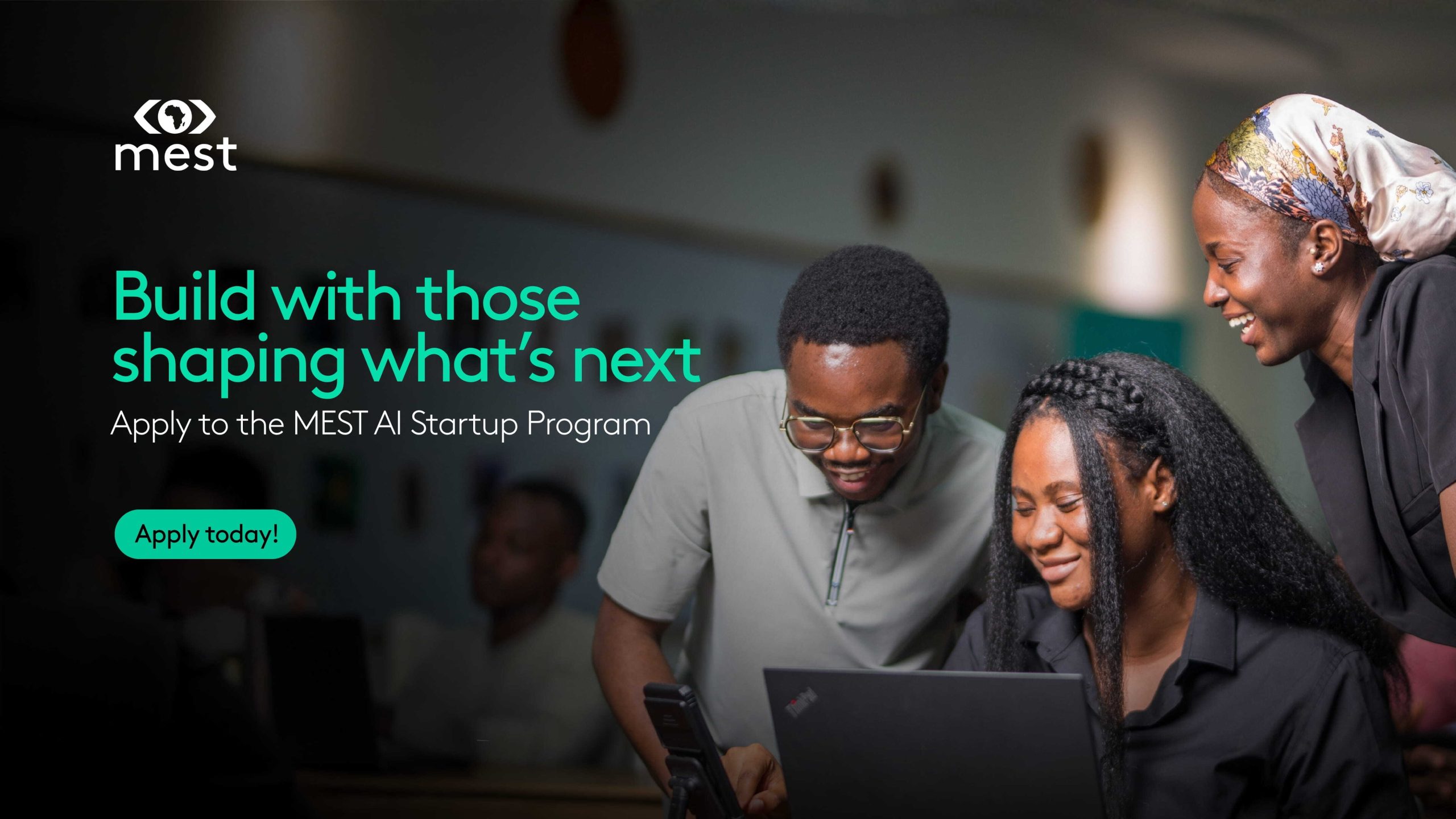
    The Meltwater Entrepreneurial School of Technology (MEST), has opened applications for the second edition of the MEST AI Startup Program, a fully-funded, immersive experience designed to equip Africa’s most promising AI entrepreneurs with the technical, business, product, and leadership skills to build and scale globally competitive AI startups.

    Over a seven-month training phase, the MEST AI Startup program will provide founders with hands-on instruction, technical mentorship, and business coaching from global experts to develop AI-powered solutions. The top startups will then advance to a four-month incubation period to refine products, sharpen go-to-market strategies, and secure market traction. At the end of incubation, startups have the opportunity to pitch for pre-seed investment of up to $100,000 and join the MEST Portfolio.

    The inaugural cohort brought together founders from seven African countries who are already building transformative AI solutions across industries. Building on the momentum of the first edition, the 2027 intake reflects MEST Africa’s continued commitment to ensuring African entrepreneurs play a defining role in the future of artificial intelligence.

    According to Emily Fiagbedzi, AI Startup Program Director, the urgency of investing in African AI talent has never been greater.

    “AI technology is advancing at an extraordinary pace, and meaningful participation in the global AI economy requires more than access to tools, it requires the ability to build,” she said. “This program is designed to help talented African founders develop solutions to real challenges while positioning them to compete globally. We are excited to support the next generation of African AI founders through training delivered by some of the most knowledgeable experts in the industry from organizations including OpenAI, Perplexity, Google, and Meltwater”

    For the 2027 intake, the program is open to African founders based in Ghana, Nigeria, Senegal, and Kenya aged 21–35 with software development experience who want to start their own AI startup.

    Apply now at https://apo-opa.co/3ReIQSI

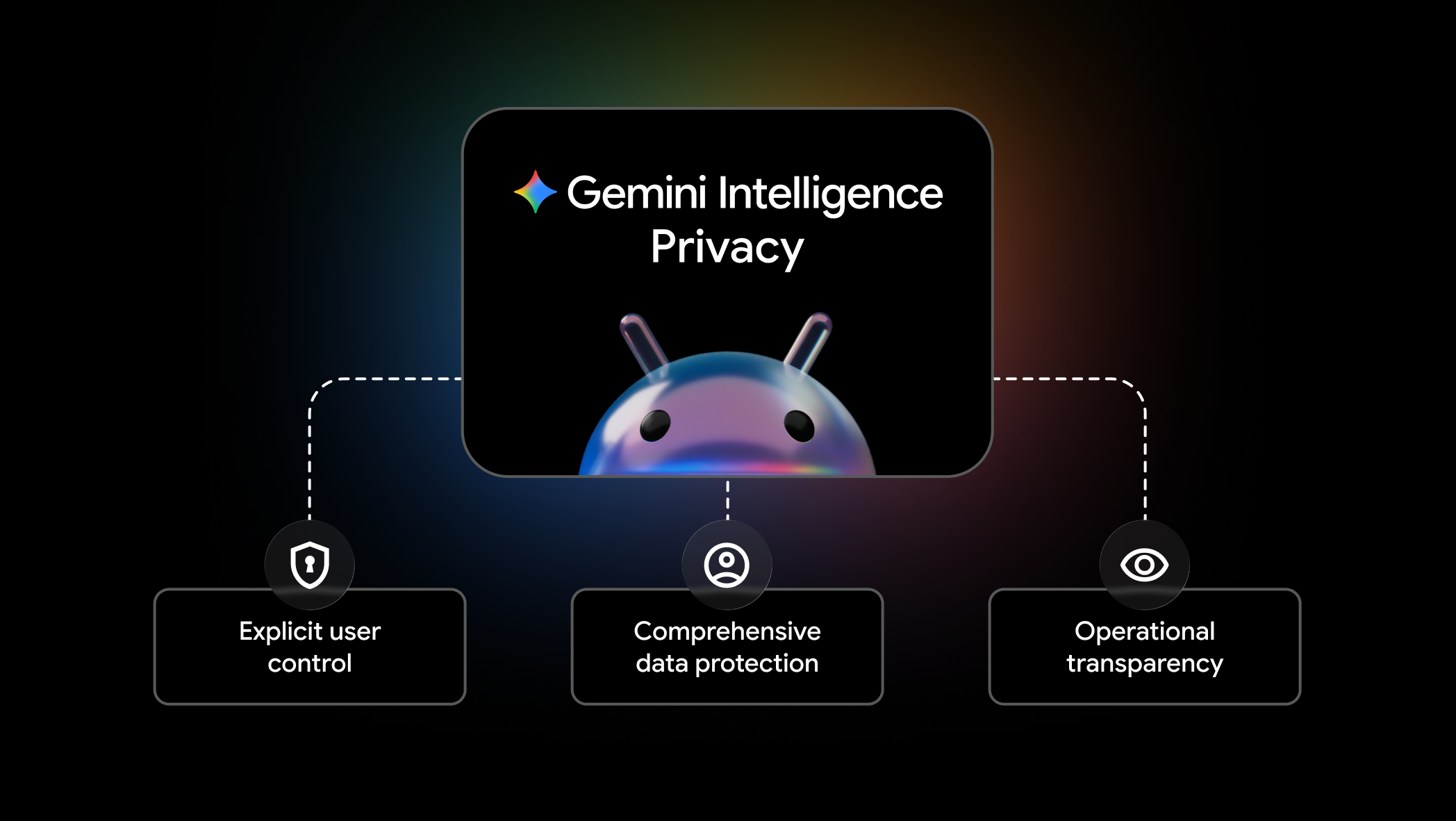
  • Google Has Just Announced 12 New Changes to Android. Here Is How Gemini Intelligence Will Change Your Phone.

    Google Has Just Announced 12 New Changes to Android. Here Is How Gemini Intelligence Will Change Your Phone.

    Google’s annual I/O developer conference is a hub for exciting product updates. This year, “The Android Show: I/O Edition” offered an early preview of Android’s future. Packed with groundbreaking news, these updates will transform our Android interactions. Android, the world’s most popular OS with over 3 billion active devices, continues to innovate, bringing practical benefits and new possibilities.

    For people in Nigeria, these advancements promise easier, safer, and more personal digital lives driven by Gemini Intelligence. From handing off your to-do list to unbreakable theft protection, dive into how Android’s 12 latest offerings will empower users across the continent:

    1. Hand Off Your To-Do List with Gemini App Automation

    Google is introducing Task Automation, allowing Gemini to navigate multi-step tasks across your apps so you can focus on other things. Instead of manually switching between apps and copying data, you can simply point your camera at a travel brochure in a hotel lobby and say, “Find a tour like this on Expedia for a group of six.” You can also long-press your power button over a grocery list in your notes app and ask Gemini to build a shopping cart with all the items for delivery. Gemini handles the logistics in the background while keeping you in complete control.

    • Availability: Already in beta on S26 and P10 Pro devices, and launching on Galaxy Fold8 and Pixel 11 later this year.

    2. Speak Naturally with “Rambler” (Powered by Gemini)

    Google is announcing Rambler, a revolutionary voice typing feature in Gboard that captures your underlying intent rather than just transcribing your exact words. Because we don’t always speak the way we want to write, Rambler lets you talk naturally—including self-corrections, repeats, and filler words like “ums” and “ahs”—and turns those raw thoughts into a polished, concise message. It is built for a global community and can seamlessly switch between multiple languages, like blending English and Hindi, within a single sentence.

    • Availability: Rolling out first to Pixel devices starting in Q3 2026.

    3. A Personal Browsing Assistant with Gemini in Chrome

    Google is announcing a built-in personal browsing assistant for Chrome on Android, designed to help you research and understand web content without ever leaving the app. By tapping the Gemini icon on your toolbar, the assistant opens at the bottom of your display so you can ask specific questions about the webpage you are currently viewing. Whether you need a quick summary of a long article or a detailed explanation of a complex topic, this tool seamlessly enhances your mobile web experience.

    • Availability: Rolling out to select Android 12+ devices with 4GB+ of RAM in the U.S. starting at the end of June.

    4. Instant Image Customization with Nano Banana

    Google is introducing Nano Banana, an innovative feature that lets you instantly create and customize images directly within your Chrome browser. For example, if you are studying for an online exam, you can simply ask your browsing assistant to turn a text-heavy page into an informative infographic. Similarly, if you are scrolling through apartment listings, you can ask the assistant to alter a photo of an empty room to include modern living room essentials, allowing you to instantly visualize ideas on the go.

    • Availability: Available in Chrome for Android starting next month.

    5. Share with Anyone Using Quick Share & AirDrop

    Google is announcing a massive expansion to Quick Share, making it compatible with AirDrop to solve the universal hassle of sharing files between different phone brands. If you are at a family gathering and want to share a video with friends using iOS, you can simply use Quick Share on your Android phone to generate a QR code. Scanning this code lets you instantly share high-quality media across devices via the cloud, breaking down the barriers between operating systems.

    • Availability: Expanding to more partners including Samsung, OPPO, OnePlus, Vivo, Xiaomi, and HONOR this year.

    6. OSmosis: Wireless iOS-to-Android Transfer

    Google is announcing OSmosis, a completely overhauled, wireless iOS-to-Android transfer process that makes switching phones easier than ever. You can now wirelessly migrate your passwords, photos, messages, favorite apps, contacts, and even your precise homescreen layout directly from your iPhone to your new Android device without needing a cable.

    • Availability: Launching first on new Samsung Galaxy and Google Pixel devices later this year.

    7. Pro-Grade Creator Tools Natively on Instagram

    Google is announcing an expanded partnership with Meta to bring pro-level camera and editing features natively to the Instagram app on Android flagships. Android creators can now enjoy Ultra HDR capture for lifelike, vibrant colors, along with built-in video stabilization to keep footage smooth while walking or dancing. The update also includes deep Night Sight integrations, ensuring you can capture the perfect shot even in the dimmest settings.

    • Availability: Rolling out to flagship devices throughout Q3 and Q4 2026.

    8. Reclaim Your Time with “Pause Point”

    Google is introducing Pause Point, a new digital wellbeing tool designed to help you stop mindless, autopilot scrolling. When you try to open an app you have identified as distracting, Pause Point gives you a mandatory 10-second breather to ask yourself, “Why am I here?” During this pause, you can do a quick breathing exercise or set a strict timer for your app usage. To ensure you stick to your goals, turning the feature off completely requires you to restart your phone.

    • Availability: Available in Q4 2026 across all countries and languages.

    9. Unbreakable Biometric Theft Protection

    Google is announcing a powerful new anti-theft measure that enhances the “Mark as lost” feature with biometric authentication. If your device is snatched, you can now lock it using your fingerprint or face in addition to the standard passcode. This provides an immediate, unbreakable layer of security, meaning that even if a thief spied on your PIN before stealing your phone, they will not be able to turn off device tracking or re-access your personal data.

    • Availability: Rolling out as a built-in feature on devices running Android 17.

    10. Express Yourself with Noto 3D Emoji

    Google is announcing Noto 3D, a massive update to the way we express ourselves with nearly 4,000 newly designed emoji. Moving away from flat 2D icons, these new 3D emoji bring a touch of physicality and weight to your digital conversations. Whether you are sending a wrapped burrito or a joyful smile, this visually vibrant collection bridges the digital divide, representing the difference between a message simply being received and a true presence felt.

    • Availability: Available across Google platforms, starting with Pixel phones later this year.

    11. Fill Out Forms in a Single Tap with Gemini Personal Intelligence

    Google is announcing an evolution to Autofill with Google, powered by Gemini’s Personal Intelligence. This new feature allows Android to automatically fill in complex forms across your apps and Chrome browser. By securely pulling relevant information from your connected apps or saved photos—such as passport details or frequent flyer numbers—your device saves you from the universal hassle of typing out tiny text on a mobile screen.

    • Availability: Rolling out in Q2 2026 for phones, and Q4 2026 for laptops and tablets.

    12. Build Custom Widgets with Gemini Intelligence

    Google is introducing Create My Widget, taking the first step in generative UI to give you more ways to make your device truly yours. You can now build entirely custom widgets just by describing what you want using natural language. For example, a meal prepper can ask for a widget that suggests high-protein recipes every week, or a cyclist can create a weather dashboard that surfaces exact wind speed and rain stats right on the home screen.

    Availability: Launching in Q3 2026 for phones, watches, laptops, and tablets.

  • Nigerians use Search and AI to develop new creative skills and master the arts in 2026

    Nigerians use Search and AI to develop new creative skills and master the arts in 2026

    Google today shared new data highlighting how people across Nigeria are turning to Search and AI tools to master the skills they need for their creative pursuits. The latest trends for March 2026 highlight a significant shift toward using technology as a practical assistant for artistic growth and personal hobbies.

    Nigeria has a long history as a major creative hub in Africa, and its influence is visible globally. The nation is famed for its creative culture, from a critically acclaimed Afrobeats scene to the global success of Nollywood blockbusters. Nollywood is currently the fifth-largest movie and entertainment industry in the world and has seen its gross value grow to $8 billion. This creative output is highly exportable, and research shows that over 70 per cent of watch time for content produced by Nigerian channels comes from outside the country. Similarly, the Afrobeats genre has gained a massive international fanbase with songs being streamed more than 13 billion times in a single year on platforms like Spotify. These achievements highlight a rich legacy that young Nigerians are now building upon with new digital tools.

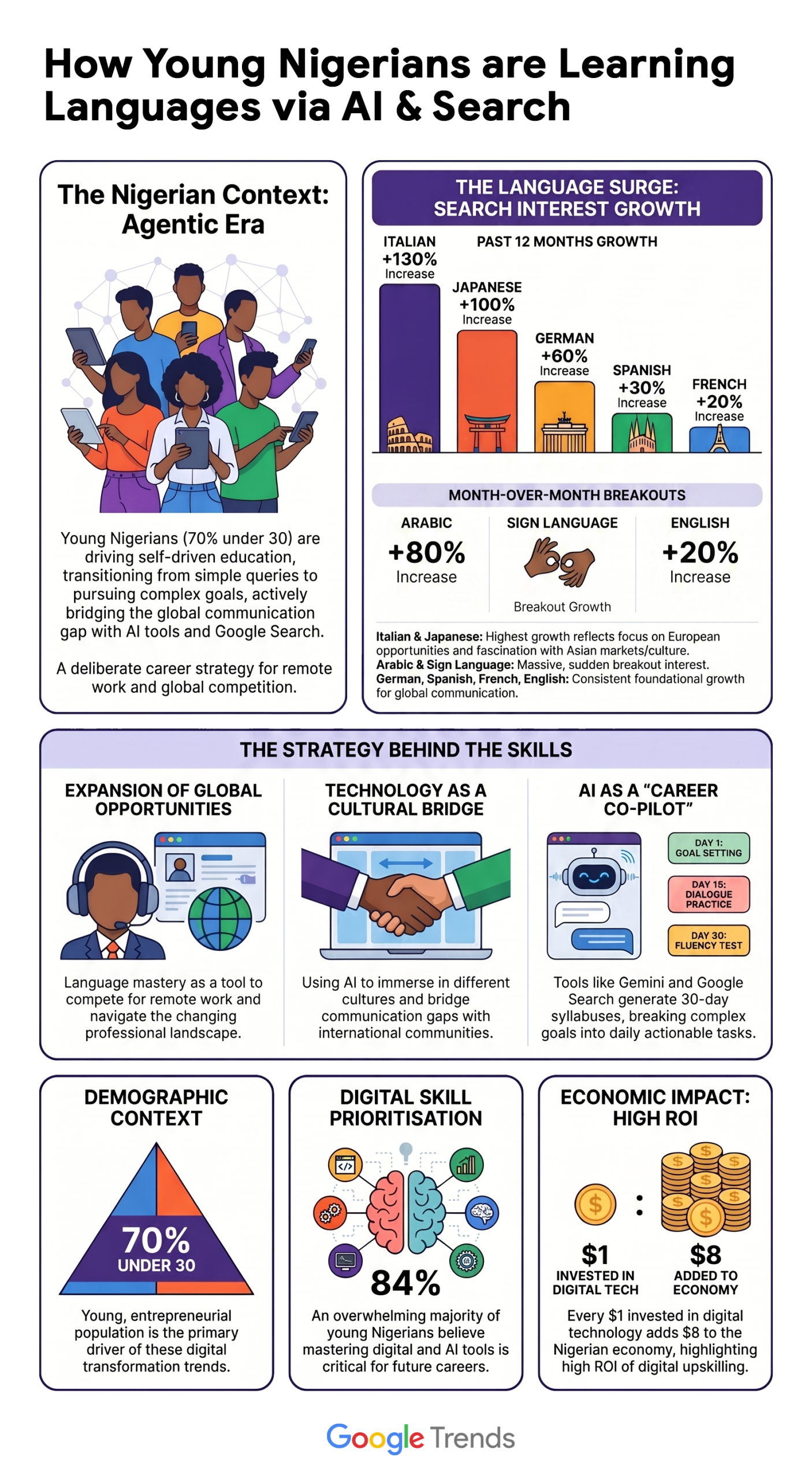
    This movement is a highly deliberate strategy to master new skills and explore global opportunities. The latest search data shows that Nigerians are masterfully using technology to develop their artistic talents. Interest in learning painting has grown by 90 per cent over the past year, while searches for calligraphy have emerged as a breakout trend this month, as people find new ways to express themselves through art . These trends demonstrate Nigerians’ everyday resourcefulness as they use accessible technology to bridge skill gaps.

    Musical pursuits are also seeing strong momentum in the data. People are turning to their phones to master musical instruments, with searches for learning the guitar increasing by 80 per cent recently. The creative exploration extends to advanced technology as people look for AI musical tools like Lyria 3, which has become a breakout trend this year. Personal mastery also includes learning new languages to connect with the world. Interest in learning Italian has risen by 130 percent and interest in Japanese has doubled over the last twelve months. These activities demonstrate how technology serves as a practical tutor for artistic growth and international connection.

    The move toward mastering new creative skills is happening within a growing digital economy where every dollar invested in technology creates an eight-dollar return for the nation. Industry analysts at Public First have noted that digital technologies are spearheading growth and development in Nigeria. Their research underscores the value of digital transformation by estimating that every dollar invested in digital technology generates over eight dollars in economic value . This investment supports a young population that is already making significant contributions as the ICT sector recently contributed over 16 percent to real GDP.

    Students and parents are also finding new ways to use these tools for school and creative work. Searches for AI tutors have become a breakout trend and interest in chemistry combined with AI tools has doubled in the last year . General school support is also seeing growth as homework related searches rose by 70 percent this month . These search trends are supported by infrastructure projects like the Equiano subsea cable which provides twenty times more network capacity than previous systems . Better connectivity supports economic growth as a one percent increase in connectivity is associated with a 5.7 percent increase in GDP .

    “It is inspiring to see how Nigerians are creatively and purposefully using AI to unlock new opportunities for learning and growth. The surge in creative arts and language mastery shows a nation that is actively shaping its future with technology. Nigerians are using Search and AI as 24/7 tutors to master high demand skills and connect with the world. This everyday resourcefulness is helping our entrepreneurial population achieve their highest ambitions.” says Taiwo Kola-Ogunlade, Head of Communications & Public Affairs, West Africa, Google.

    Google remains committed to providing the helpful technology that turns these ambitions into everyday skills for everyone across the country . Through products like Search and Workspace knowledge workers in Nigeria are already saving over 22 million hours every week . This time saving is equivalent to a 4.7 billion dollar improvement in productivity across the nation . The surge in AI literacy which has grown by 840 percent demonstrates a purposeful move by Nigerians to integrate technology as a critical sidekick in their professional and creative lives .

  • Dangote, Pope Leo XIV, Trump, Xi Jinping, others Named in TIME 100 Most Influential People for 2026

    Dangote, Pope Leo XIV, Trump, Xi Jinping, others Named in TIME 100 Most Influential People for 2026

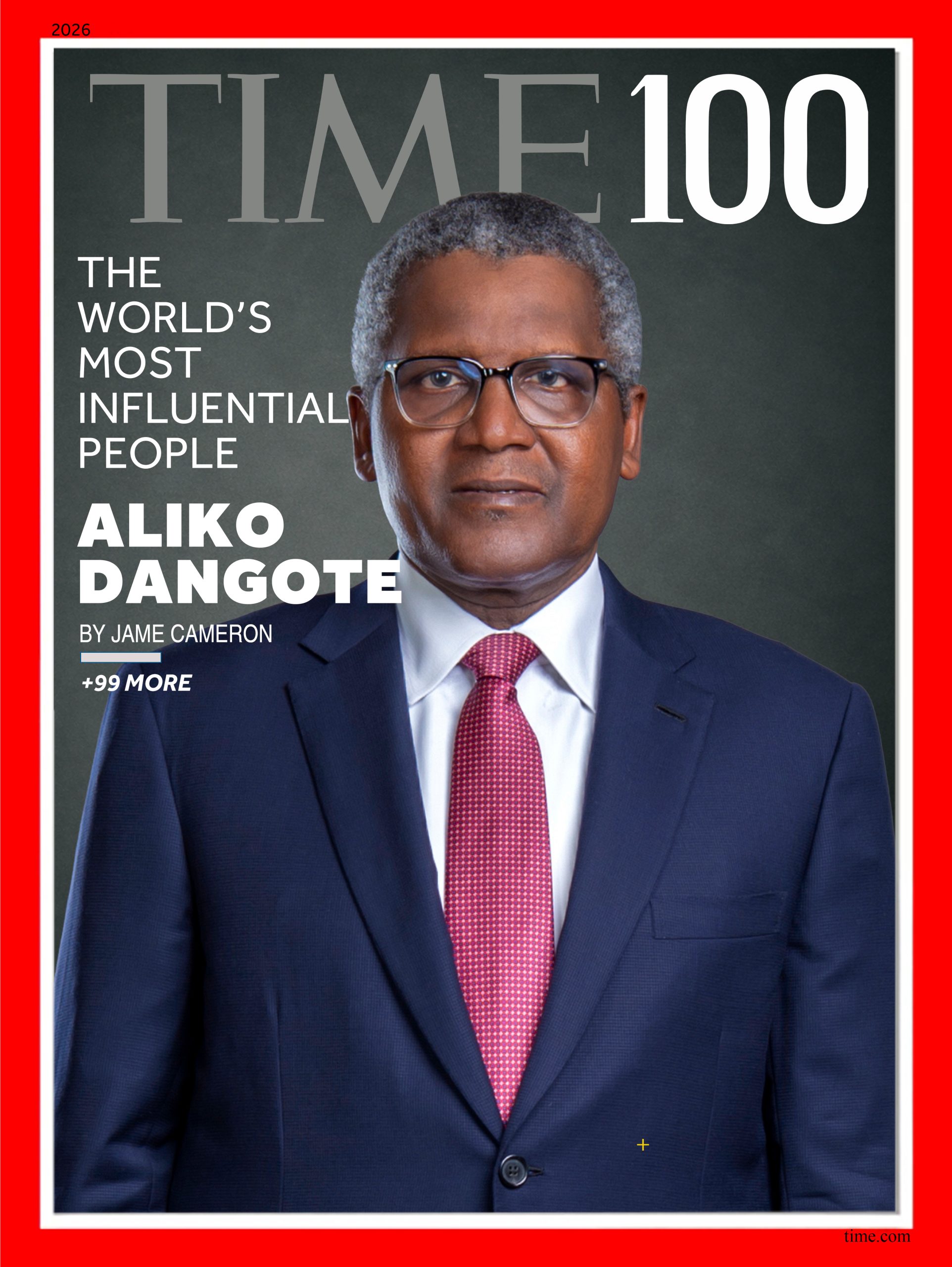
    Renowned African industrialist and philanthropist, Aliko Dangote, has been named among TIME Magazine’s 100 Most Influential People in the World for 2026, reaffirming his standing as one of the most successful and iconic business leaders of his generation.

    Dangote joins global influential figures from multiple sectors, including political leaders such as U.S. President Donald Trump, Chinese President Xi Jinping, Israeli Prime Minister Benjamin Netanyahu, Canadian Prime Minister Mark Carney, revered Pope Leo XIV, current head of the Catholic Church as well as business and technology leaders including Google CEO Sundar Pichai and YouTube CEO Neal Mohan.

    The annual TIME100 list, published on April 15, 2026, recognises global figures whose leadership, ideas, and actions are shaping the future across business, politics, culture, and society. Dangote’s inclusion places him alongside prominent international figures drawn from diverse spheres of global influence.

    This marks Dangote’s second appearance on the prestigious TIME100 list, following his first recognition in 2014, when he was honoured for his exceptional impact on business and philanthropy. His return to the list more than a decade later underscores the consistency and scale of his influence on the global stage.

    Dangote, who is being recognized for his African industrial drive is the only Nigerian on the list and featured in the titan and innovators category. Other prominent honorees named alongside Dangote in the titan category are Reid Wiseman, Commander of the Artemis II mission to the moon; Sundar Pichai, CEO of Google and Alphabet and Neal Mohan, CEO of YouTube.

    Also featuring prominently under the titan category are Michael and Susan Dell, the high-profile American tech billionaires and philanthropists best known as the founders of the Michael & Susan Dell Foundation, a global non-profit that focuses on improving the lives of children living in urban poverty. Included here also is the American designer and billionaire, Ralph Lauren, best known for founding the global lifestyle empire Ralph Lauren Corporation.

    Recognised in the Pioneer category are individuals with breakthroughs in Science and Social Advocacy, such as Kiran Musunuru and Rebecca Ahrens-Nicklas, both of whom were cited for medical breakthroughs in genetic therapy, as well as Aaron Williams, recognised for advancements in heart transplant readiness.

    Influential figures recognized in global entertainment and culture include Ranbir Kapoor, prominent Indian actor; Dakota Johnson, recognized as an actress and cultural icon and Kate Hudson, included for her cultural influence.

    As Founder and President of Dangote Group—Africa’s largest indigenous industrial conglomerate—Dangote has played a central role in advancing industrialisation across the continent. Under his leadership, the Group has made landmark investments spanning cement manufacturing, sugar and food processing, agriculture, infrastructure, and lately energy, significantly reducing Africa’s reliance on imports while creating millions of direct and indirect jobs.

    In its citation, TIME Magazine highlighted Dangote’s vision of building African industries with local resources for global competitiveness, noting his recent investments in large‑scale energy and manufacturing infrastructure as emblematic of his long‑term commitment to Africa’s economic transformation.

    Beyond business, Dangote is widely acclaimed for his philanthropic leadership through the Aliko Dangote Foundation (ADF), one of Africa’s largest private philanthropic organisations. The Foundation supports critical initiatives across healthcare, nutrition, education, disaster relief, and economic empowerment, contributing to improved outcomes for vulnerable communities across the continent.

    The 2026 TIME100 recognition further reflects a broader global acknowledgement of African leadership, innovation, and enterprise, with Dangote standing as a symbol of the continent’s growing influence in shaping global economic and development narratives.

    This latest honour consolidates Aliko Dangote’s legacy as a visionary industrialist and philanthropist, whose work continues to drive sustainable development, inclusive growth, and long‑term value creation—both within Africa and beyond.

    Under his leadership, Dangote Group recently launched Vision 2030, with which Dangote Industries aims to transform from a regional $30 billion conglomerate into a $100 billion global powerhouse by 2030.

    This strategy focuses on industrial self-sufficiency for Africa, moving the group from “regional dominance to global relevance”. 

    Dangote said the roadmap to vision 2030 is divided into phases to “supercharge” the group’s expansion; with phase one spanning 2025-2028, focused on scaling existing businesses—cement, fertiliser, and energy—and optimising assets for international competitiveness.

    Phase two, running from 2028-2030, is for deploying new businesses and ventures into global markets to drive the final leap toward the $100 billion revenue target. The Dangote Group plans to expand into steel manufacturing, power generation, and deep-sea ports to address industrial bottlenecks across Africa. 

    This recognition by Time Magazine underscores the growing global recognition of African leadership and innovation and highlights Aliko Dangote’s enduring influence as a visionary committed to sustainable development and inclusive growth.

    The 2026 list underscores the expanding global visibility of African leadership and Dangote’s continued influence as a leading industrialist and philanthropist.
  • Gemini empowers Broda Shaggi, and other creators to bring folktales to life for Nigerian children

    Gemini empowers Broda Shaggi, and other creators to bring folktales to life for Nigerian children

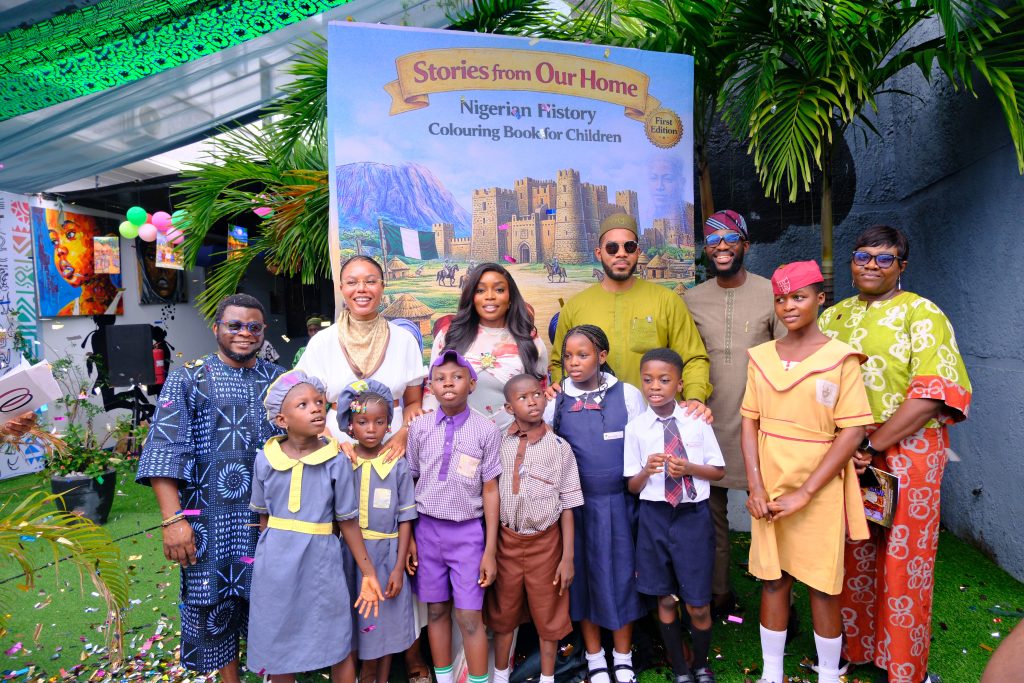
    Google has partnered with Slum2School Africa and a team of celebrated Nigerian creators to unveil “Stories from Our Home,” a first of its kind Nigerian folktale and cultural colouring book for children. The collaborative initiative aims to bridge the shortage of educational materials in Nigeria by placing 1,000 books directly into the hands of primary school pupils in underserved communities. This project serves as a direct response to the gap in nursery classrooms where children often learn without basic creative tools such as colouring books and crayons.

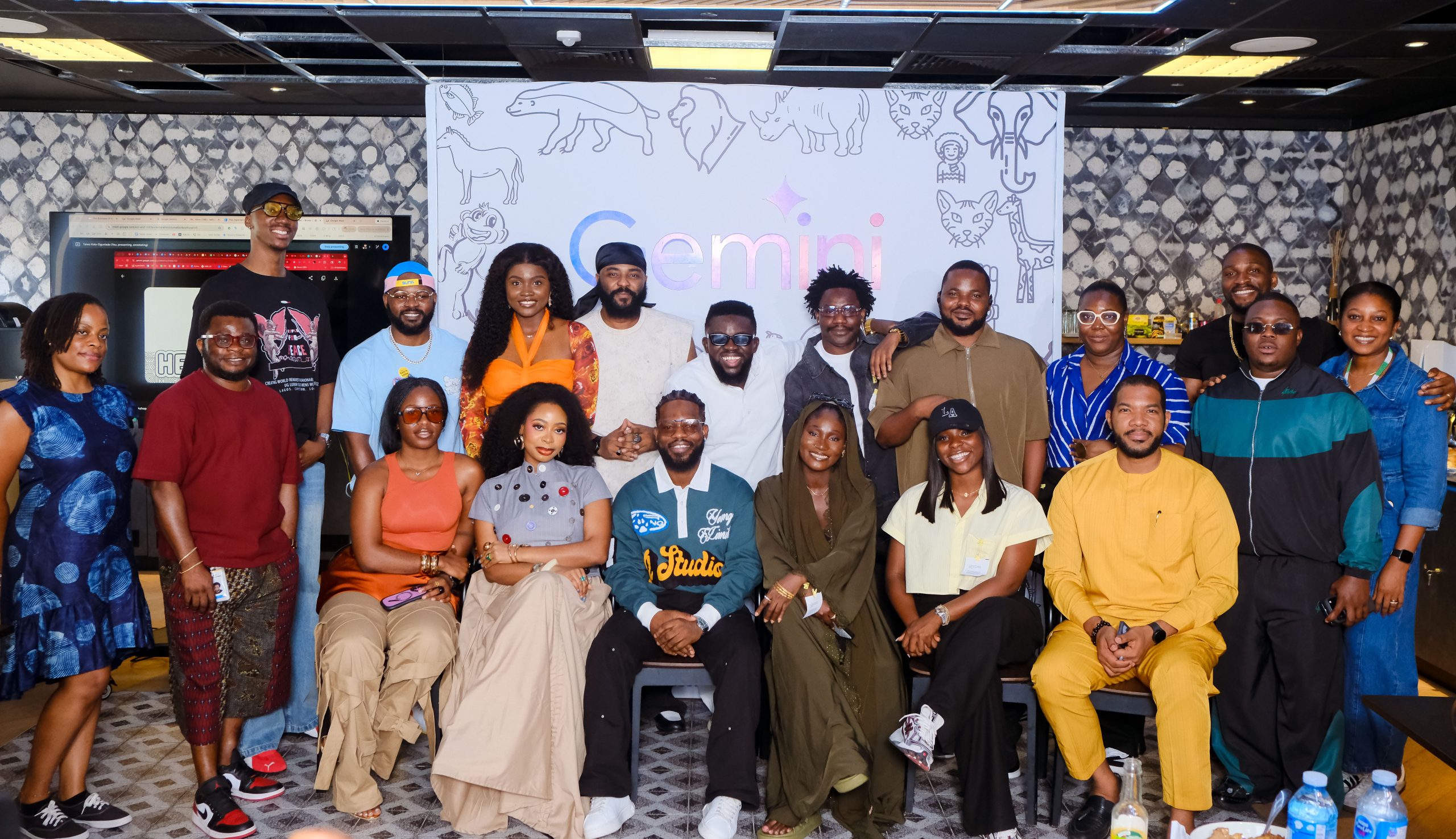
    The creation of the book utilized Google Gemini as a creative enabler to reimagining African folklore as print-ready line art. A group of creative contributors led by Broda Shaggi, alongside Falz, Layi Wasabi and others, gathered at an Imagination Workshop to share memories and cultural stories. These storytellers used the generative AI tool to translate their cultural ideas and heritage narratives into high-quality art that children can now take pride in and colour. The finished work was designed and published by Inked Memory, ensuring the final pages met appropriate educational and child-centered standards.

    “At Slum2School Africa, we have always believed that education is the most powerful tool for breaking the cycle of poverty,” stated Otto Orondaam, Founder of Slum2School Africa. He noted that education begins long before a child enters a classroom, starting with the stories they hear and the materials they hold. “Stories from Our Home is an extension of everything we stand for, ensuring that every child, no matter where they are born, has access to the resources and the identity that will shape their future.”

    The formal unveiling at the Slum2School Innovation Hub in Lekki featured special reading sessions with the children. Google West Africa Director, Olumide Balogun delivered opening remarks and read the story of the Great Rivers of Nigeria. He was joined by guest readers Nancy Isime and Bisola Aiyeola, who shared stories of Nigerian heroes including the Walls of Benin and Queen Moremi Ajasoro. These sessions were designed to show children that their culture is a treasure and that their stories belong in books.

    “I know what it feels like to grow up without these things,” said Samuel Animashaun Perry, popularly known as Broda Shaggi. “I know what it means when a child does not have the basic tools that others take for granted. That experience never leaves you, and it is why I am committed to doing whatever I can to make sure young people today do not have to go through what I went through. Being part of this project, and seeing 1,000 packs go into the hands of these children, means everything to me.”

    Each child at the launch received a Dream Pack containing the printed book along with crayons, notebooks, pencils and educational games. This initiative highlights the importance of creative play, which supports foundational capacities such as fine motor skills, focus and imagination. By combining technology with traditional storytelling, the project ensures that children in underserved areas have access to the resources and identity that will shape their future.

  • Google Search Live is expanding globally

    Google Search Live is expanding globally

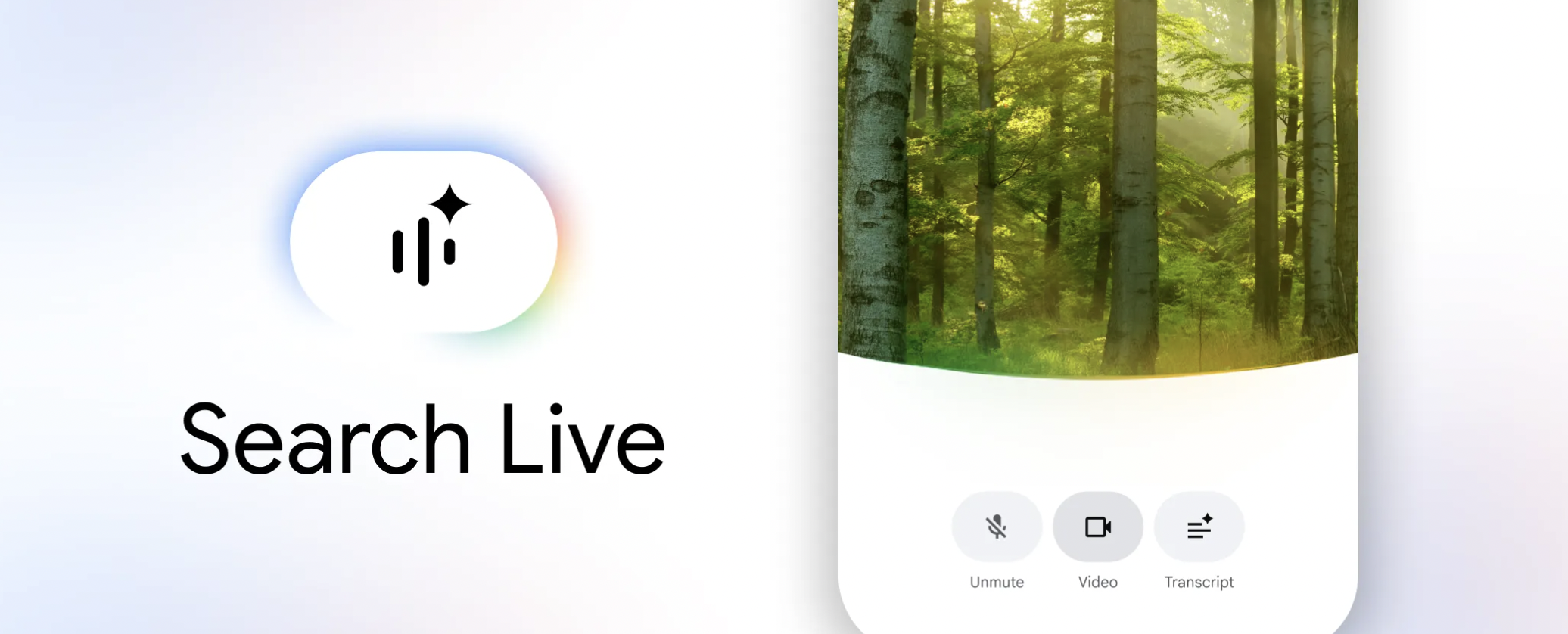
    ...When you go Live with Search, you can have an interactive, multimodal conversation in AI Mode.

    Today, we’re expanding Search Live globally to all languages and locations where AI Mode is available. Now, people in more than 200 countries and territories can have interactive conversations with Search in AI Mode, using both voice and camera.

    This expansion is enabled by our new audio and voice model, Gemini 3.1 Flash Live, which delivers even more natural and intuitive conversations. The new model is also inherently multilingual, which means that people around the world can now speak with Search in their preferred language.

    Bringing Search Live to more people

    Search Live is designed for those moments when you need real-time help, and typing out a query just won’t cut it. To go Live with Search, simply open the Google app on Android or iOS and tap the Live icon under the Search bar. From there, you can ask your question out loud to get a helpful audio response, then continue the conversation with follow-up questions or dive deeper with helpful web links.

    If you want to ask about something in front of you, like how to install a new shelving unit, you can enable your camera to add visual context. This way, Search can see what your camera sees and offer helpful suggestions, plus links to more information on the web.

    You can also access Search Live if you’re already pointing your camera with Google Lens — just tap the Live option at the bottom of the screen to have a real-time, back-and-forth conversation about what you see in the real world.

    We’re always working to make Search more helpful, and we’re excited to see how people around the world use Search Live to learn, explore and get things done.

  • Google Rolls Out Yorùbá and Hausa Language Support for AI Search Features in Nigeria

    Google Rolls Out Yorùbá and Hausa Language Support for AI Search Features in Nigeria

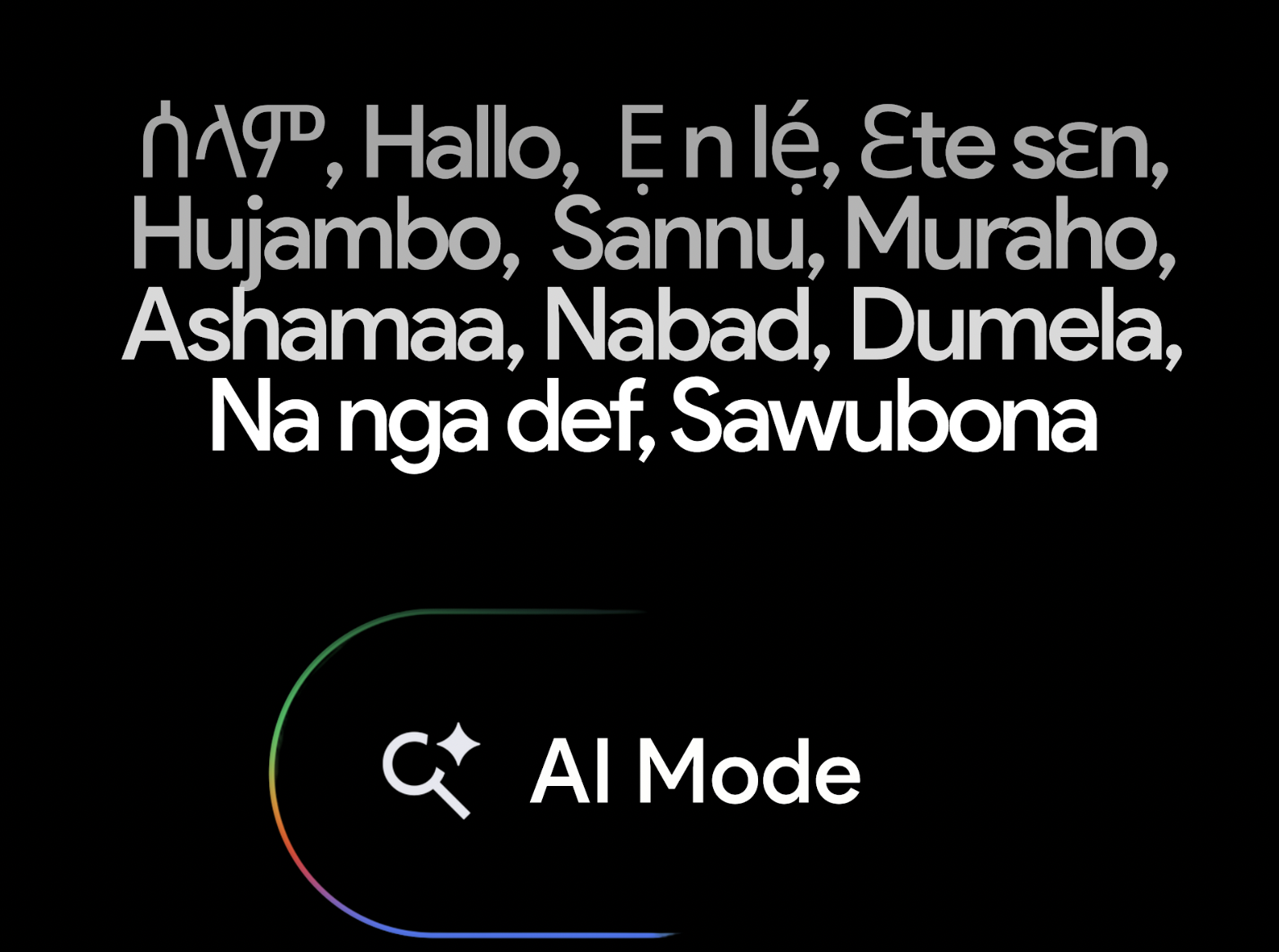
    Google has expanded the language capabilities of its artificial intelligence-powered Search features, AI Overviews and AI Mode, to include Yorùbá and Hausa, enabling millions of Nigerians to access AI-assisted information in their native languages.

    The development allows users who speak these languages to interact with Google Search in a more natural way, using their mother tongue to receive quick summaries of information and explore topics through conversational queries. The update means that users across Nigeria—from students in Kano seeking information in Hausa to traders in Ibadan asking questions in Yorùbá—can now benefit from AI-powered search experiences tailored to their language.

    According to Google, the expansion forms part of a broader effort to make artificial intelligence more inclusive across Africa. With the latest update, Google’s AI Search features now support 13 African languages, significantly widening access to digital knowledge and tools across the continent. By addressing language barriers, the company says the initiative ensures technology better reflects the identity, culture and communication preferences of the communities it serves.

    With enhanced functionality, users can ask complex questions in their preferred language using AI Mode, which provides deeper exploration of information and enables a more conversational, intuitive interaction with the web. The features also support both text and voice input, making them accessible to a broader range of users.

    Speaking on the development, Taiwo Kola-Ogunlade, Communications and Public Affairs Manager, West Africa at Google, said the expansion reflects the company’s commitment to building a truly global and locally relevant Search experience.

    “Building a truly global Search goes far beyond translation — it requires a nuanced understanding of local information,” he said. “With the advanced multimodal and reasoning capabilities of our custom version of Gemini in Search, we’ve made huge strides in language understanding, so our most advanced AI search capabilities are locally relevant and useful in each new language we support. This is about ensuring Nigerians can converse with Search in their mother tongues, making information more helpful for everyone.”

    The 13 African languages now supported by Google’s AI Search capabilities include Afrikaans, Akan, Amharic, Hausa, Kinyarwanda, Afaan Oromoo, Somali, Sesotho, Kiswahili, Setswana, Wolof, Yorùbá and isiZulu. Google said these languages were selected based on strong search activity across the continent and the need to ensure that AI-powered experiences reach communities where they can have the greatest impact.

    Users can access the features by opening the Google app on Android or iOS devices, or via the web, selecting AI Mode within the Search experience and typing or speaking their questions in their preferred language.

    The update marks another step in Google’s efforts to broaden access to AI-powered tools while strengthening digital inclusion across Africa, particularly in countries like Nigeria where indigenous languages remain central to everyday communication.

  • Google Opens Applications for Milestone 10th Cohort of Startups Accelerator Africa, Targeting AI-Driven Scientific Breakthroughs

    Google Opens Applications for Milestone 10th Cohort of Startups Accelerator Africa, Targeting AI-Driven Scientific Breakthroughs

    Google today announced the opening of applications for the 10th cohort of the Google for Startups Accelerator Africa. This milestone edition marks nearly a decade of support for the African tech ecosystem and reinforces Google’s commitment to accelerating AI-driven scientific and technological breakthroughs across the continent.

    The 12-week “AI First” hybrid program is designed for Series A startups based in Africa or building Africa-centric solutions with AI and machine learning. Participants will benefit from access to Google’s AI expertise and technical resources, alongside mentorship from seasoned AI professionals and invaluable networking opportunities.

    “Africa’s tech landscape is seeing a vibrant shift toward deep-tech innovation,” said Folarin Aiyegbusi, Head of Startup Ecosystem, Africa. “For Class 10, we are focusing on the potential of AI to drive health and societal benefits, providing the infrastructure and expertise to turn these startups into the research labs of the continent.”

    Since its inception in 2018, the Google for Startups Accelerator: Africa program has supported 180+ startups from 17 African countries. Collectively, these startups have raised over $350 million in funding and created more than 3,700 direct job opportunities in the region.

    Applications are open from today until March 18, 2026. Startups are invited to apply at g.co/acceleratorafrica.

    Applicants are also to take not of the programme timeline- Applications Open on February 5, 2026, and close on March 18, 2026. The programme is expected to start in April 2026

  • Dangote Group’s Anthony Chiejina Makes Global Influence 100 Again

    Dangote Group’s Anthony Chiejina Makes Global Influence 100 Again

    … Only Nigerian named among world’s most powerful communications leaders

    Anthony Chiejina, Group Chief Branding and Communications, Dangote Group, has been named to the prestigious 2025 Influence 100, reaffirming his standing as one of the most consequential communications leaders in the world and the only Nigerian on this year’s list.

    The recognition marks Chiejina’s fifth consecutive appearance on the global ranking, having previously been listed in 2021, 2022, 2023 and 2024, a rare distinction that underscores both consistency and sustained global relevance. His continued presence places him among an elite group of in-house communicators whose judgement, influence and strategic insight shape corporate reputation at the highest level.

    Published annually by PRovoke Media and now in its 13th year, the Influence 100 identifies the most impactful senior communications, corporate affairs and marketing executives worldwide. The 2025 list reflects a rapidly changing global environment in which communications has evolved from a support function into a core pillar of leadership, governance and trust building amid geopolitical uncertainty, technological disruption and heightened public scrutiny.

    According to PRovoke Media, the leaders recognised this year demonstrate strategic clarity, cultural intelligence and the ability to guide organisations through complexity. Final selections are made by the publication’s senior editorial team through proprietary research and external nominations, assessed against organisational seniority and global reach, influence over agency partnerships and budgets, and contribution to thought leadership and industry direction. The list also prioritises gender balance, racial diversity and geographic representation.

    According to the publication, Chiejina’s inclusion reflects his central role in shaping the reputation of Dangote Group, Africa’s largest industrial conglomerate. For over 15 years, he has overseen corporate communications across the group’s diverse portfolio, spanning cement, agriculture, energy, manufacturing and consumer goods. His stewardship has been instrumental in positioning Dangote as the continent’s most admired indigenous company and a symbol of African industrial ambition.

    “As group head of corporate communications, he oversees external and internal reputation across multiple sectors spanning cement, agriculture, energy and consumer goods, and has helped steer the brand’s continued recognition as the most admired indigenous company on the continent,” it said.

    Under his leadership, the group’s communications function has navigated complex regulatory environments, major industrial expansions and heightened global attention, particularly as Dangote deepens its footprint across Africa and advances sustainability and energy security initiatives.

    Before joining Dangote Group, Chiejina held senior roles at Zenith Bank, Oceanic Bank, Seven Up Bottling Company, the African Economic Digest (AED) and African Concord, experiences that have given him deep insight into Nigeria’s political economy, financial markets and media landscape. That breadth of experience continues to inform Dangote Group’s engagement with stakeholders at home and abroad.

    His sustained recognition on the Influence 100 highlights not only personal professional excellence, but also the growing visibility of African corporate leadership in global reputation management. As communications becomes increasingly central to how organisations lead and earn trust, Chiejina’s presence on the list reinforces Nigeria’s place in the global conversation shaping the future of the profession.

    The 2025 Influence 100 includes 28 new entrants, alongside several high-profile reentries by senior communications leaders who have since taken on expanded global roles. These include Michael Stewart, who moved from PwC to Unilever; Michael Gonda, from McDonald’s to Nike; and Sandy Rodriguez, also from McDonald’s to Eli Lilly.

    This year’s list reflects a powerful cross section of communications leadership from some of the world’s most influential organisations, including Walmart, Apple, Shell, Microsoft, Nvidia, Nissan, Coca Cola, Google, Lufthansa, MTN, Emirates, Ford, Marriott, Tencent and Reliance Industries among others.

    In total, 20 countries are represented, highlighting the global reach and strategic importance of senior in house communications leadership. Gender representation remains strong, with 58 women and 42 men featured, sustaining a female majority for the second consecutive year.

    The 2025 Influence 100 is also the most highly educated cohort to date, with all honourees holding at least a first degree and 56 per cent possessing advanced qualifications, up sharply from previous years.

  • 2025 Year in Search: Google Reveals the Moments, Music, and Movements That Captivated Nigeria

    2025 Year in Search: Google Reveals the Moments, Music, and Movements That Captivated Nigeria

    • The nation paused to reflect on the passing of major icons, including former President Buhari and Super Eagles legend Peter Rufai.
    • Local film and music dominate, while Nigerians turn to Google to decode viral slang and explore new culinary frontiers.

     From major political shifts to the viral ‘Labubu’ craze, Nigerians turned to Google Search in 2025 to make sense of a year packed with big questions and even bigger cultural moments. Today, Google’s annual Year in Search lists offer a fascinating digital snapshot of the nation’s curiosity, revealing a country deeply engaged with its leaders, its artists, and the icons who shaped its history.

    Politics and People Take Center Stage 

    This year, Nigerians used Search to stay on top of a fast-moving news cycle. High-profile figures drove significant interest, with Senator Natasha Akpoti emerging as the #1 most searched Nigerian personality, highlighting how central political discourse was throughout the year. Beyond the domestic scene, Nigerians also kept a close watch on international events, with the Israel-Iran War and the US Elections featuring heavily in search trends.

    The nation also paused to honor the legacies of titans who left a lasting mark. The passing of former President Muhammadu Buhari triggered a massive wave of searches, as people looked back on his tenure. In the sporting world, fans bid a solemn farewell to Peter Rufai, the iconic former Super Eagles goalkeeper, revisiting career highlights and his contributions to the national team. Search interest also grew around the passing of Pope Francis, marking a moment of reflection for many.

    The Sounds and Stories of Nigeria

    Entertainment in 2025 was undeniably Nigerian-led. The Trending Songs list shows a nation seeking both spiritual upliftment and high-energy Afrobeats. The gospel resonance of ‘Oluwatosin (Jesus Is Enough)’ by Tkeyz ft. Steve Hills topped the charts, balanced by the infectious energy of ‘Joy is Coming’ by Fido and major collaborations like Davido and Omah Lay’s ‘With You.’

    Local pride surged in the film industry as well. Director Kemi Adetiba ranked among the most searched personalities, driven by the success of the hit show To Kill a Monkey, which stood out as the most searched local series.

    Decoding Culture, from Slang to the Kitchen 

    The most colorful insights come from how Nigerians interacted with internet culture. In 2025, Search became the go-to tool for decoding viral trends. The questions list was dominated by people asking, “What is Labubu?”, while the meaning of “Achalugo”, popularized by the YouTube film Love in Every Word, also sent people searching.

    In the kitchen, local palates grew more adventurous. Nigerians turned to Google for recipes ranging from the staple Chinchin to the trending Pornstar Martini and health-focused Ginger Shots, blending traditional tastes with global trends.

    “The 2025 Year in Search is more than just data; it’s a vibrant, unfiltered mirror of our collective attention,” said Taiwo Kola-Ogunlade, Communications & Public Affairs Manager for West Africa. “Whether it’s tracking the biggest headlines, reflecting on the legacies of icons we lost, or simply figuring out the latest slang, these lists show that Nigerians are using Search to actively engage with the world around them.”

    You can explore the complete 2025 Year in Search lists for Nigeria on the official Google Trends site: https://trends.withgoogle.com/year-in-search/2025/ng/

  • Google.org Announces N3 Billion Fund to Boost AI Skills and Digital Safety in Nigeria

    Google.org Announces N3 Billion Fund to Boost AI Skills and Digital Safety in Nigeria

    Funding will support five expert Nigerian organizations to accelerate advanced AI skilling, foster innovation, and fortify community digital safety.

    Google, through its philanthropic arm Google.org, today announced a N3 Billion (US$2.1M) commitment to Nigeria to accelerate the nation’s digital transformation through a strategic, two-pillar initiative. This funding will support programs focused on building advanced AI talent and strengthening digital safety and security within the community.

    This initiative is a core commitment to advancing Nigeria’s vision for digital leadership, directly supporting the ambitious National AI Strategy and the national mandate to create 1 million digital jobs. The country is poised to unlock a projected $15 billion in economic value from AI by 2030, according to findings from Public First. This dual focus ensures the country has both the skilled workforce and the secure environment needed for its economic growth to be sustainable and inclusive.

    Dr. ‘Bosun Tijani, Honourable Minister of Communication, Innovation & Digital Economy, commented: “Artificial Intelligence sits at the heart of Nigeria’s desire to raise the level of productivity in our economy as well as our ambition to compete globally in technology and innovation. I welcome this important and timely investment from Google and Google.org, which reflects the power of meaningful private-sector partnership in nurturing our talent, strengthening our digital infrastructure, and advancing our national AI priorities. This collaboration directly supports our drive to operationalise our National AI Strategy and to position Nigerian innovators at the forefront of the global AI revolution.”

    The funding will be provided to five expert organizations.

    • To build AI talent:
      • FATE Foundation in collaboration with the African Institute for Mathematical Sciences (AIMS), will embed an advanced AI curriculum into universities.
      • The African Technology Forum (ATF) will launch an innovation challenge to guide developers from learning to building real-world products.
    • To fortify digital safety:
      • Junior Achievement (JA) Africa will scale the ‘Be Internet Awesome’ curriculum for youth.
      • The CyberSafe Foundation will strengthen the cybersecurity of public institutions.

    Adenike Adeyemi, Executive Director, FATE Foundation, added: “We are incredibly proud to partner with the African Institute of Management Sciences on the Advanced AI UpSkilling Project, with support from Google.org. This groundbreaking initiative is a direct response to the urgent need for deep AI competencies in Africa, empowering tertiary institutions, lecturers, and students in Nigeria, Ghana, Kenya, and South Africa. This strategic support aligns perfectly with FATE Foundation’s mission to foster innovation and sustainable economic growth across the continent, ensuring Africa is fully equipped to lead in the global technological future.”

    Olumide Balogun, Director for West Africa at Google, commented: “Google has been a foundational partner in Nigeria’s digital journey, and this N3 billion commitment is the next chapter in that story. This is an investment in people, aimed at empowering them with advanced AI skills and ensuring a safe digital space to operate. We are honored to continue our collaboration in support of the Ministry’s efforts to help build a future where the promise of AI creates opportunity for everyone.”

    This announcement builds on Google’s long-standing commitment to Nigeria, including infrastructure like the Equiano subsea cable and successful initiatives like the 2023 “Skills Sprint” program, a N1.2 billion commitment to Mind the Gap. This program successfully trained 20,991 participants (including 5,217 women in AI & Tech) and saw 3,576 participants move into jobs, internships, or businesses, demonstrating tangible results in advancing Nigeria’s digital economy.

  • Google Unveils Nano Banana Pro, Delivering Studio-Quality Control and Advanced Intelligence in AI Imagery

    Google Unveils Nano Banana Pro, Delivering Studio-Quality Control and Advanced Intelligence in AI Imagery

     Google today announced the launch of Nano Banana Pro, its most powerful image generation and editing model yet, built on the advanced reasoning of Gemini 3 Pro. This new model is designed to help everyone, from casual creators to global enterprises, turn their ideas into high-fidelity visuals with unprecedented control.

    Just as the original Nano Banana model empowered everyday creativity, Nano Banana Pro represents a leap forward, blending state-of-the-art AI reasoning with creative precision.

    “Nano Banana Pro is the best model for creating images with correctly rendered and legible text directly in the image, whether you’re looking for a short tagline, or a long paragraph,” said Naina Raisinghani, Product Manager at Google DeepMind.

    The launch of Nano Banana Pro is especially exciting for creators and students in Nigeria, where the interest in AI tools is surging. Search interest in ‘AI for studying,’ for example, has jumped by over 200% in the last year, demonstrating a strong desire to use AI for academic growth. Furthermore, ‘AI for graphic design’ is one of the top trending AI search queries, underscoring the demand for professional creative tools. Nano Banana Pro is uniquely positioned to meet this demand, offering the perfect solution for Nigerian users who are learning new skills, creating content, and looking for AI that can deliver both factual accuracy and high-quality visual results.

    Creativity Meets Intelligence

    Nano Banana Pro brings four major enhancements to the creation process:

    1. Factual Visuals and Infographics: Thanks to its foundation in Gemini 3, Nano Banana Pro connects to Google Search’s vast knowledge base. This means it doesn’t just generate beautiful images; it creates context-rich, helpful content. Users can now generate accurate infographics, diagrams, or visualize real-time information like recipes and sports data.

    Download here

    1. Generate Legible Text in Images: A common challenge in AI imaging is garbled text, but Nano Banana Pro solves this. It is the best model for creating images with correctly rendered and legible text directly in the image, supporting multiple languages. This unlocks new possibilities for designers creating posters, mockups, and campaigns that require precise typography.

    Download here

    1. Blend Multiple Elements for Consistent Scenes: For complex scenes or branding, Nano Banana Pro allows users to blend more elements than ever before, using up to 14 reference images to maintain consistent style, branding, and character likeness across entire compositions. This bridges the gap between concept and production-ready assets.

    Download here

    1. Advanced Photo Editing and Control: For precise control, the model offers advanced localized editing features. Users can fine-tune images by adjusting camera angles, focus, and scene lighting (like changing day to night), with final outputs available in high-resolution 2K and 4K for any platform.

    Committed to Transparency

    Google is also expanding its commitment to transparency with new tools for verification. Google believes it is critical to know when an image is AI-generated:

    • New Verification Tool: Users can now upload any image into the Gemini app and simply ask if it was generated by Google AI, thanks to our embedded, imperceptible SynthID digital watermark.

    Download here

    • Watermark Policy Update: To support professional creators, Google is removing the visible watermark (the Gemini sparkle) from images generated by Google AI Ultra tier subscribers in the Gemini app, while still keeping the invisible SynthID watermark active.

    Availability

    Nano Banana Pro is rolling out globally starting today across Google’s ecosystem. Consumers can access it in the Gemini app by selecting the ‘Thinking’ model, with Google AI Plus, Pro, and Ultra subscribers receiving higher usage quotas. For businesses, it is available in Google Ads, Google Slides, and Vids, and accessible to developers via the Gemini API and Vertex AI for scaled creation.

  • Nigerians Turn to Google Search for Career and Skills Empowerment, New Trends Reveal

    Nigerians Turn to Google Search for Career and Skills Empowerment, New Trends Reveal

     New Google Search trends released today show that Nigerians are increasingly leveraging the internet to acquire new skills and start entrepreneurial ventures, with a strong focus on using Artificial Intelligence (AI) to advance their careers. The data reflects a national drive for upskilling and financial independence in a rapidly evolving and dynamic job market.

    The surge in career-related searches highlights a clear desire among Nigerians to adapt to new economic realities. In the past 12 months, search interest for “how to make money with ai” increased by +40%. The entrepreneurial spirit is also evident, with searches for ” how to start a business from home” almost doubling (+90%) and “how to start a business with no money” increasing by +80% year-over-year.

    Shifting Focus to New Business Ventures

    Nigerians are actively exploring a diverse range of business ideas through Google Search. The top searched “how to start a business” queries in the past 12 months include how to start a real estate business, how to start cocoa export business in Nigeria, how to start a ghostwriting business, how to start a clothing business, and how to start an importation business. These searches imply a strong entrepreneurial drive and a desire for financial independence among Nigerians, as they actively seek new avenues for income generation and skill development.

    The data also reveals a strong interest in digital and creative careers, with top searches for “how to start” related to jobs and skills including “how to start freelancing with no experience,” “how to start a fashion brand,” and “how to start creating content.”

    AI and Trending Skills Take Center Stage

    The desire to upskill is a major theme, particularly with the rise of AI. “how to learn ai” jumped by +160% over the past 12 months, placing it among the top trending “how to learn” searches in Nigeria. Other skills seeing a dramatic increase in search interest include:

    • how to learn forex trade (+300%)
    • how to learn make up (+270%)
    • how to learn photoshop (+180%)
    • how to learn computer step by step (+160%)

    Speaking on the trends, Olumide Balogun, West Africa Director at Google, said: “These search trends reflect the ambition and adaptability of Nigerians. The data shows a clear pattern of people using technology, and in particular AI, to build their skills, create new opportunities, and navigate a changing professional landscape. We are committed to providing the tools that empower this growth and innovation.”

    END

    ——

    Notes to the Editor:

    • All percentage increases, unless stated otherwise, are based on Google Search data from the past 12 months (September 1, 2024 – August 31, 2025) compared to the preceding 12-month period.
    • “Breakout” searches are terms that had little to no prior search interest and have since experienced tremendous growth.

    Top searched “how to start a business”, (past 12 months, Nigeria)

    1.  how to start a real estate business
    2.  how to start cocoa export business in nigeria
    3. how to start a ghostwriting business
    4.  how to start a clothing business
    5.  how to start importation business
    6.  how to start a logistics business
    7.  how to start a farming business in nigeria

    Top searched “how to start”, past 12 months (related to jobs and skills)

    1.  how to start freelancing with no experience
    2.  how to start a fashion brand
    3.  how to start a brand
    4.  how to start a business online
    5.  how to start creating content
    6.  how to start programming

    Top trending “how to learn”, (past 12 months vs prior 12 months) 

    1.  how to learn forex trade (+300%)
    2.  how to learn make up (+270%)
    3.  how to learn photoshop (+180%)
    4.  how to learn computer step by step (+160%)
    5.  how to learn microsoft excel (+160%)
    6.  how to learn ghostwriting (+160%)
    7.  how to learn ai (+160%)
    8.  how to learn self control (+130%)
    9.  how to learn excel for beginners (+120%)
    10.  how to learn coding for beginners free (+110%)
    11.  how to learn mathematics (+50%)
    12.  how to learn python (+30%)
  • Africa Tech Festival 2025 Expands Speaker Line-Up with Leaders from Government, Enterprise, and Sport Driving Africa’s Digital Future

    Africa Tech Festival 2025 Expands Speaker Line-Up with Leaders from Government, Enterprise, and Sport Driving Africa’s Digital Future

     Africa Tech Festival, the continent’s most influential technology event, has announced new additions to its 2025 speaker line-up. This expanded line-up reinforces the Festival’s reputation as the premier platform for conversations that are shaping Africa’s digital transformation, bringing together leaders from government, business, innovation, and sport.

    Delivering the ministerial welcome and opening address is Hon. Solly MalatsiSouth Africa’s Minister of Communications and Digital Technologies, whose participation underscores the host country’s commitment to inclusive connectivity, digital literacy, and policy alignment to accelerate its digital economy.

    Also joining is Tendai “The Beast” Mtawarira, celebrated former Springbok rugby player and founder of The Beast Foundation, which empowers young Africans to unlock their potential both on and off the field. From the enterprise technology space, Adil El YoussefiChief Executive Officer of Africa Data Centres, will share his vision for expanding Africa’s AI capabilities through sustainable, secure, and scalable data infrastructure.

    They will be joined by other notable and high-profile voices, including Mlindi Mashologu, Deputy Director-General: Digital Society and Economy at South Africa’s Department of Communications and Digital Technologies, who will contribute to discussions on what African AI governance should look like in practice; Obed Frimpong, Chief Information Security Officer at First National Bank Ghana Ltd, bringing insights into how cloud computing is driving digital innovation in African enterprises; and Charles Murito, Regional Director, Government Affairs & Policy for Sub-Saharan Africa at Google, sharing strategic perspectives on developing a workforce ready for the demands of a digital future.

    Together, these speakers represent the diverse forces driving Africa’s technology evolution, from policymakers and corporate visionaries to innovators and social changemakers.

    “Africa Tech Festival continues to be the continent’s leading platform for creating national digital strategies, driving economic growth, advancing infrastructure, and fostering meaningful public-private collaboration,” said Kadi Diallo, Portfolio Manager for Africa Tech Festival. “The addition of these speakers underscores the Festival’s cross-sector appeal. It’s where vision meets action, and where public and private leaders, entrepreneurs, and even athletes come together to challenge convention and inspire transformation. This year’s programme will take those conversations even further.”

    The 28th edition of Africa Tech Festival 2025 takes place from 11 to 13 November 2025 at the Cape Town International Convention Centre (CTICC). The Festival will feature four flagship programmes: AfricaCom, AfricaTech, AfricaIgnite, and The AI Summit Cape Town. These programmes will address the continent’s most critical digital priorities under the themes of responsible innovation, inclusive investment, connectivity for development, and policy harmonisation.

  • World Robot Olympiad Expands in Africa, Empowering Youth Through Robotics and Innovation

    World Robot Olympiad Expands in Africa, Empowering Youth Through Robotics and Innovation

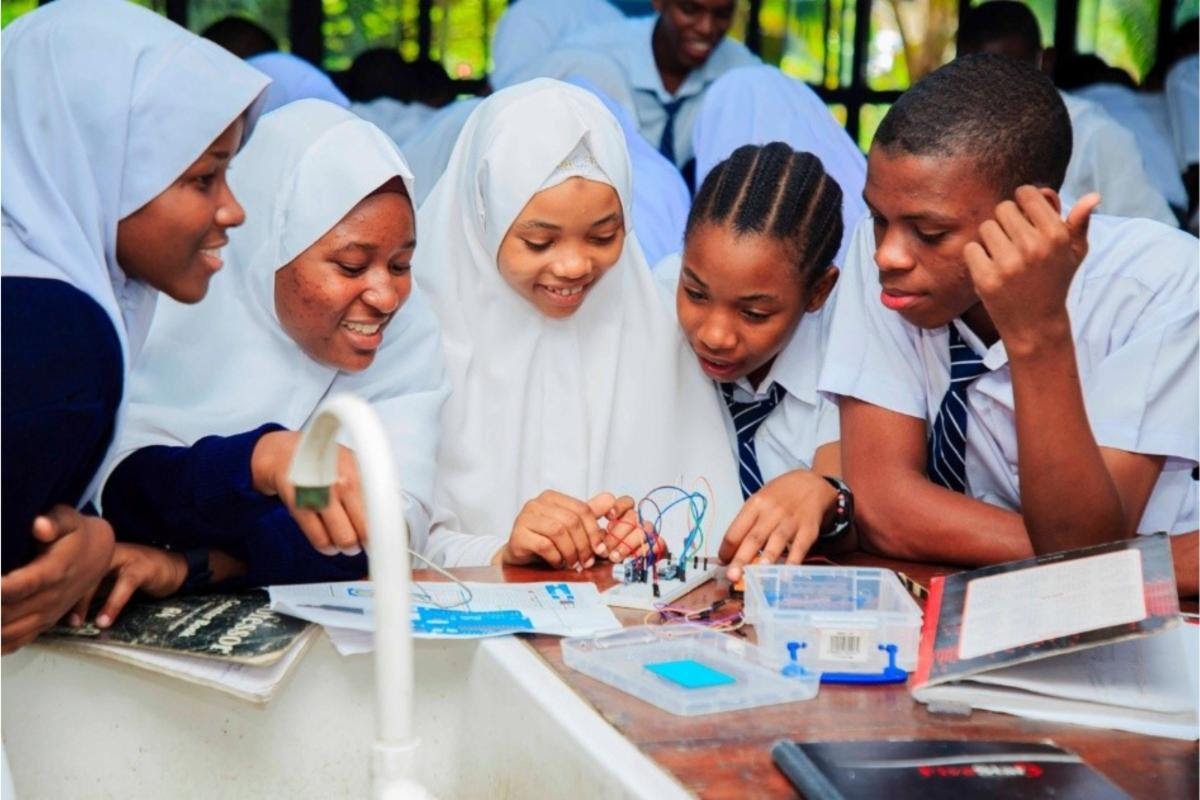
    The World Robot Olympiad™ (WRO), one of the world’s largest robotics competitions, has expanded significantly across Africa. From just 5 countries in 2020, WRO is now active in 14 countries with more than 40,000 young participants in the 2025 season. Over 2,000 teachers have been trained, with strong backing from the likes of Google, the United Nations Economic Commission for Africa (UNECA) and WRO’s own strategic partners. Together they are equipping young Africans with future-ready skills in coding, engineering, and AI.

    Each year, WRO® challenges students worldwide to design and build robots to solve real-world problems. This year’s theme, “The Future of Robots,” has sparked bootcamps and workshops across Africa, introducing robotics to hundreds of students, including those from underserved and special needs communities. National champions will represent their countries at the WRO International Final in Singapore this November, joining teams from more than 90 nations.

    Innovation with social impact

    African youth typically approach innovation with a strong sense of community, often prioritising social impact over profit to address real-world challenges. Team FutureSight, winners of the National Senior Category Championship in Zimbabwe, developed an AI-powered voice assistant for the blind. Their solution supports visually impaired users with daily tasks and is being adapted to local languages to improve accessibility.

    In South Africa, Karabo Rithuri’s journey shows how WRO builds skills, confidence, and community impact that lasts far beyond competitions: She joined a pilot programme at 13, and went on to represent her country at the WRO International Final in Malaysia. The experience gave her confidence and inspired her to give back, so when robotics was discontinued at her school, Karabo set up her own club with support from local sponsors. Today she holds degrees in Finance and IT, serves as a WRO judge, and mentors township students.

    “WRO gave me a voice, and now I want to help make things even better for the next generation,” said Karabo Rithuri.

    Mr Claus Ditlev Christensen, Secretary General, WRO, said: “WRO’s expansion into Africa is an important milestone in our mission to inspire young people through robotics and STEM. We are proud to see African students not only building technical skills but also developing solutions that address real needs in their communities.”

    With Africa’s growing youth population and innovation agenda, WRO provides a vital platform for skills development, international exchange, and community-driven innovation. Initiatives such as WRO Learn and the Future Innovators Project are expanding access to robotics education – empowering young people to collaborate, solve problems, and become tomorrow’s changemakers.