
























Trending Now



DON'T MISS
- All
- Africa
- Agribusiness
- Agriculture
- AI
- AMA
- APO
- Arts
- Aviation
- Award
- Brand
- Built Industry
- Competition
- Construction and Environment
- Culture and Tourism
- Dairy
- Data Centre
- Dental
- Device Manufacturer
- e-commerce
- Economy
- Education
- Energy
- Entertainment
- Facility Management
- Fashion
- Features
- Festival
- Finance & Analysis
- Financial Institutions
- Fine Dining
- Fintech
- FMCG
- Food and Nutrition
- Food Security
- Foundation/NGOs
- Global
- Health
- Hospitality
- Housing & Environment
- ICT
- Insurance
- International Trade & Investment
- Judiciary and Legal
- Lifestyle
- Literature
- Maritime
- Marketing Communications
- Motoring
- Movies & Music
- MSMEs
- Multinational
- National
- News
- Oil & Gas
- Opportunities
- Pension
- Pharmaceuticals
- Politics
- PR NEWSWIRE
- Private Sector
- Promo
- Public Sector
- Reality TV Show
- Relationship and Family
- Religion
- Science & Innovention
- Security
- Sports
- Spotlight
- Start-Ups
- Sustainability/CSR
- Telecoms
- Transport
- Waste Management
More

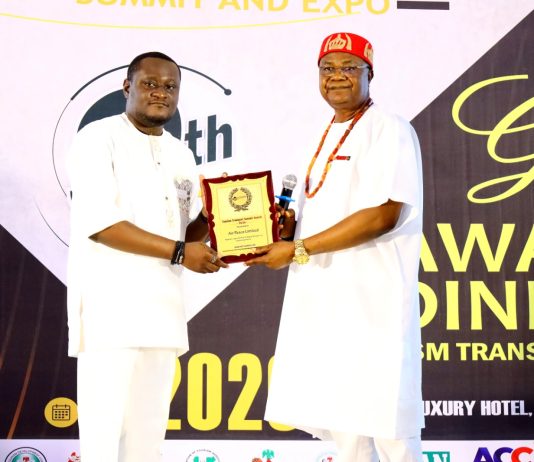
Air Peace, Dr Allen Onyema Clinch Top Honours at NTTSE 2026...
West and Central Africa’s largest airline, Air Peace, has secured double recognition at the 9th National Tourism Transportation Summit & Expo (NTTSE) 2026, with...




SPORTS
- All
- Africa
- Agribusiness
- Agriculture
- AI
- AMA
- APO
- Arts
- Aviation
- Award
- Brand
- Built Industry
- Competition
- Construction and Environment
- Culture and Tourism
- Dairy
- Data Centre
- Dental
- Device Manufacturer
- e-commerce
- Economy
- Education
- Energy
- Entertainment
- Facility Management
- Fashion
- Features
- Festival
- Finance & Analysis
- Financial Institutions
- Fine Dining
- Fintech
- FMCG
- Food and Nutrition
- Food Security
- Foundation/NGOs
- Global
- Health
- Hospitality
- Housing & Environment
- ICT
- Insurance
- International Trade & Investment
- Judiciary and Legal
- Lifestyle
- Literature
- Maritime
- Marketing Communications
- Motoring
- Movies & Music
- MSMEs
- Multinational
- National
- News
- Oil & Gas
- Opportunities
- Pension
- Pharmaceuticals
- Politics
- PR NEWSWIRE
- Private Sector
- Promo
- Public Sector
- Reality TV Show
- Relationship and Family
- Religion
- Science & Innovention
- Security
- Sports
- Spotlight
- Start-Ups
- Sustainability/CSR
- Telecoms
- Transport
- Waste Management
More

Fearless Energy Drink Throws Weight Behind ‘Chaos in the Ring’ Celebrity...
The number-one energy drink, Fearless Energy Drink of Rite Foods Limited, is set to power the much-anticipated celebrity fight, dubbed “Chaos in the Ring,”...

It’s Not Over: Football’s Biggest Leagues and Rivalries Return to SuperSport...
After delivering every moment of the 2026 FIFA World Cup, SuperSport brings fans into a new season of Premier League, La Liga, Serie A...



LATEST ON TECHNOLOGY

5 ways to build your side hustle in Nigeria with Gemini
Nobody in Nigeria runs just one hustle. There's the job that pays the bills, the small business that's meant to be your way out,...

Nigeria leads call for African solidarity as global telecommunications elections approach
Nigeria has intensified calls for greater African unity as the continent prepares for critical global telecommunications elections, urging member states to present a united...

NCC, REA Sign MoU to Drive Digital Infrastructure Expansion Through Renewable Energy
The Nigerian Communications Commission (NCC) and the Rural Electrification Agency (REA) have formalised a strategic partnership to accelerate the deployment of sustainable digital infrastructure...

Meta AI Doesn’t Just Think, It Acts
Takeaways
Powered by Muse Spark 1.1, Meta AI can now make plans, connect to email and calendar apps, create slides, and handle tasks on your behalf.
From daily briefings to research deep dives to mood boards for your next DIY project, Meta AI helps you stay on top of it all.
Earlier this month, we announced our new model, Muse Spark 1.1, which powers the Meta AI app and meta.ai. The model is built to plan, work with your apps, and follow through from start to finish, and those capabilities are what make the new features possible in Meta AI. With it driving the experience, Meta AI is starting to take action on your behalf.
This is our next step toward personal superintelligence: an AI that knows your context, is there for you whenever you need it, and handles things so you don’t have to.
An AI Assistant That Plans and Follows Through
You’ve been using Meta AI to find answers, think through ideas, and create content. Now it can go further and actually get things done for you. Meta AI can now make plans, follow through on next steps, and keep you on track without needing to be reminded or re-prompted.
Tell Meta AI you’re renovating your kitchen and it will learn your style, scout Marketplace for furniture and fixtures that fit your budget, and send you a mood board so you can see how it all comes together. Ask it to help you build a running plan for your first half-marathon, and it will create a week-by-week training schedule, adjust for your...

Asake’s historic M$NEY concert film is out now on Spotify – Asake concert film...
Asake’s M$NEY concert film is available exclusively on Spotify from today. Asake’s performance of M$NEY, including four brand new tracks, was captured live at...
LATEST OPPORTUNITIES
- All
- Africa
- Agribusiness
- Agriculture
- AI
- AMA
- APO
- Arts
- Aviation
- Award
- Brand
- Built Industry
- Competition
- Construction and Environment
- Culture and Tourism
- Dairy
- Data Centre
- Dental
- Device Manufacturer
- e-commerce
- Economy
- Education
- Energy
- Entertainment
- Facility Management
- Fashion
- Features
- Festival
- Finance & Analysis
- Financial Institutions
- Fine Dining
- Fintech
- FMCG
- Food and Nutrition
- Food Security
- Foundation/NGOs
- Global
- Health
- Hospitality
- Housing & Environment
- ICT
- Insurance
- International Trade & Investment
- Judiciary and Legal
- Lifestyle
- Literature
- Maritime
- Marketing Communications
- Motoring
- Movies & Music
- MSMEs
- Multinational
- National
- News
- Oil & Gas
- Opportunities
- Pension
- Pharmaceuticals
- Politics
- PR NEWSWIRE
- Private Sector
- Promo
- Public Sector
- Reality TV Show
- Relationship and Family
- Religion
- Science & Innovention
- Security
- Sports
- Spotlight
- Start-Ups
- Sustainability/CSR
- Telecoms
- Transport
- Waste Management
More