Tag: Impact Investor

  • BII invests $20 million in Acumen’s Hardest-to-Reach Initiative to expand energy access in frontier African economies

    BII invests $20 million in Acumen’s Hardest-to-Reach Initiative to expand energy access in frontier African economies

    • It qualifies under the 2X Challenge with the commitment to promote gender equality in the energy sector and expand economic opportunities for women as consumers and employees.

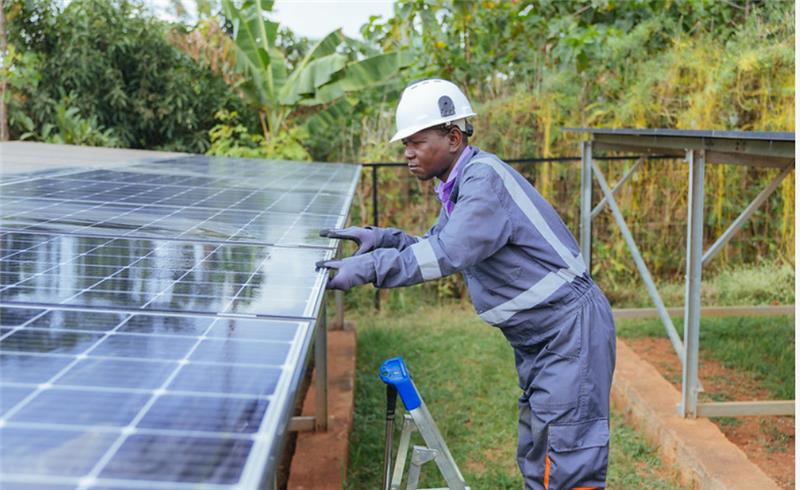
    British International Investment (BII), the UK’s development finance institution and impact investor, has announced a $20 million commitment to Acumen’s Hardest-to-Reach (H2R) Initiative. Through the initiative’s debt-focussed vehicle, H2R Amplify, our investment will help expand access to affordable, reliable, and clean energy in frontier economies in Africa – where nearly 600 million people still lack access to electricity and women bear the disproportionate burden of energy poverty.

    As part of H2R’s dual-vehicle structure, H2R Amplify will deploy innovative financing to established off-grid solar companies in the most underserved countries in sub-Saharan Africa, accelerating energy access where national electrification rates range from just 59 to as low as 12 per cent. It will offer impact-linked loans and receivables backed financing to help solar companies manage working capital as they scale. H2R Catalyze, the initiative’s patient capital arm, has raised $57 million since 2023 and is already investing in early-stage companies.

    H2R Amplify, which was originally developed by Acumen with UK research and innovation support via the Transforming Energy Access (TEA) platform, has now has secured $123 million in commitments at first close. It is structured to attract commercial investment by offering risk protection and enhanced returns through a tiered blended financing model. By offering this blend of financing, it delivers a scalable model that helps solar companies expand into and grow within lower-income countries that are currently underserved or overlooked by traditional investors. 

    With BII’s support, H2R Amplify is expected to reach more than 50 million individuals, including 40 million gaining first-time access to clean energy products. It is also expected to mitigate over 3 million tonnes of CO₂e by displacing highly polluting fuels such as kerosene.

    H2R Amplify is 2X Challenge-qualified, reflecting a strong commitment to advancing gender equality including through increased opportunities for women customers and employees in the off-grid solar sector. Acumen will further support this commitment through Gender Action Plans at portfolio companies and gender-focused technical assistance, to help improve gender inclusive practices and the collection of gender data to track progress.

    This investment underscores BII’s commitment to addressing economic inequality and catalysing private sector growth in Africa’s most fragile and underserved regions which often struggle to attract commercial capital. This is further demonstrated through the Africa Resilience Investment Accelerator (ARIA), a platform created by BII to work with development partners to de-risk investments and unlock opportunities in fragile and conflict-affected countries.

    Rachel Kyte, UK Special Representative for Climate said: “Being able to access reliable and affordable electricity transforms lives. The UK is working with African leaders, African entrepreneurs, and the energy and finance communities to realise the goal of universal access by 2030. With the support of the UK and other donors Acumen’s Fund will extend clean power to more than 50 million people – unlocking prosperity and driving forward the green energy transition across Africa.”

    Chris Chijiutomi, MD and Head of Africa at BII, commented: “With nearly 600 million people in Africa still lacking access to energy, we’re focussed on investing in inclusive energy solutions, to close this gap. This partnership reflects BII’s commitment to backing investments in the most challenging markets, where our capital can have the greatest impact. We also recognise that women bear the disproportionate burden of energy poverty and so we’re pleased that H2R Amplify will seek to create economic opportunities for women through its off-grid solar investments.

    Jacqueline Novogratz, Founder and CEO of Acumen, added: “BII’s partnership reflects a shared commitment to solving energy poverty in the hardest-to-reach markets. By expanding access to clean energy for millions of households and businesses, this initiative holds the promise to provide resilience, agency and dignity, along with light and power. BII’s investment shows how public and private institutions can mobilise the right kind of capital to build markets that endure and unlock human potential.”

    H2R Amplify will invest in projects in Benin, Burkina Faso, Burundi, Chad, the Democratic Republic of Congo, Guinea, Guinea-Bissau, Lesotho, Liberia, Malawi, Mozambique, Niger, Sierra Leone, Somalia, Togo, Uganda and Zambia.


  • PIC and BII sign landmark partnership to advance vital investment across Africa

    PIC and BII sign landmark partnership to advance vital investment across Africa

    The Public Investment Corporation (PIC) and British International Investment (BII) have signed a Memorandum of Understanding (MoU) to accelerate collaboration in investments across the African continent.

    The agreement between one of Africa’s largest asset managers and the UK’s development finance institution and impact investor, establishes a framework for the PIC and BII to jointly explore and pursue impactful investment opportunities, aligning their mandates and resources to drive sustainable economic growth and development across the continent.

    The MoU outlines a commitment to share deal pipelines, facilitating the exchange of promising investment opportunities across various economic sectors like agriculture, financial services, infrastructure and climate initiatives. The partnership will foster regular dialogue and explore co-investment possibilities, leveraging the expertise of both organisations to maximise impact.

    By combining their strengths, the PIC and BII aim to unlock new avenues for capital deployment and contribute to transformative development across Africa. The organisations have committed to review investment opportunities in debt, equity and funds.

    The PIC has an investment mandate that enables it to capitalise on development-focused projects. In this regard, the PIC development mandate incorporates broad areas including investments in unlisted South African-based entities, with a focus on sectors such as agriculture, manufacturing, mining, and financial services economic, environmental, and social infrastructure, as well as developmental investments in the rest-of-Africa.

    On the other hand, BII has been investing in Africa for over 75 years, providing long-term capital that supports the growth of productive, sustainable and inclusive economies. With a portfolio of US $5.6 billion invested across 810 companies in Africa, the DFI uses its capital to back businesses that drive local economies, build infrastructure that connects people, and create jobs and services that help communities to thrive. The partnership with PIC forms part of BII’s strategy to work with institutional investors and use its concessionary capital to create ways in which more commercial capital can be deployed to support development in Africa.

    According to Mr. Abel Sithole, outgoing CEO of the PIC, the organisation’s strategy of investing on the rest of the African continent is underpinned by investing through partnerships. “The BII partnership cements this strategy and will enable the use of blended funding models to unlock investments that facilitate infrastructure development, industrialisation and trade on the continent. We are elated by the powerful force of two large impact investors working together for the benefit of Africa,” Mr. Sithole explained.

    Commenting on the cooperation, Mr. Kabelo Rikhotso, the PIC Chief Investment Officer said: “We consider cooperation and partnerships as an important factor in our ability to deliver on client investment mandates. The signing of this MoU provides the opportunity to expand our investments across Africa. Sharing deal pipelines and the potential for co-investment opportunities provides important prospects for cooperation between the PIC as an asset manager and the BII as a global development finance institution, committed to investing in emerging economies.”

    Mr. Leslie Maasdorp, BII CEO added: “This partnership with PIC exemplifies our shared ambition to drive growth and increase impact across the continent. By leveraging our combined expertise and resources, we can unlock new opportunities for transformative investments that support sustainable development, drive economic growth, and attract increased commercial capital into key sectors across Africa.”

    Mr. Antony Phillipson, British High Commissioner to South Africa, said: “This landmark partnership between BII and the PIC marks a significant step forward in deepening the UK-South Africa Growth Partnership. It reflects our shared commitment to mobilising capital for sustainable development across Africa. This collaboration brings together two institutions with a strong track record and a common vision – to unlock inclusive growth, support resilient infrastructure, and create long-term opportunities in South Africa and across the continent.”

  • British International Investment to partner with City of London’s institutional investors to consolidate the UK’s position as global leader in climate finance

    British International Investment to partner with City of London’s institutional investors to consolidate the UK’s position as global leader in climate finance

    …New initiative will reduce risk for private institutions to inject capital to combat climate emergency.

    The City of London can consolidate its position as a global capital for climate finance by working with British International Investment (BII), the UK’s development finance institution and impact investor, in the battle to combat the climate emergency. 

    Last year, the UK Prime Minister, Keir Starmer, announced BII would manage a new £100 million Mobilisation Facility to boost the flow of private capital into emerging economies that are considered too risky by global investors.  

    Today, BII announced that up to £50 million of the facility has been ring-fenced for a groundbreaking new initiative. BII is partnering with Mercer, a global investment firm, to encourage the asset manager community to develop investment solutions, which will help to unlock private investment into climate related projects in emerging economies. It will also seek to address the gap between the risk appetite and return thresholds of institutional investors.  

    Emerging economies are expected to play a crucial role in global economic growth. They currently represent over 60 per cent of the world’s GDP and are projected to account for 74 per cent of global energy consumption by 2050. This creates investment opportunities in sectors like clean energy and infrastructure, offering potential for growth, diversification and impact. 

    Minister for Development, Anneliese Dodds welcomed the initiative: “Countries exposed to the climate crisis are facing extreme weather events which destabilise economies, hinder growth and displace people. Those countries need urgent access to finance to tackle and adapt to this crisis.

    “At the same time UK financial institutions are ideally placed to provide global leadership in climate finance and tap into these emerging markets, generating growth at home and providing much needed finance abroad.

    “By bringing together private and public expertise and capital, the UK is leading the world in mobilising the finance countries need to tackle the impacts of the climate crisis.”

    Asset Managers in the UK and globally, with a demonstratable track record in climate finance and interest in emerging economies, are invited to submit proposals to partner with BII. Proposals with a strong potential for accelerating private investment and which demonstrate large-scale climate impact will be granted access to concessional capital of up to £50 million from the facility. They will also have the opportunity to access non-concessional investment funding from BII. 

    Leslie Maasdorp, BII CEO said: “BII is the UK’s primary vehicle for delivering climate finance into our markets. But the scale of the climate emergency means we have to unlock the vast pools of capital that are held by private institutions. The partnership we have unveiled today is a truly innovative way of doing that.”

    Benoit Hudon, Mercer’s UK President and CEO said: “This initiative has the potential to encourage investment into new projects in emerging economies to support their economic development. Mercer will play a key role in identifying innovative asset manager proposals that support the energy transition and address some of the hesitancy institutional investors have about investing in emerging economies.” 

    For more information about the Mobilisation Facility initiative, please visit BII or Mercer websites.  

  • BII supports faster, cheaper and more reliable remittance flows into Africa through a $20m loan commitment to TerraPay

    BII supports faster, cheaper and more reliable remittance flows into Africa through a $20m loan commitment to TerraPay

    Remittance costs for Africa are the highest globally. Reducing remittance costs is critical to increasing capital flow into Africa and building financial resilience

    British International Investment (BII), the UK’s development finance institution (DFI) and impact investor, today announced a $20 million senior secured loan to TerraPay, a global cross-border payments processor with a key focus on remittance transfers into Africa. This will contribute towards the continuing lower cost, higher speed, improved reliability and accessibility of remittance transfers into the continent, enhancing financial inclusion.

    The remittance costs for the Sub-Saharan African region remain the highest globally. For example, sending $200 to the region cost an average of 8 percent in 2022, while the global average cost for the same amount stands at 6.2 percent. According to the World Bank, this is more than double the Sustainable Development Goal target of 3 percent. 

    Through its network, TerraPay connects directly both traditional money transfer operators such as Western Union, and digital-only fintechs like Wise with some of the largest mobile money operators in Africa including M-Pesa, MTN Mobile Money, Airtel Mobile Money. Its tech-enabled model facilitates real time, lower-cost digital money transfers, tackling the bottleneck of high transfer fees and slow settlement for the African diaspora sending money back to the continent. 

    BII’s funding will be used as part of TerraPay’s working capital to pre-fund growing remittance volumes to Africa. It will prioritise key African corridors, with high volumes expected in Kenya, Ghana, Egypt, Uganda, Tanzania, Cameroon, Mali, Benin, Cote d’Ivoire, Senegal and Mozambique.

    BII is committing through Lendable’s existing senior secured facility, leveraging the partner’s expertise in fintech debt investing across Africa as well as their investment monitoring capabilities. 

    Chris Chijiutomi, Managing Director and Head of Africa, BII said: “Sending money to Africa is expensive. That is why our investment in TerraPay is critical to help increase availability of lower-cost, efficient, accessible and reliable remittances. This aligns with our goal to support resilient financing and improve economic opportunities on the continent.”  

    Suresh Samuel, Managing Director and Head of Fintech at Lendable said “We have been supporting TerraPay since 2020, as the company accelerated its growth facilitating remittances across emerging markets.  We continue to believe in the importance of increasing digital payments globally and are excited to work with BII in furthering support to TerraPay to expand this mandate.”

  • British International Investment supports Nigeria’s agricultural sector with commitment to Valency International

    British International Investment supports Nigeria’s agricultural sector with commitment to Valency International

    It will also provide market access indirectly to a further 60,000 smallholder farmers and boost agricultural output and export.

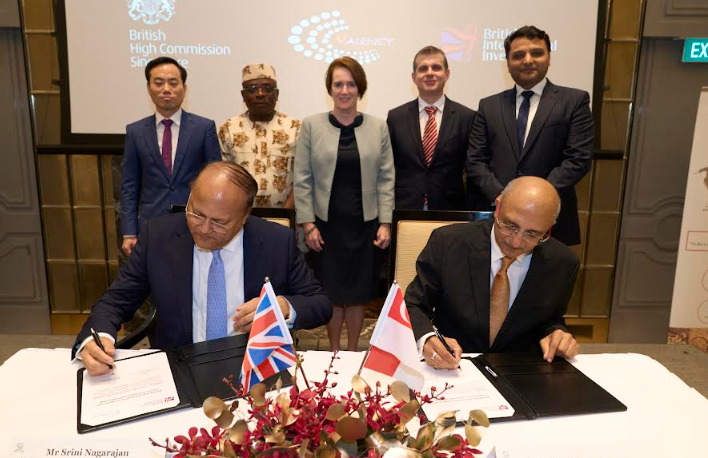
    British International Investment (BII), the UK’s development finance institution (DFI) and impact investor, today announced it has signed legally binding documents to invest US$15m in equity into a Singapore-headquartered agricultural commodities trading house, Valency International (Valency), to fund their expansion of processing and warehouse infrastructure in Nigeria. The transaction is subject to regulatory approval and is expected to close in early 2024.

    In addition to its commitment of $15m, BII has an option to invest a further $35m in equity into Valency within two years of completion of its initial investment.

    Agriculture is a key contributor to Nigeria’s economy, accounting for a quarter of total gross domestic product, and employs more than one in three Nigerians. Crop production[1] is the largest segment within agriculture, accounting for about 87.6 per cent of the sector’s total output. However, food processing and manufacturing remains underdeveloped in the local agricultural sector.

    The new Valency facilities, funded by BII will strengthen partnerships with local farmers and processing centres to maximise their output and provide a more stable supply of premium-quality products. The projects are expected to reach at least an extra 60,000 farmers and create up to 2,800 jobs among low-income communities in Nigeria.

    BII, as the first institutional investor in Valency, will provide value-added support to the company in developing best practices in business integrity and Environmental and Social Management System (ESMS). Both parties will work closely to improve job quality and gender inclusion and enhance value creation.

    Jonny Baxter, UK Deputy High Commissioner said: “The UK’s sustainable agriculture work in Nigeria helps to not only mitigate greenhouse gas emissions and adapt to a changing climate, but strengthens livelihoods and improves nutrition, supporting food security and poverty alleviation. 

    “I am excited to welcome this new UK investment to help enhance Nigeria’s food processing capabilities, which will create jobs across the nation. We look forward to continuing to support Nigeria’s agriculture sector and the opportunities this provides for its economic growth.”

    Benson Adenuga, Head of Office and Coverage Director, Nigeria for BII said: “The strategic opportunity to catalyse growth in Nigeria’s food and agricultural sector should be seized and offers the chance to leverage its immense food export potential. We are proud to deepen our commitment to food security and smallholder farmers in Nigeria while creating jobs that enable industrialisation and facilitate regional and international trade.

    “We are delighted to partner with Valency, and we look forward to the significant impact and economic development that our catalytic capital will support.”

    Speaking on the signing, Mr. Sumit Jain, CEO of Valency International commented: “We have been careful and deliberate in our choice of partners for the next phase of our growth. While we have been approached by a variety of investor groups, we chose to partner with BII as we have been impressed by BII’s engagement to the regions where we have committed to invest substantially over the medium term. Equally we are privileged that BII has chosen Valency to drive its impact agenda in Nigeria in the growing food and agriculture sector.”

    Roman Frenkel, Head of Food and Agriculture at BII will join the Board of Valency as part of the transaction.

    BII’s commitment contributes to UN Sustainable Development Goal 8 on Decent work and economic growth.

  • Dakuku, Salau, Oyeyemi others Unveils Oguadinma’s Boy-Child Transformation Centre

    Dakuku, Salau, Oyeyemi others Unveils Oguadinma’s Boy-Child Transformation Centre

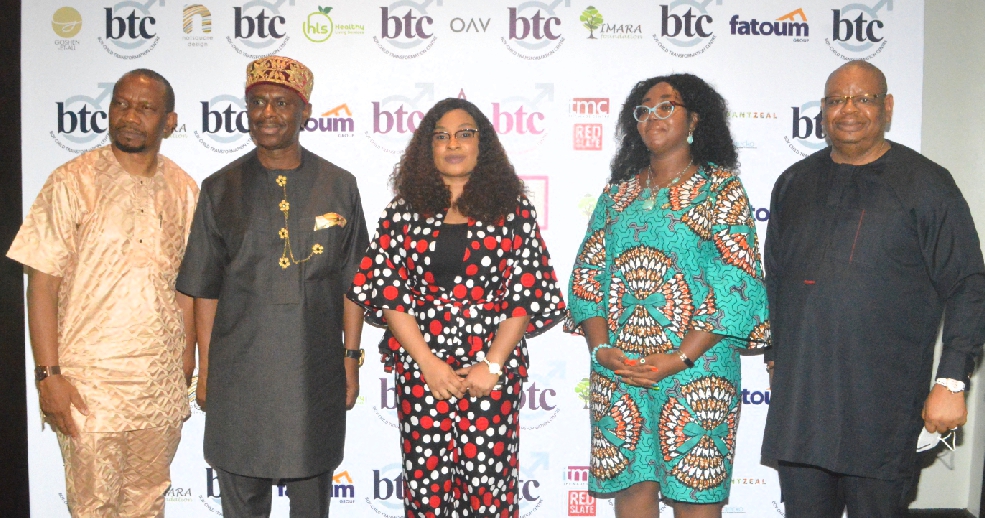
    The immediate Past Director General and Chief Executive Officer of the Nigerian Maritime Administration and Safety Agency (NIMASA); Mr. Dakuku Peterside, the Senior Special Assistant (Education) to the Executive Governor, Lagos State, Mrs. Adetola Salau, the General Manager, Consumer Marketing, MTN Nigeria Mr. Kola Oyeyemi, and the Executive Vice Chairman, Verdant Zeal Group, Dr. Tunji Olugbodi, recently led other dignitaries at the unveiling of the Boy-Child Transformation Centre (BTC) in Lagos.

    A brain child of Ms. Nkiru Moghalu-Oguadinma, the Centre is an intervention platform that provides a positive, permanent shift in the quality of the life of the boy-child. The Centre aims to impact the society by promoting healthy, respectful, boy-child causes while offering transformational programmes and resources for schools, foundations, community groups and government agencies.

    In her welcome address, the founder and Chief Transformation Officer of the Boy-Child Transformation Centre, Ms. Moghalu-Oguadinma noted that so much emphasis has been placed on the girl child and it has made the boy-child an endangered gender

    According to her, “Evidence shows that more women and girls have received attention and consideration as they are seen as more vulnerable to abuse, attacks, and also as being less privileged. However, the boy-child grow to become a bigger danger to the society.”

    She noted that when a crime occurs in the society, it is likely to be 4-times a man than a woman. The National Bureau of Statistics (NBS) has revealed the top 10 crimes in the country to include stealing, armed robbery, murder, Indian hemp offenses, sex offenses, contempt of court offenses, unlawful possession of arms and properties are committed by men. Today, the prisons have 90% men convicts. Other challenges that boys face have led to a surge in suicide rates; the use of drugs and narcotics and school dropouts.

    Delivering the keynote address, Dr. Dakuku Peterside noted that there is a need to end the various stereotypes against both genders. He noted that the girl-child is genetically and biologically stronger than the boy-child. As more boy-child die in the first 5 years. He charged everyone to raise responsible boys from the family circles, adopt a mentorship model and ensure that there is Peer Support System. He urged the government, at all levels, to advance the interest of children through various policies.

    Highlighting the various ways by which the Lagos State Government is working at advancing the cause of children in the State, the special guest at the event and Senior Special Assistant (Education) to the Executive Governor, Lagos State, Mrs. Adetola Salau, stated that the state is working on building the holistic child by entrenching character development as part of the curriculum.

    She admonished everyone to work in harmony, collaborate and ensure that team building is reintegrated into our lives. “Every child desires a society should that accepts and places value on every human being regardless of gender”, she added.

    Panelists who contributed to discussions at the event include Mr. Kola Oyeyemi, General Manager, Customer Experience, MTN Nigeria; Dr. Tunji Olugbodi, Executive Vice Chairman, Verdant Zeal Group; Dr. Ifeyinwa Nwakwesi, CEO, Healthy Living Services; Mr. Bayo Sanni, an Impact Investor and Mrs. Fabian Ogunmekan, Executive Director, Women in Successful Careers (WISCAR).