Tag: influencers

  • inDrive Launches an International Social Initiative Against Bullying

    inDrive Launches an International Social Initiative Against Bullying

    inDrive, a global mobility and delivery platform, has launched a social initiative to encourage parents to pay closer attention to their children’s emotional well-being and create space for open conversations. School bullying remains one of the most widespread — and at the same time one of the least visible — issues affecting teenagers worldwide. According to UNICEF, millions of children regularly experience bullying, yet many never speak about it to adults.

    The project is based on inDrive’s “Cancel the School Trip” campaign, first launched in Kazakhstan in April 2026. Encouraged by the significant public interest in the project, inDrive intends to roll out the initiative across other markets within its global presence, including Nigeria.

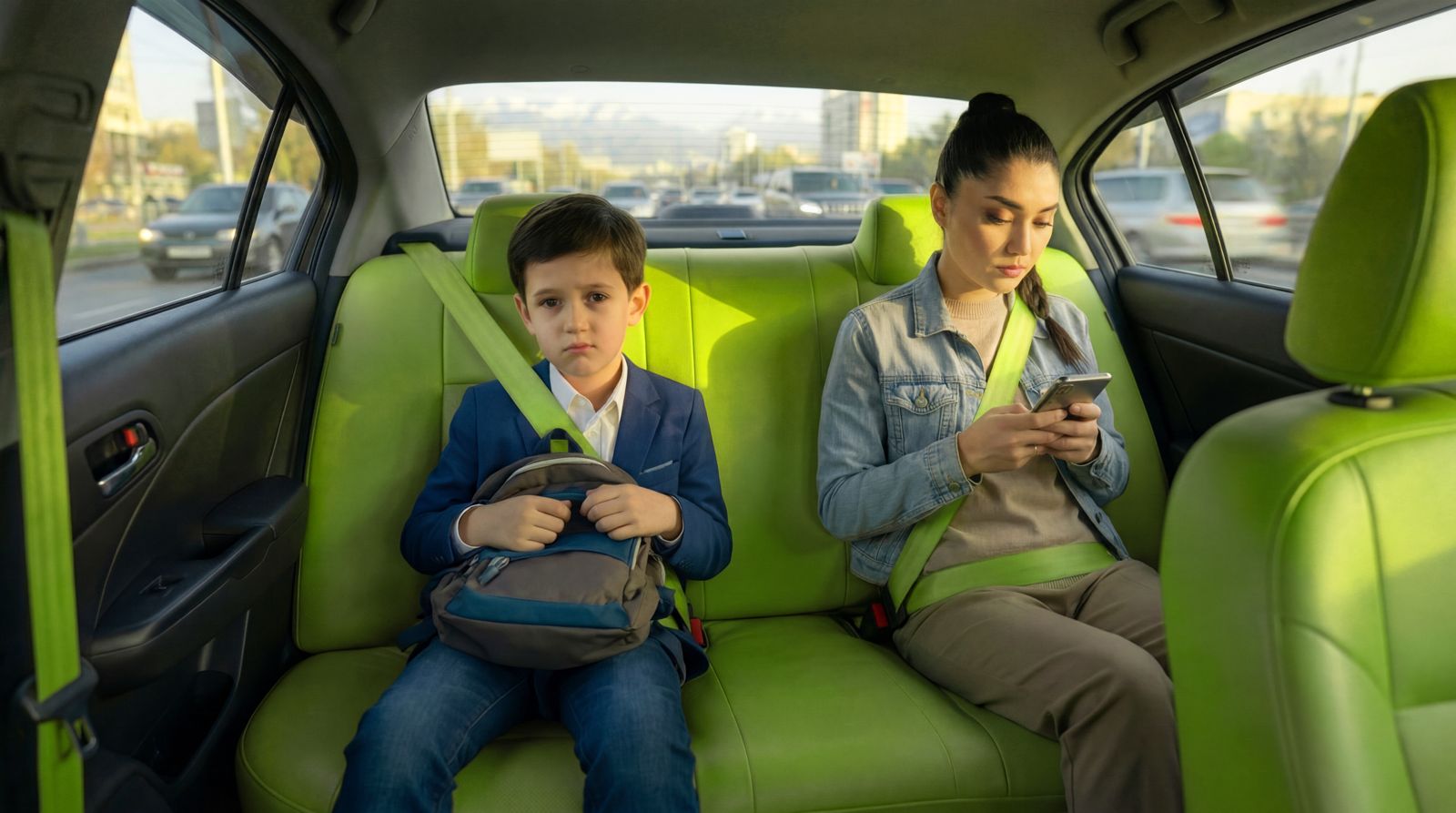
    As part of the campaign, users taking morning rides to school received a push notification asking whether they wanted to cancel the trip after the ride had already started. The message appeared to be an app error, but in reality, it served as a communication trigger — a way to pull parents out of their daily routine and redirect their attention to their child’s emotional state.

    The creators of the project emphasise that the initiative is not about literally refusing to go to school. Its main goal is to encourage parents to reflect and start conversations with their children, helping them notice warning signs early and provide support when needed.

    “We need to talk to children more often. Not just ask ‘How are you?’, but genuinely notice their emotional state, mood, and changes in behaviour. Sometimes, even a short conversation can help identify a problem a child may be afraid to talk about,” says Timothy Oladimeji, Country Lead, inDrive Nigeria.

    The symbol of the campaign became the back seat of a car — a space where parent and child are alone together and can talk without distractions. The organisers believe there is not always a need to create entirely new communication rituals; sometimes, it is enough to pay more attention to moments that already exist in everyday life. Even a few minutes of conversation on the way to school can help a child feel heard and safe enough to share their concerns.

    In addition to digital tools, installations shaped like car seats were placed across Almaty in shopping malls and at busy city intersections. As part of the initiative, an online platform with practical recommendations for parents was also developed together with child psychologists.
    The platform includes materials on recognising signs of bullying, starting difficult conversations with children, and supporting them in challenging situations.

    The campaign was followed by a roundtable discussion in Kazakhstan that brought together psychologists, parents, influencers, and representatives of the creative industry. Participants discussed why bullying often remains hidden, how teenage aggression is evolving and which communication approaches help build trust between adults and children.

    A separate part of the discussion focused on how to talk to children about difficult emotions and experiences. According to psychologist Kseniya Lych, standard questions are often ineffective because children answer them automatically. Instead, prompts involving imagination and open-ended thinking tend to reduce tension and encourage dialogue.

    The initiative received strong public attention and positive feedback from parents, psychologists and the professional community. As a result, inDrive is already planning to expand the campaign to other markets where it operates, adapting it to each country’s local context.

    “We see that bullying is an equally painful issue across different countries and cultures. That is why we want to develop this initiative internationally and launch similar projects in other inDrive markets. For us, it is important not only to raise awareness about the problem, but also to help parents pay closer attention to their children’s emotional well-being and start conversations in time,” says Yevgeniy Gavrilchenko, co-author of the idea and Creative Lead at inLab by inDrive.

    The inDrive project leads to a simple yet essential conclusion: the fight against bullying does not begin with loud statements or one-off initiatives, but with everyday attention within the family. That is why the “Cancel the School Trip?” campaign serves as a reminder of something fundamental: it is important not only to listen to children, but to truly hear them — and not miss the moment when they need support.
  • Feature: Delta Grounds Lagos Flight, Passengers Stranded — But Where Is the Social Media Fury?

    Feature: Delta Grounds Lagos Flight, Passengers Stranded — But Where Is the Social Media Fury?

    By Fred Chukwuelobe

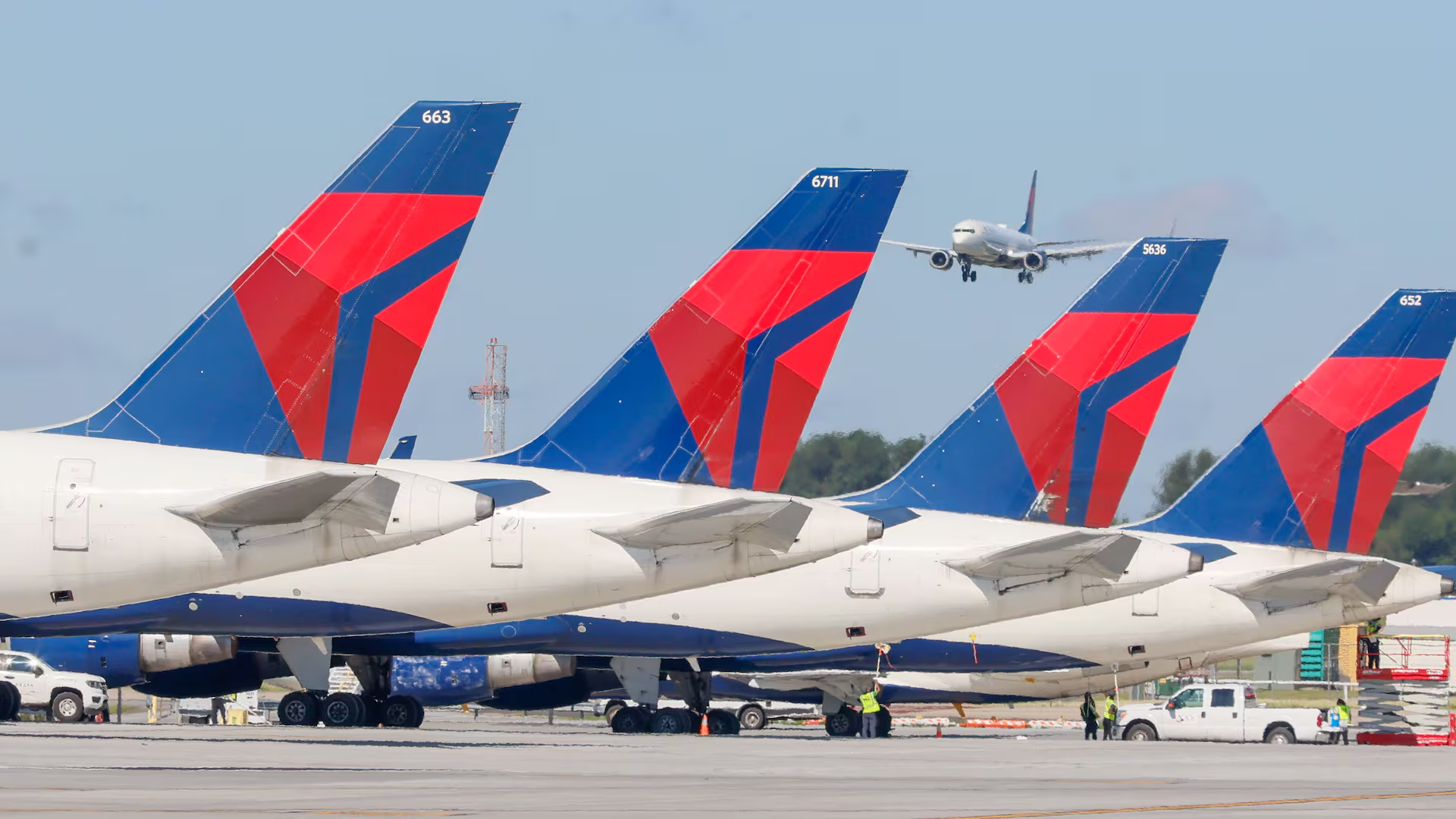
    Passengers scheduled to travel aboard Delta Airlines flight DL055 from Lagos to Atlanta were left stranded at the Murtala Muhammed International Airport, Lagos, after the American carrier abruptly cancelled the flight scheduled to depart at 11:45 a.m.

    According to information gathered from some of the affected passengers, the airline attributed the cancellation to a technical issue involving the operating aircraft in Atlanta, United States. In aviation, such situations are not unusual. Airlines across the world routinely delay or cancel flights whenever there are concerns about the airworthiness or safety of an aircraft. Safety, after all, remains the cornerstone of global aviation practice. No responsible airline is expected to operate equipment considered unsafe for passengers, crew, or cargo.

    However, beyond safety, there is another critical obligation airlines owe passengers – communication, transparency, and care during disruptions.

    What appeared striking in the Delta situation was not merely the cancellation itself, but the seeming absence of proper communication and passenger management. Some affected passengers alleged that they received little or no direct explanation from the airline and were simply advised to contact their booking agents. At the airport, the only visible personnel attending to passengers appeared to be staff of the Nigerian Aviation Handling Company (NAHCO), while Delta representatives remained largely invisible.

    Premium passengers, according to one of them whom I was seeing off, were only contacted at the airport upon arrival for check-in. They were informed that they would be accommodated on subsequent flights, subject to seat availability, or be downgraded to Economy Class. Economy passengers, however, were reportedly left to fend for themselves, struggling in queues in search of information about what to do next.

    Yet, despite the frustration, the atmosphere at the airport remained unusually calm.

    There were no angry social media livestreams. No celebrities recording emotional videos. No trending hashtags calling for a boycott of Delta Airlines. No loud accusations that the airline was “wicked,” “insensitive,” or “incompetent.” The passengers simply endured the inconvenience quietly. If it were a Nigerian carrier, many passengers would have been demanding to be flown first in subsequent flights and holding the airline staff “hostage.” But now they are silent.

    That silence raises uncomfortable but important questions about public attitudes toward airlines in Nigeria.

    If the same incident had involved a Nigerian carrier, particularly a major indigenous airline, social media would almost certainly have erupted in outrage. Videos would flood TikTok, Instagram, Facebook, and X within minutes. Influencers and celebrities would issue emotional condemnations. Commentators would portray the airline as evidence of everything allegedly wrong with Nigeria.

    Why then do many Nigerian passengers react differently when foreign airlines are involved?

    This is not an attempt to excuse delays or cancellations by local airlines. Passengers have every right to express dissatisfaction whenever airlines fail to meet their obligations. Flight disruptions can be stressful, expensive, and emotionally draining. Airlines – whether Nigerian or foreign – must be held accountable for how they treat passengers during such situations.

    But fairness demands consistency.

    Delays and cancellations are not uniquely Nigerian problems. They are part of global aviation realities. Weather conditions, technical faults, operational limitations, air traffic congestion, crew issues, and safety concerns disrupt flights daily across Europe, America, Asia, and Africa. What matters is how airlines manage the disruptions and how regulators enforce passenger rights.

    Only recently, an Air Peace flight from London Gatwick to Lagos suffered a bird strike, forcing the airline to ground the aircraft for mandatory safety inspections and maintenance. The airline communicated with passengers, provided hotel accommodation, and rebooked affected travellers on subsequent flights. Yet the incident generated massive social media outrage, amplified by celebrities and influencers, including Nollywood actress, Funke Akindele and an earlier video by reality TV personality, Tacha.

    The same level of public outrage is rarely directed at foreign carriers operating in Nigeria, even when passengers experience similar or worse treatment.

    This double standard deserves serious reflection.

    Why are Nigerian airlines subjected to intense public hostility while foreign operators often receive patience, understanding, or even silence? Is it an inferiority complex rooted in colonial mentality? Is it fear of visa implications or perceived repercussions from foreign countries? Or is it simply a deeply ingrained belief that foreign brands are automatically superior, regardless of how they behave?

    These are uncomfortable questions, but they must be asked honestly.

    The Nigerian Civil Aviation Authority (NCAA) also has a responsibility to ensure fairness and accountability across the board. Regulatory oversight should not appear selective. Foreign airlines operating in Nigeria must be subject to the same scrutiny and consumer protection standards as indigenous carriers. Passenger rights are universal and should not depend on the nationality of the airline involved.

    At the same time, Nigerians must resist the growing culture of indiscriminate social media demarketing targeted almost exclusively at local operators. Constructive criticism is legitimate. Deliberate campaigns designed to damage indigenous airlines while excusing foreign carriers are not.

    Nigeria cannot aspire to build globally competitive aviation brands if its own citizens consistently undermine them at every opportunity while romanticising foreign competitors that often operate under the same industry realities.

    Aviation is a difficult business worldwide. Delays happen. Technical faults happen. Cancellations happen. What should matter is professionalism, transparency, passenger care, and regulatory accountability — not the nationality of the airline involved.

    (c) Fred Chukwuelobe, fnipr

  • JMG Drives Sustainability and Solar Adoption Through Engineering Walk, Expands Integrated Energy Solutions in Lagos

    JMG Drives Sustainability and Solar Adoption Through Engineering Walk, Expands Integrated Energy Solutions in Lagos

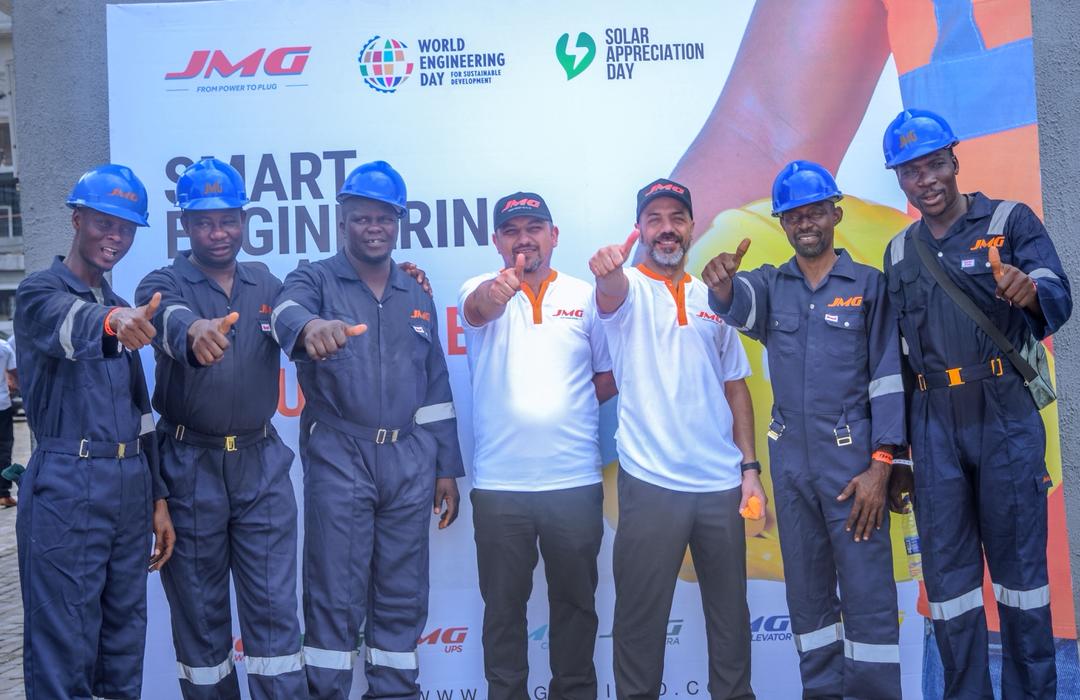
    JMG Limited, Nigeria’s leading provider of integrated electro-mechanical solutions, has taken its advocacy for sustainable engineering beyond corporate spaces, into the streets of Lagos, with its Engineering Walk in support of engineering sustainability and solar adoption, an initiative designed to deepen awareness around sustainable engineering practices and promote inclusive energy solutions across Nigeria.

    Held to commemorate World Engineering Day for Sustainable Development, the walk commenced from JMG’s head office in Victoria Island and attracted strong participation from key stakeholders, including engineering students from the University of Lagos and Yaba College of Technology, members of the Nigerian Institution of Mechanical Engineers (NIMechE), the Nigerian Institute of Electrical and Electronic Engineers (NIEEE), influencers, and employees who showed strong support for the company’s effort to drive solar awareness and adoption.

    Their presence highlighted a growing collective commitment to advancing engineering solutions that are not only innovative, but also sustainable, practical, and accessible.

    Speaking at the event, JMG’s Chief Commercial Officer, Rabi Jammal, emphasised the company’s broader vision: “We want to shine a light on a very important issue: Sustainable Engineering. It’s about designing systems that are efficient, reliable, and built to last. Solar energy is one part of that conversation, but the bigger picture is how engineering can sustainably power our lives and industries.”

    In a country grappling with rising energy costs and inconsistent power supply, JMG continues to advocate for engineering-driven solutions that reduce dependence on expensive and environmentally degrading energy sources. By integrating cleaner energy options such as solar into a wider framework of engineering systems, the company is demonstrating how sustainability can be embedded across infrastructure rather than treated as a standalone solution.

    From power generation and electrical infrastructure to vertical transportation, cooling systems, and air compressors, JMG’s operations reflect a holistic approach to engineering, one that prioritizes efficiency, reduced energy consumption, and long-term environmental responsibility.

    Within this broader framework, solar adoption remains a key enabler. Its growing acceptance is driven by its affordability, reliability, and ability to complement integrated engineering systems across residential, commercial, and industrial spaces.

    Through initiatives like the Engineering Walk, JMG is ensuring that these solutions are not limited to large corporations, but are increasingly accessible to everyday Nigerians, including those in smaller homes and apartments.

    Beyond awareness, the initiative also reinforces JMG’s commitment to practical application. By powering its headquarters with solar energy as part of a wider engineering system, the company continues to demonstrate how sustainable practices can be effectively implemented in real-world environments.

    Reinforcing this position, Plant Manager, Fouad El Chami, noted, “Sustainable engineering is about continuous development, improving how we use energy and how we integrate new technologies into our systems. Solar plays an important role because it helps reduce overall consumption and supports a cleaner environment. But beyond that, it’s about creating efficient, cost-effective engineering solutions that respond to today’s energy realities.

    He further highlighted that amid increasing concerns around power supply, rising energy costs, and environmental impact, integrated engineering solutions supported by cleaner energy sources remain critical to building a more resilient and sustainable future for both homes and businesses.

    As participants moved through the streets of Victoria Island, one message resonated clearly; the future of energy in Nigeria lies not in isolated solutions, but in a unified approach where engineering innovation, sustainability, and accessibility work hand in hand.

    With services spanning power generationelectrical infrastructurevertical transportationcooling systems, and air compressors, JMG continues to deliver value to customers through advanced engineering expertise and a highly skilled workforce.

  • Bare Fashion Evening Presents “The Runway Heist on Broadway” A Detty December Theatre-Style Fashion Spectacle

    Bare Fashion Evening Presents “The Runway Heist on Broadway” A Detty December Theatre-Style Fashion Spectacle

    Bare Fashion Evening is set to captivate Lagos this festive season with an extraordinary new edition titled “The Runway Heist on Broadway.” Scheduled for Sunday, December 14, at the prestigious Landmark Centre, Victoria Island, the event promises an electrifying fusion of fashion, theatre, music, and dance ushering in a refreshing creative direction for Nigeria’s runway culture.

    Positioned as a Detty December exclusive, The Runway Heist on Broadway reimagines the runway as a full theatrical stage, where models step beyond the traditional silent strut to embody expressive characters that drive a unified, Broadway-inspired narrative. This cinematic approach blends flamboyant metallics, fantasy aesthetics, dramatic cues, choreographed movements, and emotionally charged performances, bringing each designer’s work to life in unprecedented ways.

    The evening begins with a red carpet at 5:00 PM, followed by the main runway and theatre showcase at 6:00 PM. Guests will experience a seamless transition between fashion and performance art as young creatives present bold, story-driven collections interpreted through the expressive strength of the models. The showcase culminates in an exclusive after-party, where guests are required to attend with a handheld mask, preserving the theatrical mystique of the night.

    Bare Fashion Evening remains committed to championing emerging creatives, and this year’s edition amplifies that mission by positioning young designers and models at the forefront of a spectacular, narrative-led production. The event also targets a vibrant audience base that includes fashion enthusiasts, theatre lovers, students, influencers, young professionals, lifestyle creators, and supporters of Nigeria’s rising fashion talent.

    Tickets for the show are available in four categories 

    Broadway Lane (₦25,000)

    Broadway Circle (₦50,000)

    Broadway Diamond (₦100,000)

     Premium Broadway Lane Plus (₦50,000)

    Convener Jonarry Agraka described this year’s creative direction as a bold artistic leap, emphasizing that The Runway Heist on Broadway is a deliberate reminder that fashion transcends clothing — it is expression, storytelling, and performance. He added that this edition merges fashion and theatre on one stage to celebrate creativity in its purest form. According to him, his broader vision is to create a platform where young creatives within the ecosystem can be spotlighted by both local and international talent scouts, ultimately raising a new urban phenomenon.

    The Media Spokesperson further emphasized the heart of the production, stating, “Our models and designers are not just showcasing garments. They are bringing their journeys, their voices, and their art to Broadway. This edition is designed to elevate emerging talent and give audiences an immersive experience they will not forget.

    With its innovative blend of stagecraft, fashion artistry, and narrative depth, The Runway Heist on Broadway sets a new precedent for runway productions in Lagos. Bare Fashion Evening is once again pushing the boundaries of creativity, offering guests an unmissable December spectacle where style, drama, and storytelling converge under the spotlight.

  • AT3 Resources introduces MUVMNT platforms

    AT3 Resources introduces MUVMNT platforms

    AT3 Resources has announced the launch of MUVMNT, a multiverse of brand experience platforms. Comprising The MUVMNT Studio, The MUVMNT Experiences, and The MUVMNT Reports, these creative platforms aim to redefine brand experiences by fostering community, enabling interactions, and elevating culture.

    In its 7th year of operation, the award-winning communications consultancy is transforming into a Brand Growth agency, realigning its services for market leadership. AT3 Resources is dedicated to reshaping storytelling, brand experiences, and engagement through movements that generate business value.

    We believe that life experiences are always in motion, better experienced through channels that connect people, communities and culture; so, our mission is to bring people together by connecting brands with their consumers and consumers with the brands they love and admire across Africa. “We must continually seek avenues to co-exist, co-create and engage with ourselves. It is the recognition of this co-dependence that makes us thrive better as humans” In essence, we are powering brand mobility in Africa with these movements, says the founder, Tosin Adefeko.

    “We remain committed to finding the best ways to tell our clients’ stories. The expanded mission to create movements elevating brand experiences is a response to evolving audience demands and preferences. By placing the consumer at the center of the conversation and narrating the stories of clients’ products and services through the lens of consumers, influencers, and partners, we will continue to build strong connections,” Adefeko added.

    The MUVMNT Studio will host its signature podcast, ‘themuvmntpod,’ alongside other pods catering to various interests. The MUVMNT Experiences offer tailored interactions for creators, curated experiences for women navigating their career paths and a CSR initiative for young PR talent beyond the classroom. The MUVMNT Reports serve as an annual compilation of AT3’s perspective on the impact garnered across board.

  • Feature: Africa’s rural communities will be the hardest hit by Plastic Pollution

    Feature: Africa’s rural communities will be the hardest hit by Plastic Pollution

    By Joshua Amponsem

    Plastic waste in Africa is not just an urban issue, but also a rural one. Rural communities are almost always heavily dependent on natural resources, such as water and arable land, to make a living. These resources are being irrevocably contaminated with plastic waste, the impact of which is often underestimated.

    Sub-Saharan Africa produces over 17 million tonnes of waste annually, with only 12% of plastic waste being recycled. The rest finds its way into landfills, streets and waterways. In rural areas, much of the plastic waste is burnt, largely because most rural areas have no rubbish collection or recycling facilities available.

    Plastic disposed of in this way releases toxins into the environment, killing life on land and in water, and contaminating previously fertile land. Most governments in Africa do not have the resources to police this behaviour but do acknowledge the issue and are often very willing to collaborate to find relevant solutions.

    The biggest challenge facing Africa is the fact that for millions, putting food on the table for their families is their single biggest concern. This has been further exacerbated by the COVID-19 pandemic with many people losing their source of income. We need to work together to demonstrate the extent of the risk, as it will have an impact on the livelihoods of farmers and other informal workers – as well as the overall value chain keeping economies alive.

    With the population growing and the middle class expanding, plastic waste will soon become Africa’s biggest risk, coupled with the overall climate change crisis facing the continent.

    As the waste volumes increase, individuals have seen opportunities to collect waste and sell it to recyclers. While this may make a dent in the waste problem, it raises questions around dignity, health and safety. Many of these waste pickers are women and young girls, who venture into unsafe areas and pick through waste without protective clothing.

    Africans have started to take up the challenge to clean up their communities. In rural Ghana, communities have long reused discarded plastic containers; for example, reusing them as packaging for cleaning supplies for sale, storage of oil and other non-consumable products.

    In Rwanda, the government has mandated a monthly clean-up called Umuganda – a national holiday acknowledged on the last Saturday of every month. This has received global praise for the incredible impact it has made and instilled a real sense of ‘community’. However, the reality is that this initiative is not the norm.

    To address a rural plastic waste crisis before it drives communities into poverty and urbanisation, we need innovators, influencers and industry to educate and enable people to embrace the ‘reduce, reuse and recycle’ mindset.

    Across Africa, innovators are focusing their efforts on addressing the plastic waste crisis. The Afri-Plastics Challenge, which is currently underway, has identified numerous initiatives working to combat waste in new ways.

    For example, the Recycling Scheme for Women and Youth Empowerment (RESWAYE) in Lagos State, Nigeria, is a buy-back initiative that aims to empower women and the youth through collection and recycling of plastic waste.

    Mega Gas in Kenya converts unsorted plastic waste into clean and affordable cooking gas through a patented process, and in the Democratic Republic of Congo, the Full Development Agency (FDA) is recycling plastic waste into products, including paving tiles for parking lots, sidewalks and gardens in the city of Bukavu.

    In the West African nation of Togo, Green Industry Plast collects, sorts and recycles plastic waste into building materials, tables, benches and plastic objects.

    These organised efforts take plastic waste and reuse a great deal further, but ultimately recycling is not enough: we need a two-fold approach, looking at both how to reduce waste, and what to do with existing waste. It is crucial that the plastic deluge is addressed at its source.

    These efforts could not have come at a better time. United Nations negotiators meeting at UNEA 5.2 have agreed on a roadmap for a global plastic treaty that would address plastic production and design, according to a draft resolution, which is a major step to agreeing an ambitious deal. A draft resolution, entitled “End plastic pollution: Towards an internationally legally binding instrument”, states that the treaty should address “the full life cycle of plastic”, meaning production and design, as well as waste.

    Most efforts across Africa are still in the plastic waste management phase because waste is highly visible. Too few are focusing on how to reduce the amount of plastic in use before the waste problem emerges.

    This means influencing consumer demand and consumption as well as product package innovations is the crucial next step to being successful in tackling plastic waste. It is up to community leaders, African influencers and the captains of industry to promote a ‘reduce, reuse and recycle’ mindset.

    Industry need not wait for changing consumer demand to step up: manufacturers must proactively develop environmentally friendly alternatives to single-use plastic. The issue arises about job losses, and this highlights the need for the public and private sectors to find innovative solutions while retaining jobs and fuelling growth with new opportunities.

    In Ghana, water is typically sold in plastic sachets in the streets. People prefer to carry reusable water bottles, but there are seldom taps available where they can refill their bottles. As such, they must resort to buying the sachets. There is a simple solution: portable water tanks can be installed across key locations so that people can refill their own reusable water bottles.

    It is about changing perceptions and implementing easy-to-use solutions that are practical for individual markets.

    Africa has a young and vibrant population made up of innovators capable of overcoming the plastic waste issue and broader climate change challenges. Initiatives such as the Afri-Plastics Challenge is critical to constantly reminding people about the negative impact plastic waste is having on their cities and rural communities.

    We need to focus beyond waste management and start changing consumer attitudes and put pressure on both the public and private sectors to play their part.

    Joshua Amponsem is the Founder of the Green Africa Youth Organisation and Afri-Plastics Challenge judge.