Tag: innovation

  • NCC Appoints Princess Oforitsenere Emiko as Interim Chairman of the Digital Bridge Institute Governing Board

    NCC Appoints Princess Oforitsenere Emiko as Interim Chairman of the Digital Bridge Institute Governing Board

    The Board of the Nigerian Communications Commission (NCC) has appointed Princess Oforitsenere Emiko as Interim Chairman of the governing board of the Digital Bridge Institute (DBI), a move that anchors the Commission’s plan to reposition the Institute for the next era of Nigeria’s communications sector and digital economy.

    She will be joined on the board by Engr. Abraham Oshadami, Executive Commissioner, Technical Services, and Ms. Rimini Makama, Executive Commissioner, Stakeholder Management, who join as interim Board members. The interim leadership will work alongside the President/CEO, Mr. David Daser, and the remaining board members whose tenures are unexpired, to drive the Institute’s transformation.

    Established by the NCC in May 2004, DBI was created as a specialized centre for training in telecommunications and information technology. In the two decades since, the sector it serves has grown from telecommunications into a broad, fast-moving digital economy, one where technology now advances quickly enough to demand continuous specialized training, and where communications infrastructure has become a matter of national sovereignty and oversight. Securing and advancing the future of communications and the digital economy is now a clear national and economic priority.

    That future also rests on Nigeria’s young population. With 70 percent of Nigerians under the age of 30, the DBI transformation is designed to empower young people, equip them with advanced technical skills, and close the capability gap that currently slows the pace of technology adoption across the communications sector and the wider digital economy.

    The repositioned Institute will concentrate on five areas: Education and Training, Research and Development, Innovation, Economic Impact and Growth, and Emerging Policy and Regulation. The strategy has been shaped through engagements beyond the NCC and the Federal Ministry of Communications, Innovation and Digital Economy, including consultations with the Federal Ministry of Education and TETFund, the Federal Ministry of Science and Technology, and the National Agency for Science and Engineering Infrastructure (NASENI).

  • Feature- Why Power Determines Whether Economies Transform

    Feature- Why Power Determines Whether Economies Transform

    Africa’s Industrial Future Depends on Solving the Energy Question

    By Sola Adebawo

    Africa stands at a pivotal moment in its development journey.

    The continent possesses abundant natural resources, a rapidly growing population, expanding consumer markets, and some of the world’s largest reserves of critical minerals essential to the global energy transition. Yet despite these advantages, Africa remains a relatively small player in global manufacturing and industrial production.

    According to the United Nations Industrial Development Organisation (UNIDO), Africa accounts for nearly one-fifth of the world’s population but generates only about 2 per cent of global manufacturing value added. Across much of the continent, manufacturing contributes only around 11 to 13 per cent of GDP, significantly below the levels historically associated with rapid industrial transformation.

    This raises an important question.

    Why has a continent so richly endowed with resources, talent, and opportunity struggled to industrialise at scale?

    The answers are many.

    Institutions matter.

    Education matters.

    Capital matters.

    Infrastructure matters.

    Governance matters.

    Yet beneath all of these lies a foundational challenge that often receives less attention than it deserves: energy.

    Reliable electricity alone cannot industrialise an economy. However, history provides little evidence that any country has sustained industrial transformation without first solving, or simultaneously solving, the energy question.

    For Africa, the path to industrialisation may ultimately run through its power sector.

    Industrial Revolutions Are Energy Revolutions

    Every major industrial success story has been built on a foundation of reliable, affordable energy.

    Britain’s Industrial Revolution was powered by coal.

    America’s rise as an industrial giant was supported by large-scale electrification.

    Germany, Japan, and South Korea expanded energy infrastructure alongside industrial development.

    China’s emergence as the world’s manufacturing powerhouse was accompanied by one of the largest electricity expansion programmes in modern history.

    The lesson is remarkably consistent.

    Factories require power.

    Industrial parks require power.

    Transportation systems require power.

    Technology infrastructure requires power.

    Modern economies are powered economies.

    The countries that transformed themselves into manufacturing hubs did not wait until they became wealthy before investing in energy. They invested in energy because they intended to become wealthy.

    Energy was not the result of industrialisation.

    It was one of its essential enablers.

    Africa’s Industrialisation Challenge Is Also an Energy Challenge

    Over the past four decades, much of Africa has experienced what economists describe as premature deindustrialisation.

    While many Asian economies expanded manufacturing capacity, integrated into global value chains, and increased domestic value addition, manufacturing’s contribution to GDP across much of Sub-Saharan Africa has declined.

    The implications are profound.

    Manufacturing remains one of the most effective pathways for creating large-scale employment, increasing productivity, expanding exports, facilitating technology transfer, and generating economic complexity.

    Without a strong industrial base, economies often remain dependent on the export of raw materials and vulnerable to fluctuations in global commodity markets.

    Energy is not the only reason for Africa’s industrial challenges.

    But it is difficult to imagine sustained industrial growth in an environment where electricity remains unreliable, expensive, or unavailable.

    A manufacturer in Lagos, Nairobi, Accra, Kinshasa, or Lusaka often faces a challenge that competitors in Shanghai, Seoul, or Munich rarely encounter: uncertainty about power supply.

    That uncertainty directly affects competitiveness.

    The Hidden Tax on African Enterprise

    When public electricity systems cannot meet demand, businesses are compelled to become power producers.

    Factories purchase generators.

    Industrial facilities maintain fuel reserves.

    Hospitals install backup systems.

    Telecommunications companies build captive power infrastructure.

    Technology firms invest in private energy solutions.

    These expenditures represent a hidden tax on economic activity.

    Resources that could have been invested in innovation, expansion, workforce development, research, or new production capacity are instead diverted toward generating electricity.

    In effect, many African businesses pay twice for power: first through the public system and then through private alternatives.

    This is not merely an energy problem.

    It is a productivity problem.

    It is an investment problem.

    It is a competitiveness problem.

    And ultimately, it is an industrialization problem.

    Energy Is Not a Sector. It Is an Enabler

    One of the most important mistakes policymakers can make is treating energy as simply another sector of the economy.

    Energy occupies a unique position because almost every other sector depends upon it.

    Manufacturing depends on it.

    Agriculture depends on it for processing, irrigation, cold storage, and transportation.

    Mining depends on it.

    Healthcare depends on it.

    Education increasingly depends on it.

    Digital services, artificial intelligence, cloud computing, telecommunications, and data centres all depend on it.

    A weak tourism sector may constrain growth.

    A weak entertainment sector may reduce opportunities.

    A weak power sector affects almost everything.

    Energy is not merely one component of development.

    It is the platform upon which development operates.

    This is why countries seeking industrial transformation consistently place energy infrastructure at the centre of their economic strategy.

    Why Investors Follow Power

    Africa frequently debates how to attract greater investment.

    Tax incentives are proposed.

    Regulatory reforms are introduced.

    Investment promotion campaigns are launched.

    All of these have value.

    But investors ultimately ask a simpler question.

    Can production run reliably?

    A manufacturer considering a billion-dollar investment wants confidence that factories can operate without interruption.

    A technology company evaluating a data centre requires assurance of stable electricity.

    An industrial investor seeks predictable energy costs and operational certainty.

    Reliable electricity reduces risk.

    And capital tends to flow toward environments where risk is lower.

    Many investment decisions are ultimately energy decisions.

    The Link Between Energy and Economic Sovereignty

    Increasingly, Africa’s development conversation is shifting beyond economic growth toward economic sovereignty.

    Across the continent, governments are seeking to process more minerals domestically, refine more natural resources locally, manufacture more products at home, and capture a larger share of global value chains.

    These ambitions are both understandable and necessary.

    Yet beneficiation requires energy.

    Mineral processing requires energy.

    Industrial manufacturing requires energy.

    Digital infrastructure requires energy.

    Value addition requires energy.

    A continent cannot aspire to move up global value chains while remaining constrained by inadequate power systems.

    The quest for industrial sovereignty is therefore inseparable from the quest for energy security.

    Powering Africa’s Next Chapter

    The conversation about Africa’s future often focuses on entrepreneurship, technology, demographics, innovation, trade, and critical minerals.

    These conversations are important.

    But they are incomplete without energy.

    A continent that seeks to process more of its minerals, manufacture more of its products, expand intra-African trade, create jobs for its growing population, and capture greater value from its resources must first address the infrastructure that enables those ambitions.

    Power does not guarantee prosperity.

    But the absence of reliable power makes industrial transformation significantly more difficult.

    History’s lesson remains remarkably consistent.

    Before economies transform, they must first power the transformation.

    For Africa, solving the energy challenge is not simply about keeping the lights on.

    It is about creating the conditions for industrialisation, value addition, economic sovereignty, and long-term prosperity.

    It is about unlocking the continent’s next chapter of development.

    Sola Adebawo is an energy executive, institutional strategy, and public affairs leader with deep experience at the intersection of energy, governance, policy, and strategic communication. He currently leads Hyphen Partners Limited, a specialist advisory firm supporting organisations navigating complex, policy-sensitive environments. His writing explores reform, political economy, leadership, culture, and the relationship between institutions and public life. He is an author, scholar, and ordained minister.

  • Promasidor Nigeria Reaffirms commitment to Dairy Development at World Milk Day 2026

    Promasidor Nigeria Reaffirms commitment to Dairy Development at World Milk Day 2026

    Promasidor Nigeria Limited joined the Federal Ministry of Livestock Development, the Commercial Dairy Ranchers Association of Nigeria (CODARAN), development partners, and key stakeholders across the dairy value chain to commemorate World Milk Day 2026 in Abuja.

    The conference, held at the NAF Conference Centre, Abuja, was themed “Celebrating Women Dairy Farmers – Promoting Fresh Milk Consumption for a Healthy Nation.” The event brought together policymakers, industry leaders, dairy farmers, development partners, researchers, the media, and private-sector operators to discuss the future of Nigeria’s dairy industry and the critical role of women in driving sustainable growth across the sector.

    Among the dignitaries present were the Honourable Minister of Livestock Development, Alhaji Idi Mukhtar Maiha; the Senior Special Assistant to the President on Livestock Development, Idris Ajimobi; representatives of the Federal Ministry of Industry, Trade and Investment; officials of the Federal Ministry of Livestock Development; state government representatives, including the Commissioner for Livestock and Fisheries of Niger State; Chairman of CODARAN, Alhaji Muhammadu Abubakar, development partners; and leading industry stakeholders.

    Honourable Minister of Livestock Development, Alhaji Idi Mukhtar Maiha, commended the efforts and contributions of Promasidor and other private sector stakeholders in the advancement of Nigeria’s dairy sector. At the event, he also unveiled the National Dairy Policy Implementation Framework aimed at strengthening local milk production, dairy processing, cold chain systems, milk aggregation, and pasture development across the country.

    Delivering a goodwill message on behalf of Promasidor Nigeria Limited, the Managing Director, Francois Gillet, reiterated the company’s commitment to the growth and transformation of Nigeria’s dairy industry through sustainable local production and strategic investments.

    He said, “It is a great honour to join you as we commemorate World Milk Day 2026 under the theme: ‘Celebrating Women Dairy Farmers – Promoting Fresh Milk Consumption for a Healthy Nation.’ Today, we celebrate the vital contributions of women dairy farmers to food security, livelihoods, and improved nutrition across our communities.”

    He commended the efforts of the Federal Ministry of Livestock Development under the leadership of the Honourable Minister, Alhaji Idi Mukhtar Maiha, alongside other stakeholders and industry players working to transform Nigeria’s dairy sector.

    Highlighting Promasidor’s contributions to local dairy development, the Managing Director noted that the company remains committed to advancing Nigeria’s dairy industry through sustainable investments and local capacity development.

    “At Promasidor Nigeria, we remain committed to advancing Nigeria’s dairy sector through sustainable local production and investment in dairy development. We are proud to operate the largest dairy farm in Nigeria, the Ikun Dairy Farm in Ikun-Amure, Ekiti State, with over 750 cattle producing an average of 25 kilograms of milk daily, while indirectly employing over 1,000 people,” he noted.

    As part of the conference activities, the Chief Technical Officer of Promasidor Nigeria Limited, Brighton Ochieng, participated in a high-level panel discussion where he shared insights on the company’s operations at the Ikun Dairy Farm and the role of technology in advancing dairy farming in Nigeria.

    Speaking during the session, Ochieng highlighted the importance of innovation, modern dairy management practices, improved genetics, and technology-driven solutions, including the use of artificial intelligence to enhance productivity and build a more competitive dairy industry. He also reaffirmed Promasidor’s readiness to continue investing in the growth of the sector and collaborating with government agencies, development partners, and industry stakeholders to improve local milk production and strengthen Nigeria’s dairy value chain.

    The World Milk Day celebration served as a platform for stakeholders to renew commitments towards increasing local milk production, promoting nutrition, empowering women dairy farmers, and strengthening public-private partnerships that will accelerate the growth of Nigeria’s dairy sector.

    Promasidor Nigeria remains steadfast in its mission to provide quality nutrition to Nigerians while supporting sustainable dairy development initiatives that create jobs, empower communities, and contribute to national food security.

  • Feature: The Post-Oil Future Will Not Be Built Without Oil Revenue

    Feature: The Post-Oil Future Will Not Be Built Without Oil Revenue

    By Sola Adebawo

    For much of the last decade, discussions about Nigeria’s economic future have been trapped between two opposing extremes.

    On one side are those who speak as though the global energy transition means oil no longer matters. In this view, Nigeria should simply move beyond hydrocarbons and focus entirely on renewable energy and the industries of the future.

    On the other side are those who behave as though the world will continue indefinitely as it has for the past fifty years. In their view, oil remains Nigeria’s destiny and there is little urgency to fundamentally restructure the economy.

    Both positions are flawed.

    The reality is more nuanced. Nigeria must prepare urgently for a post-oil world. But that future will not be built by abandoning oil. It will be financed, in large part, by the responsible and strategic management of oil and gas revenues.

    The global energy transition is real. Governments, investors, and corporations are committing trillions of dollars toward lower-carbon energy systems. Yet transition does not mean immediate replacement. The International Energy Agency projects that oil and gas will remain significant components of the global energy mix for decades, even as renewable energy expands rapidly.

    For Nigeria, this reality carries an important implication. The question is not whether oil has a future. The question is whether Nigeria will use the remaining decades of hydrocarbon relevance to build a more diversified, competitive, and resilient economy.

    Unfortunately, history offers a cautionary lesson.

    For more than half a century, oil has been Nigeria’s principal source of export earnings and a major contributor to government revenues. The problem was never the existence of oil. The problem was that successive governments became accustomed to consuming oil wealth rather than systematically converting it into productive national assets.

    Countries become trapped not because they possess natural resources, but because they consume resource wealth faster than they transform it into productive capacity.

    This distinction is important.

    Nigeria’s challenge is not dependence on oil alone. It is dependent on what oil revenue buys. When oil prices rise, spending expands. When prices fall, fiscal pressures emerge, foreign exchange shortages intensify, and economic vulnerabilities become exposed. The World Bank and the International Monetary Fund have repeatedly highlighted the risks associated with excessive reliance on commodity revenues and the macroeconomic instability that often follows.

    Every time oil prices collapse, the consequences eventually reach ordinary citizens through inflation, exchange-rate volatility, reduced public spending, pressure on jobs, and weaker public services. Diversification is therefore not merely an economic objective. It is a national resilience strategy.

    To be fair, important reforms are underway. The Petroleum Industry Act has improved regulatory clarity. Efforts to increase production are yielding results. Domestic refining capacity is expanding. Gas development is receiving greater policy attention. These are positive developments.

    Yet the strategic question remains unchanged: are today’s gains being converted into the foundations of a post-oil economy?

    That is where the real debate should be focused.

    The most successful resource-rich countries did not prosper because they extracted commodities. They prospered because they used resource revenues to build institutions, infrastructure, human capital, and industrial capability.

    The difference between Norway and Venezuela was never the presence of oil. It was the quality of institutions managing oil wealth.

    For Nigeria, the central challenge is therefore one of statecraft rather than geology.

    Oil revenues should increasingly finance investments that expand the productive capacity of the economy: reliable electricity, transportation infrastructure, digital networks, education, skills development, industrial clusters, research capability, and modern manufacturing. Every barrel produced today should help reduce dependence on future barrels.

    Natural gas deserves particular attention.

    For Nigeria, gas is not merely another hydrocarbon. It may well be the most important bridge between today’s resource economy and tomorrow’s industrial economy. With one of the largest proven gas reserves in the world, Nigeria possesses a strategic asset capable of supporting power generation, industrialisation, fertiliser production, petrochemicals, manufacturing competitiveness, and energy security.

    While many countries pursue net-zero ambitions, hundreds of millions of Africans still lack access to reliable electricity. For Nigeria, gas represents both an economic opportunity and a pragmatic transition fuel capable of supporting development while lower-carbon technologies continue to mature and scale.

    At the same time, policymakers must recognise that the window for monetising hydrocarbon resources may not remain open indefinitely. The challenge is not predicting the precise pace of global demand decline. The challenge is recognising that capital flows, technology, climate policies, and investment priorities are evolving rapidly. Countries that fail to prepare may discover that valuable resources remain underground while opportunities move elsewhere.

    This is why the conversation about diversification must also evolve.

    The goal is not simply to diversify away from oil.

    The real objective is to build an economy whose prosperity is no longer determined by oil.

    There is an important difference.

    A country can continue producing oil while ensuring that growth, innovation, employment, exports, and fiscal stability increasingly come from multiple sectors. That is the path followed by economies that successfully escaped the resource-dependence trap.

    Ultimately, the debate should not be framed as a choice between oil and the future.

    Nigeria needs both.

    The country should neither apologise for developing its hydrocarbon resources nor assume those resources guarantee future prosperity. The wiser course is to treat oil and gas not as a permanent economic model, but as development capital for building what comes next.

    The post-oil future is coming. The critical question is whether Nigeria will arrive there by design or by default.

    If the answer is by design, then today’s hydrocarbon revenues must become tomorrow’s productive economy.

    That is the true meaning of energy transition for Nigeria.

    And that is why the post-oil future will not be built without oil revenue.

    Sola Adebawo is an energy executive, institutional strategy, and public affairs leader with deep experience at the intersection of energy, governance, policy, and strategic communication. He currently leads Hyphen Partners Limited, a specialist advisory firm supporting organisations navigating complex, policy-sensitive environments. His writing explores reform, political economy, leadership, culture, and the relationship between institutions and public life. He is an author, scholar, and ordained minister.
  • NLNG Train 7: A Catalyst for Nigerian Content and Industrial Growth

    NLNG Train 7: A Catalyst for Nigerian Content and Industrial Growth

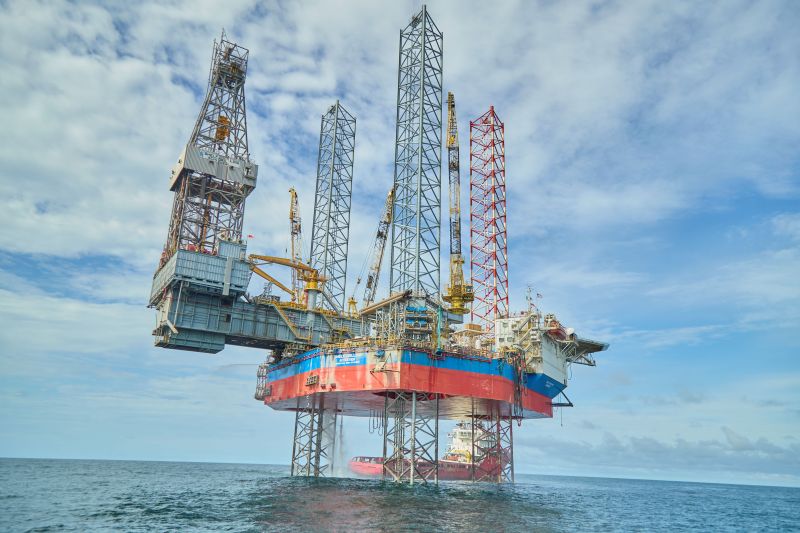
    Nigeria LNG Limited (NLNG) says its Train 7 project is a catalyst for Nigerian Content development and industrial growth.

    Managing Director and Chief Executive Officer, Adeleye Falade made the remark during a panel on Nigerian Content support, lessons, experiences and success stories at the Nigerian Oil & Gas Midstream & Downstream Summit (NOGMDS) 2026 in Lagos. Falade was represented on the panel by Train 7 Project Manager, Ali Uwais.

    Falade described Train 7 as more than an LNG expansion; he called it “a practical model for intentional localisation of expertise,” and a compelling example of how Nigerian Content can drive industrial capability and deliver projects at global scale.

    He also commended the Nigerian Content Development and Monitoring Board (NCDMB) for organising the summit and sustaining efforts to advance growth across Nigeria’s oil and gas sector.

    Speaking further at the panel session, Uwais outlined the project’s achievements, saying Train 7 has recorded over 120 million man-hours and achieved roughly 92 percent Nigerian Content participation—evidence, he said, of NLNG’s deliberate strategy to strengthen local capability and broaden participation across the project value chain. He attributed the success to extensive industry engagement, structured Nigerian Content plans, and targeted investments to build local capacity.

    Drawing on lessons from earlier trains, he said the Train 7 team used a strategic, data-driven approach to assess local capabilities and identify meaningful participation opportunities that meet international standards. That structured approach, Uwais said, enabled higher local involvement and ensured Nigerian companies were integrated into project execution from the outset.

    “Several fabrication activities typically carried out abroad were successfully executed in-country. Nigerian firms fabricated pressure vessels, structural steel components, valves, blocks, pipes, lighting systems, cables, and painting materials for the project. NLNG deliberately identified local manufacturers with growth potential and provided targeted support to help them reach international quality-assurance standards, rather than relying solely on conventional quality-control checks,” he said.

    Uwais also recalled collaboration with foreign technical partners to help Nigerian firms transition from asbestos-based gaskets to safer carbon-graphite alternatives. The initiative included equipment support and international testing certification to strengthen local manufacturing capability.

    “These interventions reflect NLNG’s broader philosophy of treating Nigerian Content not merely as a compliance obligation but as a long-term development opportunity capable of delivering sustainable value beyond project execution,” Uwais said. “Our focus has been on building lasting value. We have seen Nigerian companies participate in fabrication and manufacturing activities, while universities and institutions increasingly contribute through research, innovation, and technical development. These are critical foundations for sustainable industrial growth.”

    Train 7 remains one of Nigeria’s largest ongoing energy investments. When completed, it is expected to raise NLNG’s production capacity from 22 million tonnes per annum to 30 million tonnes per annum—a 35 per cent increase in Nigeria’s LNG export capacity.

    Summit discussions reinforced broader industry conversations on sustaining capability gains from major projects and ensuring continued investment in skills development, manufacturing capacity, and infrastructure. A recurring message at the event was that Train 7’s enduring legacy may be defined not only by production milestones but by the industrial capability, technical expertise, and national capacity it helps leave behind.

  • The SERAS Africa Sustainability Awards opens 2026 Entry, unveils Continental Rankings

    The SERAS Africa Sustainability Awards opens 2026 Entry, unveils Continental Rankings

    On December 5, 2026, The SERAS Africa Sustainability Awards will mark a defining moment—not just for the platform, but for the evolution of sustainability across the continent. Now in its 20th year, The SERAS has grown from a bold idea into Africa’s most respected recognition platform for corporate responsibility, accountability, and measurable impact.

    Two decades ago, when sustainability conversations in Africa were largely framed around philanthropy, The SERAS introduced a different perspective—one that demanded standards, encouraged transparency, and insisted that impact must be measured. Over the years, that philosophy has helped shape how organizations think, act, and report on sustainability, moving the conversation from intention to execution.

    The 20th anniversary edition, themed “The Standard. The Impact. The Future. – Sustainability 2036: The Next Frontier,” will not only celebrate past achievements but also set the agenda for the decade ahead. As part of this milestone, The SERAS will unveil three definitive continental rankings: Africa’s Top 100 Organizations in Sustainability, Africa’s Top 50 Sustainability Professionals, and Africa’s Top 50 CEOs Driving Sustainability. These rankings are designed to spotlight those who have consistently demonstrated leadership, innovation, and measurable impact over time.

    In a historic highlight of the evening, one organization will receive a special all-gold trophy as the Most Outstanding Organization in Africa (2007–2026)—a distinction determined by cumulative performance and impact across two decades of participation at The SERAS.

    Reflecting on the journey, Founder Ken Egbas noted: “Twenty years ago, we started with a simple conviction—that accountability must be visible and impact must be measurable. Today, The SERAS stands as a continental benchmark for sustainability excellence. This milestone is not just about celebrating the past; it is about defining the future. The next decade will demand deeper commitment, stronger collaboration, and real results.”

    The 2026 awards will feature a comprehensive range of categories spanning climate action, circular economy, education, health, gender equality, governance, innovation, and social impact, alongside leadership recognitions such as Sustainability Professional of the Year, CEO of the Year, and the prestigious Most Responsible Organization of the Year.

    As it enters its third decade, The SERAS continues to serve as more than an awards platform—it remains a movement shaping responsible business and sustainable development across Africa.

  • Team ‘Block X’ Emerges HabariPay Squad Hackathon 3.0 Winners as GTCO Backs Nigeria’s Next Generation AI Innovators

    Team ‘Block X’ Emerges HabariPay Squad Hackathon 3.0 Winners as GTCO Backs Nigeria’s Next Generation AI Innovators

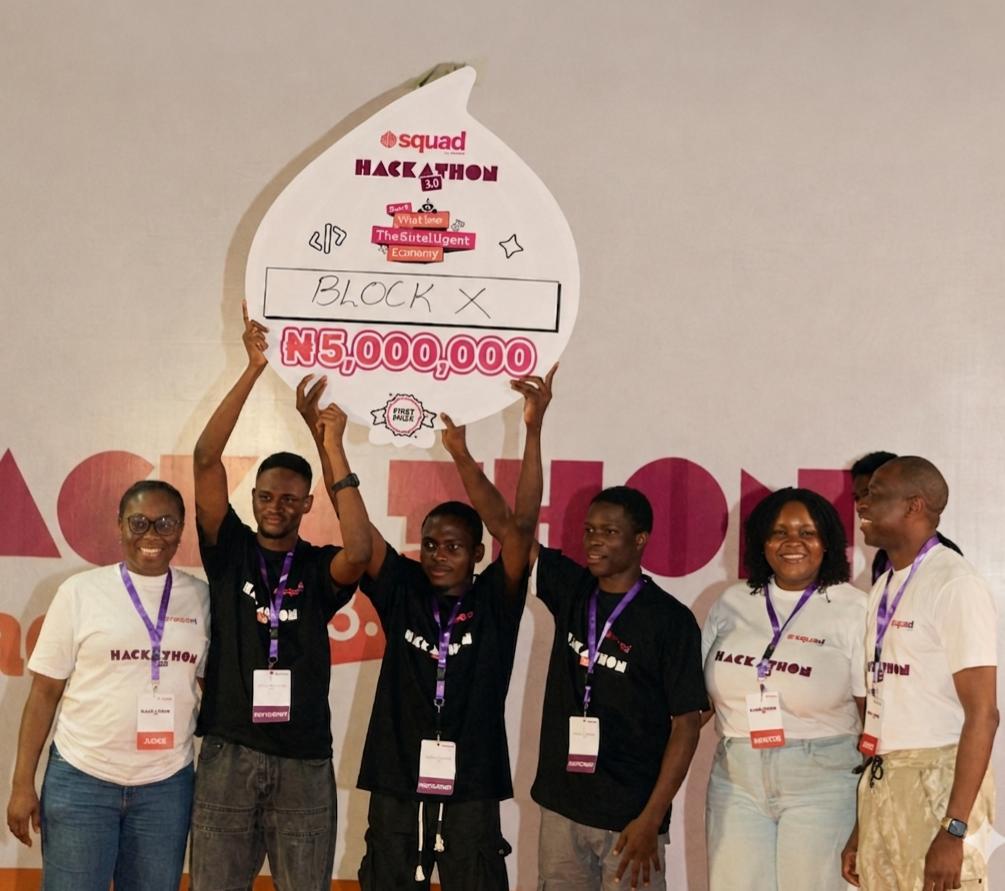
    HabariPay, Guaranty Trust Holding Company Plc, Fintech subsidiary has announced Team ‘Block X’ as the winner of the Squad Hackathon 3.0, following a highly competitive innovation showcase that brought together some of Nigeria’s most promising young software developers, engineers and AI innovators.

    Held at the GTCentre, the grand finale featured cutting-edge technology solutions aimed at addressing critical economic and societal challenges, with a strong focus on artificial intelligence, automation, productivity systems and digital inclusion.

    Team ‘Block X’, comprising of Treasure Uvietobore (Platform & Systems Engineer), Naheem Olaide (Frontend & Machine Learning Developer) and Enoch Idowu (AI & Machine Learning Engineer) from Obafemi Awolowo University emerged winners after impressing judges with Guild, an AI-powered platform designed to bridge informal labour with the formal financial system.

    The solution connects informal workers to employers and integrates them into the financial services infrastructure. In a typical use case, a bricklayer calls “Tola,” the platform’s Nigerian English voice agent, gets matched to a job opportunity, completes the assignment, and receives payment through Squad. Over time, consistent transactions generate a verifiable financial record that enables access to banking services and credit within 90 days.

    Now in its third edition, the competition attracted more than 1,600 applications from students and young innovators across Nigerian universities, reflecting growing momentum in the country’s fast-evolving technology ecosystem. More than 600 applicants were shortlisted based on technical competence, team structure and GitHub portfolio submissions, while over 500 participants progressed to the grand finale.

    Speaking at the event, Group Chief Executive Officer of Guaranty Trust Holding Company Plc, Segun Agbaje, described the hackathon as a platform for developing future technology leaders through real-world problem solving.

    “You are the best of the best. Everybody who made it into this room today is already a winner,” Agbaje said. “The world is not ruled by extroverts; it is ruled by thinkers.”

    He emphasized resilience, collaboration and ethical execution as critical success factors in innovation and enterprise building.

    Managing Director of HabariPay, Eduofon Japhet, said this year’s edition marked the most ambitious iteration of the hackathon to date, with participation increasing more than tenfold compared to previous editions.

    “We realised there is still a gap between classroom theory and practical problem-solving,” Japhet said. “This platform is designed to help students build real-world solutions using emerging technologies like artificial intelligence and smart systems.”

    She added that HabariPay is developing a long-term mentorship and talent pipeline programme to support selected participants through training, tuition assistance and potential employment opportunities.

    “We are not stopping at the competition,” she said. “Some of these participants will work with us directly over the next few years through structured mentorship and hands-on development programmes.”

    Among standout innovations was Tracker, an AI-powered workforce productivity monitoring platform developed by Sherif Sani, a Computer Science student of the University of Lagos. The solution uses artificial intelligence to analyse workflow patterns, browser activity and task completion timelines for remote and onsite teams, while incorporating privacy-focused monitoring controls.

    The event featured coding marathons, live product demonstrations, technical assessments and networking sessions, with judges evaluating teams based on creativity, scalability, user impact and execution capability.

    The HabariPay Squad Hackathon 3.0 reinforces the commitment of Guaranty Trust Holding Company Plc and HabariPay to advancing innovation, strengthening talent development, and positioning Nigeria as a leading hub in Africa’s digital economy.

  • Iquo Ukoh and Lolu Akinwunmi to Chair the 2026 CMO Circle

    Iquo Ukoh and Lolu Akinwunmi to Chair the 2026 CMO Circle

    The CMO Circle—Nigeria’s premier, invitation-only forum for Chief Marketing Officers and senior marketing leaders—announces Iquo Ukoh and Lolu Akinwunmi as Co-Chairs for its 2026 convening. Designed as a high-trust, executive platform, the Circle brings together the most influential voices in marketing to shape strategy at the highest levels of business and public policy.

    Convened by MarkHack in partnership with StatiSense and Brand Communicator, the CMO Circle operates at the intersection of enterprise leadership and national development. Beyond dialogue, the Circle institutionalizes its influence through the quarterly CMO Index—a flagship publication that aggregates executive sentiment, market intelligence, and forward-looking insights to inform policy conversations and economic decision-making. In doing so, the Circle positions marketing leadership as a critical voice in shaping Nigeria’s business environment and policy direction.

    As Co-Chairs, Ukoh and Akinwunmi will curate and lead high-level discussions focused on innovation, talent density, enterprise growth, and the expanding mandate of the CMO within the C-suite. Their stewardship reinforces the Circle’s role as a convening authority—one that not only reflects industry thinking but actively defines it.

    Ukoh, Chief Executive Officer of Entod Marketing and former Director of Marketing Services at Nestlé Nigeria, is widely regarded for her leadership in brand strategy, consumer engagement, and cultural storytelling. Akinwunmi, Group CEO of Prima Garnet (Ogilvy Nigeria), brings decades of experience advising leading national and multinational brands, alongside a distinguished record of industry leadership.

    Commenting on the announcement, Dr. Victor ’Gbenga Afolabi, Convener of MarkHack and the CMO Circle, stated:

    “The CMO Circle is intentionally designed as a premium, outcomes-driven platform—one that moves marketing leadership beyond the boardroom into the sphere of policy influence. With Iquo Ukoh and Lolu Akinwunmi as Co-Chairs, we are setting a clear tone of authority, depth, and relevance. Through the CMO Index and our quarterly convenings, the Circle will play a defining role in shaping both industry direction and policy dialogue.”

    The inaugural 2026 session, themed “The C-Suite Mandate: Talent Density and Marketing Leadership,” will convene a curated network of CMOs and business leaders, reinforcing the Circle’s position as the definitive forum for strategic influence, peer exchange, and policy-relevant insight in Nigeria’s marketing ecosystem.

  • ‘Jide Adeyemi Unveils “Life Guide,” Advocates Purpose, Good Leadership and National Transformation

    ‘Jide Adeyemi Unveils “Life Guide,” Advocates Purpose, Good Leadership and National Transformation

    Brand strategist, ‘Jide Adeyemi, has urged Nigerians to embrace purposeful living, intentional leadership, and value-driven nation-building as a roadmap to personal and national transformation.

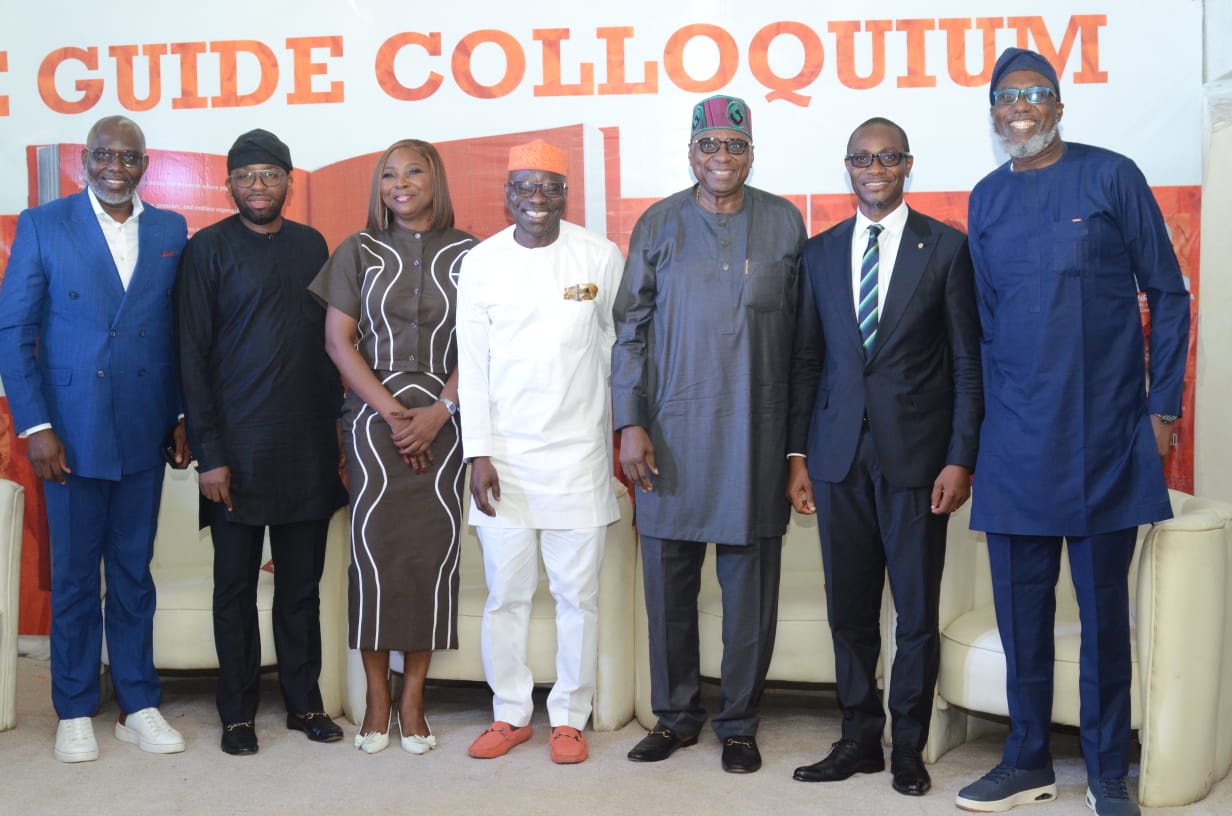
    Adeyemi made the call during the Life Guide Colloquium in Lagos, where he officially presented his book titled Life Guide: Stories, Lessons and Insights to Empower Your Journey.

    Speaking during the event, he emphasized the need for clarity, direction, and strong values in a world filled with distractions and uncertainty.

    “We are trying to provide a map through which people can navigate life,” he said, explaining that the colloquium was created to help individuals find clarity of purpose across leadership, business, faith, and personal development.

    Adeyemi noted that quality leadership remains essential for building strong institutions and thriving societies, stressing that effective communication, faith, vision, and responsible citizenship are intertwined pillars of nation-building.

    According to him, the newly released book challenges readers to rethink their approach to life, embrace integrity, and pursue growth with intentionality.

    The event featured renowned comedian and entrepreneur, Atunyota Akpobome, popularly known as Alibaba, as keynote speaker. Speaking on the theme, “Influence Engineering,” Alibaba encouraged Nigerians to consciously develop their talents into assets capable of creating value and opportunities for others.

    “Potential is where to start from, but you have to develop it enough to the point where people begin to seek it for commercial or societal value,” he said.

    The colloquium also featured panel sessions focused on nation building, leadership, branding, wisdom for growth, and faith-driven influence. The Nation Building panel featured Babatunde Ogala, SAN; Nike Oyetunde-Lawal; Gboyega Akosile; and JJ Omojuwa, who examined issues around governance, responsible citizenship, leadership accountability, and the role of young professionals in shaping Nigeria’s future.

    The Brand and Wisdom for Growth panel had Lanre Adisa of Noah’s Ark, Segun Ogunleye of Diageo, Olalekan Fadolapo, and Tolulope Medebem discussing brand positioning, strategic communication, innovation, business growth, and the importance of consistency in building lasting influence and credibility.

    The Leadership and Faith in God panel featured Gbenga Olorunfemi, Hon. Seyi Adisa, Hon. Lanre Oyegbola-Sodipo, Chairman Abeokuta North Local Government, Ogun State, and Paschal Dike. Discussions centered on ethical leadership, faith-based governance, resilience, mentorship, and balancing ambition with values in public and private life.

    The event was chaired by Chief Babajide Olatunde-Agbeja, Chairman of AIICO Insurance Brokers Limited, while the book was reviewed by Dr. Adekunbi Wuraola, CEO of Discover Your Potential, who described Life Guide as a reflective and practical framework for leadership and intentional living.

    The colloquium attracted professionals, entrepreneurs, policy advocates, business leaders, and young Nigerians from different sectors for conversations centered on leadership, influence, innovation, and purposeful living.

  • CGC Adeniyi Advocates Human-Centred Digital Transformation at UNILORIN International Conference

    CGC Adeniyi Advocates Human-Centred Digital Transformation at UNILORIN International Conference

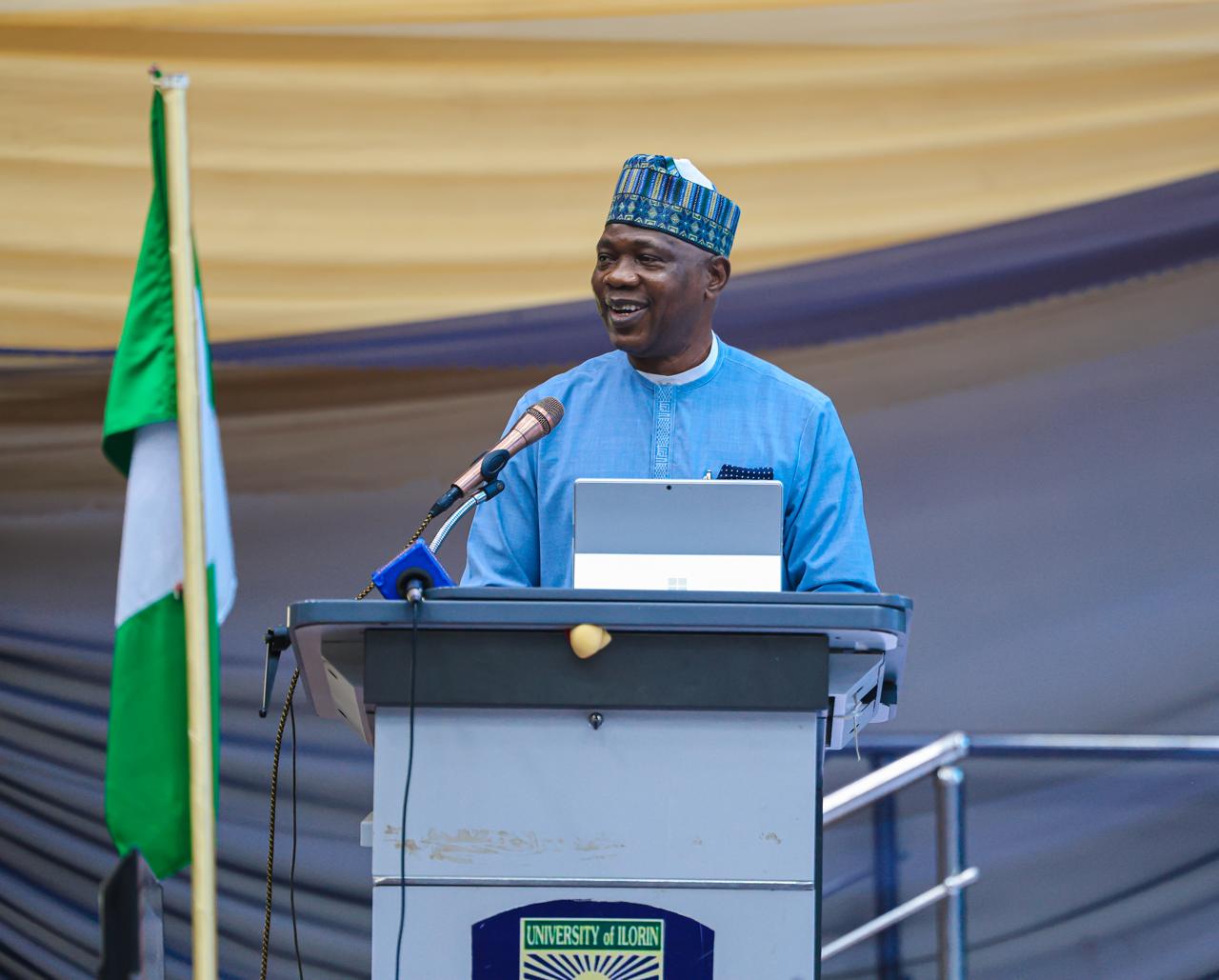
    The Comptroller General of Customs, Adewale Adeniyi MFR has once again reaffirmed his commitment to responsible digital transformation and innovation-driven governance, as he delivered a keynote address at the 4th Biennial International Conference organised by the Faculty of Communication and Information Sciences, University of Ilorin, in collaboration with the Faculty of Philology, RUDN University, Russia.

    The international conference, themed “Disruptive Technology: Human and Artificial Intelligence in the Digital Economy,” held on Wednesday, 13 May 2026, at the University of Ilorin Main Auditorium, brought together academics, communication scholars, technology experts, researchers, head of sister agencies, and policymakers to examine the growing impact of digital innovation and artificial intelligence on governance, education, trade, and economic development.

    Speaking during the conference, CGC Adeniyi emphasised the need for institutions to strike a balance between technological advancement and human responsibility, noting that the future of the digital economy depends not only on artificial intelligence but also on ethics, leadership, and institutional competence.

    “The digital age is, in the end, a human story, and the real test of our generation is not how powerful our machines become, but how wisely our societies choose to use them,” Adeniyi stated.

    He observed that disruptive technology has already transformed global systems through digital payments, e-commerce, artificial intelligence, and smart technologies, stressing that the world is no longer preparing for disruption but already operating within it.

    According to him, the role of government institutions is to ensure that innovation strengthens public trust, transparency, and operational efficiency rather than weakening accountability structures.

    Drawing from the Nigeria Customs Service experience, the CGC highlighted the Service’s ongoing digital transformation initiatives, particularly the deployment of the B’Odogwu Unified Customs Management System, which has enhanced trade facilitation, cargo processing, and inter-agency collaboration.

    He disclosed that the platform generated over N230 billion at the PTML Command within its first eight months of deployment, while cargo clearance timelines for compliant traders had been reduced to less than eight hours.

    “The partnership, not the rivalry, between human and artificial intelligence is where the real value lies,” he said, adding that technology remains most effective when guided by clear institutional purpose and strong ethical standards.

    Adeniyi further stressed that while artificial intelligence can improve efficiency, risk management, and decision-making, human expertise and leadership remain central to effective governance and enforcement operations.

    “Technology changes processes; leadership and expertise still deliver the results,” he added.

    The CGC also called for stronger collaboration among universities, research institutions, and public agencies to develop practical solutions to emerging digital and governance challenges. He noted that universities must move beyond theoretical learning to become active drivers of innovation and policy development.

    He identified several research areas where academia can support Customs modernisation efforts, including digital compliance systems, artificial intelligence-driven risk targeting, public trust communication strategies, and governance of cross-border data flows.

    Adeniyi further urged African countries to develop locally relevant digital governance frameworks rooted in African realities, legal systems, and developmental priorities, stressing that technological advancement must remain accountable to the citizens it serves.

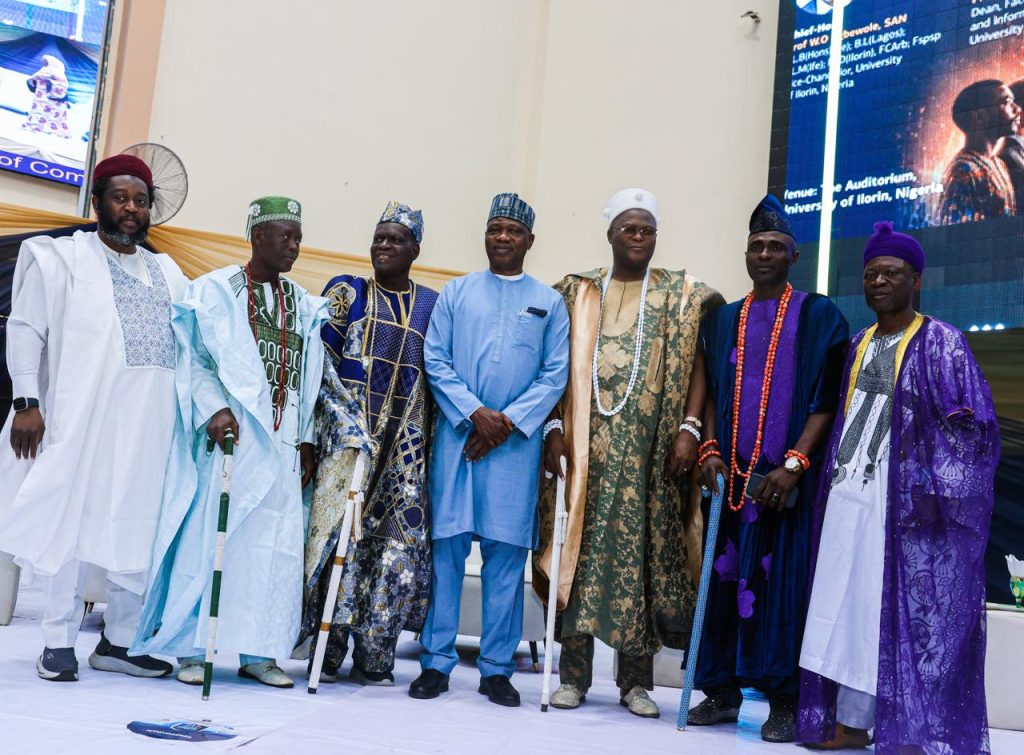
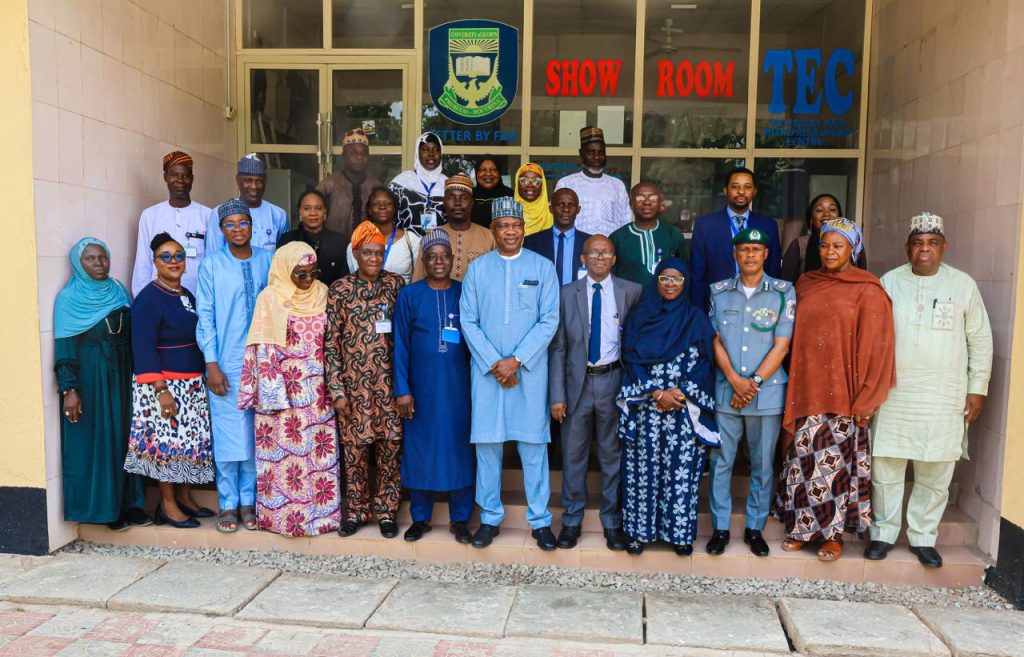
    On the sidelines of the conference, the CGC engaged with heads of other government agencies, scholars, communication professionals, traditional leaders, and institutional leaders on opportunities for collaboration in digital research, innovation, community development, and capacity development.

  • Emirates Named World’s Most Profitable Airline After Record US$6.6 Billion Group Profit

    Emirates Named World’s Most Profitable Airline After Record US$6.6 Billion Group Profit

    The Emirates Group has announced record-breaking financial results for the 2025-26 fiscal year, with Emirates retaining its position as the world’s most profitable airline despite major regional disruptions late in the reporting period.

    The Group posted a record profit before tax of AED 24.4 billion (US$6.6 billion), up 7% year-over-year, alongside record revenue of AED 150.5 billion (US$41 billion) and record cash assets of AED 59.6 billion (US$16.2 billion).

    His Highness Sheikh Ahmed bin Saeed Al Maktoum, Chairman and Chief Executive, Emirates airline and Group said: “These outstanding results, despite significant challenges in the last month of our financial year, reaffirm the strength and resilience of the Emirates Group’s business model, which is rooted in safety, excellence, innovation, people and partnerships.

    “For the first 11 months of 2025-26, the picture across the Group was very positive. Strong demand for our products and services was driving revenue, and we were achieving healthy margins thanks to our sustained investments in product, people, technology and brand. Month after month, we were surpassing our targets.

    “On 28 February, military activity massively disrupted global commercial air traffic in the Gulf region, including in the UAE. Emirates and dnata quickly mobilised to support our people and affected customers, protect our assets, and ensure business continuity.”

    HH Sheikh Ahmed added: “The Emirates Group has navigated crises and disruptions before. Each time, we placed our focus on our customers and our people, and each time, we have bounced back stronger.  

    “Our people are a big part of our success, enabling us to respond with agility in a dynamic operating environment. I’d like to thank all our employees – they have truly exemplified the qualities that set the Emirates Group apart during testing times.

    In 2025-26, the Group collectively invested AED 17.9 billion (US$ 4.9 billion) in new aircraft, facilities, equipment, and the latest technologies to support its growth plans.

    The Group’s total workforce grew by 8% to 130,919 employees, as Emirates and dnata continued recruitment activity around the world to support its expanding operations and boost its future capabilities. The Group’s UAE national workforce also grew to surpass 4,000, showing the success of its programmes to attract, grow and retain local talent.

    “From a fuel perspective, Emirates is well-hedged until 2028-29; and we have worked with our suppliers to secure the volumes required to support our current operations and our scaling up to pre-disruption levels. At dnata and across the Group, our business streams, scale, portfolio mix, and years of investments give us the resilience and agility to address any near-term challenges.

    “Our fundamentals are strong. The Emirates Group’s proven business model is unchanged.  Dubai’s place at the nexus of global commerce, trade and travel flows is unchanged. Our ambition to be the best in the world, and to be of service to the world, is unchanged.”

    During the year, Emirates’ global network spanned 152 cities in 80 countries. Emirates also grew its partnerships to 32 codeshare and 117 interline partners, providing customers smooth access to over 1,700 cities beyond its network.  

    At the 2025 Dubai Airshow, Emirates announced further fleet investments worth US$ 41.4 billion at list prices – for 65 more Boeing 777-9s and 8 more A350-900 aircraft. At 31 March, Emirates’ order book had 367 aircraft, comprising of: 54 A350s, 270 Boeing 777x, 35 787s, and 8 777Fs, with deliveries scheduled through to 2038.

    Emirates carried 53.2 million passengers (down 1%) in 2025-26, with seat capacity down by 1%. The airline reports a Passenger Seat Factor of 78.4%, a marginal decline from 78.9% last year. Passenger yield was higher by 4% at 38.1 fils (10.4 US cents) per Revenue Passenger Kilometre (RPKM).  

    Emirates launched a new “Accessible and Inclusive Travel Hub” on emirates.com to help travellers with varying accessibility requirements plan their journey. It also introduced new onboard sensory products and fidget toys for children and adults, and organised “travel rehearsals” at dozens of airports worldwide to help ease travel anxiety for children with autism and their families.

    Emirates SkyCargo also delivered an outstanding year, carrying 2.4 million tonnes of goods around the world, up 3% from the previous year.

    Emirates continued to deploy simple forward contracts to hedge against Brent crude oil and refining margins; and used long-term interest rate hedges to mitigate the impact of interest rate fluctuations. 

    Emirates subsidiary, dnata’s total revenue increased by 12% to hit a new record of AED 23.6 billion (US$ 6.4 billion), driven by increased flight and travel activity across the world, particularly in its major markets: Australia, Europe, the UAE, UK, and US.

    The Emirates Airline Foundation continuing its work with social entrepreneurs and NGOs to provide disadvantaged children with education, shelter, food and medical services. This year, the Foundation supported 13 active projects around the world and provided over 500 flight tickets for medical missions.

  • IBWU Foundation Partners with Kemi Irinoye Foundation to Launch “Cleanest School in Ibadan 2026” Initiative

    IBWU Foundation Partners with Kemi Irinoye Foundation to Launch “Cleanest School in Ibadan 2026” Initiative

    The IBWU Foundation, (-It Begins With U-) a Canada-based registered Charity and Not for Profit also operating as a Nigerian based non-governmental organization registered with the Corporate Affairs Commission, has officially partnered with the Kemi Irinoye Foundation (KIF) to launch the “Cleanest School in Ibadan Program 2026”, a transformative initiative aimed at promoting hygiene, sanitation, innovation, and civic responsibility among secondary school students across Ibadan.

    IBWU Foundation, known for executing similar impactful projects across Nigeria, continues to expand its footprint with plans to reach even more states nationwide. In selecting Ibadan for this phase, the organization chose to partner with KIF in recognition of its strong track record in designing and implementing high-impact programs that drive meaningful change.

    The program, formalized through a signed Memorandum of Understanding in March 2026, will engage schools in a structured competition designed to encourage clean, sustainable, and innovative learning environments. Participating schools will be evaluated on key criteria including cleanliness, creativity, teamwork, sustainability, and effective use of resources.

    To incentivize excellence and participation, IBWU Foundation is offering a grand prize of ₦1,000,000 to the cleanest school, alongside cash rewards for schools placing second, third, and fourth, as well as scholarships and other awards. These prizes are intended not only for recognition but also to support continued improvements in school environments.

    Implemented in collaboration with the Oyo State Ministry of Education and supported by relevant government agencies, the initiative will span multiple phases, from stakeholder engagement and school registration to inspections, media engagement, and a grand award ceremony recognising top-performing schools.

    Speaking on the partnership, Kemi Irinoye, Executive Director of the Kemi Irinoye Foundation, expressed appreciation to IBWU Foundation for their commitment to youth development and environmental sustainability:

    “We are deeply grateful to IBWU Foundation for their willingness to work with us on this impactful project. This initiative goes beyond cleanliness, it is about shaping a generation of responsible, innovative young people who understand the value of their environment and their role in sustaining it.”

    The program will culminate in a high-profile awards event featuring government representatives, educators, students, and corporate stakeholders, where outstanding schools will be recognized and rewarded. Beyond the competition, the initiative aims to establish long-term behavioral change and position participating schools as champions of hygiene and environmental responsibility, a record that IBWU has displayed in other states across the country.

    Both organizations share a long-term vision to make environmental impact in across Oyo State and beyond.

  • GTCO Food and Drink Festival 2026 Presents “Everything Food and Drink”

    GTCO Food and Drink Festival 2026 Presents “Everything Food and Drink”

    Guaranty Trust Holding Company Plc (GTCO Plc) is pleased to announce the 9th edition of the GTCO Food and Drink Festival, scheduled to hold from Friday, May 1st to Sunday, May 3rd, 2026, at GTCentre, Plot 1 Water Corporation Drive, Oniru, Victoria Island, Lagos.

    This year’s theme, “Everything Food and Drink,” captures the expansive nature of the Festival experience. It reflects not only the variety of cuisines on display but also the depth of stories behind them. Over the years, the GTCO Food and Drink Festival has grown far beyond a seasonal celebration to become a culturally significant platform where food and drink serve as a meeting point for storytelling, innovation, and opportunity. The Festival will feature 204 free retail stalls, showcasing the rich diversity and creativity of our food culture; from time-honoured traditional dishes preserved across generations, to bold contemporary interpretations of global cuisine, creating space for every flavour, every technique, and every craving to find expression.

    Visitors can expect a rich programme featuring interactive masterclasses, live culinary demonstrations, food and wine tastings, and a vibrant marketplace showcasing small and medium-scale food businesses alongside established culinary brands. In addition to its wide range of food and drink offerings, the GTCO Food and Drink Festival is renowned for its family-friendly atmosphere, with a well-equipped play area and a variety of engaging activities for children, ensuring an unforgettable experience for the whole family.

    Speaking ahead of the 2026 edition, the Group Chief Executive Officer of GTCO Plc, Segun Agbaje, emphasized the Festival’s continued evolution as both a cultural and economic enabler: “The GTCO Food and Drink Festival has, over the years, become a living expression of what we stand for as an institution: innovation, opportunity, and enterprise that is accessible to all. What makes this platform special is not just its scale, but its humanity. It brings together people from different walks of life around something universal—food and drink—and in doing so, it breaks barriers and builds connections that extend far beyond the event itself.”

    Since inception, the GTCO Food and Drink Festival has positioned itself as one of Africa’s most prominent culinary gatherings, attracting participation from across Nigeria and increasingly from the wider continent and diaspora.

    Admission remains free and open to all, reaffirming the Festival’s commitment to accessibility as a consumer-focused event that brings people together through food, drink, culture, and enterprise.

  • The crisis in the Middle East could cost Africa 0.2 percent in economic growth in 2026

    The crisis in the Middle East could cost Africa 0.2 percent in economic growth in 2026

    To address the crisis, AfDB Chief Economist Urama urged African governments not to panic or take hasty decisions that could harm their fiscal balances

    The crisis in the Middle East is impacting global economies, with growth in African countries forecast to decline by up to 0.2 percent.

    Download document 1: https://apo-opa.co/4mBpy5u
    Download document 2: https://apo-opa.co/484mxEK

    This is according to a joint policy document presented on Tuesday, 15 April 2026, in Washington, D.C., by the African Union Commission, the African Development Bank Group (AfDB), the United Nations Economic Commission for Africa (ECA), and the United Nations Development Programme (UNDP).

    The report, entitled Impacts of the Conflict in the Middle East on African Economies,” warns that African economies, which were slowly recovering from the severe consequences of COVID-19, the Russia–Ukraine war, and rising trade tariffs, could be among the most affected by the ongoing conflicts in the Middle East.

    Kevin Urama, Chief Economist and Vice President for Economic Governance and Knowledge Management at AfDB, presented the report on the sidelines of the Spring Meetings of the International Monetary Fund and the World Bank. He emphasized that the closure of the Strait of Hormuz had significant consequences for transport and trade.

    “The report reminds us that the continent demonstrates remarkable resilience,” said Francisca Tatchouop Belobe, African Union Commissioner for Economic Affairs, Development, Trade, Tourism, Industry, and Mining.

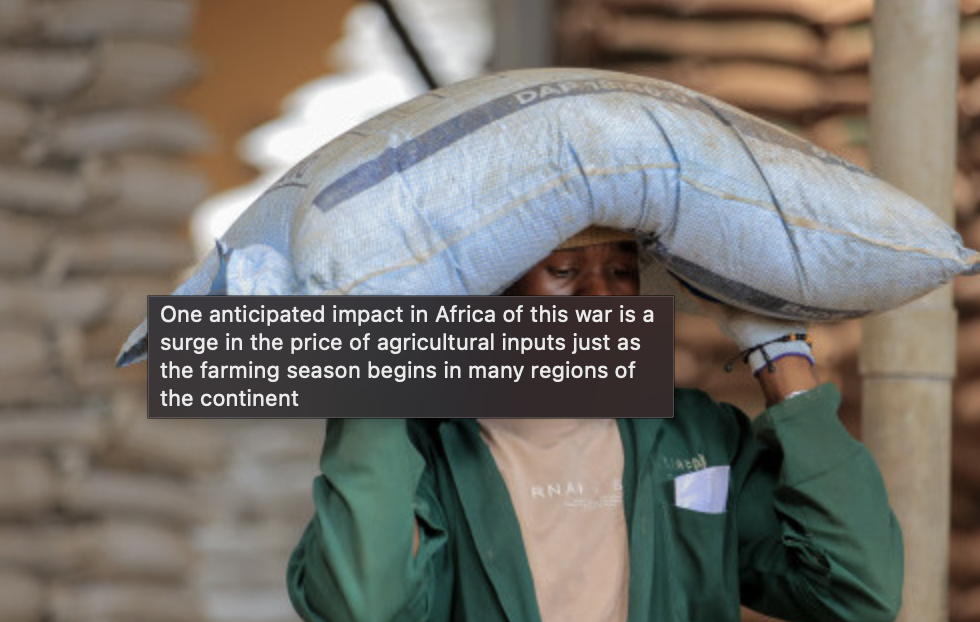
    The report says the main effects of Middle Eastern conflicts on African economies include surging prices of hydrocarbons, food products, and fertilizers. They also cause disruptions to global trade, logistics, and supply chains, and made capital and foreign exchange markets volatile.

    “Eighty percent of the oil imported into Africa comes from this region, as well as 50% of refined petroleum,” said Claver Gatete, Executive Secretary of the ECA. As a result of these conflicts, 31 African countries were already experiencing currency depreciation, Gatete said.

    To address the crisis, AfDB Chief Economist Urama urged African governments not to panic or take hasty decisions that could harm their fiscal balances.

    The report recommends, in particular, strategic inflation management to ensure short-term price stability expectations. It cautions oil-exporting countries to adopt strict fiscal discipline by managing windfall revenues prudently, while strengthening debt-monitoring, and using energy reserves strategically. Where fiscal space allows, it advises that temporary and targeted social protection measures be deployed to shield the most vulnerable populations from the crisis.

    However, the report urges governments to avoid broad-based subsidies that could worsen long-term fiscal deficits, and to diversify sources of energy, inputs, and food supplies.

     It also recommends that African governments strengthen regional and intra-African trade in oil and fertilizer markets to enhance resilience; and ensure smooth inter-institutional coordination to harmonize strategic monetary and fiscal policies.

    At the same time, the report calls upon development partners, multilateral banks, and development finance institutions to provide emergency support to African countries through crisis response measures and technical assistance.

    It also recommends that the operationalization of the African Continental Free Trade Area (AfCFTA) is operalionalised speedily, while strengthening large-scale domestic capital mobilisation. The report also encourages Africa to diversify its energy mix by accelerating investments in renewable energy and the gas sector.

    It urges stakeholders in Africa’s financial ecosystem to speed up the implementation of the New African Financial Architecture for Development (NAFAD), for which AfDB has recently concluded continent-wide consultations. Those consultations led to the “Abidjan Consensus” on 9 April, 2026, in the Ivorian commercial capital. They are aimed at speeding up reforms towards mobilising African financial resources at scale to boost development financing across the continent.

    United Nations Deputy Secretary-General, Amina J. Mohammed called for measures “to safeguard the gains already achieved at continental level. “We must work to ensure that the Sustainable Development Goals under the 2030 Agenda and Agenda 2063 are achieved,” she stated.

    For the Senior Vice President of AfDB, Marie-Laure Akin-Olugbade, “there is a need for global coordination, as no country or institution can face these shocks alone. In addition, a rapid response is essential, as was the case during the COVID-19 pandemic and the war in Ukraine, and people must be placed at the center of interventions.”

    “The shocks affect us deeply, and we have no choice but to be resilient—and African countries have the means to respond,” emphasized Ahunna Ezioknwa, Director of the UNDP Regional Bureau for Africa. “In Africa, we need to win the fight for energy independence… We must invest in domestic solutions and encourage young people to engage in innovation, digital technology, and artificial intelligence,” she added.

    After the presentation of the report, a panel discussed its content and proposed further solutions.

  • Dangote, Pope Leo XIV, Trump, Xi Jinping, others Named in TIME 100 Most Influential People for 2026

    Dangote, Pope Leo XIV, Trump, Xi Jinping, others Named in TIME 100 Most Influential People for 2026

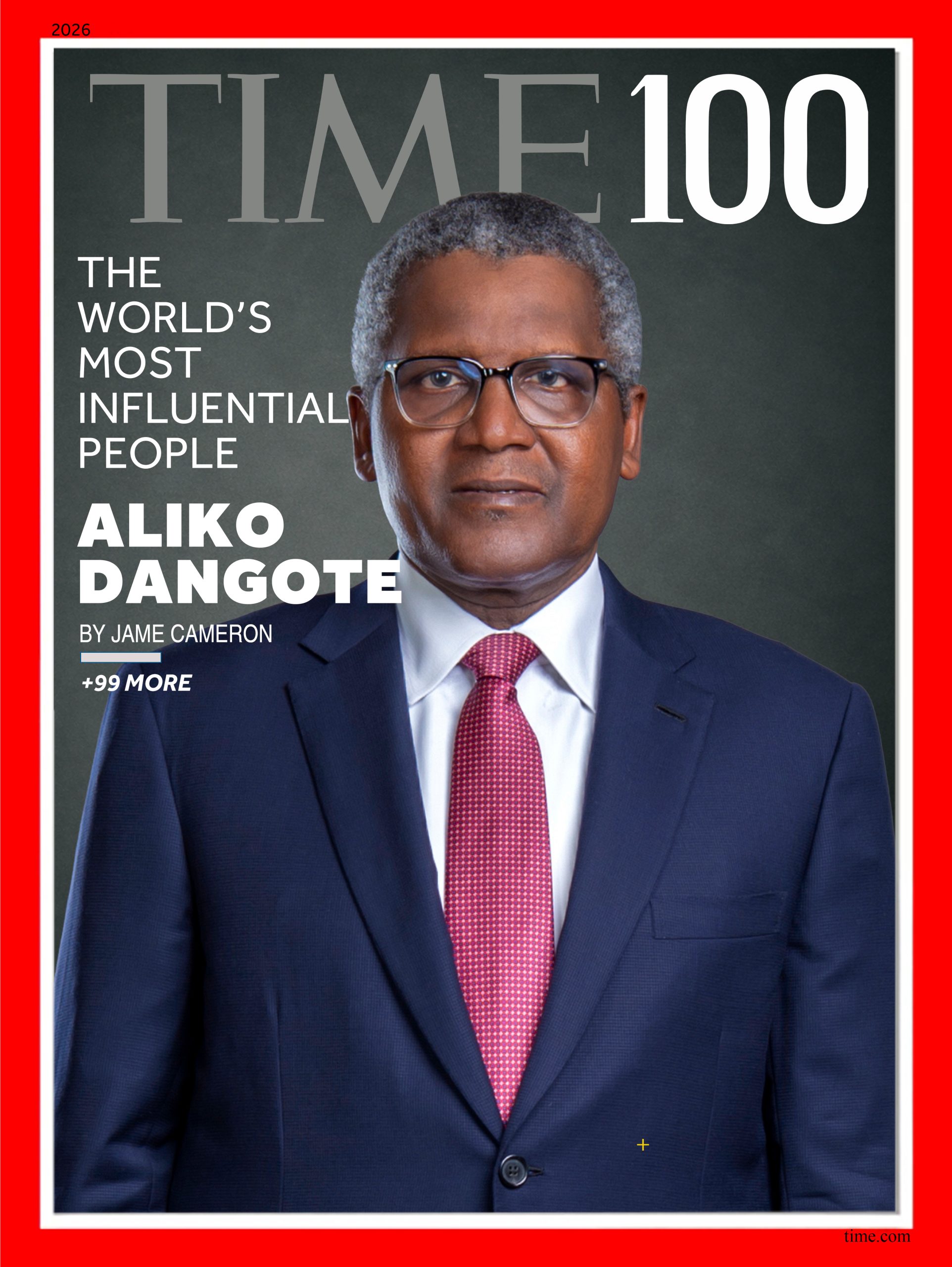
    Renowned African industrialist and philanthropist, Aliko Dangote, has been named among TIME Magazine’s 100 Most Influential People in the World for 2026, reaffirming his standing as one of the most successful and iconic business leaders of his generation.

    Dangote joins global influential figures from multiple sectors, including political leaders such as U.S. President Donald Trump, Chinese President Xi Jinping, Israeli Prime Minister Benjamin Netanyahu, Canadian Prime Minister Mark Carney, revered Pope Leo XIV, current head of the Catholic Church as well as business and technology leaders including Google CEO Sundar Pichai and YouTube CEO Neal Mohan.

    The annual TIME100 list, published on April 15, 2026, recognises global figures whose leadership, ideas, and actions are shaping the future across business, politics, culture, and society. Dangote’s inclusion places him alongside prominent international figures drawn from diverse spheres of global influence.

    This marks Dangote’s second appearance on the prestigious TIME100 list, following his first recognition in 2014, when he was honoured for his exceptional impact on business and philanthropy. His return to the list more than a decade later underscores the consistency and scale of his influence on the global stage.

    Dangote, who is being recognized for his African industrial drive is the only Nigerian on the list and featured in the titan and innovators category. Other prominent honorees named alongside Dangote in the titan category are Reid Wiseman, Commander of the Artemis II mission to the moon; Sundar Pichai, CEO of Google and Alphabet and Neal Mohan, CEO of YouTube.

    Also featuring prominently under the titan category are Michael and Susan Dell, the high-profile American tech billionaires and philanthropists best known as the founders of the Michael & Susan Dell Foundation, a global non-profit that focuses on improving the lives of children living in urban poverty. Included here also is the American designer and billionaire, Ralph Lauren, best known for founding the global lifestyle empire Ralph Lauren Corporation.

    Recognised in the Pioneer category are individuals with breakthroughs in Science and Social Advocacy, such as Kiran Musunuru and Rebecca Ahrens-Nicklas, both of whom were cited for medical breakthroughs in genetic therapy, as well as Aaron Williams, recognised for advancements in heart transplant readiness.

    Influential figures recognized in global entertainment and culture include Ranbir Kapoor, prominent Indian actor; Dakota Johnson, recognized as an actress and cultural icon and Kate Hudson, included for her cultural influence.

    As Founder and President of Dangote Group—Africa’s largest indigenous industrial conglomerate—Dangote has played a central role in advancing industrialisation across the continent. Under his leadership, the Group has made landmark investments spanning cement manufacturing, sugar and food processing, agriculture, infrastructure, and lately energy, significantly reducing Africa’s reliance on imports while creating millions of direct and indirect jobs.

    In its citation, TIME Magazine highlighted Dangote’s vision of building African industries with local resources for global competitiveness, noting his recent investments in large‑scale energy and manufacturing infrastructure as emblematic of his long‑term commitment to Africa’s economic transformation.

    Beyond business, Dangote is widely acclaimed for his philanthropic leadership through the Aliko Dangote Foundation (ADF), one of Africa’s largest private philanthropic organisations. The Foundation supports critical initiatives across healthcare, nutrition, education, disaster relief, and economic empowerment, contributing to improved outcomes for vulnerable communities across the continent.

    The 2026 TIME100 recognition further reflects a broader global acknowledgement of African leadership, innovation, and enterprise, with Dangote standing as a symbol of the continent’s growing influence in shaping global economic and development narratives.

    This latest honour consolidates Aliko Dangote’s legacy as a visionary industrialist and philanthropist, whose work continues to drive sustainable development, inclusive growth, and long‑term value creation—both within Africa and beyond.

    Under his leadership, Dangote Group recently launched Vision 2030, with which Dangote Industries aims to transform from a regional $30 billion conglomerate into a $100 billion global powerhouse by 2030.

    This strategy focuses on industrial self-sufficiency for Africa, moving the group from “regional dominance to global relevance”. 

    Dangote said the roadmap to vision 2030 is divided into phases to “supercharge” the group’s expansion; with phase one spanning 2025-2028, focused on scaling existing businesses—cement, fertiliser, and energy—and optimising assets for international competitiveness.

    Phase two, running from 2028-2030, is for deploying new businesses and ventures into global markets to drive the final leap toward the $100 billion revenue target. The Dangote Group plans to expand into steel manufacturing, power generation, and deep-sea ports to address industrial bottlenecks across Africa. 

    This recognition by Time Magazine underscores the growing global recognition of African leadership and innovation and highlights Aliko Dangote’s enduring influence as a visionary committed to sustainable development and inclusive growth.

    The 2026 list underscores the expanding global visibility of African leadership and Dangote’s continued influence as a leading industrialist and philanthropist.