Tag: Insecurity

  • Nigerian Inflation Shows Mixed Outlook in July 2025 as Headline Inflation Declines Amid Persistent Food and Structural Pressures

    Nigerian Inflation Shows Mixed Outlook in July 2025 as Headline Inflation Declines Amid Persistent Food and Structural Pressures

    The July 2025 inflation report presents a complex picture for the Nigerian economy, with notable progress in moderating key price indices but also highlighting lingering structural weaknesses that require urgent policy intervention. This was made known by Director/CEO of the Centre for the Promotion of Private Enterprise [CPPE], Dr Muda Yusuf.

    According to the report, Nigeria’s headline inflation declined for the fourth consecutive month, easing to 21.88% in July from 22.22% in June. This deceleration is supported by positive trends in month-on-month food inflation, which moderated from 3.25% to 3.12%, and a significant slowdown in month-on-month core inflation, which fell sharply from 3.46% to 0.97%. These improvements are attributed to a stabilizing foreign exchange market, improved investor confidence, and the effects of import duty waivers on key staples.

    However, the report also signals emerging concerns. Despite the overall downward trend, month-on-month headline inflation increased from 1.68% in June to 1.99% in July, while year-on-year food inflation edged up from 21.97% to 22.74%. These movements underscore the economy’s continued vulnerability to supply-side shocks and highlight the need for sustained policy action.

    To address these challenges, the report recommends a multi-pronged approach focused on:

    • Foreign exchange stability to anchor inflation expectations.
    • Structural reforms to tackle high logistics costs, insecurity, and port inefficiencies.
    • Fiscal discipline to ensure prudent government spending.
    • Monetary innovation to manage liquidity beyond traditional tools, given the high lending rates that have already exceeded 30% for many businesses.

    In conclusion, the July 2025 inflation report provides a basis for cautious optimism. While the moderation in headline inflation is a positive development, the persistence of food and month-on-month price pressures indicates that a coordinated mix of monetary, fiscal, and structural interventions is required to steer the economy toward sustained stability.

  • Feature- Why Is Nigeria Recording More Malnutrition Deaths Than War-Torn Palestine?

    Feature- Why Is Nigeria Recording More Malnutrition Deaths Than War-Torn Palestine?

    By Elvis Eromosele

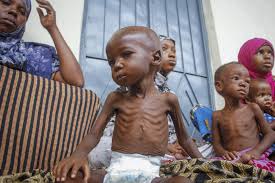
    At the end of July 2025, the world was shocked to learn that 169 people, including 93 children, had died of malnutrition in Palestine since the outbreak of the devastating war with Israel. For context, the war has gone on actively for close to two years. Tragic and painful as this figure is, it is utterly dwarfed by a chilling statistic from Nigeria: over 652 children have died from malnutrition in Katsina State alone, and that’s just in the first half of 2025.

    This jarring incongruity provokes a bleak and sobering question: How can a nation not technically in war end up outpacing a war zone in deaths due to hunger and malnutrition?

    The answer lies at the intersection of poor governance, chronic insecurity, and systemic neglect.

    Nigeria, Africa’s most populous country and one of its largest economies, is officially at peace. It enjoys a democratic government, a huge bureaucracy, and vast natural and human resources. Yet it continues to record child mortality from malnutrition that rivals or surpasses that in active war zones.

    The latest report from Doctors Without Borders (MSF) on Katsina is most alarming. Katsina, located in Nigeria’s northwest, is a besieged state by banditry, kidnappings, and deepening insecurity. In Katsina, whole villages have been turned into ghost towns and farmlands into killing fields. As a result, food production has dwindled, healthcare systems have broken down, and families have been forced into displacement, poverty, and starvation.

    The root of the crisis points to both structural and systemic failures. Malnutrition, especially in children, is both a symptom and a signal. It indicates a broader failure of the health system, food distribution channels, social protection programmes, and ultimately, government accountability.

    There are numerous key issues driving the malnutrition crisis in Nigeria. First, armed violence, especially in northern Nigeria, has led to mass displacements. Families fleeing for their lives leave behind farms and other means of livelihood. Internally displaced persons (IDPs) camps are often overcrowded, underfunded, and inadequately supplied with food and clean water. Children under five, the most vulnerable, suffer the most.

    Secondly, in many parts of northern Nigeria, healthcare delivery is either non-existent or dangerously underfunded. Malnutrition requires urgent and specialised treatment, something scarce even in urban centres, let alone rural communities ravaged by conflict.

    Then there is the issue of cuts in international funding. MSF attributed part of the problem in Katsina to funding cuts by international donors. As global attention shifts to other emergencies, including Ukraine, Sudan, and Palestine, humanitarian support to Nigeria has dwindled. But this raises a painful point: Why is the Nigerian government not stepping in to fill the void?

    Another challenge is the failure of preventive nutrition programs. Nigeria has repeatedly failed to sustain preventive nutrition programs that address child hunger and undernutrition before they become life-threatening. School feeding programs are poorly implemented or discontinued in many states, and outreach on infant nutrition and breastfeeding is inconsistent at best.

    Plus, malnutrition doesn’t make headlines like terrorism or economic policy. As a result, the issue often slips under the radar of national priorities. There’s a lack of real-time data, poor coordination among ministries, and a bureaucratic unwillingness to act until disaster strikes.

    The effects of runaway malnutrition deaths are long-term and deeply unsettling. Think human capital loss, undermined development goals and national and international shame. It’s a ticking time bomb.

    I concede that there is no magic bullet. Yet, I’ll argue that the path to the solution requires urgent, coordinated, and sustained action. In my mind, the way forward is to move from rhetoric to action. Here’s what must happen now:

    Malnourishment must be officially declared a national emergency. The state and federal governments need to increase nutrition-sensitive interventions and allocate ring-fenced funds to food relief, health centres, and child care.

    In addition, primary health centres need to be able to detect, treat, and manage malnourishment cases. Trained workers, therapeutic diets availability, and a functional cold chain need to be the standard, not a luxury.

    Besides, the government must secure farming villages, especially in the North, and invest in agriculture. Farmers need to be protected, provided with equipment, and incentivised to plant crops. Food insecurity is the first domino that must fall in the malnutrition chain.

    Moreover, Nigeria must regain confidence with international donors as well as develop homegrown solutions. Partnerships with NGOs, faith-based organisations, and community leaders can be used to increase reach and amplify impact.

    Furthermore, the Nigerian public must demand transparency and accountability. Children dying from hunger are not just statistics; they are indictments of leadership failure. Civil society must amplify its stories and push for reforms.

    It is unacceptable that Nigeria, a country with so much potential, is losing more children to malnutrition than countries at war. We all should ask ourselves this question: What is peace worth if children are starving and dying?

    The time for silence has passed. Nigeria must act now to stop the silent war of hunger that is killing its future. History will not be kind to us otherwise.

    Elvis Eromosele, a corporate communications professional and sustainability advocate, wrote via elviseroms@gmail.com.

  • Cooling Prices, Rising Hopes: Nigeria’s Inflation Eases as Growth Holds

    Cooling Prices, Rising Hopes: Nigeria’s Inflation Eases as Growth Holds

    Nigeria saw a decline in its inflation print for April 2025, following the January 2025 rebasing, after the trend reversed in March due to an uptick. In April, inflation declined again, signalling a return to the earlier downward path.

    The latest Consumer Price Index (CPI) data released by the National Bureau of Statistics (NBS) shows that Nigeria’s headline inflation moderated to 23.7% year-on-year (YoY) in April 2025, down from 24.2% in March. 1 This marks a notable slowdown in the pace of price increases, driven primarily by easing inflationary pressures in both the food and core components.

    Food inflation declined to 21.3% YoY from 21.8% in March, while core inflation moderated more significantly to 23.4% YoY from 24.4%. On a month-on-month (MoM) basis, inflation stood at 1.9% in April, a marked deceleration from the 3.9% increase recorded in March.

    This divergence may influence the Central Bank of Nigeria’s upcoming Monetary Policy Committee (MPC) meeting scheduled for the 20th of May 2025.

    Cooling Prices, Rising Hopes: Nigeria’s Inflation Eases as Growth Holds

    The April data reverses the inflation uptick observed in March, signalling a possible stabilization phase. The moderation reflects a combination of factors, including relative price stability across key consumer categories, less exchange rate volatility, and the absence of fuel price shocks during the month.

    Unlike prior months, April did not experience any adjustments to petrol prices or increase in mobile and data service tariff which in previous periods have contributed significantly to inflationary pressures.

    Another contributing factor to the inflation dynamics is the high base effect following the January rebasing of the CPI basket, which artificially lowers the year-on-year inflation rate by increasing the base level of prices against which current prices are compared. 3

    In sum, Nigeria’s inflation profile in April 2025 reflects a cautious easing that offers some optimism but underscores the need for continued vigilance in monetary and fiscal policy to maintain disinflation momentum without undermining growth prospects.

    Steady Naira, Steady Prices: CBN’s Balancing Act

    The Naira remained relatively stable in April, aided by sustained CBN interventions in the FX market. Reduced volatility narrowed the spread between official and parallel market rates, helping cap imported inflation.

    After earlier volatility, exchange markets saw fewer extreme swings and a narrower gap between official and parallel rates. Given the relative stability in the exchange rate and ongoing inflation concerns, the CBN is likely to maintain its current monetary policy stance in the upcoming MPC meeting. 2

    Holding the policy rate steady would help sustain foreign portfolio investment inflows, which are sensitive to interest rate differentials and currency stability. This approach aligns with the CBN’s commitment to orthodox monetary policies aimed at price stability.

    Fuel Prices Flat, Currency Risks Heat Up, Inflation Fingers Crossed

    Nigeria saw no new fuel shocks in April compared to the Naira for crude swap shock between the Dangote Refinery and NNPCL. Also, during the month, Dangote Refinery reduced prices and sold at approximately ₦835/litre, below prevailing market rates , easing-

    energy and transport costs. With fuel and energy as major inflation drivers, the absence of a price spike removed a key source of CPI volatility. 4

    However, risks remain, with global oil prices trending lower and the naira holding firm, pump prices should stay flat or edge down. Domestic refining shields against import-linked costs. But if the naira weakens, marketers will have to pay more naira for each dollar of imported inputs, so they’ll raise pump prices which could lead to inflation inching up not because crude got more expensive but because of currency weakness.

    On the other side, lower oil prices shrink government oil revenues. Given the budget’s heavy reliance on NNPC proceeds and crude exports, sustained low prices risk fiscal strain, which in turn could pressure the Central Bank of Nigeria to support the naira with limited foreignexchange reserves.

    Petrol underpins transport, power generation, logistics, and food distribution. A rise in pump prices feeds directly into higher transport fares, logistics charges, market prices, and service costs fuelling higher inflation. If FX stability persists and domestic refining scales up, the current environment does not warrant a petrol-price hike.

    CBN Faces Balancing Act Ahead of MPC: Rate Hold Expected

    Given the easing of headline inflation but persistence of structural pressures particularly around food supply and currency risk, the MPC is likely to hold the policy rate at its May 2025 meeting. This stance supports disinflation while preserving investor confidence and helping attract portfolio flows.

    Maintaining the current rate is crucial not only to continue tempering inflation but also to preserve the attractiveness of Nigeria’s fixed income market, especially foreign portfolio investments (FPI).

    In a recent World Bank document, it was noted that Nigeria’s foreign exchange (FX) market turnover remains largely dominated by interventions from the Central Bank of Nigeria (CBN) and inflows from foreign portfolio investors (FPIs) and while overall FX turnover has improved following recent policy changes, the market is still heavily reliant on CBN interventions, often aimed at managing volatility and short-term foreign portfolio investment attracted by high yields and potential revaluation gains.5

    With global oil prices trending lower, Nigeria faces reduced oil revenues, a critical source of fiscal financing and foreign exchange inflows. This shortfall could strain government finances and limit the Central Bank’s ability to defend the Naira, increasing devaluation risks. Any capital flight from FPIs in response to rate changes or external shocks could trigger exchange rate volatility. Such volatility would raise the cost of imported goods and services, driving inflation higher through exchange rate pass-through.

    Given this context, the Central Bank holding rates steady would support ongoing disinflation while safeguarding economic growth and market confidence. However, with a positive real interest rate (with inflation below the MPR) offers some policy flexibility but a rate cut remains risky in the current environment. A modest rate cut could support credit growth in manufacturing and agriculture and reduce government debt costs. However, with rising external risks and fragile investor sentiment, premature easing could trigger capital flight, FX pressure, and renewed inflation, undermining recent stability gains.

    Bottom line

    The April 2025 inflation data reinforces the need for continued monetary vigilance and fiscal discipline. While disinflation continues, risks from FX volatility, fragile food supply, and fiscal strain remain elevated, requiring coordinated policy action.

    Externally, the U.S. 14% tariff on Nigerian exports, including crude oil, threatens FX inflows. A weaker Naira could trigger imported inflation.

    Domestically, food supply is vulnerable to planting constraints, weather shocks, and insecurity, with the onset of the rainy season likely to intensify pressures and drive food inflation higher in the coming months.

    At its upcoming meeting, the MPC is expected to hold the MPR to retain foreign portfolio inflows, crucial for FX stability amid falling oil receipts. Sustaining high real yields is key to preserving investor confidence and naira stability. Given the stabilizing base effects, FX market management, and absence of immediate petrol price shocks, headline inflation in May 2025 is expected to decline marginally, but at a slower pace than in April.

  • Inflation Drop Not a Price Relief for Nigerians- CPPE

    Inflation Drop Not a Price Relief for Nigerians- CPPE

    While Nigeria’s January 2025 inflation figures show a significant drop, the Centre for the Promotion of Private Enterprise (CPPE) cautions against premature celebrations. The CPPE acknowledges the headline inflation decrease from 34.8% to 24.48%, alongside reductions in food and core inflation, but argues this doesn’t translate to immediate relief for businesses and households.

    According to the CPPE Director/CEO, Dr Muda Yusuf, explained that the inflation figures are influenced by a change in the base year for calculation (from 2009 to 2024) and the “base effect” of 2024’s high inflation. He also pointed to the typical post-holiday dip in spending as a contributing factor.

    “A drop in the rate of inflation doesn’t mean prices are coming down,” Yusuf emphasized. “Nigerians are still grappling with the same high costs of living and doing business. Energy costs, the exchange rate, interest rates, import costs, and insecurity continue to be major burdens.”

    The CPPE is calling on the government to shift its focus from simply managing the inflation rate to actively addressing the underlying causes of high prices. They are advocating for policies that will bring about genuine disinflation—a sustained reduction in the general price level.

    While the CPPE sees some positive signs, such as price decreases in fuel, some food items, and pharmaceuticals, they stress the need for consistent and targeted interventions to alleviate the economic pressures facing businesses and households. They are urging a recalibration of government strategies to tackle the root causes of high costs, rather than just focusing on the statistical inflation rate.

  • Anambra Executive Council Re-Commits To State Development At 2025 Retreat

    Anambra Executive Council Re-Commits To State Development At 2025 Retreat

    The just-concluded retreat by the Anambra State Executive Council (ANSEC) has re-energized to consolidate the monumental achievements of  Governor Charles Soludo’s administration.

    The retreat, themed “Changing Gear—Accelerating the Execution of the Solution Agenda in 2025,” brought together members of ANSEC, Mayors of the 21 Local Government Areas, and other key stakeholders on January 13, 2025, at the International Convention Centre, Awka, Anambra State.

    In a release by the Commissioner for Information, Law Mefor, Governor Soludo presented a comprehensive review of the state’s government progress at the event, highlighting achievements and areas for improvement, with emphasis on collaboration among stakeholders for development.

    Other areas of deliberations include education, healthcare, infrastructure, and economic development, with solutions to key challenges and highlighted opportunities for growth purposes.

    Also on the front burner was the safety of the people of Anambra and their properties which led to the conclusion of plans for the launch of the state security network, code-named ‘Operation Udo Ga-Achi’ meaning ‘Operation Peace Shall Reign’, in January 2025, for a safer state.

    Soludo averred that ‘Operation Udo Ga-Achi’ signposts a new dawn in the state’s security landscape, and will involve a multifaceted approach to tackling insecurity, including community policing, intelligence gathering, and strategic partnerships with relevant stakeholders.

  • Feature: Just Before the Sunrise: Short-Lived Nigeria Ministry of Tourism under Mrs. Lola Ade-John’s Leadership

    Feature: Just Before the Sunrise: Short-Lived Nigeria Ministry of Tourism under Mrs. Lola Ade-John’s Leadership

    By Professor Wasiu Babalola

    The establishment of the Ministry of Tourism under the administration of President Bola Tinubu was initially received with great optimism by stakeholders in the hospitality and tourism sectors. It signified recognition at the highest levels of governance that tourism, a sector with vast untapped potential, could be a significant contributor to Nigeria’s economic growth, job creation, and cultural diplomacy. Appointing Mrs. Lola Ade-John to spearhead this newly established ministry was also seen as a forward-thinking decision, considering her strong professional background and diverse industry experience. However, the sudden dissolution of the Ministry of Tourism after only a few months, leading to Mrs. Ade-John’s exit from the cabinet of the President, has sparked discourse on the achievements, challenges, and missed opportunities during her brief tenure.

    This commentary seeks to critically evaluate Mrs. Lola Ade-John’s performance and the strides she was able to achieve, even amidst the overwhelming challenges of a short-lived ministry. It also highlights the underlying factors that may have affected her performance and the larger implications for tourism development in Nigeria. It hopes to generate desired discuss in setting the pace for the new Ministry of Arts, Culture, Tourism and Creative Economy (MACTCE).

    Setting the Stage: The Expectations and Challenges

    From the outset, Mrs. Lola Ade-John inherited a sector laden with potentials but hampered by numerous challenges. The tourism sector in Nigeria has long struggled with issues such as inadequate infrastructure, insecurity, a weak regulatory framework, poor funding, and underutilization of the country’s cultural and natural resources. Moreover, the lack of coordination between tourism and other critical sectors, such as transport, aviation, education, and trade, further complicated efforts to develop tourism as a significant economic driver.

    In the few months that Mrs. Ade-John headed the Ministry of Tourism, she demonstrated clear vision and a proactive approach to jump-starting tourism reforms. Despite the Ministry’s short lifespan, she laid the groundwork for several initiatives that could have transformed Nigeria’s tourism sector if given the time to mature.

    Institutional Reforms and Policy Direction: One of the most notable achievements of Mrs. Ade-John was her swift effort to develop a tourism roadmap that aimed to tackle sectoral inefficiencies and bottlenecks. Early into her tenure, she initiated consultations with key stakeholders, including state governments, tourism operators, and international development partners. Her goal was to harmonize efforts across the different levels of government and the private sector. She also worked on proposals for legal reforms that would strengthen the regulatory framework, ensuring that the Ministry had the authority and tools to create a conducive business environment for tourism investments. Her pet project – revitalizing the Tourism Policy after over 20 years of review had been scheduled for industry review later in the month before the merger of the Ministry of Tourism.

    Partnerships and International Engagements: Another significant stride made under Mrs. Ade-John’s leadership was the forging of strategic partnerships with international tourism bodies and potential investors. Recognizing that Nigeria’s tourism industry cannot thrive in isolation, she worked to position Nigeria as a competitive destination within Africa and the global tourism landscape. The ministry engaged in talks with global players such as the United Nations World Tourism Organization (UNWTO) and the African Union, with the aim of tapping into international expertise, securing technical support, and promoting Nigeria as a premier African destination. This kind of international engagement is essential for building credibility and attracting foreign direct investment, an area in which Nigeria has traditionally lagged behind in tourism. She has been able to partner with industry players in returning Nigeria to the WTM, London; an event the country had been missing for about 10 years. Now, the country shall be at the WTM come November 2024 without the architect of the country’s participation.

    Focus on Cultural and Domestic Tourism: One of Mrs. Ade-John’s key strategies was her emphasis on cultural and domestic tourism. In light of the security challenges affecting international visitor arrivals, she saw domestic tourism as a low-hanging fruit. Her administration pushed for the development of local tourism circuits that would leverage Nigeria’s rich cultural heritage, festivals, and historical sites. A particular focus was placed on promoting less-travelled regions, with the hope of diversifying the tourism offerings beyond the well-known attractions in Lagos, Abuja, and Calabar. She has to her credits, visitation to lesser known destinations within Nigeria among others. To achieve this, Mrs. Ade-John emphasized the need for collaboration with state governments, many of which were tasked with managing their own cultural and historical assets. She also advocated for an enhanced role for the private sector in promoting these assets through creative packaging and marketing.

    Tourism Promotion and Branding: Another notable achievement was the launch of preliminary campaigns aimed at rebranding Nigeria’s image as a safe, culturally rich, and dynamic destination. Recognizing the need to tackle negative perceptions of insecurity, corruption, and poor infrastructure, Mrs. Ade-John sought to project a new narrative – “the world knows Nigerians but not Nigeria”. This rebranding effort, though still in its infancy, was set to address both domestic and international markets. Such efforts would have aligned well with her broader goal of promoting cultural tourism and enhancing Nigeria’s soft power through tourism.

    Challenges and Setbacks

    Despite the promising strides made by Mrs. Lola Ade-John, the challenges she faced were immense, many of which hindered the full realization of her vision.

    Inadequate Funding: One of the most significant challenges she faced was the chronic underfunding of the tourism sector. The tourism ministry struggled with budgetary allocations, which severely limited its capacity to implement large-scale projects. This lack of funding is not a new challenge but has historically crippled efforts to develop tourism infrastructure and services in Nigeria. Even with Mrs. Ade-John’s innovative approach, the Ministry’s financial constraints were a significant hindrance.

    Political Instability and Short Tenure: The sudden dissolution of the Ministry of Tourism and Mrs. Ade-John’s subsequent resignation brought an abrupt halt to the many initiatives she had started. The ministry’s short lifespan made it difficult to fully implement the strategic reforms she envisioned. Moreover, the political instability and frequent reshuffling of ministers in Nigeria have often led to policy discontinuity, and this case was no exception. Her inability to continue her work has left a void, with many projects at risk of abandonment or losing momentum.

    Security Concerns: The perennial issue of insecurity in Nigeria, particularly in the eastern and northern regions, remained a significant deterrent to tourism growth. Despite her efforts to promote domestic tourism, the threat of terrorism, banditry, and kidnappings made it difficult to convince both local and international tourists to explore Nigeria’s vast tourism potential. This challenge, although beyond her control, was a persistent issue that undermined her efforts at tourism promotion.

    Missed Opportunities and the Way Forward

    While Mrs. Ade-John’s tenure was cut short, the strides she made set a foundation that, if built upon, could catalyze long-term growth in the tourism sector. However, the premature end of her leadership leaves lingering questions about the continuity of tourism development in Nigeria.

    The dissolution of the Ministry of Tourism can be seen as a missed opportunity for the country to truly harness the economic potential of its tourism sector. If the government remains committed to diversifying the economy away from oil, a well-funded and strategically guided tourism ministry is critical. Tourism offers Nigeria a unique opportunity to create jobs, generate foreign exchange, and promote cultural diplomacy. However, this potential will remain unrealised unless future administrations prioritize tourism, provide sufficient funding, and maintain policy continuity.

    Mrs. Lola Ade-John’s performance as the head of Nigeria’s Ministry of Tourism was marked by a clear vision and decisive action within a short time frame. She demonstrated a gradual but immense understanding of the sector’s challenges and initiated reforms that, if allowed to take root, could have significantly improved the tourism landscape in Nigeria. Unfortunately, the ministry’s brief existence and her subsequent resignation have left the sector at a crossroads once again. It is now up to future leaders and stakeholders to build upon the groundwork laid during her short tenure and ensure that Nigeria’s tourism sector is given the attention and investment it so desperately needs to thrive.

    As a scholar and practitioner in the hospitality and tourism sectors, I believe that Mrs. Ade-John’s time as Minister of Tourism, while short, represents a moment of hope for the sector. The strides she made should serve as a reminder that with the right leadership, commitment, and resources, Nigeria’s tourism industry can rise to become a vital pillar of our national economy. We will miss her lovely face at industry events while we can only hope for the new leadership to exceed her industry engagements and involvement efforts.

    Professor Wasiu Babalola is a renowned expert in the field of hospitality and tourism with over three decades of academic, professional, and leadership experience. His leadership roles include being the President and Chairman of the Council of the Institute for Hospitality Accountants and Revenue Managers (IHArm) and the 2nd National Vice President of the Nigeria Hotel & Catering Institute (NHCI). Additionally, he is a Council Member at the Association of Tourism & Hospitality Consultants of Nigeria (ATHCON), Association of Tax Practitioners of Lagos (ATPL), and the Certified Board of Administration of Nigeria (CBAN), among others, where he provides strategic oversight for the advancement of hospitality education and practice in Nigeria. Additionally, he is a Professor of Hotel Management and Tourism at Atiba University, Oyo, contributing to the training of future leaders in the tourism and hospitality sectors.

    Professor Babalola is a recognized authority on tourism development and policy, having actively contributed to both national and international discussions on hospitality and tourism. His extensive research portfolio includes work on tourism’s role in economic diversification, cultural diplomacy, and wealth creation. As a Council Member of key industry organizations such as IHArm, NHCI, ATHCON, ATPL, and CBAN, Professor Babalola has been at the forefront of advocacy for better policies, increased investment, and sustainable tourism practices in Nigeria.

    Throughout his career, he has been a consistent voice for the development of the tourism sector, emphasizing its potential to drive economic growth and job creation. His insightful analyses reflect his deep understanding of the sector’s challenges and opportunities. With his blend of academic rigor and practical experience, Professor Babalola continues to shape the conversation around tourism and hospitality in Nigeria, making him a key figure in any assessment of the sector’s progress.

  • Feature: Nigeria should ensure National Security through Self-Sufficient Defence Manufacturing

    Feature: Nigeria should ensure National Security through Self-Sufficient Defence Manufacturing

    by Ayo Akinfe

    As President Tinubu returns home to face domestic problems like insecurity, inflation, the minimum wage dilemma, power shortages, and infrastructural inadequacies, I hope he realises that no nation can ever be secure unless it manufacturers its own defence equipment

    [1] I hope that President Tinubu has made Nigeria self-reliant when it comes to defence equipment, one of his cardinal programmes. There is no way any other nation will be able to manufacture the equipment we want, in the quantities we want, at the time we want it and at the price we can afford

    [2] If we want to eliminate all these current insecurity problems, including Boko Haram, kidnapping, banditry, armed robbery, etc, we need an internal armament manufacturing industry that can respond to requests from the security forces for equipment. If for instance the Nigeria Police Force 12 helicopter gunships to combat bandits operating in the forests of Zamfara State, we need to be able to deliver them within a fortnight

    [3] Any such programme needs to be part of a wider security plan that includes other ambitious goals. It should, for instance, include a plan that, as of January 1 2024, Nigeria shall launch a fourth military service known as the National Guard or Republican Guard that will be tasked solely with dealing with internal security. It will have an army, naval and air component and be charged with dealing with terrorism, kidnapping, banditry, etc

    [4] Also, as part of a plan to check our porous borders, the Nigerian Army shall undertake a five-year programme to plant trees along our borders to demarcate the nation’s boundaries. Such trees shall be painted in the country’s colours

    [5] Nigeria’s maritime borders will also be marked out with cones right along our 853km Atlantic seaboard. A fifth military service will be created called the Nigerian Coast Guard. Its job will be solely to police our maritime borders, which will include combatted crude oil theft

    [6] All members of the armed forces will be registered for a national compensation programme that will pay their dependents their full salaries and grant their children scholarships up to university level should they lose their lives during the course of duty

    [7] Each state capital shall house at least one mechanised division of the Nigerian Army. Every one of our 784 local government areas shall also have one battalion

    [8] Nigeria’s federal ministries of defence, police affairs and internal affairs shall have a coordinating minister for security. It shall then be overseen by the office of the vice president in what will be the Super Security Ministry, which will have overall responsibility for combating terrorism

    [9] New laws will be passed as from January 2024 under which members of the security forces aiding and abetting terrorism will face statutory treason charges with the mandatory death penalty being the maximum punishment. Also, military commanders convicted of embezzling funds meant for defence will face statutory treason charges, with the accompanying mandatory death penalty being the maximum punishment

    [10] Nigeria will enter into bilateral defence agreements with friendly nations aimed at getting their equipment manufacturers to establish factories in the country. As part of this, specialist units of the armed forces, like the engineering corps of the Nigerian Army, will be free to bid for government contracts in their areas of expertise. This will enable them to develop infrastructure in insecure areas

  • Nigeria’s Inflation Soars to 33.95%: How Rising Food Prices and Economic Pressures Impact Your Wallet

    Nigeria’s Inflation Soars to 33.95%: How Rising Food Prices and Economic Pressures Impact Your Wallet

    As of May 2024, the inflation rate jumped to 33.95%, up from 33.69% in April 2024. That’s a 0.26% increase in just one month. Over the past year, inflation has climbed by 11.54% from 22.41% in May 2023. The major driver has been the consistent increase in food prices. Let’s break it down for you and explain its implications on your economic life.

    What’s the Big Deal About Inflation?

    Inflation is all about how the prices of things we buy (like foodstuff, petrol, drinks, et cetera) go up over time. It’s super important because it affects how much we can buy with our money, our purchasing power. Too much inflation? Things get expensive fast. Too little? The economy can slow down. Our goal here is to understand what’s driving these price changes and what we might expect in the future.

    Current Situation: What’s the Latest?

    In May 2024, Nigeria’s inflation rate jumped to 33.95%. This is a slight increase from 33.69% in April 2024. Over the past year, inflation has gone up significantly, from 22.41% in May 2023 to this latest report of 33.95% in May 2024.

    Despite efforts by the Central Bank of Nigeria (CBN) to curb inflation by raising the Monetary Policy Rate (now at 26.25%), inflation continues to rise. This shows the complex nature of inflation and its resistance to policy measures.

    This rapid increase shows how quickly the cost of living is rising. Here’s a graph to visualize this change:

    Source: NBS, Futureview Research

    What’s Happening with Food?

    Food prices have been the worst hit by inflation. The food inflation rate is now at 40.66% year-on-year, which is a huge increase from 24.82% in May 2023. Here’s a breakdown of what’s going up:

    • Bread and Cereals: Semovita, Oatflake, Yam flour, Garri, Beans.

    • Potatoes, Yam, and other Tubers: Irish Potatoes, Yam, Water Yam.

    • Oil and Fat: Palm Oil, Vegetable Oil.

    • Fish: Stockfish, Mudfish, Crayfish.

    • Meat: Beef Head, Chicken (live), Pork Head, Bush Meat.

    This shows that the prices of these everyday food items have risen dramatically.

    Understanding the Factors Driving Inflation Up

    Several factors are driving this inflation, some of which include:

    ·       Insecurity and Supply Chain Issues: Insecurity and supply chain issues have further exacerbated the inflationary pressures in Nigeria. Ongoing security challenges disrupt the movement of goods, increasing transportation costs and causing delays. These disruptions, along with supply chain issues, result in shortages and higher prices for essential goods, adding to the already rising costs of goods and services in the economy.  

    ·       Devaluation of the Naira: The devaluation of the naira in the FX market is a major driver of inflation, as it increases import costs that ripple through the economy, affecting production costs and supply chain dynamics. This has led to higher prices for machinery, fertilizers, and other inputs for farmers. Additionally, the manufacturing sector faces rising expenses for raw materials, leading to higher production costs.

    ·       Increased Energy Cost: The recent removal of the fuel subsidy, along with higher global crude oil prices and the depreciation of the naira, has significantly impacted domestic prices for food, energy, and transportation. The transportation industry, in particular, has seen a rise in fuel prices, leading to higher fares for commuters.

    Global crude oil prices have surged by 16%, reaching as high as $85 per barrel, driven by supply cuts from major oil-producing countries. Concurrently, the naira has depreciated to as low as N1500 per dollar. This combination has compounded the impact on fuel prices and is likely to result in a further increase in the pump price of petrol as the landing cost of petrol rises due to adjusted import duties.

    Here are the steps you can take to navigate these challenging times and protect your investments against inflation:

    ·       It’s important to recognize that not all investments are adversely affected by inflation. In fact, with thorough research, you’ll discover that certain investments can perform well even in times of inflation.

    ·       Invest in assets that typically rise with inflation and are not easily replaceable, such as gold, land, and properties. These assets tend to appreciate over time and offer effective protection against inflation.

    ·       Review your investment allocation and diversify your portfolio. Ensure your current investments are resilient against inflation and consider diversifying if you haven’t already done so. A well-diversified portfolio is your safest approach.

    ·       Stay invested in stable currencies and growth stocks. While it may not seem like the optimal decision in the short term, over the long run, it can prove to be a wise choice. For example, the Banking stocks are a good investment option (currently in low levels) during these time with consistent surge in MPR, this translates to increased interest rate for the banks and a sustained dividend payout to shareholders.

    ·       Consider investing in high-yield bonds (also known as junk bonds) or corporate bonds with adjustable interest rates (floating-rate bonds). These bonds typically offer higher yields to compensate for inflation risk.

    Conclusion

    Nigeria is facing significant inflationary pressure, especially with food prices. Despite the CBN’s efforts to curtail inflation by increasing the Monetary Policy Rate, inflation continues to rise. Understanding these trends helps us prepare and adapt in the face of ever-changing macroeconomic factors.

  • First two Chibok schoolgirls graduate from US colleges 10 years after mass abductions in Nigeria

    First two Chibok schoolgirls graduate from US colleges 10 years after mass abductions in Nigeria

    –          Two survivors of the 2014 abduction of 276 girls by Boko Haram terrorists in Chibok, Nigeria, graduate from US colleges after receiving scholarships from the Murtala Muhammed Foundation (MMF) and Victims Support Fund

    –        MMF calls for more support for youths affected by conflict and in urgent need for education and empowerment

    The Murtala Muhammed Foundation (MMF) and Victims Support Fund (VSF) today announced the graduation of Patience Bulus and Mercy Ali Paul, survivors of the 2014 Boko Haram mass abductions in Chibok, a town in Borno State, Nigeria. Patience graduated from Dickinson College, majoring in Gender Studies and Religion and Mercy graduated from Northern Virginia Community College (NOVA) with an Associate Degree in Social Science.

    Patience and Mercy’s journey to graduation was enabled by a partnership between MMF and VSF, to provide full scholarships and personal growth opportunities to the rescued Chibok girls, enabling them to pursue higher education at renowned universities in the United States. Patience was also inducted as an Honorable Member of the National Society of Leadership and Success at Dickinson College in 2021.

    10 years after the Chibok abductions shocked the world, insecurity and mass kidnapping in Nigeria are increasing, leaving a devastating impact on people across the country and posing a major threat to the economy. Recent kidnappings highlight the ongoing threat faced by young people in conflict zones. Young people affected by conflict need urgent support, including access to education, security, and restoration of livelihoods. Strengthening Nigeria’s education system is crucial for empowering, economic progress and inclusive growth.

    With over 200 million people, Nigeria has one of the highest numbers of out-of-school children globally. The country’s literacy rate is c.60%, with significant disparities between urban and rural areas. There is a critical need for Nigeria’s tertiary education system to contribute to the country’s development trajectory – providing skills to young people with aspirations for a better quality of life.

    Speaking at Patience’s graduation in Carlisle Pennsylvania, USA, Aisha Muhammed-Oyebode, Founder and CEO of Murtala Muhammed Foundation, said: “The abduction of 276 schoolgirls 10 years ago from their boarding school signalled the urgency of action to secure education for girls in Nigeria. As an organisation with a vision to advance positive education and social outcomes for women, we celebrate Patience and Mercy’s achievements today as a powerful example of resilience and we celebrate their determination not to be defined by the past but focused on the future. Many more girls in Chibok and other conflict-affected communities deserve this opportunity so today we are calling for immediate action at the local and global levels to enable access to quality education and build self-reliance in conflict-affected communities.”

    With 91 girls in captivity, many of the Chibok schoolgirls have returned as mothers. Rape, coercion, and extremism are often weapons of war; the need to protect women and girls must not be ignored. Sexual slavery/reproductive health are at heightened risk in conflict zones.

    Sharing their inspirational journey to completing their education,

    Mercy Ali Paul said: “Graduating feels like a dream I never thought would come true. Ten years ago, I was just hoping to survive the nightmare of abduction. Each moment I spent with Boko Haram was filled with fear and uncertainty, but my faith kept me strong. I finally escaped and I became determined after that to reclaim my life. I knew education was the key to rebuilding my future, and now with this diploma, I feel empowered. My journey has been challenging, but the support from my family, friends, and the sponsoring organisations from Nigeria made it possible. I hope my story inspires other girls in Nigeria and around the world to never give up, no matter how dark their circumstances may seem.”

    Patience Bulus said: “Walking across this stage today is more than just receiving a diploma; it’s a testament to resilience and hope. Ten years ago, Boko Haram tried to take away our futures, but they couldn’t take away our dreams. Escaping their grip was just the first step. Adapting to life in the U.S. and catching up with my education was incredibly challenging, but every struggle was worth it. Today, that I graduate with a degree from a prestigious college, is not just for myself, but for the countless girls who are yet to make it out. This achievement is dedicated to them and the power of community support. The encouragement and resources provided by sponsors in Nigeria and others here in the U.S. made this possible. I am excited to use my education to advocate for girls’ rights and education worldwide. Today is proof that with perseverance and support, we can overcome even the most harrowing experiences.”

    The initiative also gave the girls psychosocial support, immigration support, and essential aid and resources for their academic development.

  • Tayo Aina’s Documentary on Boko Haram Insurgency surpasses 1 Million Views

    Tayo Aina’s Documentary on Boko Haram Insurgency surpasses 1 Million Views

    Nigerian filmmaker and YouTuber, Tayo Aina, has achieved a significant milestone as his documentary addressing the Boko Haram insurgency in the northern region surpasses over one million views on YouTube. This noteworthy accomplishment highlights the impact of Tayo’s commitment to shedding light on critical issues and fostering positive change through his digital platform.

    Tayo Aina’s involvement in the United Nations Development Programme (UNDP) stabilization project brings a unique perspective to the forefront of the conversation. The documentary serves as a powerful medium for sensitization, offering viewers a glimpse into the realities faced by communities affected by the insurgency. Through his collaboration with UNDP, Tayo contributes to the broader mission of raising awareness about the ongoing efforts for positive change in the region.

    Filmed in Borno State, Nigeria, across several locations, including Ngaranam, Mafa, and Maiduguri, the documentary captures the resilience of the communities and the collaborative efforts towards stabilization. The documentary features exclusive interviews conducted by Tayo Aina, including a conversation with the Governor of Borno State, Prof. Babagana Umara Zulum. Governor Zulum provides insights into the Borno state government’s efforts to counter insecurity, offering a crucial perspective on the ground realities. Additionally, Tayo interviews Mohamed Yahya, the resident representative of UNDP Nigeria, who shares valuable information about UNDP’s impactful initiatives aimed at addressing the challenges faced by the local communities.

    The video goes beyond official voices, featuring interviews with locals from various locations, including Ngaranam, Mafa, and Maiduguri, the state capital. This approach adds depth and authenticity to the narrative, allowing viewers to connect with the personal stories of those directly affected by the insurgency.

    Tayo Aina’s role in documenting these stories contributes significantly to the broader mission of creating awareness, understanding, and empathy surrounding the complex issues faced by the region.

  • Feature: 10 Issues that should be given top Priority and Importance

    Feature: 10 Issues that should be given top Priority and Importance

    by Ayo Akinfe

    How I wish Nigerians could give these 10 issues that should be given top priority and importance-

    [1] Ending the current insecurity epidemic. There are 6m weapons in Nigeria at the moment and criminals are having a field day. This needs urgent addressing

    [2] Putting out all the ethnic fires currently raging across the country. Ethnic mistrust is now such an issue, it virtually impossible to have any serious national debate on any subject without attracting suspicion

    [3] Solving our power crisis. Nigeria needs about 50,000MW but only generates 7,000, of which she can only transmit 4,000MW

    [4] Devolving power to the states. The current unitarist structure centred around the federal allocation formula is unsustainable. Each of our 36 states has got to not only become self-reliant but also generate a surplus

    [5] Diversifying the economy. Currently, over 90% of federal government revenue comes from crude oil receipts. That figure needs to be no higher than 10%

    [6] Regulating religion. We have all seen how extremism has taken root in our nation. To combat that we need to curb the spread and influence of religion. We are supposed to be a secular country, so the first step has got be stopping the funding of religious pilgrimages

    [7] Getting all the dead capital we are sitting on invested in the economy. How do we get investors to pour capital into manufacturing? I would start with our millionaire clergymen. According to the African Development Bank, we have an annual infrastructural investment deficit of $100bn

    [8] To become a manufacturing nation, you need power, crude oil, steel and skilled manpower. Of all of these, the one area where we are most lacking is steel production. By my calculations, Nigeria needs to produce about 20m tonnes of steel annually

    [9] There are so many car accidents in Nigeria today because too many journeys needlessly take place by road. We need a national railway plan to move freight off roads and to boost train travel by about 500%

    [10] Nigeria will never become an industrial hub unless her ports are accessible. We have 853km of Atlantic coastline but only one properly functioning port. Calabar, Port Harcourt, Ikot-Abasi and Warri all need to be brought up to the same level as Apapa immediately

  • Feature: Tinubu should scrap payment of Security Votes to State Governors

    Feature: Tinubu should scrap payment of Security Votes to State Governors

    By Ayo Akinfe

    Tinubu should make a clear statement about insecurity by scrapping the payment of security votes to state governors

    [1] Over the last few weeks, President Tinubu has been traversing the globe in search of investment. Surely, he is aware of the fact that Nigeria’s insecurity is one of the biggest turn-offs for international investors

    [2] President Tinubu is surely also aware of the fact that during the Buhari administration, several state governors cried out about the fact that they were powerless in the face of insecurity. They lamented the fact that they could do nothing to combat the menace of bandits, kidnappers, armed robbers, terrorists and Fulani herdsmen

    [3] Essentially, President Buhari provided a conducive atmosphere for lawlessness, criminality and insecurity to grow. Now, it is time to dismantle the structure that allowed these armed hoodlums to thrive

    [4] What I struggle to get my head round is how did kidnappers manage to open camps all over Nigeria where they train their members and build hostage detention centres without anybody noticing. I think it is time to empower the divisional police officer (DPO) all over Nigeria

    [5] As we speak, armed Fulani kidnappers have forest dens in virtually every state of Nigeria from where they can attack any motorway. They have exploited the growth of online banking in Nigeria to the maximum by getting the families of victims to transfer money into accounts without making contact

    [6] What I do not get is why nobody is tracking these funds. At some stage, the kidnappers have to withdraw the money from the bank, which is where the police should be waiting for them. As things stand, the kidnappers are free to do as they please with no hindrance whatsoever

    [7] Every state in Nigeria has a police commissioner with men under his command. Is there anything stopping them raiding these camps, closing down these bank accounts and policing these motorways to end this scourge?

    [8] Maybe the first thing President Tinubu should do is end the payment of security votes to politicians. Pay this money directly to the DPOs so they can use it to combat crime

    [9] Just imagine if we had five or six high-profile busting of kidnappers dens across Nigeria. It would send out a message that this government is taking insecurity seriously

    [10] Were I in Tinubu’s shoes, I would set the ball rolling by calling a national summit of all the DPOs from across the 774 local government areas of Nigeria. Get them to Abuja, empower them and then read them the riot act, setting them lofty targets

  • IMO GUBER: 7 Takeaways from Tony Ejiogu’s Rebuilding Agenda

    IMO GUBER: 7 Takeaways from Tony Ejiogu’s Rebuilding Agenda

    The Imo Governorship candidate of the All Progressives Grand Alliance, APGA in the November Governorship election, Sir Tony Ejiogu, flagged off his campaign recently.

    In a riveting speech before his supporters, he laid out his agenda to rebuild the state and restore the glory of the eastern heartland.

    Below are the 7 takeaways from that speech which highlighted his “Rebuilding Imo Agenda”.

    1. Curb Insecurity By 75% In 2 Years

    According to Sir Tony Ejiogu, his first charge in the rebuilding agenda “is to make our communities liveable again”.

    Lamenting the state of insecurity in the State, he recalled that from August 2020 to July 2023, Imo state experienced 209 violent attacks with no fewer than 289 people losing their lives to those attacks, while about 100 people have been kidnapped and mostly unaccounted for subsequently.

    He said, “My priority is to restore security to our dear state so that we may once again enjoy the simple pleasures of life and feel safe while at it.”

    2. Uproot Poverty, Boost IGR By 50% In 36 Months.

    Tony Ejiogu also promised to take a multi-pronged approach to poverty alleviation in the State.

    The first is by creating a conducive environment for private enterprises to thrive and become the engine of growth for the economy through job creation. This particular measure, he said, is capable of driving up the State’s internally generated revenue by over 50% within 36 months of his government.

    The second is by creating a knowledge-based economy where Imo youths inclined in the IT sector will be empowered with the right skill set and exposed to the global tech and digital marketplace for foreign exchange earnings.

    He also promised that his support will support all those who choose trade and other forms of entrepreneurship shall be supported in their various businesses with soft loans and entrepreneurial mentorship.

    3. Implement One-Community-One-Product (OCOP) Initiative for Exports

    This is arguably one of Tony Ejiogu’s most ambitious ideas for the development of the State’s agricultural sector. According to Ejiogu, this plan is amongst other agro-based interventions that will feature prominently in his government, and will entail “a one-community-one-product (OCOP) initiative to develop speciality products from communities based on existing comparative advantage.”

    The overarching objective, according to Ejiogu, is to “make food abundant again, by making it safe for farmers to return to their farmlands, harnessing our agricultural potential fully and making the right investments so that our people can have more than enough to eat”.

    4. Raise Minimum Wage to N80,000/Month

    Improving workers’ welfare is also top of Ejiogu’s priority.

    He told his supporters during the flag-off that one of his visions is to create an Imo “where the minimum wage of an average worker shall be a livable wage of at least N80,000 monthly and our civil service retirement age is officially pegged at 65 years with pensions and gratuities paid as and when due.”

    5. Complete Autonomy for Local Governments

    Ejiogu also pledged his commitment to devolution of powers, as he has promised to conduct free, fair and credible local government elections and allow them complete financial and operational independence.

    He maintained that a part of his vision is to build a new Imo where the third-tier government shall indeed exist with complete financial and operational independence, and the culture of impunity, corruption and recklessness shall be dethroned.

    6. Promote Good Governance Through Partnership, Accountability, Responsibility and Trust

    To promote good governance in the state, Ejiogu said his government shall be a reflection of his lifestyle of modesty and accessibility.

    He said, “Just like your next-door neighbour, I will operate an open-door policy to make myself available to you. Our commitment to good governance starts with having listening ears to the people we lead because this is how we can journey together and reach the promised land”.

    Calling on the people for their support, he said, “All hands must be on deck in this PART to rebuild Imo. And By PART, I mean, joining hands in Partnership, Accountability, Responsibility and Trust. Do your PART to rebuild Imo, I will do MINE”.

    7. Prioritise Competitive Academic Curriculum, Retraining of Teachers

    According to Ejiogu’s agenda, improving education will be a top priority as he will adopt a unique approach that will see the State refocusing its education objectives on retooling the citizens of the State to be a part of the global economy.

    This, he said, forms part of his vision for the new Imo where “competitive academic curriculum shall focus on building students to be self-sustaining, and teachers properly trained to contemporary teaching methodology”.