Tag: job creation

  • Nigeria’s Inflation Crisis Requires Supply-Side Reforms, Not Aggressive Tightening— CPPE

    Nigeria’s Inflation Crisis Requires Supply-Side Reforms, Not Aggressive Tightening— CPPE

    The Centre for the Promotion of Private Enterprise (CPPE) has urged the Monetary Policy Committee (MPC) of the Central Bank of Nigeria (CBN) to adopt a balanced and pragmatic approach at its forthcoming 305th meeting, warning against excessive monetary tightening that could weaken economic growth, private sector investment, and job creation.

    In a statement ahead of the MPC meeting, CPPE said expectations should be viewed within the context of evolving domestic macroeconomic realities, heightened geopolitical tensions, and emerging fiscal liquidity risks confronting the Nigerian economy.

    The economic policy advocacy group noted that escalating tensions involving the United States, Israel, and Iran have triggered renewed volatility in the global energy market, leading to a surge in crude oil prices with direct implications for Nigeria’s inflation outlook.

    According to CPPE, rising global oil prices are already translating into higher domestic energy costs, worsening inflationary pressures, increasing production and transportation costs, and creating more difficult operating conditions for businesses across the country.

    The organisation also pointed to growing domestic liquidity concerns linked to early election-related spending ahead of the 2027 general elections. It explained that rising political expenditures, increased campaign-related spending, and improved Federation Account Allocation Committee (FAAC) disbursements to states could heighten inflationary risks within the economy.

    CPPE noted that the recent engagement between the Central Bank of Nigeria and state governments on the inflationary implications of elevated fiscal injections reflects mounting concerns about excess liquidity conditions.

    Against this backdrop, the group stated that the MPC may be inclined towards maintaining a tight monetary stance or adopting a cautious tightening bias to contain inflation expectations, sustain investor confidence, and reinforce policy credibility.

    However, CPPE expressed strong reservations about the consequences of further monetary tightening on the real economy.

    “The Nigerian economy remains fragile and structurally constrained. Additional tightening of monetary conditions could significantly weaken credit expansion, dampen investment appetite, and undermine the fragile recovery momentum within the productive sector,” the statement said.

    The organisation warned that persistently high interest rates could increase the risk of loan defaults, weaken business sustainability, discourage manufacturing activities, and worsen sovereign debt service obligations.

    CPPE argued that monetary policy management in developing economies such as Nigeria requires a more nuanced and context-sensitive approach than what typically applies in advanced economies.

    According to the group, Nigeria’s structural realities — including infrastructure deficits, weak productive capacity, elevated unemployment, high energy costs, and major financing gaps — demand a policy framework that balances inflation control with growth-supportive measures.

    The organisation further stressed that Nigeria’s inflation challenge remains largely supply-side and cost-push in nature, driven mainly by rising energy prices, transportation costs, logistics bottlenecks, and structural inefficiencies in the production environment.

    It explained that monetary tightening is generally more effective in addressing demand-driven inflation rather than inflation caused by supply constraints and rising production costs.

    CPPE warned that additional tightening under prevailing conditions could impose disproportionate costs on businesses without delivering significant gains in inflation moderation.

    The group stated that higher interest rates would raise the cost of capital, weaken manufacturing competitiveness, suppress SME growth, constrain household consumption, and slow investment expansion at a time when the economy urgently requires productivity-enhancing investments and employment generation.

    CPPE therefore advocated a carefully calibrated monetary policy stance that preserves macroeconomic stability while avoiding measures capable of undermining economic recovery and private sector resilience.

    The organisation maintained that policy priorities should focus on sustaining investor confidence, supporting productive investments, stimulating output growth, and strengthening the economy’s supply-side capacity while maintaining vigilance on inflation management.

    In conclusion, CPPE urged the MPC to avoid excessive reliance on conventional monetary policy tightening in addressing what it described as a structurally-driven inflation environment.

    The group emphasized that sustainable disinflation in Nigeria would depend more on improvements in productivity, energy security, logistics efficiency, exchange rate stability, domestic refining capacity, and broader supply-side reforms than on aggressive interest rate hikes.

  • Maintain Disciple, embrace Peaceful Primaries or face sanctions— Yilwatda

    Maintain Disciple, embrace Peaceful Primaries or face sanctions— Yilwatda

    The National Chairman of the ruling All Progressives Congress, Professor Nentawe Yilwatda, has called on all aspirants seeking elective positions on the platform of the party to conduct themselves with utmost discipline, maturity, and statesmanship ahead of the forthcoming party primaries across the country.

    Professor Yilwatda gave the charge, in a statement by Abimbola Tooki, his Special Adviser on Media and Information Strategy, while addressing aspirants who recently underwent screening exercises conducted by various committees constituted by the party for the 2027 electoral process.

    The APC National Chairman stressed that the party remains committed to transparent, peaceful, credible, and democratic primaries that will further strengthen internal democracy and consolidate the confidence Nigerians continue to repose in the ruling party.

    He warned that the leadership of the party would not tolerate any act capable of disrupting the smooth conduct of the primaries, noting that any aspirant or supporter found instigating violence, sponsoring unrest, engaging in anti-party activities, or attempting to undermine the integrity of the process would face severe disciplinary measures, including immediate suspension from the party.

    According to him, the APC has painstakingly built a reputation as the most organised and nationally accepted political platform in Nigeria, and no individual ambition would be allowed to override the collective interest of the party and the stability of the nation.
    Professor Yilwatda reminded the aspirants that contests of such nature inevitably produce winners and non-winners, stressing that democracy thrives on healthy competition, mutual respect, and acceptance of outcomes.

    “In every democratic contest, only one person will eventually emerge victorious. What is important is the spirit with which the process is approached. I urge all aspirants to display maturity, patriotism, and good sportsmanship by embracing the outcome of the primaries in the overall interest of the party and our democracy,” he stated.

    The APC National Chairman further urged all aspirants to see themselves as ambassadors of the party whose conduct before, during, and after the primaries would reflect the values, discipline, and vision of the APC.

    He commended President Bola Ahmed Tinubu for his tireless commitment to strengthening democratic institutions and ensuring the success of the party’s internal processes.

    Professor Yilwatda noted that President Tinubu has continued to invest enormous energy, political goodwill, and leadership capacity in building a stronger, more united, and forward-looking APC capable of delivering sustainable development to Nigerians.

    He therefore advised aspirants and party stakeholders to align with the President’s vision and avoid actions or utterances capable of creating division, overheating the polity, or undermining the significant progress already recorded under the Renewed Hope Agenda.

    “The Renewed Hope administration is laying a solid foundation for a stronger and more prosperous Nigeria. This is not the time for destructive politics or selfish interests that may put a dent on the remarkable progress that has been achieved,” he said.

    Professor Yilwatda stated that despite inheriting enormous economic and structural challenges, the Tinubu administration has embarked on bold reforms aimed at repositioning the nation for long-term growth, economic stability, and national prosperity.

    He explained that the administration remains resolute in its determination to build a resilient economy capable of attaining the ambitious target of a $1 trillion economy through strategic investments, infrastructure renewal, industrial expansion, agricultural transformation, digital innovation, and energy reforms.

    The APC National Chairman highlighted several achievements recorded under the administration, including massive investments in road infrastructure across all geopolitical zones, ongoing reconstruction and rehabilitation of federal highways, expansion of rail transportation networks, revitalisation of the ports sector, and unprecedented investments in energy and power infrastructure.

    He also referenced key interventions in agriculture designed to boost food security, support local production, empower farmers, and reduce dependence on imports.

    According to him, the administration has further strengthened support for small and medium-scale enterprises through access to credit facilities, youth empowerment programmes, digital economy initiatives, and reforms targeted at improving the ease of doing business.

    Professor Yilwatda noted that the administration’s policies in the solid minerals sector, oil and gas industry, education, healthcare, and technology are already yielding positive outcomes that will significantly impact both the macro and micro economy in the years ahead.

    He particularly pointed to the ongoing infrastructure layout across different parts of the country, stating that such investments would stimulate commerce, create employment opportunities, attract local and foreign investments, and improve the standard of living of ordinary Nigerians.

    “The infrastructure revolution currently ongoing under President Tinubu’s leadership will have far-reaching effects on economic productivity, job creation, market access, and national competitiveness. These are strategic investments that will transform communities and strengthen the nation’s economic foundation,” he added.

    The APC National Chairman also called on party members, aspirants, and stakeholders to remain united and committed to the collective mission of ensuring the reelection of President Bola Ahmed Tinubu in 2027.

    He maintained that the successes already recorded by the administration provide a compelling basis for continuity, urging party faithful across the country to mobilise support for the President and deepen the implementation of the Renewed Hope Agenda.

    Professor Yilwatda reaffirmed the commitment of the APC leadership to fairness, justice, inclusiveness, and internal cohesion, assuring Nigerians that the party would continue to provide purposeful leadership anchored on development, stability, and national progress.

  • Bank of Industry signs strategic partnership with RMRDC to foster agric value-chain growth

    Bank of Industry signs strategic partnership with RMRDC to foster agric value-chain growth

    … Collaboration to enhance the value addition of key agricultural commodities and raw materials

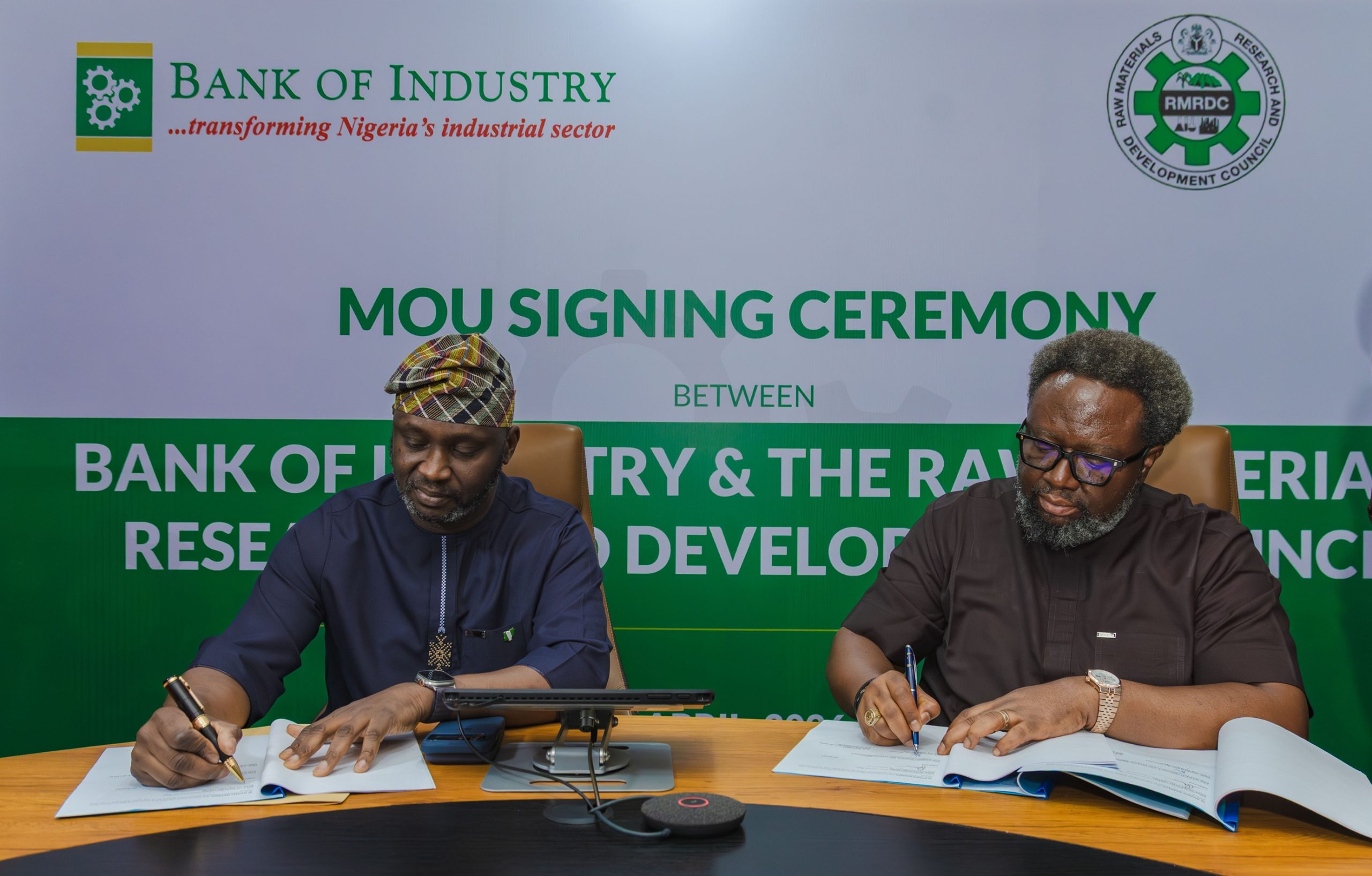
    Bank of Industry (BOI), Nigeria’s foremost Development finance institution and the Raw Materials Research and Development Council (RMRDC) have sealed a strategic partnership agreement to strengthen Nigeria’s agricultural value-chain and boost country’s Gross Domestic Product (GDP) value.

    The agreement was formalised on Friday, April 17, 2026 with the signing of a Memorandum of Understanding (MoU) between both organisations.

    The agreement was the culmination of extensive engagements between key stakeholders of both institutions and seeks to enhance the value addition of key agricultural commodities and raw materials, addressing challenges in critical areas such as value chain development, harvesting, post-harvest losses, seedlings, cultivation, storage, processing, packaging, logistics, and marketing.

    The initiative aligns with BOI’s mission to boost the Nigerian economy, entrench national goals of reducing post-harvest losses, drive promotion of import substitution, improve the nation’s GDP, enhance wealth sustainability through job creation, and foster entrepreneurship and industrial capacity in the country.

    To ensure the sustainability of the MoU, BOI has established a Joint Steering Committee to oversee the implementation of the objectives which include: the development of a comprehensive strategy for minerals value-chain, agricultural value-chain development, covering seed development, cultivation, post-harvest management, processing, packaging, and market access, and facilitate the adoption and scaling of RMRDC’s locally developed machinery for raw materials value-chain development.

    To address the challenges of post-harvest losses, the agreement ensures the development of a framework that improves storage, processing, logistics, and undertakes joint feasibility studies and pilot projects for key commodities such as onions, cassava, kenaf, leather, kaolin, and other industrial raw materials.

    Speaking at the signing of the MoU, the Managing Director/CEO of Bank of Industry, Dr. Olasupo Olusi said, “This partnership brings together two institutions with complementary strengths: RMRDC’s deep expertise in raw materials research and development, and BOI’s capacity to translate viable projects into financed, executable industrial investments. Together, we can do what each institution cannot do as effectively on its own. We can convert research into bankable projects that add value, create jobs, and retain wealth within our economy.

    “In practical terms, this means identifying and developing raw material-based opportunities across agro-processing, solid minerals, and industrial inputs, and channeling BOI financing to the entrepreneurs and enterprises ready to process local resources into finished and semi-finished goods. Nigeria’s raw materials should not be leaving our shores as commodities. They should be leaving as products.

    “At BOI, we are ready. Ready to co-identify opportunities, structure financing, and support the enterprises that will turn this framework into concrete industrial outcomes. Let this be the beginning of a collaboration that Nigerians will feel, in the factories that open, the jobs that are created, and the value that stays here at home.”

    In his remarks, the Director General/CEO, Raw Materials Research Development Council (RMRDC), Prof. Nnanyelugo Martin Ike-Muonso, said, “We, at the Raw Material Research and Development Council, deeply appreciate this relationship, and we are thrilled to initiate the formalisation process. We are uniting on key aspects, primarily focusing on value exchange development and promoting the advancement of process technologies. These elements serve as the foundation for industrialisation, the creation of prosperity, and the generation of employment, along with all the indicators that guarantee that people live the kind of lives that they deserve.

    “The future, the prosperity, the happiness of this country, partially lies in your hands (BOI). So, by accepting to work with us to finance this, we are very grateful. We are also grateful that you’re taking us in to work together in co-designing, in co-sharing, data sharing, co-service programmess, and joint implementation of these programmes, as well as joint efforts on advocacy. So, by coming up strongly to say you are going to finance and work with us on this, it gives hope, and then it gives hope to the country and all the people who believe that this project will work.”

  • Nigeria Urged to Support Indigenous Card Manufacturing as CardForte Highlights Strategic Industry Value

    Nigeria Urged to Support Indigenous Card Manufacturing as CardForte Highlights Strategic Industry Value

    Indigenous card manufacturing firm, CardForte has called for stronger institutional and policy backing for local manufacturers, emphasizing their critical role in strengthening Nigeria’s payments infrastructure and reducing dependence on foreign providers.

    Speaking in a recent interview, the company’s Co – Founder, Seun Lawal, highlighted the strategic importance of building local capacity in card production and issuance. He noted that CardForte was established five years ago to address significant gaps in access to reliable, high-quality card manufacturing services, particularly for fintechs, microfinance banks, and other emerging financial institutions.

    According to Lawal, many smaller players in Nigeria’s financial ecosystem have historically been underserved, as global manufacturers tend to prioritize high-volume clients. This imbalance, he said, has contributed to over-reliance on foreign suppliers, resulting in capital flight and increased pressure on foreign exchange.

    “CardForte was built on the conviction that Nigeria can develop and sustain world-class card manufacturing capabilities locally,” Lawal said. “Our focus has been on delivering speed, flexibility, and true partnership to institutions that require responsive and reliable service.”

    Since its inception, CardForte has expanded beyond its core offering to contribute to broader industry development, including skills transfer, job creation, and infrastructure growth. The company positions itself as a key player in advancing local capacity and strengthening resilience within Nigeria’s financial services sector.

    Lawal reaffirmed that CardForte is addressing a critical need in Nigeria’s rapidly evolving payments landscape, driven by the rise of fintechs and increased demand for secure, efficient, and locally supported card solutions.

    Despite its progress, the company noted that operating in Nigeria presents ongoing challenges, including foreign exchange volatility, power supply constraints, supply chain disruptions, and regulatory uncertainties. Lawal emphasized that disciplined growth and operational adaptability have been essential to navigating these conditions.

    He also underscored the broader economic benefits of supporting indigenous manufacturers, including reduced import dependence, improved service delivery timelines, enhanced data sovereignty, and the retention of value within the local economy.

    To further strengthen the sector, Lawal advocated for targeted policy interventions, including the introduction of a “Right of First Refusal” framework for qualified local manufacturers. He said such measures would help protect strategic capabilities and encourage sustained investment in domestic production.

    The company also highlighted the need to address perception challenges facing local firms, noting that indigenous businesses often face higher scrutiny despite meeting global standards.

    Looking ahead, CardForte is increasing its focus on sustainability and innovation. The company has introduced eco-friendly card solutions and recently achieved certification on the Verve network for sustainable card products, marking a milestone in environmentally responsible manufacturing.

    As part of its growth strategy, CardForte is also exploring advanced product offerings, including local metal card manufacturing, aimed at expanding its capabilities and serving premium market segments.

    Lawal stated that the company’s long-term vision extends beyond card production to include secure identity solutions, trusted access systems, and broader payment enablement infrastructure.

    “Our goal is to remain commercially strong, operationally disciplined, and strategically relevant to Nigeria’s financial ecosystem,” he said.

  • Access Bank and King’s Trust International Formalise Strategic Partnership to Advance Youth Opportunity across Africa

    Access Bank and King’s Trust International Formalise Strategic Partnership to Advance Youth Opportunity across Africa

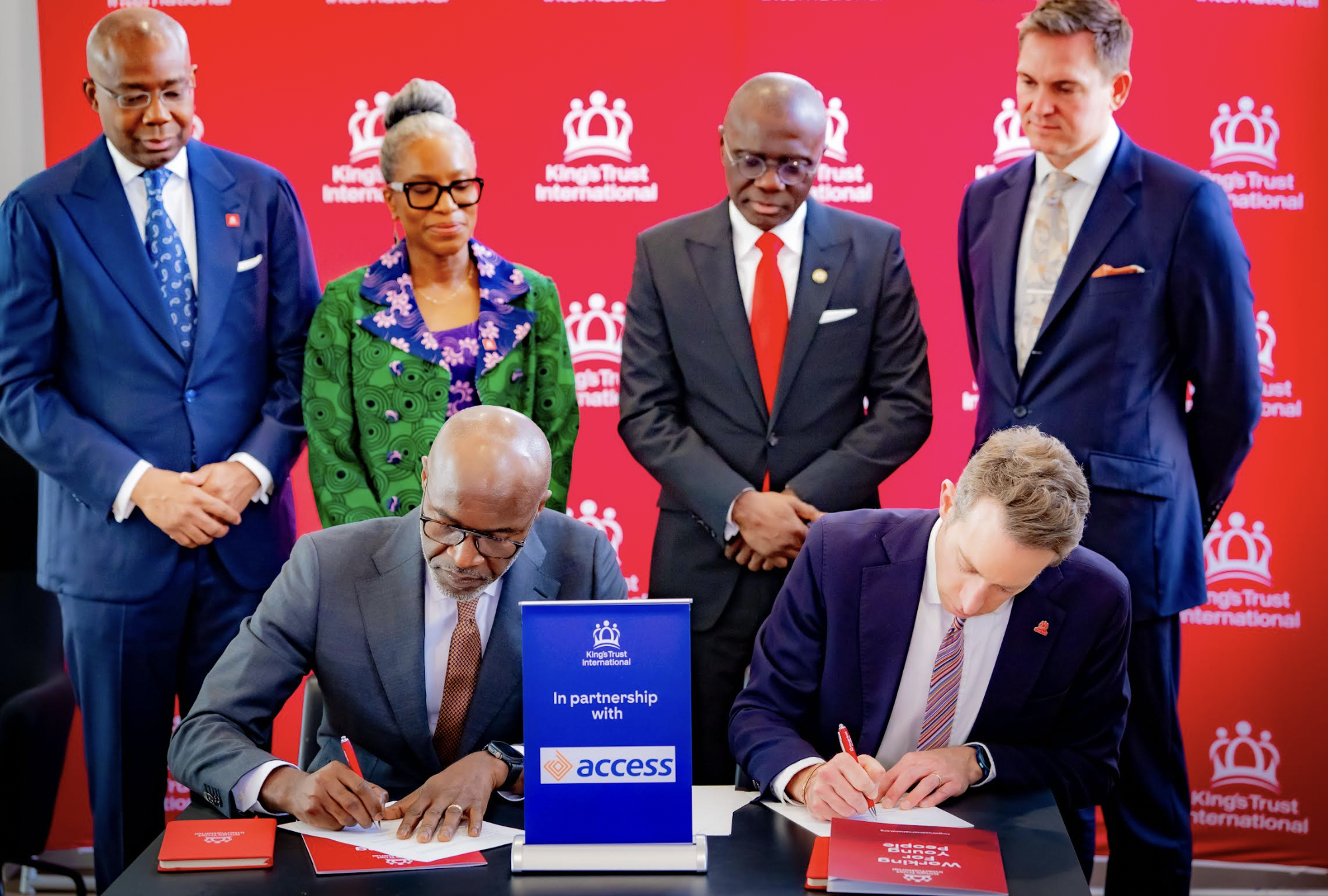
    Access Bank Plc and King’s Trust International (KTI) have formally signed a strategic partnership agreement to expand opportunity, entrepreneurship and sustainable livelihoods for young people across Africa.

    The partnership agreement was signed by Roosevelt Ogbonna, Managing Director/Chief Executive Officer, Access Bank Plc, for Access Bank, and Will Straw, CBE, Chief Executive Officer of King’s Trust International, on behalf of KTI.

    The signing ceremony was witnessed by senior leaders and representatives from both organisations, alongside distinguished guests including Aigboje Aig‑Imoukhuede, CFR, Co-Chair, King’s Trust International Africa Advisory Board and Chairman, Access Holdings Plc; Ofovwe Aig‑Imoukhuede; Co‑Chair, King’s Trust International Africa Advisory Board, and Lagos State Governor, Babajide Sanwo-Olu.

    The partnership brings together King’s Trust International’s expertise in youth development with Access Bank’s pan‑African reach and long‑standing commitment to inclusive and sustainable growth. Through this collaboration, the two organisations will work to equip young people with the skills, confidence and support needed to build successful futures through employment and entrepreneurship.

    Under the agreement, Access Bank will support the delivery of King’s Trust International programmes that empower young people across several African countries, helping them gain skills and find pathways into meaningful employment and self-employment.

    Speaking at the signing, Will Straw CBE, Chief Executive Officer of King’s Trust International, said: “This partnership with Access Bank reflects a shared commitment to unlocking the potential of young people across Africa. By combining our experience in youth development with Access Bank’s scale and leadership across the continent, we can create meaningful pathways to opportunity and long‑term impact.”

    Roosevelt Ogbonna, Managing Director/Chief Executive Officer of Access Bank, added: “At Access Bank, we believe that empowering young people is fundamental to Africa’s sustainable growth. Our partnership with King’s Trust International reinforces our commitment to entrepreneurship, job creation and inclusive development, while enabling us to play a purposeful role in shaping the continent’s future.”

    The partnership marks a significant milestone in advancing cross‑sector collaboration to address youth unemployment, foster entrepreneurship and drive inclusive growth across Africa.

  • CPPE Welcomes Capital Importation Rebound, Urges Structural Reforms to Sustain Gains

    CPPE Welcomes Capital Importation Rebound, Urges Structural Reforms to Sustain Gains

    The Centre for the Promotion of Private Enterprise (CPPE) has welcomed the significant rebound in Nigeria’s capital importation in the third quarter of 2025, describing it as an encouraging signal of improving investor confidence in the economy.

    According to the CEO of CPPE, Dr Muda Yusuf, total capital inflows rose to US$6.01 billion in Q3 2025, representing an impressive 380 percent year-on-year increase and a 17 percent quarter-on-quarter growth. The Centre noted that this surge reflects the positive impact of recent macroeconomic reforms, particularly foreign-exchange market liberalisation, tighter monetary policy, and improved liquidity conditions within the domestic financial system.

    While describing the rebound as a positive development, the CPPE cautioned that the structure and distribution of the inflows reveal underlying vulnerabilities that must be urgently addressed to ensure long-term economic transformation.

    Portfolio Investments Dominate Inflows

    The Centre observed that more than 80 percent of total inflows during the quarter were portfolio investments, while foreign direct investment (FDI) accounted for less than five percent.

    According to the CPPE, this heavy reliance on short-term portfolio capital presents risks. Portfolio flows are highly sensitive to global interest-rate movements, investor sentiment, and policy credibility. Although they provide short-term liquidity support and help stabilise financial markets, they are volatile and susceptible to sudden reversals.

    In contrast, sustainable economic growth, job creation, export expansion, and industrial development depend on stable, long-term FDI tied to production, infrastructure, manufacturing, and technology transfer. The current capital structure, therefore, reflects cyclical financial recovery rather than structural economic transformation.

    Limited Impact on the Real Economy

    Sectoral data indicate that the bulk of inflows were directed to the banking and financial sectors, with only marginal allocations to manufacturing, infrastructure, agro-processing, and other productive activities.

    The CPPE noted that this pattern highlights a persistent structural weakness: increased capital importation is not yet translating into expanded productive capacity. Without stronger capital flows into industry, energy, logistics, and export-oriented manufacturing, broader economic gains in employment, productivity, and inclusive growth will remain limited.

    The Centre warned that financial deepening without real-sector expansion risks creating a liquidity-driven recovery that does not fundamentally alter Nigeria’s productive base.

    Concentration Risks Remain

    The CPPE also pointed to geographic and institutional concentration risks. Capital inflows remain heavily concentrated among a few countries — notably the United Kingdom, the United States, and South Africa — exposing Nigeria to policy shifts, global monetary tightening cycles, and changes in investor sentiment within a narrow set of jurisdictions.

    Additionally, a significant portion of inflows is intermediated through a small number of banks, including Standard Chartered, Stanbic IBTC, and Citibank Nigeria. While this reflects established global banking relationships, it also introduces concentration and transmission risks should global liquidity conditions change.

    Policy Imperatives

    The CPPE stressed that the current rebound presents a strategic opportunity. The critical challenge for policymakers is to convert portfolio-driven liquidity into FDI-led industrial expansion.

    To achieve this, the Centre called for accelerated structural reforms aimed at improving Nigeria’s competitiveness. Reliable electricity supply, efficient transport and logistics systems, predictable regulatory frameworks, and stronger contract enforcement mechanisms are essential to attracting durable productive investment.

    The CPPE further recommended deliberate incentives to channel capital into export-oriented manufacturing, agro-processing, mineral beneficiation, industrial parks, and infrastructure development. It also advocated diversification of capital sources through strategic engagement with Gulf sovereign wealth funds, Asian institutional investors, and increased intra-African investment under the AfCFTA framework.

    Importantly, the Centre emphasised that increased liquidity within the banking system must translate into long-term credit for infrastructure, SMEs, and manufacturing enterprises.

    Investment Outlook

    In the short term, Nigeria offers attractive yield opportunities in fixed-income and money-market instruments, supported by tight monetary policy, high interest rates, and improved foreign-exchange liquidity. However, the CPPE advised investors to remain mindful of global risk repricing and policy-continuity risks.

    Over the medium to long term, subdued FDI presents early-entry opportunities in reform-sensitive sectors such as power and energy infrastructure, agro-processing, logistics, digital financial services, and export-oriented manufacturing.

    Conclusion

    The CPPE concluded that Nigeria’s Q3 2025 capital-importation rebound is a welcome development and a positive signal of improving investor sentiment. However, the structure of inflows — heavily portfolio-driven, financially concentrated, and weakly linked to productive sectors — underscores the urgency of deep structural reforms.

    According to the Centre, Nigeria must move from liquidity-driven recovery to investment-led transformation. Only by converting short-term capital inflows into long-term productive investment can the country achieve sustainable growth, employment expansion, export diversification, and macroeconomic resilience.

  • Employee Corruption and Occupational Fraud Threaten Nigeria’s MSME Sector – CPPE Raises Alarm

    Employee Corruption and Occupational Fraud Threaten Nigeria’s MSME Sector – CPPE Raises Alarm

    The Centre for the Promotion of Private Enterprise (CPPE) has raised serious concerns over the growing impact of employee corruption and occupational fraud on Nigeria’s Micro, Small and Medium Enterprises (MSMEs), describing the problem as a major but largely invisible threat to economic resilience, job creation, and inclusive growth.

    According to a statement signed by the Chief Executive Officer of CPPE, Dr Muda Yusuf, MSMEs remain central to Nigeria’s economic stability. They account for the overwhelming majority of businesses nationwide, sustain millions of livelihoods, and contribute roughly half of the country’s non-oil GDP. However, beyond the visible pressures of inflation, weak purchasing power, high operating costs, infrastructure challenges, and limited access to finance, a more corrosive internal threat persists—employee corruption and workplace fraud.

    These practices manifest in various forms, including theft of cash and inventory, diversion of sales proceeds, payroll manipulation, procurement kickbacks, customer diversion, collusion with suppliers or clients, abuse of expense reimbursements, and falsification of financial records. While often treated as internal management concerns, CPPE warns that their cumulative economic impact is profound and far-reaching.

    Drawing from global occupational-fraud research, CPPE notes that organisations worldwide typically lose between 5 and 10 percent of annual revenue to employee-related fraud. Small businesses, however, suffer disproportionately higher losses due to weaker internal control systems, heavy dependence on cash transactions, limited audit capacity, lower detection and recovery rates, and a high level of informality. Applying conservative estimates to Nigeria’s MSME sector suggests that annual losses from occupational fraud could range from ₦5 trillion to ₦10 trillion. This, CPPE emphasizes, represents a massive hidden tax on entrepreneurs, eroding profits, weakening investment capacity, and constraining job creation.

    For many MSMEs operating on thin margins—often below 15 percent of turnover—fraud losses of 5 to 10 percent of revenue can eliminate profits entirely, deplete working capital, and accelerate business closure. The Centre notes that this dynamic contributes significantly to the high mortality rate among small businesses, with studies indicating that up to 80 percent fail within five years and over half fail within the first year, with employee fraud as a key contributing factor.

    Beyond profitability, corruption-induced leakages reduce retained earnings available for reinvestment, technology adoption, inventory growth, and productivity-enhancing upgrades. The result is a persistent low-productivity trap that weakens competitiveness and suppresses enterprise scaling. Because many MSMEs are labour-intensive, contraction triggered by fraud often translates directly into job losses, declining household incomes, rising informality, and deeper poverty. CPPE stresses that occupational fraud is therefore not merely a governance issue but a national welfare concern.

    Certain sectors within Nigeria’s MSME landscape are particularly vulnerable. Retail and wholesale trade face risks linked to high daily cash turnover, weak reconciliation systems, and inventory pilferage. Hospitality, food services, and entertainment operations are exposed to stock diversion, revenue understatement, and payroll manipulation in shift-based systems. Agribusiness and produce trading are challenged by informal procurement chains and weak record-keeping. Transport and logistics services face risks such as fuel diversion, ticketing fraud, and limited real-time monitoring. Small manufacturing enterprises grapple with procurement collusion, raw-material diversion, and ghost workers, while personal services and informal businesses often operate with minimal bookkeeping and high dependence on trust-based employment arrangements.

    CPPE attributes the persistence of fraud to structural vulnerabilities, including weak internal governance, poor segregation of duties, inadequate bookkeeping and reconciliation practices, heavy reliance on cash, discretionary procurement authority, informal hiring processes, and slow legal enforcement with low asset-recovery rates. These conditions allow fraudulent activities to remain undetected for extended periods, compounding financial losses.

    The Centre, however, notes that evidence from occupational-fraud prevention research shows that even simple governance improvements can significantly reduce losses. Strengthening basic internal controls—such as separating cash handling from record-keeping and approvals, conducting routine reconciliation of sales and inventory, and instituting periodic independent reviews—can sharply reduce fraud opportunities. Reducing cash dependence through digital payment channels and basic accounting software enhances transaction traceability and makes diversion more difficult. Improved hiring practices, written employment terms, background checks, rotation of sensitive responsibilities, and closer supervision can further limit exposure.

    For smaller enterprises unable to afford dedicated audit structures, CPPE recommends pooled bookkeeping and compliance services through business associations, participation in governance training programmes, and periodic professional reviews to lower oversight costs.

    At the policy level, CPPE calls for coordinated public-sector action, including the development of a national MSME internal-control framework linked to access to credit and government support programmes, accelerated digital financial inclusion, stronger legal enforcement and asset-recovery mechanisms, and expanded governance education for entrepreneurs.

    In conclusion, CPPE states that employee corruption and occupational fraud constitute one of the largest hidden drains on Nigeria’s entrepreneurial economy, with annual losses estimated between ₦5 trillion and ₦10 trillion. These losses silently destroy profitability, suppress investment, eliminate jobs, weaken government revenue, and slow inclusive growth. Addressing the challenge, the Centre asserts, is not merely an ethical or managerial imperative but a strategic economic priority essential for unlocking the full potential of Nigeria’s MSME sector.

  • Dangote Refinery’s Crude Distillation Unit and Motor Spirit (MS) Block Hit 650,000 bpd Capacity

    Dangote Refinery’s Crude Distillation Unit and Motor Spirit (MS) Block Hit 650,000 bpd Capacity

    …First Refinery In The World to Attain This Feat

    The Dangote Petroleum Refinery has achieved a major operational milestone with the full restoration and optimisation of its Crude Distillation Unit (CDU) and Motor Spirit (MS) production block. Both units are now running at optimal performance, further strengthening the steady‑state operations of Africa’s largest oil refining facility.

    Following a scheduled maintenance exercise on the CDU and MS Block, the refinery has commenced an intensive 72‑hour series of performance test runs in collaboration with licensor UOP. These tests are designed to validate operational efficiency and confirm that all critical parameters meet global standards.

    Chief Executive Officer, David Bird, noted that the seamless integration and strong performance of the units demonstrate the refinery’s advanced engineering and robust operational capabilities.

    “Our teams have demonstrated exceptional precision and expertise in stabilising both the CDU and MS Block, and we are pleased to see them functioning at optimal efficiency. This performance testing phase enables us to validate the entire plant under real operating conditions. We are confident that the refinery remains firmly on track to deliver consistent, world‑class output.

    This milestone underscores the strength, reliability, and engineering quality that define our operations. We remain committed to producing high‑quality refined products that will transform Nigeria’s energy landscape, eliminate import dependence, and position the nation as a net exporter of petroleum products.”

    Bird added that the CDU and MS Block, which comprise the naphtha hydrotreater, isomerisation unit, and reformer unit, are now operating steadily at the full nameplate capacity of 650,000 barrels per day. He further confirmed that all remaining processing units will begin their respective performance test runs in Phase 2, scheduled to commence next week.

    During the recent festive period, the refinery supplied between 45–50 million litres of Premium Motor Spirit (PMS) daily. With the CDU and MS Block now fully restored, the refinery is positioned to comfortably deliver up to 75 million litres of PMS to the domestic market as required.
    Expressing appreciation to customers and Nigerians across the country, Bird reaffirmed the refinery’s unwavering commitment to enhancing Nigeria’s energy security while supporting industrial development, job creation, and economic diversification.

  • Domestic Refining, Energy Sovereignty and Production Growth Must Define Nigeria’s New Petroleum Regulatory Direction — CPPE

    Domestic Refining, Energy Sovereignty and Production Growth Must Define Nigeria’s New Petroleum Regulatory Direction — CPPE

    The Centre for the Promotion of Private Enterprise (CPPE) has commended President Bola Ahmed Tinubu for the recent reset of Nigeria’s petroleum regulatory architecture through the appointment of new Chief Executive Officers for the Nigerian Midstream and Downstream Petroleum Regulatory Authority (NMDPRA) and the Nigerian Upstream Petroleum Regulatory Commission (NUPRC).

    According to the CPPE statement signed by Dr Muda Yusuf, the Chief Executive Officer, these appointments present a timely and strategic opportunity to reposition Nigeria’s oil and gas regulatory environment in line with the administration’s commitment to energy sovereignty, energy security, self-reliance, and accelerated production growth.

    CPPE noted that the new leadership of the petroleum regulatory institutions must urgently recalibrate sector priorities toward reducing import dependence, expanding domestic capacity, and catalysing investments across the entire oil and gas value chain.

    Domestic Refining Must Be the Downstream Priority

    In the downstream segment, CPPE emphasised that strong and deliberate support for domestic refining must be an immediate and non-negotiable priority. Government policy, it said, should clearly favour locally refined petroleum products through targeted fiscal, regulatory, and infrastructural incentives for both public and private refineries, while actively encouraging fresh investments in refining capacity.

    The Centre cautioned against the current policy distortions that place imported petroleum products in direct competition with locally refined products under unequal fiscal and regulatory conditions.

    “This does not amount to fair competition,” CPPE stated. “Genuine competition can only exist when all operators function within the same policy, tax, and regulatory environment.”

    CPPE urged the NMDPRA to place domestic refining at the centre of its policy framework, in alignment with President Tinubu’s Nigeria-First policy orientation and broader industrialisation agenda.

    The organisation stressed that prioritising domestic refining goes beyond investor protection, noting that it is critical to safeguarding Nigeria’s long-term economic interests. A strong domestic refining base, CPPE argued, is fundamental to building a resilient, energy-secure, and sovereign economy, while also driving job creation, foreign exchange conservation, macroeconomic stability, and export-oriented growth.

    “Domestic refining remains a critical pathway to backward integration and resource-based industrialisation,” CPPE added. “Supporting refineries strengthens Nigeria’s petrochemical, fertiliser, and allied industries, thereby creating broader industrial value chains capable of driving inclusive and sustainable growth.”

    Production Growth Must Anchor the Upstream Agenda

    On the upstream side, CPPE underscored the urgent need to ramp up crude oil and gas production through policies that attract fresh investments across both onshore and offshore assets. This, the Centre noted, is particularly imperative as the global energy transition accelerates.

    “Nigeria must maximise the value of its hydrocarbon endowments while the opportunity still exists,” CPPE stated.

    The Centre called on the NUPRC to prioritise production growth, investment facilitation, and improved security across producing assets, with a clear national objective of raising crude oil output to a minimum of two million barrels per day. Expanded investment in gas production, CPPE added, must also remain a central focus, given its strategic role in energy security, industrial development, and export earnings.

    CPPE further stressed the importance of enforcing domestic crude supply obligations to local refineries, describing compliance as critical to the success of Nigeria’s refining renaissance.

    “These strategic imperatives must define the direction of Nigeria’s new petroleum regulatory leadership if the sector is to effectively drive sustainable growth, industrialisation, and long-term economic resilience,” the Centre concluded.

  • Nigeria Unveils ‘Nigeria First Policy’—A Legally Backed Strategy for Economic Sovereignty and Job Creation

    Nigeria Unveils ‘Nigeria First Policy’—A Legally Backed Strategy for Economic Sovereignty and Job Creation

    Recognizing the urgent need to address persistent structural economic vulnerabilities, including heavy import dependence and a fragile foreign exchange position, Nigeria has officially launched the Nigeria First Policy (NFP). This bold strategic initiative places domestic economic interests, enterprises, and human capital at the absolute center of the nation’s development strategy.

    The NFP is designed to move beyond previous executive orders, which lacked sufficient enforcement mechanisms, by establishing a structured, enforceable, incentive-driven, and legally backed framework.

    “Nigeria stands at a critical juncture. The ‘Nigeria First Policy’ is not just an industrial strategy; it is a national economic security agenda,” stated Dr Muda Yusuf, Executive Director/CEO, CPPE. “By systematically prioritizing Nigerian production, we are insulating our economy from global shocks, stabilizing the Naira through foreign exchange conservation, and significantly enhancing our overall economic resilience.”

    Anchored on Three Core Pillars

    The core objective of the NFP is to prioritize Nigerian goods, services, and enterprises in both public and private procurement and investment decisions. The policy is anchored on three fundamental pillars:

    1. Local Content Development: To deepen domestic production capacity and significantly reduce reliance on imports across all sectors.
    2. Value Addition and Industrial Linkages: To promote backward and forward integration, strengthening national supply chains and fostering technology transfer.
    3. Strategic Economic Inclusion: To ensure that the benefits of growth are widely shared, fostering entrepreneurship, supporting MSMEs, and deepening equitable participation across all regions.

    Key Benefits and Path to Implementation

    The implementation of the NFP is projected to deliver transformative opportunities, particularly in Job Creation and Economic Stability. Expanding domestic value chains across key sectors—agriculture, manufacturing, and services—is expected to create millions of direct and indirect jobs while enhancing the skills of the Nigerian workforce.

    Crucially, the NFP draws a vital lesson from the success of the Nigerian Content Development and Monitoring Board (NCDMB) in the oil and gas sector. The transformation of policy intent into legislation through the Nigerian Oil and Gas Industry Content Development Act proves that when local content is backed by legislation, institutional structures, and fiscal incentives, it delivers measurable and sustainable results.

    To translate this strategy into measurable impact, the implementation framework is built on five key pillars, culminating in a series of urgent policy recommendations:

    • Strategic Procurement Policy: Institutionalizing domestic preference and setting clear local content targets across all tiers of government.
    • Legislative Backing: Enacting a Nigeria First Policy Act to codify principles, establish clear compliance obligations, and institute penalties for non-compliance.
    • Institutional Capacity: Establishing a dedicated Nigeria First Policy Implementation and Monitoring Agency responsible for enforcement, performance tracking, and transparency.

    The success of the policy requires political will, effective coordination across all tiers of government, and close collaboration with the private sector to drive innovation and ensure supply readiness.

    The ‘Nigeria First Policy’ marks a decisive shift toward economic sovereignty, sustainable national development, and inclusive, broad-based growth.

  • PodFest Naija 2025 Marks Historic Debut, Uniting Creators, Policymakers, and Brands in Lagos

    PodFest Naija 2025 Marks Historic Debut, Uniting Creators, Policymakers, and Brands in Lagos

    Nigeria’s first ever podcast and storytelling festival, PodFest Naija – A Festival of Stories, made a landmark debut on Friday, October 10, 2025, at Harbour Point, Victoria Island, Lagos, drawing over 1,500 creators, storytellers, brands, and policymakers for a day of powerful conversations, cultural showcases, and innovation.

    Curated by The Muvmnt Studio in partnership with Eventful, the festival delivered on its promise to bring Nigeria’s most influential voices together to celebrate storytelling, collaborate across industries, innovate new formats, and learn from leading voices shaping the future. From live podcast recordings to interactive brand activations, six themed stages, and a major masterclass on monetization, the festival became the cultural and creative heartbeat of Lagos for a day.

    In her keynote address, Honourable Minister Hannatu Musa Musawa, Minister of Art, Culture, and the Creative Economy, emphasised the growing importance of podcasting in amplifying Nigeria’s creative voice globally.

    “Podcasting has become one of the most powerful tools for projecting our soft power and amplifying Nigerian creativity to the world,” the Minister stated. “It is a veritable medium that transcends borders, democratising how stories are told and who gets to tell them.”

    She further highlighted podcasting as a strategic tool for youth engagement and job creation.

    “Our young people are not just listeners. They are creators. They are hosts. They are writers. They are sound engineers, researchers and digital entrepreneurs. Everything that speaks to that value chain from the bottom to the up. I think podcasting covers everything. Mr. President is really committed to looking at how we can fortify the future of the young people. And the only way that we can do that is by absorbing as many young people into the job market as possible.”

    Tosin Adefeko, Curator of PodFest Naija and CEO of AT3 Resources – The Muvmnt Agency, reflected on the festival’s journey and purpose:

    “When we started this journey, our vision was simple: to tell better stories. Over time, we realized that everyone was working in silos, there was no platform bringing the tribe together. We knew something had to change.”

    “Podfest Naija was born out of that realization. It’s a festival of stories, a creative convergence designed to celebrate our voices, collaborate across communities, innovate in how stories are told, and learn from one another. Whether we like it or not, the podcast ecosystem is here to stay, and we intend to stand at the forefront of that movement.”

    The festival’s lineup featured over 40 storytellers and cultural icons, including Chude Jideonwo, Tunde Onakoya, Adaora Mbelu, Rufai Oseni, Morayo Afolabi-Brown, Masoyinbo and many others, who led conversations that cut across generations, genres, and industries. Major brands including Coca-Cola, Sterling Bank, UAC Foods, Bet9ja, Crown Flour Mills, and others powered immersive activations throughout the venue, reinforcing the intersection between storytelling, culture, and brands.

    013A9324.jpg

    One of the day’s most anticipated moments was the unveiling of “The Next Big Podcaster,” an initiative by The Muvmnt Studio to spotlight emerging talent set to redefine the podcast space. Pearllie Hart was announced live on stage as the winner, positioning her as a podcaster to watch under The Muvmnt Studio’s spotlight.

    As Nigeria cements its place in the global creative landscape, PodFest Naija stands as a rallying point for creators, policymakers, and brands to celebrate creativity, collaborate on ideas, innovate formats, and learn from shared experiences, shaping narratives that travel beyond borders.

    Photo and Caption013A9121.jpg

    L-R: Malik Afegbua, CEO, Slickcity Studios; Nze Ed Emeka Keazor, representing Obi Asika, Director-General, National Council for Arts and Culture; Honourable Minister, Hannatu Musawa, Minister of Art, Culture, and the Creative Economy of Nigeria; Tosin Adefeko, CEO, AT3 Resources – The Muvmnt Agency, Curator, Podfest Naija; Tobi Ayeni (Miss Techy) – Tech Content Creator and Obinna Okerekeocha, Founder, Naija AI Film Festival (NAIFF) during the inaugural Podfest Naija 2025 event held on Friday, October 10, 2025, in Lagos.

    B7K_7224-PODFEST-088.jpg

    L-R: Titilayo Oyinsan, Storyteller & TV Host; Oluwasola Obagbemi, Head of Communications, Sub-Saharan Africa; Honourable Minister, Hannatu Musawa, Minister of Art, Culture, and the Creative Economy of Nigeria and Tosin Adefeko, CEO, AT3 Resources – The Muvmnt Agency, Curator, Podfest Naija during the inaugural Podfest Naija 2025 event held on Friday, October 10, 2025, in Lagos.

    013A9281.jpg

    L-R: Tochukwu Macfoy, Founder, Energize Central; Adaora Mbelu, Bright Light & Creative Mastermind; Tosin Adefeko, CEO, AT3 Resources – The Muvmnt Agency, Curator, Podfest Naija 2025; Chinonso Ogbogu, CEO/Founder, Sabi Writers and Chude Jideonwo, Host, WithChude during the inaugural Podfest Naija 2025 event held on Friday, October 10, 2025, in Lagos 

    013A9289.jpg

    L-R: Donatus Okpako, Head, Retail Marketing, The Alternative Bank; Arese Ugwu, TV producer & Podcast Host; Tosin Adefeko, CEO, AT3 Resources – The Muvmnt Agency, Curator – Podfest Naija 2025; Stanley Onuorah, Content Creator and  Glory Edozien, founder of 9to5chick and ascent club during the inaugural Podfest Naija 2025 event held on Friday, October 10, 2025, in Lagos.

    013A9336.jpg

    L-R: Patrick Doyle, Nollywood Actor & Filmmaker; Rufai Oseni, Journalist; Adesuwa Onyenokwe, Founder, TW Media, Communications; Tosin Adefeko, CEO, AT3 Resources – The Muvmnt Agency, Curator – Podfest Naija 2025; Morayo Afolabi- Brown, TV Hosts and Media Consultant; Jonathan James, President/CEO, Bliss Broadcasting and Joseph Edgar, Host, The Duke Rants after a live podcast session at the inaugural Podfest Naija 2025 event held on Friday, October 10, 2025, in Lagos.

    013A9229.jpg

    L-R: Egemba Chinonso (Aproko Doctor), Content Creator; Dr Monisola Adanijo, Cardiologist & Heart Health Coach; Tosin Adefeko, CEO, AT3 Resources – The Muvmnt Agency, Curator – Podfest Naija 2025; Dr Kaffy Shafau – Choreographer, Creative Director & Filmmaker and Kemen Fitness – Founder, Kemen Fitness during the inaugural Podfest Naija 2025 event held on Friday, October 10, 2025, in Lagos.

    More Pictures from the event

    B7K_7180-PODFEST-087.jpg
    013A9239.jpg
    013A9148.jpg
    B7K_7605-PODFEST-028.jpg
    B7K_7136-PODFEST-083.png
    B7K_7224-PODFEST-088.jpg
    B7K_7477-PODFEST-012.jpg
    B7K_7498-PODFEST-015.jpg
    B7K_7601-PODFEST-027.jpg
    IMG_2471.jpg
    013A9183.jpg
    013A9191.jpg
    IMG_2816.jpg
    B7K_6874-PODFEST-059.jpg
  • NECA calls on the Minister of Labour to arrest ongoing denegration of Nigeria’s Industrial Relations

    NECA calls on the Minister of Labour to arrest ongoing denegration of Nigeria’s Industrial Relations

    The Nigeria Employers’ Consultative Association (NECA) has expressed grave concern over the ongoing action by the Petroleum and Natural Gas Senior Staff Association of Nigeria (PENGASSAN), warning that the action amounts to self-help and tantamount to economic sabotage capable of derailing the country’s fragile economic recovery.

    In a statement issued in Lagos, the Director-General of NECA, Mr. Adewale-Smatt Oyerinde, emphasised that “conflict is an inevitable feature of the labour ecosystem, and Nigeria has statutory and institutional frameworks designed to address any disputes, including the Industrial Arbitration Panel (IAP) and the National Industrial Court of Nigeria (NICN). Any action capable of discouraging investment, undermining enterprises sustainability, or harming the workers that the unions claim to protect will be counter-productive. While trade unions have the legitimate right to embark on industrial action, such rights must be exercised responsibly and within the bounds of the law.

    “It is unacceptable for any union to conscript or coerce those not interested in its action or disrupt the operations of legitimate businesses not party to the dispute. Treating Institutions of labour administration with disdain and resorting to self-help is not only absurd but also against all known Conventions and Recommendations. When employers or workers are aggrieved, there are Institutions created to adjudicate or arbitrate in such matters. Nigeria’s recovering economy cannot be sacrificed on the altar of actions and pronouncements that are alien to global and local industrial relations practice”, he added.

    Speaking further, the DG noted that “uninformed and disruptive actions that could jeopardise the nation’s economic survival are neither envisaged nor acceptable in global labour practice. NECA will not be a passive onlooker as the foundation of Nigeria’s labour ecosystem is trampled upon. While we acknowledge the right to strike, such rights cannot infringe on the rights of others or threaten the survival of enterprises.”

    Citing international labour instruments, including ILO Conventions 87 and 98, Mr. Oyerinde reaffirmed NECA’s commitment to upholding global labour standards, decent work and responsible business conduct, while not negotiating employers’ rights to manage their enterprises and investments within the ambit of the law. He stressed that the protection afforded to union officials under international conventions does not extend to sabotage, coercion, or actions that undermine legitimate businesses or threaten national security.

    Mr. Oyerinde called on the Honourable Minister of Labour and Employment to act decisively by stopping the wanton and wilful denigration of Nigeria’s industrial relations system. He stated that “with Nigeria sending one of the highest delegations to the ILO Conference annually, it is curious that basic industrial relations principles, Conventions, and Recommendations remain poorly applied.” He called for the dispute to be resolved through lawful and constructive channels, warning that failure to act decisively could have far-reaching consequences for economic sustainability, job creation and preservation, investment attraction and promotion and national development.

  • NEZA Welcomes Tax Reforms but Calls for Constructive Dialogue on Impacts to Nigeria’s Free Zones

    NEZA Welcomes Tax Reforms but Calls for Constructive Dialogue on Impacts to Nigeria’s Free Zones

    The Nigeria Economic Zones Association (NEZA) has commended the Federal Government for enacting the Nigeria Tax Act, 2025 and the Nigeria Tax Administration Act, 2025, recognising it as a significant step towards enhancing fiscal transparency and strengthening revenue assurance across the country. However, NEZA notes with concern that certain provisions of these laws, as they affect Special Economic Zones (SEZs) and Free Trade Zones (FTZs), pose significant risks to Nigeria’s investment climate. Without careful engagement and strategic interventions, these reforms risk eroding investor confidence, jeopardising over one hundred thousand jobs, triggering capital flight to competing African countries, and increasing costs for Nigerian consumers. At a time when Nigeria should be consolidating its leadership under the African Continental Free Trade Area (AfCFTA), policies that weaken the free zone scheme could inadvertently shift competitive advantage to neighbouring economies.

    The new tax provisions affecting SEZ and FTZ operators have created deep uncertainty among investors and for the first time, have created a situation where even companies that export 100% of their products from the free zone can be subject to taxation, completely undermining the free zone scheme and making Nigeria’s free zones one of the least attractive and competitive on the continent. Our members are particularly worried that:

    • Nigeria’s zones currently sustain over 100,000 direct jobs, with many more indirectly supported through supply chains and services. A decline in investors’ confidence would place these jobs at immediate risk, undermining efforts to drive inclusive economic growth.
    • Investors may choose to relocate to other African countries with more favourable free zone regimes, while still benefiting from duty-free access to the Nigerian market under AfCFTA rules. This would deprive Nigeria of the very investments, skills transfer, and employment opportunities the zones were designed to secure.
    • By taxing domestic sales from the zones, the reforms risk raising the cost of goods in the customs territory. This undermines competitiveness for Nigerian businesses and places additional burdens on consumers.
    • The perception that the FTZs operating with 100% export orientation or complying with the 75% export outside the Custom territory would be exempt has been nullified by Section 57 of the Nigeria Tax Law, 2025 which stipulates that every company meeting these conditions will still be subject to taxation. It is concerning, especially as FTZs have been beneficiaries of Foreign Direct Investment (FDI) and thereby including more entities, irrespective of the exemptions stated in the second schedule
    • The unprecedented minimum effective tax rules that will apply to multinationals or companies generating above a certain revenue threshold within the free zones significantly harm these companies by effectively stripping them of their key tax incentives, even for those who do not sell into Nigeria
    • Although aimed at increasing tax collection, the reforms could shrink Nigeria’s overall revenue base if zones collapse or investors shift operations to more favourable environments, resulting in long-term losses that outweigh short-term gains.

    NEZA stresses that these risks are not hypothetical; current and prospective investors are already expressing concerns and actively reassessing Nigeria’s competitiveness relative to other countries in the region. Contrary to the pronouncements of the Presidential Fiscal Policy and Tax Reforms Committee, the Nigeria Tax Law, 2025 made fundamental and adverse changes to the Enabling Acts of the Free Zones Regulatory Authorities (NEPZA & OGFZA). Despite repeated assurances, the Nigeria Tax Law provisions are not consistent with the Enabling Acts; instead, for the first time, free zone enterprises that do not sell into Nigeria’s customs territory will be subject to taxation in an unparalleled and aggressive encroachment into Nigeria’s free zones.

    Again, contrary to perceptions that Free Zones deprive the government of revenue, the reality is that zones already make substantial contributions to Nigeria’s economy and fiscal system. Under the supervision of the Regulatory Authorities, free zone operators pay an average of $100,000 per zone (25 fully operational zones under NEPZA and 8 under OGFZA) annually in Operating Licence (OPL) renewal fees excluding additional renewals by FZEs, and pay an additional $100,000 per zone annually in container examination charges. In 2024 alone, free zones contributed over ₦100 billion in customs duties and remitted over ₦2 billion in PAYE taxes on behalf of employees. They also meet numerous other obligations, including immigration fees, authority administrative fees, and levies. 

    These figures do not even begin to capture the broader economic impact of Nigeria’s free zones including infrastructure investments, deepening supply chain linkages, skills development of local talent, and the creation of over 100,000 direct jobs. Beyond fiscal contributions, world-class infrastructure is the backbone of any successful free zone programme. A compelling example is Morocco’s Tanger Med Free Zone, a state-led public-private partnership (PPP)-driven complex where total investment reached about $11.2 billion by 2022 ($ 4.3 billion from public sources and $ 6.9 billion from private investors). In 2023, the port handled 8.61 million TEU, with its industrial zones hosting about 1,200 companies, generating 110,000 jobs and $15 billion in exports. It is now on track to exceed its nominal capacity of 9 million TEU. This is what strategic, coordinated investment combined with policy stability can deliver. Nigeria has the potential to replicate and even surpass such success, but only if the free zone framework is protected and strengthened, not undermined.  

    Nigeria’s model increasingly relies on private capital to drive development within our Free Zones, from the $1.5 billion Lekki Deep Sea Port, financed largely by private investors and international banks, to the Dangote Refinery ($19 billion) and Alaro City’s privately funded backbone infrastructure ($1 billion in total committed investments). These are flagship, investor-led assets that de-risk government balance sheets while expanding logistics and industrial capacity. Policy uncertainty that weakens zone incentives threatens these kinds of investment and deters the private investment our free zone model depends on. Nigeria’s free zones have proven to be engines of trade, industrialisation, and employment and should not be weakened in the guise of tax reforms.

    In fact, comparative models have demonstrated that FZEs are already at a structural disadvantage by incurring significant additional costs. On the same operating base, the extra expenses being incurred by FZEs, including Free on Board (FOB) charges, OPL and Ground Rent have already eroded into their profits, making them less profitable than similar companies operating in the custom territory. If the new tax law is implemented, this disparity will widen further. This clearly shows that the new regime erodes the core objective of the free zone policy which is to enhance competitiveness and attract investment.

    Furthermore, NEZA recognises the concerns expressed by the Manufacturers Association of Nigeria (MAN), particularly the view that Free Zones may create an uneven playing field for manufacturers operating within the customs territory. However, addressing these concerns requires solutions that extend beyond the scope of FTZs. It is important to re-affirm the original intent and global best practice behind the establishment of Special Economic Zones: they are designed primarily to attract foreign direct investment, expand exports, and generate jobs by creating competitive enclaves that drive industrialisation and connect to wider markets. 

    Free Zones are not designed to displace local manufacturers but to complement them by serving as entry points for foreign capital, advanced technology and know-how. In doing so, they contribute to employment, value creation and fiscal revenues that ultimately benefit the entire economy. It is imperative to recognise that should FTZs diminish or cease to exist, imports from other countries will continue at the expense of local production, industrialization, end-to-end supply chains and employment, which are critical to economic growth of the country.

    It is also important to note that while Nigeria is debating on narrowing the scope of its zone incentives, other African countries are moving in the opposite direction. Ethiopia, Kenya, Ghana, Rwanda, Morocco, and Egypt are actively strengthening their SEZ and industrial park regimes, offering generous economic incentives, duty-free imports, and simplified customs processes to attract global investors. Their clear goal is to use SEZs as launchpads for AfCFTA exports. For example, Ethiopia is a leader in the textile industry in Africa, leveraging the advantages of free zones to scale production. Nigeria’s ability to compete in an industry it is revitalizing will be threatened with the erosion of the FTZs.

    If Nigeria weakens its Free Zone scheme, investors may simply relocate to these competitor economies, produce there, and still export duty-free into Nigeria under AfCFTA. This would not only erode Nigeria’s investment attractiveness but also expose domestic manufacturers to greater external competition, the very concern MAN has raised.

    Therefore, the solution is not to stifle or weaken the free zone scheme but to establish fair and transparent rules that balance the interests of manufacturers in the customs territory with the export-driven mandate of FZEs. With proper consultation and policy design, both can thrive, creating a more diversified, competitive Nigerian economy. 

    As the umbrella union for Nigeria’s Special Economic Zones, NEZA has always played a bridging role between government, investors, and the public. Our mandate is to ensure that policy decisions are well aligned with operational realities, so that reforms deliver their intended benefits without undermining confidence or discouraging investment. 

    The recent tax reforms, however, were introduced with insufficient engagement with key zone stakeholders, limiting the depth required for a wholistic, workable and balanced outcome. This lack of structured dialogue risks creating policy misalignment,       where the reforms may inadvertently erode the very industrialisation, job creation, and export diversification objectives that government seeks to achieve.

    NEZA reaffirms its unwavering commitment to supporting operators across Nigeria’s SEZs and FTZs. We remain dedicated to working collaboratively with the government to ensure that the reforms achieve their goals of transparency, fairness, and revenue assurance without destabilising a scheme that has generated billions in revenue, created thousands of jobs, and helped positioned Nigeria as an investment destination.

    We therefore urge the Presidency, the Federal Inland Revenue Service, NEPZA, OGFZA, and other key stakeholders to engage in a structured and inclusive dialogue with operators. Open and transparent consultation will allow the government to assess empirical data, design appropriate transitional measures, and implement reforms in a manner that preserves investor confidence and safeguards Nigeria’s competitiveness.

    As part of this dialogue, NEZA respectfully requests that government considers a moratorium on the implementation of the new tax provisions for FZEs. A phased approach, whether through a transition period, a temporary extension of existing incentives, or the “grandfathering” of enterprises already operating under earlier frameworks, will provide investors the certainty needed to protect jobs, honour financing commitments, and complete long-term projects. This will also give government the necessary space to conduct impact assessments and design an orderly framework that balances revenue objectives with Nigeria’s trade and economic competitiveness.

    At a time when other African countries are strategically leveraging SEZs to attract investment and maximize the opportunities presented by AfCFTA, Nigeria cannot afford policies that risk driving investors elsewhere. What is needed now is stability, policy clarity, and constructive engagement underpinned by a well-considered moratorium on the implementation of the new tax provisions. This approach is essential to ensure that Nigeria’s Free Zones continue to serve as engines of growth, industrialisation, and global competitiveness. 

  • Lagos Airport Perimeter Fencing Project: Upholding Nigeria First Policy and Protecting Local Industry

    Lagos Airport Perimeter Fencing Project: Upholding Nigeria First Policy and Protecting Local Industry

    The Manufacturers Association of Nigeria (MAN) wishes to commend the Federal Government for its initiatives to sustain our national infrastructure and draw its attention and that of the Nigerian public to a matter of urgent national importance. This is regarding the ongoing procurement process for the Murtala Mohammed International Airport, Lagos, Operational Perimeter Fencing and Security Surveillance Project, as reported in Business Day publication of 31st July 2025 titled “FEC approves complete renovation of Lagos airport, others.”

    It has become a matter of national interest for the contractor handling the project to ensure strict adherence to the Executive Orders 003, 005 and the imperatives of the President Bola Ahmed Tinubu’s Nigeria First Policy. In particular, we strongly maintain that, in considering the procurement of Clear Vu fencing, indigenous manufacturers should be given priority consideration and it should NOT be purchased from outside Nigeria.

    While we acknowledge the competence of the foreign manufacturer, MAN emphasises that Nigerian companies have the proven capacity and technical expertise to produce fencing materials of equal — if not superior — quality that meet international standards.

    The Federal Government’s Nigeria First Policy, recently reaffirmed by His Excellency, President Bola Ahmed Tinubu, has rekindled the confidence of Nigerian manufacturers. This policy builds on earlier Executive Orders 003 and 005, which mandate the prioritization of locally manufactured goods and services in public procurement.

    Importing fencing materials for this project would not only undermine this policy, but also deprive Nigeria of critical benefits, such as:
    • Job creation for Nigerian youth and skilled workers.
    • Foreign exchange savings, at a time when our economy must prudently manage its forex stock.
    • Increased tax revenues and government earnings through local production.
    • Strengthened industrial base and security through self-reliance.

    This release became necessary as Nigerian manufacturers, regrettably, lost out in similar situations in the past. In this particular instance, despite MAN’s advocacy, fencing materials for an airport project were imported from South Africa. That decision discouraged local industries and contradicted the government’s stated local content policies.

    We strongly believe that this administration has the opportunity to correct past errors. The Lagos Airport fencing project presents a clear chance to demonstrate that the Nigeria First Policy is not just an aspiration but an intentional government policy that will be matched with unfettered implementation.

    MAN, therefore, calls on the Federal Government to urgently intervene by ensuring that the fencing materials for the Lagos Airport are sourced from competent Nigerian manufacturers. This is not a call to influence the award of the contract but a patriotic appeal to align procurement decisions with national interest for the collective benefit of our economy and the well-being of the people.

    The Manufacturers Association of Nigeria reaffirms its commitment to supporting the government in its Nigeria First Policy, advancing inclusive growth, ensuring that government procurements impact the lives of Nigerians, and promoting Nigerian businesses.