Tag: Malaysia

  • Truecaller Lite Expands Caller Id And Scam Protection To Millions Of Android Users Across Nigeria

    Truecaller Lite Expands Caller Id And Scam Protection To Millions Of Android Users Across Nigeria

    Truecaller, the leading global platform for verifying contacts and blocking unwanted communication, today announced the expansion of Truecaller Lite, a new app designed specifically for entry-level Android smartphones, following its early launch in Nigeria.

    Nigeria was one of the first markets in the world to receive Truecaller Lite, and the response from Nigerian users helped validate the product before this expansion to 11 more markets across Africa, Latin America, and Asia.

    In Nigeria, where entry-level Android devices are among the most widely owned smartphones, Truecaller Lite is distributed through both the Google Play Store and Partner OEM channels. This places fraud protection directly on the devices millions of Nigerians already carry, rather than asking them to find space they do not have.

    Many of the markets experiencing the fastest growth in spam and fraud are also those where entry-level Android devices remain the most common way people access the internet. These devices often face limitations in storage, memory, and processing power that can make running feature-rich applications more challenging. Truecaller Lite was built to address that gap.

    At just 10 MB, Truecaller Lite is a separate, native Android app designed from the ground up for devices with limited resources. It is a new product, not a reduced version of the main Truecaller app. The app delivers the protections users rely on most, including caller ID, spam and fraud blocking, default dialer, number search, and contacts, while remaining fast, lightweight, and reliable on entry-level smartphones. The protection is the same as the main app, drawing on the same Truecaller database that identified more than 68 billion spam and fraud calls worldwide in 2025.

    Fraud and unwanted communication continue to rise in Nigeria. In 2025, Nigeria was the most spammed country in Africa, with 51 per cent of all unknown calls received by Nigerian users identified as spam or fraud, more than one in every two. Many of the markets most affected by these trends are also those where entry-level Android devices dominate, which makes accessible protection more important than ever. Nigeria remains a priority market for Truecaller.

    “Safe communication should not depend on the phone you have,” said Rishit Jhunjhunwala, CEO of Truecaller. “The next billion users live in markets where entry-level devices are often the norm. Truecaller Lite is a new product built specifically for them, and it was important for us to provide the same protection from spam and fraud that users expect from Truecaller around the world.”

    Following its initial availability in Nigeria and Colombia earlier this year, Truecaller Lite is now expanding to Kenya, Ghana, Algeria, Chile, Egypt, Iraq, Indonesia, Bangladesh, Sri Lanka, and Malaysia, with additional launches planned across emerging markets. In Nigeria, the app can be downloaded on compatible devices through the Google Play Store and the Transsion app store.

  • Truecaller Moves Into Global Data Services With Travel eSIM Launch Across 29 Countries

    Truecaller Moves Into Global Data Services With Travel eSIM Launch Across 29 Countries

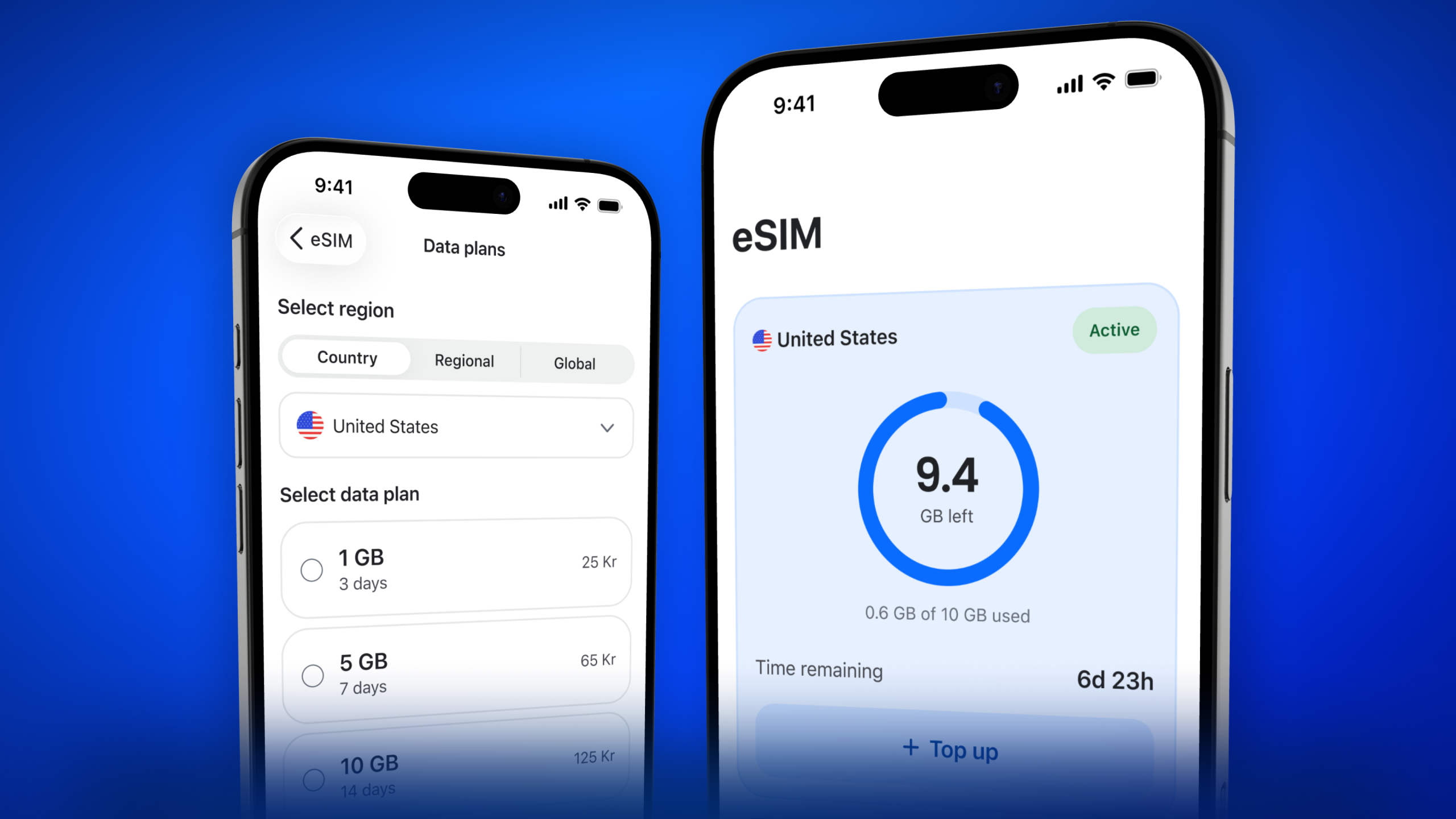
    Truecaller, the leading global platform for verifying contacts and blocking unwanted communication, today launched travel eSIM. The launch marks Truecaller’s move into mobile data services, broadening the platform beyond caller ID and spam protection, and for the first time adding digital consumables to the portfolio.

    500 million people already trust Truecaller with their daily communication. Travel eSIM extends that relationship to international travel – a category where users routinely overpay for connectivity or arrive at their destination disconnected. 

    Travel eSIM is a fully digital mobile data service that activates in minutes and offers plans from 1 GB over 7 days to 20 GB over 30 days. Customers can buy travel eSIM in 29 markets at launch, through the Truecaller iPhone app or on the web at Truecaller.com. The web opens the product to compatible Android devices from day one. Coverage works globally, so travelers buy at home and stay connected wherever they go.

    Fredrik Kjell, COO at Truecaller, says: โ€œI am delighted that Truecaller is launching an eSIM travel data product for our users. Truecaller is a trusted communications brand worldwide, and with our scale, we can offer a great product at a competitive price. We are rolling this out on our iPhone app and the web channel, and look forward to expanding on our Android app and adding support for additional markets. Today marks the first step in offering adjacent communication products to our massive user base.โ€

    Travel eSIM is currently available to purchase in: Italy, Sweden, Spain, France, Germany, Poland, Portugal, Romania, the Netherlands, Belgium, Ireland, Austria, Finland, the Czech Republic, Denmark, Hungary, the United States, the United Kingdom, Australia, Canada, New Zealand, Switzerland, Norway, Chile, Indonesia, Malaysia, South Africa, Egypt, and Nigeria.

  • Nigeria Customs Strengthens Global Security Ties at DSA 2026 in Kuala Lumpur

    Nigeria Customs Strengthens Global Security Ties at DSA 2026 in Kuala Lumpur

    โ€ฆAs CGC Adeniyi calls for Shift From Isolated Responses to Coordinated Action

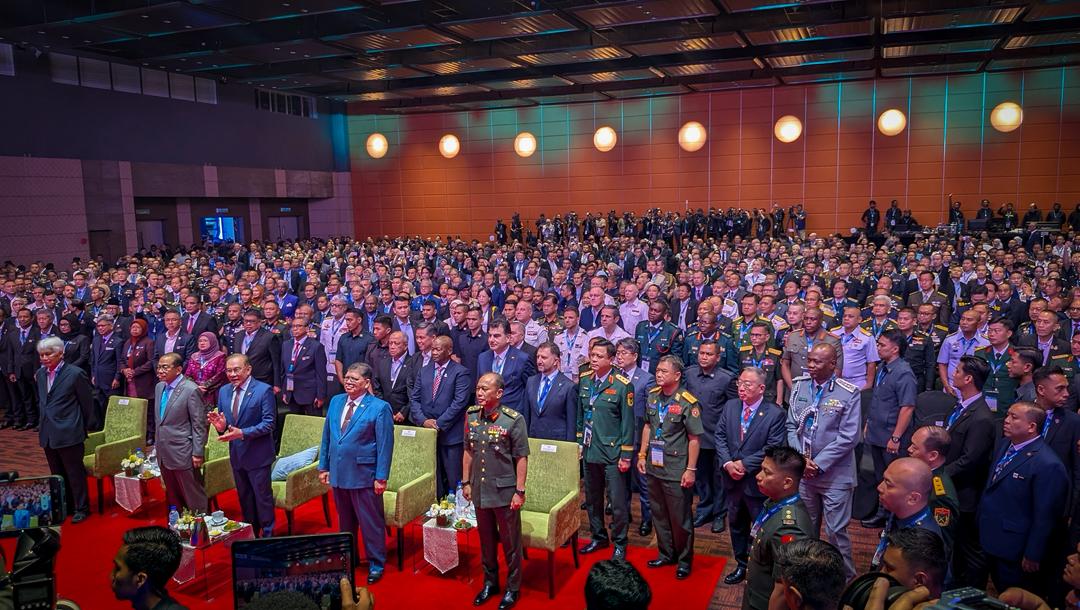
    The Nigeria Customs Service (NCS) has once again underscored its role in global security cooperation, as the Comptroller-General of Customs, Adeniyi, participated in the 19th Defence Services Asia Exhibition and Conference (DSA 2026) in Kuala Lumpur, Malaysia.

    The high-level engagement, which took place on Tuesday, 21 April 2026, at the Malaysia International Trade and Exhibition Centre (MITEC), bringing together over 1,400 companies and key stakeholders across defence technology, electronic warfare, and homeland security, was declared open by the Prime Minister of Malaysia, YAB Datoโ€™ Seri Anwar Ibrahim.

    Speaking as a Special Guest at the Policeโ€“Private Security Dialogue on Cross-Border Crime and Transnational Networks, Adeniyi emphasised the urgent need for coordinated global responses to emerging security threats. The session, convened under the Asia Pacific Security Association Malaysia International Security Summit (AMISST) 2026, brought together security leaders from 14 countries across Asia and the Pacific.

    โ€œThe nature of crime has evolved beyond borders, requiring enforcement agencies to move from isolated responses to coordinated global action. Collaboration is no longer optional; it is the foundation of effective security,โ€ Adeniyi stated.

    He highlighted the growing sophistication of transnational criminal networks, noting that activities such as narcotics trafficking, wildlife crime, financial fraud, and terrorism financing are increasingly interconnected. According to him, enforcement strategies must reflect this reality through intelligence sharing and joint operations.

    Drawing from the Nigeria Customs Service experience, the CGC outlined a three-pillar approach focused on technology adoption, institutional collaboration, and capacity building. He stressed that modern enforcement requires advanced tools and skilled personnel capable of responding to emerging crime typologies.

    โ€œWe must invest in technology, strengthen partnerships, and continuously build the capacity of our officers to stay ahead of criminal networks that are constantly evolving,โ€ he said.

    Adeniyi also referenced the World Customs Organisation (WCO) frameworks, noting that these instruments provide critical guidance to member administrations in tackling cross-border crime. He added that criminal patterns originating from different regions have global implications, reinforcing the need for collective international action.

    Participants at the dialogue identified common challenges facing enforcement agencies, including limited workforce, outdated tools, and the rapid advancement of technology-enabled crime. There was a shared consensus that criminals are increasingly coordinated, necessitating stronger collaboration among governments, international organisations, and private security stakeholders.

    To this end, stakeholders called for enhanced intelligence gathering, deeper engagement with communities, and sustained partnerships with global agencies such as INTERPOL. The emphasis, they noted, must be on building trust and ensuring seamless cross-border cooperation.

    On the sidelines of the conference, the CGC held bilateral engagements with customs administrations from the Asia-Pacific and the Americas to deepen operational partnerships and knowledge exchange.

    He reaffirmed the Serviceโ€™s commitment to strengthening collaboration with international security networks across Asia, Europe, and the Americas, noting that such partnerships are critical to securing borders, protecting national economic interests, and supporting the integrity of the global trading system.

  • Nigeria Customs, Royal Malaysian Customs Department advance Strategic Cooperation on Trade Facilitation, Border Management

    Nigeria Customs, Royal Malaysian Customs Department advance Strategic Cooperation on Trade Facilitation, Border Management

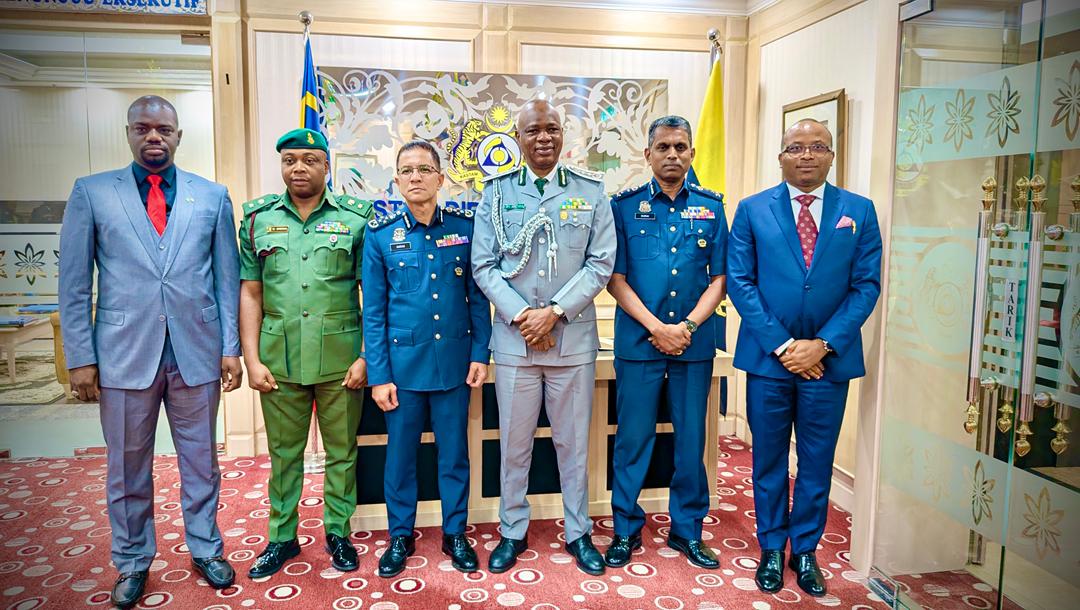
    With a commitment to strengthening international customs cooperation and enhancing trade facilitation, the Nigeria Customs Service (NCS) has advanced its strategic engagement with the Royal Malaysian Customs Department (RMCD). This followed an official visit by the Comptroller-General of Customs, Bashir Adewale Adeniyi, MFR, to the RMCD Headquarters on the sidelines of his participation at DSA Malaysia 2026. The engagement comes against the backdrop of expanding bilateral trade, with Nigeriaโ€™s imports from Malaysia increasing from NGN 159.9 billion in 2020 to NGN 716.0 billion in 2024, and cumulative trade value reaching approximately NGN 1.82 trillion over a five-year period.

    The Comptroller-General was received by the Director-General of the Royal Malaysian Customs Department, Datoโ€™ Haji Amran bin Haji Ahmad, whose appointment in March 2026 reflects a strong reform-oriented leadership in enforcement and regulatory administration. Both leaders held high-level discussions focused on institutional collaboration, customs modernisation, and coordinated border management frameworks to strengthen efficiency and regulatory integrity.

    The Comptroller-General emphasised that the scale and trajectory of Nigeriaโ€“Malaysia trade relations necessitate a more structured and formalised customs-to-customs partnership. He noted that Malaysia remains a significant trading partner to Nigeria, with key imports including crude palm oil, refined palm olein, jet fuel, food preparations, machinery, and other industrial inputs. He further underscored the critical role of customs administrations in facilitating legitimate trade while safeguarding national economic and security interests.

    Both administrations acknowledged the absence of a formal legal framework guiding bilateral customs cooperation despite longstanding trade relations. To address this gap, both parties agreed to initiate processes toward establishing a Mutual Recognition Agreement under the framework of the World Customs Organisation (WCO), to be pursued through appropriate diplomatic channels. This initiative is expected to provide a structured basis for cooperation, enhance mutual trust, and support reciprocal trade facilitation measures.

    The engagement also provided an opportunity for the Royal Malaysian Customs Department to present its evolving border management architecture, including the establishment of the Malaysian Border Control and Protection Agency (AKPS) as an integrated frontline border control body. In response, the Comptroller-General highlighted the Nigeria Customs Serviceโ€™s Authorised Economic Operator (AEO) programme and other trade facilitation frameworks designed to ensure predictable clearance processes, reduce transaction costs, and strengthen compliance. Both sides emphasised the importance of deeper collaboration in intelligence sharing, enforcement coordination, and technology-driven border management, particularly in addressing illicit trade and transnational trafficking.

    The NCS reiterates its commitment to strengthening bilateral and multilateral partnerships as part of its broader modernisation agenda. The Service affirms that outcomes from this engagement will enhance operational capacity, improve trade facilitation, and reinforce border security while supporting Nigeriaโ€™s economic growth objectives. As part of ongoing efforts to deepen institutional collaboration, the Comptroller-General also used the opportunity to visit the Nigerian Diplomatic Mission and Defence Office in Malaysia, commending their roles in advancing Nigeriaโ€™s interests and supporting nationals abroad.

  • Truecaller Partners with AnyMind Group to Expand Direct Sales Footprint Across MENA and Southeast Asia

    Truecaller Partners with AnyMind Group to Expand Direct Sales Footprint Across MENA and Southeast Asia

     Truecaller, the leading global communications platform, today announced a strategic direct sales reseller partnership with AnyMind Group, a Business-Process-as-a-Service company for marketing, e-commerce and digital transformation. The collaboration is aimed at accelerating the growth of Truecaller’s direct advertising business across the Middle East & North Africa (MENA) and Southeast Asia (SEA) regions.

    Under this partnership, AnyMind Group will serve as the exclusive intermediary for Truecaller’s advertising inventory across Egypt, UAE, Qatar, Saudi Arabia, Israel, Ghana, Nigeria, Morocco, Malaysia, Singapore and Viet Nam. The scope of the partnership is focused specifically on enabling brands and agencies to leverage Truecaller’s premium ad formats to reach highly engaged, high-intent users through relevant, data-driven advertising solutions.

    With a strong on-ground presence and established relationships with leading advertisers and agencies across MENA and SEA markets, AnyMind Group brings deep regional expertise that will support the scaling of Truecaller’s advertising footprint locally. The partnership is designed to empower brands with impactful placements on Truecaller’s trusted communications platform, helping drive meaningful engagement with users in these fast-growing digital economies.

    Truecaller continues to see strong user adoption across MENA and Southeast Asia, presenting advertisers with significant opportunities to connect with audiences in trusted, brand-safe environments. By combining Truecaller’s global scale, proprietary data capabilities, and premium ad formats with AnyMind Group’s local market leadership and execution strength, the partnership aims to unlock the full monetization potential of Truecaller’s ad inventory in these regions.

    Commenting on the partnership, Hemant Arora, Vice President & Global Head Truecaller Ads Business, said, “As Truecaller continues to expand its global advertising business, partnerships with strong regional players like AnyMind Group are critical to delivering localized expertise and measurable outcomes for advertisers. MENA and Southeast Asia represent high-growth markets with evolving digital maturity, and through this collaboration, we aim to bring brands closer to consumers via trusted and contextual communication experiences on our platform.”

    Aditya Aima, Managing Director, Growth Markets; Co-MD, India and MENA from AnyMind Group added,“We are excited to partner with Truecaller to open its inventory to brands across MENA and Southeast Asia. With Truecaller’s scale and trusted user ecosystem, combined with our market depth and networks, we see strong potential to drive more relevant, high-impact advertising outcomes for advertisers looking to deepen engagement in these dynamic markets.”

    This collaboration marks an important milestone in Truecaller’s broader international expansion strategy, focused on building strong local partnerships to deliver measurable value to advertisers while driving sustainable revenue growth across emerging markets.

  • From video calls to exchanging memes: Kaspersky reveals how digitalisation is influencing family life

    From video calls to exchanging memes: Kaspersky reveals how digitalisation is influencing family life

    While digitalisation offers unprecedented convenience and flexibility in family communication, Kaspersky experts warn that this increased online connectivity demands a heightened awareness of digital safety practices and the protection of devices

    Kaspersky’s latest global research shows that mostly all people currently interact with their family members digitally: 86% of all survey participants communicate with family via messaging apps, 58% have regular video calls, and 44% have even established joint streaming service accounts. In South Africa, the statistics showed a similar trend: 91% communicate with family via messaging apps, 68% have regular video calls, and 53% have joint streaming service accounts. While digitalisation offers unprecedented convenience and flexibility in family communication, Kaspersky experts warn that this increased online connectivity demands a heightened awareness of digital safety practices and the protection of devices.

    Communication in the digital sphere has become an integral part of everyday life. Thanks to video calls and instant messaging, we can maintain connections with our loved ones, no matter where we are. Digitalisation has reshaped not only how we communicate, but also how we spend our free time together. Kaspersky has conducted a survey* to reveal the common patterns of modern family life in the digital age and discover the cybersecurity challenges that lurk beneath our screen interactions.

    Cyber safety during family communication

    According to the survey, regular messaging via WhatsApp, Telegram, Signal, Viber and other messenger apps were top of usersโ€™ choices when communicating with their families. Globally, people in the 35-54 age group were the most likely to engage this way, with 89% of respondents choosing this option. Video calls were a much less popular option among all survey respondents for keeping in touch with relatives, with only 58% choosing this digital solution.

    Another popular way for many families to stay connected online is to exchange posts and memes on social media and messengers (53% globally and 51% in South Africa). The 18-34 age group globally leads this trend with a 58% participation rate, showcasing how humour and shared cultural references are becoming essential family bonding mechanisms.

    The older generation (above 55 years old) is, in general, less digitally engaged than other age groups, though the share of those globally who chat with their families in messengers is on par with the average (85%). 42% of this age group even exchange memes and posts via social media. Despite the fact that older people are more active in the digital sphere, they may still not be ready to face cyber threats and scams. Users should therefore educate their older relatives on how to stay safe online and use gadgets securely.ย 

    Even for advanced users, communication online carries potential cybersecurity risks. From phishing attempts disguised as legitimate messages to sophisticated social engineering attacks, the digital battlefield operates within our most personal communication channels. To ensure complex protection for your messengers, it’s highly recommended to enable two-factor authentication where possible, use unique, complex passwords for each account, remain skeptical of unexpected links or attachments, use a reliable security solution with anti-phishing protection for messengers, and follow security tips from Kaspersky experts.ย 

    Family accounts โ€“ convenience or risk?

    The survey shows that in their free time 70% of all participating families choose to watch movies together, with 44% having family streaming accounts. Online games do not have such popularity as a family pastime, with only 35% of general respondents opting for them. In South Africa, 78% of families choose to watch movies together, 53% have family streaming accounts, and 35% choose online games as a family pastime.

    While sharing streaming subscriptions and gaming accounts may seem like a cost-effective solution, it opens the door to a host of digital vulnerabilities that can compromise your family’s security and privacy, especially when an account is used by different family members under the same login and password. Such accounts create a perfect storm for security breaches. If one family member’s device is compromised, hackers gain access to the entire account. Additionally, password reuse across multiple platforms means that a single breach could expose your financial information, email accounts, and other sensitive data. To manage all passwords securely, itโ€™s highly recommended to use a password manager for all family members.

    โ€œAs our family life moves more and more online, it opens up amazing ways to stay close and create memories โ€“ but it also brings new risks, like scams and hacking. Kids and older relatives can be especially at risk, so looking out for each other online is really important. Protecting your digital privacy and using cybersecurity measures is an important way to care for your loved ones and keep your family safeโ€, comments Marina Titova, Vice President for Consumer Business at Kaspersky.


    * The study was conducted by Kasperskyโ€™s market research center in November 2025. 3000 respondents from 15 countries (Argentina, Chile, China, Germany, India, Indonesia, Italy, Malaysia, Mexico, Saudi Arabia, South Africa, Spain, Turkey, UK, United Arab Emirates) took part in the survey.

  • CPPE Commends 15% Import Duty on Refined Petroleum Products, Advocates Strategic Protectionism to Drive Nigeriaโ€™s Industrialisation

    CPPE Commends 15% Import Duty on Refined Petroleum Products, Advocates Strategic Protectionism to Drive Nigeriaโ€™s Industrialisation

    The Centre for the Promotion of Private Enterprise (CPPE) has reaffirmed its commitment to advancing Nigeriaโ€™s industrialisation through strategic protectionismโ€”a calibrated policy framework designed to safeguard domestic industries, stimulate economic growth, and promote national sovereignty.

    In a comprehensive policy statement, CPPE emphasised that indiscriminate trade liberalisation has historically undermined Nigeriaโ€™s productive base, eroded competitiveness, and exposed the economy to external shocks. The recent introduction of a 15% import duty on refined petroleum products is hailed as a progressive and corrective measure that, when complemented with broader industrial support, can catalyze industrial expansion, conserve foreign exchange, create jobs, and enhance economic resilience.

    Global Lessons and Local Realities

    Industrialisation remains the cornerstone of sustainable development. CPPE draws on global precedents to underscore the importance of protectionist policies in early industrial growth. Asian economies, such as China, South Korea, India, and Malaysia, achieved industrial takeoff by shielding infant industries, promoting local content, and building domestic value chains before integrating into global markets. Even the United States has recently adopted protectionist measures to revitalize its manufacturing sector.

    Nigeriaโ€™s prolonged dependence on imports has led to structural distortions, discouraging investment and triggering decades of deindustrialisation. The oil and gas sector exemplifies this failure, with decades of refined product importation draining foreign reserves and weakening fiscal stability.

    Strategic Protectionism: A Pathway to Competitiveness

    CPPE advocates for strategic protectionism as a self-strengthening mechanismโ€”not economic isolation. By shielding emerging industries from premature exposure to unfair competition, this approach encourages domestic investment, fosters local value addition, and allows firms to achieve efficiency and scale before competing globally.

    This policy framework is essential for consolidating Nigeriaโ€™s domestic market, expanding regionally, and ultimately achieving global competitiveness.

    Oil and Gas Sector: A Case for Reform

    The continuous importation of petroleum products over the past two decades has imposed immense costs on the Nigerian economy. The 15% import duty on refined petroleum productsโ€”petrol and dieselโ€”is a welcome development that provides critical policy support for domestic refineries such as Dangote Refinery, NNPCL refineries, and emerging modular refineries. This measure is expected to restore Nigeriaโ€™s refining capacity and reduce foreign exchange exposure.

    Sectoral Success Stories

    Nigeriaโ€™s industrial history demonstrates that structured protection yields transformative outcomes:

    • Flour Milling: Import charges exceeding 70% have driven backward integration and domestic capacity expansion.
    • Agro-Processing: Tariffs above 30% have stimulated local production and employment.
    • Pharmaceuticals: Import restrictions on selected product groups have promoted health sovereignty and encouraged local manufacturing.

    In this context, the 15% duty on refined petroleum products is modest, balanced, and necessary to restore Nigeriaโ€™s refining capacity and fiscal resilience.

    Creating a Level Playing Field

    CPPE warns that exposing local industries to global competition without addressing structural constraints results in policy-induced disadvantage. Nigerian manufacturers face challenges including high energy costs, weak infrastructure, limited access to finance, inefficient ports, and complex regulations. Meanwhile, foreign producers benefit from subsidised energy, efficient logistics, and low-interest financing.

    True competition requires comparable production conditionsโ€”not a contest between subsidised imports and under-supported domestic producers.

    Macroeconomic and Industrial Payoffs

    Strategic protectionism, when properly designed, delivers broad developmental dividends:

    • Stimulates industrial growth and job creation
    • Conserves foreign exchange and stabilises the naira
    • Promotes backward integration and local value addition
    • Enhances macroeconomic and fiscal resilience
    • Encourages innovation, technology transfer, and long-term competitiveness

    Ultimately, strategic protectionism supports national self-reliance while laying the foundation for globally competitive industries.

    Managing the Transition to Local Efficiency

    CPPE acknowledges concerns about short-term price increases but emphasises that these are transitional. The long-term solution lies in improving domestic efficiency. To ensure protection yields sustainable benefits, the government must complement it with:

    • Fiscal incentives and targeted subsidies
    • Access to low-cost financing
    • Reliable and affordable energy supply
    • Strategic infrastructure investment
    • Streamlined regulatory processes

    As domestic industries scale up, production costs will decline, leading to price stabilisation and improved consumer welfare.

    Building a Balanced Competition Model

    Nigeria must adopt a competition model that prioritises domestic production over import dependence. Producers should compete with fellow producers, not importers. Both indigenous and foreign investors should be encouraged to produce locally through clear, consistent, and performance-based policies.

    This model, successfully applied in the cement, flour, and beverage industries, can be replicated across sectors to achieve self-sufficiency and export readiness within a decade.

    Policy Recommendations

    To institutionalise a balanced and growth-oriented protectionist framework, CPPE recommends:

    1. Sustaining the 15% import duty on refined petroleum products to incentivise domestic refining
    2. Complementing tariff protection with industrial support policies to prevent price escalation
    3. Expanding backward integration incentives in petrochemicals, steel, agro-processing, and pharmaceuticals
    4. Strengthening monitoring and evaluation to ensure protection fosters productivity and innovation
    5. Transitioning to export competitiveness once domestic industries attain stability

    Conclusion

    Nigeriaโ€™s journey to sustainable industrialisation must be anchored on strategic, time-bound protectionismโ€”not indiscriminate liberalisation. The 15% tariff on refined petroleum products is a forward-looking policy that can transform Nigeriaโ€™s industrial landscape if reinforced with complementary reforms.

    This is not merely about a single refineryโ€”it is a sector-wide proposition that supports all current and future domestic investors in refining and related industries. Pragmatic protectionism is not about closing borders; it is about building domestic strength for global engagement. The goal is not to shut out the world, but to empower Nigeria to compete from a position of strength.

  • NNPC Ltd Hails President Tinubu on Ekperikpo, Mshelbilaโ€™s Emergence as Chairman, Secretary General of GECF

    NNPC Ltd Hails President Tinubu on Ekperikpo, Mshelbilaโ€™s Emergence as Chairman, Secretary General of GECF

    NNPC Ltd has congratulated President Bola Ahmed Tinubu for his role in the emergence of  Nigeria’s candidate Dr. Philip Mshelbila, Managing Director of Nigeria LNG Ltd as the new Secretary General of the Gas Exporting Countries Forum (GECF), describing it as a historic moment for Nigeria and a testimony to the Federal Governmentโ€™s Gas Agenda aimed at utilizing natural gas as a major fuel for industrial growth and economic development.

    Mshelbila, who was elected at the Forumโ€™s 27th Ministerial Meeting held in Doha, Qatar, on Thursday, succeeds Algeriaโ€™s Mohamed Hamel as the 5th scribe of the global organisation, which has been a leading voice in positioning natural gas as a cornerstone of global sustainable development.

    Speaking on the milestone, the Group Chief Executive Officer, NNPC Ltd., Engr. Bashir Bayo Ojulari said: โ€œNNPC Ltd is proud of what Mshelbila has achieved at Nigeria LNG, where he has worked tirelessly to transform Nigeria’s vast gas reserves into export-grade LNG, LPG, and condensates, serving domestic needs and global markets in the process,โ€ he said.

    โ€œWith this feat, Philip Mshelbila has put Nigeria on the global energy map for good. This shows that President Bola Ahmed Tinubuโ€™s gas to prosperity agenda aimed at utilising natural gas as the cornerstone of Nigeria’s industrial growth, energy security, and economic transformation is on the right trajectory,โ€ Ojulari added.

    He further assured that with Mshelbila at the helm of GECF, Africa, Nigeria and indeed the NNPC Ltd will witness a remarkable progress in the quest to make natural gas the pivotal resource for inclusive and sustainable development.

    The GCEO also congratulated the Minister of State for Petroleum Resources (Gas), Rt. Hon. Ekperikpe Ekpo, on his emergence as President of the 2026 GECF Ministerial Meeting, saying the Minister has been at the forefront of championing efforts to harness Nigeriaโ€™s abundant gas resources for industrialisation and economic development.

    The GECF is an international intergovernmental organization that provides a platform for the exchange of experience and information among its Member Countries. Representing the worldโ€™s leading gas-exporting nations, the GECF aims to foster constructive dialogue between gas producers and consumers to enhance the stability and security of global gas supply and demand.

    The organisationโ€™s membership include Algeria, Bolivia, Egypt, Equatorial Guinea, Iran, Libya, Nigeria, Qatar, Russia, Trinidad and Tobago, the United Arab Emirates, and Venezuela. It also has Observer Members in Angola, Azerbaijan, Iraq, Malaysia, Mauritania, Mozambique, Peru, and Senegal.

    Collectively, the GECF Member Countries hold 69% of the worldโ€™s proven natural gas reserves, account for 39% of marketed production, contribute 40% of global gas exports, and represent 51% of liquefied natural gas (LNG) exports.

  • Gather25 Connects over Seven Million Christians Globally through AI, Livestream Technology, and the Power of Prayer

    Gather25 Connects over Seven Million Christians Globally through AI, Livestream Technology, and the Power of Prayer

    Gather25 concluded with a powerful message: the Gospel must advance like never before, and itโ€™s time for Christians to respond. On Saturday (1 March), an estimated seven million people from 225 countries and territories joined the 25-hour global gatheringโ€”online, across seven live locations, broadcast and live streamed on TBN, and in more than 21,000 group gatherings in churches and homes. From every continent, Christians came together to witness how God is transforming lives and to join in prayer, worship, repentance, and commissioning.

    This event marks a historic moment for the global Church. For the first time, technology and AI enabled a monumental achievement: live sessions from the United States, New Zealand, Malaysia, Romania, Rwanda, the United Kingdom, and Peru were translated into 87 languages in real time, extending the reach of Gather25 far beyond physical borders.

    With this expanded reach, Gather25 highlighted powerful stories of salvation from around the world and from the persecuted church. Across the world, speakers delivered a message to Christians across denominations: the Church is not shrinking – itโ€™s growing. 

    Self-organized group gatherings also took place – from living rooms and remote villages to large gatherings like the one in Cebu City, Philippines, where over 5,000 people gathered outdoors to watch the sessions. Over 117,000 prison inmates in the US were able to gather with the global Church through the PandoApp from God Behind Bars. Gather25 participants even got news from Antarctica where Christians from the local scientific bases joined together in the local Chapel of the Snows. In addition, TBN aired multiple segments over the course of the weekend, with a global network that reached two billion potential viewers.

    A global lineup of speakers and worship artists that included Jennie Allen, Christine Caine, Tim Godfrey, Sergio Hornung, Matt Maher, Dr. Charles Mugisha, Matt Redman, Sinach, Andres Spyker, Mark Varughese, Rick Warren, Darlene Zschechย and many more also challenged participants to take actionโ€”through prayer, sharing the Gospel, and supporting organizations focused on Bible translation, church planting, pastoral training, and poverty relief.

    Jennie Allen, founder and visionary of Gather25 and one of the speakers, reflected on its impact: “The only way that this happens – that denominations come together, countries come together, continents come together – is because of prayer. What we saw at Gather25 was a picture of heavenโ€”believers from every nation, tribe, and language coming together with one mission: to make Jesus known.โ€

    For Pastor Mmbongya in Malawi, the impact of the event was powerful:โ€œWe thank Jesus for the global Church gathering in Malawi at the Dzaleka refugee camp. We have seen the Holy Spirit move through prayer and worship, with great encounters.โ€

    Gather25 was amplified through partnerships with the YouVersion Bible App, Finishing the Task, World Evangelical Alliance, RightNow Media, Bible Gateway, Revive Europe, Arise Asia and many others.

    For those who missed the gathering, content is available on-demand at live.gather25.com.

  • New report: Sexist laws persist worldwide- Equality Now

    New report: Sexist laws persist worldwide- Equality Now

    Over the last 30 years, more than 60 countries have liberalized their abortion laws

    A new global report analyzing sex discrimination in laws reveals that while some commendable gains have been achieved in strengthening legal protections for women and girls over the past five years, progress remains slow, uneven, and increasingly under threat from a growing backlash against womenโ€™s rights.  

    Research by Equality Now identifies how women and girls continue to experience systemic and intersecting discrimination in laws, policies, and cultural practices, exposing them to multiple forms of harm, sometimes with little or no legal protection. Alarmingly, in some places, women’s legal rights have deteriorated significantly, with hard-won protections weakened or overturned through regressive legislative changes, judicial rulings, and withdrawal of funding.  

    The Beijing Platform  

    The Beijing Declaration and Platform for Action (โ€œBeijing Platformโ€) is a ground-breaking global framework for advancing womenโ€™s rights. Adopted in 1995 by 189 countries at the UN Fourth World Conference on Women, it outlines commitments to deliver gender equality in all aspects of life. Crucially, countries pledged to โ€œrevoke any remaining laws that discriminate on the basis of sex.โ€ย 

    Equality Nowโ€™s report, Words & Deeds: Holding Governments Accountable In The Beijing+30 Review Process (6th Edition), finds that three decades on, women and girls continue to face discrimination in the law, with not one country achieving full legal equality. Laws and practices that constrain womenโ€™s and girlsโ€™ rights are obstructing progress on the 2030 Agenda for Sustainable Development, especially Sustainable Development Goal 5 on gender equality, putting the world off track to meet these critical targets.ย 

    Report co-author Antonia Kirkland explains, โ€œWomen and girls deserve full protection of their civil, political, economic, social, and cultural rights under the Beijing Platform and other international human rights commitments. This requires repealing all sex-discriminatory legislation, enshrining gender equality in constitutions, and introducing and enforcing laws that fully protect the rights of women and girls in all their diversity.โ€ 

    Rollback on womenโ€™s legal rights 

    Some governments are allowing sex and gender-discriminatory religious and customary laws and practices, while religious, cultural, and nationalist justifications are increasingly being harnessed to undermine and revoke womenโ€™s rights. 

    For example, in Afghanistan, draconian restrictions have comprehensively banned women and girls from participating in public life, education, work, and leisure. The situation is also dire in Iran, where women have experienced sustained crackdowns, and those opposing sex-discriminatory laws have been subjected to arrest, detention, torture, and death.ย 

    Lawmakers in Bolivia and Uruguay are considering regressive bills to weaken protections for sexual violence survivors. While in The Gambia, a bill to repeal the law banning female genital mutilation threatened to undo years of progress. Thankfully, strong opposition successfully prevented its passing. 

    In Russia, โ€˜promotingโ€™ LGBTQ+ relationships was banned in 2022 among all adults, and in late 2024, under the rubric of โ€œanti-propagandaโ€, legislation was adopted to prohibit the promotion of a โ€˜child-free lifestyle.โ€™ Kyrgyzstan and Georgia have adopted similar laws curtailing LGBTQ+ rights. 

    In Argentina, there have been severe budget cuts to policies to address gender-based violence, and the Ministry of Women has been abolished, significantly hindering the Stateโ€™s capacity to safeguard women. 

    Over the last 30 years, more than 60 countries have liberalized their abortion laws. However, sexual and reproductive rights are facing sustained attacks. Examples include Poland, where one of the few grounds permitted for abortion access – fetal โ€˜defectโ€™ or incurable disease โ€“ was removed in 2021. In the U.S., the Supreme Court ruled in 2022 that the U.S. Constitution does not provide the right to abortion. By January 2025, abortion was criminalized in 14 states, and there are efforts to ban travel to other states to access abortion services.ย ย 

    The Dominican Republic is one of five countries in Latin America and the Caribbean to impose a complete abortion ban. Their senate is close to passing a bill continuing this prohibition and lowering penalties for marital sexual violence, labeling it โ€˜non-consensual sexual activityโ€™ rather than rape.  

    Explicitly sex-discriminatory laws  

    Countries such as Sudan and Yemen grant male family members wide-ranging authority over female relatives and legally require wives to be obedient. In Saudi Arabia, women must obey their husbands in a โ€˜reasonable manner,โ€™ and husbands have a โ€˜marital right to sexual intercourse.โ€™ If a wife refuses to have sex or travel with her husband without a โ€˜legitimate excuse,โ€™ this โ€œdisobedienceโ€ can result in her losing her right to spousal financial support.  

    Husbands can unilaterally divorce wives without condition, but wives must apply to the court for a fault-based divorce and prove fault within strict criteria. According to the World Bank, Saudi Arabia is just one of 45 countries with different divorce rules for women and men.ย ย 

    Marital rape is also allowed in the Bahamas and India, while in Kuwait and Libya, a rapist can escape punishment by marrying his victim. 

    Various countries have laws curtailing wives’ access to bank accounts, loans, and even the ability to benefit from their own labor in family businesses. For example, a husband in Cameroon controls the administration of all his wifeโ€™s personal property and can sell, dispose of, and mortgage their common property without a wifeโ€™s cooperation. Wives in Chile face similar discrimination. 

    The World Bank reports that 139 countries still lack adequate legislation prohibiting child marriage. One case is the U.S., which has no federal law against child marriage, and 37 states still allow it. California permits exceptions for marrying minors with no minimum age, while states like Mississippi mirror countries such as Bangladesh, Mali, Pakistan, and Tanzania in authorizing girls to be married younger than boys. 

    Poverty exacerbated by the climate crisis and forced migration is putting girls at greater risk of child marriage, with parents viewing it as a coping mechanism to alleviate financial strain and โ€˜shield daughters from sexual violenceโ€™ – despite child marriage facilitating non-consensual sex with a minor. For instance, Ethiopia suffered a severe drought in 2022, and in one year, saw child marriage rates double.  

    On a positive note, Colombia, Cuba, the Dominican Republic, Sierra Leone, and Zambia have all recently introduced laws banning child marriage under 18, without exception.  

    Globally, sex-discriminatory laws and policies are constraining women’s full economic and social participation, trapping millions in poverty and dependency, and increasing their vulnerability to mistreatment. In many countries, women are denied equal access to employment, fair wages, property ownership, household income, and inheritance. This contributes to womenโ€™s overrepresentation in insecure, low-wage jobs, and their shouldering the bulk of paid and unpaid care work.  

    In countries such as Kyrgyzstan, Madagascar, and Russia, women are prohibited from working in particular jobs. Progress since 2020 includes similar employment restrictions being removed in Azerbaijan, Jordan, and Oman.  

    Also needing reform are sexist nationality laws, like in Bahrain, Brunei, Malaysia, Monaco, Togo, the U.S. and others. When mothers and fathers are not granted equal rights to pass their nationality to their children, it creates severe legal and social challenges, including statelessness. The risk of child and forced marriage is heightened, it creates child custody problems, and wives may remain in abusive marriages out of fear of losing their legal status.ย 

    Kirkland concludes, โ€œEliminating sex and gender-based discrimination in the law is a fundamental responsibility of governments. Equality Now calls on every country to urgently review and amend or repeal its sex-discriminatory laws, prevent removal of legal rights, and establish specific constitutional or legal guarantees of equality for all women and girls.โ€  

  • Report: Female Genital Mutilation/Cutting persist in 94 countries

    Report: Female Genital Mutilation/Cutting persist in 94 countries

    Small-scale surveys, estimates, and personal accounts from survivors, activists, and grassroots organizations shed new light on the urgent need to expand protection and prevention efforts

    A new report has collated evidence of female genital mutilation/cutting (FGM/C) in 94 countries, revealing how this harmful practice exists in more communities than previously recognized and the number of girls and women affected or at risk exceeds earlier estimates. Efforts to end FGM/C remain hindered by reluctance from governments to act, particularly in countries not widely associated with FGM/C. Other obstacles include weak legal protections, insufficient data, low awareness, and a lack of funding and decisive action from the international community.

    โ€˜The Time Is Now: End Female Genital Mutilation/Cutting, An Urgent Need for a Global Response โ€“ Five Year Update,โ€™ by the End FGM European Network,ย Equality Now, andย The U.S. Network to End FGM/C compiles evidence about the nature and practice of FGM/C in different countries. Small-scale surveys, estimates, and personal accounts from survivors, activists, and grassroots organizations shed new light on the urgent need to expand protection and prevention efforts.

    The research follows up on the groupโ€™s 2020 report that documented how the extent of FGM/C was being woefully underestimated globally. Since then, FGM/C has been identified in local communities in Azerbaijan, Cambodia, and Vietnam, and further evidence has been gathered in Colombia, Malaysia, the Philippines, Saudi Arabia, Sri Lanka, and the United Arab Emirates. More investigation is required where data is limited, such as in Panama, Mexico, and Peru where FGM/C may exist among indigenous groups.

    โ€œMounting evidence clearly shows that FGM/C is a worldwide issue demanding a coordinated global response,โ€ says Equality Nowโ€™s Divya Srinivasan. โ€œTo end FGM/C, governments, international bodies, and donors must acknowledge the extent of the problem, strengthen their political commitments to addressing it, and prioritize funding, especially in overlooked regions and communities.โ€

    Ending FGM/C requires better data and more funding

    In 2020, UNICEF estimated at least 200 million women and girls had undergone FGM/C in 31 countries. In 2024, UNICEF updated the figure to over 230 millionโ€” 80 million in Asia, 6 million in the Middle East, and 1 to 2 million in small or diaspora communities elsewhere. UNICEFโ€™s 15% increase is due to newly available data from countries previously excluded from official statistics, combined with rapid population growth where FGM/C occurs.

    Whilst UNICEFโ€™s 230 million figure is the first comprehensive global estimate of the number of women and girls impacted, detailed national prevalence data is still only available for 31 countries. This lack of data is enabling reluctant governments to continue avoiding acknowledging or addressing FGM/C.

    Most international funding focuses on a few African countries. While this work to end FGM/C is severely under-resourced and requires increased investment, insufficient funding is even more acute in Asia, Latin America, and the Middle East, which receive only a small allocation.

    The problem is compounded by some governments failing to recognize FGM/C in their countries, and in some cases actively denying it, undermining and sometimes openly discrediting the work of survivors and activists.

    Comprehensive data is crucial because it provides evidence on the need for action and funding, and sets a baseline from which interventions can be developed, implemented, tracked, and assessed.

    Tania Hosseinian from the End FGM European Network, explains, โ€œAccess to accurate, up-to-date data is crucial for understanding the full scale of FGM/C and for developing and assessing laws and policies that ensure no one is left behind. Data-driven strategies must guide our actions, empowering grassroots organizations, youth movements, and survivors to lead the way.โ€

    Many countries still donโ€™t have specific anti-FGM/C laws

    FGM/C is internationally recognized as a serious human rights violation involving the partial or complete removal of external female genitalia for non-medical reasons. It is rooted in gender inequality and attempts to control womenโ€™s and girlsโ€™ bodies and sexuality.

    FGM/C has no health benefits and can cause severe short and long-term harm. Potentially fatal – as sadly demonstrated by FGM/C-related deaths in Sierra Leone and Kenya in 2024 – it is associated with numerous health problems, including chronic pain and infections, psychological trauma, infertility, and higher rates of maternal and infant mortality.

    Despite this, of the 94 countries where FGM/C has been found, only 58 (61%) have laws explicitly prohibiting it. This leaves many millions without adequate protection and enables perpetrators to avoid accountability.

    Since 2020, India, Jordan, Kuwait, Singapore, Sri Lanka, the Russian Federation, the United Arab Emirates, and the United States have all received recommendations from international human rights mechanisms calling on them to take greater action to address FGM/C.

    On a positive note, in 2020, only 51 countries specifically outlawed FGM/C. Since then, Sudan, Indonesia, Finland, Poland, and the United States. have all passed federal laws, while France has strengthened its penal code, and the European Union has adopted new regional legislation.

    Various countries have achieved drops in FGM/C rates, including Burkina Faso, Liberia, and Kenya, among others, while Portugal, The Gambia, and the UK have had first-ever successful prosecutions for FGM/C.

    Medicalization of FGM/C and other threats to progress

    Concerningly, backlash against womenโ€™s rights threatens to undo hard-won gains. In Kenya and The Gambia, legal challenges have tried to repeal existing anti-FGM/C laws, threatening to reverse years of progress. These regressive attempts have been met with determined resistance from womenโ€™s rights activists, legal experts, journalists, and international partners collaborating at local and international levels to prevent rollbacks.

    Another concern is how medicalization is becoming more mainstream. UNICEFโ€™s 2024 report found 66% of girls who recently underwent FGM/C did so at the hands of a healthcare worker. In countries like Egypt, Indonesia, and Kenya, medicalized FGM/C is wrongly perceived by some as a legitimate alternative, while in Russia, it is openly advertised by clinics.

    There is growing awareness about practices not yet formally recognized as forms of mutilation. This includes the husband stitch, when an extra stitch is added during vaginal repair after childbirth, with the purpose of tightening the vaginal opening to increase sexual pleasure for a male partner. Often performed by medical professionals without the womanโ€™s consent, recent research has found cases in Europe, Japan, and the United States., with survivors experiencing health complications and comparing it to FGM/C.

    Putting women and girls at the heart of efforts to end FGM/C

    Ending FGM/C requires a global yet nuanced strategy that addresses specific ways it is practiced across regions and communities. With Sustainable Development Goal 5.3 setting 2030 as the target to eradicate FGM/C, just five years remain to accelerate and globalize endeavors.

    Transformative social change requires a collaborative, multi-pronged, survivor-centered approach incorporating enactment and enforcement of strong legal protections alongside community engagement to raise awareness about FGM/Cโ€™s harms and legal consequences.

    The U.S. End FGM/C Networkโ€™s Caitlin LeMay concludes, โ€œMillions of individuals around the world live with the lifelong consequences of FGM/C. Their courage in sharing their stories has brought global attention to this harmful practice and strengthened the movement to end it.

    โ€œSurvivors, wherever they live, must have access to adequate, affordable, and quality services that are gender, child, and culture-sensitive, ensuring their voices remain central to the fight against FGM/C.โ€  

  • DG Okonjo-Iweala welcomes 2025 cohort of WTO Young Professionals

    DG Okonjo-Iweala welcomes 2025 cohort of WTO Young Professionals

    WTO Director-General Ngozi Okonjo-Iweala welcomed the latest cohort of the WTO Young Professionals Programme (YPP) at a ceremony on 31 January at WTO headquarters in Geneva. The 19 participants are working in 13 divisions across the WTO Secretariat, where they will contribute to the organizationโ€™s activities and gain hands-on experience on trade issues throughout the year.

    A key initiative to enhance diversity and strengthen WTO membership representation at the professional level within the Secretariat, the YPP has supported the development of trade expertise among young professionals from developing economies and least developed countries (LDCs) since 2017. This yearโ€™s participants were selected from a highly competitive pool of approximately 5,500 applicants.

    In her welcoming remarks, DG Okonjo-Iweala commended the Young Professionals for gaining entry into this highly competitive programme. Reflecting on the current global trade landscape, she noted that 2025 will be a pivotal year for the WTO, with geopolitical tensions having a potential impact on negotiations on key issues such as fisheries subsidies, dispute settlement reform, development and agriculture.

    Despite these challenges, the goal must be to deliver results wherever possible and “to lay a strong foundation for a successful Fourteenth WTO Ministerial Conference (MC14) in Cameroon in March 2026,โ€ DG Okonjo-Iweala told the Young Professionals.

    She further underscored the broader impact of the WTOโ€™s work and stressed that the role of the organization is “to deliver results that are good for people and the planet,” demonstrating how trade cooperation at the WTO can enhance certainty and foster growth for all members, big and small.

    DG Okonjo-Iweala also expressed gratitude to members who have contributed to the WTO Global Trust Fund, helping to make the YPP and other technical assistance programmes possible.

    During their initial weeks at the WTO, the Young Professionals underwent an intensive induction programme featuring over 60 Secretariat staff members, designed to provide them with a comprehensive understanding of the WTOโ€™s work.

    Speaking on behalf of the 2025 cohort, Nada Alsalmi from Saudi Arabia emphasized the significance of the programme in equipping young professionals with the tools needed to contribute to global trade.

    “Our presence at the WTO is not just a privilege, but also a responsibility. We must seize every opportunity to deepen our understanding of the multilateral trading system so we can use this knowledge to strengthen and enhance global trade, making the world more predictable, sustainable and prosperous,โ€ she said.

    She also expressed gratitude to the WTO for โ€œthis exceptional initiativeโ€ and thanked the Director-General for โ€œupholding this programme and strengthening its vision.โ€

    The ceremony also featured remarks from ambassadors of WTO members represented in this yearโ€™s YPP, who praised the programmeโ€™s role in nurturing trade talent and strengthening the multilateral trading system.

    This yearโ€™s Young Professionals hail from Angola, Armenia, Burkina Faso, Botswana, Cambodia, Cameroon, Cรดte d’Ivoire, The Gambia, Georgia, Ghana, Kenya, Malawi, Malaysia, Moldova, Nigeria, Singapore, Saudi Arabia, Togo and Viet Nam.

  • Companies plan to increase Information Technology (IT) Security budgets up to 9% in the next two years

    Companies plan to increase Information Technology (IT) Security budgets up to 9% in the next two years

    The median cybersecurity budgets for large enterprises were $5.7M with $41.8M allocated for IT generally, while SMBs invested $0.2M in IT security from a median IT budget of $1.6M

    Companies are planning to increase their investments in information security against the background of growing financial losses from cyber incidents. This trend was revealed in the recent Kasperskyโ€™s (www.Kaspersky.co.za) IT Security Economics report.

    Kaspersky IT Security Economics is an annual report that unpicks the changes in budgets, breaches and business challenges affecting IT Security decision makers. It is based on interviews with IT and IT security professionals working in organisations of various sizes and industries. The survey was conducted across 27 countries in Europe, the Asia-Pacific region, the Middle East, Turkiye and Africa (META) region, Latin and North America.

    According to the research, companies plan to increase their IT security budgets by up to 9%. The median cybersecurity budgets for large enterprises were $5.7M with $41.8M allocated for IT generally, while SMBs invested $0.2M in IT security from a median IT budget of $1.6M.

    Possible reasons for the increased investment can be found in the analysis of financial losses from cyber incidents. Large enterprises experienced an average of 12 incidents this year, spending $6.2M to recover from them โ€” 1.1 times higher than the budget allocated for IT security overall. Despite the greater resources and advanced security infrastructures, the sheer scale and complexity of large enterprise organisations make them more susceptible to costly breaches. While these enterprises are often better equipped to detect incidents quickly, the time required to fully respond and mitigate these threats can span for hours, underscoring the challenge of managing widespread, complex IT environments.

    As for SMBs, these organisations experienced an average of 16 incidents this year, while spending $0.3M for remediation, which is 1.5 times higher than their overall IT Security budget. SMBs are the most disproportionately affected group in terms of budgetary impact. They often lack robust cybersecurity policies and procedures, which leaves them vulnerable to incidents involving employees, public cloud misconfigurations, and high-level permissions.

    In the META region, organisations of all sizes reported to have experienced on average 13 incidents within a year. In South Africa, organisations of all sizes reported to have experienced on average 19 incidents within a year.

    โ€œThis data illustrates the continuation of the current trend of increasing cybersecurity spending across all market segments. This growth is driven by at least three key factors. Firstly, and obviously, the constant growth in the complexity of cybersecurity threats forces companies to adopt more advanced solutions to enhance the detection of attack traces and automate responses. Secondly, increasing concerns from governments regarding digital sovereignty leads to the emergence of new regulations and regulatory requirements and, as a result, increased expenses. The third factor influencing the growth of cybersecurity budgets and costs is the constant increase in salary expectations for professionals in various cybersecurity fields,โ€ comments Veniamin Levtsov, Vice President, Center of Corporate Business Expertise at Kaspersky.

    To protect companies against a wide range of cyber threats, Kaspersky recommends:

    • Use all-encompassing solutions, such as those from the Kaspersky Next (https://apo-opa.co/3VwBRnf) product line, that provide real-time protection, threat visibility, advanced investigation and response capabilities for companies of any size and industry.
    • Adopt a managed security service such as Kaspersky Managed Detection and Response (https://apo-opa.co/49pxUXj) if companies lack qualified InfoSec professionals. It will provide the necessary expertise and give them the best possible advanced automated security services. Thanks to its analysis of corporate data gathered every day, in real time, 24/7, it can shield businesses against sophisticated cyberattacks.
    • Educate your employees. Dedicated training courses can help, such as those provided in the Kaspersky Automated Security Awareness (https://apo-opa.co/3VtJyuu) Platform.

    To gain more insights about IT security costs and budgets in businesses visit the interactive IT Security Calculator (https://Calculator.Kaspersky.com).

    To read the full report โ€œIT Security Economicsโ€, that is based on a survey conducted in Brazil, Chile, China, Egypt, France, Germany, India, Indonesia, Italy, Japan, Kazakhstan, Saudi Arabia, Malaysia, Mexico, Pakistan, Philippines, Russia, South Africa, South Korea, Singapore, Spain, Thailand, Turkey, Vietnam, UAE, UK and US, visit the website (https://apo-opa.co/3Zp3ik9).

  • Mayank Kabra becomes Finance and Strategy Director of Guinness Nigeria PLC

    Mayank Kabra becomes Finance and Strategy Director of Guinness Nigeria PLC

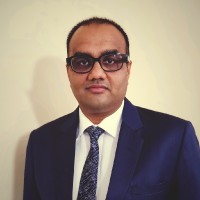
    Mr Mayank Kabra has been appointed as the Finance and Strategy Director of Guinness Nigeria PLC with effect from 1 November, 2024. He will be taking over from Mr Emmanuel Difom, who resigned from his role.

    Mr Kabra is coming on board after the completion of the majority share transfer to N Seven Nigeria Limited from Diageo Nigeria.

    Mayank Kabra is a versatile, result-oriented professional with over 20 years of experience in building high-performance teams, providing finance stewardship, fundraising and executing complex high-impact projects. He has a proven track record of leading large, cross-cultural and multi-functional teams as well as recruiting and mentoring people to progressively handle larger responsibilities.

    Mayank has significant international experience working across diverse geographies like India, Malaysia and Nigeria. He started his career with PWC India in Risk Advisory and Internal Audit Services in 2003 and began independently managing large, critical clients from 2006 onwards across diverse industry segments such as metals and mining, pharmaceuticals, textiles and consumer products. He has worked in a variety of finance roles with Mondelez and Kellogg (now Kellanova) in India and Malaysia. In March 2016, Mayank was appointed the CFO โ€“ West Africa for Kellogg Tolaram Joint Venture. He was instrumental in funding the JVโ€™s first cereals and snacks manufacturing business in addition to setting up the noodles manufacturing business in South Africa.

    In his most recent role, Mayank was responsible for the greenfield SAP implementation across the consumer goods business of Tolaram in Africa where he setup a team of over 80 professionals on-shore and off-shore to operationalise the project across Ghana, Nigeria, Egypt, South Africa and Eswatini.

    Mayankโ€™s educational and professional background includes a degree from University of Pune (India) and membership of the Institute of Chartered Accountants of India and Association of National Accountants of Nigeria (ANAN).

    Following the above changes, the Board composition of Guinness Nigeria Plc. with effect from 1 November 2024 is as follows:

    1. Dr Omobola Johnson โ€“ Board Chair & Independent Non-Executive Director
    2. Mr. Harkishin Aswani โ€“ Vice Chair & Non-Executive Director 3. Mr Girish Sharma – Managing Director (Executive)
    3. Mr Mayank Kabra โ€“ Finance & Strategy Director (Executive)
    4. Mr Deepak Singhal – Non-Executive Director
    5. Mr John Musunga – Non-Executive Director
    6. Prof Fabian Ajogwu, OFR, SAN โ€“ Independent Non-Executive Director
    7. Ms. Ngozi Edozien โ€“ Independent Non-Executive Director
    8. Mrs. Vivien Shobo โ€“ Independent Non-Executive Director

  • Feature: President Tinubu’s Bilateral Summit with Dutch Prime Minister should Revolutionize the  Agriculture Sector

    Feature: President Tinubu’s Bilateral Summit with Dutch Prime Minister should Revolutionize the Agriculture Sector

    I hope that President Tinubuโ€™s recent bilateral summit with the prime minister of the Netherlands involved a deal asking for Dutch investors to come invest in a Nigerian seed company to produce hybrid seedlings

    Ayo Akinfe

    [1] Cocoa – We need to boost our annual harvest to 1m tonnes from the current 330,000 tonnes

    [2] Rice – We need to boost our national harvest to 10m tonnes from the current 4m tonnes

    [3] Sugarcane – We need a 10m tonne crop, up from the current 38,000 tonnes

    [4] Palm oil – We need to boost output to 20m tonnes from the current 1m tonnes

    [5] Wheat – We desperately need to boost production to about 10m tonnes from the current 60,000 tonnes

    [6] Coconuts – We need to boost production to 10m tonnes from the current 265,000 tonnes

    [7] Natural rubber – We need to boost our crop to about 3m tonnes from the current 160,000 tonnes

    [8] Maize – We need a crop of at least 20m tonnes, up from the current 110,000 tonnes

    [9] Cotton – We need to boost production to at least 3m tonnes from the current 105,000 tonnes

    [10] Tomatoes – We need to boost production to about 10m tonnes from the current 4m tonnes

    I have not picked these crops at random. With the likes of rice, wheat, sugar, palm oil and natural rubber, we have squandered billions of dollars importing large quantities over the last six decades.

    With the likes of cocoa, cotton, palm oil and coconuts, we could make a fortune if we mass-produced them and processed these goods into finished products. As per maize, we desperately need it to replace the millions of tonnes of wheat we import annually.

    With all these crops, I have looked at output in countries similar to Nigeria like Thailand, Indonesia, Malaysia, Pakistan, India, Mexico, The Philippines, Brazil, etc. If they can grow all these crops in large quantities, so too can we.

    Nigeria could easily save about $10bn in foreign exchange annually with a sensible agricultural policy. We could then generate an extra $30bn from the export of processed foods if we are serious about it.

    I sometimes wonder if those responsible for Nigeriaโ€™s agriculture live in the real world at all. Why spend $22bn on food imports annually when you could float a hybrid seed company to produce high yielding crop varieties for less than $1bn?

    Move your subsistence peasant farmers off the land and into food processing factories, which will then free up farmland for commercial agriculture.