Tag: Manager

  • 223 Entries Set the Stage as The Nigeria Prize for Literature 2026 Enters Adjudication Phase

    223 Entries Set the Stage as The Nigeria Prize for Literature 2026 Enters Adjudication Phase

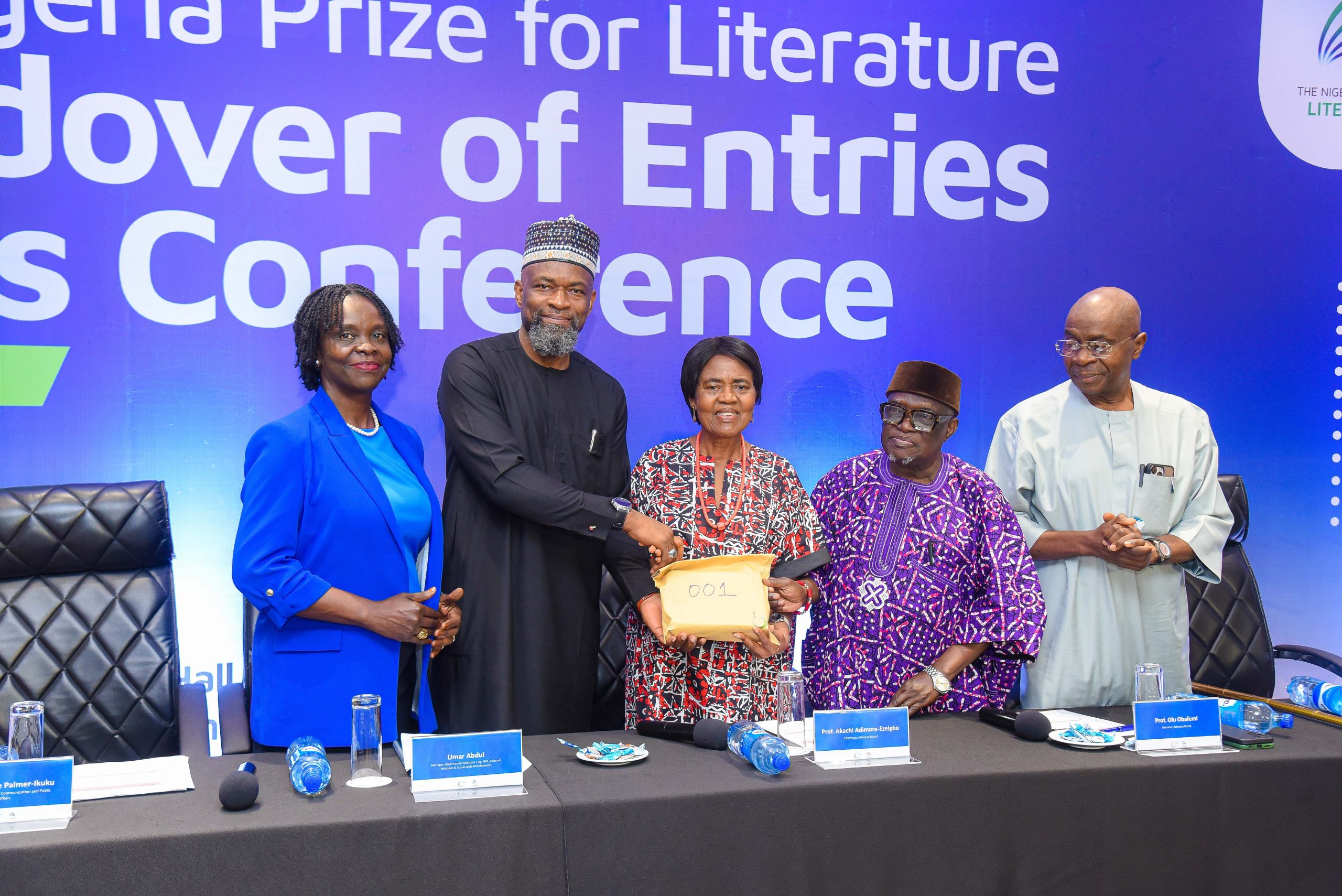
    The 2026 edition of The Nigeria Prize for Literature has entered the adjudication stage following the formal handover of 223 entries by NLNG to the Advisory Board and panel of judges in Lagos on Monday. The submission volume reflects a strong outing for the poetry category, broadly in line with recent cycles and demonstrating sustained participation from writers. While slightly below some peak years, the figure remains competitive, particularly when viewed alongside recent prose entries, underscoring continued interest in the Prize and reaffirming its significance within Nigeria’s literary landscape.

    Speaking at the press conference, the General Manager, External Relations and Sustainable Development, NLNG, Dr. Sophia Horsfall, represented by Abdul Umar, Manager, Government Relations, NLNG, described the handover as the beginning of a rigorous and defining process that will ultimately determine this year’s winning work.

    “This marks the start of a process that demands attention, patience, and sound judgement, and will ultimately determine the work that defines this year’s Prize,” she said.

    This year’s $100,000 Prize, widely regarded as one of Africa’s most prestigious literary honours, focuses on Poetry. Dr. Horsfall noted that the genre demands precision, depth, and clarity, with expectations shaped by the strong benchmark set in previous cycles, particularly the 2022 edition, which produced a winning work that continues to resonate within contemporary Nigerian literature.

    She reaffirmed NLNG’s commitment to sustaining a credible platform that promotes literary excellence and contributes to national development through the arts.

    “At NLNG, we have consistently provided a platform that supports excellence and inspires a sustainable future. Beyond recognising talent, the Prize has contributed to the growth of reading culture, encouraged discipline in writing, and strengthened Nigeria’s literary landscape,” she added.

    Dr. Horsfall emphasised that the credibility of the Prize lies in the integrity of its adjudication process, which will involve months of detailed reading, evaluation, and deliberation, culminating in a longlist of eleven entries, a shortlist of three, and ultimately, the selection of a winner.

    The entries were formally presented to the Advisory Board, chaired by Professor Akachi Adimora-Ezeigbo, who in turn handed them over to the panel of judges for evaluation in line with established standards.

    Speaking while receiving the entries, Prof. Adimora-Ezeigbo commended NLNG for its continued dedication to the Prize, noting that each edition reflects the evolving depth and diversity of Nigerian writing across genres.

    She also acknowledged the writers whose submissions continue to sustain the Prize’s relevance and impact and urged the panel of judges to demonstrate the highest level of professionalism and depth in selecting the winning entry.

    The Nigeria Prize for Literature, sponsored annually by NLNG, remains a flagship initiative in the company’s commitment to education, culture, and sustainable development, and continues to serve as a benchmark for literary excellence in Africa.
  • NLNG Concludes 2026 VIBES Pitch-a-Thon, Disburses ₦250m in Business Grants

    NLNG Concludes 2026 VIBES Pitch-a-Thon, Disburses ₦250m in Business Grants

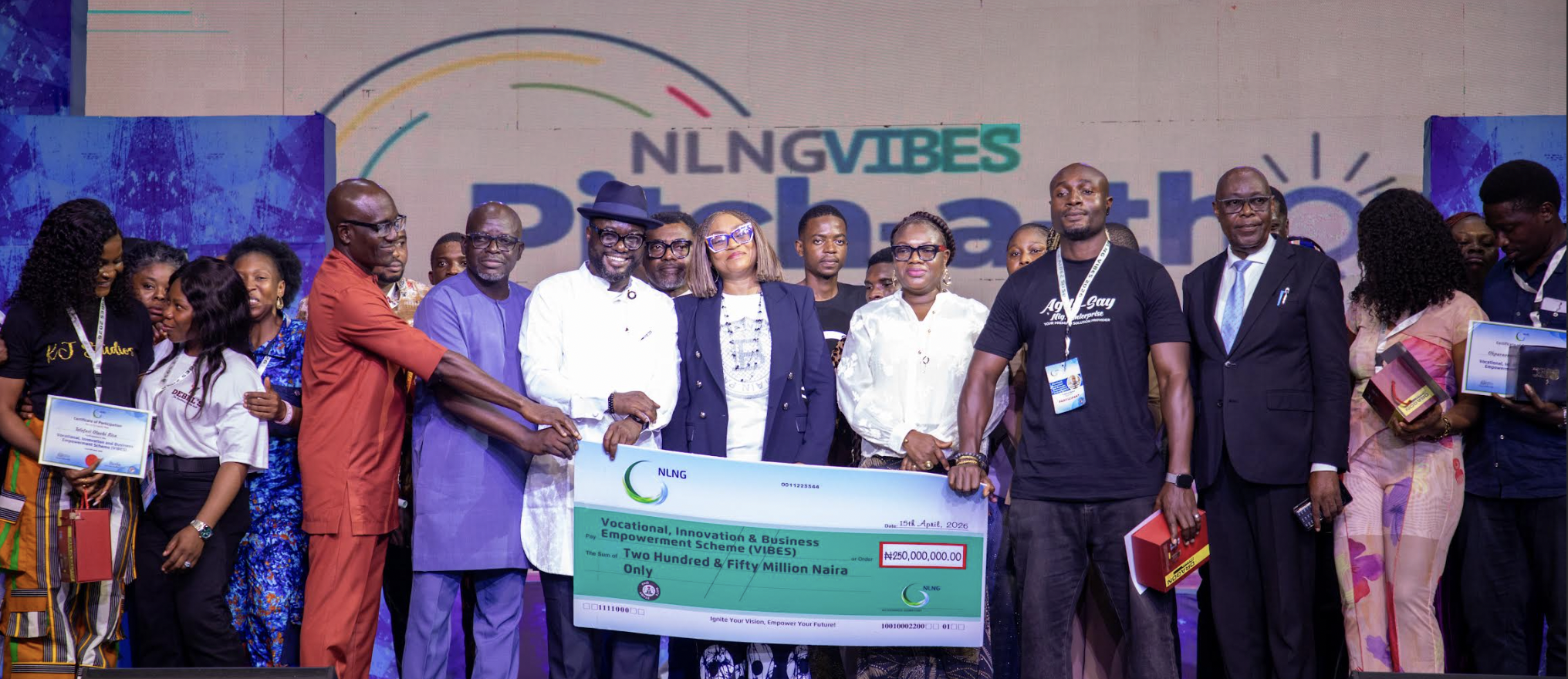
    NLNG has disbursed a total of ₦250 million in grants to 51 entrepreneurs following the conclusion of its 2026 Vocational Innovation and Business Empowerment Scheme (VIBES), which commenced with the induction of 103 participants from its host communities in Rivers State.

    The grants followed a competitive pitch-a-thon that brought the programme to a close, with participants presenting their business ideas and funding requirements before a panel of judges. Selections were based on the viability, scalability, and sustainability of each proposal.

    Speaking at the event, NLNG’s General Manager, External Relations and Sustainable Development, Sophia Horsfall, said the grant component of VIBES is designed to ensure that participants are not left with just training, but are supported to take the next practical step in establishing their businesses.

    “What we are doing with this funding is bridging the gap between learning and execution. Many small businesses struggle at that stage where they have the knowledge but lack the capital to move forward. Through VIBES, we are providing targeted support to help these entrepreneurs implement their ideas, stabilise their operations, and position their businesses for growth,” she said.

    Horsfall added that the initiative reflects NLNG’s broader approach to sustainable community development, noting that combining capacity building with access to funding enables beneficiaries to make measurable progress, strengthen their businesses, and create real economic value within their communities. “It is about providing sustainable livelihoods”, she said.

    In his remark, Manager, Community Relations and Sustainable Development, Yemi Adeyemi, commended participants for their dedication throughout the programme and the quality of ideas presented during the pitch-a-thon. He noted that the funding is intended to provide critical growth capital to enable beneficiaries expand operations, improve productivity, create jobs, and strengthen their market position.

    He thanked all participants for their commitment and reaffirmed NLNG’s continued investment in enterprise development, and support for initiatives that build local capacity, promote entrepreneurship, and create sustainable economic opportunities in its host communities.

    The pitch-a-thon marked the culmination of a four-week intensive business capacity-building programme, during which participants were equipped with practical skills in financial management, business strategy, marketing, and operations to strengthen their enterprises.

    The programme, built on innovation, scalability, and sustainability, reinforces NLNG’s commitment to inclusive economic development, integrating capacity building with funding to help entrepreneurs grow, sustain their businesses, and drive long-term impact.

  • Multinational: African Development Bank’s Sustainable Energy Fund for Africa Approves $5.65 Million to Pioneer New Climate Finance Instrument for Off-Grid Renewable Energy projects in Africa’s Fragile States

    Multinational: African Development Bank’s Sustainable Energy Fund for Africa Approves $5.65 Million to Pioneer New Climate Finance Instrument for Off-Grid Renewable Energy projects in Africa’s Fragile States

    Innovative Peace Renewable Energy Certificate (P-REC) Aggregation facility to unlock new hard-currency revenue for mini-grids, targeting 856,000 people across 14 frontier countries

    The African Development Bank Group’s Board of Directors has approved a $5.65 million reimbursable grant from the Sustainable Energy Fund for Africa (SEFA) to pilot the Peace Renewable Energy Certificate (P-REC) Aggregation Facility, a pioneering initiative that will, for the first time, deploy renewable energy certificates as a direct funding instrument for a portfolio of mini-grids across Africa’s most fragile and energy-poor countries.

    Co-financed with the Nordic Development Fund, which committed an equivalent of $5.65 million, the $11.3 million facility will be managed by Camco Clean Energy, a climate and impact fund manager, and Energy Peace Partners, a US-registered non-profit that developed the Peace Renewable Energy Certificate label. The certificates come exclusively from small-scale mini-grid projects in conflict-affected and energy-poor communities, and are voluntarily purchased by multinationals looking to put their corporate sustainability spending where it drives the greatest social and environmental impact.

    The facility will enter into long-term purchase agreements with qualifying mini-grid developers across 14 frontier countries—Burundi, Central African Republic, Chad, the Democratic Republic of Congo, Ethiopia, Liberia, Mali, Niger, Nigeria, Sierra Leone, Somalia, South Sudan, Sudan, and Uganda. It will provide developers with upfront cash payments in exchange for the rights to the certificates produced by the project. The facility will subsequently sell those certificates to global corporate buyers, channelling hard currency back to developers in markets where commercial financing is very limited.

    Some 856,000 people across these 14 countries are expected to gain first-time access to reliable electricity as a result, roughly half of them women, through approximately 240,000 new connections and 71 megawatts of new renewable energy capacity.

    The project is fully aligned with Mission 300, the joint African Development Bank and World Bank initiative to connect 300 million Africans to electricity by 2030. NDF is contributing to the ambitious energy access targets of Mission 300 through their sizable renewable energy portfolio and as a member of the Development Partner Coordination Group.

    “Lack of access to capital for rural electrification continues to be a major hurdle for universal energy access in the African continent, particularly in countries experiencing conflicts and fragility.  I am proud that SEFA is backing this innovative, first-of-a-kind facility testing a new climate finance product capable of unlocking new sources of commercial funding for private sector led mini-grids. This is the kind of market-making needed to advance Mission 300 objectives.” João Duarte Cunha, Manager, Renewable Energy Funds Division and Sustainable Energy Fund for Africa, African Development Bank Group

    “Countries in SubSaharan Africa facing fragile and conflictaffected situations urgently need support and access to clean, reliable energy solutions. At NDF, we are proud to contribute to the Innovative Peace Renewable Energy Certificate (PREC) Aggregation Facility, which helps bring smallscale, offgrid renewable energy to communities with no, limited or disrupted energy access. By supporting this initiative, we also strengthen the role of Nordic climate leadership—working in partnership, through innovation and responsibility, to advance sustainable energy solutions where they are needed most.” Satu Santala, Managing Director, Nordic Development Fund (NDF)

    “PAF will provide additional low-cost, non-dilutive capital to energy access projects in fragile states. In doing so, it will provide more communities with access to the benefits of clean energy, boosting jobs, opportunities, and living standards. Camco is pleased to be working with EPP, SEFA and NDF on this important initiative.” Geoff Sinclair, CEO, Camco

    “The majority of people on the continent without access to electricity live in fragile and conflict-affected countries where renewable energy projects can have outsize impacts – improving health, education, safety and security outcomes. The P-REC Aggregation Facility, based on EPP’s Peace-REC label, can accelerate that transition by converting corporate climate ambition into upfront capital for renewable energy developers who would otherwise struggle to close their projects.” Sherwin Das, Managing Director, Energy Peace Partners

  • HumanManager Is Heading to Lagos Tech Fest — Let’s Talk the Future of Work!

    HumanManager Is Heading to Lagos Tech Fest — Let’s Talk the Future of Work!

    Lagos Tech Fest is where builders, founders, operators, and innovators gather to shape what the next phase of Africa’s digital ecosystem looks like. On Wednesday, 18th February, 2026, at the Landmark Centre, Victoria Island, Lagos, HumanManager will be there – not just as attendees, but as exhibitors.

    Behind every scaling startup, expanding enterprise, and ambitious product team is a workforce that needs structure, clarity, and compliance. As businesses grow, people operations become more complex. Payroll, tax regulations, employee records, and multi-country compliance are not always visible in the spotlight, but they are critical to sustainable growth.

    For decades, HumanManager has supported organisations across Nigeria, Ghana, Liberia, and Kenya in managing their workforce with confidence. From SMEs to large enterprises and government institutions, we’ve built systems that reduce operational friction and help leaders stay focused on growth instead of paperwork.

    Africa’s business landscape is evolving quickly. Regulations change, teams become more diverse and multi-generational, and companies increasingly operate across borders. HumanManager is designed for that reality — robust enough to support scale, simple enough for everyday use, and flexible enough to adapt as markets shift.

    If you’ll be at Lagos Tech Fest, stop by the HumanManager stand. Take time out to talk about building teams without operational chaos, staying compliant without unnecessary stress, and creating systems that give managers the confidence to lead well. Because when people operations work smoothly, businesses move faster.

    See you at Lagos Tech Fest.

  • Residents, APL Electric Staff Lead Fitness Walk in Aba to Campaign Against Energy Theft

    Residents, APL Electric Staff Lead Fitness Walk in Aba to Campaign Against Energy Theft

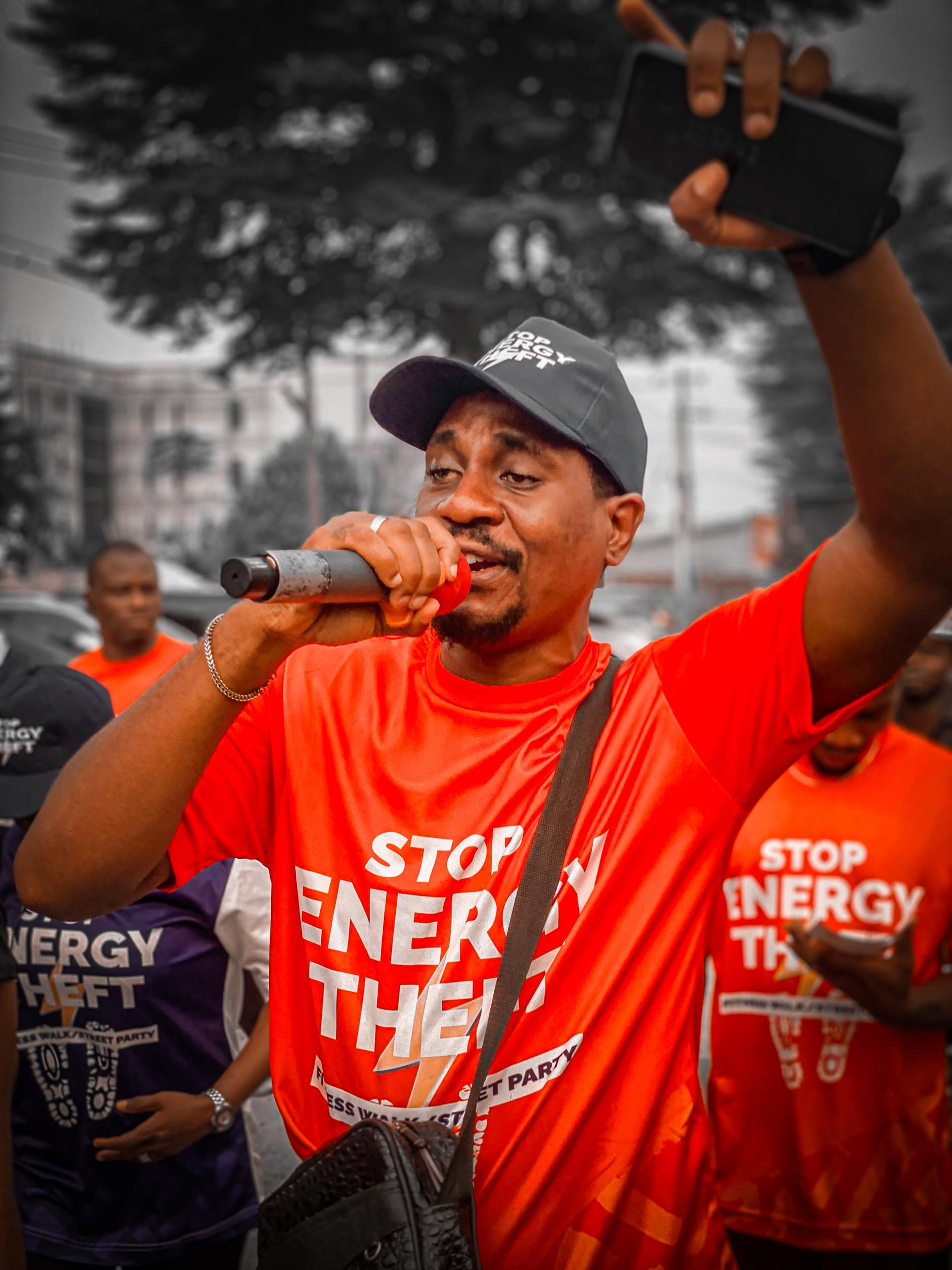
    Residents of Aba and staff of APL Electric took to the streets Monday morning in a colourful fitness walk aimed at raising public awareness against energy theft, a persistent challenge undermining the performance of Nigeria’s electricity distribution system.

    The walk, which began at 8 a.m., was led by Mr. Edise Ekong, Manager of Branding and Communication at APL Electric. Participants wore themed outfits and carried placards with messages such as “Stop Energy Theft”.

    Mr. Ekong described energy theft as “a cancer that must be uprooted from our power system.” He said the event was both a community engagement exercise and a strong public appeal for ethical energy consumption.

    “We want to promote a culture of responsible energy use. Stealing power not only hurts the distribution company but every paying customer and the stability of the entire grid,” Ekong said.

    Several participants agreed that the informal and energetic atmosphere helped bridge the gap between staff and customers. Mrs. Ini Uyo, Manager of Customer Care at APL Electric, said the fitness walk was designed to “create a relaxed setting where staff and customers can bond, have fun, and send a powerful message to the public.”

    Chanting slogans in the local Pidgin dialect — “No dey thief light; if dem catch you, you go jail” — the group danced and exercised along major roads in the commercial city.

    Mr. Alfred Ategie outlined common forms of energy theft, including meter bypass, illegal connections, meter tampering, and load diversion.

    “We urge responsible customers to report anyone engaging in these criminal acts,” he said, noting that theft increases operational costs and deprives paying customers of quality service.

    Mr. Ekong also highlighted the progress APL Electric has made in reducing unmetered consumption in its service territory.

    “We have metered over 90% of our customer base and are providing more meters to customers. This is no small feat, and we ask that customers reciprocate this goodwill by paying for what they consume.”

    The campaign received support from several private sector partners including iRecharge, Kayz Consortium, Eve Electric, Master Energy Metering Company, Sabrud, and PalJ Press Africa, who contributed logistics and promotional items.

    During the event, the iRecharge team distributed gifts to participants and customers who won physical challenges during the walk.

    The Nigerian Electricity Regulatory Commission (NERC) has repeatedly highlighted the impact of Aggregate Technical, Commercial, and Collection (ATC&C) losses — a composite measure of unbilled energy, billing inefficiencies, and uncollected revenue — on the nation’s power sector.

    In its Quarter Two 2025 report, NERC reported that the weighted average ATC&C loss across all distribution companies was 37.92 %, significantly higher than the 20.54 % target set under the 2025 Multi-Year Tariff Order (MYTO). This level of loss translated to an estimated ₦158.05 billion in lost revenue during the period.


    The report also showed that while DisCos billed ₦742.34 billion worth of energy, only ₦564.71 billion was collected, indicating a collection efficiency of 76.07 %, and a billing efficiency of 81.61 %.

    NERC and sector stakeholders have identified energy theft and inadequate metering as key contributors to these losses.

    Improved Service in Aba

    Local residents noted that power supply in Aba has improved markedly since Geometric Power took over and APL Electric commenced mass metering efforts. Many commended the company for fair billing and more consistent availability of electricity.

  • JMG and Jamara Home Spread Hope This Yuletide Support Children Living with Cancer

    JMG and Jamara Home Spread Hope This Yuletide Support Children Living with Cancer

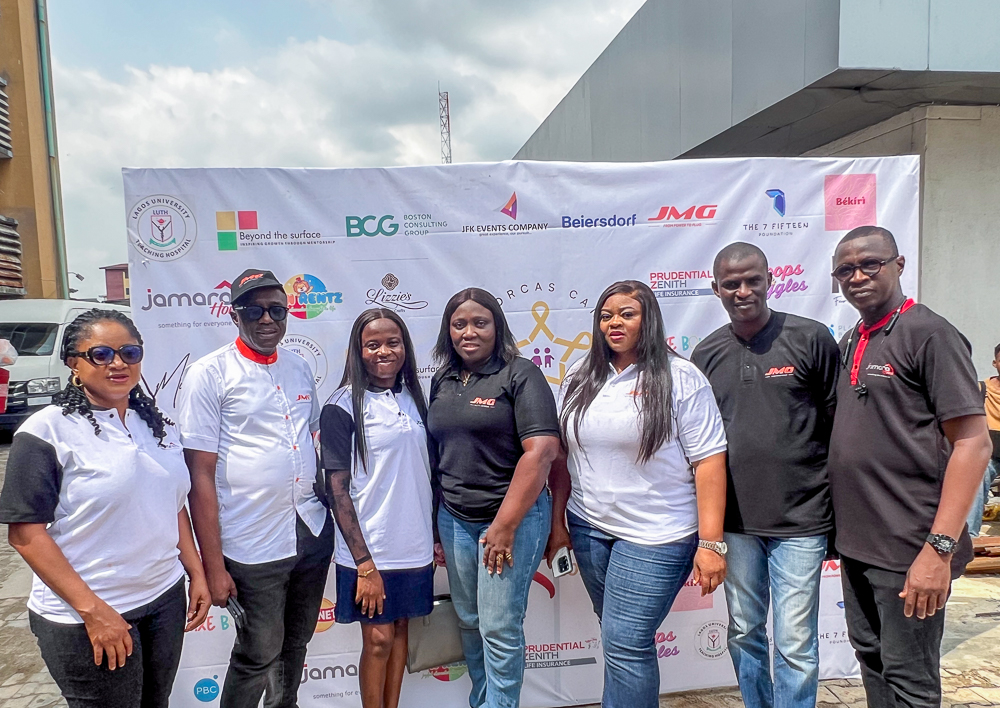
    JMG Limited, a leading electro-mechanical company, alongside its subsidiary, Jamara Home, a prominent wholesale and retail hub for electronics and home appliances, brought joy, comfort, and renewed hope to children living with cancer this yuletide through a partnership with The Dorcas Cancer Foundation.

    The companies sponsored the Foundation’s annual Christmas celebration themed “Basket of Love,” a heartwarming event that saw children presented with thoughtful gifts and treated to a festive experience designed to lift spirits and spread cheer.

    As part of their support, JMG and Jamara Home donated Chemo Kit boxes and made cash contributions to further the Foundation’s mission of providing care, advocacy, and hope to children battling cancer.

    The yuletide celebration was a true expression of compassion, kindness, and community. It featured special performances by legendary musician, Cobhams Asuquo and Precious Mac, first runner-up of Nigerian Idol Season 10, filling the venue with music, laughter, and unforgettable moments for the children, their families, caregivers, and supporters.

    Speaking at the event, Anthonia Ogunsanya, Manager, Customer Support at Jamara Home, noted that the initiative aligns with the company’s corporate social responsibility focus and core values. “We are proud to make a difference in the lives of these children. Partnering with The Dorcas Cancer Foundation for their annual end-of-year celebration reflects our commitment to compassion, kindness, and community support”.

    Also speaking at the event, Oluwatomi Tumininu Faniran, Head of Marketing at JMG, emphasised the company’s dedication to healthcare interventions.

    “Healthcare is a key pillar of JMG’s CSR initiative, and we are delighted to support this cause alongside The Dorcas Cancer Foundation. Every child deserves access to quality healthcare, and we remain committed to initiatives that positively impact lives,” she added.

    JMG Limited has consistently been at the forefront of delivering innovative healthcare solutions to the Nigerian market, with a strong portfolio of pharmaceutical and consumer healthcare products that underscore its commitment to improving the health and well-being of Nigerians.

    Jamara Home, on the other hand, has built a trusted reputation in the home and personal care space, offering a wide range of quality products tailored to the needs of Nigerian families.

    Through this sponsorship and active participation, JMG and Jamara Home reaffirmed their commitment to giving back to society and supporting children living with cancer, especially during the season of love and giving.

  • Africa’s Artificial Intelligence (AI) Revolution: African Development Bank report projects $1 trillion in additional Gross Domestic Product (GDP) by 2035 with use of AI to enhance productivity

    Africa’s Artificial Intelligence (AI) Revolution: African Development Bank report projects $1 trillion in additional Gross Domestic Product (GDP) by 2035 with use of AI to enhance productivity

    The report asserts that realising the potential of AI depends on five interlinked enablers: data, compute, skills, trust, and capital

    The African Development Bank has released a report establishing a strategic roadmap for unlocking the economic and social potential of artificial intelligence (AI) across Africa. Developed under the G20 Digital Transformation Working Group, Africa’s AI Productivity Gain: Pathways to Labour Efficiency, Economic Growth and Inclusive Transformation  gives an overview of the potential of A1 to foster development.

    Download Report: https://apo-opa.co/4qrgJft

    The study, carried out by consulting firm Bazara Tech, finds that inclusive AI deployment could generate up to $1 trillion in additional GDP by 2035- equivalent to nearly one-third of the continent’s current economic output. This potential is underpinned by Africa’s growing digital capacity, favorable demographics, and ongoing sectoral reforms, making it one of the most promising regions for AI-driven growth globally.

    According to the report the AI dividend is expected to be concentrated in select high-impact sectors, rather than spread evenly across Africa’s economy. Analysis identified five priority sectors— agriculture (20%), wholesale and retail (14%), manufacturing and Industry 4.0 (9%), finance and inclusion (8%), and health and life sciences (7%)—which together are projected to capture 58% of the total AI gains, or approximately $580 billion by 2035. These sectors combine economic size, readiness to adopt AI, and strong potential to deliver inclusive development outcomes.

    “We have set out the key actions in this report, identifying the areas where initial implementation should be focused,” said Nicholas Williams, Manager of the ICT Operations Division at the Bank. “The Bank is ready to release investment to support these actions. We expect the private sector and the government to utilize this investment to ensure we achieve the identified productivity gains and create quality jobs”.

    The report asserts that realising the potential of AI depends on five interlinked enablers: data, compute, skills, trust, and capital. Reliable and interoperable data forms the foundation for AI insights, while scalable compute infrastructure ensures solutions can be deployed efficiently across the continent. It notes that a skilled workforce is essential to develop, implement, and maintain AI systems, and trust—built through governance, and regulatory frameworks—underpins adoption. The report also notes that the enablers, together with adequate capital investment  to de-risk innovation and accelerate deployment,  would “foster a cycle of AI-driven growth.”

    The report also outlines a three-phase roadmap toward Africa’s AI readiness: ignition (2025-27), consolidation (2028-31) and scale (2032-35). 

    “Achieving early milestones by 2026 will set Africa’s AI flywheel in motion,” said Ousmane Fall, Director of Industrial and Trade Development at the Bank. “Africa’s challenge is no longer what to do — it is doing it on time.”

  • Dangote installs cameras on CNG trucks, recertifying all truck drivers

    Dangote installs cameras on CNG trucks, recertifying all truck drivers

    Enforcing its zero tolerance for auto crashes, the Dangote Articulated Trucks Drivers Training School (DATDTS), in collaboration with the Federal Road Safety Corps (FRSC), is implementing stricter entry requirements for aspiring drivers.

    This development comes as Dangote Cement Plc undertakes the recertification and screening of all its truck drivers at the company’s Obajana plant in Kogi State.

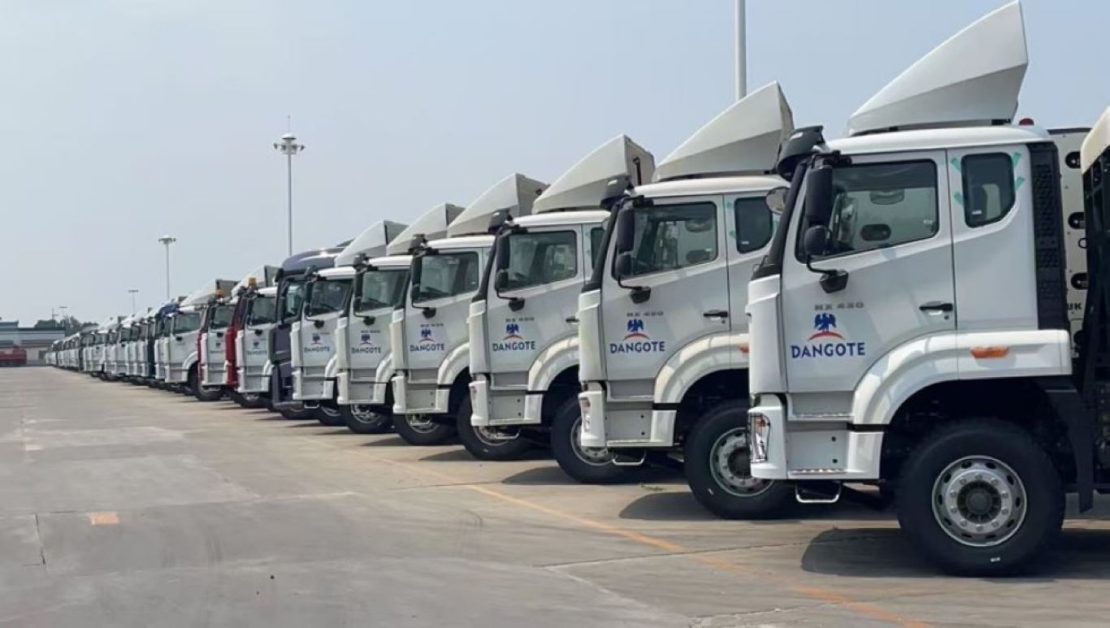
    Speaking to newsmen at the Obajana Plant, Head of Transport, Dangote Cement Plc, Mr. Murilo Silva, said as part of efforts to promote safe driving and achieve zero road crashes, the company has since begun installing cameras across its fleet of thousands of CNG trucks. He revealed that applicants must be at least 23 years of age and possess a minimum of five years’ relevant driving experience, in addition to holding a valid Class G driver’s license.

    He explained that anyone seeking employment as a truck driver must undergo a thorough examination and screening process, which includes medical evaluations and drug testing.

    Mr. Silva said an applicant must have a clean criminal record, with no pending legal cases.

    He added: “The Dangote Cement Plc has a Policy on driver employment processes that gives the criteria for DADTS processes of engaging new drivers, especially mandatory 5 years of experience and a compulsory class G license.”

    According to him: “FRSC conducts on regular basis Certification and recertification trainings for drivers at the DATDTS Complex.
    “The company currently has a full-fledged Department for Health, Safety and Environment Assessment. It also conducts drugs and alcohol test, blood pressure test, confirms drivers fit for trips and others before making trips.”

    He said the cement company has instituted certain measures to curb auto crashes.

    According to him, drivers’ participation in the company’s monthly training programme has grown by 60% this year, with drug and alcohol testing up by 40%, while pre-trip inspections have recorded an impressive 74% increase.

    Earlier, the Divisional Head of Transport at DCP Obajana, Mr. Hemant Rana, disclosed that the company has established a multi-million-naira Pre-Trip Inspection Bay, staffed with engineers and mechanics, to ensure thorough inspection of trucks before they embark on journeys.

    He said, “We have built a Driver’s Rest House for Drivers to rest after making trips and before embarking on new trips.”
    Mr. Rana explained further that: “We have developed a monitoring system of our drivers that helps them do their jobs safely. We have Drivers Help Desk Units that follow up with drivers’ situations while on trips. We also have a Control Department that follows up with drivers’ behaviour while on trips.”

    The Manager of the Dangote Articulated Truck Drivers Training School, Mr. Daniel Marcus Akuso, said that the institution is the first of its kind in Nigeria, adding that programmes are being implemented in collaboration with the Federal Road Safety Corps (FRSC).
    He said some of the courses offered in the school include: Civic Education, English, Mathematics, Defensive Driving, Truck Handling, Maintenance Technology, DCT Administration Procedures, Root Cause Analysis, Health and Science, Road Signs and Codes, among others.

    The Group Managing Director of Dangote Cement Plc, Arvind Pathak, had told newsmen in Lagos that no less than 1,500 Dangote Cement truck drivers have undergone intensive screening exercises to ascertain their mental, psychological and physical fitness for safe driving.

    He explained that the screening exercise has been made mandatory for the drivers, but it had to be more intensive given the situation on the roads across the country.

    “Every driver employed by Dangote Cement is required to undergo an extensive and rigorously structured recruitment process that includes: Valid Driver’s license class G, background verification of both the driver and their guarantors, comprehensive medical evaluation, including vision screening (eye test), blood pressure checks, BMI -body mass index, RBS – random blood sugar test as well as drug and alcohol testing,” he said.

  • NSML Wins Maritime Excellence Award, Reaffirms Commitment to Capacity Building

    NSML Wins Maritime Excellence Award, Reaffirms Commitment to Capacity Building

    NLNG Shipping and Marine Services Limited (NSML) has reiterated the critical role of maritime training and capacity development as key enablers for navigating the evolving global maritime regulatory landscape.

    Speaking at the Association of Maritime Journalists of Nigeria (AMJON) Conference held at the Sheraton Hotel, Ikeja, Lagos, NSML’s Managing Director, Mr. Abdulkadir Ahmed, represented by Mr. Mutiu Olayiwole, Manager, Finance & Corporate Services delivered an insightful paper titled “The Evolving Global Maritime Regulatory Environment – The Role of Maritime Training and Capacity Development.”

    In his remarks, Ahmed highlighted that the maritime industry, which serves as the backbone of global trade, is experiencing swift regulatory changes driven by environmental concerns, technological advancements, and human capital needs. He further observed that this new regulatory landscape, shaped by the International Maritime Organisation’s (IMO) decarbonisation targets and a heightened focus on cyber risks, requires a maritime workforce that is highly skilled, adaptable, and prepared for the future.

    Ahmed emphasised the importance of closing the knowledge and skills gap created by regulatory and technological shifts. He also advocated for continuous update of training curricula covering environmental compliance, digital operations, cybersecurity awareness, and the practical application of international maritime conventions.

    “Compliance, safety, and operational efficiency hinge on our ability to train and empower seafarers and maritime professionals to meet the moment,” he stated.

    Ahmed also stressed NSML’s strategic investments in human capital development, particularly through the Maritime Centre of Excellence (MCOE) in Bonny, Rivers State. The MCOE is the first training facility in Africa to receive accreditation from the UK Maritime and Coastguard Agency (UK MCA). It is also certified by DNV and approved by NIMASA, enabling it to deliver STCW 2010-compliant courses.

    “NSML is proud to champion Nigeria’s maritime development, not just through vessels and infrastructure, but by investing in the people who power the industry,” Ahmed affirmed.

    He commended AMJON for its crucial role in shaping maritime discourse and reaffirmed NSML’s unwavering commitment to building a resilient, safe, and sustainable maritime future for Nigeria and the African continent.

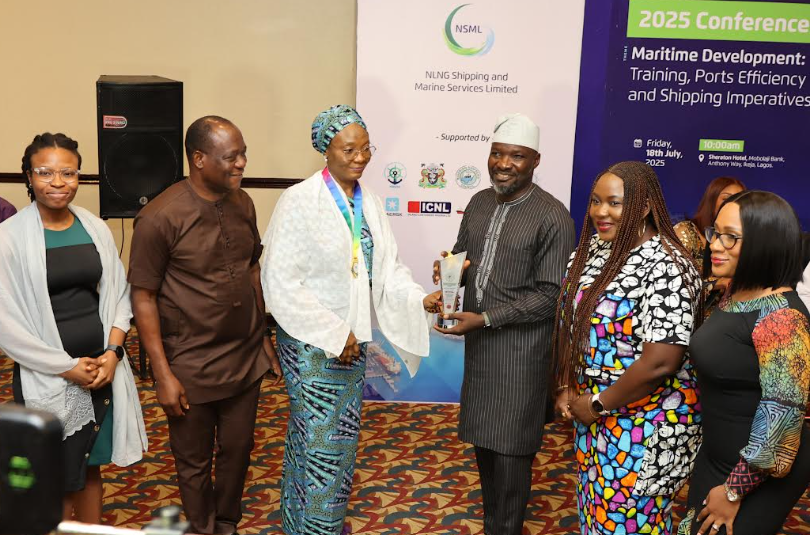
    A major highlight of the conference was the presentation of the Maritime Excellence Service Award to NSML by AMJON. The award recognises NSML’s outstanding contributions to sustainable shipping and the transformation of Nigeria’s maritime sector through world-class training, operational innovation, and strategic investments.

    Through its Structured Cadetship Development Programme (SCDP), NSML has trained over 200 cadets, many of whom are now actively engaged in the company’s operations. This has contributed to an 85% Nigerianisation rate of crew aboard NSML-managed vessels and 100% Nigerian staffing in onshore roles.

    NSML also operates one of the most sophisticated maritime simulation suites in Africa. This facility offers immersive, real-time training covering bridge, engine room, and cargo operations, as well as emergency response scenarios, ensuring trainees are well-prepared for global maritime challenges.

    Beyond training, NSML remains a leader in the transformation of Nigeria’s maritime sector. The company is overseeing the construction of a 23,000m³ LPG vessel in South Korea and advancing its fleet renewal strategy by replacing aging steam vessels with modern, dual-fuel LNG carriers such as AXIOS II and AKTORAS.

  • Seplat Energy Drives Media Entrepreneurship, Empowers 50 Journalists in Lagos

    Seplat Energy Drives Media Entrepreneurship, Empowers 50 Journalists in Lagos

    Seplat Energy Plc, foremost Nigerian independent energy Company, on the 25th and 26th June 2025, successfully trained 50 journalists covering the Capital Market, Judiciary, Finance and Business on Media Entrepreneurship.

    The training, which was organized by the Company in conjunction with ELOH Consulting Limited, brought together 50 journalists covering Capital Market, Judiciary, Finance and Business across print, online and electronic media platforms.

    The programme equipped participants with essential business acumen and  skills to thrive as entrepreneurs and future business leaders. The training helped participants deepen their understanding of strategic business principles, enhanced their management and leadership capabilities, and empowered them to build sustainable businesses that deliver impactful results.

    The media training opened with a keynote address from the Manager, Corporate Communications, Seplat Energy Plc, Mr. Stanley Opara, who represented the Director, External Affairs & Social Performance, Seplat Energy, Mrs. Chioma Afe. According to him, apart from developing participants’ leadership and management capabilities, enabling them to create sustainable businesses and take on greater responsibilities in the evolving business landscape, the initiative also aims to nurture a new generation of media professionals who can drive enterprises and achieve significant business results.

    Additionally, the programme fostered interaction between journalists and key anti-corruption and security agency stakeholders to broaden understanding of governance and operational frameworks.

    The training featured a stellar lineup of facilitators and guest speakers including: Professor Pat Utomi: A renowned academic and thought leader delivered a session titled “Can Managers or Professionals (like Journalists) Make Good Entrepreneurs?” He explored the transition from professional roles to entrepreneurial success; Dr. Solomon Avbioroko: Former director at Coca-Cola International and a lecturer at the Lagos Business School shared insights on business management and entrepreneurship; and Mr. Olu Onakoya, a former Managing Director of Mobil Nigeria, provided valuable leadership and corporate governance perspectives.

    Other facilitators include Nnamdi Uwaemelulam, who focused on Media Technology while Uloma Okoro, dwelt on “Developing a Business Model & Writing Winning Business Plans”.

    In addition to business experts, the programme hosted key figures from Nigeria’s anti-corruption and security agencies. This segment was intended to foster critical dialogue on security and governance challenges in Nigeria.

    Facilitators for this session included: Mr. Ola Olukoyede, Chairman, Economic and Financial Crimes Commission (EFCC); Dr. Musa Adamu Aliyu (SAN), Chairman Independent Corrupt Practices Commission (ICPC); and Mr. Oluwatosin Ajayi, Director-General, Department of State Services (DSS).

    These officials engaged participants on topics including the fight against insecurity and corruption, intelligence gathering, and the legal frameworks supporting their operations.

    Participants deeply appreciated Seplat Energy for organising a well-structured and impactful programme. They highlighted the training’s relevance in equipping them with skills to navigate the evolving media landscape and explore entrepreneurial opportunities.

    Seplat Energy’s commitment to fostering professional development and entrepreneurship among journalists was evident, and the event set a new standard for future initiatives.

  • NLNG Launches Human Capital Development Programme Under Train 7 Project

    NLNG Launches Human Capital Development Programme Under Train 7 Project

    NLNG says it is committed to building Nigerian capacity as it launches its Train 7 Project Human Capital Development (HCD) Basic Training Supplementary Programme in Port Harcourt today.

    The event, which took place in The Hotel Presidential Port Harcourt, was graced by officials from the Nigerian Content Development and Monitoring Board (NCDMB), including Mrs. Tarilate Teide-Bribena, Manager, Human Capital Development, alongside members of the NLNG Management Team, training facilitators, and the newest cohort of beneficiaries.

    In his keynote speech, NLNG’s Nigerian Content Development Manager, Engr. Dagogo Buowari (FNSE), described the programme as a milestone in NLNG’s broader commitment to achieving Nigerian Content targets and empowering the nation’s youth through skills-based development.

    “This initiative further strengthens NLNG’s role in supporting Nigerian Content development, especially within the ongoing Train 7 Project. We are proud to sustain this momentum in collaboration with the NCDMB, whose visionary support continues to drive human capital development across Nigeria,” he stated.

    The supplementary training is an expansion of the Train 7 HCD Basic Training Programme. It offers two distinct learning tracks designed to meet the diverse needs of participants: structured theoretical modules through classroom training, and practical, field-based experience through hands-on training. Each of these components follow a carefully developed curriculum with specific milestones to ensure that trainees graduate with both industry-relevant knowledge and applied technical competence.

    “For the trainees, this is not just a learning programme—it is a launchpad for your professional journey,” Engr. Buowari noted. “I urge you to commit fully, complete all required modules, and take the certification process seriously. This experience could define your future.”

    Beyond technical training, the programme is structured to holistically support the personal and professional development of each participant. Trainees will have access to healthcare services through Reliance HMO, ensuring their wellness throughout the training period.

    They will also be enrolled in mentorship programmes designed to provide guidance from seasoned professionals in the oil and gas industry. Additionally, wellness and support services, including counselling and emotional support resources, will be available to help participants maintain balance and resilience. Regular performance reviews and career counselling sessions will ensure each trainee’s progress aligns with their long-term professional aspirations.

    These offerings reflect NLNG’s commitment to skill acquisition and to developing well-rounded professionals capable of thriving in dynamic and demanding environments.

    Engr. Buowari, during the ceremony, also recognized the dedication of NLNG staff and project teams whose tireless work behind the scenes made the programme’s expansion a reality. “Many hands within NLNG have worked tirelessly to make today a success. From those present in this room to others handling business-critical operations elsewhere, we say thank you. Your efforts are contributing to a more sustainable and empowered Nigeria,” he remarked.

    The Train 7 Project, a significant expansion of NLNG’s production capacity, continues to align with Nigeria’s national vision for local content, inclusive growth, and youth empowerment. Through initiatives such as this training programme, NLNG is reaffirming its purpose-driven mission of “Inspiring a Sustainable Future.”

  • NLNG urges supportive policies to drive decarbonisation in LNG shipping

    NLNG urges supportive policies to drive decarbonisation in LNG shipping

    NLNG has called for policies and regulations tailored to the uniqueness, dynamics, and challenges of the LNG shipping industry to drive decarbonisation and prepare for a net-zero future.

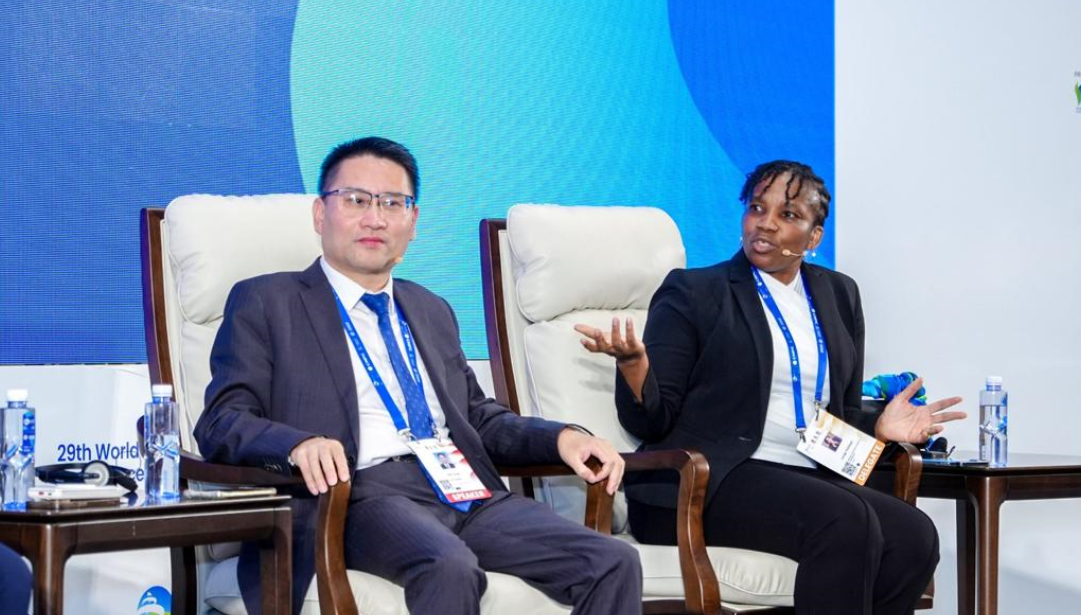
    Speaking during a panel session on LNG Shipbuilding and Transportation at the 29th World Gas Conference (WGC2025) in Beijing, NLNG’s Deputy Managing Director, Olakunle Osobu,  represented by Tolu Longe, Manager, Commercial Contract Management, emphasised that policies should also incentivize innovation across the vessel lifecycle—from construction to decommissioning—while supporting unproven but promising technologies.

    “Unlike shipping, where the IMO provides global oversight, other sectors face fragmented national regulations. More cohesive policies could accelerate decarbonisation, particularly in emerging areas like onboard carbon capture. Modular capture systems exist, but without regulatory and economic frameworks, they remain commercially unviable.

    “Financing remains a major hurdle. The financial sector has been slow to align with decarbonisation goals, often prioritising traditional credit metrics over climate impact. This disparity is especially pronounced in regions like Africa, where access to subsidies or low-cost financing is limited. Partnerships with institutions like Afreximbank and the IFC can help bridge the gap, but broader industry support is needed,” he said.

    He stressed for innovation in decarbonisating the LNG shipping industry to reduce costs, noting that artificial intelligence and data analytics offer key efficiencies.

    “The shipping industry is undergoing a pivotal transformation driven by decarbonisation and the shift toward greener fuels. Fleets must adapt—whether through dual-fuel systems, cleaner fuels like LNG, or emerging alternatives such as ammonia and hydrogen. Yet this transition presents a dilemma for shipowners. Retrofitting vessels or investing in new ones requires significant capital, but current regulations do not translate into premium pricing for cleaner shipping. Consumers remain unwilling to pay more, forcing shipowners to absorb the costs. Meanwhile, financiers have been slow to respond to these market shifts. As a result, lower charter rates may persist for years,” he noted.

    Mr Osobu noted that the IMO’s net-zero mandate requires shipowners to reduce GHG emissions intensity by 2% by 2028. He emphasised that meeting this target through dry-dock retrofits alone would be prohibitively expensive and time-consuming, and stressed that scalable solutions that can be implemented during operations are critical.

    He explained that smart systems can optimize fuel consumption by adjusting engine performance, vessel speed, and routing based on real-time factors like weather and congestion. This, he added, enables just-in-time arrivals, minimizing idle time at ports. He further noted that AI can enhance safety through advanced navigation systems, reducing collision risks—a growing concern as vessel sizes increase.

    This year’s World Gas Conference (WGC2025) with the theme “Energising a Sustainable Future,” had global stakeholders representing over 90% of industry players. The conference serves as a platform to advance sustainable energy solutions and shape the future of decarbonised fuel supply chains.

  • NLNG Launches VIBES as Economic Empowerment Strategy

    NLNG Launches VIBES as Economic Empowerment Strategy

    NLNG has relaunched one of its key economic empowerment programmes formerly known as Youth Empowerment Scheme (YES) as a way of spurring the growth of small businesses and youths within it’s over 110 host and pipeline communities in Rivers State.

    The new scheme, now known as VIBES, is to ensure growth and sustainability of small businesses owned and managed by previous YES beneficiaries.

    Speaking at the relaunch event in Port Harcourt, General Manager, External Relations and Sustainable Development, Dr Sophia Horsfall said VIBES stands for Vocational, Innovation, Business, and Empowerment Scheme.

    She said “NLNG believes that entrepreneurship is not just about starting and running a business, it is about creating opportunities that uplift the communities to drive economic growth and spark positive social change.”

    “In line with NLNG’s vision of improving lives sustainably, VIBES is a deliberate programme to engender entrepreneurial knowledge, and the networks needed to grow entrepreneurs and change-makers in our communities.”

    Over 1400 youths from NLNG’s host and pipeline communities in Rivers state had been trained in 10 different empowerment programmes since inception of YES in 2004 though less than 300 are said to be operating viable business till date. The crafts include Automotive, Advanced welding, Catering and Hotel management, Fashion Designing and Cosmetology, Farm Management, Information and Communication Technology as well as Photography and Video Production.

    Dr Horsfall who was represented at the event by the Manager, Community Relations and Sustainable Development, Charles Epelle said “We believe that VIBES will foster an environment where individuals can create businesses, generate employment, and become innovators. This belief drives our commitment to nurturing local capacity and enabling individuals to become creators of jobs, wealth, and lasting impact

    Speaking further, she said the programme is a modern approach to economic empowerment which “offers enhanced support through networking opportunities, grants, resources, and mentorship to help participants refine and scale up their ideas.”

    VIBES came into force last year as a way of refining the implementation of the company’s YES programme, which was initially designed to make the participating youths economically and socially responsible and self-reliant through guided technical and managerial development training.

    In conceptualizing VIBES, NLNG assembled experts in entrepreneurship, business development, law, technology and innovations and several other fields for continued training and mentorship of the select business operators to ensure continued survival, growth and sustainability of such businesses.

    VIBES will provide comprehensive business training, which includes courses on financial management, marketing, strategic planning, law and legal practices and more. It shall also provide personalized advisory services and structured mentorship from seasoned business to the participants.

    Beneficiaries will be administered professional, practical, participative trainings designed to build robust technical and managerial capacity.

    Participants in the top 50 will receive a grant of $1,300 each, disbursed in two tranches. This funding is intended to help upscale their business and as part of a broader support system that includes mentorship, networking, and additional advisory services.

    In the end, The VIBES Alumni Network will be created and is designed to provide continued mentorship, networking, and support after the completion of the programme, helping past beneficiaries to share experiences and access further opportunities.

    Economic Empowerment is one of the four pillars of NLNG’s community development drive. Others are education, infrastructure development and healthcare.

  • The 2025 Nigeria Prize for Literature set to be fiercest– Advisory Board

    The 2025 Nigeria Prize for Literature set to be fiercest– Advisory Board

    The stakes have never been higher and the literary stage is set ablaze, as the Advisory Board of The Nigeria Prize for Literature, sponsored by NLNG, announced on Tuesday that a record  252 entries have been received for the 2025 edition, setting a new level for the quality of entries and promising to be the fiercest competition in the Prize’s history.

    At a press conference held in Lagos, NLNG’s General Manager for External Relations and Sustainable Development, Sophia Horsfall, represented by Anne-Marie Palmer-Ikuku, Manager, Corporate Communication and Public Affairs, handed over the entries to the Prize’s Advisory Board, led by literary icon and past winner, Prof Akachi Adimora-Ezeigbo.

    The entries were subsequently presented to the panel of judges, officially marking the start of what promises to be an intense and highly competitive adjudication process. The number of entries not only surpassed the 2024 figure of 163 but also exceeded the 2021 Prose Fiction cycle, which saw 202 submissions.

    Speaking at the handover ceremony, Horsfall attributed the high number of entries to “a surge in literary creativity, demonstrating a reinvigorated passion for creative works and a deepened global awareness of Nigerian literature.

    “This year’s record entries reaffirm the prize’s impact, proving that Nigerian literature is not only thriving but also commanding greater international recognition”, Horsfall said.

    “Today’s handover ceremony is a proof of the ingenuity, dedication, and relentless drive of NLNG, our respected advisory boards and judges, and every writer who has entered either for the Literature prize or the Literary Criticism prize. Our commitment to advancing excellence in the quality of literature to improve reading and literacy appetite through these noble prizes is in consonance with NLNG’s aspiration of improving lives sustainably, ”she added.

    Professor Adimora-Ezeigbo, Chairperson of the Advisory Board, expressed optimism that the calibre and volume of entries submitted this year would significantly elevate the quality of the competition. She noted that the remarkable diversity and depth of literary works would not only make the adjudication process more compelling, but also reaffirm the prize’s unwavering commitment to literary excellence.

    She urged the panel of judges to approach the process with the highest standards of integrity and objectivity, upholding the legacy of rigour and distinction that has become the hallmark of the Prize. According to her, the Advisory Board is fully engaged and anticipates every stage of the selection process with enthusiasm, as this edition may prove to be one of the most competitive in the history of the Prize.

    The Advisory Board also announced the receipt of 37 entries for The Nigeria Prize for Literary Criticism.

    The Literature Prize carries a monetary award of $100,000, while the Literary Criticism Prize winner will receive $10,000.

    This year’s panel of judges is chaired by Professor Saeedat Bolajoko Aliyu of the Department of English and Linguistics Studies, Kwara State University. Other members of the panel include Professor Stephen Mbanefo Ogene, Professor of English Language and Literature at Nnamdi Azikiwe University, Awka, and Mr Olakunle Kasumu, writer, filmmaker, producer, and host of Channels Television’s Book Club.

    Dr Grace Musila, an Associate Professor in the Department of African Literature at the University of the Witwatersrand, Johannesburg, South Africa, serves as the International Consultant for this year’s edition.

    Notable past winners in the Prose Fiction category include Kaine Agary (Yellow Yellow, 2008), Chika Unigwe (On Black Sisters’ Street, 2012), Abubakar Adam Ibrahim (Season of Crimson Blossoms, 2016), and Professor Cheluchi Onyemelukwe-Onuobia, whose novel The Son of the House clinched the Prize in the 2020/21 edition. The inaugural edition of the Prize for Prose Fiction in 2004 did not produce a winner.

    The Nigeria Prize for Literature rotates annually across four literary genres: Prose Fiction, Poetry, Drama, and Children’s Literature.

    With top authors contending for the top honour and the judges tasked with identifying the very best, the 2025 edition of The Nigeria Prize for Literature promises to be an epic literary showdown.

    Regarded as Africa’s most prestigious literary prize, and one of the richest globally, The Nigeria Prize for Literature continues to set the standard for literary excellence.

  • NLNG to improve Operational Efficiency of domestic LPG supply in Nigeria

    NLNG to improve Operational Efficiency of domestic LPG supply in Nigeria

    In line with its continuous improvement culture, NLNG has committed to working closely with its stakeholders to improve operational efficiency in its domestic Liquefied Petroleum Gas (DLPG) supply to the country.

    At an engagement session recently with stakeholders in Lagos, NLNG highlighted its plans to enhance engagement and improve operational efficiency of its LPG supply through digitalisation of some of its processes which include a new platform designed to streamline regulatory processes, optimise risk management, and enhance the buyer experience. The platform will feature IT-supported relationship management, automated issue resolution, centralised real-time payments, and improved case management systems, ensuring a seamless supply process despite market shifts and external pressures.

    Speaking at the session, Tolulope Longe, Manager, Commercial Contract Management, reiterated that the planned improvements will enable and consolidate NLNG’s resolve to delivering 100% of its LPG supply to the Nigerian market.

    She said a strategic roadmap was in play to ensure the achievement of NLNG’s longstanding goals of LPG being accessible and available in the country, aligning with its vision of being a globally competitive energy company, improving lives sustainably. She also harped on the significance of these improvement initiatives and the Company’s push for LPG utilisation as a clean energy source alternative to kerosene and other fossil fuels.

    Longe noted that the Company remained focused on growth and sustainability of the LPG market by continuously enhancing its supply processes in collaboration with off-takers. She stressed NLNG’s commitment to collaborating with stakeholders to maintain pricing stability and long-term market viability. While acknowledging industry concerns, she noted the importance of operational efficiency in meeting market demands.

    NLNG aims to strengthen stakeholder engagement and improve market efficiency in the LPG sector through enhanced customer interactions, minimised schedule disruptions, timely confirmations and deliveries, and prioritisation of customers with demonstrable capacity. As it adapts to market realities, NLNG remains committed to driving sustainability and delivering lasting value to Nigerians.