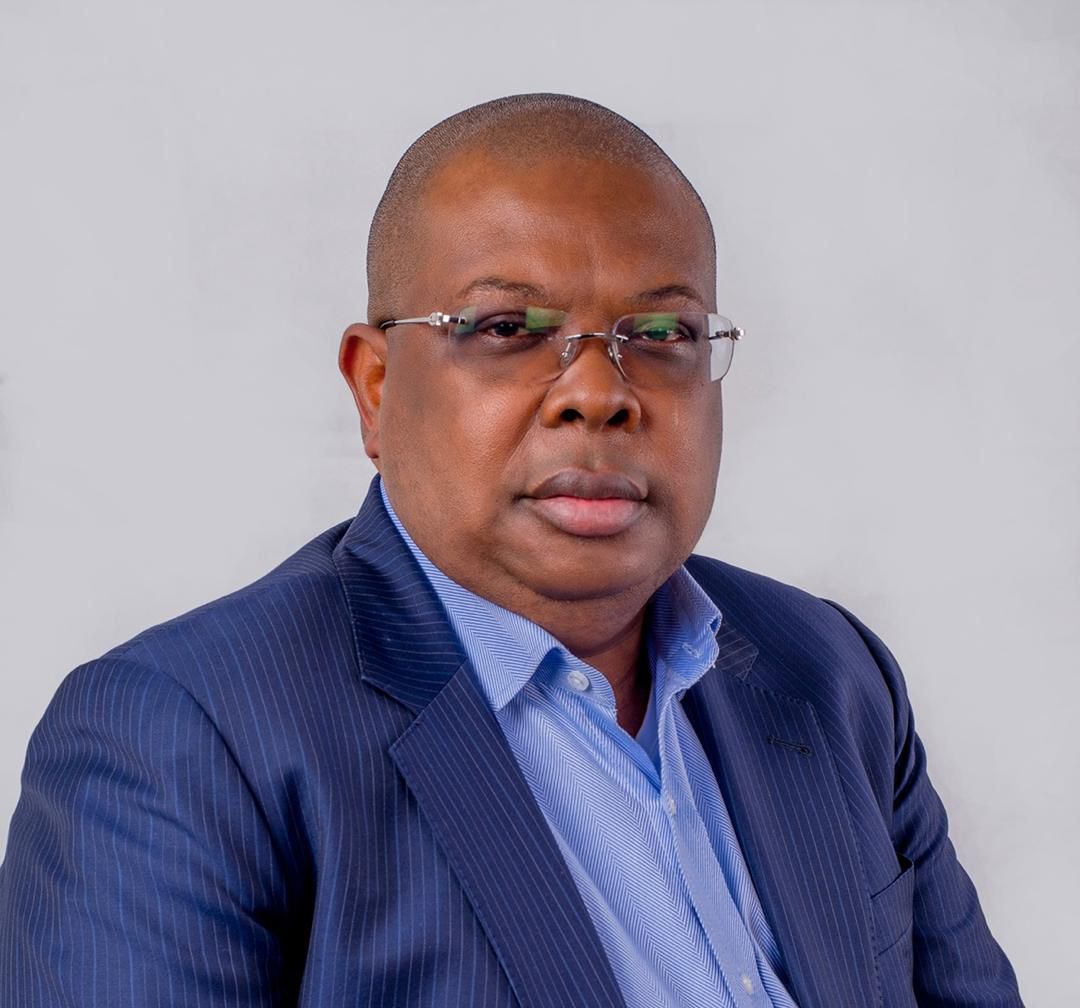
Tag: Mr. Joseph Tegbe

  • Tax Reform Success Hinges on Execution Discipline – Tegbe

    Tax Reform Success Hinges on Execution Discipline – Tegbe

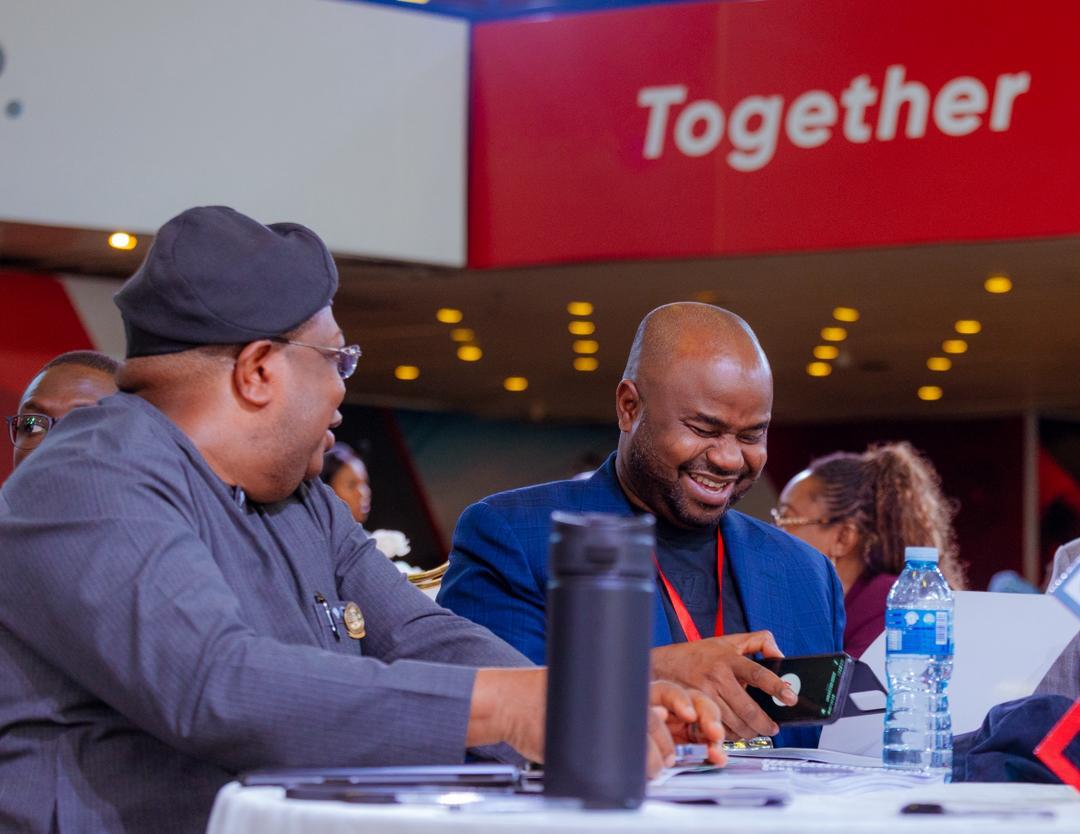
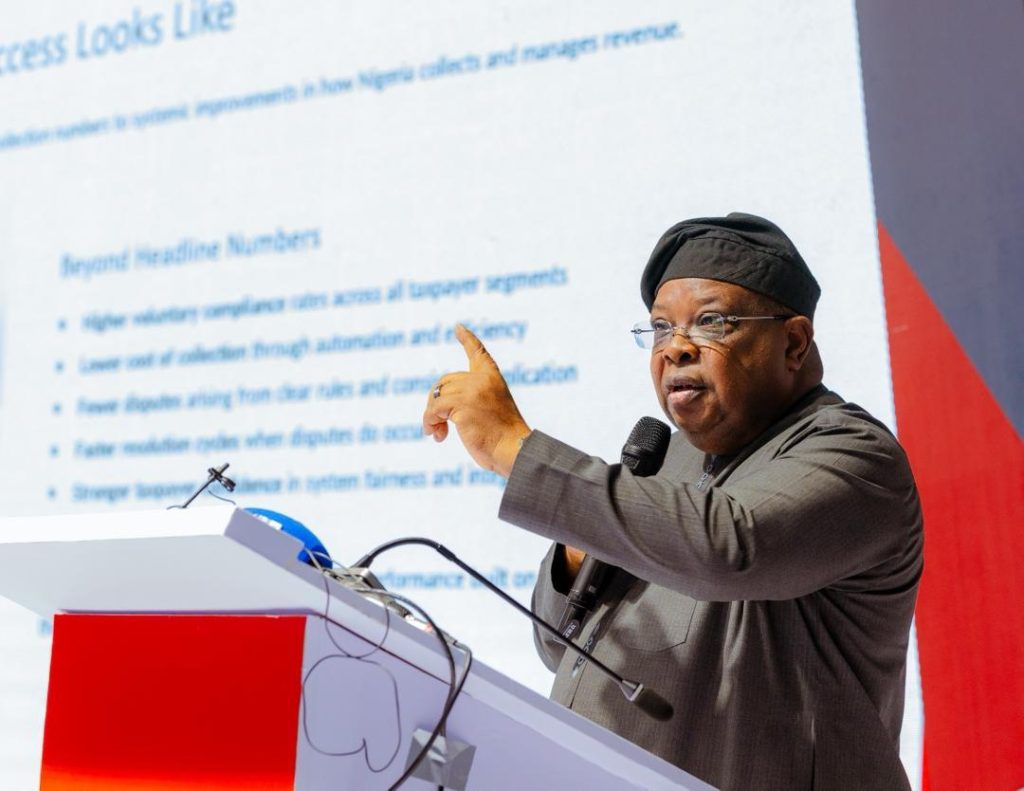
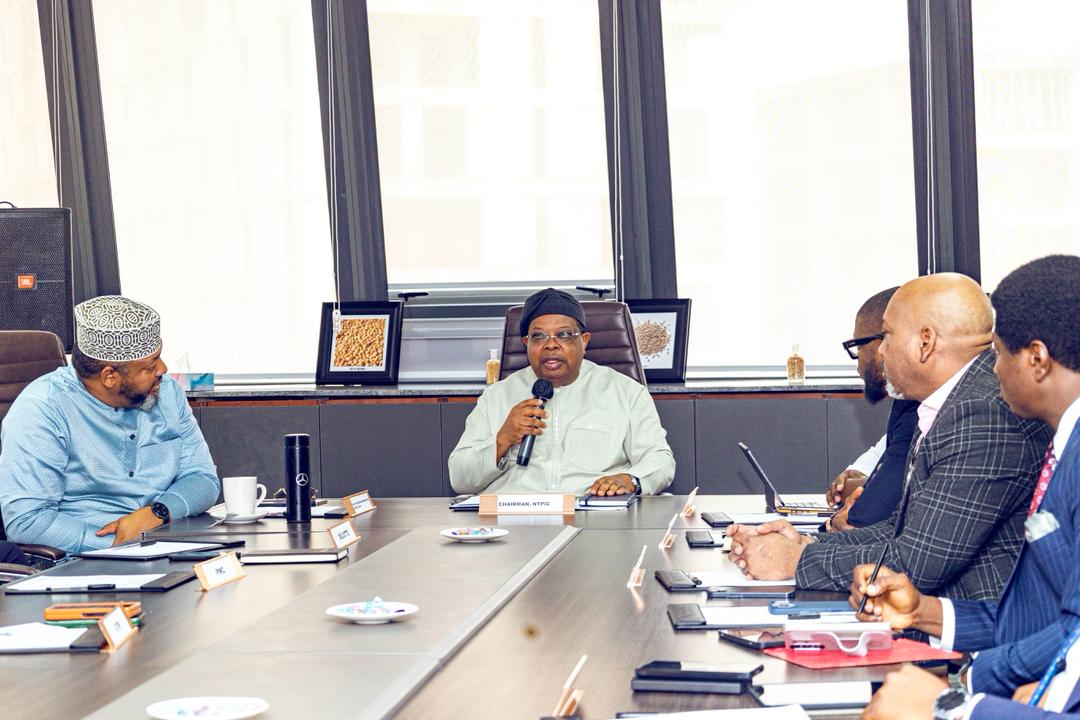
    Joseph Tegbe, Chairman of the National Tax Policy Implementation Committee (NTPIC), has emphasized that the success of Nigeria’s recently enacted tax reform framework will rely less on the ambition of its legislation and more on the discipline of its execution. Speaking at the 2026 Leadership Retreat of the Nigeria Revenue Service (NRS), Tegbe underscored that the country’s tax reform journey is at a critical juncture where effective implementation will determine long-term fiscal outcomes.

    Tegbe highlighted that Nigeria’s tax-to-GDP ratio remains among the lowest for major economies, constraining fiscal flexibility and heightening vulnerability to fluctuations in oil prices. With public expenditure pressures rising and macroeconomic stability increasingly dependent on sustainable domestic revenue mobilization, he argued that institutional performance is now the primary driver of fiscal resilience.

    According to Tegbe, the passage of 4 new tax laws marks only the beginning of a broader reform agenda. He described the initiative as a systemic recalibration of Nigeria’s fiscal architecture, rather than a routine policy update. The true measure of success, he asserted, will be the credibility of implementation, not the design of the laws themselves. The NRS, he noted, functions as the nation’s “Revenue System Integrator,” with outcomes reflecting the strength of an interconnected ecosystem that encompasses policy clarity, enforcement consistency, digital infrastructure, dispute resolution efficiency, and intergovernmental coordination.
    Central to Tegbe’s address was the principle that tax policy must serve as an enabler of governance. He stressed that the framework must embody simplicity, equity, predictability, and administrability at scale. These principles, he explained, foster voluntary compliance, reduce operational friction, and strengthen investor confidence. By contrast, ad-hoc adjustments or policy drift, he warned, could undermine reform momentum, unsettle businesses, and deter investment, which thrives on predictable rules rather than shifting announcements. Structured sequencing, clear transition mechanisms, and continuous feedback between policymakers and administrators are therefore critical to sustaining reform credibility.

    Tegbe further argued that revenue reform cannot succeed in isolation. Achieving sustainable gains requires a whole-of-government approach, leveraging robust taxpayer identification systems, integrated financial data, efficient dispute resolution, and harmonised coordination across federal and sub-national levels. This approach, he said, reduces leakages, eliminates multiple taxation, and reinforces confidence in the system.

    Importantly, Tegbe expanded the definition of reform success beyond headline revenue figures. Durable reform should be measured by higher voluntary compliance rates, lower administrative costs, fewer disputes, faster resolution cycles, and stronger taxpayer confidence. “Sustainable revenue performance is built on trust and efficiency, not enforcement intensity,” he concluded, emphasizing that the legitimacy and predictability of the system are more critical than punitive measures.

    With the legislative framework now firmly established, Tegbe noted that Nigeria’s focus has shifted from policy design to effective delivery. The next phase, he stressed, will be defined by the consistency, coherence, and discipline with which the reforms are implemented. Execution, therefore, is the defining variable in the next chapter of Nigeria’s revenue transformation. The country’s ability to achieve lasting fiscal resilience and broaden its revenue base will depend on disciplined, credible, and integrated implementation across all levels of government, ensuring that the promise of reform translates into measurable, sustainable outcomes for the economy and citizens alike.

    In summary, Tegbe’s address framed Nigeria’s tax reform not merely as a legislative accomplishment but as a transformative journey requiring operational rigor, institutional alignment, and a focus on trust, compliance, and efficiency. The success of this agenda, he made clear, hinges on execution discipline—making it the single most critical factor in shaping the nation’s fiscal future.
  • Chinese Embassy Charge d’Affaires and DG NCSP agree to strengthen bilateral ties

    Chinese Embassy Charge d’Affaires and DG NCSP agree to strengthen bilateral ties

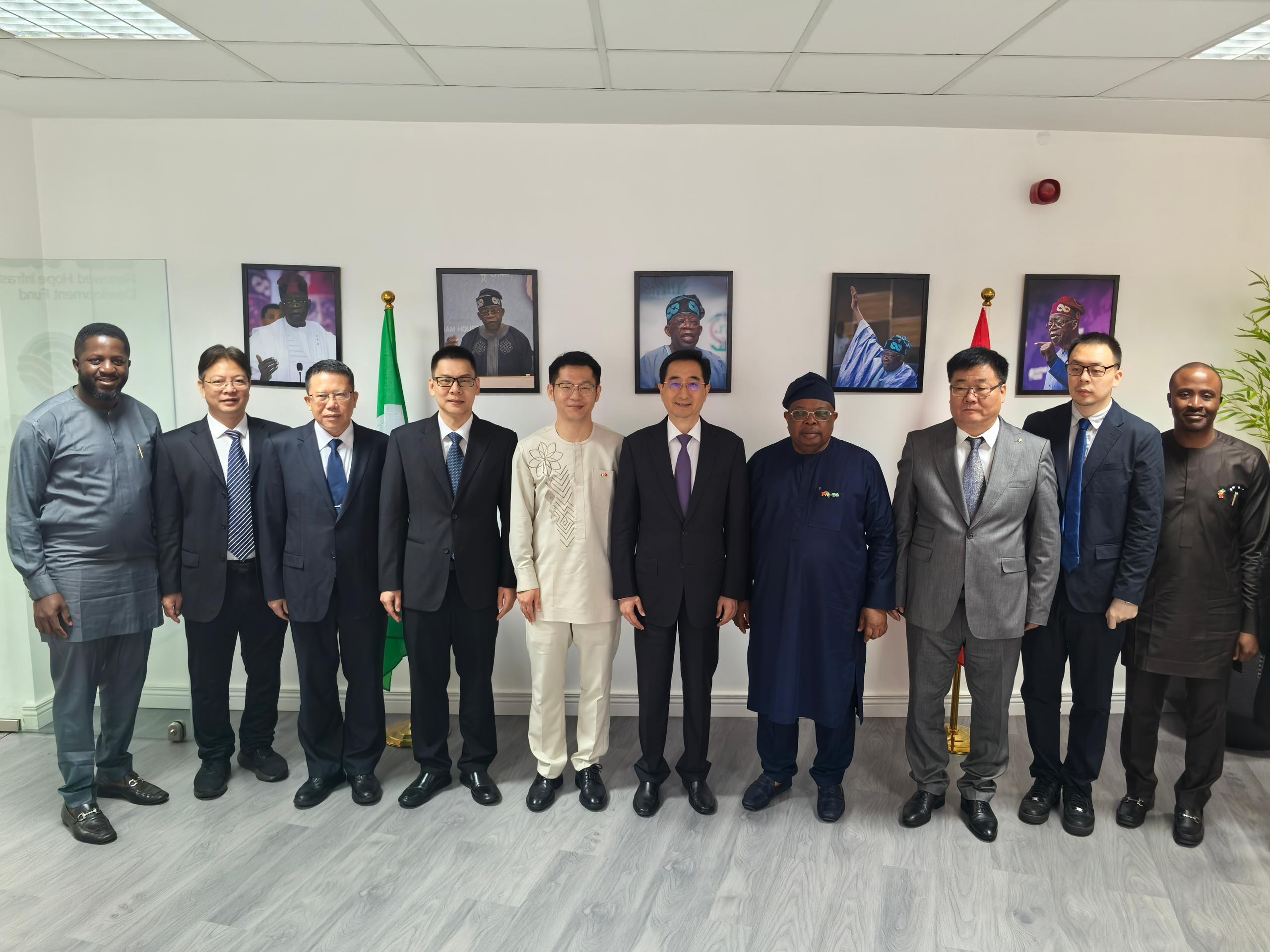
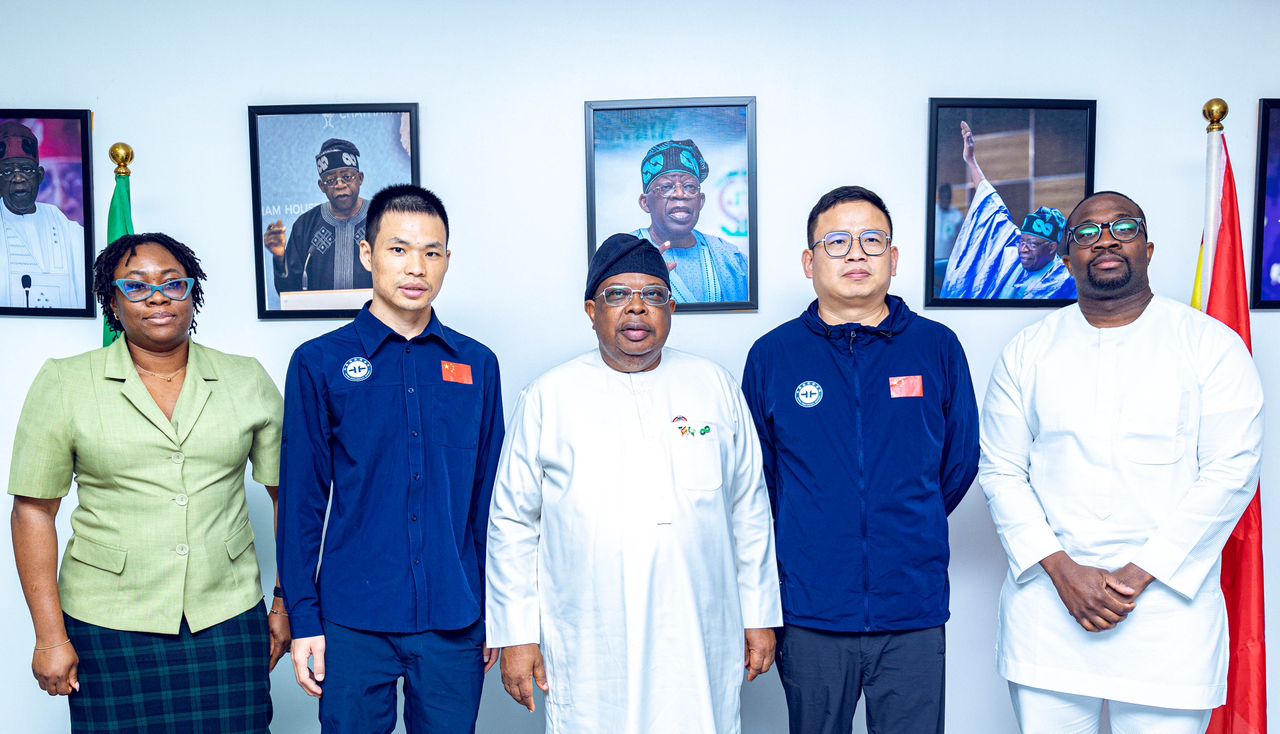
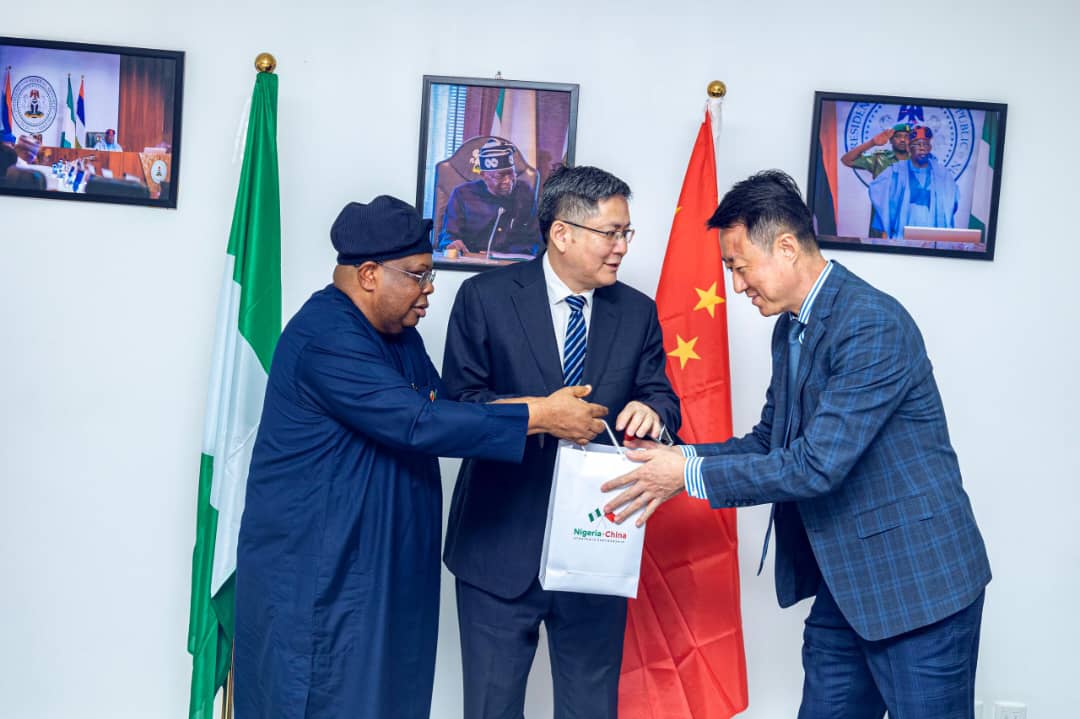
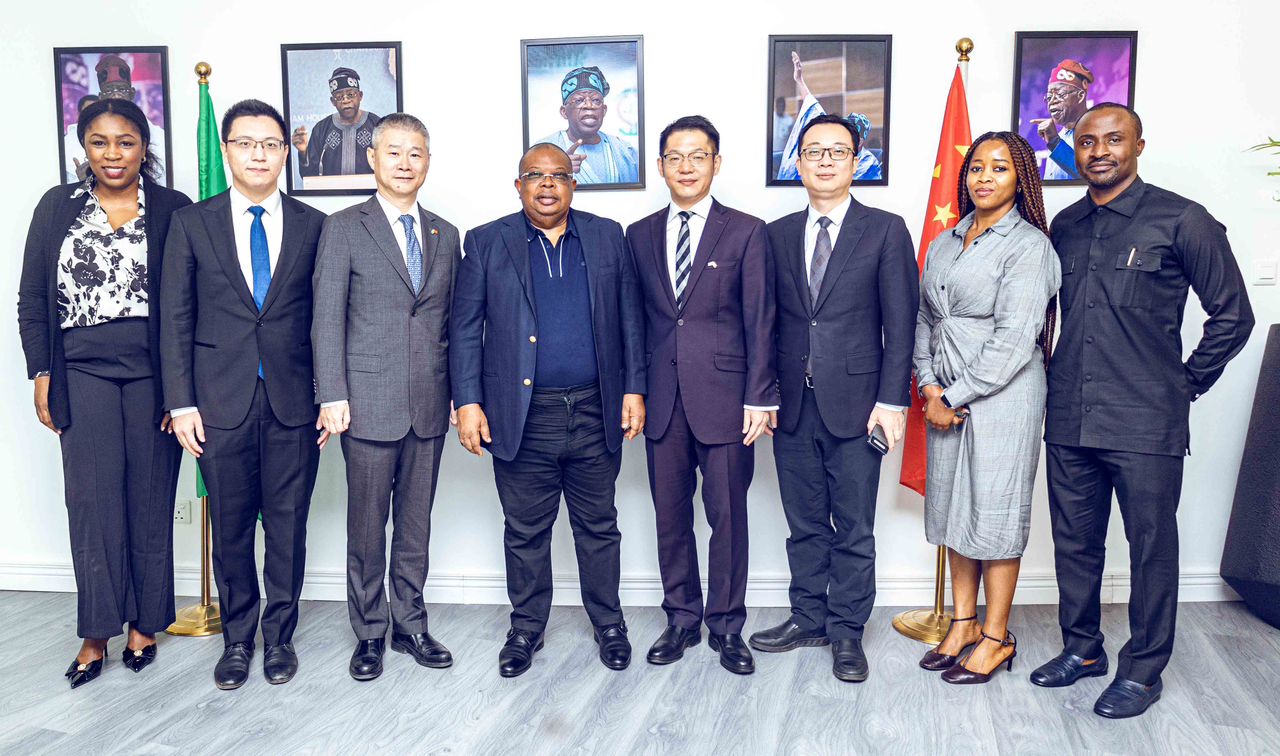
    The Director-General of the Nigeria–China Strategic Partnership (NCSP), Mr. Joseph Tegbe, hosted a high-powered delegation from the Chinese Embassy, comprising Mr. Zhou Hongyou, Charge d’Affaires of the Chinese Embassy in Nigeria, Mr. Wang Yingqi, Minister Counsellor for Economic and Commercial Affairs, and other senior officials of the Embassy.

    Welcoming the delegation, Mr. Tegbe reaffirmed Nigeria’s unwavering commitment to the Comprehensive Strategic Partnership with China and affirmed the One-China principle. He highlighted Nigeria’s ambition to significantly scale up bilateral trade, targeting 350 billion RMB (approximately $50 billion) trade volume by 2030, with Nigerian exports representing at least 30% of the total volume. This will be achieved by leveraging the upcoming zero-tariff policy and a significant increase in the export of agricultural produce. He also emphasized the importance of strategic economic collaboration to drive sustainable growth for Nigerian businesses.

    Mr. Zhou expressed satisfaction. With the growing relationship between Nigeria and China and underscored the need to explore further avenues for deepening economic and commercial cooperation, especially in technology, agriculture, and human capacity development. He expressed optimism that the zero-tariff agreement will create substantial opportunities for Nigerian businesses, boost bilateral trade, and further strengthen the already robust relationship between the two countries.

    The Chinese Embassy expressed their support for Nigeria’s industrialization drive, particularly in steel development and the agricultural sector. The reaffirmed their commitment to ongoing development projects across the country, in line with the Renewed Hope Agenda of President Bola Ahmed Tinubu, GCFR.

    On behalf of the government and people of Nigeria, Mr Tegbe felicitated with the Chinese people on the forthcoming Chinese Spring Festival to mark the new Lunar Year. He affirmed Nigeria’s commitment to deepening cultural, diplomatic, and economic ties with the People’s Republic of China, fostering a more robust, sustainable, and mutually beneficial Nigeria–China partnership.

  • NTPIC Continues Stakeholder Engagement; Meets Tax Advisory Institutions

    NTPIC Continues Stakeholder Engagement; Meets Tax Advisory Institutions

    The National Tax Policy Implementation Committee (NTPIC) has continued its stakeholder engagement program, convening a high-level consultative session with leading tax advisory firms, professional bodies, and institutional representatives to support the effective implementation of Nigeria’s newly enacted tax laws. The institutions were represented by their national presidents, while the advisory firms were represented by their leading tax partners.

    Addressing the session, the Chairman of the NTPIC, Mr. Joseph Tegbe, noted that the success of the reforms would depend largely on effective change management rather than policy design alone. He emphasized the importance of clear communication and public trust, and reaffirmed the Committee’s commitment to engaging sub-national governments through the Joint Revenue Board and other institutions to harmonize interpretation, build capacity and ensure alignment across federal and state tax administrations.

    Participants broadly welcomed the reforms, describing them as timely and structural, and aimed at strengthening Nigeria’s fiscal framework rather than driving short-term revenue gains. Discussions were situated within the Federal Government’s broader reform objective of improving long-term fiscal sustainability, in line with the Renewed Hope Agenda of President Bola Ahmed Tinubu, GCFR.

    While acknowledging the robustness of the legislative framework, participants stressed the need for consistent interpretation across institutions and clear operational guidelines to prevent fragmented enforcement. They advised that implementation should be supported by deliberate, coordinated and simplified public education strategies that clearly distinguish the impact of the reforms on individuals, small businesses and corporates, while reinforcing principles of fairness, proportionality and national development.

    In concluding, Mr. Tegbe thanked participants for their engagement and reaffirmed the Committee’s commitment to structured consultation and the timely resolution of identified concerns.

    The NTPIC Chairman was joined at the meeting by the Chairman of the Stakeholder Engagement Subcommittee, Barrister Ismael Ahmed; the Chairman of the Technical Subcommittee, Mr. Ajibola Olomola; as well as members of the NTPIC Secretariat.

  • National Tax Policy Implementation Committee (NTPIC) Commences Robust Stakeholder Engagements, Targets Humane Implementation of New Acts.

    National Tax Policy Implementation Committee (NTPIC) Commences Robust Stakeholder Engagements, Targets Humane Implementation of New Acts.

    The National Tax Policy Implementation Committee (NTPIC), chaired by Mr. Joseph Tegbe, has commenced structured stakeholder engagements to ensure a humane, inclusive, and well-coordinated implementation of the new Tax Acts, as the country undertakes significant fiscal reforms. The Committee aims to bridge the gap between policy intent and execution by promoting clarity, managing expectations, and ensuring that implementation reflects the realities of businesses, citizens, and all levels of government, working closely with the Nigeria Revenue Service (NRS) and the Presidential Fiscal Policy Reform Committee (PFPRC)

    As part of its initial consultations, the committee leadership team met with the Presidential Fiscal Policy Reform Committee (FPRC), led by Mr. Taiwo Oyedele, to ensure alignment between reform objectives and practical implementation realities. Mr. Oyedele highlighted challenges arising from misinformation about certain provisions of the law, noting that some provisions had been misinterpreted in public discussions. He added that targeted and accessible communication initiatives are being developed to address these gaps, with stakeholder feedback playing a key role in shaping the reform process.

    In a separate engagement with the Executive Chairman of the Nigeria Revenue Service (NRS), Dr. Zacch Adedeji, NTPIC focused on harmonising implementation priorities and strengthening institutional coordination. The Committee outlined its ongoing activities and implementation roadmap

    Dr. Adedeji commended NTPIC’s proactive approach, describing the new tax laws as a significant development in Nigeria’s fiscal framework. He noted that while new policies may take time to gain full public acceptance, a transparent, well-sequenced, and education-driven implementation process will gradually build confidence and trust.

    In conclusion, NTPIC emphasizes that effective tax reform depends not only on legal and technical design but also on effective communication and stakeholder engagement. Tegbe stressed that structured stakeholder engagement and consistent communication are central to the success of the reforms. He assured that consultations will continue with the National Economic Council, the Nigerian Governors’ Forum, Local Government Leaders, as well as traditional, religious, and community leaders. He reiterated that the new tax Acts are designed to create a simpler, fairer, and more predictable tax system that fosters voluntary compliance, strengthens investor confidence, and supports sustainable economic growth.

    The NTPIC Committee team also included the Chairman of the Stakeholders Engagement Subcommittee, Barrister Ismael Ahmed and the Chairman of the Technical Subcommittee, Mr. Ajibola Olomola respectively.

  • NCSP Hosts Strategic Meeting with Brains and Hammer Hengke Limited on Landmark Real Estate Projects

    NCSP Hosts Strategic Meeting with Brains and Hammer Hengke Limited on Landmark Real Estate Projects

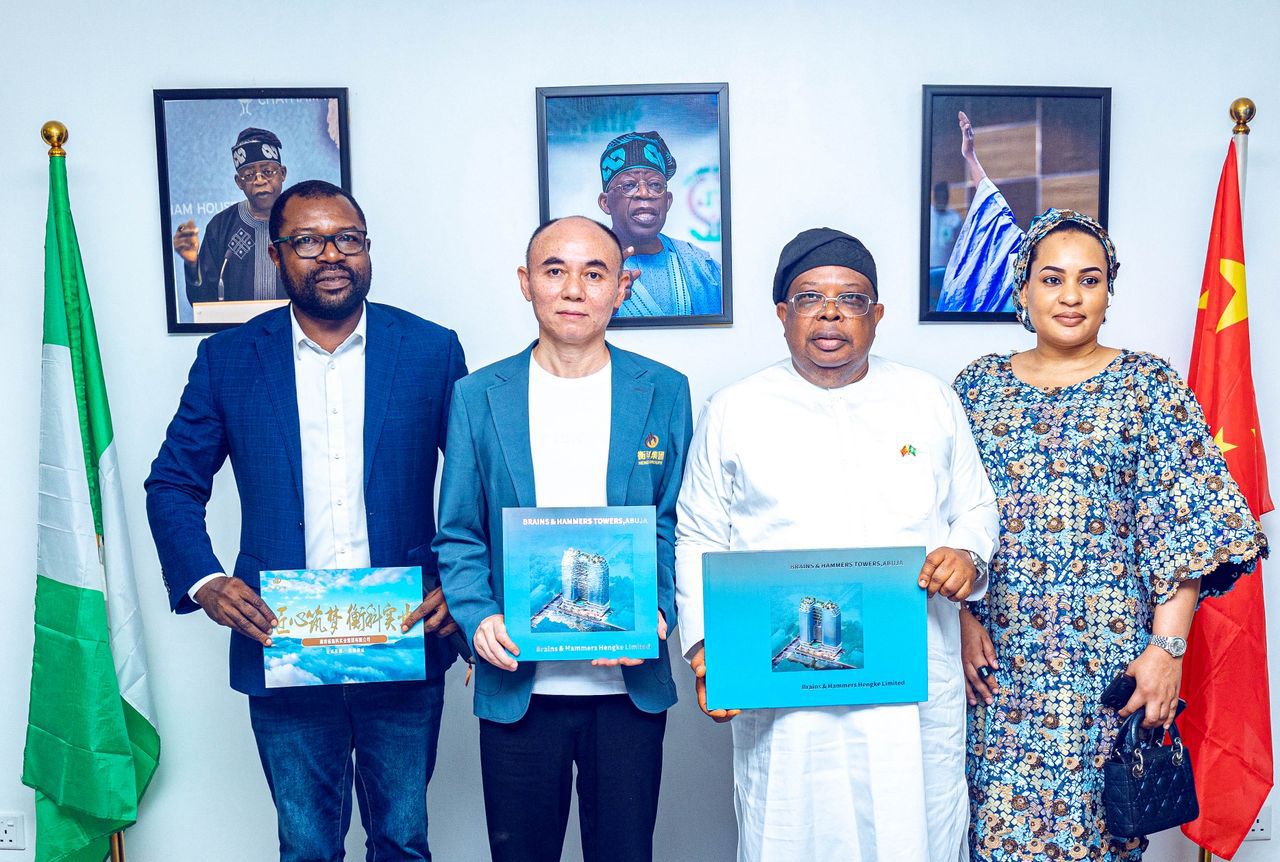
    The Nigeria–China Strategic Partnership (NCSP) recently held a high-level strategic meeting with Brains and Hammer Hengke Limited, a Joint Venture initiative between Brains and Hammers Ltd. and Hunan Hengke Group, a leading Chinese real estate and construction conglomerate.

    This partnership is set to pioneer the development of two 25-floor Brains and Hammers Towers, a state-of-the-art mixed-use complex combining hotel and residential spaces, as well as the construction of 30,000 smart, solar-powered homes across Nigeria.

    With a shared commitment to affordability, sustainability, and innovation, the projects are designed to create jobs, foster technology transfer, and strengthen local manufacturing capacity in critical components such as glass, roofing, and electrical systems. These efforts are in line with the NCSP’s transformative agenda and its mandate to promote inclusive and sustainable development through strategic partnerships.

    The Director-General of the NCSP, Mr. Joseph Tegbe, commended the initiative and reaffirmed the Partnership’s support for the projects. He further emphasised the importance of aligning delivery with quality, while driving towards the vision of building the tallest, safest, smartest, and best-maintained structures in Abuja.

    The NCSP remains unwavering in its commitment to advancing partnerships that align with Nigeria’s national development priorities, ensuring that every collaboration drives real impact, sustainable growth, and mutual prosperity.

  • Nigeria Endorses China’s Global Governance Initiative (GGI)

    Nigeria Endorses China’s Global Governance Initiative (GGI)

    The Federal Republic of Nigeria has formally endorsed the Global Governance Initiative (GGI) launched by President Xi Jinping of the People’s Republic of China. The endorsement was conveyed by the Director General of the Nigeria–China Strategic Partnership (NCSP), Mr. Joseph Tegbe, on behalf of President Bola Ahmed Tinubu, GCFR.

    Speaking in Abuja, Mr. Tegbe described the Global Governance Initiative as a framework that speaks directly to the aspirations of nations seeking fairness, inclusivity, and shared progress in the international system. He stressed that the vision of the GGI aligns closely with President Tinubu’s Renewed Hope Agenda, which is anchored on economic revitalization, social inclusion, and global engagement.

    Mr. Tegbe further noted that the GGI’s emphasis on sovereign equality, international rule of law, and multilateralism resonates strongly with Nigeria’s foreign policy priorities. He highlighted Nigeria’s leadership role in Africa’s long-standing call for permanent representation on the United Nations Security Council, reaffirmed the country’s contributions to peacekeeping and transparent dispute resolution across West Africa, and underscored Nigeria’s tradition of advancing collective action through ECOWAS, the African Union, and the United Nations.

    Beyond principles, he explained that the initiative’s focus on practical cooperation creates tangible opportunities for Nigeria. With infrastructure, energy, and industrial corridors identified as critical drivers of growth, and with the National Digital Economy Policy and Strategy targeting broadband expansion, fintech innovation, and youth empowerment, the GGI provides a valuable platform for mobilizing resources and accelerating national development goals.

    “The Global Governance Initiative is more than a vision, it is a call to action,” Mr. Tegbe stated. “Nigeria stands ready to work with China and other partners to translate this initiative into tangible progress for our citizens, for Africa, and for the world.”

  • Guangxi People’s Congress Delegation Visits Nigeria-China Strategic Partnership

    Guangxi People’s Congress Delegation Visits Nigeria-China Strategic Partnership

    A high-level delegation of the Guangxi People’s Congress of China, led by Zhang Xiaoqin, Vice Chairman of the Standing Committee, has paid a courtesy visit to the Nigeria-China Strategic Partnership (NCSP) in Abuja. The team was accompanied by the Head of Mission of the Chinese Embassy in Nigeria, Mr. Zhou Hongyou.

    Welcoming the delegation, the Director-General of NCSP, Joseph Tegbe, reaffirmed Nigeria’s commitment to the One-China Principle and highlighted the country’s long-standing relations with China, recently elevated to a Comprehensive Strategic Partnership at FOCAC 2024. He outlined NCSP’s mandate, which includes monitoring the 55 FOCAC-agreed projects, overseeing strategic projects of national interest, and coordinating Presidential initiatives across seven key sectors.

    Vice Chairman Zhang Xiaoqin thanked the DG for hosting the delegation and stressed Guangxi’s readiness to deepen cooperation with Nigeria. He noted Guangxi’s strategic role as a regional hub in southern China, its successful hosting of the China-ASEAN Expo, and rising trade with Nigeria, which grew by 21% last year to USD 320 million. He further invited Nigerian businesses and tourists to explore Guangxi’s strengths in fruit production, tourism, digital economy, and mining.

    In his remarks, Mr. Zhou Hongyou of the Chinese Embassy praised the visit and highlighted cultural and economic similarities between Guangxi and Nigeria, expressing optimism about stronger cooperation ahead.

    The DG pledged to visit Guangxi soon, noting Nigeria has much to learn from China’s model of high scale modernization. He welcomed Guangxi as a new partner alongside Hunan Province and assured that NCSP will work closely with the delegation to identify immediate opportunities, particularly in manufacturing equipment, agriculture, and fruit production and processing .

  • NCSP, BORBDA Partner to Tackle Food Security and Livestock Feed Challenges Through Strategic Nigeria-China Collaboration

    NCSP, BORBDA Partner to Tackle Food Security and Livestock Feed Challenges Through Strategic Nigeria-China Collaboration

    In a bid to accelerate agro-industrial development in Nigeria, the Nigeria-China Strategic Partnership (NCSP) engaged with Benin-Owena River Basin Development Authority (BORBDA) on large-scale agricultural collaboration, with a strong focus on food security and sustainable livestock feed production.

    The high-level meeting, held at the NCSP office in Abuja, brought together top executives from both organisations. The engagement aimed to explore mutually beneficial partnerships aligned with key bilateral agreements under the Forum on China-Africa Cooperation (FOCAC), as well as Nigeria’s broader economic transformation agenda.

    Welcoming the BORBDA delegation, the Director General of NCSP, Mr. Joseph Tegbe, outlined the agency’s strategic role in coordinating and monitoring over 55 China-Nigeria bilateral agreements across priority sectors, including agriculture, mining, education, infrastructure, and healthcare. He highlighted NCSP’s deliberate shift from transactional engagements to integrated, development-driven partnerships with China, positioning Nigeria to unlock long-term value from the cooperation.

    Speaking on behalf of BORBDA, the Managing Director, Dr. Olufemi Samuel Adekanmbi, commended NCSP’s strategic alignment with national priorities. He spotlighted the persistent challenge of livestock feed shortages in Nigeria and presented BORBDA’s flagship proposal, the National Feed Development Initiative.

    This initiative proposes the establishment of feed production centres across Nigeria’s six geopolitical zones, utilising an innovative combination of Juncao grass, soybean meal, and black soldier fly larvae. Dr. Adekanmbi explained that the project is designed to enhance food security, promote nutritional improvement, create jobs, especially for youth through collaboration with the National Directorate of Employment (NDE), and mitigate herder-farmer conflicts. He noted that BORBDA already possesses land and irrigation assets needed to commence implementation and called for NCSP’s coordination in mobilising Chinese technical expertise and investment.

    Both organisations expressed strong optimism about the partnership’s potentials, with NCSP reaffirming its readiness to facilitate investment, engage relevant Chinese government agencies and private sector players.

    This engagement reinforces NCSP’s commitment to transforming bilateral agreements into catalytic, high-impact programmes that support Nigeria’s industrial and agricultural renaissance, in line with the Renewed Hope Agenda of President Bola Ahmed Tinubu, GCFR.

  • NCSP, China-Africa Geoscience Center & Yangtse Automotive Explore Strategic EV and Mining Partnerships

    NCSP, China-Africa Geoscience Center & Yangtse Automotive Explore Strategic EV and Mining Partnerships

    In line with the continued bold efforts of the President Tinubu-led administration to drive industrialization and economic diversification, the Nigeria-China Strategic Partnership (NCSP) held a strategic meeting with the China-Africa Geoscience Cooperation Center and Yangtse Automotive Group on collaborative investments in the mining and electric vehicle (EV) manufacturing sectors with the aim of revitalizing Nigeria’s manufacturing base and unlocking sustainable industrial growth.

    At a meeting held at the NCSP Abuja Office, the Director General of NCSP, Mr. Joseph Tegbe, emphasized the urgent need for Nigeria to reindustrialize by leveraging strategic Chinese investments to build a resilient and competitive industrial ecosystem by attracting serious, long-term Chinese investors. He highlighted opportunities across the full EV value chain, from mineral extraction and refining to battery storage, charging infrastructure, and vehicle manufacturing, positioning Nigeria as a hub for clean mobility and energy innovation in West Africa. These efforts are to compliment the great strides of the Honourable Minister for Solid Minerals, Mr Dele Alake.

    Speaking on behalf of the Chinese delegation, Professor Hu Peng, Secretary General of the China-Africa Geoscience Center, reaffirmed President Xi Jinping’s commitment to China-Africa cooperation. He noted the Center’s longstanding collaboration with Nigeria in geoscience research and capacity building, while spotlighting the readiness of Yangtse Automotive and Hubei Wan New Energy to invest in Nigeria’s evolving industrial landscape.

    As part of the next steps, Yangtse Automotive, Hubei Wan New Energy and NCSP have agreed to collaborate to ensure the immediate realization of the proposed investments and ensure efficient and effective regulatory approvals in both China and Nigeria. is expected to submit a formal expression of interest to NCSP, outlining specific areas of collaboration. The NCSP team will, in turn, undertake a technical visit to Hubei Wan New Energy’s facilities in the coming weeks to assess capacity and feasibility.

    This engagement reinforces the NCSP’s mandate to facilitate credible international partnerships that stimulate manufacturing, create jobs, and accelerate Nigeria’s industrial transformation under the Renewed Hope Agenda of President Bola Ahmed Tinubu.

  • NCSP Hosts Central Party School Delegation, Advances Strategic Partnership on Governance and Public Sector Reform

    NCSP Hosts Central Party School Delegation, Advances Strategic Partnership on Governance and Public Sector Reform

    In a renewed effort to strengthen Nigeria-China relations, the Nigeria-China Strategic Partnership (NCSP) hosted a high-powered delegation from the Central Party School of the Communist Party of China (CPC) in Abuja. The visit marked a significant milestone in bilateral institutional cooperation, with particular focus on governance, public service reform, investment, and strategic development planning.

    The Chinese delegation was led by His Excellency, Professor Gong Weibin, Vice President of the Central Party School, accompanied by senior officials from key departments within the institution. Also in attendance was His Excellency Ambassador Yu Dunhai, the Chinese Ambassador to Nigeria.

    Welcoming the delegation, NCSP Director-General, Mr. Joseph Tegbe, conveyed warm greetings on behalf of the President of the Federal Republic of Nigeria, His Excellency Bola Ahmed Tinubu, GCFR. He reaffirmed Nigeria’s unwavering commitment to the One China Policy and reiterated Nigeria’s desire to build a forward-looking development partnership founded on mutual respect, strategic coordination, and shared prosperity.

    Mr. Tegbe referenced Nigeria’s active participation in recent China-Africa engagements, including the FOCAC Inter-ministerial Meeting and the China–Africa Economic and Trade Expo. These fora, he noted, have helped further align Nigeria’s development priorities with China’s global cooperation agenda. He commended China’s leadership in promoting South-South cooperation, describing President Xi Jinping’s Ten Partnership Action Points announced at the 2024 FOCAC Summit, as a robust framework for advancing Nigeria’s national development goals.

    He also highlighted the impact of China’s zero-tariff policy for 53 African countries, which he described as a landmark initiative that would significantly enhance trade flows and industrial competitiveness across the continent. Mr. Tegbe went on to outline Nigeria’s key priority projects, including agricultural value chain development as well as a budding partnership with leading Chinese firms in the vehicle manufacturing sector.

    In his remarks, Professor Gong expressed sincere appreciation for Nigeria’s warm hospitality and dynamic cultural environment. Despite having spent only a few hours in the country, he remarked on the positive impression Nigeria had made on him, particularly its vibrancy, diversity, and vast potential.

    Professor Gong provided an overview of the Central Party School’s structure and mandate, emphasizing its critical role in shaping governance and public administration in China. With over 3,600 local branches and a faculty strength exceeding 100,000, the School is a pillar of China’s civil service education system and a key think tank influencing national policy. He explained that the School is responsible for four core functions: training of civil servants and party leaders, theoretical and ideological research, development of social sciences rooted in local context, and policy advisory services. Many faculty members also hold senior roles within the Chinese government, and President Xi Jinping himself previously served as the School’s Principal for five years.

    Noting the School’s longstanding interest in international exchange, Professor Gong revealed that several Nigerian officials have participated in training programmes over the years. He extended a formal invitation to Tegbe and the NCSP team to visit the Central Party School in Beijing, with the aim of fostering deeper institutional collaboration and knowledge sharing.

    The meeting concluded with mutual expressions of respect and recognition of the cultural and governance values shared between Nigeria and China, particularly in the areas of family cohesion, public discipline, and long-term development planning. Tegbe described the engagement as timely and enlightening, especially as Nigeria advances reforms in public service delivery and institutional capacity building. He reaffirmed NCSP’s commitment to strengthening people-to-people exchanges, promoting training and learning opportunities, and enhancing bilateral policy innovation with Chinese partners.

  • Nigeria, China Deepen Economic Ties at Changsha Investment Dialogue

    Nigeria, China Deepen Economic Ties at Changsha Investment Dialogue

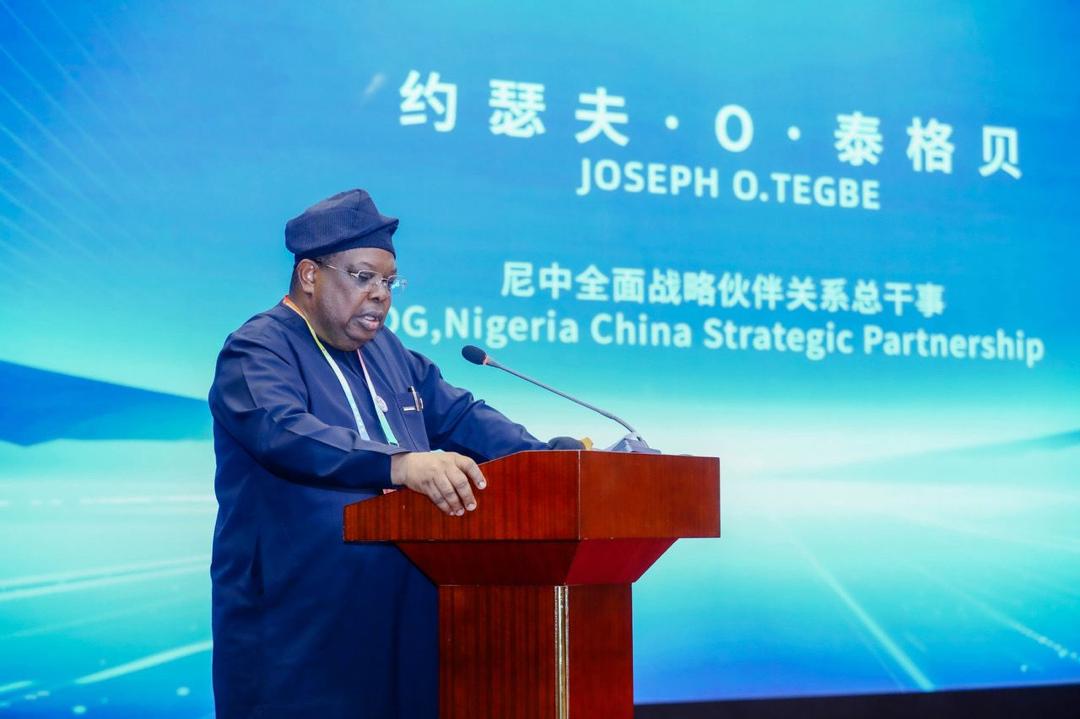
    At the recently concluded Nigeria-China Investment Dialogue held in Changsha, the Nigeria-China Strategic Partnership (NCSP) reaffirmed its commitment to advancing sustainable and transformative economic cooperation between the two nations. This commitment was emphasized in a keynote address delivered by the Director-General of NCSP, Mr. Joseph Tegbe, at the high-level forum which convened senior government officials, business leaders, and development stakeholders from both countries to explore new pathways for bilateral engagement.

    In his address, Mr. Tegbe outlined a bold and forward-looking vision for a long-term partnership anchored on shared values, strategic alignment, and mutual respect. Describing Nigeria and China as nations bound by ambition, ingenuity, and a collective will to rise, he drew a compelling parallel between the Eagle and the Dragon—national icons symbolizing strength, vision, and global leadership. He noted that Nigeria and China, standing side by side, are not merely emerging economies but purposeful partners shaping the future of global development.

    He commended the selection of Changsha as the host city for the dialogue, calling it both symbolic and strategic. Citing its revolutionary legacy and its transformation into a modern industrial hub, the Director-General drew comparisons with Nigeria’s own developmental trajectory. Just as Changsha contributed to the rise of modern China, he said, Nigeria’s future is being driven by visionary leadership and a vibrant, youthful population determined to build a strong and prosperous nation.

    Mr. Tegbe emphasized that Nigeria is not just a land of untapped potentials but a country firmly grounded in purpose. With a population of over 220 million, a GDP exceeding $400 billion, and a median age of just 18, Nigeria is strategically positioned to lead Africa into a new era of digital innovation, agricultural transformation, and industrial growth.

    In agriculture, he highlighted Nigeria’s vast comparative advantage, noting that while China feeds 19% of the world’s population using only 7% of global arable land, Nigeria possesses over 70 million hectares of cultivable land—much of it yet to be utilized. As one of the world’s leading producers of cassava, yam, palm oil, and sorghum, Nigeria offers a robust platform for agribusiness investment that can respond to global food security challenges.

    Turning to technology, the DG noted Nigeria’s emergence as Africa’s leading innovation hub. With more than 122 million internet users and a thriving start-up ecosystem, the country accounted for over a quarter of the continent’s venture capital funding in 2024. Citing companies like Paystack, Flutterwave, and Opay, he underscored Nigeria’s growing influence in the global digital economy. He described the country as a strategic entry point for Chinese investors looking to engage with Africa’s rapidly evolving tech landscape, underpinned by a youthful, tech-savvy population.

    Mr. Tegbe also pointed to ongoing macroeconomic reforms aimed at creating a more competitive and investor-friendly environment. Efforts to improve the ease of doing business, streamline regulatory processes, and offer targeted tax incentives have been complemented by focused investment in priority sectors such as healthcare, education, housing, and retail. These reforms, he explained, are part of a broader strategy to ensure inclusive, long-term development. “The Nigerian spirit does not falter in the face of adversity. It adapts. It endures. It triumphs,” he affirmed.

    Referencing President Bola Ahmed Tinubu’s renewed foreign policy vision, the Director-General described the evolving Nigeria-China relationship as a deliberate alignment of interests and values. He urged both countries to move beyond transactional engagements toward deeper, trust-based collaboration. “Let us build a bridge between the Dragon and the Eagle—not only for trade and technology—but for trust, shared values, and a collective commitment to prosperity,” he concluded.

    The Nigeria-China Strategic Partnership reiterated its commitment to facilitating long-term, development-driven cooperation between the two nations. With a strong focus on industrialization, sustainability, and inclusive growth, the NCSP is set to drive a new era of bilateral partnership—one grounded in purpose and propelled by shared progress.

  • Nigeria’s Steel Sector Gets a Boost as NCSP, Steel Ministry Collaborate to Develop Automotive and Manufacturing Sectors

    Nigeria’s Steel Sector Gets a Boost as NCSP, Steel Ministry Collaborate to Develop Automotive and Manufacturing Sectors

    The Nigeria-China Strategic Partnership (NCSP) is collaborating with the Federal Ministry of Steel Development to revive the long-dormant Ajaokuta Steel Company-positioning it as a cornerstone of Nigeria’s renewed push toward industrialization, with a strong focus on the automotive and manufacturing sectors.

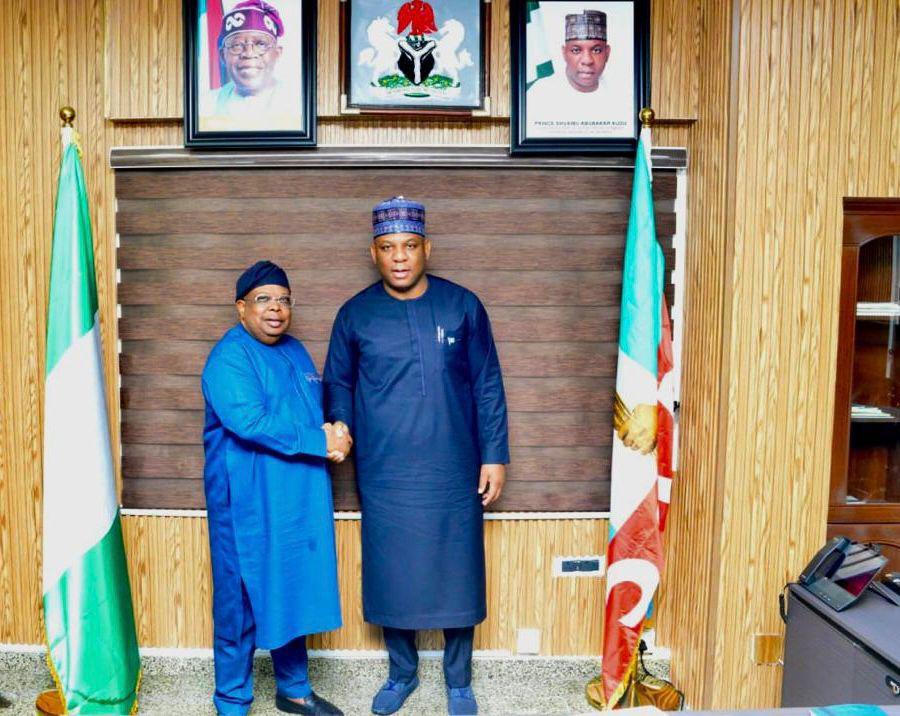
    In a recent briefing with the Honourable Minister of Steel Development, Prince Shuaibu Abubakar Audu, the Director General of NCSP, Mr. Joseph Tegbe, confirmed that discussions are progressing around a public-private partnership with leading Chinese steel manufacturers. The proposed structure is a zero-cost investment model for Nigeria, anchored on a revenue-sharing agreement designed to support sustainable steel production and long-term economic growth.

    “This initiative is not just about restarting Ajaokuta—it’s about positioning Nigeria to lead in sectors where steel is central to productivity and development,” said Tegbe. The plan, which has received full endorsement from President Bola Ahmed Tinubu, includes proposed 10-year revenue-sharing arrangement between Nigerian and Chinese investors. Key focus areas include technology transfer, sheet metal production, furnace modernization, and the expansion of manufacturing value chains.

    Responding to the briefing, the Honourable Minister emphasized the urgency of execution and reaffirmed his commitment to the initiative, describing Ajaokuta as “the cornerstone of Nigeria’s industrial potential.”

    Consequently, a high-level delegation comprising of the Minister of Steel Development, MD Ajaokuta Steel Company and DG NSCP will be visiting major steel production facilities in China, engage prospective investors, and deliver strategic presentations focused on both the technical feasibility and commercial viability of the Ajaokuta project.

    Industry experts suggest that a successful revival of the steel sector could dramatically reduce Nigeria’s reliance on steel imports, boost local vehicle production and spur growth across manufacturing and infrastructure. Once envisioned as the backbone of Nigeria’s industrial future, the Ajaokuta Steel Company has remained largely inactive since the 1990s. With renewed political will and targeted international collaboration now in motion, stakeholders are increasingly optimistic that Ajaokuta may finally realize its long-awaited potential.

  • President Tinubu Receives NCSP Director-General, reviews progress of Strategic Partnership with China

    President Tinubu Receives NCSP Director-General, reviews progress of Strategic Partnership with China

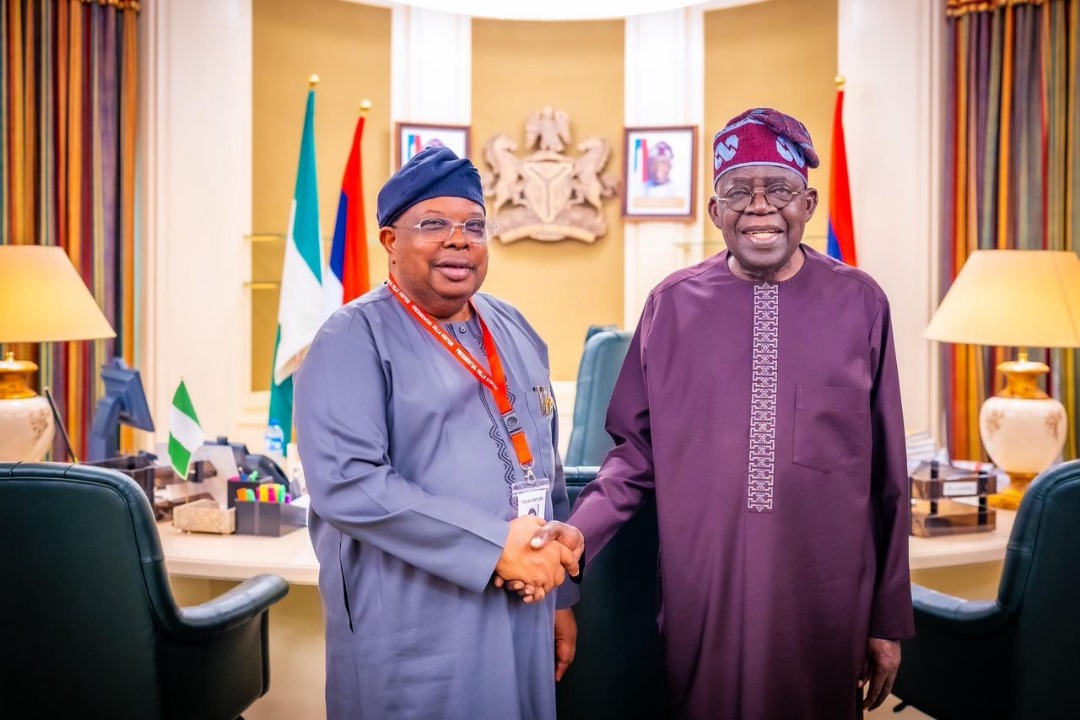
    His Excellency, President Bola Ahmed Tinubu, GCFR, on Monday received the Director-General and Global Liaison of the Nigeria-China Strategic Partnership (NCSP), Mr. Joseph Tegbe, at the Presidential Villa for a high-level briefing on the current state of the comprehensive strategic partnership between Nigeria and the People’s Republic of China.

    During the meeting, Mr. Tegbe provided an update on the ongoing activities and initiatives of the NCSP office, highlighting significant progress made in advancing the comprehensive strategic partnership agreement signed by President Tinubu and Chinese President Xi Jinping.

    Since his appointment, Mr. Tegbe has led robust engagements with key stakeholders in the Chinese government and business community, working to attract targeted investments into Nigeria across critical sectors, including infrastructure, technology, manufacturing, agriculture, education, healthcare, and mineral development.

    President Tinubu commended Mr. Tegbe and his team for their dedication and the tangible strides made in aligning international cooperation with Nigeria’s national development goals. He expressed full confidence in Mr. Tegbe’s leadership and reaffirmed his administration’s commitment to leveraging Nigeria’s partnership with China to accelerate industrialization and economic transformation.

    In his remarks, the President charged the NCSP with the task of fast-tracking the execution of priority projects that deliver real and measurable benefits to the Nigerian people. He emphasized the importance of leveraging the Nigeria-China relationship in Nigeria’s industrialization.

    The Nigeria-China Strategic Partnership remains a key pillar of Nigeria’s foreign and economic policy, aimed at unlocking new opportunities in trade, infrastructure, energy, and human capital development.

  • Nigeria Targets Mining and Automotive Transformation to Drive Industrial Revolution

    Nigeria Targets Mining and Automotive Transformation to Drive Industrial Revolution

    In a strategic move to accelerate Nigeria’s industrial revolution, the Director-General of the Nigeria-China Strategic Partnership (NCSP), Mr. Joseph Tegbe, met with the Honourable Minister of State for Industry, Trade, and Investment, Senator John Owan Enoh, to align on transformative priorities aimed at repositioning the nation’s economy through the mining and automotive sectors. The meeting, which held in Abuja, explored actionable strategies to unlock the full industrial potential of both sectors within the framework of President Bola Ahmed Tinubu’s Renewed Hope Agenda with an overarching goal to shift Nigeria from an import-dependent economy to a production- and export-led industrial powerhouse.

    While receiving the DG, Senator Enoh reaffirmed the Federal Government’s renewed commitment to three priority sectors—Sugar, Cotton-Textile-Garment (CTG), and Automobiles—each backed by active industry councils to drive localised production, stimulate domestic demand, and boost Nigeria’s global industrial competitiveness. At the center of this shift is the Nigeria First Policy, a landmark presidential directive that mandates all Ministries, Departments, and Agencies (MDAs) to prioritize Nigerian-made goods and services in public procurement. This policy is already restructuring supply chains, catalyzing job creation, and reducing overreliance on imports across key sectors.

    Mr. Tegbe emphasized that the Nigeria-China Strategic Partnership is committed to supporting this transformation, noting the country’s readiness to evolve from a consumption-driven economy into a strategic development partner—particularly with China. Citing Brazil’s $94.41 billion export performance to China in 2024, he stressed Nigeria’s capacity to achieve similar milestones by focusing on high-impact sectors such as agriculture, solid minerals, and industrial manufacturing. He highlighted the mining sector’s vast potential, with over 40 commercially viable minerals as critical enablers of industrial growth. Rather than continuing the raw export of mineral resources, he emphasized the need to build out local beneficiation, processing, and refining capacity—an agenda supported by clear regulatory reforms and investment incentives.

    The Industrial Revolution Working Groups (IRWG)—a flagship initiative of the Presidential Council on Industrial Revitalization—are already operational, working to resolve regulatory bottlenecks, improve access to infrastructure and financing, and unlock sustainable growth across the mining value chain.

    In parallel, the automotive sector is receiving focused government attention, with policies in place to make Nigeria a regional hub for vehicle assembly and full-scale manufacturing. The Nigeria First Policy has already begun to stimulate demand for domestically assembled vehicles, while boosting investor confidence in the sector. There is a strong commitment to the implementation of a structured national automotive policy, aiming to move from basic vehicle assembly to advanced manufacturing that integrates local supply chains and paves the way for electric and energy-efficient mobility.

    Speaking on Nigeria’s comprehensive strategic partnership with China, Mr. Tegbe shared updates on landmark agreements secured with major Chinese firms including Huawei, China Communications Construction Company (CCCC), Chilwee Group, and Choice International Group (CIG). These companies are bringing advanced technologies, skilled manpower, and capital into Nigeria’s automotive, mining, manufacturing, communication and clean energy sectors—contributing directly to job creation, technology transfer, and industrial innovation. “These partnerships are not only vital for job creation, but they will also strengthen our technical capabilities, expand industrial output, and accelerate localization of production,” said Mr. Tegbe. “We are changing the narrative—Nigeria must no longer be seen as a mere consumer market; but an active industrial partner.”

    Under the leadership of President Bola Ahmed Tinubu, Nigeria is laying the foundation for a 21st-century industrial economy—one where innovation fuels global competitiveness. As the Renewed Hope Agenda continues to drive economic transformation, the Nigeria-China Strategic Partnership remains a key institutional vehicle for delivering the cross-border investments, infrastructure, and technology that will define the future of Nigeria’s industrial growth.

  • FG Reconvenes Inter-Ministerial Meeting to Accelerate Implementation of Nigeria-China Focac Agreements

    FG Reconvenes Inter-Ministerial Meeting to Accelerate Implementation of Nigeria-China Focac Agreements

    In a renewed effort to fast-track the implementation of strategic agreements with the People’s Republic of China, the Federal Government of Nigeria has reconvened a high-level inter-ministerial follow-up meeting. The session, jointly organized by the Ministry of Foreign Affairs and the Nigeria-China Strategic Partnership (NCSP), focused on reviewing progress and resolving challenges related to outcomes from the 2024 FOCAC Summit and President Bola Ahmed Tinubu’s historic state visit to China.

    The meeting, chaired by Ambassador Janet Olisa, Director of Regions at the Ministry of Foreign Affairs, brought together key representatives from Ministries, Departments, and Agencies (MDAs) involved in the bilateral cooperation. MDAs provided situation reports and outlined steps to strengthen collaboration for the successful implementation of signed agreements.

    Ambassador Olisa reaffirmed Nigeria’s commitment to leveraging its strategic partnership with China for inclusive economic development. She emphasized the urgency of converting memoranda of understanding (MOUs) into actionable projects that deliver tangible benefits to Nigerians.

    Discussions focused on resolving legal and institutional bottlenecks, aligning implementation strategies, and clarifying access modalities to Nigeria’s targeted share of China’s $51 billion pledge for green infrastructure development across Africa. Nigeria aims to secure at least $10 billion in funding for priority sectors including agriculture, digital economy, and critical infrastructure.

    Director-General of NCSP, Mr. Joseph Tegbe, reiterated the agency’s role in coordinating implementation efforts and called on MDAs to be proactive. “This partnership offers Nigeria a unique opportunity to unlock investments that will drive job creation, economic diversification, and long-term prosperity,” he stated.

    Resolutions from the meeting included harmonization of legal frameworks, alignment of project roadmaps, budget optimization, and the establishment of technical committees to accelerate implementation.

    A follow-up review session has been scheduled in the coming weeks to track progress on agreed action items, while the various MDAs continue their working meeting to resolve challenges.

    The Nigeria-China Strategic Partnership remains a cornerstone of the Renewed Hope Agenda, complementing China’s Belt and Road Initiative to catalyze transformative development in Nigeria.