Tag: Nigeria-China Strategic Partnership (NCSP)

  • Tegbe Holds Strategic Talks with Chinese Ambassador on Expanding Nigeria-China Cooperation in Power, Infrastructure and Industrial Development.

    Tegbe Holds Strategic Talks with Chinese Ambassador on Expanding Nigeria-China Cooperation in Power, Infrastructure and Industrial Development.

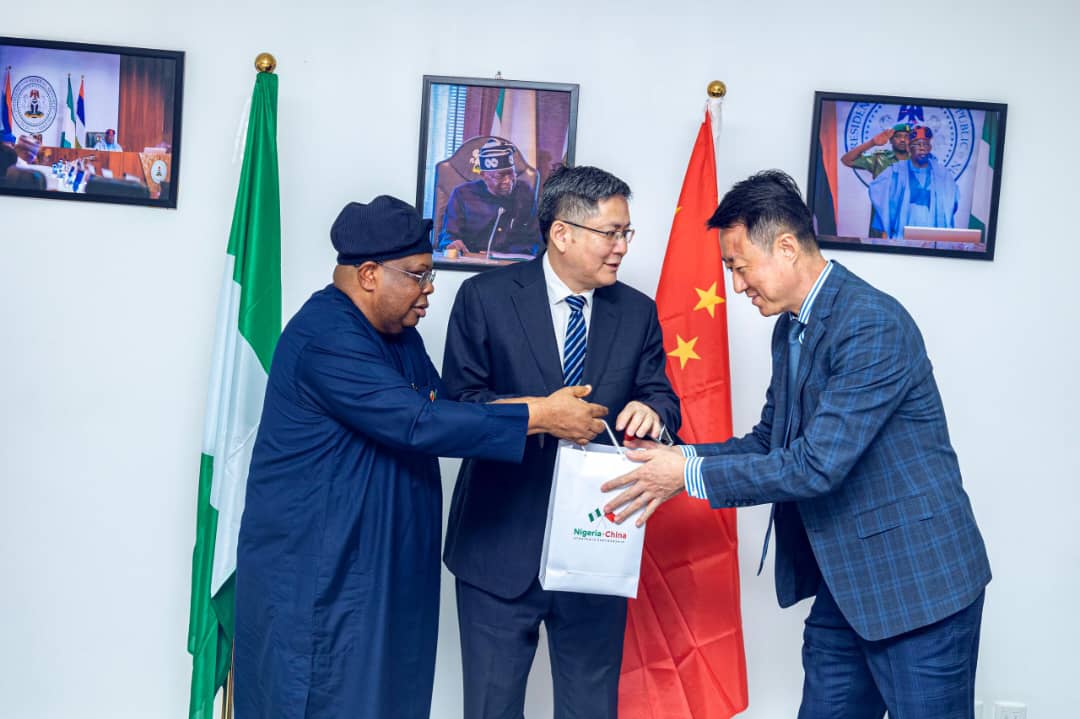
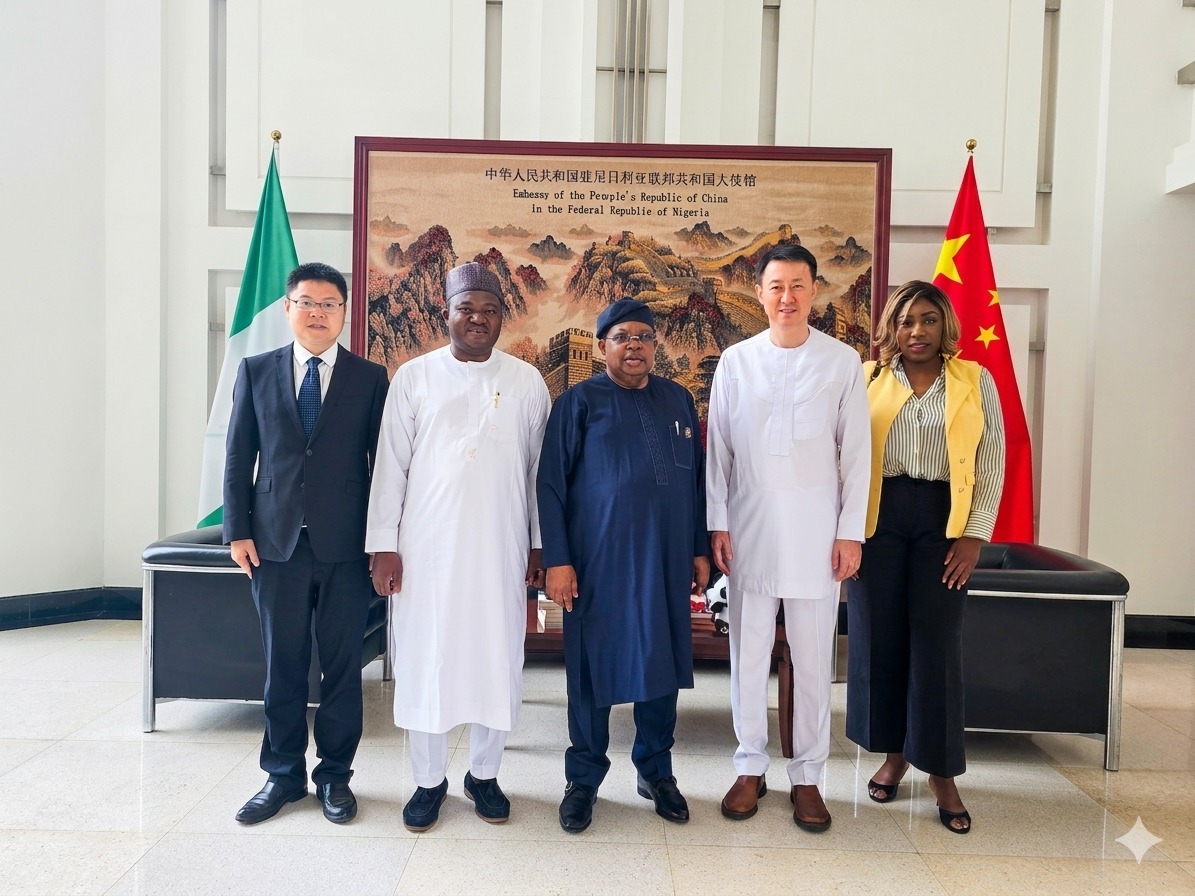
    The Director-General of the Nigeria-China Strategic Partnership (NCSP), Joseph Tegbe, held high-level talks with the Chinese Ambassador to Nigeria, H.E. Yu Dunhai, on deepening bilateral cooperation across critical sectors, including electricity, infrastructure and industrial development.

    The discussions, held in Abuja, centred on advancing the strategic partnership between both countries and identifying concrete opportunities for deeper collaboration in areas considered vital to Nigeria’s economic growth and modernisation agenda.

    Ambassador Yu formally congratulated Tegbe on his appointment as Minister of Power, acknowledging his pivotal role in strengthening ties between Nigeria and China under the Nigeria-China Comprehensive Strategic Partnership framework. The ambassador reaffirmed Beijing’s firm commitment to working with Nigeria to implement the outcomes of the recent Forum on China-Africa Cooperation (FOCAC) Beijing Summit and all bilateral agreements concluded by the leaders of both nations.

    Ambassador Yu underscored the strategic importance of sustained cooperation in energy, power infrastructure and development projects, framing closer engagement in these sectors as essential to elevating the comprehensive strategic partnership to a higher level and generating measurable benefits for citizens of both countries.

    Responding, Tegbe reiterated Nigeria’s unwavering commitment to deepening its relationship with China, describing the Asian giant as an indispensable development partner. He expressed appreciation for China’s consistent support of Nigeria’s socio-economic development and pledged to strengthen collaboration with the Chinese Embassy and relevant Chinese institutions to advance practical initiatives across priority sectors, including power infrastructure, manufacturing and modern agricultural development.

    The minister affirmed that enhanced Nigeria-China cooperation would not only accelerate the achievement of Nigeria’s development objectives but also contribute to broader continental efforts to promote modernisation and sustainable development across Africa.

  • Power Sector Has No Quick Fix, Reforms Will Be Transparent Under My Watch – New Minister of Power, Joseph Tegbe

    Power Sector Has No Quick Fix, Reforms Will Be Transparent Under My Watch – New Minister of Power, Joseph Tegbe

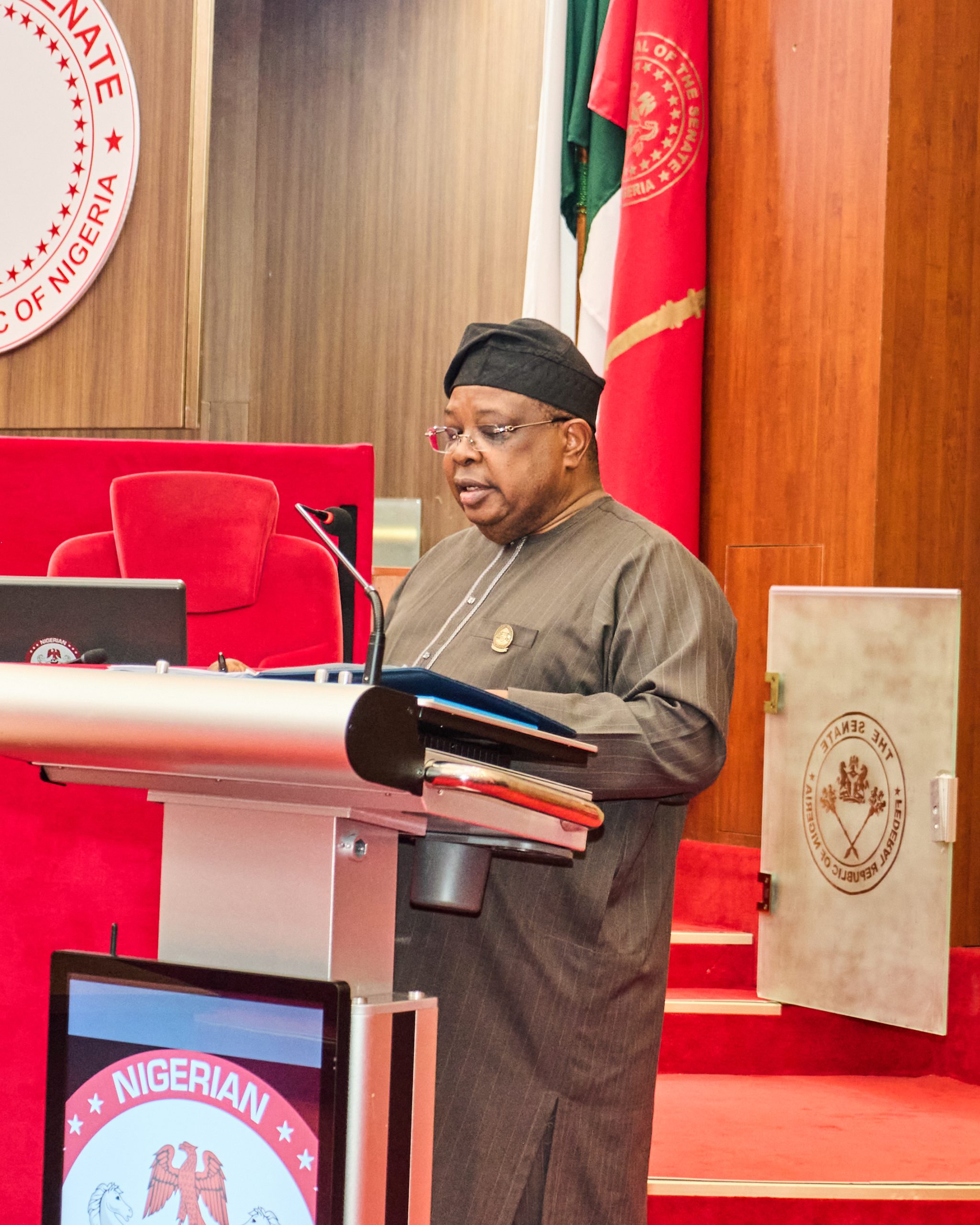
    The Ministerial-Designate for Power, Joseph Olasunkanmi Tegbe, has pledged to transform the power sector through high levels of transparency in his reforms to resuscitate the sector, which has been plagued by incessant national grid collapses and power failures

    Tegbe, who spoke during the Senate screening on Wednesday, 6th May, 2026, acknowledged persistent challenges across the power value chain, noting that while there is no “quick fix,” there is a “disciplined path to solving it,” anchored on execution discipline and measurable progress.

    “We will not do things the way we used to do before. I will not promise what I cannot deliver. We must close the metering gap and ensure Nigerians can track performance through a transparent public dashboard,” he said.

    According to him, the sector must be properly structured, and the people deserve to see real improvement. “We will come with clear milestones and timelines. He further remarked, “We understand the issues. What is needed now is honest engagement and firm execution. We will tell Nigerians the truth. We must reduce system disturbances and strengthen transmission, tariffs must reflect services, and tariffs must justify service, and we must close the trust gap between operators and our citizens.”

    Tegbe added that broader reforms, such as restoring sector credibility, improving gas supply, and accelerating metering, are expected to materialize within the first year.

    However, this is contrary to some reports in some national publications that claim he promised fixing the power sector in 100 days, his views on implementing reforms anchored on the renewed hope agenda and transparency were well articulated 

    Joseph Olasunkanmi Tegbe is well known for his active performance and incredible achievements in his previous appointments as the Director General of the Nigeria-China Strategic Partnership (NCSP), and the Chairman of the National Tax Policy Implementation Committee (NTPIC)

    With over thirty years of experience in KPMG, Tegbe, who started as a Civil Engineer, is an alumnus of Lagos Business School, Nigeria; INSEAD, France; Harvard Kennedy School of Government and Harvard Business School.

    He is a Fellow of the Institute of Chartered Accountants of Nigeria (FCA); Fellow of the Chartered Institute of Taxation (FCIT), and Certified in Governance Enterprise IT (CGEIT).

    His experience includes significant engagements within the power sector, particularly in regulatory and institutional reform involving agencies such as the Nigerian Electricity Regulatory Commission (NERC) and the Nigerian Bulk Electricity Trading Company (NBET).

  • NCSP DG Participates in Inaugural World Data Organization Assembly in Beijing

    NCSP DG Participates in Inaugural World Data Organization Assembly in Beijing

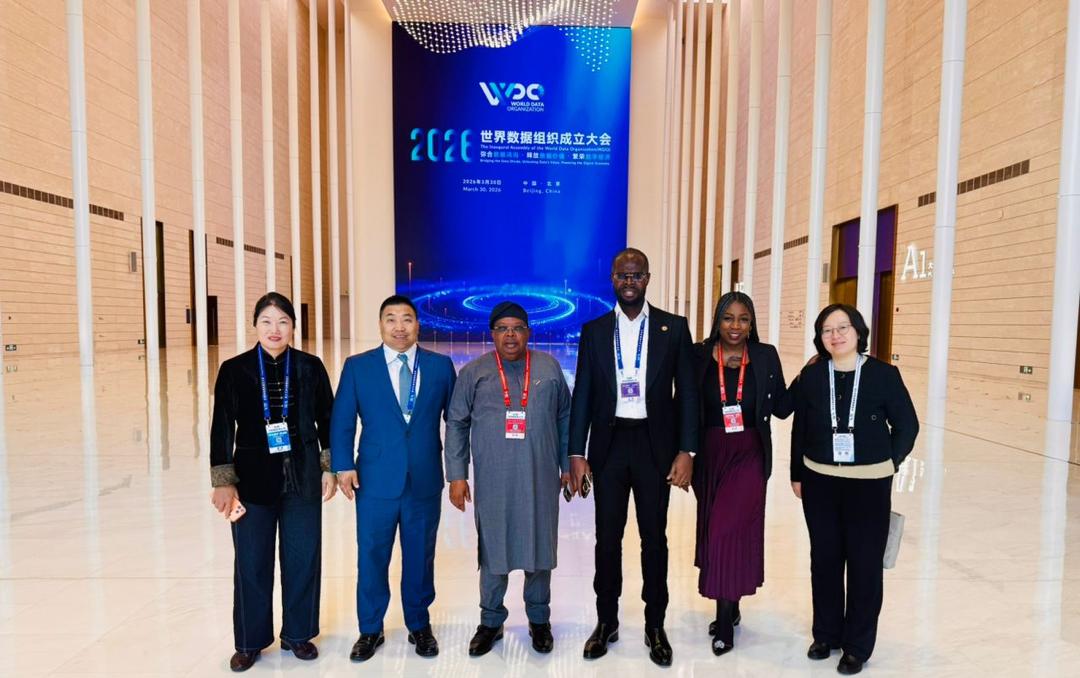
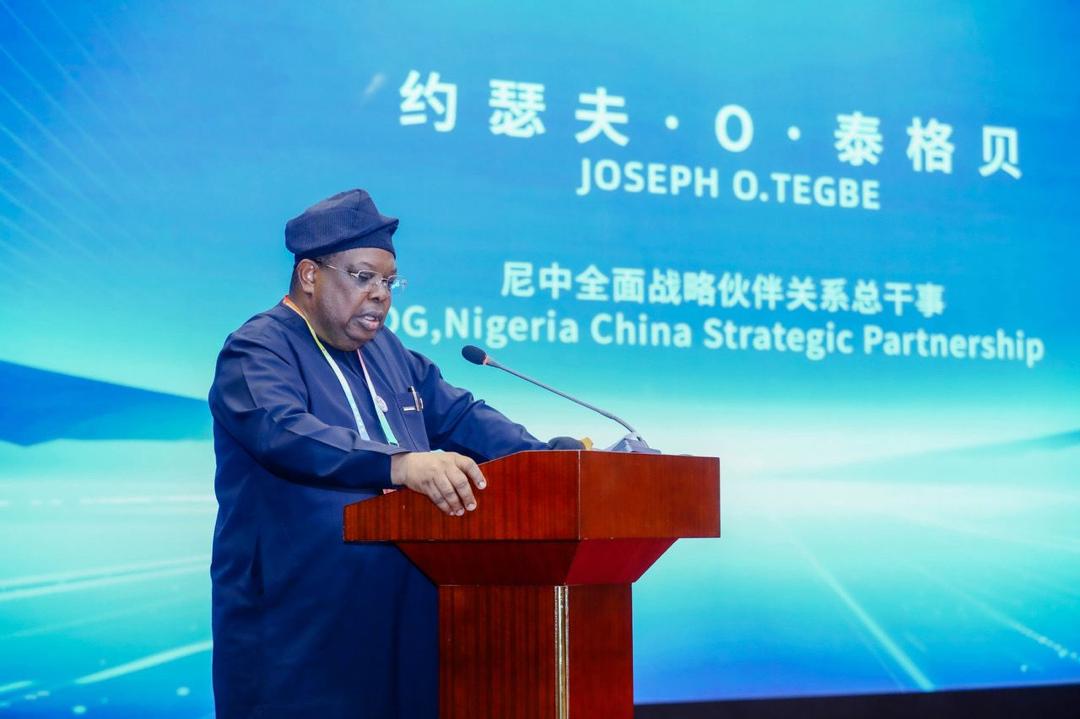
    The Director-General of the Nigeria-China Strategic Partnership (NCSP), Joseph Tegbe, joined other international delegates at the inaugural assembly of the World Data Organization (WDO), held recently in Beijing, China.

    The high-level gathering convened over 500 participants, including senior government officials, multilateral institutions, and digital technology experts, marking a significant step toward strengthening global coordination on data governance and the digital economy.

    Accompanied by the NCSP Head of International Relations, Ms. Judy Melifonwu, Tegbe’s participation underscores Nigeria’s growing strategic interest in global digital cooperation, particularly within the context of its bilateral engagement with China.

    As Director-General of the NCSP, his presence reflects ongoing efforts to position Nigeria as an active stakeholder in shaping international frameworks governing data access, utilisation, and security.

    The assembly featured a keynote address by Ding Xuexiang, who delivered remarks on behalf of Xi Jinping, the Vice Premier. In his address, he emphasized the need for coordinated global action to harness the value of data while ensuring security, inclusiveness, and trust in the digital economy.

    For Nigeria, participation at this level presents significant opportunities to engage in global standard-setting discussions on data governance and cross-border data flows, strengthen bilateral cooperation with China in advancing digital infrastructure and innovation, unlock new pathways for investment and knowledge exchange within the digital economy, and position Nigerian institutions and talent to benefit from emerging global data ecosystems.

    The establishment of the WDO signals a new phase in international collaboration on digital transformation, and with Tegbe’s engagement, the NCSP continues to play a pivotal role in aligning Nigeria’s strategic interests with evolving global opportunities in data and technology.

  • Nigerian Tax Acts 2025 Benefits Highlighted By The National Tax Policy Implementation Committee, Joseph Tegbe

    Nigerian Tax Acts 2025 Benefits Highlighted By The National Tax Policy Implementation Committee, Joseph Tegbe

    Joseph Tegbe, Chairman of the National Tax Policy Implementation Committee (NTPIC), enumerates the benefits of the Nigerian Tax Reform Acts 2025, stating that it marks a significant turning point in the country’s pursuit of a robust and sustainable economy.

    In an article published in several national publications, Tegbe stated that tax law is a comprehensive overhaul of the country’s fiscal architecture, aimed at creating a modern, efficient, and transparent tax system that supports economic growth, development, and prosperity for all Nigerians.

    Tegbe, who is also the Director-General of the Nigeria-China Strategic Partnership (NCSP), affirmed that the new tax law is built around four key pillars: reconnecting the economy to the state, standardising and modernising fiscal administration, promoting predictability, and re-balancing the fiscal social contract. “By broadening the tax net, simplifying rules, and improving administration, we are creating a more predictable fiscal environment that supports businesses and households,” he explained.

    The NTPIC Chairman cited global best practices that informed the reforms, citing examples from South Korea, Singapore, and Rwanda, where tax reforms have driven economic growth and development. “These countries have shown that with the right policies, institutions, and leadership, it is possible to transform a nation’s economy and improve the lives of its citizens,” he said.

    According to him, the tax reform will protect low-income earners and small businesses, with measures such as zero tax rates for those earning up to N800,000 and the expansion of zero-rated VAT items for critical sectors, including healthcare, education, and agriculture. ” By taking away the tax burden on small income earners and small businesses, the reforms aim to preserve livelihoods, encourage formal participation, and allow enterprises to grow organically. We recognise that these sectors are critical to our nation’s development, and we are committed to supporting them,” he noted.

    The Acts also emphasise digitalisation and technology-driven tax administration, with the introduction of e-invoicing to improve compliance, transparency, and reduce administrative burdens, a significant step towards modernising the tax system and making it more efficient, he posited.

    Consequently, he emphasised that the success of the reform depends on careful implementation, necessitating ongoing engagement with stakeholders to ensure proper understanding.

    The implementation of the tax Act is expected to stabilise the fiscal environment, support production, protect critical sectors, and modernise tax administration in line with global standards.

    It will also enhance Nigeria’s ease of doing business, attract foreign investment, and generate employment opportunities. “We are confident that these reforms will unlock new opportunities for businesses, investors, and entrepreneurs, and contribute to the growth and development of our economy,” he added.

  • National Integrated Poultry Project Set to Take Off in Kaduna State

    National Integrated Poultry Project Set to Take Off in Kaduna State

    Pilot Phase to Generate $450 Million and Create Over 350,000 jobs

    The pilot phase of the National Integrated Poultry Project, a transformative agricultural investment facilitated by the Nigeria-China Strategic Partnership (NCSP), is set to kick off in Kaduna State. This landmark initiative is projected to generate over $450 million in revenue and create more than 350,000 jobs across the value chain.

    The announcement came on Wednesday during a high-level meeting between Governor Uba Sani, the leadership of the Nigeria-China Strategic Partnership, and the Chinese Ambassador to Nigeria, Amb. Yu Dunhai. The engagement focused on strengthening bilateral cooperation in agriculture and investment between Nigeria and the People’s Republic of China, with Kaduna State positioned as a major partner and beneficiary.

    In his remarks, the Director-General of NCSP, Joseph Tegbe, commended the Kaduna State Government for its swift approval and allocation of over 7,000 hectares of farmland for the immediate take-off of the project. He described the state’s commitment as exemplary and reflective of her readiness to drive transformative economic growth through international partnerships. Mr. Tegbe explained that the initiative is designed not only to enhance large-scale production but ultimately to reduce the price of eggs and other poultry products, making them more affordable for Nigerian households, as part of the Renewed Hope Agenda of President Bola Ahmed Tinubu, GCFR.

    He added that the project will support existing poultry farmers by providing access to locally produced feedstock, thereby reducing the cost of poultry feed and lowering their overall cost of production. “This project represents a major step toward achieving food security, inclusive growth, and sustainable livelihoods. It is a model of how international collaboration can directly impact the lives of our people,” Mr. Tegbe stated.

    Governor Uba Sani described the visit as “not merely another diplomatic courtesy, but a defining stride in Kaduna’s mission to attract transformative partnerships that will reinforce its position as a continental hub for agricultural and industrial excellence.” He expressed profound appreciation to President Bola Ahmed Tinubu, GCFR, for selecting Kaduna as the pilot state for the project, describing the choice as a testament to the state’s leadership in Nigeria’s agricultural sector.

    “With agriculture contributing 43 percent to our GDP and employing more than 60 percent of our citizens, this partnership will accelerate our pursuit of higher productivity, sustainable growth, food security, and broad-based prosperity,” Governor Sani said. Reaffirming his administration’s commitment, the Governor pledged continued support for partnerships that promote inclusive economic growth, enhance food security, and position Kaduna as the agricultural heart of Nigeria.

    In his address, Ambassador Yu Dunhai commended the remarkable progress unfolding in Kaduna State and lauded the government’s efforts in fostering an enabling environment for global investors. He emphasized that Kaduna’s stability and forward-looking policies have made it a preferred destination for major international partnerships.

    Under President Tinubu’s Renewed Hope Infrastructure Development Fund (RHIDF), the pilot phase of the project will be executed through a Special Purpose Vehicle in partnership with the Chinese Government and the Kaduna State Government. Construction is scheduled to commence in December 2025. Covering a total of 10,000 hectares, the project will integrate maize and soybean cultivation to support feedstock production, while establishing large-scale poultry operations. It is projected to create 50,000 direct jobs and over 300,000 indirect employment opportunities across the value chain.

  • DG, NCSP Celebrates with China on Mid-Autumn Festival, Strengthens Bonds for Shared Prosperity

    DG, NCSP Celebrates with China on Mid-Autumn Festival, Strengthens Bonds for Shared Prosperity

    The Director General of the Nigeria-China Strategic Partnership (NCSP), Mr. Joseph Olasunkanmi Tegbe, has extended heartfelt congratulations to the government and people of China as they celebrate the 2025 Mid-Autumn Festival—a season of joy, reunion, and reflection.

    Observed this year on October 6, the Mid-Autumn Festival is one of China’s most cherished traditions, with a history dating back over 3,000 years to the Shang Dynasty. Once a royal ritual linked to moon worship and agriculture, it evolved into a vibrant celebration of family togetherness, mooncakes, lantern riddles, and prayers for health, happiness, and harmony.

    In his message, Mr. Tegbe noted that the festival’s spirit of unity and goodwill resonates deeply with the shared values of Nigeria and China, especially as both nations continue to strengthen ties that support economic growth, cultural exchange, and sustainable development. “On behalf of the NCSP and the Nigerian people, I extend warm wishes to our friends in China for a joyful and memorable Mid-Autumn Festival. This celebration is a reminder of the importance of unity and shared prosperity principles that also guide our partnership with China,” Tegbe said.

    He emphasized that China remains one of Nigeria’s most significant trade and development partners, with strong collaboration in trade, investment, infrastructure, agriculture, technology, human capital, and youth empowerment. Over the years, this partnership has secured more than $20 billion in investments, supported by commitments under the Forum on China-Africa Cooperation (FOCAC) 2024 framework.

    Reaffirming Nigeria’s support for the One-China Principle, Mr. Tegbe reiterated NCSP’s role in bridging policy with execution by coordinating efforts across government agencies, the private sector, and diplomatic entities. He noted that this work is key to ensuring Nigeria fully harnesses its relationship with China for sustainable economic advancement.

    As the Mid-Autumn Festival ushers in good tidings, NCSP joins the Chinese people in celebrating a tradition that not only honors the past but also points toward a future of mutual respect, stronger partnerships, and shared development.

  • NCSP Courts China’s Tech Giants, Pitches Nigeria as Next Big Data Frontier

    NCSP Courts China’s Tech Giants, Pitches Nigeria as Next Big Data Frontier

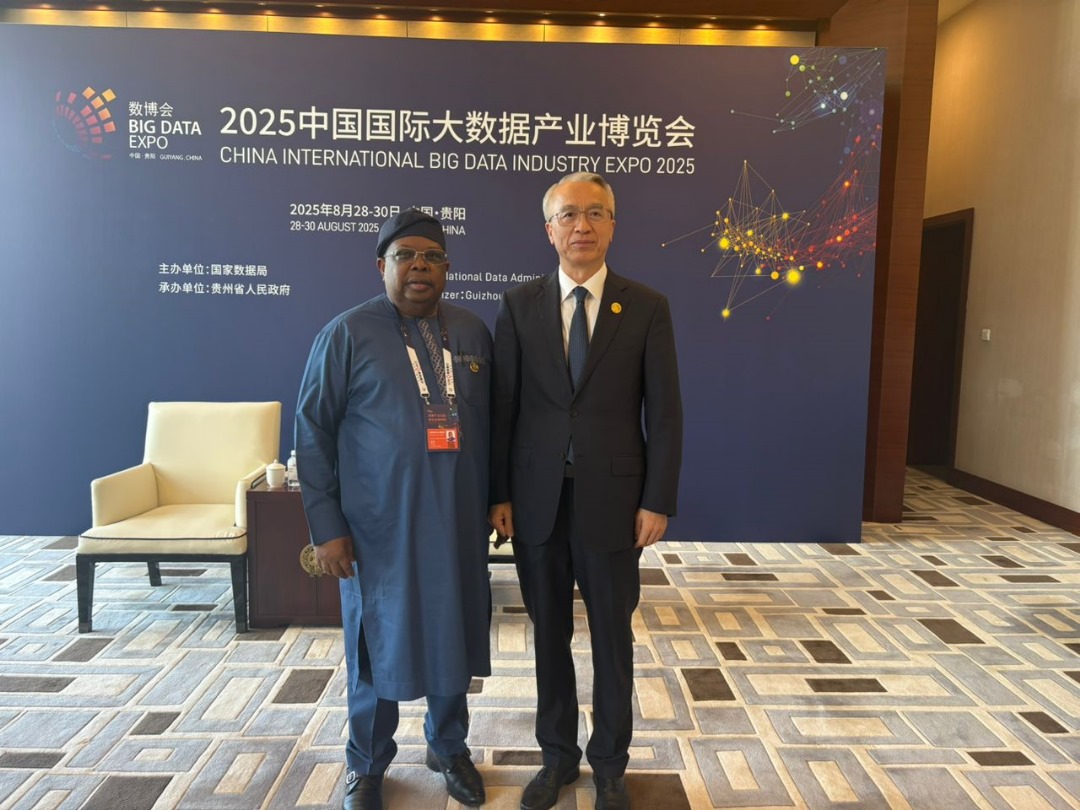
    Nigeria has stepped up its campaign to position itself as Africa’s next big data hub, urging Chinese technology giants to seize early opportunities in the continent’s rapidly expanding digital economy. The message was delivered by Joseph Tegbe, Director-General of the Nigeria-China Strategic Partnership (NCSP), who used two major platforms in Guiyang, China, to present both the vision and the investment blueprint for Nigeria’s digital future.

    At the China International Big Data Industry Expo, Tegbe framed Nigeria as a natural partner for China in replicating its digital transformation story on African soil. He pointed to the country’s more than 160 million internet-connected citizens, a thriving fintech sector, and expanding fiber infrastructure as evidence of readiness. With a population of 220 million, largely young and tech-driven, he argued that Nigeria is primed for a digital leap that could rival the shifts China has achieved over the past two decades. Big data, he said, was not merely a technical issue but a strategic one, about turning intelligence into economic and social value. For him, Africa’s existing shortfall in digital infrastructure should not be viewed as a weakness but as an opportunity, a greenfield that investors can shape. He urged Chinese technology leaders to be early movers in building Africa’s “digital highways,” with Nigeria as the continental anchor.

    While his first address stressed aspiration and positioning, Tegbe’s second speech at the Digital Silk Road Connection Event offered a more detailed roadmap. He revealed that Nigeria’s data center market, valued at $278 million in 2024, is projected to grow to $671 million by 2030. With Africa’s internet user base already above 570 million and mobile traffic expanding at 40 percent annually, he said demand for digital capacity was clear and urgent. This demand, he noted, represents a strategic opening for deeper Asia–Africa collaboration under the Digital Silk Road, the Belt and Road Initiative’s digital cooperation framework.

    Tegbe outlined four priority areas for partnership. First is the development of hyperscale data centers and cloud availability zones, which he said would form the backbone of Africa’s digital economy. Second is the diversification of global AI supply chains through the integration of African datasets and talent, a move that would bring greater inclusivity to emerging technologies. Third is the establishment of joint laboratories in sectors such as agriculture, health, and financial services, ensuring that local data informs local solutions. Finally, he highlighted the need for stronger talent pipelines through research and exchange programs, aligning African capacity with Chinese expertise.

    He tied these proposals to the broader African Continental Free Trade Area (AfCFTA), stressing that its 1.4 billion-person market offered an unprecedented opportunity for investors prepared to act decisively. “The countries that will thrive in the modern economy are not those with the most minerals, but those who can harness data for their people,” he said, positioning Nigeria as the launchpad for that transformation.

    Throughout both engagements, Tegbe reaffirmed Nigeria’s commitment to the One-China principle and praised the longstanding role of Chinese companies in Nigeria’s development. Firms such as CCCC, CRCC, CCECC, CHEC, Huawei, and ZTE, he said, had already woven themselves into Nigeria’s economic story through contributions in infrastructure and technology. Their experience, he added, positioned them well to lead the next phase of digital cooperation.

    Concluding his series of engagements, Tegbe underscored the scale of the opportunity at hand. “The world is entering a new era where data is the new oil,” he said. “If we align China’s expertise with Nigeria’s innovation and Africa’s vast markets, we can create new Silk Roads of digital opportunity. Nigeria is ready. Africa is ready. Together with China, we can shape the digital destiny of tomorrow.”

  • Guangxi People’s Congress Delegation Visits Nigeria-China Strategic Partnership

    Guangxi People’s Congress Delegation Visits Nigeria-China Strategic Partnership

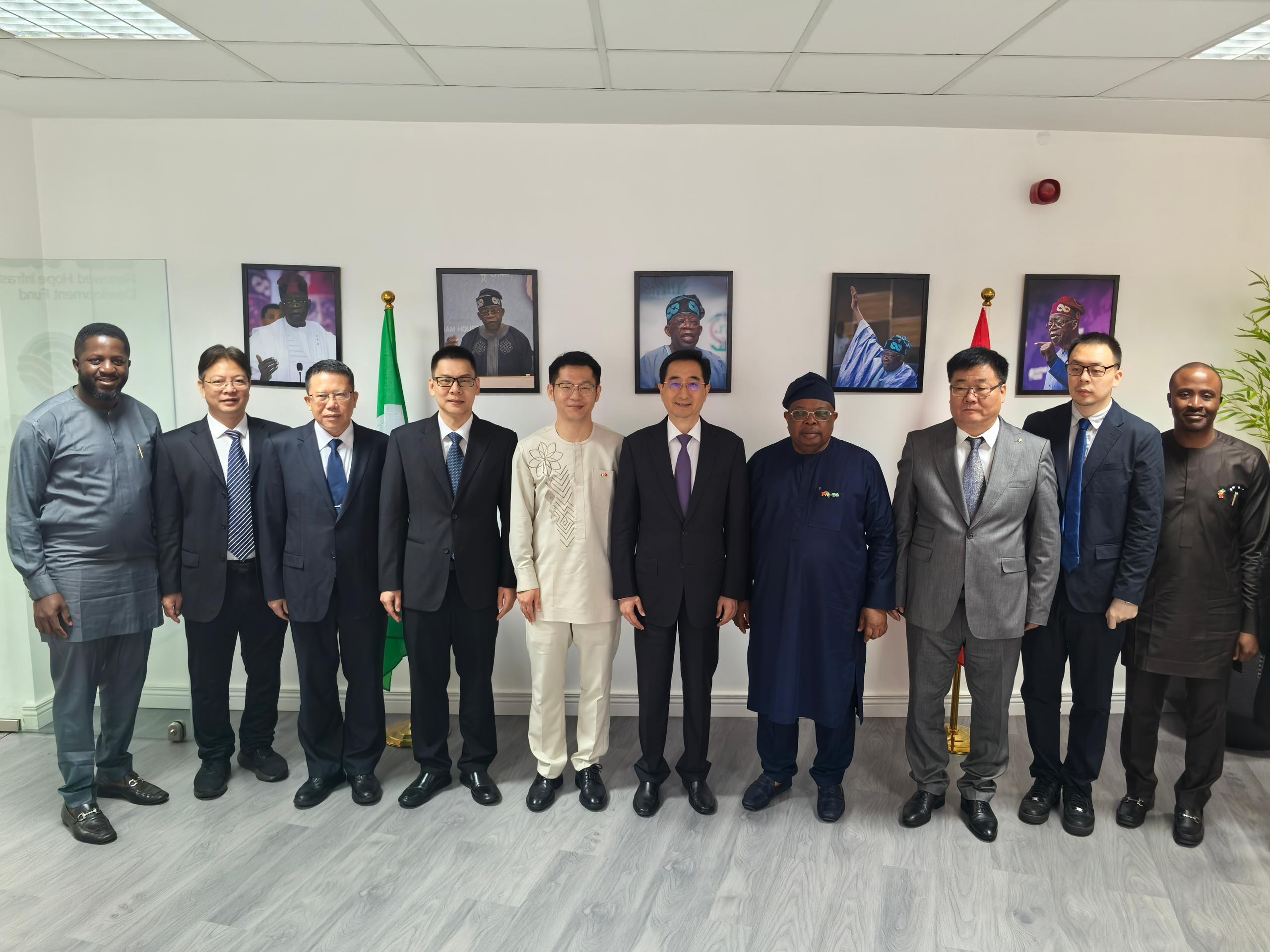
    A high-level delegation of the Guangxi People’s Congress of China, led by Zhang Xiaoqin, Vice Chairman of the Standing Committee, has paid a courtesy visit to the Nigeria-China Strategic Partnership (NCSP) in Abuja. The team was accompanied by the Head of Mission of the Chinese Embassy in Nigeria, Mr. Zhou Hongyou.

    Welcoming the delegation, the Director-General of NCSP, Joseph Tegbe, reaffirmed Nigeria’s commitment to the One-China Principle and highlighted the country’s long-standing relations with China, recently elevated to a Comprehensive Strategic Partnership at FOCAC 2024. He outlined NCSP’s mandate, which includes monitoring the 55 FOCAC-agreed projects, overseeing strategic projects of national interest, and coordinating Presidential initiatives across seven key sectors.

    Vice Chairman Zhang Xiaoqin thanked the DG for hosting the delegation and stressed Guangxi’s readiness to deepen cooperation with Nigeria. He noted Guangxi’s strategic role as a regional hub in southern China, its successful hosting of the China-ASEAN Expo, and rising trade with Nigeria, which grew by 21% last year to USD 320 million. He further invited Nigerian businesses and tourists to explore Guangxi’s strengths in fruit production, tourism, digital economy, and mining.

    In his remarks, Mr. Zhou Hongyou of the Chinese Embassy praised the visit and highlighted cultural and economic similarities between Guangxi and Nigeria, expressing optimism about stronger cooperation ahead.

    The DG pledged to visit Guangxi soon, noting Nigeria has much to learn from China’s model of high scale modernization. He welcomed Guangxi as a new partner alongside Hunan Province and assured that NCSP will work closely with the delegation to identify immediate opportunities, particularly in manufacturing equipment, agriculture, and fruit production and processing .

  • NCSP, BORBDA Partner to Tackle Food Security and Livestock Feed Challenges Through Strategic Nigeria-China Collaboration

    NCSP, BORBDA Partner to Tackle Food Security and Livestock Feed Challenges Through Strategic Nigeria-China Collaboration

    In a bid to accelerate agro-industrial development in Nigeria, the Nigeria-China Strategic Partnership (NCSP) engaged with Benin-Owena River Basin Development Authority (BORBDA) on large-scale agricultural collaboration, with a strong focus on food security and sustainable livestock feed production.

    The high-level meeting, held at the NCSP office in Abuja, brought together top executives from both organisations. The engagement aimed to explore mutually beneficial partnerships aligned with key bilateral agreements under the Forum on China-Africa Cooperation (FOCAC), as well as Nigeria’s broader economic transformation agenda.

    Welcoming the BORBDA delegation, the Director General of NCSP, Mr. Joseph Tegbe, outlined the agency’s strategic role in coordinating and monitoring over 55 China-Nigeria bilateral agreements across priority sectors, including agriculture, mining, education, infrastructure, and healthcare. He highlighted NCSP’s deliberate shift from transactional engagements to integrated, development-driven partnerships with China, positioning Nigeria to unlock long-term value from the cooperation.

    Speaking on behalf of BORBDA, the Managing Director, Dr. Olufemi Samuel Adekanmbi, commended NCSP’s strategic alignment with national priorities. He spotlighted the persistent challenge of livestock feed shortages in Nigeria and presented BORBDA’s flagship proposal, the National Feed Development Initiative.

    This initiative proposes the establishment of feed production centres across Nigeria’s six geopolitical zones, utilising an innovative combination of Juncao grass, soybean meal, and black soldier fly larvae. Dr. Adekanmbi explained that the project is designed to enhance food security, promote nutritional improvement, create jobs, especially for youth through collaboration with the National Directorate of Employment (NDE), and mitigate herder-farmer conflicts. He noted that BORBDA already possesses land and irrigation assets needed to commence implementation and called for NCSP’s coordination in mobilising Chinese technical expertise and investment.

    Both organisations expressed strong optimism about the partnership’s potentials, with NCSP reaffirming its readiness to facilitate investment, engage relevant Chinese government agencies and private sector players.

    This engagement reinforces NCSP’s commitment to transforming bilateral agreements into catalytic, high-impact programmes that support Nigeria’s industrial and agricultural renaissance, in line with the Renewed Hope Agenda of President Bola Ahmed Tinubu, GCFR.

  • NCSP, China-Africa Geoscience Center & Yangtse Automotive Explore Strategic EV and Mining Partnerships

    NCSP, China-Africa Geoscience Center & Yangtse Automotive Explore Strategic EV and Mining Partnerships

    In line with the continued bold efforts of the President Tinubu-led administration to drive industrialization and economic diversification, the Nigeria-China Strategic Partnership (NCSP) held a strategic meeting with the China-Africa Geoscience Cooperation Center and Yangtse Automotive Group on collaborative investments in the mining and electric vehicle (EV) manufacturing sectors with the aim of revitalizing Nigeria’s manufacturing base and unlocking sustainable industrial growth.

    At a meeting held at the NCSP Abuja Office, the Director General of NCSP, Mr. Joseph Tegbe, emphasized the urgent need for Nigeria to reindustrialize by leveraging strategic Chinese investments to build a resilient and competitive industrial ecosystem by attracting serious, long-term Chinese investors. He highlighted opportunities across the full EV value chain, from mineral extraction and refining to battery storage, charging infrastructure, and vehicle manufacturing, positioning Nigeria as a hub for clean mobility and energy innovation in West Africa. These efforts are to compliment the great strides of the Honourable Minister for Solid Minerals, Mr Dele Alake.

    Speaking on behalf of the Chinese delegation, Professor Hu Peng, Secretary General of the China-Africa Geoscience Center, reaffirmed President Xi Jinping’s commitment to China-Africa cooperation. He noted the Center’s longstanding collaboration with Nigeria in geoscience research and capacity building, while spotlighting the readiness of Yangtse Automotive and Hubei Wan New Energy to invest in Nigeria’s evolving industrial landscape.

    As part of the next steps, Yangtse Automotive, Hubei Wan New Energy and NCSP have agreed to collaborate to ensure the immediate realization of the proposed investments and ensure efficient and effective regulatory approvals in both China and Nigeria. is expected to submit a formal expression of interest to NCSP, outlining specific areas of collaboration. The NCSP team will, in turn, undertake a technical visit to Hubei Wan New Energy’s facilities in the coming weeks to assess capacity and feasibility.

    This engagement reinforces the NCSP’s mandate to facilitate credible international partnerships that stimulate manufacturing, create jobs, and accelerate Nigeria’s industrial transformation under the Renewed Hope Agenda of President Bola Ahmed Tinubu.

  • NCSP Hosts Central Party School Delegation, Advances Strategic Partnership on Governance and Public Sector Reform

    NCSP Hosts Central Party School Delegation, Advances Strategic Partnership on Governance and Public Sector Reform

    In a renewed effort to strengthen Nigeria-China relations, the Nigeria-China Strategic Partnership (NCSP) hosted a high-powered delegation from the Central Party School of the Communist Party of China (CPC) in Abuja. The visit marked a significant milestone in bilateral institutional cooperation, with particular focus on governance, public service reform, investment, and strategic development planning.

    The Chinese delegation was led by His Excellency, Professor Gong Weibin, Vice President of the Central Party School, accompanied by senior officials from key departments within the institution. Also in attendance was His Excellency Ambassador Yu Dunhai, the Chinese Ambassador to Nigeria.

    Welcoming the delegation, NCSP Director-General, Mr. Joseph Tegbe, conveyed warm greetings on behalf of the President of the Federal Republic of Nigeria, His Excellency Bola Ahmed Tinubu, GCFR. He reaffirmed Nigeria’s unwavering commitment to the One China Policy and reiterated Nigeria’s desire to build a forward-looking development partnership founded on mutual respect, strategic coordination, and shared prosperity.

    Mr. Tegbe referenced Nigeria’s active participation in recent China-Africa engagements, including the FOCAC Inter-ministerial Meeting and the China–Africa Economic and Trade Expo. These fora, he noted, have helped further align Nigeria’s development priorities with China’s global cooperation agenda. He commended China’s leadership in promoting South-South cooperation, describing President Xi Jinping’s Ten Partnership Action Points announced at the 2024 FOCAC Summit, as a robust framework for advancing Nigeria’s national development goals.

    He also highlighted the impact of China’s zero-tariff policy for 53 African countries, which he described as a landmark initiative that would significantly enhance trade flows and industrial competitiveness across the continent. Mr. Tegbe went on to outline Nigeria’s key priority projects, including agricultural value chain development as well as a budding partnership with leading Chinese firms in the vehicle manufacturing sector.

    In his remarks, Professor Gong expressed sincere appreciation for Nigeria’s warm hospitality and dynamic cultural environment. Despite having spent only a few hours in the country, he remarked on the positive impression Nigeria had made on him, particularly its vibrancy, diversity, and vast potential.

    Professor Gong provided an overview of the Central Party School’s structure and mandate, emphasizing its critical role in shaping governance and public administration in China. With over 3,600 local branches and a faculty strength exceeding 100,000, the School is a pillar of China’s civil service education system and a key think tank influencing national policy. He explained that the School is responsible for four core functions: training of civil servants and party leaders, theoretical and ideological research, development of social sciences rooted in local context, and policy advisory services. Many faculty members also hold senior roles within the Chinese government, and President Xi Jinping himself previously served as the School’s Principal for five years.

    Noting the School’s longstanding interest in international exchange, Professor Gong revealed that several Nigerian officials have participated in training programmes over the years. He extended a formal invitation to Tegbe and the NCSP team to visit the Central Party School in Beijing, with the aim of fostering deeper institutional collaboration and knowledge sharing.

    The meeting concluded with mutual expressions of respect and recognition of the cultural and governance values shared between Nigeria and China, particularly in the areas of family cohesion, public discipline, and long-term development planning. Tegbe described the engagement as timely and enlightening, especially as Nigeria advances reforms in public service delivery and institutional capacity building. He reaffirmed NCSP’s commitment to strengthening people-to-people exchanges, promoting training and learning opportunities, and enhancing bilateral policy innovation with Chinese partners.

  • Nigeria, China Deepen Economic Ties at Changsha Investment Dialogue

    Nigeria, China Deepen Economic Ties at Changsha Investment Dialogue

    At the recently concluded Nigeria-China Investment Dialogue held in Changsha, the Nigeria-China Strategic Partnership (NCSP) reaffirmed its commitment to advancing sustainable and transformative economic cooperation between the two nations. This commitment was emphasized in a keynote address delivered by the Director-General of NCSP, Mr. Joseph Tegbe, at the high-level forum which convened senior government officials, business leaders, and development stakeholders from both countries to explore new pathways for bilateral engagement.

    In his address, Mr. Tegbe outlined a bold and forward-looking vision for a long-term partnership anchored on shared values, strategic alignment, and mutual respect. Describing Nigeria and China as nations bound by ambition, ingenuity, and a collective will to rise, he drew a compelling parallel between the Eagle and the Dragon—national icons symbolizing strength, vision, and global leadership. He noted that Nigeria and China, standing side by side, are not merely emerging economies but purposeful partners shaping the future of global development.

    He commended the selection of Changsha as the host city for the dialogue, calling it both symbolic and strategic. Citing its revolutionary legacy and its transformation into a modern industrial hub, the Director-General drew comparisons with Nigeria’s own developmental trajectory. Just as Changsha contributed to the rise of modern China, he said, Nigeria’s future is being driven by visionary leadership and a vibrant, youthful population determined to build a strong and prosperous nation.

    Mr. Tegbe emphasized that Nigeria is not just a land of untapped potentials but a country firmly grounded in purpose. With a population of over 220 million, a GDP exceeding $400 billion, and a median age of just 18, Nigeria is strategically positioned to lead Africa into a new era of digital innovation, agricultural transformation, and industrial growth.

    In agriculture, he highlighted Nigeria’s vast comparative advantage, noting that while China feeds 19% of the world’s population using only 7% of global arable land, Nigeria possesses over 70 million hectares of cultivable land—much of it yet to be utilized. As one of the world’s leading producers of cassava, yam, palm oil, and sorghum, Nigeria offers a robust platform for agribusiness investment that can respond to global food security challenges.

    Turning to technology, the DG noted Nigeria’s emergence as Africa’s leading innovation hub. With more than 122 million internet users and a thriving start-up ecosystem, the country accounted for over a quarter of the continent’s venture capital funding in 2024. Citing companies like Paystack, Flutterwave, and Opay, he underscored Nigeria’s growing influence in the global digital economy. He described the country as a strategic entry point for Chinese investors looking to engage with Africa’s rapidly evolving tech landscape, underpinned by a youthful, tech-savvy population.

    Mr. Tegbe also pointed to ongoing macroeconomic reforms aimed at creating a more competitive and investor-friendly environment. Efforts to improve the ease of doing business, streamline regulatory processes, and offer targeted tax incentives have been complemented by focused investment in priority sectors such as healthcare, education, housing, and retail. These reforms, he explained, are part of a broader strategy to ensure inclusive, long-term development. “The Nigerian spirit does not falter in the face of adversity. It adapts. It endures. It triumphs,” he affirmed.

    Referencing President Bola Ahmed Tinubu’s renewed foreign policy vision, the Director-General described the evolving Nigeria-China relationship as a deliberate alignment of interests and values. He urged both countries to move beyond transactional engagements toward deeper, trust-based collaboration. “Let us build a bridge between the Dragon and the Eagle—not only for trade and technology—but for trust, shared values, and a collective commitment to prosperity,” he concluded.

    The Nigeria-China Strategic Partnership reiterated its commitment to facilitating long-term, development-driven cooperation between the two nations. With a strong focus on industrialization, sustainability, and inclusive growth, the NCSP is set to drive a new era of bilateral partnership—one grounded in purpose and propelled by shared progress.
  • Nigerian Government meets Chinese Giant on the Revitalization of Ajaokuta Steel

    Nigerian Government meets Chinese Giant on the Revitalization of Ajaokuta Steel

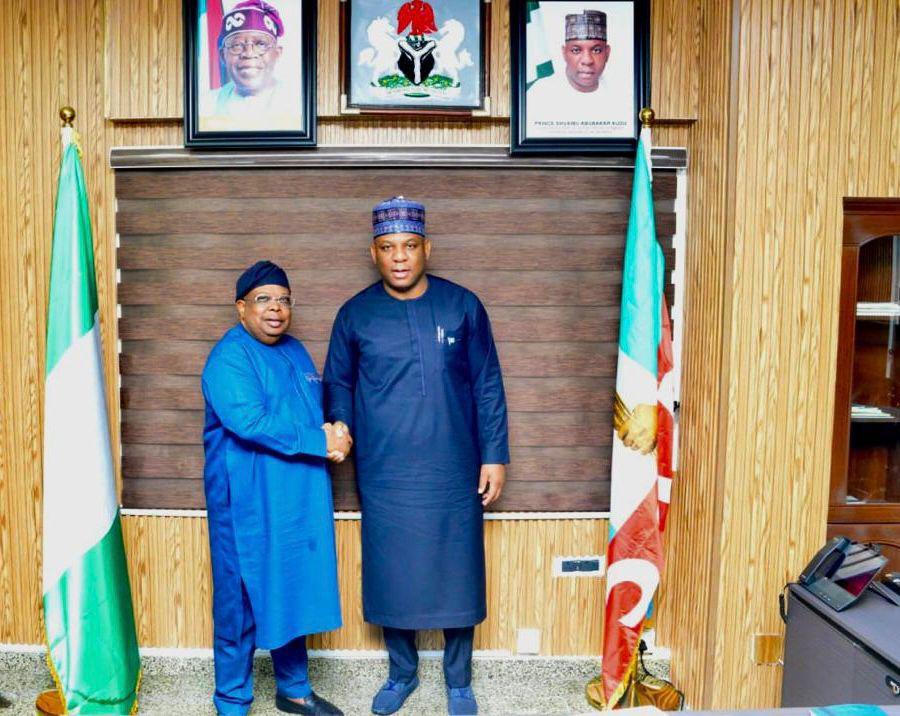
    In a decisive move to revive Nigeria’s underperforming steel sector, a high-powered delegation comprising of the Director-General of the Nigeria-China Strategic Partnership (NCSP), Joseph Tegbe, and the Honourable Minister of Steel Development, Prince Shuaibu Abubakar Audu, have held a strategic meeting with executives of Sino Steel, one of China’s largest and most influential steel conglomerates.

    The high-level engagement focused on advancing the long-delayed revitalization of the Ajaokuta Steel Company, a key industrial asset considered critical to Nigeria’s manufacturing ambitions and job creation strategy. Talks centred around technical evaluations, operational modelling, and financing frameworks required to restore the facility to full productivity.

    Under the Renewed Hope Agenda of President Bola Ahmed Tinubu, the Nigerian government has placed renewed emphasis on industrialization, infrastructure development, and local content participation. Ajaokuta Steel Company, with an existing installed capacity of 1.9 million tonnes and the potential to scale up to 5 million tonnes annually, remains a cornerstone of this agenda—particularly in supporting the automotive, construction, and heavy machinery sectors.

    Speaking after the meeting, NCSP Director-General Joseph Tegbe described the discussions as “strategic, technical, and action-oriented,” noting that the collaboration reflects a strong alignment between Nigerian economic aspirations and China’s expertise in large-scale industrial development.

    Sino Steel expressed its readiness to deploy a technical team for an on-site viability assessment of the Ajaokuta plant in the coming weeks. The company will subsequently present a comprehensive proposal outlining a phased roadmap for modernization and operational optimization.

    Honourable Minister Shuaibu Audu reaffirmed the Federal Government’s commitment to unlocking the full potential of the Ajaokuta facility, stressing the importance of working with credible international partners. He emphasized his Ministry’s determination to move beyond rhetoric and deliver a steel sector that drives national industrial growth and global competitiveness.

    This engagement is one of several high-level interactions between Nigerian and Chinese stakeholders in recent months, as the Nigeria-China Strategic Partnership continues to play a central role in catalyzing bilateral cooperation in infrastructure, manufacturing, and industrial development—consistent with the shared commitments of President Tinubu and President Xi Jinping.

    ……..

  • Nigeria’s Steel Sector Gets a Boost as NCSP, Steel Ministry Collaborate to Develop Automotive and Manufacturing Sectors

    Nigeria’s Steel Sector Gets a Boost as NCSP, Steel Ministry Collaborate to Develop Automotive and Manufacturing Sectors

    The Nigeria-China Strategic Partnership (NCSP) is collaborating with the Federal Ministry of Steel Development to revive the long-dormant Ajaokuta Steel Company-positioning it as a cornerstone of Nigeria’s renewed push toward industrialization, with a strong focus on the automotive and manufacturing sectors.

    In a recent briefing with the Honourable Minister of Steel Development, Prince Shuaibu Abubakar Audu, the Director General of NCSP, Mr. Joseph Tegbe, confirmed that discussions are progressing around a public-private partnership with leading Chinese steel manufacturers. The proposed structure is a zero-cost investment model for Nigeria, anchored on a revenue-sharing agreement designed to support sustainable steel production and long-term economic growth.

    “This initiative is not just about restarting Ajaokuta—it’s about positioning Nigeria to lead in sectors where steel is central to productivity and development,” said Tegbe. The plan, which has received full endorsement from President Bola Ahmed Tinubu, includes proposed 10-year revenue-sharing arrangement between Nigerian and Chinese investors. Key focus areas include technology transfer, sheet metal production, furnace modernization, and the expansion of manufacturing value chains.

    Responding to the briefing, the Honourable Minister emphasized the urgency of execution and reaffirmed his commitment to the initiative, describing Ajaokuta as “the cornerstone of Nigeria’s industrial potential.”

    Consequently, a high-level delegation comprising of the Minister of Steel Development, MD Ajaokuta Steel Company and DG NSCP will be visiting major steel production facilities in China, engage prospective investors, and deliver strategic presentations focused on both the technical feasibility and commercial viability of the Ajaokuta project.

    Industry experts suggest that a successful revival of the steel sector could dramatically reduce Nigeria’s reliance on steel imports, boost local vehicle production and spur growth across manufacturing and infrastructure. Once envisioned as the backbone of Nigeria’s industrial future, the Ajaokuta Steel Company has remained largely inactive since the 1990s. With renewed political will and targeted international collaboration now in motion, stakeholders are increasingly optimistic that Ajaokuta may finally realize its long-awaited potential.

  • President Tinubu Receives NCSP Director-General, reviews progress of Strategic Partnership with China

    President Tinubu Receives NCSP Director-General, reviews progress of Strategic Partnership with China

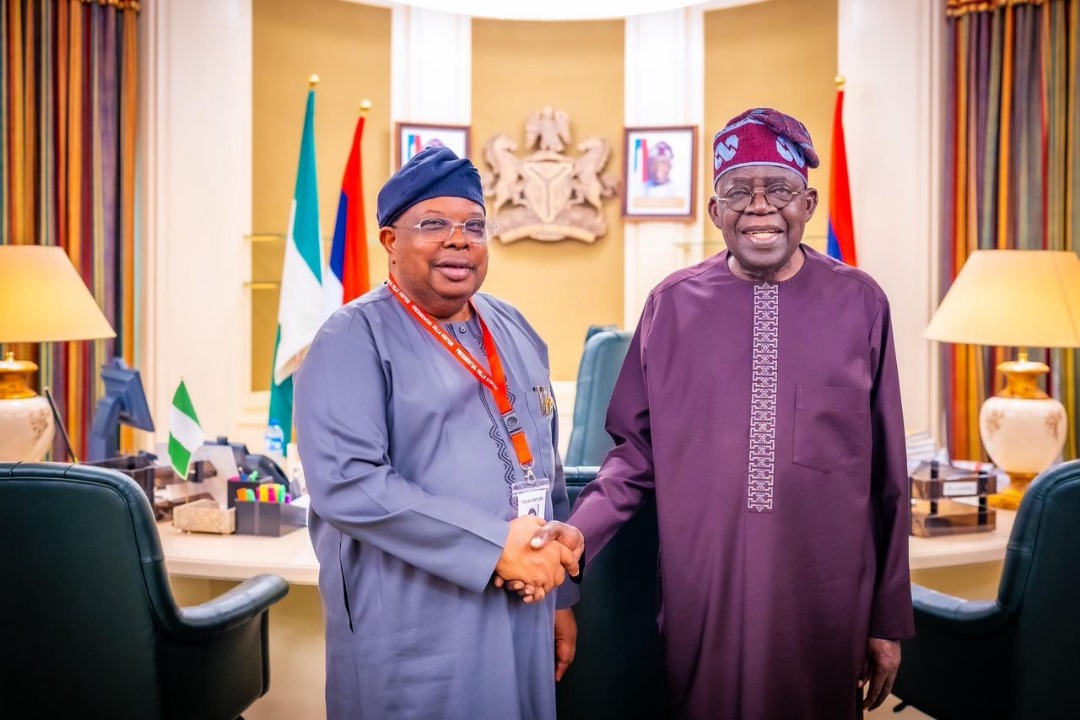
    His Excellency, President Bola Ahmed Tinubu, GCFR, on Monday received the Director-General and Global Liaison of the Nigeria-China Strategic Partnership (NCSP), Mr. Joseph Tegbe, at the Presidential Villa for a high-level briefing on the current state of the comprehensive strategic partnership between Nigeria and the People’s Republic of China.

    During the meeting, Mr. Tegbe provided an update on the ongoing activities and initiatives of the NCSP office, highlighting significant progress made in advancing the comprehensive strategic partnership agreement signed by President Tinubu and Chinese President Xi Jinping.

    Since his appointment, Mr. Tegbe has led robust engagements with key stakeholders in the Chinese government and business community, working to attract targeted investments into Nigeria across critical sectors, including infrastructure, technology, manufacturing, agriculture, education, healthcare, and mineral development.

    President Tinubu commended Mr. Tegbe and his team for their dedication and the tangible strides made in aligning international cooperation with Nigeria’s national development goals. He expressed full confidence in Mr. Tegbe’s leadership and reaffirmed his administration’s commitment to leveraging Nigeria’s partnership with China to accelerate industrialization and economic transformation.

    In his remarks, the President charged the NCSP with the task of fast-tracking the execution of priority projects that deliver real and measurable benefits to the Nigerian people. He emphasized the importance of leveraging the Nigeria-China relationship in Nigeria’s industrialization.

    The Nigeria-China Strategic Partnership remains a key pillar of Nigeria’s foreign and economic policy, aimed at unlocking new opportunities in trade, infrastructure, energy, and human capital development.