Proposals to include cirrhotic liver disease and haemophilia, and other inherited bleeding disorders, into the definition of non-communicable diseases (NCDs) will be tabled at the World Health Assembly in May, the World Health Organization (WHO) Executive Board (EB) resolved on Tuesday.
Egypt, which sponsored the resolution on cirrhotic liver disease, told the EB that it affects more than 1.7 billion people worldwide, “driven by metabolic risk factors, unhealthy diets and physical inactivity”.
The resolution calls for the formal recognition and systematic integration of the liver disease into the global NCD response, “including surveillance systems, prevention strategies, primary healthcare-based management and national NCD plans”.
Introducing the resolution on haemophilia and other inherited bleeding disorders, Armenia said it aimed to address “the systematic under-diagnosis and historical lack of prioritisation” afforded to these disorders and “bridge the gap in access to essential treatment and care”.
Dr Jeremy Farrar, WHO Assistant Director General, said that NCDs will be one of the “defining concerns” of the 21st century, after a mammoth session on NCDs that was addressed by almost every member state.
NCDs already account for over 80% of deaths in the Western Pacific region, the EB heard from a representative from the Solomon Islands.
Several countries appealed for support and guidance to address their growing burdens of key NCDs, including diabetes, heart disease and hypertension – driven mainly by unhealthy diets and lack of exercise.
The majority of countries have been unable to reach NCD-related targets set out in the Sustainable Development Goals (SDGs), and Farrar warned that the world’s ageing population would make matters worse.
Farrar also cautioned against an “over-reliance in many parts of the world on treatment, as opposed to prevention and promotion of health”.
During the WHO’s reforms, it has combined health promotion, disease prevention, and care into one division, encouraging a “holistic approach to treatment beyond just drugs”.
UN Declaration on NCDs
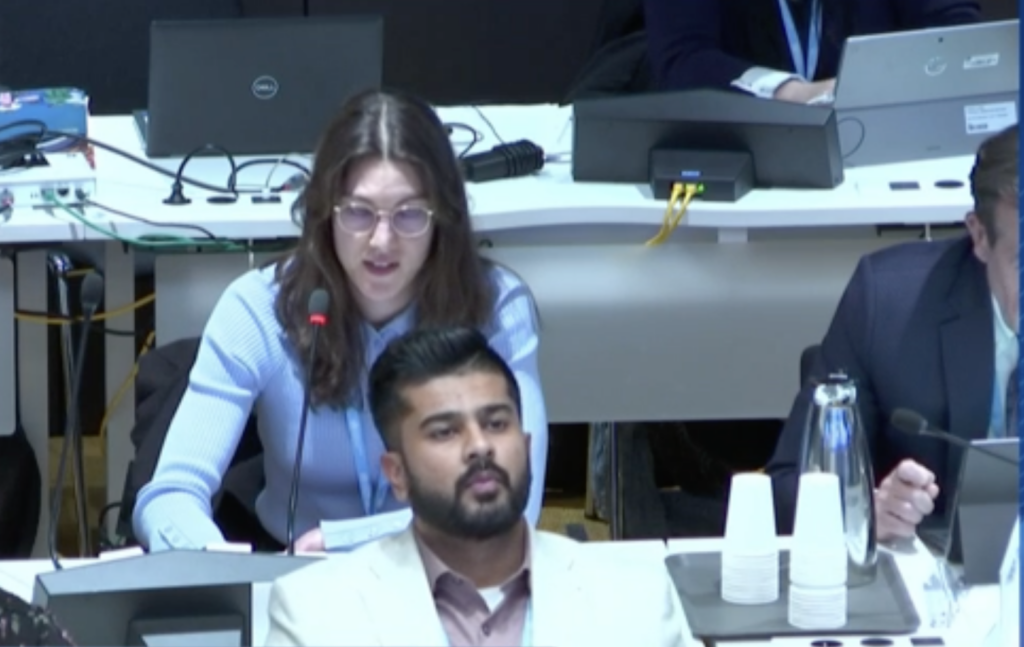
NCD Alliance representative Mina Pécot-Demiaux addresses the EB.
Much of the discussion focused on how to implement the Political Declaration on NCDs and mental health, adopted by the United Nations last December after last year’s High-Level Meeting (HLM).
The declaration was expected to be adopted by consensus at HLM last September, but the US refused at the last minute. It was then referred to the UN General Assembly for a vote, where only the US and Argentina opposed it.
Farrar said that, during the current time where there are “questions on multilateralism”, it was reassuring that “the vast, overwhelming number of countries could come together and agree on a political declaration”.
The declaration sets three global targets for 2030: 150 million fewer tobacco users; 150 million more people with hypertension under control; and 150 million more people with access to mental health care.
It also commits to at least 80% of countries with policy, legislative, regulatory and fiscal measures in place to address NCDs and mental health; at least 80% of primary health care facilities stocking essential medicines and basic technologies; and at least 60% of countries with measures to cover or limit the cost of essential NCD and mental health services.
However, the NCD Alliance told the EB it was concerned about “the significant influence of health-harming industries, which weakened the [Political Declaration], including less ambitious commitments on NCD prevention, the removal of the health tax targets [on tobacco, alcohol and sugary drinks] and the omission of any reference to fossil fuels as key drivers of NCDs”.
Meanwhile, Farrar said that while “political declarations have a critical role to play, in the end, they’re not the way that things get implemented,” pledging WHO support to countries to make a difference to people’s lives.
In the face of a financial crisis and converging health challenges, the Lusaka meeting is an opportunity for WHO AFRO and Health Ministers to show they can look beyond technical resolutions to address systemic issues
The seventy-fifth session of the World Health Organization’s (WHO) regional committee for Africa (RC75) will open in Lusaka on Monday (25 August) against a backdrop of transition at both regional and global levels.
Professor Mohamed Janabi, the new Regional Director for Africa, takes office at a time of mounting expectations. His leadership begins as Dr Tedros Ghebreyesus prepares to conclude his term as WHO Director-General in Geneva, amid debates about how the organisation should adapt to fractured geopolitics, constrained multilateralism and shrinking aid.
Across the system, WHO is under pressure to prove its relevance, demonstrate accountability, and deliver impact in an era of fiscal austerity. Nowhere are these challenges sharper than in Africa.
African health systems are under extraordinary strain. External assistance for health has fallen steeply in the past three years, while debt servicing has become one of the largest line items in national budgets, often exceeding health allocations.
In 2025, African governments are projected to spend more than $80 billion on debt servicing, while only a fraction of that goes to health.
Only a few countries, such as Rwanda, Botswana and Cabo Verde, meet the Abuja Commitment to allocate 15% of national budgets to health. Most fall far below, leaving systems exposed at a time when the frequency and severity of public health emergencies are rising.
Outbreaks of cholera, Ebola, mpox and others have increased by more than 40% since 2022, often intensified by climate-related disasters.
This fiscal squeeze coincides with a dangerous set of global pressures. Donor retrenchment is evident as major development partners cut or redirect their health aid.
Climate change is driving extreme weather events that destroy infrastructure, displace populations and worsen food insecurity, with inevitable consequences for disease outbreaks.
Non-communicable diseases (NCDs), which already account for more than a third of deaths in sub-Saharan Africa, are on track to become the leading cause of mortality by 2030.
Health workforce migration continues to undermine national capacity as doctors and nurses leave for better opportunities abroad, while local supply chains and manufacturing remain weak and dependent on imports. Underpinning all of this is the persistent lack of reliable, interoperable data systems that can guide effective decision-making.
The International Organization for Migration conducts mpox screenings along the DRC- Ugandan border to boost surveillance.
New global health order
These challenges are not new, and African leaders have already articulated responses. The New Public Health Order championed by Africa CDC calls for strong national public health institutions, expanded workforce capacity, local manufacturing and resilient financing.
The Lusaka Agenda calls for five strategic shifts for global health initiatives (GHIs) to more effectively and efficiently complement domestic financing to maximize health impacts in support of country-led priorities and trajectories to universal health coverage (UHC).
Most recently the Accra Initiative calls for a reimagined global health order rooted in sovereignty, equity, and diversified financing. The initiative emphasises that health must be treated not only as a social good but as a driver of productivity and innovation, central to Africa’s industrialisation, trade integration, and geo-economic ambitions.
These frameworks, along with Agenda 2063, provide a coherent vision of where Africa wants to go. The question is whether the annual assembly of health ministers in Lusaka will align its agenda with this broader context.
Narrow technical agenda
The RC75 agenda includes a strong set of technical items. Ministers will discuss strategies on rehabilitation, oral health, safe blood supply, primary health care, malaria and health emergencies.
They will review progress on the Regional Health Data Hub, which aims to integrate and standardise health information across countries. These are important initiatives and deserve attention. Data systems are a long-neglected foundation of service delivery, and rehabilitation services remain inaccessible to most Africans who need them.
Yet the agenda is narrow when set against the breadth of today’s global headwinds. Debt distress and fiscal stress are barely acknowledged, even though they are the defining constraint on health investment across the continent.
The committee cannot be expected to solve a sovereign debt crisis, and WHO itself has limited tools given its dependence on earmarked donor funding, but it can and should create a forum for member states to confront the reality that health financing is collapsing. Without such recognition, resolutions risk being aspirational rather than executable.
Frank conversation is needed
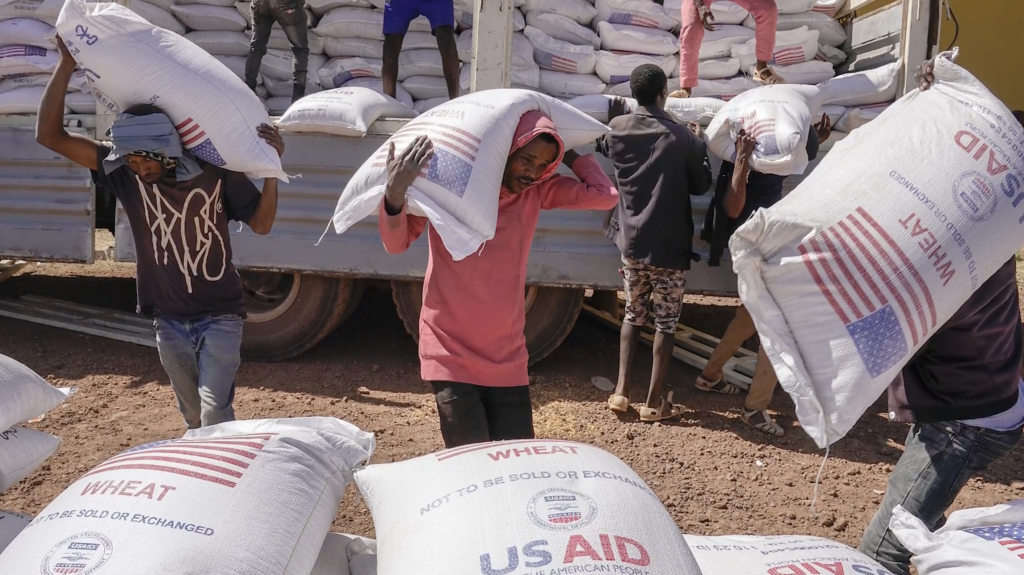
The massive reduction in official development assistance, particularly the termination of the US Agency for International Assistance (USAID) earlier this year, has left many Afircan countries scrambling to fill gaps in their health budgets.
The retreat of donors and shifts in ODA are also absent from the discussions. This is striking given that WHO itself is deeply affected by these trends, with its programmes increasingly constrained by the volatility and conditionality of partner financing.
A frank conversation is needed about how to sustain essential services when aid cannot be relied upon. Similarly, the climate crisis is scarcely visible on the agenda despite its obvious health consequences.
NCDs and workforce migration are also marginal, even though they represent some of the most urgent pressures on African health systems. Local manufacturing and resilient supply chains are mentioned only obliquely through discussions on procurement, without the explicit focus that the New Public Health Order and the Accra Initiative demand.
This is not to diminish the technical items before the committee. Oral health, blood safety and rehabilitation are all areas where neglected needs can be addressed. But the balance feels misaligned when the existential pressures of financing, climate and workforce are sidelined. It is here that WHO AFRO and its member states must recalibrate.
Even if the secretariat lacks the fiscal or geopolitical leverage to fix the debt crisis or reverse donor cuts, it can help countries navigate these realities more deliberately. It can frame health as integral to debt sustainability, elevate NCDs and workforce retention as cross-cutting threats, and ensure that every resolution is grounded in the current economic and political context.
Converging crises
For member states, the responsibility is even greater. Governments must take concrete steps to mobilise domestic resources, embed climate resilience and NCD prevention in their primary care strategies, and invest in policies that retain health workers at home.
They need to move beyond pilot projects and declarations towards serious investment in local manufacturing and supply chain resilience. They must also treat interoperable digital systems not as an optional extra but as a core part of health infrastructure.
The Lusaka meeting is an opportunity for WHO AFRO and its ministers to demonstrate that they can look beyond technical resolutions to the systemic issues that determine whether those resolutions can be implemented.
Success will not be measured by the number of documents adopted but by whether those documents acknowledge the realities of fiscal constraint, climate disruption, donor volatility and workforce attrition.
If RC75 helps countries confront these constraints honestly and points them towards pragmatic choices that protect primary health care, strengthen data, and invest in resilience, then it will have done its job. If not, it risks becoming another well-intentioned meeting disconnected from the urgent pressures facing African health systems.
At this moment of converging crises, the need is clear. Health must be recognised in debt frameworks, climate and NCD resilience must be elevated in primary care, and digital systems and local procurement must be treated as core investments. RC75 should serve as a pivot towards that reality. Africa’s health future depends on it.
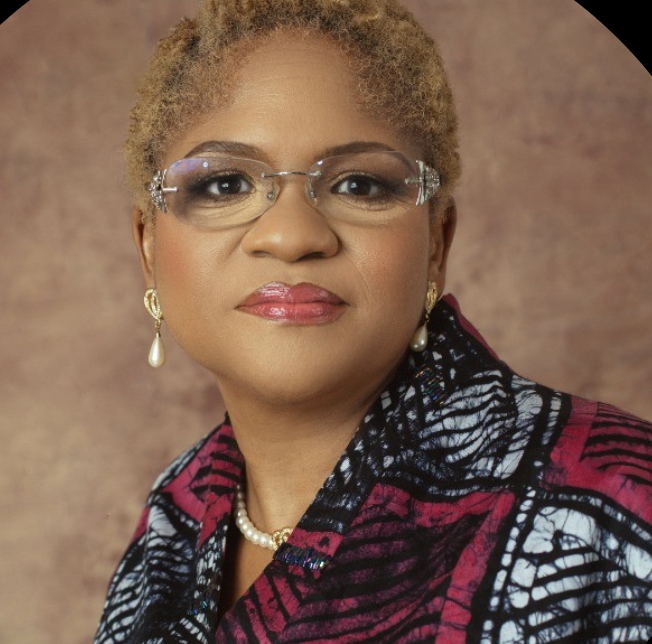
Dr Ebere Okereke is a global health expert and Chief Program Officer at Reaching the Last Mile.
The inaugural edition of Africa’s Nutrition and Health Summit is set to convene on November 16, 2024, bringing together an extensive network of healthcare practitioners, nutrition experts, agricultural stakeholders, policymakers, and influential leaders from all over the continent under the theme, ” Soil to Wellness: Shaping a United Approach to Africa’s Health.” This groundbreaking summit aims to address the critical rise of non-communicable diseases (NCDs) across Africa through integrative approaches to preventive health, nutrition, and sustainable lifestyle practices.
This movement would explore holistic and practical solutions that unite stakeholders along the health and nutrition value chain, with a critical focus on how surging rates of NCDs like diabetes, hypertension, and obesity can be curbed via sustainable agriculture, improved food quality, and healthier lifestyle choices, to reshape our food and lifestyle culture, thereby laying a foundation for better health outcomes, for generations to come.
The summit’s agenda will include panels on integrative approaches to nutrition and preventive health, the dual burdens of malnutrition and obesity, the impact of digital health in preventing diet-related diseases, and the role of sustainable agriculture in food quality. Our holistic approach strives to demonstrate how Africa’s diverse and rich agricultural resources can play a pivotal role in ensuring food security, balanced nutrition, and wellness for all citizens.
The inaugural edition of ANHS is especially relevant to anyone invested in the long-term health and wellness of the African continent. Such stakeholders are not limited to health professionals, nutritionists, nutrition coaches, agricultural stakeholders, policy influencers, researchers, food producers, and processors. It is indeed a legacy-defining opening for businesses and community leaders interested in leaving their prints in the sands of policies that would advance health and wellness on the continent.
Participants will gain insights from leading experts and join the cause to champion Africa’s health by focusing on the most essential aspects of disease prevention and overall wellness. Now, more than ever, it is crucial to prioritize wellness at the societal level, addressing the connections between soil health, food quality, and sustainable practices that contribute directly or indirectly to healthy living.
Fifteen-year-old Mathias Ofoke is one of four children in his family born with type 1 diabetes. Whenever his symptoms worsened, he was taken to the nearest primary healthcare (PHC) center where he was repeatedly treated for malaria.
It wasn’t until February, when a non-governmental organization (NGO), Abby Cares Foundation, organized a clinical outreach at Ezza Ofu Health Centre that Ofoke’s condition was properly diagnosed.
His blood sugar result of 543 mg/dL alarmed everyone when it was displayed on the glucometer screen. But the understaffed PHC facility at Ezza Ofu could not admit him as they were not properly equipped to care for him.
The NGO facilitated his admission to a secondary health facility and began sourcing insulin for his treatment.
“We frequently see cases of hypertension, diabetes, and cancer but we are not able to manage them, so we refer,” says Elizabeth Nwovu, the officer-in-charge at Ezza Ofu Health Centre. She is a community health extension worker (CHEW) who trained to be a matron.
IDF Diabetes Atlas
An estimated 27% of deaths in Nigeria are linked to diabetes, cancer, cardiovascular and chronic respiratory diseases. These four major non-communicable diseases (NCDs) are the leading causes of mortality globally, with the majority of deaths occurring in low- and middle-income countries (LMICs).
Diabetes, characterized by elevated blood glucose levels, affects 537 million adults (20-79 years) worldwide. This number is expected to rise by 46% in 2045.
As urbanization increases, diets change and populations age, Nigeria has also seen a surge in adults living with diabetes, from 209,400 in 2000 to 3.6 million in 2021—only South Africa had a higher prevalence in 2021.
Diabetes is responsible for about 4.5% of deaths in people under 60 years old in Nigeria, with common complications including hyperglycemic emergencies, diabetic foot ulcers, chronic kidney disease and stroke.
PHCs prioritized in NCD management
A national survey on NCDs conducted between 1990 and 1992 revealed that less than a quarter of the estimated 1.05 million Nigerians living with diabetes were aware of their condition. Following this survey, the Nigerian government attempted to integrate NCDs into PHC facilities, but these efforts met with minimal success.
Efforts to tackle NCDs in Nigeria were reignited in 2021 following the Brazzaville Declaration on NCDs and the subsequent political declaration at the 66th United Nations General Assembly on the Prevention and Control of NCDs. These declarations set the precedent for the WHO Global NCD Action Plan 2013-2020, which has now been extended to 2030.
Over the years, Nigeria has built on these regional and global strategies to develop several national policies for NCD prevention and control. Notable among these are the National Multi-Sectoral Action Plan for the Prevention and Control of NCDs and the National Guideline for the Prevention, Control, and Management of Diabetes Mellitus in Nigeria.
The scope of the national guideline for diabetes management was developed using the Population, Intervention, Professions, Outcomes, and Healthcare setting (PIPOH) checklist.
The interventions outlined in the guideline emphasize the importance of integrating community health workers, such as CHEWs, and scaling-up screening, diagnosis and treatment in PHC facilities.
Task-shifting to community health workers
According to the national diabetes guideline, a key indicator of progress is the successful delegation of certain aspects of diabetes care to lower-level health professionals, such as CHEWs and lay health workers.
Similarly, the national multi-sectoral action plan, which informed sections of the diabetes guideline, recommends expansion of the Task-Shifting and Task-Sharing Policy for Essential Health Care Services to include NCD management among its priority areas. Currently, this policy focuses on maternal and child health, and communicable diseases (HIV/AIDS, malaria, and tuberculosis).
In line with this recommendation, during the technical session of the 64th National Council on Health (NCH) in November 2023, the Ministry of Health and Social Welfare announced plans for a National Task-Shifting and Task-Sharing (NTSTS) policy focused on the prevention and control of NCDs.
Elizabeth Nwovu, a community health extension worker (CHEW) and the officer-in-charge at Ezza Ofu Health Centre, Ebonyi State, Nigeria.
“This policy, if adopted, will complement the existing Task-Shifting and Task-Sharing Policy for Essential Health Care Services,” said Dr Anyaike Chukwuma, Director of Public Health, during the event.
The NTSTS policy aims to address the rising burden of NCDs in Nigeria by decentralizing preventive, diagnostic, treatment, and rehabilitative services to PHC facilities.
“By implementing this policy, the country hopes to adopt a patient-centered approach, accelerate progress towards NCD prevention and control, achieve universal health coverage, and work towards the Sustainable Development Goals,” Chukwuma added.
PHCs are ready but support is inadequate
“PHCs are not adequately supplied with medications,” said Nneka Nwankwo, founder of Abby Cares Foundation. She has over 20 years’ experience in public health and social services.
Her NGO sources Ofoke’s daily insulin injection from a tertiary hospital in the city center. Nigeria’s annual diabetes-related health expenditure per person is estimated at $499.7, which falls below the African regional average. If current trends continue, the prevalence of diabetes in the country is predicted to increase by up to 120% by 2045.
In his study on improving primary health care services for NCDs in Nigeria, Whenayon Ajisegiri found that some government stakeholders’ skepticism about the qualifications of community health workers, who constitute the majority of the PHC workforce, has been used to justify the limited supply of NCD drugs at PHCs. Ironically, NCD drugs are contained in the list of essential medicine and should be available at PHC facilities.
“When PHC facilities repeatedly fail to provide patients’ medications, it leads to frustration. And when you lose patients’ trust in the initial stages, it is difficult to regain,” said Nwankwo.
Patient flow for NCD service delivery at the PHC level, with enablers and barriers along the pathway.
A survey of 30 PHCs in Abuja, Nigeria’s capital city, reported a readiness to integrate diabetes care in terms of available paper-based health management information systems, equipment, and personnel. However, the poor availability of diabetes medications makes it impossible to harness this opportunity.
“If we can get access to testing kits and the drugs, it will improve our ability to manage patients with diabetes,” said Nwaovu.
The survey recommended a subsidized drug-revolving fund mechanism to maintain drug inventory, drawing from programs like the Hypertension Treatment in Nigeria (HTN) Program and the Academic Model Providing Access To Healthcare (AMPATH) program in Kenya.
Community health workers play an integral role
The slow progress in integrating diabetes and other NCDs into PHCs is also linked to the omission of community health workers from NCD policies.
The critical shortage and uneven distribution of skilled health workers, particularly physicians and nurses, have necessitated the deployment of community health workers to support essential health services delivery.
Prior to the introduction of the NTSTS, existing policies like the National Standing Orders, which guides the training and practice of community health workers, restricted their role to only screening and referral. Ajisegiri noted that frequent referrals to higher health facilities—secondary and tertiary—could undermine public trust in the services provided at PHCs.
Formalization of task-sharing
Given the Nigerian government’s prioritization of PHCs to tackle NCDs, experts have advocated for capacity building, while formalizing task-sharing and task-shifting policies for NCDs among community health workers.
In a survey of 30 PHCs in Abuja, Nigeria’s capital city, only 37% reported having at least one staff member trained in diabetes diagnosis and management within the past two years. With the NTSTS for NCDs set to be adopted, Nigeria appears to be on track to address this issue.
This task-sharing and task-shifting model has already been successfully implemented in maternal and child care, as well as in the management of infectious diseases.
While this approach is expected to help the government maximize the available health workforce for NCD management, it is crucial to allocate sufficient resources to PHC to enhance infrastructure, ensure consistent medicine supplies, and bridge the significant skill gap among community health workers. Additionally, refining the practice scope in the National Standing Orders is essential to prevent interprofessional role conflict.
Funding and political will are paramount
The national multi-sectoral action plan acknowledged the problem of medication access and called for action towards ensuring a reliable supply of essential medicines for treating diabetes and other major NCDs.
It recommended expanding the Basic Minimum Package of Health Services, funded by the Basic Healthcare Provision Fund (BHCPF), to cover comprehensive care and treatment of NCDs. The BHCPF serves as a catalytic funding source to enhance access to primary health care, particularly for poor and vulnerable groups.
This expansion aims to reduce out-of-pocket expenses for treatment. However, funding for the BHCPF has been inconsistent.
Nwankwo recalled that Ofoke’s father was reluctant to bring his other children living with diabetes for treatment due to the costs. Despite her offer to subsidize the insulin injections by 50%, her efforts to persuade him were unsuccessful.
“Even with your help, I can’t afford it,” she remembered him saying. Eventually, he brought one more child for screening.
Nneka Nwankwo, founder of Abby Cares Foundation in her office in Abakiliki, Ebonyi State, Nigeria
Only half of the initial 55.1 billion naira allocated to the BHCPF in 2018 was released and by 2021, the budget had decreased to 35 billion naira. Between 2019 and 2022, it is estimated that 89 billion naira was allocated through the BHCPF, with only 7,250 out of the 35,514 Primary Healthcare Centres in the country receiving these funds.
This scenario is all too familiar for Nwankwo. “At Ezza Ofu Health Centre, the quota for the health insurance scheme is around 300 people, but it’s just a drop in the pond,” she said. During her organization’s first outreach at the PHC, over 1,000 people showed up seeking medical care. “Creating policies is not enough if they are not backed with the right resources,” she added.
Pius Ukpai contributed to this reporting from Ebonyi State, Nigeria.
…The programme aims to improve health outcomes, with a focus on increasing awareness of the symptoms and risks of hypertension
Broader range of non-communicable diseases targeted including chronic kidney disease; Programme growing across Africa, 54 million blood pressure screenings to date.
AstraZeneca has set out a new ambition for Healthy Heart Africa, its flagship health equity initiative, to target a broader range of non-communicable diseases (NCDs), including chronic kidney disease (CKD) as well as hypertension and cardiovascular disease. The expanded programme will also launch in Egypt, reaching even more patients across the continent.
At the 77th World Health Assembly (WHA) during an event co-hosted with the Ministry of Health for Uganda, AstraZeneca announced that the expanded Healthy Heart Africa programme will be operational in Côte d’Ivoire, Egypt, Ethiopia, Ghana, Kenya, Nigeria, Rwanda, Senegal and Uganda by the end of 2025.
Launched in 2014, Healthy Heart Africa was established to address the increasing burden of cardiovascular diseases in Africa. The programme aims to improve health outcomes, with a focus on increasing awareness of the symptoms and risks of hypertension; providing health education and access to early screening and treatment; and delivering training to healthcare providers. This supports health system resilience by relieving the social and economic burden arising from late-stage treatment and care of cardiovascular and related diseases.
Over the past decade, the programme has conducted more than 54 million blood pressure screenings and trained more than 11,400 healthcare workers. By March 2024, the programme achieved its initial ambition to reach 10 million people with elevated blood pressure, nearly two years ahead of target.
HE Dr Jean Ruth Aceng Ocero, Minister of Health for The Republic of Uganda, said: “As we confront the burden of non-communicable diseases in Uganda, which account for 36% of deaths and 81,300 annual mortalities it is imperative to strengthen our health systems. With a 21% probability of premature mortality from NCDs, resilient health systems are crucial for early detection and effective management.”
HE Dr Jean Kaseya, Director-General of the Africa Centres for Disease Control and Prevention, said: “The rising burden of non-communicable diseases (NCDs) in Africa, which have increased from 24% in 2000 to 37% in 2019 of all deaths, highlights the urgent need for comprehensive and coordinated action. Supporting Member States to integrate NCD prevention and control into primary healthcare and strengthen multisectoral coordination on NCDs are among the priority interventions for the African CDC.”
Ruud Dobber, Executive Vice President, BioPharmaceuticals Business Unit, AstraZeneca, said: “The public and private sectors must work hand in hand to address the escalating burden of NCDs and ensure more equitable and sustainable health outcomes for patients across Africa and beyond. Heart and kidney health are often interconnected, and with earlier diagnosis, intervention and treatment of cardiorenal diseases, we have a tremendous opportunity to prevent life-threatening complications, and reduce the economic and environmental impact of disease across the continent.”
HE Dr Khaled Abdel Ghaffar, Minister of Health and Population for Egypt, said: “With the links between climate change and noncommunicable diseases like heart and kidney disease, it is becoming increasingly clear that we must act urgently to adapt our health systems to deal with this reality. Egypt is proud to be joining the Healthy Heart Africa program as part of our steadfast commitment to improving the health and well-being of all Egyptians. Through the signed Letter of Intent, we will be able to improve CKD public awareness, enhance early screening and diagnosis, support training for our HCPs, digitalize CKD healthcare management and update our local management protocols in line with the latest global standards.”
At the event, global leaders in NCD care, including Ministers of Health for Uganda, Ethiopia and Egypt, as well as high-level representatives from the Africa CDC, the World Health Organization, PATH, Amref and patient advocacy groups, committed to tackle the growing burden of NCDs in Africa, emphasising the importance of early detection, evidence-based treatments, and the effective implementation of public-private partnerships such as Healthy Heart Africa.
AstraZeneca reinforced its focus on taking a public-private partnership approach to deliver Healthy Heart Africa’s goals by signing Memorandums of Understanding with the Ministries of Health from Egypt, Uganda, and Ghana. The programme supports Sustainable Development Goal (SDG) 3 & 4 to reduce by one-third premature mortality from NCDs through prevention and treatment by 2030.