Tag: Partner

  • AVCA’S Fifth VC Summit Spotlights Resilience, Scale, and Bankability as Critical Levers to Propel Africa’s VC Ecosystem

    AVCA’S Fifth VC Summit Spotlights Resilience, Scale, and Bankability as Critical Levers to Propel Africa’s VC Ecosystem

    The African Private Capital Association (AVCA) hosted its fifth Venture Capital (VC) Summit yesterday. The summit forms part of the industry association’s 21st Annual AVCA Conference week, held in Lagos until 2 May. The global gathering brings early-stage and venture capital investors, corporate venture arms, founders, entrepreneurs, and accelerators together to discuss new trends and plot the rise of Africa’s venture capital landscape.

    Abi Mustapha-Maduakor, CEO of AVCA, opened the Summit by acknowledging the strategic importance of Nigeria’s entrepreneurial landscape: “Hosting the Summit in Nigeria is significant because this country has long been at the heart of Africa’s entrepreneurial evolution. Despite economic headwinds, we’ve witnessed innovation and resilience in the early-stage ecosystem. It is no coincidence that in 2024, Nigeria produced one of the continent’s newest unicorns.”

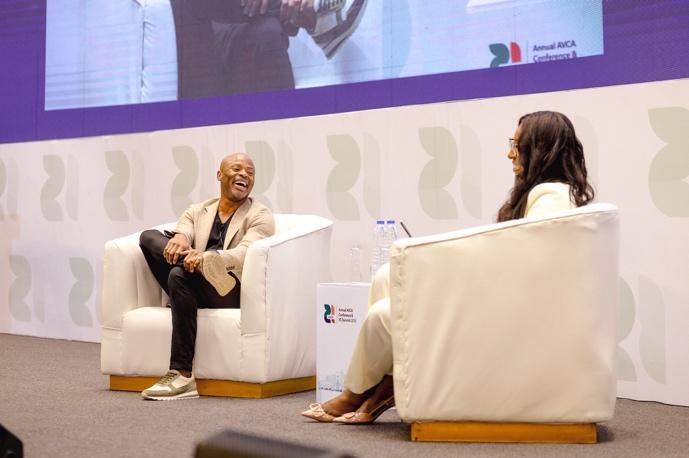
    Tope Awotona, Founder and CEO of Calendly, the US$3bn tech unicorn, and Abi Mustapha-Maduakor, CEO of AVCA, kicked off the summit with a keynote fireside chat. Describing his remarkable entrepreneurial journey, Awotona said: “I knew scheduling wasn’t just a productivity tax—it was a tax on important business outcomes like revenue. We didn’t invent online scheduling but made it accessible to more people through three key innovations: our freemium pricing model, our viral distribution method, and our data-driven product improvements.”

    The conversation affirmed the power of innovation, enabling expansion to international markets and the benefits of experimentation with price, distribution, and product. Awotona said: When scheduling went virtual, more users meant more data could help to improve the product and help to become the best on the market.” 

    Following the sentiments of Calendly’s Founder and CEO, a panel titled Unlocking Scale: The Growth-Stage Challenge with Leo Batalov, Partner, Global Co-Head of Emerging Growth Companies and Venture Capital, DLA Piper, and Brian Waswani Odhiambo, Partner, Novastar Ventures, examined how to bridge the gap for businesses moving from early stage development to accessing capital in their growth stage, and highlighted the urgency of building strong local investor ecosystems.

    Outlining the roles of founders and venture capital investors in supporting the long-term sustainability of Africa’s burgeoning tech ecosystem, Dr Omobola Johnson, Senior Partner, TLcom Capital, said: “We need to help founders understand that at the growth stage, they’re competing for global capital, not just local. Founders must recognise the competition and make their businesses appealing to international investors…This makes the African market more scalable, bankable, and investable.”

    The summit proceeded with a headline session, entitled Titans of Industry: Bold Moves, featuring Tosin Eniolorunda, Group CEO of Moniepoint, who underscored the merits of building a valuable company and building a robust team. He said, “If you have an organisation that is growing, investors will be interested; so we focused early on establishing good fundamentals—topline growth, profitability, EBITDA margins, return on equity. The more important goal is building a valuable company with healthy bottom lines. This opens up multiple opportunities, whether through Nigeria’s evolving stock exchange or large buyouts from sovereign wealth funds.”

    Other panels convened capital allocators – representing corporate, commercial, and development-focused interests – to share their perspectives on a maturing venture capital ecosystem in Africa. The competitive fundraising environment provided a backdrop to outline how Limited Partners (LPs) select where to invest, assess risk, evaluate opportunity, and determine priorities.

    In a panel entitled Venture Debt – Africa’s Missing Piece? speakers including Rosanne Whalley, Chief Executive Officer, AHL Ventures Partners, Roeland Donckers, Managing Partner, iungo capital, and moderator Tage Kene-Okafor, Africa reporter at TechCrunchdiscussed the role of venture debt products as a complement to equity funding, providing bridge capital to accelerate company growth. 

    According to AVCA’s latest report, venture debt showed impressive resilience in 2024, with 60 deals totalling US$1.0bn—a 3% increase year-on-year. While representing just 12% of total deal volume, venture debt accounted for 37% of total capital deployed, with median deal sizes reaching US$7.5mn, nearly three times larger than equity-based transactions.

    The session underscored the need for African investors to know when to deploy these tools and the importance of raising awareness amongst founders of these financing alternatives. Biola Alabi, Venture Partner, Delta40, noted that “there is a critical gap in financial literacy around debt financing in our ecosystem. Many founders and even some GPs don’t fully understand what debt investors require in terms of traction and stability. We need to help restructure existing debt and educate founders on how venture debt can complement equity to extend runway and avoid dilution, particularly for businesses with predictable revenue streams.”

  • Nvidia overtakes Apple as world’s most valuable company

    Nvidia overtakes Apple as world’s most valuable company

    Nvidia (NVDA.O), dethroned Apple (AAPL.O), as the world’s most valuable company on Friday following a record-setting rally in the stock, powered by insatiable demand for its specialized artificial intelligence chips.

    Nvidia’s stock market value briefly touched $3.53 trillion, slightly above Apple’s $3.52 trillion, LSEG data showed.

    Nvidia ended the day up 0.8%, with a market value of $3.47 trillion, while Apple’s shares rose 0.4%, valuing the iPhone maker at $3.52 trillion.

    In June, Nvidia briefly became the world’s most valuable company before it was overtaken by Microsoft (MSFT.O), and Apple. The tech trio’s market capitalizations have been neck-and-neck for several months.

    Microsoft’s market value stood at $3.18 trillion, with its stock up 0.8%.

    The Silicon Valley chipmaker is the dominant supplier of processors used in AI computing, and the company has become the biggest winner in a race between Microsoft, Alphabet (GOOGL.O), Meta Platforms (META.O), and other heavyweights to dominate the emerging technology.

    Known since the 1990s as a designer of processors for videogames, Nvidia’s stock has risen about 18% so far in October, with a string of gains coming after OpenAI, the company behind ChatGPT, announced a funding round of $6.6 billion.

    Nvidia and other semiconductor stocks got a lift on Friday after data storage maker Western Digital (WDC.O),reported quarterly profit that beat analysts’ estimates, buoying optimism about data center demand.

    “More companies are now embracing artificial intelligence in their everyday tasks and demand remains strong for Nvidia chips,” said Russ Mould, investment director at AJ Bell.

    “It is certainly in a sweet spot and so long as we avoid a big economic downturn in the United States, there is a feeling that companies will continue to invest heavily in AI capabilities, creating a healthy tailwind for Nvidia.”

    Nvidia’s shares hit a record high on Tuesday, building on a rally from last week when TSMC (2330.TW), the world’s largest contract chipmaker, posted a forecast-beating 54% jump in quarterly profit driven by soaring demand for chips used in AI.

    Meanwhile, Apple is struggling with tepid demand for its smartphones. iPhone sales in China slipped 0.3% in the third quarter, while sales of phones made by rival Huawei [RIC:RIC:HWT.UL] surged 42%.

    With Apple set to report its quarterly results on Thursday, analysts on average see its revenue climbing 5.55% year over year to $94.5 billion, LSEG data showed.

    That compares with analysts’ projections for Nvidia of nearly 82% revenue growth to $32.9 billion.

    Shares of Nvidia, Apple and Microsoft have an outsized influence on the richly valued technology sector as well as the broader U.S. stock market, with the trio accounting for about a fifth of the S&P 500 index’s (.SPX), weight.

    Optimism about the prospects for AI, expectations that the Federal Reserve will considerably bring down U.S. interest rates, and most recently, an upbeat start to the earnings season, helped lift the benchmark S&P 500 to an all-time high last week.

    Nvidia’s massive gains have helped boost the stock’s appeal for option traders and the company’s options are among the most traded on any given day in recent months, according to data from options analytics provider Trade Alert.

    The stock has surged nearly 190% so far this year as the boom in generative AI led to a series of blowout forecasts from Nvidia.

    “The question is whether the revenue stream will last for a long time and will be driven by the emotion of investors rather than by any ability to prove or disprove the thesis that AI is overdone,” said Rick Meckler, partner at Cherry Lane Investments, a family investment office in New Vernon, New Jersey.

    “I think Nvidia knows that near term, their numbers are likely to be quite remarkable.”

    Culled from Reuters

  • Menxtt NG: A Tech Startup Revolutionizing Nigeria’s Digital Landscape with Premium Devices and Comprehensive IT Solutions

    Menxtt NG: A Tech Startup Revolutionizing Nigeria’s Digital Landscape with Premium Devices and Comprehensive IT Solutions

     Menxtt Technology NG, a fast-growing tech startup based in Ikeja, is making waves in Nigeria’s digital ecosystem by offering a wide range of high-quality devices, including laptops, smartphones, and tablets. Specializing in reputable brands such as Dell, HP, MacBook, iPhones, Nokia, and Samsung, the company is setting a new standard for delivering premium tech products to Nigerian consumers and businesses.

    With a focus on both affordability and quality, Menxtt NG operates as an online-based firm, allowing customers to browse and purchase devices seamlessly from the comfort of their homes or offices. The company sources its gadgets from Europe and the United States, ensuring they meet top-tier international standards. All products come with warranties, offering customers peace of mind and confidence in their purchases.

    But Menxtt NG is more than just a tech retailer. The startup is on a mission to be a complete digital partner for businesses, offering a suite of IT solutions designed to support organizations from their inception through every stage of their digital journey. The company provides services ranging from website development, with prices as low as N150,000, to the building of mobile apps and sophisticated software solutions like Customer Relationship Management (CRM) systems and Enterprise Resource Planning (ERP) tools. In addition, Menxtt NG offers comprehensive social media management services, ensuring that businesses can maximize their online presence.

    Speaking on the company’s mission, Anthony Nwosu, Partner at Menxtt NG, stated, “Our goal at Menxtt NG is to make IT support, delivery, and services more accessible and efficient for Nigerian businesses and individuals. We understand the importance of digital transformation, and we are committed to providing not only the best devices but also the essential tools and support that organizations need to thrive in the digital age.”

    Nwosu further highlighted that Menxtt NG’s approach goes beyond selling devices. “We aim to be a one-stop shop for businesses that need everything from IT infrastructure to online visibility. Whether it’s building a professional website, developing a custom mobile app, or managing a company’s social media presence, we are here to ensure that businesses in Nigeria and beyond have all the tools they need to succeed,” he added.

    The startup’s emphasis on customer satisfaction is also evident in its fast and reliable delivery services, which extend to all parts of Nigeria. Menxtt NG ensures that its clients receive their purchases promptly, backed by a dedicated support team ready to assist with any technical or service-related needs.

    As Nigeria continues to embrace digitalization, Menxtt NG is positioning itself as a key player in helping businesses and individuals stay ahead in a rapidly evolving tech-driven world. With its diverse product offerings and comprehensive IT services, the company is well on its way to becoming a leader in the Nigerian tech industry.

  • Only 22% of women in Nigeria are Economically Empowered- EFInA’s WEE Report

    Only 22% of women in Nigeria are Economically Empowered- EFInA’s WEE Report

     The highlights of the EFInA Women’s Economic Empowerment report was launched today in Abuja, at the third edition of the Gender and Inclusion Summit hosted annually by the Policy Innovation Centre (PIC) at the Nigerian Economic Summit Group (NESG). The report underscored the second plenary by EFInA and FSD Network; tagged – Unpacking Access to Essential Tools and Services for Women’s Economic Empowerment – Collaborating for Sustainable Outcomes.

    The EFInA WEE report utilises data from the 2023 Access to Financial Services in Nigeria (A2F 2023) Survey, Nigeria’s primary source of financial inclusion data, to better understand potential linkages between female financial inclusion and women’s economic empowerment in Nigeria. The results show that of Nigeria’s estimated female adult population of 56.3 million people, only 22%, or 12.5 women, can be classified[1] as being economically empowered. Education, digital, and financial literacy are the most significant drivers of empowerment, followed by household and group agency, regarding women’s autonomy to join and influence decision-making in social groups and the agency to do productive work and own assets.

    In assessing the pathway from financial inclusion to WEE, we find savings stand out with the greatest odds. Women who save –formally or informally – are six times more likely to be economically empowered than those who do not. The use of formal credit also doubles the likelihood of economic empowerment, whereas informal credit has a negligible impact. Women who actively use their accounts are more likely to be economically empowered than those who do not. Using Digital Financial Services increases the chances of empowerment and, more so, other formal banking channels, highlighting the growing role of digital platforms in financial inclusion.

    Commenting on the report’s findings while speaking at the launch event, EFInA Gender Centre of Excellence Lead, Emezino Afiegbe said: “This report clearly identifies important linkages between financial inclusion and women’s economic empowerment in Nigeria, while also identifying the key factors influencing women’s formal financial inclusion. By establishing the importance of financial inclusion in economic empowerment we can focus resources and investments on the enabling factors that will ultimately accelerate empowerment for all Nigerian women.”

    Also speaking on the panel Dr. Yetunde Fatogun, Social Development Consultant at the World Bank said: “For women’s economic empowerment, it’s crucial to recognise that this is not a short-term endeavour. Sustainable progress requires the involvement of multiple sectors in implementation. To truly empower women, we must address critical issues, including the significant influence of culture and the pivotal role of institutions—traditional, religious, and family. This report is both timely and essential, as it sheds light on these multifaceted challenges and offers insights into how various sectors can collaborate to drive meaningful and lasting change for women in Nigeria”.

    Aisha Hadejia, Partner at Sahel Consulting Agriculture and Nutrition Limited, said: “Information accessibility remains a major hurdle, both in terms of design and delivery. Only 30% of women farmers have internet access, reflecting a significant digital divide. Additionally, mistrust in formal financial institutions is driving many women towards informal financial systems. Addressing these challenges requires data-driven solutions, such as those outlined in the A2F Women Economic Empowerment Report.”

    EFInA, through the Gender Center of Excellence, is championing collaborative efforts with partners to drive significant progress in WEE by mainstreaming financial inclusion into sub-national economic policies and increasing financial and digital literacy, particularly for rural women. Our commitment extends to deepening financial inclusion, supporting income generation, and promoting savings behavior, all of which are essential for enhancing financial independence. Additionally, empowering women in decision-making and addressing vulnerabilities through social protection will further strengthen women’s roles in their households and communities. We invite you to contact us for partnership as we work together to drive impactful initiatives that advance financial inclusion and women’s economic empowerment.

    The A2F 2023 survey findings can be found at https://www.a2f.ng/ while the specific report on women’s economic empowerment can be found here for partnership on strategic WEE initiatives.

  • Trends of a rapidly evolving landscape

    Trends of a rapidly evolving landscape

    …Emphasis was placed on the importance of proactive cyber risk management strategies and tailored insurance solutions

    Allianz Commercial South Africa, in partnership with Cox Yeats hosted a hybrid panel discussion on September 4, 2024. The event, held at Cox Yeats’ office in Sandton, brought together industry experts to delve into the pressing issue of Cyber Crime.

    The panel discussion, moderated by Mongezi Mpahlwa, Partner at Cox Yeats, featured a distinguished lineup of panellists including Gareth Cremen, Partner at Cox Yeats; Mukondeleli Masiza, Allianz Commercial South Africa Complex Claims Handler; Santho Mohapeloa, Allianz Commercial South Africa Senior Cyber Underwriter; and Jean Naude, Independent Claims Loss Adjuster. The event attracted a diverse audience comprising brokers, clients, and other stakeholders, both physically and virtually.

    The insightful discussion drew upon key reports such as the Allianz Risk Barometer 2024Cyber security trends 2023the Global Risks Report 2024, the IRMSA Risk Report 2024 and other reports. These reports formed the foundation for the panellists’ analysis of the rapidly evolving landscape of Cyber Crime and its implications for businesses.

    As the world becomes increasingly interconnected, the threat of Cyber Crime looms larger than ever. The panellists shed light on the emerging trends and challenges faced by companies in safeguarding their digital assets. With cyber-attacks becoming more sophisticated and frequent, organizations must stay vigilant and proactive in their approach to cybersecurity.

    Gareth Cremen, Partner at Cox Yeats, emphasized the importance of a comprehensive cyber risk management strategy. He stated, “Cyber Crime is a pervasive and evolving threat that can have severe financial and reputational consequences for businesses. It is crucial for companies to adopt a proactive approach to cybersecurity and stay ahead of the curve.”

    Mukondeleli Masiza, Allianz Commercial South Africa Complex Claims Handler, highlighted the role of insurance in mitigating the financial impact of cyber-attacks. She emphasized the need for tailored insurance solutions that address the unique risks faced by businesses in the digital age. “Insurance plays a critical role in helping companies recover from cyber incidents and minimize the disruption to their operations. It is essential for organizations to partner with insurers who understand the evolving cyber landscape and can provide comprehensive coverage,” Masiza said.

    Santho Mohapeloa, Allianz Commercial South Africa Senior Cyber Underwriter, discussed the emerging cyber security trends for 2023. He emphasized the importance of proactive risk assessment and continuous monitoring to identify vulnerabilities and prevent potential cyber threats. “By staying informed about the latest cyber security trends and investing in robust risk management measures, businesses can enhance their resilience against cyber-attacks,” Mohapeloa explained.

    Jean Naude, Independent Claims Loss Adjuster, shared insights on the claims process and the challenges faced by businesses in the aftermath of a cyber-attack. He stressed the importance of prompt and efficient claims handling to minimize the impact on businesses and facilitate their recovery.

    The panel discussion organized by Allianz Commercial South Africa and Cox Yeats provided a valuable platform for industry stakeholders to gain insights into the evolving landscape of Cybercrime. The event underscored the need for collaboration and proactive risk management to navigate the complex challenges posed by cyber threats.

  • Sustainability Academy Launched for African Countries

    Sustainability Academy Launched for African Countries

    academy seeks to impart knowledge to sustainability leaders, practitioners, and enthusiasts. It will offer free and paid-up courses at different career levels, including assisting individuals in transitioning to and thriving in a sustainability career. Corporates will benefit from training and advisory support.

    Sustainability advisory firm, Impact Africa Consulting Limited, has announced the launch of a Sustainability Academy called Impact Africa Academy, an initiative aimed at imparting crucial sustainability knowledge to leaders, practitioners, and enthusiasts across the African continent. The academy will offer a range of free and paid courses tailored to various career levels, providing essential support to individuals transitioning into and thriving in sustainability careers. Corporates are set to benefit significantly from specialized training and advisory support.

    Dr. Edward Mungai, Partner, Lead Consultant, and Certified Trainer at Impact Africa Consulting Limited, emphasized the academy’s critical role: “Africa faces unique sustainability challenges and opportunities. Our goal is to equip professionals and organizations with the knowledge and skills to drive sustainable development across the continent. By fostering a deep understanding of sustainability principles, we can make substantial progress towards a more sustainable future for Africa.”

    Impact Africa Academy will offer a comprehensive suite of courses designed to meet diverse needs. These include the Sustainability Masterclass for Board and Senior Management, the Sustainability Practitioners Course for Sustainability Champions, Resource Mobilisation, Transition and Thrive in Sustainability, Health Security and Safety for Senior Management, and Gender Mainstreaming & Policy Advocacy. Several of these courses are available for free, while others are offered at a subsidized rate of 20-98%.

    The need for sustainability in Africa is urgent. According to recent statistics, only a fraction of African businesses have fully integrated sustainable practices into their operations, despite the growing recognition of the importance of Environmental and Social Governance (ESG) factors. As global attention increasingly focuses on sustainability, African corporates must adopt these practices to remain competitive and resilient. Research has shown that consumers are gravitating towards sustainable products and thus, the future will only be profitable for organizations that adopt sustainability.

    Owen Muruthi, one of the certified trainers at Impact Africa, remarked on the academy’s unique value proposition: “Our courses are designed to be practical and impactful, ensuring that participants can apply what they learn directly to their work. By empowering individuals and organizations with the right tools, we are helping to build a more sustainable Africa.”

    One of the notable offerings of the academy is the GRI Certification training, which launched at the beginning of this year. The program has already trained nearly 100 students from 9 African countries, equipping them with globally recognized sustainability reporting skills. Additionally, the Impact Africa Sustainability Practitioners Fellowship recently shortlisted 35 top practitioners from 19 African countries, highlighting the academy’s commitment to fostering excellence in sustainability leadership.

    The accreditation process for the academy’s courses is conducted in partnership with Credly, ensuring that participants receive recognized and credible certification and digital badges upon completion. This partnership underscores Impact Africa Academy’s commitment to maintaining high standards of quality and excellence in sustainability education.

    For more information about the Impact Africa Academy and its offerings, please visit hwww.impactingafrica.com/iacl-academy/  or contact contact@impactingafrica.com.

  • AVCA announces Lagos to Host the Largest Africa-focussed Investment Event

    AVCA announces Lagos to Host the Largest Africa-focussed Investment Event

    AVCA’s 4th Venture Capital Summit in Nigeria will look at how emerging sectors such as deep tech will drive the next era of VC growth in Africa

    AVCA — The African Private Capital Association announced Lagos as the host city for the AVCA Annual Conference and Venture Capital Summit in 2025. After 10 years, Africa’s largest private capital gathering will return to the region’s largest economy, Nigeria. This follows the successful AVCA Conference and VC summit held in Johannesburg last week, which attracted 700+ delegates from more than 60 countries. 

    More than 300 delegates attended the 3rd Annual VC Summit where panellists took stock of the global decline of VC funding and explored a range of solutions to catalyse growth. Speakers marked the influence of rapidly emerging technologies shaping African innovation and driving the digital economy, creating new skills and increasing efficiency, such as artificial intelligence, blockchain and quantum computing.

    Speaking on the panel, ‘The DeepTech Potential in African Tech’, Andre Jr. Ayotte, Partner, Modus Capital, highlighted how founders can apply technology to build companies solving problems at scale. Despite progress in tech-enabled sectors, Nick Allen, Managing Partner, Savant, noted that gaps in Africa’s tertiary education system have led to a lack of skilled graduates with sufficient engineering knowledge. He added that in comparison to more developed markets such as Europe and the US, there is a lack of investors who understand how to finance deep tech in Africa. 

    Speaking during the panel, ‘Seasons Change: Lessons Learned in Winter and the Path to Spring’, panellists took stock of the global decline of funding within the VC ecosystem. Seasoned investor, Khaled Ben Jilani, Senior Partner, AfricInvest, raised the importance of active strategies to make businesses less capital intensive in order to anticipate new risks and navigate a lack of liquidity in the market. Steve Beck, Co-Founder and Managing Partner, Novastar Ventures, expressed that private equity firms and development finance institutions (DFIs) with dedicated VC teams had stepped in to partially fill the funding gaps, particularly in the early stages. 

    Other panel highlights included ‘Catwalks, Canvases, & Choruses: Sector Spotlight on the Creative Industry’, ‘Debt Dynamics: Unlocking Liquidity with Venture Debt in Africa’,‘Green Ventures: VC for Climate’, ‘Founders First: Building a Platform for Success in African’ and ‘The Real Deal” – Venture Capital in the Real Economy’.

    The VC summit saw participation from Africa-focussed venture capital funds, DFIs and global investors including AfricInvest, African Renaissance Partners, Aves Lair, Altree Capital, Breega, Enza Capital, European Investment Bank (EIB), Flat6Labs, LoftyInc Capital, Lightship Anchor Fund, Octerra Capital,  Proparco, Savant, Sango Capital, Sawari Ventures, Standard Bank, TL Com Capital, USAID Prosper Africa, Ventures Platform, 500 Global, and more. 

    Looking ahead, Nigeria’s position at the forefront of venture capital and private equity investment in Africa, backed up by a tech-savvy population and the recent rise in local investment funds and angel investors, sets the scene for a dynamic summit in 2025.  

    Abi Mustapha-Maduakor, Chief Executive Officer, AVCA, said: “Nigeria has emerged over the last decade as an investment hotspot in Africa. The country’s entrepreneurial spirit and well-established pools of local capital gave rise to some of Africa’s earliest unicorns, particularly in the payments sector. As we wrap up the conference in Johannesburg, we look forward to our next event in a city that has played an equally catalytic role in Africa’s investment landscape”.

  • Chowdeck secures $2.5 million seed funding to optimize on-demand food delivery in Nigeria.

    Chowdeck secures $2.5 million seed funding to optimize on-demand food delivery in Nigeria.

    Chowdeck, Nigeria’s leading on-demand delivery service, has secured $2.5 million in seed funding to optimize its operations and support expansion into more cities across the country. 

    The seed funding round included investment from YCombinator, Goodwater Capital, FounderX Ventures, Hoaq Fund, Levare Ventures, True Culture Funds and Haleakala Ventures. Simon Borrero and Juan Pablo Ortega (co-founders of Rappi – Latin America’s largest online delivery platform), Shola Akinlade and Ezra Olubi (co-founders of Paystack – one of Africa’s leading fintech companies. Acquired by Stripe for $200m), Sudeep Ramani (Sportybet), Ayo Arikawe (Thrive Agric) and Karthik Ramakrishnan (Amazon) also participated as angels.

    Since launching in October 2021 after the COVID-19 lockdown in Lagos, Chowdeck has acquired more than 500,000 users and more than 3,000 riders (typically earning the same as senior civil servants in Nigeria) that serve 8 Nigerian cities (Lagos, Abuja, Ibadan, Port-Harcourt, Ilorin, Benin City, Abeokuta and Asaba). This new funding will enable Chowdeck to double down on its market leadership in these cities and lay the groundwork for further expansion into other Nigerian cities.

    Driven by a combination of increased smartphone and internet penetration, improved payment systems, evolving consumer preferences and a range of other factors, there has been a significant growth in on-demand delivery services in Nigeria in recent years. For example, heavy traffic in major cities makes it challenging for people to shop for groceries, meals, or other goods, increasing the attractiveness of delivery services that can save time. This growth trajectory is poised to continue as many of the challenges that hampered previous attempts at providing on-demand delivery services are fixed.

    Chowdeck is the fastest delivery service operating out of Africa today, allowing consumers to buy food and have it delivered to their doorstep in 30 minutes, on average. The startup has built an effective logistics operation that food vendors can leverage to seamlessly deliver meals to customers while also providing consumers with an easy platform to order meals from their favourite restaurants in their city. The startup has also partnered with a wide range of leading quick-service restaurants such as Chicken Republic, Burger King, Bukka Hut and more to drive sales, provide logistics infrastructure and other services to enable enhanced customer experiences.

    Femi Aluko, CEO and co-founder of Chowdeck, said, “We know that Nigerians love good food, and we just want to make it as easy as possible for them to access the food they desire. Chowdeck was birthed to fulfil this purpose and we are committed to delivering truly excellent experiences for our customers, vendors and riders. We are pleased with the success we have achieved to date and excited to have raised these funds that will enable us to replicate that success in more parts of Nigeria, and add value to our customers, vendors, and riders in as many ways as we can.” 

    Shola Akinlade, CEO and co-founder of Paystack said, “Chowdeck is not only addressing the crucial need for an efficient and reliable on-demand delivery service in Nigeria, the team embodies innovation and a commitment to excellence. It is a privilege to be part of their journey and I look forward to celebrating more success with them in months and years to come. Apart from investing financially into the company, our experience with building Paystack puts us in a great position to provide a lot of practical support and I am excited to see what it is to come from the Chowdeck team.”

    June Angelides, Partner at Levare Ventures, said “Chowdeck has quickly become a household name across Nigeria, priding itself on very high standards of execution. They are addressing a large and complicated problem, especially in Africa, delivering goods at record speed. I am excited that they have proven that the opportunity is there beyond restaurants and supermarkets. The team have secured landmark partnerships with Shoprite, Chicken Republic and KFC, a sign of their grit. Their customers love them, their riders love them. There’s so much more to come and I’m excited to be with them on the journey”.

  • AVCA holds second Sustainable Investing in Africa Summit in London

    AVCA holds second Sustainable Investing in Africa Summit in London

    Participants see strong correlation, not conflict, between impact and returns 

    AVCA – The African Private Capital Association – held its second Sustainable Investing in Africa Summit yesterday, bringing together over 150 global LPs, GPs, entrepreneurs and thought leaders committed to putting private capital to work to advance sustainable development in Africa. The event sought to build on the level of climate and social impact ambition generated at the recently held Africa Climate Summit and set the agenda for private capital allocators in Africa.

    The opening panel, Seizing the Sustainable Opportunity in Private Capital, explored the evolution of impact investing over the past 20 years. Panellists underlined the importance of innovation in blended finance and the transformative role of technology in enabling embedded finance to expand access to affordable clean energy solutions. Highlighting the emerging consensus around the convergence of profit and purpose, the panel made a compelling call to move beyond outdated perceptions of the need for investors to calculate trade-offs between impact and returns. 

    ‘Tokunboh Ishmael, co-founder and Managing Director of Alitheia Capital, urged investors to adopt intentionality through gender lens investing and highlighted the value of “greenifying and techifying” businesses to make them more competitive and sustainable. Fellow panellists, including Amal-Lee Amin, Managing Director and Head of Climate, Diversity and Advisory, British International Investment; Karima Ola, Partner, LeapFrog Investments; and Jiwoo Choi, Chief of Strategic Initiatives, Acumen Fund, were united on the vital need for more investments that reach the grassroots level – ensuring that capital flows to where it is needed most. 

    Panellists in the Deep Dive: Investing for Resilience Amidst & In Post-Conflict Regions session focused on the impact that can be created by investing in frontier markets often starved of capital. They shared practical examples of structures such as the Africa Resilience Investment Accelerator (ARIA) that pool market mapping, origination and due diligence for DFIs to lower transaction costs and create an enabling ecosystem for investments designed to support economic revival and resilience. Barthout Van Slingelandt, Managing Partner XSML Capital, emphasised the value of strong local partners – both in terms of risk mitigation and identifying buyers at exit.

    The Decarbonisation of Heavy Industries case study convened Sadio Wade, Principal, Actis; Sam Senbanjo, Managing Director, A.P. Moller Capital; and Paras Patel, Managing Partner, E3 Capital. Speakers traded views on the opportunities for decarbonisation strategies to propel green growth. Egypt, Namibia, Morocco, and South Africa were cited as high-priority markets to build sustainable value chains in green manufacturing through new climate technologies such as green hydrogen.

    The panel Technology as a Tool for Sustainable Investing celebrated the power of technology and data to build both trust – in the form of measurable and verifiable impact – and scale. Speakers acknowledged the transformative impact taking place through the disruptive nature of AI, data analytics, and tech-enabled investment decision-making. 

    During the panel A Blueprint for Change: Innovative Approaches to Sustainable Infrastructure in Africa, Kolawole Owodunni, Executive Director and Chief Investment Officer of the Nigeria Sovereign Investment Authority (NSIA), drove a strong argument for the development of local currency financing and private debt, referring to these instruments “as effective mechanisms that could improve the bankability of infrastructure projects of the future.”

    The final panel, Moving the Needle: The Power of Private Capital for Sustainable Development, explored the growing synergies between financial return and social impact – a recurring theme throughout the day. The benefits of embedding the SDGs and ESG into values and strategic investments are clear, and as Eric Kump, Partner, Alterra Capital Partners summarised, investors should “practice ESG for value creation and not for obligation.”

    Speakers recognised risk perception as the main impediment to more significant capital flows, noting the tendency to treat Africa as having a homogenous risk profile. Panellists unanimously agreed that capital still lags opportunity when it comes to impact investing in Africa and the Summit closed with a collective call for more firepower to accelerate progress towards the SDGs by the diverse stakeholders in the room, from foundations to development finance institutions, fund managers and family offices. 

    Albert Alsina, Founder and Chief Executive Officer of Mediterrania Capital Partners, concluded that “the perception of risk in Africa is much higher than it (really) is. There are incredible businesses across the region – they just require the right support.”

  • Remedial Health raises $12 million to deliver financial services for neighbourhood pharmacies and drive deeper growth in Nigeria

    Remedial Health raises $12 million to deliver financial services for neighbourhood pharmacies and drive deeper growth in Nigeria

    Remedial Health, a healthtech startup that develops solutions to make Africa’s pharmaceutical value chain more efficient, has secured $12 million in an equity and debt funding round to deepen the penetration of its services in Nigeria and support the delivery of targeted financial services to drive business growth across the country’s pharmaceutical sector.

    The $8 million Series A equity funding round was led by US-based venture capital firm, QED Investors and co-led by Ventures Platform, who have now invested in Remedial Health at every funding round since the pre-seed stage. This investment also represents Ventures Platform’s first Series A investment. Ycombinator, Tencent and Gaingels also invested after participating in previous rounds. The $4 million debt funding was led by a consortium of local and international financial institutions.

    Across Africa, 85 percent of retail medicine purchases happen at micro-enterprises, typically neighbourhood pharmacies) and Proprietary Patent Medicine Vendors (PPMVs). For store owners, 90 percent of their wholesale purchases happen in open markets that are largely unfit for consumables and medicines. Store owners also have to endure expensive and time-consuming weekly order cycles that typically amount to two working days to access the inventory they need to stock their shelves. These realities, combined with a predominantly paper-based approach to managing operations, present various challenges that make it difficult to maximise profitability.

    Remedial Health operates at the intersection of healthcare, supply chain management, technology and financial services, delivering the digital procurement infrastructure to power effective healthcare distribution for Africa’s 1.2 million pharmacies. Starting in Nigeria, Remedial Health has built an effective operating system for pharmaceutical buyers and suppliers, working with more than 300 manufacturers and serving more than 5,000 hospitals, pharmacies and PPMVs across 34 of Nigeria’s 36 states, with regional hubs to enable a seamless experience across the country. 

    Store owners can access more than 8,000 vetted products via the mobile app, with same-day delivery and inventory financing to minimise cash-flow friction for routine orders and maximise sales opportunities. The startup also provides facility financing, payment solutions and inventory management solutions that makes it easier for store owners to run their business more efficiently and profitably. For pharmaceutical manufacturers, Remedial Health provides an effective route-to-market for their products, as well as data-driven insights into local markets that can be leveraged for more effective planning and decision making.

    This new funding will enable Remedial Health to deepen the reach of these services across Nigeria and deliver more game changing solutions to drive greater efficiency across the pharmaceutical value chain. 

    According to Samuel Okwuada, CEO and co-founder of Remedial Health, “We are delighted to have raised these funds, particularly with the wider context of the global funding downturn and the wide range of economic headwinds in Nigeria. Our continued growth has put us in a strong position to deliver our mission of creating a tech-enabled, pharmacy-centred healthcare network and we are looking forward to leveraging these funds to achieve more success.”

    Gbenga Ajayi, Partner, Head of Africa, QED Investors, said “The success that Remedial Health has enjoyed to date is an indication of the market gap that exists, and the value they provide in providing effective holistic services to thousands of pharmacies across Nigeria. QED is particularly excited about the embedded financial services opportunities within the vertical — the ability to provide payments, embedded lending and other fintech solutions to this underserved but very crucial sector. The Remedial Health team is perfectly positioned to solve this problem because of its unique positioning as a partner across the entire pharmaceutical value chain and the unique backgrounds of the founders as both seasoned phama operators and technology professionals. We are very excited to be on this journey and to support this next phase of the company and to bring our fintech DNA to bear in what is an already positive growth journey.”

    Kola Aina, Founding Partner of Ventures Platform, said “We are incredibly proud to have been part of Remedial Health’s journey since the earliest phase of the company’s development. This partnership exemplifies our mission to support  category leaders before they become obvious. Remedial Health’s dedication to improving Nigeria’s pharmaceutical value chain is critical  and their success in securing this $12 million funding demonstrates their remarkable growth and the management’s tenacity over the years. Our investment in this round represents our continued belief in their mission to deliver financial services to neighbourhood pharmacies and drive deeper growth in the pharmaceutical sector.” 

  • Feature- Tinubu Ministerial List: What Should Matter!

    Feature- Tinubu Ministerial List: What Should Matter!

    By Adetola Odusote

    The much awaited names of cabinet members of President Bola Ahmed Tinubu administration came out finally on July 27, 2023, sixty days after he was sworn in.

    Tinubu’s first set of nominations was overshadowed by politicians, including ex-governors, serving and former members of the Senate and House of Representatives.

    Twenty-five per cent of the nominees are women while 75% are men. The women are Betta Edu, Doris Aniche Uzoka, Hannatu Musawa, Nkiru Onyeojiocha, Stella Okotete, Nkiru Onyeojiocha, Uju Kennedy Ohaneye, and Iman Suleiman Ibrahim. This still falls short of the affirmative action for gender equality. The National Gender Policy (NGP) has formulated a 35% Affirmative Action (AA) in Nigeria since 2006. This policy demands that 35% of women be involved in all governance processes. The NGP is recognized but is not practiced as the structures and processes to use are not in place.

    By regional representation, South-East has 5 nominees namely Uche Nnaji – Enugu; Doris Aniche, Uzoka – Imo; David Umahi – Ebonyi; Nkeiruka Onyejocha – Abia; Uju Kennedy Ohaneye – Anambra.

    South-South has 6 nominees namely: Nyesom Wike – Rivers; Abubakar Momoh – Edo;
    Betta Edu – Cross River; Ekperikpe Ekpo – Akwa Ibom; Stella Okotette – Delta; John Enoh – Cross River.

    South-West has just 4 nominees made up of Olubunmi Tunji Ojo – Ondo; Dele Alake – Ekiti; Olawale Edun – Ogun; Waheed Adebayo Adelabu – Oyo; leaving out Lagos and Osun states.

    The North-East has Yusuf Maitama Tuggar – Bauchi; Ali Pate –Bauchi; Abubakar Kyari – Borno;
    Sani Abubakar Danladi – Taraba.

    From the North-West we have Badaru Abubakar – Jigawa; Nasiru Ahmed El-Rufai – Kaduna; Ahmed Dangiwa – Katsina; Hannatu Musawa – Katsina; Bello Muhammad Goronyo – Sokoto.

    Lastly, we have from the North Central Lateef Fagbemi – Kwara; Muhammad Idris – Niger; Iman Suleiman Ibrahim – Nasarawa; Joseph Utsev – Benue.

    In the nomination list, Mr. Tinubu left out 11 states namely Adamawa, Bayelsa, Gombe, Kano, Kebbi, Kogi, Lagos, Plateau, Osun, Yobe and Zamfara. The current list has 7 females, 4 ex-governors, 6 ex-lawmakers, 3 serving lawmakers, and 3 presidential advisers.

    The list has received rave reviews in the media. Some political pundits have commended the list while others have criticized it. The argument has been on what informed the choice of who made the list. Some argued that President Tinubu has not given good representation to the women, having nominated only 7 out of the 28 list. Arguments are also rife on the issue of recycling of spent-out politicians who have been in the corridor of power since 1999.

    Compared to the list of Ministers former President Olusegun Obasanjo pulled in 1999 -2007, the Tinubu list does not give vent to technocrats who are not partisans. Pot pouri of opinion is that politicians don’t make good administrators, they compromised principles and non commitant to the state but are self centred.

    Between 1999 and 2007, President Obasanjo worked with some Nigerians who were renowned in their various fields and have been tried and tested at global level. They included: Dr Ngozi Okonjo-Iweala, two-term Minister of Finance, brought in from the World Bank where she served as development economist. Another outstanding performer who was also not a card carrying member of any political party was the Former Minister of Education, Obiageli Ezekwesili, brought in from the World Bank where she served as Vice President for Africa. Did they deliver? Yes they did.

    However the past 24 years of Nigeria’s democracy has shown that cabinet portfolio performance is never based on the personality, rather it has been on individual capability, competence and the attitude of their principal. We have seen the worst experiences in the last two governments under Presidents Goodluck Jonathan, and Muhammadu Buhari. They failed in their responsibilities to put round pegs in round holes; where they did, they failed to instill the culture of checks and discipline on their cabinet members. The worse corruption was perpetrated under these two leaders just because they allowed ineptitude, laxity, political affiliation and tribal sentiment to becloud their vision and mission statements.

    President Bola Tinubu should therefore be very circumspect in choosing his cabinet members. The list of his 28 cabinet team is made up of both young and old well educated Nigerians. Majority of them are card carrying politicians who have occupied one political office or the other. Some are public administrators whose capacity and competence cannot be established from their previous appointments. They make the list just because they are representing some political interest.

    Others are chosen based on their relationship and support to Tinubu’s presidential ambition. However, it is pertinent for Mr. President to realize that this is not business as usual. His ministers and Special Advisers must be selected and given appropriate portfolios based on the 3Cs of leadership which are Competence, Capability, and Capacity. He has fiducial responsibility to make Nigeria great, having sold his political campaign messaging to Nigerians on the premise of “Renewed Hope”.

    The oath of office he took on May 29, 2023 is to Nigerians and not to his party members, his families and friends. Tinubu needs to get the job of fixing Nigeria done within time. And to get the job done, he must move away from the primordial factors that have made all past efforts fail in moving Nigeria forward.

    Ministers are called to serve, not to come and become lords unto themselves. They are to come and drive the vision of Mr. President, articulate and implement the party manifesto. They are appointed into the cabinet to come and serve the people and provide governance to the citizens.

    However, in the past administrations, we saw a lot of garrulous asperity, indiscipline, low respect to their principal and lack of commitment to the Nigerian project. This was the attitude of some of the Ministers under President Jonathan and President Buhari, who themselves did not show any regard to the plight of Nigerians. The body language of the Commanders-in-Chief determines the attitude and altitude of his ministers in serving the nation.

    Mr. President and his Chief of Staff must devise a mechanism for supervising his ministers, evaluating their performances, and ensuring consequences for their actions and inactions. Ruling Nigeria has gone beyond partisan politics; and Tinubu is now the president of Nigeria, not of APC members. He should show zero tolerance for ineptitude, corruption, political rascality and disloyalty at various arms of government.

    Ex. President Muhammadu Buhari shocked the world when he disclosed on national television on March 13, 2018 that he did not know his Inspector General of Police defied his order.  Two months after he directed the then Inspector General of Police, Ibrahim Idris to relocate to Benue State and stop killings by herdsmen, Buhari discovered when he arrived Makurdi that his order was not carried out. Unfortunately, Buhari just laughed it off. Though he summoned the IG to his office a day after, and nothing happened. That kind of body language portrayed a weak leader.

    Tinubu must endeavor to show a different attitude to governance. He must take a clear cut direction from what we have seen; a serious and determined approach to governance. Also, his appointees should be made to cultivate civility in their relationship with the masses. The political brigandage, grandstanding approach and ‘me against them’ communication style of past ministers and spokespersons of the president and minister of information as witnessed under the immediate past president, should not be tolerated under this government. 

    The heads of ministries, departments and agencies must be deliberate and purposeful in their actions geared toward delivering best solutions to Nigerian problems. To this end, they must be held accountable for their actions.

    Every member of the cabinet must align with the vision of the president and manifesto of the ruling party. Policies should be peoples-centric, because governance is all about making life comfortable for the electorate. The vote of the people is a mandate for every elected leader and their appointees to manage the resources of the nation on behalf of the people. This is our common patrimony that must be accountably managed. Therefore President Tinubu should know he is responsible to the over 200 million Nigerians that are looking up to him to take them out of Egypt into the Canaan land. God bless Nigeria.

    Adetola Odusote is a Partner, Public Affairs, CMC Connect LLP

    07031233752

  • Deloitte Africa launches Generative AI practice

    Deloitte Africa launches Generative AI practice

    …Leveraging the power and versatility of transformative technology

    Deloitte Africa today announced the launch of its Generative AI practice for the Africa market, bringing together industry experience, skilled AI engineers as well as ecosystem and alliance partners to build Generative AI solutions aimed at accelerating the pace of business innovation.

    “There’s been extensive discussion across industries around the capabilities of generative AI technology and its potential to revolutionise the way we work, how it allows for digital systems to understand us as humans, without effort; and for us humans to create digital systems and solutions quickly and at scale.

    We will be going much further than exploring what’s possible – we enter the market with the aim of creating what’s next,” says Quentin Williams, Director and AI Leader for Deloitte Africa.

    “Think about humans with machines, strategy with insights, cost reduction through automation, data with purpose, speed with precision. The power of this symbiotic relationship has never been more significant,” Williams continues.

    “Not just a tool, Generative AI is the catalyst that not only empowers us to reimagine and shape the future but indeed, to create it. Through our Africa Generative AI Practice, we will harness the power of innovation and technology to unlock unprecedented possibilities. We aim to, and will; increase AI fluency within the market, grow AI talent on the continent and together with our alliance partners, take enterprise scale Generative AI solutions to our clients.

    Through this practice, our clients now have access to Artificial Intelligence Labs, accelerated use-case development and Large Language Model managed services – all within our Trustworthy AI framework. The vast potential of AI combined with human insights is set to revolutionise industries and amplify economic growth. We are fostering sustainable development across the African continent and I for one am here for it,” says Jania Okwechime, Partner, Data Analytics and AI Leader for Deloitte West Africa.

    Artificial Intelligence (AI) and Generative AI has already begun revolutionising industries, with its capability to analyse unstructured and structured data and model it in a way that makes human sense. This results in simplifying the engagement between humans and digital systems, enhancing productivity and innovation at an accelerated pace.

    “With our clients, we will harness that power, move faster and with greater precision that improves decision-making and creates mutually beneficial connections with customers,” says Ryan Norris, Director, AI and Data business Leader for Deloitte Africa.

    Deloitte Africa’s Generative AI practice will help/guide clients and business leaders as they design their strategies and leverage technology to create innovative AI-fueled applications. This will significantly alter business processes, bring about efficiency gains and productivity improvements. The collective power of data management, analytics, intelligent automation and artificial intelligence is significantly shortening the effectiveness of investments for businesses on a journey to being Insights Driven Organisations.

    “In Africa, this will allow enterprises to leapfrog to their next-level innovation, accelerate digital advancement and generate new economic opportunities,” Norris continues.

    Many industries will be impacted by Generative AI. It’s already reshaping energy management insofar as optimising the delivery of electricity to different regions, even finding the most efficient way to schedule maintenance. Energy distribution networks already include digital twins. By training a Generative AI model on the distribution network layout and geography, it can “learn” to simulate different maintenance and distribution choices and generate new routing and scheduling strategies that minimize costs and maximize efficiency for utilities companies. This information can then be used to optimize grid integration as the technology extends beyond the physical distribution networks and production processes to include the digital twin.

    In healthcare, AI-based solutions can effectively streamline diagnostic and treatment processes by using large amounts of structured and unstructured medical data across institutions. This can help physicians at hospitals in clinical decision-making by providing them with real-time, data-driven insights that they can alter and implement based on their personal expertise.

    The potential of Generative AI in the legal sector has also captured the imagination in ways unmatched in other professional services, given its heavy reliance on precedent and legislation, and the prevalence of text generation and review as its core tasks. Legal work is particularly susceptible to AI application. In fact, GPT-4 has already passed the Bar exam in the US.

    While it’s clear that these technologies will facilitate increased efficiencies, there are also some risks to consider.

    Many generative AI systems are yet to incorporate ethics into their decision making and their results are reliant on the data upon which they have been trained. This could result in AI systems creating outputs that are not aligned with an organisation’s own ethical principles – a potential reputational risk. Additionally, algorithms and machine learning models have already been adopted by financial institutions to support with trading, investment, and credit decisions. As firms consider the adoption of generative AI technology there is an increased risk that unidentified flaws or inadequate data could result in financial losses.

    “We can help organisations build the right infrastructure, collect, and manage the right data, train the right models to create generative AI solutions that are effective and scalable and validate prebuilt models to ensure alignment to your firm’s ethics and values. All while managing regulatory risks through the Deloitte Trustworthy AI framework.

    Whether exploring opportunities to increase revenue, improve productivity and reduce costs, identify potential risks and comply with sustainability regulations OR completely rethinking how your business will function in the future using these technologies – we can help you leverage the power and versatility of AI to reach new levels of organisational excellence,” concludes Wessel Oosthuizen, Associate Director for Digital Risk Solutions and Africa AI Institute Leader at Deloitte Africa.

  • All Set for 3rd CMC Connect National Policy Dialogue

    All Set for 3rd CMC Connect National Policy Dialogue

    …to Set Fiscal Policy Agenda for Tinubu Administration

    The Management of CMC Connect LLP, one of Africa’s leading perception management and public affairs consulting firms, is set to host public and regulatory affairs practitioners in the private and public sectors to a national discourse in the area of fiscal policy direction for the incoming government.

    The program is billed for Thursday May 11, 2023 via an online webinar platform between 10:00am and 12:00 noon. Theme: “Setting a Fiscal Policy Agenda for the Bola Tinubu Administration”. Keynote Speaker is Dr Abiodun Adedipe, a distinguished economist with expertise in fiscal policy, banking, finance, and public sector consulting. The program will be moderated by Mr Yomi Badejo-Okusanya, founder and Lead Partner at CMC Connect LLP.

    The dialogue will have a panel of discussants drawn from different sectors of the economy. They include Mr Tilewa Adebajo, Chief Executive Officer at The CFG Advisory; Mr Vivian Ikem, Corporate Affairs and Communications Director at Japan Tobacco International, among others.

    The discourse is designed as a convergent platform for private sector players in public and Regulatory affairs to make a case for their business interest on key issues around fiscal policies and regulatory challenges in Nigeria.

    Speaking on the policy dialogue session, Adetola Odusote, Partner, Public Affairs at CMC Connect LLP, explained that “as Nigerians await the swearing of the President-Elect, many businesses are anticipating with bated breath, the direction of the new administration’s fiscal policy. The last eight years have been very challenging for most Nigerian businesses and the hope is that the new administration will institute significant pro-business policy reforms that will re-inflate the economy,

    “CMC Connect‘ 3rd National Policy Dialogue, a non-political, non-partisan, pro-business platform, will bring together key stakeholders to aggregate views and make very incisive recommendations on how best the next government can move the Nigerian economy forward”, Odusote stated.