Tag: Poetry

  • The Nigeria Prizes rebrands with new visual identities

    The Nigeria Prizes rebrands with new visual identities

    NLNG, today, unveiled the new visual brand elements for The Nigeria Prize for Literature, The Nigeria Prize for Science, and the newly introduced The Nigeria Prize for Creative Arts at a press conference in Lagos, marking a new phase in the evolution of these Nigeriaโ€™s foremost platforms for intellectual and creative excellence.

    Speaking at the unveiling, General Manager, External Relations and Sustainable Development at NLNG, Sophia Horsfall, described the new visual identities as a strategic repositioning of the prizes to ensure sustained relevance and global resonance. She noted that the refreshed logos reinforce NLNGโ€™s commitment to the promotion of intellectual and creative capital as critical drivers of sustainable development.

    โ€œFor over two decades, The Nigeria Prizes have stood as independent symbols of excellence and national aspiration. This redesign is deliberate and forward-looking. It protects the legacy of the prizes while positioning them to be more visible, more iconic, and aligned with global standards of distinction into the future,โ€ Horsfall said.

    She added that novel ideas remain central to national progress, โ€œIdeas shape societies, and societies that invest in ideas secure their future. These new identities reaffirm our belief that literature, science, and innovation are not optional; they are foundational to Nigeriaโ€™s development.โ€

    The logo for The Nigeria Prize for Literature draws inspiration from the turning pages of a book. Rendered in layered green forms, it symbolises imagination in motion, stories unfolding, voices rising, and ideas taking flight. The fluid curves reflect storytelling in all its forms, including รงand prose, while the green palette represents renewal, learning, and the fertile landscape of Nigerian literature. The gradient suggests growth, tracing the journey of ideas from seed to story, with a sense of calm dynamism that speaks to reflection, dialogue, and the enduring vitality of the written word.

    ย Lโ€“R:ย Dr. Sophia Horsfall, GM, External Relations & Sustainable Development, NLNG; Prof. Barth Nnaji, Advisory Board Chairman, The Nigerian Prize for Science & Innovation; Prof. Akachi Adimora-Ezeigbo, Advisory Board Chairman, The Nigeria Prize for Literature, other Prizesโ€™ Advisory Board members and NLNG management staff at The Nigeria Prizes refreshed logos unveiling held in Lagos on Thursday.

    Commenting on the symbolism, Chairperson of the Advisory Board for The Nigeria Prize for Literature, Prof. Akachi Adimora-Ezeigbo said the logo captures the enduring power of Nigerian storytelling.

    โ€œThe turning pages remind us that our stories are continuous, rooted in history yet constantly renewed. Nigerian literature has never been static, and this identity affirms its role as a dynamic force shaping thoughts, conscience, and cultural memory,โ€ she said.

    She added that the design sends a strong message to writers and thinkers that their voices matter and that imagination remains central to our collective destiny.

    The Nigeria Prize for Science and Innovation logo is formed from intersecting blue orbits, evoking atomic energy, electron pathways, and celestial motion. Its circular composition conveys continuity and the boundless nature of scientific inquiry, while the blue-lime palette reflects curiosity, intelligence, and the pursuit of truth. The identity celebrates Nigeriaโ€™s commitment to evidence-based inquiry and innovation, honouring those who push beyond the known to build a future powered by knowledge and imagination.

    The Chairman of the Advisory Board for The Nigerian Prize for Science and Innovation, Prof. Barth Nnaji, described the Science and Innovation logo as a reflection of the discipline, rigour, and ambition required for national transformation.

    โ€œScience is about movement, questioning, testing, and pushing boundaries. The energy captured in this identity reflects the spirit Nigeria must embrace to industrialise, compete, and solve complex challenges.  The Prize remains a vital platform for recognising continuous and purposeful innovation,โ€ he said.

    Completing the trio, the Nigerian Prize for Creative Arts logo is anchored by a lime-green spiral that represents innovation, continuity, and creative momentum. Its fluid form reflects the breadth of artistic disciplines encompassed by the Prize and the dynamic nature of the creative process. The spiralโ€™s motion conveys rhythm, progress, and interconnectedness, while the lime-green palette signals freshness, optimism, and originality.

    The redesign follows NLNGโ€™s recent corporate brand refresh and the alignment of its visual assets with a modern design approach. Collectively, the redesigned logos articulate a unified vision that celebrates intellectual rigour, creative excellence, and the transformative power of ideas, positioning The Nigeria Prizes for the future, while reinforcing their role as beacons of thought leadership, cultural relevance, and national pride.

    Since the inception of The Nigeria Prize for Literature and The Nigeria Prize for Science in 2004, they have maintained a consistent visual identity that helped establish strong brand equity. Building on this strong legacy, the refreshed identities reflect a deliberate evolution that strengthens the Prizesโ€™ role as leading drivers of intellectual, creative, and national impact.

  • Rainbow Book Club, NLNG Spotlight Nigerian Storytelling at 2025 Bookfest

    Rainbow Book Club, NLNG Spotlight Nigerian Storytelling at 2025 Bookfest

    The Rainbow Book Club, in partnership with The Nigeria Prize for Literature, sponsored by NLNG, on Sunday hosted a virtual Bookfest to honour the three authors shortlisted for the 2025 edition of the Prize.

    The shortlisted novels, in no particular order, are:

    1. Sanya by Oyin Olugbile
    2. The Road to the Country by Chigozie Obioma
    3. This Motherless Land by Nikki May

    In her remarks, the General Manager, External Relations and Sustainable Development at NLNG, Sophia Horsfall, congratulated the shortlisted authors and commended their outstanding contributions to Nigerian literature. She noted that the three works emerged as the finest from a record 252 entries, attesting to Nigeria’s depth of creativity and storytelling.

    โ€œAt NLNG, we are proud that The Nigeria Prize for Literature continues to inspire excellence and spotlight Nigerian voices that speak to both local realities and universal human experiences. Literature is more than art; it is a mirror that reflects who we are as a people and a compass that points us toward progress. Through this Prize, we reaffirm our commitment to preserving our cultural heritage while encouraging new generations of writers to dream, innovate, and inspire.โ€

    In her speech, the Founder and Chief Executive Officer of the Rainbow Book Club, Mrs. Koko Kolango, praised the collaboration between the Club and The Nigeria Prize for Literature, noting that initiatives like the Bookfest help to bridge the gap between writers and readers, and foster deeper appreciation of literature in society.

    She added that the award has inspired Nigerian writers both at home and abroad, contributing immensely to the nationโ€™s knowledge economy. According to her, the synergy between the Rainbow Book Club and NLNG is a welcome development, as the business of reading and writing requires a collective effort to thrive.

    This year, the Prize spotlights Prose Fiction, and the winning entry will be announced in October 2025.

    The Bookfest brought the shortlisted works to life through captivating readings and an engaging session with the authors.

    Now in its 21st year, The Nigeria Prize for Literature continues its tradition of rotating annually among four genres: Prose Fiction, Poetry, Drama, and Childrenโ€™s Literature.

  • May, Obioma, Olugbile Emerge as Finalists of The Nigeria Prize for Literature, 2025

    May, Obioma, Olugbile Emerge as Finalists of The Nigeria Prize for Literature, 2025

    The journey to crown the winner of The Nigeria Prize for Literature has reached a fever pitch, as the Advisory Board on Thursday unveiled the shortlist of three.

    The shortlisted novels, in no particular order, are:

    1. Sanya by Oyin Olugbile
    2. The Road to the Country by Chigozie Obioma
    3. This Motherless Land by Nikki May

    One of these authors is set to win the $100,000 prize of the NLNG-sponsored literary competition. The winner of the most prestigious prize in Africa will be unveiled at the grand award ceremony on October 10, 2025.

    Reflecting on the announcement of the shortlist, the chairman of the Advisory Board for The Nigeria Prize for Literature, Professor Akachi Adimora-Ezeigbo, described the process of adjudication as intense, rigorous and meticulous.

    She described the earlier 11 longlisted books as excellent entries, adding that the challenges which the judges faced this year during adjudication were daunting and unprecedented.

    Professor Adimora-Ezeigbo said, โ€œThe shortlist before us is exceptional. Each work distinguishes itself through masterful plotting, characterisation, and a good command of language that transports readers into imagined worlds. These are not merely stories; they are carefully woven realities. They are compelling in their beauty, stirring in their emotional resonance, and unflinching in their engagement with familiar yet urgent societal issues. The way the writers handled and resolved conflict highlights their skill and literary standing, making these works quite outstanding.

    โ€œOur task, therefore, is clear. It is to choose the most deserving laureate for The Nigeria Prize for Literature, 2025. This cycle has been one of the most competitive yet, with every entry showing an impressive level of excellence that stretched our judgement to the limit. Still, we remain committed to excellence, honouring outstanding writings and keeping alive the vital conversation around Nigerian literature.

    โ€œWe commend all the authors who submitted their works this year. It has been inspiring to witness such creativity and passion. On behalf of Emeritus Professor Olu Obafemi, Professor Ahmed Yerima, and myself, I can say it is a privilege to be part of something so meaningful and honourable.โ€

    Professor Adimora-Ezeigbo also commended the judging panel for their uncompromising evaluation, which ensured that only the most outstanding works were included in the shortlist of three.

    This yearโ€™s panel of judges is chaired by Associate Professor Saeedat Bolajoko Aliyu of the Department of English, Kwara State University. Other members of the panel include Professor Stephen Mbanefo Ogene, Professor of Comparative Literature, Nnamdi Azikiwe University, Awka, and Mr Olakunle Kasumu, writer, filmmaker, producer, and host of Channels Televisionโ€™s Book Club.

    According to the judges, the shortlist represents the best of Nigerian prose writing, exploring culturally-relevant themes and telling stories that are exciting, entertaining and instructive.

    They noted: โ€œOlugbileโ€™s Sanya is a fascinating novel. From the cover to the plot that grabs attention, the author is unrelenting at keeping the story pacey and intriguing.

    โ€œThe Road to the Country by Obioma masterfully explores alternative realities alongside a captivating story of love, brotherhood and a devastating war. 

    โ€œThis Motherless Land is emotionally charged and alluring. The writing is brilliant and the characters riveting. Nikki May successfully straddles the cultures of two different countries,โ€ the judges stated.

    The Nigeria Prize for Literature rotates among four genres of literature: prose fiction, poetry, drama, and childrenโ€™s literature.

  • CORA, NLNG Honour 2025 Longlist of 11 for The Nigeria Prize for Literature

    CORA, NLNG Honour 2025 Longlist of 11 for The Nigeria Prize for Literature

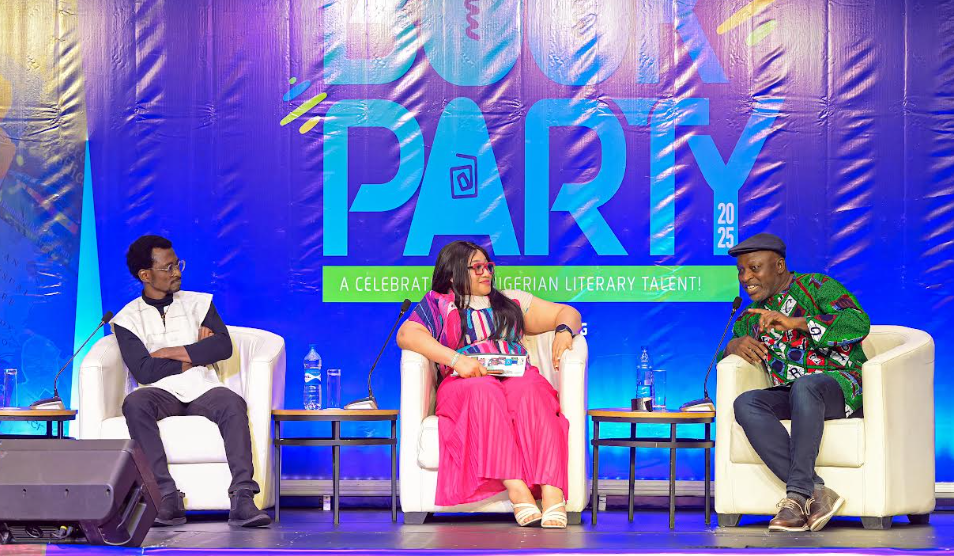
    Nigeriaโ€™s literary scene came alive over the weekend, as the Committee for Relevant Art (CORA), in conjunction with The Nigeria Prize for Literature, hosted a book party to honour the 11 authors longlisted for the 2025 edition of the literature prize in Lagos.

    The event marked the first public appearance of the longlisted writers. It featured book readings and a panel discussion, with authors participating both physically and virtually. The gathering brought together writers, readers, literary enthusiasts, and members of the media in a celebration of Nigerian storytelling.

    The longlist was selected from a total of 252 entries by a judging panel chaired by Professor Saeedat Bolajoko Aliyu of Kwara State University. Other members include Professor Stephen Mbanefo Ogene of Nnamdi Azikiwe University and Mr. Olakunle Kasumu, host of Channels Book Club.

    In her remarks at the event, Sophia Horsfall, NLNGโ€™s General Manager for External Relations and Sustainable Development, described the NLNG/CORA Book Party as a standout among the activities leading to the announcement of the winner in October.

    โ€œThe NLNG/CORA Book Party is a unique celebration, one that draws authors, journalists, and lovers of literature together in a way that brings excitement and visibility to Nigerian writing,โ€ she said.

    โ€œThis Book Party is a testament to NLNGโ€™s enduring belief in Nigeriaโ€™s creative future. While we produce energy to power homes, we also believe that stories power hope. In the past 20 years, the literature prize has ignited dreams, sharpened critical thinking, and inspired a new generation of Nigerian writers now stepping onto the global literary stage. The Nigeria Prize for Literature continues to give visibility, validation, and encouragement to stories that might otherwise go unheard, reminding the world that Nigeria has voices that matter,โ€ Horsfall added.

    Horsfall highlighted the literary communityโ€™s growing anticipation ahead of the final announcement, adding that NLNG remains committed to promoting excellence through the Prize. She noted that beyond celebrating writers, the Prize has helped elevate standards in editing, publishing, and the overall literary ecosystem in Nigeria.

    She praised the shortlisted authors, stating that their achievement is a source of pride for their families, the nation, and NLNG.

    Also speaking at the event, CORA Secretary-General, Toyin Akinosho underscored the critical role of public literary platforms in fostering deeper engagement between writers and their audiences.

    He emphasised the need for spaces where writers and readers can engage in meaningful dialogue, exchange ideas, and explore the inspirations behind the writing, which, according to him, are crucial to sustaining a dynamic literary culture.

    Now in its 21st year, The Nigeria Prize for Literature rotates annually among four literary genres: prose fiction, poetry, drama, and childrenโ€™s literature.

  • The Nigeria Prize for Literature Releases 2024 Longlist of 11

    The Nigeria Prize for Literature Releases 2024 Longlist of 11

    The Advisory Board for The Nigeria Prize for Literature has unveiled the longlist of 11 books competing for the 2024 prize, selected from a total of 163 entries. This year’s focus is on Childrenโ€™s Literature.

    Sponsored by Nigeria LNG Limited (NLNG), the prize offers a cash award of $100,000.

    Here are the 11 longlisted books, arranged alphabetically by title:

    1. A Fatherโ€™s Pride by Ndidi Chiazor-Enenmo
    2. Bodeโ€™s Birthday Party by Akanni Festus Olaniyi
    3. Grandma And The Moonโ€™s Hidden Secret by Jumoke Verissimo
    4. Mighty Mite And Golden Jewel by Henry Akubuiro
    5. Risi Recycle โ€“ The Dustbin Girl by Temiloluwa Adeshina
    6. The Children At The IDP Camp by Olatunbosun Taofeek
    7. The Magic Jalabiya by Ayo Adeliyi Oyeku
    8. The Road Does Not End by Familoni Oluranti Olubunmi
    9. The Third Side of A Coin by Hyginus Ekwuazi
    10. Village Boy by Anietie Usen
    11. Wish Maker by Uchechukwu Peter Umezurike

    The Chairman of the Panel of Judges, Professor Saleh Abdu of the Federal University of Kashere, Gombe State, presented the list to the Advisory Board. The panel also included Professor Vicky Sylvester and Dr. Osarobu Igudia. In their report, the judges described the longlisted books as entries with profound narratives and the authors’ creative prowess, highlighting the vividness of the characters and stories.

    Professor Akachi Adimora-Ezeigbo, Chairman of the Advisory Board, accepted the longlist, commending the judges for their meticulous selection. She emphasised the importance of Childrenโ€™s Literature in shaping young minds and stressed the need for quality and relevance in the literature that children are exposed to. She noted that the subject matter in Childrenโ€™s Literature must resonate with the future.

    The Nigeria Prize for Literature rotates yearly amongst four literary categories – prose fiction, poetry, drama, and childrenโ€™s literature.

    A shortlist of three is expected in September. A winner, if any, will be announced by the Advisory Board in October.

  • Afreximbank announces launch of CANEX Prize for Publishing in Africa

    Afreximbank announces launch of CANEX Prize for Publishing in Africa

    Priority will be given to books printed and produced on the African continent as well as to books published in indigenous African languages

    Afreximbank has officially announced the launch of theย CANEX Prize for Publishing in Africa,ย a partnership between the CANEX Book Factory and the Narrative Landscape Press Limited.

    The CANEX Book Factory, a key intervention under the CANEX programme, aims to promote a vibrant literary culture across Global Africa and encourage the development of a sustainable business ecosystem in the literary sector. CANEX was launched in 2020 by Afreximbank as a key driver for development and job creation in Africa, having recognized the relevance and opportunities provided by the creative and cultural industries.

    The CANEX Book Factory will spotlight and elevate the African book value chain through a Pan-African writing workshop, an e-newsletter highlighting African literature and the prize for publishing in Africa. This will culminate in the Award Ceremony at the CANEX WKND to be held in Algiers, Algeria between 16-19 October, 2024.

    A USD20,000 prize will be awarded to the publisher of the best trade book. Trade books refers to books published for a general audience, including fiction, non-fiction, and poetry and excludes textbooks and academic books. Additionally, four finalists will each receive USD2,000 in prize money.

    Commenting on this announcement, Mrs. Kanayo Awani, Executive Vice President-Intra African Trade and Export Development Bank at Afreximbank said: “We are thrilled to announce the launch of The CANEX Prize for Publishing in Africa, a pioneering initiative by Afreximbank aimed at promoting and celebrating excellence in African publishing. This prize underscores our commitment to nurturing Africa’s creative industries and supporting the vibrant literary landscape across the continent. Through the CANEX Prize, we aim to recognize and empower African authors and publishers who play a vital role in shaping our cultural identity and enriching our communities through literature in what is a multi-billion-dollar industry.”

    On the importance of initiatives such as CANEX, renowned writer and novelist, Ms. Chimamanda Adichie said: โ€œImagine being an African, dreaming about being a writer, surrounded by people in a room who share the same interests, it propels you, it gives you hope. Iโ€™ve always believed that there is nothing more essential to the human spirit than hope. For me, CANEX is about hope โ€“ the hope of many more African stories.โ€

    Submissions will be judged on the quality of writing, editing and production. Priority will be given to books printed and produced on the African continent as well as to books published in indigenous African languages. A key concession for the inaugural year (2024) is that books published in the preceding two years will be considered.

    By supporting the enabling environment for various creative sectors like fashion, music, film, art, literature, gastronomy, and sport; CANEX seeks to support the advancement and expansion of the creative and cultural economy, both within Africa and the diaspora, utilizing various financial and non-financial tools and initiatives.

    CANEX invites publishers in Africa to submit published trade books for the inaugural CANEX Prize for Publishing in Africa. To submit your entry, please visit:  https://apo-opa.co/3WR3vgu.

    For enquiries, please email info@creativeafricanexus.com

  • The Nigeria Prize for Literature attracts 163 entries in Children’s Literature cycle

    The Nigeria Prize for Literature attracts 163 entries in Children’s Literature cycle

    The Nigeria Prize for Literature, sponsored by Nigeria LNG Limited (NLNG), has received one hundred and sixty-three (163) entries for the 2024 edition.

    This was revealed today at a ceremony in Lagos to hand over the entries to judges for the commencement of the adjudication process. NLNG, represented by its General Manager for External Relations and Sustainable Development, Mr Andy Odeh, handed over the entries to the Chair of the Prize’s Advisory Board, Professor Akachi Adimora-Ezeigbo, who, in turn, handed over the entries to the judges.

    Speaking at the handover ceremony, Mr Odeh lauded the achievements that have been recorded by Nigerian writers in the past 20 years of running the Prize.

    “This handover of entries is a celebration of the commitment and hard work put forth by every participant. It is a reminder of the importance of fostering a culture that encourages innovation, critical thinking, and artistic expression. It is also an opportunity for us to recognize the dedication and support of those who have mentored and guided these individuals, providing them with the resources and inspiration to achieve greatness,” he said.

    The Prize rotates yearly amongst four literary categories: prose fiction, poetry, drama and children’s Literature.

    The Advisory Board also handed over 24 entries for The Nigeria Prize for Literary Criticism.

    The Literature Prize, which is now in its 20th year, has a cash prize of $100, 000 while the Literary Criticism Prize has a prize money of $10,000.

    Professor Saleh Abdu chairs the panel of judges for this year’s Literature Prize and the Literary Criticism competition. Professor Abdu is an English professor at the Federal University of Kashere, Gombe State. He has taught courses mostly in Literature at various levels. He also served at Bayero University Kano and Federal University of Kashere, Gombe State, as Head of Department (HOD), Faculty Sub-Dean, Dean of Faculty, Chair of Senate, Management and Council Committees. He has authored and co-authored several books, including his Poet of the People’s Republic: Reading the Poetry of Niyi Osundare (2003).

    Other panel members include Professor Vicky Sylvester and Dr. Igudia Osarobu. Professor Sylvester is a writer who has been teaching at the Department of English, University of Abuja. Her prolific writing career has produced numerous award-winning novels, poems, and academic works. Dr. Osarobu is a Doctor of Philosophy at the Department of Library Archival & Information Studies, University of Ibadan, Oyo State.

    Professor Christopher Okemwa, a lecturer of poetry and drama at Kisii University, Kenya, serves as the International Consultant for the 2024 edition of the Prize. He has published over 10 children’s books, winning the 2015 Canadian Burt Award for African Literature (Kenya) with one of the books. He is the founder and director of KICHLA (Kistrech Children’s Literature Association) of Kenya.

    Past winners in the Children’s Literature genre include Professor Akachi Adimora-Ezeigbo (2007), author of the joint-winning book My Cousin Sammy;Mabel Segun (2007) with her book Readers’ Theatre: Twelve Plays for Young People;  Mai Nasara (2011) who clinched the Prize with his book The Missing Clock; and Jude Idada (2019) with his book, Boom Boom.

    Other members of the Advisory Board are Prof. Olu Obafemi and Prof. Ahmed Yerima.

    The Nigeria Prize for Literature is Africa’s most prestigious literary award, and the increase in entries for the childrenโ€™s literature cycle highlights the growing interest in Nigerian Literature. With this year’s edition particularly competitive, the judges and Advisory Board have their work cut out to select a deserving winner.

  • Poets in Nigeria (PiN) Initiative set to Hold Cross Country Poetry Celebration

    Poets in Nigeria (PiN) Initiative set to Hold Cross Country Poetry Celebration

    Poets in Nigeria – a non-profit, non-religious, non-political, non-governmental literary body founded in 2015 is set to hold Cross-country poetry celebration. The event will be hosted by 84 poets at 44 location across 32 states, including the Federal Capital Territory (FCT) on October 21, 2023 and will kick off at 3pm.

    According to the statement signed by the Executive Secretary, PiN, Kolade Olanrewaju Freedom, โ€œPoets in Nigeria has the core mandate of promoting the culture of reading, writing and performance of poetry, tourism, and the arts towards broadening creativity for literary excellence. With its vision of becoming our nation’s foremost literary promoting organisation driven by poetry, PIN is poised to hold an unprecedented multi-locations, multi-hosts event across the country.โ€

    We are confident that this multi-locations event will open up new vistas for poetry and creativity in our land.

    Poets in Nigeria aims to promote reading and creativity via poetry; support identified talents towards honing their creative skills; promote new voices for poetry, the art for broadened nationalistic perspectives; enhance Nigeria’s growing market for poetry and ancillary activities and connect poets for greater endeavours.

    Update On Cross Country Celebration of Poetry:(Venues & Hosts)

    *1. Lagos State

    (a) – Ikorodu

    The Creative Space, Eriata Heights

    Ayo Ajileye street Ori-Okuta, Ikorodu 

    Host: Anidebe Prince Edwin (Ambassador)

    (b) – Lekki

    LVI Art Gallery And Cultural Nexus. No. 6A Saheed Ola-Adelekan Close off General Emdin Street, Lekki Phase 1

    Host: Wisdom Nemi Otikor

    Co- hosts: 

    – Michael Olorunwumi Adebowale

    – Nora Sanya

    (c) – Amukoko

    Venue: Auxin Schools 

    3, Market Lane, (By Iya Tuwo Bus stop), Mosafejo, Amukoko Lagos.

    Host: Clementina Owumi (Solutionist)

    (d) – Ejigbo

    Venue: The Trash-Tastic Studio

    9, Agbede Street Ejigbo Lagos

    Host: Adekunle Oguntoyinbo – Shola

    Co-host: Faith Ebomuche

    (e) – EPE

    Venue: Hall 3, Lagos state university of education

    UI Building, Epe

    Host: Michael Ogunleke

    (f) – Ojo

    Venue: Navy Sailing Club, Navy Town, Ojo

    Host: Regina Osang Obi

    *2. FCT/Abuja

    (a) – University of Abuja

    Venue: Faculty of Art

    English Block, University of Abuja

    Host: Gift Maduakor 

    Co-host: Clifford Omoh

    (b) – Maitama

    Venue: 7, Rima Street (off El-Amin School), Maitama, Abuja.

    Host: Chinatu Blessed Orji

    Co-host: Tomsinime Natus 

    (c) – Gudu 

    Venue: Ayibaebi Wa’ri, Plot 67 Cascurina Close, 

    (off Bayelsa Court, Gaduwa Estate), Gudu, Abuja.

    Host: Prince Kevin Fyneface (PaKevinEsq)

    Co-host: Olamide Akinkunmi 

    *3. Niger State

             –  Minna

    Venue: Democracy Garden, Minna, Niger State

    Host: Ibraheem Uthman

    Co-Host: Harajana Ragada

    *4. Oyo State

    (a) University of Ibadan

    Venue: Department of Special Education, University of Ibadan

    Host: Erinola Daranijo 

    Co-hosts:

    – Gbadero Rukaya Abike

    – Mariam Adeola

    – Adejoke Adepoju Oyekan

    (b) – Ogbomoso

    Venue: Lion’s Lounge Under G, LAUTECH, Ogbomoso

    Host: VicAdex 

    Co-host: Mayowa Odupolu (Poethick Mayor)

    *5. Cross River

    (a) Calabar

    Venue: Calabar Municipal Garden (Opposite Chicken Republic)

    Host: Victory Udie

    Co-host: Ebubechukwu Nwagbo Bruno 

    *6. Ogun state

    (a)- Mowe

    Venue: No 9 Rejoice Avenue, Off Ogunrun road, Mowe, Ogun state

    Host: Deborah Oluwabunmi Omoaregba

    (b) – Ago Iwoye

    Venue: Imososi Methodist Primary School, Ago-Iwoye.

    Host: Emmanuel Shonibare

    *7. Kwara State

    – Ilorin

    (a) University of Ilorin 

    Venue: The Faculty of Arts Hall, University of Ilorin

    Host: Opeagbe Opeyemi

    Co-host: Barakat Abdulraheem

    *8. Gombe State

    – Gombe 

    Venue: Love Garden, Gombe state university (GSU), Gombe

    Host: Abdulbaki Ahmad 

    Co-host: Abubakar Muhammad Abdulmumini

    *9. Edo state

          -Benin-city 

    Venue: Randheki (Gold) Hotel

    No 6 Uhenuyi street, off Ihama Road, GRA, 

    Benin City, Edo state.

    Host: Ehis Ferguson

    Co-hosts: Testimony Odey, 

    Diongoli Queen-Deborah Ebitaripreye 

    *10. Kebbi State

    – Kebbi

    Venue: Women Centre Auditorium, Ministry of Women Affairs, Birnin-Kebbi.

    Host: Basira Rabiu Idris

    *11. Osun State

    – Ile-Ife

    Venue: Jubilee Gardens, OAU, Ile-Ife, Osun state. 

    Host: Joel Oyeleke

    Co-Hosts: Eunice Odediran Olamide, Pagiel Adeniyi (Adunni)

    *12. Nasarawa state

    – Lafia

    Venue: Melchizedek Academy, Opposite State Polytechnic, Lafia, Nasarawa state

    Host: Amos Ugbedeojo Maxwell

    Co-host: Osori, Ibrahim Danasabe

    *13. Bauchi state 

    – Bauchi

    Venue: Demonstration Hall, Department of Hospitality Management Technology, 

    Federal polytechnic,

    Bauchi, Bauchi state.

    Host: Suleiman Dauda Yakubu (Yaks Dipoet)

    Co-Host: Jibilla Shadrach Masoyi

    14. Rivers State

    – Port-Harcourt 

    Venue: Conference Hall, Capt Elechi Amadi Polytechnic, Rumuola, Port Harcourt.

    Host: Salomi Ikoyoko -Trisha 

    Co-host: Dr. Sunday Igbikiberebima

    *15: Borno state

    – Maiduguri

    Venue: Mogcolis Maiduguri Borno

    Host: M.I. Bagudu

    Co-hosts:

    Halima Babagoni Tahir, Elsin Victor, Hannah Caleb

    *16: Ebonyi State

    – Abakaliki

    Venue: Fati Lami,

    Opposite Amusement Park,

    (Behind ICC) Abakaliki.

    Host: Nwuguru Chidiebere Sullivan

    Co-host: Pearl Chidera Acho-Osueke 

    *17. Yobe State

    Damaturu

    Venue: GDSS Phase 1, near Hytek Cyber Cafe, Damaturu.

    Host: Abubakar Abdullahi Yusuf (Abu Ammar)

    *18. Benue state

    – Anyuogbu, แปŒju

    Venue: Hillcrest College Hall, Anyuogbu, แปŒju, Benue State.

    Host: Kelechukwu Samuel Ojile 

    Co-Host Onda Oyari Francis 

    *19. Akwa Ibom state

    – Ikot Osurua, Ikot Ekpene

    Venue: Akwa Ibom Polytechnic, Ikot Osurua, Ikot Ekpen, Akwa Ibom state.

    Host: Godswill Enang

    Co-host: Comr. Omodot Jackson

    *20. Zamfara state

    – Kaura Namoda 

    Venue: Venue: ETT Hall, Federal polytechnic Kaura Namoda

    Host: Muhammad Ahmad Isah (MarTaBa)

    *21. Taraba state

    – Jalingo

    Venue: Film and Theatre Hall, Taraba State University (TSU), Jalingo

    Host: Terkule Aorabee Gagajav 

    Co-host: Faiza Yuguda Umar 

    *22. Kogi State

    — Ajiyolo-Ojaji, Dekina LGA

    Venue: Omaga Ejigbo College of Education

    Ajiyolo-Ojaji, Dekina LGA, Kogi State

    Host: Ezekiel Onucheojo Abbah

    *23. Ekiti state

    – Ado Ekiti

    *Venue: Ekiti state University, Ado-Ekiti, Ekiti State.

    Host: Awodiya Funke (The Farmer’s Daughter)

    *24. Ondo state

    (a) – Ode Aye

    Venue: Sound Foundation Secondary School,

    Sound Foundation Avenue,

    Ode Aye, Ondo state.

    Host: Kehinde Fagbeyide 

    (b) – Akungba-Akoko

    Venue: Sports Complex, Adekunle Ajasin University, Akungba-Akoko (AAUA)

    Host: Akporien Kehinde

    Co-hosts:

    – Seyifunmi Francis Adeosun

    – Tamilore Folorunso                         

    *25. Kano State

    – Kano

    *Venue: American Space, Kano State Library, Kano

    Host: Christian Odinaka

    Co-host: Hussani Abdulrahim

    *26. Enugu state

    -Enugu

    Venue: SLANG GLOBAL

    23, Ogidi, Street, off Ogui Road, Enugu

    Host: Chinemerem Mary Anyi 

    * Nsukka

    PIN UNN Connect 

    Hosts:

    Anadแป‹ Ugochukwu

    Henry Onyekachim

    Georgia Ezeano

    *27. Kaduna state

          – Zaria

    Venue: Hotspot kafe, (beside car wash, Opposite Ahmadu Bello University, Samaru, Zaria, Kaduna state).

    Host: Mayowa Oluwasegun Oladeji

    *28. Sokoto state

    – Sokoto

    Venue: American Space, School of Matriculation, Sokoto.

    Host: Hussein Nuhu Isa

    Co-host: Taslimat Fatima Bello

    *29. Plateau state

    – Jos

    Venue: Alliance Francaise de Jos (Center For French Teaching and Documentation) opp. Standard Building, Jos.

    Host: Victor Words Meshak 

    Co-hosts:

    *Babatunde Towobola (aka The 8th Sage)

    *Shalom Gowok 

    *30. Bayelsa state

    – Yenagoa 

    Venue: Bayelsa Peace Park, opposite Government House, Onopa, Yenagoa.

    Host: Rowland Ofiyou 

    Co-host: Lue Trust Benjamin 

    *31. Anambra State

    (a) – Awka

    Venue: Awka Window on America, Nnamdi Azikiwe University, Awka.

    Host: Vincent Eze 

    (b) – Oba

    Venue: Bishop Evans Ibeagha Juniorate, Oba, Idemili South, LGA,

    Host: F.O.C Ikwuemesibe

    Co-Hosts: Obiora Momife, Emeka Mokeme, Envg. Comfy Obiaso

    *32. Delta State

    – Issele-Uku

    Venue: Pilgrim Baptist Grammar School, Issele-uku (Govt. School) 

    Host: Bright Chukwuemeke

  • Akubuiro, Gomba, Anyokwu, Taofeek, seven others in race for USD$100,000 drama prize

    Akubuiro, Gomba, Anyokwu, Taofeek, seven others in race for USD$100,000 drama prize

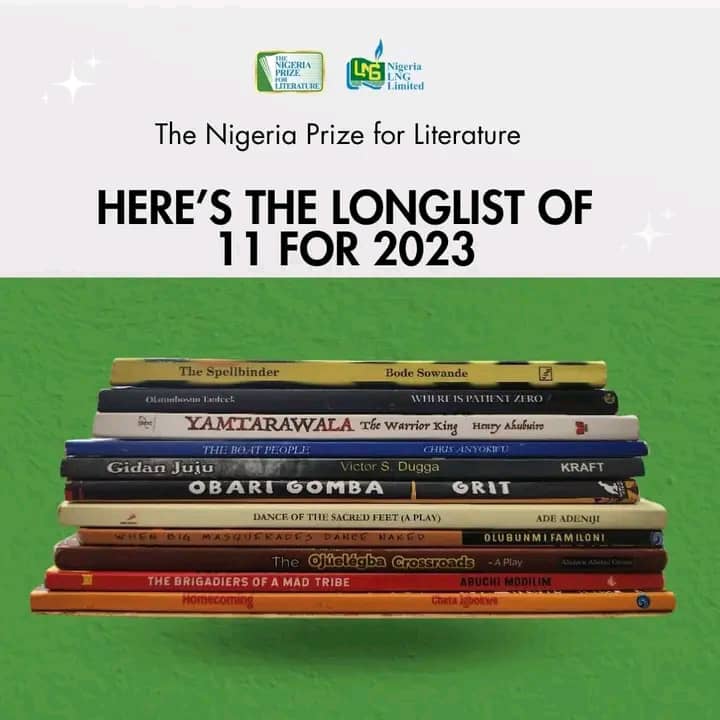
    Elevenย playwrights have emerged as contenders for The Nigeria Prize for Literature 2023 worth USD$100,000. The awaited list came out today and set the literary scene agog with speculations as the likely three to make the shortlist in September before the October prize award ceremony when a winner will emerge. A statement from the Advisory Board for The Nigeria Prize for Literature, signed by the General Manager, External Relations and Sustainable Development, Andy Odeh, said the longlist of 11 drawn from 143 plays in the running for the 2023 edition of the prize. The literature prize is sponsored by Nigeria LNG Limited (NLNG).

    The 11 plays on the longlist are Dance of The Sacred Feet by Ade Adeniji, Gidan Juju by Victor S. Dugga, Grit by Obari Gomba, Home Coming by Cheta Igbokwe, The Boat People by Christopher Anyokwu, The Brigadiers of a Mad Tribe by Abuchi Modilim, and The Ojuelegba Crossroads by Abideen Abolaji Ojomu. Others are The Spellbinder by Bode Sowande, When Big Masquerades Dance Naked by Olubunmi Familoni, Where Is Patient Zero by Olatunbosun Taofeek and Yamtarawala โ€“ The Warrior King by Henry Akubuiro.

    The list was presented to the Advisory Board by the jury chairman for this yearโ€™s prize, Ameh Dennis Akoh, a professor of Drama and Critical Theory at the Alex Ekwueme Federal University, Ebonyi State. Other panel members include Professor Osita Catherine Ezenwanebe and Dr Rasheedah Liman.

    In their report, the jury stated that the longlist consisted of plays that unravel profound themes, each evidence of the artistry and creativity of the individual playwrights. The judges also added that the playwrightsโ€™ ability to breathe life into their characters and narratives is a testament to their profound insight into the human experience.

    Accepting the recommended longlist, the boardโ€™s chairperson, Professor Akachi Adimora-Ezeigbo, commended the judges for the thorough exercise of picking the best from the entries for 2023. She said the longlist of 11 manifested the relentless scrutiny and unwavering dedication invested in the pursuit of true dramatic excellence by the judges. She also commended the playwrights on the longlist, adding that they have emerged as beacons of distinction in the annals of the literary world in Nigeria. Other members of the Advisory Board are Professors Olu Obafemi and Ahmed Yerima.

    The jury will also continue adjudication on the 13 entries for The Nigeria Prize for Literary Criticism, which runs concurrently with The Nigeria Prize for Literature. The literary criticism prize carries a monetary value of USD$10,000.

    The Nigeria Prize for Literature rotates yearly amongst four literary categories โ€“ prose fiction, poetry, drama, and childrenโ€™s literature. Last year the genre in contention was poetry, and Romeo Oriogun won with hs collection,ย Nomad.

  • Feature- The Okeho Exodus: A Review

    Feature- The Okeho Exodus: A Review

    Playwright: Olutayo Irantiola

    Publisher: Peo Davies Communications

    Year of Publication: 2022

    Reviewer: Akeem Akinniyi

    Olutayo Irantiolaโ€™s The Okeho Exodus is a historical play set in 1916 but written in a modern-day language and filled with elements that will not alienate a reader in these present times. The play revisits the past of the descendants of Okeho who resettled among the hills along with ten villages to stem the tide of invasion by the Dahomey and Fulanis. What follows are intrigues of betrayal, and bastardisation of culture by colonialists which eventually leads to the tragic end of not only the king but the loss of the townโ€™s sovereignty to the colonial masters.

    The theme of betrayal dominates the play and the only character who survived it is Oba Arilesire who built a harmonious home of settlers which sets the tone for successive kings before the turn of Onjo Olukitibi. The emergence of Captain Ross and his fellow conquerors in Okeho with their laws and subjugation of the people leads to distrust among the chiefs and set the plot to oust the king, Onjo Olukitibi. A wave of betrayal rises among the chiefs who think Onjo Olukitibi has sold them out to the colonialists referred to as โ€˜Ajeleโ€™ (a Yoruba word for usurpers). The internecine fighting grows beyond the borders of Okeho and extends to other towns as Balogun Olele seeks allies from far and within against the king. In the end, the king is captured and annihilated along with his family. Captain Ross avenges the death of the king, attacks, and arrests the unerring chiefs to bring law and order to Okeho, thereby establishing the sovereignty of the colonial masters.

    The play deploys antithesis effectively to strike a balance in the events as well as the lives of the characters and the passing of the years. Oba Arilesireโ€™s reign is filled with harmonious living and unity among the people. He would go on to die peacefully in his sleep. This is contrasting to the reign of Onjo Olukitibi whose reign ends in disarray with mistrust in the air and would later die agonizingly in the hands of his own people. Another is the replacement of invaders, at first, it is the Fulanis and Dahomeys whose aggression make the people of Okeho flee to the new place. Little had they settled down when the colonialists invaded their space and sadly, it will result in their return to the place they left earlier.

    The challenges of colonialism to traditional laws and customs are symbolized by the emergence of Captain Ross whose influence and power conflicted with Onjo Olukitibi, thereby reducing his relevance before the people. His authority is challenged, and as Captain Rossโ€™ influence grows, Olukitibiโ€™s stature shrinks. The people of Okeho begin to see him as the puppet of the white man. An example is the statement of Oladunni (41) โ€œThe reign of Olukitibi is already disheartening. We have never experienced this in Okeho Ahoro, I have been watching with keen interest and I am getting to lose hope in his leadership abilities. People have been saying it that Olukitibi was not the right person to be crowned, he was imposed on us by the colonial masters. But will the kingmakers and the oracle lie?โ€ย 

    The theme of betrayal echoes through the book and it is expressed in many ways. Jinjin represents the modern, inquisitive, and courageous woman who believes in equality. She also represents the Biblical Eve whose inquisitiveness led to the fall of man through her desire to partake in the Oro traditions. A Yoruba cult tradition that forbids the participation of women. She never hides her intent to break all patriarchal foundations (25):

    Jinjin: My right to social equality, freedom of association and speech. I want to know more about Oro. If it was an entirely sacred thing, men should also stay out of the rituals.

    To achieve her husband, Olojomoโ€™s commitment to making her participate, she weaponises sex and the poor man submits to her guiles: โ€œYes, my mind is at rest now.ย  I am sure that I would soon partake of the ritual and we would break all the limitations that have been set by many generationsโ€ โ€ (63).ย  Olojomo would go on to get her involved in the ritual, a flaw that ridicules his legacy in the Oro cult leading to his disgrace from the group by fellow initiates who considered his actions a betrayal of trust.

    Another female character of note is Oladunni who challenges the status quo of the submissive housewife who must accept everything that her husband dishes out to her. She broke patriarchal norms by talking back at her husband Oga Akooda (37) who in a state of excitement and drunkenness about the Oro festival insults her father which she replies accordingly and disrespectfully. The husband chases her with the intent to beat her and instead of being apologetic tries to give reasons for his uncouth behaviour. (38)

    Oga Akoda: She has to swallow those words if not, there wonโ€™t be peace any longer in this house. She thought I was tipsy and cannot reason well.

    Oladunni: I will go to the court of Ross. You will learn lessons. I cannot tolerate you any longer. You are a violent man. (He wants to chase her again but Akoda holds him).

    The court of Ross is the court of the whiteman which allows room for divorce. This can be seen as a breakaway from the cultural norm of family and community elders settling marital conflicts. It reflects a subjugation of traditional authority. Some of the little cracks that bit by bit collapses the wall of traditions and customs.

    The playwright makes use of songs to communicate and express the mood. The language though direct is, sometimes, riddled with too much Yoruba aided by code-mixing and translations that somehow belabours the point. Some scenes appear intrusive as we have during the choice of kingship. Above all, the playwright achieves his aim of telling an ancient story to a modern audience by reflecting on the effects of colonialism and its attendant evils of erosion of cultures and abuse of power.

    Akinniyi Akeem is an advertising copywriter with one of the leading PR agencies in Nigeria. He enjoys the art of writing and in his spare time, he loves to delight the blank page with poetry and short stories.

  • Black History Month 2022: Great books by Nigerian  and other Black authors in the UK

    Black History Month 2022: Great books by Nigerian and other Black authors in the UK

    First celebrated in the UK in 1987, Black History Month was founded to recognise the contributions Black people have made to the UK over many generations.

    Our Amazon Books Editors have worked closely with our colleagues in BEN, Amazonโ€™s Black Employee Network, to build reading lists for Black History Month this October. BEN is an internal group of employees that champions diversity and ensures the perspectives of people of Black African and Caribbean descent are heard in our business.

    This year, rather than focusing only on Black history books, we chose the books in our list to showcase some of the best Black British writing that weโ€™ve come across in 2022. There were many more we could have chosen, so our selection is just some of our favourites, and includes inspirational stories, gripping crime thrillers, real-life experiences and moving poetry.

    These books are aimed at adult readers, but if you’re looking for more suggestions you can head to our Black History Month hub.


    The Secret Diaries of Charles Ignatius Sancho by Paterson Joseph

    A stunning debut historical fiction novel from a well-known British actor, Paterson Joseph, focusing on the extraordinary but little-known story of Charles Ignatius Sancho. Sancho is brought to London as a slave, but escapes this terrible life to become an educated composer, writer and shopkeeper. He meets the King, is involved in the fight to abolish slavery, and becomes the first Black person to vote in Britain. Told with a wit that fans of Bridgerton will enjoy, this is an uplifting fictionalised account of the life of an often-forgotten figure in Black British history.VIEW BOOK DETAILS >


    Just Sayin’: My Life in Words by Malorie Blackman

    The beloved author Malorie Blackman tells us about her life, but as you might expect from Blackman, this is no ordinary memoir. The Noughts and Crosses author relates the key moments of her life back to her guiding principles โ€“ wonder, loss, anger, perseverance, representation, and love. Itโ€™s fascinating to hear about life growing up as a Black girl in post-War Britain, including the racism and rejection she encountered, and how it never dampened her ambition and determination to become a writer. A beautifully written memoir.VIEW BOOK DETAILS >


    Settlers: Journeys Through the Food, Faith and Culture of Black African London by Jimi Famurewa

    Jimi Famurewa, a British-Nigerian journalist, takes us on an eye-opening journey through African London. Post-1960s arrivals from Nigeria, Ghana and Zimbabwe made London their home, and today their descendants are impacting British life in every field. Hearing the stories of these ambitious Londoners, we also begin to see a darker side โ€“ racism, cultural friction, and more. Jimi is a natural storyteller, presenting the complex experience of African-heritage Londoners in a sensitive and touching way.VIEW BOOK DETAILS >


    These Streets by Luan Goldie

    When Jess is asked to move out of her house so that her landlord can sell it, the single mother and her two children are set on a downward spiral. As she struggles to keep her life on track and her family together, a hint of a happier future comes in the form of Ben, who meets Jessโ€™s father while reeling from a break-up and the separation from his daughter.

    This new novel from the author of Womenโ€™s Prize for Fiction-longlisted Nightingale Point is a heartfelt and compassionate portrayal of the pressures facing working-class families in todayโ€™s society, the precarious position that so many find themselves in from time to time, and the resilience and determination to make a better life.VIEW BOOK DETAILS >


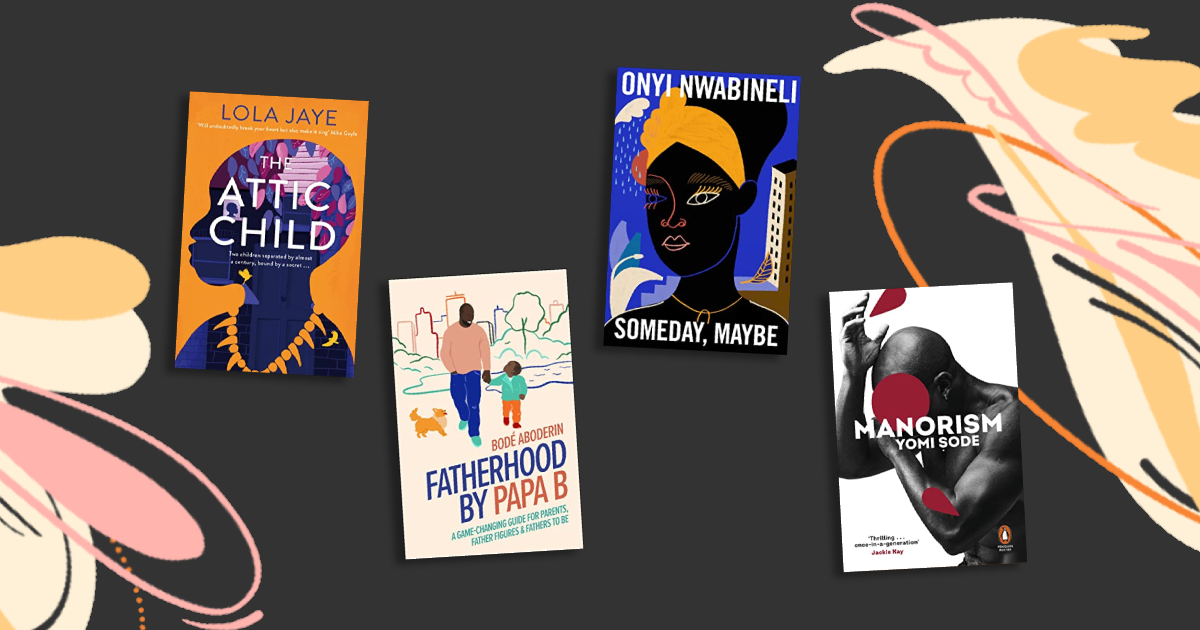
    Manorism by Yomi Sode

    The debut collection of poetry from Yomi SodeManorism, is a deeply affecting exploration of the experience of Black British men and boys; highlighting the impact of racism, colonialism, expectations around masculinity, and the pressures of modern society. Passionate and angry, rhythmic and beautiful, this is an important and moving work of contemporary poetry.VIEW BOOK DETAILS >


    Someday, Maybe by Onyi Nwabineli

    Another debut, this time of literary fiction by Nigerian-British authorย Onyi Nwabineli. On New Yearโ€™s Eve, Eveโ€™s husband takes his own life, and she is left heartbroken and confused. While everyone around her seems to want her to move on, she is drawn to look back through her marriage to try to understand what happened.

    A heartbreaking yet insightful portrait of loss and the various stages of grief and acceptance, Someday, Maybe is the kind of book that will stay with you for a while โ€“youโ€™ll find yourself saying repeatedly to friends, โ€œI just read this bookโ€ฆโ€VIEW BOOK DETAILS >


    A Visible Man by Edward Enninful

    The extraordinary story of Edward Enninfulโ€™s life from his childhood home in war-torn Ghana to becoming an icon of the British fashion industry โ€“ not only British Vogueโ€™s first Black editor-in-chief, but changing the way we view beauty through his revolutionary magazine covers and leadership. There was no easy path to get here, and Enninfulโ€™s determination to succeed through his struggles is truly inspiring.VIEW BOOK DETAILS >


    The Attic Child by Lola Jaye

    The Attic Child follows a dual narrative, where two characters at different moments in time have found themselves locked in the same attic in a house in England: Dikembe, a young Congolese boy who is bought to be a rich Englishmanโ€™s โ€˜companionโ€™ at the start of the 20th Century; and Lowra, a young woman who stumbles across Dikembeโ€™s story in the 1990s and looks to find out more about him. We learn his story as she uncovers it, moving between past and present, and Jaye shines a light on an awful period of African and European history where colonisation impacted the lives and futures of so many.VIEW BOOK DETAILS >


    Fatherhood by Papa B by Bodรฉ Aboderin

    With so few parenting books aimed specifically at fathers and fathers-to-be, and even fewer written by men of colour, we were excited to see the release of Fatherhood by Papa B. Written from his own experiences in starting a family, Aboderin aims to change the narrative on what it means to be a father today, from breaking the mould of the generations that came before you, to challenging stereotypes and being an engaged and present father to your children.VIEW BOOK DETAILS >


    The Mixed-Race Experience: Reflections and Revelations on Multicultural Identity by Natalie Evans, Naomi Evans

    Natalie and Naomi Evans are the founders of the anti-racist advocacy platform Everyday Racism (@EverydayRacism_), and their book explores the experiences of the mixed-race community in a world that seems to want to class you as Black or white, but rarely sees you as both. With practical advice as well as personal stories of their own and from interviews with others, The Mixed-Race Experience is an essential read.VIEW BOOK DETAILS >


    My Other Husband by Dorothy Koomson

    Dorothy Koomson has written 17 novels, and her latest crime thriller is just as compulsive a read as the rest. Cleo decides to walk away from her โ€˜perfectโ€™ life as a successful author and scriptwriter and wife before her secrets catch up with her, but sheโ€™s too late. As people around her start getting hurt, she realises sheโ€™s being framed, but a huge secret means she can do nothing to stop it. Beautifully fleshed out characters, strong tension and a big reveal make this another Koomson classic.VIEW BOOK DETAILS >


    Wahala by Nikki May

    Before Wahala was even published, it had been announced that it was being adapted for a major BBC drama. Then, it made various โ€˜2022 Books to Watchโ€™ lists, and was announced as a Best Fiction Book of the Year So Far by The Times.

    And for good reason;ย Wahalaย is a darkly comic, gripping novel exploring female friendships, with the added complexity of the women navigating life as mixed-race, middle class women in Britain. A fun, entertaining read with a delicious dose of drama,ย Wahalaย has been described as โ€˜Sex and the City with a killer edgeโ€™. VIEW BOOK DETAILS >

  • CBAAC begins preparation for FESTAC 77 @ 45

    CBAAC begins preparation for FESTAC 77 @ 45

    The Director-General of the Centre for Black and African Arts and Civilization (CBAAC), Hon. Olubunmi Amao has disclosed that the Centre commenced preparation to commemorate the 45th Anniversary of the Second World Black and African Festival of Arts and Culture (FESTACโ€™77@45)

    She stated this while representing the Minister of Information and Culture, Alhaji Lai Mohammed at Chinaโ€™s New Year celebration in Lagos.

    Amao explained that the CBAAC is in custody of all the materials including Artefacts, Artworks, Footages of Performances, and all other collections exhibited by the 59 Black and African Countries that participated in FESTACโ€™77.

    The DG further explained that โ€œFESTACโ€™77 @ 45 is designed to be a weeklong event packed with activities to showcase diverse cultural expressions and entertainment which include Music, Dance, Poetry, Folklore, Drama, traditional Cuisines/Food Fair, Arts and Craft Exhibitions, Cultural Variety Night.

    โ€œI wish to use this opportunity to announce that the Centre for Black and African Arts and Civilization (CBAAC), a parastatal of the Federal Ministry of Information and Culture has commenced preparation to commemorate the 45th Anniversary of Second World Black and African Festival of Arts and Culture (FESTACโ€™77@45).

    โ€œBeing the Organization established after (FESTACโ€™77), CBAAC is in custody of all the materials including Artefacts, Art Works, Footages of Performances and all other collections exhibited by the 59 Black and African Countries that participated in FESTACโ€™77.โ€ She said

  • Cheluchi  Onyemelukwe wins the 2021 NLNG Nigeria Prize for Literature

    Cheluchi Onyemelukwe wins the 2021 NLNG Nigeria Prize for Literature

    $100,000 worth Nigeria Prize for Literature, Africaโ€™s most prestigious literary award, rotates yearly amongst four literary categories: prose fiction, poetry, drama, and childrenโ€™s literature.

    The 2021 winning entry ‘The Son of the Houseโ€™ is a profoundly unconventional novel that portrays the lives of two women in different worlds whose paths crossed during captivity. But they soon realised their path had earlier crossed at various points.

    The stories of Nwabulu, a one-time housemaid and now a successful fashion designer, and Julie, an educated woman who lived through tricks, deceits, and manipulations, are told through a mosaic plot structure against the backdrop of modernity and traditional patriarchy, poverty, and neglect.

    The chairperson of the panel of judges, Professor Olutoyin Jegede, is a Professor of Literature in English at the University of Ibadan.

    Other panel members include Professor Tanimu Abubakar, a Professor of Literature in the Faculty of Art, Ahmadu Bello University, and Dr. Solomon Azumurana, a Senior Lecturer in the Department of English at the University of Lagos.

    The Advisory Board of the Prize also announced the appointment of the International Consultant for this yearโ€™s prize, Tsitsi Dangarembga, an acclaimed Zimbabwean author.

    Her first novel, Nervous Conditions (1988), was hailed as one of the most important novels of the twentieth century and was included in the BBCโ€™s 2018 list of the 100 books that shaped the world.

    Her novels, The Book of Not (2006) and This Mournable Body (2018) were longlisted for the Booker Prize 2020.

    Her plays have been performed at the University of Zimbabwe, and her short musical Kare KareZvako, (Motherโ€™s Day, 2005) was screened at Sundance.

    Her films have also received international recognition.

    Cheluchi Onyemelukwe is a Nigerian author and academic.

    She is best known for her 2019 family saga novel, The Son of the House.

    She is also a Professor of Law at Babcock University, where she served formerly as an Assistant Professor.

    In 2019, she won the Sharjah International Book Fair.

    The Nigeria Prize For Literature was established in 2004 and sponsored by Nigeria Liquefied Natural Gas (NLNG) company.

  • Feature- Okeho: Great Town, Great and Self-Reliant People but Neglected by Government

    Feature- Okeho: Great Town, Great and Self-Reliant People but Neglected by Government

    by Kayode Awojobi

    We all hail from a particular community either it be the developed, underdeveloped or rural homesteads. There are many factors that determine the fate of a location either it would thrive or not. But as fate would have it, I am proud to say it anywhere that I was born of Okeho parentage, this is not the end of my joy, the strides of my kinsmen within and outside the country give me great assurance that I am also heading somewhere. We all have a choice to affect our world positively without being affected by our background or whatsoever limitation that abound. I’ve read extensively about many people that hail from Okeho and I’ve been inspired and motivated by their lives. There is no gainsaying that Okeho has produced successful people with various laurels.

    From time immemorial, Okeho the headquarters of Kajola Local Government of Oyo State is renowned for outstanding performances in all facets of life be it academics, creativity, religion, entrepreneurship, leadership, and many others. I can posit that people from Okeho are excelling in their various fields of endeavors and they’re always extraordinary. We have people from Okeho who have set the pace in Music, Drama, Poetry, Engineering, Art, Writing, Broadcast journalism, Religion, among others. These people have raised the bar amidst their peers and are still setting pace to date.

    Okeho people are well known for their selflessness and self-reliance in whatever they tend to lay their hands. These are people who don’t rely on the government before they get things done. History has it that when the people of Okeho saw the need to help the sons and daughters of Okeho to proceed in their education after the completion of Primary school education, and the government that was supposed to establish schools failed to fulfill its promise to establish a secondary school, the forefathers came together and seriously work towards establishing a secondary school of their own in the region. To this cause, the popularly known Okeho/Iganna Grammar School, Okeho, was established due to the unwavering commitments of our forefathers who are endowed with dauntless courage that they can get things done and this helps them in achieving this remarkable feat. Today, the post-primary institution has produced people of timber and calibre across the universe.

    This self-reliance aspect of Okeho didn’t stop with our forefathers, the current generation as well is fostering in the path of their ancestors and this led to their way of life that embodies commitment, love, and unity which was stretched forth when the Oyo State Government announced that the Okeho College of Health Science and Technology would be cited in the community. Someone single-handedly gave out his personal property in order to keep the school in our territory and now the people of Okeho are working assiduously towards making the permanent site of the school ready within a short time.

    Asides from this, the Nation Open University of Nigeria Project is currently ongoing. We are at the final stage of approvals and we keep that by Godโ€™s grace. The license will be given to us to run a centre that will aid the development of the academic environment of our community.

    We should not forget the effort of our youths in curbing the bank robbery and also worthy of note is their protest again Ibadan Electricity Distribution Company. The inert and imbibed lifestyle of cohesion and working together made electricity restored to the town within few hours. These are just some examples of how great and resilient Okeho people are.

    Equally, the youths recently mobilized themselves and took to rehabilitate the township roads within the town. The call on the government to rehabilitate and help reconstruct our roads had always fallen on deaf ears. Worthy of mention is the Okeho-Iganna road that has been washed away by erosion amongst many other roads. The youths filled many gullies on the roads, some of the roads are Gbonje- Isale Alubo road; Ajelanwa-Imalefalafia road; Sharp Corner- Sir Water road and within Gbonje market.

    Okeho indigenes should not seat down and relax based on the precedents of the past; we all should stir up our passion for our homeland by investing more into our source. Just like the refrain of the song of Musiliu Haruna Isola, โ€˜no one who stays aloof from his homestead will ever be able to repair his fatherโ€™s house.โ€™ Okeho is a great town, that needs international attention, It is a very saddening situation that the government has forgotten this community and it is the citizens that keep striving to add value to their homestead.

    Okeho is where we belong, and our inputs must be felt in the nooks and crannies of the town. I believe we have what it takes, we are true descendants of Olofin, and I know in years to come, Okeho shall surely be a region in the entire world that will always be appreciated for cultural heritage, outstanding potentials, tourist centres, and many others.ย  Let’s continue to commit our concern to various sectors within the town to workability and result-oriented radical development and growth that in a short time proceeds our town to the rightful position we’ve always desired.

    Come to Okeho and experience the gathering of great people across the world. A town situated on the hill that can’t be shaken, we are more than conquerors, we have conquered the Fulanis, Dahomey and Alimi invaders and recently, the armed robbers. We have continually lived together in peace and harmony with our undaunted spirit but we desperately need to fill the governmentโ€™s presence in all spheres.

    Kayode M. Awojobi is a journalist and public affairs commentator