


















Trending Now



DON'T MISS
- All
- Africa
- Agribusiness
- Agriculture
- AI
- AMA
- APO
- Aquatic
- Arts
- Aviation
- Award
- Brand
- Built Industry
- Competition
- Construction and Environment
- Culture and Tourism
- Dairy
- Data Centre
- Dental
- Device Manufacturer
- e-commerce
- Economy
- Education
- Electronics
- Energy
- Entertainment
- Facility Management
- Fashion
- Features
- Festival
- Finance & Analysis
- Financial Institutions
- Fine Dining
- Fintech
- FMCG
- Food and Nutrition
- Food Security
- Foundation/NGOs
- Global
- Health
- Hospitality
- Housing & Environment
- ICT
- Insurance
- International Trade & Investment
- Interview
- Judiciary and Legal
- Lifestyle
- Literature
- Maritime
- Marketing Communications
- Motoring
- Movies & Music
- MSMEs
- Multinational
- National
- News
- Oil & Gas
- Opinion Article
- Opportunities
- Pension
- Pharmaceuticals
- Politics
- PR NEWSWIRE
- Private Sector
- Promo
- Public Sector
- Reality TV Show
- Relationship and Family
- Religion
- Science & Innovention
- Security
- Sports
- Spotlight
- Start-Ups
- Sustainability/CSR
- Telecoms
- Transport
- Travel
- Waste Management
More

Infinix SMART 20 HD Is Bringing a Smoother Smartphone Experience to...
For many smartphone users, the difference between a frustrating phone and one that feels good to use comes down to the everyday details: how...




SPORTS
- All
- Africa
- Agribusiness
- Agriculture
- AI
- AMA
- APO
- Aquatic
- Arts
- Aviation
- Award
- Brand
- Built Industry
- Competition
- Construction and Environment
- Culture and Tourism
- Dairy
- Data Centre
- Dental
- Device Manufacturer
- e-commerce
- Economy
- Education
- Electronics
- Energy
- Entertainment
- Facility Management
- Fashion
- Features
- Festival
- Finance & Analysis
- Financial Institutions
- Fine Dining
- Fintech
- FMCG
- Food and Nutrition
- Food Security
- Foundation/NGOs
- Global
- Health
- Hospitality
- Housing & Environment
- ICT
- Insurance
- International Trade & Investment
- Interview
- Judiciary and Legal
- Lifestyle
- Literature
- Maritime
- Marketing Communications
- Motoring
- Movies & Music
- MSMEs
- Multinational
- National
- News
- Oil & Gas
- Opinion Article
- Opportunities
- Pension
- Pharmaceuticals
- Politics
- PR NEWSWIRE
- Private Sector
- Promo
- Public Sector
- Reality TV Show
- Relationship and Family
- Religion
- Science & Innovention
- Security
- Sports
- Spotlight
- Start-Ups
- Sustainability/CSR
- Telecoms
- Transport
- Travel
- Waste Management
More

UoN’s The Hotrods Quartet Claims Open Lanes Varsity Invitational
The Hotrods Quartet team from the University of Nairobi emerged victorious at the Open Lanes Varsity Invitational finals, clinching the title with 30 points....

SuperSport Set for Chaos in the Ring Independence Day Showdown
The prominent boxing show, Chaos in the Ring, returns to Lagos on October 1, with a line-up that pits celebrities against each other in...



LATEST ON TECHNOLOGY
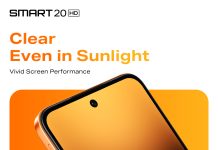
Infinix SMART 20 HD Is Bringing a Smoother Smartphone Experience to More Users
For many smartphone users, the difference between a frustrating phone and one that feels good to use comes down to the everyday details: how...

We’re making it easier to identify AI-generated content globally- Google
As Nigeria’s digital creator economy and online media space continue to grow, Google is expanding its SynthID Detector into a public platform, available globally in English.
Anyone...

Feature- The sustainability equation for Africa’s data centres
By David Erwee
Data centres have become an increasingly visible part of the infrastructure underpinning today's digital economy. As organisations adopt cloud services, artificial intelligence...
NCC, Swedfund, Ookla Call for Accelerated Investment in Nigeria’s Digital Infrastructure
Forum urges long-term financing, power reforms, lower Right of Way charges and stronger public-private partnerships to close connectivity gaps
The Nigerian Communications Commission (NCC), in...

New Google report reveals Nigeria’s coffee drinking trends
Chilled coffee, dessert-flavoured lattes and making coffee at home are winning Nigerians over in 2026
Coffee is having a moment in Nigeria. New data from...
LATEST OPPORTUNITIES
- All
- Africa
- Agribusiness
- Agriculture
- AI
- AMA
- APO
- Aquatic
- Arts
- Aviation
- Award
- Brand
- Built Industry
- Competition
- Construction and Environment
- Culture and Tourism
- Dairy
- Data Centre
- Dental
- Device Manufacturer
- e-commerce
- Economy
- Education
- Electronics
- Energy
- Entertainment
- Facility Management
- Fashion
- Features
- Festival
- Finance & Analysis
- Financial Institutions
- Fine Dining
- Fintech
- FMCG
- Food and Nutrition
- Food Security
- Foundation/NGOs
- Global
- Health
- Hospitality
- Housing & Environment
- ICT
- Insurance
- International Trade & Investment
- Interview
- Judiciary and Legal
- Lifestyle
- Literature
- Maritime
- Marketing Communications
- Motoring
- Movies & Music
- MSMEs
- Multinational
- National
- News
- Oil & Gas
- Opinion Article
- Opportunities
- Pension
- Pharmaceuticals
- Politics
- PR NEWSWIRE
- Private Sector
- Promo
- Public Sector
- Reality TV Show
- Relationship and Family
- Religion
- Science & Innovention
- Security
- Sports
- Spotlight
- Start-Ups
- Sustainability/CSR
- Telecoms
- Transport
- Travel
- Waste Management
More