Tag: Regional Director

  • Lagos Free Zone remains the best investment destination for Nordic businesses in Nigeria – CEO, LFZ, Adesuwa Ladoja

    Lagos Free Zone remains the best investment destination for Nordic businesses in Nigeria – CEO, LFZ, Adesuwa Ladoja

    Lagos Free Zone, Nigeria’s first private special economic zone, centrally located in Lagos State and promoted by Tolaram, has been described as the best investment destination for Nordic companies in Nigeria.

    The Chief Executive Officer of the Lagos Free Zone, Mrs. Adesuwa Ladoja, disclosed this during the Nordic Nigeria Connect 2025 held in Lagos on Tuesday.

    Speaking during a panel discussion at the event, Ladoja explained that the Zone offers business predictability and proper organisation for investors who intend to do business in Nigeria, unlike other places where they are more likely to be confronted by infrastructural or regulatory barriers.

    She stated that for Nordic companies that see Nigeria as a potential hub for business, Lagos Free Zone remains the ideal destination as it offers the proper infrastructure, enabling environment, and logistics capacity needed to thrive.

    Mrs Adesuwa Ladoja

     “In Lagos Free Zone, we have a deep-sea port with state-of-the-art equipment. So, if you come to the Zone and have your business set up, it becomes easy for you to export, thus addressing the issue of delays and timing. With that, you can bring in your raw material seamlessly, effortlessly, all in the same place. So, with other access roads and coastal road being put in place, alongside plan to connect the axis through rail, many of these constraints would have been taken care of. Looking at it from a regulation perspective, we are creating our own single window where all the regulators you need to do your business are concentrated in the zone,” she added.

    She observed that the Tinubu administration’s two major policy reforms—the removal of fuel subsidies and the unification of the exchange rate—have created a more transparent, market-driven economy and brought back a sense of predictability in the investment climate for foreign investors. She maintained that the reforms have inspired cautious optimism in the economy, witnessing headwinds turning into tailwinds.

    According to her, sustained currency stability, low interest rates, and downward-bending inflation curves in the last 12 months are good signals that the private sector capital formation cycle is ripe for revival. She also explained that with young, entrepreneurial, and passionately creative people occupying the biggest pie in the population, Nigeria offers a vast consumer market and a production base with access to the 400-million-strong ECOWAS region.

    “This dynamic market, structural reform, and market stabilisation combination makes Nigeria one of Africa’s most appealing investment destinations today. However, the real potential is in being an early mover. As Nigeria’s infrastructure advances and its industries develop, those who establish a presence early will enjoy the greatest rewards,’ she added.

    She stated that the strength of the Nordic region, which can be found in specific sectors such as renewable energy, sustainable manufacturing, logistics, and digital solutions, remains highly complementary to Nigeria’s growth priorities as it unlocks enormous opportunities for collaboration that create shared value, drive innovation, jobs, and inclusive growth.

    She applauded Nordic countries for their leadership in clean technology, digital transformation, and responsible business practices, which align perfectly with Nigeria’s development aspirations.

    Other speakers at the panel discussion include Chief Executive Officer, APM Terminals Nigeria, Frederik Klinke; Executive Director/Chief Financial Officer, Development Bank of Nigeria, Ijeoma Ozulumba; Regional Director, West Africa, Norfund, Naana Winful Fynn; and Chief Executive Officer, Empower New Energy, Yerje Osmunden.

  • Africa Tech Festival 2025 Expands Speaker Line-Up with Leaders from Government, Enterprise, and Sport Driving Africa’s Digital Future

    Africa Tech Festival 2025 Expands Speaker Line-Up with Leaders from Government, Enterprise, and Sport Driving Africa’s Digital Future

     Africa Tech Festival, the continent’s most influential technology event, has announced new additions to its 2025 speaker line-up. This expanded line-up reinforces the Festival’s reputation as the premier platform for conversations that are shaping Africa’s digital transformation, bringing together leaders from government, business, innovation, and sport.

    Delivering the ministerial welcome and opening address is Hon. Solly MalatsiSouth Africa’s Minister of Communications and Digital Technologies, whose participation underscores the host country’s commitment to inclusive connectivity, digital literacy, and policy alignment to accelerate its digital economy.

    Also joining is Tendai “The Beast” Mtawarira, celebrated former Springbok rugby player and founder of The Beast Foundation, which empowers young Africans to unlock their potential both on and off the field. From the enterprise technology space, Adil El YoussefiChief Executive Officer of Africa Data Centres, will share his vision for expanding Africa’s AI capabilities through sustainable, secure, and scalable data infrastructure.

    They will be joined by other notable and high-profile voices, including Mlindi Mashologu, Deputy Director-General: Digital Society and Economy at South Africa’s Department of Communications and Digital Technologies, who will contribute to discussions on what African AI governance should look like in practice; Obed Frimpong, Chief Information Security Officer at First National Bank Ghana Ltd, bringing insights into how cloud computing is driving digital innovation in African enterprises; and Charles Murito, Regional Director, Government Affairs & Policy for Sub-Saharan Africa at Google, sharing strategic perspectives on developing a workforce ready for the demands of a digital future.

    Together, these speakers represent the diverse forces driving Africa’s technology evolution, from policymakers and corporate visionaries to innovators and social changemakers.

    “Africa Tech Festival continues to be the continent’s leading platform for creating national digital strategies, driving economic growth, advancing infrastructure, and fostering meaningful public-private collaboration,” said Kadi Diallo, Portfolio Manager for Africa Tech Festival. “The addition of these speakers underscores the Festival’s cross-sector appeal. It’s where vision meets action, and where public and private leaders, entrepreneurs, and even athletes come together to challenge convention and inspire transformation. This year’s programme will take those conversations even further.”

    The 28th edition of Africa Tech Festival 2025 takes place from 11 to 13 November 2025 at the Cape Town International Convention Centre (CTICC). The Festival will feature four flagship programmes: AfricaCom, AfricaTech, AfricaIgnite, and The AI Summit Cape Town. These programmes will address the continent’s most critical digital priorities under the themes of responsible innovation, inclusive investment, connectivity for development, and policy harmonisation.

  • Feature- The Importance of ‘Mining’ Facts and Data in Nigeria’s Oil and Gas Arena

    Feature- The Importance of ‘Mining’ Facts and Data in Nigeria’s Oil and Gas Arena

    By Gary Chomse

    As with all modern industries, the oil and gas sector globally is under pressure to embrace the critical convergence of information technology (IT) and operational technology (OT) systems to maximise efficiencies and productivities. This shift is equally important in Nigeria, where the oil and gas industry plays a pivotal role in the national economy.

    Oil production is a major source of income and a substantial contributor to the GDP of many African countries, and Nigeria remains consistently in the top spot as Africa’s largest producer of crude oil. In addition, it possesses significant quantities of natural gas reserves. The country’s oil and gas sector is critical to the economy, contributing over 85% of export earnings and approximately 30% of budget revenue, but it has been performing below its potential in recent years due to a number of challenges.

    Against this background, the newly operational Dangote Refinery and Petrochemicals in the Lekki Free Zone outside Lagos, which began production in January 2024, is a positive symbol of the hoped-for revival of the oil and gas arena in Nigeria. This newest addition to Nigeria’s oil and gas industry is Africa’s biggest oil refinery and also the largest single-train facility in the world (meaning a facility where all the major processing units for the crude oil entering the refinery are contained within a single integrated complex).

    However, despite this beacon’s positive symbolism within the Nigerian oil and gas realm, the sector is still navigating the complex regulatory landscape and fiscal reforms introduced by the Petroleum Industry Act of 2021. The Act’s intention is to restructure fiscal terms, institutional frameworks, and regulatory policies, thus attracting investment and boosting efficiency. 

    Prior to the implementation of this Act, Nigeria’s oil and gas arena had seen years of under-investment in exploration and production which, together with persistent infrastructure issues and other challenges, had suppressed growth and innovation, as outlined by Nigerian credit rating agency, Agusto & Co.

    Implementing effective technology infrastructure in the oil and gas field can support strategic business and national objectives and help overcome legacy infrastructure challenges.

    Supporting key African markets in their digitalisation journeys

    Over the past few years, Vertiv has participated in several focused events across Africa to showcase our products and solutions that are suitable for the broader industrial realm. The intention was to create greater awareness around the benefits that Vertiv can bring to these local sectors, following on from our proven success within the oil and gas field in other parts of the globe. 

    We look forward to similarly engaging with industry representatives within Nigeria also, being Africa’s largest oil producer, as well as possessing substantial natural gas reserves. Nigeria’s natural gas reserves are, in fact, estimated to be one of the largest in Africa, as outlined by global research company, Mordor Intelligence, in its report entitled ‘Oil and Gas Industry in Nigeria Market Size & Share Analysis – Growth Trends & Forecasts (2025 – 2030)’.

    Natural gas is considered a cleaner and more environmentally friendly source of energy compared to other fossil fuels, and investments in natural gas infrastructure would allow Nigeria to diversify its energy mix and meet both domestic and international demand for cleaner energy sources.

    According to the Mordor Intelligence report, it appears that, considering the issues holistically and despite certain challenges, there is much to anticipate for the growth of Nigeria’s oil and gas industry over the next few years. One important key is enabling the true convergence of IT and OT systems, to be able to ‘mine’ facts and data as well as oil and gas, and thereby drive informed planning and decision making.

    The Importance of Integrating IT and OT Systems 

    In a challenging global economy, it is critical for oil and gas companies to digitalise their systems and processes, thereby allowing for the harnessing of data volumes from day-to-day operations. As outlined by global IT consulting company BirlaSoft, the IT-OT convergence within the oil and gas sector allows companies to harvest data within the OT layer and then ‘cross-contextualize it to build valuable insights and automated control and orchestration mechanisms’.

    According to BirlaSoft: ‘IO/OT convergence in the oil and gas industry is a key step to harnessing the business benefits of big data. Operational technology generates a vast amount of data when IoT sensors are attached to various parts of critical machinery to record intended parameters. This data is usually in the form of time series. Analysing it with the right artificial intelligence (AI) and machine learning (ML) techniques can help organisations anticipate potential risks or if the operations as a whole are generating a strange footprint. In other words, IT-OT convergence is the bridge to seamless, proactive, and resilient oil and gas operations.’

    By maximising a mix of more modern IT systems intertwined with legacy OT systems, and capturing important information, oil and gas companies can derive insight for enhancing operational efficiencies, increasing performance and improving decision-making. 

    To enable such strategic aims around the necessary digitalisation to link IT and OT systems, Vertiv’s digital infrastructure solutions are designed to assist with power supplies and distribution, as well as thermal management solutions, as follows:

    • Critical power products, such as efficient, reliable uninterruptible power supplies (UPS); scalable, flexible hybrid DC power products; power distribution systems; switchgear; and Vertiv’s battery energy storage system (BESS), which delivers scalable, high-capacity battery energy storage systems for data centres and critical infrastructure;
    • Thermal management solutions, including Vertiv™ air handling and chillers for climate control of large electronic systems located outside the data room; cooling solutions for data centres, IT rooms, laboratories, and other critical applications; as well as small thermal systems, incorporating room, and row/ rack cooling;
    • Vertiv™ Integrated Solutions, including prefabricated rack, row, aisle, and modular data centres, featuring built-in flexible designs based on proven configurations; and
    • Monitoring and management options, such as Vertiv™ Avocent® DSView™ solution, a family of IT management devices and software that provides solutions in edge, enterprise and engineering lab environments. 

    There is a well-known saying which notes that ‘knowledge is power’, and in any industry, information is vital for understanding that sector’s own outlook through the harnessing of facts, statistics and trends. With the oil and gas industry in Nigeria poised for robust growth that strategic investments and technological advancements will drive, the importance of being able to access information digitally is critical. 

    The strategically-placed implementation of robust yet high-performance data centres will work to form the backbone for this critical data and support the necessary IT-OT convergence of individual oil and gas companies, while at the same time also supporting the overall aims of the Petroleum Industry Act of 2021 at a national level. 

    Gary Chomse is the Regional Director, Central-Southern Africa at Vertiv

  • Fidelity Bank Partners with Ashoka to Empower Young Innovators

    Fidelity Bank Partners with Ashoka to Empower Young Innovators

    As part of its commitment to youth empowerment and social impact, leading financial institution, Fidelity Bank Plc has partnered with Ashoka, a global network of social entrepreneurs, to provide financial support and mentorship to young innovators across Nigeria.

    Speaking at the 2025 Ashoka Young Changemakers Festival in Lagos, the Divisional Head, Product Development at Fidelity Bank, Osita Ede, reaffirmed the Bank’s dedication to youth empowerment, emphasizing its place as a pillar of the bank’s Corporate Social Responsibility (CSR) strategy.

    “Empowerment is at the core of everything Fidelity Bank stands for,” Ede said. “Creativity and innovation are fundamental to our brand essence and that is why we are excited to support these young changemakers. Listening to their ideas today just validates the investments we have made to foster entrepreneurship and creativity.”

    Ede confirmed the bank’s willingness to continue funding and supporting the dreams of young people, adding that the bank plans to offer innovators access to its SME Hub’s resources and specialized master classes designed to nurture their growth.

    “We are not just funding initiatives; we are creating an enabling environment where these young innovators can thrive. Our SME Hub will serve as a platform to guide and mentor these changemakers, helping them develop the right mindset and business acumen to succeed,” Ede stated.

    On her part, Josephine Nzerem, Regional Director, Ashoka Anglophone West Africa & Director, Venture and Talent, Ashoka Africa, expressed her appreciation for the partnership.

    “We are excited to move beyond being just Fidelity Bank’s clients to becoming true partners in the change making movement,” Nzerem stated. “Their continuous support which includes funding for awards and gift packs for young innovators, is vital for sustaining this journey. We celebrate not only the Changemakers but also the process of empowering young people to scale their impact and inspire others.”

    The Ashoka Young Changemakers Festival celebrates bold ideas, youth leadership, and innovation. The 2025 edition unveiled nine remarkable changemakers poised to transform Nigeria’s future. Together, Fidelity Bank and Ashoka are creating opportunities for young innovators to turn their ideas into solutions that can transform their communities and the world.

    Ranked among the best banks in Nigeria, Fidelity Bank Plc is a full-fledged Commercial Deposit Money Bank serving over 9.1 million customers through digital banking channels, its 255 business offices in Nigeria and United Kingdom subsidiary, FidBank UK Limited.

    The Bank is a recipient of multiple local and international Awards, including the 2024 Excellence in Digital Transformation & MSME Banking Award by BusinessDay Banks and Financial Institutions (BAFI) Awards; the 2024 Most Innovative Mobile Banking Application award for its Fidelity Mobile App by Global Business Outlook, and the 2024 Most Innovative Investment Banking Service Provider award by Global Brands Magazine. Additionally, the Bank was recognized as the Best Bank for SMEs in Nigeria by the Euromoney Awards for Excellence and as the Export Financing Bank of the Year by the BusinessDay Banks and Financial Institutions (BAFI) Awards.

  • Human Papillomavirus (HPV) vaccination in Africa: Urgent steps needed to address low uptake amid rising hesitancy

    Human Papillomavirus (HPV) vaccination in Africa: Urgent steps needed to address low uptake amid rising hesitancy

    The World Health Organization (WHO) estimates that 94% of global cervical cancer deaths occur in low- and middle-income countries, with sub-Saharan Africa heavily affected

    HPV is fuelling high cervical cancer rates in sub-Saharan Africa despite the availability of effective vaccines. Yet uptake remains low, driven largely by vaccine hesitancy. In South Africa alone, most participants (71%) were hesitant to receive at least one of the vacines in the country, according to the Vaccine Confidence Report by MSD and Prof. Hannelie Meyer, Head of the South African Vaccination and Immunisation Centre. The report was launched at the European Society of Clinical Microbiology and Infectious Diseases and during the SSA HPV Media Roundtable held during World and Africa Immunisation Week (24–30 April 2025).

    Cervical cancer, caused by persistent infection of HPV, is one of the leading causes of cancer-related deaths among women in sub-Saharan Africa. The World Health Organization (WHO) estimates that 94% of global cervical cancer deaths occur in low- and middle-income countries, with sub-Saharan Africa heavily affected.

    Studies indicate that, globally, about 12% of women with normal cervical cytology are found to have an HPV infection. This prevalence doubles to around 24% in sub-Saharan Africa. Young women under 25 are particularly vulnerable, with an HPV prevalence rate of 43.9% in Africa compared to the global rate of 19.2%.

    A 2023 report indicated that cervical cancer ranks as the 13th most frequent cancer among women in Egypt and the 9th most frequent among women aged 15 to 44 years. In Kigali, Rwanda, before the national HPV vaccination programme, 54% of women aged 19 years and younger were found to have received an HPV-positive result. The high mortality rate in Ghana further demonstrates the burden, with approximately 3,000 women diagnosed with cervical cancer annually, resulting in around 2,000 deaths each year. [6]

    Vaccine hesitancy, defined as a delay in acceptance or refusal of vaccines despite their availability, remains a challenge in the fight against preventable diseases such as cervical cancer. Misinformation, cultural beliefs, and accessibility issues further compound the low uptake of HPV vaccines. As global health organisations and local health authorities strive to eliminate preventable diseases, understanding and addressing vaccine hesitancy has never been more urgent.

    Understanding vaccine hesitancy

    The Vaccine Confidence Report highlights several drivers of HPV vaccine hesitancy, including safety concerns, mistrust in healthcare systems, and misinformation on social media. According to Prof. Meyer, despite clear scientific evidence, many still believe vaccines are harmful. “This reluctance is troubling,” she said, “given the direct link between HPV and cervical cancer. Addressing these fears with credible information is vital to reducing the burden in sub-Saharan Africa.”

    An external study titled ‘Vaccine Hesitancy and Trust in sub-Saharan Africa’ published in Scientific Reports in May 2023 examined vaccination behaviours and attitudes across six sub-Saharan African countries: Ghana, Kenya, Nigeria, South Africa, Tanzania, and Uganda. The study found that only about 10% of respondents reported receiving at least one HPV vaccination. Vaccine hesitancy rates varied across countries, with South Africa exhibiting the highest rate at 17.15% and Kenya the lowest at 8.3%.

    Impact of misinformation, funding gaps and immunisation disruption Misinformation remains a major driver of vaccine hesitancy in Africa, especially through online platforms. It has shaped public attitudes and eroded trust in immunisation programmes. At the same time, shifting global priorities and economic pressures have led to reduced funding for vaccination efforts, limiting access in low-income communities. “Routine immunisation has saved millions of lives,” said Dr Alima Essoh, Regional Director of the Preventive Medicine Agency for Africa (AMP Africa). “When misinformation and resource constraints disrupt these efforts, we risk undoing decades of progress.” Expanding HPV vaccination is critical to reducing cervical cancer, but it requires tackling misinformation head-on and improving access across the continent.

    Broader implications for public health

    While HPV vaccination remains a key focus, vaccine hesitancy extends to other preventable diseases. The World Health Organization (WHO) has set a target to eliminate cervical cancer as a public health concern by 2030, which includes ensuring that 90% of girls are fully vaccinated against HPV by age 15. According to Prof Meyer, vaccine hesitancy threatens to derail this goal and broader efforts to achieve high immunisation rates for other preventable illnesses such as measles, polio, and influenza.

    Rethinking the fight against HPV-related cervical cancer: Community action and vaccine confidence

    Efforts to eliminate HPV and reduce HPV-related cervical cancer in Africa necessitate innovative, community-driven solutions. Dr Sabrina Kitaka, Senior Lecturer at Makerere University, states that engaging and accessible tools, such as comic books and school-based vaccination, have significantly enhanced vaccine uptake among young people. She adds that reminder systems, such as SMS and automated phone calls, help ensure adolescents complete the HPV vaccine schedule. If implemented on a large scale, these strategies could strengthen vaccine coverage across the region. She further states that, tackling vaccine hesitancy will require a coordinated approach involving governments, healthcare workers, civil society, and the private sector. This means improving health communication, building trust through local partnerships, and tailoring outreach to meet communities where they are.

    “There is no time to waste,” says Prof. Meyer. “We must work together to share accurate information, address concerns, and make vaccines truly accessible. Only then can we protect future generations from preventable diseases.”

  • YP4T Empowers Young Nigerians with Civic Participation Workshop and Announces Educational Grant Program

    YP4T Empowers Young Nigerians with Civic Participation Workshop and Announces Educational Grant Program

     In a continued effort to empower young Nigerians as active participants in the nation’s development, Young Professionals for Tinubu (YP4T) brought together 1,200 young Nigerians for a Civic Participation Workshop, equipping them with the knowledge and skills needed to take on active roles in shaping Nigeria’s future. Founded in support of President Bola Ahmed Tinubu’s vision for economic transformation, YP4T continues to establish itself as a mobilizing force for young professionals committed to driving national progress.

    The workshop featured dynamic and interactive sessions on policy making and advocacy, digital citizenship and social media activism, leadership and public speaking, and understanding government and the constitution. Participants had the opportunity to engage with experienced facilitators, ask critical questions about how to better integrate into political and civic spaces at both local and national levels, and receive practical guidance on how to make meaningful contributions to Nigeria’s development.

    A resounding theme that emerged throughout the event was the growing number of young Nigerians approaching voting age, with speakers and facilitators emphasizing the urgent need for them to ensure they are registered to vote. The discussions reinforced the principle that active civic engagement begins with exercising the fundamental right to vote, ensuring that young voices are represented in shaping the country’s future.

    The workshop concluded with a compelling panel discussion led by YP4T Regional Director, Mr. Alex Oware, who engaged Mr. Wale Fadare, Personal Assistant to the President on General Duties, in a conversation about what true nation-building requires from young Nigerians. Speaking on the importance of participation, Mr. Fadare stressed:
    “True transformation is a collective effort. Young Nigerians have the energy and vision to drive change, and it is vital that we all work together to build a stronger, more resilient nation. A crucial part of this is making sure that more young people take their civic responsibilities seriously, from understanding governance to ensuring they are registered to vote.”

    The event marks a significant moment for YP4T, which recently surpassed 3,000 registered young professionals dedicated to supporting and advancing the policies of President Tinubu. This growing community reflects a shared commitment to ensuring young people are not just beneficiaries of development, but key architects of Nigeria’s progress.

    Further reinforcing this commitment, YP4T announced an upcoming Educational Grant Program that will support 100 final-year secondary school students across Nigeria with funds for their final certificate examinations. This initiative seeks to remove financial barriers for promising students, ensuring they have the opportunity to complete their education and contribute meaningfully to Nigeria’s growth.

    Speaking on the significance of the program, Alex Oware, Regional Director for YP4T, stated,“Education is the foundation upon which strong nations are built. By supporting 100 young Nigerians in their final year of secondary school, we are not only investing in their future but in the future of the country itself. This grant represents an opportunity for these students to complete a critical stage of their education, equipping them with the knowledge and confidence to contribute meaningfully to Nigeria’s progress. We believe that empowering young minds today will yield leaders who drive innovation, governance, and prosperity tomorrow.”

    By fostering leadership, civic responsibility, and policy engagement, YP4T is strengthening the economic, technological, and entrepreneurial landscape of Nigeria. This workshop and the forthcoming grant program reaffirm the organization’s mission: to empower young professionals not just to envision change, but to actively shape it.

  • How Modular Data Centres Can Support Nigeria’s ICT Growth

    How Modular Data Centres Can Support Nigeria’s ICT Growth

    By Gary Chomse

    Nigeria’s information and communications technology (ICT) sector is experiencing robust expansion, fuelled by the financial services, oil and gas and fintech industries. This brings with it new investment prospects for data centres, to service advances in cloud computing infrastructure and the rollout of 5G technology[1]

    According to a 2023 research report, the size of the Nigerian data centre market is projected to grow at a compound annual growth rate (CAGR) of almost 20 percent (17.9 percent) during the period 2021-2027[2]. Critical aspects of Nigeria’s data centre ecosystem include the need to deploy next-generation data infrastructure for agility and sustainability, and the ability to scale up as required. 

    The strategic use of prefabricated modular data centres can help to address these challenges. 

    Adding data centre capacity 

    The complexity of new technologies – including machine learning (ML) and artificial intelligence (AI) – as well as the spreading of the network edge, is driving the need for enterprise data centres to add capacity. There is a growing need to upgrade data centre facilities to support the required advanced computing and higher-density architectures, including an increased complexity in power and cooling needs. 

    As a result, many local organisations will need to plan to add capacity due to increasing growth and reliance on digital applications, and the realisation that in-house options aren’t sufficient. The requirement is to be able to add capacity quickly and easily, without compromising on network security or the bottom line.

    Prefabricated modular data centre offerings provide sophisticated, customisable and scalable solutions to modern capacity challenges, offering factory-built reliability, rapid deployment, flexibility and efficiency. 

    While prefabricated modular data centres are not new, the technology has been refined since its introduction around 15 years ago, and at the same time, the building practices involved have also been improved. These sophisticated, fully integrated IT solutions can be configured to meet specific needs, as well as for quick deployment wherever computing is required. 

    Benefits of prefabricated modular data centres

    In addition to being an easy-to-implement, affordable alternative to building traditional data centres, prefabricated modular data centres offer the following benefits:  

    • Factory engineered reliability: Prefabricated solutions are engineered, assembled and tested in the factory, resulting in offerings that are rugged, reliable and repeatable. This reliability can pay dividends over the system’s lifespan, reducing the overall need for repairs and service calls.
    • Speed of deployment: Integrated modular solutions can be built while on-site activities continue. In addition, because they are fully integrated and virtually plug-and-play, these solutions can be commissioned and operational much faster than traditional data centres –  up to 30 percent more quickly, in fact. 
    • Customisable: Modern modules are custom-built to customer specs, then the configuration and build can be repeated quickly and efficiently as demand increases. This simplifies operation and service.
    • Flexible: Integrated modular solutions can be built and configured to support various architectures, including high-density computing and liquid cooling. In addition, a modular solution is portable and can be relocated as network demands change, for example to better support a low-latency application.
    • Reduced waste: These integrated, closed systems can be engineered to eliminate waste and be more sustainable than a traditional design. 
    • Cost certainty and scalability: The total cost of ownership is typically lower for integrated modular solutions, which also allow an organisation to add capacity when and where it is required

    Meeting market growth requirements  

    As outlined, the data centre industry in Nigeria is predicted to see significant growth in the next few years, being projected to reach USD 646 million by 2030, after its 2023 valuation of USD 250 million[3] – an anticipated doubling and more, in just over five years. This growth comes on the back of the increasing demand for data storage and processing through the rise of the digital economy and the growth of internet usage in Nigeria[4]

    In support of this growth, enterprise data centres looking to add compute, power or cooling in smaller increments can be enabled by these aims through modular solutions from Vertiv, a global provider of critical digital infrastructure and continuity solutions.  

    Vertiv remains committed to addressing critical data centre challenges across the continent, supporting the advancement of ICT enablement and digitalisation throughout the Central African region. The organisation established its office in Lagos, Nigeria, in 2003, manned by highly trained local sales, service and project delivery teams. During this time, Vertiv has built a strong, loyal local customer base, gaining recognition for delivering reliable prefabricated solutions tailored to regional needs. 

    Gary Chomse is the Regional Director for Consolidated, Central and Southern Africa at Vertiv

  • 3,000 Nigerians Join Young Professionals for Tinubu Nationwide Network to Build a Stronger Youth-Led Movement

    3,000 Nigerians Join Young Professionals for Tinubu Nationwide Network to Build a Stronger Youth-Led Movement

    In a rapidly changing world where the role of young professionals in shaping national policies and economic progress has never been more critical, more than 3,000 Nigerians have now joined Young Professionals for Tinubu (YP4T), a dynamic and fast-growing youth-driven movement dedicated to leadership, policy engagement, and economic empowerment. From Lagos to Kano, Oyo to Abuja, YP4T’s expanding membership reflects the increasing recognition among young Nigerians that national progress is best achieved through active participation rather than passive observation.

    Founded in support of President Bola Ahmed Tinubu’s vision for economic transformation, YP4T has quickly established itself as a mobilizing force for young professionals who see themselves not just as beneficiaries of development but as key drivers of it. Across multiple states, its members are actively working to strengthen Nigeria’s economic, technological, and entrepreneurial landscape, ensuring that young people are not left behind in the country’s evolving growth story. With an economy valued at over $440 billion and a youth population that makes up more than 60% of Nigeria’s 200 million citizens, the impact of an organized and engaged professional youth network cannot be overstated.

    Through direct interventions in education, career development, and entrepreneurship, YP4T has already begun making a tangible impact. In the past six months, the movement has facilitated over N50 million in small business support, connected more than 1,200 young Nigerians to industry mentors across finance, technology, and governance, and provided professional development training to over 800 early-career professionals. Its education-focused initiatives have also led to the launch of the YP4T Scholarship & Skills Fund, which has supported university students and technical training beneficiaries in multiple states, ensuring that economic hardship does not derail potential.

    Speaking on the significance of this milestone, Alex Oware, Regional Director of YP4T noted that the energy and enthusiasm among Nigerian professionals is a clear indicator of a national shift toward youth-led development. He emphasized that beyond conversations, YP4T is focused on real impact. “We are building a generation that is ready to lead, innovate, and contribute meaningfully to national growth. The rapid expansion of our network is proof that young Nigerians want to be involved in shaping the country’s future. The best way to honor the administration’s vision for national development is not just to support it but to become part of the execution—ensuring that policies translate into opportunities for people across the country.”

    With a global economy increasingly shaped by innovation, digital transformation, and skills-based growth, Nigeria’s ability to leverage its youth population as a competitive advantage is key to future success. Countries that have seen rapid economic expansion, such as South Korea, India, and Singapore, have all placed structured investments in their young workforce at the center of their policies. Nigeria, with an annual graduate output of over 600,000 students, has an opportunity to turn its youth into a global workforce powerhouse, and movements like YP4T are providing a structured platform to bridge the gap between talent and opportunity.

    Members across multiple industries have expressed how joining YP4T has helped them connect to opportunities they previously struggled to access. One of the beneficiaries of the YP4T professional development initiative, Raphael Utoku, described how the movement helped him transition from struggling to find his first job to securing a role in a multinational company. “I joined YP4T because I wanted to be part of something bigger than myself. Beyond the leadership discussions and the networking, I gained practical mentorship that has completely transformed my career path. It’s the kind of community that young professionals in Nigeria have needed for a long time.”

    YP4T’s growth is a direct reflection of its members’ commitment to building a stronger, globally competitive Nigeria. As the network expands, its next phase will focus on providing additional funding support for small businesses, scaling mentorship programs to reach more sectors, and launching policy engagement forums that give young professionals a direct voice in national decision-making. The momentum behind the movement is a reminder that real change happens when young people take ownership of their future, and YP4T is ensuring that no young Nigerian is left behind in this era of national transformation.

    For more information on YP4T’s programs or to become a member, visit YP4T on  Instagram.

  • Defeating Cervical Cancer: Improving Access to Testing to Save Lives

    Defeating Cervical Cancer: Improving Access to Testing to Save Lives

    Cervical cancer is a preventable tragedy, and South Africa has the tools and knowledge to turn the tide

    Although cervical cancer is now a vaccine-preventable disease, 1 woman dies every 2 minutes globally of cervical cancer. Women in low- and middle-income countries are disproportionately affected. 

    In South Africa (SA), over 10,700 new cases of cervical cancer are diagnosed each year, with over 5,800 deaths. Cervical cancer is a preventable tragedy, and South Africa has the tools and knowledge to turn the tide. 

    We can eliminate cervical cancer by addressing the principal cause: the human papillomavirus or HPV. This is done by 1) vaccinating both boys and girls between the ages of 9 and 15; and 2) expanding access to HPV screening for all women. Screening for early diagnosis is critical because when diagnosed early, cervical cancer is considered treatable/curable. 

    SA is making significant strides in expanding access to both vaccination and screening, but significant barriers remain. Dr Ifedayo Adetifa, CEO of FIND, whose mission is #DiagnosisForAll says, “The fight to eliminate cervical cancer is far from over, but there is hope on the horizon. FIND is working with the public and private sectors in South Africa to find innovative and scalable solutions to test for HPV”.  

    Recent research by FIND and partners provides critical insights that could transform how we approach cervical cancer prevention and management. The project explored the acceptability and demand for HPV self-collection testing among South African women as a means of increasing access to HPV screening. 

    Key findings from the client surveys include 

    1. Low Awareness of Cervical Cancer and HPV: 

    • 58% of women surveyed had little or no knowledge about cervical cancer or its link to HPV. 
    • 46% cited nurses and doctors as their primary sources of information, showing the critical role healthcare providers play in education. 

    2. HPV DNA Testing: The Preferred Choice: 

    • 77% of respondents chose HPV DNA testing as their preferred method, valuing its reliability and less invasive nature. 
    • Among these, 71% preferred self-collection, citing privacy and convenience as the main reasons for their choice. 

    3. Pharmacy Accessibility: 

    • 74% of women who preferred self-collection indicated they would purchase kits from pharmacies. 

    4. Affordability and Willingness to Pay: 

    • Most respondents indicated that a price point between $18 and $36 would make the test more accessible. 

    5. Home vs Clinic Preferences: 

    • 59% preferred collecting samples in clinics or hospitals, 28% preferred to self-collect at home, and 14% at a laboratory. 

    A Promising Solution: HPV Self-Collection Testing 

    One of the standout findings from the research is the high level of interest in HPV self-collection testing. This innovative approach empowers women to take control of their health by collecting samples in the privacy of their homes or at a convenient location. The research further revealed that many women are willing to pay up to $36 (approximately R680) for this service if made available at pharmacies.  

    Self-collection testing eliminates the need for invasive pelvic exams in clinical settings which many women find uncomfortable or stigmatising. It reduces the logistical challenges of accessing clinics, particularly for women in rural or underserved areas where healthcare facilities are not readily available. Making self-collection kits available in pharmacies could significantly increase screening rates and achieve early diagnosis. 

    The Knowledge Gap Among Healthcare Practitioners 

    While self-collection testing presents an exciting opportunity, its success depends on a well-informed and capable healthcare system. Unfortunately, the research revealed a concerning lack of understanding among healthcare practitioners regarding the national cervical cancer management protocols.  

    Without proper guidance, healthcare providers may fail to offer appropriate counselling, follow-up, or referrals for women with abnormal screening results.  Addressing this issue requires targeted training and capacity-building initiatives. FIND, in partnership with the National Department of Health (NDOH), trained over 700 health practitioners between September and October 2024, 

    The Public Awareness Deficit 

    Equally troubling is the lack of available information for the public about cervical cancer, its causes, and prevention methods. Many women remain unaware of the importance of regular screening.  Through its community arm, the African Cervical Health Alliance (ACHA), FIND, NDOH, and private sector partners engaged community health partners to develop, adapt and distribute over 10,000 copies of materials to communities about prevention and treatment of cervical cancer. 

    A Vision for the Future 

    To reduce the burden of cervical cancer in South Africa, we need a multi-pronged approach that combines education, innovation, and systemic reform. This includes: 

    1. Policy Support: Advocating for policy changes to integrate self-collection testing into the national screening program and subsidize costs for low-income populations. 
    2. Expanding Access to Self-Collection Testing: Making HPV self-collection kits widely available at affordable prices. 
    3. Enhancing Practitioner Training: Ensuring healthcare providers are well-versed in national cervical cancer management protocols. 
    4. Strengthening Public Awareness Campaigns: Launching nationwide initiatives to educate women and communities about cervical cancer prevention and the availability of new screening options. 

    When women have access to convenient, affordable options like HPV DNA self-testing, we’re not just improving health outcomes – we’re giving women control over their health decisions.” Says Dr Ntombi Sigwebela, Regional Director of FIND.

    The South African G20 Presidency is prioritizing health equity, solidarity and universal health coverage. Addressing the diagnostics gap for women’s health is crucial to achieving this agenda and building an equitable and inclusive global health architecture.  

    For more information on FIND’s Cervical Cancer Elimination Project, visit: FIND South Africa (https://apo-opa.co/4jMkyJA)

  • Facebook hosts creators workshop  in Lagos

    Facebook hosts creators workshop  in Lagos

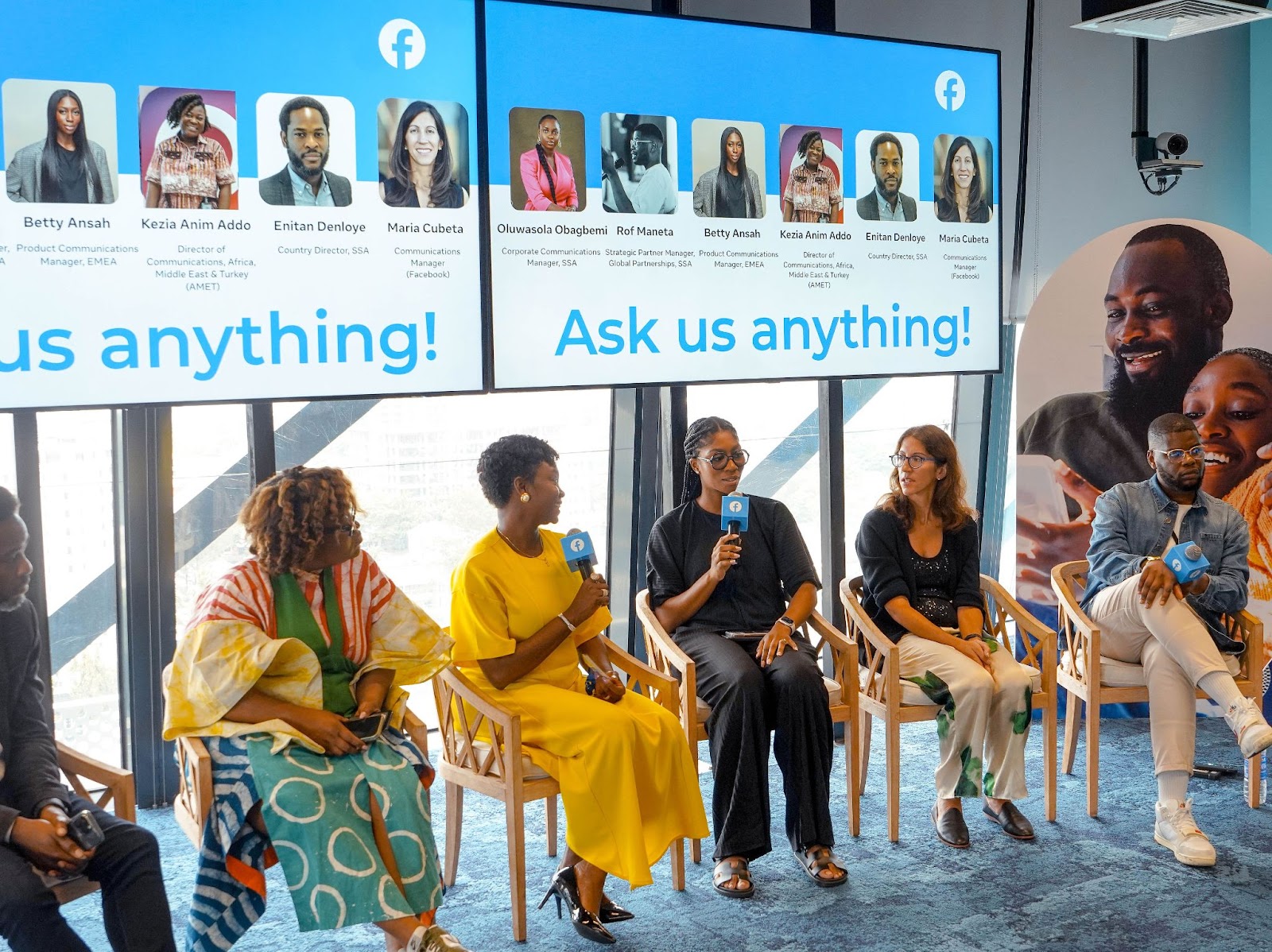
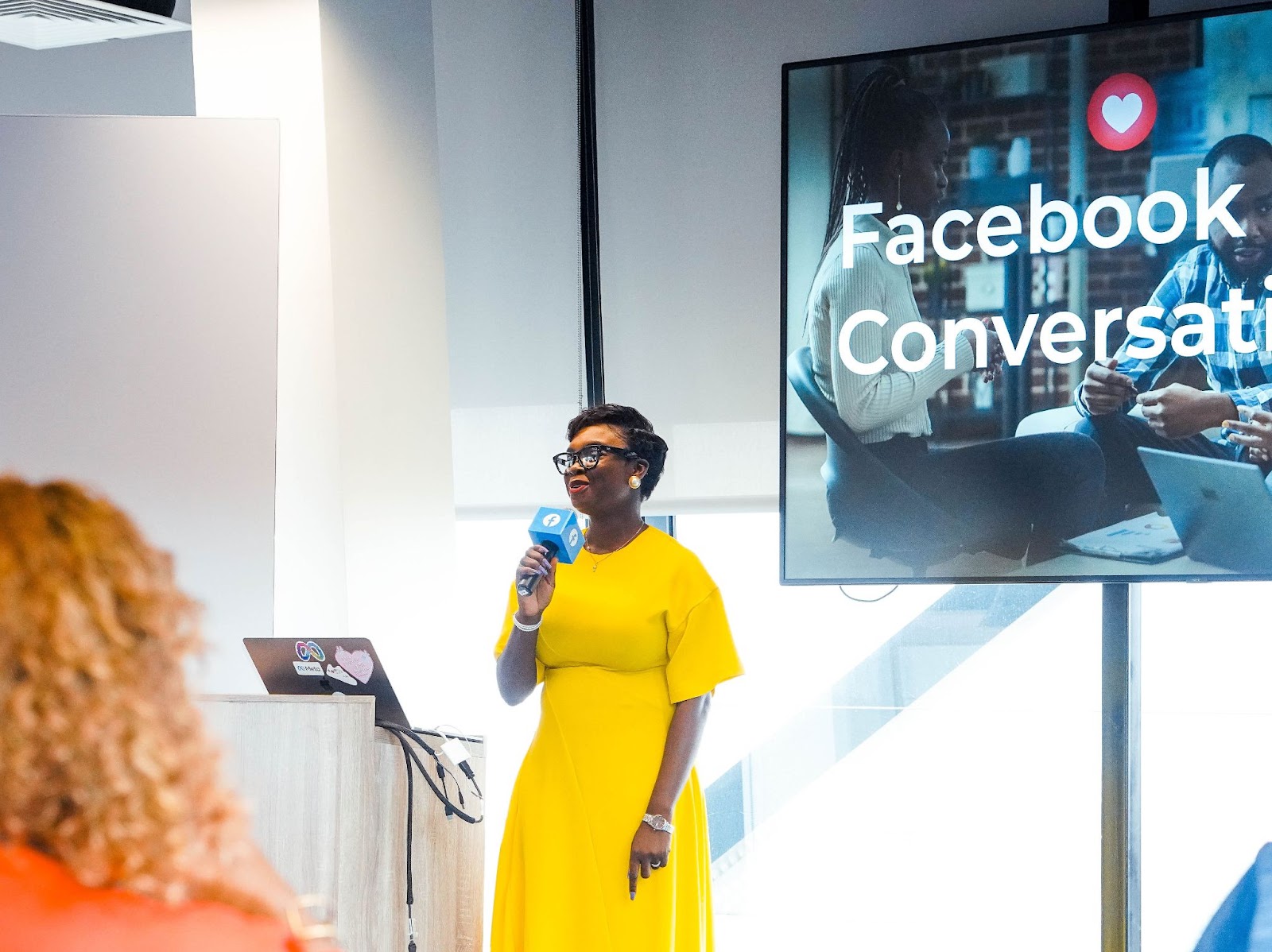
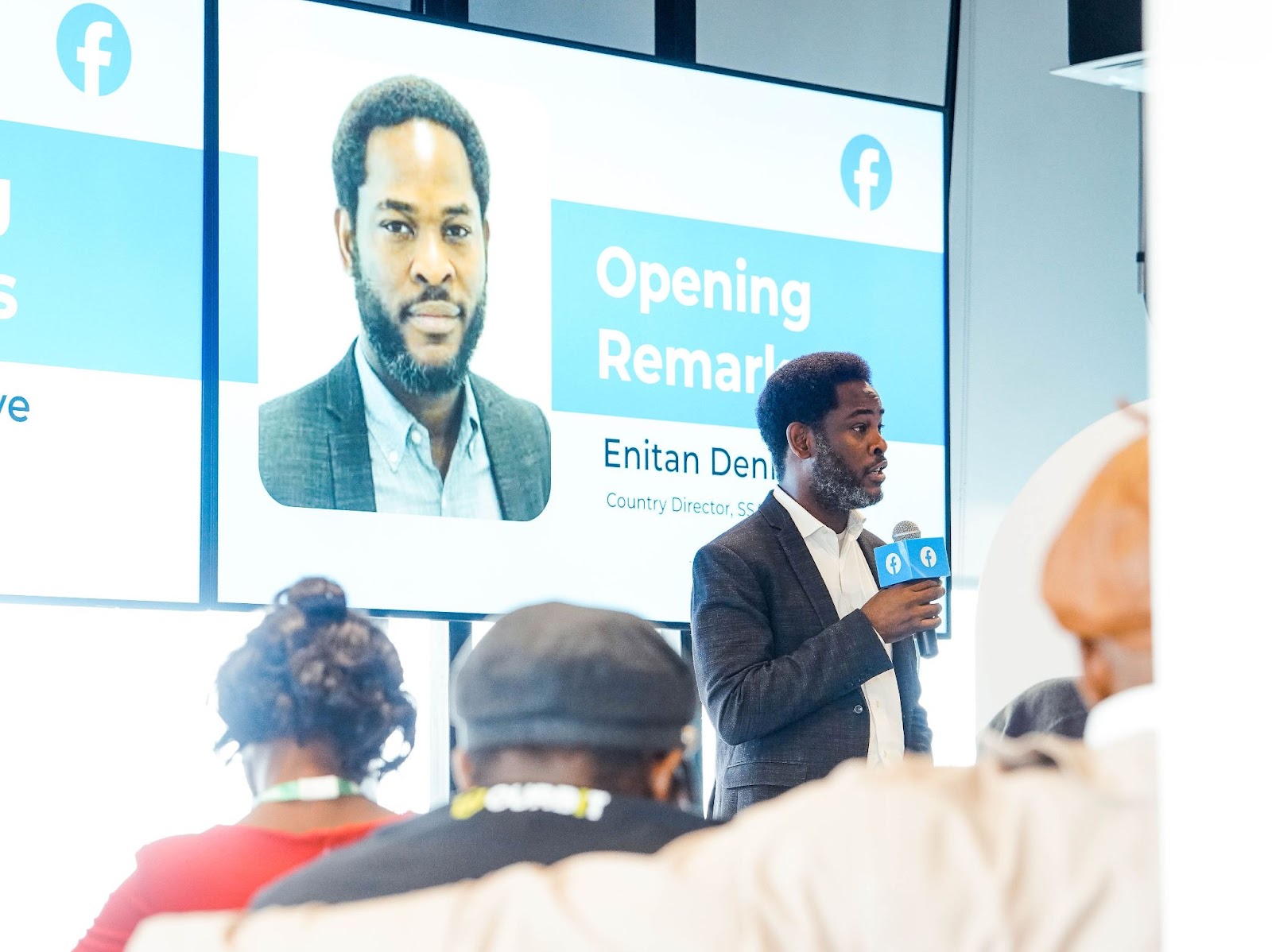
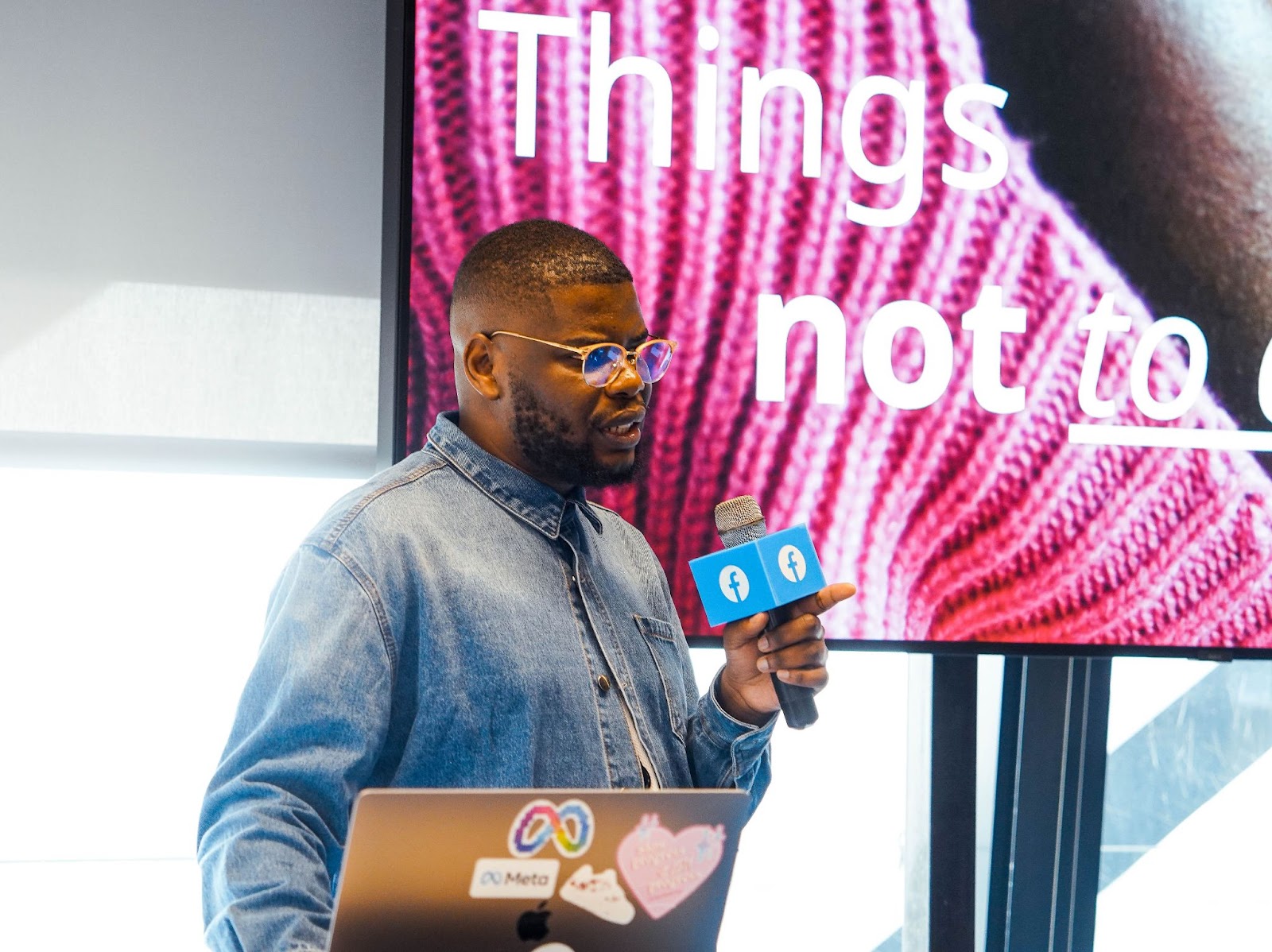
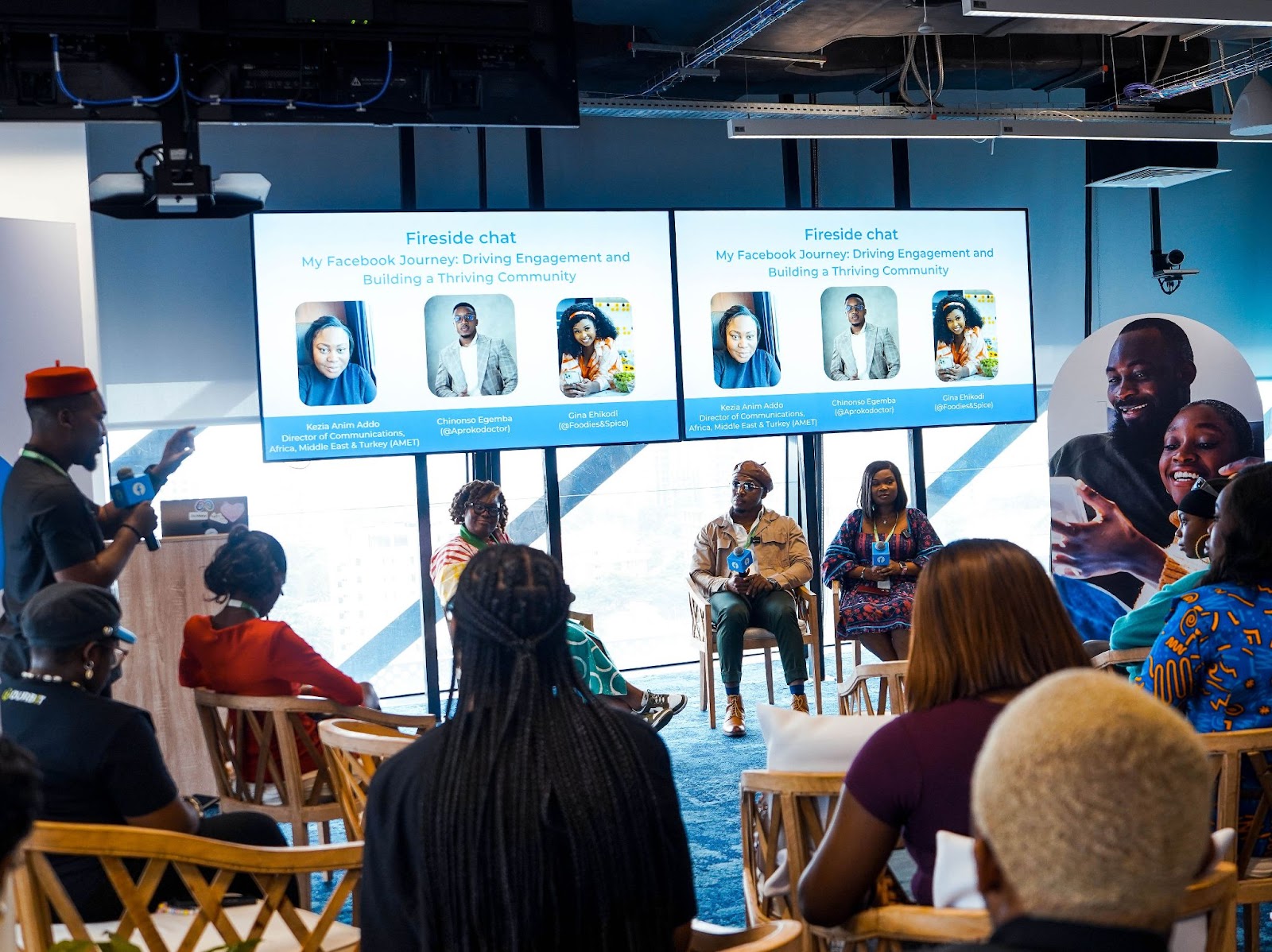
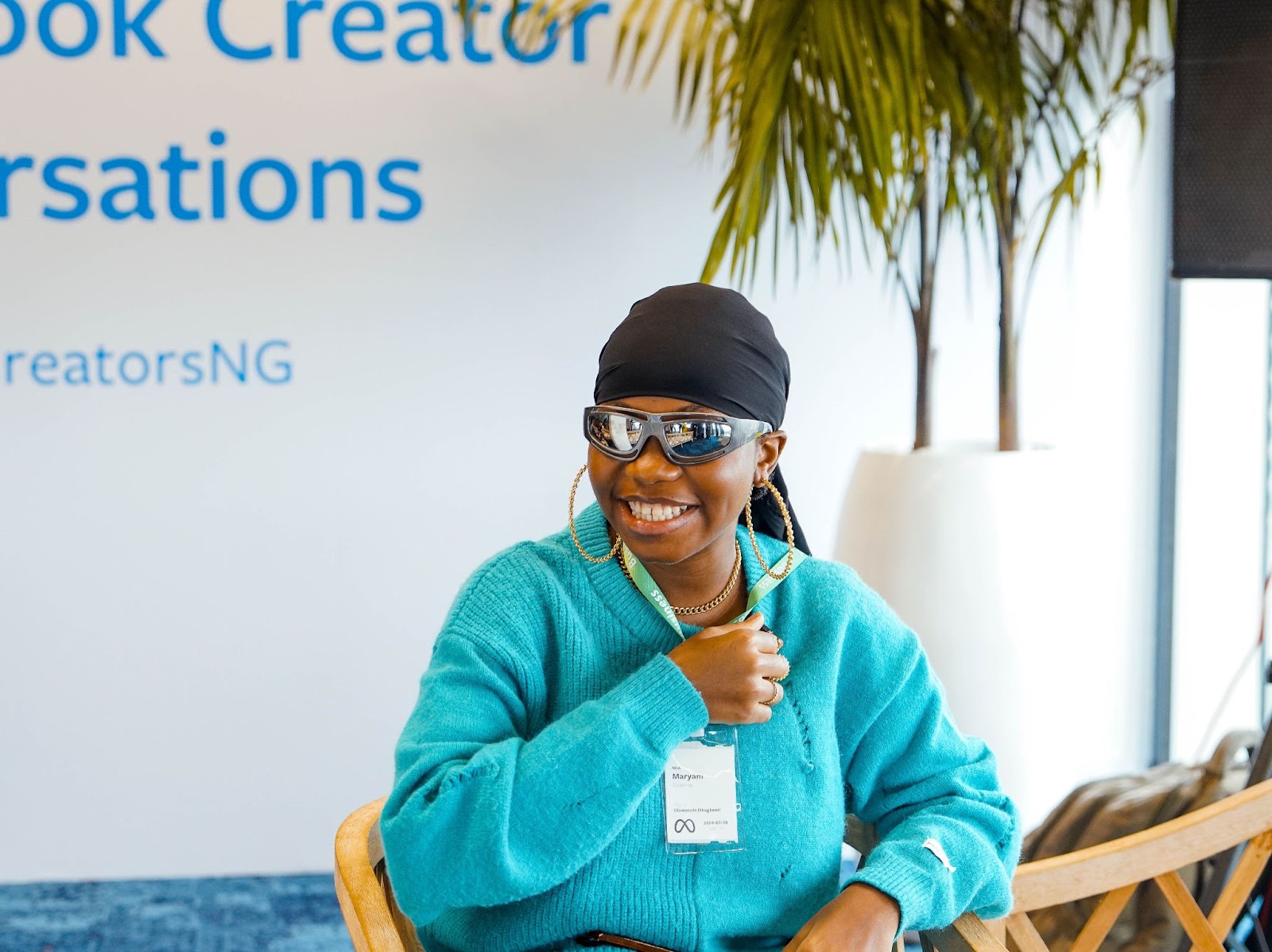
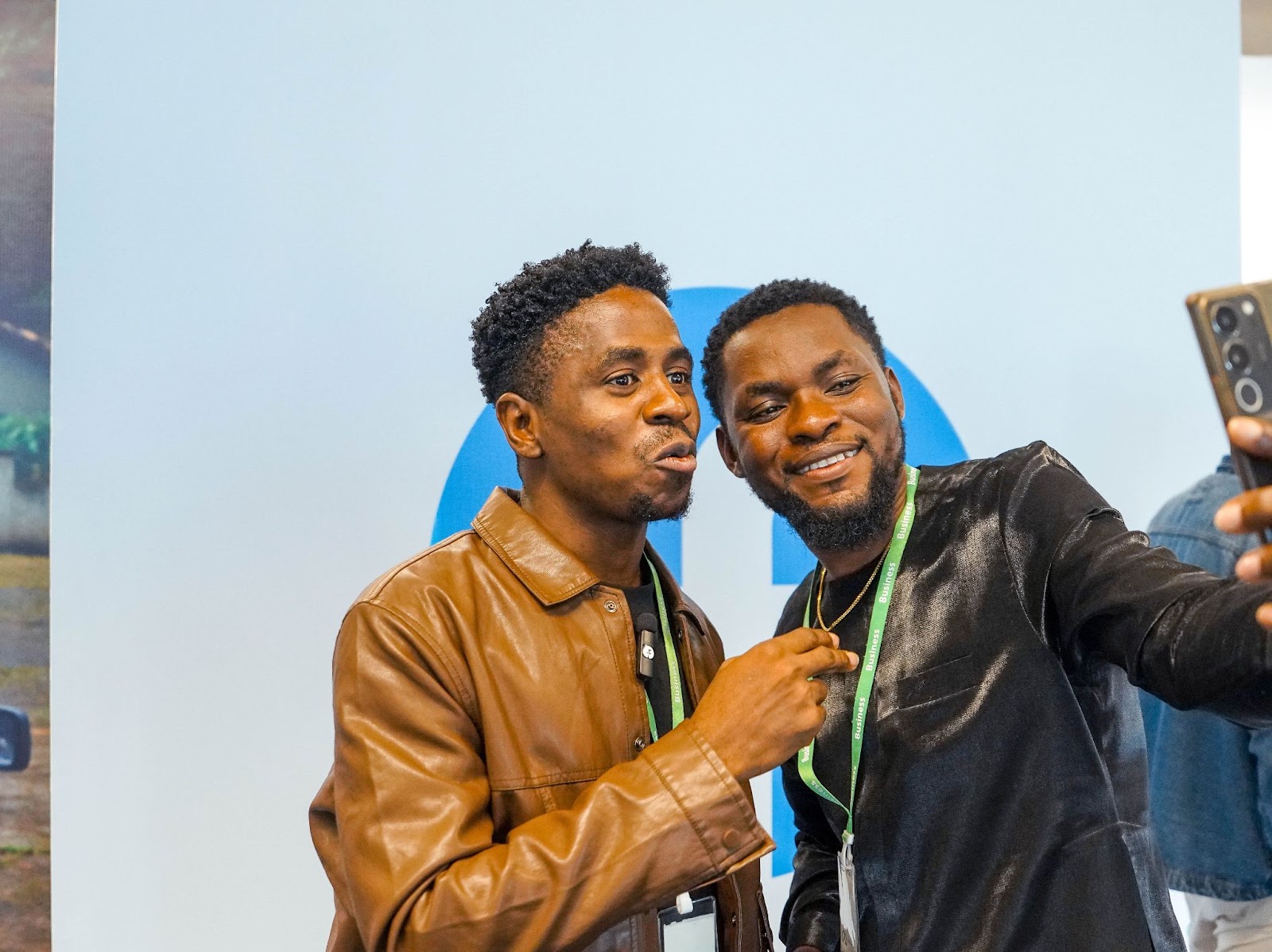
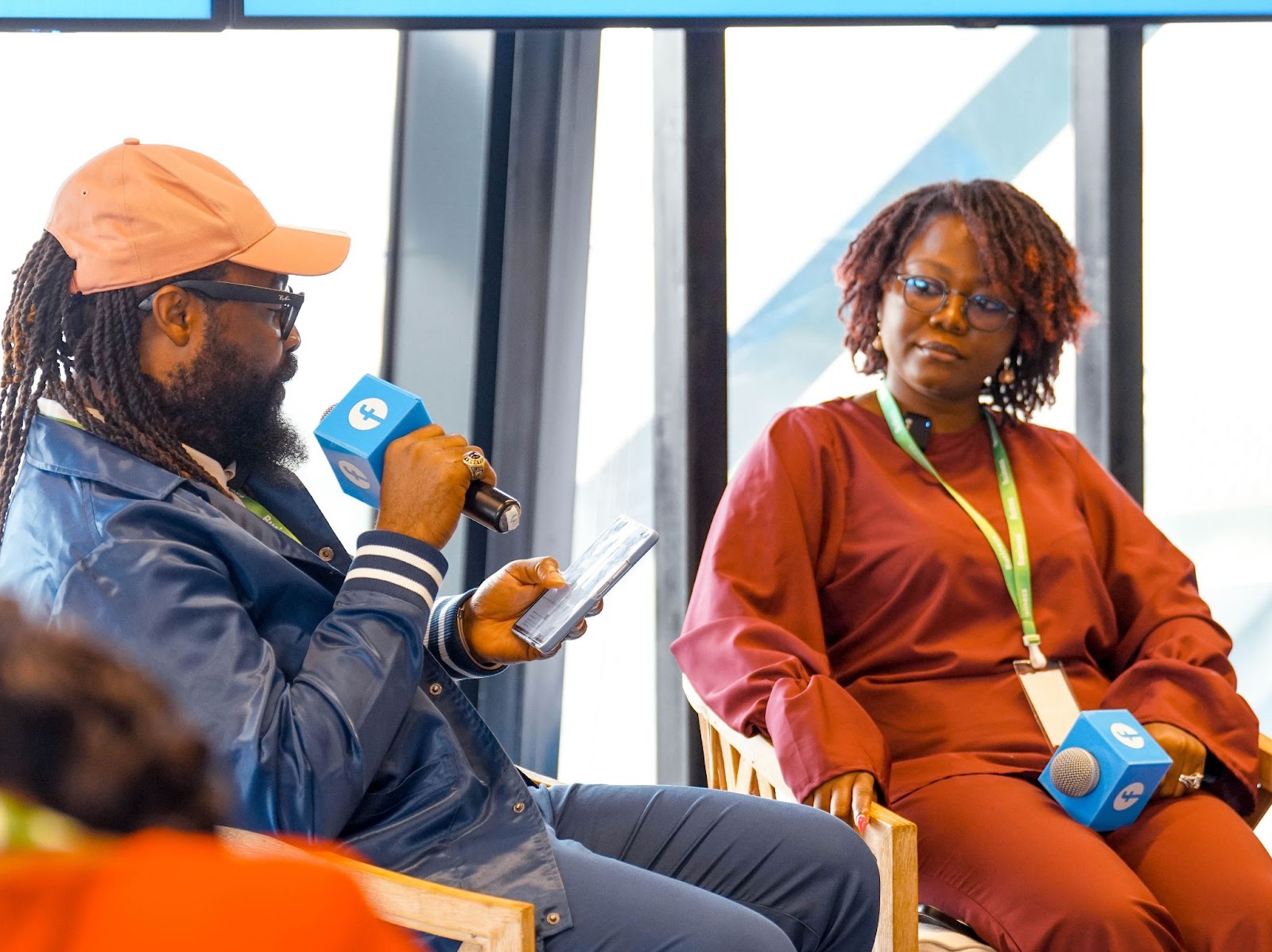
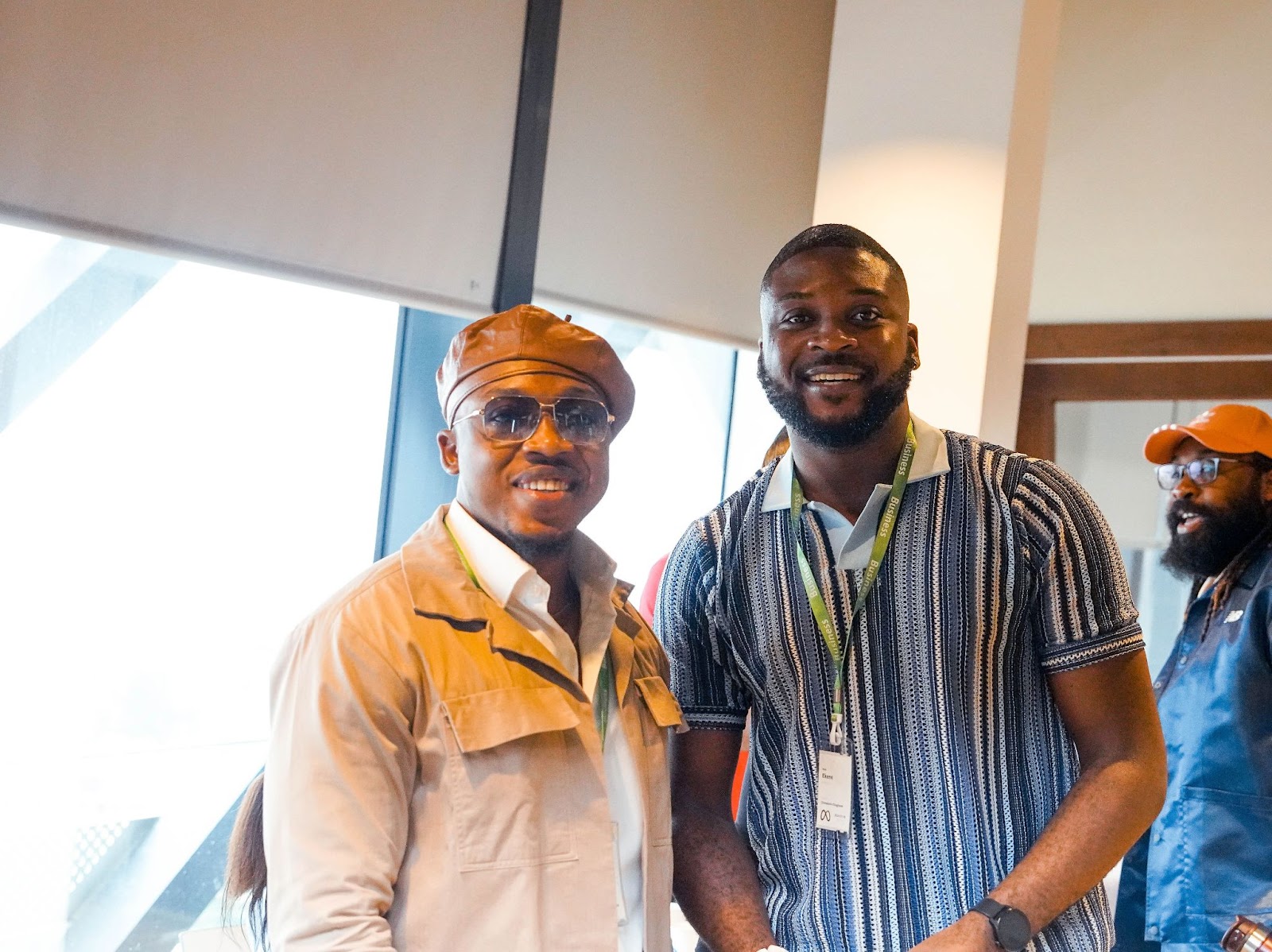
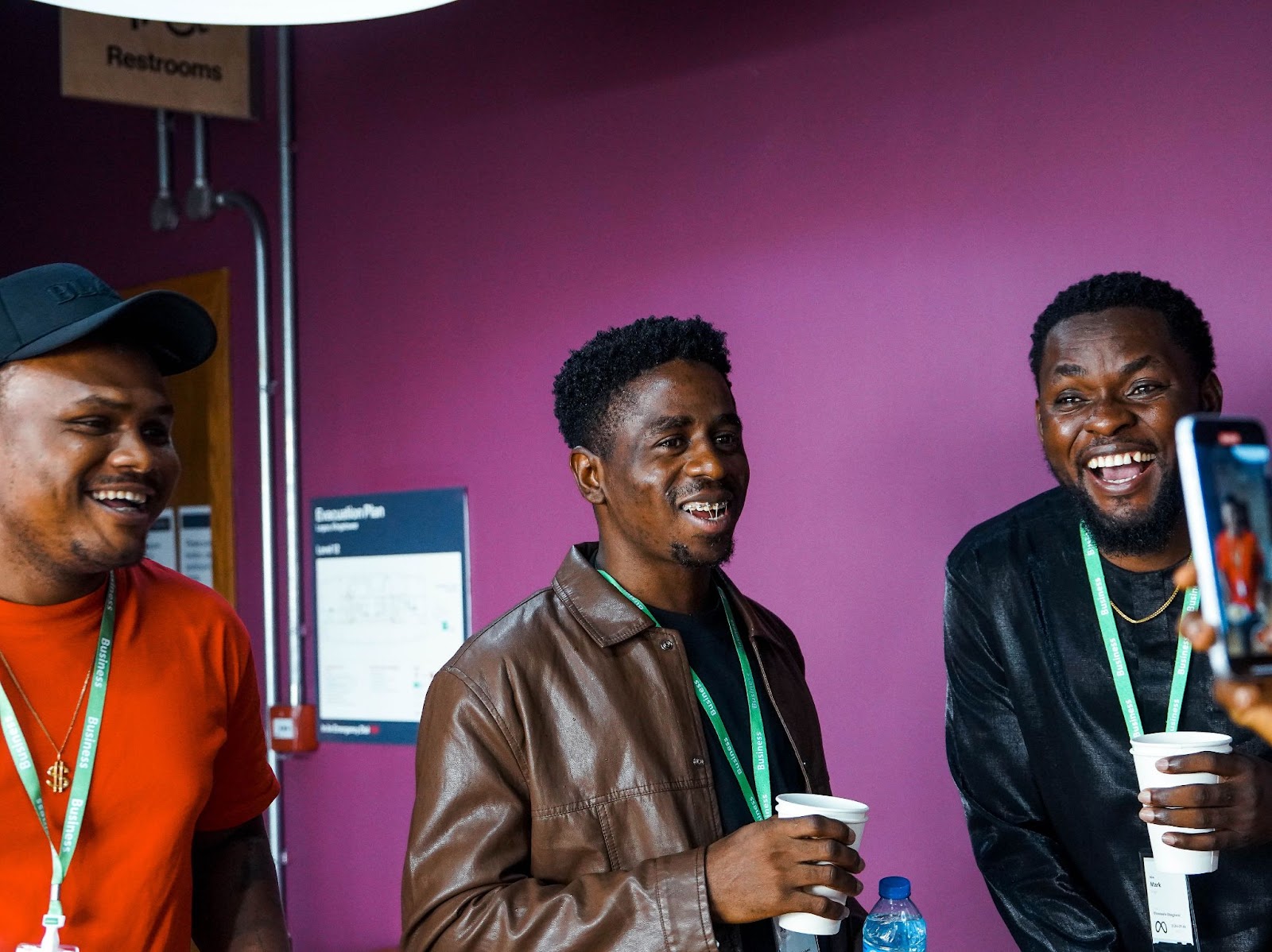
    On Thursday, July 18, 2024, Facebook hosted its first-ever creator workshop in Lagos, Nigeria. The event brought together over 20 Facebook creators to reinforce the app’s commitment to the region’s creative community. The workshop equipped creators with the knowledge and resources needed to earn from the engaging content they share – whether it’s a Reel or longer video.

    Some of the Facebook creators who attended the workshop include Mark Angel, a comedian, content creator on Facebook and video producer with over 22 million followers; Taaooma, a comedian who has amassed a large following with her unique brand of humour; Crazeclown, an actor, content creator, doctor, comedian; Kie Kie, a content creator, brand influencer and actor; Aproko Doctor, a health influencer and actor; Gina Ehikodi, a food content creator and TV host and Chukwuebuka Emmanuel, Brain Jotter, an award-winning Nigerian comedian.

    Other notable creators in attendance were MC Shem, a comedian; Oluwadolarz, a comedian; Kenzy Udosen, digital creator known for his iconic Madam Theresa persona; Omoye Isabota, an award-winning food blogger; Chivera Media, a video creator; Juliet Godwin, artist, community manager and the principal admin of the Naija Graphics Designer FB community and David Obi, founder of Yorochi Facebook Community

    Meta recently announced the availability of two new monetisation features on Facebook (In-Stream Ads and Facebook Ads on Reels) for eligible creators in Nigeria, enabling them to earn money by crafting original videos and cultivating community.

    #FacebookCreatorsNG

    Dr. Chinonso Egemba,  Aproko Doctor, a health influencer and actor.

    Enitan Denloye, Regional Director, Africa; Kezia Anim-Addo, Communications Director, Africa, Middle East & Turkey (AMET); Oluwasola Obagbemi, Corporate Communications Manager for Sub-Saharan Africa; Betty Ansah, Product Communications Manager (EMEA); Marie Cubeta, Communications Manager (Facebook) and Rof Maneta, Strategic Partner Manager, Global Partnerships, Sub-Saharan Africa.

    Gina Ehikodi, Foodies&Spice, a food content creator and TV host.

    Oluwasola Obagbemi, Corporate Communications Manager for Sub-Saharan Africa

    Enitan Denloye, Regional Director, Africa

    Betty Ansah, Product Communications Manager (EMEA)

    Bukunmi Adeaga-Ilori, Kie Kie, a content creator, brand influencer and actor

    Rof Maneta, Strategic Partner Manager, Global Partnerships, Sub-Saharan Africa.

    Abiola Abdulgafar, Cute Abiola, is a prominent Nigerian comedian and actor.

    On screen: Noman Ali, Product Manager (Facebook)

    David Obi, founder of Yorochi Facebook Community and Dr. Emmanuel Ogonna Iwueke, Crazeclown, a medical doctor, content creator, comedian and actor.

    Juliet Godwin, artist, community manager and the principal admin of the Naija Graphics Designer FB community.

    Maryam Apaokagi, Taaooma, an award-winning Nigerian comedian and content creator

    Ayodele Aguda, MC Shem, a comedian and Mark Angel, most followed Nigerian comedy content creator on Facebook and video producer

    Chukwuebuka Emmanuel, Brain Jotter, an award-winning Nigerian comedian and Dr. Emmanuel Ogonna Iwueke, Crazeclown, an actor, content creator, doctor, comedian.

    Bukunmi Adeaga-Ilori, Kie Kie, a content creator, brand influencer and actor and Moji Delano, an online media aficionado, communications strategist, and entrepreneur.

    Omoye Isabota, Omoye Cooks, an award winning food blogger and ChiVera Obiajulu, Chivera Media, a video creator.

    Oladapo Adewunmi, founder of Apollo Endeavor Limited, a Creative Director, Movie Producer and Talent / Content Agent and Halimat Olatunji,

    Regional Manager, Social Media and Influencer Marketing at Jumia Group.

    Dr. Chinonso Egemba,  Aproko Doctor, a health influencer, actor and Ekene Mfoniso Nna-Udosen, Kenzy Udosen, a digital creator. 

    Ogunleye Olamide Babatunde, Oluwadolarz, a  comedian; Ayodele Aguda, MC Shem, a comedian and Mark Angel, most followed Nigerian comedy content creator on Facebook and video producer

  • NGX Group, Female Leaders Call for Investment, Deeper Inclusion for Women

    NGX Group, Female Leaders Call for Investment, Deeper Inclusion for Women

    Nigerian Exchange Group (NGX) and its subsidiaries joined the rest of the world on Friday, March 8, 2024, to commemorate the International Women’s Day (IWD) by leveraging its Closing Gong Ceremony to “Ring the Bell for Gender Equality”. With the theme, “Invest in Women: Accelerate Progress”, the event focused on individual actions, conversations, behaviours and mindsets that will accelerate progress and impact on the advancement of women across all spheres of life.

    The event, organized in partnership with the International Finance Corporation (IFC), UN Women, the United Nations Global Compact Network Nigeria (GCNN), Chartered Institute of Stockbrokers (CIS), Central Securities Clearing System (CSCS), the SterlingOne Foundation and Association of Securities Dealing Houses of Nigeria (ASHON) brought together prominent female leaders within the ecosystem.

    Delivering her opening remarks, Dr Irene Robinson-Ayanwale, Divisional Head, Business Support Services Division, NGX welcomed all to the 10th Ring the Bell for Gender Equality. She said, “When I learnt of this year’s theme, “Invest in Women: Accelerate Progress”, it resonates deeply with us. It serves as a powerful reminder of the need to establish equal opportunities for everyone while fostering an enabling environment for women across all sectors. This initiative represents a significant step forward in our efforts to promote gender equality and support women’s economic empowerment. Through innovative financial instruments such as gender bonds, we can mobilise capital towards projects that benefit women and advance gender equality across various sectors of the economy”.

    Dahlia Khalifa, Regional Director, Central Africa and Anglophone West Africa, IFC, who was represented by Alexandra Celestin, Regional Industry Manager, Financial Institutions Group, Anglophone West Africa and Central Africa, said “This Ring the Bell for Gender Equality event highlights the importance of gender equality for economic development and growth. Economies that reduce barriers to women as leaders, employees, and entrepreneurs promote inclusive societies and pave the way for sustainable development. Collective, coordinated, and bold action by private sector leaders will be instrumental in accelerating progress towards gender parity and igniting greater resilience. IFC continues to collaborate with partners and stock exchanges like the Nigerian Exchange Group to improve diversity, equity, and inclusion in the private sector.”

    On her part, Mrs Elizabeth Ebi, Group Chief Executive Officer, Futureview Group said “The implications of a truly equal and balanced world; a world where men and women make equal contributions to the society, enjoy equal opportunities, and even enjoy the same rewards and benefits. Going by the growing body of evidence out there, it is safe to conclude that the multiplier effect on families, businesses, communities, economies and ultimately, nations would be indeed phenomenal.” 

    The event served to raise awareness about the importance of investing in women, to inspire inclusive leadership and to advocate for gender responsive policies. By championing these principles, stakeholders can create empowering environments where every individual can thrive and contribute to collective success.

    Bolanle Austen-Peters, Founder, Terra Academy for the Arts said, “We use art to change the narrative about women. Our story telling in the past has mostly been done by foreigners which heavily skews the image of Nigerians and Nigerian women. Our focus is to tell the stories of female heroes, champions in history like Funmilayo Ransome-Kuti. These are the kind of women we celebrate today.”

    During the Closing Gong Ceremony, Mrs. Yemisi Ayeni, Chairperson, NASCON Allied Industries called for increased female representation in corporate organisations, equitable inclusion in workplace and more participation in the society, in line with the sustainable development goals.

    Present at the closing gong included Hafsat Rufair, Director, Securities and Exchange Commission, Ms. Fiona Ahimie, Director, NGX RelCo and 2nd Vice President, Chartered Institute of Stockbrokers; Amina Mohammed, Director, NGX RegCo; Onome Komolafe, Divisional Head, Business Services and Client Experience, Central Securities and Clearing System; Peju Ibekwe, CEO, Sterling One Foundation; Tomilayo Aluko, Head, Marketing & Corporate Communications, CSCS and Lillian Olubi, Director, NGX. 

    The event also featured notable personalities like Adejoke Silva a Nigerian actress – philanthropist and a strong supporter of women’s emancipation and empowerment, contributing to their education, training and progress.

  • Wema Bank PLC appoints Two new Directors to its Board

    Wema Bank PLC appoints Two new Directors to its Board

    …Yusuf Zubair Kazaure as Non-Executive Director and Segun Opeke as Executive Director

    Wema Bank is pleased to announce the addition of two new Directors to its Board effective February 2, 2024.

    In a statement sent to the Nigerian Exchange Group, the two new Directors are strong leaders in their relevant sectors and will bring a wealth of experience and expertise to the Board of the Bank. The Bank has received approval from the Central Bank of Nigeria to appoint the new directors: Mr. Yusuf Zubair Kazaure as a Non-Executive Director and Mr. Segun Opeke as an Executive Director.

    Mr. Kazaure is a seasoned professional with over thirty-five (35) years cumulative multi sector working experience spanning Architecture, Construction, Banking, as well as Information and Communication Technology (ICT). He is an experienced corporate and technology industry executive, focused on transformative outcomes and motivated by challenges. Mr. Kazaure obtained a BSc and MSc in Architecture from the prestigious Ahmadu Bello University Zaria, Nigeria. He is also an alumnus of Bayero University Kano, Nigeria and Oxford University, United Kingdom where he obtained an MBA and Diploma in Computing respectively. He is currently pursuing a PhD in Cybersecurity at the Nasarawa State University, Keffi, Nigeria.

    He started his career in public service in 1987 as an Architect in the Kano State Ministry of Works and Housing before moving into the banking sector, where he worked for 10 years. He served as the Permanent Secretary in the Ministry of Commerce and that of Urban & Regional Planning in Jigawa State and later became a Director General in charge of International and Governmental Affairs in the Executive Governor’s Office of Jigawa State between 1999 and 2002. He was the pioneer Managing Director /CEO of Galaxy Information Technology and Telecommunication Ltd – the Jigawa State-owned ICT company in 2002, and later the CEO of Galaxy Backbone Ltd – a Federal Government owned ICT company in 2014 up until December 2019. He was also the Chairman of the Board of Directors, Nigeria Satellite Communications Ltd between January 2020 to June 2023 and a director of MAG Group Ltd, a multinational conglomerate with about eight (8) subsidiaries/ affiliates in over 20 countries.

    Mr. Kazaure has attended several executive training courses at various universities and institutions across the world including Leading the Effective Sales Team at INSEAD, France; Strategic Alliance at Wharton, University of Pennsylvania, USA; Securitization for Housing Finance, Fannie Mae, USA; the Advance Management Training Program (AMP) of the Lagos Business School; the CIO Institute of Carnegie Mellon University, USA to mention a few. He is a fellow of the Nigeria Computer Society, a
    fellow of the Nigeria Institute of Management Consultants and a fellow of the Nigerian Institute of Architects.

    Mr. Segun Opeke is a result-oriented professional banker with over thirty-five (35) years working experience from leading Nigerian commercial banks. He studied Banking and Finance at the University of Lagos and thereafter obtained an MBA from the same University of Lagos in 1999. He is also an alumnus of the Columbia Business School, New York and the London Business School, United Kingdom.

    Segun started his career at Chartered Bank Limited and played diverse strategic roles in various banking institutions, including leading the consumer banking team at FSB International Bank before proceeding to Prudent Bank as an area manager. Following the consolidation of Skye Bank in 2006, Segun worked as the bank’s Treasurer, Regional Director and later became the Group Head of Corporate Banking, Aviation and Maritime group. Upon Polaris Bank taking over the defunct Skye Bank in 2018, Segun was made an Executive Director in charge of Lagos Business and Corporate Banking directorates until June 2023, when he retired from
    the Bank.

    Segun has attended several professional, management and leadership programs in world-class institutions including INSEAD and Euromoney, London. He is a strong team player, and he is credited with making immense contributions in the areas of business development, corporate finance/restructuring and digital transformation.

  • Cambridge launches its first education programme for 3- to 6-year-olds in Nigeria

    Cambridge launches its first education programme for 3- to 6-year-olds in Nigeria

    New programme includes play-based learning that helps children flourish inside and outside the classroom.

    Cambridge, the world’s largest provider of international education programmes, is launching its first early years education programme which will help support early childhood schooling in Nigeria in children as young as 3.

    The new play-based programme, which has been developed following a successful rollout in India, has been expertly designed to give children aged 3 to 6 the best start in life, helping them meet key early milestones and thrive in and out of school.

    Cambridge Early Years will form the first stage in the Cambridge Pathway, a high-quality and joined-up path for educational success for children aged 3 to 19.

    Multiple studies confirm that education during early years is crucial. Research from the Organisation for Economic Co-operation and Development’s (OECD) International Early Learning and Child Well-being Study shows that, among other benefits, a high-quality early childhood education and care (ECEC), compared to an average one, can double the growth in children’s verbal comprehension.

    The decision to expand its education pathway will see Cambridge help schools in Nigeria and around the world strengthen their early years education provision, something it believes will reap dividends for parents and teachers as children progress through their school careers.

    Rod Smith, Group Managing Director for International Education at Cambridge commented:

    “We all know that the early years of a child’s life are crucial to their development. Research shows that the better we support children at this stage, the more positive impact we can have on their future. Our new Cambridge Early Years programme draws on Cambridge’s unrivalled expertise in high-quality education to help schools in Nigeria give children as many exciting and stimulating learning experiences as possible – making the most of this key phase of brain development and getting children off to a good start in life.”

    Play-based learning that supports the transition to primary school 

    The Cambridge Early Years programme draws on Cambridge’s worldwide research on curriculum principles from high-performing education systems, as well as analysis of best practice in early years education and the characteristics that have most impact.

    The research resulted in 12 key principles that underpin the programme. The principles were developed in collaboration with world-class scholars, researchers and practitioners in early years education. The importance of play-based learning, and the need to move children gradually towards more formal teaching in readiness for primary education, are two of the principles that guided the development of every element of the programme. The principles ensure that children not only acquire knowledge from a young age but also the essential skills to navigate and adapt to a rapidly changing world.

    The Cambridge Early Years programme provides a flexible structure to support each child’s progress and can be adapted to the needs of different schools in Nigeria, providing a bespoke teaching package.

    Specially created classroom resources and assessments will help teachers understand each child’s progress while fostering their all-round development far beyond the classroom. 

    Juan Visser, Regional Director, Sub-Saharan Africa for International Education at Cambridge, added: “We know that good early years education can benefit a child’s whole academic career and so I’m thrilled that we are adding this new stage to the Cambridge Pathway – it’s what schools have been asking for. Our Cambridge Early Years programme brings together the best approaches from around the world with extensive teacher support. We want to help schools in Nigeria support children’s long-term development and help them be ready for the world.”

    Providing coherence to early years education 

    Cambridge’s research with schools around the world found that early years provision can be fragmented, drawn from a mix of different resources, curricula, assessment and training. This can make it hard to understand how children are progressing or to determine what approaches have the best impact on their development.

    By ensuring all the different elements work well together, Cambridge helps schools give their learners a comprehensive and high-quality early years education. 

  • NGX, UN Women partner to promote gender bonds in Nigeria

    NGX, UN Women partner to promote gender bonds in Nigeria

    Nigerian Exchange Limited (NGX) and United Nations Women (UN Women) will partner on the integration of gender bonds and other gender-themed sustainable financing mechanisms as strategic instruments to drive gender equality and sustainable development in Nigeria.

    This was deliberated at a high-level engagement between NGX and UN Women officials during the visit of Dr. Maxime Houinato, Regional Director for East and Southern Africa Region (ESARO) and interim Regional Director for West and Central Africa Region (WCARO), to the Exchange. During the engagement, the parties spoke on the need to galvanize public and private sector stakeholders to the development and adoption of gender responsive instruments in Nigeria’s capital market and the mobilization of public and private capital towards investments that promote gender equality outcomes, among other focus areas.

    “UN Women has been on the forefront of female advocacy which is a major priority of the work we have been doing with International Finance Corporation on the Nigeria2Equal project,” said Irene Robinson-Ayanwale, Divisional Head, Business Support Services and General Counsel, NGX. “We are committed to this collaboration with UN Women to further deepen impact in the capitl market and broader private sector.”

    Chidinma Chukwueke-Okolo, Head, Product Development, NGX said, “Our collaboration with UN Women will primarily border on capacity building for issuers and investors, specifically for the development of a framework for gender bonds issuance in the Nigerian capital market.”

    Dr Houinato, during his remarks stressed the importance of female participation in the leadership in the private and public sectors. He emphasized the necessity of more men in the private sector driving the advocacy for women and also touched on UN Women’s work on female advocacy.

  • Nigeria students demonstrate resilience and consistently excel at Cambridge exams

    Nigeria students demonstrate resilience and consistently excel at Cambridge exams

    On Thursday, 6 July, Cambridge Assessment International Education in partnership with the British Council celebrated 109 top performing students from 45 schools across Nigeria. The students received Outstanding Cambridge Learner Awards following their exceptional performance in the June and November 2022 Cambridge examination series. The prestigious awards covered various subjects taken in Cambridge IGCSEs, Cambridge O Levels and Cambridge International AS & A Levels. The event was held at The Civic Centre in Lagos and was attended by students, teachers and parents.

    The award winners include four students from four schools who received a ‘Top in the World’ award. This award is granted to students who have obtained the highest marks in the world in a single subject.

    Other awards presented include 86 ‘Top in Nigeria’ awards granted to 69 learners who achieved the highest standard mark in the country for a single subject, 52 ‘High Achievement’ awards granted to learners who have achieved outstanding results in subjects which are not so widely taken and 7 ‘Best Across’ awards to students who attained the highest cumulative total standard marks over a set number of subjects. All the top-performing students received certificates from Cambridge International in recognition of their accomplishments.

    Juan Visser, Regional Director, Sub-Saharan Africa for Cambridge International, congratulated the students for what they have managed to achieve during a challenging time. ‘All of you can now say that you have navigated a global pandemic, a time of great change, you have faced and overcome adversity. You kept going despite how hard it was, how different and difficult the world has been. These experiences have taught you the resilience to keep moving forward. With the education you have from Cambridge and from your schools, and the resilience you have built, nothing can get in the way of you achieving your dreams,’ he said.

    A British Council Partner School – Bereton Montessori Schools, Port Harcourt – was also recognised at the ceremony for specific impacts they have made in key areas such as exemplifying best practice policies for Equality, Diversity and Inclusion (EDI) and Child Protection, as well as evidence of contributions that have had an impact on upward mobility for employees at the Partner School.

     ‘It’s excellent to see the high level of talent and academic excellence in Nigeria.  The work of British Council continues to support youth to develop and showcase their skills on a local and global stage. British Council congratulates the 2023 Outstanding Cambridge Learner Awards winners on their fantastic achievement. Also, we are pleased to celebrate the impactful diversity initiatives led by our network of Partner Schools,’  said Marniee Nottingham, Director Examinations, British Council Nigeria.

    Cambridge International qualifications provide an excellent opportunity for students to secure admission into local and international leading universities. Over 2100 universities worldwide recognise Cambridge qualifications, including more than 800 universities in the US (including all the Ivy League), all UK universities as well as top universities in Nigeria.  Some of the most preferred international destinations for Nigerian students to attend university are the United Kingdom, Canada and the US.