























Trending Now



DON'T MISS
- All
- Africa
- Agribusiness
- Agriculture
- AI
- AMA
- APO
- Aquatic
- Arts
- Aviation
- Award
- Brand
- Built Industry
- Competition
- Construction and Environment
- Culture and Tourism
- Dairy
- Data Centre
- Dental
- Device Manufacturer
- e-commerce
- Economy
- Education
- Electronics
- Energy
- Entertainment
- Facility Management
- Fashion
- Features
- Festival
- Finance & Analysis
- Financial Institutions
- Fine Dining
- Fintech
- FMCG
- Food and Nutrition
- Food Security
- Foreign Policy
- Foundation/NGOs
- Global
- Health
- Hospitality
- Housing & Environment
- ICT
- Insurance
- International Trade & Investment
- Interview
- Judiciary and Legal
- Lifestyle
- Literature
- Maritime
- Marketing Communications
- Motoring
- Movies & Music
- MSMEs
- Multinational
- National
- News
- Oil & Gas
- Opinion Article
- Opportunities
- Pension
- Pharmaceuticals
- Politics
- PR NEWSWIRE
- Private Sector
- Promo
- Public Sector
- Reality TV Show
- Relationship and Family
- Religion
- Science & Innovention
- Security
- Sports
- Spotlight
- Start-Ups
- Sustainability/CSR
- Telecoms
- Transport
- Travel
- Waste Management
More
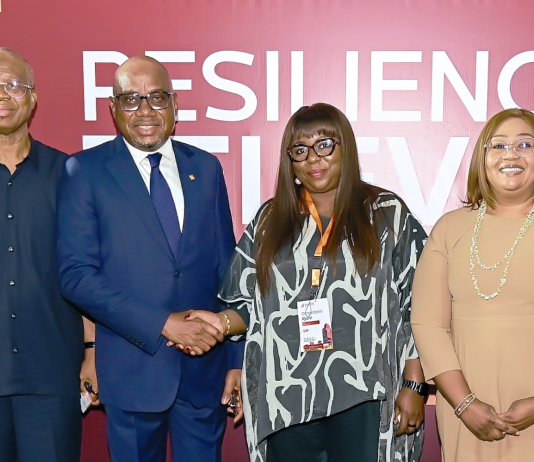
Innocent C. Ike: Scale Opens Doors, Institutions Make Value Last
Innocent C. Ike, Group Managing Director/Chief Executive Officer of Access Holdings Plc, has told business leaders that growth alone does not make a global...




SPORTS
- All
- Africa
- Agribusiness
- Agriculture
- AI
- AMA
- APO
- Aquatic
- Arts
- Aviation
- Award
- Brand
- Built Industry
- Competition
- Construction and Environment
- Culture and Tourism
- Dairy
- Data Centre
- Dental
- Device Manufacturer
- e-commerce
- Economy
- Education
- Electronics
- Energy
- Entertainment
- Facility Management
- Fashion
- Features
- Festival
- Finance & Analysis
- Financial Institutions
- Fine Dining
- Fintech
- FMCG
- Food and Nutrition
- Food Security
- Foreign Policy
- Foundation/NGOs
- Global
- Health
- Hospitality
- Housing & Environment
- ICT
- Insurance
- International Trade & Investment
- Interview
- Judiciary and Legal
- Lifestyle
- Literature
- Maritime
- Marketing Communications
- Motoring
- Movies & Music
- MSMEs
- Multinational
- National
- News
- Oil & Gas
- Opinion Article
- Opportunities
- Pension
- Pharmaceuticals
- Politics
- PR NEWSWIRE
- Private Sector
- Promo
- Public Sector
- Reality TV Show
- Relationship and Family
- Religion
- Science & Innovention
- Security
- Sports
- Spotlight
- Start-Ups
- Sustainability/CSR
- Telecoms
- Transport
- Travel
- Waste Management
More

FirstBank sustains 65-year commitment to Lagos Amateur Open Golf
The 65th edition of the FirstBank Lagos Amateur Open Golf Championship will hold in November at the Golf Section of Ikoyi Club 1938, Lagos,...

European Giants Collide as PSG Face Barcelona, Bayern Meet Arsenal on...
The UEFA Champions League serves up another week of heavyweight clashes, with PSG hosting Barcelona on Tuesday before Bayern Munich take on Arsenal on...



LATEST ON TECHNOLOGY

Feature- How Mobile Banking Makes Everyday Transactions Easier
By Tolulope Rojaiye
Mobile banking is changing how Nigerians manage money, pay bills and complete everyday financial transactions.
The value goes beyond having a bank on...

NCC Strengthens Type Approval Compliance for SIM-Enabled Devices, Warns of Possible Network Restrictions
...Commission directs manufacturers, importers and dealers to verify device approvals and IMEI details before sale and distribution
The Nigerian Communications Commission (NCC) has reminded manufacturers,...

Vertiv Appoints IoT Misr as Diamond Partner in Egypt
Vertiv (NYSE: VRT), a global provider of critical digital infrastructure and continuity solutions, today announced the appointment of IoT Misr as a Vertiv Diamond...

Pursuing the Promise of AI: A Guide for African Nonprofits to Advance Their Missions
Insights from more than 40 nonprofit, funders, and other experts highlight practical lessons for deciding whether and how to use AI responsibly and equitably.
Artificial...
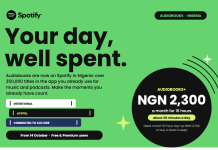
Spotify brings audiobooks to Nigeria
Spotify today announced that audiobooks are rolling out to listeners in Nigeria from 14 October. The launch is part of Spotify’s global expansion of...
LATEST OPPORTUNITIES
- All
- Africa
- Agribusiness
- Agriculture
- AI
- AMA
- APO
- Aquatic
- Arts
- Aviation
- Award
- Brand
- Built Industry
- Competition
- Construction and Environment
- Culture and Tourism
- Dairy
- Data Centre
- Dental
- Device Manufacturer
- e-commerce
- Economy
- Education
- Electronics
- Energy
- Entertainment
- Facility Management
- Fashion
- Features
- Festival
- Finance & Analysis
- Financial Institutions
- Fine Dining
- Fintech
- FMCG
- Food and Nutrition
- Food Security
- Foreign Policy
- Foundation/NGOs
- Global
- Health
- Hospitality
- Housing & Environment
- ICT
- Insurance
- International Trade & Investment
- Interview
- Judiciary and Legal
- Lifestyle
- Literature
- Maritime
- Marketing Communications
- Motoring
- Movies & Music
- MSMEs
- Multinational
- National
- News
- Oil & Gas
- Opinion Article
- Opportunities
- Pension
- Pharmaceuticals
- Politics
- PR NEWSWIRE
- Private Sector
- Promo
- Public Sector
- Reality TV Show
- Relationship and Family
- Religion
- Science & Innovention
- Security
- Sports
- Spotlight
- Start-Ups
- Sustainability/CSR
- Telecoms
- Transport
- Travel
- Waste Management
More