Tag: Singapore

  • Access Bank Wins Dual Honours at 2026 Global Good Governance (3G) Awards

    Access Bank Wins Dual Honours at 2026 Global Good Governance (3G) Awards

    Access Bank Plc has been recognised with two prestigious honours at the 2026 Global Good Governance (3G) Awards, reaffirming its leadership in corporate governance and sustainable community impact.

    The Bank received the 3G Community Empowerment Award 2026 and 3G Best Corporate Governance Framework Award 2026

    The awards, conferred by Cambridge IFA under the Global Good Governance Awards (3G Awards) platform, are based on rigorous, independent research and evaluation conducted throughout the nomination process.

    The award ceremony was held on April 28, 2026, in Singapore, attracting over 300 high-level participants from more than 15 countries, including leaders from government, corporate organisations, and the social and philanthropic sectors. The event celebrated excellence in governance, sustainability, transparency, and social responsibility.

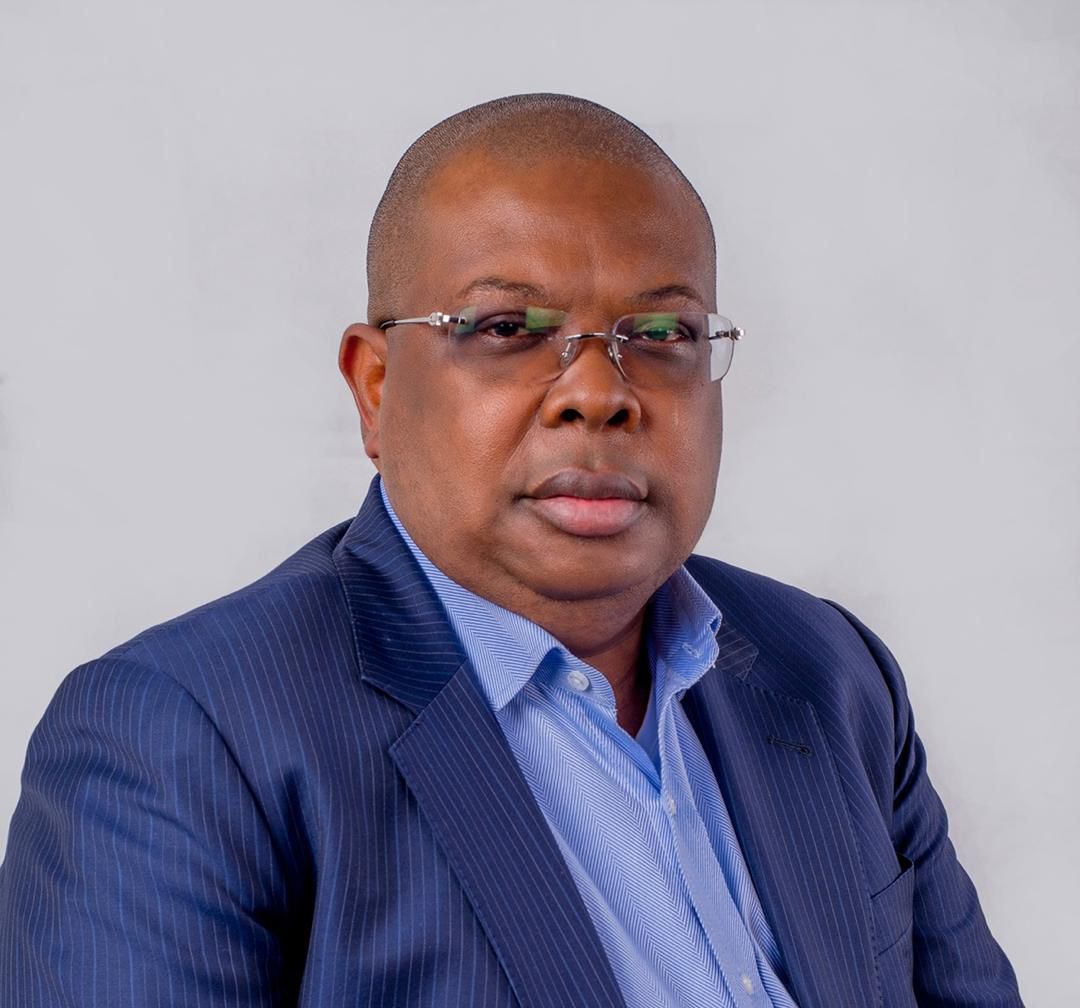
    Mr. Eyitayo Olabode represented the Managing Director/Chief Executive Officer, Roosevelt Ogbonna, at the ceremony, receiving the awards on behalf of the Bank.

    Commenting on the recognition, Roosevelt Ogbonna, MD/CEO of Access Bank Plc, stated: “This recognition is a validation of Access Bank’s commitment to responsible leadership, strong governance structures, and inclusive growth. At Access Bank, we believe good governance is foundational to building trust, creating shared value, and driving sustainable development across our markets.

    “These awards reflect the dedication of our people and our deliberate efforts to empower communities, embed transparency, and ensure accountability in all that we do. We remain committed to setting high standards that deliver long‑term value for our stakeholders and the communities we serve.”

    The 2026 programme also featured the Global Good Governance Summit and the launch of the Global Good Governance Report 2026, hosted by Dentons Rodyk, Singapore. Under the theme “AI Governance for the Prosperity of the People and the Planet,” the Summit provided a global platform for dialogue on governance, ethics, and sustainability.

    Access Bank’s achievements underscore its consistent efforts to align corporate performance with social impact, reinforcing its commitment to responsible banking and long-term value creation.

  • Truecaller Partners with AnyMind Group to Expand Direct Sales Footprint Across MENA and Southeast Asia

    Truecaller Partners with AnyMind Group to Expand Direct Sales Footprint Across MENA and Southeast Asia

     Truecaller, the leading global communications platform, today announced a strategic direct sales reseller partnership with AnyMind Group, a Business-Process-as-a-Service company for marketing, e-commerce and digital transformation. The collaboration is aimed at accelerating the growth of Truecaller’s direct advertising business across the Middle East & North Africa (MENA) and Southeast Asia (SEA) regions.

    Under this partnership, AnyMind Group will serve as the exclusive intermediary for Truecaller’s advertising inventory across Egypt, UAE, Qatar, Saudi Arabia, Israel, Ghana, Nigeria, Morocco, Malaysia, Singapore and Viet Nam. The scope of the partnership is focused specifically on enabling brands and agencies to leverage Truecaller’s premium ad formats to reach highly engaged, high-intent users through relevant, data-driven advertising solutions.

    With a strong on-ground presence and established relationships with leading advertisers and agencies across MENA and SEA markets, AnyMind Group brings deep regional expertise that will support the scaling of Truecaller’s advertising footprint locally. The partnership is designed to empower brands with impactful placements on Truecaller’s trusted communications platform, helping drive meaningful engagement with users in these fast-growing digital economies.

    Truecaller continues to see strong user adoption across MENA and Southeast Asia, presenting advertisers with significant opportunities to connect with audiences in trusted, brand-safe environments. By combining Truecaller’s global scale, proprietary data capabilities, and premium ad formats with AnyMind Group’s local market leadership and execution strength, the partnership aims to unlock the full monetization potential of Truecaller’s ad inventory in these regions.

    Commenting on the partnership, Hemant Arora, Vice President & Global Head Truecaller Ads Business, said, “As Truecaller continues to expand its global advertising business, partnerships with strong regional players like AnyMind Group are critical to delivering localized expertise and measurable outcomes for advertisers. MENA and Southeast Asia represent high-growth markets with evolving digital maturity, and through this collaboration, we aim to bring brands closer to consumers via trusted and contextual communication experiences on our platform.”

    Aditya Aima, Managing Director, Growth Markets; Co-MD, India and MENA from AnyMind Group added,“We are excited to partner with Truecaller to open its inventory to brands across MENA and Southeast Asia. With Truecaller’s scale and trusted user ecosystem, combined with our market depth and networks, we see strong potential to drive more relevant, high-impact advertising outcomes for advertisers looking to deepen engagement in these dynamic markets.”

    This collaboration marks an important milestone in Truecaller’s broader international expansion strategy, focused on building strong local partnerships to deliver measurable value to advertisers while driving sustainable revenue growth across emerging markets.

  • Nigerian Tax Acts 2025 Benefits Highlighted By The National Tax Policy Implementation Committee, Joseph Tegbe

    Nigerian Tax Acts 2025 Benefits Highlighted By The National Tax Policy Implementation Committee, Joseph Tegbe

    Joseph Tegbe, Chairman of the National Tax Policy Implementation Committee (NTPIC), enumerates the benefits of the Nigerian Tax Reform Acts 2025, stating that it marks a significant turning point in the country’s pursuit of a robust and sustainable economy.

    In an article published in several national publications, Tegbe stated that tax law is a comprehensive overhaul of the country’s fiscal architecture, aimed at creating a modern, efficient, and transparent tax system that supports economic growth, development, and prosperity for all Nigerians.

    Tegbe, who is also the Director-General of the Nigeria-China Strategic Partnership (NCSP), affirmed that the new tax law is built around four key pillars: reconnecting the economy to the state, standardising and modernising fiscal administration, promoting predictability, and re-balancing the fiscal social contract. “By broadening the tax net, simplifying rules, and improving administration, we are creating a more predictable fiscal environment that supports businesses and households,” he explained.

    The NTPIC Chairman cited global best practices that informed the reforms, citing examples from South Korea, Singapore, and Rwanda, where tax reforms have driven economic growth and development. “These countries have shown that with the right policies, institutions, and leadership, it is possible to transform a nation’s economy and improve the lives of its citizens,” he said.

    According to him, the tax reform will protect low-income earners and small businesses, with measures such as zero tax rates for those earning up to N800,000 and the expansion of zero-rated VAT items for critical sectors, including healthcare, education, and agriculture. ” By taking away the tax burden on small income earners and small businesses, the reforms aim to preserve livelihoods, encourage formal participation, and allow enterprises to grow organically. We recognise that these sectors are critical to our nation’s development, and we are committed to supporting them,” he noted.

    The Acts also emphasise digitalisation and technology-driven tax administration, with the introduction of e-invoicing to improve compliance, transparency, and reduce administrative burdens, a significant step towards modernising the tax system and making it more efficient, he posited.

    Consequently, he emphasised that the success of the reform depends on careful implementation, necessitating ongoing engagement with stakeholders to ensure proper understanding.

    The implementation of the tax Act is expected to stabilise the fiscal environment, support production, protect critical sectors, and modernise tax administration in line with global standards.

    It will also enhance Nigeria’s ease of doing business, attract foreign investment, and generate employment opportunities. “We are confident that these reforms will unlock new opportunities for businesses, investors, and entrepreneurs, and contribute to the growth and development of our economy,” he added.

  • Chigozie Harbor Releases  The Magna Carta of Leadership

    Chigozie Harbor Releases The Magna Carta of Leadership

    It is the marine deck officer’s second book, this time with a focused exploration of leadership insights. The highly recommended work arrives at a crucial moment, when the nation is in dire need of fresh intervention within its leadership ranks.

    Chigozie Harbor, author of Lesson from the Sea (2020), has written a new, compelling and insightful book titled The Magna Carta of Leadership which many professionals have described as “leadership compass”. Scheduled to be unveiled in Umuahia, Abia State, this December, the book, like his debut nonfiction work, is published by Purple Shelves, Lagos.

    The statement released Monday said the new book TMCL “gives its readers the mindset, tools, and real-world wisdom to lead with clarity, courage, and purpose.” The statement added: “We are hoping that everyone who aspires to be leaders will dig into the book for guidance and deep inspiration.”

    The Magna Carta of Leadership is designed for current and aspiring leaders in business, government, education, and community settings.  This book equips you not only to navigate today’s complex challenges but to build resilient teams, inspire lasting commitment, and create ethical, sustainable impact in an unpredictable world. Whether you are leading a startup through disruption or a nation through crisis, The Magna Carta of Leadership gives you the mindset, tools, and real-world wisdom to lead with clarity, courage, and purpose.

    Amara Chimeka, CEO of Purple Shelves, said: “Captain Chigozie Harbor is a distinguished maritime officer and scholar. It is no surprise that he is full of so much wit and wisdom. This new book, The Magna Carta of Leadership, follows the same tradition of breaking down complexities into easy-to-read-and-understand information, as also seen in his first book, Lessons From Sea (also published by Purple Shelves in 2020). We at Purple Shelves Literary Services are glad to be associated with him and his work”.

    In an age of accelerating change, artificial intelligence, hybrid workforces, and rising ethical expectations, leadership is no longer a mystery reserved for the few; it is a learnable, deliberate craft that anyone can master. This book distills decades of research, timeless principles, and hard-won lessons from both iconic triumphs and spectacular failures into a clear, actionable roadmap.

    Captain Chigozie Harbor is recognised for his excellent leadership capabilities and environmental strategies in the maritime industry. Harbor is certified as Master of Merchant Ships Above 3000 Gross Tonnage, Senior Dynamic Positioning Officer (SDPO) certified by the Nautical Institute London where he was formerly a Member of the Institute and now being reviewed as an Associate Fellow of the same Institute, experienced Ship security Officer, certified Company and port facility security (CSO/PFSO), an internal Auditor for International Safety Management (ISM) a Certified Train the Trainer from DNV Academy, Singapore. He is also certified for the Survey and Examination of Lifting Appliances from Ocean Technology Group (owned by Lloyd’s Register)Horton, Norway. Harbor is an ardent researcher in Educational Leadership and Policy. A Fellow of the Association of Leaders and Policy Professionals, and a member of the Association of Educational Management and Policy Professionals, to mention a few.

    Harbor’s wealth of experience and exposure are readily made available in his writings as resource materials to guide and to shape the mindsets of his readers who aspire to be more versatile and ready for the tasks ahead. From December 30, 2025, The Magna Carta of Leadership is available nationwide and can also be purchased on several online platforms.

  • Nigeria’s inflation still among the world’s highest despite drop to 16% – JP Morgan MD

    Nigeria’s inflation still among the world’s highest despite drop to 16% – JP Morgan MD

    Managing Director and Head of West Africa at JP Morgan, Dapo Olagunju, says Nigeria’s inflation is still one of the highest in the world despite recent drops.

    Speaking at the ‘Fitch on Nigeria 2025’ held in Lagos, Olagunju acknowledged Nigeria’s recent economic strides but warned that significant challenges remain. Chief among them is inflation, which, despite falling from 32% last year to the current 16%, still ranks among the highest globally.

    “Challenges still persist. We’ve got inflation running at 16%. It’s nice, we’ve come down from about 32% last year, but it’s still one of the highest in the world.” 

    Olagunju defended the relevance of Nigeria’s recent credit rating upgrade by S&P, describing it as a “transition of confidence.”  

    “It transforms complex realities into accessible signals that investors, whether they are in London, New York, Singapore, or anywhere, can interpret within seconds.” 

    He outlined three key benefits of credit ratings: enabling price discovery, expanding market participation, and enforcing governance discipline. “For a country like Nigeria, credible ratings are not just cosmetic—they are the connective tissue between our ambitions and the world’s balance sheet,” he added.

    Olagunju also praised Nigeria’s banking sector for its resilience. He said capital adequacy remains strong, profitability is robust, and risk management frameworks continue to evolve despite the FX volatility. He highlighted the sector’s 50% cash-to-debt ratio as a standout metric.

    Reacting to Nigeria’s recent Eurobond issuance which was oversubscribed, Olagunju described it as a milestone in investor confidence.

    “The government wanted to raise only about $2.3 billion. The book was $13 billion—on the back of zero investor calls,” he revealed. “That didn’t happen by mistake. Authorities had spent the year engaging investors, building trust.” 

    Group Chief Conduct and Compliance Officer at Access Bank, Femi Jaiyeola, defended the Central Bank of Nigeria’s recapitalisation exercise, saying that the apex bank was trying to build on the quality of capital.

    He said Access Bank was the first to meet the new capital threshold, doing so by December 2024 through a rights issue. “It just demonstrates not only the plans we had, but also the depth of the capital market,” Jaiyeola said.

    Beyond meeting the CBN threshold, he emphasized the importance of capital efficiency. “How do you deploy the capital to generate returns for your stakeholders and investors? That’s where the challenge is,” he added.

    Group Financial Controller for West Africa at UBA, Chukwudubia Okoye, discussed the strategic deployment of capital in line with Basel III requirements.

    “One key thing that this capital would also do is to accelerate the actual transition because there are buffers that are required on the Basel III that will be required to keep for the systemic banks. You also have to keep the systemic buffers.” 

    Okoye also predicted that banks will use capital for regional expansion, technology investment, and SME lending.

    “I see banks deploying this capital to regional and market expansion. I see banks deploying capital also in the technology space, both from actual business enablers, in addition to the classical or typical brick-and-mortar expansion drive. Technology will then be used to reach the underserved markets, drive the overall corporate strategies of those banks, and also make investments in the areas of security, data security, and the rest of it. I also see capital being deployed, especially with respect to the core business of banking.” 

  • Emirates profits jumps to  $3.3B and maintains position as the world’s most profitable airline

    Emirates profits jumps to $3.3B and maintains position as the world’s most profitable airline

    The Emirates Group today announced a new record half-year financial performance, posting a profit before tax of US$ 3.3 billion for the first six months of 2025-26, making this the fourth consecutive year of record profitability for the half-year reporting period.

    After accounting for income tax charges, the Group’s profit after tax is AED 10.6 billion (US$ 2.9 billion), up 13% from last year.

    Group revenue was AED 75.4 billion (US$ 20.6 billion) for the first six months of 2025-26, up 4% from AED 70.8 billion (US$ 19.3 billion) last year.

    The Group closed the first half year of 2025-26 with a record cash position of AED 56.0 billion (US$ 15.2 billion) on 30 September 2025, compared to AED 53.4 billion (US$ 14.6 billion) on 31 March 2025.

    The Group has been able to tap on its own strong cash reserves to support business needs, including funding for new aircraft deliveries and servicing existing debt obligations. The Group also paid the remaining AED 2 billion (US$ 545 million) in dividend to its owner, of the AED 6 billion (US$ 1.6 billion) declared during the financial year 2024-25.

    His Highness (HH) Sheikh Ahmed bin Saeed Al Maktoum, Chairman and Chief Executive, Emirates Airline and Group said: “The Group has once again delivered an outstanding performance, surpassing our half-year results of last year to achieve a new record profit for H1 2025-26. I’m delighted to note that Emirates maintains its position as the world’s most profitable airline for this half-year reporting period.

    “This performance was primarily driven by the unflagging demand and growing customer preference for our product and services, which drove revenue growth and profitability.

    “Emirates and dnata have invested billions to continually enhance our products and services, to bring new products to market, to improve our operations through innovation and technology, and to look after our employees who ensure our customers’ safety and satisfaction. These are core to our DNA.

    “The Group’s strong profitability enables us to continue making these investments, and to scale up our proven business models in concert with Dubai’s growth as a global city of choice for talent, for businesses, and for tourists.”

    HH Sheikh Ahmed added: “Global demand for air transport and travel services has been buoyant, despite geo-political events and economic concerns in some markets. We expect this demand resilience to continue for the rest of 2025-26 and look forward to increasing our capacity to grow revenues as new A350 aircraft join the Emirates fleet, and new facilities come online at dnata.”

    To support increased operations and business activities, the Emirates Group’s employee base, compared to 31 March 2025, grew 3% to an overall count of 124,927 on 30 September 2025. Both Emirates and dnata have ongoing recruitment drives to support their future requirements.

    Emirates continued to enhance its network and connectivity options through its Dubai hub. During the first half of 2025-26, Emirates launched new flight services to: Danang, Siem Reap, Shenzhen and Hangzhou. At 30 September, Emirates’ passenger and cargo network spanned 153 airports in 81 countries and territories.

    Between 1 April and 30 September, Emirates received delivery of 5 new A350 aircraft, adding more Business Class and Premium Economy seats into the airline’s inventory. During this period, 23 aircraft (6 A380s, 17 Boeing 777s) with fully refreshed interiors rolled out of the airline’s US$ 5 billion retrofit programme.

    This enabled Emirates to bring its latest cabin products to even more markets, including the industry-leading Emirates Premium Economy. By 30 September, Emirates Premium Economy was available to customers flying between Dubai and 61 cities.

    On ground, “Emirates First” opened at Dubai Airport, offering First Class customers and Platinum Skywards members a luxurious private check-in area and experience. In the first six months of 2025-26, Emirates accelerated the roll-out of its retail strategy with the opening of new concept travel stores in Accra, Bangkok, Geneva, Jakarta, Mauritius, Osaka, Seoul, and Singapore.

    In the first half of 2025-26, Emirates made notable investments to boost its global brand visibility. The airline signed multi-year sponsorship deals to become Platinum Partner of FC Bayern Munchen, Official Main Sponsor of Real Madrid Basketball, and Premium Partner and Official Airline Partner of the Investec Champions Cup and European Professional Club Rugby (EPCR) Challenge Cup.

    Emirates also extended its partnership with ATP as Premier Partner and Official Airline of the ATP Tour up to 2030, and its shirt sponsorship with Olympique Lyonnais until 2030.

    Overall capacity during the first six months of the year increased by 5% to 31.3 billion Available Tonne Kilometres (ATKM) due to expanded flight operations. Capacity measured in Available Seat Kilometres (ASKM), increased by 5%, whilst passenger traffic carried measured in Revenue Passenger Kilometres (RPKM) was up by 4% with an average Passenger Seat Factor of 79.5%, compared with 80.0% during the same period last year. Emirates carried 27.8 million passengers between 1 April and 30 September 2025, up 4% from the same period last year.

    Emirates SkyCargo transported 1.25 million tonnes in the first six months of the year, up by 4% compared to the same period last year.

    Emirates SkyCargo added capacity from 3 new Boeing 777 freighters delivered. In April, the cargo division launched Emirates Courier Express, an innovative product that leverages the power of the airline’s global network to provide door-to-door express shipping services for businesses.

    Cementing its position as the world’s most profitable airline for the half-year reporting period, Emirates’ profit before tax for the first half of 2025-26 hit a new record of AED 11.4 billion (US$3.1 billion), compared to AED 9.7 billion (US$2.6 billion) last year. Emirates profit after tax is AED 9.9 billion (US$ 2.7 billion), up 13% from last year.

    Emirates’ operating costs (including fuel) grew by 4% in line with increased operations. Fuel remains the largest component of the airline’s operating cost at 30%.

    dnata also saw strong growth in the first six months of 2025-26, as it continued to ramp up operations across its cargo and ground handling, catering and retail, and travel services businesses.

  • Tolaram and Toyota Tsusho Sign MoU to Explore Strategic Partnership in Africa

    Tolaram and Toyota Tsusho Sign MoU to Explore Strategic Partnership in Africa

    Tolaram Pte. Ltd. today announced the signing of a Memorandum of Understanding (MoU) with Toyota Tsusho Corporation to explore a strategic partnership focused on Africa’s consumer and infrastructure sectors.

    Tolaram, with nearly five decades of presence in Africa, has significant investments in the manufacture and distribution of consumer goods as well as large-scale infrastructure projects such as Lekki Port and the Lagos Free Zone in Nigeria.

    Toyota Tsusho, which operates in 54 African countries under its guiding philosophy “WITH AFRICA FOR AFRICA”, brings deep expertise in mobility, healthcare, consumer products, and infrastructure development.

    The MoU provides a framework for discussions around potential collaboration in areas such as consumer products, infrastructure development, and joint business opportunities, including creating a platform that functions as a gateway for global companies wishing to enter Africa. Together, both companies aim to leverage their complementary strengths to contribute to Africa’s sustainable economic growth and address key social challenges through long-term, responsible business development.

    Tolaram is a family-owned, professionally managed business headquartered in Singapore, investing in emerging markets to build brands that drive growth.

    Established in 1948, Tolaram has evolved from a single retail shop into a diversified global enterprise spanning consumer goods, fintech, infrastructure, and industrial sectors across Africa, Asia, and Europe.

    Across Africa and the Middle East, Tolaram is among the largest consumer goods companies, producing and distributing food, beverage, personal and home care products with partners including Indofood, Arla, Kellanova, Colgate-Palmolive and Diageo. In Nigeria, Tolaram developed and operates Lagos Free Zone with an integrated deep seaport, Lekki Port.

    Toyota Tsusho Group is committed to the mission: “Passing on a better Earth to the children of the future”. Operating in over 130 countries, the Group contributes to building a prosperous and sustainable society through diverse business activities.

    In Africa, under the vision “WITH AFRICA FOR AFRICA”, the Group is actively engaged in four business sectors: Mobility, Green Infra, Healthcare, and Consumer. With approximately 23,000 employees across all 54 African nations, the Group has contributed to local economic development for more than 170 years. Its commitment goes beyond solving social issues—Toyota Tsusho Group aims to create long-term value and envisions a sustainable future “for the future children of Africa”.

  • Africans Will Develop Africa, Dangote Tells Global CEOs

    Africans Will Develop Africa, Dangote Tells Global CEOs

    … ‘You think small, you don’t grow; you think big, you grow’

    President/Chief Executive of Dangote Industries Limited, Aliko Dangote, has urged African entrepreneurs, business leaders and wealthy individuals to invest in the development of the continent.

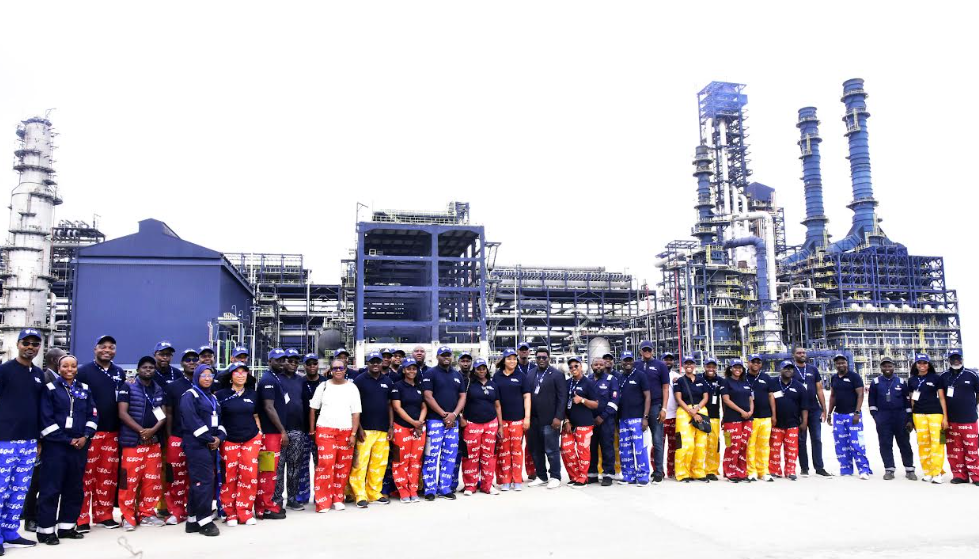
    Speaking while hosting participants of the Global CEO Africa Programme from Lagos Business School and Strathmore Business School, Nairobi, after a tour of the Dangote Petroleum Refinery & Petrochemicals in Ibeju-Lekki, Lagos, Dangote emphasised that with the right investments, Africa has the potential to grow and compete globally.

    He asserted that what the continent needs are bold and transformative projects capable of addressing its long-standing challenges. Citing the successful construction of the world’s largest single-train refinery—the Dangote Petroleum Refinery—as proof that nothing is impossible, he maintained that similar achievements can be replicated across sectors to drive economic growth.

    Dangote reflected on the initial scepticism surrounding the refinery project, noting that despite numerous obstacles, the group remained steadfast in its commitment to delivering on its vision.

    “There will always be challenges. In fact, life without challenges isn’t exciting. You just hope for the kind of challenges you can overcome—not the ones that overwhelm you,” he remarked.

    He explained that completing the refinery has emboldened the group to pursue even more ambitious goals: “Now that we’ve built this refinery, we believe we can do anything. We aim to make our fertiliser company the largest in the world—and we’ve set ourselves a 40-month timeline.”

    Dangote highlighted Africa’s wealth in both human and natural resources, stressing that business leaders are in a privileged position to harness these assets and create jobs for the continent’s growing population. He stated that development cannot be left to governments alone, urging the private sector to trust in national leadership and invest at home instead of moving capital abroad.

    “We, as Africans, must stop taking our money abroad. We should invest it here to build our countries and the continent. As for me, I don’t take my money out of Africa. If we don’t show confidence in our own economies and leadership, foreign investors certainly won’t. After all, we know our leaders better than anyone else. That money being taken out of the continent should be left here, where it can benefit everyone,” he advised.

    While many African nations have achieved political independence, Dangote argued that they remain economically dependent. He cited countries like Dubai and Singapore, which were on par with some African countries in the 1970s but have surged ahead through deliberate policies and partnerships with visionary entrepreneurs.

    Dangote expressed concern about the disparity between Africa’s rapidly growing population and the limited job opportunities available. He called for a strong banking sector, a robust manufacturing base, and a thriving agricultural sector as cornerstones of the continent’s transformation.

    He also stressed the importance of improved interconnectivity among African nations, revealing that it is currently cheaper to import goods from Spain than to transport cement clinker from Nigeria to neighbouring Ghana.

    Acknowledging policy inconsistency and infrastructural challenges, Dangote encouraged the visiting CEOs not to be deterred but to remain ambitious while acquiring deep knowledge of their respective industries.

    “If you think small, you don’t grow. If you think big, you grow. It’s better to try and fail than never to try at all,” he advised the 24 CEOs in attendance from six African countries.

    Academic Director of the Global CEO Africa Programme at Lagos Business School, Patrick Akinwuntan, explained that the initiative is designed to inspire Africa’s future business leaders.

    The programme, in partnership with Strathmore Business School in Nairobi, comprises three modules, requiring participants to spend a week each in Nairobi (Kenya), Lagos (Nigeria), and New Haven (USA).

    “The goal is to nurture business leaders who see Africa as a single market—one without borders—focused on the continent’s vast potential. The refinery is a powerful symbol that vision goes beyond mere sight,” he said.

    Akinwuntan, who is also the former Managing Director of Ecobank Nigeria, praised Dangote for his integrity, competence, and boldness in bringing such a monumental project to fruition.

    Executive Dean of Strathmore Business School, Dr Caesar Mwangi, echoed these sentiments. He said the visit would inspire CEOs to realise that only Africans can truly develop the continent.

    “This refinery is the world’s largest single-train refinery. It’s proof that we must dream big, think big, and—most importantly—act. If the Dangote Group can achieve this, then so can others across the continent,” Mwangi said.

    “Every CEO here can take this inspiration back home and initiate impactful projects that will uplift our continent and create opportunities for the millions of young Africans who need them,” he added.

    Dean of Lagos Business School, Prof Olayinka David-West, stated that the visit aligned with the school’s mission of grooming leaders capable of addressing Africa’s complex social and institutional challenges.

    She lauded Dangote as a visionary leader who mobilises resources to confront the continent’s critical problems. She noted that the refinery’s ripple effect extends beyond petroleum production, enhancing livelihoods and national wellbeing.

    “This facility is pivotal. It serves as a practical tool to implement frameworks like the African Continental Free Trade Area (AfCFTA). While it’s one project, its effects will be felt across multiple sectors,” she explained.

    Dr Rabiu Olowo, CEO of Nigeria’s Financial Reporting Council and a participant in the programme, said the visit had reignited the need for bold and courageous thinking in pursuing sustainable national development.

    The visiting CEOs also included global banking leader, Segun Aina; Managing Director of Family Bank, Nairobi, Nancy Njau; Executive Director and Chief Financial Officer for Cameroon, CEMAC, and CESA Region at Ecobank, Emmanuel Wakili; and former President of the CFA Society Nigeria, Ibukun Oyedeji, among others.

  • WTO Members explore technology transfer case studies, patent information, trade-related IP data

    WTO Members explore technology transfer case studies, patent information, trade-related IP data

    At a meeting of the Council for Trade-Related Aspects of Intellectual Property Rights (TRIPS) on 26-27 June, WTO members actively engaged in addressing key aspects of intellectual property (IP), including technology transfer, patent information and trade-related IP data. Members were also updated on notifications under various provisions of the TRIPS Agreement and continued talks on how to proceed on the review of implementation of the Agreement.

    Discussions at the meeting saw a high level of engagement by delegations. Members highlighted how voluntary technology transfer to developing economies can boost innovation, productivity and development, drawing on sectoral case studies. They also focused on better harnessing information from expired patents and underlined the importance of systematic, transparent reporting on global IP trade flows.

    A paper entitled “Intellectual Property and Innovation: Technology Transfer case studies” was submitted by Australia, Canada, the European Union, Israel, Japan, the Republic of Korea, New Zealand, Singapore, Switzerland, Chinese Taipei, the United Kingdom and the United States.

    The paper highlights how technology enhances productivity, competitiveness, growth and development, motivating countries to foster an environment that attracts voluntary technology transfer and innovation. The paper invites members to submit case studies on voluntary transfers of patent-protected or trade secret technologies and highlights the importance of domestic policies and capacity-building. The aim of the paper is to inform TRIPS Council discussions on incentivizing mutually beneficial technology transfer to address global challenges.

    The paper indicates that practical examples are useful in illustrating how technology transfer occurs across sectors such as agriculture, sustainability and manufacturing. IP offices and WIPO GREEN,  an online platform for technology exchange, provide case studies and opportunities to promote green technology exchange. TRIPS Article 66.2 on technology transfer details incentives for transfer to least-developed countries (LDCs). In public health, the Medicines Patent Pool (MPP) enables voluntary sublicensing of patented treatments, increasing access to lifesaving medicines and supporting local production.

    Colombia submitted a communication titled “After-life of patents” proposing joint efforts ahead of the 14th WTO Ministerial Conference (MC14), to be held in Cameroon in March 2026, to explore better use of patent information, potentially expanding the discussion to copyrighted works. The proposal envisions a cooperative WTO approach, without affecting debates on the need for balance in IP protection. Colombia said it is considering an MC14 decision where members would agree to make patent disclosures publicly accessible, promote good practices for their use, permit artificial intelligence (AI) training on such data, and establish a global, publicly accessible repository for such information. 

    Colombia submitted a second paper for discussion: “Trade-Related Figures of Intellectual Property at the WTO: The Case of IP Royalties at the Global Level”. The paper argues that since the TRIPS Agreement’s adoption in 1995, WTO members have applied common IP standards yet little focus has been placed on trade-related IP metrics. Unlike goods and services, IP trade flows — such as royalty payments — receive limited, inconsistent attention in WTO data. Occasional studies exist but lack regularity. However, reliable data is available through IMF and World Bank sources, which track cross-border royalty payments in national balance of payments statistics, offering an important resource for understanding global IP trade dynamics.

    The paper suggests the WTO should implement systematic, detailed reporting on IP-related financial flows, integrating this data into TRIPS Council updates, Trade Policy Reviews and WTO databases. Disaggregated by IP category, such data would support informed policy decisions and foster balanced, evidence-based debate on the global IP regime.

    The Secretariat drew attention to the WTO-OECD Balanced Trade Data Set available in the Global Services Trade Data Hub on the WTO website, which provides one of the most complete data sets on IP trade, including visualisations of bilateral royalty flows. This data is also available in WTO Trade Statistics and is used in the IP chapters of Trade Policy Reviews where appropriate.

    Notifications

    Members were updated on notifications under various provisions of the TRIPS Agreement that the Council has received since its last meeting in March.

    The Chair of the Council, Emmanuelle Ivanov-Durand of France, said that the pace of notifications to the Council has increased in recent years, but they are still not keeping up with the actual development of laws and regulations relating to TRIPS. She emphasized that TRIPS Article 63.2 is not a “one-off” requirement but a core element of TRIPS transparency and a central part of the Council’s work. It obliges members to notify new or amended laws on TRIPS, including those recently adopted to address the COVID-19 pandemic.

    This requirement includes the notification of legislative changes to implement the special compulsory licensing system to export medicines covered by TRIPS Article 31bis. The notification of relevant laws and regulations can assist members in preparing for the potential use of the system. It would also help the WTO Secretariat in its efforts to provide informed technical support to members.   

    The Chair recalled that the e-TRIPS Submission System is available for members to easily notify their laws and to make other required submissions to the TRIPS Council. The platform also permits digital access, consultation and analysis of information through the e-TRIPS Gateway, an easy-to-use interface to search and display information related to the TRIPS Council.

    Members agreed to test the e-Agenda tool at the next TRIPS Council meeting on a trial, non-committal basis. Developed by the Secretariat and already in use across over 20 WTO bodies, the e-Agenda enhances transparency, organization and access to meeting documents and statements. The Chair stressed that implementation costs would be minimal, with a tailored prototype and training available. The trial aims to assess the practical value of the tool without altering established procedures.

    Non-violation and situation complaints

    Members repeated their well-known positions on the issue of non-violation and situation complaints (NVSCs) under the TRIPS Agreement. With less than a year to go to the 14th WTO Ministerial Conference (MC14), the Chair reminded members that it is a ministerial mandate for the Council to examine the scope and modalities for NVSCs, and that members should make serious efforts to do so.

    The Chair noted that members have not displayed much appetite for advancing substantive discussions in this area. If this situation persists in the coming months, it is difficult to foresee any outcome in this area at MC14 other than an extension of the moratorium or its expiry, she noted. She suggested that if discussion on this matter is going to be limited to choosing between these two options, members could decide in Geneva ahead of MC14.

    At the 13th Ministerial Conference (MC13) in Abu Dhabi in 2024, ministers adopted a Decision on TRIPS Non-Violation and Situation Complaints, instructing the TRIPS Council to continue reviewing the issue and submit recommendations to MC14. Until then, members agreed not to initiate such complaints under the TRIPS Agreement.

    The Decision on TRIPS Non-Violation and Situation Complaints concerns whether and how WTO members can bring disputes to the WTO alleging that an action or situation has nullified expected benefits under the TRIPS Agreement, even without a specific violation.

    Other issues

    WTO members continued talks on how to proceed on the long overdue review of the implementation of the TRIPS Agreement. Under Article 71.1, the TRIPS Council is required to conduct a review of the implementation of the Agreement after two years and at periodic intervals thereafter. However, the initial review in 1999 was never completed and no review has subsequently been initiated.

    The Chair recalled that members were able to propose last year a process for the first review, which ultimately could not be adopted. After holding informal consultations in May with the most active member on this issue to find a way forward, the Chair has concluded that the concerns that prevented the adoption of the proposal remain.

    Ms Ivanov-Durand noted that the mandate set out in TRIPS Article 71.1 is highly significant and encouraged delegations to keep working towards the initiation of the implementation review. A number of delegations expressed their willingness to continue discussions on this issue. The Chair expressed her availability to conduct further informal consultations once there is greater likelihood of members agreeing on how to make substantial progress.

    The Council did not agree on renewing the invitation to the European Free Trade Association (EFTA) to participate in the TRIPS Council as ad hoc observer. This invitation had been renewed on a meeting-to-meeting basis since 2012. A number of members said that the current list of observers is not balanced and asked the Council to reassess the situation with regards other international intergovernmental organizations whose requests have been pending for years. It was suggested that the Chair could address this issue in the technical meetings she is planning with members.

    The updated list of pending requests for observer status in the TRIPS Council by intergovernmental organizations is contained in document IP/C/W/52/Rev.14.

    The Chair said that there have been no new acceptances of the protocol amending the TRIPS Agreement since the last Council meeting. This means that, to date, the amended TRIPS Agreement applies to 141 members. Twenty-five members have yet to accept the Protocol. The current period for accepting the protocol runs until 31 December 2025.  

  • NLNG Advocates Domestication of Technology to Deepen Local Content in Energy Sector

    NLNG Advocates Domestication of Technology to Deepen Local Content in Energy Sector

    NLNG has reinforced its call for the urgent need to domesticate technology as a key pillar for deepening local content in Nigeria’s oil and gas sector.

    Speaking at the panel session titled “Technology as a Local Content Imperative: From Adoption to Domestication” at the NOG Energy Week 2025, Olakunle Osobu, Deputy Managing Director, NLNG emphasised that technology was the bedrock of modern energy systems and must be developed to empower every Nigerian.

    “Our industry is one of the largest consumers of technology. To thrive in it, you need to be precise, predictive, and forward-looking. But beyond using technology, we are focused on simplifying it and promoting its adoption in a language and format our people can understand,” he said.

    He added that true technology development must reflect national ownership. “No country has advanced by learning technology in someone else’s language. Germans speak German. The Chinese code in Chinese. We must begin to do the same by writing algorithms in our local languages, and building tools that reflect our voice and reality.”

    Osobu also highlighted the importance of policy alignment, noting that unless technology is treated as a national development priority, Nigeria will continue to struggle with ownership and innovation.

    “Domestication must start with inclusion. If people can read and write, they should be able to use technology. That’s where we begin. That’s how we expand access.”

    Referencing NLNG’s journey, Osobu shared a clear example of the company’s commitment to local content through its flagship Train 7 project:

    “At NLNG, we are at advanced stages in the construction of our Train 7 project, and I can tell you that over 90% of the contractors on that project, starting with the Project Director, are Nigerians. Why is that possible? It’s because we successfully built six trains over the lifetime of NLNG and Nigerians worked alongside international counterparts. So, by the time Train 7 came on board, it was clear we could practically deliver it ourselves. Thanks to NCDMB, we had the institutional support to make it happen.”

    “Nigerians are present on oil rigs across the world. When they retire, they are sought after in Calgary, Singapore, and elsewhere. I believe it’s time for that expertise to shape our continent. We have Namibia, Senegal, Ghana, Mozambique, Angola and the likes all discovering oil and Nigerians should be the experts helping in those countries. They no longer need to look to the West. We must begin to lead.”

    Osobu also pointed to innovations such as the African keyboard, which enables the use of African languages in digital systems, as a step toward true technological identity.

    He concluded that NLNG will continue to work with policymakers and partners to ensure that domesticated knowledge becomes the foundation for Nigeria’s future in gas and beyond.

    “As we continue to adopt and promote technology at NLNG, our goal is to ensure that this knowledge is rooted in our local context, simple, inclusive, and transformative,” he said.

  • Report: Female Genital Mutilation/Cutting persist in 94 countries

    Report: Female Genital Mutilation/Cutting persist in 94 countries

    Small-scale surveys, estimates, and personal accounts from survivors, activists, and grassroots organizations shed new light on the urgent need to expand protection and prevention efforts

    A new report has collated evidence of female genital mutilation/cutting (FGM/C) in 94 countries, revealing how this harmful practice exists in more communities than previously recognized and the number of girls and women affected or at risk exceeds earlier estimates. Efforts to end FGM/C remain hindered by reluctance from governments to act, particularly in countries not widely associated with FGM/C. Other obstacles include weak legal protections, insufficient data, low awareness, and a lack of funding and decisive action from the international community.

    ‘The Time Is Now: End Female Genital Mutilation/Cutting, An Urgent Need for a Global Response – Five Year Update,’ by the End FGM European Network, Equality Now, and The U.S. Network to End FGM/C compiles evidence about the nature and practice of FGM/C in different countries. Small-scale surveys, estimates, and personal accounts from survivors, activists, and grassroots organizations shed new light on the urgent need to expand protection and prevention efforts.

    The research follows up on the group’s 2020 report that documented how the extent of FGM/C was being woefully underestimated globally. Since then, FGM/C has been identified in local communities in Azerbaijan, Cambodia, and Vietnam, and further evidence has been gathered in Colombia, Malaysia, the Philippines, Saudi Arabia, Sri Lanka, and the United Arab Emirates. More investigation is required where data is limited, such as in Panama, Mexico, and Peru where FGM/C may exist among indigenous groups.

    “Mounting evidence clearly shows that FGM/C is a worldwide issue demanding a coordinated global response,” says Equality Now’s Divya Srinivasan. “To end FGM/C, governments, international bodies, and donors must acknowledge the extent of the problem, strengthen their political commitments to addressing it, and prioritize funding, especially in overlooked regions and communities.”

    Ending FGM/C requires better data and more funding

    In 2020, UNICEF estimated at least 200 million women and girls had undergone FGM/C in 31 countries. In 2024, UNICEF updated the figure to over 230 million— 80 million in Asia, 6 million in the Middle East, and 1 to 2 million in small or diaspora communities elsewhere. UNICEF’s 15% increase is due to newly available data from countries previously excluded from official statistics, combined with rapid population growth where FGM/C occurs.

    Whilst UNICEF’s 230 million figure is the first comprehensive global estimate of the number of women and girls impacted, detailed national prevalence data is still only available for 31 countries. This lack of data is enabling reluctant governments to continue avoiding acknowledging or addressing FGM/C.

    Most international funding focuses on a few African countries. While this work to end FGM/C is severely under-resourced and requires increased investment, insufficient funding is even more acute in Asia, Latin America, and the Middle East, which receive only a small allocation.

    The problem is compounded by some governments failing to recognize FGM/C in their countries, and in some cases actively denying it, undermining and sometimes openly discrediting the work of survivors and activists.

    Comprehensive data is crucial because it provides evidence on the need for action and funding, and sets a baseline from which interventions can be developed, implemented, tracked, and assessed.

    Tania Hosseinian from the End FGM European Network, explains, “Access to accurate, up-to-date data is crucial for understanding the full scale of FGM/C and for developing and assessing laws and policies that ensure no one is left behind. Data-driven strategies must guide our actions, empowering grassroots organizations, youth movements, and survivors to lead the way.”

    Many countries still don’t have specific anti-FGM/C laws

    FGM/C is internationally recognized as a serious human rights violation involving the partial or complete removal of external female genitalia for non-medical reasons. It is rooted in gender inequality and attempts to control women’s and girls’ bodies and sexuality.

    FGM/C has no health benefits and can cause severe short and long-term harm. Potentially fatal – as sadly demonstrated by FGM/C-related deaths in Sierra Leone and Kenya in 2024 – it is associated with numerous health problems, including chronic pain and infections, psychological trauma, infertility, and higher rates of maternal and infant mortality.

    Despite this, of the 94 countries where FGM/C has been found, only 58 (61%) have laws explicitly prohibiting it. This leaves many millions without adequate protection and enables perpetrators to avoid accountability.

    Since 2020, India, Jordan, Kuwait, Singapore, Sri Lanka, the Russian Federation, the United Arab Emirates, and the United States have all received recommendations from international human rights mechanisms calling on them to take greater action to address FGM/C.

    On a positive note, in 2020, only 51 countries specifically outlawed FGM/C. Since then, Sudan, Indonesia, Finland, Poland, and the United States. have all passed federal laws, while France has strengthened its penal code, and the European Union has adopted new regional legislation.

    Various countries have achieved drops in FGM/C rates, including Burkina Faso, Liberia, and Kenya, among others, while Portugal, The Gambia, and the UK have had first-ever successful prosecutions for FGM/C.

    Medicalization of FGM/C and other threats to progress

    Concerningly, backlash against women’s rights threatens to undo hard-won gains. In Kenya and The Gambia, legal challenges have tried to repeal existing anti-FGM/C laws, threatening to reverse years of progress. These regressive attempts have been met with determined resistance from women’s rights activists, legal experts, journalists, and international partners collaborating at local and international levels to prevent rollbacks.

    Another concern is how medicalization is becoming more mainstream. UNICEF’s 2024 report found 66% of girls who recently underwent FGM/C did so at the hands of a healthcare worker. In countries like Egypt, Indonesia, and Kenya, medicalized FGM/C is wrongly perceived by some as a legitimate alternative, while in Russia, it is openly advertised by clinics.

    There is growing awareness about practices not yet formally recognized as forms of mutilation. This includes the husband stitch, when an extra stitch is added during vaginal repair after childbirth, with the purpose of tightening the vaginal opening to increase sexual pleasure for a male partner. Often performed by medical professionals without the woman’s consent, recent research has found cases in Europe, Japan, and the United States., with survivors experiencing health complications and comparing it to FGM/C.

    Putting women and girls at the heart of efforts to end FGM/C

    Ending FGM/C requires a global yet nuanced strategy that addresses specific ways it is practiced across regions and communities. With Sustainable Development Goal 5.3 setting 2030 as the target to eradicate FGM/C, just five years remain to accelerate and globalize endeavors.

    Transformative social change requires a collaborative, multi-pronged, survivor-centered approach incorporating enactment and enforcement of strong legal protections alongside community engagement to raise awareness about FGM/C’s harms and legal consequences.

    The U.S. End FGM/C Network’s Caitlin LeMay concludes, “Millions of individuals around the world live with the lifelong consequences of FGM/C. Their courage in sharing their stories has brought global attention to this harmful practice and strengthened the movement to end it.

    “Survivors, wherever they live, must have access to adequate, affordable, and quality services that are gender, child, and culture-sensitive, ensuring their voices remain central to the fight against FGM/C.”  

  • DG Okonjo-Iweala welcomes 2025 cohort of WTO Young Professionals

    DG Okonjo-Iweala welcomes 2025 cohort of WTO Young Professionals

    WTO Director-General Ngozi Okonjo-Iweala welcomed the latest cohort of the WTO Young Professionals Programme (YPP) at a ceremony on 31 January at WTO headquarters in Geneva. The 19 participants are working in 13 divisions across the WTO Secretariat, where they will contribute to the organization’s activities and gain hands-on experience on trade issues throughout the year.

    A key initiative to enhance diversity and strengthen WTO membership representation at the professional level within the Secretariat, the YPP has supported the development of trade expertise among young professionals from developing economies and least developed countries (LDCs) since 2017. This year’s participants were selected from a highly competitive pool of approximately 5,500 applicants.

    In her welcoming remarks, DG Okonjo-Iweala commended the Young Professionals for gaining entry into this highly competitive programme. Reflecting on the current global trade landscape, she noted that 2025 will be a pivotal year for the WTO, with geopolitical tensions having a potential impact on negotiations on key issues such as fisheries subsidies, dispute settlement reform, development and agriculture.

    Despite these challenges, the goal must be to deliver results wherever possible and “to lay a strong foundation for a successful Fourteenth WTO Ministerial Conference (MC14) in Cameroon in March 2026,” DG Okonjo-Iweala told the Young Professionals.

    She further underscored the broader impact of the WTO’s work and stressed that the role of the organization is “to deliver results that are good for people and the planet,” demonstrating how trade cooperation at the WTO can enhance certainty and foster growth for all members, big and small.

    DG Okonjo-Iweala also expressed gratitude to members who have contributed to the WTO Global Trust Fund, helping to make the YPP and other technical assistance programmes possible.

    During their initial weeks at the WTO, the Young Professionals underwent an intensive induction programme featuring over 60 Secretariat staff members, designed to provide them with a comprehensive understanding of the WTO’s work.

    Speaking on behalf of the 2025 cohort, Nada Alsalmi from Saudi Arabia emphasized the significance of the programme in equipping young professionals with the tools needed to contribute to global trade.

    “Our presence at the WTO is not just a privilege, but also a responsibility. We must seize every opportunity to deepen our understanding of the multilateral trading system so we can use this knowledge to strengthen and enhance global trade, making the world more predictable, sustainable and prosperous,” she said.

    She also expressed gratitude to the WTO for “this exceptional initiative” and thanked the Director-General for “upholding this programme and strengthening its vision.”

    The ceremony also featured remarks from ambassadors of WTO members represented in this year’s YPP, who praised the programme’s role in nurturing trade talent and strengthening the multilateral trading system.

    This year’s Young Professionals hail from Angola, Armenia, Burkina Faso, Botswana, Cambodia, Cameroon, Côte d’Ivoire, The Gambia, Georgia, Ghana, Kenya, Malawi, Malaysia, Moldova, Nigeria, Singapore, Saudi Arabia, Togo and Viet Nam.

  • Companies plan to increase Information Technology (IT) Security budgets up to 9% in the next two years

    Companies plan to increase Information Technology (IT) Security budgets up to 9% in the next two years

    The median cybersecurity budgets for large enterprises were $5.7M with $41.8M allocated for IT generally, while SMBs invested $0.2M in IT security from a median IT budget of $1.6M

    Companies are planning to increase their investments in information security against the background of growing financial losses from cyber incidents. This trend was revealed in the recent Kaspersky’s (www.Kaspersky.co.za) IT Security Economics report.

    Kaspersky IT Security Economics is an annual report that unpicks the changes in budgets, breaches and business challenges affecting IT Security decision makers. It is based on interviews with IT and IT security professionals working in organisations of various sizes and industries. The survey was conducted across 27 countries in Europe, the Asia-Pacific region, the Middle East, Turkiye and Africa (META) region, Latin and North America.

    According to the research, companies plan to increase their IT security budgets by up to 9%. The median cybersecurity budgets for large enterprises were $5.7M with $41.8M allocated for IT generally, while SMBs invested $0.2M in IT security from a median IT budget of $1.6M.

    Possible reasons for the increased investment can be found in the analysis of financial losses from cyber incidents. Large enterprises experienced an average of 12 incidents this year, spending $6.2M to recover from them — 1.1 times higher than the budget allocated for IT security overall. Despite the greater resources and advanced security infrastructures, the sheer scale and complexity of large enterprise organisations make them more susceptible to costly breaches. While these enterprises are often better equipped to detect incidents quickly, the time required to fully respond and mitigate these threats can span for hours, underscoring the challenge of managing widespread, complex IT environments.

    As for SMBs, these organisations experienced an average of 16 incidents this year, while spending $0.3M for remediation, which is 1.5 times higher than their overall IT Security budget. SMBs are the most disproportionately affected group in terms of budgetary impact. They often lack robust cybersecurity policies and procedures, which leaves them vulnerable to incidents involving employees, public cloud misconfigurations, and high-level permissions.

    In the META region, organisations of all sizes reported to have experienced on average 13 incidents within a year. In South Africa, organisations of all sizes reported to have experienced on average 19 incidents within a year.

    “This data illustrates the continuation of the current trend of increasing cybersecurity spending across all market segments. This growth is driven by at least three key factors. Firstly, and obviously, the constant growth in the complexity of cybersecurity threats forces companies to adopt more advanced solutions to enhance the detection of attack traces and automate responses. Secondly, increasing concerns from governments regarding digital sovereignty leads to the emergence of new regulations and regulatory requirements and, as a result, increased expenses. The third factor influencing the growth of cybersecurity budgets and costs is the constant increase in salary expectations for professionals in various cybersecurity fields,” comments Veniamin Levtsov, Vice President, Center of Corporate Business Expertise at Kaspersky.

    To protect companies against a wide range of cyber threats, Kaspersky recommends:

    • Use all-encompassing solutions, such as those from the Kaspersky Next (https://apo-opa.co/3VwBRnf) product line, that provide real-time protection, threat visibility, advanced investigation and response capabilities for companies of any size and industry.
    • Adopt a managed security service such as Kaspersky Managed Detection and Response (https://apo-opa.co/49pxUXj) if companies lack qualified InfoSec professionals. It will provide the necessary expertise and give them the best possible advanced automated security services. Thanks to its analysis of corporate data gathered every day, in real time, 24/7, it can shield businesses against sophisticated cyberattacks.
    • Educate your employees. Dedicated training courses can help, such as those provided in the Kaspersky Automated Security Awareness (https://apo-opa.co/3VtJyuu) Platform.

    To gain more insights about IT security costs and budgets in businesses visit the interactive IT Security Calculator (https://Calculator.Kaspersky.com).

    To read the full report “IT Security Economics”, that is based on a survey conducted in Brazil, Chile, China, Egypt, France, Germany, India, Indonesia, Italy, Japan, Kazakhstan, Saudi Arabia, Malaysia, Mexico, Pakistan, Philippines, Russia, South Africa, South Korea, Singapore, Spain, Thailand, Turkey, Vietnam, UAE, UK and US, visit the website (https://apo-opa.co/3Zp3ik9).

  • Unilever Nigeria Appoints Tobi Adeniyi as Managing Director

    Unilever Nigeria Appoints Tobi Adeniyi as Managing Director

    Unilever Nigeria Plc has appointed Mr. Tobi Adeniyi as the Managing Director designate, effective January 1, 2025. Mr. Adeniyi will undergo a handover and phased transition process alongside the current Managing Director, Mr. Tim Kleinebenne, until the end of 2024. 

    Mr. Adeniyi began his career as a Unilever Future Leader in 2009 and has amassed a wealth of experience across multiple facets of the Supply Chain (strategic & operational) and Commercial operations. His expertise spans Logistics, Planning, Strategic Supply Chain, Procurement, and Sales, with assignments that have taken him across diverse markets including, Singapore, the Philippines, and Indonesia. Most recently, he has been instrumental in driving Unilever Nigeria’s sales transformation agenda, delivering impactful results through strategic initiatives nationwide. He serves as current Vice Chairman of Manufacturers Association of Nigeria Export Promotion Group (MANEG) and is a member of the Institute of Directors (IoD).

    Bolaji Balogun, Chairman of Unilever Nigeria Plc, said “On behalf of the Board of Directors and everyone at Unilever Nigeria, I am delighted to congratulate Mr. Tobi Adeniyi on his appointment as Managing Director Designate. Mr. Adeniyi’s extensive experience and exceptional leadership skills make him an outstanding choice at this time, to lead us into a bright and even more successful future.”

    He stated that the Board is confident that under Tobi’s leadership, Unilever Nigeria Plc will continue to flourish and achieve greater heights. He also expressed his appreciation to Mr. Tim Kleinebenne, the outgoing Managing Director, for his leadership and service to Unilever Nigeria’s growth and success.

    Announcing the appointment, Ben Langat, Executive Vice President, Unilever East and West Africa, said, “I am pleased that we are implementing this transition which is in line with our robust succession planning initiative at Unilever. Tobi has a deep connection and understanding of the Nigerian market terrain, and coupled with his extensive background, his experience will be valuable towards the journey ahead for the business.”

    Langat also thanked Tim Kleinebenne, currently Managing Director for Unilever Nigeria, who will retire from Unilever. Tim joined Unilever in Germany 33 years ago and served as Managing Director for diverse Unilever businesses around the globe, including Unilever Caribbean, Ethiopia, Côte d’Ivoire and Nigeria.

    “Please join me in congratulating Tim on a wonderful career with Unilever and in thanking him for all that he has done for our people and the company. The published results are a clear testament of the successful transformation he initiated. We wish him great success for the future as he shapes his next adventure beyond work.” Mr. Langat said.

  • Meta Unveils Llama 3.1 Impact Grants to Empower  AI-Driven Organisations Across Africa, the Middle East, and Turkey

    Meta Unveils Llama 3.1 Impact Grants to Empower AI-Driven Organisations Across Africa, the Middle East, and Turkey

    Meta is excited to announce the launch of the Llama 3.1 Impact Grants, continuing its commitment to supporting innovative use cases of open-source AI to address critical global challenges. Building on the success of previous grant programs, the Llama 3.1 Impact Grants will provide up to $2 million USD in funding to organisations worldwide.

    The Llama 3.1 Impact Grants program invites proposals from organisations with ideas for using Llama 3.1 to address social challenges in their communities. Applications in areas such as economic development, science and innovation, public service and more will be given special consideration. Selected recipients will receive up to $500,000 USD and winners will be announced early next year.

    Speaking about the grant, Kojo Boakye, Vice President, Public Policy, Africa, the Middle East, and Turkiye, Meta commented: “We’re inspired by the diverse projects we’ve seen developers undertake around the world to positively impact their communities by building with Llama. We believe AI has more potential than any other modern technology to increase human productivity, creativity, and quality of life—and to accelerate economic growth while unlocking progress in medical and scientific research. The Llama 3.1 Impact Grants program presents an opportunity to further empower organisations to leverage AI for social good and to drive meaningful change.”

    To support prospective applicants, Meta will host a series of regional events, including virtual events, in-person hackathons, workshops, and training sessions in Egypt, Hong Kong, India, Indonesia, Japan, the Kingdom of Saudi Arabia, Korea, Latin America, North America, Pakistan, Singapore, Sub-Saharan Africa, Taiwan, Thailand, Turkey, the United Arab Emirates and Vietnam. These events will provide technical guidance and mentorship, fostering the development of impactful applications of Llama 3.1 in local contexts. Organisations participating in these events will be eligible for additional specialised awards of up to $100,000 USD.

    The inaugural Llama Impact Grants, announced in October 2023, received over 800 applications from 90+ countries. The 20 finalists have submitted their final proposals, and the grant recipients will be announced in September, alongside the recipients of the Llama Impact Innovation Awards.

    The application window for the Llama 3.1 Impact Grants is open from Monday, August 5, 2024, to Friday, November 22, 2024. Meta encourages eligible organisations to submit their proposals and take advantage of this opportunity to drive social impact through AI.  All proposals will be evaluated using the selection criteria here.