Tag: Unilever

  • Glovo Retail Media Day: Experts highlight massive growth potential in global retail ecosystem

    Glovo Retail Media Day: Experts highlight massive growth potential in global retail ecosystem

    Experts in the Q-commerce ecosystem, including Glovo, have highlighted significant growth potential in the global retail sector.

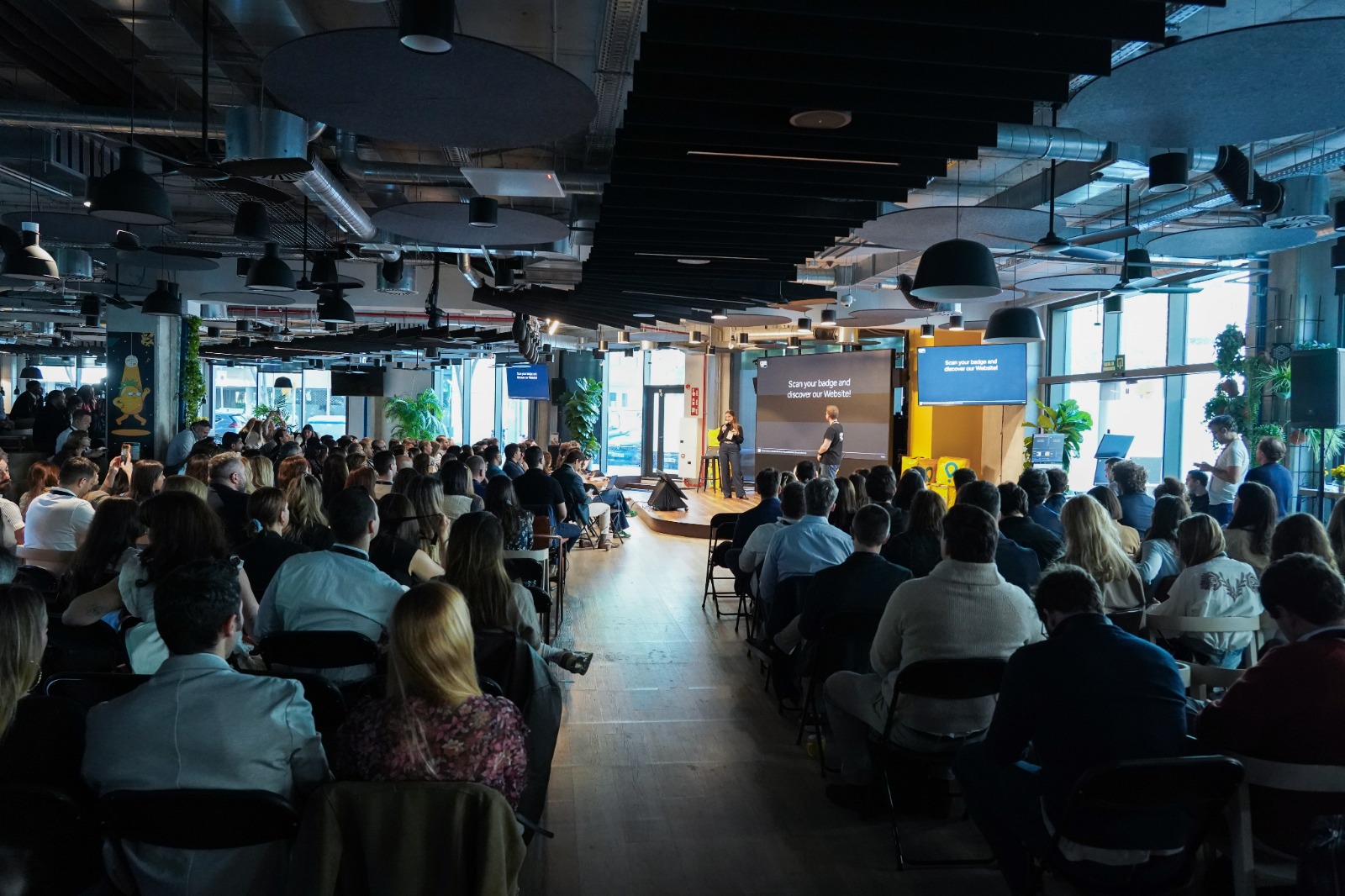
    This was part of the submissions made by speakers at the recent annual Retail Media Day hosted by Glovo in Barcelona.

    The event featured a wide-ranging discussion from industry experts on major industry trends and developments, including Glovo’s growth plans for the coming months.

    According to a report from IAB Europe’s Retail & Commerce Media Committee, 2026 is expected to be a defining year for retail and commerce media across Europe, driven by increased investment, AI-enhanced personalization, and growing demand for clearer measurement standards.

    Leading the discussion, Glovo co-founder, Sacha Michaud, explained that retail media is becoming an increasingly core pillar of the modern digital advertising ecosystem, with advertisers now seeking more accountable, commerce-led media strategies.

    “People realize that they can order from local stores through Glovo, a snowball effect will happen: we will become top of mind,” he said.

    In a joint presentation delivered by trio of Connie Kwok (VP of Q-commerce), Alex Menal (VP of Marketing), and Victor Roca (Director of Ads Product and Retail Media), they discussed Glovo’s approach to strategic themes such as product, customer understanding, and Q-commerce leadership while presenting the new value proposition for brands to advertise through four new in-app advertising opportunities: segmentation, direct links, video stories, and product cross-sell.

    One of the presenters, Kwok, who leads Q-commerce for one of the leading global companies driving industry innovation, defined Glovo’s value proposition as providing ultimate convenience and choice, stating that “having the mall in your pocket” is the final goal.

    Speaking during the session, Menal highlighted how Glovo has successfully marketed itself to customers worldwide, positioning itself as a global leader in Q-Commerce.

    He shared a very ambitious vision of how Q-Commerce could equal the value that Food currently provides to Glovo’s business, based on its growing run rate, new feature opportunities, and AI applications.

    Also speaking, founder of Adcelerator and the former CEO of Publicis Group, Andrea Di Fonzo, said experience was needed in scaling complex service platforms and driving sustained growth for companies in the retail sector.

    Fonzo stated that brands have to ensure their advertising is placed in places they don’t know, because if they only communicate in the stages they know, they will miss out on a whole new set of audiences looking elsewhere.

    He further noted that in this era of messy communications, platforms like Glovo offer a massive opportunity for brands, as they can rent a virtual space with millions of customers looking in the right place, at exactly the right time: when customers are ready to purchase.

    In the closing session, Roca and Anaut underscored the significant role Glovo played in helping brands like Heineken, PepsiCo, and Revolut grow exponentially through tailored, smart in-app and off-app media placements.

    In recent years, Glovo has partnered with retail industry giants such as Coca-Cola, Nestlé, PepsiCo, Red Bull, Unilever, and more, helping them maximize their retail media strategies.

  • ‘Winning with Strategic Communications’ Launch, Targets Real-World Impact

    ‘Winning with Strategic Communications’ Launch, Targets Real-World Impact

    Godfrey Adejumoh, a seasoned top-performing Global Business Communications Strategist and Thought Leader, is set to launch a book titled, ‘Winning with Strategic Communications: Essential Strategies for the Next Generation of Leaders.’

    Winning with Strategic Communications, is a veritable playbook for navigating today’s complex world of leadership, communication, and influence. It is an important book for communications leaders of all ages. In this book, Godfrey distils years of lived experience, professional insights, and lessons from the frontline of Public Relations into clear, actionable strategies.

    At its heart, this work seeks to bridge the often-wide gap between theory and practice. While academia provides the frameworks, Winning with Strategic Communications reveals how those frameworks come alive in the real world. With practical guidance, compelling examples, and a strong grounding in strategic communications, it offers readers a toolkit to lead with clarity, confidence, and impact. Within these pages, budding leaders, communication professionals, and entrepreneurs will each discover insights to guide their journey.

    This is not just a book to be read; it is a manual to be applied. It challenges assumptions, sharpens leadership instincts, and equips the next generation of leaders to win, not by chance, but with strategy.

    Winning with Strategic Communications is a roadmap to the top!

    Godfrey Adejumoh is a seasoned top-performing Global Business Communications Strategist and Thought Leader. He has extensive experience in Public Relations, strategic corporate communications, policy advocacy, campaign planning/implementation, public affairs/government relations, sustainability/ESG, and corporate social responsibility (CSR).

    With over 15 years experience, he has contributed to the reputation management of different multinationals (Diageo, Unilever, MTN, DHL, Accenture, LG and more) across sectors. He has evolved into a trusted advisor to C-Suite Executives, board members and a rounded business leader, through his career journey that started in Public Relations consultancies.

    He is a public speaker leading the discourse on how strategic business communications play a vital role in crafting winning business strategies, contributing to growing and sustaining high performance for businesses. His public speaking and mentorship cut across various reputable platforms – O2 Academy Lagos, Orange Academy Lagos, Lagos Business School (LBS), Pan Atlantic University, Nile University, University of Lagos (UNILAG), Osun State, University, Nigeria Institute of Public Relations (NIPR), Nigeria Institute of Journalism (NIJ), among others.

    Godfrey has a keen interest in developing the next generation of business leaders through strategic business communications to contribute to high performance for businesses and developing strategies to help reposition companies to maintain growth within a sustainable development framework.

  • Spice 360 Appoints Biodun Adefila as New Managing Director

    Spice 360 Appoints Biodun Adefila as New Managing Director

    …Rotimi Ade-Onojobi takes over as Creative Director

    Spice 360, one of Nigeria’s foremost integrated marketing communications agencies, has announced the appointments of Biodun Adefila and Rotimi Ade-Onojobi as Managing Director and Creative Director respectively.

    The appointments which take immediate effect, were conveyed through a letter signed by the Board of Directors of the agency.

    According to the leadership of the board, the appointments signal a bold new chapter in Spice 360’s journey toward strategic growth, creative excellence and industry leadership.

    It further stated that the appointments underscore the agency’s commitment to delivering impactful brand solutions and fostering a culture of innovation in an increasingly dynamic marketing landscape.

    Until her appointment, Adefila previously served as Chief Operating Officer at SO&U Limited, where she oversaw transformative campaigns for leading brands such as Guinness Nigeria, GTBank, Unilever, P&G and Access Bank among others.

    Adefila holds an MBA from the University of Liverpool and an Advanced Management Programme certification from Lagos Business School. She is also a former board member of the Association of Advertising Agencies of Nigeria (AAAN) and a recipient of numerous industry accolades, including Outstanding Advertising Personality of the Year (Marketing Edge, 2020) and one of the Top 50 Most Influential Women in Marketing Communications (Brand Communicator, 2023).

    She is a distinguished advertising business leader with over two decades of experience, bringing a wealth of expertise in brand management, strategic planning and operational leadership across diverse industries.

    At Spice 360, Adefila will lead the agency’s business strategy, operations, and client partnerships, steering the team toward market leadership and sustainable innovation across the Sub-Saharan African region.

    Known for his storytelling prowess, brand-building acumen, and innovative campaign execution, Rotimi Ade-Onojobi joins Spice 360 with over a decade of cross-platform creative leadership to his new role. He has led groundbreaking work for brands like Heineken, Nestlé, Airtel, ABInBev, Skyy Vodka and Access Bank.

    Most recently, Ade-Onojobi served as Head of Brand and Design at BOGO Beverages, where he successfully launched and grew the presence of brands such as Bottega Italian Sparkling Wine and BOGO Charger Energy Drink. He has also held key creative roles at Monument Distillers, Livespot Group, RedWolf (Ark Group) and DIJO Group—driving high-impact campaigns such as the Livespot X Festival with Cardi B and Be the Hero for Hero Lager.

    A graduate of Computer Science from Olabisi Onabanjo University with advanced creative training from Orange Academy, Ade-Onojobi brings a unique fusion of technical insight and creative flair to the agency. In his new role, he will lead the creative vision and execution across digital, traditional, and experiential platforms—crafting compelling brand narratives that connect with today’s consumers.

    Spice 360, a young and agile agency, is uniquely wired to proffer dedicated marketing communications to discerning partners such as the Tolaram Group among others. Last year, the agency was ranked 4th most creative agency in Nigeria at the Lagos Advertising and Ideas Festival, (LAIF), Nigeria’s foremost advertising award.

  • Unilever, UK Government and EY, Announce Grant of £500,000 for Five West African Startups, including three in Nigeria

    Unilever, UK Government and EY, Announce Grant of £500,000 for Five West African Startups, including three in Nigeria

    Set to scale local innovation for global impact

    TRANSFORM West Africa – an impact accelerator led by Unilever, the UK government, and EY – has awarded £500,000 in grant funding to five West African enterprises focused on circularity and regenerative agriculture. These grantees were recognised and celebrated at an event last night hosted by the British Deputy High Commissioner in Lagos.

    The selected organisations will also receive business insight, practical experience, resources and access to networks through Unilever and EY, to scale and maximise their impact.

    TRANSFORM, a global initiative led from the United Kingdom, appointed  Nigerian representatives from Unilever, the British High Commission and EY, to guide the selection process. Colleagues in the region leveraged local networks to source enterprises, attracting over 100 applications.

    The winners in Nigeria include:

    • Chanja Datti: A startup decentralising plastic waste processing with Micro-Recycling Plants (MRPs) near waste collection points;
    • Planet 3R: A social enterprise enhancing the livelihoods of women and youths in Nigeria by teaching them weaving skills to convert plastic and textile waste into functional goods (e.g., bags, boxes); and
    • Scrapays: A digital platform connecting waste producers to aggregators and processors.

    British Deputy High Commissioner in Lagos, Mr Jonny Baxter praised the innovators’ creative approach to plastic waste management, stating: “It’s very promising to see so many strong candidates working to reduce, collect and process plastic waste. With the World Earth Day fast approaching, we’re proud to support three Nigerian enterprises – Scrapays, Chanja Datti, and Planet3R who are demonstrating how digital networks can address recycling challenges and create economic growth while contributing to the global net-zero agenda.”

    Country Managing Director, Unilever Nigeria, Tobi Adeniyi, highlighted the importance of TRANSFORM’s approach which puts decision-making power into the hands of local leaders.

    “At TRANSFORM, we strongly believe that the best solutions are those developed by those closest to the challenge at hand. By tapping into our networks and expertise, we were able to use our local lens to identify the best innovators in the region.” he said.

    The selected enterprises will be able to receive in-kind support from EY professionals, helping them navigate growth challenges and scale their impact. 

    Sr. Partner, Head of Markets – EY West Africa, Ashish Bakhshi also commented: At EY, we are proud to collaborate with Unilever and BHC on TRANSFORM, where we bring our knowledge, skills and professional experience to support impactful enterprises and foster innovation. We saw many applications from across the region that are coming up with creative, innovative and inspiring solutions towards creating a more sustainable world – and we look forward to harnessing this ecosystem to create a better future for everyone, together.”

    These Nigerian enterprises join thirteen others supported by TRANSFORM in West Africa including WeCyclers, a pioneering rewards-for-recycling platform, incentivising people in low-income communities in Nigeria to exchange recyclable waste for essential goods, and Reeddi Technologies which provides cleaner, more reliable and affordable electricity to households and businesses operating in energy-poor regions through its solar-charged-battery-powered generators, Capsule.

    The thirteen enterprises have reached over 2 million people in West Africa and are part of a wider TRANSFORM global community which have positively impacted the lives of more than 18 million people in 20 countries.

  • 2025 World Oral Health Day: Pepsodent organizes dental health program in 20 states

    2025 World Oral Health Day: Pepsodent organizes dental health program in 20 states

    …targets 3 million people in 2025 through its various initiatives

    In commemoration of the 2025 World Oral Health Day, Pepsodent, a leading global toothpaste brand, in collaboration with the Nigeria Dental Association has launched its dental health campaign themed “Talk to A Dentist”. The campaign aims to reach 3m Nigerians this year, surpassing 2024 reach of 2.4m.

    Speaking during a press conference to herald the commemoration of the 2025 World Oral Health Day, Brand Manager, Pepsodent, Mary Akindola, stressed the need to instill good oral hygiene habits among children by ensuring they brush day and night for at least 2 minutes.

    She further disclosed that part of the brand’s mission was to drive behavioural change among Nigerians by ensuring that brushing twice daily becomes a universal habit.

    Akindola described good oral health as a fundamental human right for everyone, regardless of socioeconomic status or location.

    “According to World Health Organization (WHO), about half of the world’s population suffers from oral health conditions, ranging from mild to severe cases. Yet, many do not take action until their condition becomes critical. One of the most prevalent oral health issues is tooth decay, with an estimated two billion adults silently battling cavities. If left unaddressed, these cases have long-term consequences.

    In 2025, our goal is to expand Pepsodent Schools Program to reach 2.7m pupils while dental camps activations are projected to reach 300,000 Nigerians, targeting key regions in the North, West and East,’’ she said.

    Speaking further on the plans, she revealed that Pepsodent and the Nigerian Dental Association have scheduled dental camp activations across 20 states in Nigeria and the FCT. She explained that the activations, which would afford people from various communities to participate in oral hygiene education, dental screenings and dental treatment, will take place in 5 locations in South-West, 8 locations in the East and 7 locations in the North. The list of identified states for the activations include Lagos, Ogun, (Oyo)Ibadan, Osun, Ondo, Edo, Delta, Enugu, Rivers, Akwa Ibom, Abia, Anambra, Cross River, Kano, Katsina, Kaduna,  Borno, Plateau, Nasarawa, Niger and FCT Abuja.

    “In addition to the dental camps, Pepsodent will reach 30,000 pupils with oral health education and oral screening, across 50 schools in Lagos, Ibadan, Port Harcourt, Enugu and Abuja, in celebration of the World Oral Health Day”, she said.

    In his remarks, Personal Care, Research & Development Head of Africa, Unilever, Uchenna Nwakanma, stated that Unilever, through Pepsodent, remains absolutely committed to boosting oral health awareness and increasing access to dental care globally, as demonstrated by the various programs and partnership embarked upon by the company adding that the goal is to eradicate oral disease for everyone.

    According to Nwakanma, the series of activities undertaken by the brand to commemorate World Oral Health Day have reached 640,433 Nigerians in 5 years.

    Since inception, the Pepsodent schools program initiatives have reached 9.1m pupils in Nigeria. With the plan to reach 2.7m pupils in 2025, the program is projected to reach 11.8m Nigerians by the end of 2025, surpassing the projection of reaching 10m pupils by 2025.

    He noted that prevention remains the most potent and effective strategy in the fight against oral disease, adding that awareness among children was crucial in setting them up for a life free of preventable oral health conditions.

    “Unilever is deeply committed to transforming oral health awareness and access to dental care globally. To us, World Oral Health Day is a day to re-emphasize the importance of oral health to overall well-being, and of course encourage call to action from industry stakeholders and the populace to drive good oral care hygiene within their sphere of influence and access professional dental care regularly”, he said.

    In his remarks, the President of the Nigerian Dental Association, Dr. Elias Emedom, commended Unilever Nigeria Plc for its continuous partnership in promoting oral hygiene in the country.

    Emedom further highlighted that the connection between oral health and mental well-being, stressing that limited access to oral healthcare and poor awareness are contributing factors to the rising burden of oral diseases in Nigeria. He reaffirmed the association’s commitment to collaborating with government agencies and healthcare providers to promote oral health and improve overall well-being.

    “This year’s FDI theme ‘A healthy mouth is a happy mind’ highlights and seeks to draw attention to the importance of the relationship between oral health and mental wellbeing. Nevertheless, we are confronted with peculiar challenges in promoting oral health in Nigeria. Oral diseases are largely untreated due to limited access to oral healthcare and poor oral healthcare practices, poor oral health awareness contributes to an increase in the burden of oral health diseases. This greatly negatively impacts our national health, quality of life and productivity,” he said.

    Also speaking, the Director/Head of the Dentistry Division at the Federal Ministry of Health, Dr. Gloria Uzoigwe, acknowledged the government’s efforts to improving oral health policy, emphasizing ongoing initiatives to integrate oral health into primary healthcare.

    Uzoigwe commended Unilever for its partnership, which demonstrated the power of public-private collaboration in achieving common goals.

    Furthermore, she extended her heartfelt gratitude to all stakeholders, stating that together, they will achieve a healthier Nigeria where every citizen has access to the best oral health care and education.

  • Feature: Coping in Nigeria’s High-Inflation Economy

    Feature: Coping in Nigeria’s High-Inflation Economy

    By Elvis Eromosele

    Economists say inflation is a persistent rise in prices. It happens when there’s too much money chasing too few goods. Inflation in Nigeria today has become a huge challenge, affecting businesses, consumers, and the overall economy. As inflation rates soar above acceptable thresholds, companies are navigating uncharted waters to stay afloat.

    Inflation is bad for everyone. It erodes the purchasing power of consumers, increases the cost of raw materials, and heightens operational expenses. For businesses, the ripple effect can be devastating including but not limited to reduced profit margins, lower consumer spending, and the constant pressure to balance affordability with profitability.

    The situation is particularly dire for industries dependent on imported goods, as fluctuating exchange rates intensify costs. However, local businesses are also feeling the pinch due to rising fuel prices, high transportation costs, and an unreliable power supply.

    To navigate the challenging economic environment, businesses across Nigeria are adopting innovative strategies to remain competitive and sustain growth.

    Promotional discounts and offers have become effective tools for attracting and retaining customers. Companies are leveraging these deals to provide value without entirely sacrificing revenue. The Place, a popular restaurant chain, has introduced a 20 per cent discount on all rice dishes. This initiative not only appeals to cost-conscious consumers but also drives customer loyalty.

    Another key approach is localized sourcing. To reduce costs and support the local economy, many companies are shifting their focus from imported raw materials to sourcing locally. Unilever exemplifies this strategy by prioritizing local suppliers to reduce its environmental footprint, enhance product accessibility, and create employment opportunities. The company collaborates with local farmers and suppliers for ingredients and packaging materials, such as sourcing sorbitol for toothpaste from cassava starch through Psaltry International. This is a move that has generated jobs in farming and manufacturing. Unilever is now on track to achieve over 90 per cent local sourcing for its packaging materials.

    Businesses are also adopting lean operations to curb rising operational costs. Implementing energy-efficient solutions, renegotiating supplier contracts, and embracing remote work models where feasible have proven effective in optimizing resources and reducing expenses.

    Innovative pricing models are gaining popularity as companies seek to maximize revenue during peak periods. Dynamic pricing, which adjusts prices based on demand, is increasingly utilized in the hospitality and retail sectors to achieve this goal. Think of the Detty December report.

    Diversification of offerings is another strategy businesses are employing to meet the needs of a broader customer base. Fast-food chains, for instance, are introducing affordable meal options to cater to low-income earners. Chicken Republic, for example, now offers a simple meal of white rice, stew, and egg, providing a budget-friendly option for consumers.

    Furthermore, digital transformation is playing a pivotal role in helping businesses adapt to current realities. The adoption of e-commerce platforms, digital payment solutions, and social media marketing is enabling companies to reach a larger audience while minimizing overhead costs. This shift to technology-driven solutions is essential for businesses to remain relevant and competitive in the evolving marketplace.

    Nigerian businesses are demonstrating remarkable resilience and ingenuity, positioning themselves to thrive despite economic headwinds. The Place, for example, has transformed a simple discount into a strategic response to inflation. By reducing prices on one of their most popular menu categories, rice dishes, they not only attract new customers but also promote loyalty among existing ones.

    Telecommunications companies like MTN and Airtel have also introduced flexible data plans, allowing customers to access essential services without feeling the full brunt of inflation. Similarly, FMCG companies like Nestle, Checkers Africa and Unilever are packaging products in smaller, more affordable sizes to cater to price-sensitive consumers.

    While businesses are adapting, the government has a critical role to play. Policy measures such as stabilizing the exchange rate, addressing infrastructure deficits, and providing tax incentives for local production can help create a more favourable environment for businesses.

    For companies like The Place, these efforts are more than survival tactics—they are a testament to the adaptability and innovation that define the Nigerian entrepreneurial spirit. In the face of adversity, Nigeria’s business community continues to demonstrate that where there’s a will, there’s always a way.

    Eromosele, a corporate communication professional and public affairs analyst, wrote via: elviseroms@gmail.com

  • Airtel Nigeria Hosts UNICEF GenU 9JA Steering Committee Meeting, Reinforces Commitment to Youth Empowerment

    Airtel Nigeria Hosts UNICEF GenU 9JA Steering Committee Meeting, Reinforces Commitment to Youth Empowerment

    Airtel Nigeria hosted the 2024 UNICEF Generation Unlimited (GenU) Steering Committee meeting at the Airtel Nigeria headquarters in Banana Island, Lagos, on Tuesday, November 12, 2024.

    The breakfast meeting served as a collaborative forum, bringing together stakeholders from government, the private sector, and civil society to review GenU 9JA’s progress in providing Nigerian youth with digital learning, upskilling, and pathways to meaningful employment.

    In his opening remarks, Chief Executive Officer at Airtel Nigeria, Carl Cruz expressed Airtel’s dedication to supporting the youth. “It is a privilege for Airtel to host this significant meeting and reaffirm our commitment to an initiative that holds the power to transform the lives of millions of young Nigerians. By equipping our youth with essential skills and resources, we not only support their individual success but also contribute to Nigeria’s social and economic growth,” he said.

    Mr. Cruz further highlighted Airtel’s leadership in providing connectivity for digital learning, noting, “With the support of our UNICEF partners, we have connected 1,260 schools across Nigeria to digital learning, enabling 600 children to access educational platforms like the Nigeria Learning Passport and Yoma Africa. This connectivity is not just about internet access; it is about creating an equal playing field for young people, giving them access to quality education and skills essential for their future.”

    The event saw participation from a host of other GenU 9JA partners, including IHS Towers, ATC, Unilever, Jobberman, Microsoft, Tony Elumelu Foundation, the Federal Ministry of Education, the Ministry of Youth and Sports Development, GIZ, World Bank, ILO, UNDP, UNFPA, the EU Delegation, and the Government of the Netherlands.

    While delivering a report on GenU 9JA digital learning, Director of Corporate Communications and CSR at Airtel Nigeria, Femi Adeniran, reiterated Airtel’s dedication to driving digital inclusion and youth empowerment in support of Nigeria’s socio-economic development.

    “For us at Airtel, we are actively involved in connecting schools and advancing digital learning for young Nigerians. Looking back at the debut of our partnership with UNICEF in 2023, we have exceeded our initial expectations in school connectivity, which highlighted the significant gaps in Nigeria’s educational system. This year, we have made even greater strides and our involvement in initiatives like the Nigeria Learning Passport reflects our commitment to bridging this gap by expanding digital access, fostering learning, and building essential skills nationwide to support young Nigerians,” he said.

     “Also, it would interest everyone to know that Airtel Nigeria’s new Home Broadband thematic campaign, ‘Live Limitless’, resonates strongly with the GenU 9JA ‘We No Get Limit’ motto, which underscores our dedication to empowering young Nigerians to unlock their full potential without barriers. This commitment drives us to continue creating and promoting opportunities that equip the youth for a brighter future” he added. The GenU Steering Committee meeting served as a valuable platform for Airtel and other partners to deepen their commitment to the GenU 9JA mission. By fostering collaboration and driving impactful initiatives, Airtel demonstrates its corporate social responsibility by actively contributing to programs that uplift Nigerian youth and promote sustainable development across the nation.

  • Access Holdings partners NBDN to Champion Sustainable Diversity and Inclusion at 2024 Conference

    Access Holdings partners NBDN to Champion Sustainable Diversity and Inclusion at 2024 Conference

    The Nigeria Business and Disability Network (NBDN) is set to hold the second edition of The Nigeria Diversity and Inclusion Conference on Wednesday, May 29, 2024.

    To be hosted by Access Holdings, the conference will serve as a platform for employers to enhance disability confidence, foster inclusion practices, and promote job readiness for people with disabilities in the workplace. Under the theme ‘Disability Inclusion in Corporate Sustainability,’ the event aims to highlight the economic value of disability inclusion and its significance in achieving sustainable business practices.

    NBDN, an employer-led initiative, recognises that disability inclusion is not only a matter of social responsibility, but also makes good business sense. By creating a disability-smart business environment, employers can tap into the potential and capabilities of over 30 million Nigerians with disabilities, thereby increasing business revenue, growth, and enhancing brand reputation.

    The International Labour Organisation (ILO) established the Global Business and Disability Network (GBDN) to champion disability mainstreaming within the framework of workplace diversity and inclusion. NBDN, as the national body of employers in Nigeria championing disability inclusion, is an offshoot of this global network. Incubated by Sightsavers Nigeria and the Chartered Institute of Personnel Management in 2020, NBDN is currently chaired by Access Holdings.

    The conference will feature a lineup of esteemed speakers, including Omobolanle Victor-Laniyan, Head, Group Sustainability, Access Holdings PLC; Dr. Joy Shuaibu, Country Director, Sightsavers; Dr. Toyin Aderemi, Senior Global Advisor, Save the Children International; Rotimi Odusola, Corporate Affairs Director, Guinness Nigeria; Godfrey Adejumo, Head of Corporate Affairs and Sustainable Business, Unilever; Tonye Osifo, CSR Manager, Total Energies Nigeria; Dr. James David Lalu, Executive Secretary/CEO, National Disability Commission; Olaitan Olatunde, Sustainability Manager, Standard Chartered, and more.

    The event will feature keynote addresses, plenary and panel discussions, networking sessions, and interactive workshops, providing attendees with an opportunity to share success stories and foster partnerships for accessible workplaces and inclusive employment.

  • Feature: Invest in a moi-moi pouch manufacturing facility

    Feature: Invest in a moi-moi pouch manufacturing facility

    by Ayo Akinfe

    I am surprised that not one state government in Nigeria has invested in a moi-moi pouch manufacturing facility using these leaves.

    [1] Nigerians erroneously believe that the main cause of all their problems is corruption. Well, I can tell them now, that all our problems as a nation stem from the fact that we are not productive enough

    [2] Our productivity is so low due to a combination of intellectual laziness, sheer incompetence, vanity, a preference for ostentation, an over-dependence on the government and a general lack of initiative among the populace

    [3] Here is a classic case of Nigeria sitting on a potential goldmine and nobody doing anything about it. The initiative is key to the development of a nation

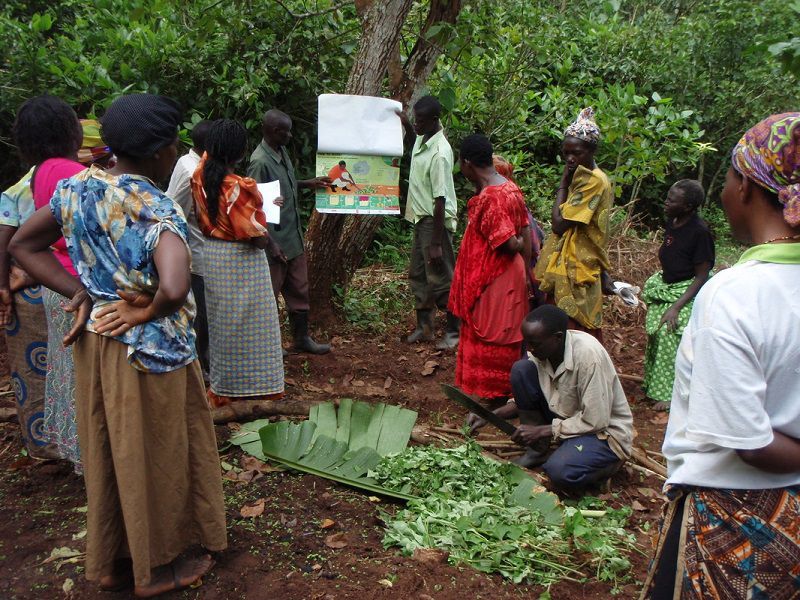
    [4] For centuries, we have made moi-moi in these leaves. They say these leaves provide a unique aroma you do not get when you use tin foil or other forms of packaging

    [5] Some packaging companies have already made a move in the market with the introduction of moi-moi pouches. However, are these pouches ever going to become mass-market products?

    [6] If any company wants to corner the market, it needs to make its pouches out of these special leaves

    [7] What I would like to see is one state governor take the initiative here. Launch a venture in which the state government owns a 25% stake with the rest of the company owned by the private sector

    [8] Let us assume, for instance, that it is Governor Lucky Ayedatiwa of Ondo State who launches such a venture for instance. He should locate the plant at somewhere like Ore, maybe calling it the Nigerian Food Packaging Company and then get confectionery giants like maybe Unilever, Gino, Nestle, etc to own 75% of the company. His government should be content with a 25% stake

    [9] Just imagine the number of jobs this venture will create. It will also spur the expansion of plantations to grow more of these leaves and ultimately the opening of plants to manufacture the equipment used in the factory

    [10] You see, this kind of company would be a mega game changer, as it would turn Nigeria into the manufacturer of a globally acclaimed product that will generate billions in foreign exchange earnings. Sadly, the oil doom has blinded us to these kind of opportunities

  • Access Corporation, UBA gains.

    Access Corporation, UBA gains.

    The domestic bourse ended the last trading session of the week on a bullish, as investors’ sustained interest in the banking sector drove the benchmark, NGXASI up by 10bps, closing at 67,200.69 points.

    The day’s positive performance was driven by investors’ buying interest in large and mid-cap stocks, amongst which were: Access Corporation (+0.63%), UBA (+0.29%), Dangote Sugar (+4.66%), NASCON (+4.96%), Unilever (+1.42%) and 11 other stocks. and 13 other stocks, all contributing to the overall positive market trend.

    As a corollary, the year-to-date return rose to 31.12%. The overall market capitalization gained 0.10% for the day, to settle at N32.92trillion. Consequently, investors wealth rose by ₦37.08bn.

    CURRENCY MARKET:

    The Nigerian Naira depreciated by 0.75% against the US Dollar in the I&E Window, closing at a rate of N764.86/USD.

  • Feature: The necessary Agro-Processing centrepiece of Tinubu’s manufacturing policy

    Feature: The necessary Agro-Processing centrepiece of Tinubu’s manufacturing policy

    by Ayo Akinfe

    I hope that Tinubu’s agricultural plans are centred around developing farmers’ cooperatives and making agro-processing the centrepiece of his manufacturing policy

    [1] All of Nigeria’s 774 local government areas will be obliged by law to organise their farmers into cooperative units

    [2] Farmers will be encouraged to sell their produce, buy seedlings, pesticides and fertilisers, as well as farming equipment through these co-operatives to maximise efficiency and overhead costs

    [3] Every local government area must build at least one food storage facility within its domain. These facilities must be able to hold at least six months stock of food

    [4] An agricultural tax will be paid to the local government to help provide and maintain the necessary services to support farming programmes. Farmers will pay this tax when they harvest their crops

    [5] Agricultural cooperatives will be encouraged to move into value-added activities and will be provided with loans to facilitate this

    [6] A National Bank of Agriculture will be established to offer loans to farming cooperatives at maximum rates of 5%

    [7] Farmers will be encouraged to venture into organic agriculture because of the high premiums that this commands

    [8] Cooperatives will be encouraged to buy their members high-yielding hybrid seedlings to enhance unit-per-head output

    [9] Seed companies will be offered tax holidays to come and set up plants and facilities within Nigeria

    [10] Processing companies and food manufacturers like Cadbury, Nestle, Mars, Kelloggs, Tate & Lyle, Unilever etc, will be encouraged to establish plants in Nigeria to facilitate vertical integrated production. Our ultimate goal is to export finished, packaged and shelf-ready products to international markets. Tax holidays, 100 year land leases, duty waivers, etc, will all deployed to full effect

  • FrieslandCampina WAMCO: We are poised to Revolutionize Dairy Sector- Langat

    FrieslandCampina WAMCO: We are poised to Revolutionize Dairy Sector- Langat

    Known in multinational circles as a turnaround business strategist, the Managing Director of FrieslandCampina WAMCO and Sub-Saharan Africa Cluster, Ben Langat, has maintained steam in the sustainable dairy breakthroughs that the firm has championed in more than a decade.

    Since 2010 and still counting, FrieslandCampina WAMCO has invested over N21 billion in the Nigerian dairy sector even as the dairy giant continues to lead the transformation of the sector. Media visits to the dairy development sites of the firm across several states in the country show how the lives, living and livelihoods of thousands of farmers, their wives and children have gradually upscaled; improving their nutrition, health, earnings and access to child education, among other benefits that had eluded them for decades.

    Thriving on its corporate commitment to nourishing Nigerians with quality dairy products, FrieslandCampina WAMCO continues to help solve issues of malnutrition, poverty, herders and farmers’ incessant clashes, as well as promote sustainable dairy practices through intense and creative backward integration.

    The company has created over 100,000 employment opportunities, directly and indirectly through on-farm and off-farm activities; improved the livelihood of over 12,000 smallholder dairy farmers and pastoralists, which they have organized into cooperatives and integrated them into FrieslandCampina WAMCO’s fresh milk supply chain, which provides for the local dairy farmers guaranteed incomes and market access all-year round.

    FrieslandCampina WAMCO provided access to potable water for communities and livestock with the construction of 109 solar-powered boreholes and proficient extension services for value chain actors; extensive farmer2farmer training where Dutch farmers visit Nigeria to train local farmers on animal health, hygienic milking, and best global dairy practices.

    Besides developing productivity and efficiency in farm management, FrieslandCampina WAMCO is the highest off-taker of fresh milk produced locally for manufacturing in Oyo, Osun, Ogun, Kwara and Ondo and have spread their footprints into northern Nigeria as champions of the nation’s march towards a prosperous and self-sufficient dairy industry.

    Speaking to the media recently, the eminent dairy management maestro, Langat fielded these questions among others, thus lending credence to the impact his company has made in the dairy sector…

    How do you sustain local content for your products?

    To grow high milk-yielding cows, you must put in extra effort like we have been doing for over 12 years. FrieslandCampina WAMCO is the highest off-taker of fresh milk produced locally from five states in Nigeria. Our Yoghurt factories are running on local milk, so we can say we have brands that are 100% Nigerian in our portfolio. However, to meet the total dairy nutrition demands in a country as large as Nigeria, the available local milk is still very much inadequate. In my opinion, the model that the country will run will still have a reasonable mix of importation of some of the raw materials while local content is developed over a period of time.

    What impact do your dairy activities have in your host communities?

    We are doing all the right things if you look at it from the employment perspective. Among the 12,000 farmers we work with, there are about 1500 Fulani women who had been at home. Today, they are productive and are regularly paid for raw milk and their families are much more prosperous than before – the farmers, their wives and children. In some cases, their mud huts have been rebuilt to brick houses and their children now go to school, which they could not afford before.

    How have you dealt with the paucity of Forex and threats of insecurity?

    We have had to restrict our Forex needs as much as we can and source it legally. We sometimes source from commercial banks in addition to whatever the Central Bank of Nigeria (CBN) is able to make available. Also, some of our service providers are able to source Forex and supply us products in Naira. This invariably means that the cost of raw materials will go up and ultimately affect the retail prices of our products. On insecurity, we have regular conversations with relevant government security agencies. We will never risk the lives of our people. Where we have security challenges around areas where we operate, we pull out for the time being like the case of the Bobi Reserve in Niger State. We had to withdraw from the location due to banditry to avoid risking our people’s lives. We are now in eight states in Nigeria; we work with 23 dairy cooperatives; we collect more than 40,000 litres of milk daily at peak periods and have best-in-class raw milk quality, one of the best in Africa.

    BIO: Bernard Cheruiyot Langat joined FrieslandCampina WAMCO Nigeria in 2017 as the Managing Director and in July 2021, his role was expanded to Sub-Saharan Africa Cluster. He has over 30 years’ experience having worked in leading multinationals – Unilever, Coca Cola Hellenic – and across African markets in Kenya, Malawi, Ghana and Nigeria, where he has consistently led businesses to accelerate performance and build long-term growth strategies and has delivered impressive results even during volatile times.

  • Jumia Nigeria Kicks Off Its 11th Anniversary Celebration with Exciting Offers

    Consumers to enjoy great deals on a wide range of products from top brands

    Jumia, the leading pan-African e-commerce platform, has announced the launch of its highly anticipated 11th-anniversary campaign, dubbed “Flex with Us,” offering millions of consumers in Nigeria exciting offers on an extensive selection of products.

    Scheduled to run from June 16 to June 30, 2023, the campaign aims to express gratitude to Jumia’s loyal consumers for their unwavering support over the past years. Jumia has partnered with esteemed brands, such as Diageo, Nivea, Oraimo, Xiaomi, Unilever, Pernod Ricard, Haier Thermocool, DeFacto, and Binatone, to bring consumers an unparalleled array of exclusive deals and exciting promotions across various categories, including electronics, fashion, beauty, home appliances, and more. There would also be great offers from top restaurants like Samantha Bistro & co, Domino’s Pizza, Yin Yang Express, Dodo Pizza, Bukka Hut, and much more.

    “At Jumia, we are incredibly grateful for the continued trust and patronage of our consumers and partners throughout our journey. Over the past 11 years, Jumia has played a transformative role in shaping the e-commerce landscape in Nigeria, and we remain dedicated to empowering businesses and providing convenience and affordability to our valued consumers. We invite everyone to join us during this special occasion as we flex our commitment to delivering the best shopping experience to all our consumers regardless of their location in the country,” said Massimiliano Spalazzi, CEO of Jumia Nigeria.

    The campaign represents a unique opportunity for consumers to explore a diverse range of top-quality products from renowned brands. Consumers can expect Treasure hunt, brand days, flash sales, and other exciting activities throughout the two-week long celebration.

    “Partnership with Jumia over the past couple of years has been an exciting one with the opportunity of delivering the Diageo brands to all consumers nationwide at the convenience of their homes. As we gear up for the Jumia anniversary, we are excited to be part of one of the biggest events in the e-commerce space with an opportunity to drive the Diageo brand experience with innovative products across the Drinks category,” said Chizoba Oragwu, Head of Modern Trade and E-commerce at Diageo.

    As Jumia celebrates its 11th anniversary, it reaffirms its dedication to providing an exceptional shopping experience, empowering businesses, and making e-commerce accessible to all Nigerians. Jumia is also committed to meeting the shopping needs of consumers beyond just the main cities, especially underserved areas where traditional retails remains limited. The “Flex with Us” campaign promises to celebrate Jumia’s accomplishments, its loyal customers, esteemed brand partners, and stakeholders.

  • Feature: Saving Nigeria’s Manufacturing Industry

    Feature: Saving Nigeria’s Manufacturing Industry

    By Elvis Eromosele 

    The manufacturing industry is crucial to a nation’s economy. It plays a significant role in generating employment, increasing productivity, and driving economic growth. In Nigeria, the manufacturing industry is a critical sector that contributes significantly to the country’s gross domestic product (GDP) through job creation, wealth creation, and increased tax revenue for the government. 

    It has equally been identified as a key sector in the nation’s quest for diversification away from oil dependency. It can enable a country to reduce its reliance on imports, improve its trade balance, and increase its overall competitiveness. Manufacturing is almost all things good. 

    Unfortunately, the nation’s manufacturing industry has long struggled with a host of challenges that have prevented it from achieving its full potential. Some of these challenges have intensified in the last decade. 

    Today, one of the biggest obstacles facing Nigerian manufacturers is the lack of reliable infrastructure. Power shortages, poor road networks, and limited access to ports and airports make it difficult for companies to move goods and raw materials around, in and out of the country. This leads to higher costs, longer lead times, and reduced competitiveness. While the General Buhari administration has invested in rail, there is still no horizontal rail in the country. There is no single track connecting the west to the east, not in the south or north.

    Another major challenge is the difficulty in accessing finance. Many Nigerian manufacturers struggle to obtain the capital they need to invest in new equipment, upgrade facilities, or expand their operations. This is partly due to the high cost of borrowing, as well as the reluctance of banks to lend to the manufacturing sector due to perceived risks. 

    Closely related is the volatility of the foreign exchange market, difficulty in accessing forex and currency depreciation. To understand the devastating impact of this issue, consider this: Unilever, one of the oldest surviving fast-moving consumer goods (FMCG) companies, is cutting down production in Nigeria which may lead to the demise of otherwise popular brands such as Sunlight, Omo, Closeup, LifeBuoy, Vaseline, Dove, or Knorr. 

    According to news reports, the firm, which is one hundred years old in Nigeria this year, cites the naira’s continued devaluation, a high rate of exchange for the US dollar, and a chronic cash crunch as reasons for its decision. There is no prize for guessing that jobs have been and will be lost. Unilever has joined the growing list of companies scaling down or else shutting down operations in Nigeria. 

    Skilled labour is also in short supply, with many manufacturers struggling to find workers with the necessary technical expertise. This is partly due to the poor state of the country’s education system, which fails to provide young people with the skills they need to succeed in the modern workplace. As a result, many manufacturers have to rely on expensive expatriate labour, further increasing their costs.

    The manufacturing industry, like other sectors, has also had to contend with rising taxes and levies. In the last decade Value Added Tax (VAT), excise duty, utility tariff and petrol all rose significantly. Now the President Buhari’s administration has gone ahead and introduced, what Taiwo Oyedele, Tax Expert, PWC, called a parting tax gift via the new Fiscal Policy Measures (FPM) for 2023 through a Circular dated 20 April 2023 signed by the Minister of Finance, Budget and National Planning.

    Under the new FPM, Revised Excise Duty Rates – additional excise taxes ranging from 20 per cent to 100 per cent increases on previously approved rates for alcoholic beverages, tobacco, wines and spirits have been introduced effective from 1 June 2023. while the excise duty rate on non-alcoholic beverages is retained at the rate of N10 per litre.

    There is also now Green Taxes. The introduction of a Green Tax by way of excise duty on Single Use Plastics (SUPs) including plastic containers, films and bags at the rate of 10 per cent. 

    This excise duty increment is baffling. Is the government eager to run the brewing sector out of business and boost unemployment? The whole manufacturing sector is on life support as we speak, tax increases should be the last item on the table. 

    Furthermore, Nigerian manufacturers also face intense competition from cheaper imports, particularly from Asia. This puts pressure on local producers to keep their prices low, even as they struggle with high costs and limited resources. It is a sad picture. 

    Despite these challenges, there are several steps that Nigerian manufacturers and the government can take to improve their prospects:

    The government can intervene by providing foreign exchange to manufacturers at preferential rates or through the targeted allocation of forex to manufacturers that import raw materials and equipment. This will help reduce the cost of production and improve the competitiveness of local manufacturers. 

    The government can also improve the ease of doing business by reducing the bureaucratic bottlenecks that hamper manufacturing activities in Nigeria. This can be achieved by simplifying registration processes, reducing the time it takes to obtain licenses and permits, and improving access to credit. It includes addressing the inefficiencies at ports and customs by implementing reforms that improve cargo clearance processes, reduce corruption, and enhance the transparency of operations. This will reduce the cost and time associated with importing raw materials and exporting finished products, and improve the overall efficiency of the manufacturing sector.

    The government can, in addition, invest in critical infrastructure such as power, transportation, and telecommunications, which are essential for manufacturing activities. This will help reduce the cost of doing business and improve the efficiency of operations. It must equally look to invest in, begin and complete a west-east rail line. 

    The government can also invest in research and development (R&D) to encourage innovation and improve the quality of locally produced goods. This can be achieved through partnerships with universities and research institutions, and the establishment of government-backed R&D programs.

    Moreover, good corporate governance practices can help manufacturers remain sustainable by improving transparency, accountability, and risk management. Manufacturers can establish effective board structures, implement strong ethical standards, and prioritize stakeholder engagement. They can also adopt sustainability reporting frameworks to demonstrate their commitment to environmental, social, and governance (ESG) practices.

    To improve access to finance manufacturers can explore various financing options such as equity financing, debt financing, and alternative financing such as crowdfunding. 

    Capacity building is essential for manufacturers to remain competitive and sustainable. Manufacturers can invest in training programs for their staff, adopt best practices from other industries, and collaborate with universities and research institutions to develop new technologies and improve their product offerings. Manufacturers need to work closely with universities and vocational schools to ensure that young people are equipped with the skills they need to succeed in the industry. This can help address the skills gap and reduce reliance on expensive expatriate labour.

    Finally, policymakers can play a role in supporting the sector by providing incentives for local production, such as tax breaks or preferential treatment in government procurement. This can help level the playing field and make it easier for local manufacturers to compete with imports.

    The government must be deliberate if it truly wants to create an enabling environment for the manufacturing sector to thrive and contribute to the overall development of the Nigerian economy. And it must begin immediately. 

    Elvis Eromosele, a Corporate Communication professional and public affairs analyst lives in Lagos.