Brito Sporting Club of Portugal, a football club founded in 1956, has signed an official contract with a United Kingdom-based highly-talented, young Nigeria-born footballer, Yaqub Usman-Malah.
The official unveiling of the young promising footballer was carried out on Saturday, January 4, 2025.
Yaqub, born in Nigeria in 2006, is a budding Nigerian talent with unquantifiable promise and potential.
Prior to his official contract with Brito Sporting Club of Portugal, he was a student and a trainee player with the Brooke College Football Academy in the United Kingdom.
At Brooke College Football Academy, Yaqub had an impressive goal average of 17 goals in 32 matches with no injuries in 116 training days, cumulating into 2,270 minutes of on-field action.
A clear testimony of his outstanding performance at the Academy was provided by the lead coach of the Under-17B team Yaqub played with.
The lead coach, Tomasz Wasylik, described Yaqub as a ‘well-liked person’ and a role model to his teammates due to his professionalism and unmatched work rate.
The Lead Coach further stated that Yaqub has played in National School Cup competitions against other colleges and programmes in the 2023/2024 session and is a good ‘tactical player’, ‘technically good” and can ‘play in multiple positions on the field’.
It is expected that Yaqub will live to the potential and promise identified by Coach Tomasz Wasylik of the Brooke College Football Academy and achieve greatness in his new club.
“While looking forward to the display of his unarguable skills and boundless stamina, we wish Yaqub a successful career and a place in the halls of football greatness across the globe,” Yaqub’s father, Mr Usman Malah said in a statement issued to the media, on Wednesday 8, 2025.
Negotiations to produce a legally binding treaty to curb the global explosion of plastic pollution fell short on Sunday as efforts to limit the production of fossil fuel-based plastics supported by over 100 countries, including the European Union, met fierce opposition from oil-producing nations.
A coalition of oil and gas producers led by Saudi Arabia that included Iran, Russia, and other Gulf states under the Arab group, opposed capping plastic production, insisting the treaty should focus solely on plastics waste management.
Negotiations this week in Busan, South Korea (known as INC-5), were meant to be the final round of a two-year process to create what the UN Environment Agency and environmental groups called “the most important multilateral treaty” since the 2015 Paris climate agreement.
Instead, the Busan summit became the third major failure of multilateral environmental negotiations in as many weeks, following disappointing outcomes at COP29 in Baku and a total collapse of talks over new funding and enforcement mechanisms at the UN Convention on Biological Diversity’s COP16 in Cali, Colombia, which aimed to protect nature and wildlife.
“A few critical issues still prevent us from reaching a comprehensive agreement,” said the chair of the negotiations, Luis Vayas Valdivieso, Sunday evening, in delivering the message there would be no final outcome at this round.
Nearly 200 nations participated in the negotiations. The next round of plastics negotiations has not been scheduled or assigned a location.
“Our mandate has always been ambitious. But ambition takes time to land,” Valdivieso said. “We have many of the elements that we need, and Busan has put us firmly on a pathway to success … to reverse and remedy the severe effects of plastic pollution on ecosystems and human health.”
Deep fault lines unresolved
Microplastics were detected in human blood for the first time this year, heightening research efforts to understand their effects on our health.
Deep fault lines have persisted since talks began in Paris in March 2022. Nations remain divided over plastic production limits, bans on harmful chemicals in plastics, recycling’s role in solving the crisis, and funding for developing nations to implement the treaty’s goals.
The scale of disagreement was laid bare in the previous negotiating round in Ottawa in April, which produced a near-illegible draft with 3,400 disputed sections. The final text published by the chair has whittled these down to 340 contested items, but the core disputes that have defined debates since the start remain unsolved.
“It is clear there is persisting divergence in critical areas,” UNEP executive director, Inger Andersen said in a statement, adding that talks had “moved us closer” to a legally binding treaty to protect “our future from the onslaught of plastic pollution.”
While the failure to reach an agreement after 18 months marks a significant setback, other major UN environmental processes have faced far longer paths. It took three decades for climate negotiations to formally acknowledge fossil fuels’ role in global warming, while UN biodiversity talks reached their first binding treaty in 2022, thirty years after the 1992 Rio Earth Summit.
“The world’s commitment to ending plastic pollution is clear and undeniable,” Andersen said. “More time is needed.”
Ambition up
More than 100 countries, including the EU and the United Kingdom, backed a Panama-led draft text in Busan calling for reducing plastic production to “sustainable levels”. The proposal would require nations to report their plastic production, import and export data to monitor global progress on curbing new plastics.
The level of support mirrors broader backing for tough measures on plastics. WWF tallies from the third round of negotiations in Nairobi in late 2023 showed over 100 countries favouring bans or phase-outs of the most harmful plastics, with 140 pushing for a legally binding treaty.
These nations argue plastic production is the root of the crisis. In the thousand days since nations first agreed to establish a binding treaty on plastic pollution, manufacturers have produced more than 800 million tonnes of new plastic, over 30 million tonnes have leaked into oceans, while millions more have been incinerated or sent to landfills.
“Postponing negotiations does not postpone the crisis,” Panama’s lead negotiator, Juan Carlos Monterrey Gomez, told the closing plenary on Sunday. “When we reconvene, the stakes will be higher. This is not a drill, this is a fight for survival. We did not accept a weak treaty here, and we never will.”
But the bloc known as the “like-minded” group of petrochemical producers, led by Saudi Arabia and including Russia, Iran, and other Arab states, oppose Panama’s proposal to limit production. These nations argue that including production limits oversteps the treaty’s mandate, which they say should focus solely on plastic pollution and waste.
Their plan to maintain plastic production growth threatens to derail global climate goals. Scientists estimate that a 75% reduction in plastic production is needed by 2040 to keep global warming to 1.5 degrees Celsius. Without such cuts, plastic production alone could consume up to 31% of the world’s remaining carbon budget to stay within that critical temperature threshold.
Health risks mount as treaty’s approach remains undecided
Beyond the climate impacts, plastics pose escalating health risks through contamination of food chains, water, soils, and ocean life – all eventually making their way into people’s bodies.
Scientists have detected plastic particles in human blood, lungs, breast milk, and unborn children. Research shows that people unknowingly consume about five grams of microplastics weekly through eating, drinking and breathing, while over 3,200 chemicals in plastics have known toxic effects and another 5,000 remain inadequately studied.
Researchers have even discovered “plasticosis,” a new condition where microplastics alter cell behaviour in human and animal organs.
Despite this growing evidence base, the treaty’s approach to health remains undecided. The final text presents two options: a standalone health article championed by Brazil, or strengthened health references throughout the document.
With negotiations in Busan conducted behind closed doors, countries’ positions on this choice remain unclear.
“Our babies are entering this world with their brains and bodies already contaminated with plastics, exposing them to toxic chemicals that can affect their ability to learn and increase their risk of endocrine disorders, reproductive harm, and cancers,” Aileen Lucero from the International Pollutants Elimination Network (IPEN) told delegates at the closing session.
The financial toll on health is mounting. The Endocrine Society found just four families of plastic chemicals cause over $400 billion in annual health costs in the United States alone. Globally, the UN Environment Programme warns that inaction on chemical and plastic pollution could cost up to 10% of global GDP.
“The science is clear: A treaty that protects human health and the environment needs to address the issues of plastic production and chemicals,” said Bethanie Carney Almroth, Professor at the University of Gothenburg, speaking for the Scientists’ Coalition for an Effective Plastics Treaty, a network of over 400 independent experts.
Paradox for the healthcare industry
There is also a paradox, however, for healthcare professionals. The healthcare industry relies heavily on plastics like PVC in essential medical equipment from IV tubing to protective gloves and masks. The COVID-19 pandemic only deepened this dependence as single-use protective gloves and masks became even more widely used by the general public, as well as health care practitioners, for infection prevention.
But at the same time that a growing chorus of voices in the health sector also are calling attention to the health impacts of plastics in medical devices. Groups like Health Care Without Harm have worked to reduce use, and improve management, of plastics in health care facilities, and particularly of PVC, whose production requires large inputs of highly toxic mercury, asbestos or PFAS [per- and polyfluoroalkyl. One PVC’s main building blocks, vinyl chloride, is a potent carcinogen. They also have called out the impacts of health sector medical waste incineration – which in low- and middle-income countries may be in primitive stoves or open pit fires. This further generates community exposures to dangerous particulate pollution as well as longer-lived Persistent Organic Pollutants (POPS), such as dioxins and furans.
At the same time, improving health sector management of plastics used, and eventually transition to new types of single-use materials that are both safe and environmentally friendly is not an easy process – a widely acknowledged fact of life.
“There are specific considerations for the health industry due to the stringent regulatory rules that are applied to ensure that materials meet rigorous quality, safety, and efficacy standards to protect patient health. Changes require time and resources, from industry and from national regulatory agencies, to be implemented. Testing and validation of innovative packaging material can take up to 5-10 years to complete,” said the International Federation of Pharmaceutical Manufacturers and Associations (IFPMA), in a joint statment with the Global Self Care Federation and the International Generic and Biosimilar Medicines Association, at the start of the Busan meeting.
“We believe it is possible to achieve a treaty that protects both the environment and human health, through harmonized, targeted extended compliance periods; in line with regulatory standards and timelines; and through limited exemptions where no feasible and safe alternatives exist at sufficient quality and scale,” the statement continued. “It will be critical to include such provisions in both the instrument and the annexes, as required. This will provide the approach needed to transition while new or alternative materials, processes, and formulations are established in collaboration with regulatory authorities.”
Fossil fuels crash the party, again
Unrecycled plastics have knock-on effects on the environment, emissions, biodiversity, and human health.
Regardless of whether the concerns related to health, environment or climate, oil-producing nations maintained the treaty’s focus should be on the waste, and not the product itself.
“The objective of this treaty is to end plastic pollution, not plastic itself,” Kuwait stated for the “like-minded group” of fossil fuel producers on the final day. “Attempting to phase out plastic rather than addressing the issue of plastic production risks undermining global progress and exacerbating economic inequality.”
With negotiations largely behind closed doors, observer access was limited. Yet reports emerged of Saudi Arabia’s blocking tactics – from demanding unanimity on every decision to raising repeated procedural objections. The Saudi delegation even disputed a Brazilian working group leader’s authority to schedule a lunch meeting to recover lost time, the New York Times reported.
The Global Partnership for Plastics Circularity, an industry group established specifically to influence the treaty talks and representing fossil fuel giants like Saudi Aramco, Chevron, Shell, and ExxonMobil, emphasised “addressing mismanaged waste” through improved recycling and waste collection systems.
These arguments mirror tactics the petrochemical industry has employed since the 1960s. But decades of evidence tell a different story. Of the 8.3 billion tons of plastic ever produced, only 9% has been recycled, while 79% has ended up in landfills or the environment.
The 2023 Plastics Overshoot report found that 43% of plastic produced globally is mismanaged and will likely contaminate air, water, or soil. The 2023 Plastic Waste Makers Index, meanwhile, called recycling “at most, a marginal activity” – and with increasingly complex chemical compositions in plastics, the problem is only getting worse.
Industry’s strategic pivot
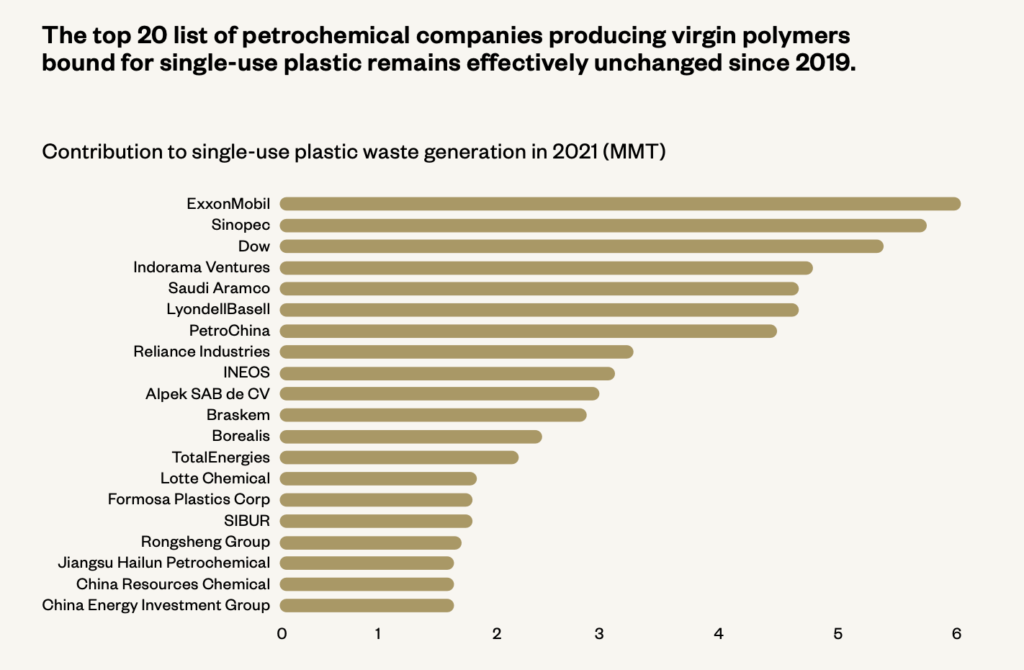
Top 20 global producers of single-use plastics for the year 2021. The list remains effectively unchanged since 2019.
The fierce resistance to production limits stems from oil-producing nations’ strategic pivot toward plastics as traditional markets decline. For the fossil fuel industry and its partners, plastics offer a horizon for continued expansion even as power grids and vehicles shift to renewable energy. Petrochemicals and plastics are projected to become oil’s primary demand driver – accounting for half of consumption by 2050, according to IEA forecasts, with plastic production set to represent 20% of oil and gas output.
While Saudi Arabia led the fight against production caps in Busan, it’s part of a broader trend. Despite global pledges on climate and plastic pollution, major petrochemical investments continue across the Middle East, China, and the US, University of Lund research shows. For oil and gas producers, plastics offer a profitable sanctuary as clean energy expands. Petrochemicals yield higher margins than transport fuels – crucial as energy-sector fossil fuel demand wanes.
Lost in the battles in Busan were the positions of the world’s two largest plastic producers. Both China and the United States were notably absent when treaty advocates made their case for production limits on Sunday.
Though the US backed production cuts earlier this year, observers suggest this position is likely to shift following Donald Trump’s recent victory and pledges to continue expanding record levels of oil production. Beijing has put forth proposals to limit the use of harmful chemicals in plastics, but shown little interest in capping production.
Plastics lobbyists swarm talks
Plastic threads rest on a coral reef off the coast of Wakatobi National Park, Indonesia.
Plastic-producing nations were supported by an unprecedented industry presence at the UN talks. Fossil fuel and chemical industry lobbyists formed the largest single delegation, with 220 representatives. This group outnumbered both the European Union’s combined delegation and the host country South Korea’s representatives, according to analysis by the Center for International Environmental Law.
The industry’s efforts to shape the treaty have been extensive. Over 93% of statements opposing an ambitious treaty came from chemical and petrochemical sectors, with companies like ExxonMobil, Dow Inc, BASF, and SABIC leading efforts to weaken the agreement, according to a report released during the talks by InfluenceMap.
“Their strategy — lifted straight from the climate negotiations playbook — is designed to preserve the financial interests of countries and companies who are putting their fossil-fueled profits above human health, human rights, and the future of the planet,” said Delphine Levi Alvares, Global Petrochemical Campaign Manager at CIEL.
The industry’s aggressive presence at the talks reflects what’s at stake. Petrochemical companies increasingly see plastics as a safe haven from carbon regulations as demand for fossil fuels declines in other sectors.
This pivot to plastics production helps offset falling fuel demand, but threatens to dramatically increase plastic waste globally, research shows.
“There is little assurance that the next INC will succeed where INC-5 did not,” the Global Alliance for Incinerator Alternatives (GAIA), representing local communities affected by plastic pollution, said in a statement. “There is a strong probability that the same petro-state minority will continue their obstructionist tactics and further imperil the plastics treaty process.”
The British Council is proud to announce that the 2024 edition of the highly anticipated Going Global Africa 2024 Regional Conference, themed “Building Sustainable and Relevant Tertiary Education Institutions and Systems in Africa” will be hosted in Abuja, Nigeria.
The annual event which is set to hold from the 26th to 28th November 2024 at the Transcorp Hilton Hotel, will explore how international partnerships can enhance tertiary education in Africa with focus on promoting thought leadership , fostering networking opportunities, encouraging stronger partnerships, and showcasing successful educational tools and innovations.
Hosted in collaboration with the Federal Government and the Ministry of Education, this landmark event will gather influential leaders and stakeholders from across Africa and the UK to tackle the critical challenges facing tertiary education on the African continent.
The conference will bring together over 200 senior stakeholders from various sectors, including Vice-Chancellors, Senior Government Officials, Policymakers, industry leaders, funders, influential students, and graduates from both Africa and the UK, amongst others.
British Council is dedicated to promoting a network of education leaders across the continent to enhance knowledge sharing and shape the future of higher education.
For almost two decades, the Going Global conference has provided a strategic platform for international education leaders to network, share knowledge, and shape the future of higher education.
Following the success of the Asia-Pacific edition in 2022 and the UK edition in 2023, this upcoming regional conference will be dedicated to Sub-Saharan Africa, reinforcing the UK’s commitment to supporting education in the region.
VFS Global was recently awarded the contract to provide UK visa services in 142 countries worldwide
Residents of the Democratic Republic of Congo, Cote D’Ivoire, Gabon, Gambia, Madagascar, Mauritius, and Seychelles, travelling to the UK can now book appointments to submit their visa applications through VFS Global’s new state-of-the-art Visa Application Centres.
Effective 22 October 2024, customers applying for a UK visa will be directed to VFS Global to book an appointment to complete their visa application. Customers will also have the option to choose additional services designed to make the application process easier.
Mr Marc Owen, Director for Visa, Status and Information Services at UKVI, said: “The opening of our new Visa Application Centres mark an exciting milestone in the provision of a world-class UK visa service. We’re committed to ensuring our visa services are accessible, efficient, and meet the needs of all applicants.”
Commenting on the launch of the new Centres, Mr. Alok Singhal, Head- Sub-Saharan Africa, VFS Global, said, “We are excited to embark on this new journey with UK Visas and Immigration here across Sub-Saharan Africa. We have enjoyed a long-standing partnership with UK Visas and Immigration since 2003 and look forward to now bringing travellers from the Democratic Republic of Congo, Cote D’Ivoire, Gabon, Gambia, Madagascar, Mauritius, and Seychelles our best-in-class services.”
UK visa customers can now choose from a range of optional services, depending on their location, offered by VFS Global to provide enhanced comfort and convenience. These include document upload assistance, Prime Time for application submission outside of business hours, SMS notifications, document checking service, and courier return of the passport once a decision has been made.
VFS Global’s Keep My Passport While Applying service allows customers in the Democratic Republic of Congo, Cote D’Ivoire, Gambia, Madagascar, and Mauritius to keep their passports once their application is submitted and biometrics have been enrolled. Customer will only need to re-submit their passport when a decision is reached.
The services can be booked in advance on www.VFSGlobal.com or at the Visa Application Centre at the time of the appointment. These services are completely optional and have no bearing on the processing timeline and outcomes of visa applications.
As a partner to the UK Visas and Immigration since 2003, VFS Global offered visa services in 58 countries before the new contract and has now been awarded the contract to provide UK visa services in 142 countries worldwide. In the African region, VFS Global will provide Visa Application Centres for the UK in 31 countries, from October 2024.
UK Visa Application Centres Democratic Republic of Congo: 1st Floor. Office no 104, kiyo Ya Sita Building ,364 boulevard du 30 juin, Gombe, Kinshasa Cote D’Ivoire: Rue des Carrossiers, Treichville zone 3,Centre commercial HLM, 1er étage, Abidjan Gabon: Radisson Blu Okoume Palace Hotel, 5 Boulevard de Nice, Libreville Gambia: 2nd Floor, Plot 948, Brusubi Phase 1, Bertil harding Highway, Banjul Madagascar: Novotel Convention & Spa (TEL), 101 Antananarivo Mauritius: Madeleine House, Third Floor, Sir Seewoosagur Ramgoolam Drive, Port Louis Seychelles: Eden Bleu Hotel (TEL), Eden Island, Seychelles, Eden Bridge NA
…10 teams to receive $1 million in total funding to support financial inclusion efforts for small businesses in emerging markets
The Milken Institute and the Motsepe Foundation announced the 10 teams advancing to the Semifinalist Round of the Milken-Motsepe Prize in FinTech, with each team receiving $100,000 in funding.
Responding to a global call for applications, this prize supports innovative solutions to expand access to tools necessary for financial inclusion across emerging and frontier markets.
The Semifinalists will participate in an Innovation Showcase at the Milken Institute’s Middle East and Africa Summit December 5-6, 2024, in Abu Dhabi, UAE. During this event, the 10 teams will pitch their innovations to a panel of expert judges and investors, and three teams will be selected to move on to the final round of the prize. The judges will evaluate the pitches based on the teams’ ability to deliver solutions that improve financial inclusion for under-resourced groups in emerging and frontier markets.
The prize will ultimately award $2 million in total prizes, including a $1 million Grand Prize. Following the December showcase, the Grand Prize will be awarded at the Milken Institute’s Global Conference in Los Angeles, in May.
“By supporting these pioneering teams, we aim to foster financial inclusion and empower entrepreneurs who drive economic growth and opportunities in their communities,” said Emily Musil, Senior Director, Milken Institute. “Our prizes help identify, support, and celebrate talent to ignite the entrepreneurial spirit and empower visionaries to turn their ideas for a better future into reality.”
These teams operate in nearly 30 countries across three continents, and their innovations hold the potential for significant breakthroughs in financial inclusion for underserved communities on a global scale. Over the next four months, the Semifinalist teams will test and scale their solutions, which will be evaluated for impact, scalability, and sustainability.
The 10 Semifinalists:
AZA Finance, Kenya
Team lead: Caroline Shiku Njathi
AZA Finance is a B2B FinTech company offering businesses low-cost, efficient, and secure financial services, including payments, currency exchange, and treasury, across all major currencies.
Chapa, Ethiopia
Team lead: Nael Teklehaimanot
Chapa is an online payment gateway company with a developer-friendly API that simplifies integrating payment processing into websites and applications for Ethiopian businesses.
Chumz, Kenya
Team lead: Sam Njuguna
Chumz is a gamified savings product that leverages behavioral psychology to help individuals save at low cost.
Farmpawa, Uganda
Team lead: Moses Eteku
Farmpawa is a crowd farming platform that connects investors with real farming assets, empowering farmers and driving sustainable agricultural growth.
Flow Global, United Kingdom
Team lead: Michael Rothe
Flow Global is a liquidity engine that helps retail merchants grow in the digital economy by addressing all of their working capital needs.
Paycloud by Lipa Later, Kenya
Team lead: Eric Muli
Paycloud is a digital banking platform that addresses late payments in Africa by offering seamless payment processing, payment splitting, automated invoicing, and financial tools.
Nyla Bank, Ghana
Team lead: Mubarak Sumaila
Nyla Bank is building Africa’s first digital Islamic bank with a goal of empowering 1 billion people with innovative, Shariah-compliant products and services that align with ethical principles.
Oze, Ghana
Team lead: Meghan McCormick
Oze is a digital lending platform that bridges Africa’s credit gap by providing banks with a small and medium-sized enterprise- (SME) focused app that digitizes financial data, enabling risk assessment and lending to small businesses.
Trade Lenda, Nigeria
Team lead: Adeshina Adewumi
Trade Lenda is a banking platform tailored to SMEs, where loans can be accessed within one to six hours, and micro-savings can be achieved for business goals.
Verto, United Kingdom
Team lead: Rachel Coombs
Verto is a business-to-business cross-border payments platform for businesses in emerging markets, powered by a unified network that eliminates intermediary fees, handles 49 currencies, and settles transactions faster.
Mrs Afolasade Olowe has been appointed as the substantive Company Secretary of Cadbury Nigeria Plc effective 7 October 2024. According to the notification to the Nigerian Exchange Limited, she succeeded Mrs Fola Akande, who recently retired.
Mrs Olowe brings over two decades of experience in company secretarial practice and corporate governance, and we are confident that her expertise will enhance the Company’s corporate governance and company secretarial compliance.
Before joining Cadbury Nigeria, she was Senior Counsel and Company Secretary at Unilever Nigeria Plc. During her tenure at Unilever, she led the legal team in providing tailored legal advisory insights and direction to the organisation on diverse aspects of law. Furthermore, as Company Secretary, she ensured the entrenchment of good corporate governance within the board as well as the entire organisation.
Afolasade is a member of the Nigerian Bar Association and holds an MBA from the Henley Business School, University of Reading, United Kingdom. Afolasade will form part of the SSA Legal team and will also join the West Africa Leadership team.
She is an Associate of the Institute of Chartered Secretaries and Administrators of Nigeria as well as the Society for Corporate Governance.
…Film Africa will take place from Friday 25 October until Sunday November 3 continuing its mission of highlighting African and African diaspora filmmaking
The Royal African Society is honoured that Keith will lead Film Africa’s curation, bringing his extraordinarily rich and wide experience in international curation and film festivals, as well as a record of championing African cinema and its profile in the United Kingdom, Europe, Africa and the Caribbean.
As well as being the founder and director of Africa at the Pictures, a London-based festival of African cinema, Keith is a programme adviser to the London Film Festival and a founder member and current chair of the Africa Movie Academy Awards, and has advised the curation of international film festivals including the Venice Film Festival, the Berlin International Film Festival, the Dubai International Film Festival, the Panafrican Film and Television Festival of Ouagadougou and the Tampere Film Festival. He is also the Regional Secretary (Europe) for the Federation of African Filmmakers (FEPACI), and a Visiting Research Fellow at the Centre for Research and Education in Arts and Media (CREAM) at the University of Westminster.
Keith sits on the advisory board of New York’s Focus Features Africa First Programmed, which has long supported young African filmmakers through its mentorship programme.
In keeping with the Royal African Society and Film Africa’s ethos of expanding access to, and inclusion within, African culture and perspectives, the festival’s programme and emphases will reflect input from and be enriched by a diverse range of curators, filmmakers, and critics, to reflect the complexity and nuances of different African and diasporic voices.
Keith Shiri said: “I am excited to join Film Africa as a curator. African artistry – especially in cinema – is experiencing a period of unparalleled invention and experimentation, and Film Africa provides the ideal forum in which to share these cultural treasures with audiences from the continent, as well as Britain’s various diaspora communities and the wider British public. I look forward to working to assemble a bench of films and speakers to progress our collective conversation about African film – as well as African cultural trends and the perspectives of those whose continent will, this century, emerge as the world’s most important and populous.”
Film Africa 2024
Film Africa, London’s unrivalled celebration of African and African diaspora cinema presented by the Royal African Society, is delighted to announce the appointment of Keith Shiri – a titan of African cinema and visual culture – as the Festival’s Lead Curator. In 2024, Film Africa will take place from Friday 25 October until Sunday November 3 continuing its mission of highlighting African and African diaspora filmmaking. The Festival is now open to submissions from African and African diasporic filmmakers.
All entries will be considered for inclusion in the Festival and prizes will be awarded to two entries: The Baobab Award for best short film and the Film Africa Audience Award for best feature-length entry. Both awards have a £1000 cash prize.
In 2022, the 10th edition of Film Africa spanned over 10 days from 28 October – 6 November. The festival hosted screenings at 7 venues across London – Picturehouse Central, BFI Southbank, Rich Mix, The Ritzy, Bertha DocHouse, South London Gallery and The Africa Centre – as well as featuring a selection of 7 narrative and documentary films on the BFI Player. Film Africa 2022 presented an eclectic hybrid programme of 47 films from 16 countries (including 22 World, European or UK premieres).
The International Council of Nurses (ICN) has called on the World Health Organization (WHO) to consider a “time-limited moratorium of active recruitment of nurses” from countries on the WHO Health Workforce Support and Safeguard List.
This follows a “dramatic surge” in the recruitment of nurses from low- and middle-income countries (LMICs) by wealthy countries, according to the ICN.
The Safeguard List identifies 55 countries that face the most pressing health workforce challenges related to achieving universal health coverage (UHC). Health workers shortages are one of the primary causes of countries’ inability to achieve UHC.
It attributed the “dramatic surge in international nurse migration and recruitment” in large part to “attempts by some high-income countries to address their vast nursing shortages by actively recruiting from LMICs and easing the entry or professional recognition of internationally educated nurses (IENs)”.
The proportion of overseas-trained nurses employed in the Organisation for Economic Co-operation and Development (OECD) – made up of 38 developed countries – jumped from 5% in 2011 to nearly 9% in 2021.
The UK, USA, Canada, Australia, Germany and certain Gulf states are driving this recruitment
UK takes nurses from ‘red list’ countries
In the UK, for example, over 24,000 new international nurses were registered from September 2021 to September 2022, the highest in recorded history.
Some 19% of new overseas nurses in the UK between 2021-2023 came from countries facing “severe health workforce deficits”, according to the WHO Health Workforce Support and Safeguard List.
Over six months in 2022, over 20% of new international nurses (more than 2,200) came from just two “red list” countries: Nigeria and Ghana.
“Although active recruitment from these countries to the National Health Service (NHS) is prohibited in the UK, nurses can be first hired by for-profit recruitment firms to work in the private sector and later apply directly to the NHS as passive recruits,” according to the ICN.
International recruiters are also directly advertising to recruit scarce health care staff from low- and lower-middle-income countries in Africa, Asia, and the Caribbean, in breach of the code.
The US reported that over 17,000 nurses applied for visas in 2022, a 44% increase from the previous year.
“Countries that have not been traditionally active in international nurse recruitment are also showing increased demand for overseas-trained nurses, including Finland as well as Scotland, where the government announced an allocation of £4.5 million to support active international recruitment of nurses as part of the overall plan for pandemic recovery and renewal,” notes the ICN.
Low-income countries face huge nurse shortages
Tonga and Fiji reported losing 20% to 30% of their nurses, primarily to Australia and New Zealand, at the 2024 World Health Assembly (WHA).
In Fiji, 800 nurses in resigned in 2022, over a fifth of the nursing population. At present, the country has 2,003 remaining nurses and around 1,650 nursing vacancies. Many hospitals have less than 40% of their established Registered Nurse positions
Nursing representatives from Jamaica also reported at the WHA that around 20% of the country’s nurses have applied for certificates of current professional status, indicating that they are preparing to work abroad.
Over 1,700 registered nurses in Zimbabwe resigned in 2021, and some 900 left the country in 2022, with many moving to the UK.
The Ghana Registered Nurses and Midwives Association recently reported that around 500 nurses are leaving that country every month, particularly experienced, specialist nurses.
The Philippines has a current shortage of 190,000 healthcare workers and is expected to face a shortage of 250,000 nurses by 2030
Nurses’ right to migrate
“The ICN recognises and supports the right of individual nurses to migrate and pursue professional achievement through career mobility and to better the circumstances in which they live and work,” according to the report.
However, it is “gravely concerned” about the “large-scale nurse migration from the world’s most vulnerable countries, in large part driven by active nurse recruitment by a small number of high-income countries, including the United Kingdom, United States, Canada, Australia, and Germany, as well as certain Gulf States”.
It “condemns the targeted recruitment of nurses from countries or areas within countries that are experiencing a chronic shortage of nurses and/or a temporary health crisis in which nurses are needed”.
“These trends are depleting already fragile health systems, preventing LMICs from rebuilding and responding to health challenges post-pandemic, and widening the significant gap in healthcare access and quality between high-income and low-income countries.
“This situation jeopardises the global achievement of the UN Sustainable Development Goals, including universal health coverage, by 2030.”
Mitigating migration
Some wealthier countries are increasingly their own nurse training. In the UK, for example, the NHS Long Term Workforce Plan aims to educate over 60,000 nurses in England by 2029, a 54% increase from 2022/23.
Australia is developing its National Nursing Workforce Strategy to improve sustainability and self-sufficiency, while Germany’s 2024 Nursing Studies Strengthening Act aims to attract nursing students with monthly salaries to ease the workforce shortage.
The Filipino Department of Health has recently allocated funds to provide nurses with health insurance, housing, and other benefits in an attempt to stem the tide of nurse migration.
However, several LMICs are experiencing nursing shortages and are unable to provide employment or other measures to retain their nurses due to insufficient funding and other structural factors,
In Lesotho, in southern Africa, for example, almost a third of professional nurses and midwives are unemployed because of a lack of funding.
“LMICs require support to develop and strengthen their health and care workforce and systems so that they can meet their population’s needs,” the ICN stresses.
Aside from unemployment, nurses in LMICs often face poor working conditions, low compensation and safety issues.
“We have seen increased evidence of labour unrest and/or strike action in developing and lower-income countries in the past three years, including Uganda, Ghana, Fiji, and Tonga.
“This must be recognized as symptomatic of the underlying issues feeding nurse migration and clearly demonstrates the need for efforts to strengthen LMIC health systems rather than deplete them by draining their workforce.”
Africhange, a global remittance services provider, has launched its operations in the UK, offering more efficient, cost-effective and reliable solutions for individuals to send and receive money internationally.
Starting with the UK-Nigeria corridor and expanding to include Ghana and Kenya before the end of the year, Africhange’s new Authorised Payment Institution License will underpin the delivery of a range of payment solutions, including remittance services, for UK users. With Africhange, students enrolled in UK universities can get discounted exchange rates on top of the market-leading rates available to the general public. Africhange is also planning to introduce its innovative loyalty program (Afripoints) which allows users to earn cash rewards for sending or receiving money through the platform. With Afripoints, users are able to accumulate points for every transaction, which can be withdrawn as cash or spent as discounts on transactions. This program is already available to users in Canada, Australia, and Nigeria, and will soon be launching in the UK.
Africhange currently supports remittance services across more than 100 corridors globally, with more corridors across Africa, Europe, Asia and the Americas to come, as well as a broader range of payment and financial services for users.
According to David Ajala, the founder and CEO of Africhange, “Africhange’s entry into the UK market represents a significant milestone in our mission to deliver the best possible global payments experience for Africans in diaspora. Despite the significant inflows of remittance to the continent, the cost of sending money means a significant percentage of those funds don’t get to the recipients and we want to change that. We have big plans and we are looking forward to expanding our services, reaching more customers and ensuring that everyone can benefit from seamless and cost-effective international money transfers.”
Remittances from the UK to Africa represent a significant and growing financial flow – more than $8 billion was remitted to various countries on the continent in 2023. Recent reports suggest that Nigeria is among the biggest global recipients of remittance from the UK, driven by strong historical ties between both countries, as well as a large and growing Nigerian diaspora in the UK. However, according to the World Bank, Africa has some of the most expensive remittance corridors in the world, with up to 15 percent of the overall amount to remit funds to some African countries.
Africhange leverages its innovative platform to deliver seamless, cost-effective and user-friendly global payment experiences for users, enabling them to transfer funds internationally. Users can send money across the world in real-time, with competitive rates ensuring that more money reaches the recipients. The company supports money transfer services from Canada, Nigeria, Australia and the UK to various countries across the world, with a range of currencies including US Dollars (USD), Canadian Dollars (CAD), Chinese Yen (CNY), Nigerian Naira (NGN), Kenyan Shillings (KES), Ghanaian Cedis (GHS), Indian Rupees (INR), Australian dollars (AUD), British Pound Sterling (GBP) and more.
Africa’s leading financial services institution, Guaranty Trust Holding Company Plc, has added to its impressive haul of accolades. It was recently named Nigeria’s strongest brand and Best Banking Brand in Nigeria by Brand Finance and Global Brands Magazine, respectively. These awards not only reaffirm GTCO’s position as a leading financial services group but also spotlight the Group’s enduring reputation as a customer-focused brand.
Over the years, GTCO has demonstrated remarkable commitment to shaping the future of financial services in Africa and is renowned for its innovative approach to customer service and stakeholder engagement. The Group’s brand strength is underpinned by a strong commitment to delivering cutting-edge financial solutions, fostering meaningful customer relationships, and Promoting Enterprise using its proprietary free business platforms. Commenting on the two awards, the Group Chief Executive Officer of Guaranty Trust Holding Company Plc, Segun Agbaje, said: “These achievements are a reflection of our unwavering commitment to excellence, innovation, and customer satisfaction, as well as to building a truly international brand from our proudly African roots. We are delighted to receive these recognitions and inspired to continue delivering our promise of enriching lives with every opportunity.”
GTCO is a leading financial services group with banking operations in Nigeria, West Africa, East Africa, and the United Kingdom alongside non-banking verticals in HabariPay, Guaranty Trust Fund Managers, and Guaranty Trust Pension Managers. Its leadership in the banking industry and efforts at empowering people and communities has earned it many prestigious awards over the years. The Group’s flagship banking franchise, Guaranty Trust Bank, was named Nigeria’s Best Bank and Best Bank in CSR at the 2023 Euromoney Awards for Excellence, Best Banking Group in Nigeria by World Finance, and Best Bank in Nigeria by Global Finance. Guaranty Trust Bank is featured in the Top 1000 Banks in the World and Top 100 Banks in Africa rankings by The Banker.
With the UK currently in the middle of a general election campaign, Nigeria should have tried to influence the foreign trade debate and shift the emphasis away from the xenophobic rhetoric of limiting immigration
[1] Our leaders are always trying to cash in on the fact that Nigeria will forever be the primary investment destination in Africa from where everyone can reach out to the rest of the continent. What we have not done, however, is get this thinking institutionalised so we influence the foreign trade policy of industrialised nations
[2] Those of you who work in manufacturing and with blue chip companies know how things work. Most multinationals tend to have a Europe, Africa and Middle East division. When it comes to locating a manufacturing facility, they group Africa and the Middle East together when they want to make a major investment. Over the years, Nigeria has benefitted from this immensely
[3] Just to give a few examples. Peugeot Automobile and Volkswagen both have vehicle assembly plants in Nigeria. Historically, the likes of Coca-Cola, Seven-Up, Cadbury’s, Tate & Lyle, etc have all had facilities in Nigeria. They overlooked the rest of the continent and Middle East and located their facility in Nigeria because it guaranteed the best return in investment despite our plethora of socio-economic woes
[4] No matter how you look at it, Nigeria simply has too many factors in her favour when it comes to locating production facilities in Africa. We are located in the centre of the continent, have air links to everywhere, have the biggest domestic market, have an educated workforce and speak the world’s lingua franca, the English language
[5] One area where we are lagging behind terribly and which has not led to the acceleration of this process is with the production of raw materials. If Nigeria was producing thousands of tonnes of iron ore, stainless steel, sheeted glass, processed rubber and plastic sheets each, probably every automobile company in the world would have a manufacturing facility and car assembly plant there. If you can supply all the materials a company needs locally along with a workforce, you are virtually home and dry
[6] If you ask me, iron ore is the most important of these components. Do you know that in neighbouring Cameroon, over 600m tonnes of iron ore can be found in Mayo Binka, in Donga Matung Division in the northwest of the country? Every single tonne of that should be shipped to Nigeria and processed
[7] With numerous manufacturers like Nissan and Toyota thinking of pulling out of the UK due to their Brexit madness, President Tinubu should be wooing them to Nigeria with sweeteners like this. He should promise to gather as much iron ore as he can from across Africa so they are never short of raw materials
[8] Historically, companies have located to the UK because it guarantees them access to the European market. Now that the Brits have decided to press the self-destruct button and opt to live in splendid and xenophobic isolation, it is time for her former colonies to feed off the carcass. In Nigeria, we have no problems with our African neighbours and guarantee access to the Economic Community of West African States (ECOWAS) market and other parts of the continent
[9] In southern Spain, the port of Almeira was built in 1904 by Scottish engineers for the sole purpose of shipping steel to Britain. At the time, Britain was industrialising heavily and needed more steel than she produced locally. Huge deposits were found in central Spain and the port was built to ship it with a railway line connecting Almeira to the mines. Today, the port is a major ferry facility and makes its money from Spain’s booming tourist trade. Nothing stops Nigeria building a dedicated iron ore port at somewhere like Ikot-Nakanda in Cross River State or Upenekamg or Oron in Akwa Ibom State to serve as Africa’s collection centre
[10] I am surprised no one in Aso Rock has put together an African Hunter and Gatherer Programme, under which all the raw materials available on our continent are gathered in Nigeria ahead of the launch of the world’s next Industrial Revolution. This should form the basis of our foreign direct investment policy and be used to influence the trade policies of industrialised nations
…The SoCreative eLearning platform is aimed at early-stage entrepreneurs who want to turn their creative pursuits into sustainable, fulfilling business endeavours
At this month’s SoCreative Summit 2024, the British Council launched its hotly anticipated new eLearning platform, SoCreative; a series of free online courses designed to help aspiring African entrepreneurs grow sustainable creative businesses, supporting them in their journeys.
The fifth edition of the annual, highly-popular SoCreative Summit, hosted by British Council and Business and Arts South Africa (BASA) in partnership with PACE, took place at the vibrant Victoria Yards venue in Johannesburg. Dubbed a ‘gift’ to the creative industries given that there is no charge, the Summit was attended by cultural makers, artists, fashion designers and anyone deserving of the title ‘creative’ – both in-person and virtually, serving as a platform to nurture innovation and promote the growth and vitality of Africa’s creative economy.
The launch of the SoCreative eLearning platform coincides with the culmination of the SoCreative Summit annual series. Explains Farai Bayai Ncube, Regional Arts Director,Sub-Saharan Africa: British Council: “This final summit’s theme, ‘Emergence’, embodies the complete dedication, creativity, and vision of our delegates and partners who have contributed to its success over the past five years.
“By this same token, the emergence of our SoCreative eLearning programme will serve in its legacy, and like the summit itself, is free to those who wish to gain knowledge.”
Ncube says that the SoCreative eLearning programme was developed by academic practitioners within Africa and the United Kingdom’s creative economies, and aims to fill the creative knowledge business gaps that exist in the ecosystem. “The challenges facing creative entrepreneurs have been revealed in previous summits and multiple conversations with our programme stakeholders, and so we have developed the platform in an attempt to address these shortfalls through fostering an ecosystem in which young entrepreneurs can thrive.”
The SoCreative eLearning platform is aimed at early-stage entrepreneurs who want to turn their creative pursuits into sustainable, fulfilling business endeavours. The free, self-paced courses are designed to guide users through the entire process; from learning about Africa’s creative industry to finding the right market for their ideas, distinguishing their businesses, finding investors, business management skills and more. The courses include: Launching your Creative Enterprise, Growing your Creative Enterprise, Social Impact through Entrepreneurship and Creative Economy Policy.
Upon completing the programme, participants receive a certificate of achievement, which makes them eligible to apply for ongoing support through mentoring, coaching, incubation and acceleration creative economy programmes via the British Council’s network within participating countries.
Says Skinder Hundal, Global Arts Director: British Council: “While this may be the final summit in this format, we will continue to create platforms that enable young people to lead innovation, to become visionaries and to shape their futures. The impact of this investment and collaboration will inspire future global leaders, making a positive impact in Africa and the world in the years to come.”
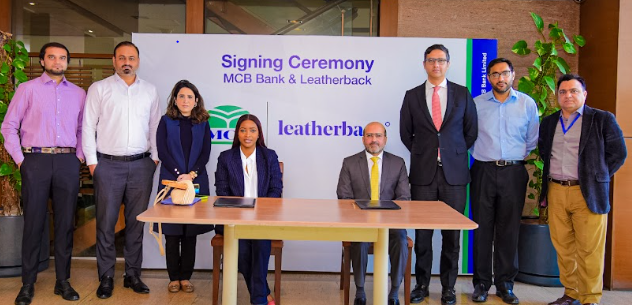
Leatherback has joined forces with MCB Bank to power more business and lifestyle opportunities in Pakistan and the wider South Asia region by enabling easier Pakistani Rupee (PKR) payouts and remittances for its users.
Leatherback is a global banking service provider for individuals and businesses and MCB Bank is one of Pakistan’s largest commercial banks. Together, the two organisations will make it easier for businesses, international students, medical migrants, tourists, and other Leatherback users to seamlessly send money to businesses and individuals in Pakistan where it can be instantly received in the local currency. Users simply need to sign in to their Leatherback app, navigate to SendR, Leatherback’s remittance solution, and follow 5 simple steps to send the funds.
Pakistan received approximately $150 billion in remittances from 2017 to 2022. This ranks Pakistan sixth among the top remittance-receiving countries in 2022, with $29.9 billion going into the country that year. According to the most recent estimates, trade between Pakistan and Africa is worth $4.18 billion. Following the recent launch of Indian Rupee remittances and payouts on the Leatherback platform, this new partnership connects Leatherback users to more opportunities across the South Asia region, establishing Leatherback as the ideal banking partner to help them access business and lifestyle opportunities around the world.
According to Ibrahim Toyeeb Ibitade, CEO of Leatherback, “Our partnership with MCB Bank is another step in our mission to make it much easier for our customers to access the opportunities they desire around the world, removing barriers that were previously in place due to limited payment options. As developing commerce models and the rise of digitisation alter how the world interacts, we are pleased to bring people from all over the world closer together by offering them effective cross-border payment solutions that allow them to trade and enjoy more experiences.”
Mr. Omair Safdar, Group Head Wholesale Banking, MCB Bank Limited added that “through our partnership with Leatherback, we’re poised further to enhance the scale of our digital remittance services, empowering customers with seamless and efficient cross-border transactions. This collaboration underscores our commitment to innovation and delivering unparalleled value to our customers.”
From remittances to business transactions, the ability to move money seamlessly across borders is critical for facilitating access to lifestyle and business opportunities. Leatherback, with a specific focus on migrants and global citizens, aims to provide robust, cross-border financial services that cater to the needs of individuals and businesses operating across multiple markets, taking advantage of a seamless, digital identity verification process, upfront low transaction fees, real-time competitive FX rates, and a secure, fast, and simple onboarding.
Headquartered in London, Leatherback is regulated in the United Kingdom, Nigeria, Ethiopia, Canada, India, Pakistan, Nepal, and Sri Lanka, enabling the platform to serve customers across a wide range of markets effectively. The company currently has more than 50,000 customers and is projected to reach $500 million in monthly transactions before the end of the year 2024. Leatherback is FCA Authorised, PCI DSS Compliant, and ISO Certified.
The Group reported profit before tax of ₦609.3billion, representing an increase of 184.5% over ₦214.2billion recorded in the corresponding year ended December 2023. The Group’s loanbook (net) Increased by 31.5% from ₦1.89trillion recorded as at December 2022 to ₦2.48trillion in December 2023, while deposit liabilities grew by 63.7% from ₦4.61trillion in December 2022 to ₦7.55trillion in December 2023.
The Group’s balance sheet remained well structured, diversified, and resilient with total assets and shareholders’ funds closing at ₦9.7trillion and ₦1.5 trillion, respectively. Full Impact Capital Adequacy Ratio (CAR) remained very strong, closing at 21.9%, while asset quality was sustained as IFRS 9 Stage 3 Loans improved to 4.2% in December 2023 from 5.2% December 2022. However, Cost of Risk (COR) closed at 4.5% from 0.6% in December 2022 owing to worsening macros which caused significant increase in ECL variables.
Commenting on the results, the Group Chief Executive Officer of Guaranty Trust Holding Company Plc, Mr. Segun Agbaje, said: “The challenging operating environment of 2023 truly tested the business model we put in place for the Holding Company, for both our banking and non-banking business verticals. Harnessing the Group’s synergies yielded a strong performance, allowing us to strengthen our foothold in banking whilst also building viable and resilient businesses of HabariPay, Guaranty Trust Fund Managers, and Guaranty Trust Pension Managers. Also important to our success is our relentless obsession with innovation and offering great customer experiences as demonstrated by the successful redesign and upgrade of our mobile banking application, GTWorld.”
Mr. Agbaje added: “In a landscape characterised by evolving regulatory reforms, global uncertainties, and heightened competition, we have continued to leverage our inherent strengths and capabilities to unlock significant value, creating more opportunities for the businesses and individuals we serve. As we navigate the challenges and opportunities that lie ahead, we are confident that our robust underpinnings and focus on flawless execution will continue to drive sustainable growth across all our operations and deliver long-term value for our stakeholders.”
Overall, the Group continues to post one of the best metrics in the Nigerian Financial Services industry in terms of key financial ratios i.e., Pre-Tax Return on Equity (ROAE) of 50.6%, Pre-Tax Return on Assets (ROAA) of 7.6%, Full Impact Capital Adequacy Ratio (CAR) of 21.9% and Cost to Income ratio of 29.1%.
GTCO is a leading financial services group with banking operations in Nigeria, West Africa, East Africa, and the United Kingdom alongside non-banking verticals in HabariPay, Guaranty Trust Fund Managers, and Guaranty Trust Pension Managers. Its leadership in the banking industry and efforts at empowering people and communities has earned it many prestigious awards over the years. Recently, Guaranty Trust Bank was recognized as Nigeria’s Best Bank and Best Bank in CSR at the 2023 Euromoney Awards for Excellence, Best Banking Group in Nigeria by World Finance, and Best Bank in Nigeria by Global Finance. GTCO’s Guaranty Trust Bank is featured in the Top 1000 Banks in the World and Top 100 Banks in Africa rankings by The Banker.
Aviation in Africa is back on the rise, closely following global trends, with the International Air Transport Association (IATA) noting that passenger traffic in Africa at the end of 2023 had reached around 101 percent of 2019 levels. In 2024, it is expected to grow to 105 percent of 2019 levels. Northern and Eastern Africa are expected to lead the continent in traffic recovery this year, according to the IATA, set to reach over 103 and 102 percent of 2019 levels respectively.
For the upcoming Easter holidays, several countries within Africa are high on the priority list as desirable Easter destinations for many European travellers. However, this increase in air travel raises concern over the challenges commonly associated with busy travel periods – particularly as the aviation industry faces pressure to maintain peak performance.
Flight delays now exceedpre-pandemic levels in some countries, with only 64 percent of flights departing or arriving within 15 minutes of their scheduled time in the United Kingdom, for instance. These delays stem from various issues like air traffic control disruptions, system failures, staff shortages and strikes. Easter travel may indeed worsen these issues, causing sudden cancellations and leaving passengers stranded.
The aviation industry depends heavily on digital networks and applications for tasks like providing departure information, issuing updates and inspecting luggage. Unexpected network downtime can significantly impact airlines, resulting in excessive costs ranging from $10 to $150 million depending on the incident and impact.
“The African aviation sector has evolved tremendously over the past decade, harnessing technologies including generative AI to better serve customers,” states Bryan Hamman, regional director for Africa at NETSCOUT. “And because of this increasing digitalisation, it makes sense that the local industry must place a strong focus on cybersecurity, protecting itself from an increasing number of cyberattacks on the region that could potentially negatively impact air transport.”
Sanjay Radia, chief solutions architect at NETSCOUT highlights the importance of maintaining aviation systems to mitigate the risk of downtime during peak travel periods:
“When travelling over the holidays, passengers expect punctuality. Airlines can’t afford any interruptions. However, when system failures affect airlines and air traffic control, administrators must implement downtime to resolve the issue – disrupting vital processes and potentially bringing operations to a standstill. The resulting delays can cause confusion and stress for passengers.
“Airlines and airport operators need robust strategies to mitigate this risk. Poor visibility in digital environments can be detrimental, as minor network or application issues can be unintentionally overlooked, turning into bigger issues that wreak havoc at the worst possible times. By deploying intelligent, scalable deep packet inspection tools, airlines can pre-empt and pinpoint the root cause of even the most complex performance issues, accelerate resolution processes and minimise the passenger impact.
“During any travel surge, the aviation sector has a huge opportunity to showcase the strength of its operations, so peak application and network performance are crucial. Proactively monitoring for issues allows organisations to prioritise the passenger experience, gain a competitive edge and ensure business continuity.”