Tag: World Customs Organisation (WCO)

  • Nigeria Customs, Royal Malaysian Customs Department advance Strategic Cooperation on Trade Facilitation, Border Management

    Nigeria Customs, Royal Malaysian Customs Department advance Strategic Cooperation on Trade Facilitation, Border Management

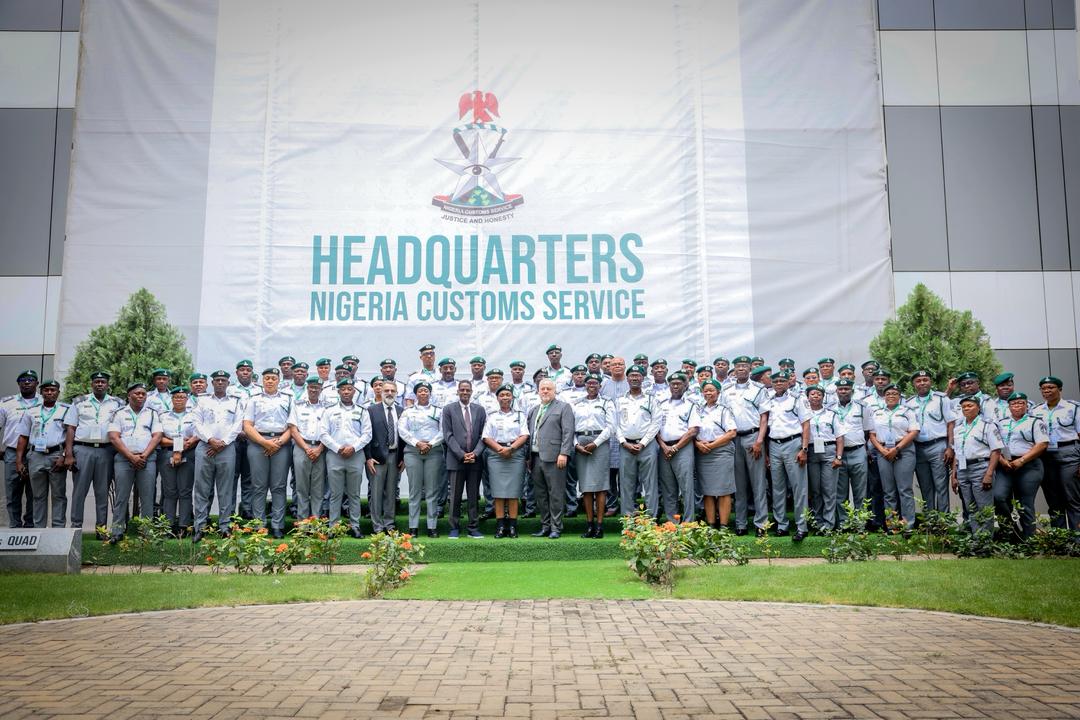
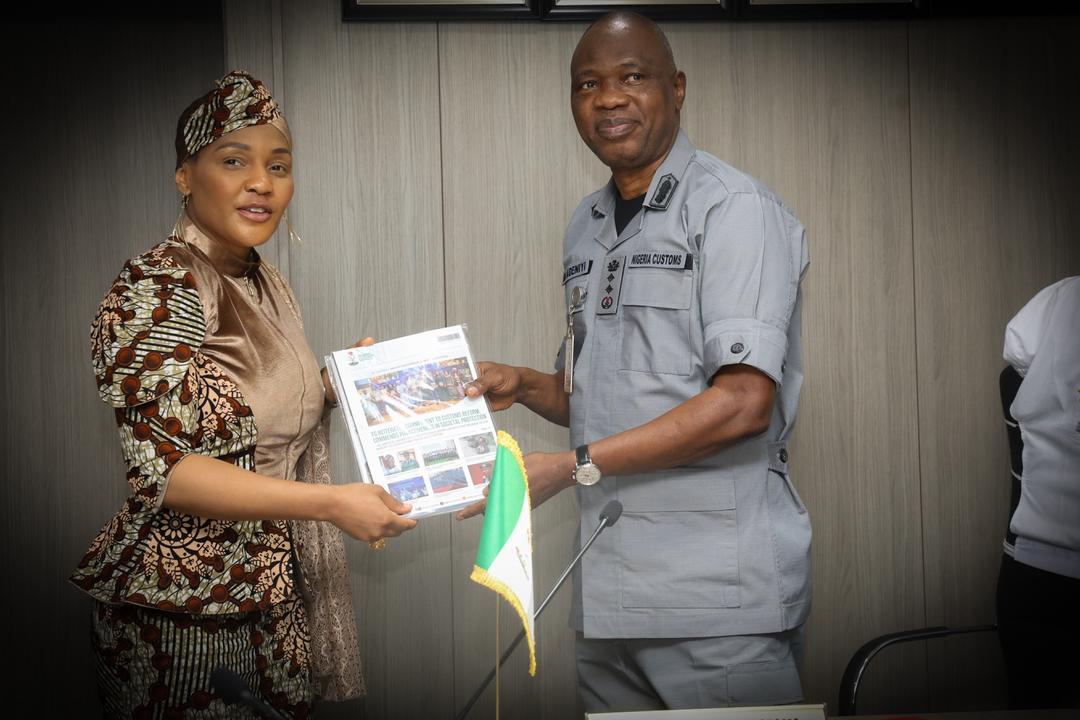
    With a commitment to strengthening international customs cooperation and enhancing trade facilitation, the Nigeria Customs Service (NCS) has advanced its strategic engagement with the Royal Malaysian Customs Department (RMCD). This followed an official visit by the Comptroller-General of Customs, Bashir Adewale Adeniyi, MFR, to the RMCD Headquarters on the sidelines of his participation at DSA Malaysia 2026. The engagement comes against the backdrop of expanding bilateral trade, with Nigeria’s imports from Malaysia increasing from NGN 159.9 billion in 2020 to NGN 716.0 billion in 2024, and cumulative trade value reaching approximately NGN 1.82 trillion over a five-year period.

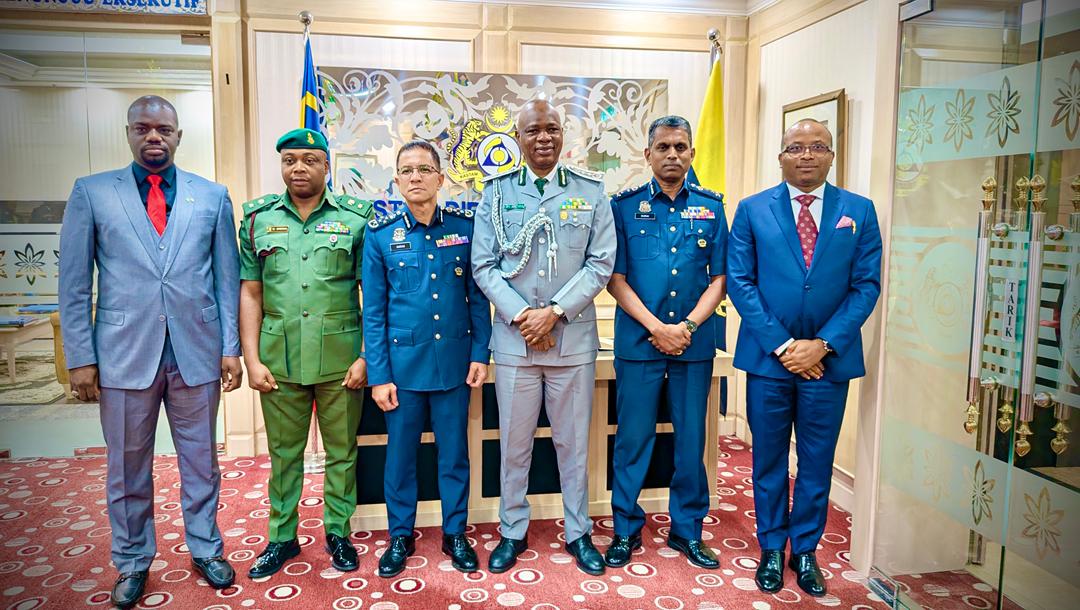
    The Comptroller-General was received by the Director-General of the Royal Malaysian Customs Department, Dato’ Haji Amran bin Haji Ahmad, whose appointment in March 2026 reflects a strong reform-oriented leadership in enforcement and regulatory administration. Both leaders held high-level discussions focused on institutional collaboration, customs modernisation, and coordinated border management frameworks to strengthen efficiency and regulatory integrity.

    The Comptroller-General emphasised that the scale and trajectory of Nigeria–Malaysia trade relations necessitate a more structured and formalised customs-to-customs partnership. He noted that Malaysia remains a significant trading partner to Nigeria, with key imports including crude palm oil, refined palm olein, jet fuel, food preparations, machinery, and other industrial inputs. He further underscored the critical role of customs administrations in facilitating legitimate trade while safeguarding national economic and security interests.

    Both administrations acknowledged the absence of a formal legal framework guiding bilateral customs cooperation despite longstanding trade relations. To address this gap, both parties agreed to initiate processes toward establishing a Mutual Recognition Agreement under the framework of the World Customs Organisation (WCO), to be pursued through appropriate diplomatic channels. This initiative is expected to provide a structured basis for cooperation, enhance mutual trust, and support reciprocal trade facilitation measures.

    The engagement also provided an opportunity for the Royal Malaysian Customs Department to present its evolving border management architecture, including the establishment of the Malaysian Border Control and Protection Agency (AKPS) as an integrated frontline border control body. In response, the Comptroller-General highlighted the Nigeria Customs Service’s Authorised Economic Operator (AEO) programme and other trade facilitation frameworks designed to ensure predictable clearance processes, reduce transaction costs, and strengthen compliance. Both sides emphasised the importance of deeper collaboration in intelligence sharing, enforcement coordination, and technology-driven border management, particularly in addressing illicit trade and transnational trafficking.

    The NCS reiterates its commitment to strengthening bilateral and multilateral partnerships as part of its broader modernisation agenda. The Service affirms that outcomes from this engagement will enhance operational capacity, improve trade facilitation, and reinforce border security while supporting Nigeria’s economic growth objectives. As part of ongoing efforts to deepen institutional collaboration, the Comptroller-General also used the opportunity to visit the Nigerian Diplomatic Mission and Defence Office in Malaysia, commending their roles in advancing Nigeria’s interests and supporting nationals abroad.
  • CGC Adeniyi Makes History at Global Customs Forum, Leads WCO Enforcement Dialogue

    CGC Adeniyi Makes History at Global Customs Forum, Leads WCO Enforcement Dialogue

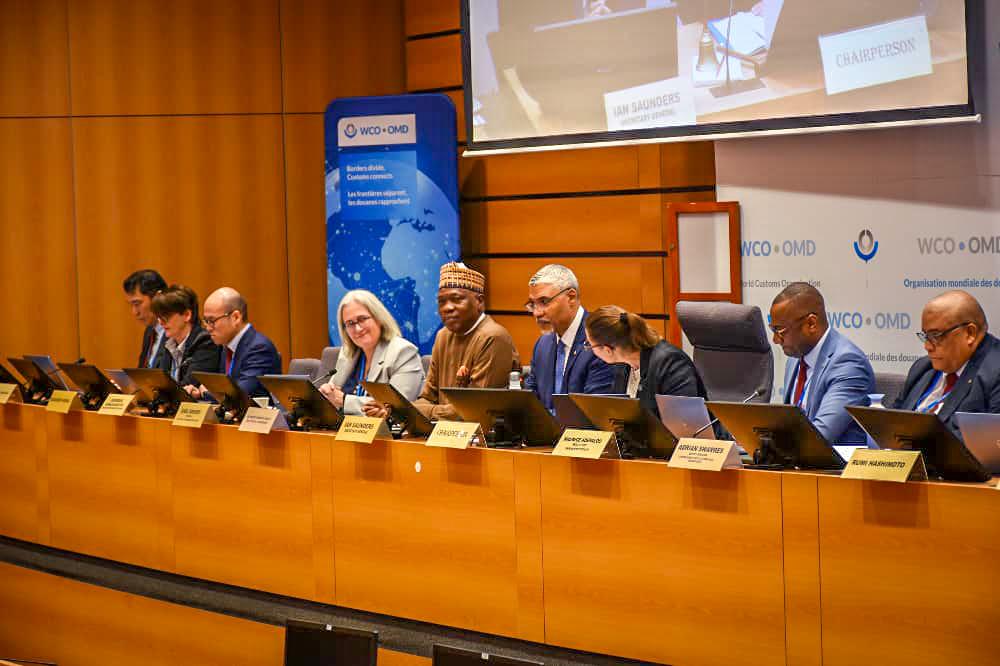
    The Comptroller-General of Customs and Chairperson of the Council of the World Customs Organisation (WCO), Adewale Adeniyi, made history on Monday, 23 March 2026, as he delivered the keynote address at the opening of the 46th Session of the WCO Enforcement Committee held at the organisation’s headquarters in Brussels, Belgium.

    The milestone event marked the first time in the Committee’s 43-year history that its opening session was jointly addressed by both the WCO Secretary-General, Ian Saunders, and the Council Chairperson. This unprecedented development not only underscored the growing strategic relevance of the Enforcement Committee but also positioned the Nigeria Customs Service (NCS) at the centre of a defining moment in global Customs cooperation.

    The session further highlighted a major shift in the Committee’s operational outlook, transitioning from a predominantly enforcement-focused platform to a policy-driven body addressing a wider spectrum of contemporary challenges. These include detection technologies, intelligence sharing, supply chain integrity, and trade-based money laundering, all within a more structured and forward-looking framework. The ongoing review of the Committee’s Terms of Reference, last updated in 2009, reflects efforts to align its governance with the realities of an increasingly complex global trade environment.

    In his keynote address, the Comptroller-General commended Customs administrations worldwide for their sustained efforts to combat transnational organised crime. He emphasised the evolving nature of threats within global supply chains and the urgent need for coordinated, intelligence-led enforcement approaches. “Customs enforcement today is no longer about isolated seizures, it is about protecting the integrity of global trade,” he stated.

    As part of its contribution to the session, the NCS is expected to present field-level perspectives on fragile border management, drawing from its operational experience as a frontline administration within one of Africa’s most demanding border environments. These insights are expected to enrich ongoing global discourse and strengthen policy considerations within the enforcement community.

    The Comptroller-General concluded his address with a call for deeper collaboration among Customs administrations, noting that “when Customs administrations work together, enforcement becomes stronger, trade becomes safer, and the global economy becomes more resilient.” On the margins of the session, delegates witnessed a live demonstration of drone technology by the Netherlands Customs team, illustrating the growing role of unmanned systems in modern border surveillance.

  • Nigeria Customs, PEBEC Align to Revolutionise Port Digitalisation

    Nigeria Customs, PEBEC Align to Revolutionise Port Digitalisation

    The Comptroller-General of Customs (CGC), Adewale Adeniyi, has reiterated the Nigeria Customs Service’s commitment to a paperless port environment, pledging to deepen digital reforms following a high-level strategic meeting with the Director-General of the Presidential Enabling Business Environment Council (PEBEC), Princess Zahrah Audu. The collaboration aims to dismantle long-standing bureaucratic bottlenecks by integrating cutting-edge technology into cargo clearance, effectively repositioning Nigeria as a competitive hub for global trade.

    CGC Adeniyi stated this on Friday, 6 March 2026, while receiving the Director-General of PEBEC at Customs House in Maitama, Abuja.

    During the meeting, Adeniyi explained that the Service has institutionalised regular engagements with stakeholder groups, including the American Business Council and other trade associations, to address operational concerns and strengthen cooperation within the trade ecosystem.

    According to him, “Such consultations allow the Service to identify operational bottlenecks and obtain direct feedback from businesses that interact with Customs at the nation’s ports.”

    The CGC also disclosed that the Service, working with the World Customs Organisation (WCO), recently conducted a Time Release Study (TRS), a scientific study of the costs and time required to conduct business at Nigerian ports, using Tin Can Island Port as a case study.

    The study, he said, involved shipping companies, terminal operators, the Nigerian Ports Authority, Licensed Customs Agents and financial institutions. Its findings were compiled in a report publicly launched on 26 January, 2026.

    “We deliberately involved every segment of the port community in the exercise so that the findings would reflect the real operational environment. The report has already provided valuable insights that are guiding some of the reforms we are implementing,” Adeniyi said.

    He noted that while some concerns raised by stakeholders have already been addressed, others will continue to shape future reforms within the Service.

    Regarding 24-hour port operations, Adeniyi said the success of such an initiative requires full participation across the logistics chain.

    “We once deployed officers to support round-the-clock port operations, but the effort faced challenges because other critical operators such as banks, shipping companies and terminal operators were not fully integrated into the arrangement,” Adeniyi said.

    He added that the Service is advancing plans to establish a fully paperless Customs environment. Most core processes, including pre-arrival documentation, cargo declaration, duty payment and release communication, have already been digitised.

    “Where delays still occur, they are often linked to operators who continue to rely on physical documentation. That is an area we intend to address in the coming months,” he said.

    The CGC Adeniyi also highlighted ongoing investments in scanning technology and ICT infrastructure to strengthen risk-based cargo management and reduce reliance on physical cargo examination.

    According to him, development partners such as the World Bank, the International Monetary Fund and the World Trade Organisation have continued to encourage Nigeria to expand the use of non-intrusive inspection technology in line with global best practices.

    Earlier in her remarks, the PEBEC Director-General, Zahrah Audu, said the Council is implementing a 90-day Business Environment Enhancement Programme to address operational challenges identified in its Business Facilitation Compliance Report, released in November 2025.

    Audu explained that the programme seeks to improve efficiency across business-facing Ministries, Departments and Agencies by fostering closer collaboration to remove operational bottlenecks that affect the ease of doing business in Nigeria.

    As part of the initiative, she said PEBEC conducted a three-day operational assessment at Lagos ports in collaboration with the Nigerian Ports Authority. During the exercise, officials observed cargo-handling processes from vessel arrival to cargo exit and consulted widely with regulators and private-sector stakeholders.

    “The exercise enabled us to identify key operational challenges affecting port efficiency and to develop practical recommendations for improvement,” she said.

    Among the issues highlighted were the need to strengthen joint vessel boarding by regulatory agencies, improve coordination of cargo inspections, and enhance the use of technology in port operations.

    Also speaking, the Deputy Comptroller-General of Customs in charge of ICT and Modernisation, Oluyomi Adebakin, said vessel arrival schedules already provide sufficient information for operational planning at the ports.

    According to her, effective use of such information would enable the Service to deploy officers more strategically rather than maintaining personnel at terminals while awaiting vessel arrivals.

    “The concept of 24-hour port operations should focus on smarter deployment of personnel based on vessel schedules, not merely extending working hours,” Adebakin said.

    She also expressed the Service’s readiness to address operational issues raised through the PEBEC reporting platform, noting that sustained collaboration between the two institutions remains essential for improving port efficiency and strengthening Nigeria’s business environment.

    The Deputy Comptroller General in charge of Tariff and Trade also reiterated the effectiveness of the trade facilitation tools introduced by the service to expedite the clearance of cargoes for trusted traders. She mentioned the Authorised Economic Program, Advance Ruling Systems and One-Stop-Shop among the initiatives introduced by the service to actualise the Federal Government’s goal of trade efficiency in Nigeria.

  • Nigeria Customs Advocates Impact-Driven Reform Communication at WCO Capacity Building Session

    Nigeria Customs Advocates Impact-Driven Reform Communication at WCO Capacity Building Session

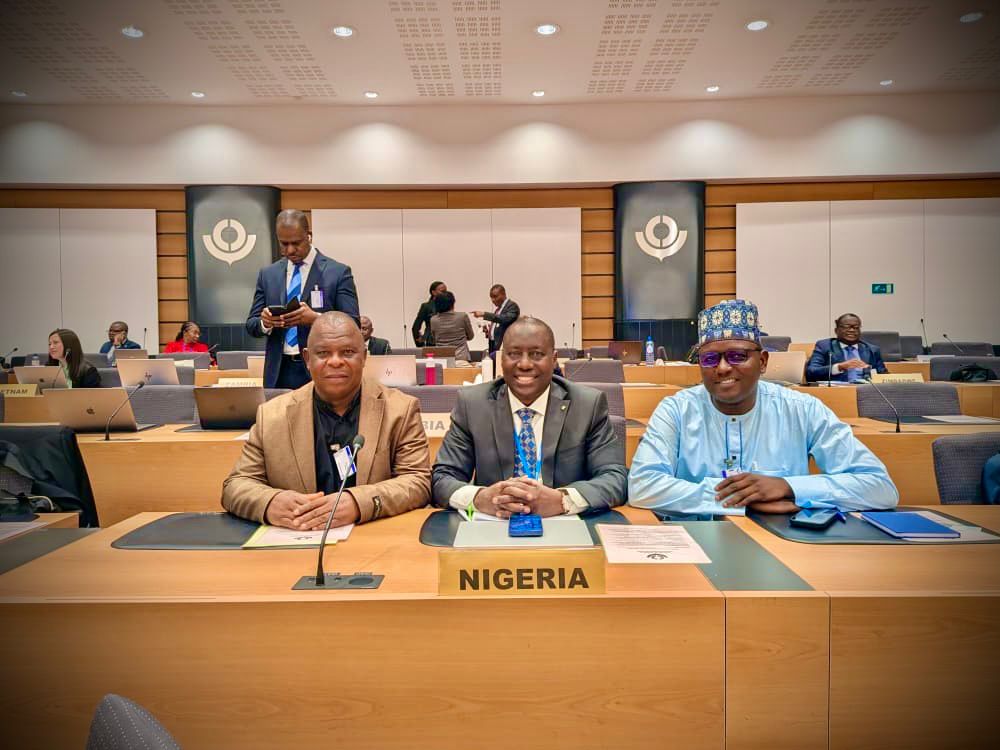
    The Nigeria Customs Service (NCS) has showcased its impact-focused reform communication model at the 17th Session of the Capacity Building Committee of the World Customs Organisation (WCO) held at its Headquarters in Brussels from 25 to 27 February 2026.

    Speaking at the session, the National Public Relations Officer of the Service, Deputy Comptroller of Customs Abdullahi Maiwada, delivered a presentation titled “Communicating the Results of Capacity-Building Initiatives More Effectively: Nigeria Customs Service Experience and Lessons Learned.”

    In his address to delegates from member administrations, Maiwada explained that the NCS, under the leadership of the Comptroller General of Customs, Adewale Adeniyi MFR, who doubles as the Chairperson of the WCO Council, has deliberately transitioned from routine activity reporting to evidence-based storytelling that clearly demonstrates reform outcomes and measurable impact.

    “The Service’s reform communication framework is structured around three core pillars: institutional capacity building, human resource development, and stakeholder capacity engagement, ensuring that reforms are not only implemented but clearly understood and trusted,” Maiwada noted.

    Using the Time Release Study (TRS) as a case study, he highlighted how the Service adopted transparent data presentation tools, including infographics, to demonstrate that a significant proportion of cargo clearance delays were attributable to systemic idle time rather than inspection procedures.

    According to him, “This approach shifted the narrative from defensive explanations to performance benchmarking, strengthening shared accountability across the trade ecosystem.”

    On the Advance Ruling programme, Maiwada disclosed that 83 Advance Rulings were issued in 2025, while registered accounts grew from 60 in December 2024 to 173 in December 2025, reflecting a 188.3 percent increase in stakeholder participation.

    He further stated that the initiative accounted for 2.9 percent of total revenue from goods valued at ₦240.89 billion in 2025, reinforcing the role of structured communication in promoting predictability and voluntary compliance.

    Highlighting progress under the Authorised Economic Operator (AEO) Programme, he revealed that about 120 Companies have received full AEO certification. Additionally, 3,270 officers were trained nationwide as AEO Champions to sustain implementation and deepen stakeholder engagement.

    He referenced the deployment of the indigenous Unified Customs Management System, called B’Odogwu, as a milestone in digital transformation, supported by continuous sensitisation and user engagement.

    Furthermore, he highlighted the Customs Integrity Perception Survey as a data-driven tool for strengthening accountability and public trust, noting that integrity management within the Service is now measurable and continuously assessed.

    Maiwada further encouraged WCO member administrations to integrate communication units at the design stage of reform initiatives, humanise institutional processes, sustain engagement beyond single events, and strengthen peer learning across Customs administrations.

    At the end of the session, Nigeria nominated LI Yan of China Customs for the position of Chair of the 18th Session of the WCO Capacity Building Committee and was unanimously supported by all delegates. As China’s Customs Attaché to Brussels since 2020, she has effectively managed both multilateral and bilateral initiatives within the WCO and with key partners, consistently fostering collaboration and innovation. Her four terms as Vice Chair and election as Chair at the 16th Session and the recent reelection at the just concluded 17th Session of the WCO Capacity Building Committee reflect her dedication and the Committee’s trust in her abilities.

  • WCO, WBG Train Customs on Post-Clearance Audit under Accelerate Trade Facilitation Programme

    WCO, WBG Train Customs on Post-Clearance Audit under Accelerate Trade Facilitation Programme

    The Nigeria Customs Service (NCS), in collaboration with the World Customs Organisation (WCO) and the World Bank Group (WBG), on Monday, 19 January 2026, commenced the WCO Accelerate Trade Facilitation Programme as part of ongoing efforts to strengthen trade facilitation, enhance compliance, and deepen customs modernisation in Nigeria.

    The programme is designed to review previously agreed objectives and confirm the strategic approach for implementing key reform initiatives, particularly in the area of Post-Clearance Audit (PCA). The mission provides a platform for assessing progress made so far, while identifying practical steps for improving efficiency, transparency, and risk-based compliance management across customs operations.

    Speaking at the opening session, the Deputy Comptroller-General of Customs, Kikelomo Adeola, who represented the Comptroller-General of Customs, Adewale Adeniyi, emphasised that Post-Clearance Audit remains a critical pillar of modern customs administration. She noted that an effective PCA framework supports informed risk management, strengthens voluntary compliance and facilitates legitimate trade without compromising revenue assurance.

    “This mission underscores the strong partnership between the WCO and the Nigeria Customs Service. It reflects our shared commitment to strengthening PCA frameworks, enhancing officers’ technical competencies and institutionalising best practices that promote voluntary compliance while safeguarding revenue,” she remarked.

    Quoting renowned author Brian Herbert, she added; “The capacity to learn is a gift, the ability to learn is a skill, but the willingness to learn is a choice. The Nigeria Customs Service has chosen to make PCA work in our country.”

    Also addressing participants, James Clark, a Trade Facilitation Expert with the WCO, commended the NCS for the significant progress achieved within a short period. He observed that Nigeria’s trade facilitation reforms reflect a broader national commitment to improving the ease of doing business and aligning customs procedures with global best practices.

    “The creation of the PCA Manual was an impressive piece of work. Beyond that, the steps taken to operationalise it and your commitment to building a world-class PCA programme within the NCS have been remarkable,” he said.

    “It is not an easy task to achieve what you have done. There is still more work ahead, but the progress recorded so far has been truly commendable.”

    In her remarks, the Deputy Comptroller-General of Customs in charge of Tariff and Trade, Caroline Niagwan, highlighted the deliberate steps taken by the Service in strengthening Post-Clearance Audit and risk management systems. According to her, these measures are aimed at enhancing compliance, improving revenue collection, facilitating legitimate trade, and safeguarding national economic interests.

    Similarly, the Assistant Comptroller-General of Customs in charge of Post-Clearance Audit, Babatunde Olomu, described the week-long programme as timely and strategic. He noted that the engagement comes at a critical stage in the Service’s reform journey and will further strengthen institutional capacity in audit-driven compliance and trade facilitation.

    The WCO Accelerate Trade Facilitation Programme, which runs from 19 to 23 January 2026, underscores the Nigeria Customs Service’s sustained commitment to collaboration with international partners in driving reforms that promote efficient trade, transparency, and economic growth.

  • World Customs Organisation Recognizes SIFAX Group

    World Customs Organisation Recognizes SIFAX Group

    The World Customs Organisation (WCO) has commended SIFAX Group for its strategic importance and the excellent service that has become the hallmark of the business conglomerate.

    This recognition was given during the presentation of a “Certificate of Merit” to the company by WCO during this year’s International Customs Day celebration in Abuja, Nigeria, with the theme “Customs Delivering on its Commitment to Efficiency, Security, and Prosperity.”

    The World Customs Organization (WCO) is an intergovernmental organization headquartered in Brussels, Belgium. WCO works on customs-related matters including the development of international conventions, instruments, and tools on topics such as commodity classification, valuation, rules of origin, collection of customs revenue, supply chain, security, and international trade facilitation, among others.

    SIFAX Group is one of the few organisations recognized from Nigeria by WCO at the event.

    The award was presented by the Chief of Defence of Staff, General Christopher Musa.

    According to Ian Saunders, WCO Secretary General, the honour was bestowed on the company “for rendering exceptional service to the international Customs community.”

    While responding to this recognition, Dr. Taiwo Afolabi, Chairman, SIFAX Group lauded both WCO and the Nigeria Customs Service for identifying and honouring the critical role the company has played in facilitating trade globally in its over three decades of operations.

    He said: “SIFAX Group has received different awards from stakeholders and governments all around the world, but this honour is special because of the critical role WCO plays in supporting customs administrations globally to facilitate trade and deliver efficient services.

    “SIFAX Group has over the years developed a culture of excellent service, stakeholder management, relationship building and community impact for the overall good of the business ecosystem. We are glad that our impact is felt and rewarded not only in Nigeria but globally. We want to thank WCO for this honour and promise this will spur us to up our game in meeting and exceeding expectations in quality service delivery and societal impact.”

    Afolabi also lauded the Comptroller General, Nigeria Customs Service, Mr Wale Adeniyi, for his exceptional leadership that has resulted in unprecedented achievements by the Service since he assumed office.