
























While the need for trade reform is clear, UNCTAD stresses that the solution must come through dialogue and negotiation. Trade imbalances, concentrated gains and outdated rules must be addressed without sacrificing those least responsible.
- Global economic growth could decline further: In a low-growth, high-debt global economy, higher tariffs risk weakening investment and trade flows – adding uncertainty to an already fragile context. This could erode confidence, slow investment, and threaten development gains, particularly in the most vulnerable economies.
- The most vulnerable will bear the highest cost: Economies with minimal responsibility for global trade imbalances are facing severe penalties – despite being the least equipped to absorb new shocks.
- Dialogue – not escalation – is the only path forward: The need for trade reform is clear. Trade imbalances, concentrated gains, and outdated rules must be addressed – without affecting those least responsible.
As major economies are set to impose sweeping new tariffs, UN Trade and Development (UNCTAD) alerts that the global trade system is entering a critical phase – threatening growth, investment, and development progress, particularly for the most vulnerable economies.
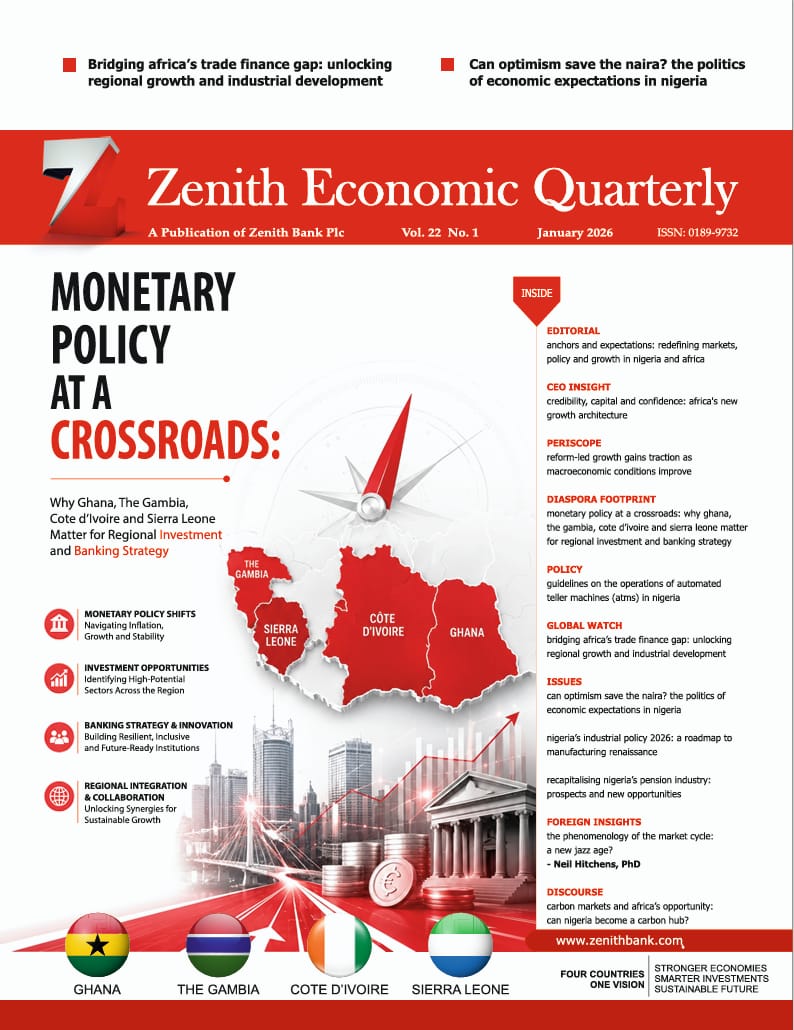 https://www.digital.zenithbank.com/ZEQ/ZEQ-jan-2026/index.html#p=1
“This hurts the vulnerable and the poor,” said UNCTAD Secretary-General Rebeca Grynspan. “Trade must not become another source of instability. It should serve development and global growth.”
For businesses and policymakers alike, unpredictability and uncertainty in trade and investment is becoming a serious obstacle to growth and planning.
Vulnerable countries most impacted
Just 10 of the nearly 200 U.S. trade partners account for almost 90% of its trade deficit. Yet, for example, least developed countries and small island developing states – responsible for just 1.6% and 0.4% of the deficit, respectively – are being affected. They will neither help balance the trade deficit nor generate significant revenue.
Many low-income economies now face a “perfect storm” of worsening external conditions, unsustainable debt levels, and slowing domestic growth.
Time for dialogue, not escalation
While the need for trade reform is clear, UNCTAD stresses that the solution must come through dialogue and negotiation. Trade imbalances, concentrated gains, and outdated rules must be addressed – without sacrificing those least responsible.
“This is a time for cooperation – not escalation,” Grynspan said. “Global trade rules must evolve to reflect today’s challenges, but they must do so with predictability and development at their core, protecting the most vulnerable.”
UNCTAD calls on decision makers to urgently reconsider the tariffs imposed on the vulnerable countries, as these measures could inflict great pain on millions of people.