



























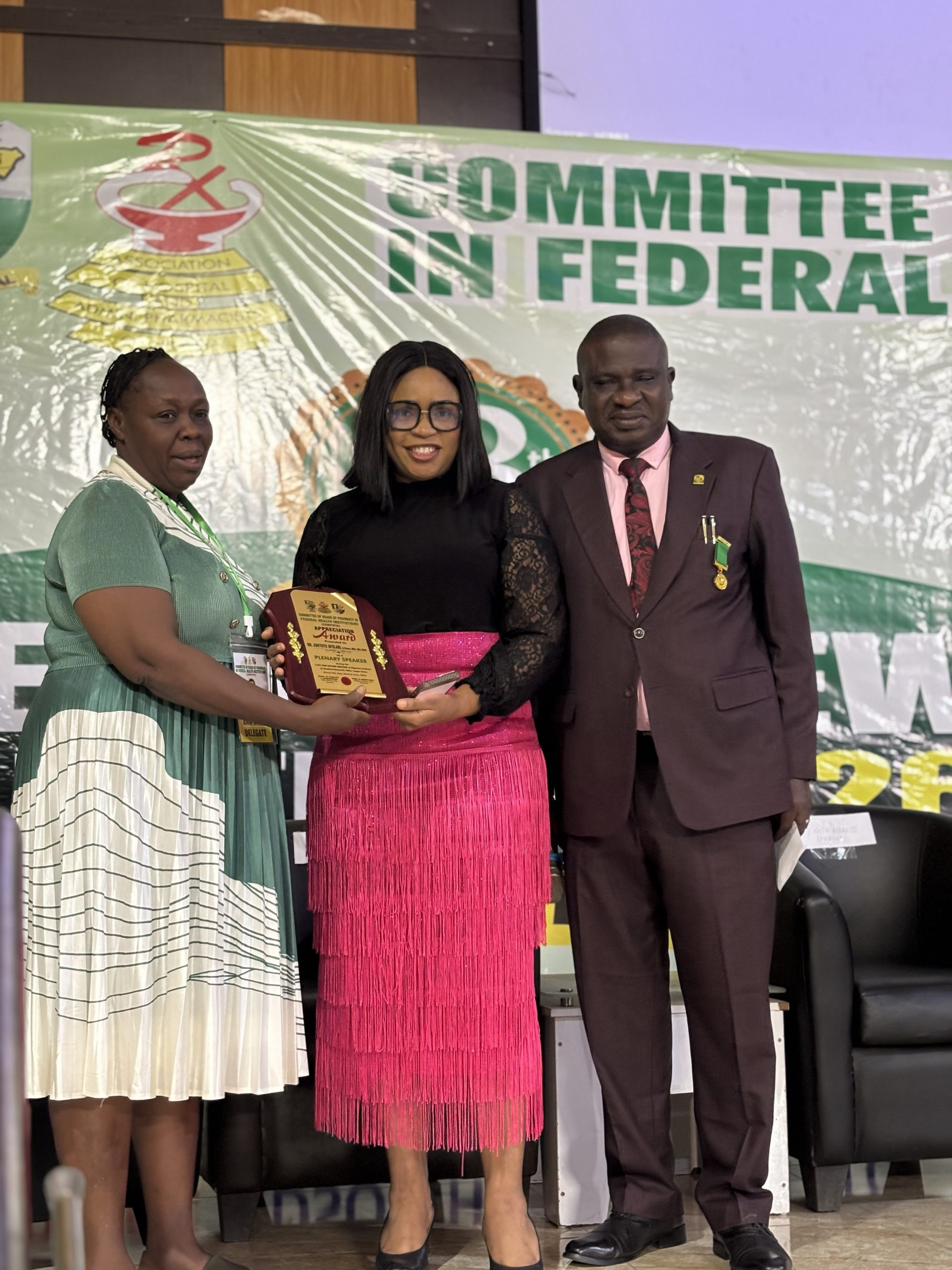
Speaking to an audience of pharmacy directors and hospital leaders from Federal Health Institutions across Nigeria, healthcare strategist Dr Adetutu Afolabi challenged the traditional identity of the Nigerian pharmacist. Her presentation aligned with the official conference theme: “Pharmacy Excellence in Nigeria: Strengthening Collaboration, Driving Transformation.”
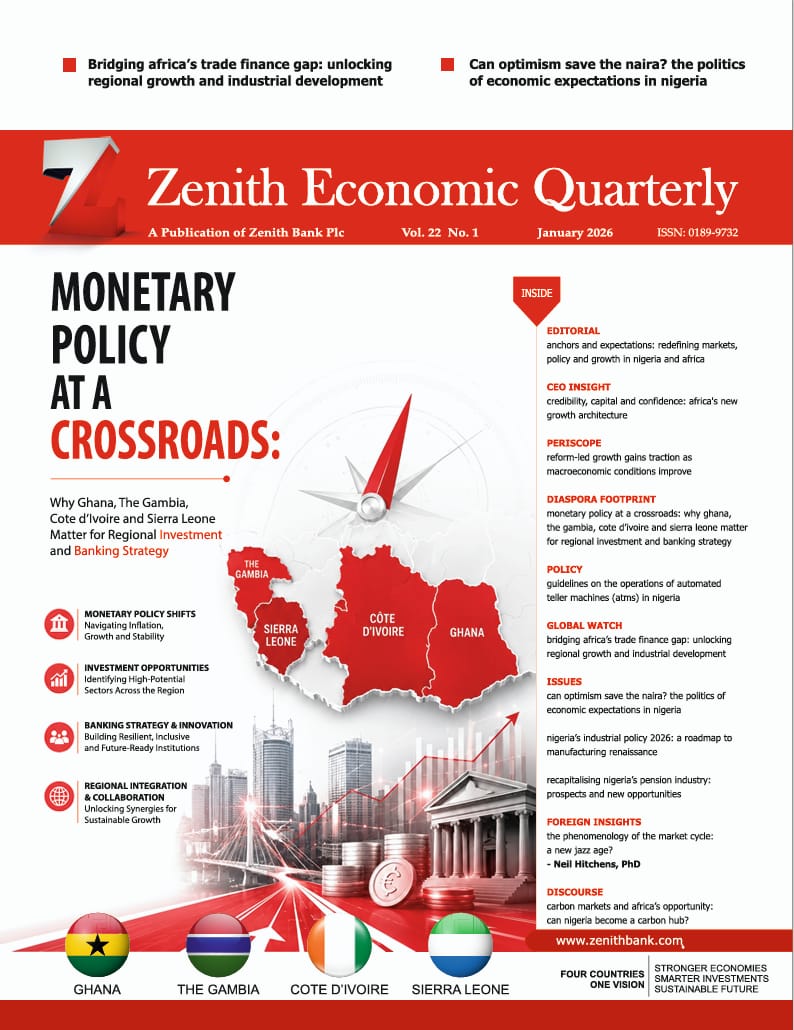 https://www.digital.zenithbank.com/ZEQ/ZEQ-jan-2026/index.html#p=1
Dr. Adetutu Afolabi is an accomplished pharmacist, healthcare strategist, entrepreneur, and leadership advocate with extensive experience across clinical pharmacy, healthcare management, wellness innovation, and health systems transformation. She is a dedicated proponent of leveraging technology, preventative care, and measurable clinical data to construct resilient national healthcare systems and healthier local communities.
Dr. Afolabi noted that macroeconomic factors, including skyrocketing healthcare costs, a rising burden of chronic illnesses, the integration of artificial intelligence, medical workforce shortages, and the global shift toward value-based healthcare, demand an immediate structural evolution.
“Pharmacy does not have a value problem; pharmacy has a visibility problem,” Dr. Afolabi declared. “Every day, pharmacists prevent medication errors, improve patient outcomes, optimize therapies, reduce healthcare costs, and save lives. Yet much of that value remains unseen because it is not consistently measured, communicated, or translated into evidence that healthcare leaders can act upon. To change this narrative, we need to tell our stories of impact loudly and clearly.”
In her plenary session, titled “The Future-Ready Pharmacist: Driving Value Through Innovation, Wellness and Collaboration,” Dr. Afolabi highlighted progressive, global healthcare delivery models.
She cited case studies from the United Kingdom, Canada, Australia, Singapore, Saudi Arabia, and Spain. In these nations, institutional frameworks have expanded the legal scope of pharmacy practice to include:
- Independent prescriptive authority for chronic diseases
- Advanced immunization and vaccine administration
- Direct population health management
- Interdisciplinary healthcare collaboration models
She urged Nigerian practitioners to use artificial intelligence, make data-driven clinical decisions, prioritize preventive healthcare, and build strong cross-professional alliances to accelerate innovation in the domestic health sector.
Closing her address, Dr. Afolabi issued a direct challenge to the next generation of Nigerian healthcare leaders, “Every generation inherits a profession. Only a few generations transform it. We have inherited a proud profession. Our responsibility is not merely to preserve it but to advance it, to create value, to lead innovation, to champion wellness, to influence policy, and to transform healthcare. When the story of healthcare transformation in Nigeria is written, may it be said that this generation of pharmacists chose not merely to practice pharmacy, but to redefine what pharmacy could become.”