
























…Kenyan publisher and debut author celebrate continental recognition for Born at the End of the World, in Lagos, Nigeria.
For Virginia Ngoroje, Head of Operations at Mvua Press, the trip to Lagos for CANEX WKND 2026 was more than a prize nomination. It was the moment a story long carried by word of mouth stood before a continental audience.
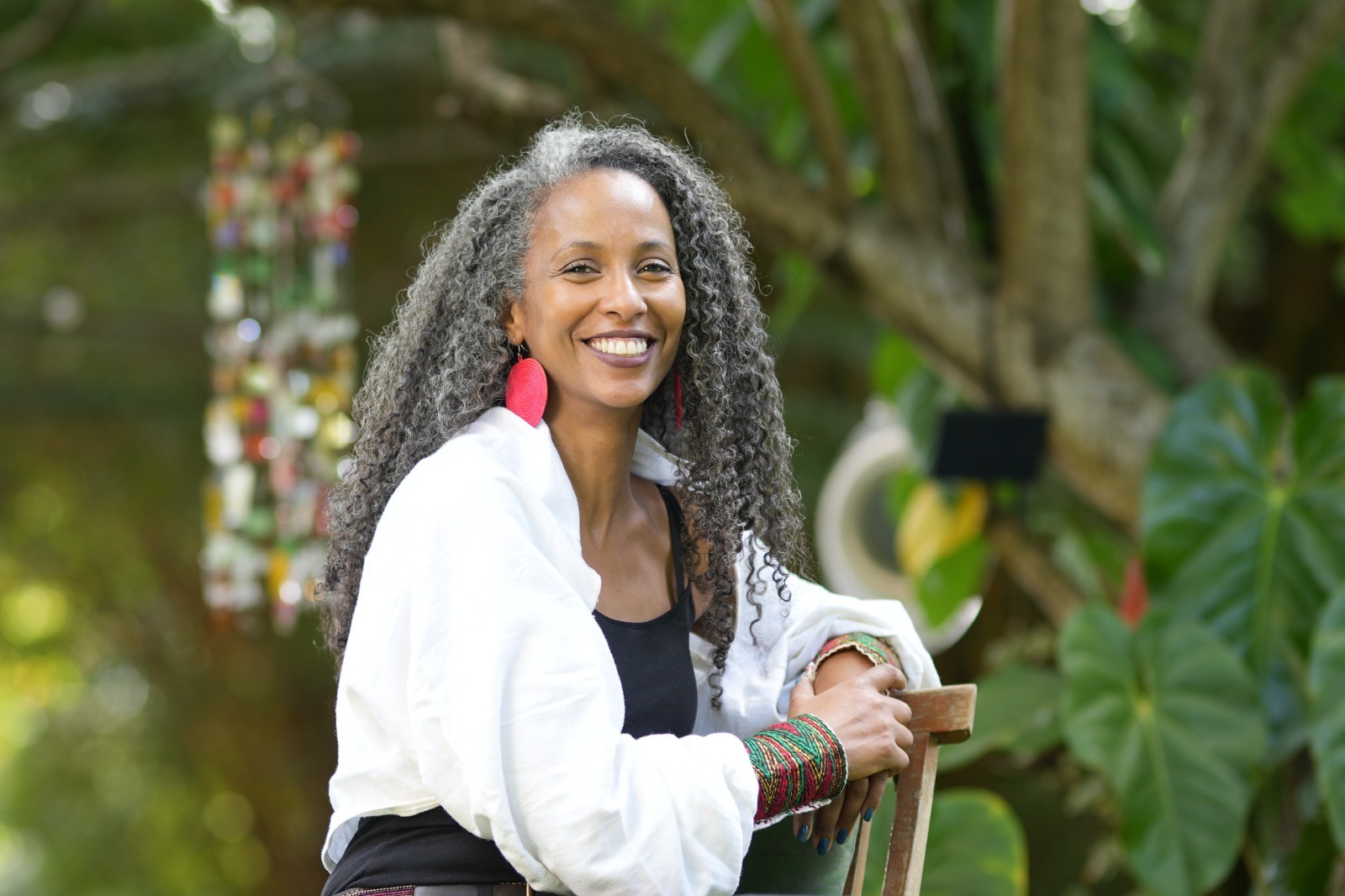
Ngoroje accompanied author Donica Merhazion to the festival, where her debut novel, Born at the End of the World, was in contention for the CANEX Prize for Publishing.
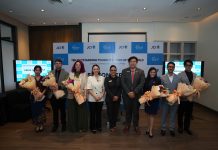
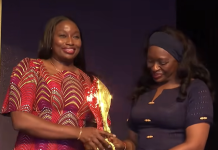
Parrésia Publishers, founded by Azafi Omoluabi and Richard Ali, won the $20,000 CANEX Prize for Publishing for South Side, a novel by Professor Akin Adesokan.
The award is in its third edition and was announced during Creative Africa Nexus Weekend (CANEX WKND 2026), which took place at the Wole Soyinka Centre for Culture and Creative Arts, Iganmu, Lagos.
Mvua Press is the adult and general-interest imprint of Nairobi-based eKitabu.
Ngoroje described the Lagos experience as “dynamic, inspiring, and deeply rewarding” for both publisher and author.
For the publishing house, the festival offered what she called an invaluable platform to connect with industry peers, international distributors and fellow publishers from across the continent. The contacts, she said, expanded the company’s network and opened up collaborative opportunities.
For Merhazion and the Mvua Press team, bringing the book to Lagos was an emotional and celebratory moment. It gave them the chance to engage directly with readers, literary critics and fellow authors in what Ngoroje called one of Africa’s most vibrant cultural hubs.
Asked whether the exposure was satisfactory regardless of the awards outcome, Ngoroje answered without hesitation. “The exposure was exceptional,” she said.
The book first made the longlist for the CANEX Prize for Publishing, then was commended as one of the top three books after the shortlist was announced. Against a competitive pan-African field, Ngoroje said, that placed the narrative “squarely on the continental stage.”
The recognition carries particular weight for the author. Merhazion’s life began in prison during one of the most turbulent periods in East African history, and seeing her parents’ story resonate with a diverse African audience, Ngoroje said, provided “immense validation.” It showed that a deeply personal history can have universal reach, which she believes will bolster the author’s confidence as she continues her writing career.
The CANEX recognition follows another honour for the debut: Merhazion was named Outstanding African Writer at the Radiate Rwanda awards. In her own words, that recognition, an African award on African soil, “matters to me more than I can say.”
Ngoroje said the publishing team knew they had something extraordinary from the moment they read the manuscript. Awards cannot be predicted, she said, but belief in the necessity of the story was “absolute from day one.”
What sets the work apart, in her view, is its raw authenticity and emotional depth. The novel draws on the courage of Merhazion’s parents as political activists during Ethiopia’s Red Terror. It is also rooted in the author’s own beginnings: she was born in 1979 inside Alem Bekagn prison in Addis Ababa, and lived there until she was a year and a half old. In Amharic, the prison’s name means “end of the world”, which gives the book its title.
The novel weaves personal memory, espionage, love and sacrifice into a narrative that, Ngoroje said, “refuses to lean on cliché.” It follows Elen, who runs from an arranged marriage at 13, and Girmai, who ends up on the streets of Asmara after his father dies. Both build businesses before joining the Eritrean People’s Liberation Front’s underground network against the Derg, and they fall in love. Merhazion herself appears in the book as the baby, Hiyab, a name her mother chose that means “gift”.
Merhazion has said roughly 95 per cent of the story happened as her parents told it. She changed names, rebuilt some conversations and compressed timelines. A former journalist with a BA in Journalism from the University of Asmara, she now teaches in Nairobi.
Ngoroje said the novel is relevant to contemporary literary discourse. It touches on political memory, intergenerational trauma, resistance, state oppression, and the physical and emotional cost of freedom movements, all central concerns of post-colonial and African literature.
By looking at the Red Terror through the lens of family, activism and motherhood under captivity, she said, the book offers contemporary readers “a crucial historical mirror.” It speaks to current continental and global conversations about identity, human rights, and the way historical trauma shapes the present.
Merhazion’s own account of why she wrote it is plain: “This is my parents’ true story of love and resistance during Ethiopia’s Red Terror. I wrote it so that a history which was never written down is not lost.” Ethiopian and Eritrean culture is largely oral, she has noted, and the Red Terror set out to destroy evidence, so very little literature covers the period. She checked her parents’ accounts against news archives and academic sources and found they held up.
Love is also central to the book. Her parents’ love, she says, was bigger than the trauma they endured, and they remain together. The book shows that misery and light can share the same space.
Language runs through the story too. The dedication is in Tigrinya, written for her parents, who pushed their children towards English in order to succeed in Nairobi. Merhazion herself only learned to read and write Tigrinya as a teenager. In Nigeria, where debates about mother-tongue education continue, that thread found a natural audience. The Nigerian outlet Afrocritik reviewed the book and read it as a novel about the politics of language, though the reviewer also felt the final chapters were rushed.
The longlisting was also a statement about African publishing. Mvua Press submitted the book and co-published it with Catalyst Press in the United States. “This is a win for African publishing,” Merhazion has said. “African stories can be published from Africa to the world.” Her rights agency is Pontas Agency.
The publisher, eKitabu, is an inclusive Kenyan publishing and e-commerce company focused on expanding access to African stories, knowledge and creative expression. It develops, publishes and distributes books and multimedia content in print, digital, audio, video, sign language and braille. Alongside Mvua Press, it runs Maua Books, a children’s literature imprint. Its Digital Story Time project has produced more than 380 sign language videos and storybooks in six African sign languages, reaching over six million weekly viewers on Akili Kids TV, according to independent monitoring by GeoPoll.
Asked whether she would return to Lagos, Ngoroje was emphatic. “Without a doubt,” she said, praising the city’s “unmatched cultural energy” and a literary appetite she called “truly contagious.” The hospitality, the depth of intellectual conversation and the passion for African storytelling make it a place the team will always be eager to revisit, whether for festivals, book launches or creative collaborations.
Merhazion’s message to audiences, Nigerian ones included, is simple: “Go home and ask your elders for their stories. Knowing where you come from gives clarity to where you can go.”