Category: Aviation

  • Stop Making Capital Out Of Helicopter Crash, Redeem Your Image & End The Cracks In the Union-  PTD Tells NUPENG

    Stop Making Capital Out Of Helicopter Crash, Redeem Your Image & End The Cracks In the Union- PTD Tells NUPENG

    The Petroleum Tanker Drivers (PTD) Branch of NUPENG has asked the President and General Secretary of the parent body to concentrate their energies on redeeming their battered image and putting an end to the lingering crisis in the union instead of making capital out of the misfortunes of oil and gas workers who were involved in the helicopter crash last week.

    A 79-year-old elder, Comrade Joseph Dagogo-Jack, in the Port Harcourt Zone of PTD, made the charge in a statement issued Sunday evening in Abuja.

    It was widely published that the unfortunate incident occurred at 11:22 a.m along the waterways in Port Harcourt on Thursday, October 24, 2024 when the helicopter, a Sikorsky SK76 with registration 5NBQG and operated by East Wind Aviation, took off from Port Harcourt Military Base (DNPM) to the FPSO – NUIMS ANTAN oil rig. A total of eight persons were on board but were all feared dead.

    According to Dagogo-Jack, “I was in faraway Spain to see my dentist when my personal assistant sent me a press release from NUPENG wherein the leadership of the Union commiserate with the families of oil and gas workers who lost their lives in a helicopter crash on Thursday in Port Harcourt. There is nothing wrong in that and as an individual who believes in the sanctity of life, I solemnly say may the souls of the departed continue to rest in perfect peace.

    “However what is expected of NUPENG’S General Secretary, Olawale Afolabi and the President, Williams Akporeha is to jointly concentrate on how to unite the union, especially PTD which is the only viable and surviving Branch; they should fix the cracks within it and drop all cases in court and allow a fresh breath by restoring leadership legitimacy on Comrade Lucky Osesua, Comrade Dayyabu Garga, Comrade (Chief) Peter Moudebelu (Onwa), Comrade Dr Humble Obinna Power and others. This will ultimately restore sanity in the Union and bring about progress and prosperity, which is the popular opinion of all the members and the elders in the Union. If NUPENG’s leadership can swallow their pride and do this, their lost integrity, honour and dignity would be fully restored.

    “Issuing press releases and statements and attempting to make capital out of every event and situation in the country which has no bearing with the union’s philosophy or interest would do them no good, it is purely a misplaced priority. For example, the victims of the helicopter crash were all PENGASSAN members, and that well-organized union, has responded appropriately. NUPENG has done nothing to uphold and defend the rights of its members who have been subjected to humiliation, casualization and servitude in the oil and gas industry, but NUPENG is always quick to make public appearances on TV and making paid adverts on newspapers, on inconsequential matters and abandoning serious issues that have direct bearing on the lives and livelihoods of their members who are paying check-off-dues.

    “Within NUPENG, many staff members have been sacked through trump-up charges; some were set up, many branches are completely destroyed, no cohesion, no policy direction, no standard no principles, all the legacies of the union’s founding fathers are totally ruined by one man. It is also on record that the General Secretary, Afolabi Olawale, is always changing the Collective Bargaining Agreement of the staff, as well as the bye-laws and the constitution of the union to suit his selfish and unholy narratives. What happened to integrity? What happened to moral rectitude? Running a Union as big as NUPENG as private estate is very ridiculous to say the least.

    “It is, however, on record that Afolabi has no regard for the basic norms of human conduct. He lacks any self-awareness or self-scrutiny. He seems beyond embarrassment. The only moral and social compass he follows is his own false and fraudulent ideas about what is appropriate and inappropriate, shameful or deceitful.

    “I have said it before and will repeat it again that Afolabi has shown himself to be the brightest bulb in the box, criticising others but lacking the capacity to stomach criticism to put him on the right track, that is not leadership. So those who are associating themselves with him should have a re-think such that they would not soil their integrity and credibility in the eyes of the public, judiciary, law enforcement agencies and other industry stakeholders who are watching with keen attention and interest. May God restore stability and progress in PTD.”

  • Federal Ministry of Aviation, NAMA, NNPCL confirm Helicopter Crash

    Federal Ministry of Aviation, NAMA, NNPCL confirm Helicopter Crash

    The Federal Ministry of Aviation and Aerospace Development, the Nigerian Airspace Management Agency, and the Nigerian National Petroleum Company Limited have confirmed a helicopter crash that occurred today in South-South, Nigeria.

    The helicopter accident that occurred today at about 11:22 am along the waterways in Port Harcourt ditched into waters at Bonny Finima (Atlantic Ocean). The helicopter, a Sikorsky SK76 with registration 5NBQG and operated by Eastwind Aviation, engaged by NNPC Limited, was en-route from Port Harcourt Military Base (DNPM) to the NUIMANTAN oil rig. There were 8 persons on board (6 passengers and 2 Crew members) with fuel endurance of 0215. Rescue operations so far have recovered 3 bodies.

    Search and Rescue coordination activities were activated in NAMA while details of the incident were escalated to the Honourable Minister of Aviation, the Nigerian Safety Investigation Bureau (NSIB), the Nigerian Civil Aviation Authority (NCAA), Bonny tower, Osubi tower and Escravos tower for further actions.

    Other emergency response teams were immediately activated, and search and rescue operations are ongoing with the support of the Nigerian Search and Rescue Unit, and other relevant agencies. Neighbouring aerodromes have also been notified for support.

    While no Emergency Locator Transmitter (ELT) signal was received, manual efforts to plot the location of the accident are underway, and all available resources and emergency services and organizations, including the military and low-flying aircraft, helicopters have been engaged and deployed to assist in locating and rescuing any floating objects or survivor(s). So far, three bodies have been recovered.

    Neigbouring aerodromes and adjacent airspaces have also been contacted.

    More details shall be provided as they unfold.

  • Aviation’s substantial contribution to Dubai’s economy revealed in latest report

    Aviation’s substantial contribution to Dubai’s economy revealed in latest report

    • The aviation sector supported 27% of Dubai’s GDP in 2023, with an economic contribution of AED 137 billion (USD 37.3 billion) – which is set to rise to almost a third of Dubai’s GDP by 2030. The total aviation sector impact includes the sector’s core impact as well as the catalytic impact of aviation-facilitated tourism
    • The aviation sector supported over 630,000 jobs in 2023 and is forecasted to add another 185,000 jobs by 2030
    • The catalytic impact of tourism facilitated by aviation contributed AED 43 billion (USD 11.8 billion) to the local economy in 2023, with its GDP contributions expected to grow by more than 40% by 2030

    Emirates Group and Dubai Airports have today released an economic impact study that reaffirms the central role aviation plays in Dubai’s economy, by quantifying its contributions and forecasting the sector’s upwards trajectory, based on financial and passenger growth projections for the sector.

    The study, compiled by global research firm Oxford Economics, includes an assessment of direct economic activity generated by the aviation sector, indirect activity generated through the sector’s supply chain, and induced activity supported through wage-funded consumption by the local aviation workforce. The study also assesses the catalytic impact of tourism spending facilitated by the aviation sector in Dubai.

    His Highness Sheikh Ahmed bin Saeed Al Maktoum, Chairman and Chief Executive, Emirates Airline & Groupand Chairman of Dubai Airports said: “Under the leadership of HH Sheikh Mohammed bin Rashid Al Maktoum, Dubai’s aviation sector has been a core pillar of our city’s economic growth strategy to date, and it will continue to play a key role in the D33 Economic Agenda.

    “Supported by strong air connectivity, Dubai has a prominent presence on the global stage for trade, investments, tourism, and is a leading player in aviation and logistics. Our ambitious plans for Dubai World Central – Al Maktoum International airport, and our ongoing investments to expand capacity at Dubai International, will unlock further economic opportunities by supporting the projected demand for air transport. Our growth plans will generate even more skilled jobs, and also help drive innovation as we work with leading technology partners to develop future solutions to enhance travel experiences and make operations more efficient and secure.”  

    Aviation sector’s contribution to Dubai economy

    In 2023, Dubai’s aviation sector, consisting of Emirates Group, Dubai Airports (including Dubai International and Dubai World Central – Al Maktoum airports), and other aviation sector entities¹ are estimated to have supported AED 137 billion (USD 37.3 billion) in gross value added² (GVA), equivalent to 27% of Dubai’s GDP.  This included the core economic impact of AED 94 billion, and AED 43 billion from the catalytic impact of aviation-facilitated tourism. These figures are projected to increase steadily, with aviation activities facilitated by Emirates and Dubai Airports contributing AED 196 billion, or 32% of Dubai’s forecasted GDP by 2030 (in 2023 prices).

    Aviation-led activity also accounted for 631,000 jobs across Dubai, equivalent to one in five jobs in the emirate in 2023. A further 185,000 aviation-linked jobs are expected to be created by 2030, with the total number of jobs supported by Dubai’s aviation sector forecast to grow to 816,000 jobs.

    A previous economic impact report released by Oxford Economics in 2014 found that the aviation sector contributed to 27% of Dubai’s GDP and supported 417,000 jobs. While the latest results indicate the share of Dubai’s GDP has remained stable, the sector’s gross value added has increased in real terms, with the current figures reflecting faster growth across other sectors, as well as diversification in the wider economy over the past decade.

    Dubai’s vital investment to futureproof its aviation sector and ensure it remains an economic driver, is evident in ongoing major investments to expand capacity and operations at Dubai International, in addition to a new generation facility at Dubai World Central – Al Maktoum International. The new AED 128 billion airport will be five times the size of Dubai International, with the first phase to be completed in 10 years. When fully completed, Dubai World Central – Al Maktoum International will consist of over 400 aircraft stands, with capacity to serve 260 million passengers annually. The expansion of Dubai World Central – Al Maktoum International is not included in the study’s main impact results3; however, the construction project is expected to contribute an estimated AED 6.1 billion to Dubai’s GDP in 2030, as well as support 132,000 jobs.

    The new airport and surrounding infrastructure will contribute to Dubai’s Economic Agenda (D33), which aims to strengthen the emirate’s trade and tourism footprint. D33’s progressive development plans also seek to make Dubai one of the most connected cities by adding 400 destinations to its foreign trade map, in addition to making it one of the top five logistics hubs in the world.

    Aviation and tourism in Dubai

    Aviation is also the driving force behind the growth of international tourism to Dubai. As one of the most frequented destinations in the world, visitors stayed an average of 3.8 nights in 20234, spending an average of AED 4,3004 on hotels, restaurants, attractions and shopping. According to the report, international visitors flying to Dubai spent an estimated AED 66 billion last year.

    In total, aviation-facilitated tourism spending is estimated to have contributed: AED 43 billion in gross value added, or 8.5% of Dubai’s GDP, supporting 329,000 jobs. More than half of GVA, AED 23 billion, was generated by those flying to Dubai with Emirates. Tourism to Dubai is projected to grow significantly over the next six years, with aviation-facilitated tourism spending expected to support AED 63 billion in gross value added, equivalent to 10% of Dubai’s projected GDP, as well as one in eight Dubai jobs.

    The full Oxford Economics report ‘The Economic Impact of Aviation In Dubai’, can be found here

  • NAMA prioritizes Capacity Building

    NAMA prioritizes Capacity Building

    …trains Air Traffic Controllers

    The Nigerian Airspace Management Agency (NAMA) has between December 2023 and now, conducted an Annual Proficiency Check for 339 air traffic controllers in conjunction with the Nigerian Civil Aviation Authority (NCAA) as well as Promotion Proficiency Check for another set of 69 air traffic controllers. In the same vein, the agency has conducted the English Language Proficiency Check for 243 controllers in accordance with Nigerian Civil Aviation Regulation (NCAR) Part II to close existing gaps ahead of the International Civil Aviation Organization (ICAO) Universal Safety Oversight Audit Programme (USOAP).

    The Managing Director of NAMA, Engr Farouk Ahmed Umar, who made this disclosure during the annual air traffic management workshop of the agency which held at the Murtala Mohammed International Airport Lagos, listed other the achievements of his ten-month administration in the area of air traffic management to include  a total of 87 air traffic controllers in the agency who had passed the NCAA Certification Examination Rating on Aerodrome, Approach and Area (Procedural and Surveillance), and another set of 91 air traffic controllers who got new or renewed Air Traffic Control (ATC) licences in compliance with ICAO Document (9426).

    Engr Farouk who was represented at the event by the Director of Air Traffic Services, Mr John Tayo, also announced that as part of moves to enhance capacity, the Air Traffic Control 3-D Tower Simulator at Lagos Centrex was about to be fully deployed for use by controllers while efforts were ongoing for a replication of similar facilities in Abuja, Port Harcourt and Kano airports.

     While enjoining air traffic controllers across the nation to remain dedicated to their duties, the NAMA boss stated that the policy direction of his administration was targeted towards optimizing the capacity of critical personnel through training, retraining and capacity building as this, according to him, would in turn enhance maximum and efficient use of communication, navigation and surveillance infrastructure across the country.

  • Emirates makes its much-awaited official touchdown to Lagos, Nigeria

    Emirates makes its much-awaited official touchdown to Lagos, Nigeria

    Emirates, the world’s largest international airline, has resumed passenger services to Lagos, Nigeria, with a daily service.

    The official delegation onboard was led by Adil Al Ghaith, Senior Vice President Commercial Operations, Gulf, Middle East and Central Asia; David Broz, Senior Vice President of Aeropoliticaland Airline Industry Affairs and Sami Aqil Abdullah, Senior Vice President Emirates Airport Services Outstation and Business Support.

    The official delegation from Nigeria onboard the flight included His Excellency, Festus Keyamo, Honourable Minister of Aviation and Aerospace Development of Nigeria; His Excellency, Zayyan Ibrahim, Consul General of the Federal Republic of Nigeria in Dubai and the Northern Emirates and Adewale Babatunde Awolesi, Head of Chancery, Consulate General of Nigeria.

    Soon after landing, the airline hosted an exclusive event for VIPs, government officials, key representatives from Nigeria’s Civil Aviation Authority, Federal Airports Authority of Nigeria, Customs, Police and the Airforce, as well as trade and industry partners and corporate clients.

    Commenting on the return of services, Adnan Kazim, Deputy President and Chief Commercial Officer, Emirates Airline said, “This has been a long-awaited moment, and we are excited to resume operations to Lagos, helping reconnect travellers seamlessly to and through Dubai, coupled with a consistent, world-class experience onboard.

    We would like to thank the Nigerian authorities, including the Federal Ministry of Aviation and Aerospace Development and the Federal Airports Authority of Nigeria, as well as the UAE authorities including His Excellency Salem Saeed Al Shamsi, Ambassador of the United Arab Emirates, Abuja, Nigeria and His Excellency Dr Abdulla Almandoos, Consulate General of the United Arab Emirates in Lagos, for their support.

    “We are committed to making this route a success and look forward to contributing to the Nigerian aviation industry’s growth and offering travellers and businesses more choice and connectivity to key destinations across our network.”

    His Excellency, Festus Keyamo, Honourable Minister of Aviation and Aerospace Development of Nigeria said: “We are pleased to welcome Emirates back to Nigeria. Emirates has become a global brand and Nigeria, being the most populous black nation in the world, is the sure destination for all major airlines in the world.

    “So, this is a mutually beneficial relationship and we look forward to many years of seamless operations for the designated airlines of both countries to ply the route.”

    EK783 departs Dubai at 0945hrs, arriving in Lagos at 1520hrs; the return flight EK784 takes off from Lagos at 1730hrs and lands in Dubai at 0510hrs the following day. The daily service has been scheduled to optimise connections to and from key points in Europe, the US, the Far East and the wider Middle East and GCC, streamlining business and leisure travel to and from Nigeria.

    Strengthening business links between UAE and Nigeria
    With the resumption of operations to Lagos, Emirates provides frictionless connectivity to one of Africa’s major economic hubs, facilitating global trade and strengthening business ties, in line with the UAE and Nigeria’s strong bilateral trade relations.

    Emirates SkyCargo will support Nigerian businesses by offering more than 300 tonnes of bellyhold cargo capacity in and out of Lagos every week, into key markets such as UAE, Malaysia, Hong Kong, and Bahrain, among others.

    Anticipated commodities such as Kola Nuts, food and beverages, and urgent courier material will be transported via the airline’s state-of-the-art hub in Dubai, quickly, efficiently, and reliably via the airline’s multi-vertical specialized product portfolio. Imports into Nigeria are anticipated from key markets such as UAE, India and Hong Kong, with key commodities including a mix of general cargo, pharmaceuticals and electronics.

    The Dubai-Lagos service is operated with a Boeing 777-300ER, offering eight First class suites, 42 Business class seats and 304 economy class seats, with added comforts and perks in each cabin class. Emirates is one of only two airlines offering First Class in and out of Lagos, and offers an unrivalled experience with luxurious touches, a premium gastronomic selection of dishes and fine beverages, and one of the biggest screens in the sky, all in the midst of comfort and privacy.

    Offering the best experience across every class, passengers will dine on regionally inspired multi-course menus, complemented by a wide selection of premium beverages. Customers can tune in to over 6,500 channels of global entertainment, including 23 Nigerian movies, series and other content on ice, Emirates’ award-winning inflight entertainment system.

    To support travel to Dubai or onwards, Emirates will also facilitate 48 hour and 96 hour Dubai visa applications for travellers from Nigeria, an offer which is exclusive to the airline.

    Celebrating the resumption of services, Emirates award-winning loyalty programme, Skywards, reinstated previous tier status levels for Skywards members to ensure continuation of earned benefits and recognition.

  • Emirates hosts travel agents workshop, ahead of relaunch to Nigeria

    Emirates hosts travel agents workshop, ahead of relaunch to Nigeria

    This week, Emirates hosted key stakeholders from Nigeria’s thriving travel trade industry for a workshop to showcase its latest products and services, as well as provide a destination update on Dubai, as the airline gears up to restart operations from 1 October. With key travel agents in attendance, the workshop demonstrates the importance of Nigeria on the airline’s vast global network.

    Through interactive workshop sessions, Emirates familiarized attendees with the products and services that will be available on the soon-to-resume flight to/from Lagos, empowering them to provide even better services to their customers. The airline also highlighted its full-service offerings including gourmet and regionally-inspired dining, the award-winning in-flight entertainment system, ice, and the exceptional hospitality from its multinational Cabin Crew. Emirates Holidays, the airline’s tour operator arm, exhibited the curated holiday packages both to Dubai and other in-demand destinations such as the Indian Ocean, Southeast Asia and South Africa, in preparation to serve the pent-up travel demand from Nigeria.

    Attendees also heard from key stakeholders representing Destination Dubai, to provide a macro view at what travellers can expect when travelling to and through the UAE. Dubai Economy and Tourism (DET) representatives offered a closer look at the abundance of tourism and trade opportunities in Dubai; the Dubai Stopover Experience team highlighted some of the must-see attractions; the Dubai Health Authority (DHA) outlined the city as a leading medical tourism destination; and Dubai Visa Processing Centres provided a closer look at how to apply for UAE visas, both for tourists and those transiting the city. The information packed sessions at the Emirates Airline Travel Agency Workshop demonstrate the airline’s commitment to reinstating seamless and premium travel between Nigeria, the UAE and beyond, powered by Emirates.

    Paulos Legesse, Country Manager for Nigeria, Emirates said, “Our travel agency partners are core to our success and we have built strong and prosperous relationships over the years, driving greater tourism and travel links between Nigeria, the UAE and beyond. As we prepare to restart operations to Lagos, this workshop was essential not just to showcase our world-class product and service to these important partners, but also to hear from the wider industry on the latest services that will suit customer demand, enabling us to better tailor our offering in Nigeria. We have exciting plans and can’t wait to add our industry-leading products and services to the Nigerian market from 1 October.”

    In addition to preparing travel agents for the airline’s return, Emirates has reinstated previous tier status levels for Skywards members to ensure continuation of earned benefits and recognition. Skywards, Emirates award-winning loyalty programme, offers four tiers of membership – Blue, Silver, Gold and Platinum – with each tier enabling exclusive privileges, including: complimentary seat selection, priority check-in and boarding, excess baggage allowance, lounge access, and complimentary Wi-Fi internet on-board.

    Emirates services to Lagos, Nigeria will relaunch on 1 October, 2024.

  • FCCPC should avoid a Price Control Mindset- CPPE

    FCCPC should avoid a Price Control Mindset- CPPE

    The Centre for the Promotion of Private Enterprise [CPPE] has called on the Federal Competition and Consumer Protection Commission [FCCPC] to avoid a price control mindset. This was contained in a statement signed by the Director/CEO of the Centre, Dr Muda Yusuf over the weekend.

    According to the statement, “It appears that the FCCPC is unwittingly transforming into a price control agency rather than a consumer protection commission. The disproportionate focus of the commission on the retail segment of the economy and pricing issues underscores this assertion. The core mandate of the commission is the creation of a robust competition framework across sectors and protection of consumer rights and interests.  Consumer protection is not about directly seeking to control price at the retail end of the supply chain.  This is why the CPPE is concerned about the approach, methodology, targeting and the recent threats by the FCCPC to market leaders, traders and supermarket owners.

    The commission seem to be fighting the symptoms rather than dealing with the causes of the current inflationary pressure in the economy.  Even then, the core mandate of the commission is not to fight inflation.  The fiscal and monetary authorities are statutorily responsible for macroeconomic policy issues and are better placed to deal with the challenge of high prices. 

    It has been proven, theoretically and empirically, that the best way to protect consumers from exploitation is to diligently promote competition across sectors. Our experience with the telecoms sector amply validates this position. The emphasis should not be on pricing but on deepening the culture and practice of competition and a level playing field for all investors. Intense competition makes profiteering difficult and diminishes the chances of exploitation of consumers.  When consumers have choices, it is difficult to exploit them.  

    The retail sector of the economy is characterized by a multitude of players.  There are an estimated eight million retailers in the trade sector of the Nigerian economy. There are thousands of supermarkets, departmental stores and markets across the country.  The higher the number of players in a sector the more competitive the operating environment becomes and the more difficult it becomes for profiteering to take place.

    The truth is that the retail segment of the economy is the least vulnerable to price gouging or consumer exploitation on a sustainable basis, contrary to the thinking of the commission. They do not have the monopoly powers to influence prices or perpetuate profiteering sustainably. Besides, many of them are dealing in perishable items which makes supply manipulation difficult because of the inherent pressure for speedy disposal of the products.

    The reality is that the risk of profiteering increases with monopoly powers.  This is why the attention of the commission should be focused on creating a good competition framework to deepen competition across sectors.

    The commission needs a proper comprehension of the dynamics of pricing and the key drivers of inflation.  These factors include the naira exchange rate depreciation, high energy cost, high cost of logistics, seasonality of food production, high cost of funds, extortions on the highways, high post-harvest losses, high cargo clearing cost, impact of the insecurity on food production, climate change and global factors disrupting supply chains. 

    There is also the emerging dimension of the increasing export of Nigerian products to neighbouring countries in the West African sub region and beyond as a consequence of the weak domestic currency. The incentive to export Nigerian products to neighbouring countries has never been as intense as it is currently.  This is because of the significant appreciation of the CFA relative to the naira.  It has become more profitable to export many Nigerian products [including petrol] to neighbouring countries than to sell domestically because of the relative strength of the CFA. This situation has been exerting enormous pressure on domestic prices.

    Our view is that the proposal by the FCCPC to traverse markets across the country with the objective of ensuring price regulation is unlikely to yield concrete outcomes.  This is not a sustainable strategy.   What we need to fix are the fundamentals driving production, operating and distribution costs which resulted in spiraling inflation in the first place.   

    The dynamics of pricing and prices in an economy are much more complex and fundamental and do not seem aligned with the comprehension of the FCCPC on the issue. The variables are numerous, multidimensional and dynamic.  It is difficult to make pronouncements on issues of profiteering in such circumstances without a rigorous analysis based on data.

    The example of the comparative price of a particular brand of fruit blender in the USA and Nigeria cited by the commission is too simplistic and superficial to be relied upon as a basis for the commission’s generalization about consumer exploitation by supermarkets in the country. The commission needs to be more diligent and thorough in its analysis before alleging consumer exploitation by the trading community.  Sample size needs to be significant and data integrity needs to be assured to make the commission’s verdicts credible.

    Meanwhile, the CPPE appeals to the FCCPC to refrain from further intimidation of the operators in the retail sector of the economy most of whom are micro and small businesses, with many in the informal sector. The sector creates millions of jobs across different levels and geographical jurisdictions.  There is an emerging risk of market suppression and private enterprise repression by the FCCPC, if the current trajectory continues. This marks an elevation of regulatory risk in the Nigerian economy which is detrimental to investors’ confidence.

    It should be appreciated that these traders are also victims of the current economic headwinds, especially the inflationary pressures.  High prices negatively impact their sales and profit margins. Many of them had in fact shut down their businesses because of the current economic shocks.

     The commission should work in collaboration with the other agencies of government to tackle the fundamental causes of inflation in the economy.  The focus should be on causative factors driving prices, not the symptoms. This is a more sustainable approach than resorting to intimidation of traders, supermarket owners and market men and women. 

    It is also important to draw the attention of the commission to areas where there are frequent consumers’ rights violations like the aviation, health, energy markets, electricity market, financial services, telecoms and cable TV sectors.  These are the areas that demand the attention of the commission even more than the markets. 

  • NAMA signs pact with Ekiti Govt on Provision of Air Traffic Services at New Airport

    NAMA signs pact with Ekiti Govt on Provision of Air Traffic Services at New Airport

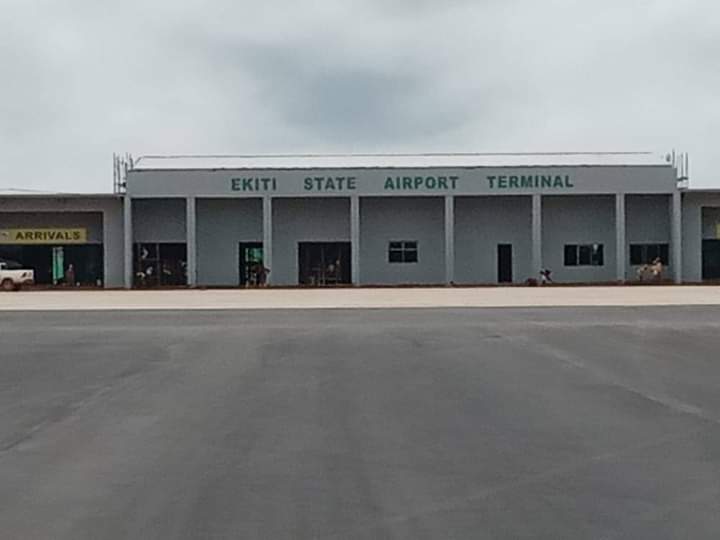
    As part of measures to ensure a seamless takeoff of the newly established Ekiti State Agro-Allied International Cargo Airport in Ado-Ekiti, the Nigerian Airspace Management Agency (NAMA), has signed a Memorandum of Understanding (MoU) with the Ekiti State Government. The MOU which was signed at the agency’s headquarters annex, Murtala Mohammed airport, Lagos, over the weekend attracted top officials of Ekiti state government as well as NAMA.

    In his welcome remarks at the event, the Managing Director of NAMA, Engr Farouk Ahmed Umar noted that the signing of the MOU or Service Level Agreement represented a mutual commitment to excellence and “a shared dedication to delivering an exceptional result,” as the MOU outlined a joint responsibility, expectation and standard for air traffic control services, adding that the epochmaking event served as a foundation for a partnership between NAMA and the Ekiti State Government, which according to him, would ensure that both parties worked together seamlessly and efficiently for the effective takeoff and operation of the airport.

    Engr Farouk who was represented by the NAMA Director of Legal Services and Company Secretary, Mrs Isemiuhonmon Rita Egbadon maintained that the MOU was more than a contract; “it is a symbol of action, cooperation and shared vision.” He described the signing of the document as “a pledge to uphold the highest standards of quality and performance by both parties, to foster open communication and transparency, to embrace credibility and adaptability in an ever-changing environment, given that aviation is a catalyst for the development of any economy.”

    “If we are able to uphold the tenets of this agreement, we would be able to reap the fruits of our labour. We shall prioritize customer satisfaction and success of this project. We are not just signing a contract. We are making a promise to each other and to our customers. Let us work together to achieve greatness and make this partnership a shining example of collaboration and excellence,” the NAMA boss said.   

    Also in her remarks, the Secretary to Ekiti State Government, Dr Habibat Adubiaro, who represented the state governor noted that the event marked a crucial moment as the state advanced towards enhancing the safety, efficiency, and reliability of airspace and air traffic management, particularly as the Ekiti State Agro-Allied International Cargo Airport in Ado-Ekiti was at the verge of full operation. She expressed optimism that the establishment of the cargo airport would boost tourism, facilitate smoother and safer air travel and subsequently contribute to economic growth, job creation, and improved connectivity for Ekiti State citizens.

     She described the partnership with NAMA as a testament to the shared commitment of both parties to advancing the development of aviation infrastructure and services in Nigeria.

    “The primary objective of this MoU is to foster a collaborative partnership that will lead to effective air traffic management systems and ensure the highest standards of safety for all airspace users. We aim to leverage NAMA’s expertise and resources to achieve these goals,” Adubiaro said. While assuring the agency of the commitment of the state to ensuring the successful implementation of the MoU, Dr Adubiaro reiterated that collaboration with NAMA would be guided by mutual respect and transparency.

  • Domestic airlines ground 42 aircraft over forex shortage

    Domestic airlines ground 42 aircraft over forex shortage

    In about two years, 42 domestic aircraft have been grounded primarily due to a lack of foreign exchange to keep the airplanes flying or stringent regulatory actions in the country’s aviation sector, The PUNCH reports.

    Findings showed that as of 2022, the number of aircraft plying domestic routes in Nigeria was 107. However, the challenges of forex and tough regulatory verdicts reduced this number to about 65, a 39 per cent plunge.

    The crash in the number of operational domestic aircraft, among other industry challenges, contributed immensely to the very high airfares on local routes in the country, operators explained.

    Checks by our correspondents showed that the average price for a one-way ticket to any destination has surged by approximately 180 per cent to over N150,000 in one year.

    The average price of a one-way trip from Lagos to Abuja is now about N143,000, as against less than N51,000 that it was sold early last year, indicating a 180.4 per cent increase in price.

    On the Abuja to Port Harcourt route, the average price of a flight ticket is N143,000 jumping from N45,000 in the corresponding period of 2023.

    Similarly, a one-way trip ticket from Abuja to Enugu, which used to be N90,000 in 2023, now costs about N152,000 depending on the date chosen and how short the booking notice is.

    This came as airline operators told our correspondents that they could not retrieve their planes which had gone on checks at different maintenance organisations outside the country over the non-availability of forex to pay for services and spare parts. Transactions regarding aircraft maintenance are largely done in foreign currencies.

    This has caused a shortage of available aircraft amid the increasing number of air travellers in the country. The reduced number of aircraft has prompted a hike in airfares, making passengers lament.

    Stakeholders called on the Federal Government to ease foreign exchange scarcity to prevent the further collapse of businesses in the sector.

    Findings showed that aside from Rano Air, 12 scheduled airlines are operating across various airports in the country, using different brands of airplanes.

    These airplanes include Airbus A320-300, A220-300, ATR, Embraer CRJ, Boeing 737 series, Embraer E2, Embraer ERJ-145, Dash 8, MD 83, and Bombardier CRJ 100/900, among others.

    It was gathered that between 2022 and 2024, about 63 aircraft were reduced from the number of airplanes that operated on the domestic routes earlier.

    Some affected airlines include Max Air, Overland Airways, United Nigeria, Air Peace, Aero Contractors, Arik Air, Dana Air, Azman Air, Green Africa, Ibom Air, ValueJet, and NG Eagle.

    Findings from the sector indicated that Max Air at its peak operated six Boeing 737 aircraft but the fleet has depleted to just two airplanes as of the time of filing this report.

    Also, United Nigeria Airlines with six aircraft at its peak; Embraer ERJ 145 (four) and Airbus 320-300 aircraft (two wet-leased aircraft), currently operates two ERJ 145 and two A320 wet-leased aircraft.

    Findings showed the firm had expected the delivery of an aircraft in June. But up till the time of this report, the airline has yet to take the delivery.

    Further checks showed that Aero Contractors currently operates three aircraft; two B737 (Cally Air operated by Aero), a Dash 8 aircraft, and one rotary wing. The airline had five aircraft in its fleet about two years ago.

    Arik Air’s fleet depleted from 10, comprising B737, Bombardier CRJ-900, Fokker 50/60, and Dash 8, to the current four serviceable aircraft in its fleet including a B737.

    An official of the airline who pleaded not to be named due to the ownership and debt crisis rocking the airline told the PUNCH that out of the remaining four serviceable aircraft, two were already out of the country for maintenance and would soon be joined by another one leaving the airline with just one surviving airplane.

    The Federal Government through the Nigeria Airspace Management Agency grounded the aircraft recently and lifted the ban after a few days.

    For Dana Air, before it was grounded in April, the airline operated two aircraft – MD 82 and B737. About two years ago, the airlines had a fleet of six aircraft, consisting of MD and Boeing fleet.

    The Nigerian Civil Aviation Authority waded the big stick against the airline following an incident involving one of Dana’s aircraft at the Lagos airport on April 23, 2024, after the aircraft veered off the Lagos airport runway.

    The decision to ground the airline was greeted by stiff criticism from aviation stakeholders. But the Minister of Aviation, Festus Keyamo, insisted that the issues with the airline had to do with safety concerns and could not be taken with levity.

    Former commandant of the Murtala Mohammed International Airport, Lagos, Group Captain, John Ojikutu, tackled the minister for ordering the grounding of Dana airline, adding that skidding off the runway was not peculiar to the airline.

    “What is the big deal in skidding? Is that the first time we would be experiencing such an incident in the aviation industry? What is the matter? And also, the minister has no right to ask the NCAA to ground the airline, not at all,” he stated.

    The airline that is most hit by the economic crunch and dollar scarcity is Azman Air. For almost a year now it has not operated.

    At its peak, the airline had seven aircraft, including leased airplanes, which were Airbus A320 and A330, while the remaining five were Boeing 737 aircraft, but it suffered gradual depletion till it no longer had an airplane to operate with.

    The airline, which commenced scheduled flight services in 2014, had last August, sent its staff on compulsory leave due to its failure to return its aircraft that is on maintenance aboard.

    Two out of the four aircraft were taken to Turkey for C-checks in a Maintenance, Repair, and Overhaul facility recognised by NCAA while the other two remained in an MRO facility in Nigeria.

    While the leased aircraft had been returned to their original owners, the other aircraft owned by the airline were due for maintenance at different times, but the management could not raise funds to conduct checks on them.

    This was largely because of the high dollar-to-naira exchange rate and the shortage of the currency available, sources at the carrier told one of our correspondents.

    Also, Green Africa Airways operates a fleet of ATR 72/42 aircraft. At its peak, the airline had three aircraft but currently operates two airplanes as the third has also gone on maintenance checks.

    Operators said ValueJet has three operational aircraft including Bombardier, CRJ 100, and CRJ-900LR. The PUNCH gathered that the airline will take delivery of an aircraft soon to swell its number of planes to four.

    In the same vein NG Eagle, which commenced operations in December 2023 with three B737, now operates two wet-leased aircraft.

  • Crashes and collisions dominate $15bn of aviation insurance claims- Allianz

    Crashes and collisions dominate $15bn of aviation insurance claims- Allianz

    significant increase in aircraft repair costs and growing shortage of mechanics impact future claims activity. ‘Air rage’ claims plummet

    Covid-19, the energy crisis, Russia’s war – to say that the aviation industry, and its insurers, have had to face significant challenges in recent years is an understatement. However, aviation has rebounded well with several 2023 parameters showing “best ever” safety results. This year, the volume of global air passengers is expected to hit an all-time high (+10.4% year-on-year), driven by Asia-Pacific and North America. While the general outlook for the industry is positive, there are still lots of challenges to tackle, according to Allianz Commercial’s Aviation Risk, Claims and Insurance Outlook.

    The aviation sector produces some of the highest value and high-profile claims across the corporate insurance sector around the world, the report notes. Analysis of more than 32,000 industry claims from 2019 – 2024 with a total value of US$15bn (€14bn) shows that collision or crash incidents (63%) and faulty workmanship or defective products (22%) are accountable for 85% of the value. Other incidents like natural catastrophes (4%), machinery breakdown (3%) or fire (1%) account for a much smaller proportion of claims by value.

    “The aviation market is in an interesting and possibly unprecedented place with the traditional market cycle having been interrupted by the impact of the pandemic and wars. The continual growth of the aviation sector will see premiums hit a 20-year high in 2024 of more than US$8bn,” says Tom Fadden, Global Head of Aviation at Allianz Commercial. “We see a growing interest in multinational insurance, and more enquiries for international insurance placements for entire programs across lines of business, driven by increasing geopolitical and regulatory concerns and a desire from clients for a highly managed insurance structure. Yet dark clouds continue to hover for insurers with well-publicized losses and inflation pressurizing bottom lines.”

    Soaring repair costs, lack of mechanics, runway, and ground incidents an increasing issue

    There has been a significant increase in aircraft repair costs in recent years, driven by higher labor rates and the cost of aircraft parts, among other factors, such as inflation. The shift to next generation aircraft continues to impact claims, especially when it comes to engine disassembly and repair costs. Furthermore, a growing shortage of aircraft mechanics may impact future claims activity. It may take longer to complete repairs if vendors lack manpower, or efficiency. More less-experienced mechanics on the line could mean they do not have the ability to repair a part, meaning it will need to be replaced with a new one, which typically is more costly.  An obvious concern is the shortfall ultimately leads to an accident, despite the systems of checks and balances in place in the industry.

    “One also cannot ignore the fact that runway excursions are trending higher in 2024 than in 2023, with at least 23 reported globally through January to May 2024. Causes include weather issues and technical problems,” says Cristina Schoen, Global Head of Aviation Claims, Allianz Commercial. “There has also been a noticeable rise in ground handling claims at large airports worldwide. Elsewhere, while ‘air rage’ claims have plummeted since the pandemic, we see an increase in damage claims resulting from the growing demand for helicopter trips and getaways.”

    SAF and eVTOL aircraft takeoff but compliance is the main lever to reach Net Zero targets

    Aviation contributes around 2% of global emissions and is focused on its sustainability efforts, pledging to reach Net Zero by 2050. The lack of a silver bullet solution for decarbonization should not take away from the exciting developments underway. Sustainable Aviation Fuel (SAF) continues to attract a lot of attention with mandatory targets starting to be implemented.

    Improvements on existing technology continue to advance apace, as do innovations. The market for eco-friendly electric vertical takeoff and landing (eVTOL) aircraft, which can transport passengers or cargo, is set to grow significantly in the future – the first insurance coverages for operational uses are likely to be placed this year. Yet one unheralded development that could force as greater accountability as any technological advancement is the development and subsequent implications of the European Union’s Corporate Sustainability Reporting Directive (CSRD) and similar regulations worldwide. They require companies to disclose comprehensive information on their environmental, social, and governance (ESG) performance and impact.

    “Standardized reporting may foster investor and stakeholder confidence in the industry and the best performing companies, demonstrating industry leadership in decarbonization. Most importantly, it should improve sustainability practices across the sector. Companies will be forced into engaging with the topic by such accountability. Investment will surely follow engagement,” says Adam Tozzi, Head of Underwriting Global Tasks and Processes, Aviation, at Allianz Commercial.

    “Allianz has all the fiscal sophistication and disciplined balance sheet protection that you would expect of a global insurer that has been offering financial strength and support to our aviation customers for over a century,” concludes Fadden. “As the 110th anniversary of the issuance of our first ever aviation insurance policy approaches, we continue to be laser focused on volatility management, risk selection, detailed sub-segment steering and being a stable and long-term partner to our clients.”

  • SAHCO Honoured Again with British Airways’ Award

    SAHCO Honoured Again with British Airways’ Award

    Skyway Aviation Handling Company PLC (SAHCO) has been awarded the prestigious Punctuality Award by British Airways for its outstanding regularity and safety performance in the first and second quarters of 2024 at the Murtala Muhammed International Airport Lagos Station.

    SAHCO has also won British Airway’s bronze award for achieving its punctuality target of 96% for the second quarter of 2024 at the Nnamdi Azikiwe International Airport, Abuja station. This shows SAHCO’s consistent excellence at service delivery for winning the awards in the two stations where British Airways fly into.

    British Airways (BA) is a global airline that is the United Kingdom’s flag carrier headquartered at Harmondsworth, England, UK near its main hub at London Heathrow Airport. BA being a reknowned Airline with over 100 years’ experience in the skies is wholly dedicated to ensuring punctuality, safety and security are of utmost priority and the airline is committed to excellent partnership with their clients thereby promoting an enabling environment for making SAHCO’S excellent service delivery seamless.

    In a congratulatory letter addressed to Mrs Adenike Aboderin, Managing Director/CEO of SAHCO, British Airways commended the Lagos and Abuja team for their exceptional performance due to the stations’ ability to meet or exceed the Adjusted Door Closure (aDC) target of 96% each month during the quarter, with no significant safety events or repeat audit findings. This feat has been achieved for two quarters in a row for the Lagos station.

    In the same letter, BA congratulated the entire SAHCO team for the remarkable performance and reiterated that the achievement reflected the team’s dedication and hard work.

    Commenting on the two awards received by SAHCO’s Lagos and Abuja station, SAHCO’S MD/CEO reiterated that the award is a testament of the commitment of the SAHCO team to maintain the highest standards of punctuality and safety. She mentioned that SAHCO just concluded a training session on all staff on Customer Service by a reputable training academy and that the training session is a total overhaul that was targeted at ensuring that all staff ensure excellent service delivery in a customer centric manner.

    Furthermore, she emphasized, “We are thrilled to receive this recognition from British Airways not only from one Station but from both Stations where we service the prestigious airline. We look forward to winning the award for the next quarters in the year.It is worthy of note that, SAHCO remains dedicated to providing exceptional service and looks forward to achieving even greater milestones in the future for all their clients and would-be clients”.

    Skyway Aviation Handling Company PLC (SAHCO) is a leading aviation ground handling company in Nigeria, providing a wide range of services to international and domestic airlines. These services include Passenger Handling, Ramp Handling, Cargo Handling and Warehousing, Baggage Reconciliation, Aviation Security, Executive Lounge Services, Crew Administration amongst others. Committed to excellence, safety, and customer satisfaction, SAHCO continues to set the standard for aviation handling services in the region.

  • NAMA Suspends Planned Increase in Navigational Charges

    NAMA Suspends Planned Increase in Navigational Charges

    In response to the directive from the Honorable Minister of Aviation and Aerospace Development, Festus Keyamo, SAN, the Nigerian Airspace Management Agency (NAMA) has suspended its earlier announced increase in navigational charges. This decision follows the Minister’s recognition of the current economic challenges faced by Nigerians.

    The Minister emphasized the need for further consultation before implementing any changes, highlighting the importance of being sensitive to the plight of Nigerians amidst these economic challenges.

    This decision follows the keynote address by Engr. Farouk Ahmed Umar, Managing Director/CE of NAMA, at the League of Airports and Aviation Correspondents Annual Conference held in Lagos on July 26, 2024. The theme of the conference was “Aviation Survivability amidst a Challenging Macro-Economic Environment.”

    In his address, Engr. Farouk highlighted the significant economic pressures faced by the aviation industry, exacerbated by global economic volatility, fuel price hikes, and currency instability. He outlined strategies for survival and growth, including operational efficiency, embracing innovation and technology, strengthening infrastructure, and fostering collaboration and partnerships.

    Engr. Farouk also discussed the financial challenges NAMA faces, noting that the agency relies on statutory fees and charges for managing the airspace. The Nigerian airspace management agency had proposed an increase in its fees and charges to sustain its operations and ensure the safety and efficiency of Nigeria’s airspace. The new unit rate/minimum charge for en-route was set to increase to 18,000 Naira from 2,000 Naira per flight while the unit rate/minimum charge for terminal navigation charge(TCN domestic) were to rise to 54,000 Naira from 6,000 Naira per flight with effect from the 1st of September.

    The Nigerian Airspace Management agency would continue to engage the airlines, who have been responding to the prevailing economic situation since 2008 without taking NAMA into consideration, which is supposed to be a cost recovery agency in line with global practices.

    The directive from the Honorable Minister and the subsequent suspension of the planned increase underscore the government’s commitment to addressing the concerns of Nigerian citizens and stakeholders in the aviation sector.

    The suspension of the fee increase is a testament to the government’s responsiveness to public concerns and its commitment to balancing economic sustainability with the needs of its citizens.

  • Emirates SkyCargo orders 5 additional Boeing 777 Freighters

    Emirates SkyCargo orders 5 additional Boeing 777 Freighters

    • The order marks the next milestone on the airline’s long-term strategy, boosting main deck cargo capacity by 30% and providing a long-term solution to the current capacity crunch

    Emirates SkyCargo, the cargo arm of the world’s largest international airline, has announced a firm order for an additional five Boeing 777 freighters, with immediate delivery between 2025 and 2026. The US$ 1billion order will take the airline’s total order book to 315 wide-body aircraft.

    Emirates SkyCargo’s performance throughout Q1 of its current 2024-25 financial year has been exceptional, with consistently high load factors and tonnages surpassing 2019 figures. Once the new aircraft enter service, available main deck cargo capacity will increase by 30%,allowing the airline to deploy much-needed space into key markets and better serve global customers.

    His Highness Sheikh Ahmed bin Saeed Al Maktoum, Chairman and Chief Executive, Emirates airline and Group said: “Demand for our world-class product and services is growing exponentially, further amplified by Dubai’s Economic Agenda which aims to double foreign trade and reinforce the city’s position as a global trading hub. This investment in additional Boeing 777 capacity enables us to cater to customer demand and marks a step forward on our long-term strategic growth plan.

    The next phase of our strategy will include a full assessment for our future freighter fleet reviewing all aircraft options to ensure we are best equipped to respond to the evolving demands of the market and reaffirming our confidence in the role of airfreight and, more specifically, Emirates SkyCargo, in global trade.”

    “We are honored that Emirates SkyCargo, renowned for operational excellence and innovation, has once again selected the Boeing 777 Freighter to extend the reach of its global network,” said Stephanie Pope, president and CEO of Boeing Commercial Airplanes. “We deeply value Emirates’ trust in the Boeing wide body family and are committed to supporting their long-term strategic growth plan.”

    With the staggered delivery of its new aircraft, Emirates SkyCargo will retire older freighters, reinforcing the airline’s commitment to operating one of the youngest and most efficient fleets in the sky.

    In addition to the 10 Boeing 777Fs on order, the airline’s cargo capabilities will be bolstered by the 10 777-300ERs currently being converted into freighters, taking Emirates’ freighter fleet to 17 aircraft by the end of 2025. Harnessing the Emirates passenger fleet, the cargo division will continue to facilitate the fast, reliable and efficient movement of goods worldwide, offering customers more flexibility with a fleet mix of 777s, 777-Fs, 747Fs, A350s, and A380s.

  • Enhancing Airspace Safety in Nigeria: High-Level Delegation Meets with Indra Systema in Spain

    Enhancing Airspace Safety in Nigeria: High-Level Delegation Meets with Indra Systema in Spain

    In line with President Bola Ahmed Tinubu’s directive for advancing air safety and security in Nigeria, a high-powered Nigerian delegation is currently in Spain for crucial discussions on airspace advancements.

    The delegation includes the Honourable Minister of Aviation and Aerospace Development, Festus Keyamo; Minister of Defence, Mohammed Badaru Abubakar; Chief of Air Staff, Air Marshal Hassan Bala Abubakar; and the Managing Director of the Nigerian Airspace Management Agency (NAMA), Engr. Farouk Ahmed Umar. Their visit focuses on exploring and implementing cutting-edge technologies to enhance the security and safety of Nigerian airspace.

    Other members of the Nigerian delegation include key figures from the Nigerian Airspace Management Agency, such as Engr. Terese Iheanacho, Director of Air Traffic Service, John Tayo, and Engr. Isah Lars, General Manager of Surveillance. Senior military officers in attendance include AVM Daramola, Air Commodore Folaji, Defence Attaché Group Captain Ganiyu, and Wing Commander Chinoko Usman.

    The delegation is engaging with the CEO of Indra Systema of Spain, José Vicente de los Mozos, and his team to discuss and access their capability for Dual Surveillance Systems integrated with a Command and Control system for the military. This state-of-the-art system aims to significantly boost the security framework within Nigeria’s airspace.

    Additionally, discussions are underway for the development of a centralized Air Traffic Management (ATM) system at NAMA’s corporate headquarters. This system is expected to streamline and enhance civil aviation operations across the country, reinforcing Nigeria’s commitment to adopting advanced technological solutions for airspace management.

    The integration of these systems will significantly bolster the capabilities of both military and civil aviation sectors, ensuring a robust, secure, and efficient airspace management framework for Nigeria.

    This collaboration marks a pivotal step in Nigeria’s ongoing efforts to achieve world-class standards in air navigation and safety. It further solidifies the nation’s commitment to maintaining the highest levels of national security and airspace operational excellence.

  • NAMA Upgrades Surveillance Systems To Enhance Airspace Safety, Security

    NAMA Upgrades Surveillance Systems To Enhance Airspace Safety, Security

    In a bid to enhance the safety and security of the nation’s airspace, the Nigerian Airspace Management Agency (NAMA) has embarked on the upgrade of its surveillance infrastructure across the nation’s airports and other remote installations across the country. To this end, President Bola Ahmed Tinubu has approved an onsite visit to Spain by critical staff of the agency to inspect some of the facilities as well as engage technology solution providers to address security challenges as well upgrade the agency’s surveillance systems.

    The Managing Director of NAMA, Engr Ahmed Umar Farouk who made this disclosure while receiving a delegation from the Nigerian Air Force (NAF) at the agency’s corporate headquarters in Abuja noted that the Nigerian Air Force remained a valuable ally to the agency with regards to the safety and security of the nation’s airspace. He recalled that the collaboration between the two agencies over time had been critical to sustaining airspace safety and security in Nigeria. “NAMA handles civil operations, while the Air Force oversees security. Our close collaboration is vital for maintaining a safe and secure airspace,” the NAMA boss said.

    In his remarks, the leader of the NAF delegation, Air Vice Marshal Abubakar Abdulkadir stated that the Nigerian Air Force had recently enhanced its capabilities to secure the nation’s airspace with new platforms designed for national air defense and stationed with the Air Defense Group in Makurdi, stressing that the NAF had also completed its day training and was close to finishing night trainings, which would enable rapid response and interception of any intruders in the Nigerian airspace.

    He also shared an update on the NAF’s enhanced capabilities to monitor and identify all aircraft entering and exiting the Nigerian airspace, adding that improved collaboration and partnership between NAMA and the NAF would sustain the current security and safety in the nation’s airspace. AVM Abdulkadir described NAMA and NAF as “twin children of the same mother”, saying that NAF’s responsibility for airspace security complements NAMA’s role in airspace management.

    Joint training initiatives aimed at addressing the shortage of Air Traffic Controllers across the country were considered as the Nigerian Air Force training center in Kaduna which recently got accredited by the Nigerian Civil Aviation Authority (NCAA) would see at least 20 NAMA staff being trained annually.