





























The Centre for the Promotion of Private Enterprise (CPPE) has issued a statement expressing serious concerns regarding the recent introduction of the Expatriate Employment Levy (EEL) by the government. While acknowledging the dual purpose of promoting localization of skills and economic growth, the CPPE highlights potential unintended consequences of the policy.
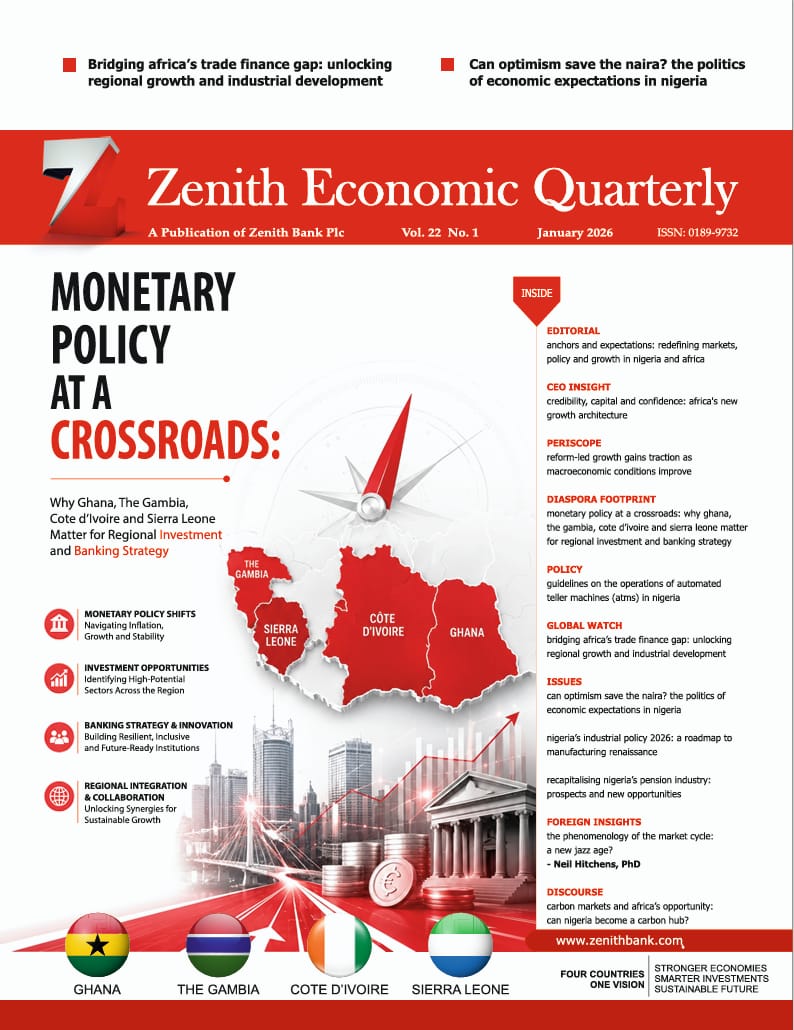 https://www.digital.zenithbank.com/ZEQ/ZEQ-jan-2026/index.html#p=1
Dr. Muda Yusuf, CEO of the Centre for the Promotion of Private Enterprise (CPPE), noted that there are existing legislations and regulations with similar objectives, such as the expatriate quota administered by the Nigeria Immigration Service and the National Content Act for the oil industry. However, implementation of these measures has been weak, primarily due to institutional shortcomings rather than a lack of policies.
Implications of the New Policy for Investment:
- Short Timeline for Compliance: The CPPE criticizes the short four-week timeline given for companies to comply with the new policy, arguing that such a major shift requires a minimum of six months for adequate adjustment.
- Impact on Major Investors: Some affected companies are major investors with significant investments in Nigeria. The CPPE urges the government, known for its investment-friendly stance, to provide more time for compliance, considering the scale of these investments.
- Effect on Direct Investors: Both foreign and domestic direct investors are likely to be negatively impacted, affecting critical sectors such as oil and gas, manufacturing, infrastructure, mining, ICT, and healthcare.
- Vulnerable Sectors: Sectors such as construction, distributive trade, hospitality, and logistics are particularly vulnerable to the policy’s implications and should be targeted accordingly.
- Concerns for Diaspora Nigerians: The CPPE warns that the policy may trigger reciprocal actions from other countries, jeopardizing the interests of Nigerian diaspora communities and the significant remittances they contribute to the economy.
- Diplomatic Implications: Nigeria’s leadership position in Africa and its role in continental economic integration could be undermined by the policy, especially considering the potential for reciprocal actions by other African countries.
Appeal for Review:
The CPPE appeals to the government to review the policy and undertake broader consultations to fine-tune its implementation. The organization emphasizes the importance of safeguarding genuine investors and considering the diplomatic implications, particularly for the diaspora community.
He urged stakeholders to prioritize dialogue and collaboration in addressing the challenges of the Expatriate Employment Levy policy.