























The Manufacturers Association of Nigeria (MAN) has expressed its concerns following the outcome of the 297th Monetary Policy Committee (MPC) meeting of the Central Bank of Nigeria (CBN), held on September 23-24, 2024. The meeting focused on addressing persistent inflationary pressures and challenges in the foreign exchange market.
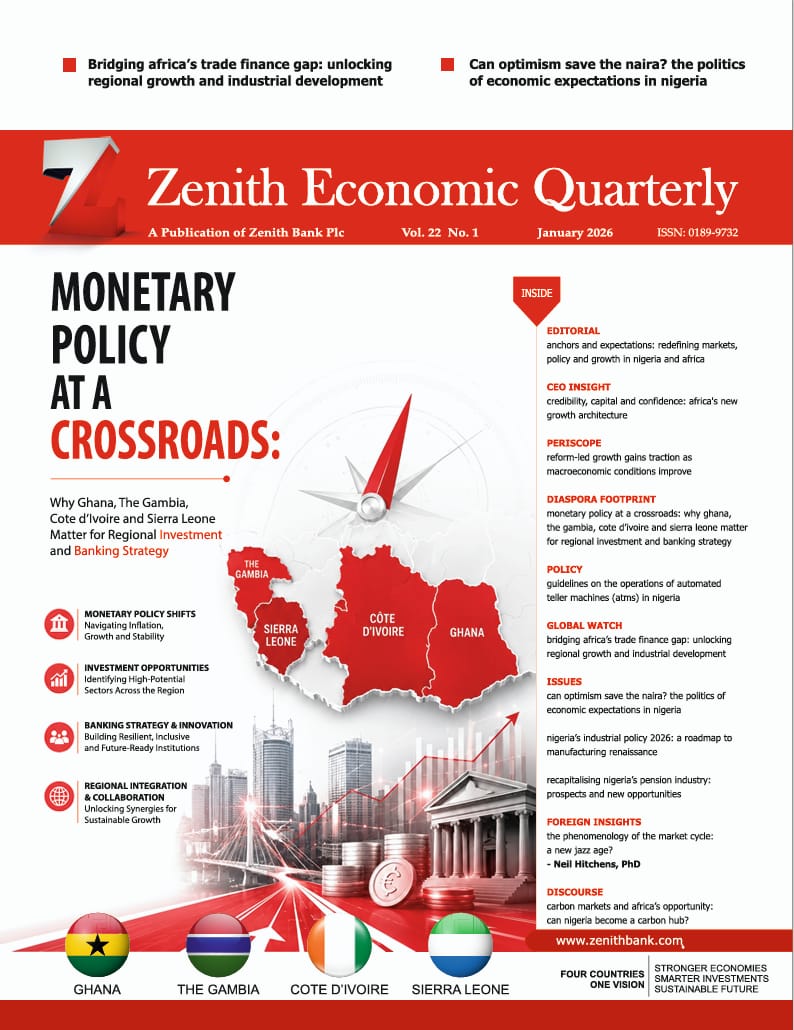 https://www.digital.zenithbank.com/ZEQ/ZEQ-jan-2026/index.html#p=1
Key Decisions from the MPC Meeting:
The MPC announced an increase in the Monetary Policy Rate (MPR) by 50 basis points, raising it from 26.75% to 27.25%, along with other adjustments, including:
- Raising the Cash Reserve Ratio (CRR) for deposit money banks by 500 basis points (from 45% to 50%).
- Increasing the CRR for merchant banks by 200 basis points (from 14% to 16%).
- Maintaining the liquidity ratio at 30%.
While these measures aim to stabilize the economy amidst inflationary pressures, MAN believes the continued increase in interest rates poses significant challenges to the manufacturing sector.
Implications for the Manufacturing Sector:
The decision to raise the MPR has far-reaching consequences for Nigeria’s manufacturing sector, which is already grappling with high borrowing costs. Manufacturers now face interest rates exceeding 35% on their credit facilities, further inflating production costs and reducing competitiveness. The cumulative increase in interest rates since May 2022 now totals 15.75 percentage points, compounding the challenges faced by manufacturers.
The higher cost of borrowing limits investment opportunities, particularly in technology, retooling, and business expansion, as manufacturers are forced to prioritize servicing existing loans over investing in growth. Over the first half of 2024, manufacturers incurred over ₦730 billion in capital expenses due to the rising interest rates, significantly impacting their capacity for innovation, productivity, and job creation.
Additionally, the manufacturing sector is battling low consumer demand caused by declining purchasing power. MAN’s recent review of the sector reveals an alarming 42.93% surge in unsold finished goods, reaching ₦1.24 trillion as of mid-2024. This unsustainable inventory level reflects the severe market contraction faced by manufacturers, threatening production capacity, job creation, and overall economic stability.
MAN’s Concerns and Expectations:
While MAN acknowledges the CBN’s efforts to stabilize the economy, the association is concerned about the continuous rate hikes, especially at a time when inflation has shown marginal improvement due to the harvest season. MAN is particularly surprised by the CBN’s decision to raise rates, while central banks in other economies are holding or cutting rates to support growth.
As Nigeria strives to balance price stability with economic growth, it is crucial for the government to consider the broader implications of its monetary policies on key sectors like manufacturing. The survival and growth of the manufacturing sector must be prioritized in the country’s economic strategy, especially given its critical role in driving domestic production, creating jobs, and reducing poverty.
Recommendations:
In response to the MPC’s recent decisions, MAN urges the government and the CBN to consider the following actions:
- Comprehensive Review: Conduct a thorough assessment of the effects of continuous rate hikes on inflation and the real sector over the past five years to inform future policy decisions.
- Time for Policy Impact: Allow adequate time for the effects of previous rate increases to materialize before implementing further hikes, to promote domestic production and economic recovery.
- Monetary-Fiscal Policy Coordination: Strengthen collaboration between monetary and fiscal authorities to ensure policies are aligned in support of economic growth and stability.
- Single-Digit Loan Disbursement: Fast-track the release of the ₦1 trillion single-digit loan for the manufacturing sector to mitigate the impact of high MPR on borrowing costs.
- Fiscal Support for Raw Materials and Technology Imports: Introduce fiscal measures that support the importation of essential raw materials and technologies at concessionary rates, easing the burden on manufacturers.
- Backward Integration and Local Sourcing: Promote backward integration and local sourcing initiatives to reduce reliance on imports and lessen the pressure on foreign exchange reserves.
- Investment in Renewable Energy: Encourage investments in renewable energy solutions to reduce energy costs for manufacturers, enhance competitiveness, and promote sustainability.
- Infrastructure Development: Leverage savings from subsidy reforms to improve infrastructure within industrial hubs, including roads, electricity, and rail, to boost productivity and reduce costs.
The Manufacturers Association of Nigeria (MAN) emphasizes the need for a balanced and holistic approach to monetary and fiscal policy formulation, with a focus on supporting the growth of the manufacturing sector. While price stability is important, the long-term sustainability of Nigeria’s economy hinges on the resilience of its productive sectors, which must be safeguarded through well-considered policy measures.